World Penguin Day: 15 Wild Adaptations That Help Penguins Thrive Almost Anywhere
Penguins aren’t just cute—they’re built for survival. From the frozen coastlines of Antarctica to the sunny shores of the Galápagos, these flightless birds have mastered some of the toughest environments on Earth.
Over millions of years, they’ve developed an impressive toolbox of physical features and quirky behaviors that help them keep going—no matter how brutal the conditions get. Here are 15 fascinating adaptations that prove penguins are nature’s ultimate tough guys.
Feather Armor That Does More Than Keep Them Warm

Penguins have about 70 feathers per square inch—way more than any other bird. This dense layering creates multiple barriers against the cold, trapping warm air close to the skin.
Bonus? These feathers overlap like shingles—and they’re waterproof too—which means penguins can dive into freezing waters and still stay toasty underneath.
Smart Circulatory System in Their Flippers and Feet
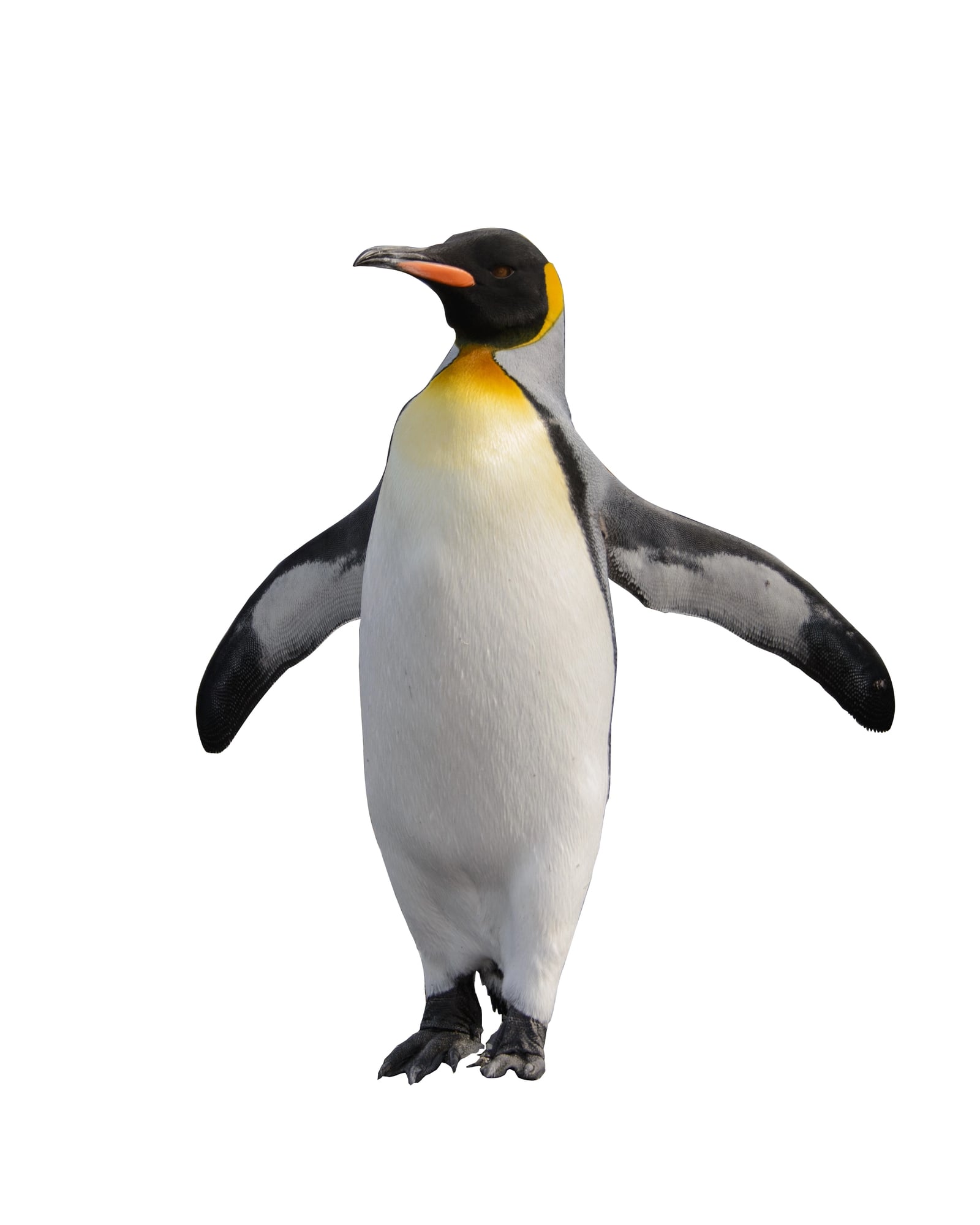
They’ve got something called counter-current heat exchange. Sounds fancy, but it’s a clever way to conserve heat.
Warm blood heading out to their extremities passes right alongside cooler blood returning to the heart. The heat transfers across—so they don’t lose as much warmth through their flippers and feet.
Like Go2Tutors’s content? Follow us on MSN.
Torpedo-Style Body Built for the Water

Their shape is no accident—it’s a streamlined design that cuts drag by up to 80%. That’s why penguins can zip through the water at speeds topping 22 miles per hour.
On top of that, the smaller surface area helps them hold onto body heat when the weather turns icy.
A Built-In Layer of Blubber

Thick subcutaneous fat acts like a built-in wetsuit. In larger species like the Emperor penguin, this fat layer can be several inches thick.
It insulates their bodies—and fuels them during long fasting stretches, especially in breeding season.
Waterproofing, Penguin Style

Penguins have an oil gland near their tails. They spread the oil over their feathers while preening, which creates an effective waterproof seal.
Even when they’re diving deep or spending hours in polar waters, this coating keeps their skin bone-dry.
Like Go2Tutors’s content? Follow us on MSN.
Muscles Made for Speed and Endurance

Around a quarter of their body weight is made up of flipper-driving pectoral muscles. These strong, compact muscles power each stroke and help penguins swim long distances—or dive more than 1,500 feet—without wasting energy.
Salt-Filtering Glands Above Their Eyes

Since they swallow a lot of seawater, penguins have adapted. Tiny glands above their eyes extract the salt, which is then expelled through their beaks.
If you’ve seen a penguin looking like it’s tearing up, it’s just getting rid of excess salt.
Bones That Buck the Bird Trend

Most birds have hollow bones to help with flight, but penguins do not. Their bones are heavier and sturdier, which helps them stay submerged while swimming and protects them from the intense pressure of deep dives.
Like Go2Tutors’s content? Follow us on MSN.
Eyes Tuned for Life Above and Below the Waves

Penguin eyes work surprisingly well both in the air and underwater. Their vision adjusts to the different light refraction, and they can see clearly even in dim, deep-sea conditions.
Bonus: they’re especially sensitive to blue-green wavelengths, which travel best through ocean water.
Cozy Crowd Tactics

When the cold turns extreme, Emperor penguins huddle in massive groups. They rotate positions so each bird gets a warm spot in the center at some point.
Inside the huddle? It can hit a balmy 70°F—even if it’s minus 40 outside.
Ice Travel Made Easy

Penguins don’t always waddle. On icy terrain, they often switch to belly-sliding—also known as tobogganing.
It’s way faster and uses less energy. For long-distance treks, they mix walking with sliding to keep from burning out.
Like Go2Tutors’s content? Follow us on MSN.
Dive Mode: Activated

As soon as they hit the water, penguins enter a special dive mode. Their heart rate slows, and blood flow is prioritized to key organs.
Instead of relying on blood oxygen, they store it in muscles using myoglobin—letting them stay submerged longer with less strain.
Nature’s Perfect Ocean Camo

Penguins are naturally countershaded—dark on top, light on the bottom. It’s the perfect disguise.
From above, their black backs blend with the depths. From below, their white bellies match the sunlit surface. It makes them harder to spot by both predators and prey.
Built-In Thermoregulation Tricks

Penguins cool down when things get too warm by stretching out their flippers to catch the breeze or by panting like dogs. On the flip side, when it’s cold, they tuck in those flippers, puff up their feathers, and even aim their feet toward the sun for a bit of extra warmth.
Like Go2Tutors’s content? Follow us on MSN.
Feet That Handle the Freeze

Penguin feet aren’t just tough—they’re smart. They’ve got a network of blood vessels that keeps their temperature just above freezing.
So they can stand on ice for ages without frostbite. The scaly texture and sharp claws help them grip icy rocks, even when winds howl and snow blasts sideways.
Built to Last—In Every Corner of the Planet

From blistering heat to blizzards that sting the skin, penguins have carved out a life in places most creatures wouldn’t dare go. Their survival is no accident—it’s the result of some of the most remarkable evolutionary engineering on Earth.
So this World Penguin Day, it’s worth celebrating not just how cute they are—but how insanely tough and smart nature made them.
More from Go2Tutors!

- 18 Unexpectedly Valuable Collectibles You Might Have Lying Around
- 15 Things Every Teenager in the ’70s Did That Teens Today Wouldn’t Understand
- 15 Strange Things People Have Tried to Ban (And Failed)
- 15 Inventions That Were Immediately Banned After Being Created
- 20 Actors Who Were Almost Cast in Iconic Roles
Like Go2Tutors’s content? Follow us on MSN.



