27 Pop Culture Movements That Changed the Art World Permanently
The traditional boundary between high art and popular culture has collapsed repeatedly throughout the modern era, each collapse leaving permanent marks on how artists think and create. Movements born in the streets, nightclubs, recording studios, and bedrooms of young people have repeatedly forced fine art institutions to reevaluate what deserves serious attention.
These cultural upheavals didn’t just influence artists—they fundamentally redefined what art could be and who got to decide its meaning.
Graffiti and Hip-Hop
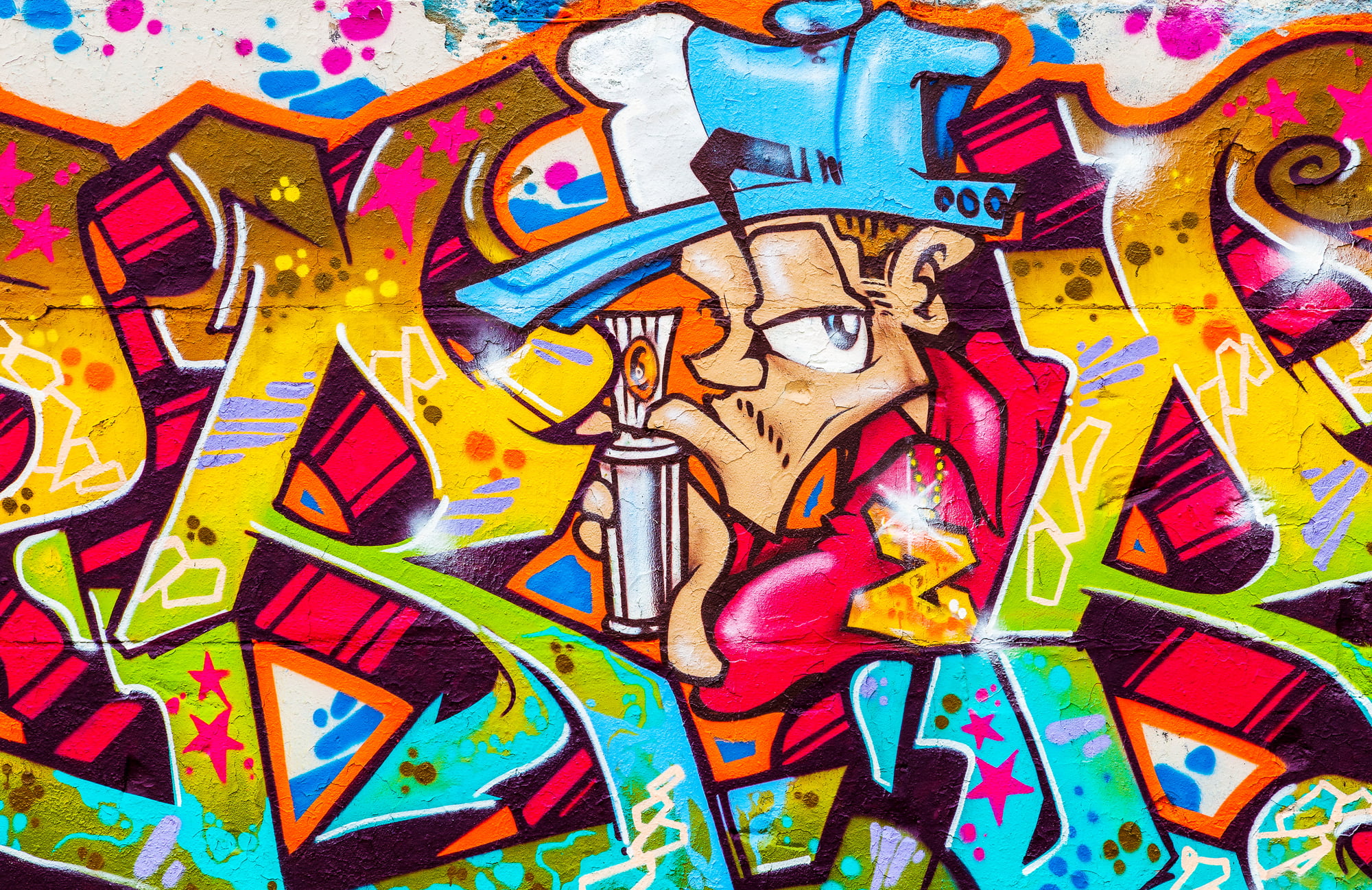
Emerging from the Bronx in the 1970s, graffiti transformed subway cars and building walls into visual manifestos. What began as an illegal act of territorial marking evolved into a legitimate art form, eventually hanging in galleries and commanding six-figure prices.
Hip-hop’s four pillars—DJing, MCing, breakdancing, and graffiti writing—were inseparable, and together they created a visual language that influenced painting, design, and sculpture for decades to come.
Pop Art
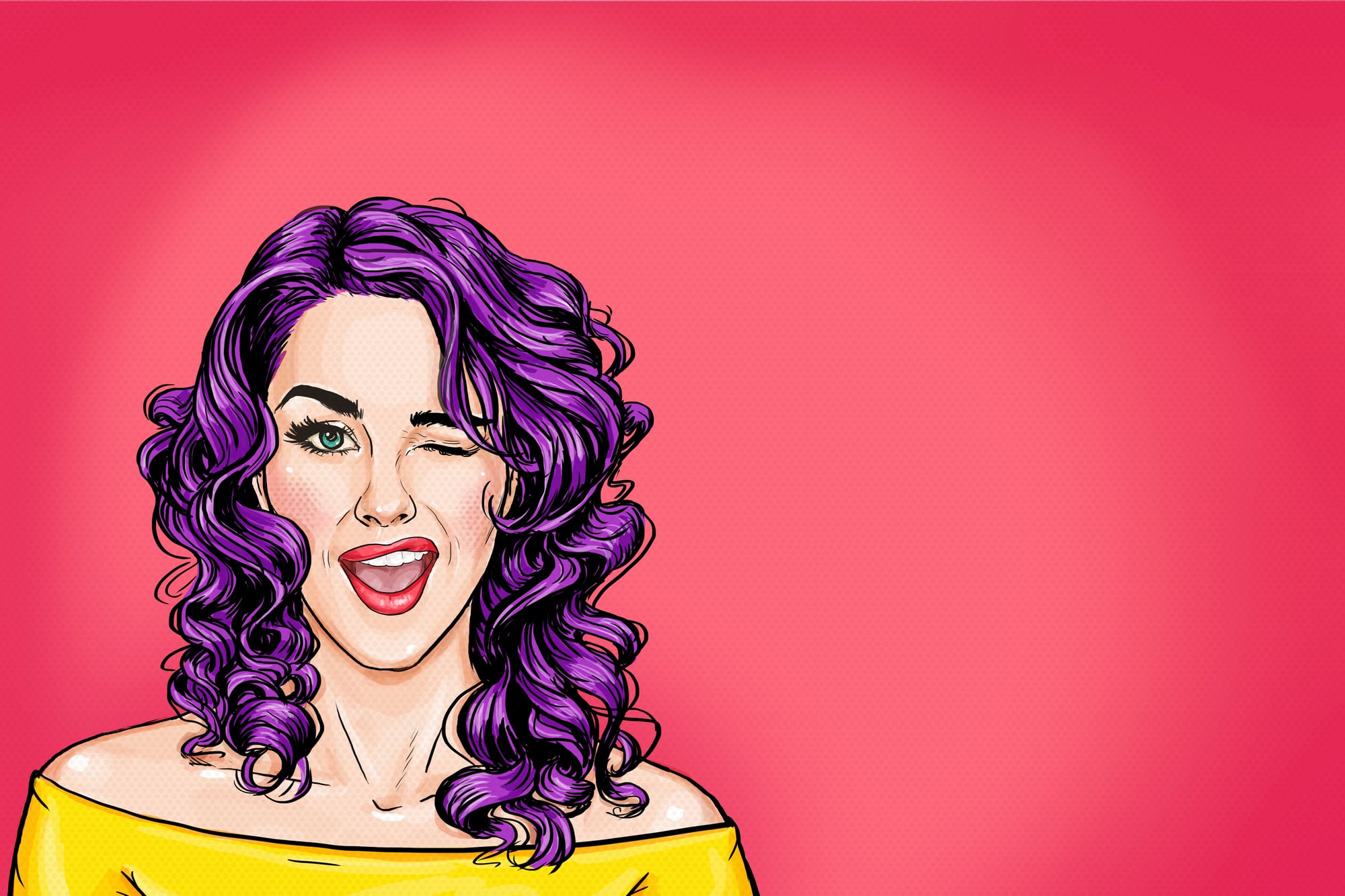
Pop Art directly challenged the hierarchy that separated mass production from artistic merit. Andy Warhol, Roy Lichtenstein, and James Rosenquist appropriated advertising, comic books, and commercial imagery, asking whether a silk-screened Campbell’s soup can could be art.
The movement succeeded in collapsing the wall between high and low culture, allowing fine artists to freely reference consumer goods and celebrities without apology.
Dadaism
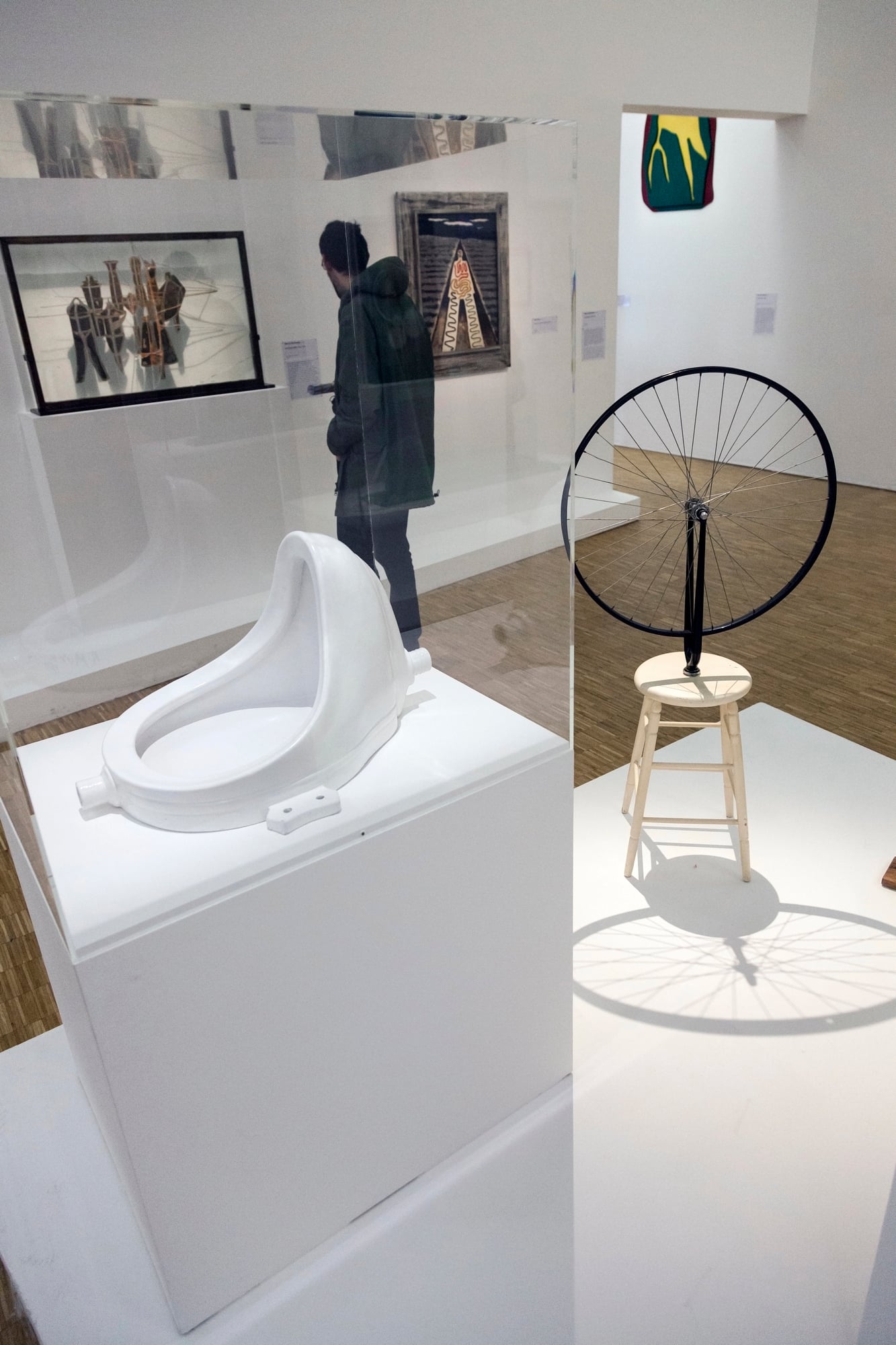
Dada emerged from the chaos of World War I as an anti-art statement using ready-mades, nonsensical performances, and collage. Marcel Duchamp’s urinal challenged the very definition of what constituted art.
Though Dada’s destructive impulse eventually mellowed, its core principle—that anything could be recontextualized as art—reverberated throughout the 20th century and remains foundational to conceptual practice.
Surrealism
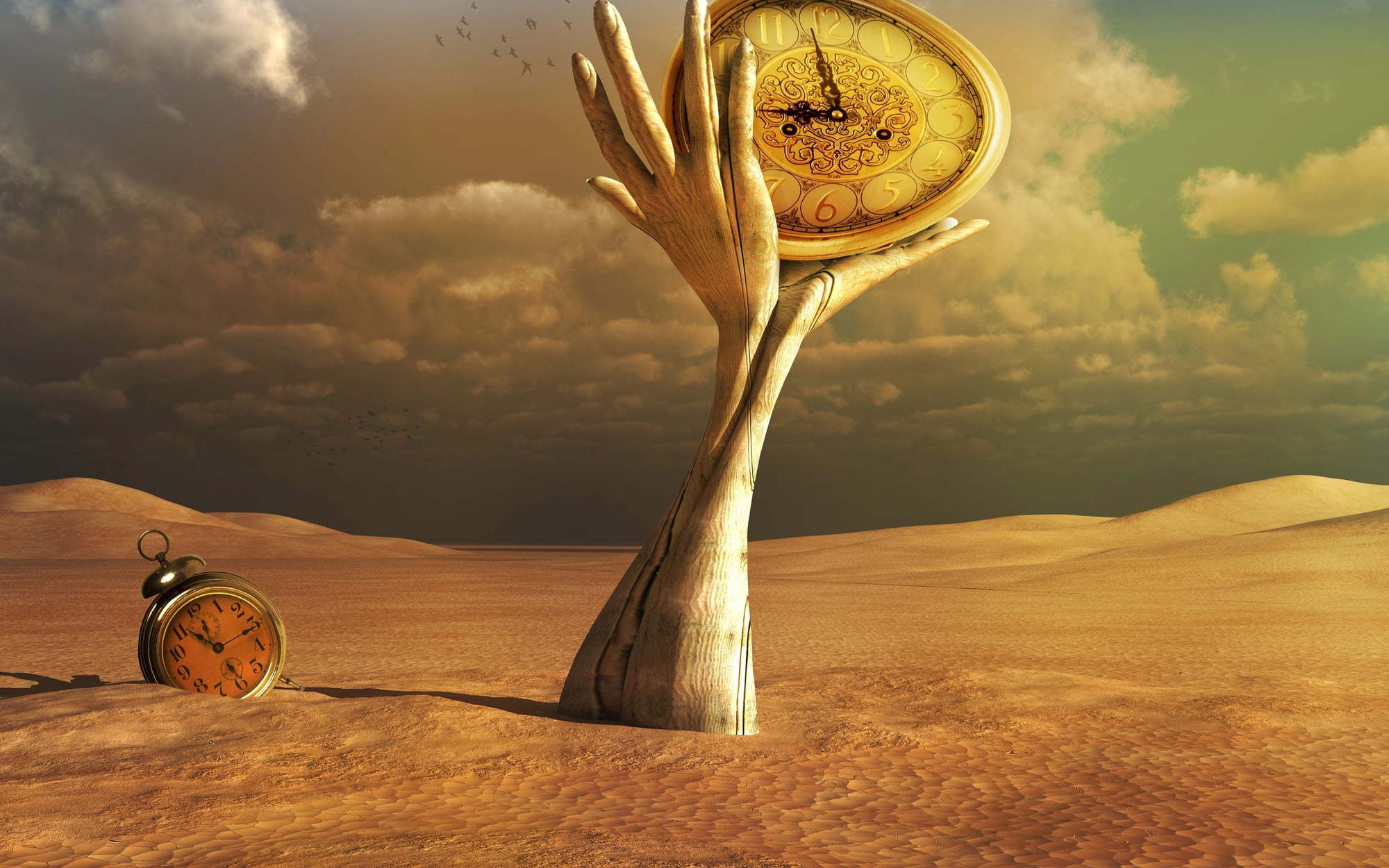
Built partly on Dada’s foundation, Surrealism accessed the unconscious through dream imagery, automatic drawing, and psychological investigation. The movement’s embrace of irrational beauty and symbolic depth influenced not just painters but photographers, filmmakers, and advertising designers, making the strange and dreamlike a legitimate aesthetic category in mainstream culture.
Psychedelic Movement
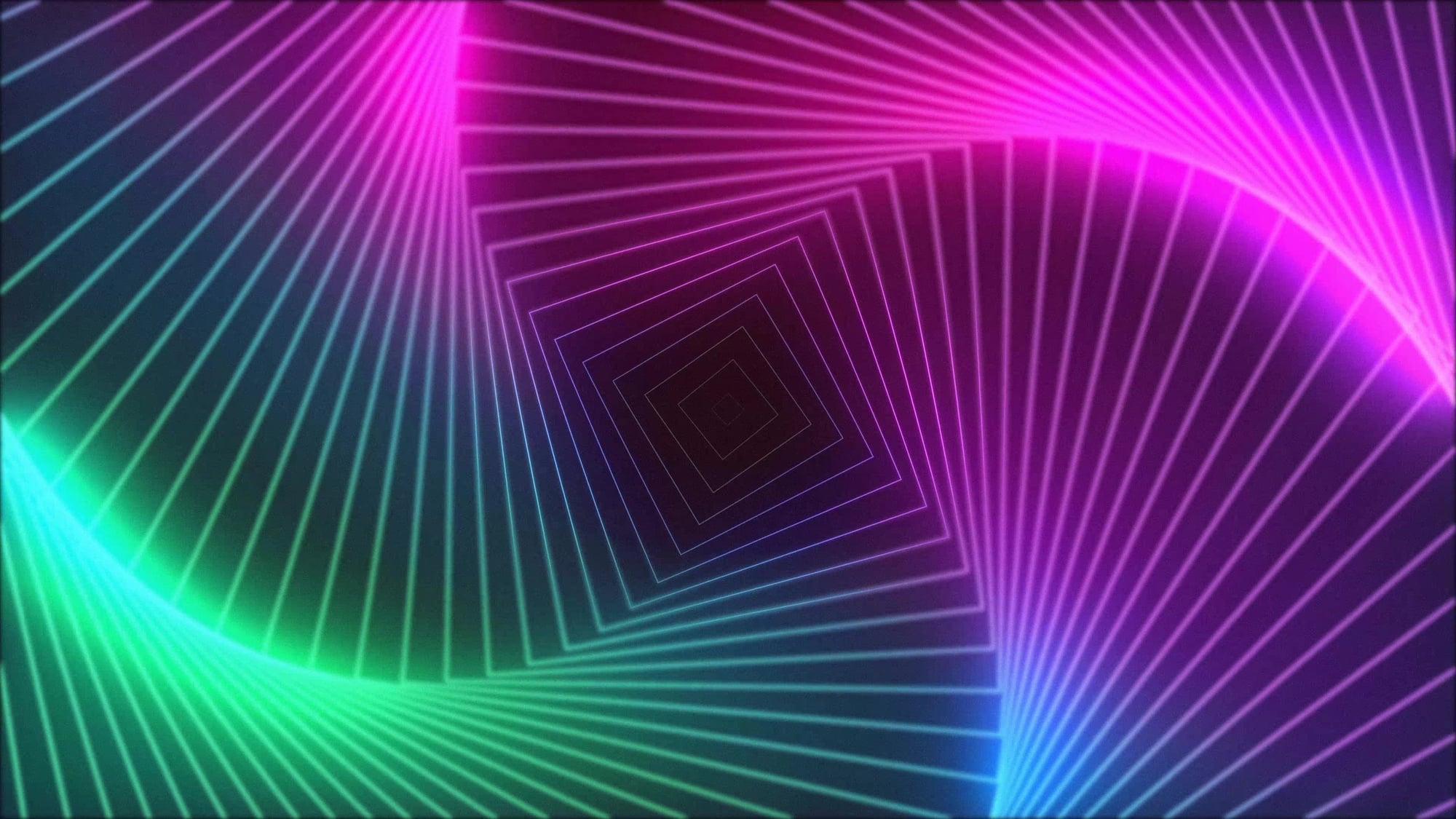
Psychedelic art emerged from 1960s counterculture, using vibrant colors, distorted forms, and fluid imagery to represent altered consciousness. Concert posters by Wes Wilson and Rick Griffin, album covers, and underground comix became a serious art form.
The movement’s visual techniques—swirls, fractals, vibrating color relationships—spread from rock music to graphic design to animation.
Underground Comics
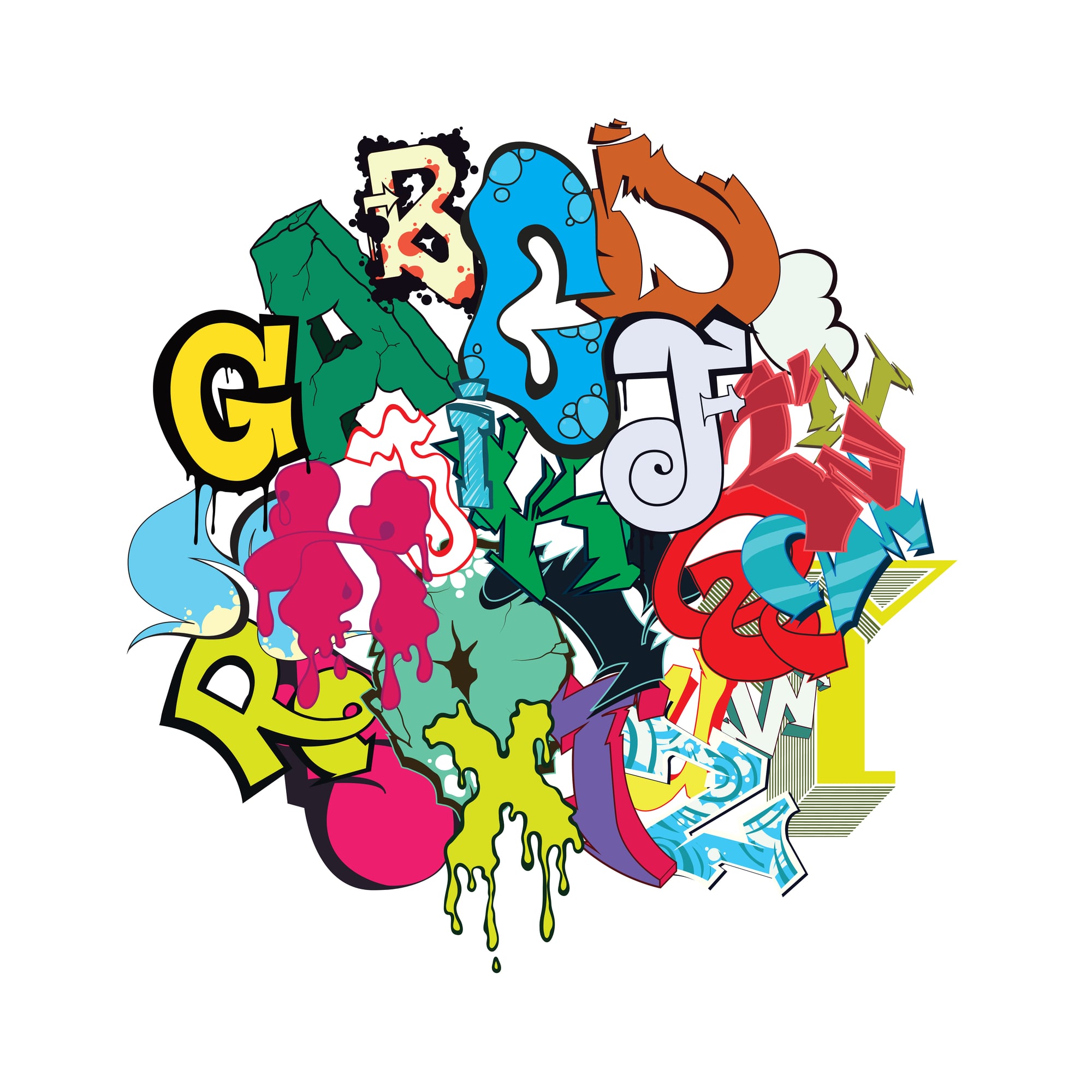
Zap Comix, published in San Francisco starting in 1968, broke free from commercial constraints to allow psychedelic illustration, political satire, and transgressive content. Artists like Robert Crumb created complex narratives with unconventional aesthetics.
Underground comics elevated sequential art from child’s entertainment into a medium for serious artistic expression and helped establish graphic novels as legitimate literature.
Punk Rock Aesthetics
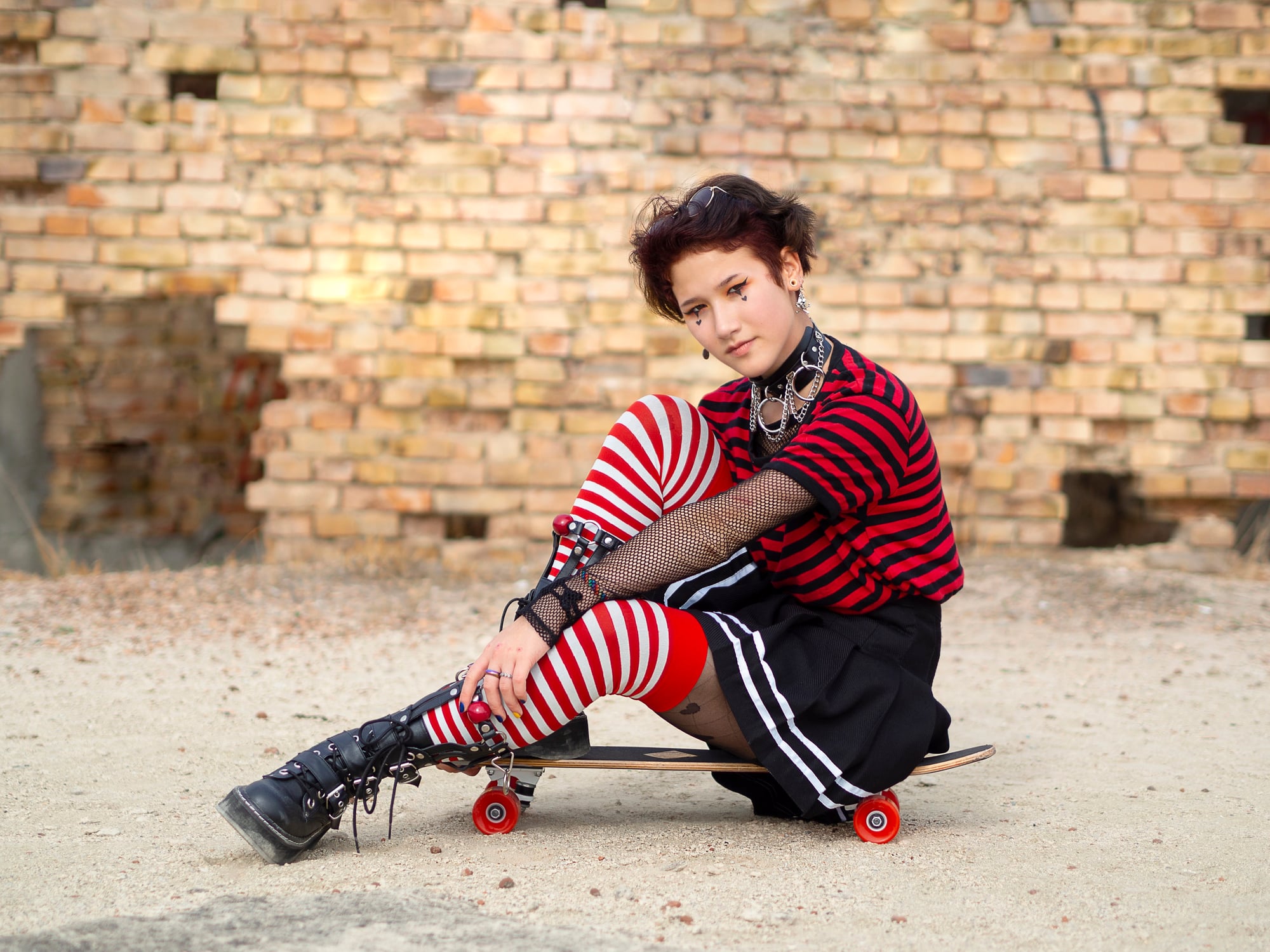
Punk’s DIY ethos, deliberately crude presentation, and anti-establishment stance fundamentally altered artistic attitudes toward technique and finish. Crude typography, ripped and safety-pinned aesthetics, and collage elements became tools for serious artists.
Punk rejected polished perfection in favor of raw authenticity, permanently changing what visual culture could express.
Skateboarding Culture
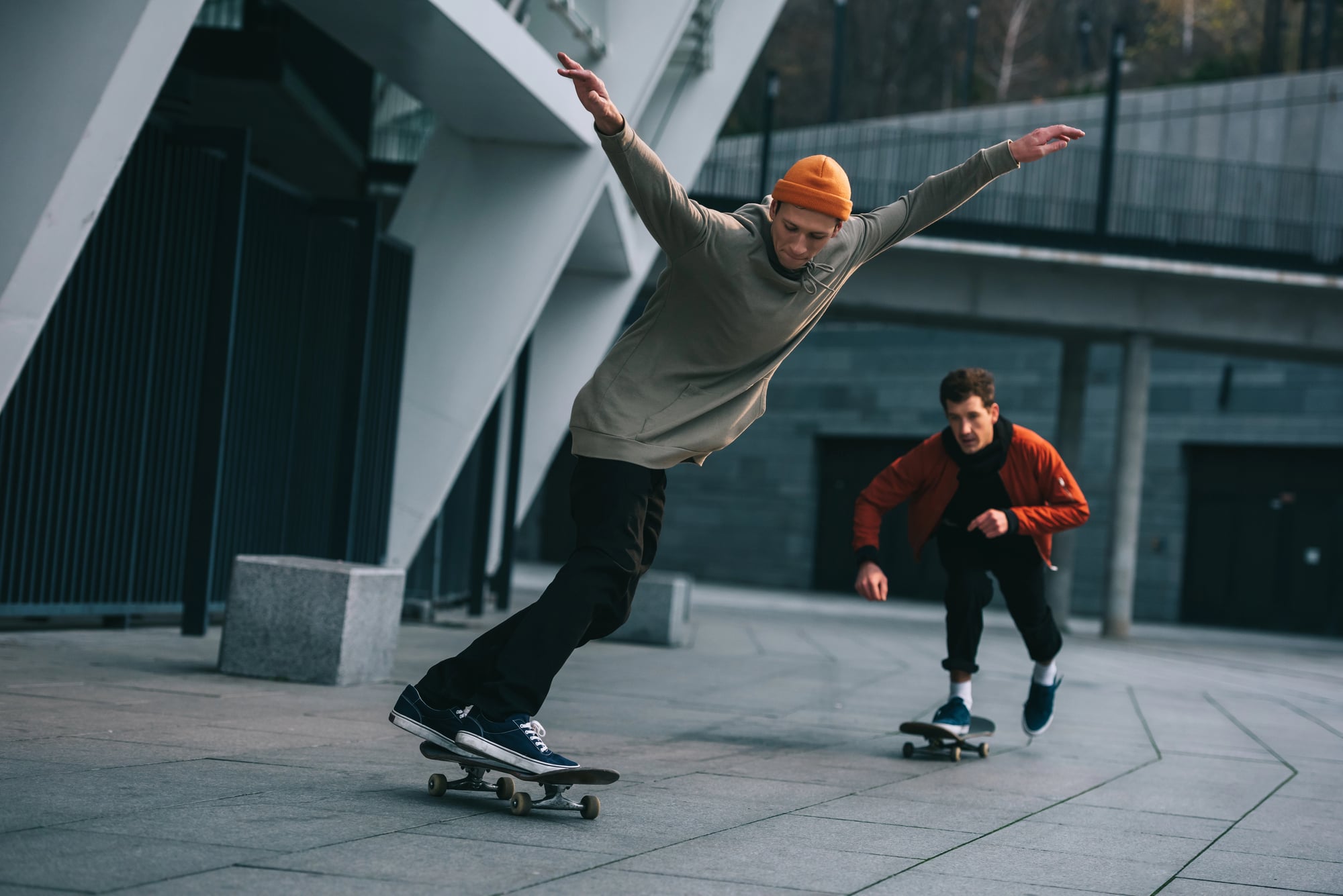
Skateboarding created a parallel visual universe with its own aesthetic traditions, logos, and visual language. Skateboard deck graphics became miniature canvases for artistic expression, and the culture’s documentation through photography and video created new forms of visual storytelling.
The style’s influence eventually permeated fashion, graphic design, and fine art.
Minimalism

While emerging from the art world itself, Minimalism was deeply influenced by industrial design, mass production, and commercial aesthetics. Donald Judd and Carl Andre made art from industrial materials and repetitive forms, proving that manufactured simplicity could carry profound meaning.
The movement forever linked fine art to industrial visual culture.
Abstract Expressionism and Jazz
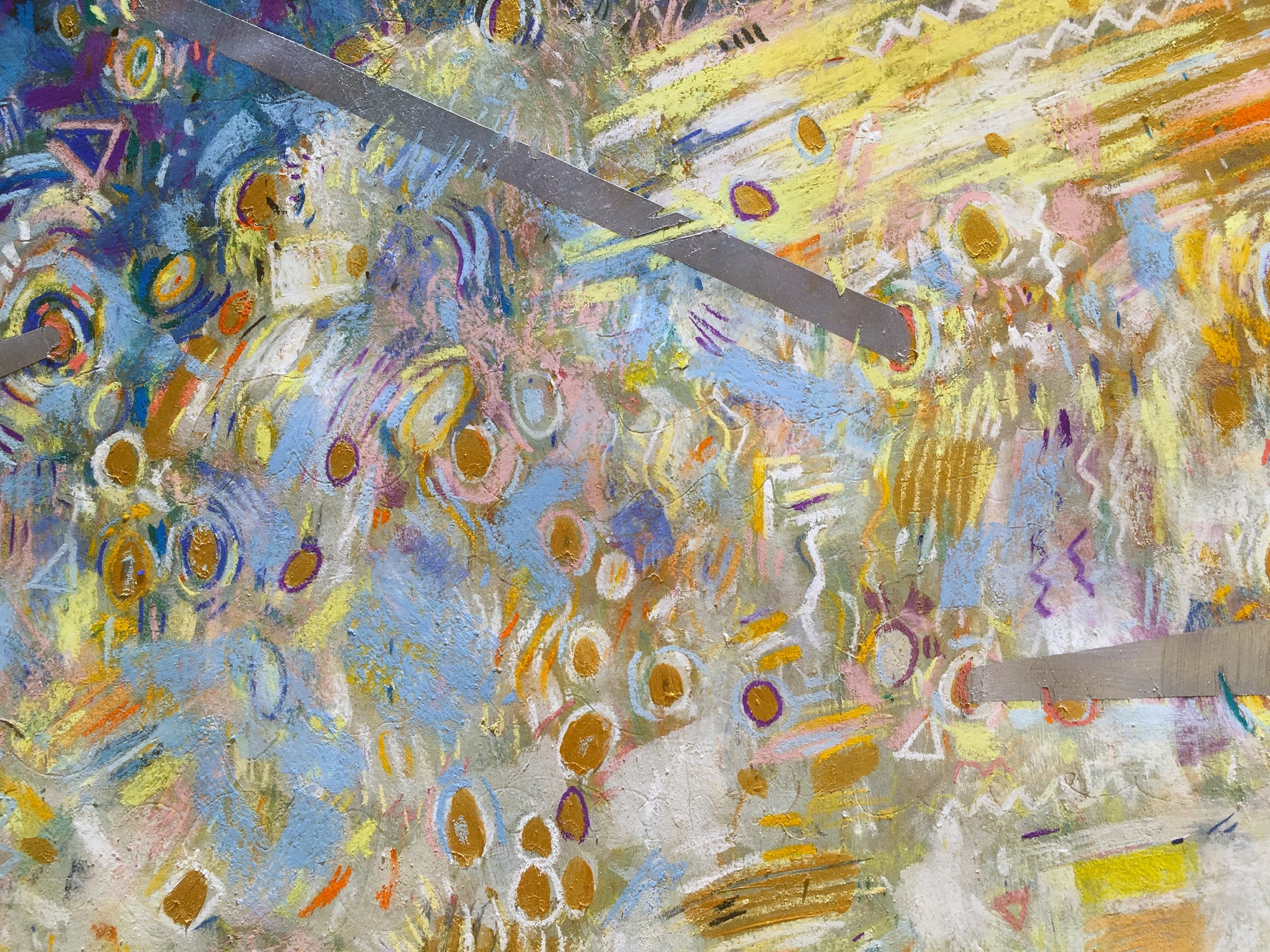
The energetic, spontaneous mark-making of Abstract Expressionism drew inspiration from bebop jazz’s improvisational urgency and complex harmonies. Jackson Pollock’s drip paintings and Franz Kline’s gestural abstractions captured the same sense of controlled chaos that jazz musicians achieved.
The two art forms shared an aesthetic of action, energy, and individual expression.
Fashion Design as Visual Art

High fashion transcended mere utility to become a dominant visual art form, with designers like Yves Saint Laurent creating garments that functioned as wearable art. Fashion photography, runway presentation, and the creation of visual identities through clothing elevated the medium to equal standing with traditional fine arts in terms of conceptual sophistication.
Anime and Manga Culture
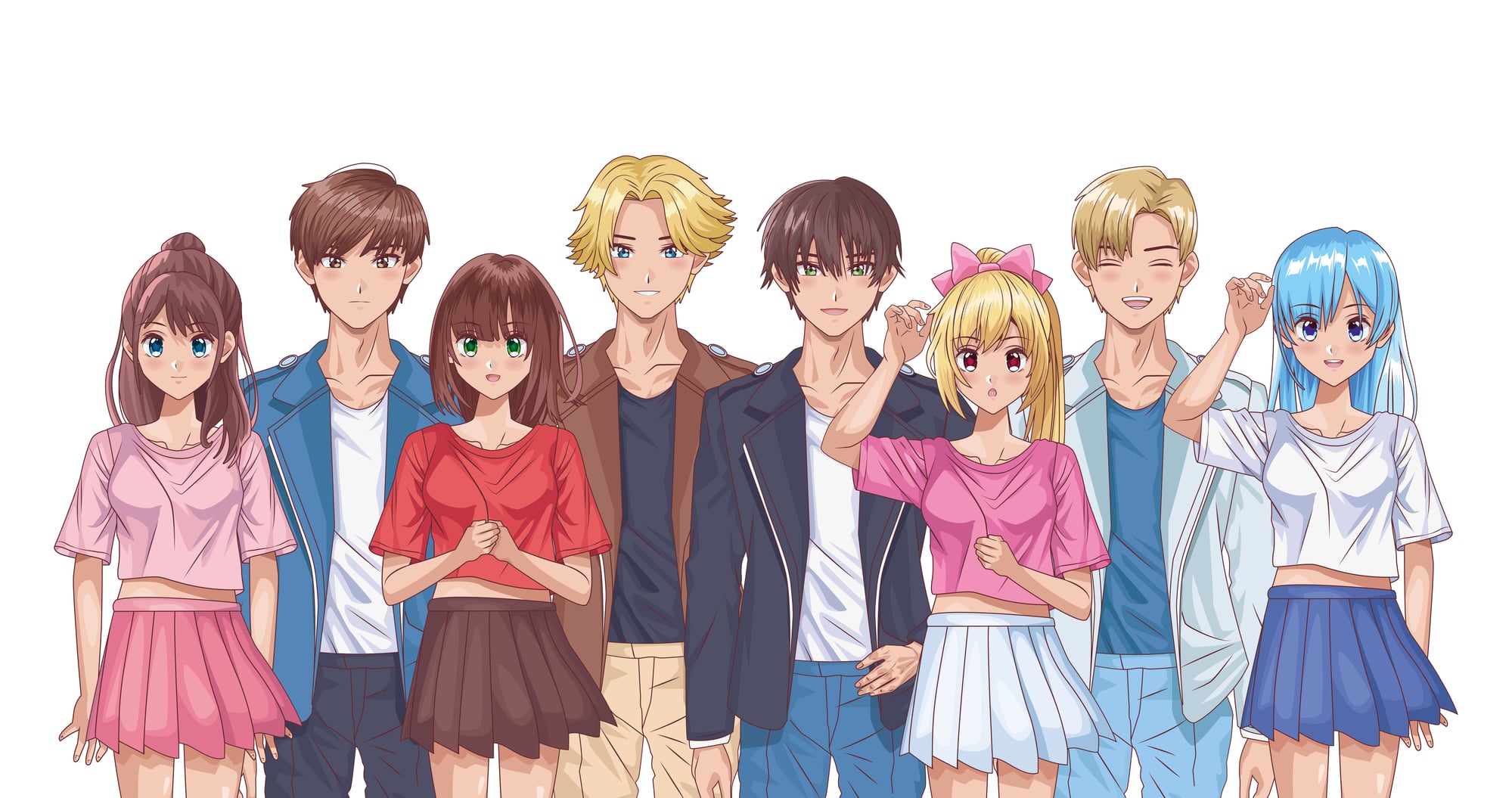
Japanese anime and manga exported a distinct visual language worldwide, influencing contemporary artists working across mediums. The stylized forms, narrative complexity, and visual innovation of series like Akira and Ghost in the Shell changed how Western artists approached composition, character design, and storytelling within visual frames.
Digital and New Media Art
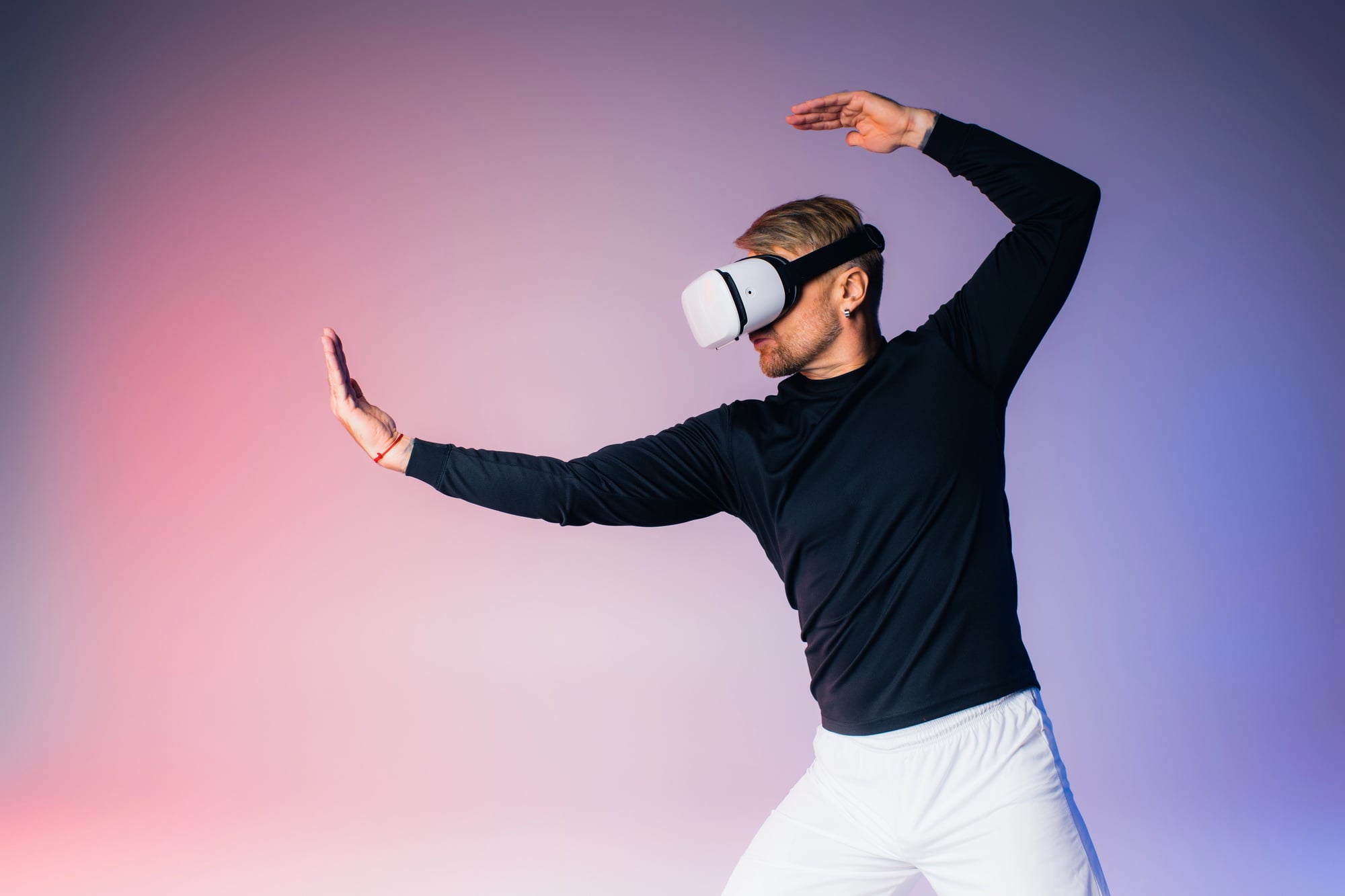
Computers and the internet created entirely new mediums for artistic expression. Digital painting, net art, virtual reality, and algorithmic art emerged as valid artistic practices.
The transition from physical to virtual spaces permanently expanded what materials an artist could manipulate and how audiences could experience art.
Conceptual Art
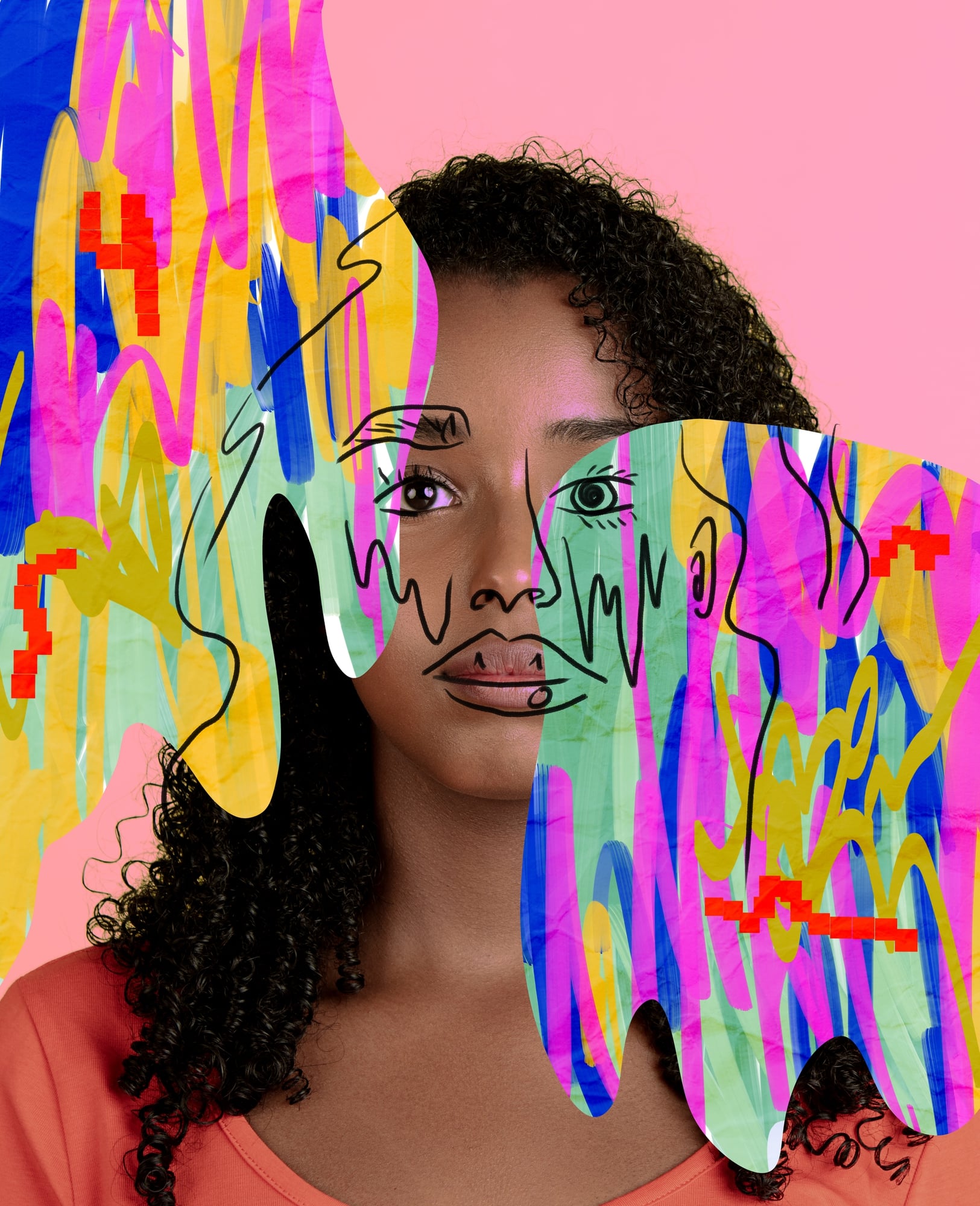
The idea became more important than the physical object. Conceptual artists like Joseph Kosuth placed linguistic and philosophical meaning at the center of artmaking, demonstrating that art existed as thought and concept rather than necessarily as a beautiful object.
This opened the door for performance, installation, and time-based practices.
Streetwear and Street Fashion

What emerged from hip-hop culture and skateboarding evolved into a global fashion movement worth hundreds of billions. Streetwear demonstrated that high fashion could be informed by counter-cultural street aesthetics, breaking down barriers between luxury design houses and underground visual culture.
It permanently altered runway presentations and designer intentions.
Comic Book Art
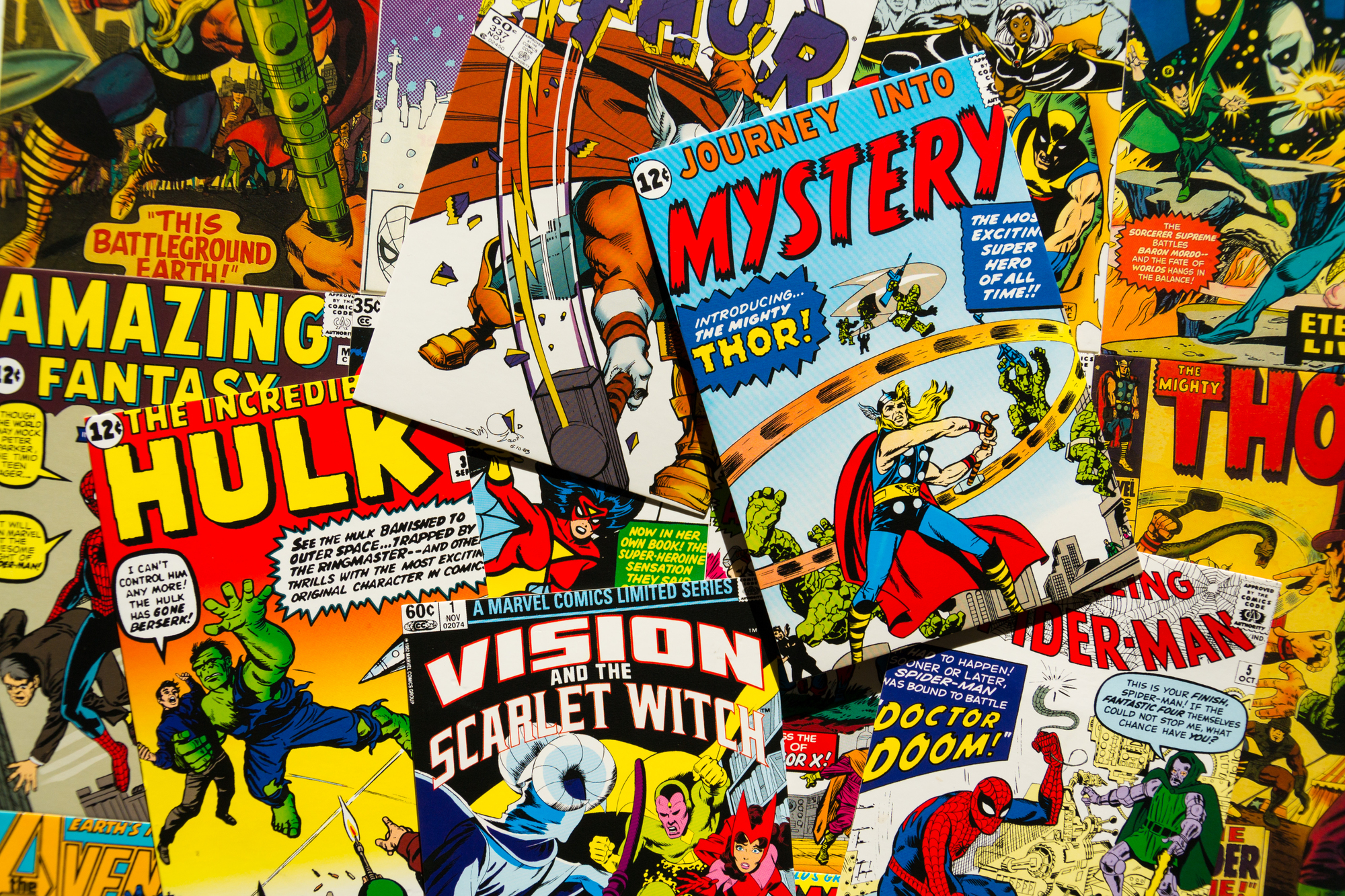
Comic book illustration evolved from children’s media into a respected art form with complex narratives, sophisticated visual composition, and literary merit. Artists like Alex Ross elevated the medium’s technical standards, while sequential narrative became a powerful tool for serious artistic storytelling across fine art galleries.
Graphic Design Movements
Movements in graphic design—from Swiss Style rationalism to postmodern deconstruction—influenced how visual information was conveyed and aestheticized. Designers like Paula Scher and Milton Glaser demonstrated that commercial design could be as conceptually complex and formally sophisticated as fine art.
Photography Movements
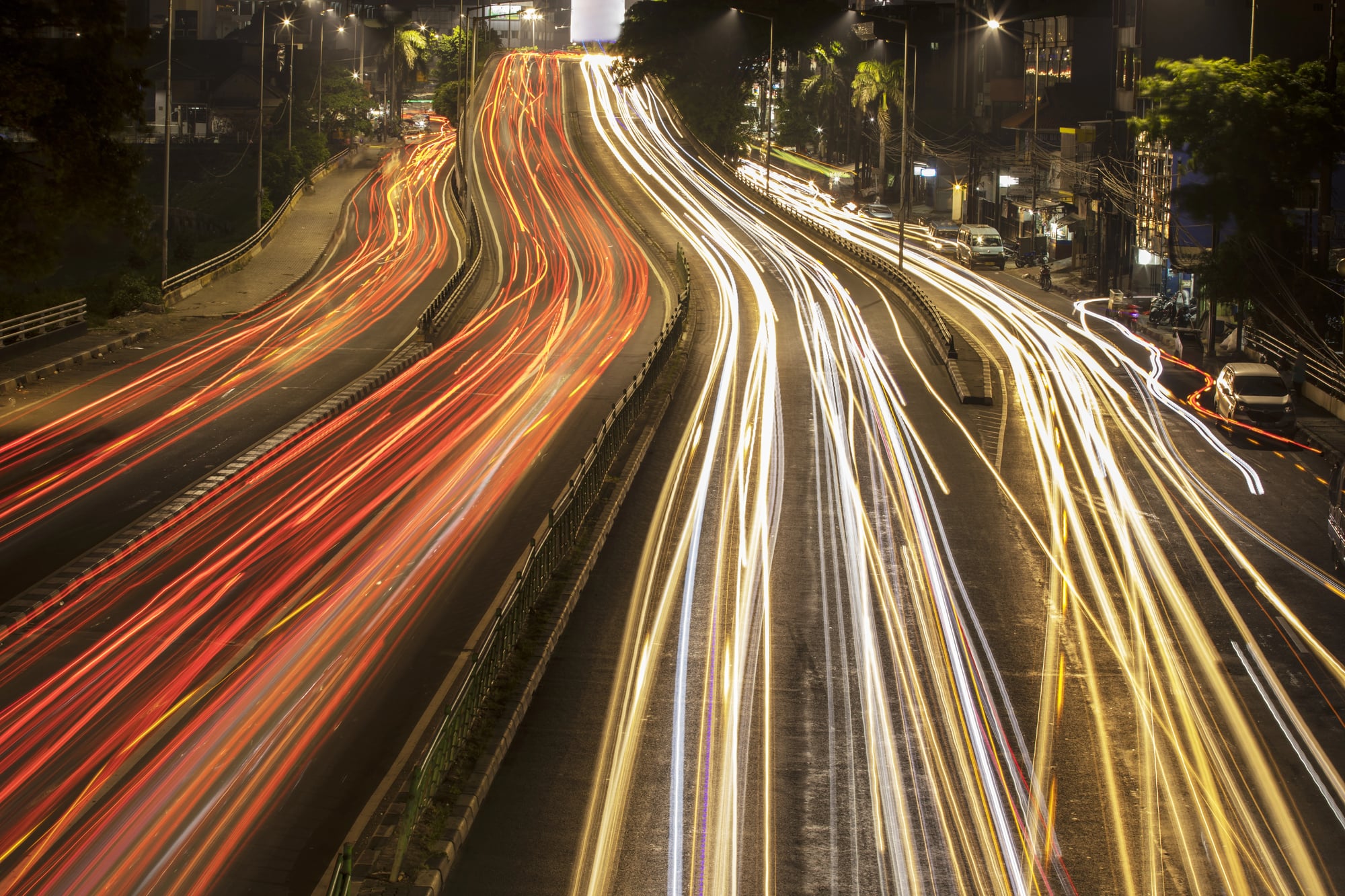
Photography’s evolution from documentation to fine art challenged the primacy of painting. Documentary photography, conceptual photography, and staged photography each proved the medium could convey meaning with aesthetic sophistication equal to any traditional medium.
Artists like Cindy Sherman used photography to question identity and representation.
Cinema and Film Influence
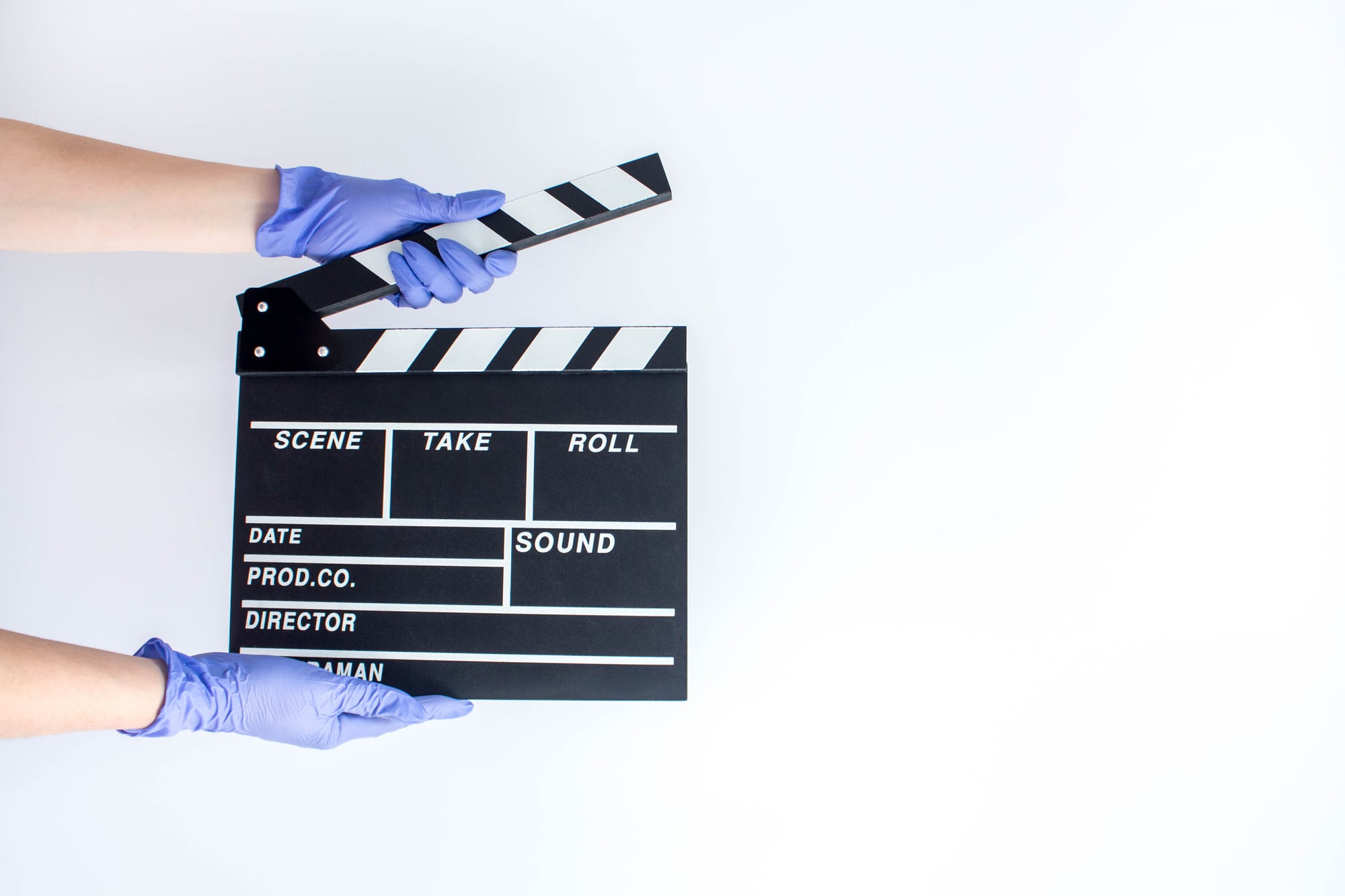
Filmmakers explored visual language through editing, framing, and composition. Directors like Stanley Kubrick and David Lynch influenced visual artists’ understanding of space, light, and narrative structure.
Film’s vocabulary of montage, dissolve, and mise-en-scène became tools that fine artists incorporated into installation and video work.
Album Art and Music Visualization
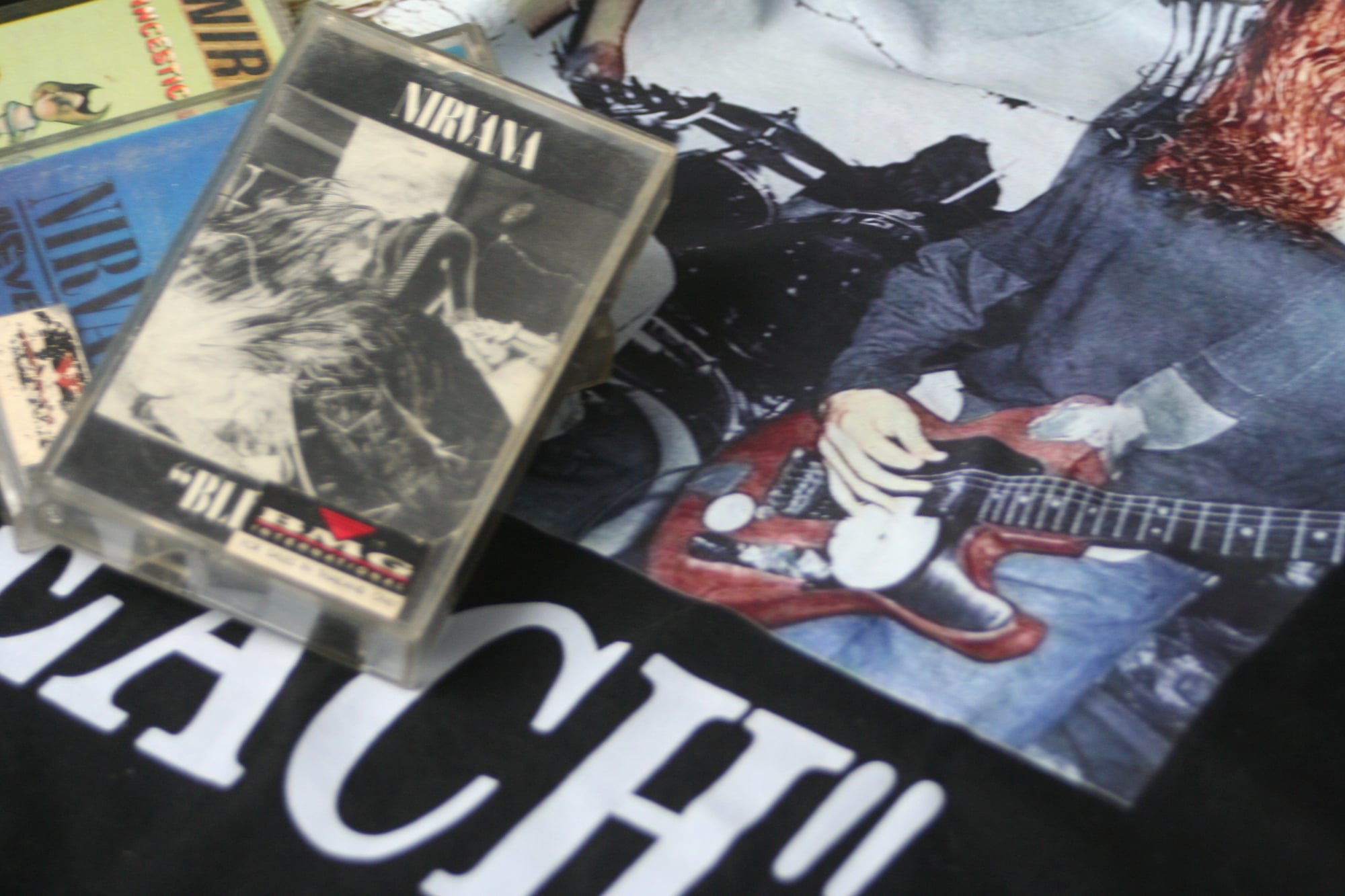
The creation of visual identities for musical albums became a sophisticated art form. Designers like Storm Thorgerson for Pink Floyd and Roger Dean created imaginative worlds that became as iconic as the music itself.
The marriage of sound and vision through album art elevated commercial design to artistic status.
Concert Poster Design
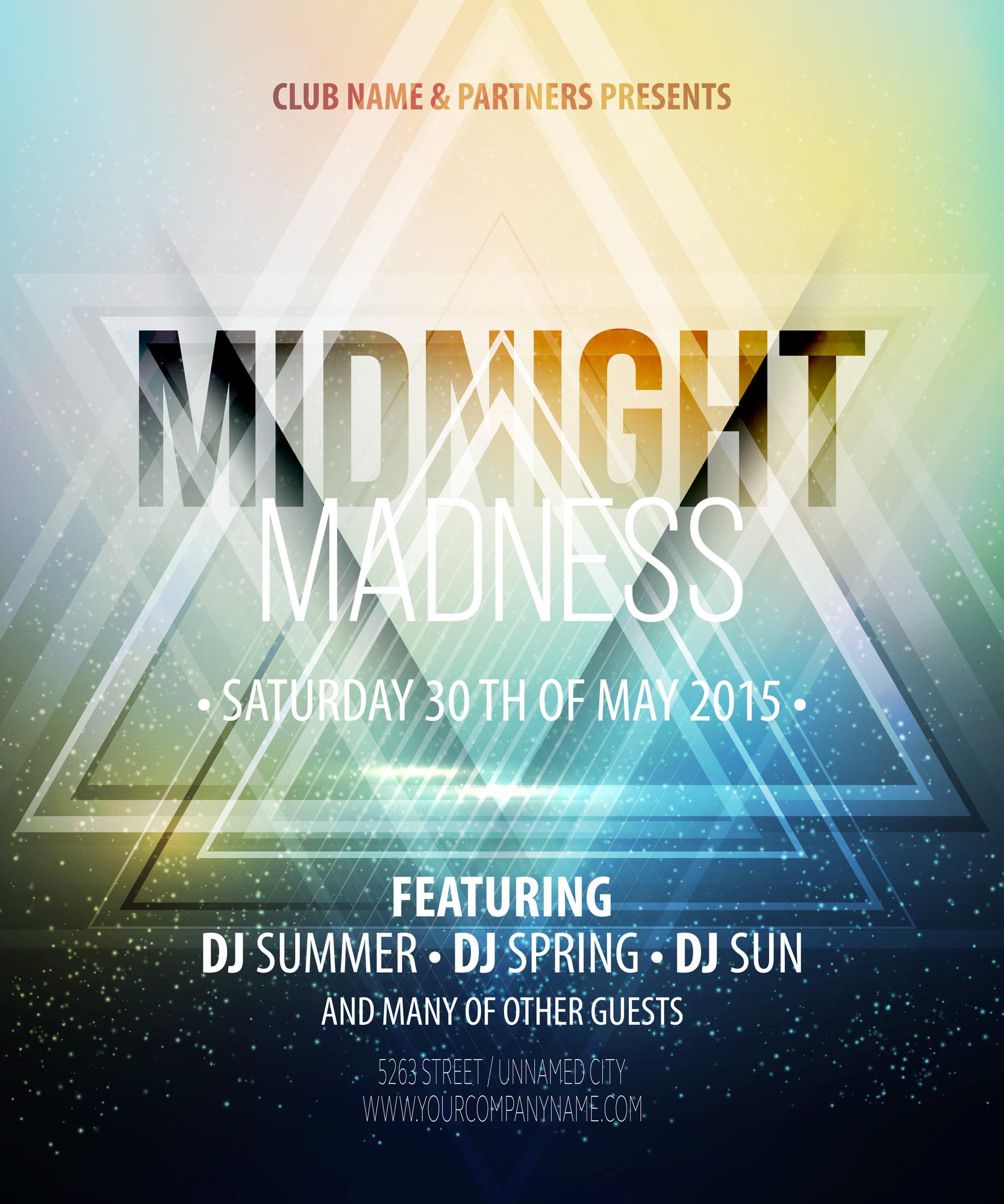
Concert posters evolved from mere promotional materials into collectible art pieces. Designers like Frank Kozik created visually complex, densely detailed posters that documented musical culture while achieving genuine aesthetic sophistication.
The form demonstrated that utilitarian design could be genuine art.
Sculpture and Public Art Movements
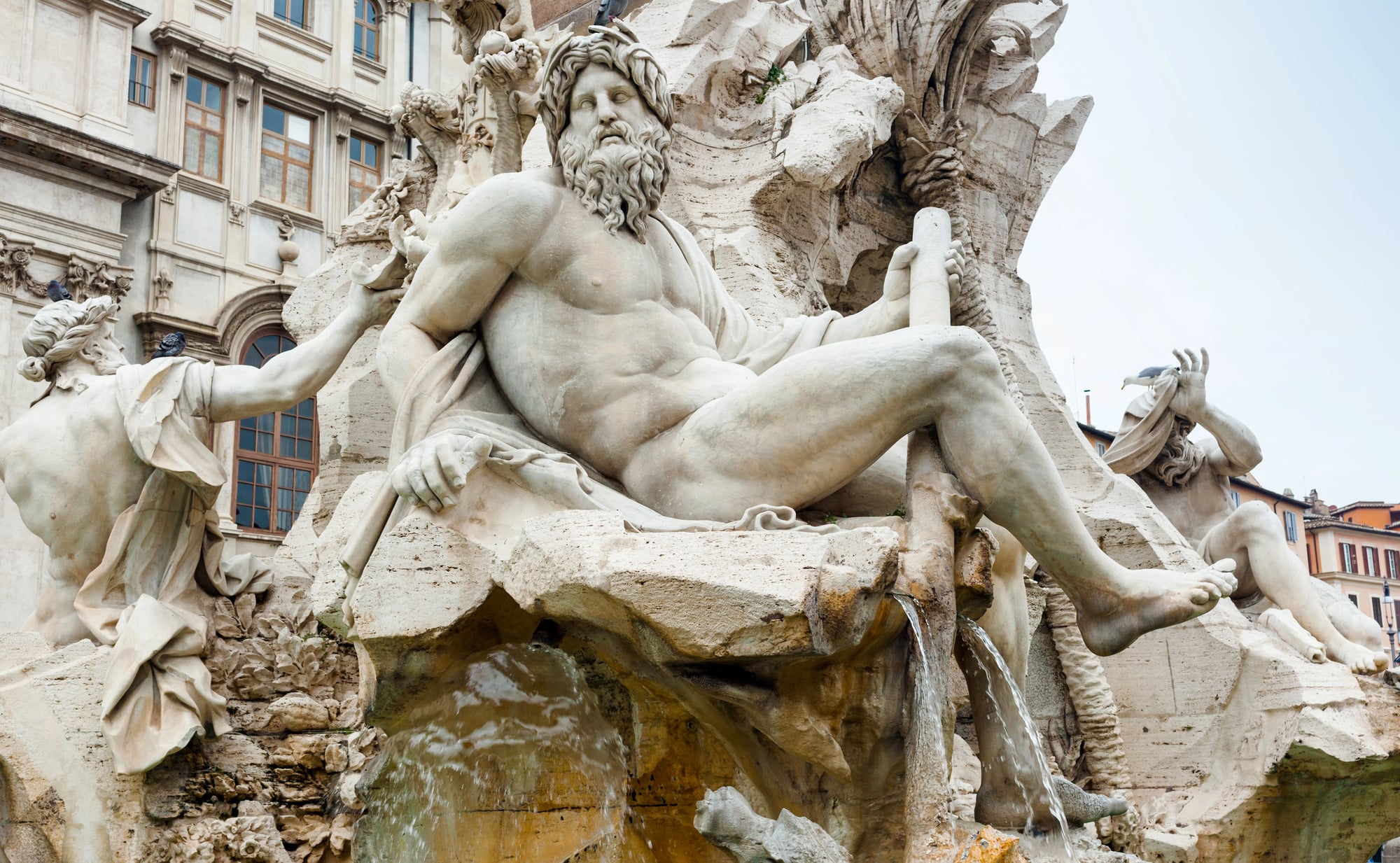
Contemporary sculptors incorporated found objects, industrial materials, and public space interventions. Artists like Christo and Jeanne-Claude transformed landscapes with large-scale installations, elevating environmental art and proving that sculpture could exceed gallery walls to reshape how people experienced public space.
Installation Art
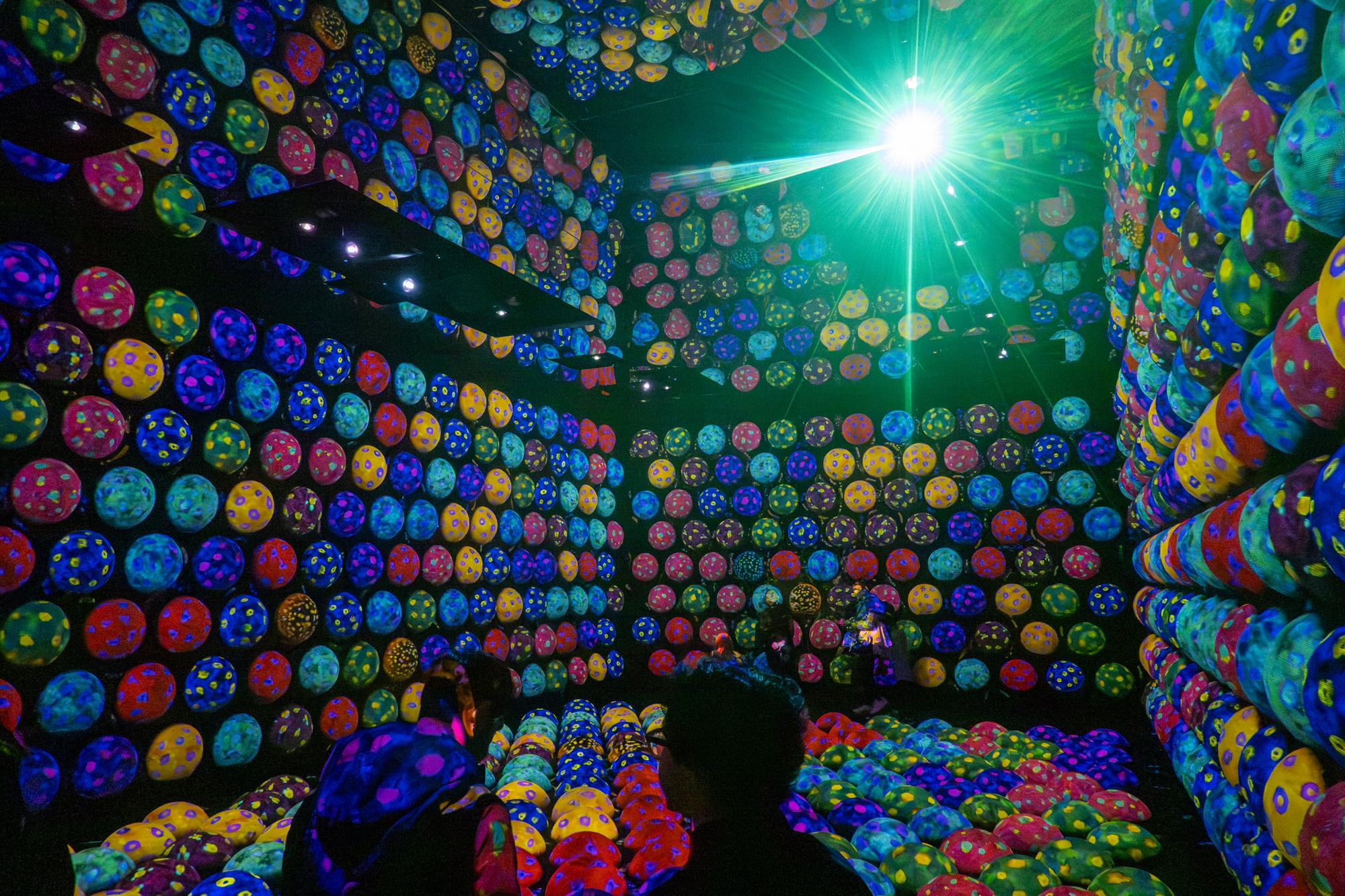
Installation art removed art from the frame and pedestal, creating immersive environments that engaged multiple senses. Artists like James Turrell and Olafur Eliasson used light and space to create experiences rather than objects, permanently expanding what mediums and materials art could employ.
Performance Art
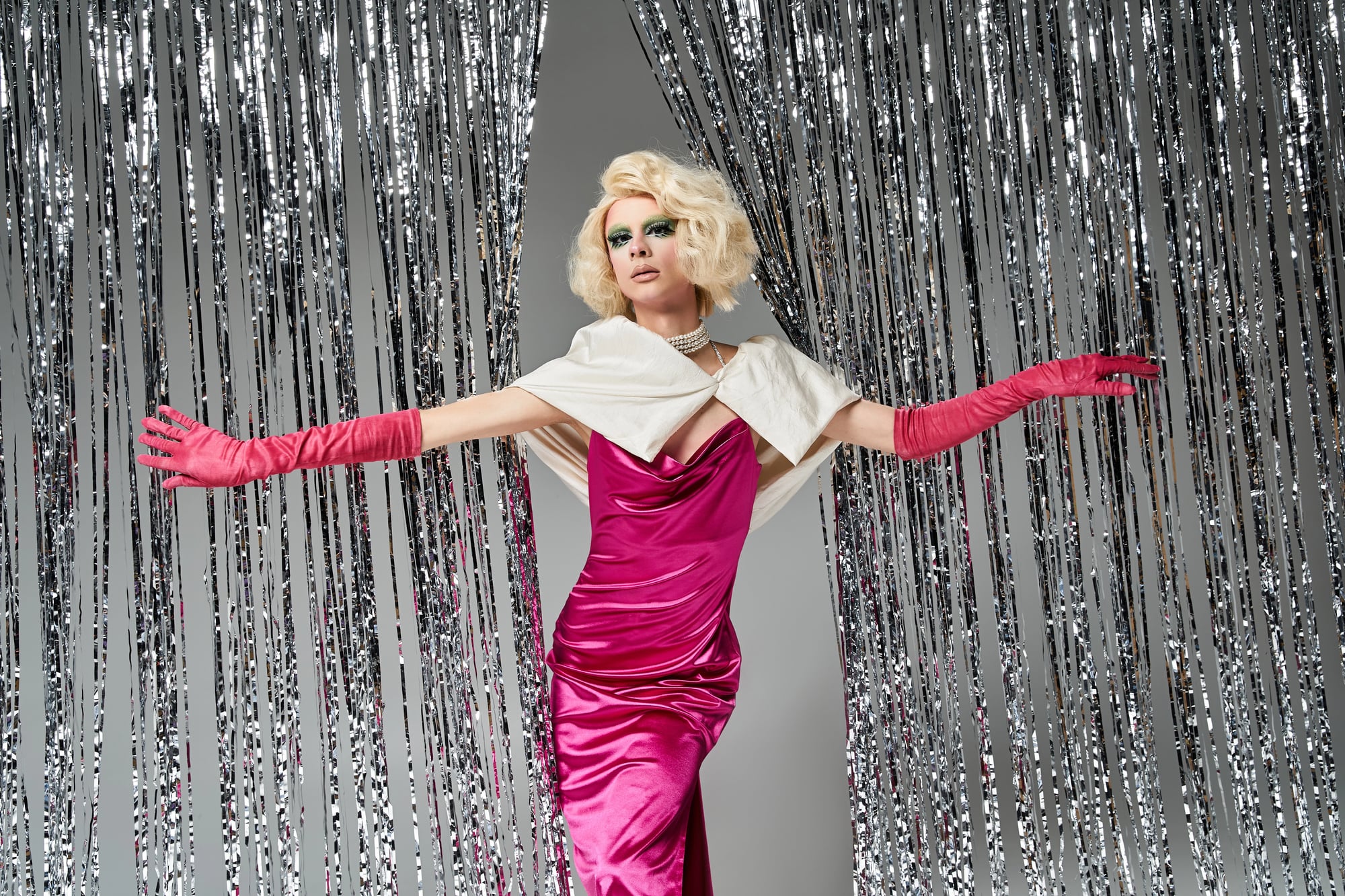
Performance art erased the boundary between artist and artwork, between presentation and creation. Artists like Marina Abramović made the body and its actions the primary artistic medium, challenging notions of permanence and commodification in art.
DIY and Zine Culture

The photocopied zine and self-published aesthetic created alternative distribution networks outside institutional gatekeeping. DIY culture proved that art didn’t require gallery permission or professional production standards to achieve meaning and reach audiences.
The ethos democratized artistic authorship.
Nostalgia and Retro Aesthetic
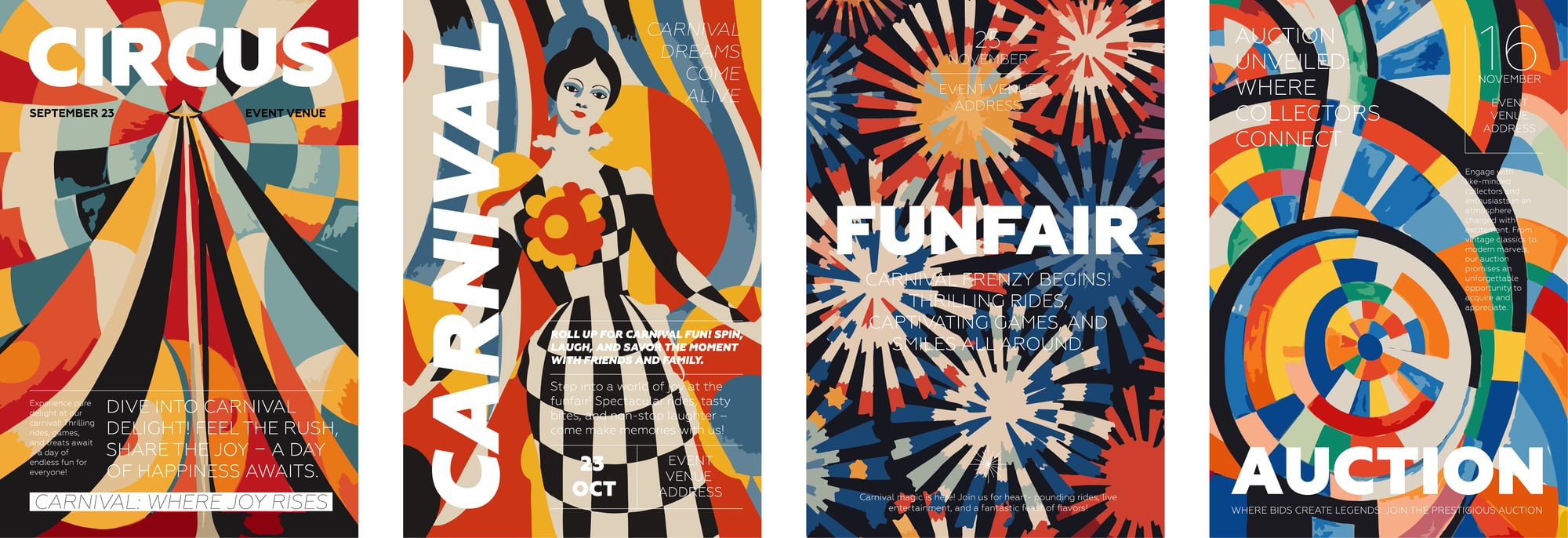
Pop artists and contemporary creators embraced past styles—from 1950s Americana to 1980s kitsch—not as ironic mockery but as genuine visual languages. Retroism proved that historical styles could be redeployed with sincerity and could carry contemporary meaning and relevance.
Graphic Novel Movement
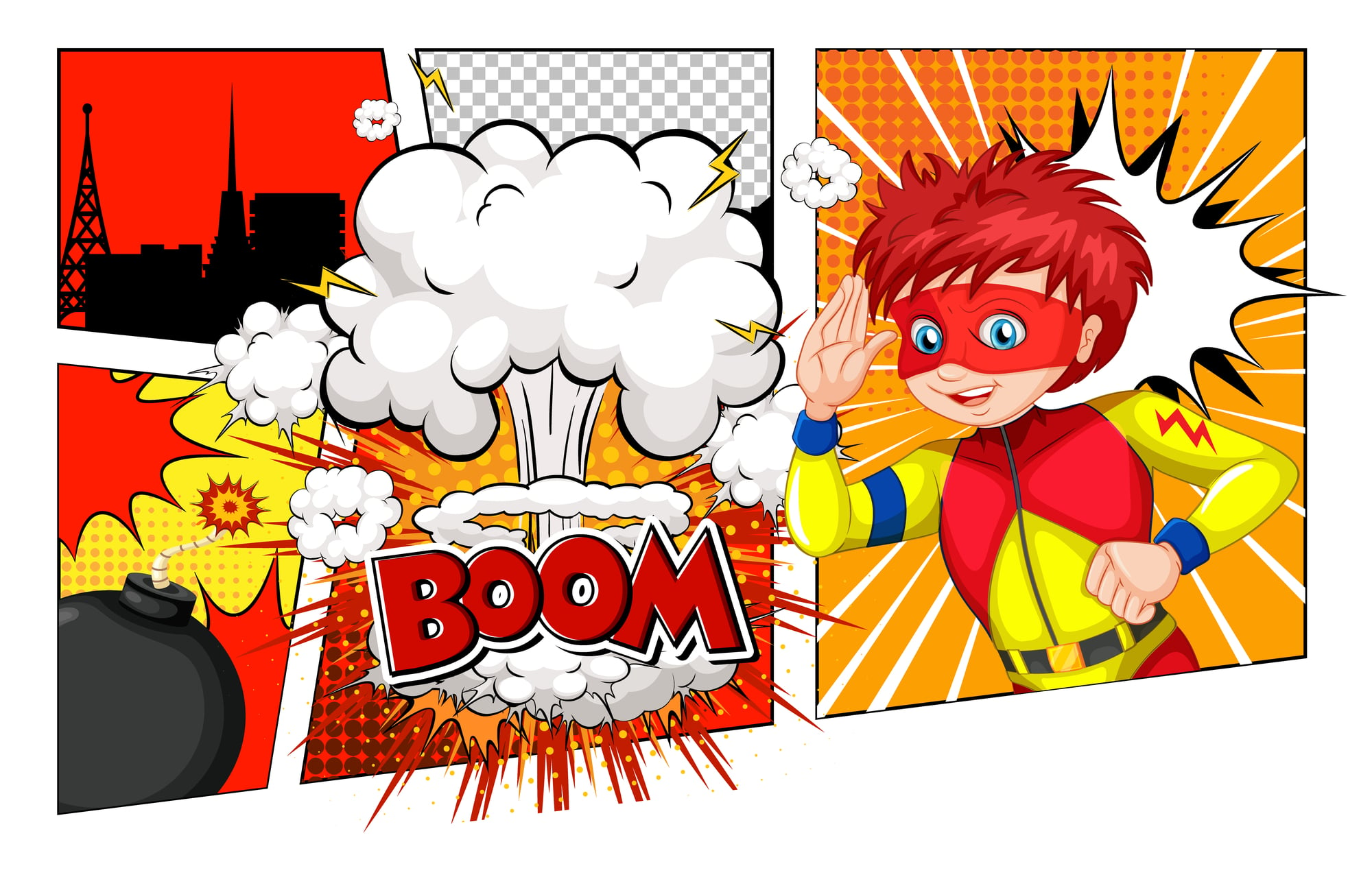
Graphic novels elevated sequential art from comic books into a narrative form capable of literary complexity. Works like Art Spiegelman’s Maus proved that the medium could address profound historical trauma and emotional depth.
The graphic novel permanently altered publishing and the relationship between illustration and literature.
The Unstoppable Integration of Culture

What these movements share is a refusal to accept art world gatekeeping. Each emerged from outside the established institutions—from streets, bedrooms, nightclubs, and basements—and forced recognition through sheer cultural power.
Their lasting impact reveals that the most significant artistic innovations often come not from the academy or the museum but from the living, breathing, constantly evolving world of popular culture. The art world’s repeated capitulation to these outside forces suggests it has learned, at last, that innovation always emerges from those with nothing to lose by breaking the rules.
More from Go2Tutors!

- The Romanov Crown Jewels and Their Tragic Fate
- 13 Historical Mysteries That Science Still Can’t Solve
- Famous Hoaxes That Fooled the World for Years
- 15 Child Stars with Tragic Adult Lives
- 16 Famous Jewelry Pieces in History
Like Go2Tutors’s content? Follow us on MSN.



