27 School Filmstrips That Taught American Children
The lights went off, a projector hummed, and a rectangle of color appeared on a pull-down screen. For several decades, filmstrips were how American teachers brought the wider world into a classroom.
The format was simple: a strip of 35mm film with still frames, usually paired with a record or cassette. Here are 27 subjects that students watched, one frame at a time.
The Beep That Told You to Advance
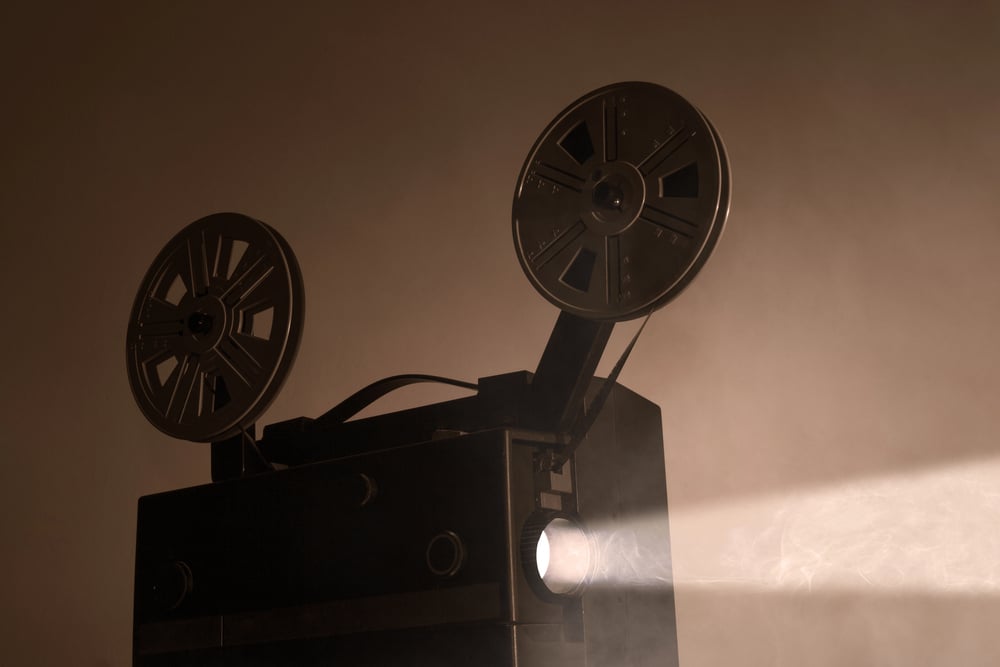
Every filmstrip depended on a small sound. An audible beep on the accompanying record or cassette told the teacher, or a lucky student, to turn the knob and advance to the next frame.
Some systems used an inaudible tone to advance automatically, which removed the helper’s job and the occasional late beep.
Weston Woods Picture Books

Morton Schindel founded Weston Woods in Connecticut in 1953 to turn children’s picture books into films. The studio panned and zoomed across the original illustrations, adding narration and music.
Many children first saw a favorite book come to life this way.
The Basic Four Food Groups

The USDA introduced the Basic Four in 1956, sorting food into milk, meat, vegetables and fruit, and breads and cereals. Filmstrips showed cartoon plates with a section for each group.
The model stood until the Food Guide Pyramid replaced it in 1992.
Brushing Teeth and Fluoride

Grand Rapids, Michigan, became the first city to add fluoride to its public water supply in 1945. Dental filmstrips taught children the proper stroke, the length of time to brush, and the importance of avoiding sugar between meals.
Cartoon germs were always the villains.
Smokey Bear and Forest Fires
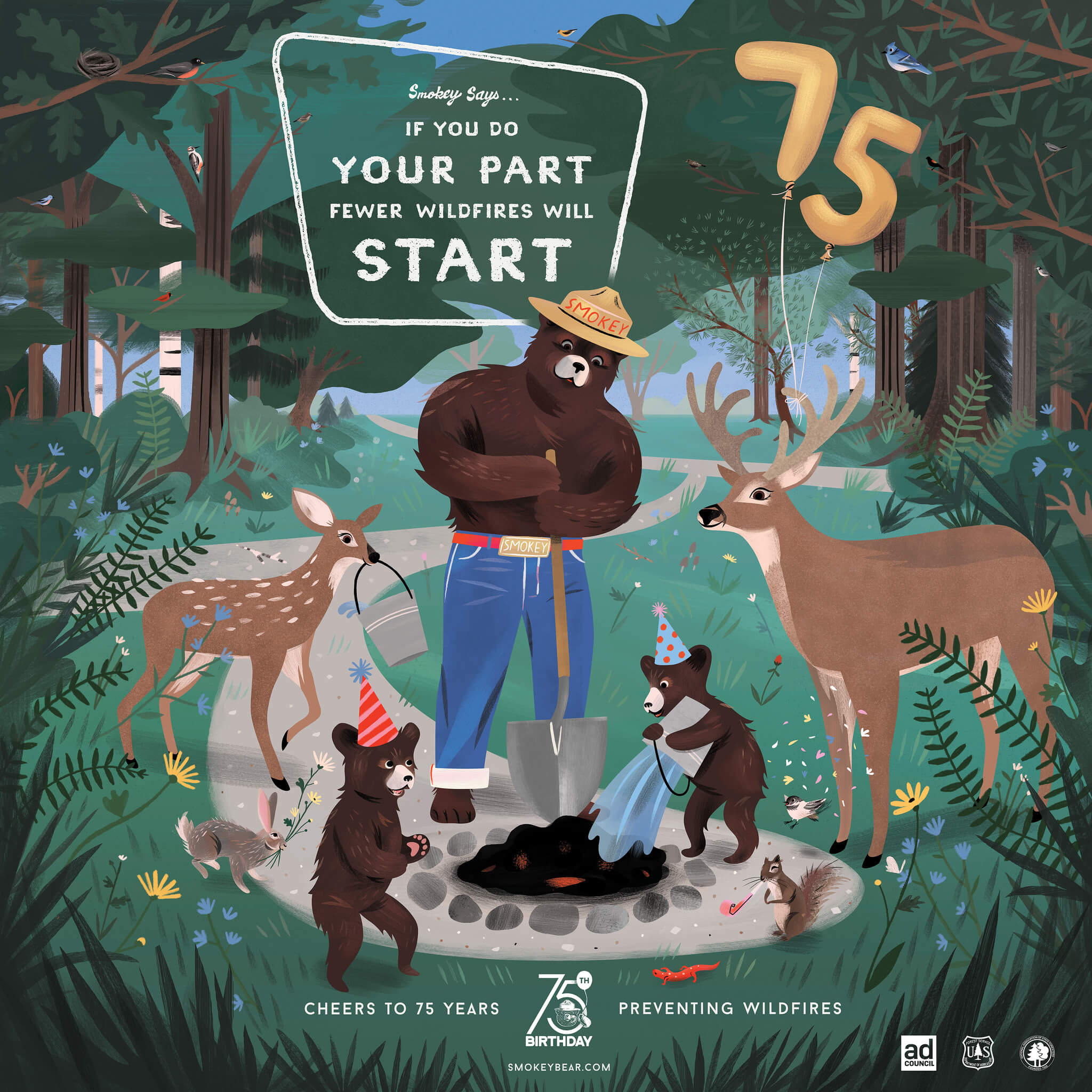
The U.S. Forest Service introduced Smokey Bear in 1944, and he became the face of wildfire prevention. Filmstrips showed campers dousing a fire with water and stirring the ashes until they were cold.
Children learned to treat a campfire as a serious responsibility.
Mr. Yuk and Poison Safety

The Pittsburgh Poison Center created Mr. Yuk in 1971, a green frowning face meant to warn children away from dangerous substances. Filmstrips taught students to recognize the sticker and to tell an adult.
The program was a response to the fact that young children often found the bright, tempting bottles under the sink.
Reddy Kilowatt and Electrical Safety
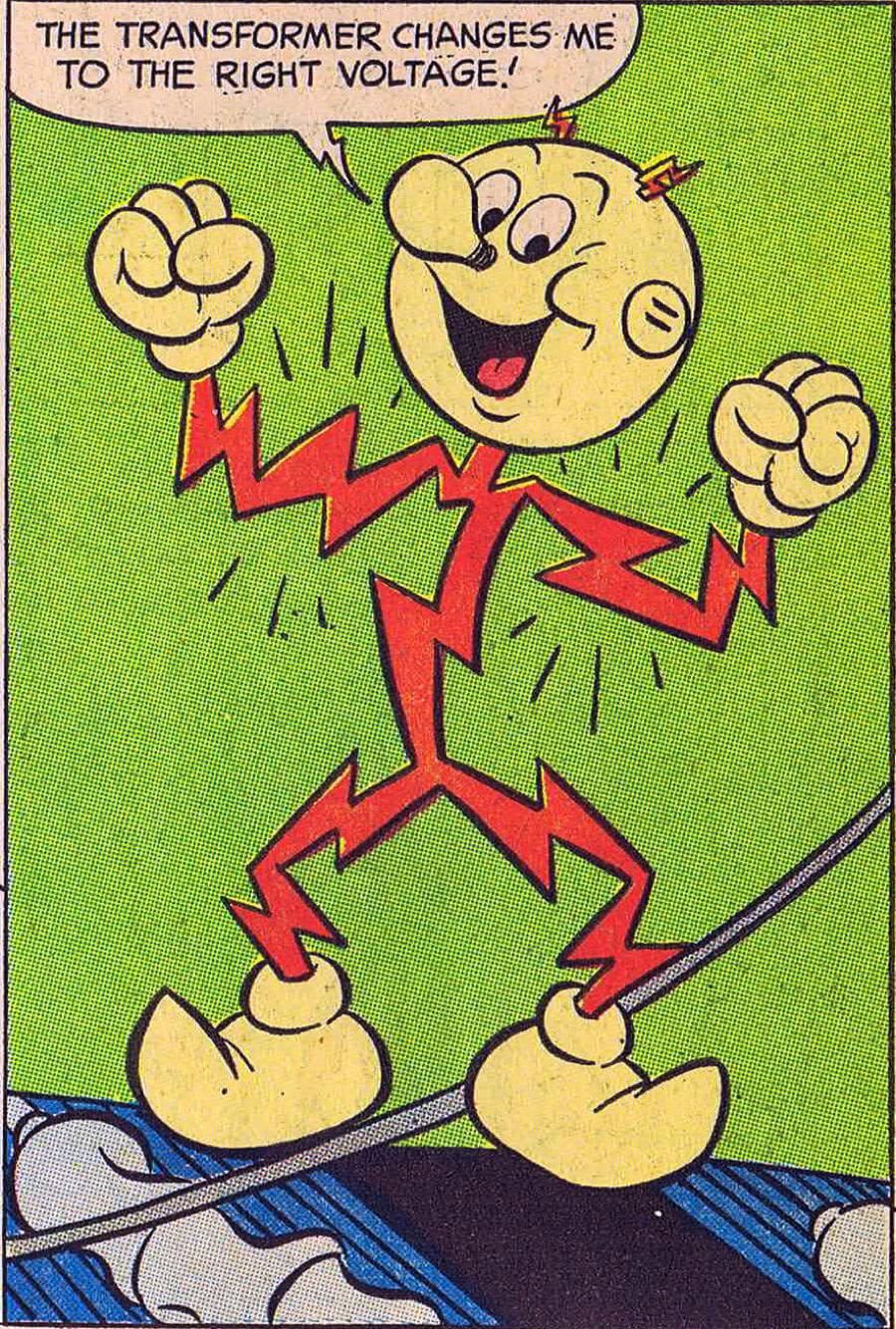
Reddy Kilowatt, a cartoon figure with a lightning-bolt body, was created in 1926 for an Alabama power company and spread to utilities across the country. Utilities distributed educational materials featuring him in schools.
Lessons covered frayed cords, wet hands, and the danger of kites near power lines.
Railroad Crossing Safety
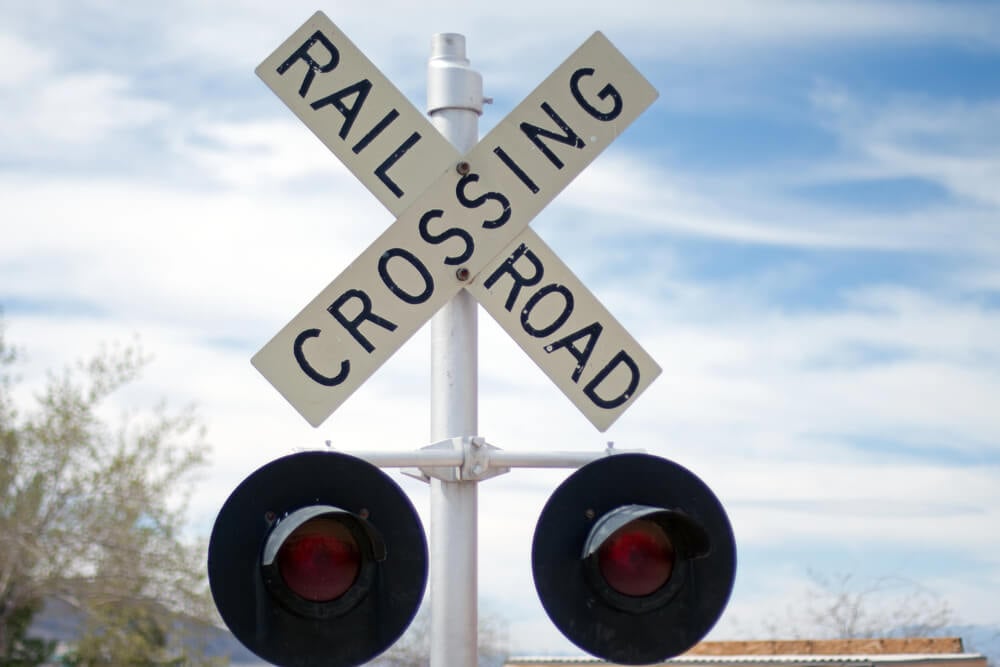
Operation Lifesaver began in 1972 to educate the public about the dangers of railroad crossings. School programs used filmstrips to show what happens when a train meets a car, and how long it takes a train to stop.
The message was to stop, look, and listen before crossing.
Woodsy Owl and Pollution
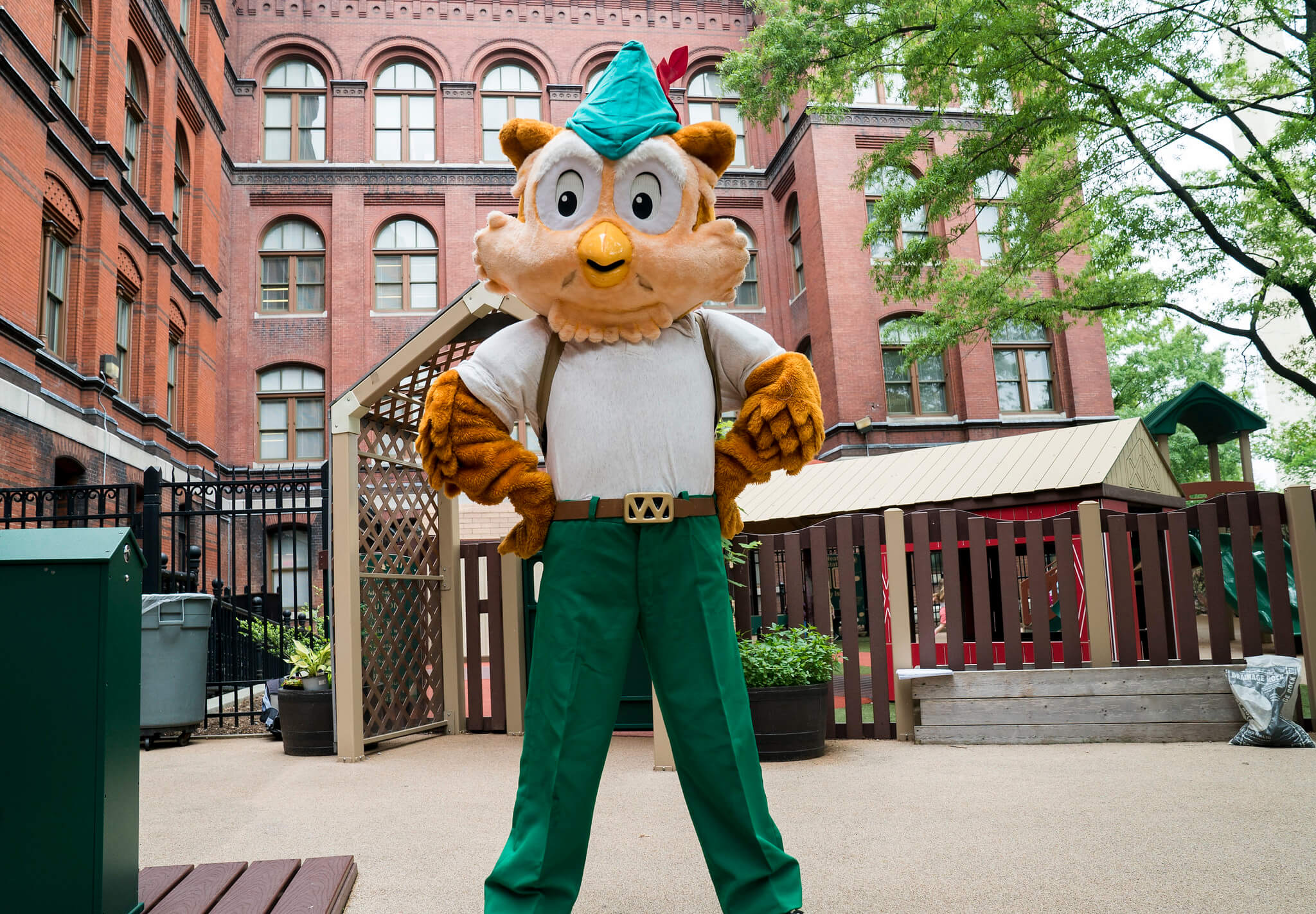
The Forest Service introduced Woodsy Owl in 1971 with the slogan Give a hoot, don’t pollute. Filmstrips showed him wagging a wing at litterbugs and teaching children about clean air and water.
The character reflected a growing environmental awareness in American schools.
The First Earth Day

The first Earth Day took place on April 22, 1970, and schools across the country joined in. Filmstrips from the era covered pollution, recycling, and endangered animals.
Students were encouraged to pick up trash and plant trees.
Learning the Metric System

Congress passed the Metric Conversion Act in 1975, and schools prepared children for a metric future. Filmstrips taught liters, meters, and grams with cartoons of kids measuring a classroom.
The shift never fully took hold, but a generation of students learned to convert centimeters.
States and Capitals
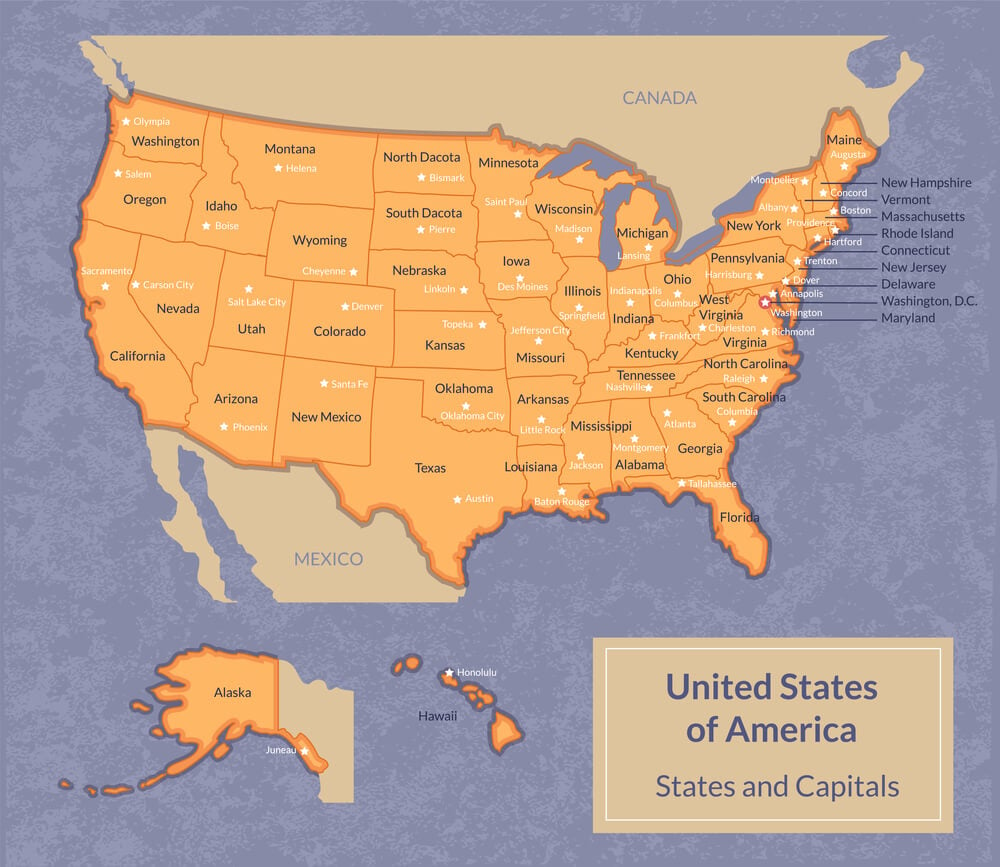
Filmstrips marched through all fifty states, with a map, a capital, and a few facts for each. Students memorized the lists for a quiz.
The format encouraged rote learning, with the beep setting the rhythm.
Westward on the Trails
The Oregon Trail stretched roughly 2,000 miles from Missouri to Oregon, and pioneers crossed it in covered wagons. Filmstrips showed illustrations of river crossings, prairie storms, and campfires.
The story of the trail was a staple of fourth and fifth grade social studies.
Colonial Life
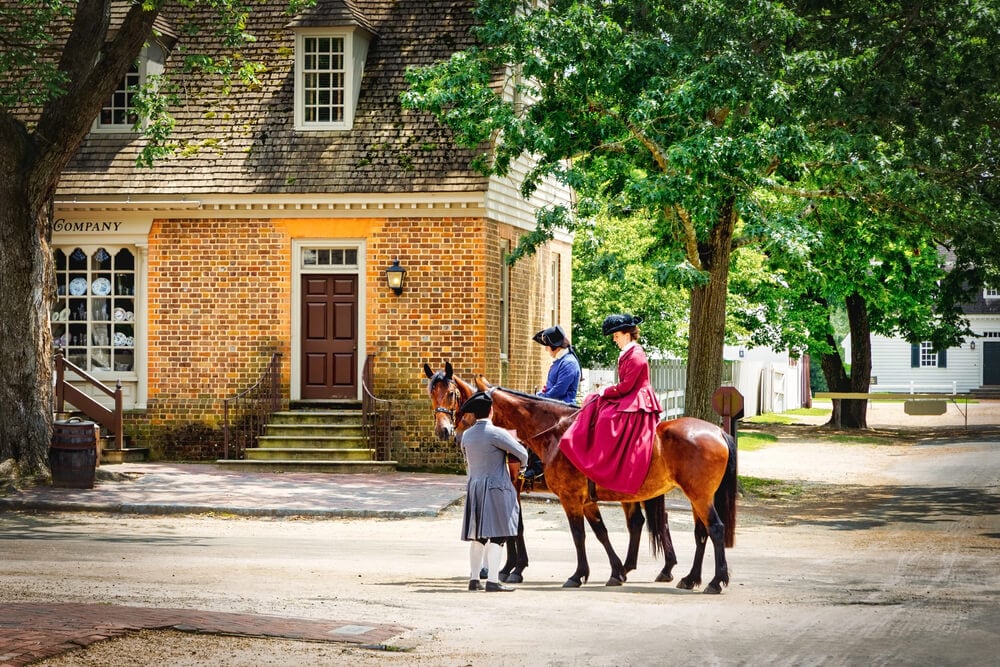
Filmstrips about colonial America showed candle makers, blacksmiths, and children in homespun clothes. Students learned how families lived without electricity or running water.
The images often drew on restored villages, where costumed interpreters demonstrated daily work.
The Underground Railroad

Filmstrips told the story of people who fled slavery with the help of a loose network of safe houses and guides. Harriet Tubman, who escaped slavery and returned repeatedly to guide others, often anchored the narrative.
The format let teachers pause on a single illustration and discuss it.
Women’s Suffrage
The Nineteenth Amendment was ratified in August 1920, and filmstrips traced the decades of marches, petitions, and arrests that led to it. Photographs showed women in white carrying banners.
The story gave students a model of long-term civic organizing.
The Civil Rights Movement

Filmstrips covered the 1954 Supreme Court decision in Brown v. Board of Education and the Montgomery bus boycott that began in December 1955. Photographs and narration introduced students to leaders such as Rosa Parks and Martin Luther King Jr.
For many classrooms, these strips were the first formal lesson in the movement.
Three Branches of Government
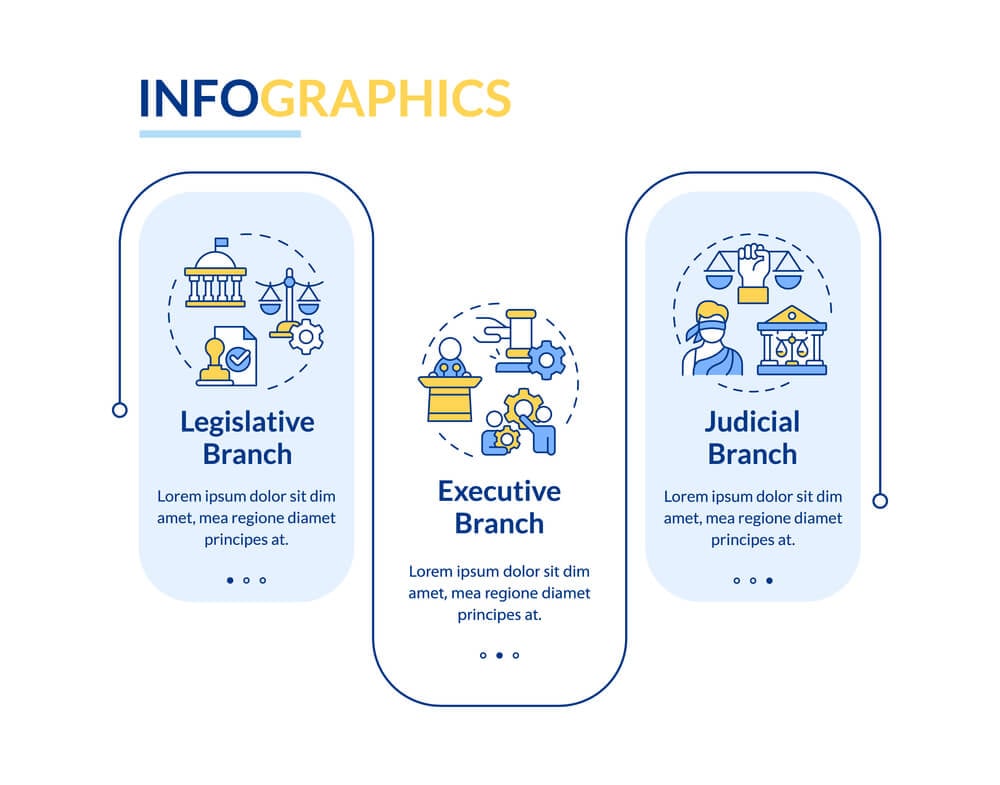
The Constitution of 1787 divided power among the legislative, executive, and judicial branches. Filmstrips used diagrams and cartoon figures to explain checks and balances.
A bill became a law in a series of arrows.
The Bicentennial
The United States celebrated its 200th birthday on July 4, 1976, and schools prepared with filmstrips on the Revolution and the founding. Students saw reproductions of paintings and documents.
The red, white, and blue graphics of the era are instantly recognizable.
Apollo and the Moon
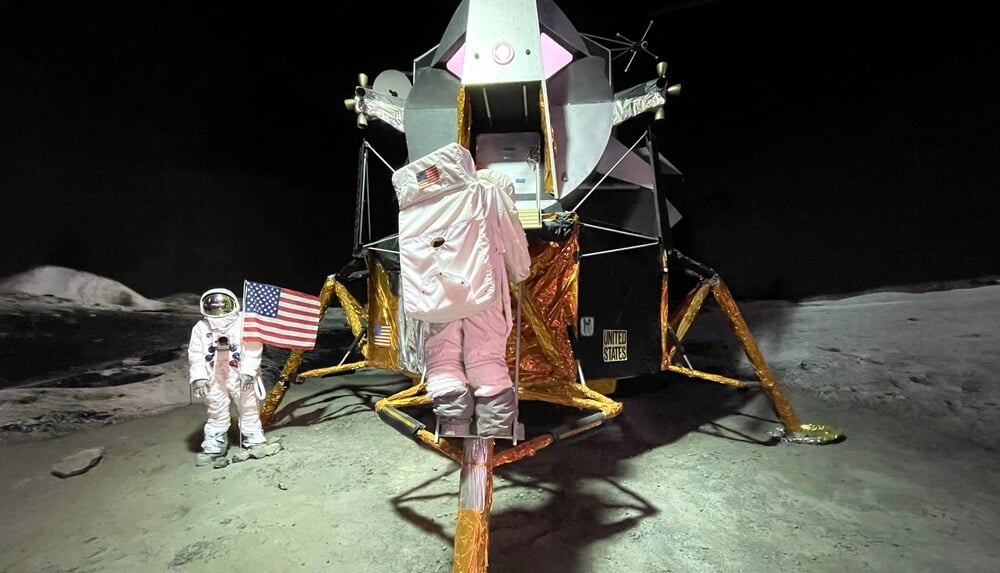
Apollo 11 landed on the moon on July 20, 1969, and filmstrips about the mission reached classrooms quickly. Photographs of astronauts, rockets, and lunar footprints filled the frames.
Many students saw their first images of the moon’s surface on a classroom screen.
The Nine Planets

For decades, children learned that the solar system had nine planets. The International Astronomical Union reclassified Pluto as a dwarf planet in 2006, which made old filmstrips a time capsule.
Frames of ringed Saturn and a tiny, distant Pluto remain a part of many adults’ memories.
Dinosaurs
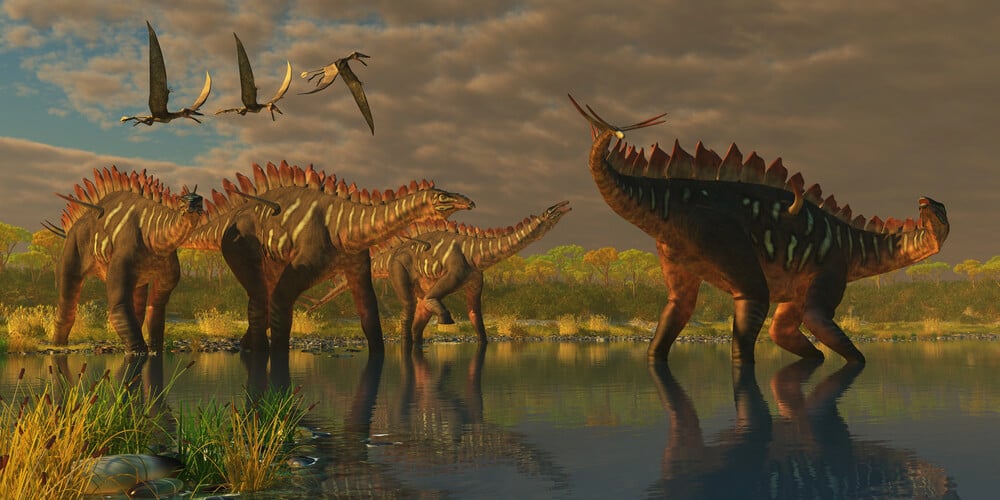
Dinosaur filmstrips showed reptiles dragging their tails across swampy landscapes. Later research suggested that many dinosaurs held their tails off the ground, which dated the images.
The strips nonetheless gave children a sense of deep time and a lifelong fascination.
The Water Cycle
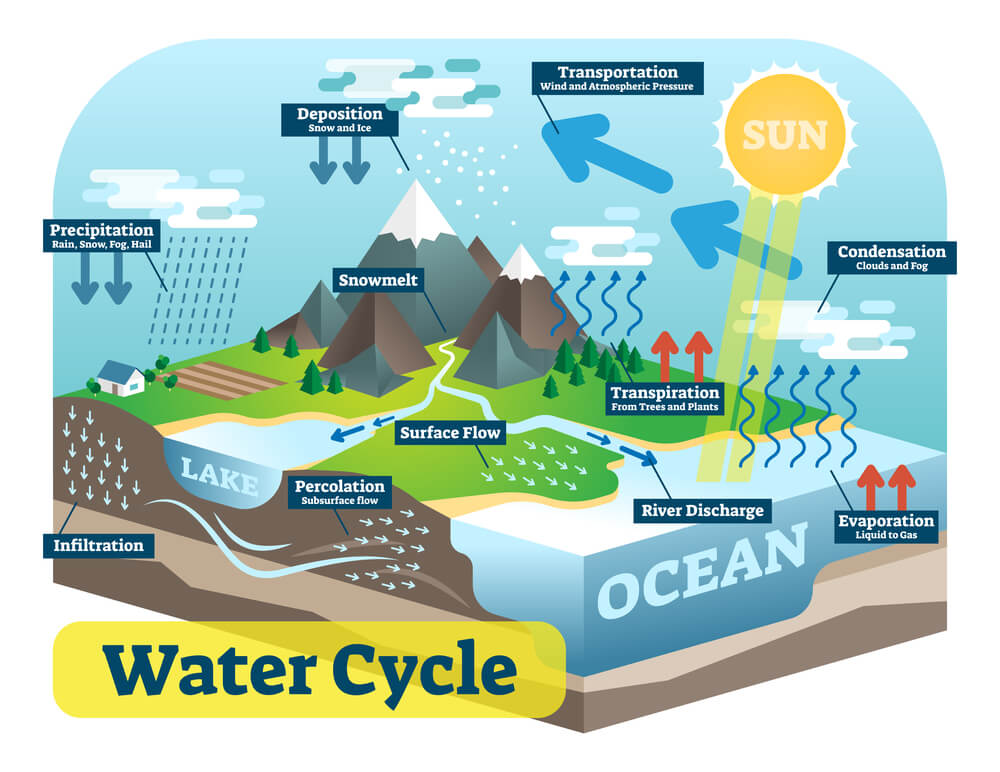
Arrows looped from the ocean to the clouds to the rain and back to the sea. Filmstrips used simple diagrams to show evaporation, condensation, and precipitation.
The cycle was easy to draw and easy to remember.
Library Skills

Filmstrips taught students to use the card catalog and find books by the Dewey Decimal system, created by Melvil Dewey in 1876. Narrators explained author, title, and subject cards.
The skills were put to use at the next library visit.
Fractions
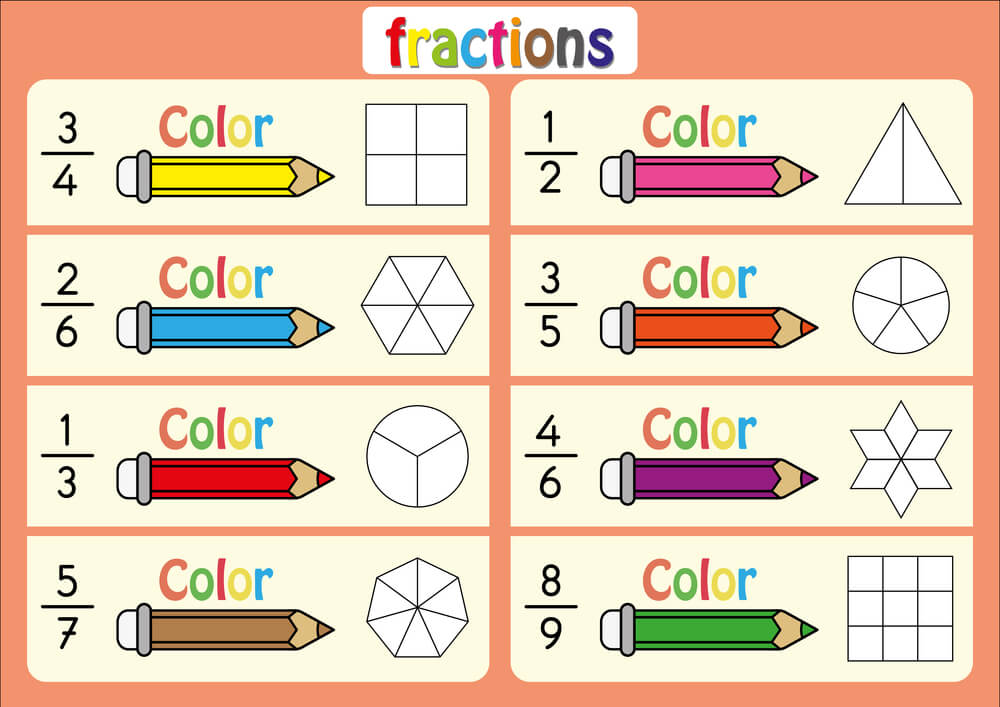
Fraction filmstrips divided pizzas, pies, and chocolate bars into halves, thirds, and quarters. Students counted the slices and learned that three quarters was more than a half.
Food made abstract math feel concrete.
Spanish Lessons
Language filmstrips paired pictures with recorded Spanish phrases. Students repeated the words in unison as the frames advanced.
The format was a cheap way to bring a new language into rooms without a native speaker.
Just Say No

In the 1980s, First Lady Nancy Reagan led a campaign encouraging young people to refuse drugs, and the slogan Just Say No appeared in classrooms. Filmstrips staged scenes of peer pressure and role-played responses.
The message was blunt, and the format gave it a classroom home.
Lights Out, Learning On
The filmstrip was never glamorous. It was a strip of images, a record, and a teacher in a dark room.
Yet its slowness was a strength, because a still frame stayed on the screen long enough to be looked at and discussed. The format faded as videotapes and later computers took over the classroom.
Many adults can still recall the beep, the click of the projector, and the flicker of a title card. Those small sensory details are the part of the lesson they remember best.
More from Go2Tutors!

- 27 Silver Dollars and Half Dollars Worth Keeping
- 28 Restaurant Menu Items Nobody Orders Anymore
- 17 Places Built in Seemingly Impossible Spots
- 27 Vintage Rings Worth More Than They Look
- 25 Restricted Sites Tourists Can’t Enter
Like Go2Tutors’s content? Follow us on MSN.