27 Scary Books Kids Read In The 90s
Somewhere in a 1990s backpack, a paperback with a cracked spine and a glow-in-the-dark cover was being read under a blanket with a flashlight. Book fairs, school libraries, and sleepover shelves delivered a steady supply of terror aimed squarely at kids who knew they probably should not be reading it.
Some of these books had been around for years before the decade began, and some were brand new. All of them found readers who passed them from friend to friend, dog-eared, and talked about at lunch in hushed voices.
Welcome to Dead House Opened the Goosebumps Floodgates
Published in 1992, Welcome to Dead House was the first Goosebumps book, and it sent siblings Amanda and Josh Benson to a creepy house they inherit in the town of Dark Falls. The twist at the end was darker than most kids expected from a series with a cartoonish logo.
R.L. Stine had already written plenty of teen horror, but this book helped prove that younger readers wanted the same chills in a smaller, faster package.
Night of the Living Dummy Made Ventriloquist Dummies Unforgivable

Night of the Living Dummy came out in 1993 and introduced Slappy, the wisecracking dummy who would become one of the best-known characters in the Goosebumps franchise. Lindy Powell finds the dummy and quickly learns that it does not stay quiet when the lights go out.
Slappy was so popular that he returned in sequels, and he has been haunting toy chests ever since.
The Haunted Mask Made a Costume the Villain
Released in 1993, The Haunted Mask follows Carly Beth Caldwell, a girl tired of being teased for being easily scared, who buys a hideous mask to get revenge on Halloween night. The trouble comes when the mask refuses to come off and begins changing her from the inside.
The book later became the basis for one of the most memorable episodes of the Goosebumps television series, which premiered in 1995.
Say Cheese and Die! Gave Cameras a Dark Side
Say Cheese and Die! appeared in 1992 and centers on Greg Banks, who finds an old camera in an abandoned house.
The photos it takes do not show the present moment but instead reveal disturbing future events, and Greg and his friends have to decide whether to keep snapping. It remains a favorite with readers who remember how the story made an ordinary camera seem sinister.
Stay Out of the Basement Turned Houseplants Into Villains

In this 1992 Goosebumps entry, Margaret and Casey Brewer grow suspicious of their father, a botanist who has been tinkering with strange plants in the basement. The plants begin to resemble the children, and the duplicates are more than a little disturbing.
The book made ordinary watering schedules feel suspicious for a generation of readers.
Welcome to Camp Nightmare Ruined Summer Camp
Published in 1993, Welcome to Camp Nightmare sends young Billy to Camp Nightmoon, where nothing about the staff, the food, or the activities seems quite right. The disasters pile up until Billy begins to wonder whether he will make it home at all.
It tapped into the universal worry of being dropped off somewhere unfamiliar while parents wave goodbye.
A Night in Terror Tower Trapped Siblings in the Past
A Night in Terror Tower arrived in 1995 and followed Eddie and Sue Morgan, American kids on vacation in London, who join a tour of the Tower of London and are pulled into a history far grimmer than the guidebook describes. A mysterious pursuer chases them through centuries-old corridors.
The setting was a real landmark, which made the horror feel closer than a made-up small town.
Give Yourself Goosebumps Let Readers Pick Their Own Doom

Give Yourself Goosebumps debuted in 1995 with Escape from the Carnival of Horrors, a choose-your-path spinoff that let the reader decide what happened next. Plenty of paths ended badly, which meant a kid could meet an unpleasant fate on page 40 and simply flip back to try again.
The format turned reading into a game and kept many kids returning to the same book over and over.
Fear Street Gave Teenagers a Very Dangerous Town

Fear Street launched in 1989 with The New Girl and set its stories in the fictional town of Shadyside, where something always seemed to go wrong on the same notorious street. Stine wrote for an older audience here, with murders, secrets, and plot twists that younger Goosebumps readers eyed with envy.
By the 1990s, the series had become a familiar sight on middle school bookshelves.
The Babysitter Made Every Phone Call a Threat
Published in 1989, The Babysitter follows Jenny, a teenage girl who takes a babysitting job and receives threatening phone calls while watching a child in an unfamiliar house. The setup was simple, but it hit a nerve with readers who babysat on weekends and knew the quiet dread of a dark living room.
R.L. Stine returned to the premise in several sequels, making the babysitting job a recurring source of danger.
Scary Stories to Tell in the Dark Terrified Kids With Its Art
Alvin Schwartz collected folktales and urban legends in this 1981 book, but it was Stephen Gammell’s nightmarish pen-and-ink illustrations that burned themselves into young brains. Stories such as “Harold,” about a scarecrow that comes to life, and “The Big Toe” gave librarians plenty to answer for.
The book was challenged in schools during the 1990s, and a 2011 edition replaced the original artwork with new illustrations. Later editions restored Gammell’s illustrations.
More Scary Stories to Tell in the Dark Went Even Further
The 1984 sequel kept Gammell on art duty and brought more campfire material, including the chant-heavy “Me Tie Dough-ty Walker!” Schwartz was careful to include notes about each story’s folk origins, which made the book feel like a genuine collection rather than a gimmick.
Kids in the 1990s passed it around like contraband, and many could recite the punchlines word for word.
Tales for the Midnight Hour Delivered Quick Chills
J.B. Stamper’s Tales for the Midnight Hour appeared in 1977 and found its audience at Scholastic book fairs well into the 1990s.
The stories were short enough to finish in a few minutes, which made them perfect for passing around the classroom. They were also simple and sharp, often building toward a twist at the end.
Bunnicula Asked Whether the Rabbit Was a Vampire

Bunnicula was written by Deborah and James Howe and published in 1979, with Harold the dog narrating events from the family home. Chester the cat becomes convinced that the new pet rabbit, found after the family attends a Dracula movie, is draining the juice from vegetables and leaving them white.
It was funny enough to be a classroom read-aloud, but the premise was a genuine gateway to the genre for younger readers.
Animorphs Mixed Science Fiction With Body Horror
K.A. Applegate began the Animorphs series in 1996 with The Invasion, in which five teenagers receive the power to morph into any animal they touch.
Their enemies were the Yeerks, slug-like aliens who took control of human hosts through their ears. The original series ran for 54 books and was surprisingly grim, with war trauma and moral compromise that readers did not expect from the flip-book morphing covers.
Chain Letter Made Mail Terrifying

Christopher Pike published Chain Letter in 1986, and it remained a presence on teen horror shelves during the 1990s. A group of friends receives anonymous letters tied to a fatal accident they tried to cover up, and the sender demands they follow the rules or face the consequences.
Pike was known for twisty plots and an unsentimental tone, and this book turned an ordinary chain letter into a source of menace.
Remember Me Followed a Ghost Investigating Her Own Death
Remember Me was published in 1989 and centers on Shari Cooper, who dies after a party and returns as a ghost determined to learn whether her death was an accident. She watches her friends and family from the other side while piecing together clues.
The novel helped cement Pike’s reputation as a dark star of young adult horror.
The Last Vampire Introduced an Ancient and Lonely Predator
Pike’s The Last Vampire appeared in 1994 and introduced Alisa Perne, a vampire who is thousands of years old and remembers a world before modern cities. The book treated vampirism as something closer to a burden than a glamorous gift.
It launched a multi-volume series, and its blend of supernatural horror and teen fiction made it a memorable entry in the genre.
Spooksville Made a Small Town Impossible to Leave
Also by Christopher Pike, the Spooksville series arrived in 1995 and followed Adam Freeman, Sally Wilcox, and Watch Wesley as they explored a seaside town packed with ghosts, aliens, and monsters. It was aimed at a slightly younger audience than his teen novels, with a lighter tone and a cliffhanger in nearly every chapter.
The series ran for 24 books.
The Witches Taught Kids to Look at Strangers Twice
Roald Dahl published The Witches in 1983, and kids in the 1990s kept finding it because of the popular 1990 film adaptation directed by Nicolas Roeg and starring Anjelica Huston as the Grand High Witch. The story follows a boy who is turned into a mouse by a conference of witches who despise children.
Quentin Blake’s illustrations gave the villains a gnarled, unforgettable look.
The House with a Clock in Its Walls Hid a Ticking Menace

John Bellairs wrote this gothic mystery in 1973, and it was illustrated by Edward Gorey, whose scratchy style gave the cover an unmistakable chill. Ten-year-old Lewis Barnavelt moves in with his uncle Jonathan, a warlock, and discovers that a previous owner hid a magical clock inside the walls that is counting down to something terrible.
Many 1990s readers found it on school library shelves, where it shared space with newer releases.
Wait Till Helen Comes Gave Readers a Ghost Who Wanted Company
Mary Downing Hahn published Wait Till Helen Comes in 1986, and it became a staple of school reading lists in the 1990s. Two siblings move to a converted church with their new stepfamily, and the youngest stepsister, Heather, begins to bond with the ghost of a girl who drowned in a nearby pond.
The ghost has a lethal agenda, and the ending is far from comfortable.
The Dollhouse Murders Made Miniatures Frightening
Betty Ren Wright’s The Dollhouse Murders appeared in 1983 and kept finding readers through the 1990s. Twelve-year-old Amy discovers a dollhouse that is a replica of the home where a family was murdered decades earlier, and the figures move on their own.
Her younger sister, Louann, adds to the tension, and the small scale of the puzzle makes the haunting feel intimate.
I Know What You Did Last Summer Was a Book Before It Was a Movie
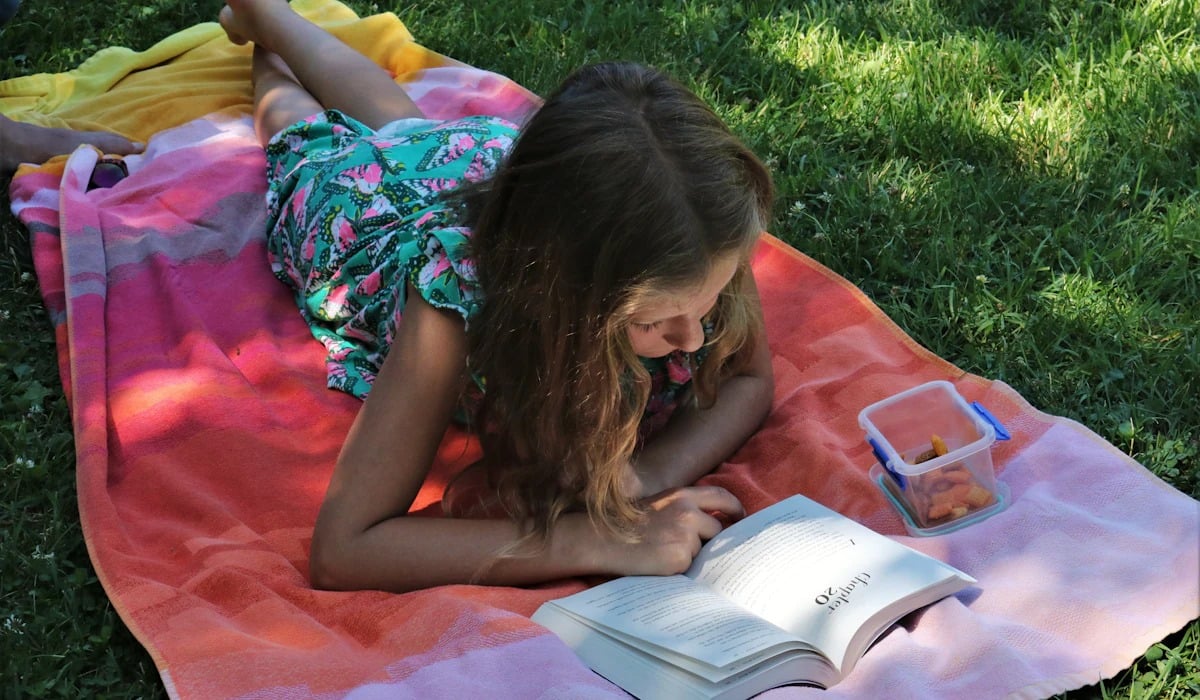
Lois Duncan wrote the novel in 1973, and a new generation discovered it after the 1997 film adaptation, which changed substantial parts of the story. In the book, four teenagers cover up a hit-and-run and are later stalked by someone who knows their secret.
Duncan publicly criticized the film’s changes, and fans of the original often insist the book is the scarier version.
The Face on the Milk Carton Turned Groceries Into Mystery
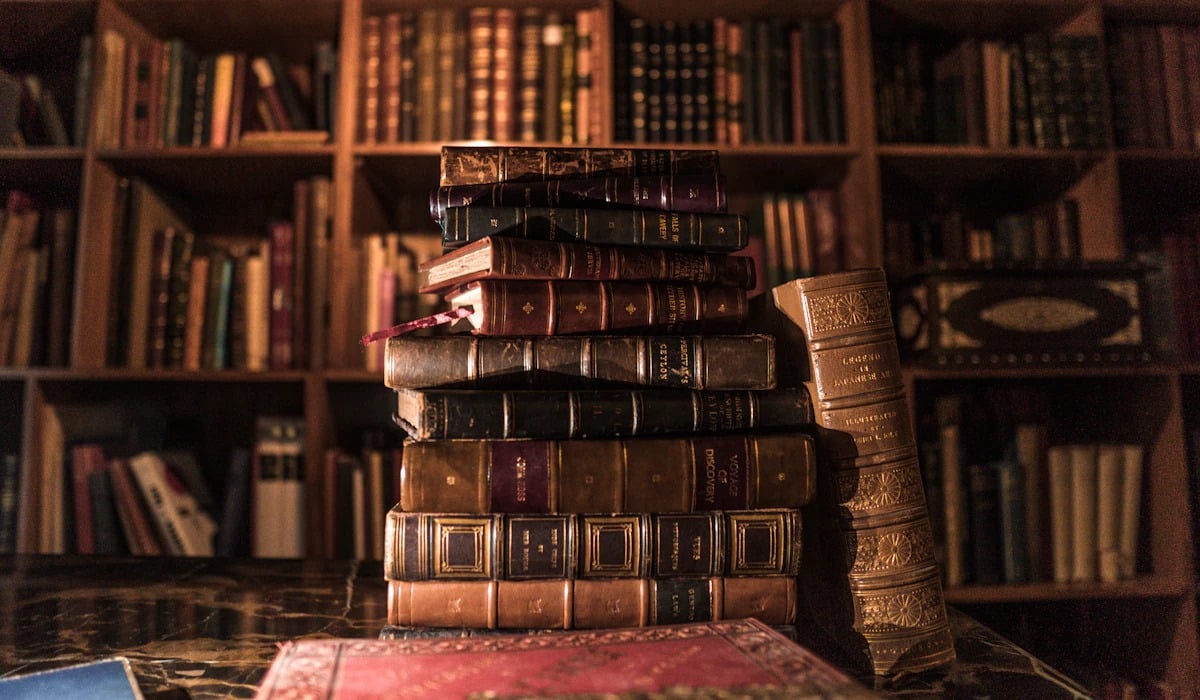
Caroline B. Cooney published The Face on the Milk Carton in 1990, and it became a recognizable young adult suspense novel of the decade.
A teenager named Janie Johnson recognizes herself in the photo of a missing child on a carton of milk, and her entire understanding of her family begins to unravel. It was more suspense than horror, but it left readers checking every grocery store display.
Nightmare Hall Sent Students to a Very Haunted College
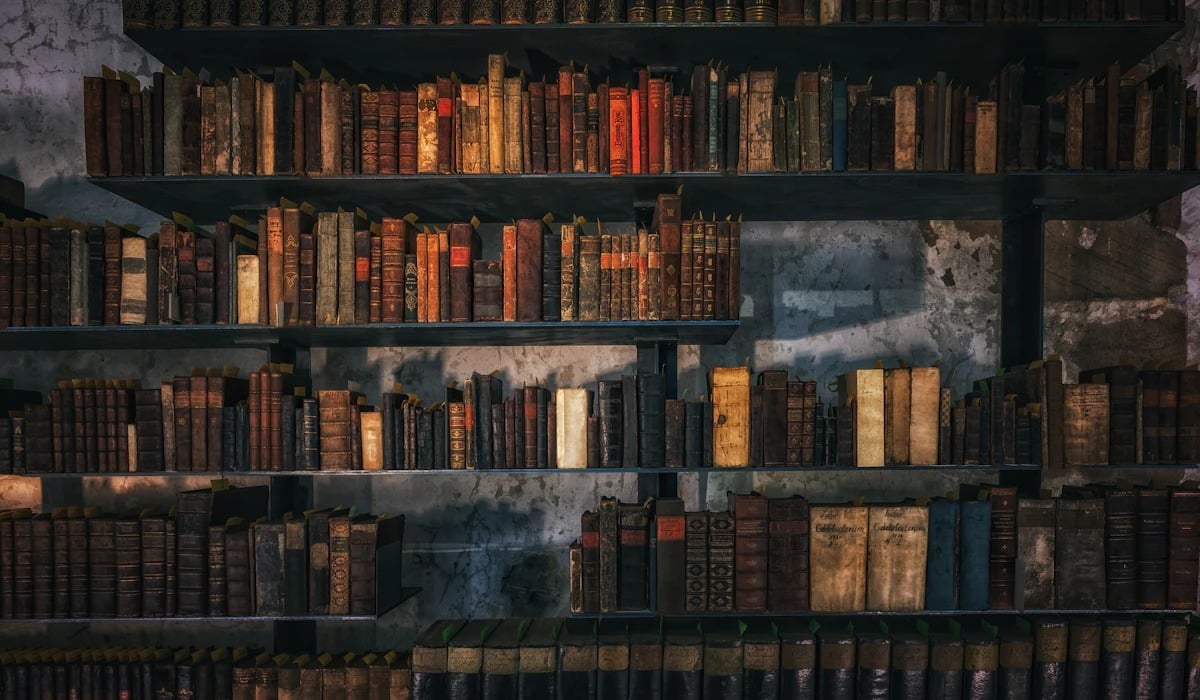
Diane Hoh wrote the Nightmare Hall series, which was set at the fictional Salem University and published by Scholastic during the early and middle 1990s. Each book followed college students who encountered murder, stalkers, and supernatural threats on campus.
The series ran for 29 books and gave middle schoolers a sneak peek at college life that was, thankfully, nothing like the real thing.
The Vampire Diaries Brought Romance to the Graveyard
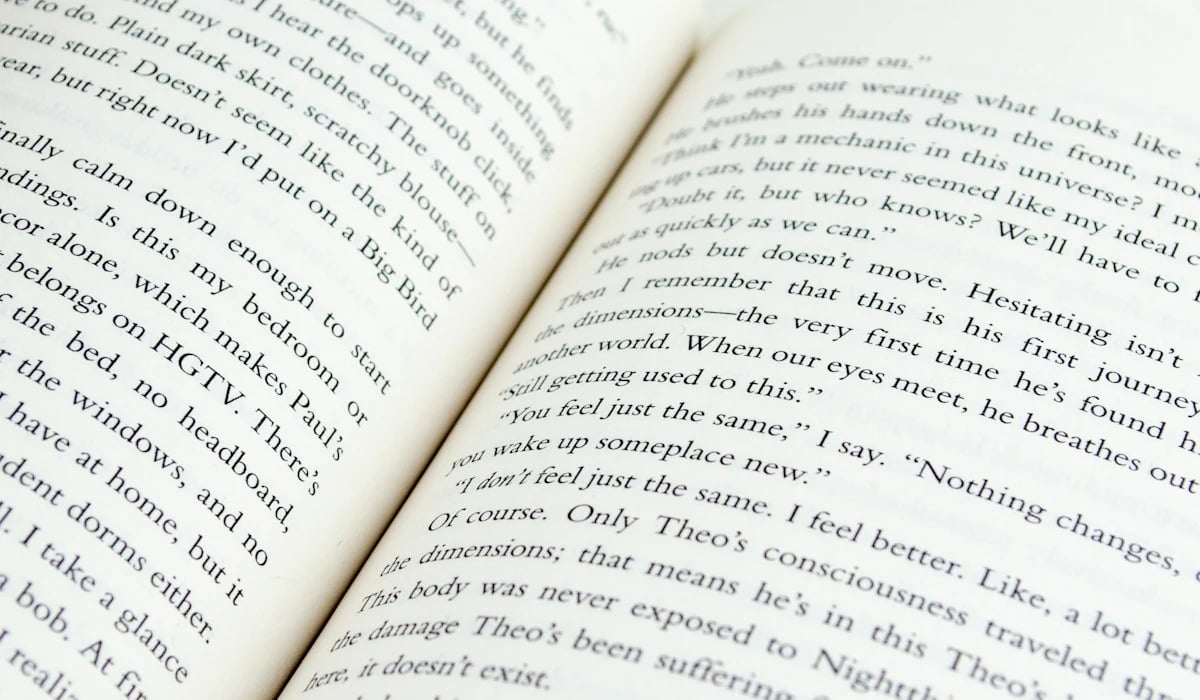
L.J. Smith published The Vampire Diaries: The Awakening in 1991, introducing Elena Gilbert and the Salvatore brothers, Stefan and Damon, in the town of Fell’s Church, Virginia.
The books mixed gothic horror with high school drama and drew a devoted readership well before the television adaptation premiered in 2009. Many readers who found it as teenagers in the 1990s still remember the cover with the dark-haired couple.
What the Flashlight Was Really For
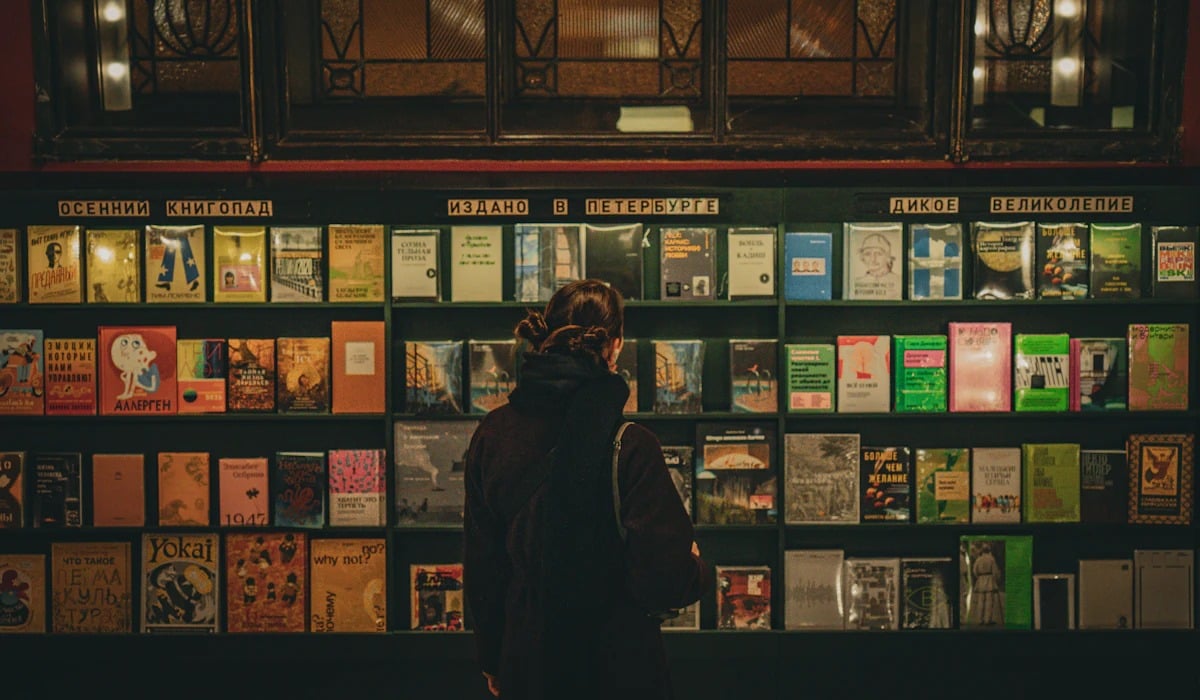
Looking back, the real appeal of these books was never about the monsters. They offered a safe place to be scared, a way to rehearse fear while a parent slept down the hall.
Kids who read about masks that would not come off or cameras that predicted disaster were practicing how to handle the unknown.
Many of these books remain available in new editions or used copies, and some have been rediscovered by adults who want to remember what it felt like. The covers still carry that familiar jolt of nostalgia, and the stories can still deliver a scare after a few pages.
A flashlight, a blanket, and a good scare remain a perfectly good way to spend a night.
More from Go2Tutors!

- The Romanov Crown Jewels and Their Tragic Fate
- 13 Historical Mysteries That Science Still Can’t Solve
- Famous Hoaxes That Fooled the World for Years
- 15 Child Stars with Tragic Adult Lives
- 16 Famous Jewelry Pieces in History
Like Go2Tutors’s content? Follow us on MSN.