17 Things You Didn’t Know About the First Flight Over the Atlantic
One of aviation’s greatest achievements was the first flight across the Atlantic Ocean, which turned the once-impossible into a breathtaking reality. Although many people are aware of the fundamentals of this accomplishment, many intriguing nuances are still obscured by time.
These 17 astounding facts about the first flight over the Atlantic demonstrate the extraordinary bravery, ingenuity, and ambition that went into this momentous voyage.
A Navy Seaplane, Not Lindbergh
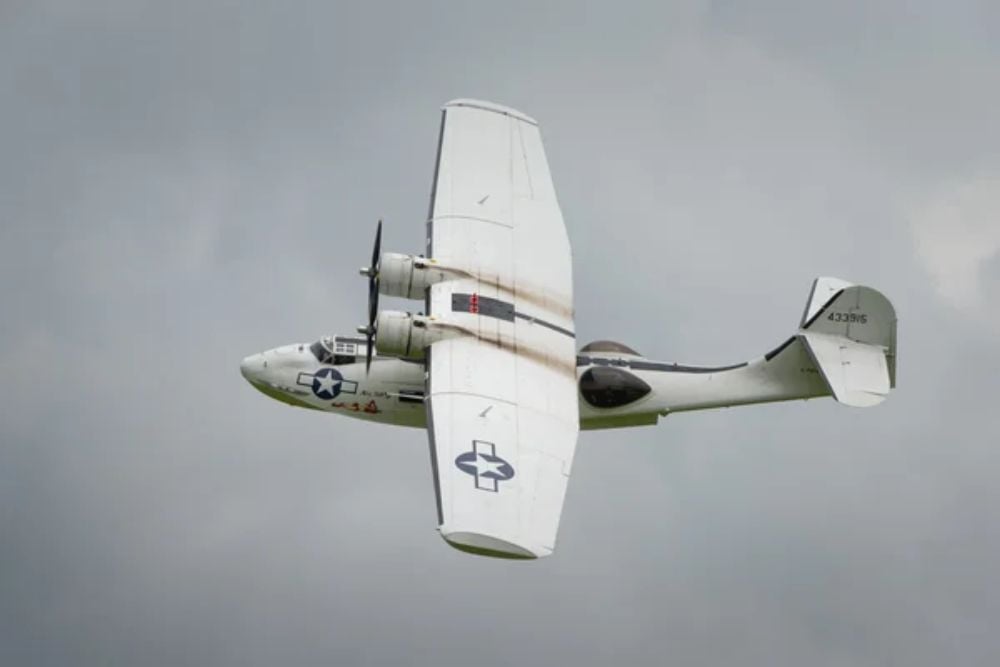
The first transatlantic flight was actually made eight years earlier, but Charles Lindbergh is frequently given credit for it. A U.S. Navy Curtiss NC-4 flying boat made several landings along the way, finishing the voyage in May 1919.
Lindbergh’s accomplishment garnered more public notice because his well-known 1927 flight was the first solo nonstop transatlantic journey.
$25,000 Prize Motivation

The historic journey was motivated by the Orteig Prize, a $25,000 award offered by French hotelier Raymond Orteig in 1919. The prize would go to the first aviator to fly nonstop between New York and Paris in either direction.
This substantial sum, equivalent to about $400,000 today, spurred intense competition and technological advancement as pilots and aircraft designers raced to claim the prize.
Multiple Failed Attempts

Before success was achieved, several dangerous failed attempts claimed the lives of six aviators. French war heroes Charles Nungesser and François Coli disappeared in their attempt from Paris in their aircraft ‘L’Oiseau Blanc’ (The White Bird) just two weeks before the successful crossing.
Their disappearance remains one of aviation’s most enduring mysteries, with no definitive wreckage ever found.
Three-Plane Team

The original 1919 crossing attempt involved four identical Navy Curtiss NC seaplanes designated NC-1 through NC-4. One was grounded before departure, and only the NC-4 completed the entire journey.
The team approach showed how the first Atlantic crossing was actually a coordinated military operation rather than a daring solo venture as later flights would be.
British Success Came First
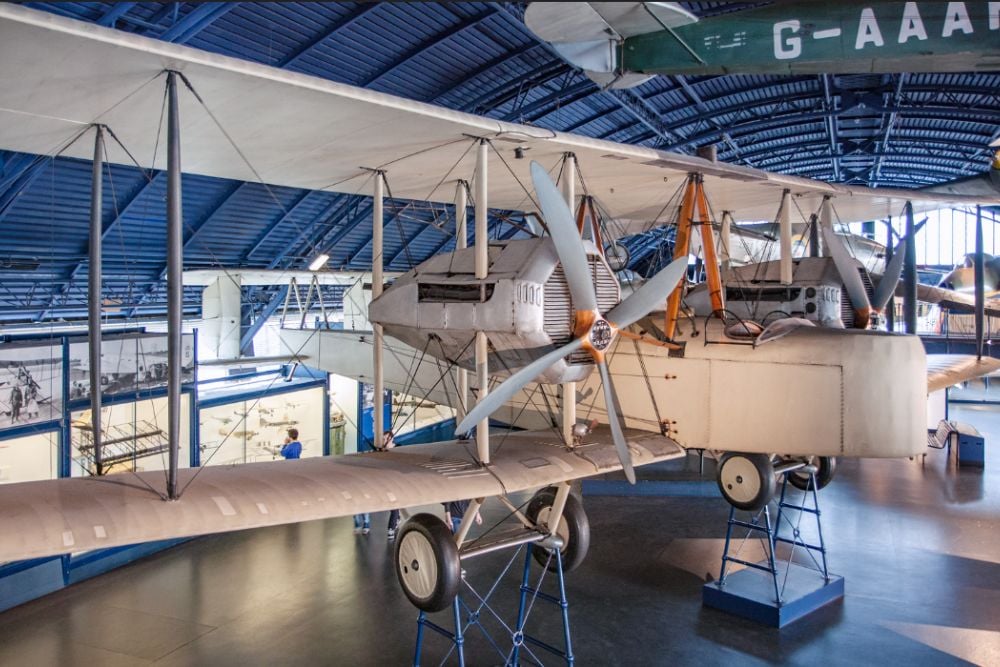
While the NC-4 completed the first flight across the Atlantic with stops, the first nonstop transatlantic flight was achieved by British aviators John Alcock and Arthur Brown in June 1919. They flew a modified Vickers Vimy bomber from Newfoundland to Ireland in just under 16 hours, earning them a £10,000 prize offered by the Daily Mail newspaper and knighthoods from King George V.
Primitive Navigation Tools

Amazingly simple instruments were needed to navigate the featureless water. The pilots employed drift indicators, magnetic compasses, and celestial navigation.
Some used carrier pigeons as a means of communication in an emergency. Given that contemporary aircraft depend on advanced satellite navigation systems for the same route, the success is all the more impressive given this basic equipment.
Weather Station Support

The 1919 Navy expedition stationed 53 ships along the route to provide weather updates and serve as emergency landing points if needed. This massive support operation stretched across approximately 1,200 miles of ocean, creating a maritime safety net that proved crucial for the journey’s success.
The ships would fire star shells at night and emit smoke during daylight to guide the aviators.
Exhausting Duration
The NC-4’s complete journey from Rockaway, New York, to Plymouth, England lasted 23 days. The actual flying time totaled about 53 hours over several legs, with stops in Massachusetts, Nova Scotia, Newfoundland, the Azores, and Portugal.
This extended timeline reveals how different early aviation was from today’s routine six-hour transatlantic flights.
Purpose-Built Aircraft
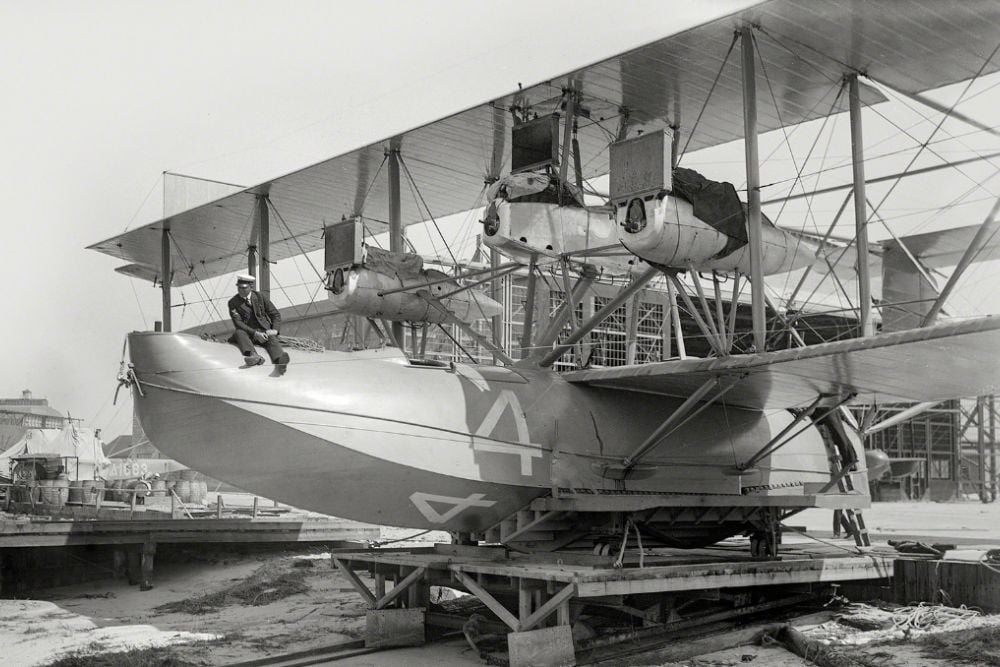
The NC (Navy-Curtiss) seaplanes were specifically designed for the transatlantic challenge. With a 126-foot wingspan—wider than a modern Boeing 737—these massive flying boats featured four Liberty engines generating 1,600 horsepower.
The aircraft were nicknamed ‘Nancies’ and represented the pinnacle of aviation technology for their era.
Cramped and Noisy Conditions
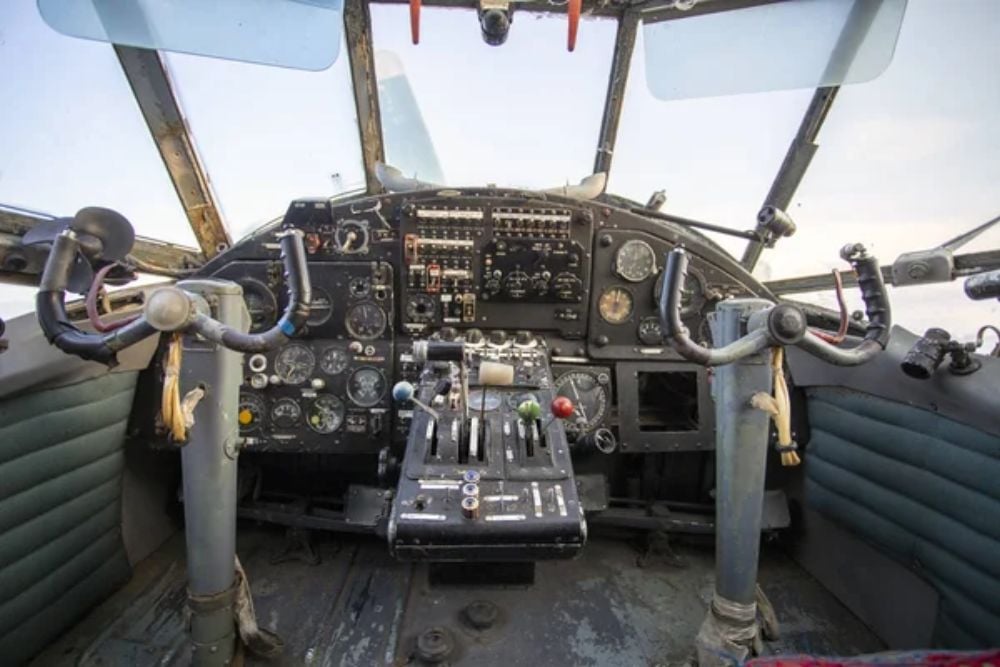
The interior of these early transatlantic aircraft offered none of today’s comforts. Crews endured deafening engine noise without effective hearing protection, freezing temperatures at altitude, and constant vibration.
The flight deck was so loud that crew members communicated by passing written notes rather than attempting to speak over the roar of the engines.
A Multi-National Achievement

Though commonly viewed as an American triumph, the first Atlantic crossing had international dimensions. The NC-4’s commander, Albert Read, trained with British aviators before the attempt.
Additionally, Portuguese and British support proved crucial during stops in the Azores and for the final approach to European shores. The achievement represented international cooperation despite being immediately after World War I.
Mechanical Ingenuity

It took incredible mechanical ingenuity to keep the airplane running during the voyage. When the NC-4’s engine failed close to the Azores, the crew made new parts using resources they had on board and carried out intricate repairs while adrift on the ocean.
The success of the flight depended as much on this technical inventiveness as on the pilot’s abilities.
Media Sensation

Newspapers carried daily reports on the crossing, generating hitherto unheard-of levels of media frenzy. After the trip was over, the team saw President Woodrow Wilson at the White House and was given a ticker-tape parade in New York City.
Later milestones like Lindbergh’s flight would follow the trend of commemorating aviation accomplishments set by this media frenzy.
Minimal Cargo Space

Weight restrictions were so severe that each crew member was limited to one pound of personal belongings. Food rations consisted primarily of chocolate, sandwiches, and coffee in thermos bottles.
Every ounce mattered, and the minimal provisions underscored how physically demanding these pioneering flights were for the aviators.
Political Implications

The successful crossing had significant political implications, demonstrating America’s growing technological prowess following World War I. The flight helped establish the United States as an aviation leader and provided a powerful symbol of American ingenuity and determination that would define the coming century.
Forgotten Crew Members

While Commander Albert Read led the NC-4, his fellow crew members—Elmer Stone, Walter Hinton, James Breese, Eugene Rhoads, and Herbert Rodd—have largely faded from public memory. Each specialist played a crucial role, from navigation to radio operation to engineering.
Their collective expertise made the seemingly impossible journey achievable through teamwork rather than individual heroism.
The “American Flyer” Postage Stamp
The flight inspired one of history’s most famous philatelic errors. In 1918, anticipating a successful crossing, the U.S. Postal Service prepared a 24-cent airmail stamp showing the Curtiss Jenny aircraft.
However, a printing error created the “Inverted Jenny” with the airplane printed upside down. These misprinted stamps are now worth fortunes to collectors, with single stamps selling for over $1 million.
A Legacy of Innovation

The technological advances developed for this first Atlantic crossing directly influenced commercial aviation development. Innovations in fuel systems, multi-engine reliability, and navigation techniques established during the preparation and execution of this flight formed the foundation for regular transatlantic air service that began just a decade later with airships and eventually aircraft.
The Long Journey Forward

The first Atlantic crossing opened skies that had separated continents throughout human history. What began as a dangerous 23-day journey requiring military planning and resources has evolved into routine travel completed thousands of times daily.
These pioneering aviators could scarcely imagine today’s world where millions cross the Atlantic annually, completing in hours what once represented aviation’s ultimate challenge.
More from Go2Tutors!

- The Romanov Crown Jewels and Their Tragic Fate
- 13 Historical Mysteries That Science Still Can’t Solve
- Famous Hoaxes That Fooled the World for Years
- 15 Child Stars with Tragic Adult Lives
- 16 Famous Jewelry Pieces in History
Like Go2Tutors’s content? Follow us on MSN.



