Important Facts About the Earth’s Atmosphere
Your every breath serves as a reminder that the atmosphere of Earth is silently carrying out its function.
Since air is always present and invisible, it’s easy to take it for granted, but one of the solar system’s most amazing features is the thin layer of gases that envelops our planet.
Earth would be a frozen, lifeless rock under attack from cosmic debris and radiation without it.
Not only does the atmosphere enable life, but it also establishes the conditions necessary for a remarkable variety of life to flourish.
The atmosphere influences almost every element of life on Earth, from the oxygen we breathe to the auroras that dance across polar skies.
It distributes water, controls temperature, and serves as an imperceptible barrier against dangers we hardly ever consider.
Knowing how it functions makes it clear how well-balanced our planet is.
Let’s examine some of the most crucial information regarding this air shield.
It’s Mostly Nitrogen, Not Oxygen
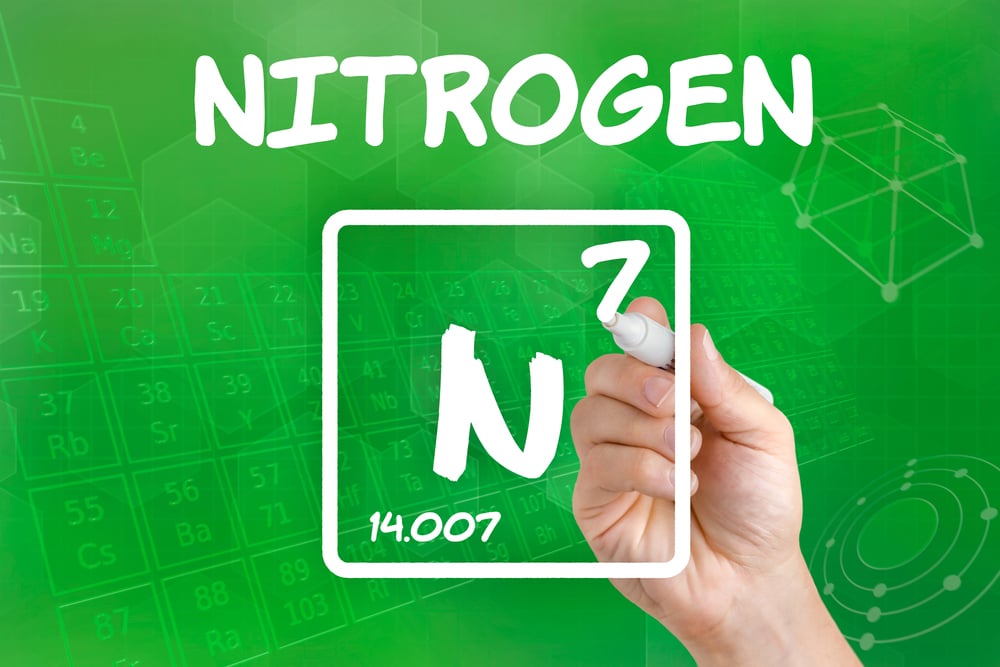
Most people assume that oxygen dominates the atmosphere since it’s what we breathe, but nitrogen actually makes up about seventy-eight percent of dry air around us.
Oxygen comes in second at roughly twenty-one percent, with argon accounting for about zero point nine-three percent, and carbon dioxide plus other trace gases filling out the remainder.
Water vapor varies depending on location and weather conditions, but these percentages describe the composition of dry air.
This balance isn’t arbitrary—it’s the result of billions of years of planetary evolution and biological activity.
Nitrogen is relatively inert, meaning it doesn’t react easily with other elements under normal conditions.
This stability makes it an ideal filler gas, preventing the atmosphere from becoming too reactive or combustible.
Oxygen, on the other hand, is highly reactive and essential for aerobic life, but too much of it would turn Earth into a tinderbox.
The current balance allows for respiration, combustion, and chemical processes without everything spontaneously catching fire.
The Atmosphere Has Distinct Layers
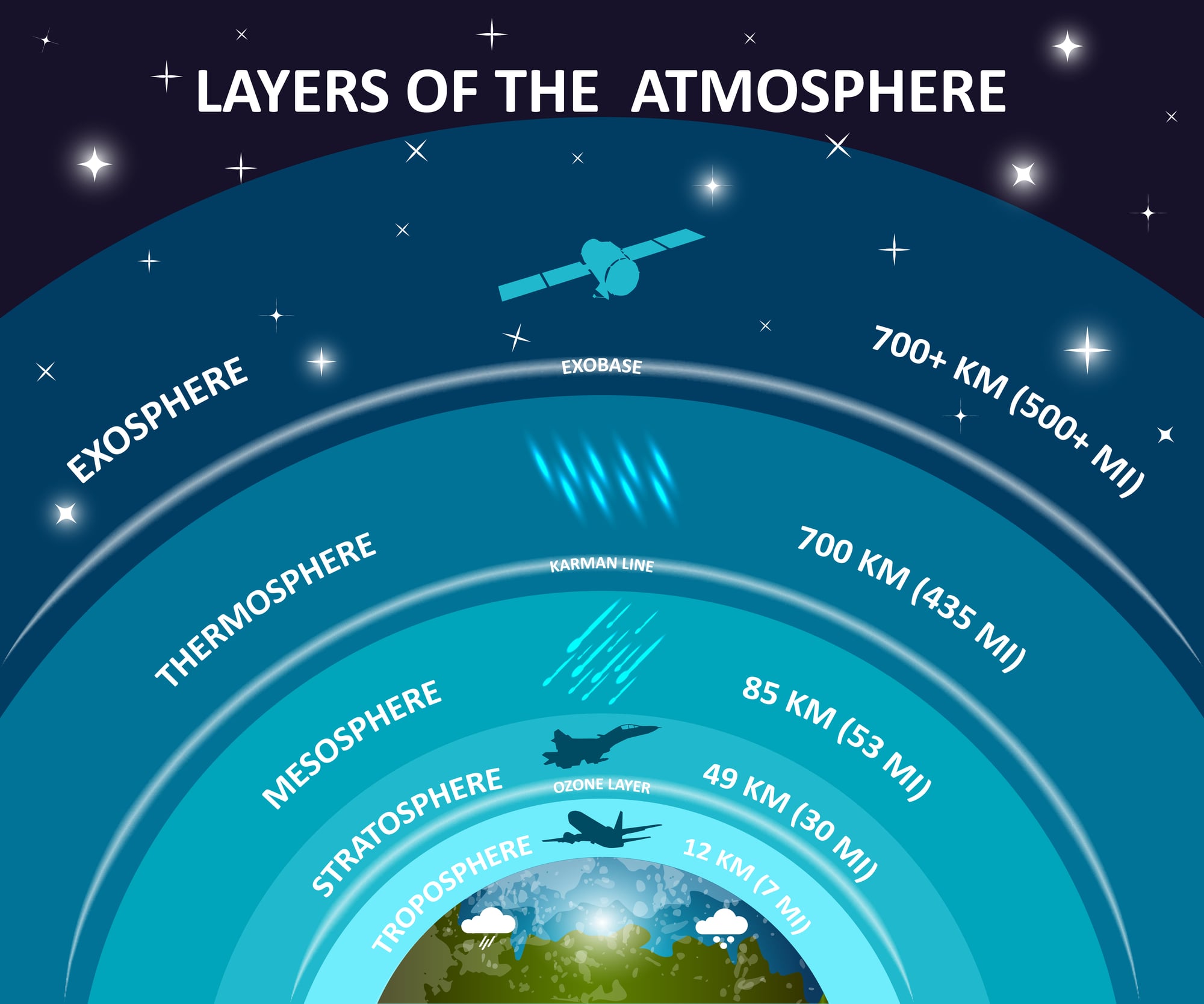
The atmosphere isn’t a uniform blanket—it’s divided into five distinct layers, each with unique characteristics and functions.
Starting from the ground up, there’s the troposphere, where all weather happens and where we live.
This layer extends about six miles above sea level at the poles and up to roughly ten to eleven miles near the equator.
Above that is the stratosphere, home to the ozone layer, which absorbs most of the sun’s harmful ultraviolet radiation.
Higher still is the mesosphere, where temperatures drop dramatically and meteors burn up as they enter the atmosphere.
The thermosphere sits above that, reaching extreme temperatures due to solar radiation, though it would feel cold to the touch because the air is so thin.
Finally, the exosphere gradually fades into the vacuum of space.
Each layer plays a specific role in protecting the planet and maintaining conditions suitable for life.
It Acts as a Giant Sunscreen

The ozone layer, concentrated in the stratosphere roughly ten to thirty miles above Earth’s surface, is one of the atmosphere’s most critical features.
Ozone molecules absorb the majority of the sun’s ultraviolet radiation, which would otherwise reach the surface in dangerous concentrations.
Without this protective shield, UV radiation would cause widespread DNA damage, making most forms of life impossible.
Plants would struggle to photosynthesize, ecosystems would collapse, and humans would face skyrocketing rates of skin cancer and cataracts.
The discovery of the ozone layer’s depletion in the nineteen-eighties, particularly over Antarctica, was a wake-up call.
Chemicals called chlorofluorocarbons, commonly used in refrigerants and aerosol sprays, were breaking down ozone molecules at an alarming rate.
International cooperation led to the Montreal Protocol, which phased out these chemicals.
Decades later, the ozone layer is slowly recovering, a rare environmental success story that proves collective action can make a difference.
Air Pressure Decreases With Altitude
At sea level, the weight of all the air above presses down with a steady force.
This might sound oppressive, but our bodies have evolved to function perfectly under this pressure.
As you climb higher, there’s less air above you, so atmospheric pressure drops.
At the summit of Mount Everest, air pressure is only about a third of what it is at sea level, meaning there’s significantly less oxygen available with each breath.
This decrease in pressure is why mountain climbers experience altitude sickness and why commercial airplanes need pressurized cabins.
Even though planes fly at altitudes where the outside air is thin and frigid, the cabin maintains a comfortable pressure for passengers to breathe normally.
The relationship between altitude and pressure also explains why water boils at lower temperatures on mountaintops.
Atmospheric pressure affects the boiling point of liquids.
The Greenhouse Effect Keeps Earth Livable
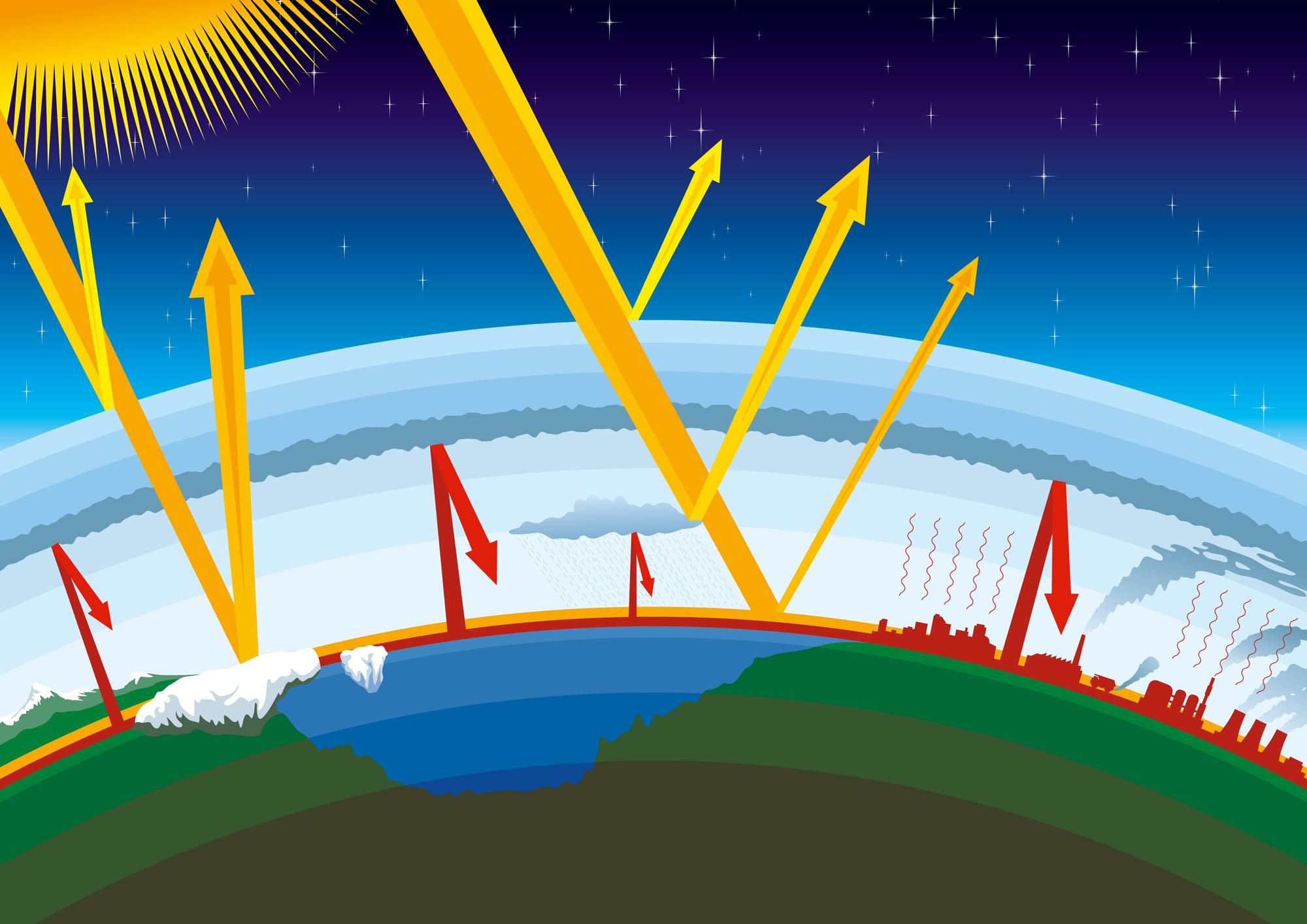
The greenhouse effect often gets a bad reputation because of its association with climate change, but in its natural state, it’s essential for life.
Certain gases in the atmosphere, including carbon dioxide, water vapor, and methane, trap heat from the sun and prevent it from escaping back into space.
Without this warming effect, Earth’s average surface temperature would be far below freezing rather than the mild average we enjoy today.
That difference means the planet would be far too cold for liquid water or most life forms.
The problem arises when greenhouse gas concentrations increase beyond natural levels.
Human activities, particularly the burning of fossil fuels and deforestation, have raised carbon dioxide levels dramatically since the Industrial Revolution.
This enhanced greenhouse effect traps more heat than the planet can comfortably handle, leading to rising global temperatures, melting ice caps, and disrupted weather patterns.
The atmosphere’s delicate balance is being tested in real time.
Weather Happens Almost Entirely in the Troposphere

Despite being the thinnest atmospheric layer, the troposphere is where all the action happens when it comes to weather.
This is where clouds form, rain falls, winds blow, and storms develop.
The troposphere contains about eighty percent of the atmosphere’s total mass and nearly all of its water vapor, which is why weather phenomena are confined to this relatively narrow band of air.
Temperature in the troposphere decreases with altitude, which creates the conditions necessary for weather.
Warm air rises, cools, and releases moisture, forming clouds and precipitation.
This constant churning and mixing of air masses drives everything from gentle breezes to devastating hurricanes.
The boundary between the troposphere and the stratosphere, called the tropopause, acts as a lid that prevents most weather from reaching higher altitudes.
Earth’s Atmosphere Has Evolved Dramatically

The atmosphere we breathe today bears little resemblance to Earth’s early atmosphere.
Billions of years ago, the planet was surrounded by a thick soup of hydrogen, helium, methane, ammonia, and water vapor.
There was virtually no free oxygen, and the atmosphere was far more hostile than anything we’d recognize now.
The game changer was photosynthesis.
Cyanobacteria began producing oxygen as a byproduct of converting sunlight into energy.
Over hundreds of millions of years, oxygen levels slowly built up, fundamentally transforming the atmosphere and paving the way for complex life.
This event, known as the Great Oxidation Event, was catastrophic for many organisms at the time but ultimately created the conditions that allowed animals, plants, and eventually humans to evolve.
It Protects Us From Space Debris

Every day, tons of space debris enter Earth’s atmosphere, mostly in the form of micrometeoroids, tiny particles of dust and fragments from comets and asteroids.
The atmosphere acts as a protective barrier, causing these objects to heat up and disintegrate due to friction as they plunge through the air.
What we see as shooting stars are actually bits of rock and metal burning up in the mesosphere.
Without the atmosphere, Earth’s surface would be pockmarked like the Moon, with craters from constant meteor impacts.
Larger meteors that survive the journey and reach the ground are called meteorites, and they’re relatively rare precisely because the atmosphere is so effective at vaporizing incoming material.
This constant, invisible defense system is another reason why the atmosphere is indispensable for maintaining a stable, habitable planet.
Jet Streams Shape Global Weather Patterns

High in the troposphere, narrow bands of fast-moving air called jet streams circle the globe.
These rivers of wind play a crucial role in shaping weather patterns.
The position and strength of jet streams influence everything from the path of storm systems to the severity of heat waves and cold snaps.
Meteorologists closely monitor jet streams because shifts in their behavior can have widespread effects on regional climates.
Jet streams form due to the temperature difference between polar and tropical air masses, combined with Earth’s rotation.
During winter, when the temperature contrast is strongest, jet streams are faster and more pronounced.
During summer, they weaken and shift.
Climate change is affecting jet stream behavior, causing them to meander more unpredictably, which can lead to prolonged droughts, floods, and extreme temperature events.
The Thin Blue Line
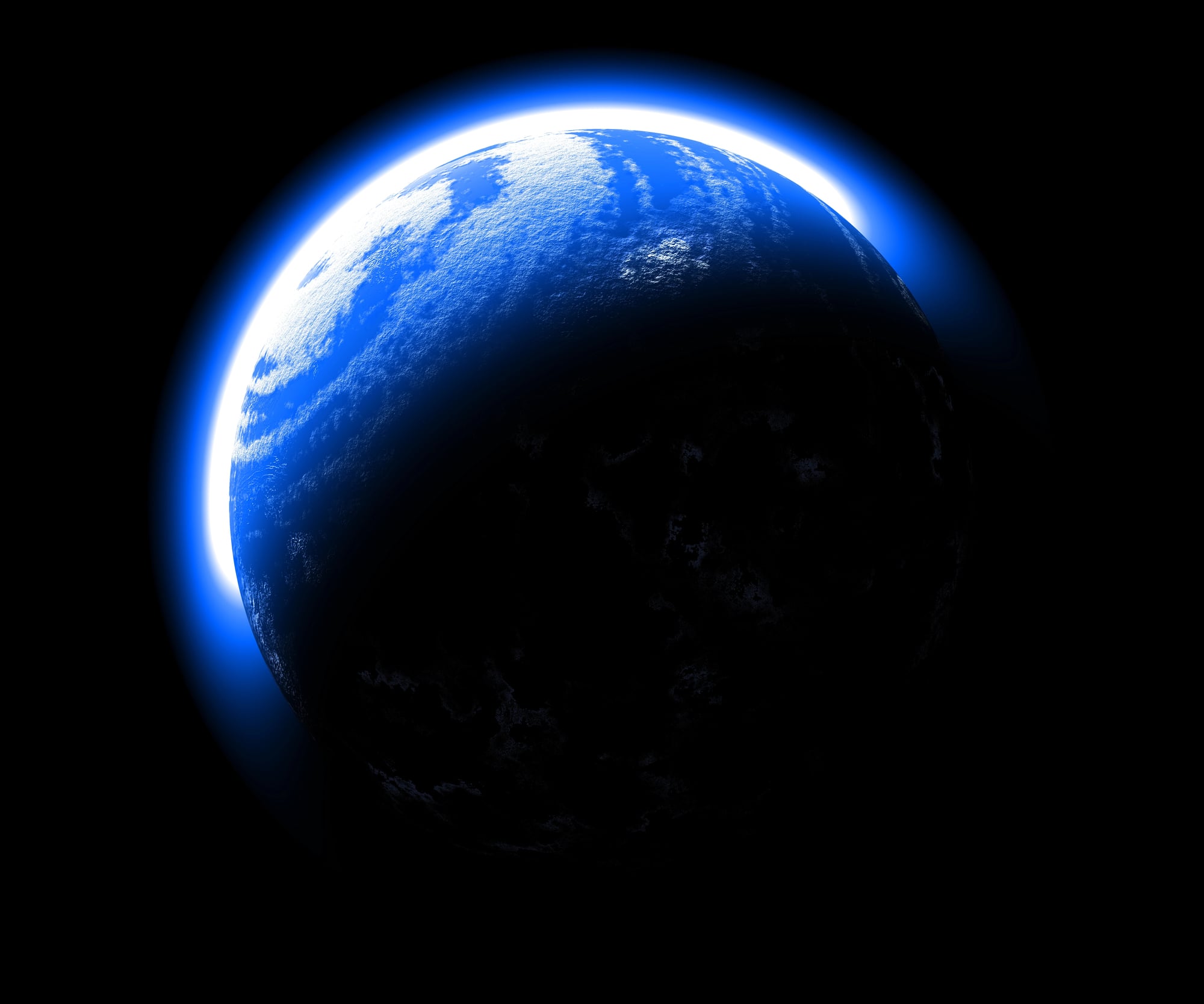
Earth’s atmosphere is seen from space as a thin, nearly fragile shell that clings to the planet’s surface like a delicate blue haze against the vastness of the cosmos.
It is, in a sense.
Although the atmosphere extends hundreds of miles above the ground, the first few miles contain the majority of its mass.
The atmosphere is as thin as the skin of an apple in relation to the Earth’s diameter.
The role of the atmosphere is all the more remarkable because of this fragility.
For billions of years, it has endured ice ages, volcanic eruptions, and impacts from asteroids while preserving conditions conducive to life.
However, it is also susceptible to quick changes, especially those brought on by human activity.
Recognizing the delicate balance that sustains our world and accepting responsibility for its protection are the goals of understanding the atmosphere, which goes beyond simple academic study.
Every living thing that has ever lived on Earth is connected to us through the air we breathe, and maintaining its health also ensures our own future.
More from Go2Tutors!

- The Romanov Crown Jewels and Their Tragic Fate
- 17 Halloween Costumes Once Considered Taboo
- Famous Hoaxes That Fooled the World for Years
- 15 Child Stars with Tragic Adult Lives
- 16 Famous Jewelry Pieces in History
Like Go2Tutors’s content? Follow us on MSN.



