27 Spies Who Operated for Decades Without Ever Being Caught
The spies who get caught are the ones history records. They become case studies in counterintelligence courses, the subjects of trials and memoirs and films.
What is harder to document are the ones who didn’t get caught — who passed intelligence for years or decades, retired or died without exposure, and left their handlers with no operational reason to put anything on paper that might later embarrass anyone.
The people on this list represent a cross-section of a different category: agents whose operations were successful enough that they were never compromised, double agents who deceived their targets so completely that they ended the war decorated by both sides, and a small number whose existence we only know about because someone else eventually confessed or because archives were opened decades after the fact.
In each case, the essential point is the same: they were good enough at what they did that nobody caught them while they were doing it.
Juan Pujol García — Codenamed Garbo (Spain/Britain, WWII)
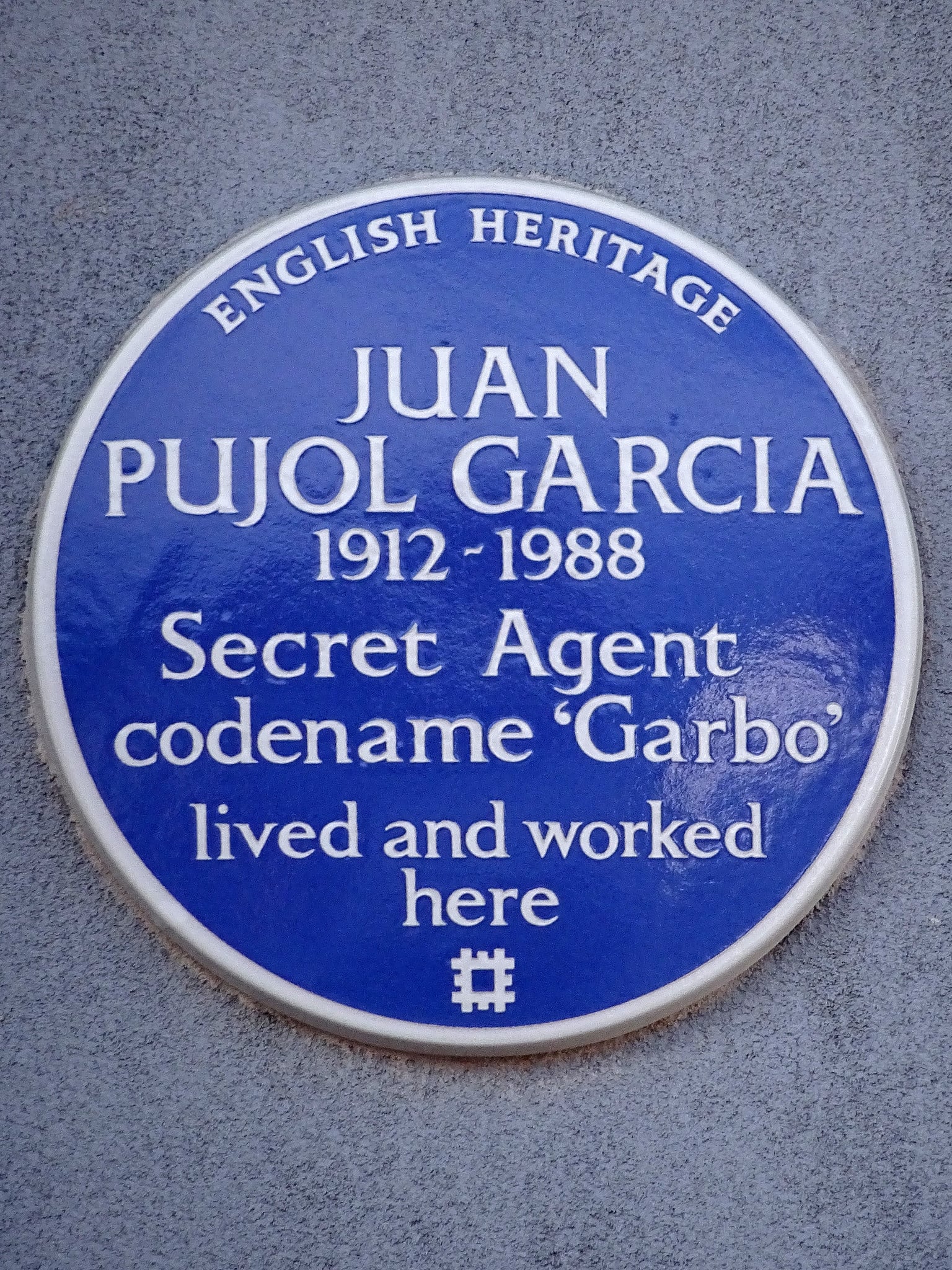
Juan Pujol García began his espionage career without any institutional support. A Catalan chicken farmer with a hatred of fascism, he offered his services to British intelligence, was rejected, and then proceeded to approach German intelligence instead — not because he wanted to work for them, but so he could become a double agent for the British.
The Germans accepted him as a spy without knowing he had never been to Britain.
He operated initially from Lisbon, using a Baedeker tourist guide, a railway timetable, and a book about the Royal Navy to write detailed reports about conditions in Britain that he had invented entirely.
When British intelligence eventually discovered what he was doing, they recognised his value and brought him onboard.
Over the following years, García — codenamed Garbo by the British and Arabel by the Germans — constructed a fictional network of twenty-seven sub-agents, none of whom existed, and used them to feed a continuous stream of disinformation to German intelligence.
His crowning achievement was convincing the Germans in the weeks before and after D-Day that the Normandy landings were a feint, and that the main Allied invasion would fall at Pas-de-Calais.
Hitler held back armoured reserves for weeks on this basis.
At the end of the war, García was awarded the MBE by Britain and the Iron Cross by Germany — the only person ever to receive both.
His cover was never broken.
He faked his own death in 1949 and lived quietly in Venezuela until a researcher tracked him down in 1984.
Edward Bancroft (USA/Britain, Revolutionary War)
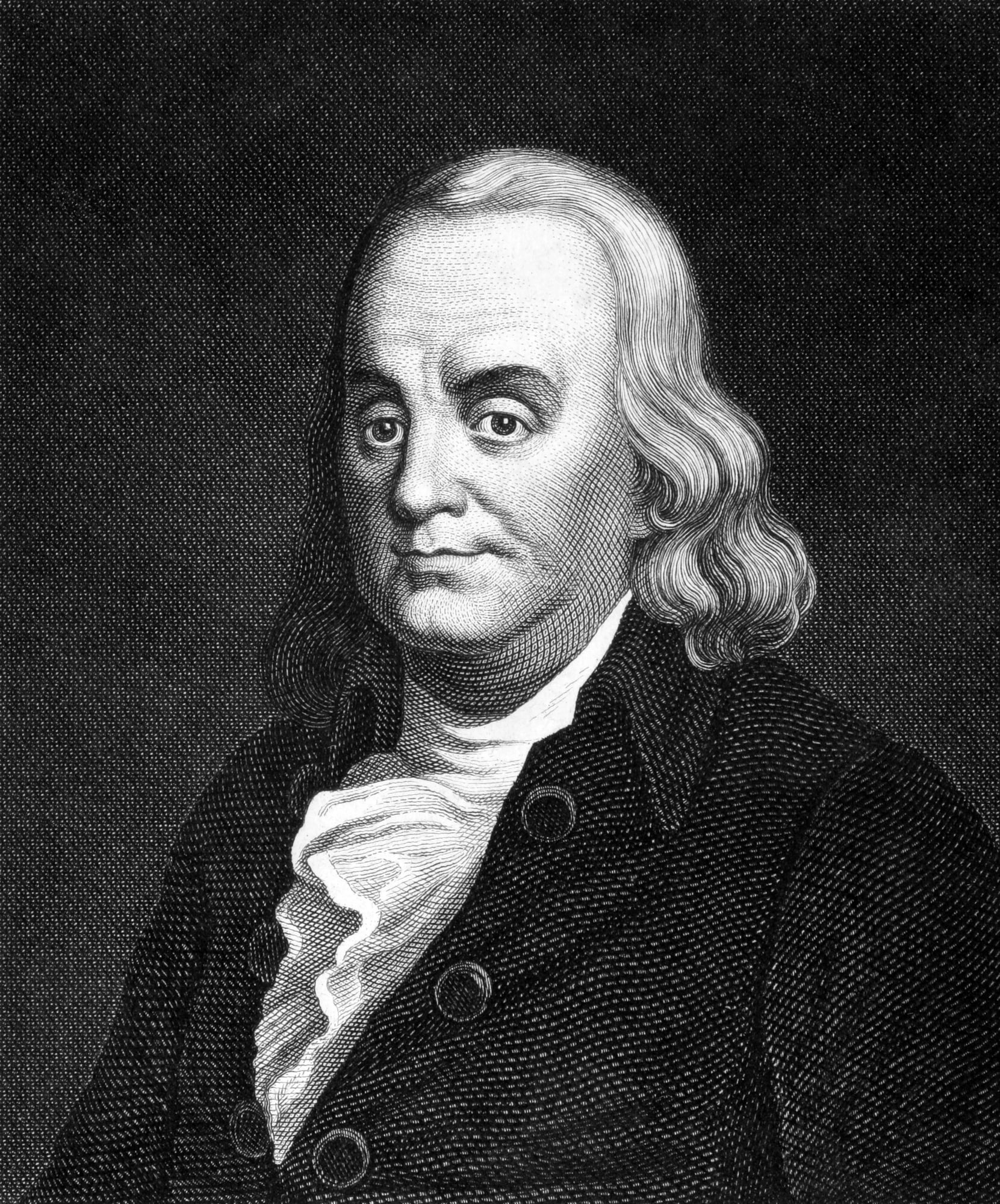
Edward Bancroft was Benjamin Franklin’s personal secretary during the American diplomatic mission to France in the late 1770s.
He was also, throughout this period, a spy for the British government, passing them detailed accounts of American diplomatic strategy, French intentions, and the private communications of the American delegation.
His American patrons trusted him completely.
His British handlers were careful.
His spying was not discovered during his lifetime, and was only confirmed in 1889 when British Foreign Office records were declassified — more than a century after the events in question.
Bancroft died in 1821 as a respected scientist and physician.
The man who sat beside Benjamin Franklin throughout the negotiation of the Franco-American alliance was reporting its contents to London.
Kim Philby (Britain, Cold War)
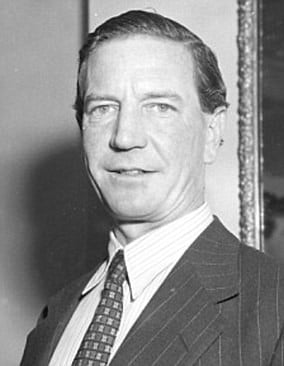
Kim Philby’s career is often included in lists of spies who were caught — and technically he was, when he fled to Moscow in 1963.
But the point worth emphasising is that he operated successfully for thirty years, rising to become head of MI6’s anti-Soviet operations, serving as the primary liaison between British and American intelligence in Washington, and passing Soviet intelligence vast quantities of material the entire time.
When suspicion fell on him after two fellow spies defected in 1951, MI6 officials defended him.
He was reinvestigated and cleared.
He was sent to Beirut as a foreign correspondent and continued passing secrets.
He was only forced to flee when new evidence emerged in 1963.
Three decades of successful penetration of the highest levels of British intelligence, and he walked out of the country rather than being arrested in it.
Markus Wolf (East Germany, Cold War)
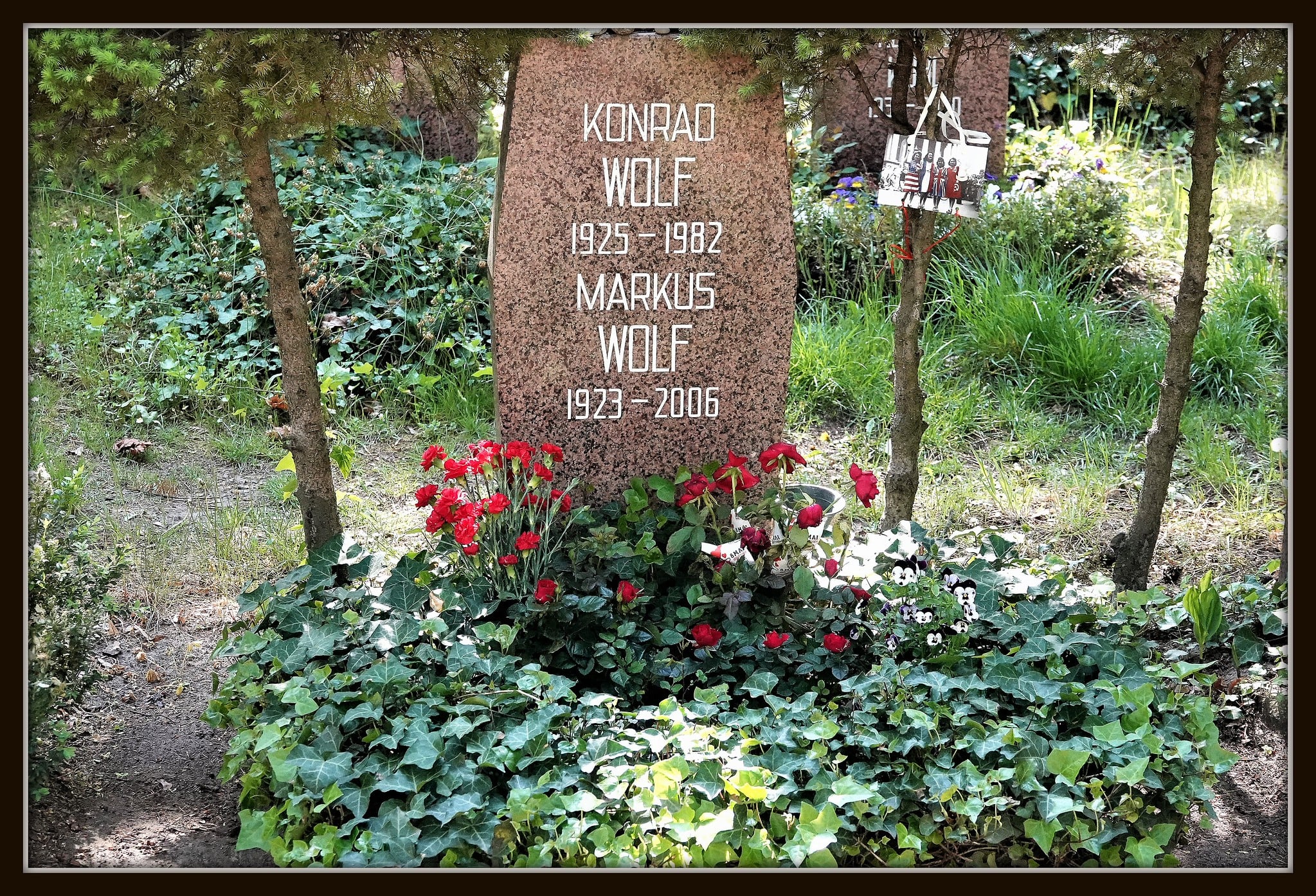
Markus Wolf ran the foreign intelligence service of East Germany from 1952 to 1986 — thirty-four years — and was so effective at concealing his identity that Western intelligence agencies had no photograph of him for decades.
He was known as “the man without a face.”
His directorate placed around four thousand agents in West Germany and NATO institutions, most famously planting Günter Guillaume as a personal aide to West German Chancellor Willy Brandt.
When Guillaume was unmasked in 1974, Brandt resigned.
Wolf himself was never arrested during his operational career.
After reunification he was tried twice in German courts, but convictions were overturned or suspended on the basis that he had been acting on behalf of a sovereign foreign state.
He died in 2006, having written two memoirs.
Dusko Popov — Codenamed Tricycle (Yugoslavia/Britain, WWII)
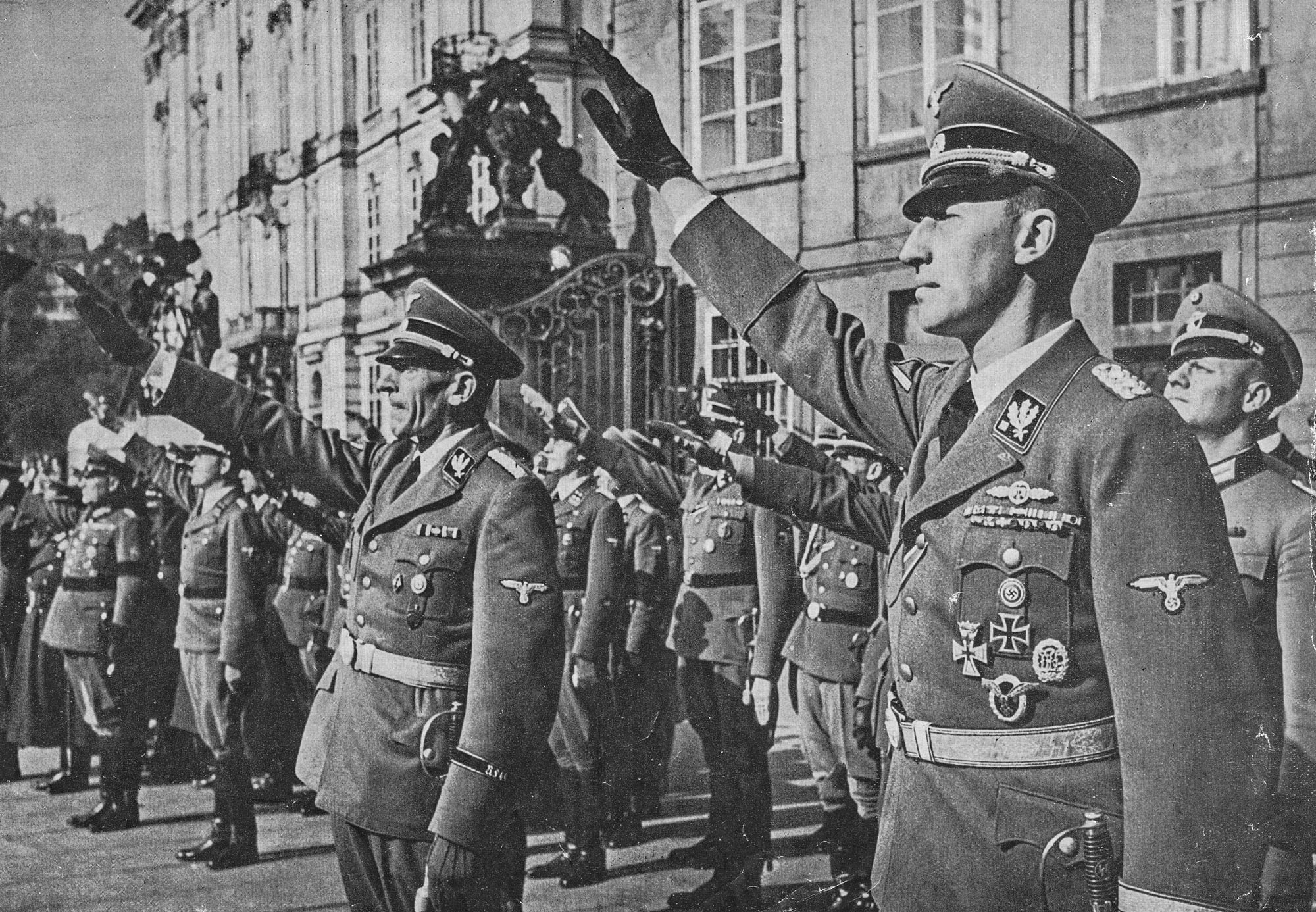
Dusko Popov was a wealthy Yugoslav lawyer with extensive contacts in Nazi Germany who approached British intelligence and offered to serve as a double agent.
The British accepted.
Under German codename Ivan and British codename Tricycle, Popov operated as one of the most effective double agents of the war, passing fabricated intelligence to the Abwehr while providing MI5 with detailed information about German intelligence operations and personnel.
His cover was never broken during the war.
He was also, according to Ian Fleming — who briefly worked alongside him — one of the inspirations for James Bond, a comparison Popov reportedly found flattering.
Oleg Gordievsky (Soviet Union/Britain, Cold War)
Gordievsky began working for British intelligence in the early 1970s while serving as a KGB officer in Copenhagen.
Over the following decade, he rose through the KGB to become head of the KGB station in London, briefing his handlers throughout on Soviet intelligence operations, personnel, and assessments of Western intentions.
His contribution during the tense 1983 Able Archer NATO exercise — when he reported that Soviet leadership genuinely feared a surprise nuclear attack was imminent — is credited by some historians with helping to reduce the risk of catastrophic miscalculation.
His identity was eventually betrayed to Moscow by CIA officer Aldrich Ames in 1985.
He was recalled to Moscow, interrogated, and put under surveillance.
What followed was Operation Pimlico: a pre-planned MI6 exfiltration in which Gordievsky was smuggled across the Finnish border in the boot of a car.
He was not caught while operating.
He was extracted before he could be.
The Cambridge Five — Anthony Blunt (Britain, Cold War)
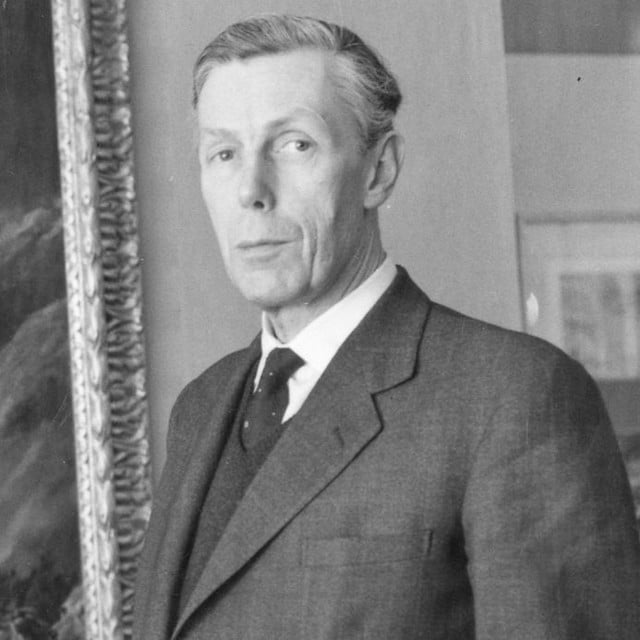
The Cambridge Five — Philby, Burgess, Maclean, Blunt, and Cairncross — operated as a Soviet intelligence network within British government from the 1930s through to the 1950s.
Anthony Blunt is the most instructive case among those who escaped public exposure for longest.
A distinguished art historian and Surveyor of the Queen’s Pictures, Blunt had confessed privately to MI5 in 1964 in exchange for immunity from prosecution.
He was then allowed to continue in his royal role, his confession kept secret, for fifteen years.
His public exposure came in 1979 when Prime Minister Thatcher confirmed his wartime espionage in the House of Commons.
He had operated within the intelligence apparatus, confessed privately, lived in public honour, and was only named publicly forty-five years after the main period of his espionage activity.
John Cairncross (Britain, Cold War)
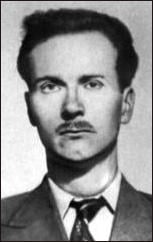
Cairncross, the fifth member of the Cambridge Five, worked at Bletchley Park during the war and passed Soviet intelligence a significant quantity of decoded German military communications.
His contribution is thought to have given the Soviets advance warning of the German build-up before the Battle of Kursk in 1943.
He was not publicly identified as a Soviet agent until 1990, when he gave a media interview following the publication of a book that named him.
He had spent the intervening decades working at international organisations and writing translations of Racine and La Fontaine.
He was never prosecuted.
Vasili Mitrokhin (Soviet Union/Britain, Cold War)
Vasili Mitrokhin was a KGB archivist who spent twelve years systematically copying secret KGB files by hand, hiding the copies in his home, and waiting.
In 1992, following the collapse of the Soviet Union, he contacted British intelligence and defected — bringing with him an archive of six trunks’ worth of handwritten notes summarising decades of KGB operations, personnel, and sources.
The Mitrokhin Archive became the basis for two major books co-authored with historian Christopher Andrew and exposed Soviet intelligence operations across decades.
Mitrokhin was not caught during his twelve years of systematic copying because he was trusted — a trusted archivist, quietly taking notes.
Nathan Hale’s Less Famous Counterpart — Major John André (Britain, Revolutionary War)
André was the British officer who arranged Benedict Arnold’s defection and was eventually captured and hanged.
But the opposite case — the British spy in the American camp who was never caught — is instructive.
There is strong evidence from later archival work that Benjamin Thompson, later known as Count Rumford, was passing intelligence to the British during the Revolutionary War, a suspicion that led him to leave the colonies.
He was never formally charged or convicted.
Richard Sorge (Germany/Soviet Union, WWII)
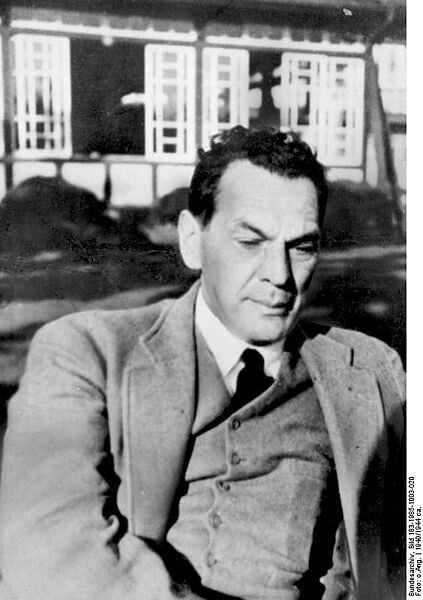
Richard Sorge is often listed among those who were caught — he was arrested in Japan in 1941 — but his operational record up to that point warrants inclusion here for its length and quality.
Sorge operated as a Soviet agent in China from 1929 to 1932 and in Japan from 1933 to 1941 — twelve years of active intelligence work across two separate postings.
In Japan, he operated under deep cover as a German journalist and became a trusted member of the German embassy’s social circle, including the ambassador himself.
His intelligence on Japan’s intention not to attack the Soviet Union in 1941 allowed Stalin to redeploy Siberian troops to the defence of Moscow.
He was not exposed by counterintelligence work but by the arrest of a contact who led investigators to a network around him.
Leonid Kvasnikov (Soviet Union/USA, WWII and Cold War)
Kvasnikov was the Soviet intelligence officer responsible for running the atomic espionage network in the United States and Britain, which collected technical data on the Manhattan Project from sources including Klaus Fuchs, Julius Rosenberg, and others.
Kvasnikov operated from the Soviet consulate in New York from 1943 to 1945 and helped coordinate the flow of nuclear secrets to Moscow.
He was never arrested, never tried, and returned to the Soviet Union in 1945.
He lived until 1972.
Klaus Fuchs (Germany/Britain, WWII)
Fuchs was a German-born physicist who worked on the British atomic bomb programme and later at Los Alamos on the Manhattan Project.
He had been passing Soviet intelligence technical information about bomb design from as early as 1941.
He was not caught for nine years — he was arrested in 1950 only because the VENONA decryption programme, which had been working to decode wartime Soviet communications, generated evidence that pointed to him.
He had passed the complete design specifications for both the implosion-type plutonium bomb and, later, the hydrogen bomb to Soviet intelligence.
His information significantly accelerated the Soviet atomic programme.
Dušan Popov’s Unheard Warning (Yugoslavia/Britain, WWII)
Separate from Popov’s long-term operational success is one specific episode that deserves its own entry: in August 1941, Popov carried to the United States a microdot message from German intelligence containing a detailed questionnaire about Pearl Harbor — its layout, depth of water, ship berthing positions, and fuel storage.
The questionnaire was almost certainly inspired by the Japanese attack on the British fleet at Taranto in 1940.
Popov briefed J. Edgar Hoover of the FBI, who took a dislike to Popov personally and largely ignored the briefing.
Pearl Harbor was attacked in December 1941.
What Popov delivered was as close to advance warning as the Americans received before the attack.
He was not caught — nobody thought to catch the person delivering the warning.
Aldrich Ames (USA, Cold War)
Ames served as a CIA counterintelligence officer while simultaneously passing Soviet and later Russian intelligence the identities of CIA assets inside the Soviet Union.
Between 1985 and 1994, he is believed to have led to the execution of at least ten CIA sources inside the Soviet Union.
He received over 2.5 million dollars for his work.
Despite driving a Jaguar and buying a half-million-dollar house in cash on a CIA salary, it took the CIA nine years to identify him.
He was caught in 1994.
He operated for nine years before exposure.
Robert Hanssen (USA, Cold War)
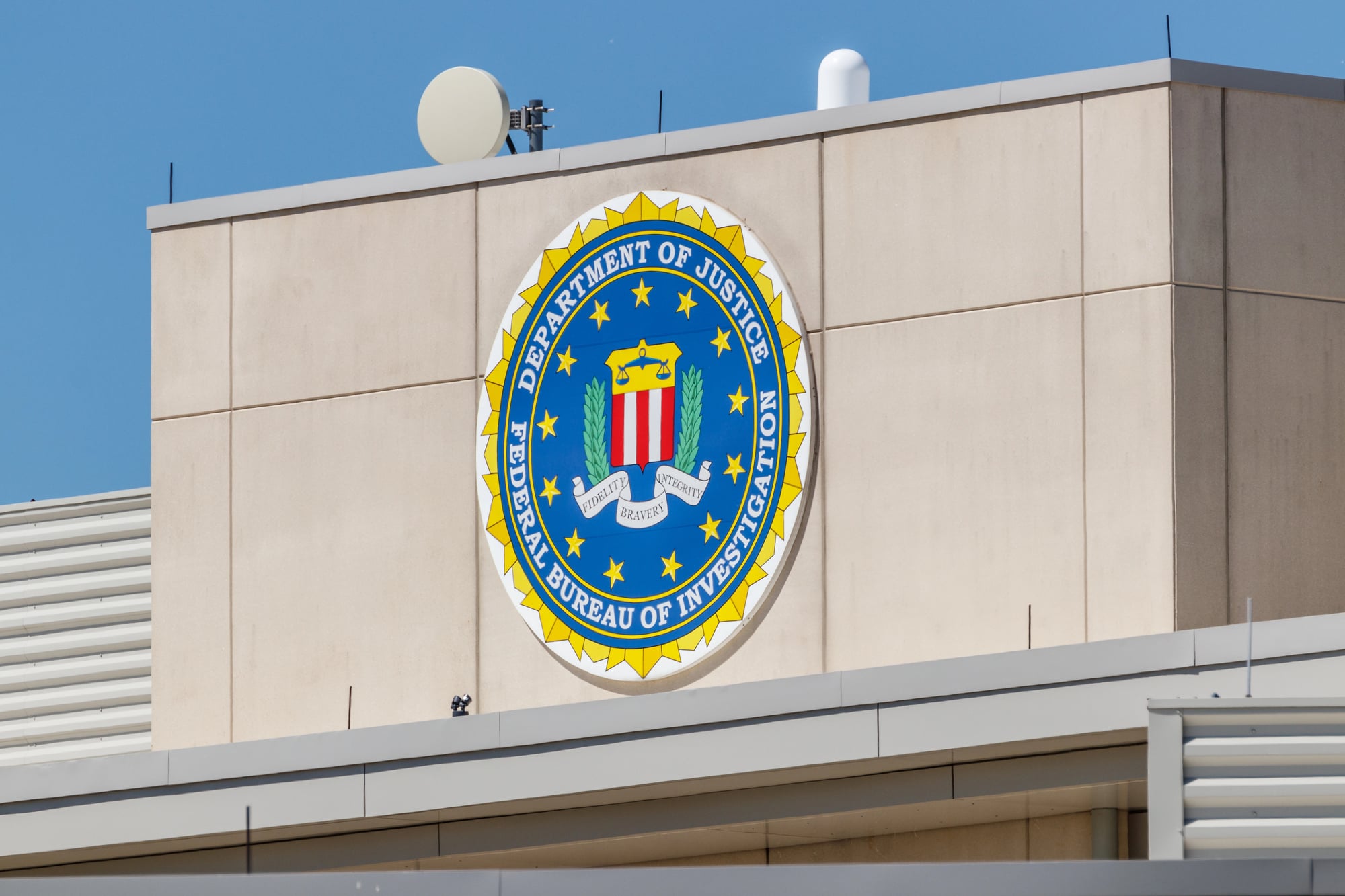
Hanssen was an FBI agent who began passing intelligence to Soviet intelligence in 1979, stopped, resumed in 1985, stopped in 1991 when the Soviet Union collapsed, and resumed again in 1999 for the Russian SVR.
His total period of espionage stretched across twenty-two years.
He was arrested in February 2001.
Throughout this period he worked in the FBI’s counterintelligence division — the division responsible for finding people exactly like him.
He escaped detection partly by never meeting his handlers in person, communicating only through dead drops, and by the accident that much of the intelligence he passed overlapped with what Ames was also passing, making the damage harder to attribute.
Ana Belen Montes (USA, Cold War and After)
Montes was a senior analyst at the Defense Intelligence Agency who had been recruited by Cuban intelligence as a graduate student in 1984.
She passed Cuba highly classified information about US intelligence operations, personnel, and assessments of Cuban military capability for the following sixteen years.
She was arrested in September 2001, days after the September 11 attacks.
US investigators had identified anomalies in her behaviour and access patterns in 1994 but were unable to build a case for another seven years.
George Blake (Britain, Cold War)
Blake was a British intelligence officer who was captured during the Korean War, converted to communism in captivity, and returned to British service as a Soviet agent.
He was posted to Berlin, where he helped design and then exposed to the Soviets a joint CIA-MI6 tunnel dug to tap into Soviet military communications — an operation called Gold in the US and Stopwatch in Britain.
The tunnel operated for eleven months before the Soviets, who had been aware of it from the beginning, chose to “discover” it in a way that did not expose Blake.
He was caught in 1961 — not by counterintelligence work but because a Polish defector identified him.
He was sentenced to forty-two years in prison.
In 1966, he escaped from Wormwood Scrubs prison, made his way to the Soviet Union, and lived there until his death in 2020 at the age of ninety-eight.
The Portland Spy Ring (USSR/Britain, Cold War)
Gordon Lonsdale — whose real name was Konon Molody — was a Soviet illegal who operated in Britain from 1955 to 1961, controlling a network of agents including Harry and Ethel Houghton, who worked at the Admiralty Underwater Weapons Establishment at Portland, and Peter and Helen Kroger, who provided communications support.
The ring passed Soviet intelligence classified information about British and American submarine and anti-submarine technology.
It was operating for six years before a tip from a CIA source led to its exposure.
None of its members was caught through internal British counterintelligence work.
Günter Guillaume (East Germany, Cold War)
Guillaume was planted by Markus Wolf’s directorate as a sleeper agent in West Germany, where he rose to become a personal assistant and close confidant of Chancellor Willy Brandt.
He travelled with Brandt, attended meetings, handled correspondence.
His arrest in 1974 — after fifteen years in place — provoked the resignation of Brandt, who felt personally betrayed that his most trusted aide had been a spy.
Guillaume had been investigated briefly in 1973 but cleared.
He had been in West Germany for fifteen years before exposure.
Ursula Kuczynski — Codenamed Sonya (Germany/Britain, Cold War)
Ursula Kuczynski, who wrote under the name Ruth Werner, was a Soviet intelligence officer who ran agents in China, Switzerland, and Britain, and served as Klaus Fuchs’s handler in Britain, receiving his nuclear intelligence transmissions via radio from her home in the Cotswolds.
British intelligence investigated her twice and found nothing of concern.
She left Britain for East Germany in 1950, immediately before Fuchs was arrested — the timing was either very lucky or very well planned.
She never faced prosecution and wrote a memoir of her espionage career, published in East Germany in 1977.
Markus Wolf’s Honey Trap Operation (East Germany, Cold War)

One of Wolf’s most systematic operations involved placing young East German men — called “Romeos” — in positions to seduce secretaries and assistants working in West German government ministries and NATO offices.
The targets were women who had access to classified documents and who were susceptible to romantic relationships.
The operations were ongoing for years, producing a continuous flow of classified material.
None of the individual Romeo agents was caught during the operation’s most active period.
The system was exposed primarily through defectors after the Cold War ended.
Vasili Zarubin (Soviet Union/USA, WWII)

Zarubin was the KGB resident in the United States during the crucial years 1941–1944, the period when Soviet intelligence was most actively penetrating American institutions.
Operating under diplomatic cover, he oversaw an extensive intelligence network that collected information from sources across government, industry, and the military establishment.
He was not caught during his posting — he departed in 1944 and returned to the Soviet Union.
His identity was later revealed through the VENONA decryption programme, which processed the wartime communications years after his departure.
Jürgen Kuczynski (Germany/Britain, WWII)
Jürgen Kuczynski, Ursula’s brother, worked as a Labour economist in Britain during the war and was simultaneously assisting Soviet intelligence by identifying and recruiting potential sources, including helping to place Klaus Fuchs in contact with Soviet handlers.
He was investigated but never charged.
He returned to East Germany after the war and became one of the most prominent academic economists in the GDR, dying in 1997 at the age of ninety-three.
Peter Wright’s Undisclosed Sources (Britain, Cold War)

Peter Wright, who wrote the memoir Spycatcher, spent years at MI5 pursuing Soviet moles within British intelligence.
His investigations produced suspicions about a number of senior figures, including a former director general of MI5.
None of these investigations produced prosecutions.
The people Wright suspected, if they were spies, were never exposed while they were operational.
The most they faced was retirement.
The Unidentified VENONA Sources
The VENONA project — a long-running US effort to decrypt wartime Soviet communications — identified dozens of Soviet intelligence sources in US government by code name.
Many of these code names were eventually matched to real identities.
But a significant number were never definitively matched.
The people those code names referred to are, by definition, never caught.
They passed intelligence, appeared in Soviet records as productive sources, and then disappeared from view — either dying quietly or living out the remainder of their lives in unremarkable anonymity.
Their names are still unknown.
The Most Successful Spy Is the One You Haven’t Named

The uncomfortable implication of this list is that it is necessarily incomplete.
The people on it are known only because their identities eventually emerged — through archive openings, confessions, defectors, or the passing of time.
The spies who operated equally successfully and left no such trace are, by definition, absent.
Intelligence services work on the assumption that for every compromise they discover, there are others they haven’t.
The most successful espionage operation is the one that generates no post-operational evidence of its existence.
What every person on this list demonstrates is that success in espionage depends less on exceptional technical skill than on access, patience, and the willingness of the target organisation to explain away anomalies rather than investigate them.
The institutions that were penetrated almost always, in retrospect, had some evidence that something was wrong.
What they lacked was the willingness to follow it.
More from Go2Tutors!

- The Romanov Crown Jewels and Their Tragic Fate
- 13 Historical Mysteries That Science Still Can’t Solve
- Famous Hoaxes That Fooled the World for Years
- 15 Child Stars with Tragic Adult Lives
- 16 Famous Jewelry Pieces in History
Like Go2Tutors’s content? Follow us on MSN.



