27 Things Colonial Americans Ate Daily
Forget the feast tables of holiday paintings. For most colonial families, breakfast, dinner, and supper looked a lot alike from one week to the next, built from whatever the farm, the forest, or the barrel in the cellar could supply.
The daily menu was plain, heavy, and surprisingly regional. A planter in the Chesapeake, a farmer in Connecticut, and a German settler outside Philadelphia could all sit down to a pot of something, yet the pots held very different things.
Cornmeal Mush
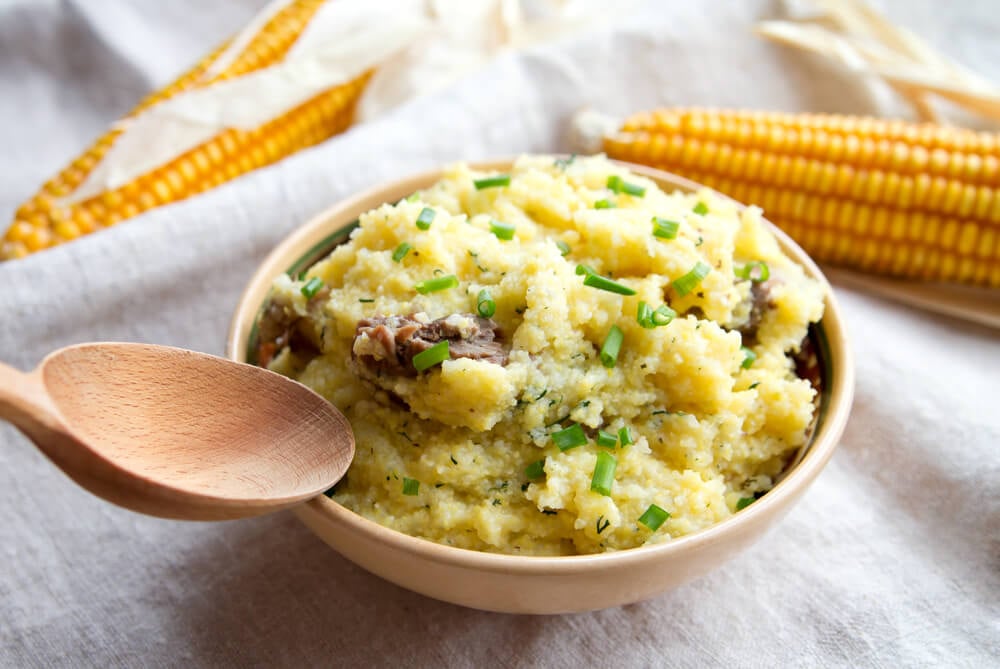
Cornmeal stirred into boiling water or milk produced a thick, bland porridge that fed families from Maine to Georgia. It was eaten hot with milk, butter, or molasses, often at breakfast or as a light supper.
Leftover mush was poured into a pan to set, then sliced and fried the next morning, a habit that survives today in parts of the Mid-Atlantic. The dish was cheap enough that it rarely needed any planning at all.
Hominy
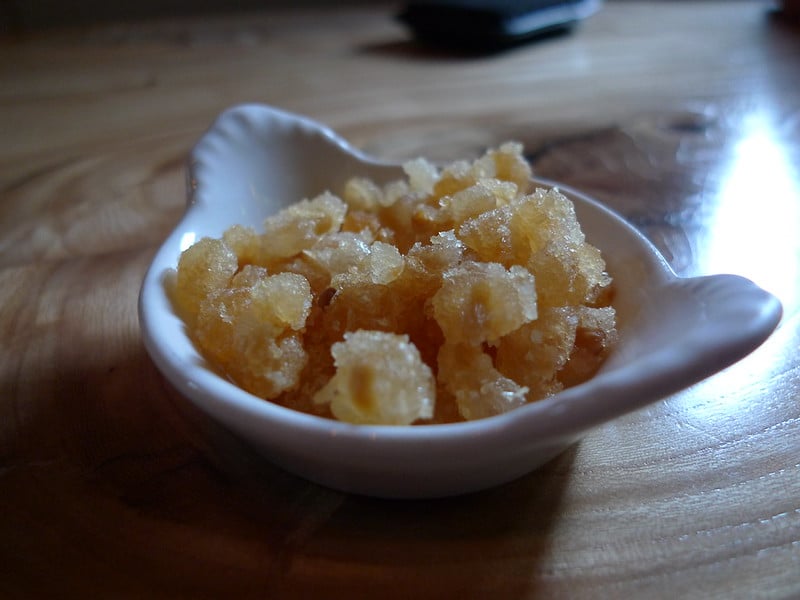
Hominy was corn soaked in a lye made from wood ashes until the tough outer hulls loosened and the kernels swelled. The word itself comes from an Algonquian language of the Eastern seaboard, a reminder that colonists borrowed the technique along with the vocabulary.
Boiled kernels were eaten intact in a stew or pounded coarse and cooked into a porridge. The treatment also made the corn easier to digest than plain meal, something no colonial cook could have explained but many practiced.
Johnnycakes
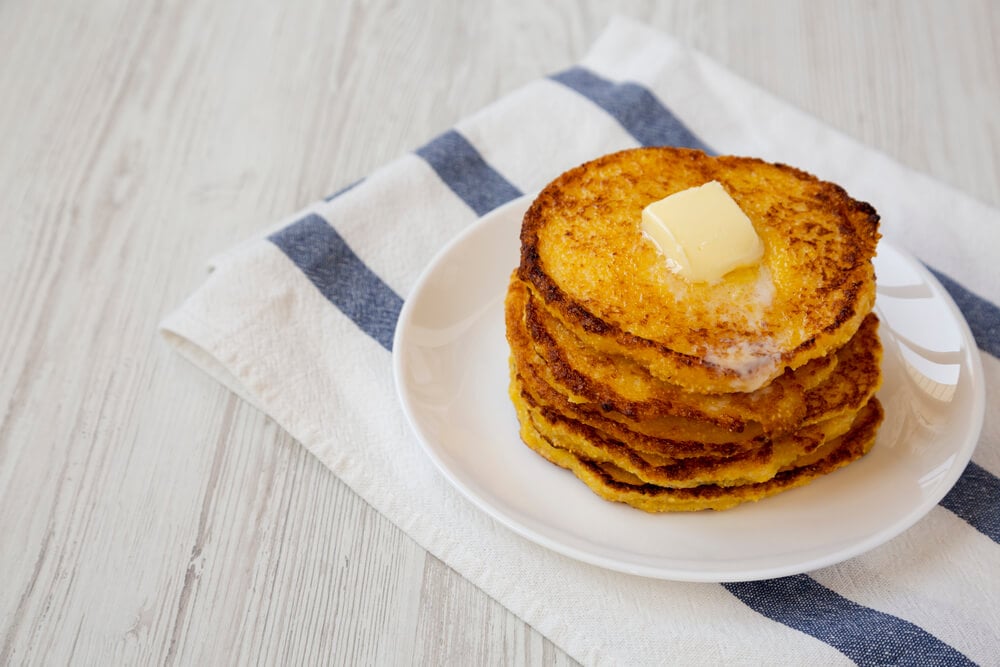
Johnnycakes were thin cakes of cornmeal and water, cooked on a griddle or a board propped before the fire. Rhode Island became their most devoted home, where the cakes remain a regional tradition.
Cooks across the colonies made versions of them, and the thin kind cooked in minutes. They filled in for bread on days when the oven was cold or the wheat flour had run out.
Hasty Pudding
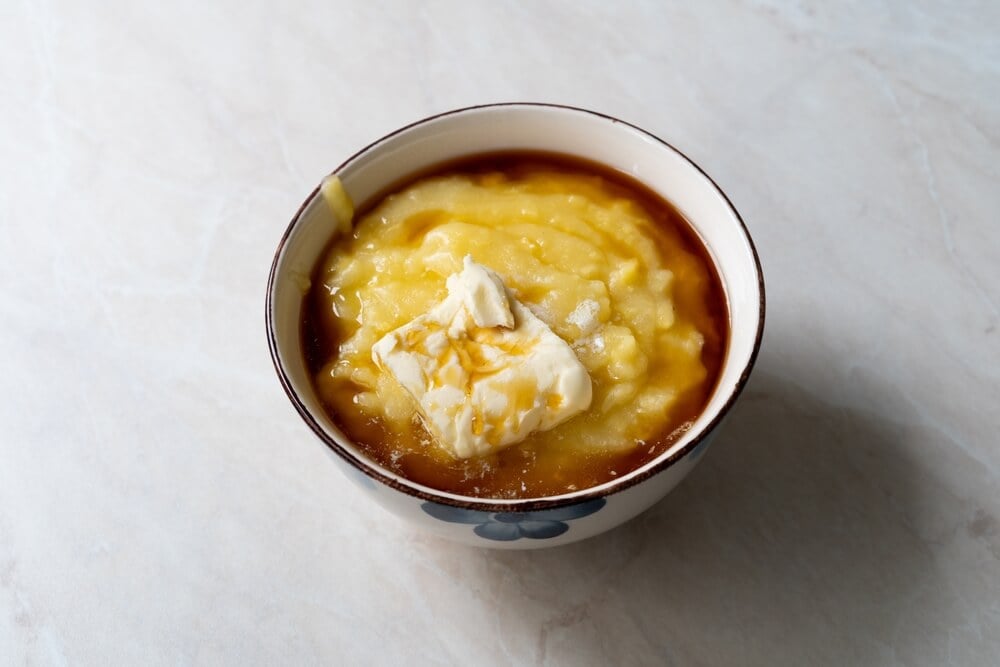
Hasty pudding was cornmeal sprinkled slowly into boiling water and stirred until it thickened, a dish that earned its name from how quickly it came together. The name was borrowed from England, where the pudding had been made with wheat flour, and colonists simply swapped in the grain they had.
Connecticut poet Joel Barlow wrote a mock-epic poem in its honor in 1793, praising the humble pot of mush in verse. Few other everyday dishes can claim their own ode.
Indian Pudding
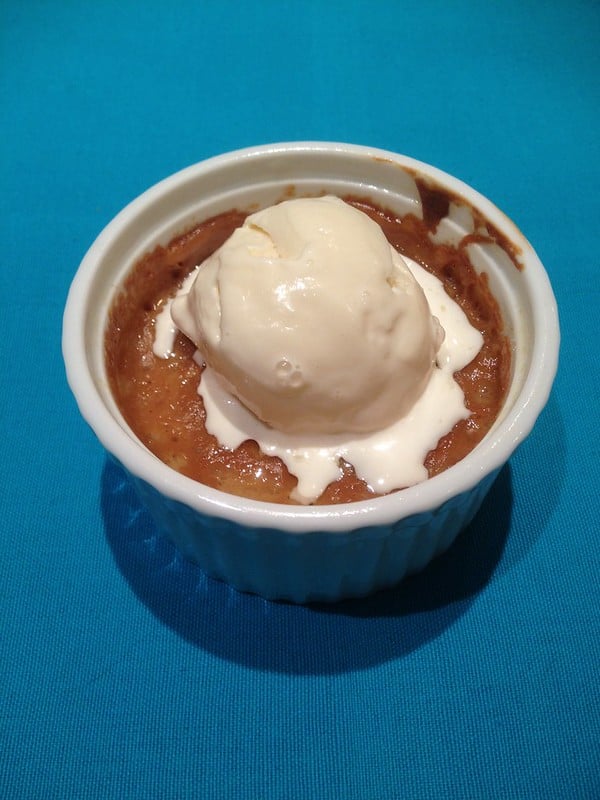
Colonists called cornmeal “Indian meal,” and Indian pudding was the baked, sweetened descendant of the mush pot. Cornmeal, milk, and molasses went into a pot or crock and baked slowly for hours, until the mixture turned dark, soft, and spiced.
A farm family could set it beside the embers after the main meal and let it cook for the rest of the evening. The long, patient bake was the real secret, since rushed pudding stays grainy.
Salt Pork
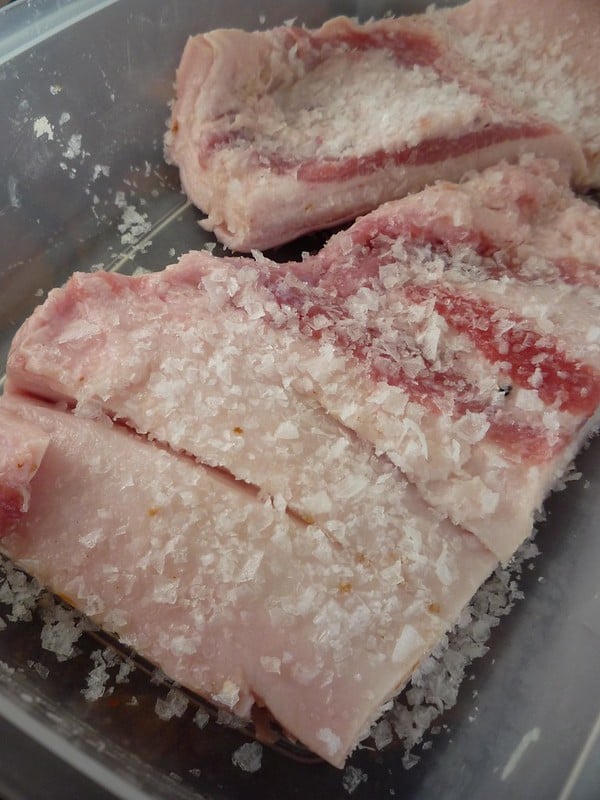
Salt pork was pork packed in barrels of brine or dry salt, and it kept a household supplied with fat and flavor long after the fall butchering. Cooks sliced it into pots of beans, chowders, and boiled greens, using small amounts to season large quantities of everything else.
It was also fried in strips as a main meat for the day. In many homes, a barrel of salt pork was the single most important item in the cellar after the grain.
Salted Virginia Ham
Chesapeake planters let hogs roam the woods to fatten on acorns and nuts, a system that required almost no feed. Owners identified their free-ranging animals by ear marks, which were recorded so that disputes over strays could be settled.
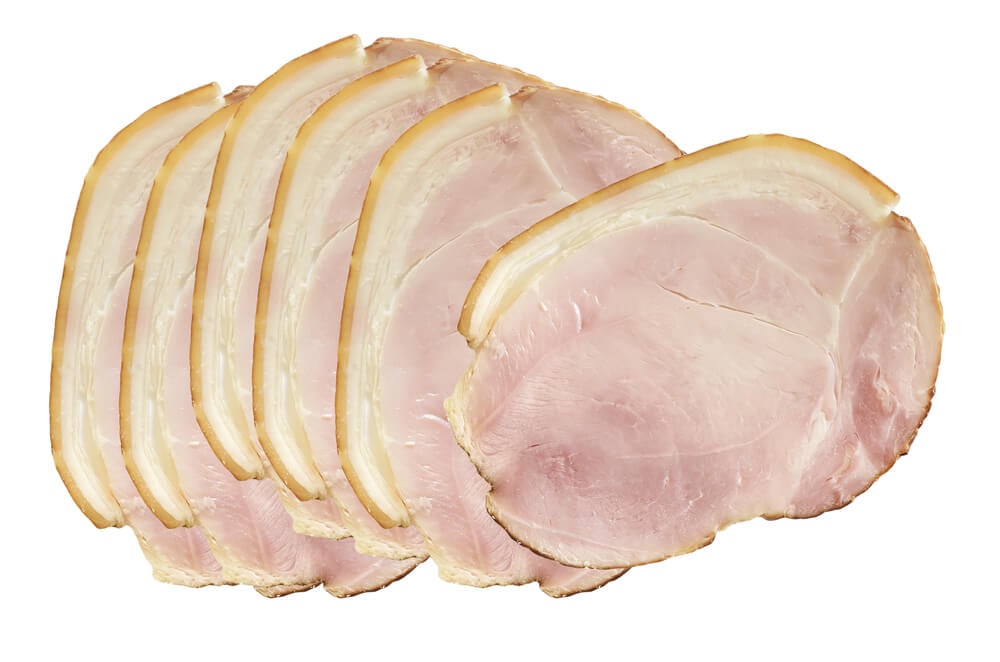
At butchering time the meat was rubbed with salt and hung to cure, producing hams that could last for months in a smokehouse or cool storeroom. The result was salty enough to demand a long soak before cooking.
Scrapple
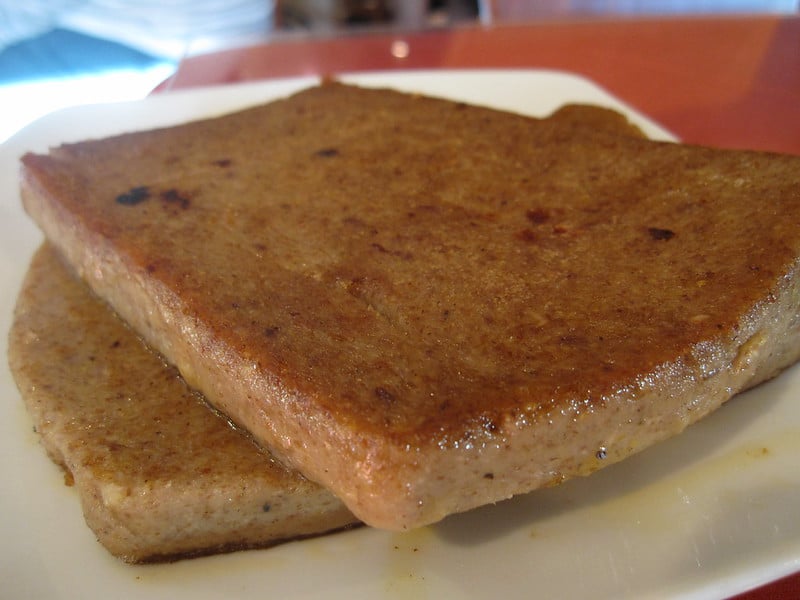
German settlers in southeastern Pennsylvania did not waste a hog, and scrapple was the proof. Trimmings and odd cuts were simmered with cornmeal and seasonings, then poured into loaf pans to set into a firm block.
Slices were fried until crisp outside and soft inside, usually for breakfast. The Pennsylvania German name for the dish is Pannhaas, and the loaf remains a regional breakfast staple today.
Rye and Injun Bread
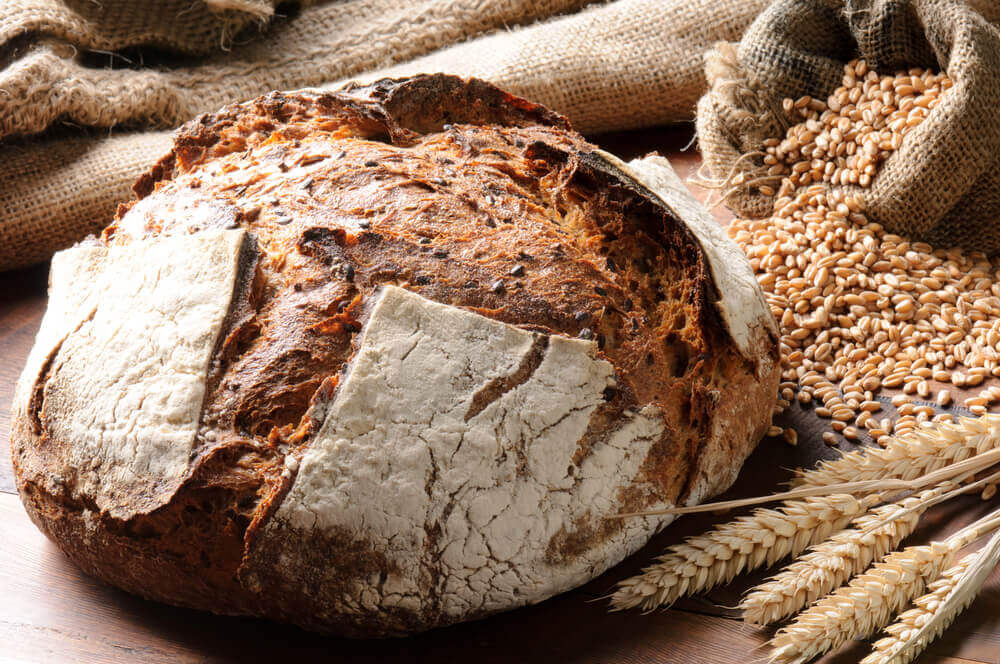
Wheat struggled in much of New England’s thin, rocky soil, so households leaned on rye and corn instead. Rye and Injun bread combined the two grains in a dense, dark loaf baked in the brick oven or steamed in a pot.
Baking day arrived once a week or so, and the loaves had to last until the next batch. The mixture was so common that its name stuck around long after the colonial era, when families could finally afford finer flour.
Baked Beans
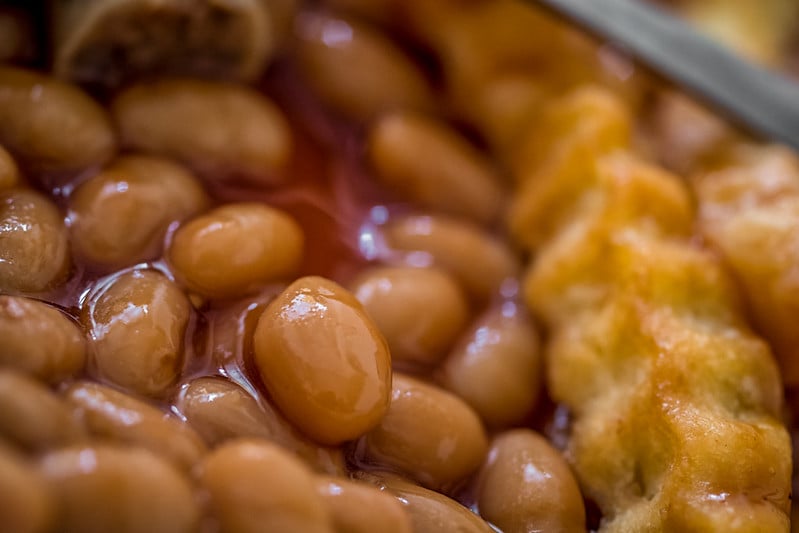
New England cooks simmered dried beans with salt pork and molasses in a ceramic pot, then left them in the oven for hours. Strict Sabbath customs discouraged cooking on Sunday, so the pot was often prepared on Saturday and served cold or reheated the next day.
Beans were cheap to grow, easy to dry, and kept well through winter. A single pot could feed a crowd for two meals with almost no extra effort.
Succotash
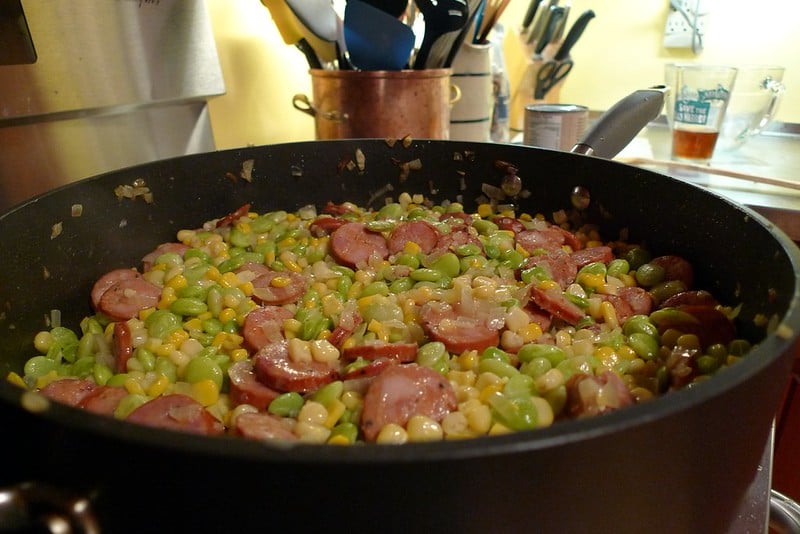
Succotash was a stew of corn and beans, a pairing taken straight from Native cooking. The English word comes from a Narragansett term for boiled corn kernels, and colonists adopted both the dish and the name.
Corn and beans were grown side by side in the same fields, and eating them together provided a complete combination of nutrients. Cooks sometimes added salt pork or bear fat to the pot for richness.
Squash and Pumpkin

The word squash comes from a Narragansett term meaning something eaten raw or uncooked, a detail that surprises people who think of the vegetable as strictly a baked or stewed one. Colonists grew pumpkins and winter squash in fields beside corn and beans, then stored them for months in cool cellars.
They were stewed, baked in the embers, or boiled and mashed into a thick sauce. Pumpkins could be found on tables far more often than the pie that now defines them.
Hard Cider
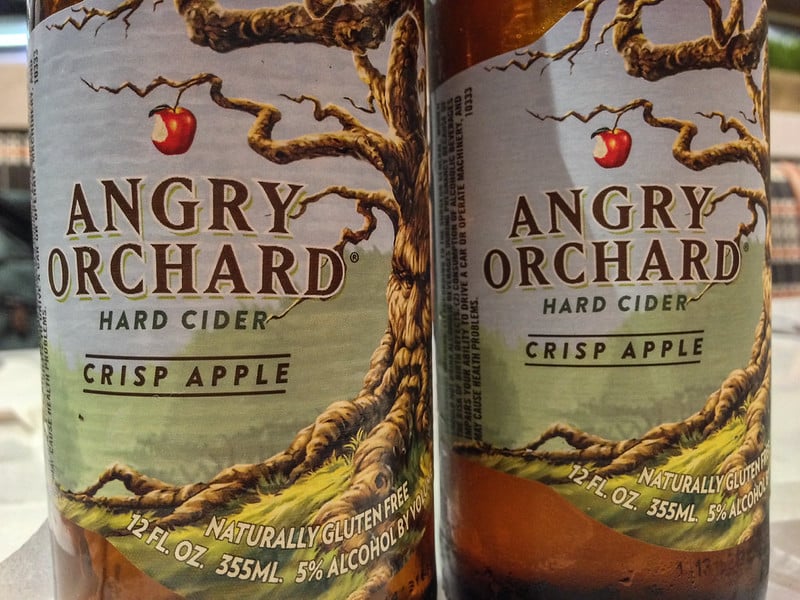
Many colonial apples were grown from seed, which meant a lot of them were too sour or bitter to eat fresh. Cider turned that problem into a drink, and farmers pressed their fall harvests and let the juice ferment in barrels in the cellar.
Orchards were planted early in New England, and cider was served to family and farmhands throughout the day. For many households it was simply the standard beverage, drunk with meals the way coffee is today.
Small Beer
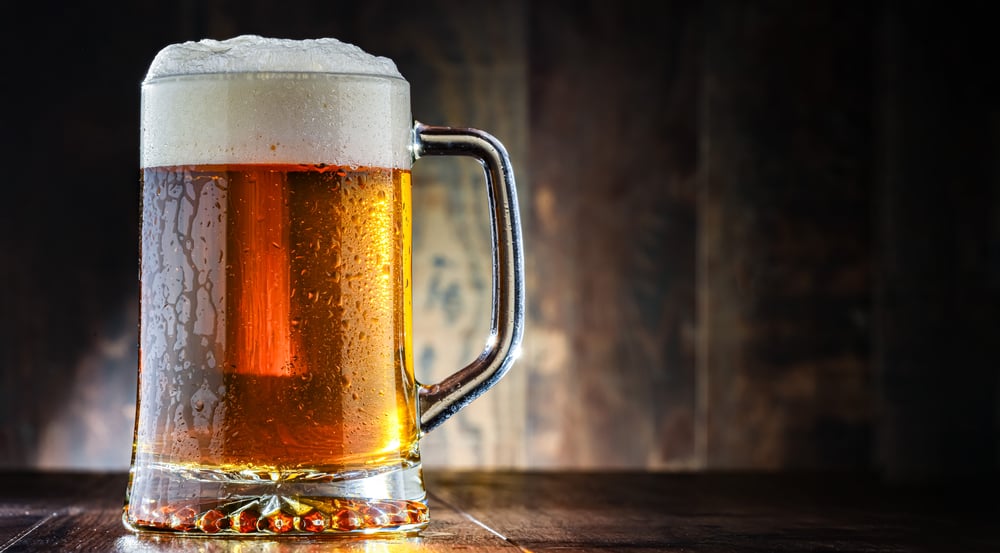
Small beer was a low-alcohol brew that families made at home from malt, molasses, bran, or whatever else could ferment. George Washington copied down a recipe for it that called for bran, hops, and molasses.
It was thin and mild enough to serve at the table, including to children, as part of an ordinary meal. A batch was typically brewed in just a few days and drunk quickly before it turned.
Oysters
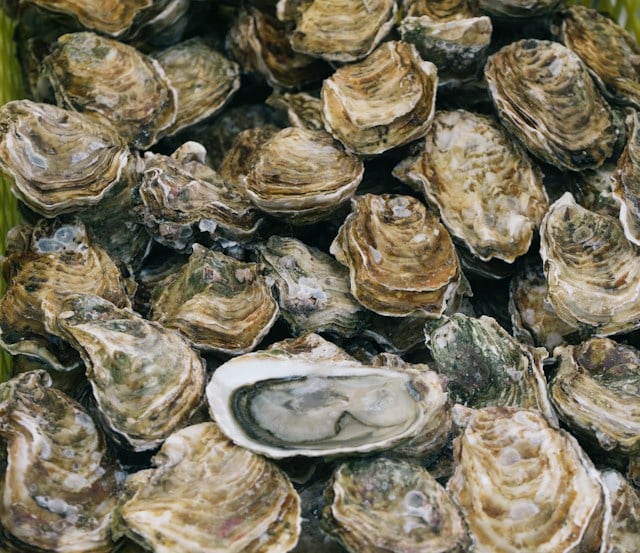
Oysters were abundant along the Chesapeake and in New York harbor, and Native peoples had been eating them for centuries before the English arrived, leaving behind enormous heaps of shells. Colonists gathered them by hand at low tide and ate them raw, stewed, roasted, or pickled.
Shells were also burned to make lime for mortar and plaster. Few other foods were both a meal and a building material.
Salt Cod
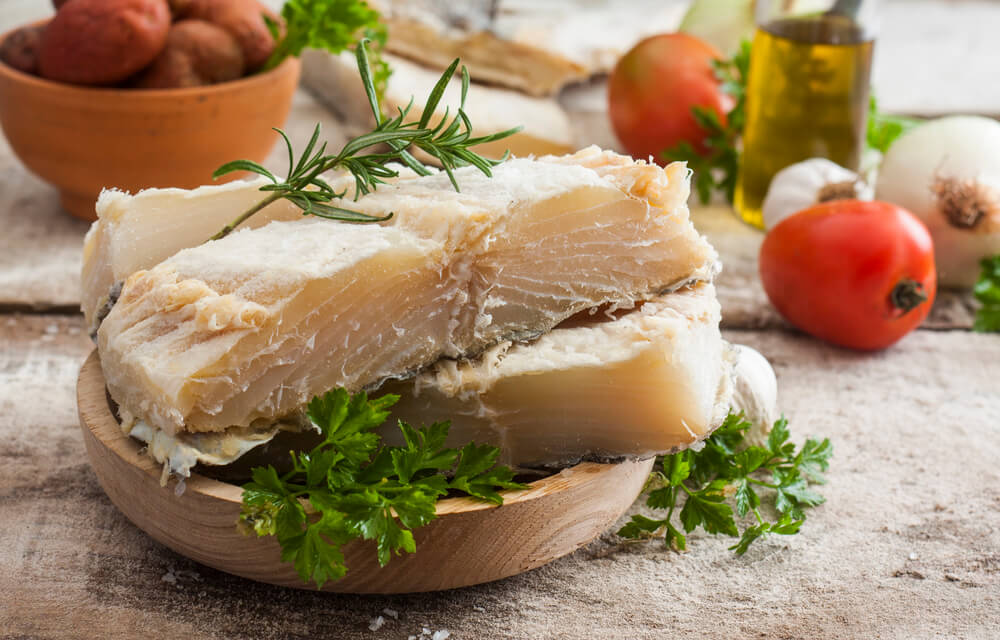
New England’s fishing fleets landed cod by the shipload, and the catch was split, salted, and dried on wooden racks along the shore. The best fish were shipped to Europe, while lower grades went to the West Indies as cheap food for enslaved workers on sugar plantations.
Back home, families soaked the stiff dried fillets overnight, then boiled or shredded them into cakes. The fish traveled so well that it could sit in a barrel for months and still be edible.
Venison
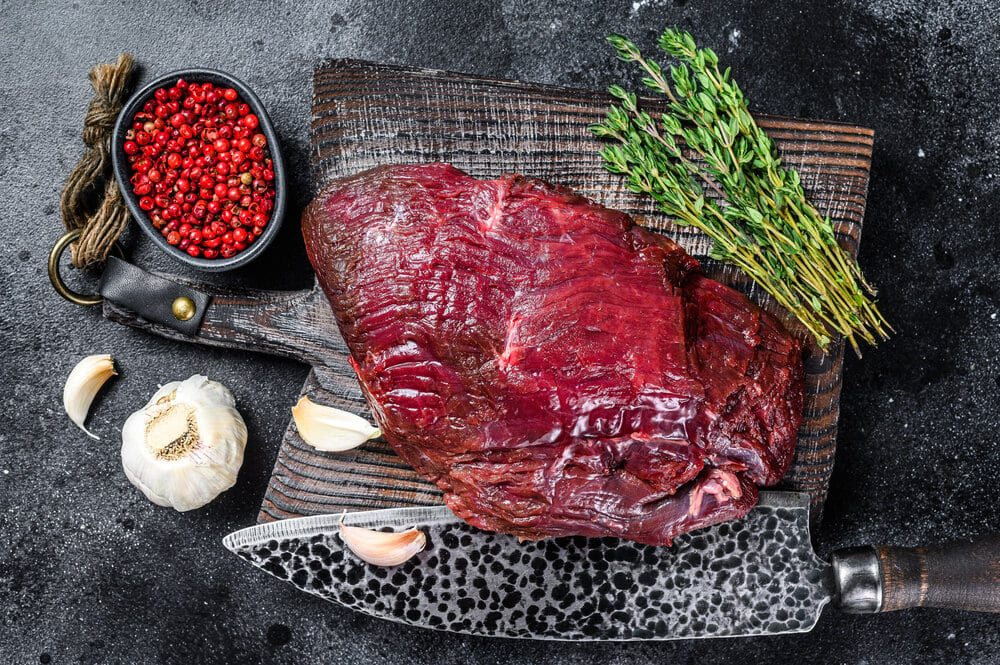
Deer were plentiful in the colonial forests, and venison appeared on tables from Virginia to New Hampshire. Colonists hunted it themselves or traded with Native hunters, who were skilled at taking deer.
The meat was roasted, stewed, or salted and dried so it could last beyond the hunting season. Because it was lean, cooks often larded it with strips of pork fat to keep it from drying out.
Wild Turkey
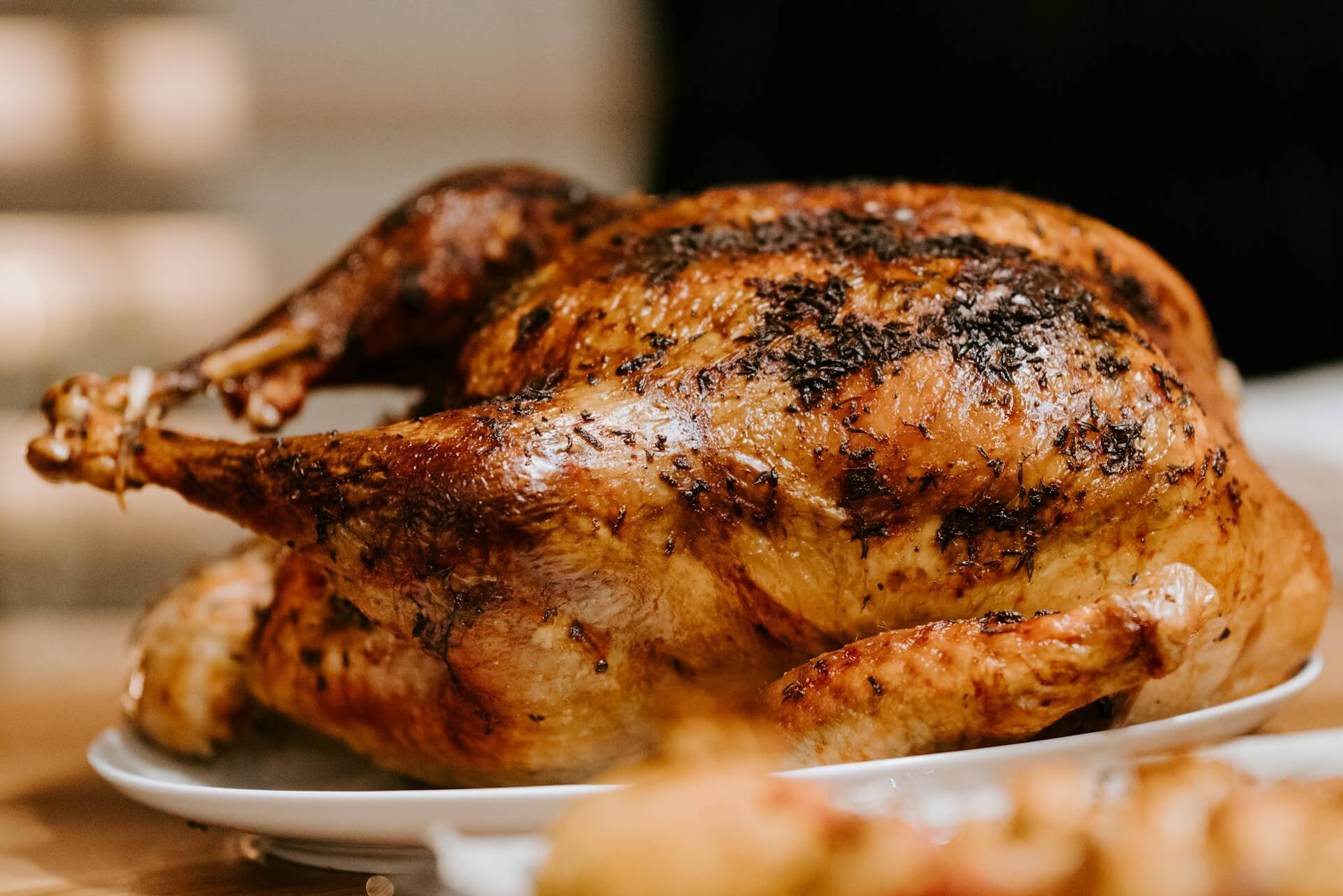
Wild turkeys roamed the eastern woodlands in large flocks and were a regular source of meat for colonial hunters. A bird was roasted on a spit before an open fire, with a pan beneath to catch the drippings.
A child or a mechanical jack turned the spit, since an unevenly cooked bird was a wasted one. Turkey was an ordinary meal long before it became a holiday centerpiece.
Apple Dumplings
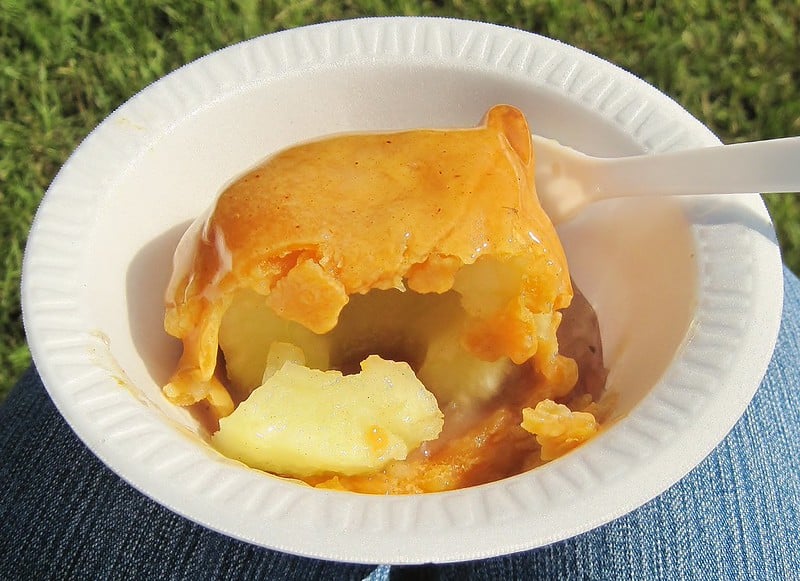
Apple dumplings wrapped an entire apple, or pieces of one, in a sheet of pastry and sealed it up. In many kitchens the bundle was tied in a cloth and boiled in a pot alongside the regular meal, saving the trouble of heating an oven.
The result was served warm with butter, sugar, or molasses. It was a cheap, filling dessert that depended entirely on the fruit already stored in the cellar.
Farmhouse Cheese
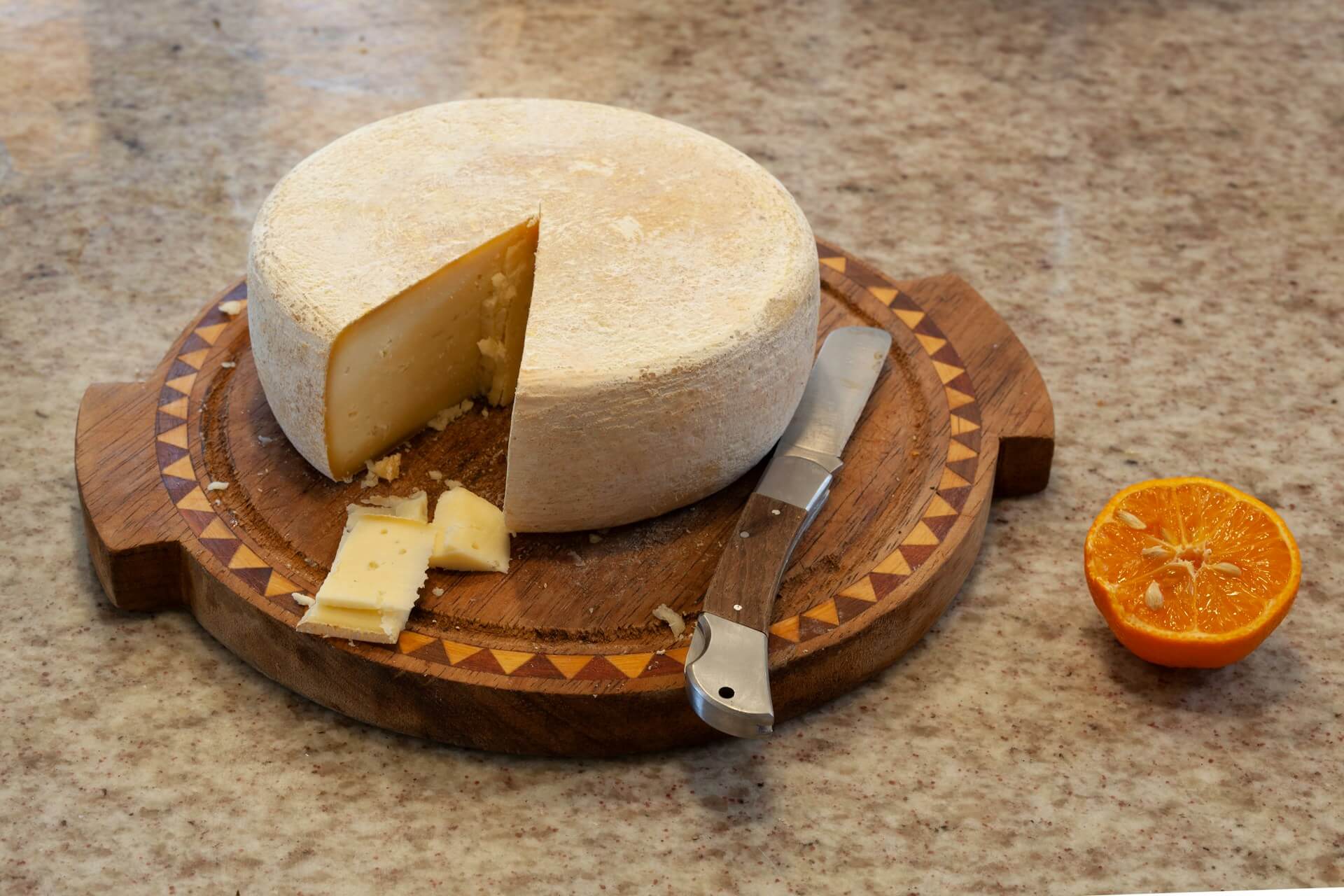
Cheesemaking was farm work, usually done by women, who curdled warm milk with rennet taken from a calf’s stomach. The curds were drained, salted, packed into a press, and left to age in a cool room.
A hard farmhouse wheel could last for months, which made it one of the few reliable sources of protein in winter. Families ate it with bread, in a dairy meal, or grated into other dishes.
Pease Porridge
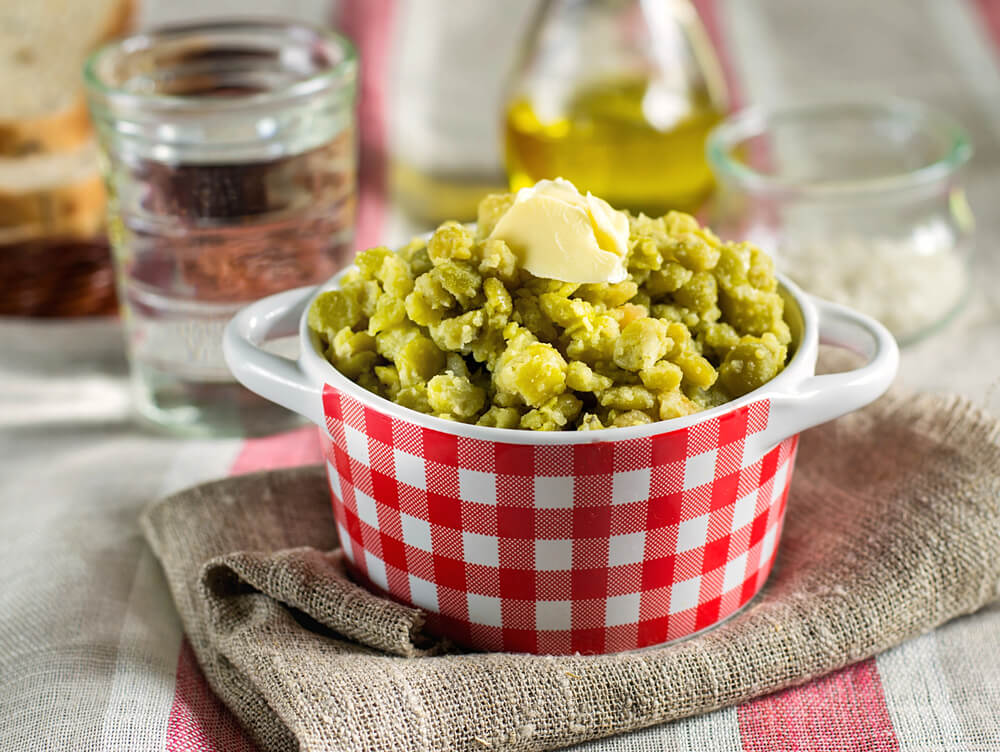
Dried peas simmered into a thick porridge were a staple across the colonies, as familiar as the nursery rhyme that mentions the dish being served hot, cold, or nine days old. Cooks boiled the peas until they collapsed, often with a bit of salt pork.
A pot could be made in bulk and reheated for several meals, getting thicker each time. The old rhyme was no exaggeration about how long a pot might hang around.
Molasses
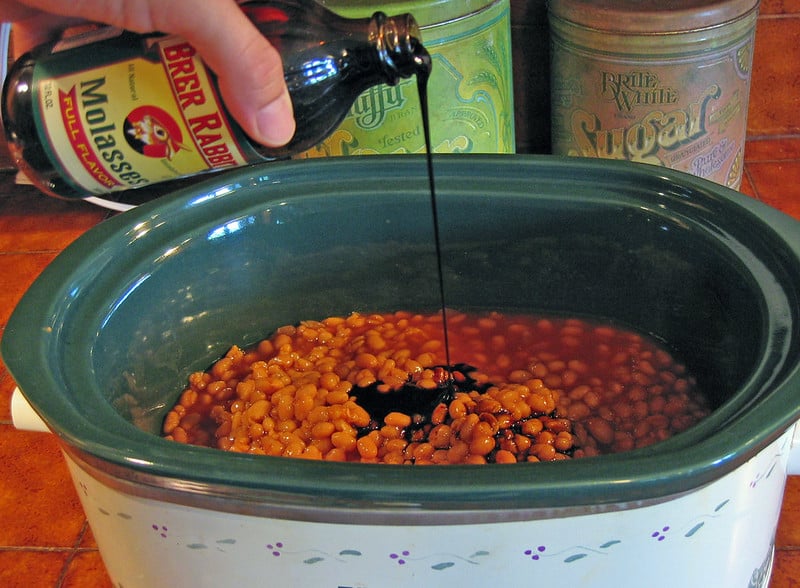
Molasses was the common sweetener of colonial households, far cheaper than refined sugar and imported in huge quantities from the Caribbean. It went into baked beans, puddings, breads, and gingerbread, and it was distilled into rum in New England.
Parliament passed the Molasses Act in 1733, placing a duty on foreign molasses brought into the colonies. Colonial merchants largely ignored the law and carried on with the trade.
Sauerkraut
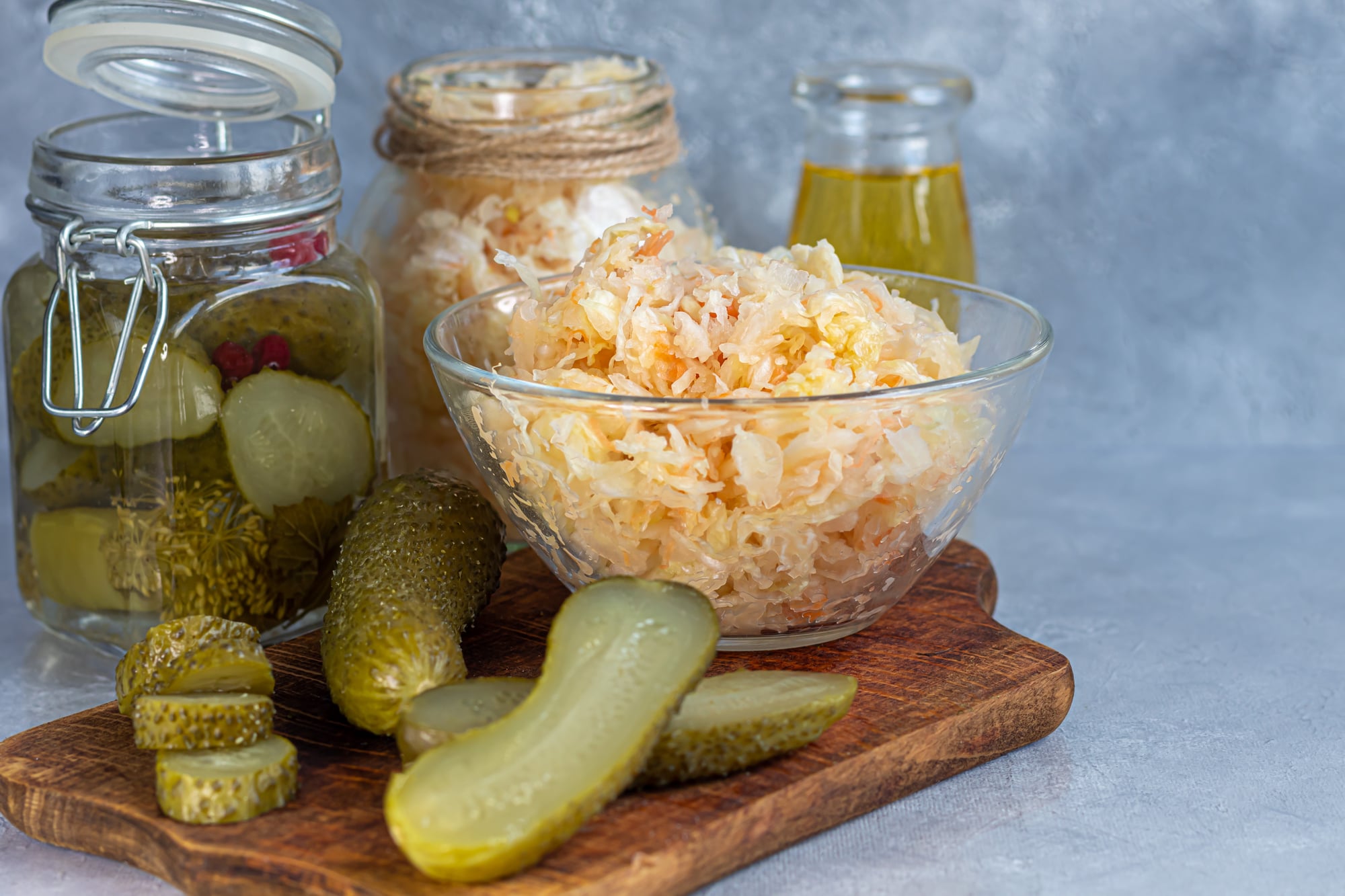
German settlers in Pennsylvania brought the practice of fermenting cabbage in salt, and the dish became a regular part of the Pennsylvania Dutch table. Shredded cabbage was packed into crocks or barrels with salt and left for weeks, until it turned sour and could keep through winter.
It was served with pork, sausage, and potatoes. In a season with few fresh vegetables, a crock of sauerkraut was a valuable source of green food.
Ashcakes
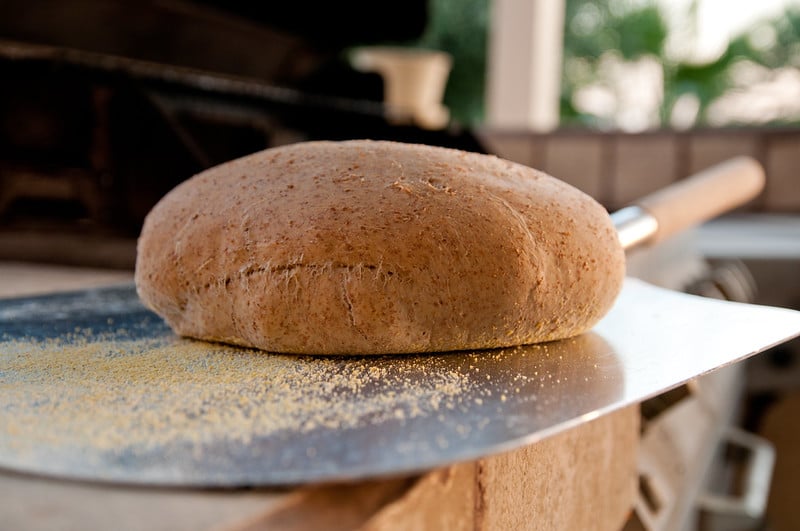
An ashcake was a simple dough of cornmeal and water, shaped by hand and cooked directly on the hearth or buried in hot ashes. The cakes were brushed off and eaten right away, often by field workers who had no time for an oven.
It required no pans, no stove, and almost no equipment at all.
Shad
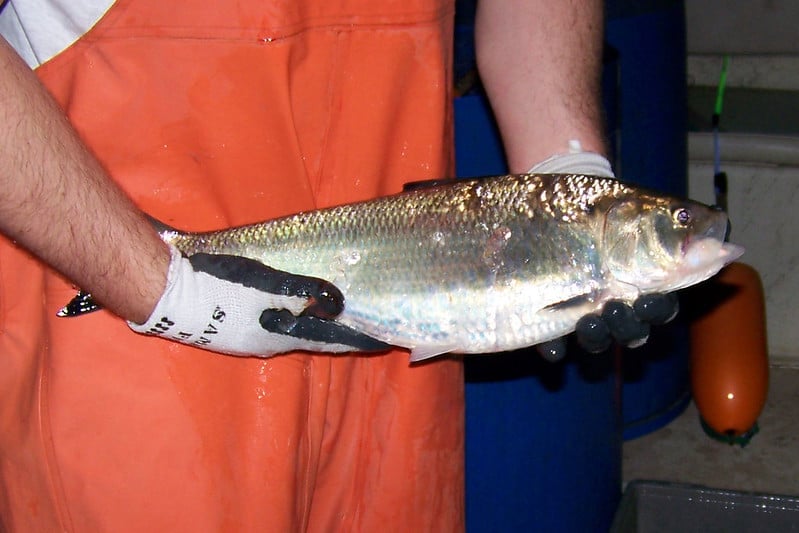
Each spring, shad swam up Atlantic coast rivers in enormous numbers to spawn, and colonists netted them by the thousands. The fish were eaten fresh, baked, or fried, and the rest were salted and packed into barrels for the year ahead.
Shad roe was considered a delicacy. The run was so dependable that its arrival marked a seasonal turning point in many river towns.
New England Boiled Dinner

A boiled dinner put salted meat, cabbage, turnips, carrots, and other vegetables into one large pot over the fire. It was easy to tend while other chores were done, and it needed nothing more than water and time.
The broth served as a first course, followed by the meat and vegetables on a platter. Leftovers were chopped and fried in a pan the next day, so very little was ever wasted.
Sweet Potatoes
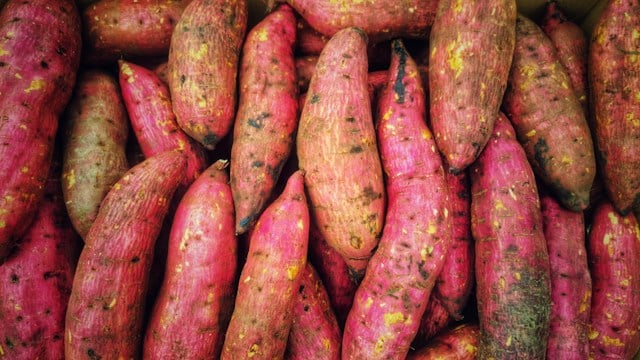
Sweet potatoes thrived in the hot summers of the South, and they were a regular crop in Virginia and the Carolinas. They were baked in the embers, boiled, or mashed into a pudding, and they stored well through the cooler months.
In the Chesapeake and farther south they often took the place that wheat or white potatoes held elsewhere. Their natural sweetness made them a welcome change from the heavy grain dishes of the daily table.
What the Pot Remembers

Look across the list and one pattern keeps surfacing: corn, salt, and a pot over the fire. Native crops and techniques shaped almost every table, from hominy to succotash, while European habits supplied the cheese, the cider, and the cured meats.
Regional differences came down to what the climate allowed, which grain grew, and which neighbors had brought their recipes across the ocean.
These meals were not chosen for pleasure so much as for survival through a long winter. Yet they left behind a quiet inheritance of American comfort food, from fried mush to baked beans to scrapple.
The daily menu of a colonial household was plain, but it laid out the flavors that still anchor regional cooking today.
More from Go2Tutors!

- The Romanov Crown Jewels and Their Tragic Fate
- 13 Historical Mysteries That Science Still Can’t Solve
- Famous Hoaxes That Fooled the World for Years
- 15 Child Stars with Tragic Adult Lives
- 16 Famous Jewelry Pieces in History
Like Go2Tutors’s content? Follow us on MSN.