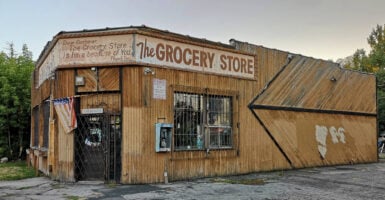
The Most Unusual Places People Have Actually Lived
Some houses are built on foundations of concrete and steel. Others rest on creativity, desperation, or pure stubborn refusal to live like everyone else.
Across the world, people have carved out homes in places that would make most of us question their judgment — and maybe their sanity. These aren’t weekend camping trips or temporary shelters.
These are full-time residences where people have built entire lives, raised families, and called somewhere home that the rest of us would consider uninhabitable.
Underground Cities
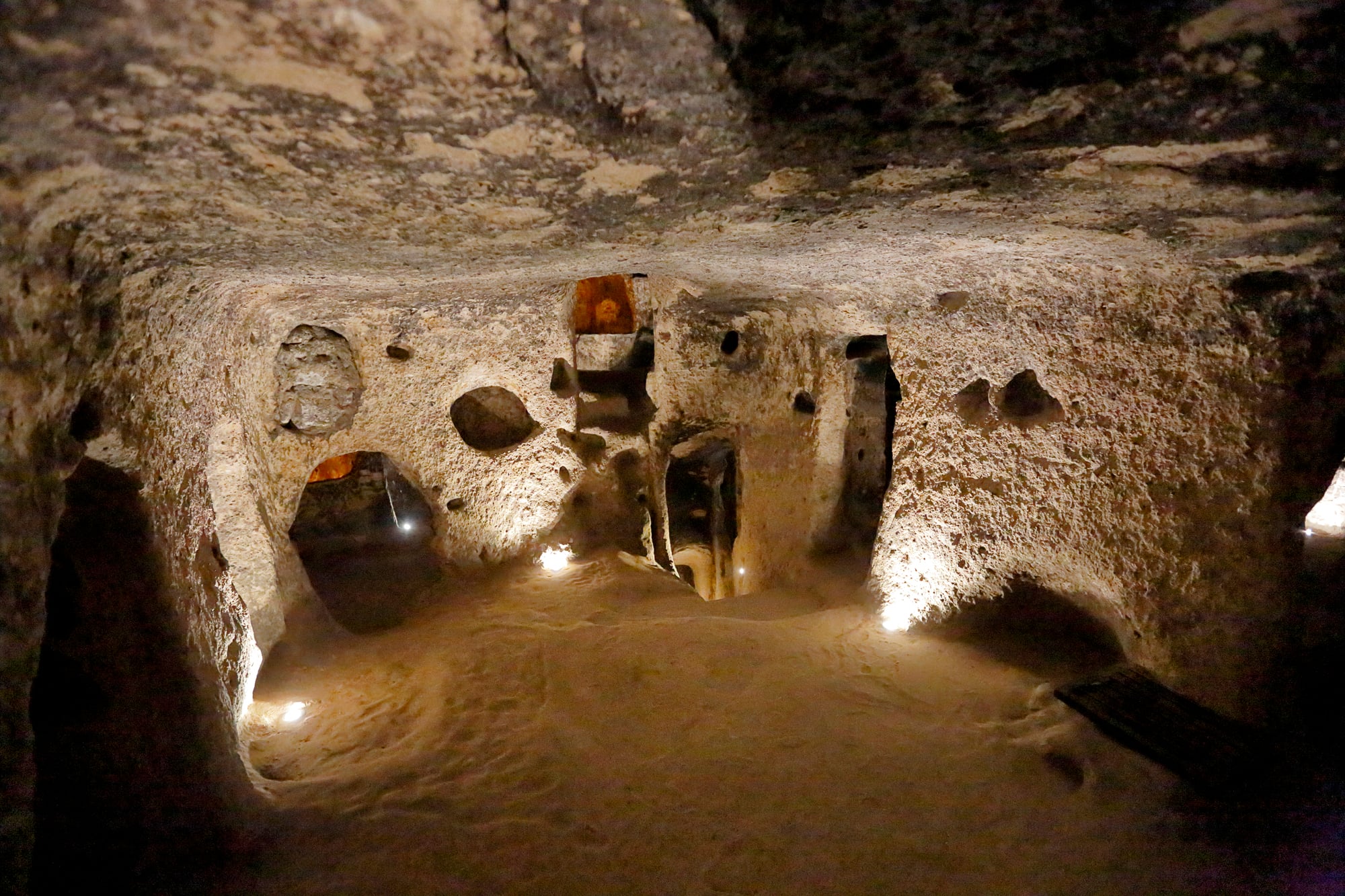
Derinkuyu in Turkey proves that going down instead of up sometimes makes perfect sense. This isn’t just a basement with a few extra rooms — it’s an 8-story underground city that housed 20,000 people.
Complete with schools, stables, and wine cellars carved directly into rock.
People lived here for months at a time. Children grew up in hallways that never saw sunlight.
The engineering still baffles experts today.
Converted Missile Silos
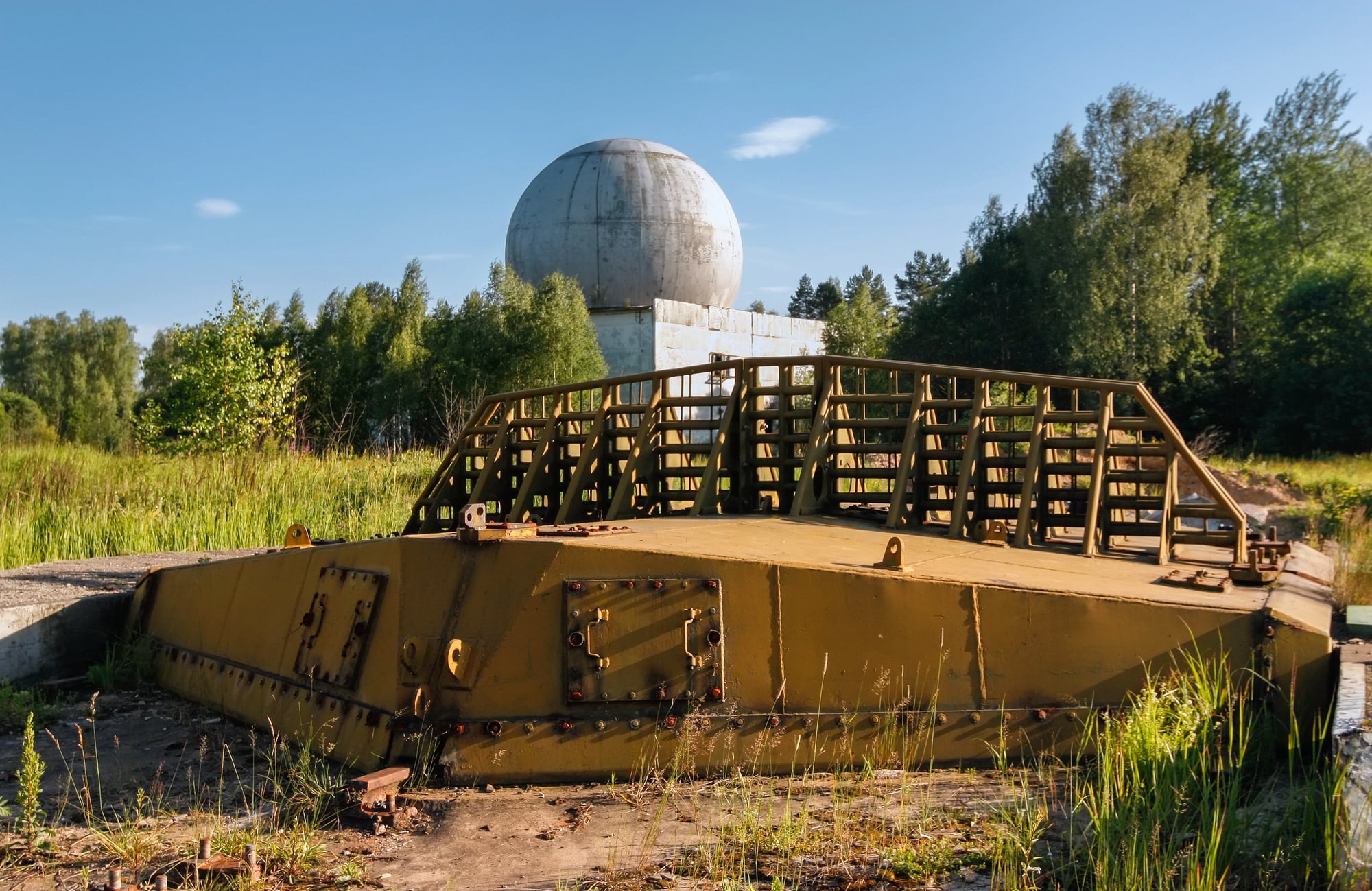
Cold War paranoia left behind some unusual real estate opportunities. Decommissioned missile silos, built to withstand nuclear attacks, now house families who wanted the ultimate security system.
These aren’t cozy. The concrete walls run several feet thick, the ceilings soar to accommodate rockets that no longer exist, and the nearest neighbor might be miles away.
Yet people have transformed these monuments to destruction into surprisingly livable spaces, complete with gardens planted where launch equipment once stood.
Floating Villages

Water becomes land when you have no other choice — or when you discover something about yourself that dry ground never taught you. In Cambodia’s Tonlé Sap, entire communities drift with the seasons, their houses bobbing like patient corks while children learn to swim before they learn to walk properly.
These aren’t houseboats in the recreational sense; they’re entire neighborhoods that happen to float, complete with floating schools, floating markets, and floating temples where people pray for things that have nothing to do with staying afloat (they’ve already mastered that part).
The water rises and falls by thirty feet seasonally, and the houses simply ride it out, as if they’ve made peace with impermanence in a way that most fixed addresses never could.
Abandoned Shopping Malls
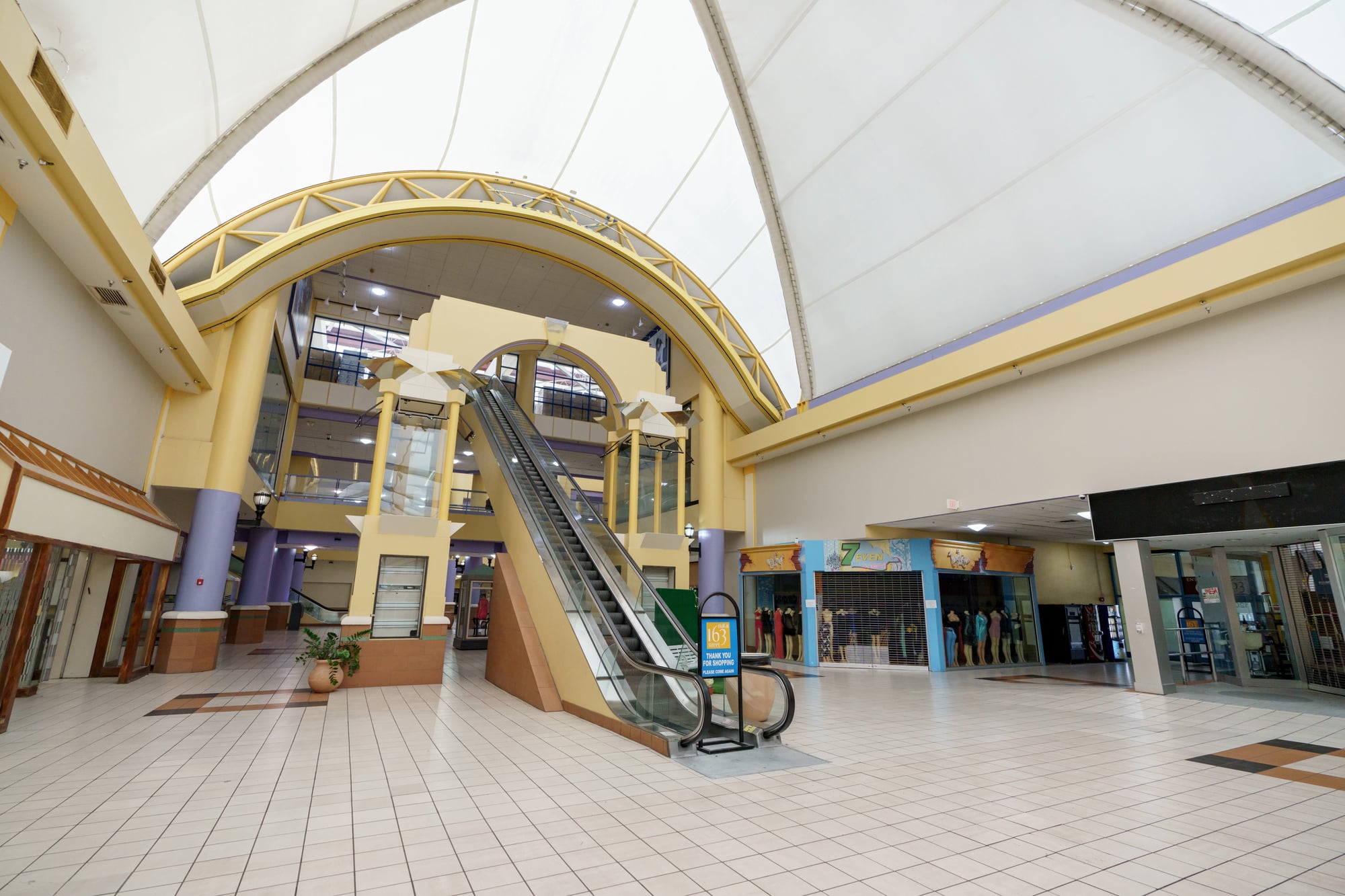
Dead malls make surprisingly functional homes. The infrastructure already exists — plumbing, electricity, vast open spaces that can be divided however you want them.
Some people have claimed entire wings of forgotten shopping centers. Former storefronts become bedrooms.
The old food court serves as a communal kitchen. Where teenagers once loitered, families now raise children in spaces designed for commerce but abandoned by capitalism.
Cave Systems
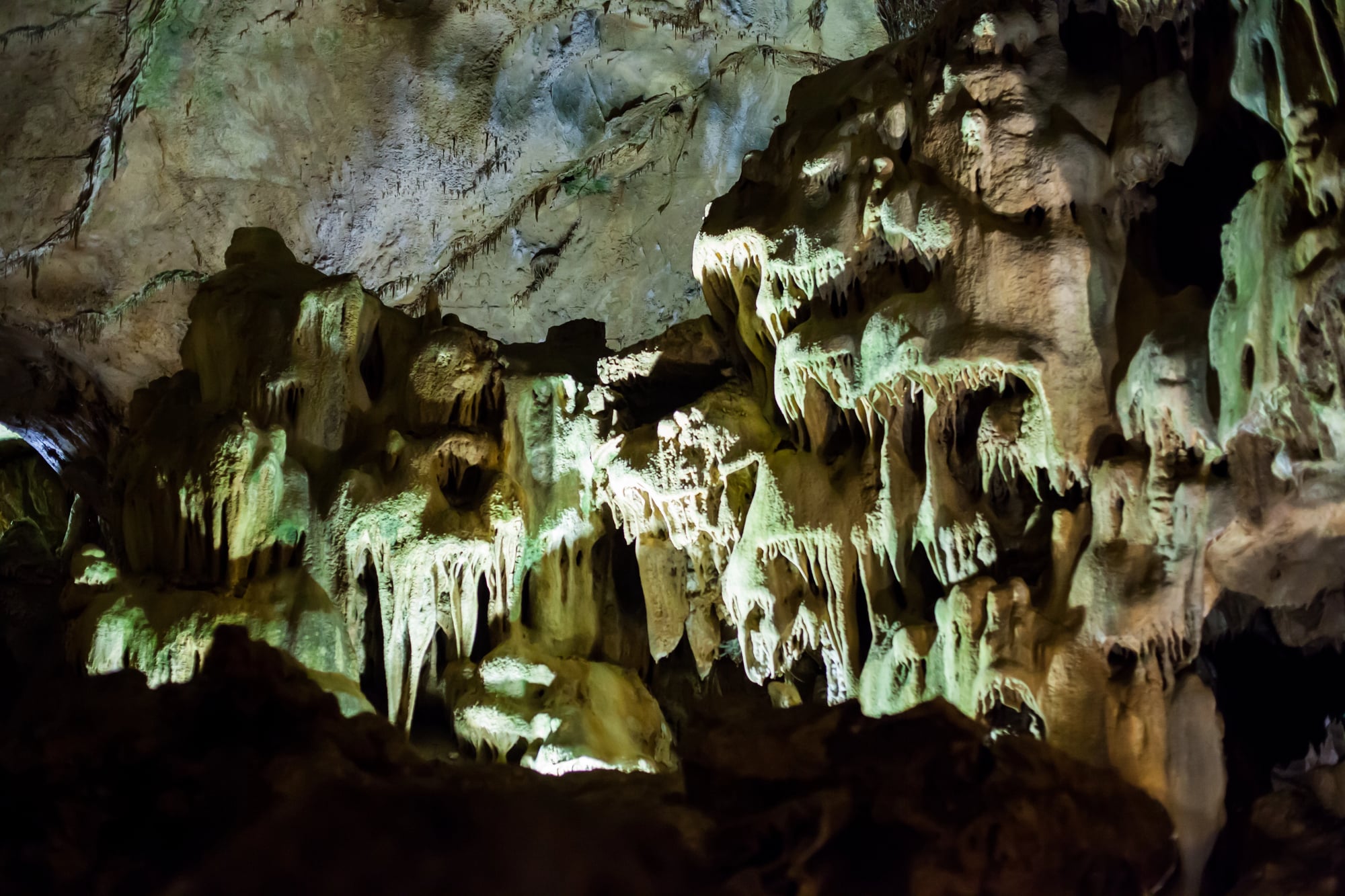
Living in caves isn’t primitive when you do it right. In Spain’s Andalusia region, entire neighborhoods exist underground — not hiding, just staying cool in summer and warm in winter without paying utility bills.
These cave homes (they call them “cuevas”) often feature modern amenities carved directly into limestone. High-speed internet runs through tunnels that predate written history (which is saying something).
The temperature stays constant year-round while surface dwellers sweat through August and shiver through February.
Converted Water Towers
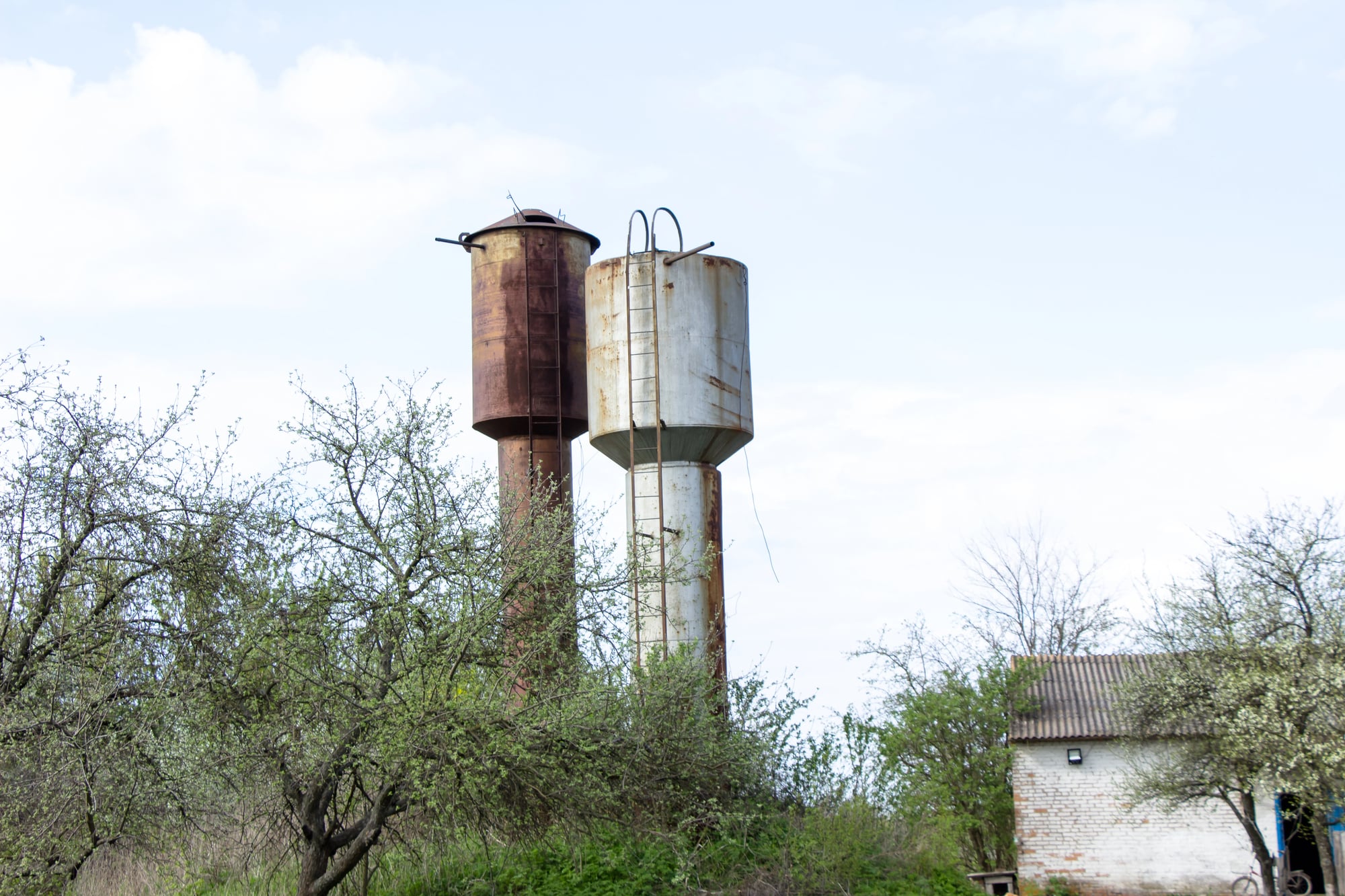
Water towers stand like forgotten monuments in small towns across America, and some creative souls have claimed them as the ultimate studio apartments. The views from 100 feet up are unmatched, the space is surprisingly functional once you get used to the circular layout, and the symbolism feels right — living inside something that was built to serve the community but now serves only you.
The climb up becomes part of your daily routine; groceries require more planning when you have to carry everything up a ladder. And yet people who live in converted water towers speak about the solitude with something approaching reverence, as if they’ve discovered that height and isolation cure problems that ground-level living never could.
Shipping Containers

Container homes aren’t just trendy — they’re practical solutions to housing crises worldwide. These steel boxes were designed to cross oceans carrying cargo, not families, but they adapt surprisingly well to domestic life.
Stack them, cut windows where you need them, and suddenly you have a house that could theoretically be relocated anywhere in the world. The industrial aesthetic isn’t for everyone, but the structural integrity is undeniable.
Abandoned Prisons
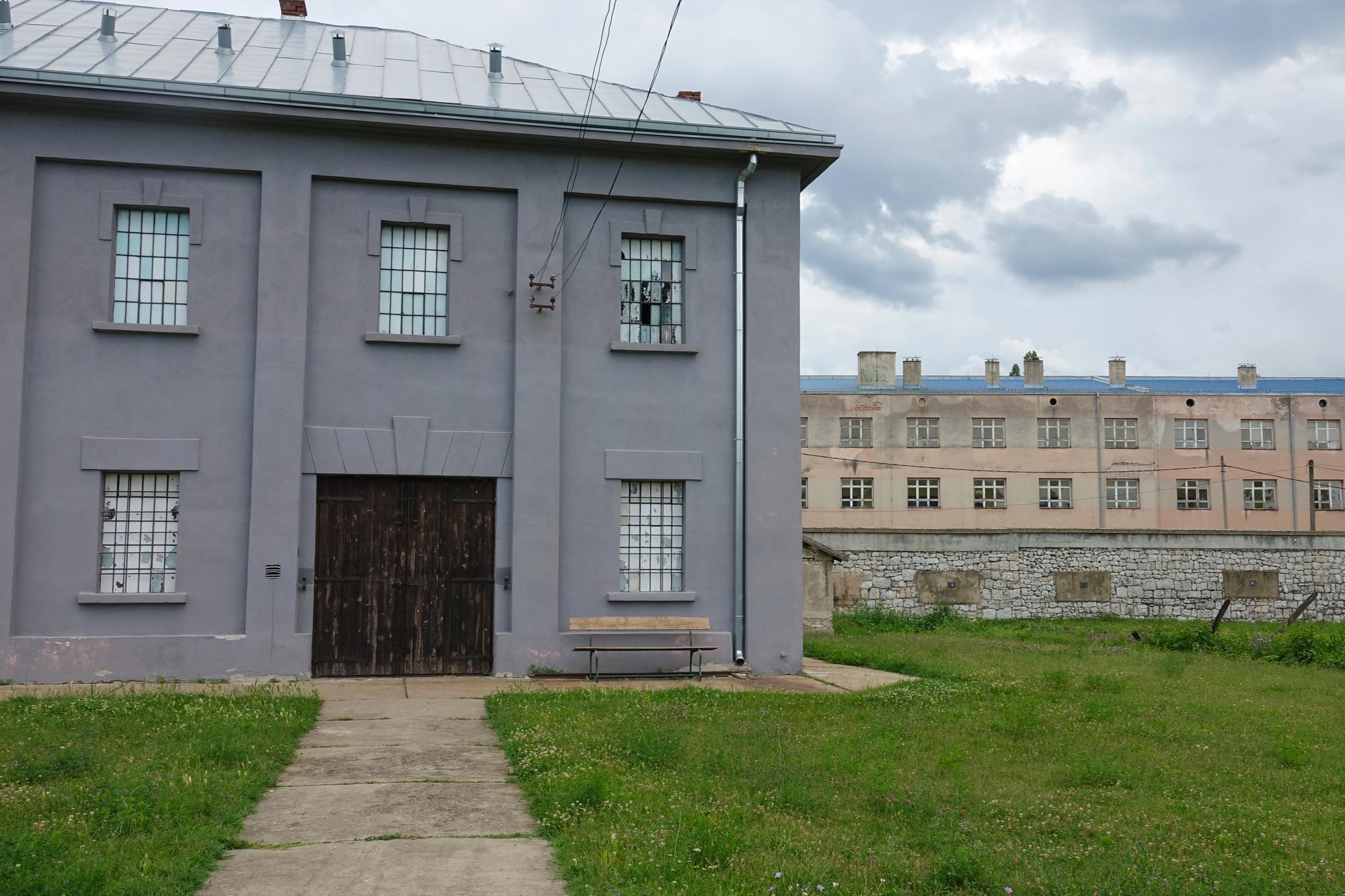
Old jails become new homes when someone sees opportunity in bars and concrete walls. These conversions require serious imagination — and perhaps a certain comfort with the building’s darker history.
The cells become bedrooms (which is either poetic or disturbing, depending on your perspective). Common areas transform into living rooms.
What once confined now shelters, though the irony never quite fades.
Tree Houses
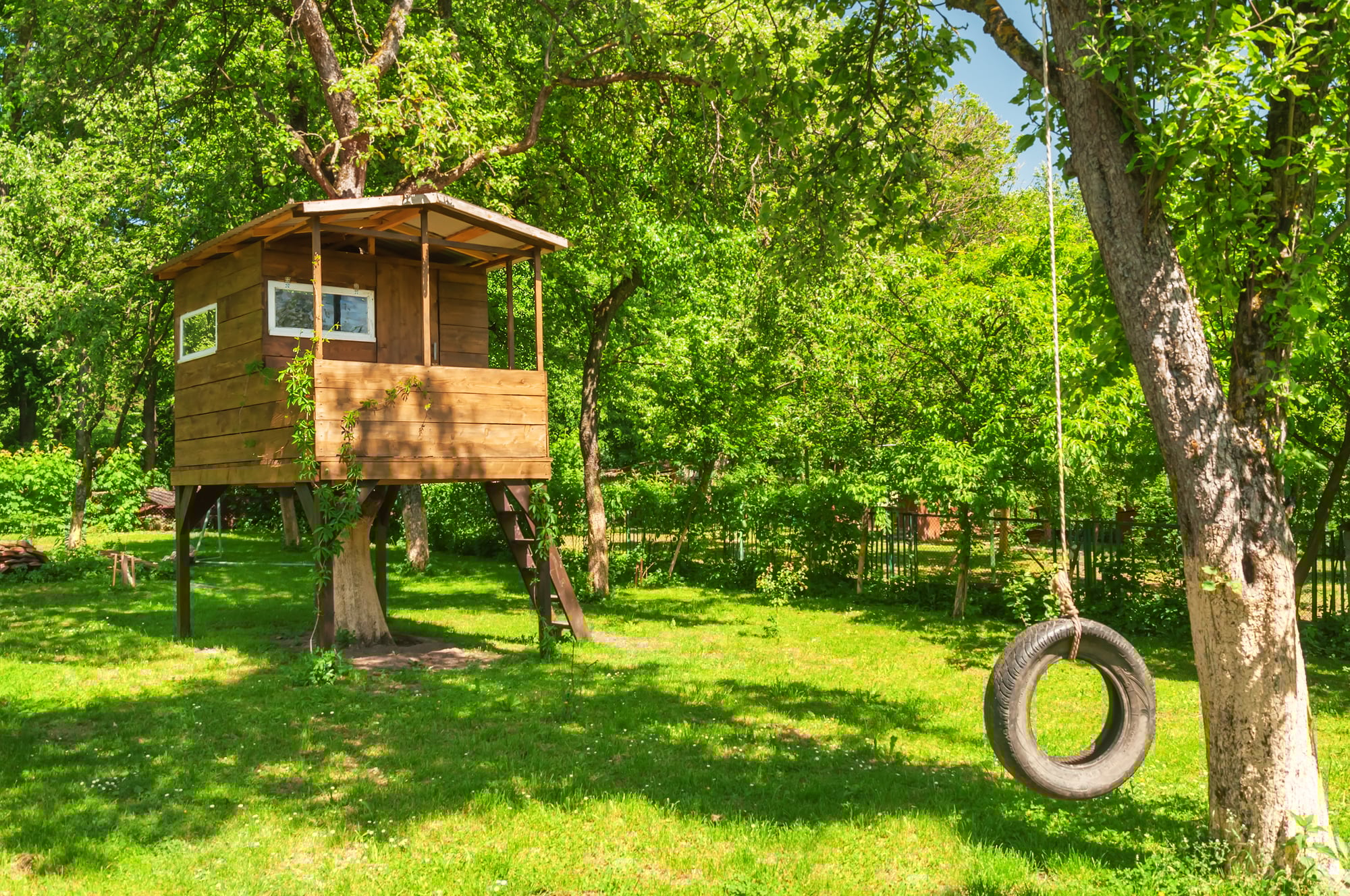
Adults who never outgrew their tree house phase sometimes commit fully to the concept. These aren’t childhood playsets — they’re multi-story homes suspended in branches that have to be strong enough to support mortgage payments and property taxes.
Living in trees requires constant negotiation with nature. Branches grow, storms happen, and gravity never stops being a concern.
Yet tree house dwellers often speak about their homes with genuine affection, as if they’ve found something that ground-based architecture simply cannot provide.
Decommissioned Airplanes
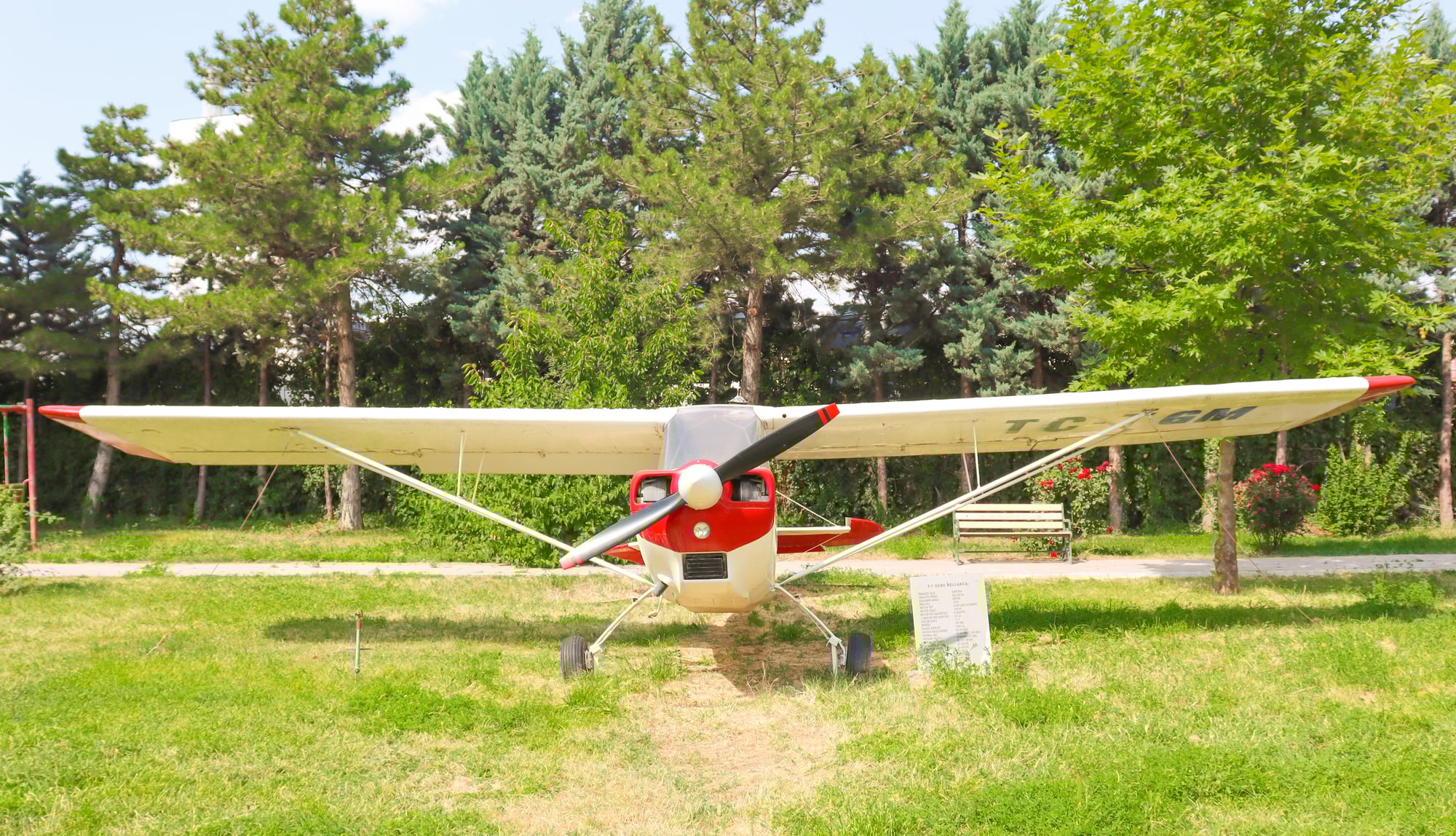
Commercial jets become surprisingly spacious homes once you remove the rows of economy seating. The fuselage provides a long, narrow floor plan that some people find more interesting than traditional rectangles.
Airplane homes require creativity in furniture placement (everything has to fit through a door designed for carry-on luggage), but they offer something unique: the constant reminder that your house once flew.
The cockpit often becomes a study or office space, which seems appropriate for a home that’s already gone places most houses never will.
Salt Mines
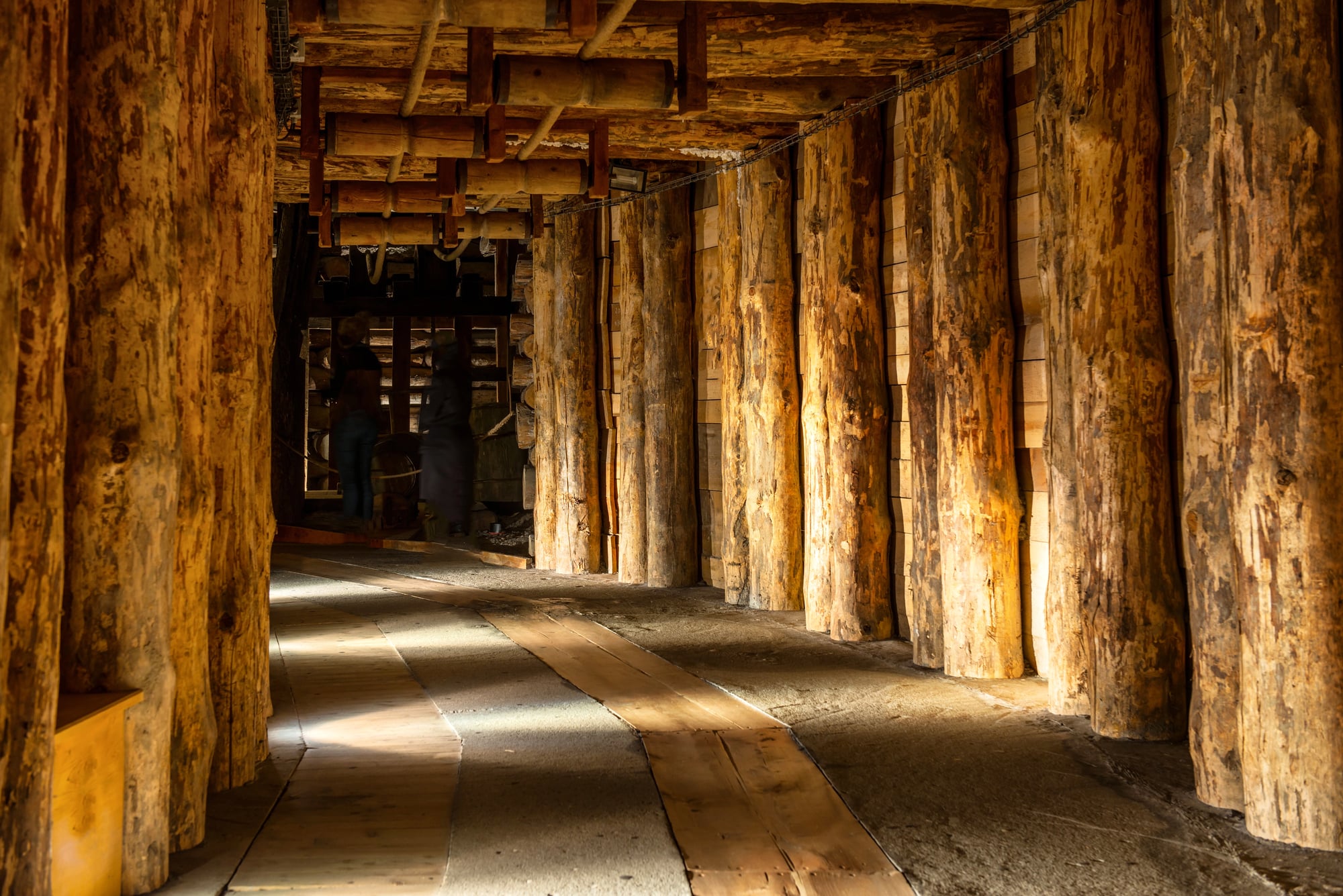
Underground salt mines stay warm in winter, cool in summer, and incredibly dry year-round. Some people have discovered that these abandoned industrial sites make excellent living spaces for anyone who doesn’t mind being surrounded by walls you could theoretically lick.
The air quality in salt mines is actually beneficial for certain respiratory conditions. So these residents aren’t just living somewhere unusual — they’re potentially extending their lives in the process.
Converted Churches
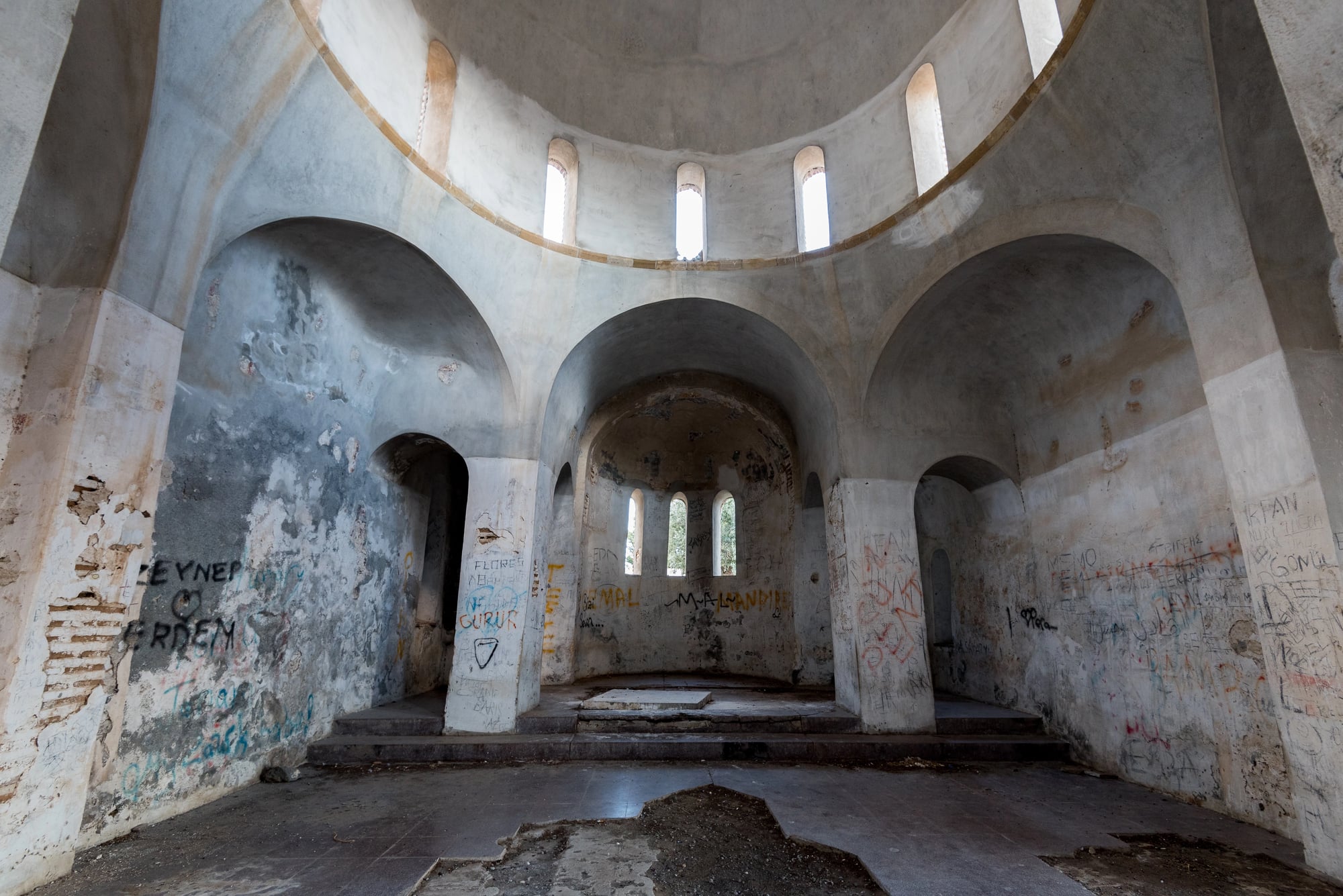
When congregations dwindle and churches close, the buildings often become homes for families who appreciate high ceilings, stained glass windows, and rooms designed for contemplation.
These conversions require sensitivity to the building’s original purpose, but they also offer something most homes lack: a sense of the sacred built into the architecture.
Former altars become kitchen islands, pews become custom furniture, and Sunday morning light still streams through windows that were positioned to inspire awe.
Lighthouse Keepers’ Quarters
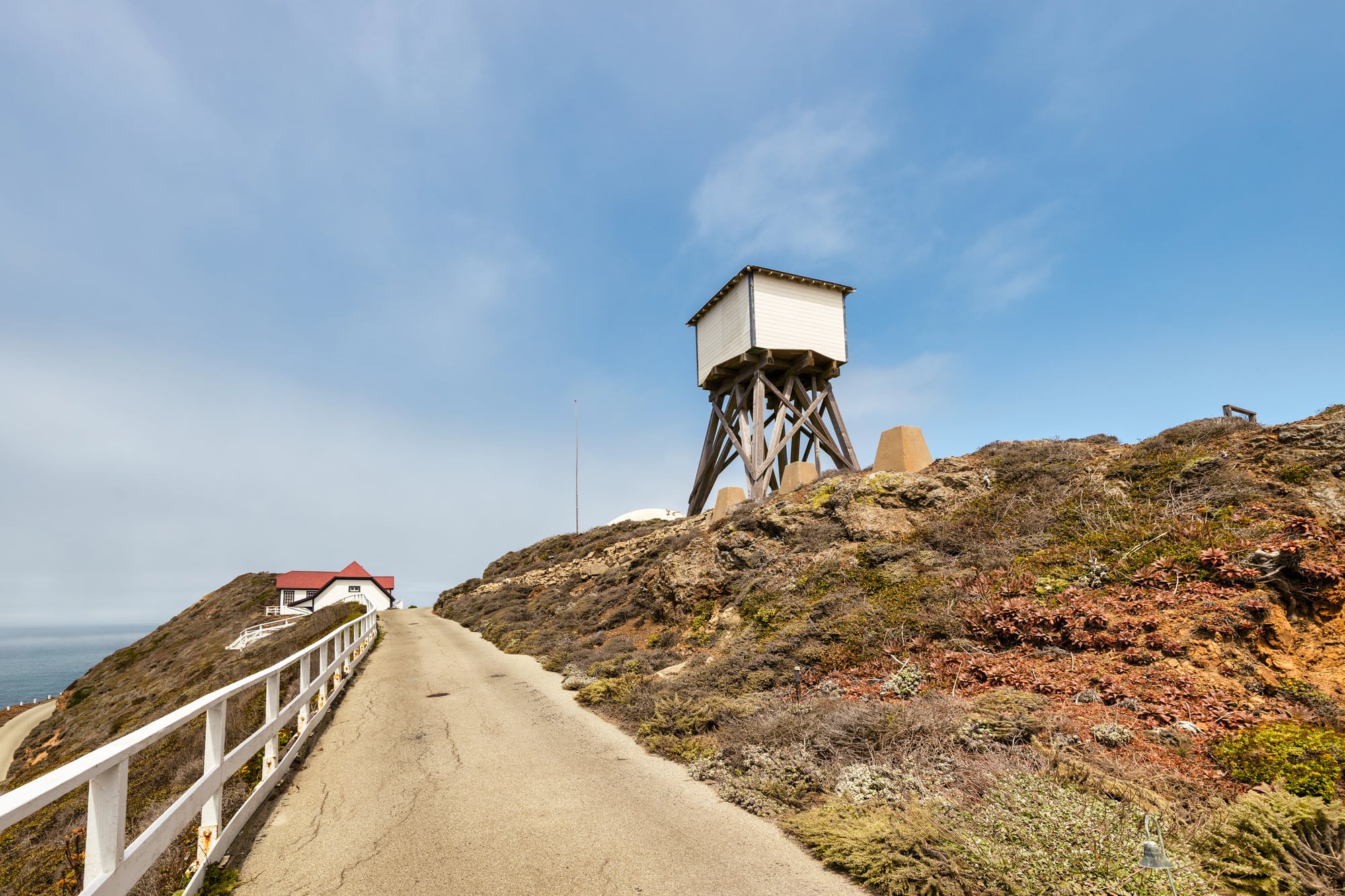
Automated navigation systems put lighthouse keepers out of work, but their quarters still exist on rocky coastlines where most people wouldn’t consider building a summer cottage, let alone a permanent home.
Living in a lighthouse means accepting isolation, salt air that corrodes everything, and weather that can trap you for days. It also means waking up to ocean views that change with every tide and going to sleep to the sound of waves that never stop.
Former lighthouse keepers and the people who’ve claimed these spaces since speak about the rhythm of coastal living as if they’ve tapped into something fundamental about the planet’s pulse.
Where Home Really Lives

The most unusual homes reveal something about the people who choose them — not just their tolerance for inconvenience, but their willingness to prioritize something other than convenience. Whether it’s the Underground dwellers of Derinkuyu or the tree house architects of the Pacific Northwest, these residents have decided that home isn’t about conformity.
Sometimes it’s about finding the one place on earth that fits you exactly as you are, even if that place happens to be floating, underground, or suspended 60 feet off the ground in a oak tree that was standing before your grandparents were born.
More from Go2Tutors!

- The Romanov Crown Jewels and Their Tragic Fate
- 13 Historical Mysteries That Science Still Can’t Solve
- Famous Hoaxes That Fooled the World for Years
- 15 Child Stars with Tragic Adult Lives
- 16 Famous Jewelry Pieces in History
Like Go2Tutors’s content? Follow us on MSN.