27 Vintage Kenner and Playskool Toys Worth Money
Kenner and Playskool toys were built for living-room floors, and most were played with until something broke or went missing. That is exactly why the survivors matter: an intact figure with its original accessories is far rarer than the toys the stores once stocked by the thousand.
Condition decides nearly everything. Unopened packaging, original accessories, and a clean box can multiply a toy’s value many times over its playworn counterpart.
These 27 toys are the ones collectors keep hunting.
Star Wars Early Bird Certificate Package
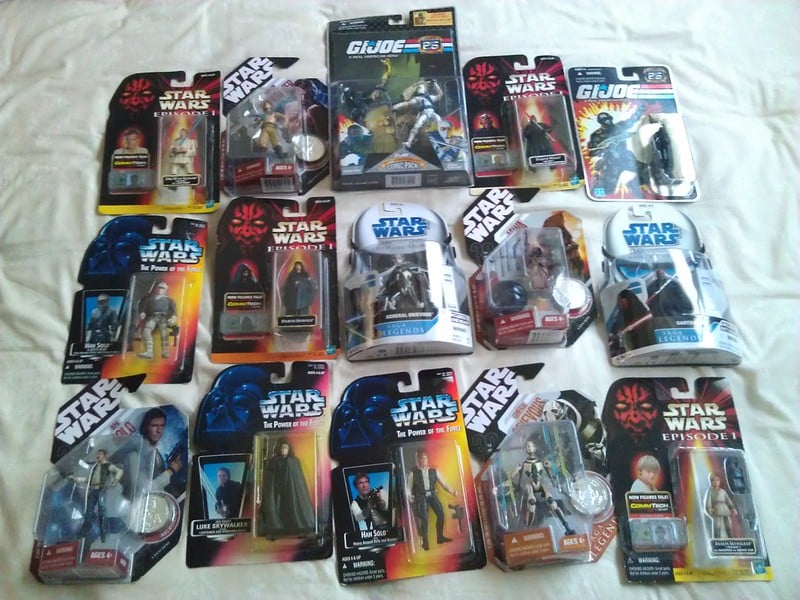
Kenner could not get Star Wars figures into stores for Christmas 1977, so it sold a cardboard package containing a certificate to be mailed in. The mailer promised Luke Skywalker, Princess Leia, Chewbacca, and R2-D2, to be delivered once the figures shipped in early 1978.
Collectors prize the complete package with an unused certificate, and an empty mailer or a torn envelope costs a lot of the value.
Double-Telescoping Lightsaber Figures
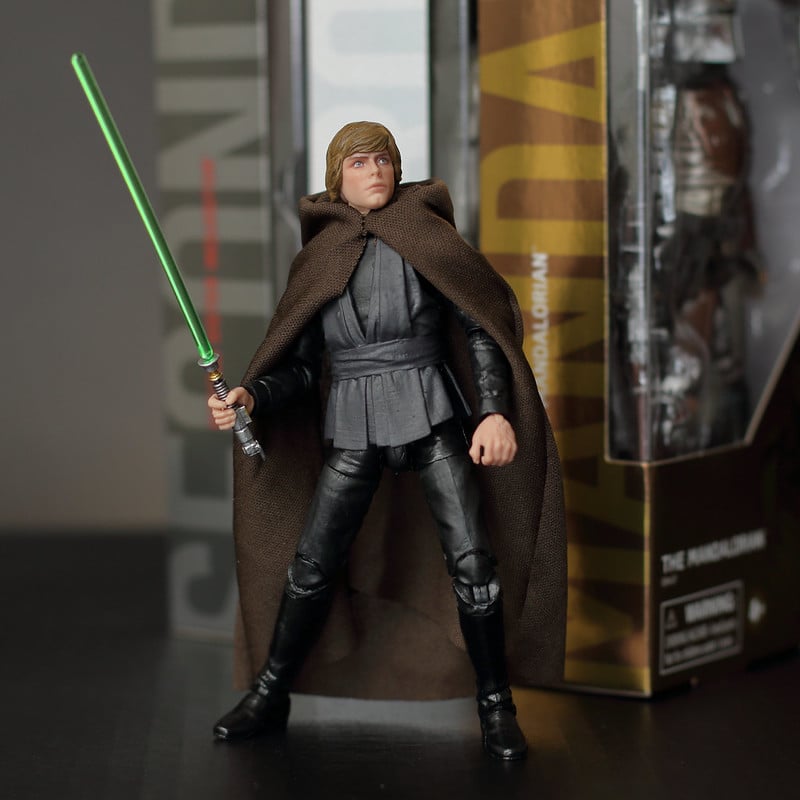
The first run of Luke Skywalker, Darth Vader, and Obi-Wan Kenobi figures came with a lightsaber that had a thin inner extension sliding out of a wider tube. Kenner later dropped the design in favor of a single-piece saber, which makes the early version a prize.
Carded examples are worth far more than loose figures, and a loose figure needs its original saber intact to count.
Vinyl-Cape Jawa
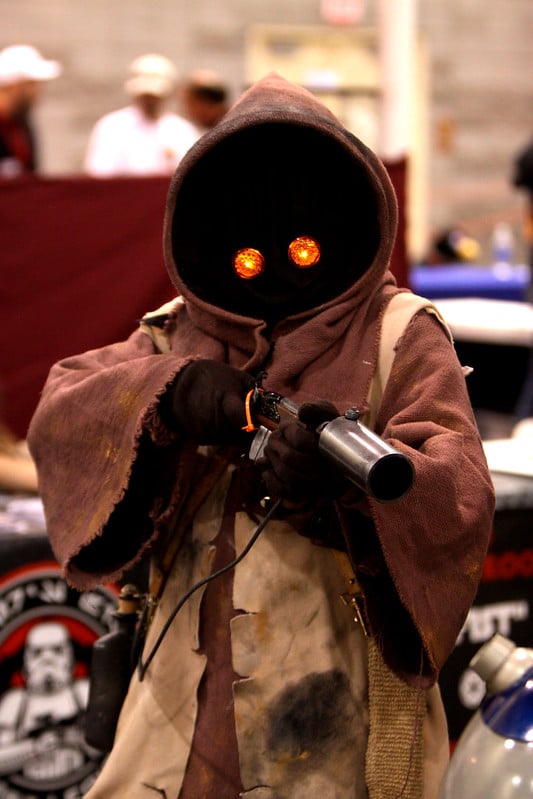
The first Jawa figures wore a cape made of vinyl instead of cloth, and Kenner soon switched to fabric. The change left a short-lived variant that collectors can spot by touch.
A carded vinyl-cape Jawa is among the most sought-after early Star Wars figures, and a loose one with a cracked cape loses much of the premium.
Rocket-Firing Boba Fett
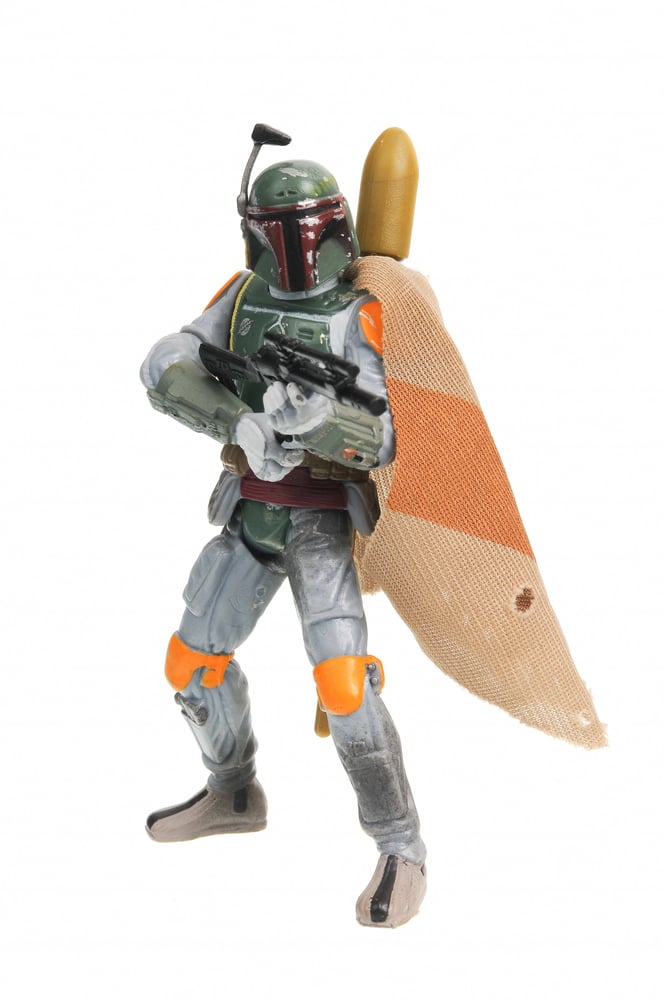
Kenner announced a Boba Fett figure with a spring-loaded rocket in his backpack as a mail-away promotion. The figures that reached children had the rocket fixed in place instead, and the few firing prototypes are among the rarest Star Wars toys ever made.
Even the standard carded Boba Fett draws strong interest, but the firing version is in a class of its own.
Snaggletooth
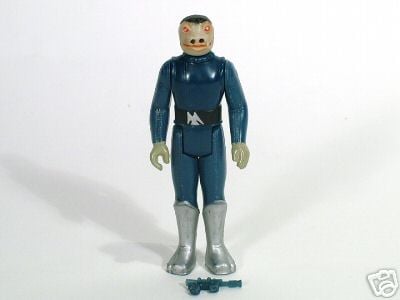
Kenner made two different Snaggletooth figures from the same Cantina alien: a short red version sold at toy stores and a taller blue version that is much harder to find. A carded red Snaggletooth sells for much more than a blue one, though condition drives both.
Yak Face
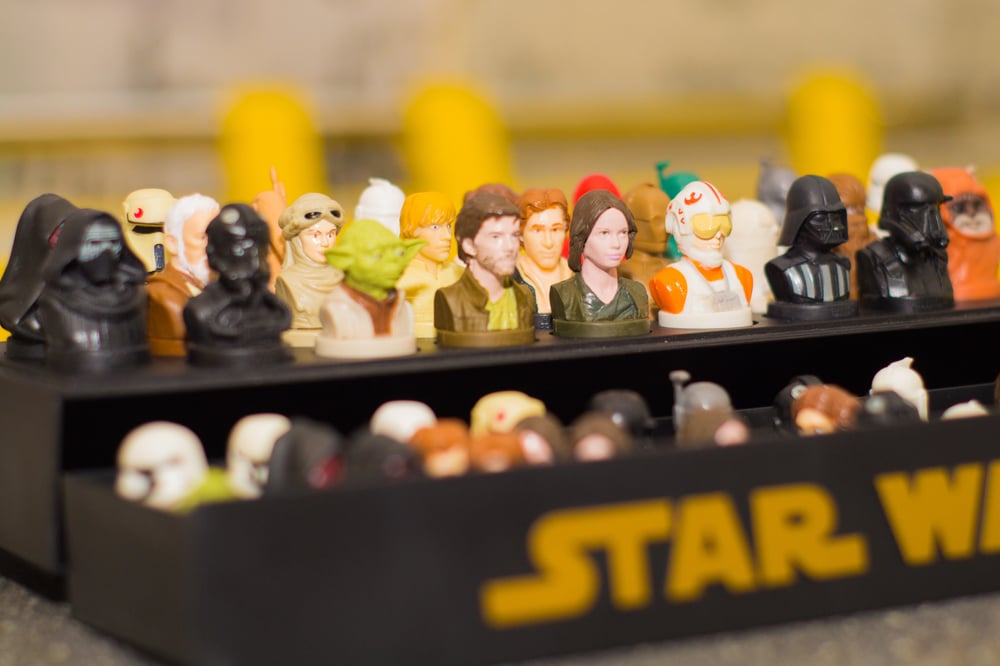
Yak Face was part of the 1985 Power of the Force line, the last wave Kenner produced for the original trilogy. The line sold poorly, and Yak Face did not stay on shelves long, so relatively few survived.
A carded Yak Face is one of the better-known late-era Star Wars prizes, and the coin that came with the figure adds value when present.
Death Star Space Station
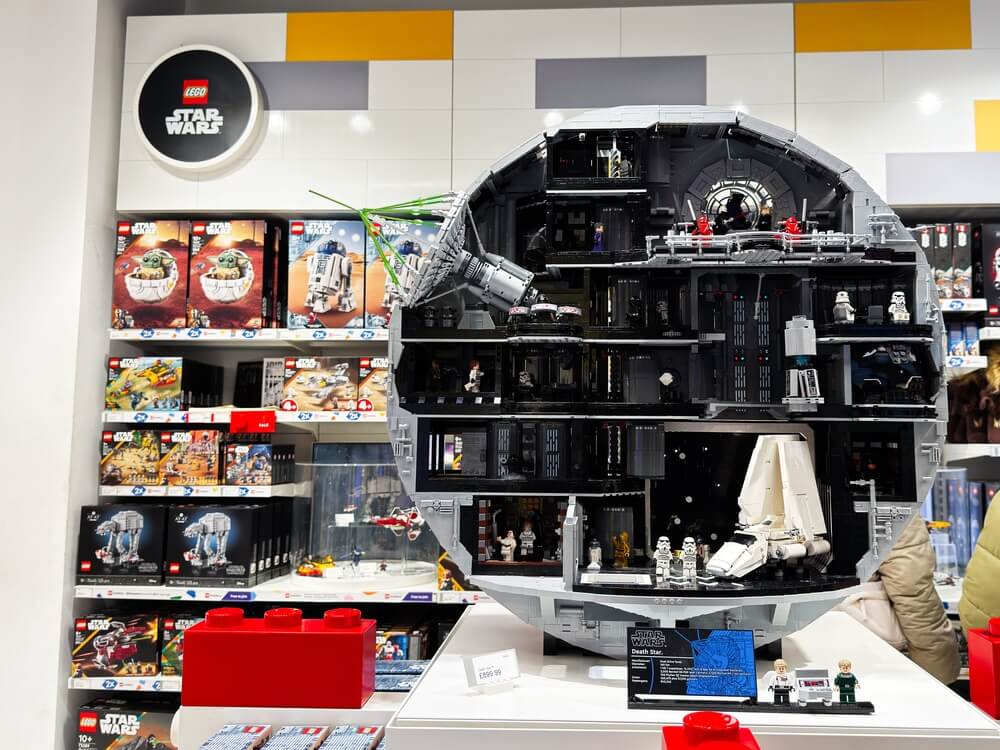
Kenner’s Death Star playset from 1978 stood several feet tall and came with an elevator, a laser cannon, and a trash compactor from the film. The cardboard structure and flimsy plastic parts often failed, so complete, undamaged sets are uncommon.
Collectors look for the original stickers and every small piece, since missing parts cut the price sharply.
Millennium Falcon
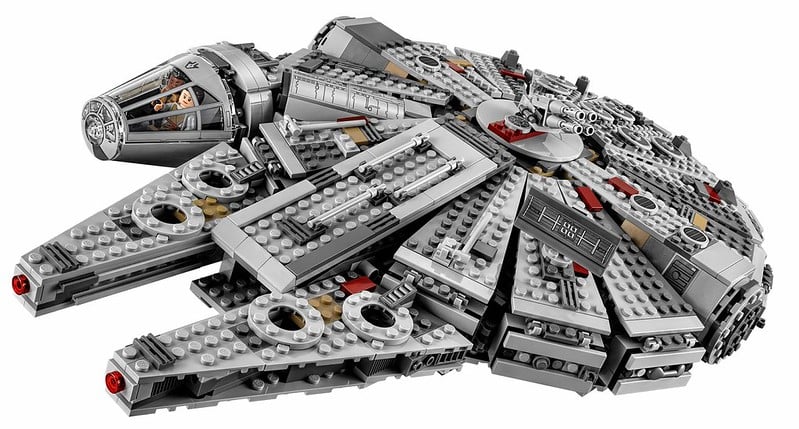
Kenner’s Millennium Falcon from 1979 was a large plastic ship with a cockpit that fit the action figures and a gun turret on top. It was one of the most-wanted toys of its year, and the sheer size meant many ended up cracked or missing parts.
A boxed example with its intact cockpit and electronics is a strong find.
X-Wing Fighter
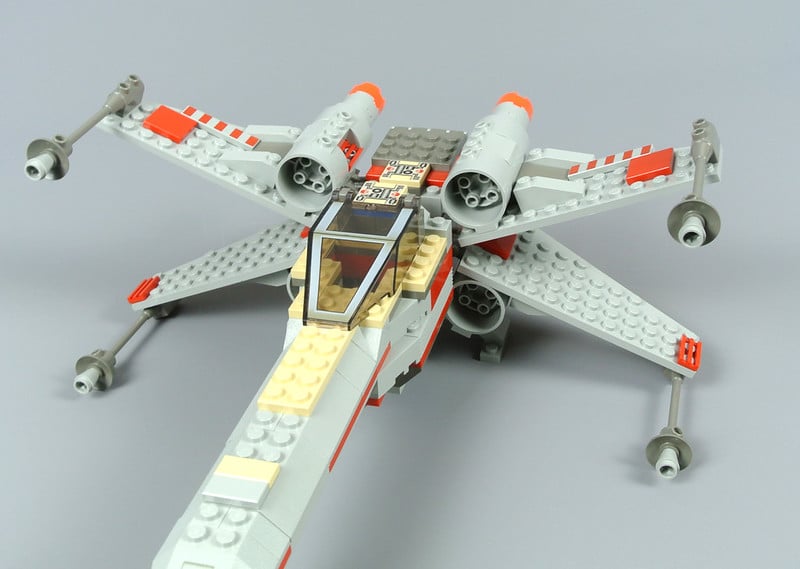
Kenner’s 1978 X-Wing Fighter had folding wings, a cockpit that opened, and laser cannons that clicked into position. The decals were applied to the plastic by hand and peeled over time.
Complete examples with the original stickers and box sell for far more than playworn ones.
Creature Cantina Action Playset
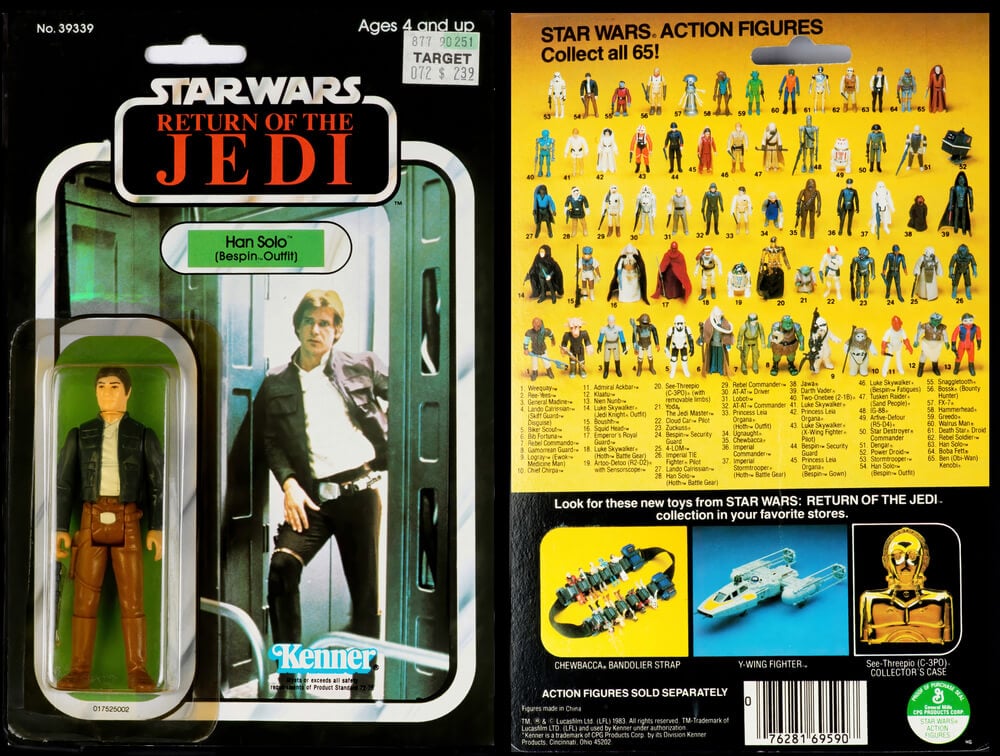
Kenner’s Creature Cantina brought the film’s famous bar to the toy shelf, with a bar counter, stools, and a cardboard backdrop. The cardboard piece was the weak link, and many sets lost it or had the artwork torn.
Complete sets with the box and all the pieces sell at a clear premium.
Six Million Dollar Man Steve Austin
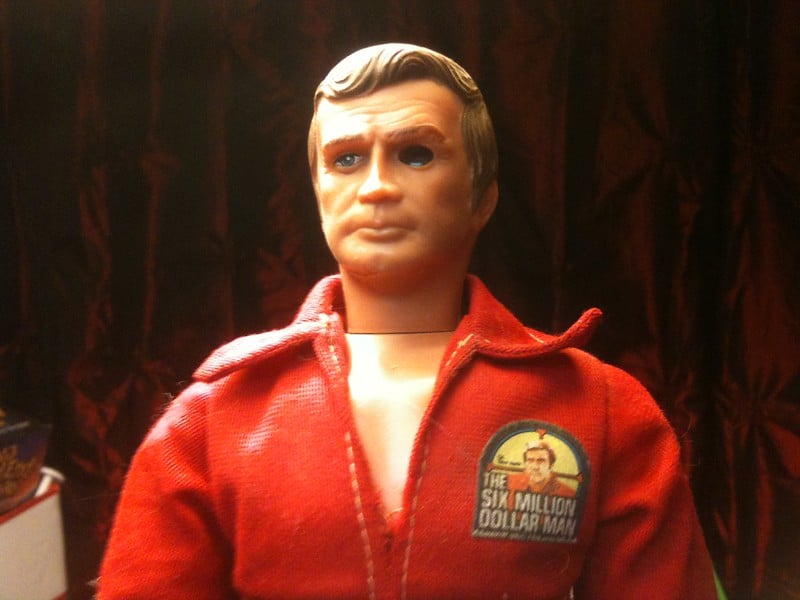
Kenner’s Steve Austin figure from the 1970s had a bionic arm with a rubber skin that rolled back to reveal the mechanics beneath. The figure came with an engine block accessory and sold on the strength of the television show.
Carded Steve Austin figures bring the best prices, and the rubber skin on loose examples often cracks.
Alien 18-Inch Figure
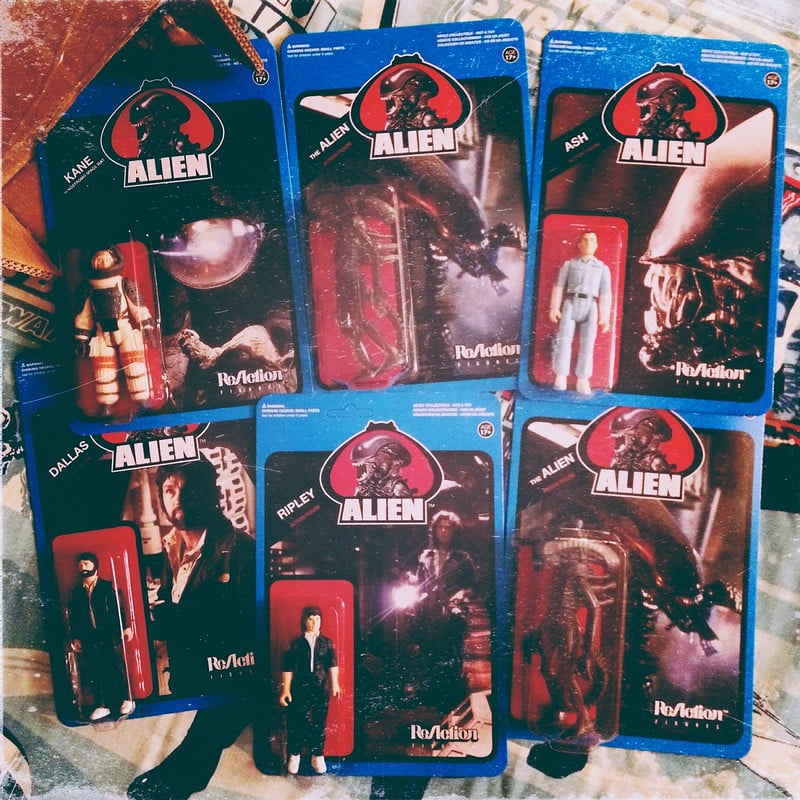
Kenner released an 18-inch Alien figure in 1979, the same year as the film, even though the movie was rated R and not aimed at children. The toy had movable limbs and a tail that curled, and its size made it striking on a shelf.
A boxed figure in good condition is a prize, and loose examples with yellowed plastic sell for much less.
Blythe Doll
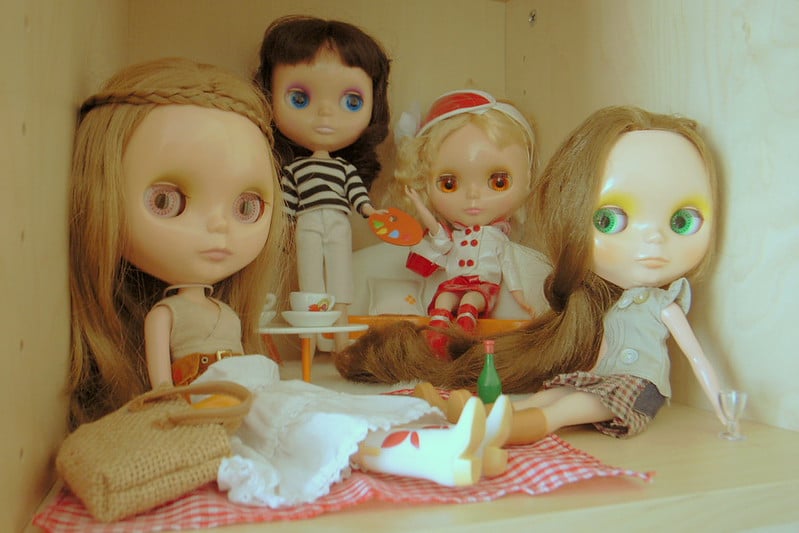
Kenner introduced the Blythe doll in 1972, and a pull string at the back of her head changed her eye color between four options. The doll was on the market for only about a year, which made her scarce.
She later gained a cult following, and original Kenner Blythe dolls in good condition sell for far more than modern reissues.
Baby Alive
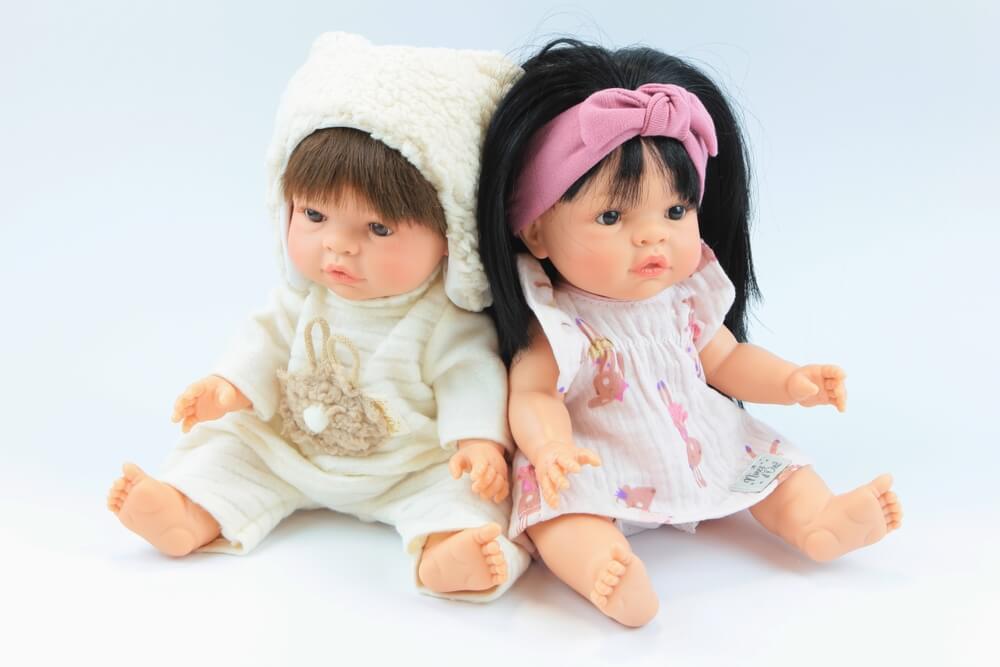
Kenner’s Baby Alive appeared in 1973 and could drink from a bottle and eat food, then needed a diaper change. The doll sparked both delight and complaints from parents, who found the mess more realistic than they wanted.
A complete set with its original accessories and box is worth considerably more than a loose doll.
Spirograph
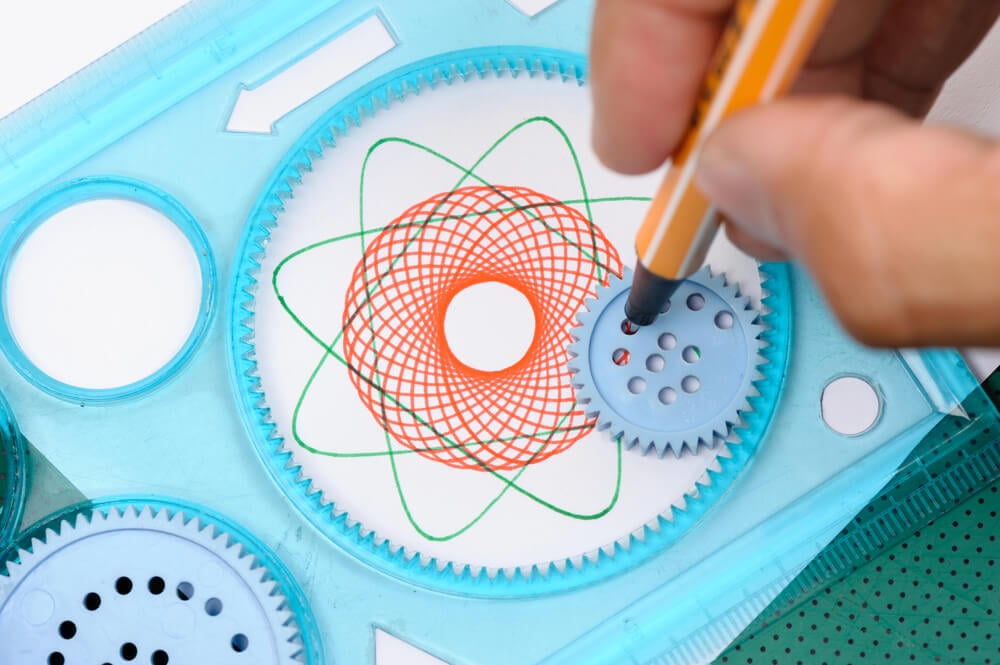
The Spirograph drawing toy was invented in England by Denys Fisher, and Kenner brought it to the United States in 1966. Players traced geometric patterns by moving a pen inside plastic gears.
Complete vintage sets with the original gears, pins, and box command much more than a mixed lot.
Care Bears
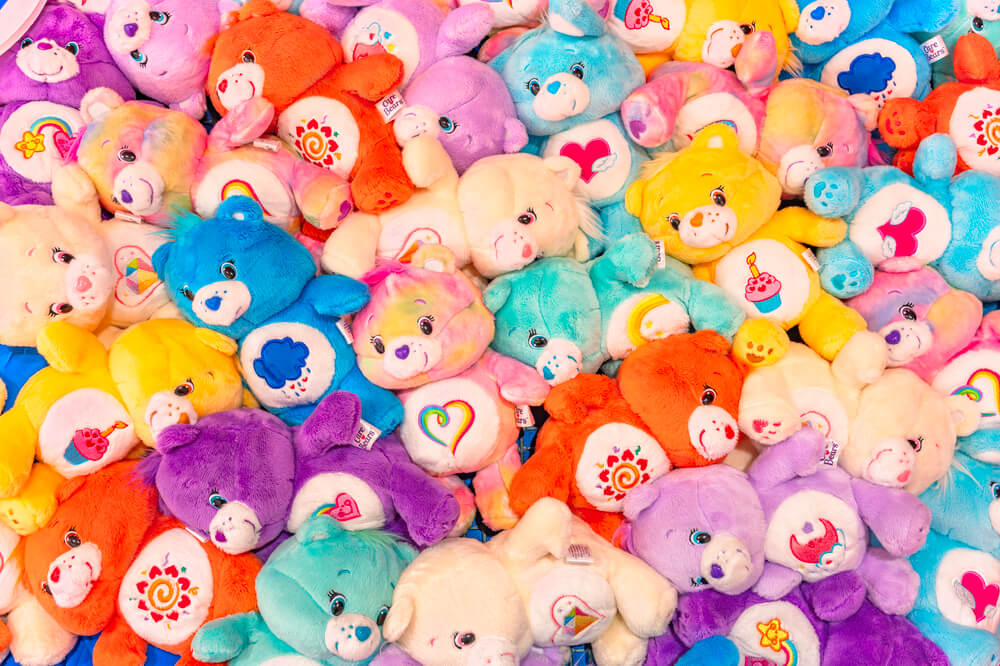
Kenner produced the Care Bears plush toys and figures beginning in 1983, based on characters that American Greetings created. Each bear carries a distinctive symbol on its tummy that identifies its personality.
Complete figures with their original tags bring the best prices, and sealed originals are rarer than loose ones.
Strawberry Shortcake
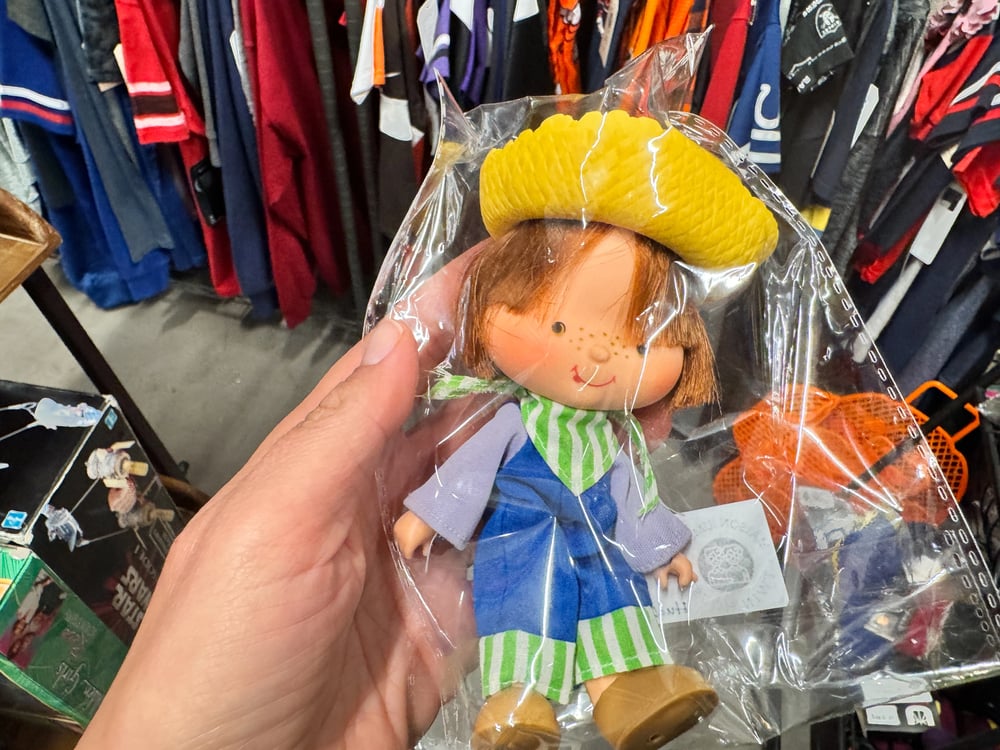
Kenner made the Strawberry Shortcake dolls in the early 1980s, complete with scented plastic that smelled of the fruit or dessert each character was named for. The scent fades with age, and surviving dolls are often discolored.
A doll with her original outfit, accessories, and packaging is worth far more than a faded loose one.
The Real Ghostbusters
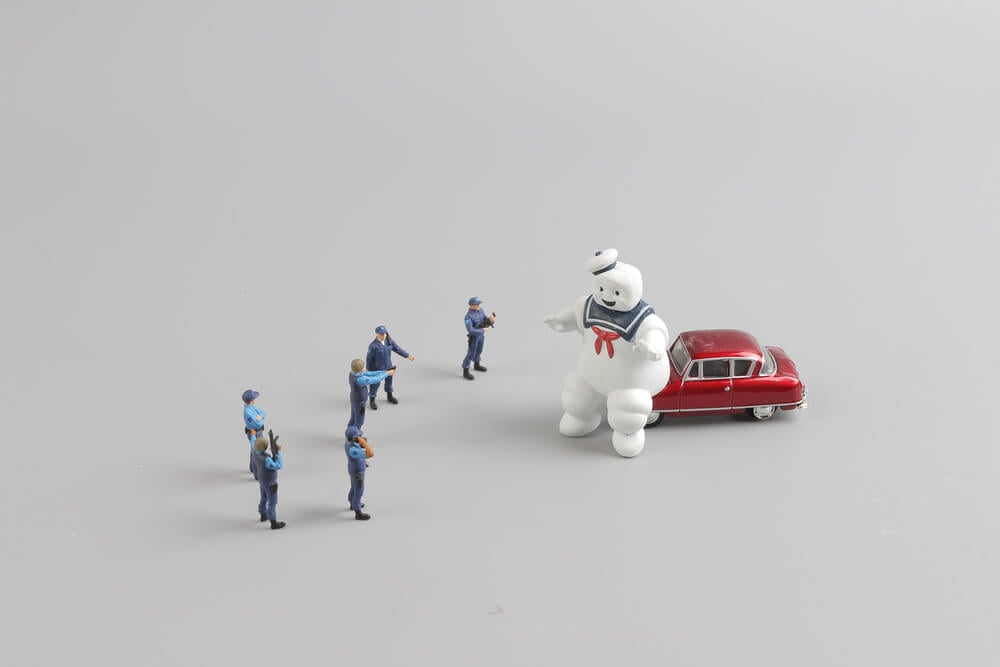
Kenner’s Real Ghostbusters line, tied to the animated series, arrived in 1986 and included the Firehouse Headquarters playset and the Ecto-1 vehicle. The ghosts had gooey or glow-in-the-dark features that did not hold up well.
Complete sets with the box are scarce, and loose figures need their original accessories to carry value.
M.A.S.K.
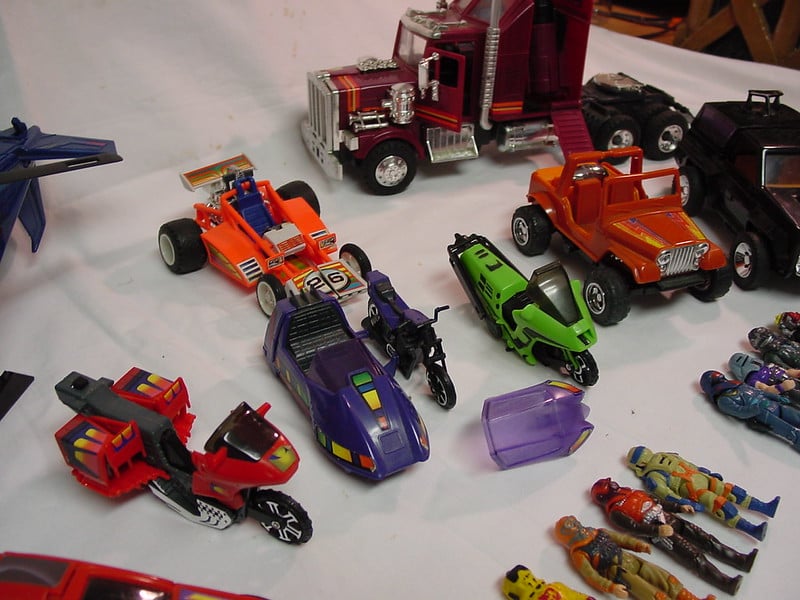
Kenner’s M.A.S.K. line from 1985 featured vehicles that transformed into different shapes, with figures wearing masks that gave them special powers. Matt Trakker’s Thunderhawk was the signature vehicle.
Complete vehicles with their masks and boxes are worth much more than loose cars.
Super Powers Collection
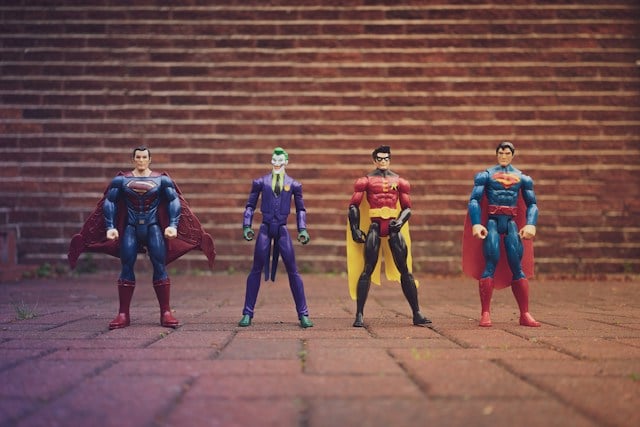
Kenner’s Super Powers line, launched in 1984, featured DC Comics heroes and villains with action features such as a punching arm or a squeezing grip. The line included Batman, Superman, and the Joker among many others.
Carded figures sell for far more than loose ones, and the collector-friendly packaging adds to the premium.
SSP Racers
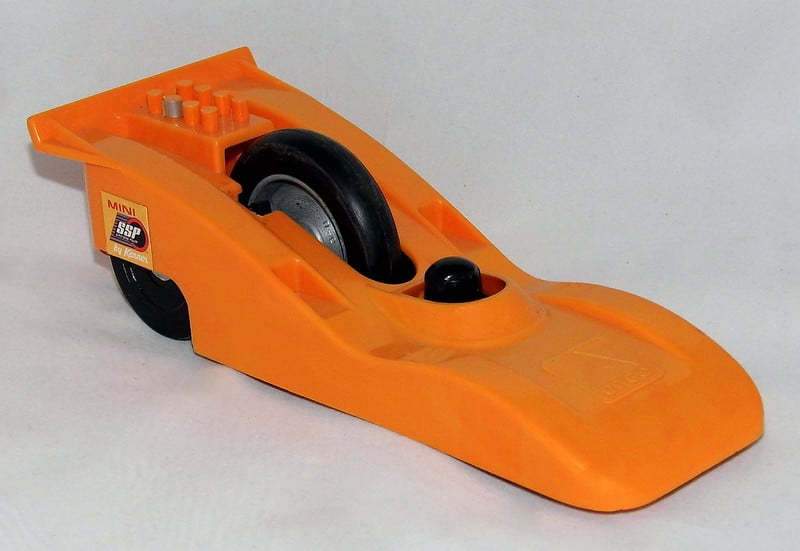
Kenner’s SSP cars, short for Super Sonic Power, used a ripcord launcher to spin up a flywheel and then fired the car forward. Kids launched them across the living room floor.
Complete sets with the original launcher, track, and box are far less common than loose cars.
Original Weebles
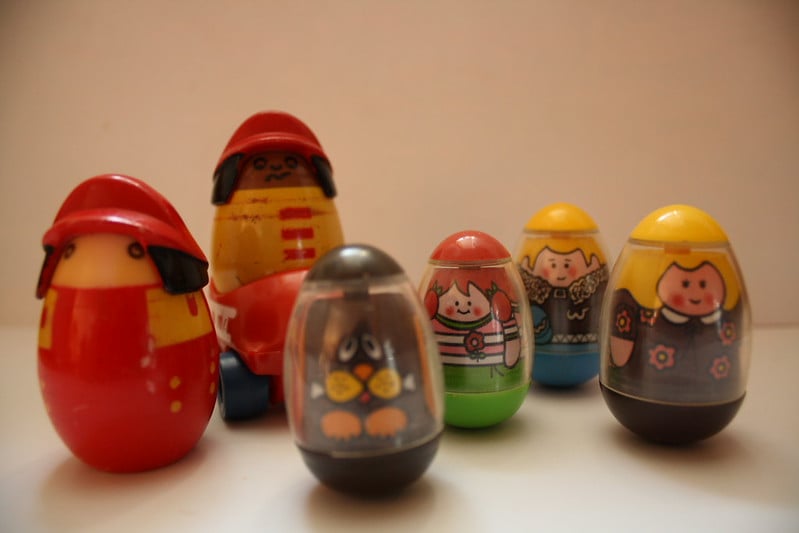
Hasbro’s Playskool line introduced Weebles in 1971 with the slogan “Weebles wobble but they don’t fall down.” The egg-shaped figures have a weighted base that returns them upright.
Original sets with the box and intact stickers are worth more than loose figures, which were commonly lost.
Weebles Haunted House
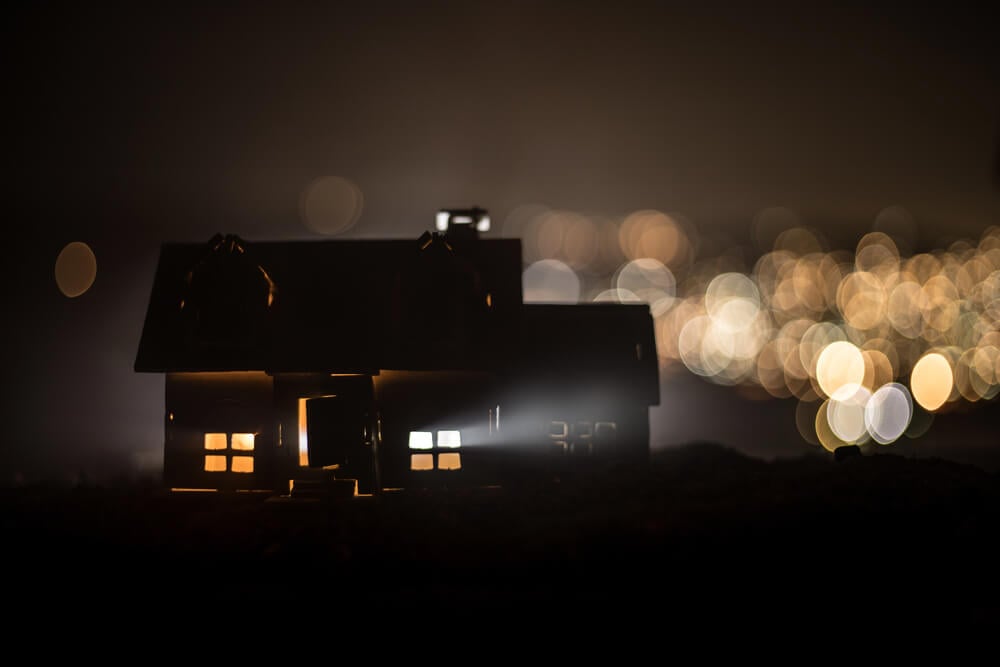
The Weebles Haunted House was a molded plastic playset that carried the Weebles concept into spooky territory, with a house and its characters. Stickers are the weak point of nearly every surviving set, since children peeled and reapplied them.
Collectors pay the most for sets with every piece and the stickers still in place.
Weebles Treehouse
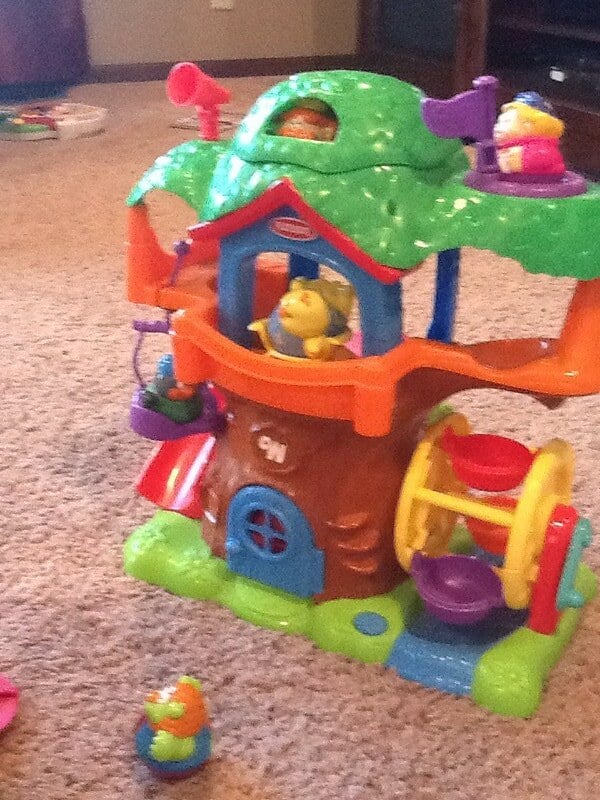
The Weebles Treehouse turned the wobbly figures into residents of a plastic tree with ladders and platforms for climbing. Its pieces were small and easy to lose, so complete examples are hard to find.
Buyers check for the original stickers and every accessory before paying.
Playskool Alphie
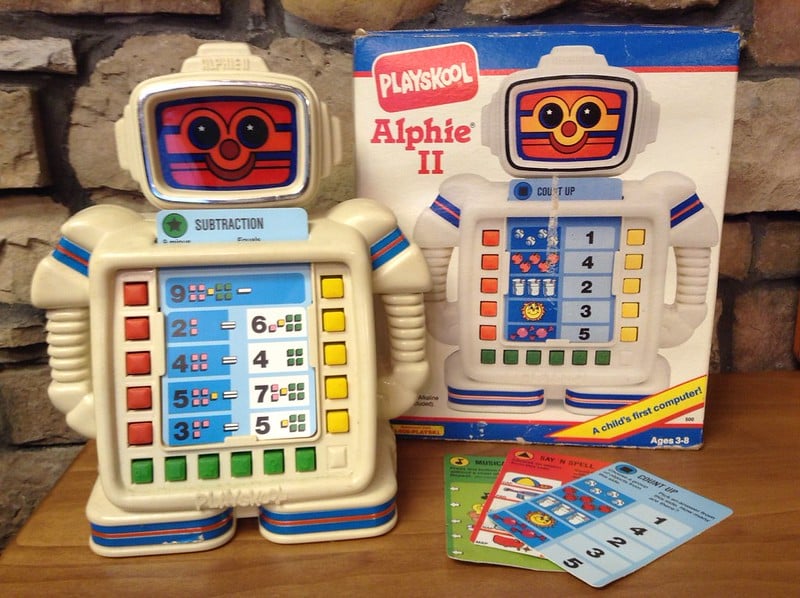
Playskool’s Alphie, a small educational robot that debuted in the 1970s, taught shapes and colors using cards inserted into its body. Boxed examples with the full set of cards are worth far more than a robot alone.
Playskool Lincoln Logs
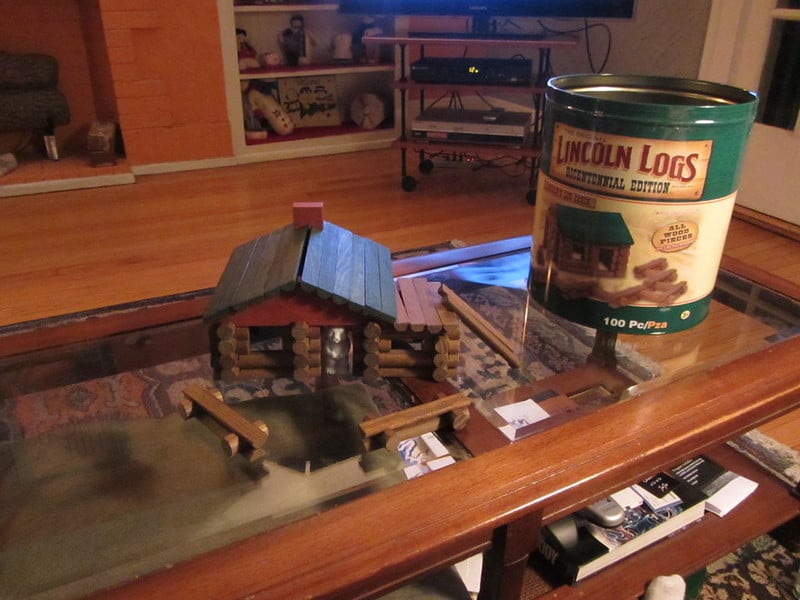
Playskool acquired the Lincoln Logs line in 1943, and the notched wooden logs and roof pieces kept their place in toy chests for decades. John Lloyd Wright, the son of architect Frank Lloyd Wright, invented the toy in 1916.
Vintage sets in their original canisters, with the instruction booklets, outsell loose logs by a wide margin.
Playskool Tinkertoy
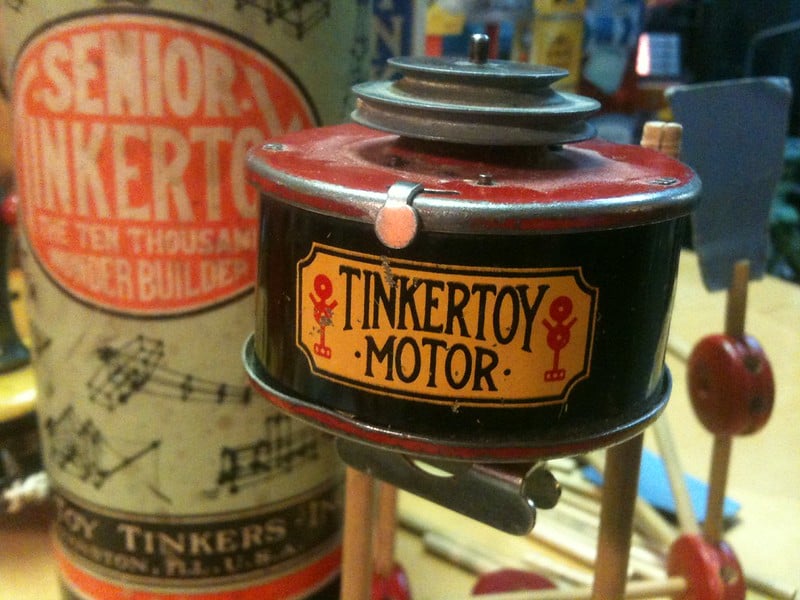
Tinkertoy was invented in 1985, and Playskool acquired the line in 1952, producing wooden spools and dowel rods for generations. Vintage sets in their original cylindrical canisters are the version collectors want.
A set that still has its instruction booklet and full set of pieces brings more than a bag of mixed spools.
The Toy Aisle Becomes a Vault
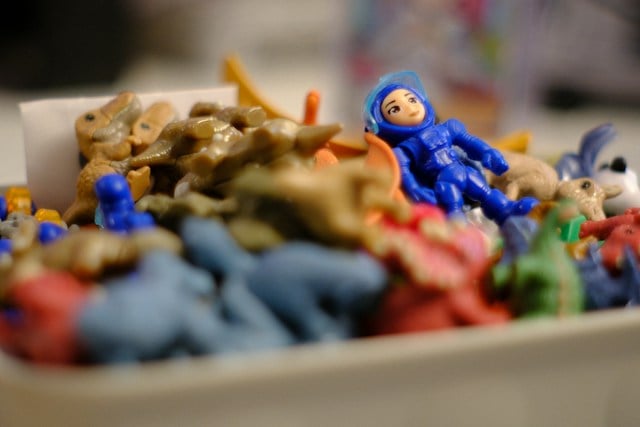
Toys from these two makers worked as a childhood habit, handled daily and then forgotten in basements. Time did the rest, thinning out complete sets until the ones left became valuable.
The best finds are not always the flashy figures but the common toys that kept every piece.
Anyone sorting a closet can begin with the packaging, the stickers, and the small parts. Those details often decide whether a toy is worth a few dollars or a few hundred.
A careful look before a yard sale is worth the time.
More from Go2Tutors!

- The Romanov Crown Jewels and Their Tragic Fate
- 13 Historical Mysteries That Science Still Can’t Solve
- Famous Hoaxes That Fooled the World for Years
- 15 Child Stars with Tragic Adult Lives
- 16 Famous Jewelry Pieces in History
Like Go2Tutors’s content? Follow us on MSN.