21 Vintage Football Cards Collectors Chase
Long before autographed patch cards and case-hit rookies, football cards were thin cardboard stuffed into wax packs alongside a stick of brittle bubble gum. A handful of those cards, printed in runs that nobody thought to preserve, have become the most obsessed-over objects in the sports memorabilia world.
Condition is everything with cards this old. The same card that sells for a few hundred dollars with soft corners and print flaws can bring six or seven figures if it survived nine decades in something close to mint shape.
1935 National Chicle Bronko Nagurski
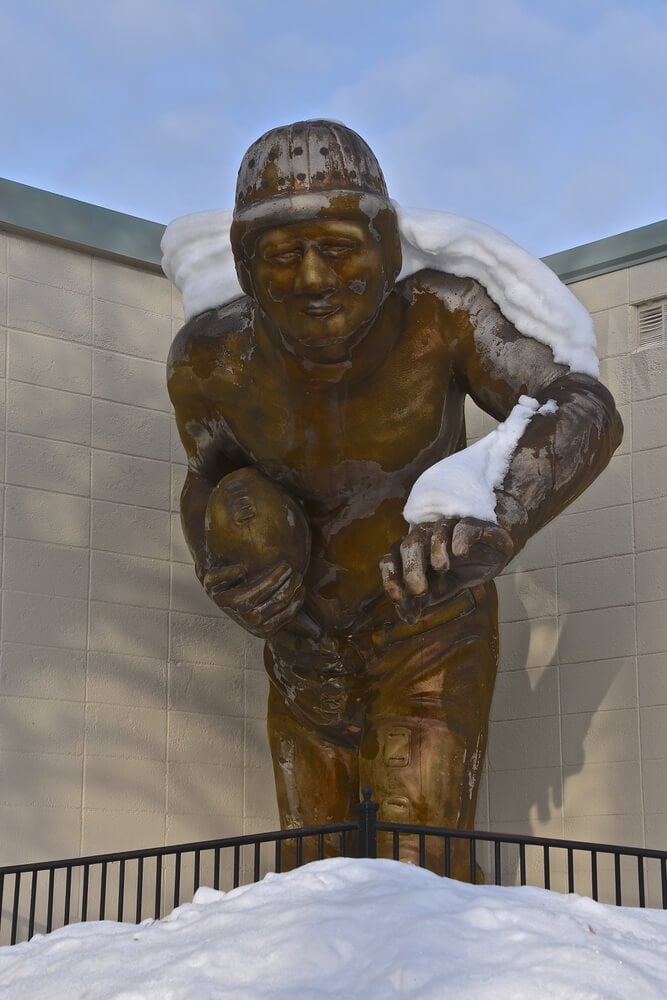
Often compared to baseball’s Honus Wagner card for its scarcity and legend, this rookie card of the bruising Chicago Bears fullback is considered the single most valuable vintage football card in the hobby, with a top-graded example valued north of a million dollars. Nagurski is pictured in his University of Minnesota uniform rather than a Bears jersey, since the card predates his professional career, a quirk that only adds to its mystique.
1948 Leaf Sammy Baugh
As one of the first football cards Leaf ever produced, this Washington Redskins quarterback rookie is prized for its bold blue background and bright yellow uniform number, making it instantly recognizable even to non-collectors. Baugh’s card sits comfortably among the most desirable pieces from football’s earliest modern card era.
1957 Topps Bart Starr
Starr’s rookie card is one of the most sought-after pieces from the 1957 Topps set, particularly among Green Bay Packers collectors, since he went on to lead the franchise to two NFL championships—the first two Super Bowls. High-grade examples are extraordinarily scarce, with only a handful of cards ever receiving a near-perfect grade.
1957 Topps Paul Hornung
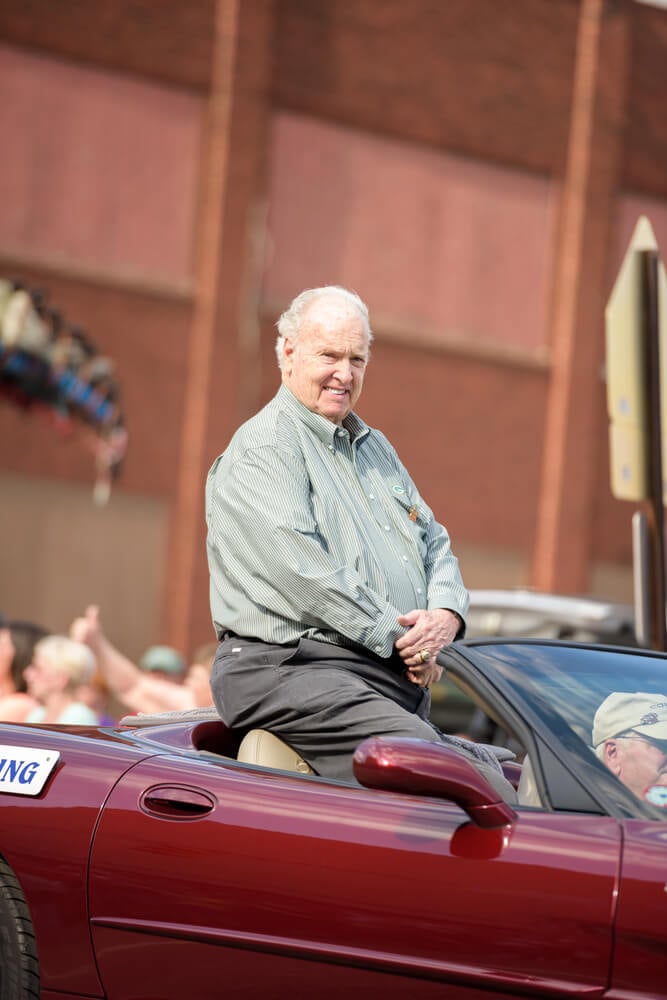
Hornung’s rookie card is not the rarest in its set, since PSA has graded well over a thousand copies, but it remains one of the most collected football cards simply because of how many people pulled it from packs as children. Its accessibility at lower grades makes it a common entry point for new vintage collectors.
1958 Topps Jim Brown
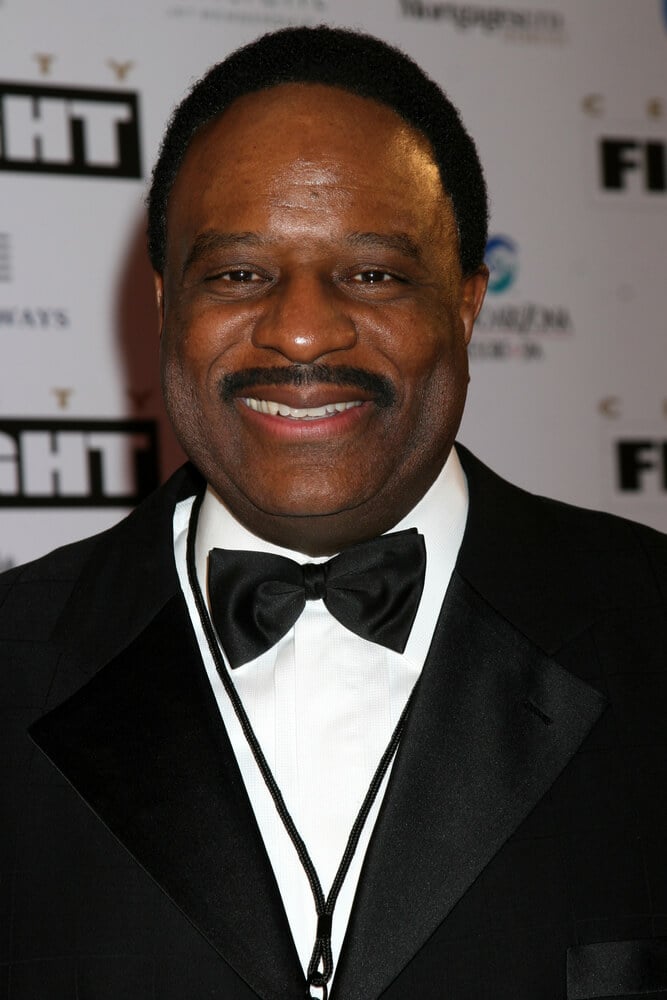
Widely regarded as the greatest fullback in football history, Brown’s rookie card is one of the most iconic pieces in the hobby, and mint examples have sold for well into six figures. Centering issues from the printing process make truly sharp, well-centered copies unusually hard to find.
1965 Topps Joe Namath

Namath’s oversized rookie card, printed larger than a standard card at roughly two and a half by four and three-quarter inches, is one of the most recognized pieces in football card collecting. A printing quirk known as the “butterfly variation” left a visible mark on the back of Namath’s hand on some copies, a detail obsessive collectors track closely.
1965 Topps Butkus

Butkus’s rookie card captures the Chicago Bears linebacker before he became one of the most feared defenders of his era, and it remains a cornerstone of any serious 1960s football set. Like most cards from this period, high-grade copies are scarce because of the era’s rough printing and handling standards.
1965 Topps Gale Sayers
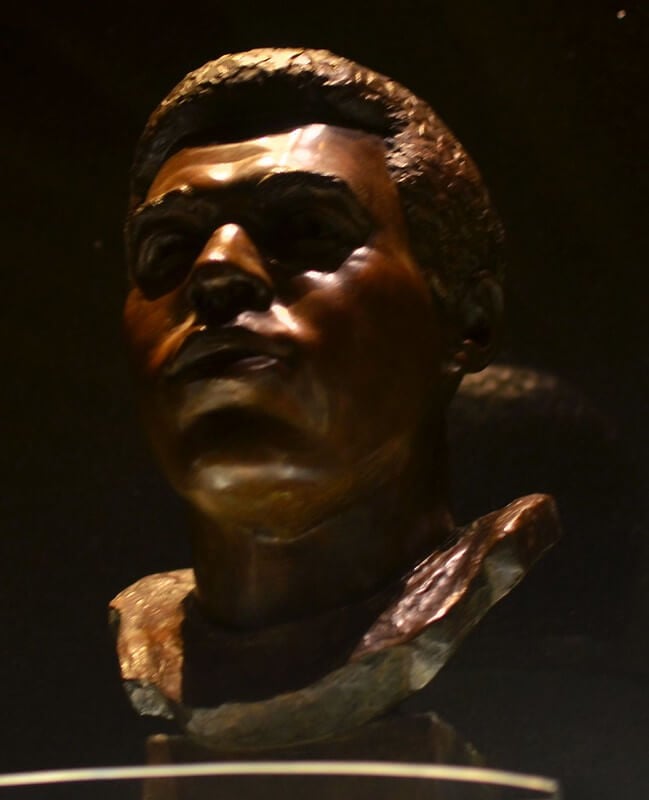
Sayers’s rookie card shares its set with Namath and Butkus, making 1965 Topps one of the most desirable vintage football releases of all. Sayers’s career was cut short by injury, which only adds scarcity value to well-preserved examples of his early cardboard.
1966 Topps Roman Gabriel
Sitting near the front of an underrated mid-1960s Topps set, Gabriel’s card is a lower-cost entry point for collectors chasing complete team or era sets rather than individual superstar rookies. Its value has crept up in recent years as the broader vintage football market has strengthened.
1969 Topps O.J. Simpson
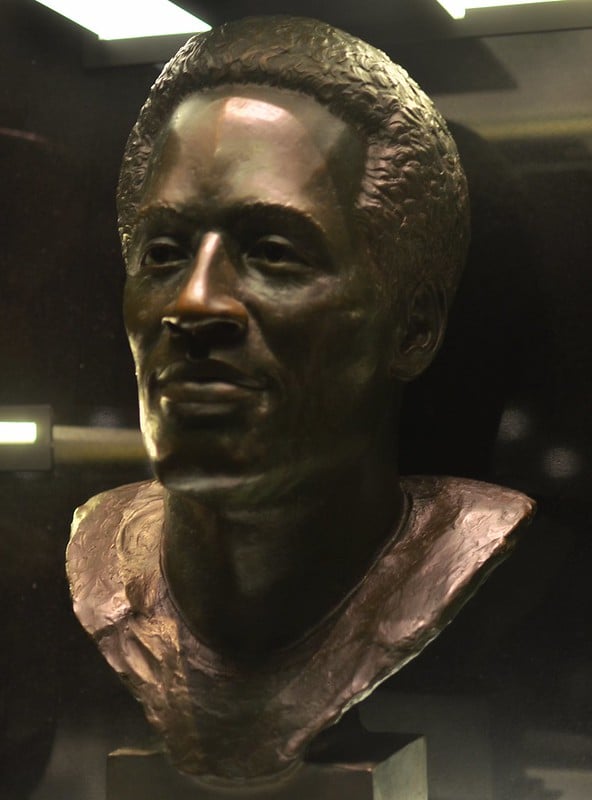
Simpson’s rookie card documents one of the most electrifying college and professional running backs of his generation, and it remains one of the most requested cards from its set regardless of how his post-football life is remembered. Collectors treat it as a historical artifact of football’s late-1960s golden age.
1970 Topps Terry Bradshaw
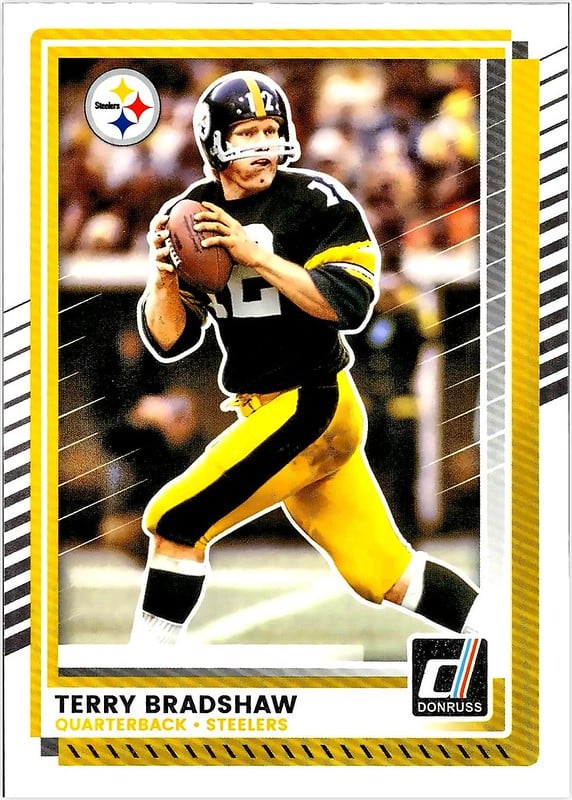
Bradshaw’s rookie card marks the arrival of the quarterback who would lead the Pittsburgh Steelers to four Super Bowl titles through the 1970s. As with most cards from this set, sharp corners and clean centering are rare enough that graded high-end copies command a real premium over raw examples.
1971 Topps Joe Greene
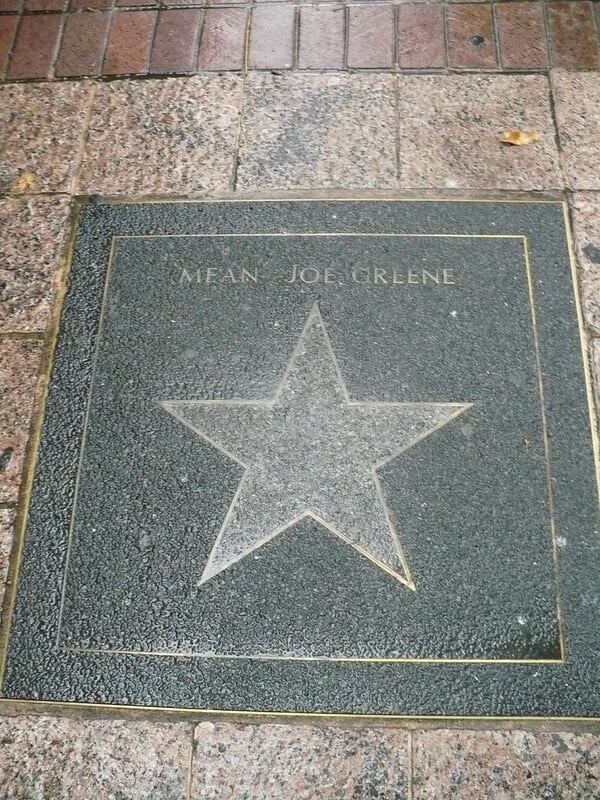
“Mean” Joe Greene’s rookie card predates the Steelers’ championship dynasty and captures the young defensive tackle before he became the emotional anchor of the “Steel Curtain” defense. It remains a favorite among Pittsburgh-focused collectors building sets around the team’s 1970s run.
1976 Topps Walter Payton
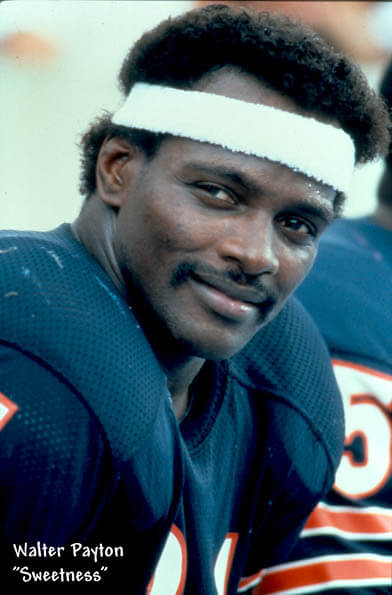
Payton’s rookie card is among the most heavily counterfeited football cards in the hobby precisely because of how valuable authentic high-grade copies have become, making third-party grading essential for any serious purchase. Payton went on to become the NFL’s all-time leading rusher for over two decades.
1981 Topps Joe Montana
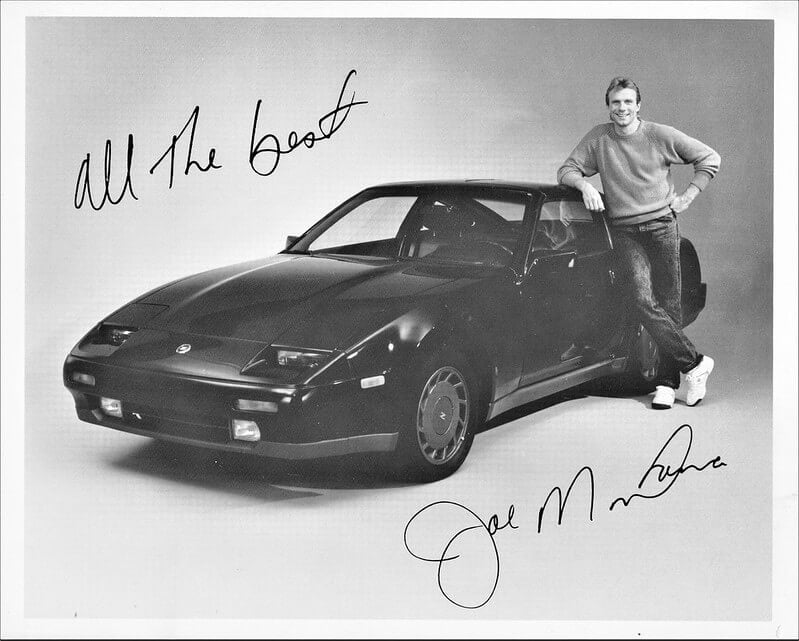
Montana’s rookie card is one of the most recognizable images in the entire hobby, largely because 1980s Topps print runs were far larger than those of earlier decades, keeping supply relatively high even at the top grade. It remains a staple “starter” vintage card for new collectors because strong examples are more attainable than 1950s and 1960s rookies.
1984 Topps John Elway
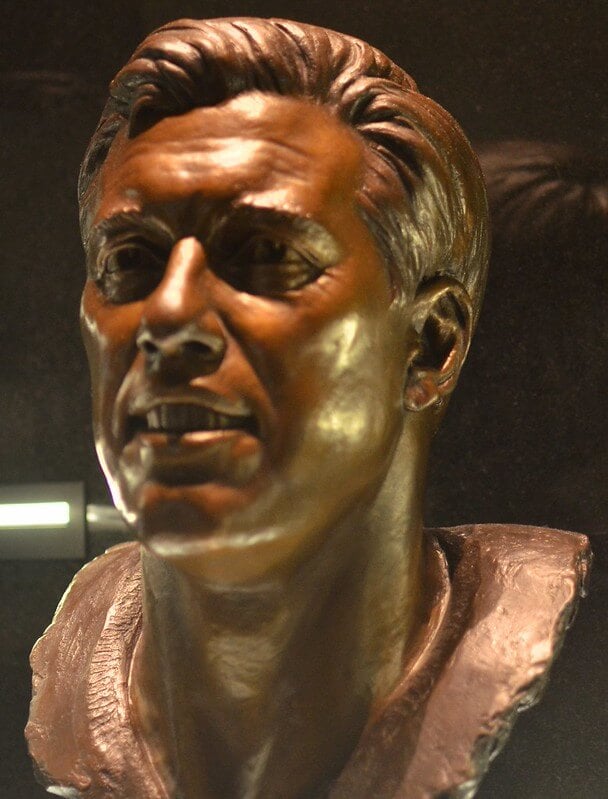
Elway’s rookie card documents the beginning of a career that would end with back-to-back Super Bowl titles for the Denver Broncos in the late 1990s. Its relative affordability compared to Montana’s card from three years earlier makes it a popular alternative for quarterback-focused collectors.
1986 Topps Rice
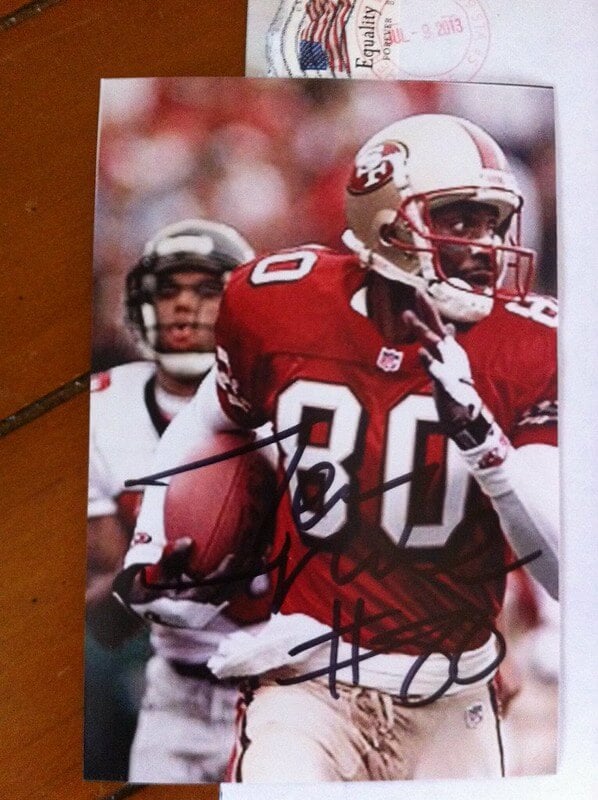
Rice’s rookie card is one of the most collected cards from the entire 1980s, reflecting his standing as the NFL’s all-time leader in both receptions and receiving touchdowns. Because Topps print quality was inconsistent that year, finding a copy with sharp corners and clean centering remains genuinely difficult.
1986 Topps Steve Young
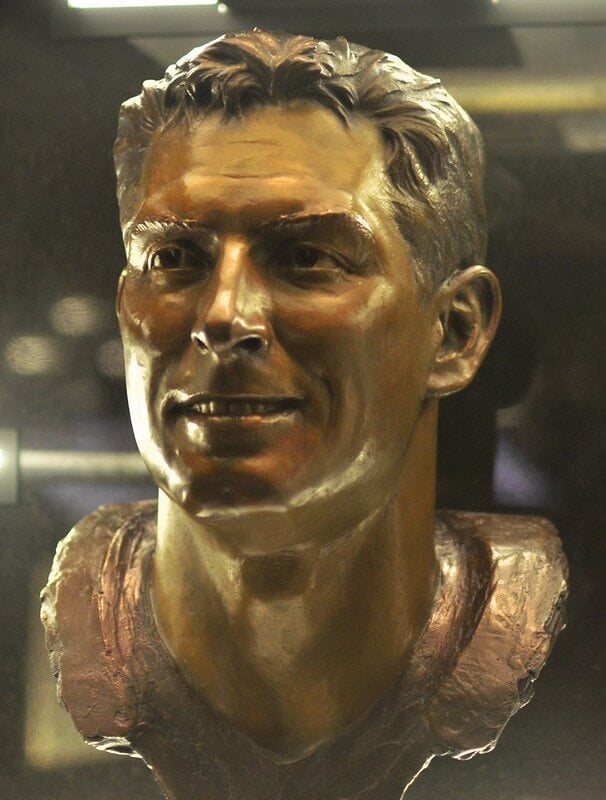
Young’s rookie card predates his years as San Francisco’s starting quarterback and is often chased by collectors building complete 1986 Topps sets rather than by pure superstar hunters. Its value has climbed steadily alongside broader renewed interest in 1980s football cardboard.
1988 Topps Bo Jackson
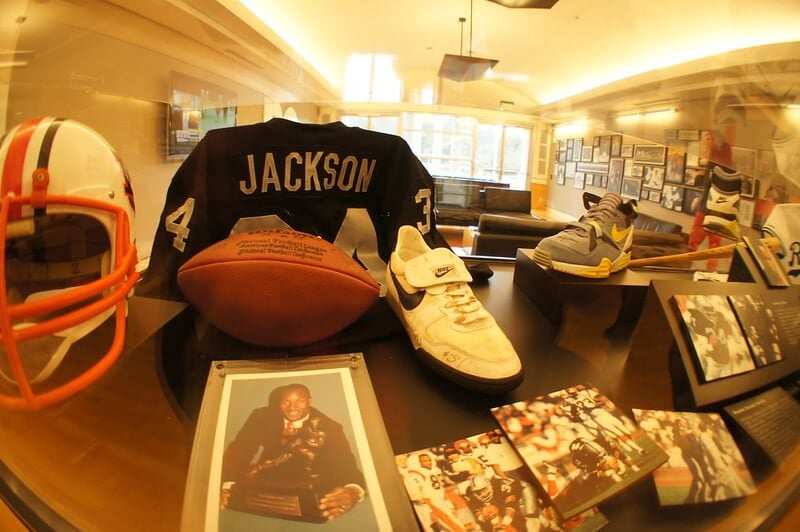
Jackson’s rookie card, showing him in the silver and black of the Los Angeles Raiders, captures one of the most singular athletes in American sports history, a man who played professional football and baseball in the same years. High-grade copies remain in strong demand from collectors who never got to see his full potential play out.
1989 Score Barry Sanders
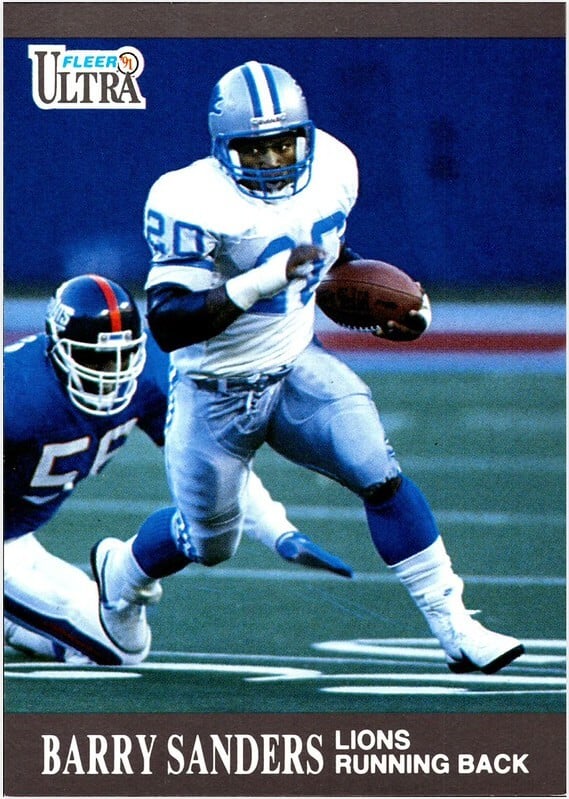
Sanders’s rookie card came from Score rather than Topps, part of a wave of new card companies that entered the football market in the late 1980s. His electrifying, injury-free decade with the Detroit Lions before an early retirement has only increased nostalgic demand for his earliest cardboard.
1998 Topps Chrome Peyton Manning
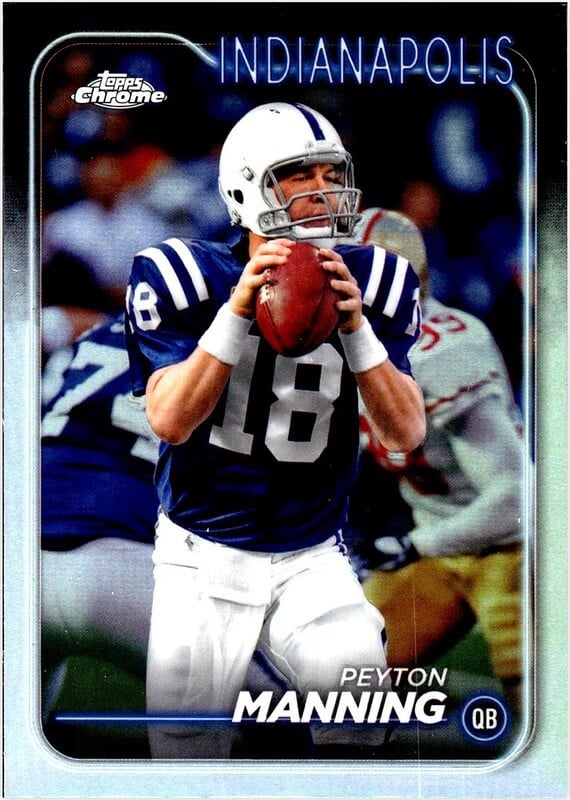
Manning’s rookie card marked Topps Chrome’s growing importance in the football card market, using a reflective coating that made centering and surface flaws far more visible than on traditional cardstock. Mint copies of this card have become one of the most requested modern-vintage crossovers as Manning’s Hall of Fame case solidified.
The Cardboard That Outlasted the Kids Who Collected It
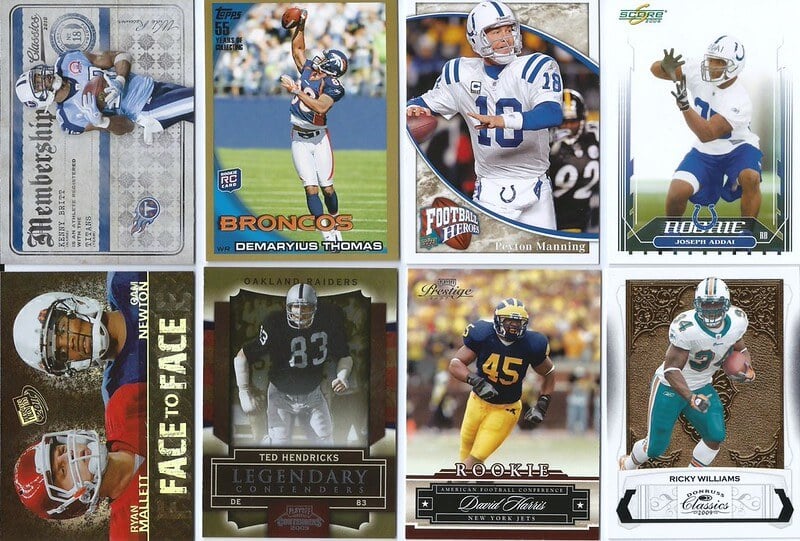
None of these cards were treated as investments when they first shipped inside wax packs. They were flipped against sidewalks, clothes-pinned to bicycle spokes, and occasionally saved only because a parent happened to store a shoebox in the attic instead of the trash.
That accidental survival is the real engine behind vintage card prices. Scarcity was never designed into these cards; it was created decades later by every kid who did not think to keep his cards flat.
More from Go2Tutors!

- The Romanov Crown Jewels and Their Tragic Fate
- 13 Historical Mysteries That Science Still Can’t Solve
- Famous Hoaxes That Fooled the World for Years
- 15 Child Stars with Tragic Adult Lives
- 16 Famous Jewelry Pieces in History
Like Go2Tutors’s content? Follow us on MSN.