28 Foods That Were Outlawed at Different Points in History
Governments have always had opinions about what goes on your plate. That’s not a conspiracy theory — it’s just how power has always worked.
Sometimes those opinions came wrapped in public health concerns, sometimes in moral panic, and sometimes in something harder to pin down — a mixture of politics, religion, and the particular anxieties of a given era. The result is a surprisingly long list of foods that were, at various points, outright illegal to eat, sell, import, or even possess.
Some of these bans made a certain kind of sense. Others read today like the plot of a very boring dystopian novel.
Either way, the history of prohibited food is stranger, funnier, and more revealing than most people expect.
Foie Gras
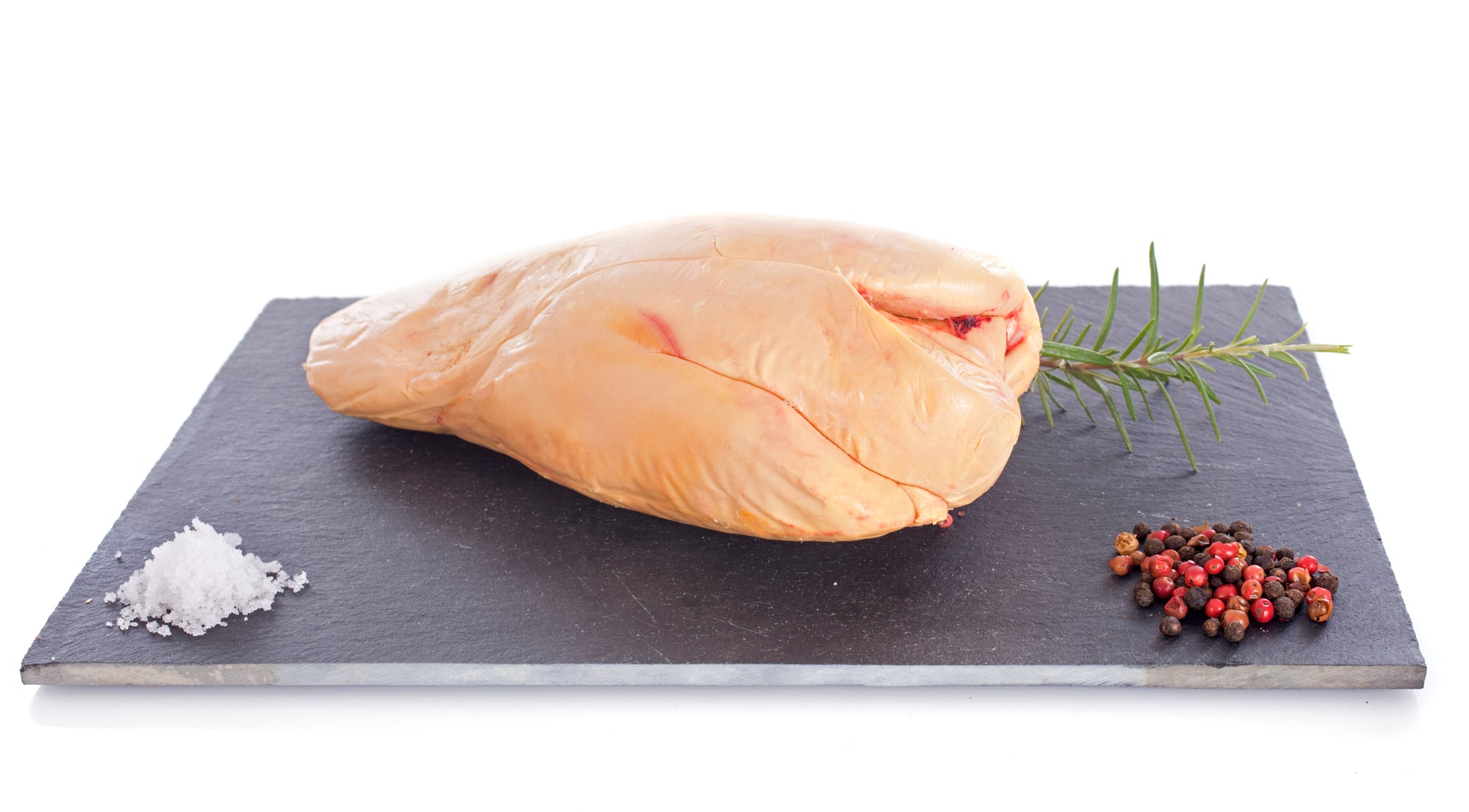
California banned foie gras in 2004 (effective 2006), and the legal back-and-forth over the ban — including temporary lifts and reinstatements — lasted over a decade. The ban targeted the force-feeding process used to fatten duck and goose livers, which animal welfare advocates argued caused unnecessary suffering.
To be fair, the dish never stopped being controversial, and the courtroom battles over it became almost as rich as the product itself.
Kinder Surprise Eggs
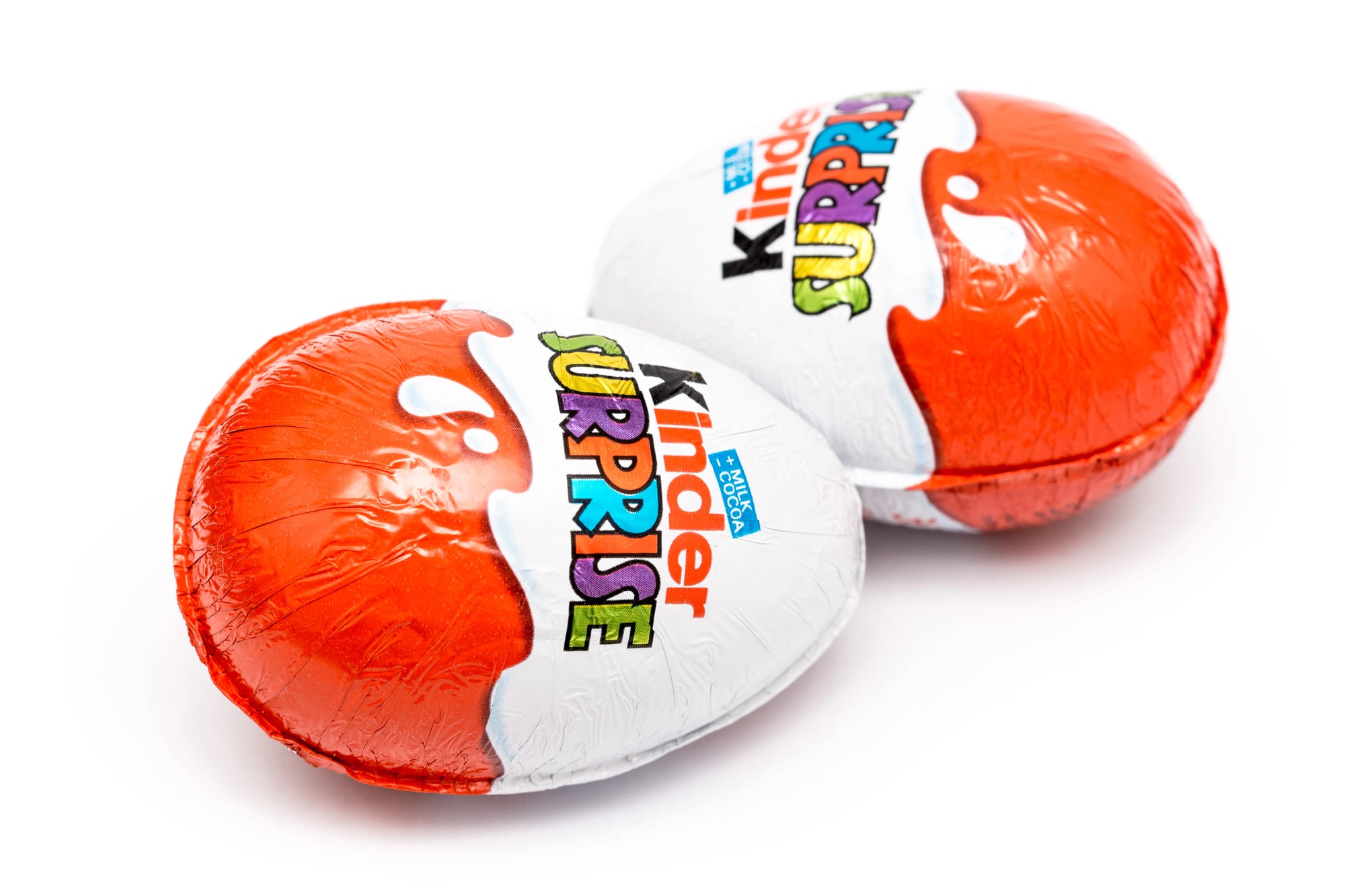
The United States banned Kinder Surprise Eggs for decades under a law prohibiting candy with non-food objects embedded inside. The logic was choking hazard prevention, though the rest of the world managed to survive the tiny plastic toy inside without incident, which is saying something.
A Kinder Joy version — with the toy separated — eventually made it to American shelves, but the original remained contraband at the border.
Haggis
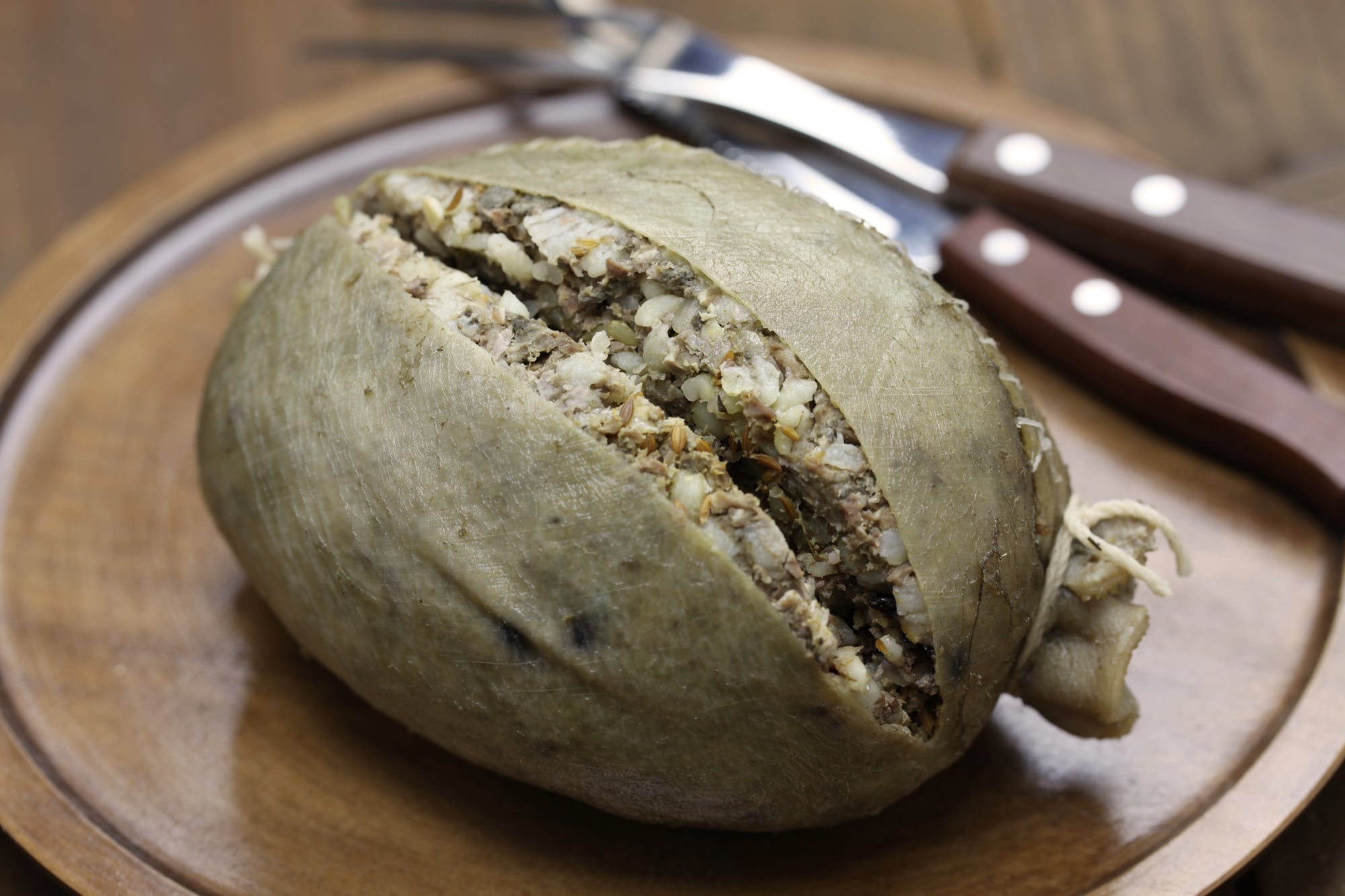
Traditional Scottish haggis — the kind made with sheep lung — has been banned in the United States since 1971. The USDA prohibits the sale of livestock lungs for human consumption, citing food safety concerns.
So the version served at American Burns Night suppers is always a lung-free approximation, which purists find quietly devastating.
Absinthe
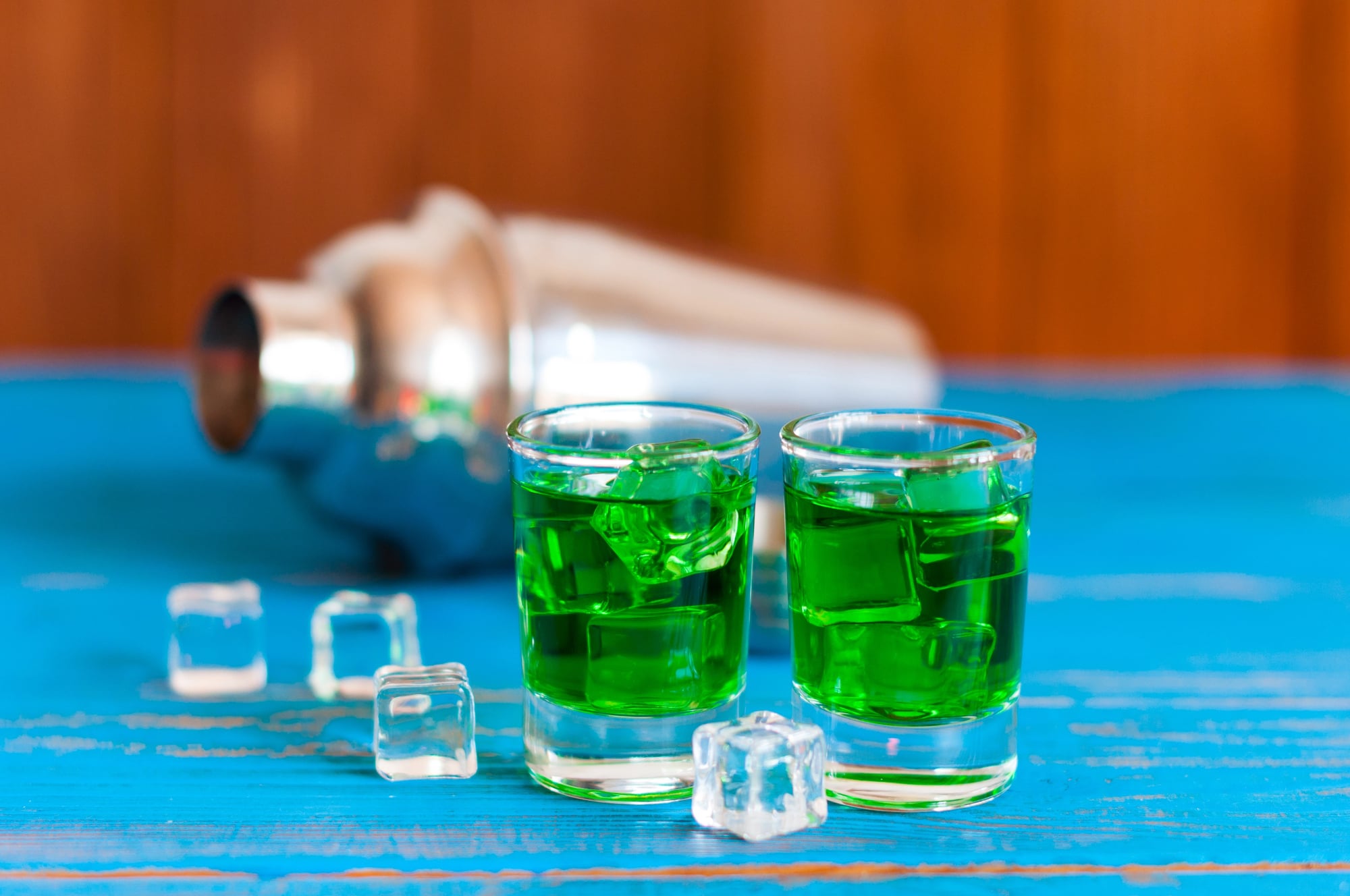
Absinthe is one of those rare bans where the hysteria was almost more interesting than the drink itself — a green-hued spirit made from wormwood, anise, and fennel that was blamed, across the early twentieth century, for hallucinations, madness, and the general moral unraveling of whoever consumed it.
The active compound thujone, found in wormwood, was considered the culprit, and so the drink was outlawed across much of Europe and the United States by the 1910s, sitting in legal exile for the better part of a century before researchers quietly confirmed that the thujone levels in traditional absinthe were never high enough to cause the effects everyone feared. And yet the mythology had already done its work. It was re-legalized in the U.S. in 2007, carrying its infamous reputation like a souvenir from a place it never actually went.
Chewing Gum
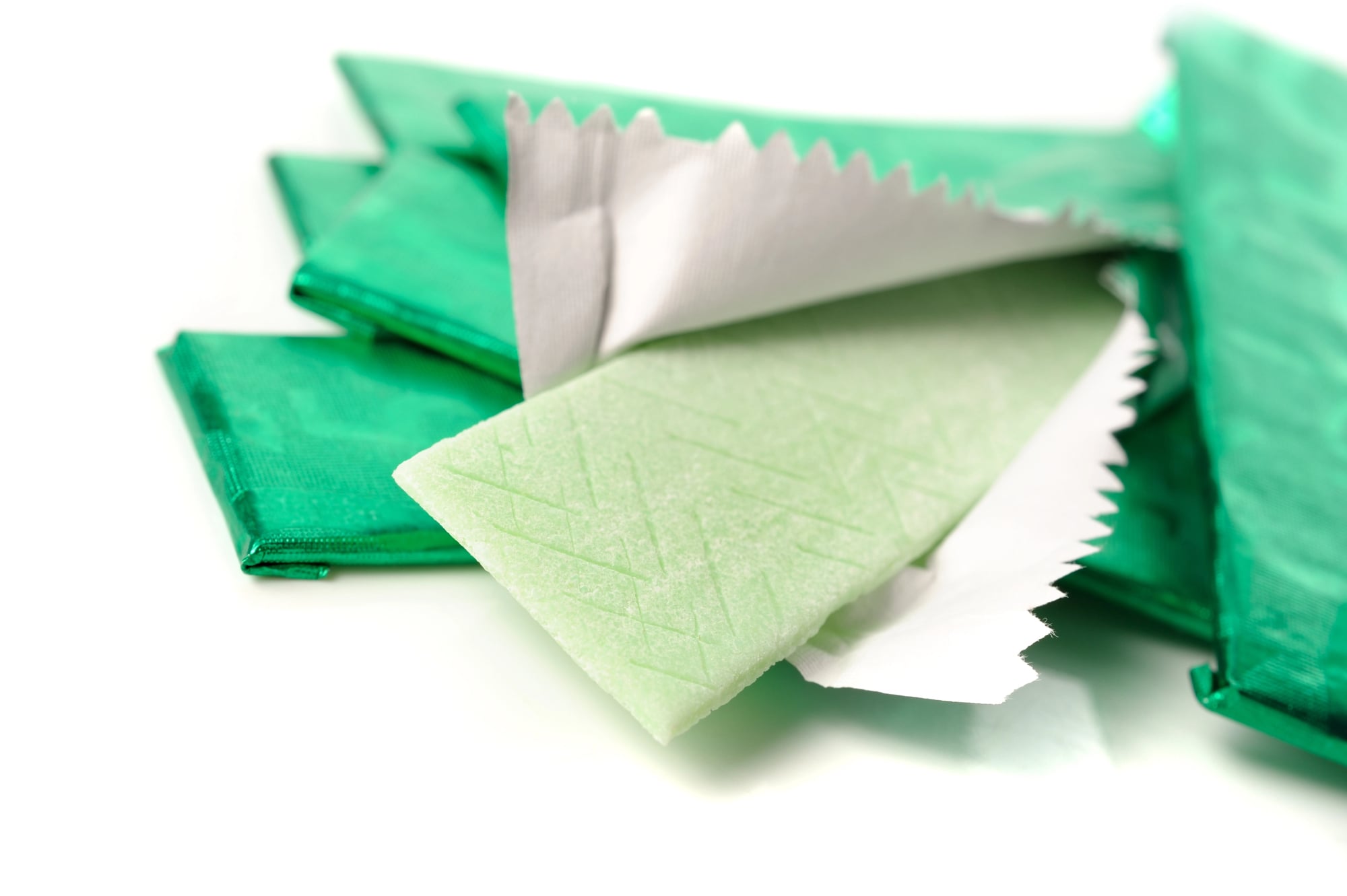
Singapore banned chewing gum in 1992 and the prohibition held for over a decade in its strictest form. The government’s concern was practical: gum was being stuck to subway doors, sensors, and public surfaces, and the cleanup costs were significant.
Therapeutic gum — nicotine and dental varieties — was eventually allowed with a prescription, but casual chewing remains restricted. Go figure.
Horse Meat
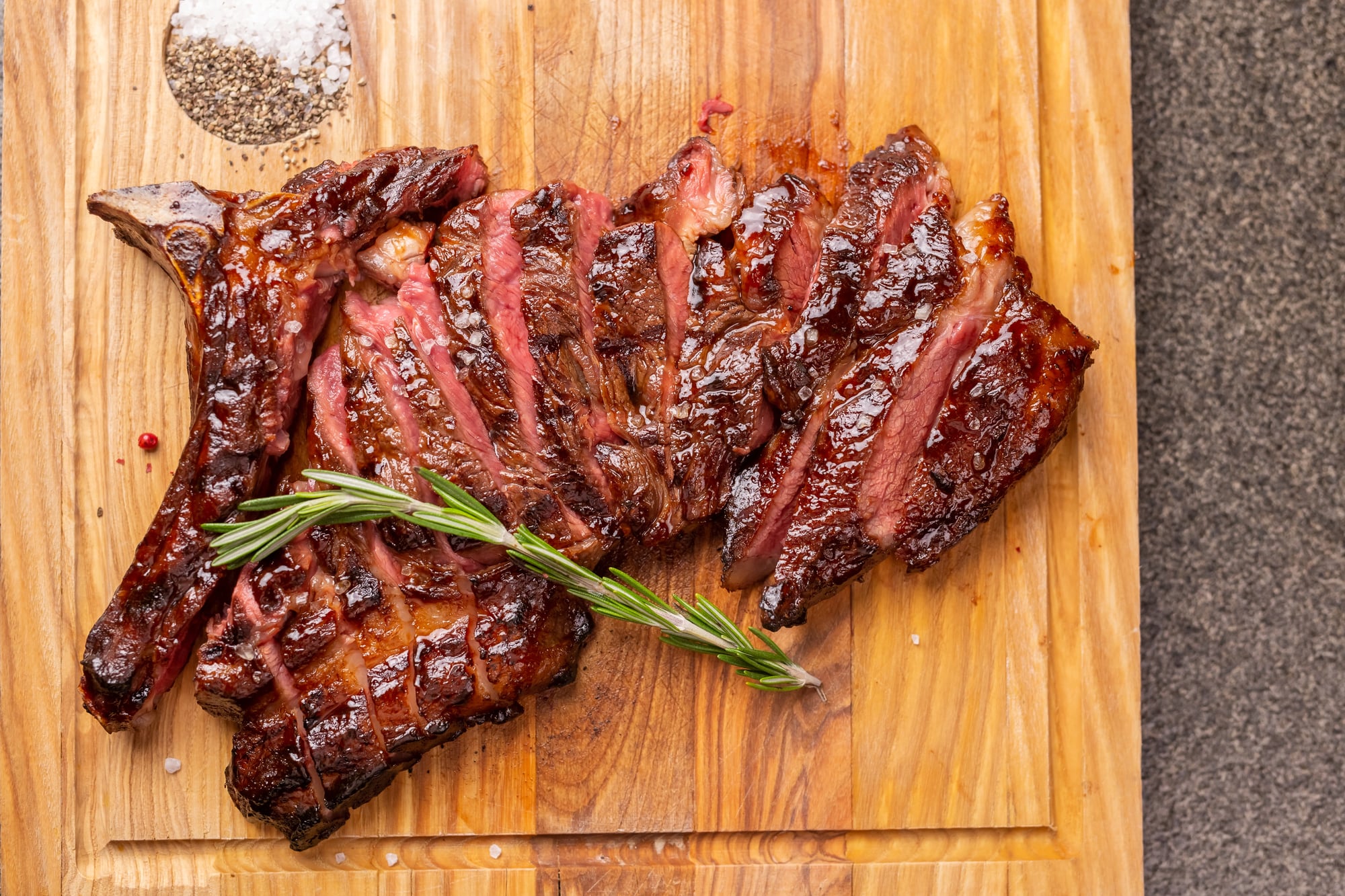
Horse meat occupies a strange legal space in the United States — not technically banned for human consumption at the federal level, but effectively off the market because Congress repeatedly defunded the USDA inspection program required to process it commercially. Without inspection, it can’t be sold.
The result is a de facto ban dressed up as a budget decision, which is a very American solution to a culturally uncomfortable problem.
Raw Milk
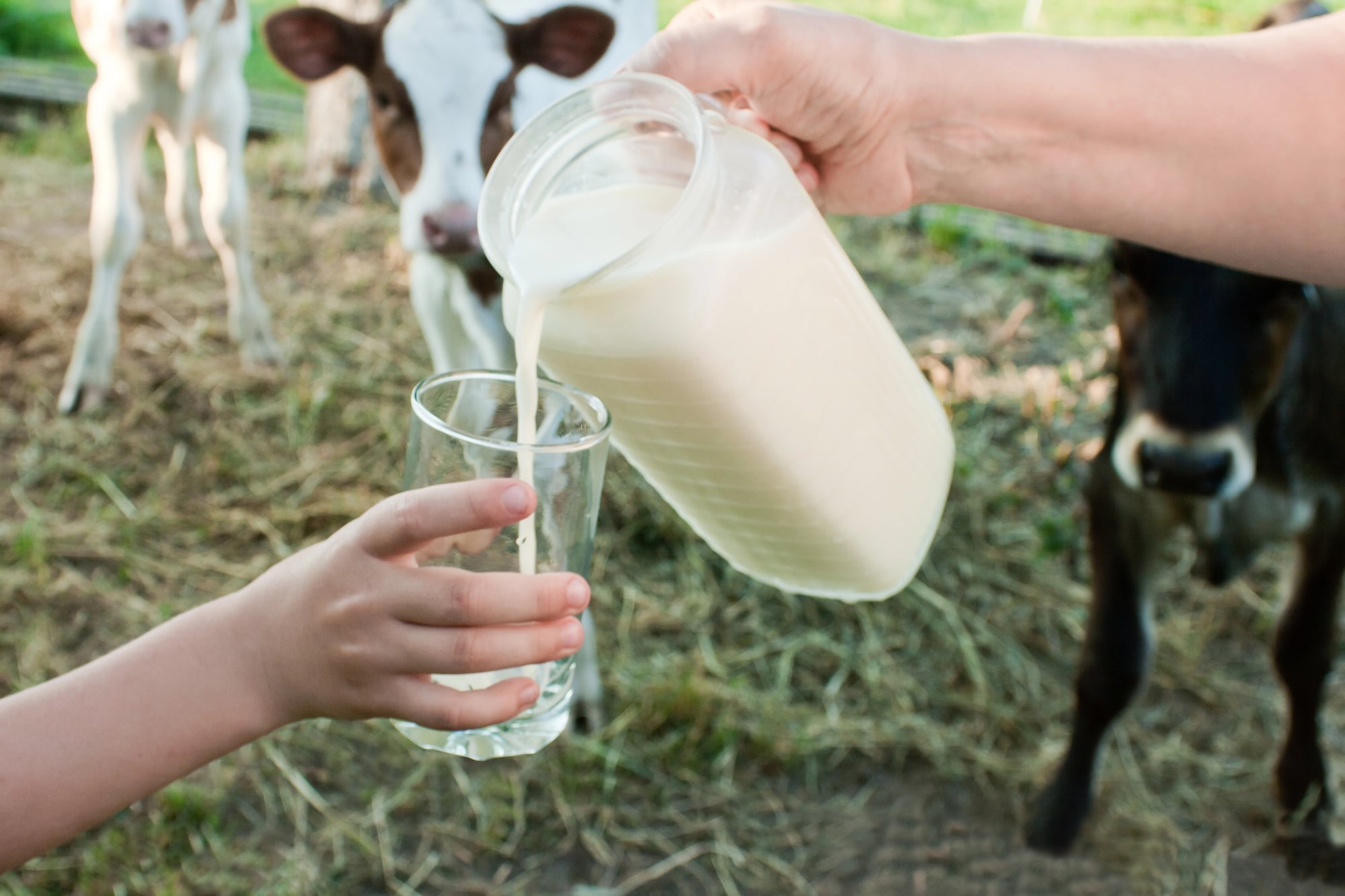
Raw, unpasteurized milk is illegal to sell in roughly half of U.S. states, and interstate commerce of it has been federally restricted since 1987. The FDA’s position is unambiguous: unpasteurized milk carries serious bacterial risks, including E. coli and Salmonella.
Advocates argue it tastes better and retains more nutrients — a debate that has been running hot for decades with no sign of cooling.
Sassafras Oil
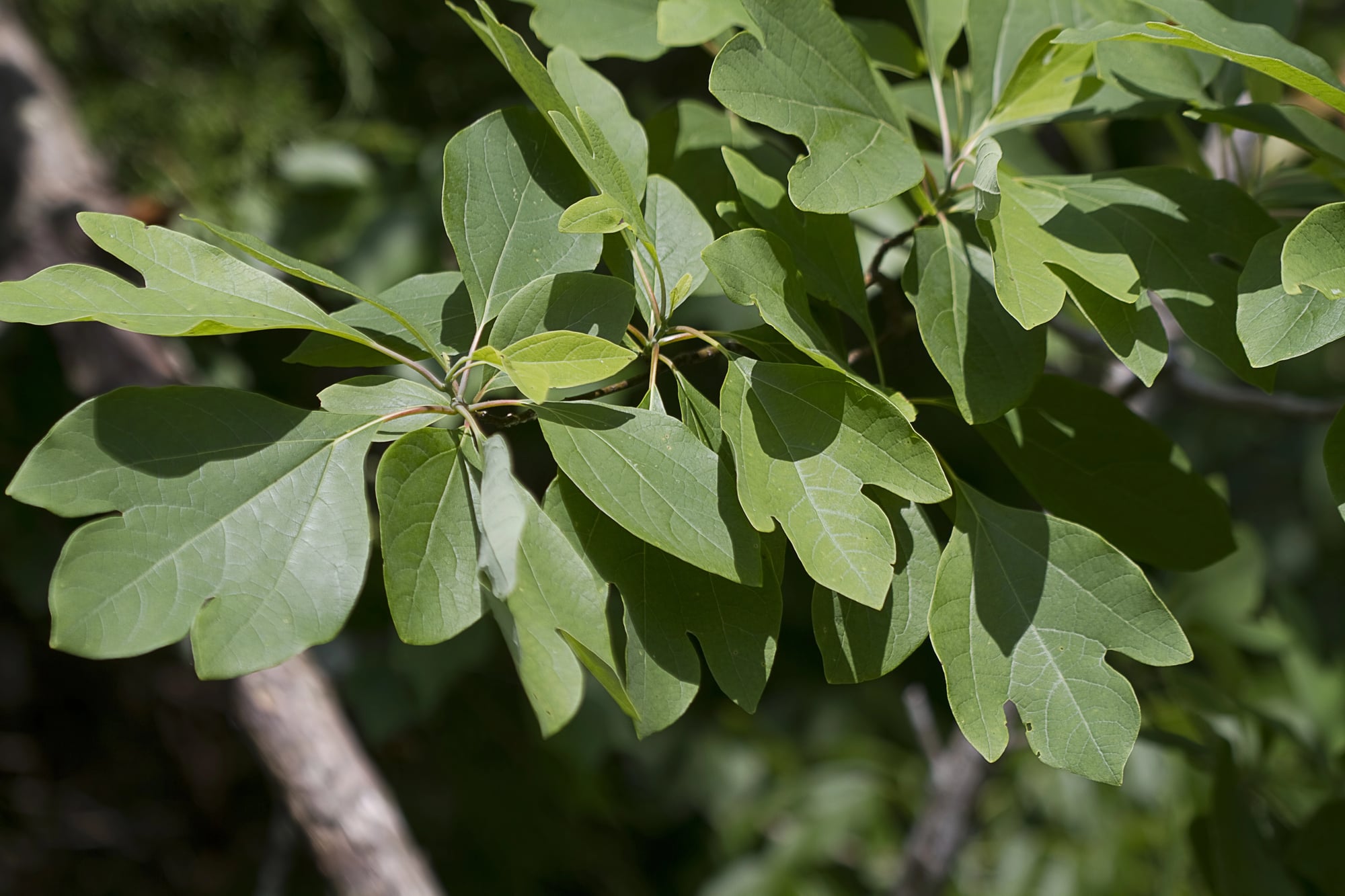
Sassafras root bark was once the defining flavor of root beer, giving the drink a warm, almost medicinal depth that’s now gone from every commercial version you’ve ever tasted. The FDA banned safrole — the compound derived from sassafras oil — in 1960 after animal studies linked it to liver cancer.
Root beer manufacturers reformulated, the flavor shifted, and most people born after 1970 have never experienced what root beer originally tasted like.
Shark Fin
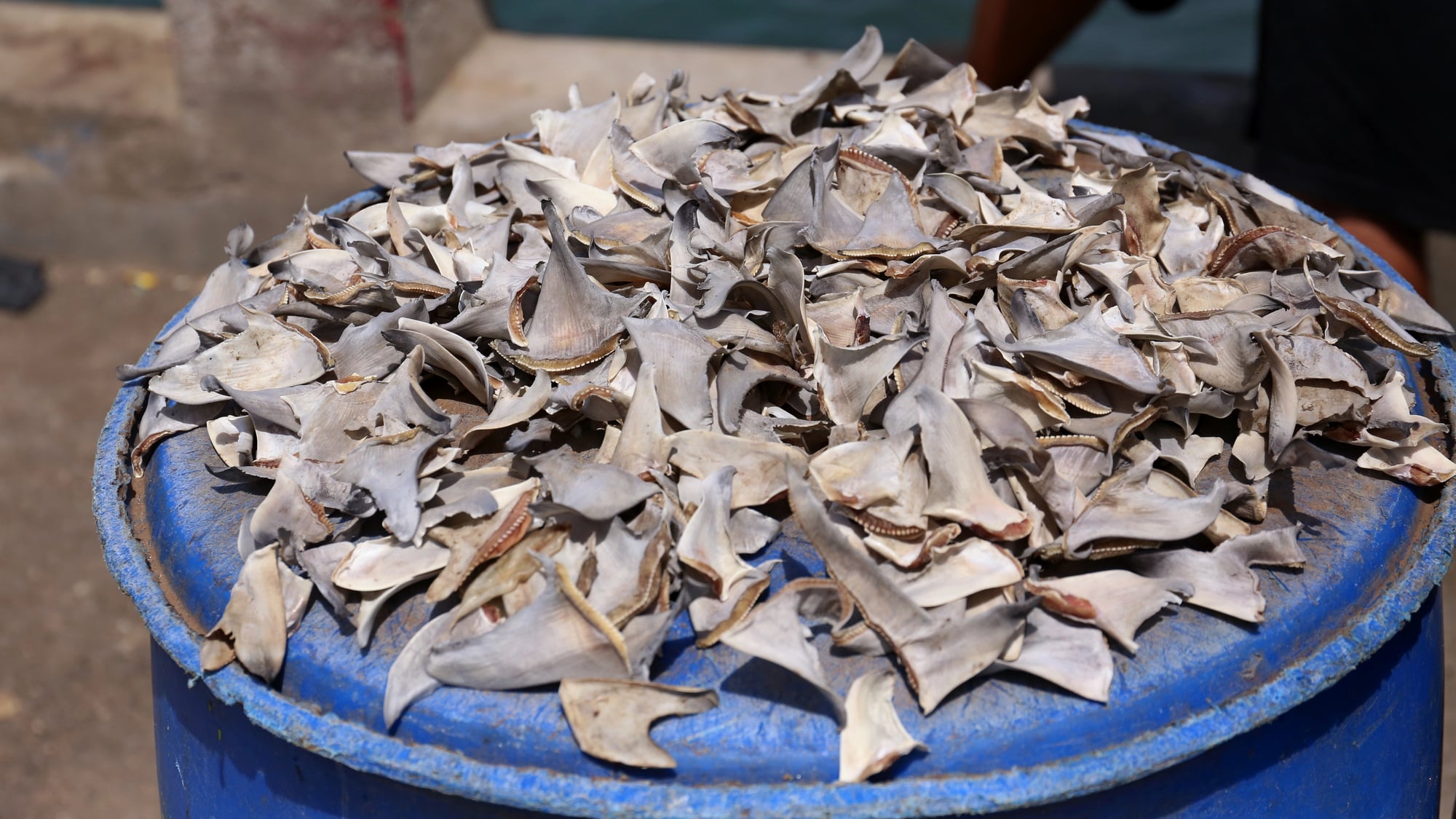
Shark fin soup has been banned or severely restricted in over a dozen U.S. states, including California, Hawaii, and New York, primarily because of the practice of shark finning — removing the fin at sea and discarding the rest of the animal. The fins themselves carry little nutritional value; the dish is largely a status symbol with a devastating ecological price tag.
The bans are among the more straightforwardly defensible food prohibitions on this list.
Cyclamate Sweetener
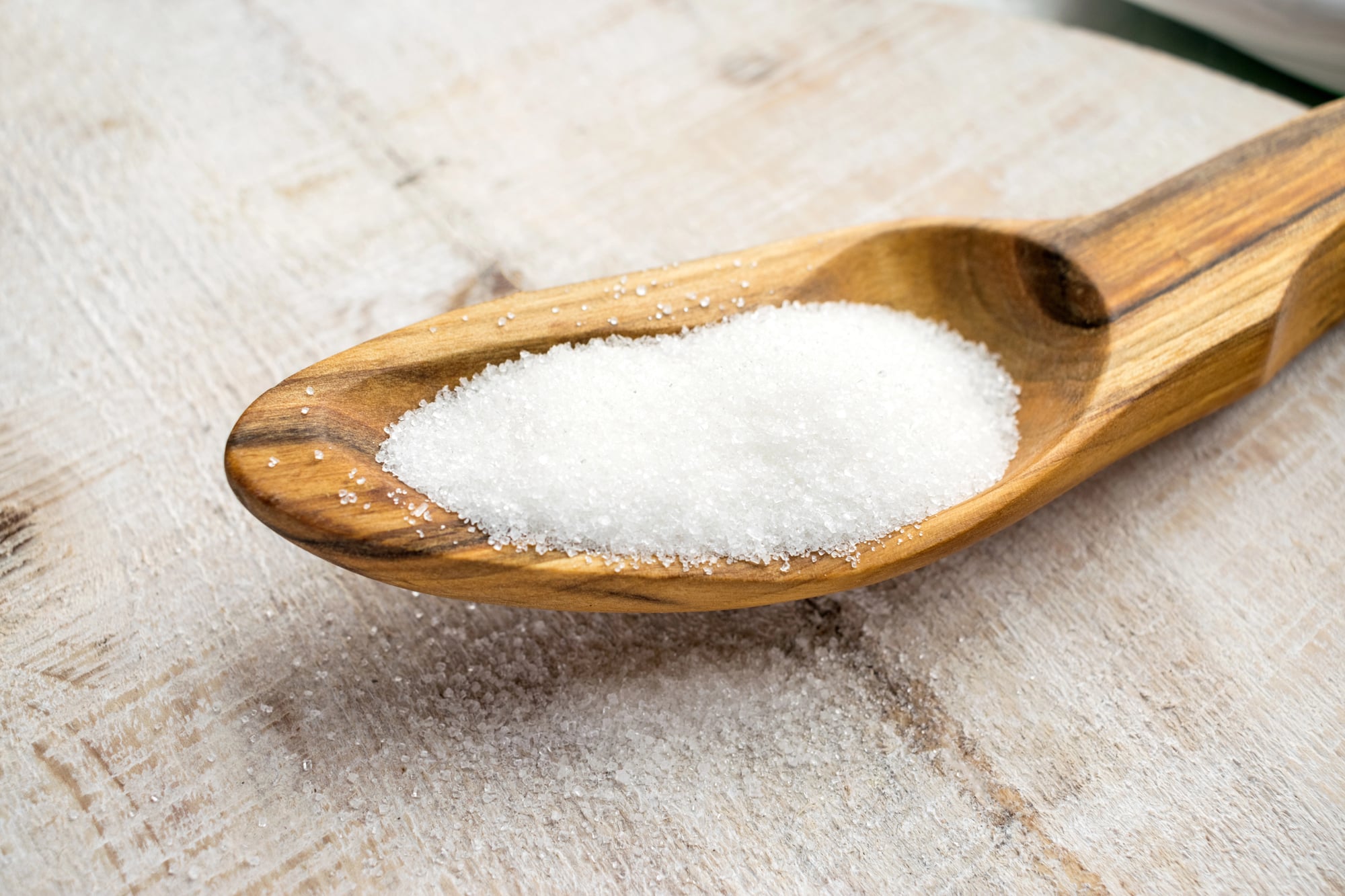
Cyclamate was the dominant artificial sweetener in the United States through much of the 1960s — cheaper than saccharin, sweeter than sugar — until a 1969 study suggested it caused bladder cancer in rats fed enormous quantities of the stuff. The FDA banned it that same year, and it has never been re-approved despite decades of subsequent research finding no clear evidence of harm in humans at normal consumption levels.
Canada still uses it. The European Union allows it. The U.S. ban holds.
Ackee Fruit
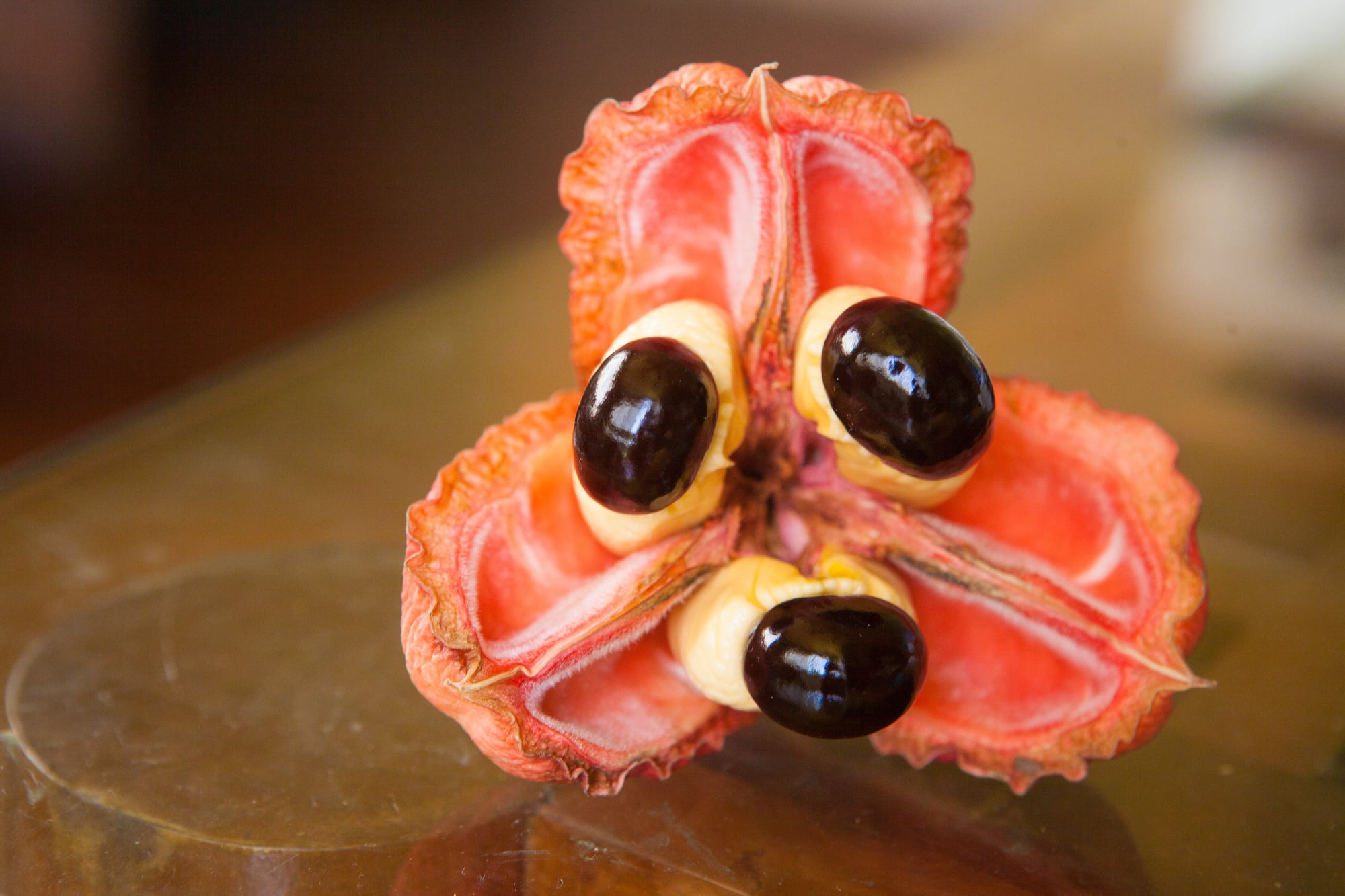
The national fruit of Jamaica has been restricted for import into the United States for years because unripe ackee contains hypoglycin A, a toxin capable of causing what’s grimly known as Jamaican Vomiting Sickness. Properly ripened, canned ackee is now FDA-approved and available in Caribbean grocery stores — but fresh ackee remains tightly controlled at the border.
It’s the rare fruit that comes with a legal disclaimer.
Mirabelle Plums
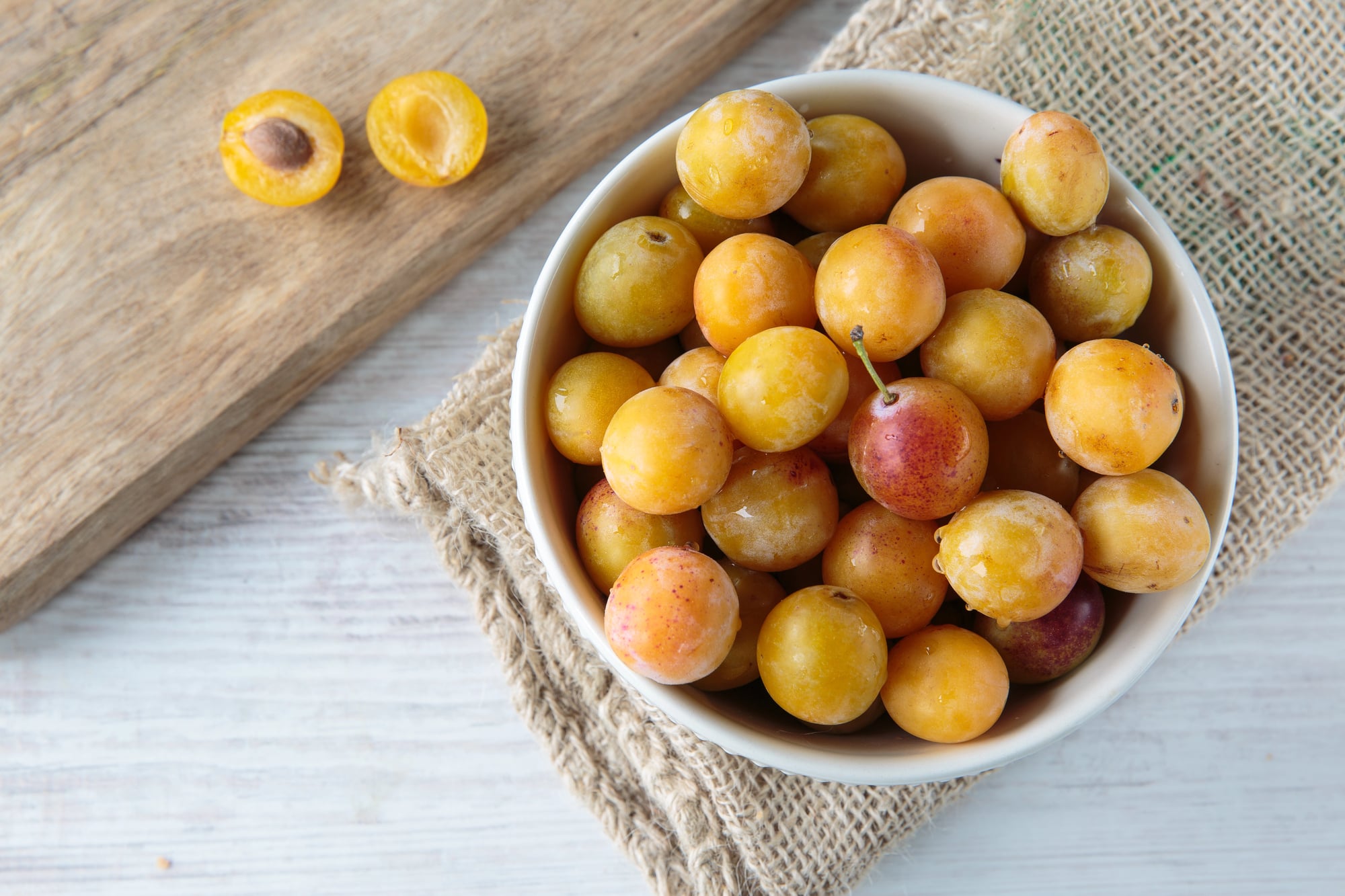
Fresh mirabelle plums — the small, golden, intensely sweet variety grown almost exclusively in the Lorraine region of France — are effectively banned from export to the United States under an agricultural trade agreement that protects the regional designation. The French government limits commercial export to protect the local industry, which means the only mirabelles most Americans encounter come in jam jars or brandy bottles.
The fresh fruit exists in a kind of import limbo that feels wildly disproportionate to what is, at the end of the day, a very small plum.
Beluga Caviar
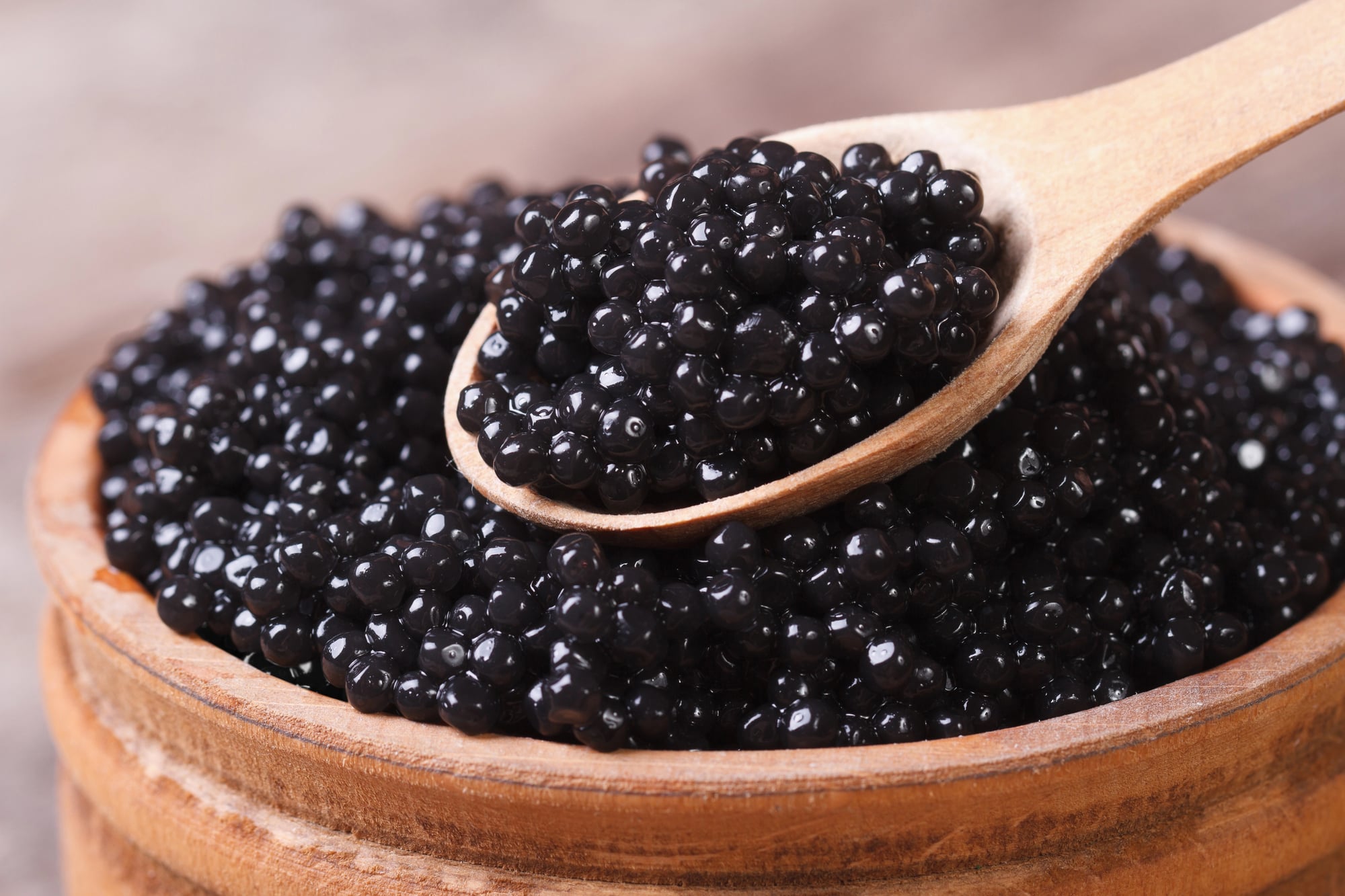
Beluga caviar from the Caspian Sea has been banned from import into the United States since 2005, when the beluga sturgeon was listed under the Endangered Species Act. The fish can take up to 20 years to reach reproductive maturity, making overfishing a slow and irreversible catastrophe.
The ban didn’t kill the American appetite for luxury caviar — it redirected it toward farmed alternatives, which have improved dramatically in quality since.
Casu Marzu
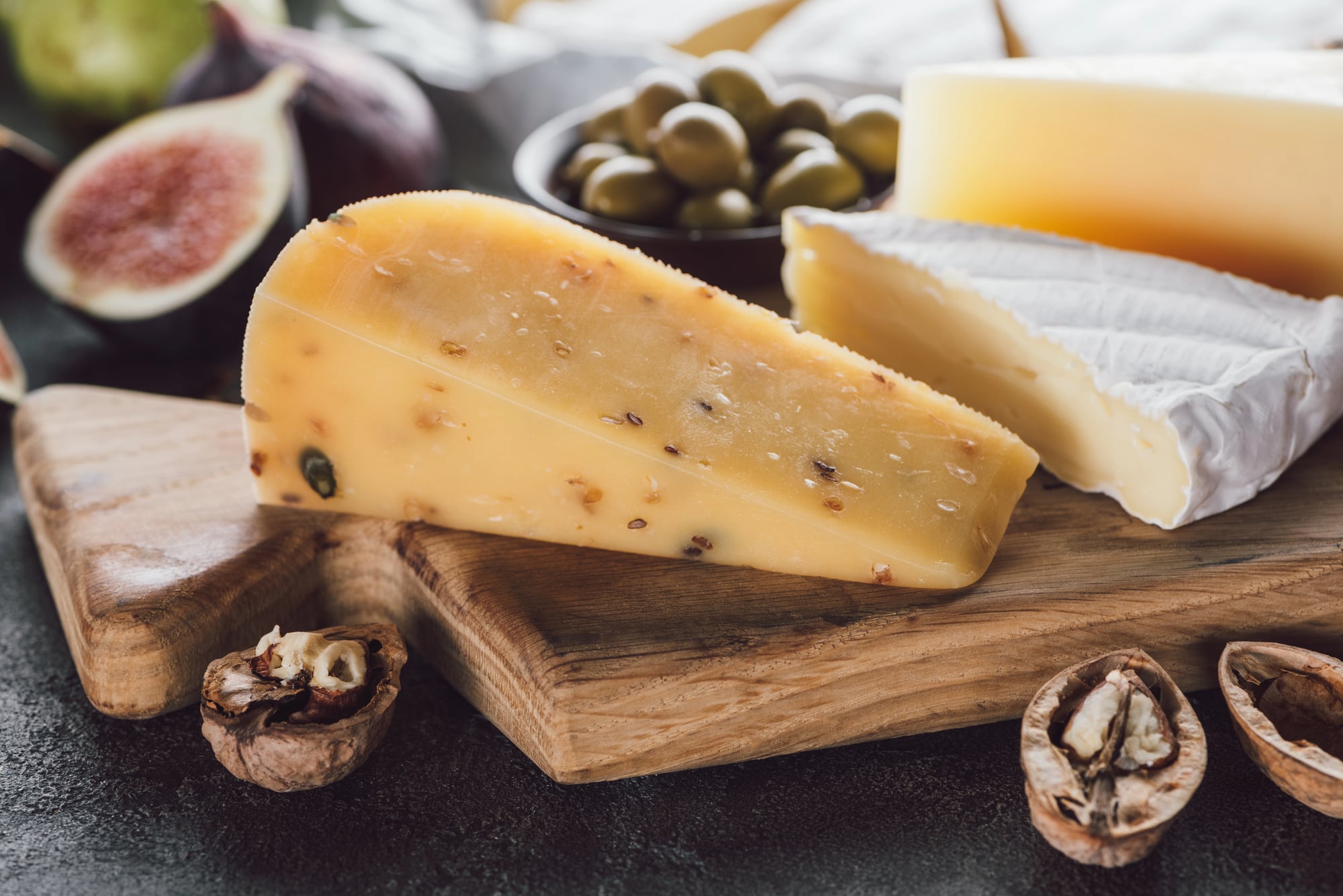
Casu marzu is a Sardinian sheep’s milk cheese deliberately infected with live cheese fly larvae, which break down the fats to create an intensely soft, pungent result — a cheese that moves, if you’re being precise about it. The European Union banned it for decades on food safety grounds, though it persisted through informal sale in Sardinia under a traditional foods exemption.
It has never been legally imported into the United States. Some things are banned for reasons that feel entirely fair.
Unpasteurized Cheese
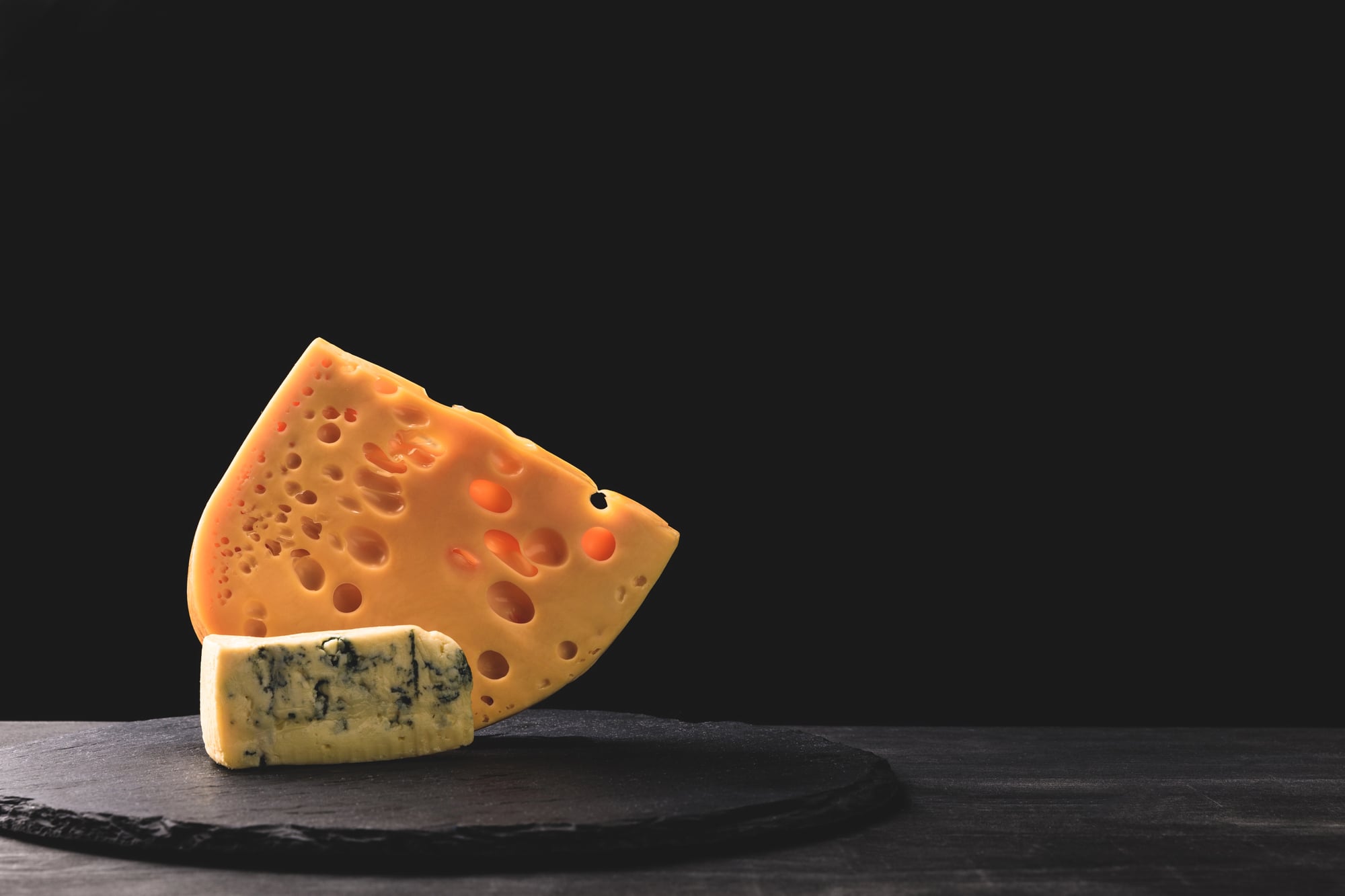
The FDA requires that cheese made from unpasteurized milk must be aged at least 60 days before sale in the United States — a rule that effectively prohibits a wide range of young, soft European cheeses beloved elsewhere in the world. Certain French Brie and Camembert varieties, made to be eaten within weeks of production, simply cannot be legally sold here in their authentic form.
What Americans get instead is a pasteurized approximation: technically the same cheese, perceptibly not.
Ortolan Bunting
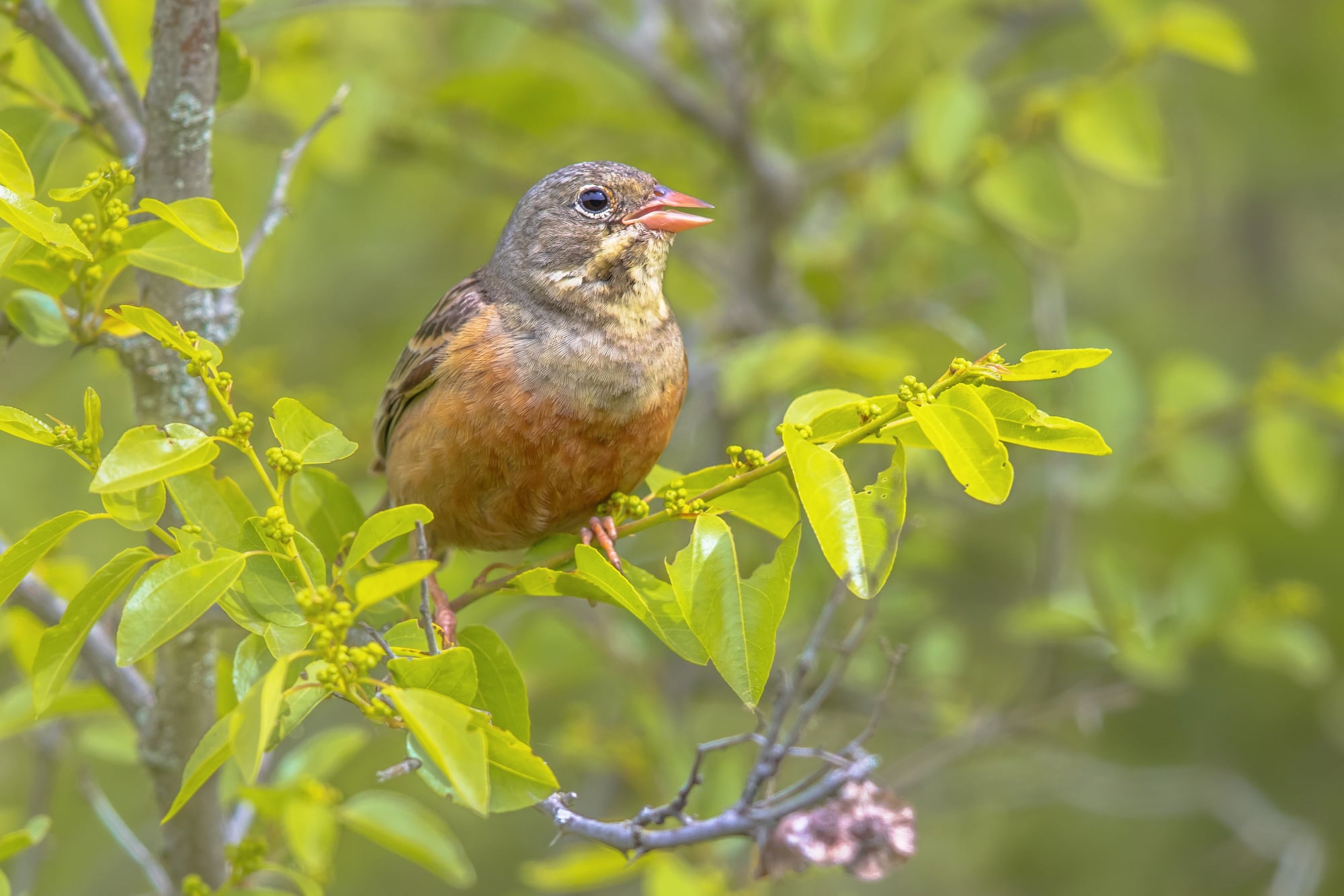
The ortolan is a tiny migratory songbird that was once considered the supreme luxury of French haute cuisine — trapped, fattened on millet in darkness, drowned in Armagnac, and eaten whole in a single bite, traditionally beneath a linen cloth to hide the act from God. France banned the practice in 1999 under EU wildlife protection directives, though enforcement has been irregular and the tradition persists in certain corners of Gascony.
The dish carries the particular weight of things that are both genuinely extraordinary and genuinely indefensible at the same time.
Sassafras Tea
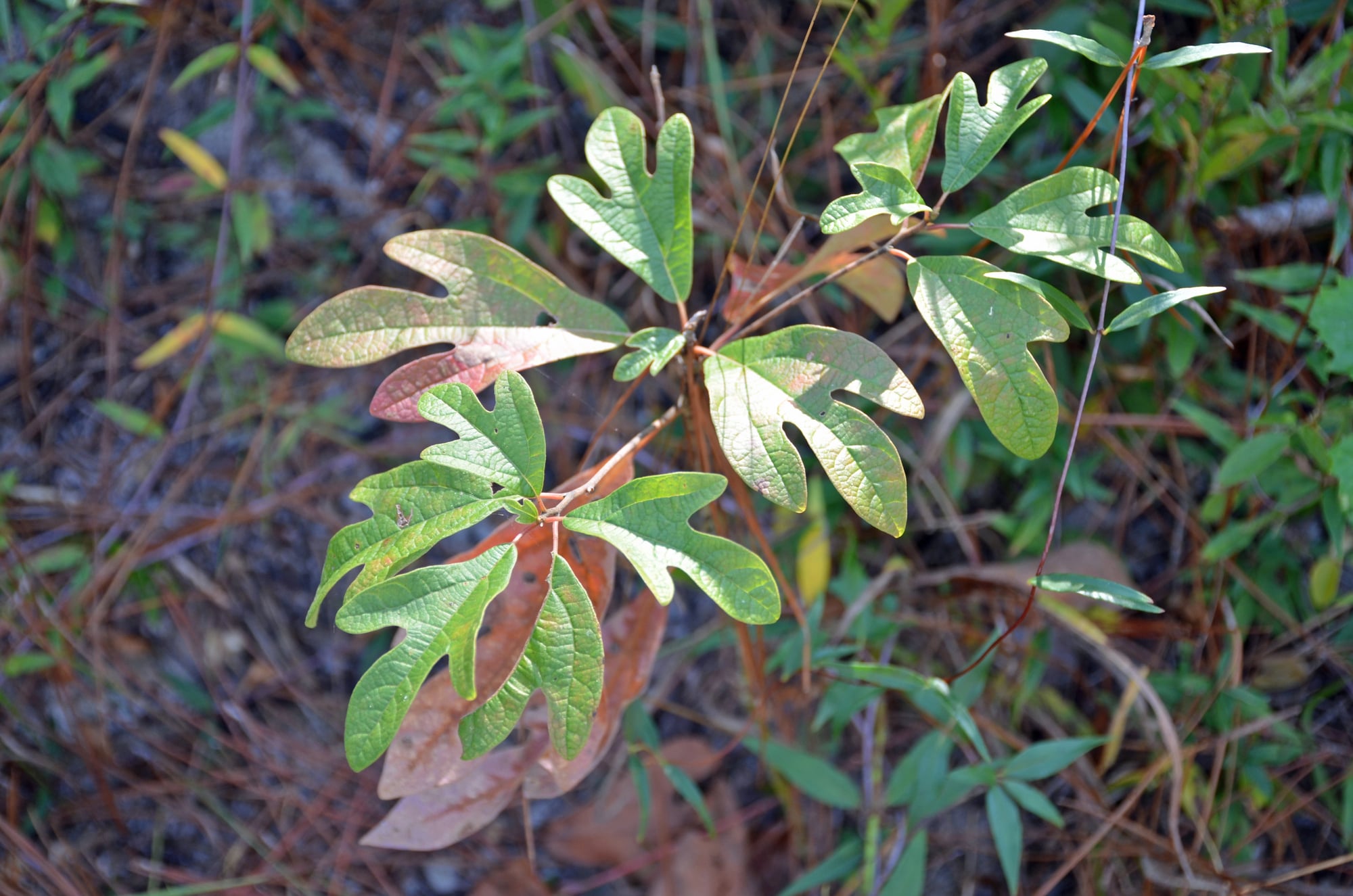
Separate from the FDA’s ban on safrole as a food additive, sassafras tea made from the root bark also sits in a legal gray zone — it can’t be legally sold as a beverage in the United States, though the plant itself isn’t prohibited. The distinction between “sassafras the plant” and “sassafras the tea” is real but confusing, and most commercial herbal teas that once used it have long since reformulated.
It’s a herb that went from founding-era staple to regulatory footnote inside a century.
Fugu
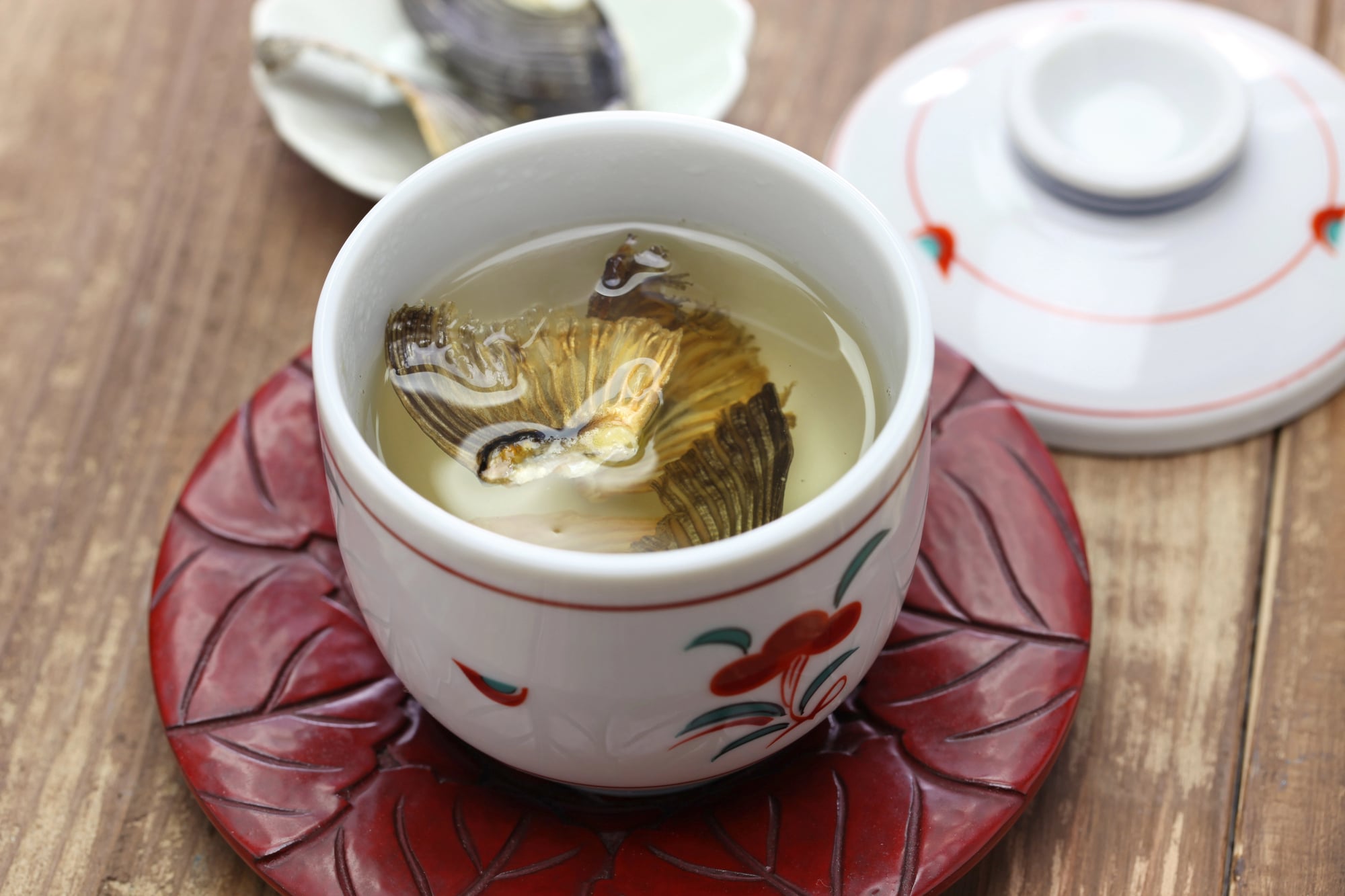
Fugu — the Japanese puffer fish — is legal in Japan only when prepared by a chef licensed through years of training, because the liver and ovaries contain tetrodotoxin, a poison with no antidote. In the United States, fugu can technically be served, but import regulations are so strict that very few restaurants have ever managed to clear them successfully.
The handful of licensed fugu restaurants in the U.S. operate under agreements so tightly controlled that the fish arrives pre-prepared from Japan, which rather defeats the theatrical point.
Bushmeat
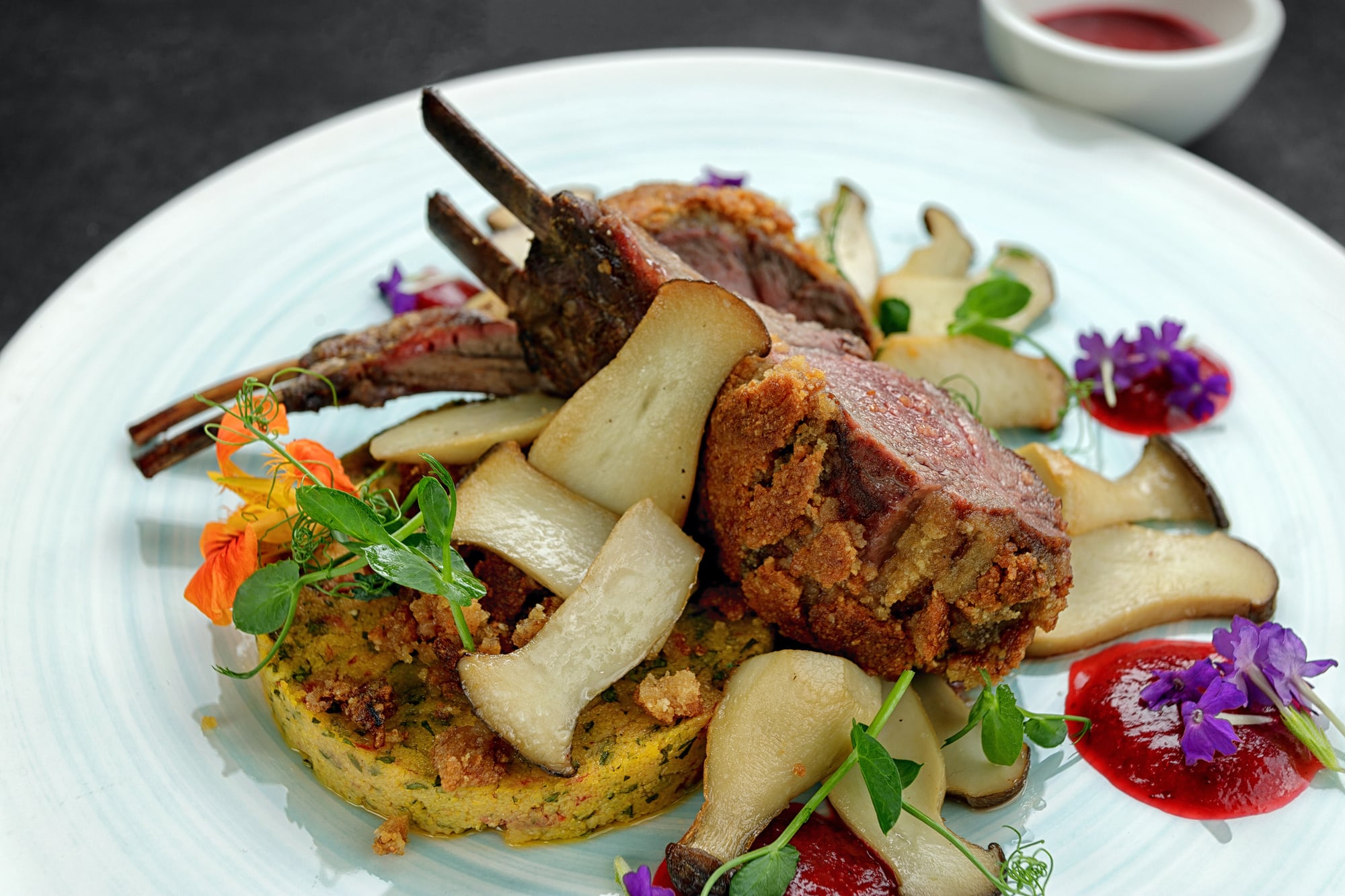
Bushmeat — wild African game, including primates and other protected species — is banned from import into the United States under a combination of wildlife protection laws and agricultural import regulations. The ban exists partly for conservation reasons and partly because of disease transmission risks, including the documented link between certain primate bushmeat and the origins of HIV.
Customs seizures happen regularly at international airports, usually in luggage arriving from West and Central Africa.
Pig’s Blood Cake
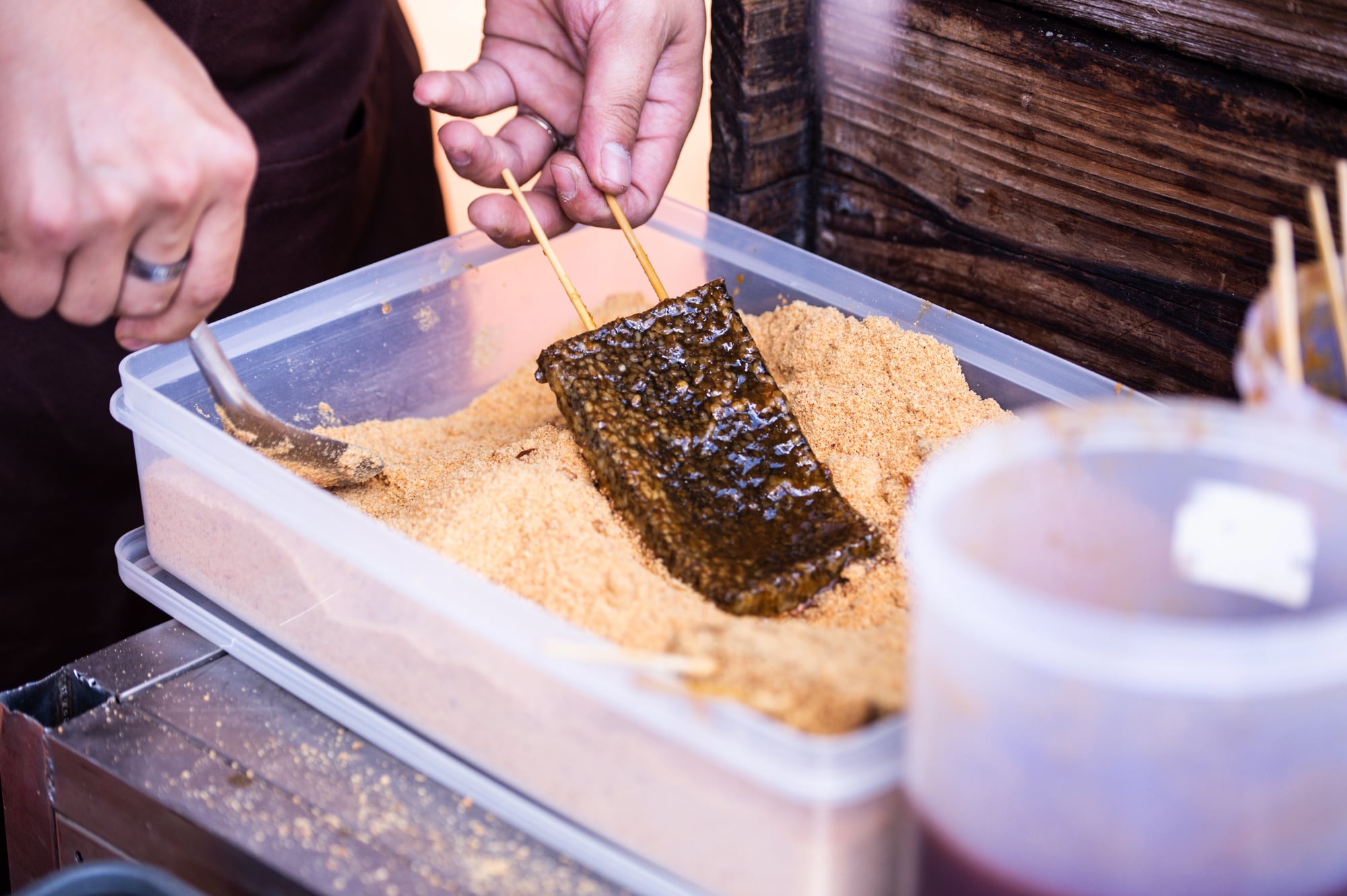
Taiwan’s pig’s blood cake — glutinous rice cooked in pig’s blood, skewered and rolled in peanut flour — became briefly famous when it was banned from carry-on luggage on Taiwanese airlines (a different category of prohibition, but a prohibition nonetheless). The FDA restricts blood-based food products not processed under approved USDA guidelines, which keeps many traditional blood-based dishes from other culinary cultures from reaching American commercial shelves.
It’s less a ban on the dish than a wall built from paperwork.
Yellow No. 5 and No. 6 (in Some Countries)
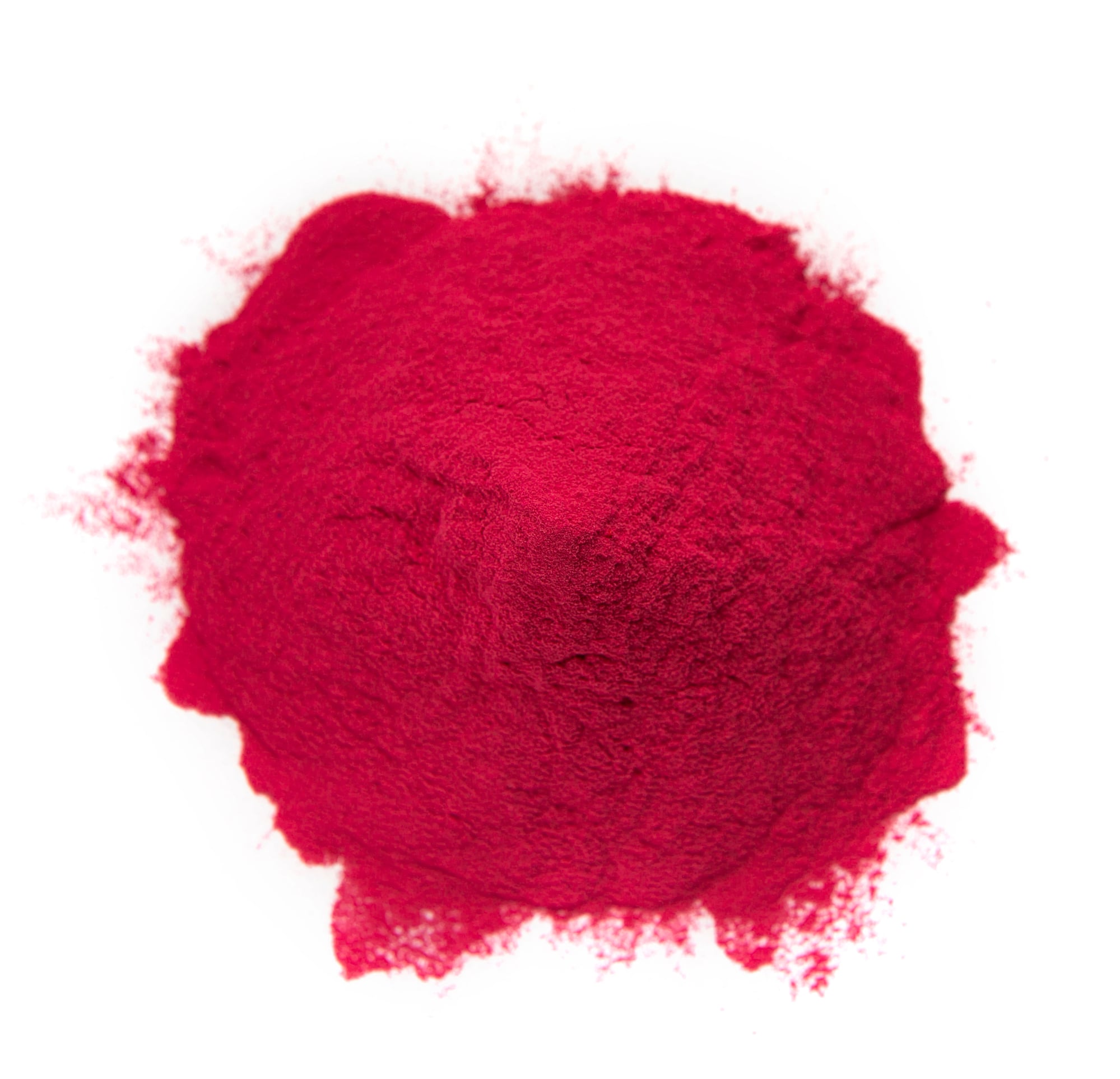
These synthetic food dyes — found in everything from American sports drinks to breakfast cereal — are not banned in the United States, but the European Union requires products containing them to carry a warning label stating they “may have an adverse effect on activity and attention in children.” The warning is effectively a commercial death sentence in European markets, so many manufacturers reformulate for EU sale.
The U.S. version and the EU version of the same product sometimes contain different ingredients entirely. Same brand, different chemistry.
Poppy Seed Products
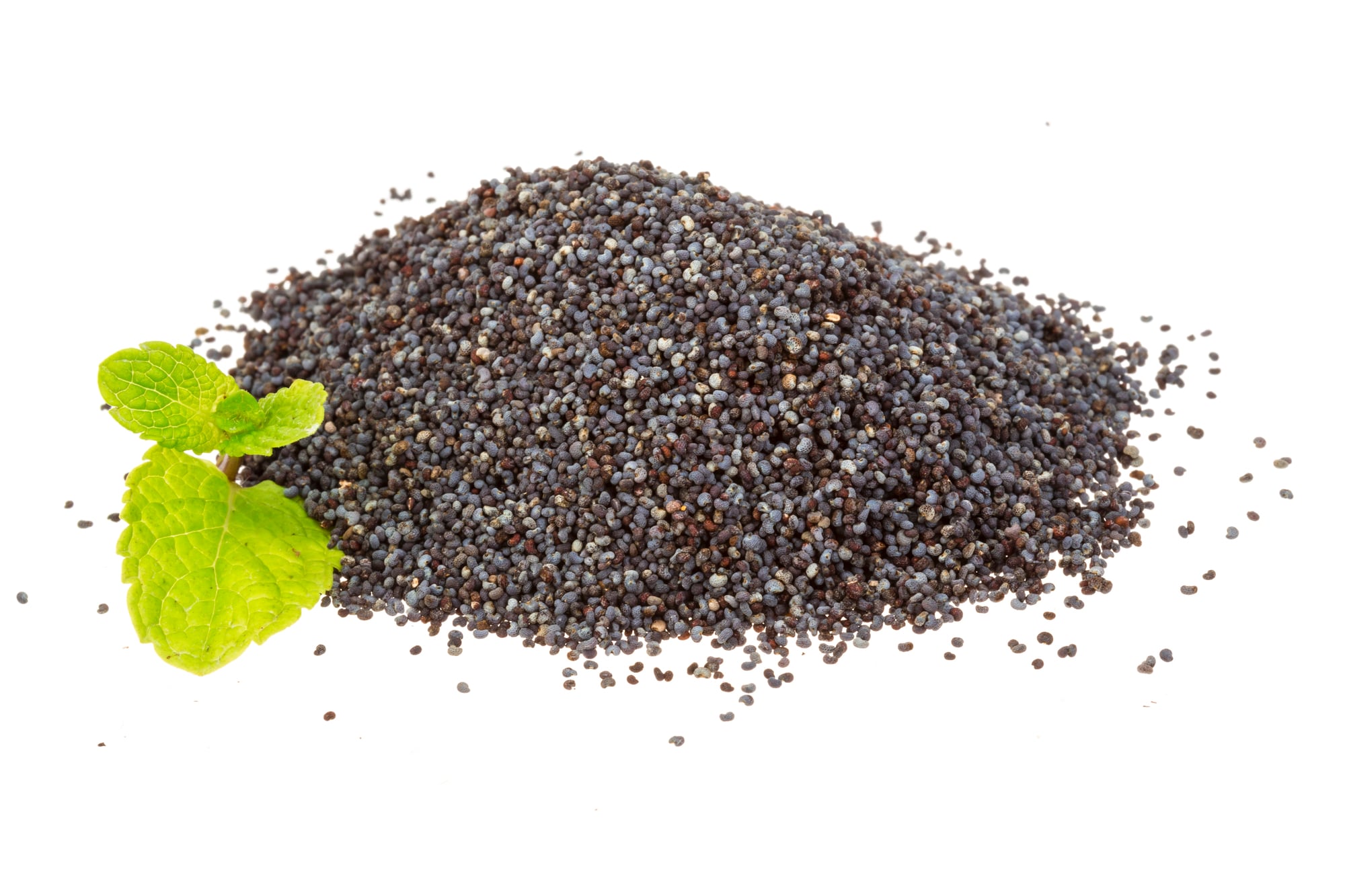
Poppy seeds themselves are legal, but in several countries — Singapore, Saudi Arabia, the UAE, and Taiwan among them — importing products containing them is either banned outright or subject to strict restrictions because poppy seeds can carry trace amounts of opiate compounds from the plant. A positive drug test from poppy seed consumption is a documented phenomenon.
The seeds sit in a peculiar position: innocent in most kitchens, treated as a controlled substance at certain borders.
Certain Types of Mushrooms
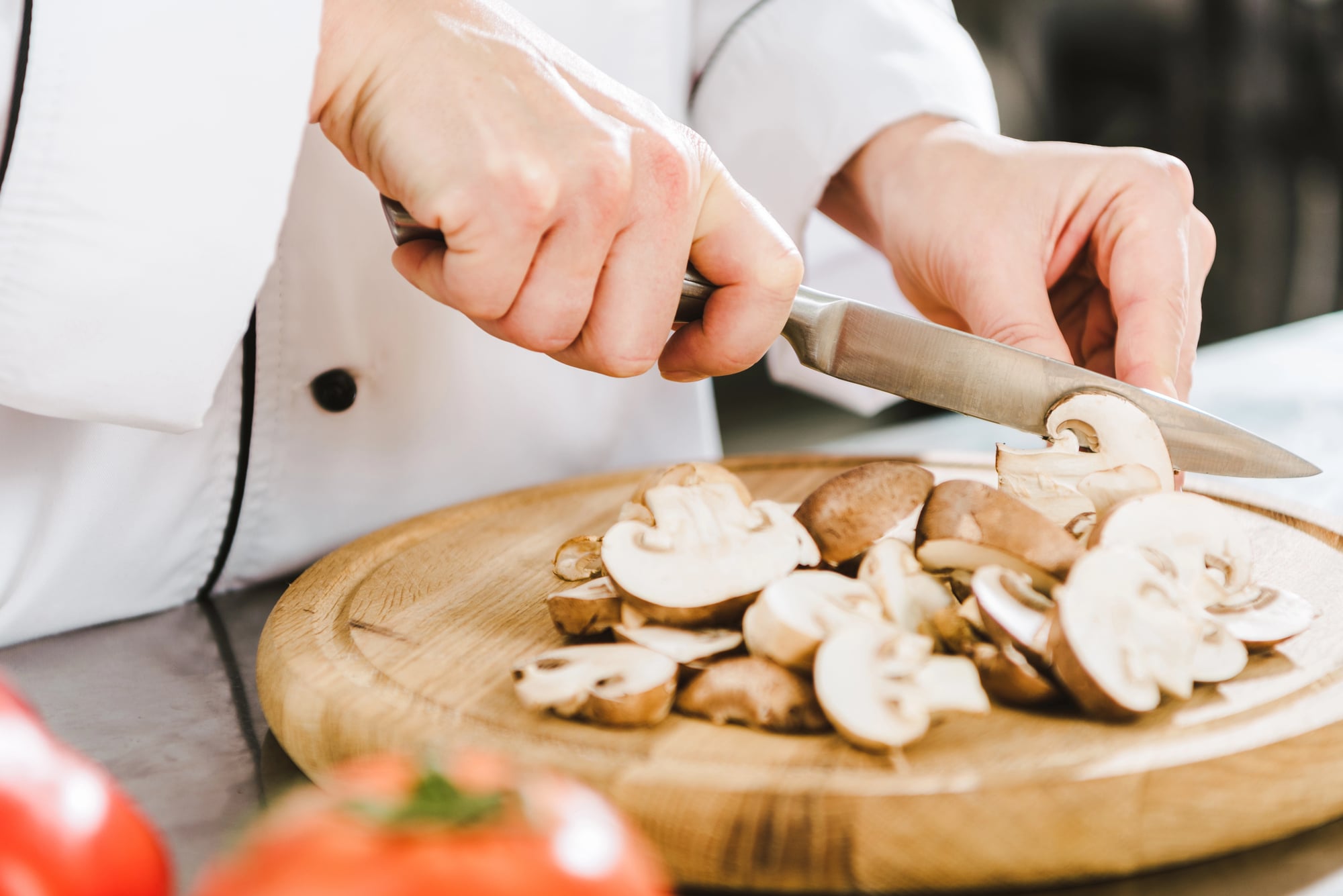
Psilocybin mushrooms are classified as a Schedule I substance in the United States, making cultivation, sale, and possession federally illegal — though Oregon and Colorado have moved toward regulated therapeutic access. The broader category of “magic mushrooms” has been outlawed in most countries since the 1970s drug control treaties.
Denver decriminalized personal possession in 2019, becoming the first U.S. city to do so, which marked the beginning of a slow, halting reversal.
Redfish
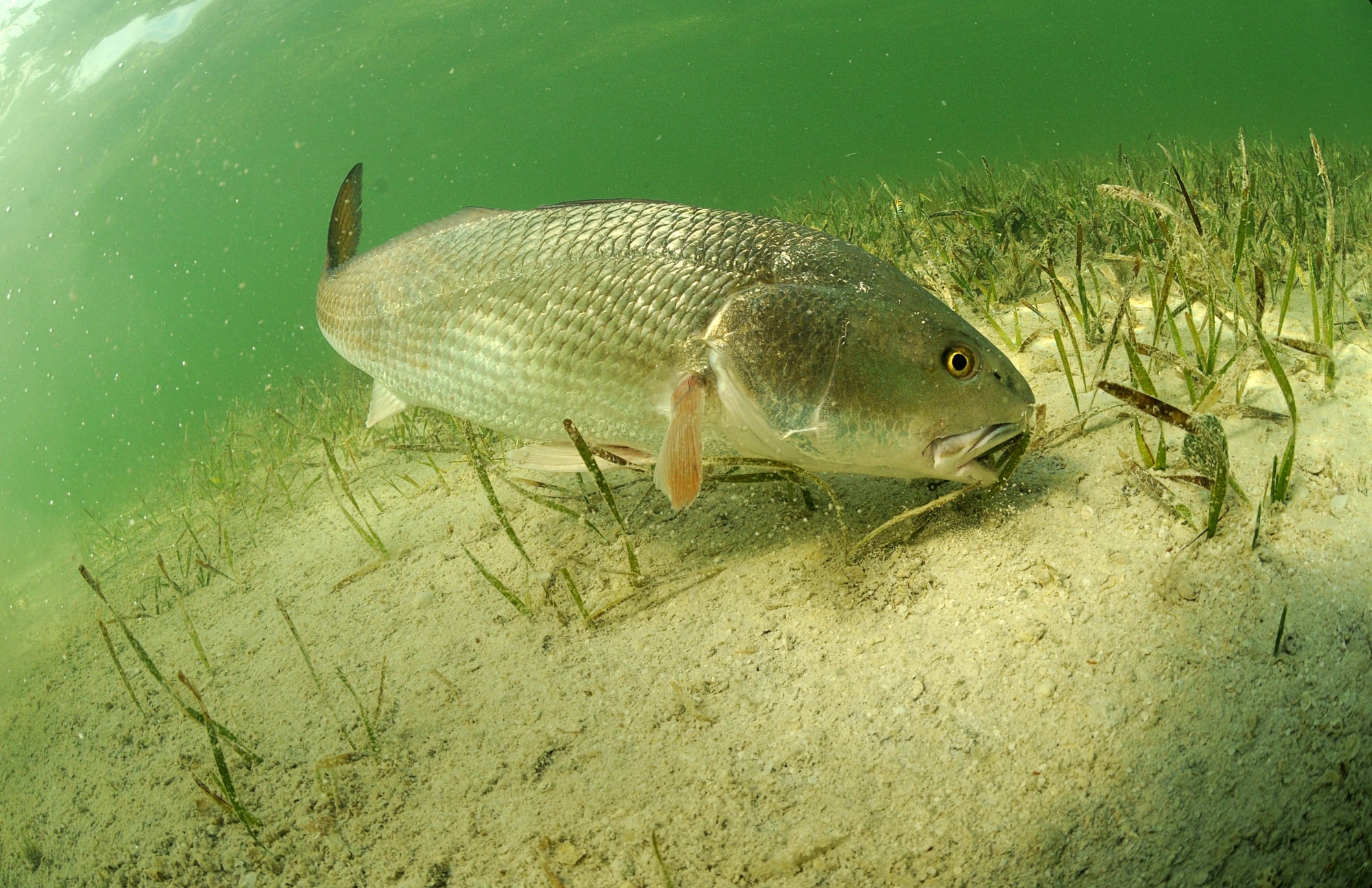
Red drum, or redfish, became so overfished in the 1980s — largely because Cajun chef Paul Prudhomme’s blackened redfish recipe created a national craze — that the federal government stepped in to ban commercial fishing of the species in federal Gulf of Mexico waters in 1987. The ban was one of the earliest high-profile examples of a food trend directly triggering a conservation crisis.
Recreational fishing limits still apply, and the population has partially recovered.
Tonka Beans
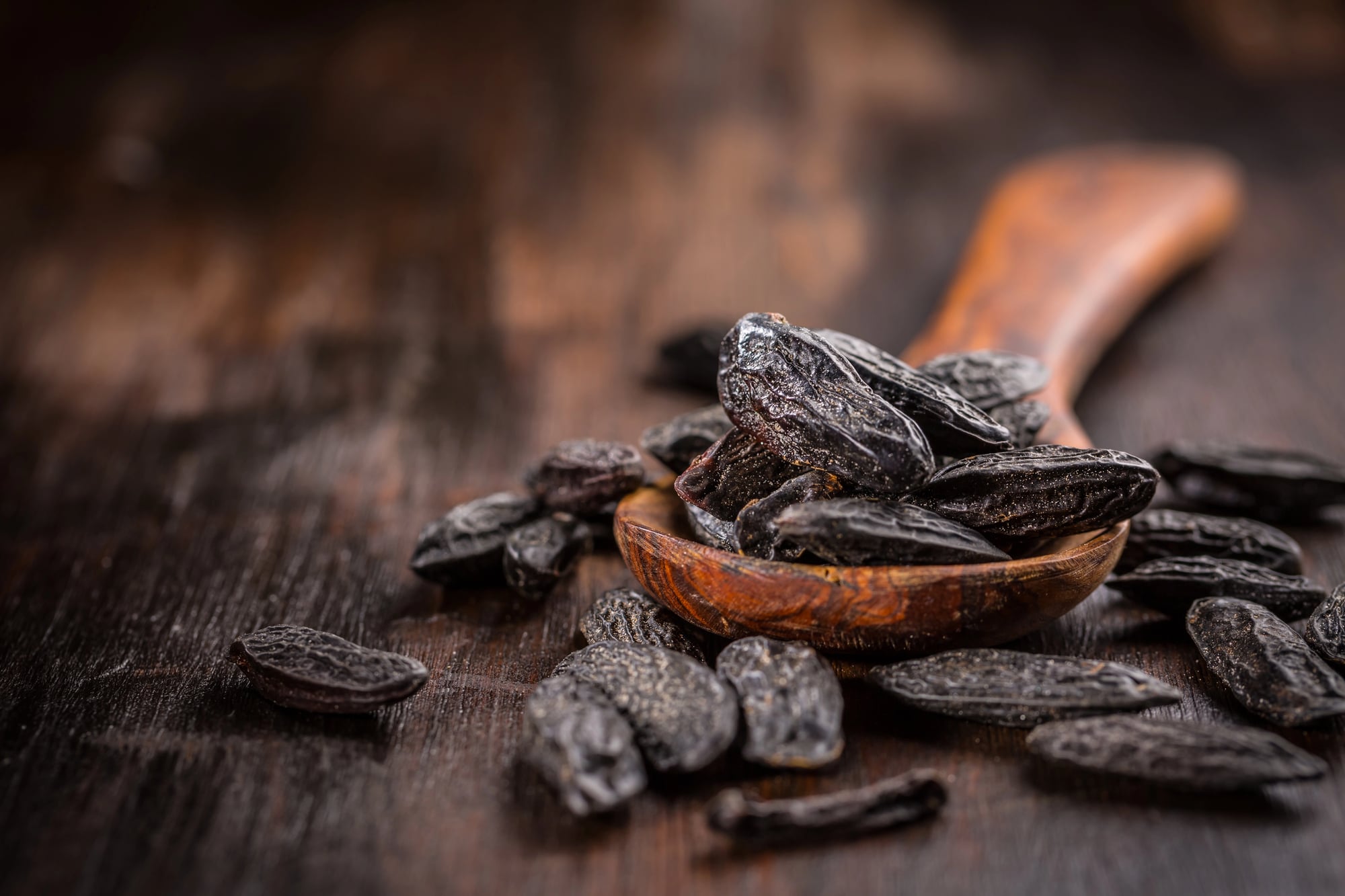
Tonka beans have been banned as a food ingredient in the United States since the 1950s because they contain coumarin, a compound with blood-thinning properties that the FDA determined was unsafe in food. The bean has a flavor like a botanical collision of vanilla, almond, and cherry — complex and haunting — which is why fine dining chefs in Europe use it regularly while American chefs either smuggle it in or work around it.
It remains on the FDA’s list of prohibited substances for flavoring.
Raw Oysters
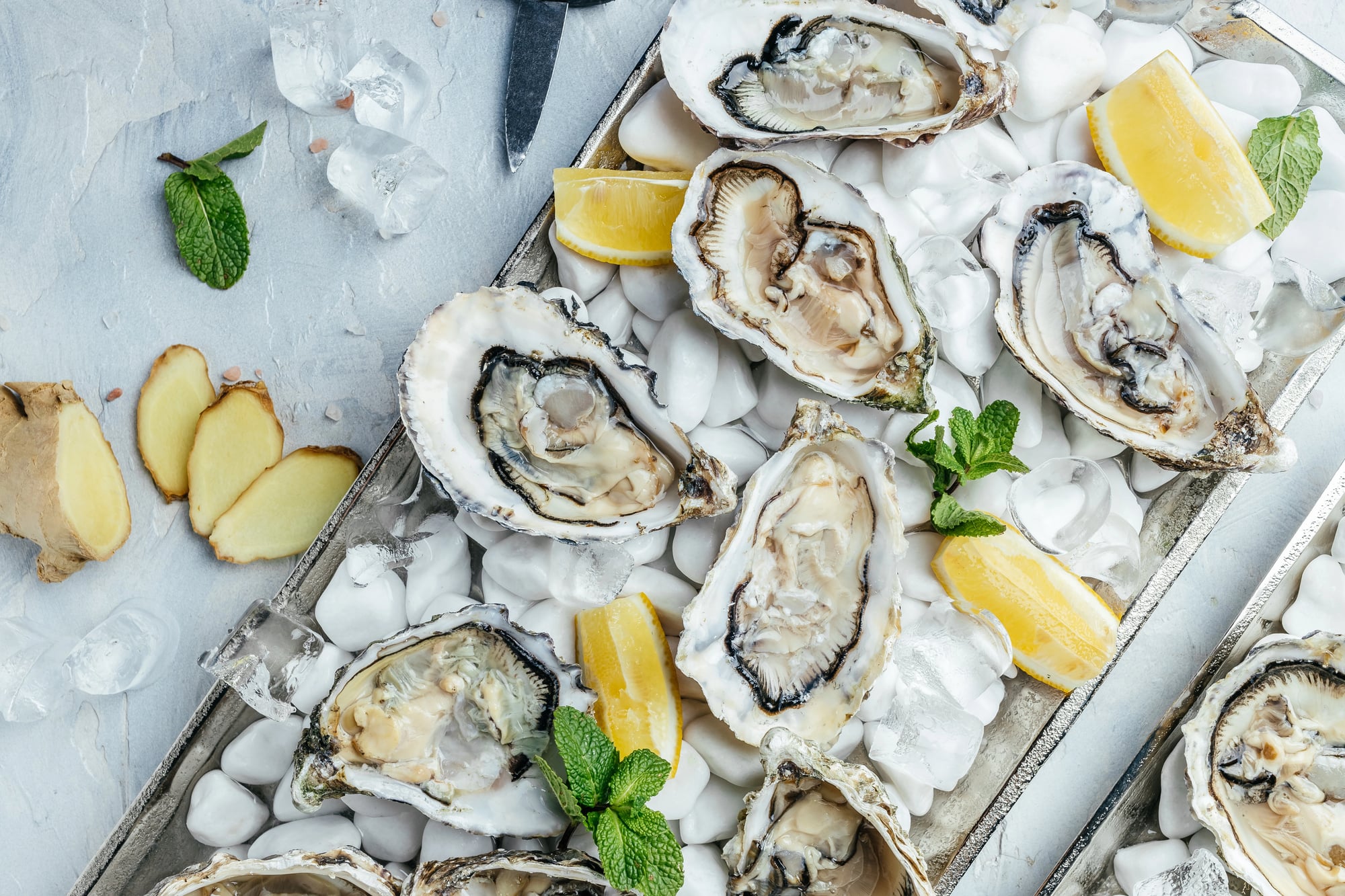
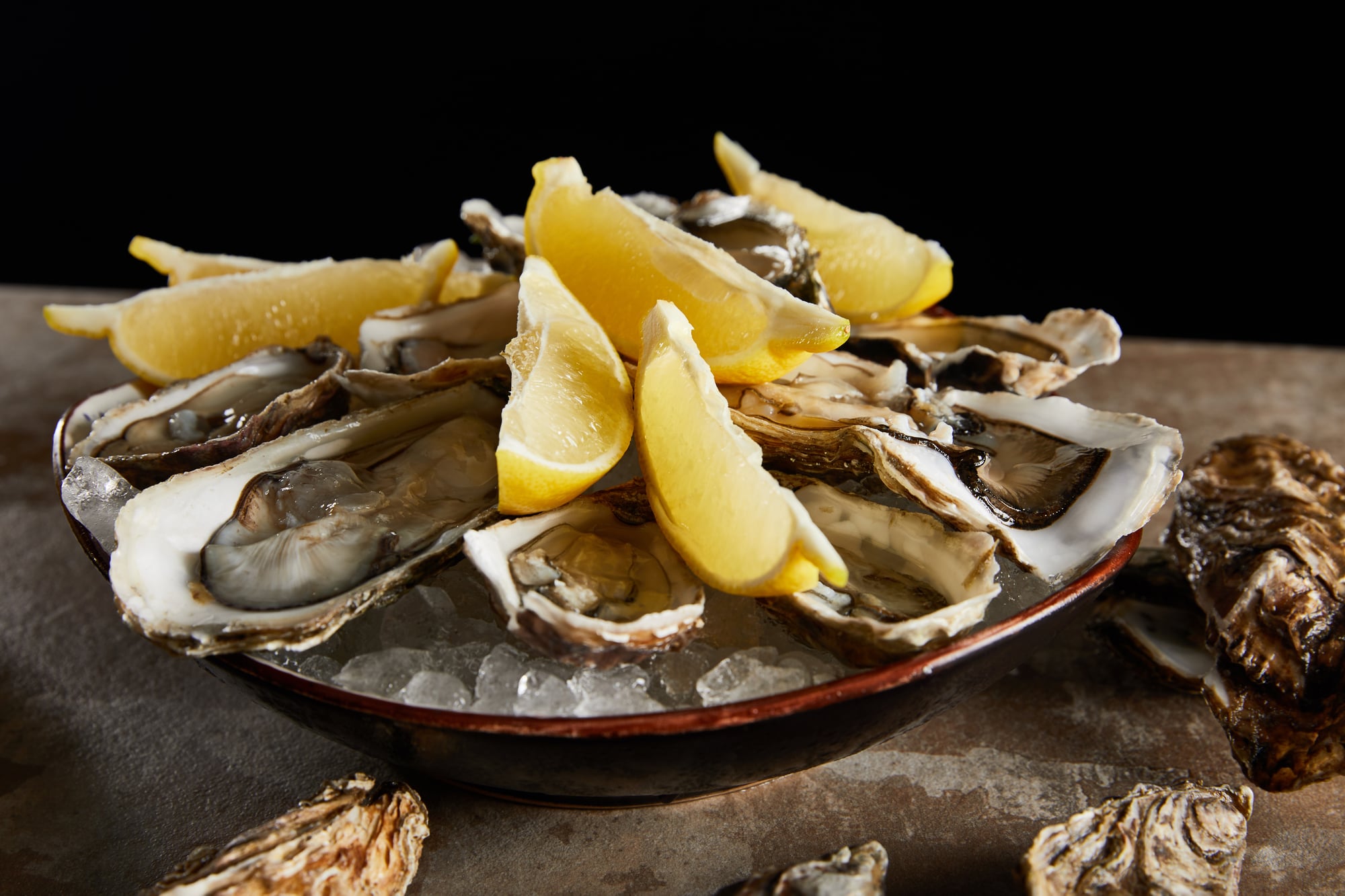
Raw oysters haven’t been broadly banned, but Louisiana came close in 2012 when the FDA announced plans to prohibit the sale of raw Gulf oysters harvested between April and October — the months when Vibrio vulnificus bacteria are most active and dangerous. The plan was eventually scaled back after fierce pushback from the industry and Louisiana politicians, settling for mandatory labeling instead.
The episode illustrated how quickly food culture and regulation collide when someone starts talking about taking oysters off the menu in the Gulf South.
Candy Cigarettes
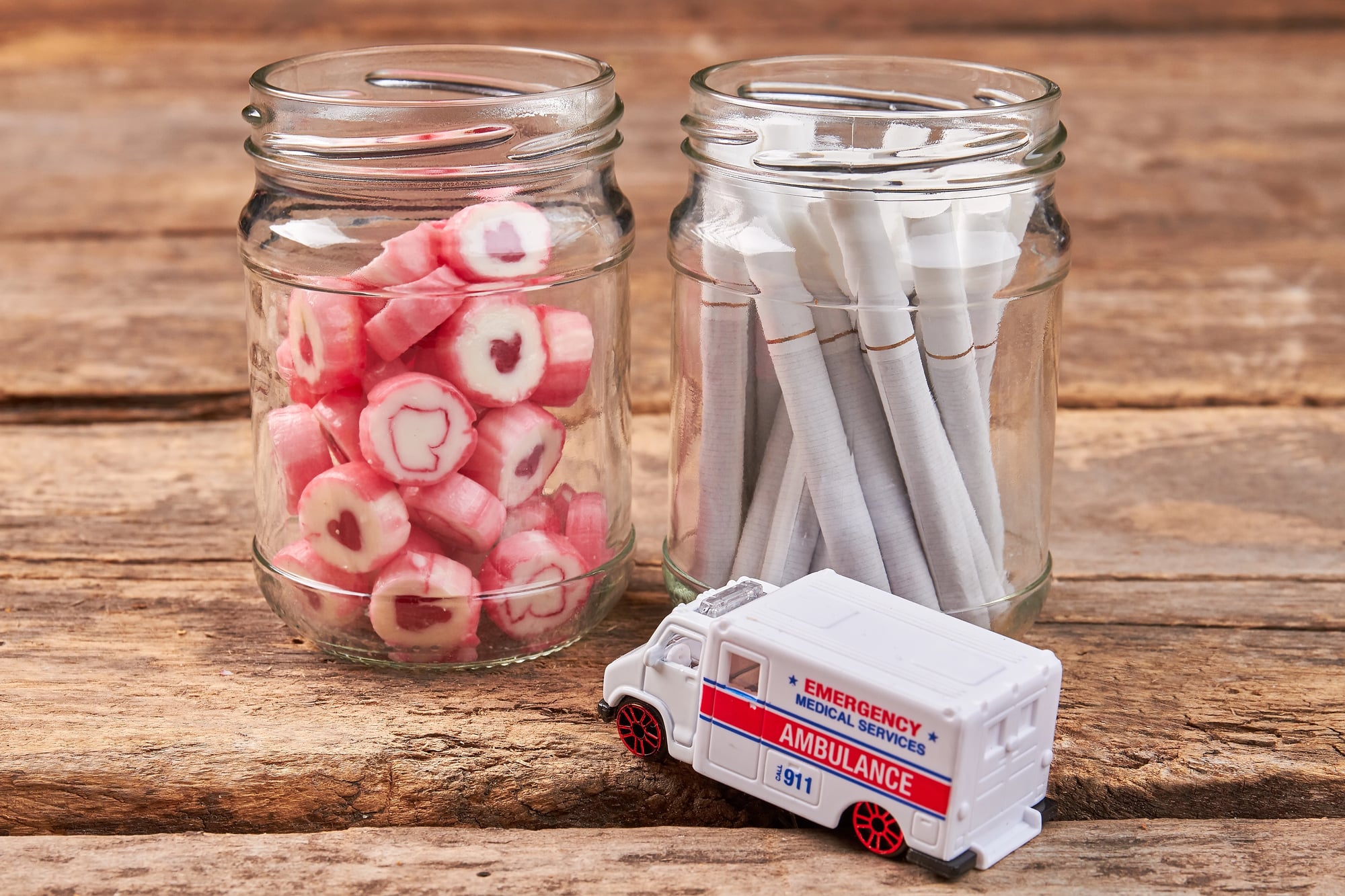
Candy shaped to resemble cigarettes was banned or restricted in several countries — Finland, Canada, and parts of the EU among them — on the grounds that they normalized cig smoke behavior in children. The United States never issued a federal ban, but several states considered restrictions, and the products quietly disappeared from most mainstream retail.
The ones that remain are marketed as “candy sticks,” a rebranding so transparent it almost counts as self-parody.
Slaughterhouse Byproduct-Based Fillers
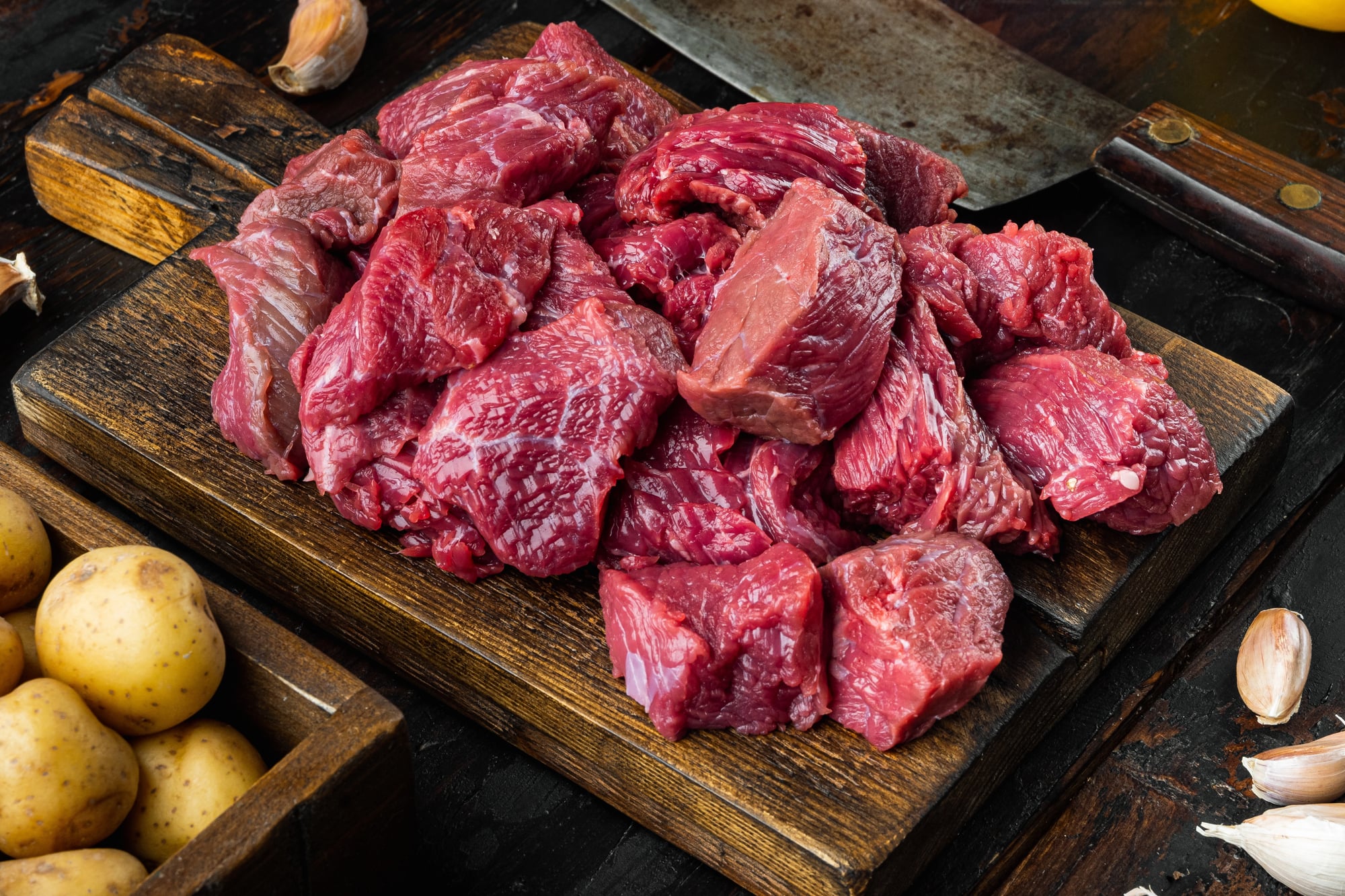
Lean finely textured beef — the product that became notorious under the media label “pink slime” — was never formally banned, but a 2012 media firestorm caused three of the four American production plants making it to suspend operations within months. The USDA maintained it was safe.
Schools pulled it from lunch programs, supermarkets dropped it, and demand collapsed inside a single news cycle. It’s technically still legal. The court of public opinion just moved faster than any regulatory body could.
When the Law Sits Down at the Table
Food bans are never really just about food. They’re about fear, identity, and the particular things a society decides it cannot tolerate — even at the dinner table.
Some of these prohibitions saved lives. Some of them were absurd from the start, legislative anxiety wearing the costume of public safety.
And some of them land in genuinely ambiguous territory, where the ecological stakes are real and the cultural stakes are equally real and there’s no clean answer. What’s consistent across all of them is the impulse: the human instinct to draw a line around the plate, to decide what counts as food and what counts as something else entirely.
That line moves, it always has, and whatever gets drawn around your choices today may look very different a generation from now.
More from Go2Tutors!

- The Romanov Crown Jewels and Their Tragic Fate
- 13 Historical Mysteries That Science Still Can’t Solve
- Famous Hoaxes That Fooled the World for Years
- 15 Child Stars with Tragic Adult Lives
- 16 Famous Jewelry Pieces in History
Like Go2Tutors’s content? Follow us on MSN.