28 Kennedy Half Dollars Worth Checking
Most Kennedy half dollars are worth exactly fifty cents, and the Mint has struck more than four billion of them since 1964. That volume is the point. A series this big hides a handful of dates, finishes and die varieties that trade for far more than face value, and most of them look ordinary at arm’s length.
Coin rolls from the bank, inherited coffee cans and old proof sets all deserve a second look. The difference between a common coin and a scarce one is often a mintmark, a missing initial, or a few lines of hair above the ear.
Special Mint Set Half of 1964
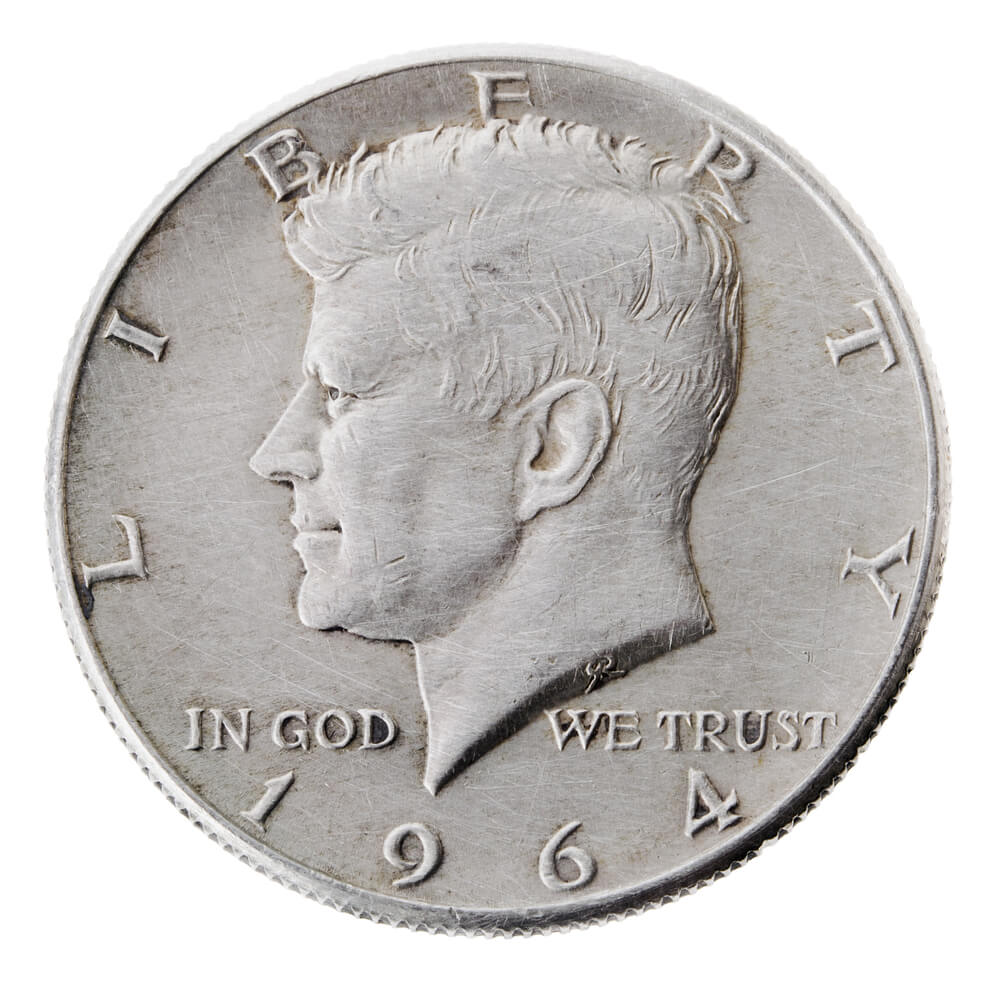
Only about a dozen 1964 Special Mint Set halves are known, and nobody has fully explained why they were made. The coins have sharp, satiny surfaces unlike the regular business strikes, and they surfaced in Stack’s auctions beginning in 1991.
One graded PCGS SP68 sold for 156,000 dollars at Stack’s Bowers in August 2019 during the ANA World’s Fair of Money in Rosemont, a record for a modern US coin that is not an error. A SP67 example brought 108,000 dollars at Heritage in April 2019.
Authentication by a major grading service is essential, since an unusually well struck 1964 half from a mint set is not the same coin.
Accented Hair Proof of 1964
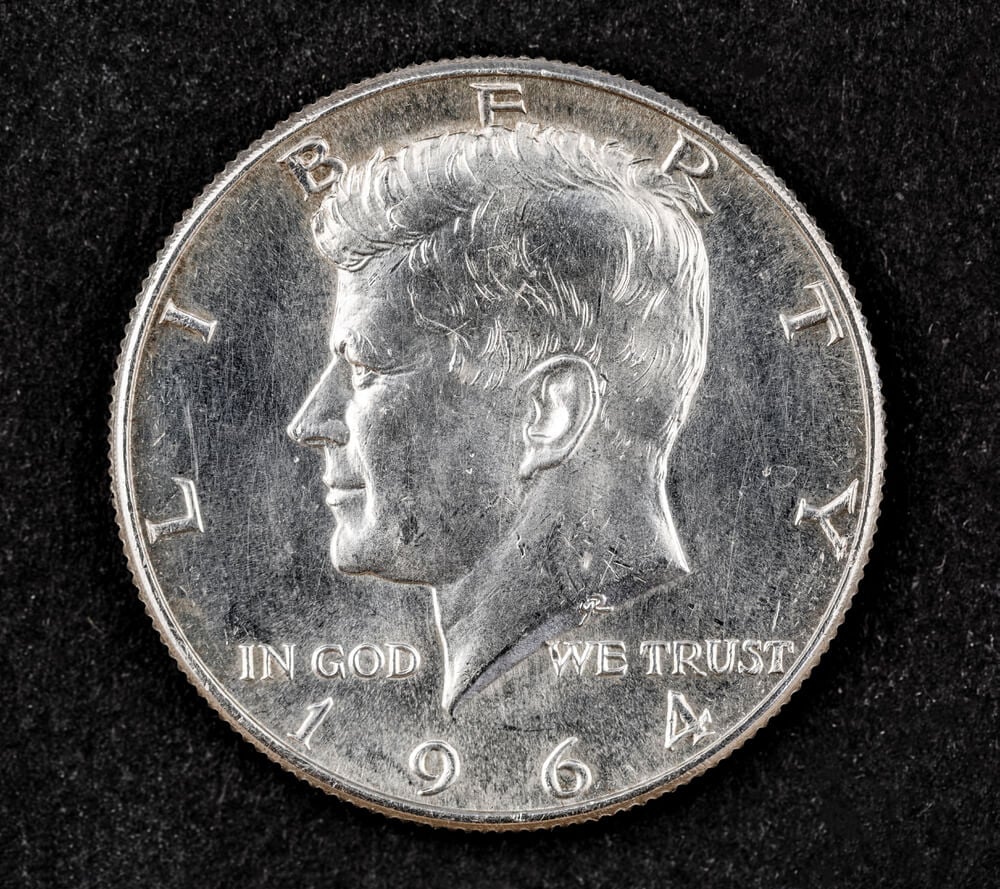
Early 1964 proofs show heavier, more detailed strands of hair above Kennedy’s ear, a design Jacqueline Kennedy reportedly disliked, so the dies were softened partway through production. The Accented Hair coins are the minority of the roughly four million 1964 proofs, and they bring a premium at every grade.
A PR69 set the variety record at 46,800 dollars at Heritage in January 2024. Ordinary Accented Hair proofs in PR65 to PR67 typically sell for 40 to 150 dollars, with deep cameo contrast pushing prices much higher.
Hairlines from careless handling and haze from old plastic holders knock a proof down fast.
Regular 1964 Proof in Cameo
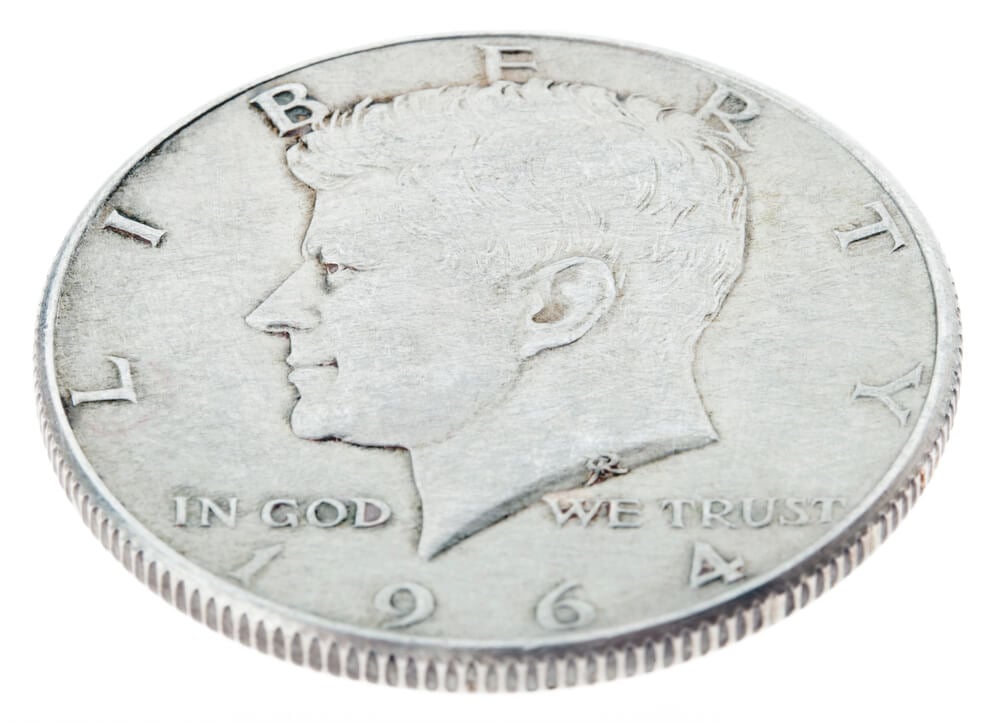
Philadelphia struck nearly four million 1964 proof halves, which makes the ordinary version common, but it is still a 90 percent silver proof of the only 90 percent silver year. Typical examples sell for about 15 to 30 dollars, driven partly by silver content.
The money is in cameo and deep cameo coins, where frosted devices contrast against mirror fields. Deep cameo proofs in PR68 and PR69 have sold for several hundred dollars and more, because the frosting wore off the dies quickly.
Spots, milky haze and fingerprints are the usual problems on coins pulled from original flat-pack holders.
Denver Business Strike of 1964
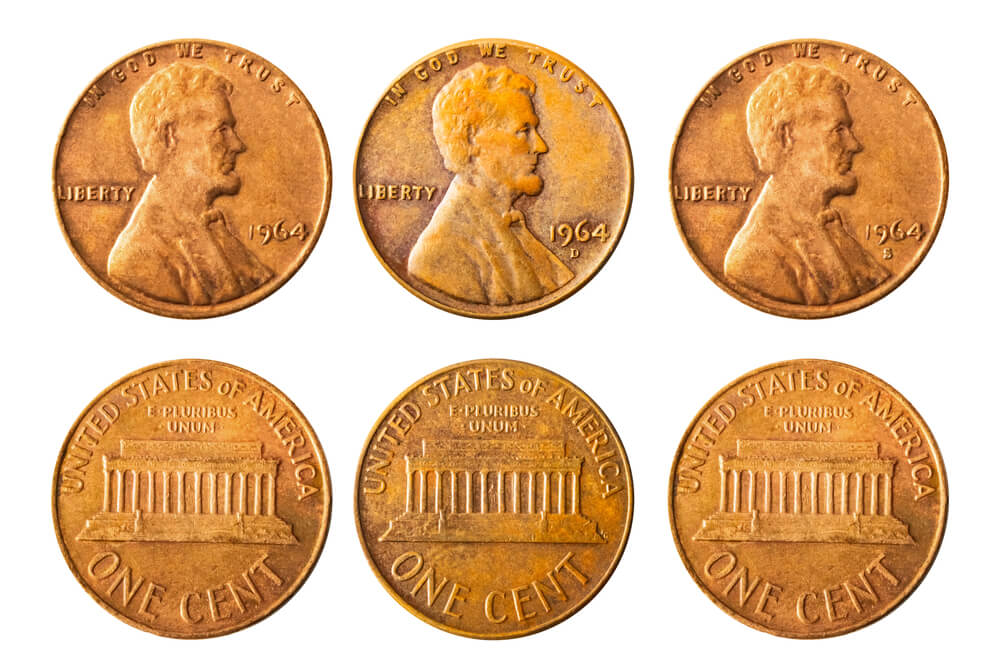
Denver struck well over 150 million halves in 1964, so the date is common in circulated grades and worth little more than its silver. In gem condition the story changes, since the mint handled these coins roughly and most show bag marks across the cheek and jaw.
A 1964-D from the Richard Green Collection sold for 22,325 dollars, a price tied to its exceptional grade and pedigree rather than its date. Collectors building registry sets pay strong premiums for MS67 coins.
Full, undisturbed luster and a clean portrait matter more here than anything else, and toning that is attractive rather than dark helps.
Philadelphia 1964 Half for Silver Alone
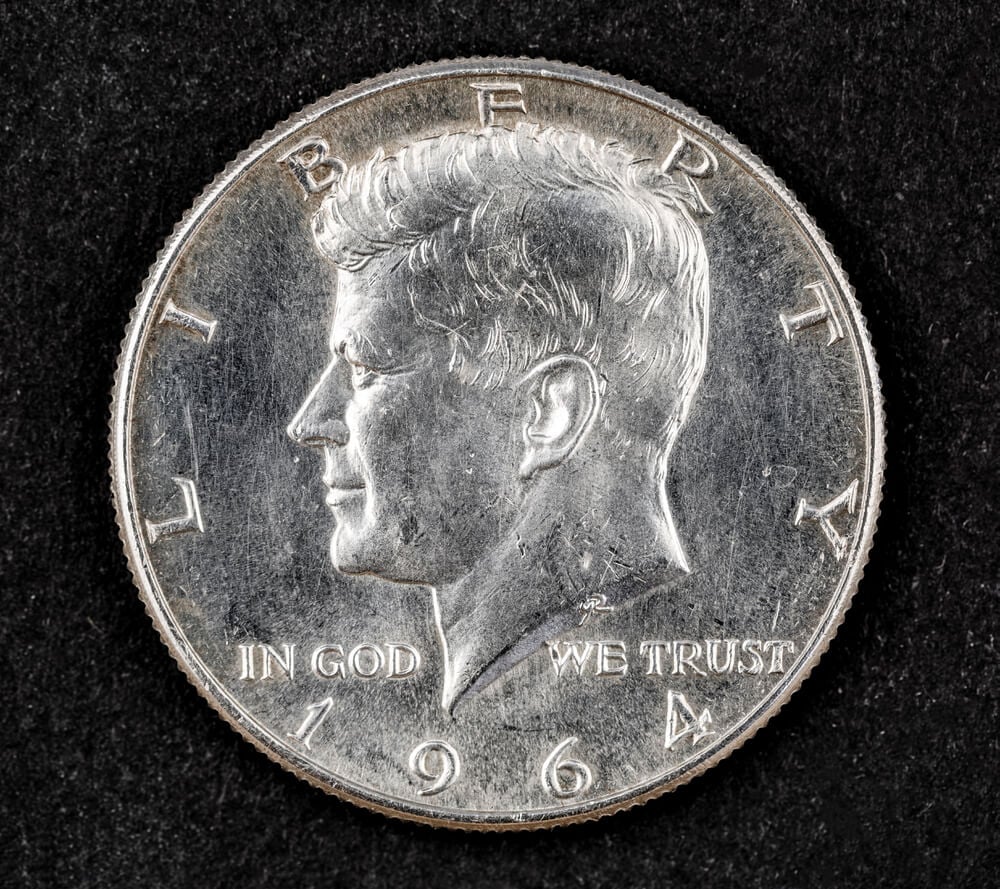
Even a worn 1964 half from Philadelphia carries value because it contains roughly 0.36 troy ounces of silver. At 2026 silver prices that puts the melt value well above face, often in the range of 10 to 15 dollars depending on the spot market.
Dealers buy these by the roll with little regard for grade, so a scuffed example from a coffee can still pays. Uncirculated coins with original luster sell for a bit more, and slabbed MS66 and MS67 coins bring meaningful premiums.
Cleaning, polishing or heavy wear cannot remove silver value, but they do erase any collector premium.
Doubled Die Obverse 1964-D
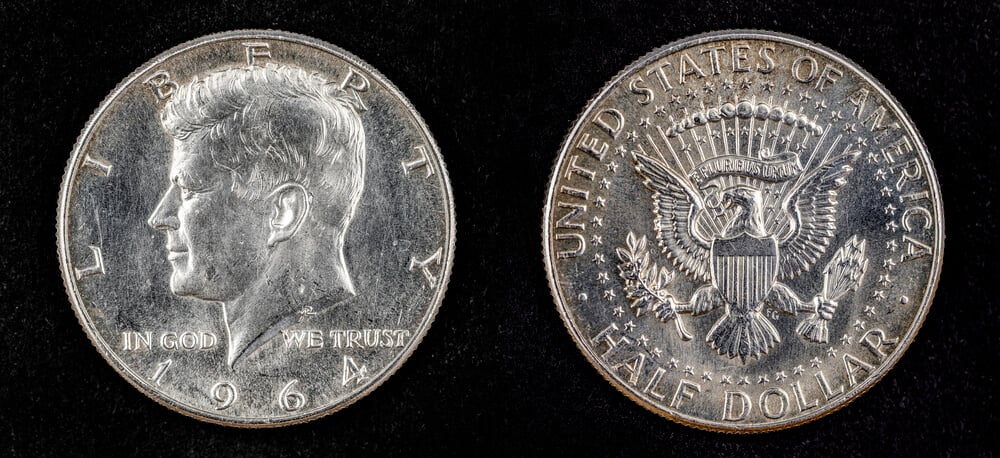
Several doubled die obverse varieties are cataloged for 1964-D halves, with FS-101 the best known. Doubling shows on the lettering and the date, where a second impression from a misaligned hub left visible separation.
These coins circulated unnoticed for decades, so examples turn up in silver lots and old rolls. Values run from about 50 dollars in circulated grades to several hundred dollars in mint state, and the strongest doubling brings the most.
Collectors use a loupe to separate true hub doubling from machine doubling, which is flat and shelf-like and adds nothing to the price.
First Silver Clad Half of 1965
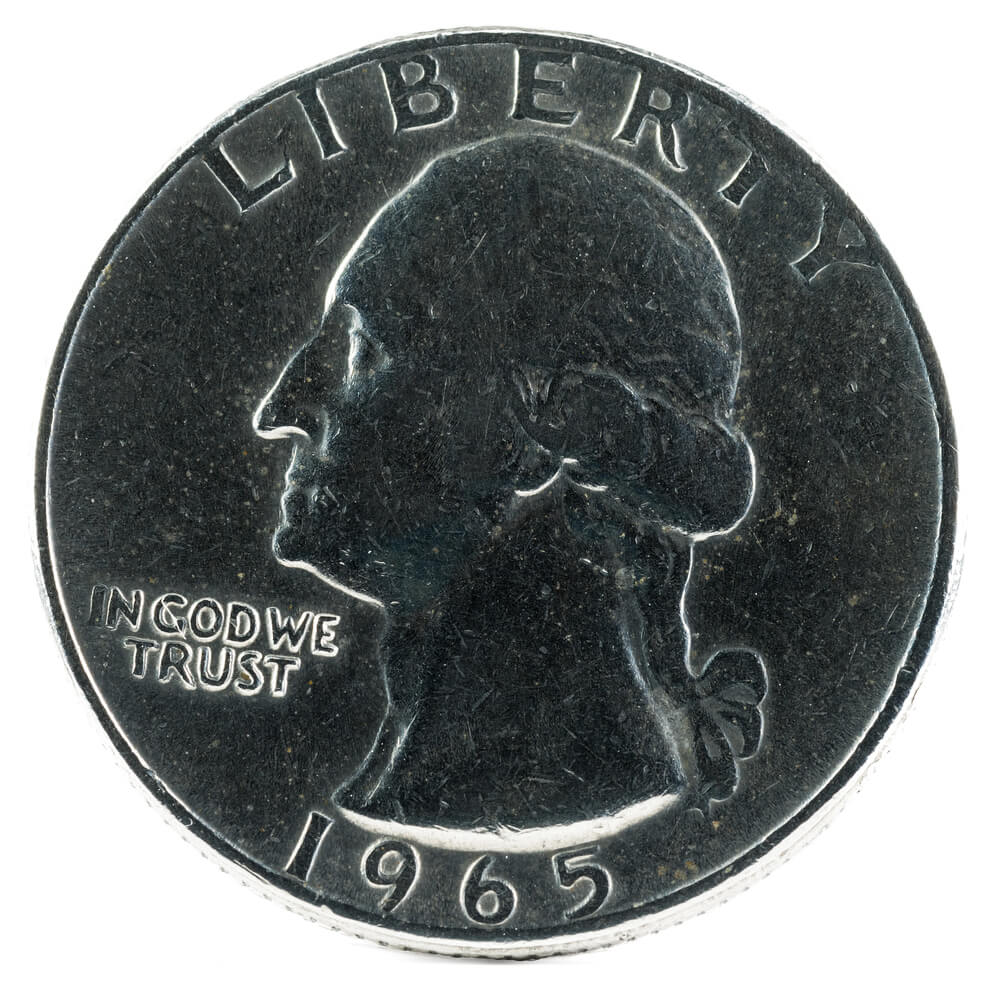
Rising silver prices forced a change in 1965, and the half dollar dropped to 40 percent silver with a copper core bonded between silver-rich outer layers. The 1965 coin was the debut of this composition, and the edge shows a faint copper stripe that the 1964 coins lack.
Circulated examples sell for about 5 to 8 dollars based on metal content. Gem uncirculated coins are scarcer than the mintage suggests because quality control was uneven that year, and MS66 and better examples have sold for hundreds of dollars.
Weak strikes and heavy marks are the norm, so a clean coin stands out.
Special Mint Set Half of 1966
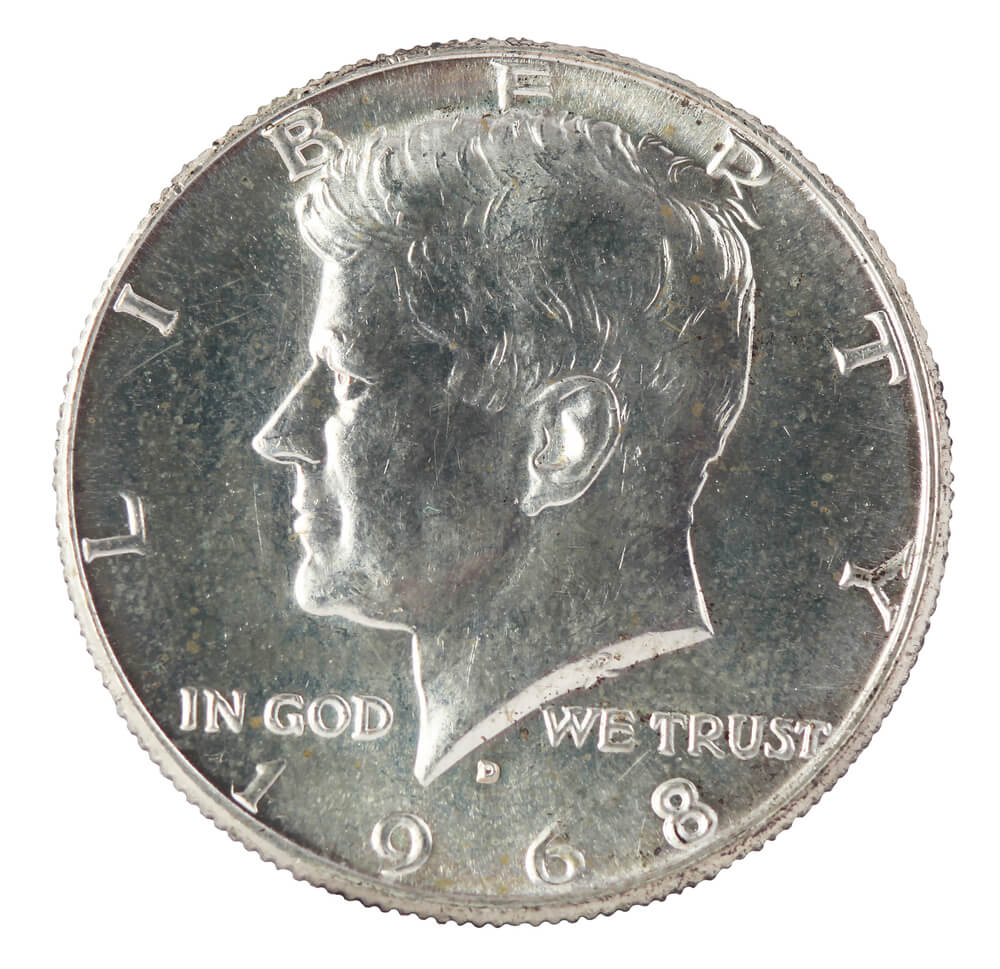
No proof sets were issued from 1965 through 1967, and the Mint offered Special Mint Sets instead. The 1966 SMS half has a semi-brilliant finish that varies from coin to coin, and the best examples show cameo frosting on the portrait.
A 1966 SMS graded SP68 has sold for 15,000 dollars, while ordinary SMS coins pulled from the set sell for about 8 to 15 dollars. Doubled die obverse varieties exist for this issue as well.
The original set packaging is a hard plastic case, and coins stored in it often developed haze, so bright, untoned coins with cameo contrast earn the premium.
Ultra Cameo 1967 Special Mint Set Half
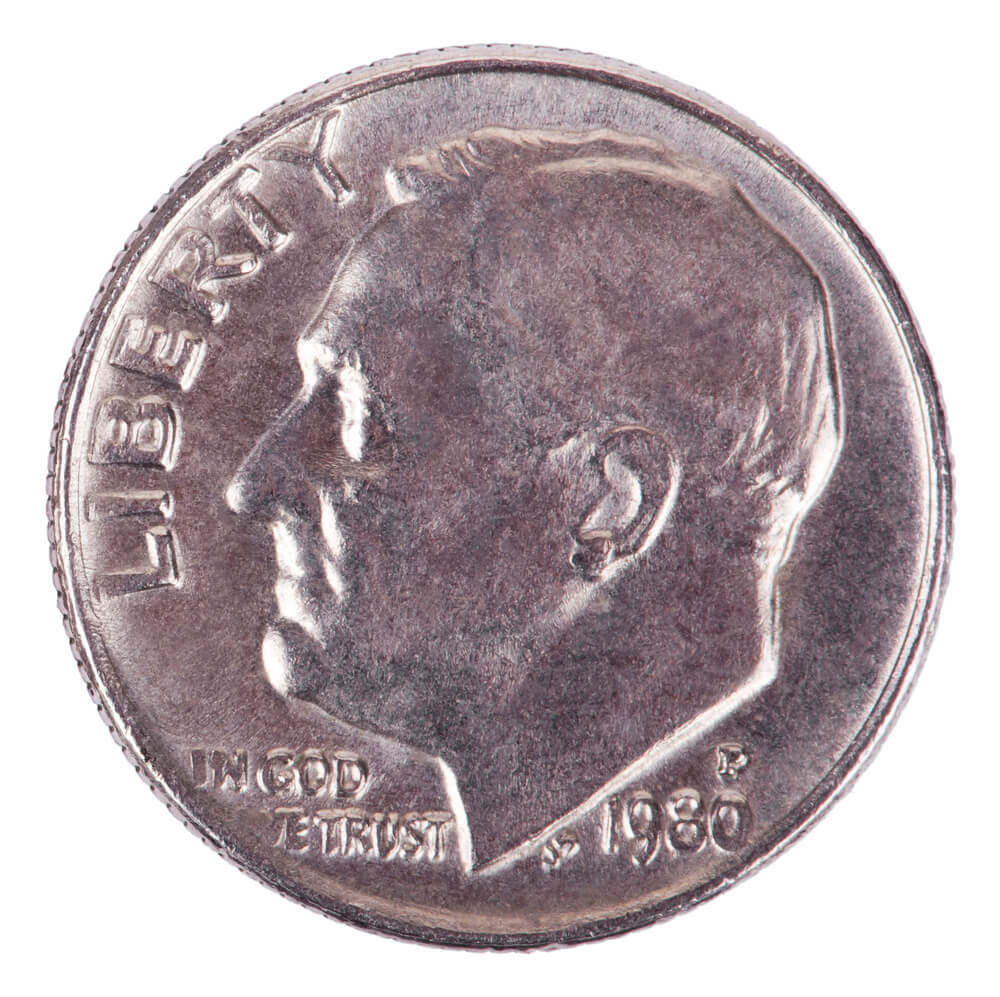
Last of the three Special Mint Sets, the 1967 issue produced halves that generally show a better finish than the 1965 and 1966 coins. Cameo and ultra cameo examples are the ones collectors chase, and a 1967 SMS graded MS69 Ultra Cameo has sold for 31,200 dollars.
Most 1967 SMS halves trade for about 8 to 12 dollars as 40 percent silver coins with a nice strike. The gap between a run of the mill SP66 and a frosted SP68 is enormous, which makes grading worth the fee.
Scratches from the set case and spotting on the fields are what keep most coins out of the top tier.
First San Francisco Proof of 1968
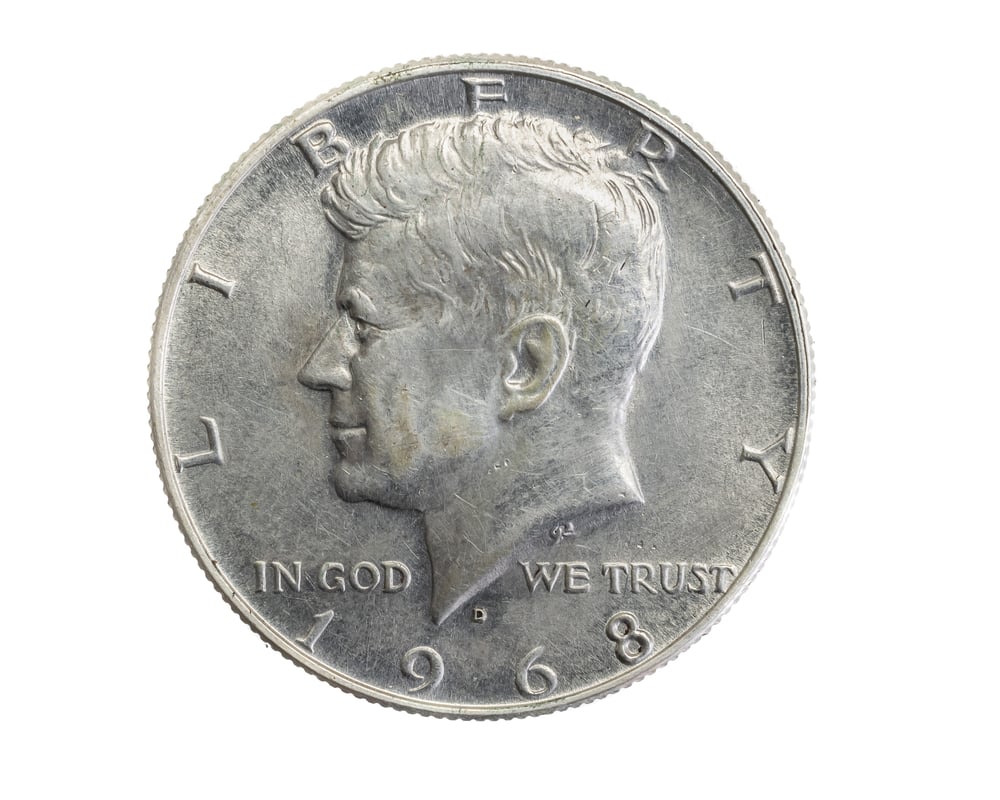
Proof coinage returned in 1968, and for the first time the half dollar proofs came from San Francisco, carrying an S mintmark. Earlier Kennedy proofs had all been Philadelphia products with no mintmark.
The 1968-S proof is still 40 percent silver, and common examples sell for about 8 to 15 dollars. Deep cameo coins at the top of the grading scale are another matter, and a PF70 deep cameo sold for 24,000 dollars at Stack’s Bowers in June 2023.
The frost on these dies faded within a few hundred strikes, so fully frosted coins are a small fraction of the mintage.
Mint Set Only 1970-D Key Date
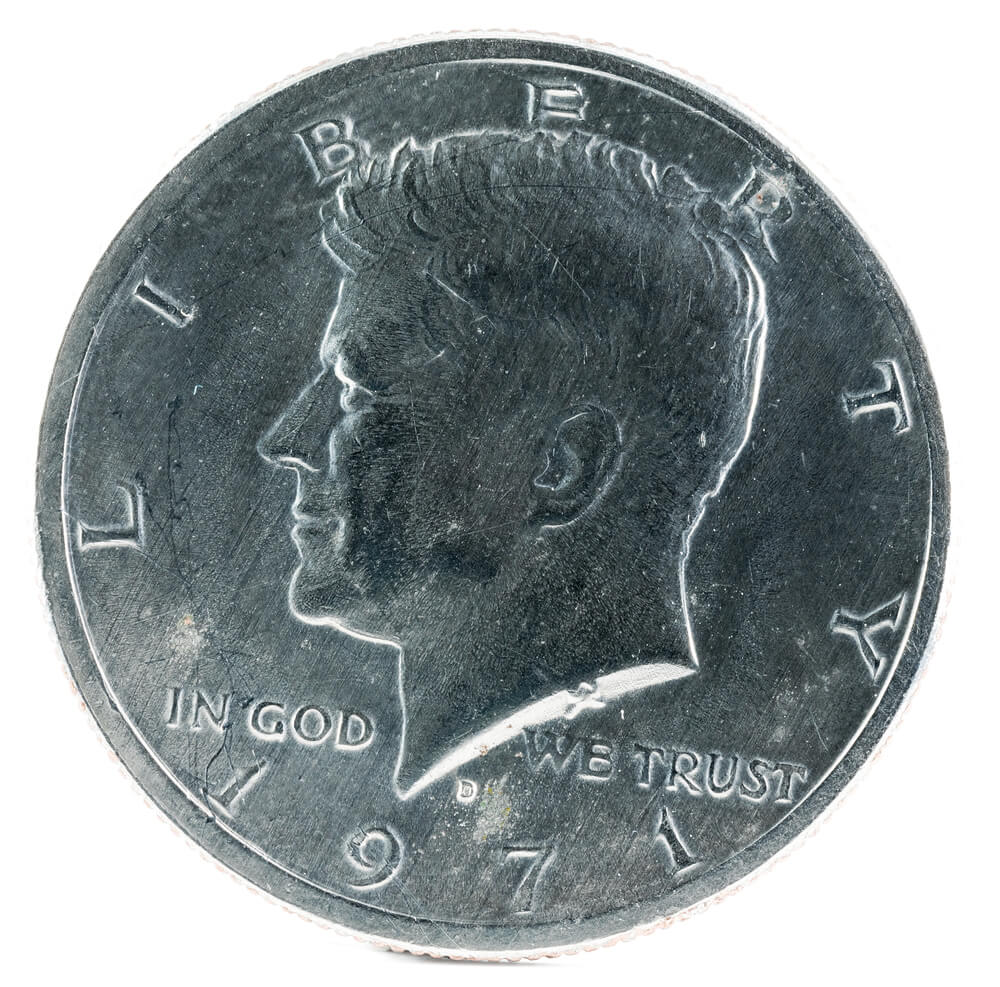
No half dollars were struck for circulation in 1970, and the only 1970-D coins came inside the Mint’s uncirculated sets, about 2.15 million of them. That made the 1970-D the key date of the regular series for decades, and sets were broken up to feed demand.
A typical uncirculated 1970-D sells for about 15 to 30 dollars, more than any other 40 percent silver half in average condition. Gem MS67 coins have sold for several hundred dollars.
Spotting and carbon marks are common because the set packaging was not inert, so bright, spot-free examples with full cartwheel luster bring the top numbers.
Last Silver Proof of 1970
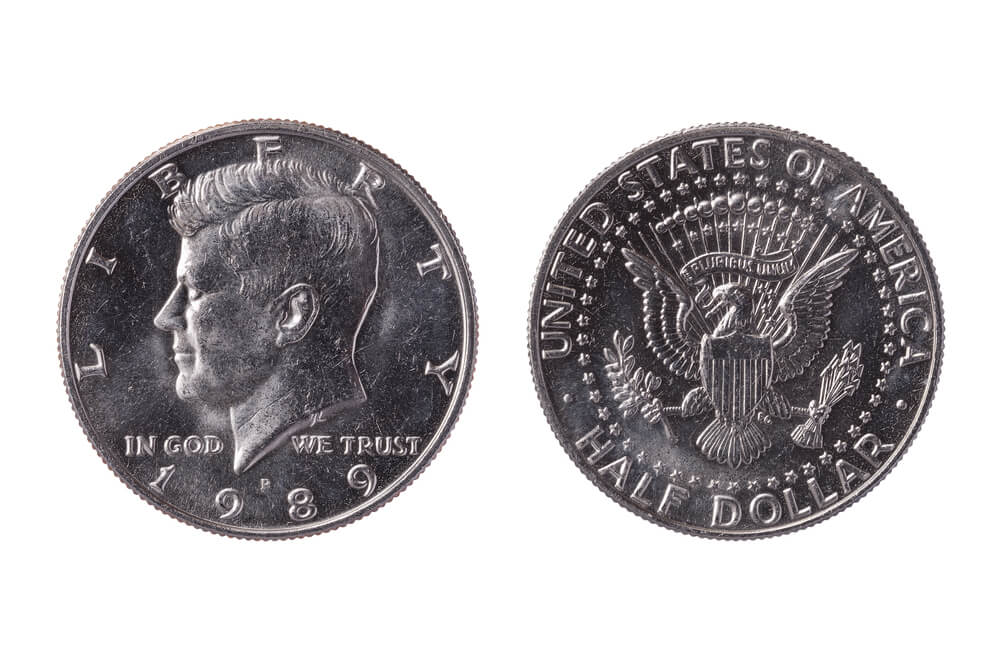
Collectors regard the 1970-S proof as the last 40 percent silver proof half until silver proofs returned in the 1990s. It is not rare, with a mintage above two and a half million, and common examples trade for about 10 to 20 dollars.
Deep cameo coins are far scarcer than the mintage implies, since the San Francisco Mint had not yet perfected consistent frosting. PR69 deep cameo examples have sold for several hundred dollars and up.
Proof sets from this year also hold the 1970-S small date cent, so intact sets sometimes sell for more than the sum of their parts. Haze and hairlines are the price killers.
Copper-Nickel Debut of 1971
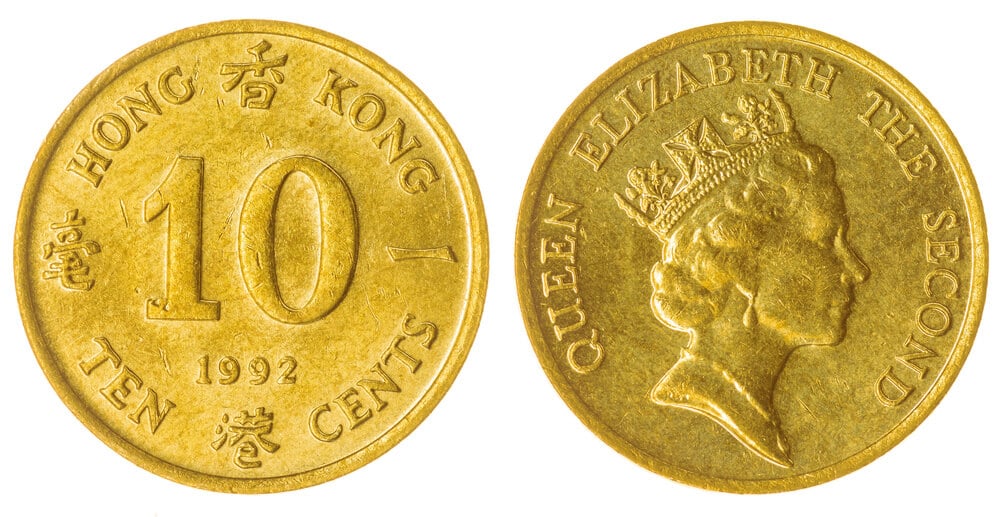
Silver left the half dollar entirely in 1971, when the coin switched to the same copper-nickel clad composition as the dime and quarter. Philadelphia struck more than 155 million, so the 1971 half is worth face value in circulated condition.
Collectors nonetheless pay for condition rarities, because clad planchets of the early 1970s were poorly prepared and most coins show heavy marks and dull luster. MS66 examples sell for about 30 to 80 dollars and MS67 coins have sold for well over 1,000 dollars at auction.
Checking bank rolls for an unworn, mark-free 1971 is slow work, but it is one of the few places such coins hide.
Halves Struck on Quarter Planchets
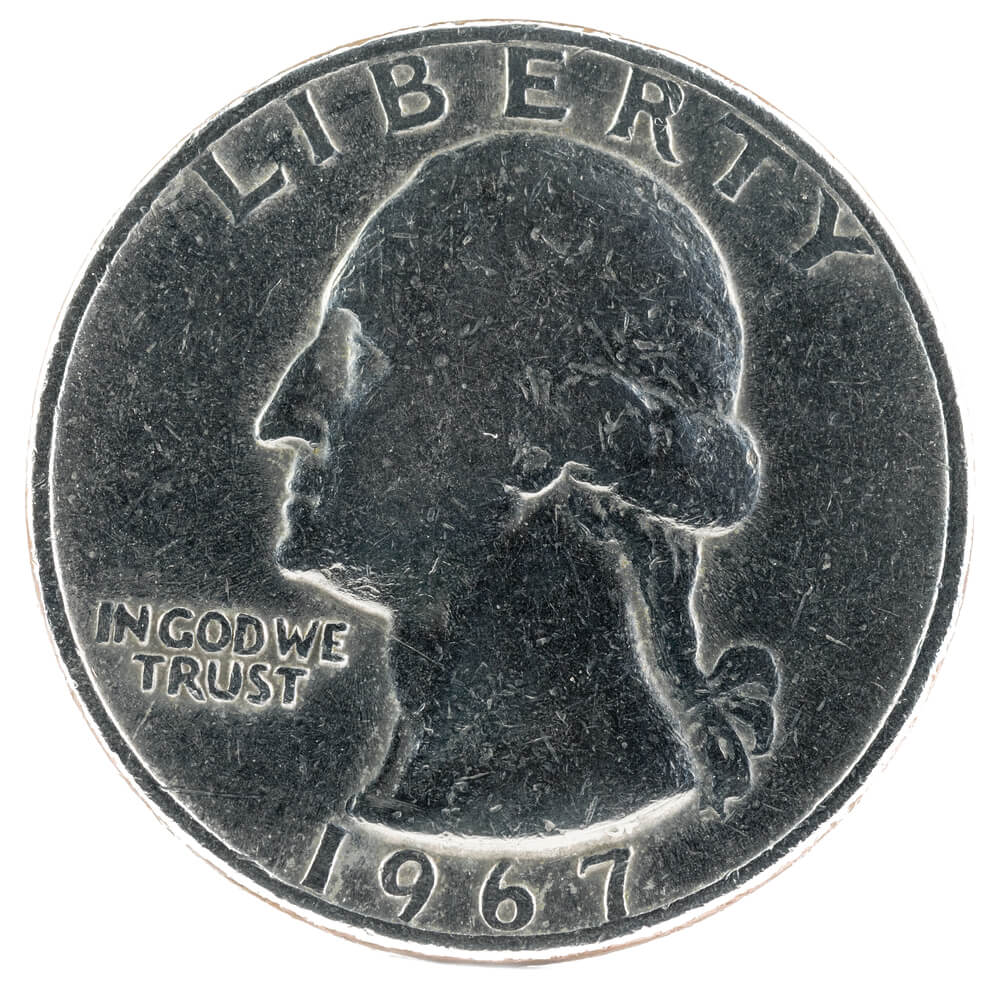
Wrong planchet errors happen when a blank intended for another denomination slips into the press, and 1964 halves struck on quarter planchets are among the best documented. The result is a silver coin smaller than a half, with the design cut off around the edges and the date usually visible.
Heritage and specialist error dealers have sold 1964 and 1964-D examples in grades from AU53 to MS64, with prices often reaching into four figures. Later clad halves on quarter stock also exist.
Authentication is mandatory, since cut-down or altered coins are passed off as errors, and weight on a gram scale is the first test.
Missing Initials on the 1972-D
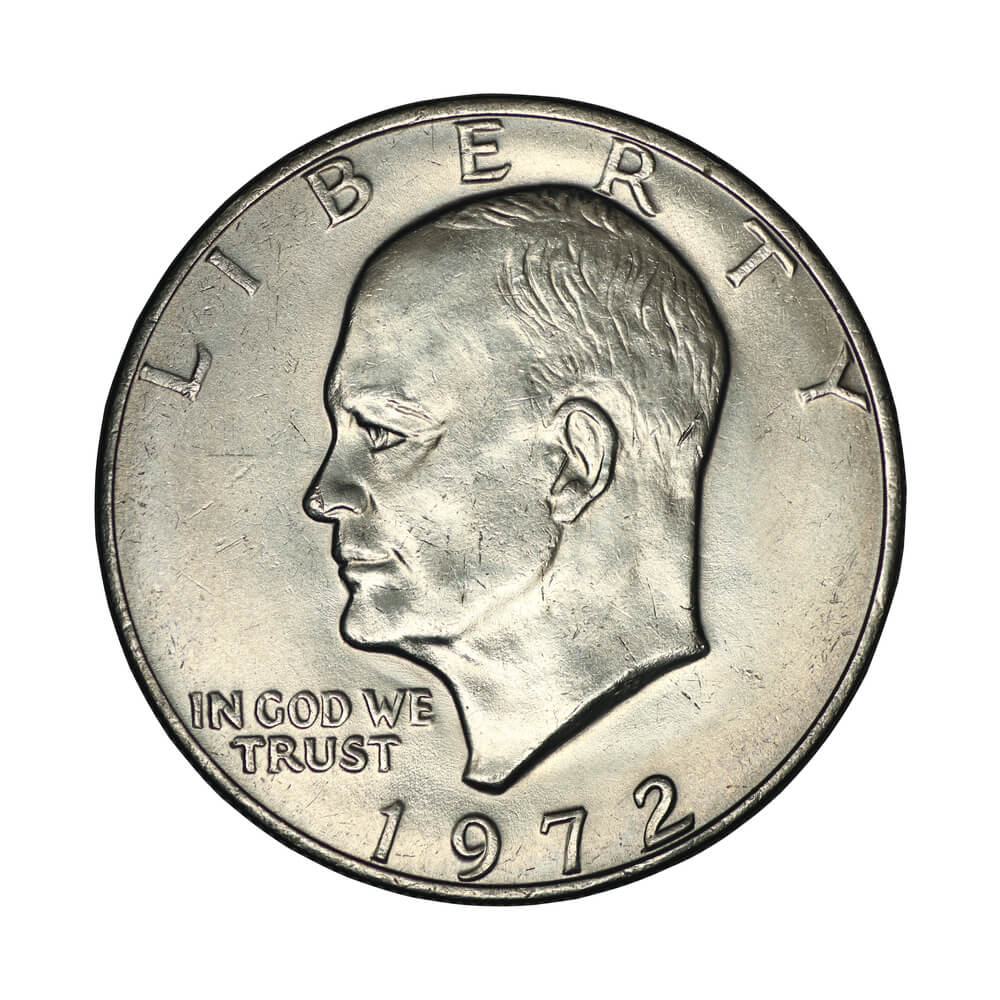
Frank Gasparro’s initials FG sit on the reverse near the eagle’s tail, and on some 1972-D halves they are missing because overpolished dies removed them. The 1972-D No FG is cataloged as FS-901 and is the most familiar of the No FG varieties.
Circulated examples sell for about 50 to 150 dollars, and mint state coins have sold for several hundred dollars and more. Weak initials from a worn die are not the same thing, and graders require the initials to be fully absent.
Collectors found these in circulation years after release, so clad rolls remain a realistic hunting ground.
Doubled Die Obverse 1974-D
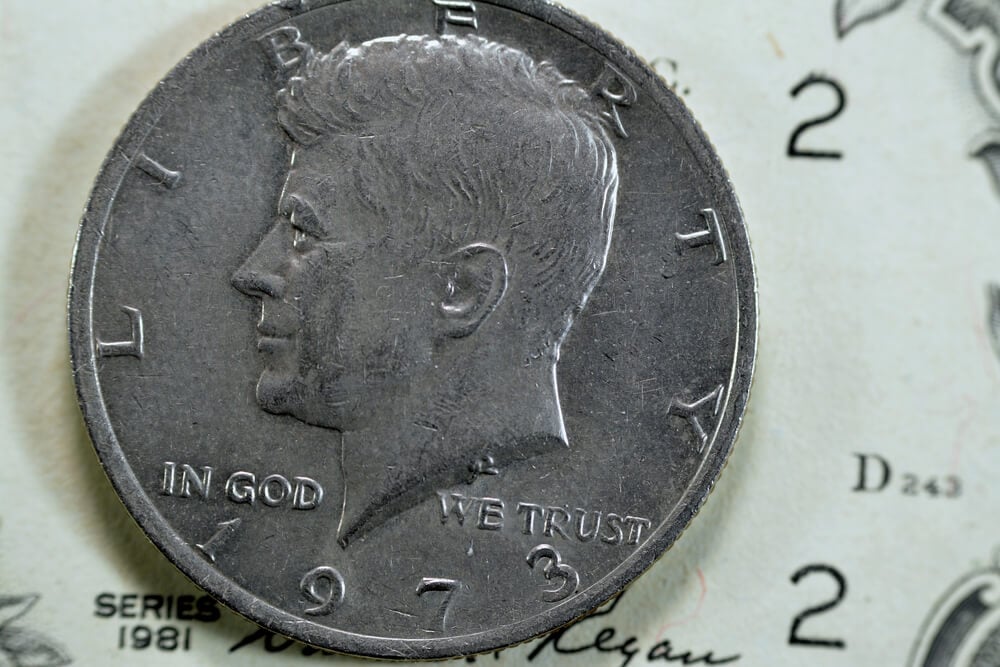
Listed as FS-101, the 1974-D doubled die obverse shows one of the stronger doublings in the clad series and shows clearly on the word TRUST and nearby lettering. Many were pulled from Denver mint bags in the 1970s, but plenty slipped into circulation, where they still turn up.
Circulated examples typically sell for about 25 to 60 dollars. Mint state coins run from about 100 dollars into the several hundreds for MS65 and better, and the top certified examples have sold for well above that.
Clean fields and an undamaged portrait separate a strong sale from a modest one.
Bicentennial Clad Half with Independence Hall
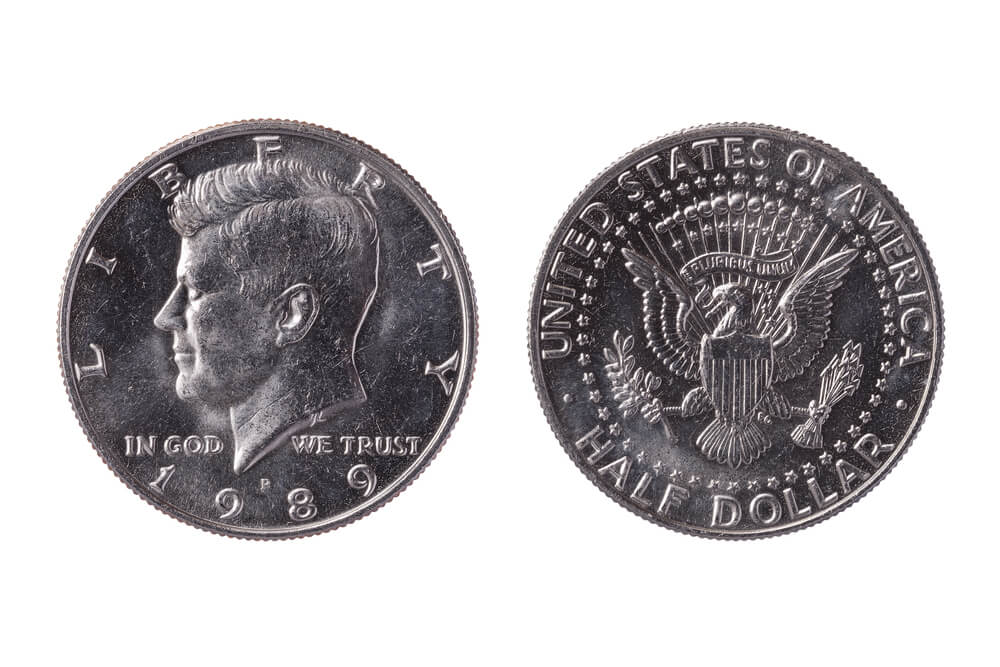
For the Bicentennial the Mint dual dated the half 1776-1976 and replaced the eagle with a view of Independence Hall designed by Seth Huntington. Philadelphia and Denver struck these in enormous numbers, and most are worth face value.
Collectors still check them because gem examples are tough and the design is popular with casual savers who never cash them in. MS67 coins have sold for several hundred dollars and MS68 examples much more.
The 1976-D is generally better struck than the Philadelphia coin. Bag marks on the large open fields and weak strikes on Independence Hall are the typical faults that keep prices low.
Silver Bicentennial Half from San Francisco
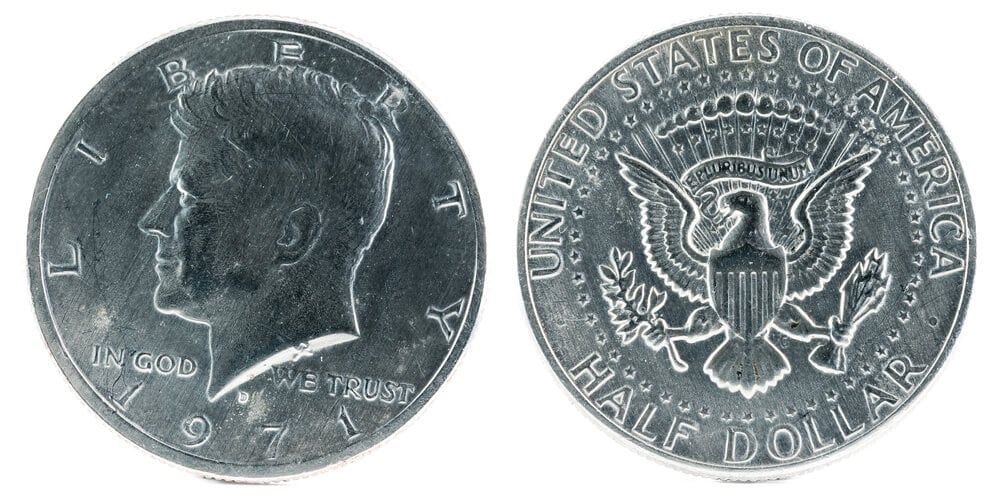
San Francisco struck 40 percent silver Bicentennial halves for collectors in both uncirculated and proof finishes, sold in three-coin sets with the quarter and dollar. These are the only silver halves of the clad era before 1992.
Uncirculated examples sell for about 8 to 15 dollars, and proofs for about 10 to 20 dollars, with silver content setting the floor. Deep cameo proofs in PR69 and PR70 have sold for considerably more.
Many sets went unsold for years and were melted or released late, so the silver coins are scarcer in the wild than the clad ones. The edge shows the copper core, which is the quick tell.
Clear S Type 2 Proof of 1979
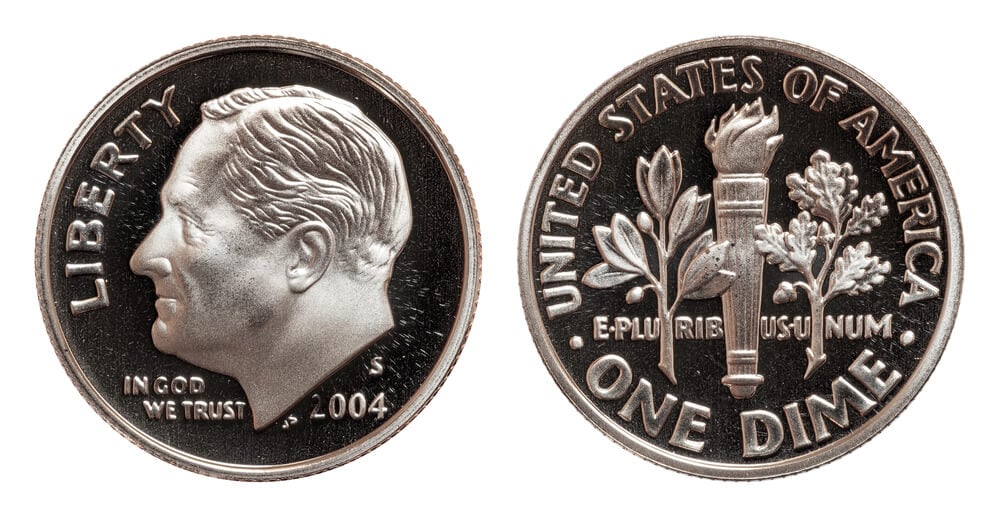
San Francisco changed its S mintmark punch late in 1979, replacing a filled, blob-like S with a clear, well defined one. Proof halves with the new Type 2 mintmark are the scarcer of the two for 1979 and sell for about 20 to 40 dollars in deep cameo, several times the Type 1 price.
Both types come from the same proof set, so unexamined 1979 sets are worth opening. The difference is visible under modest magnification, and the Type 2 S has distinct serifs and an open center.
PR70 deep cameo examples have sold for several hundred dollars.
Scarce Type 2 Mintmark of 1981
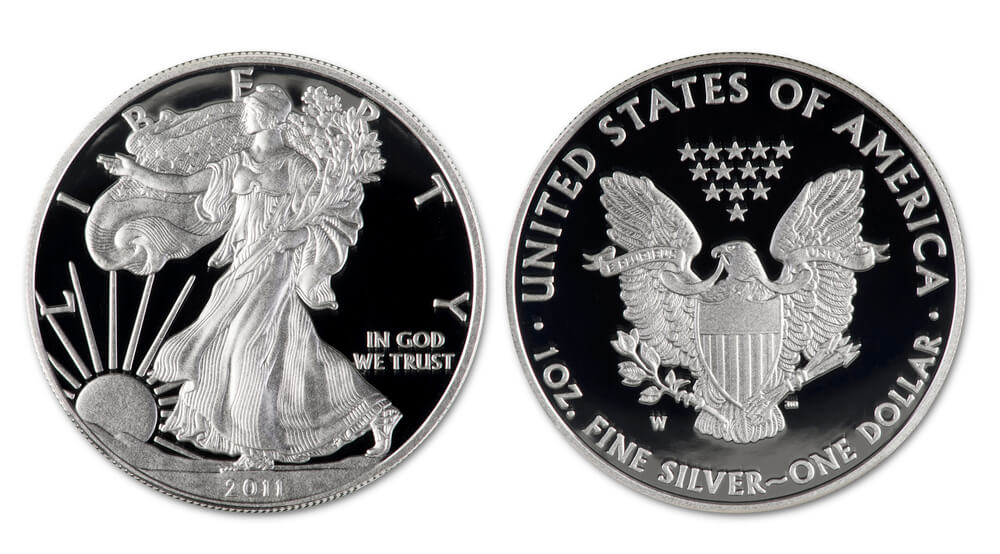
A similar mintmark change happened in 1981, and the Type 2 S on 1981 proofs is much scarcer than the Type 1, making it the better of the two mintmark varieties. Type 2 1981-S proof halves in deep cameo typically sell for about 15 to 40 dollars, and PR70 deep cameo coins have sold for far more.
The clear S is bolder and more rounded than the 1979 version, and collectors compare against reference photos before paying up. Complete 1981 Type 2 proof sets with all six coins are worth more than the individual pieces.
Hairlines and spotting reduce the premium quickly.
Missing Initials on the 1982-P
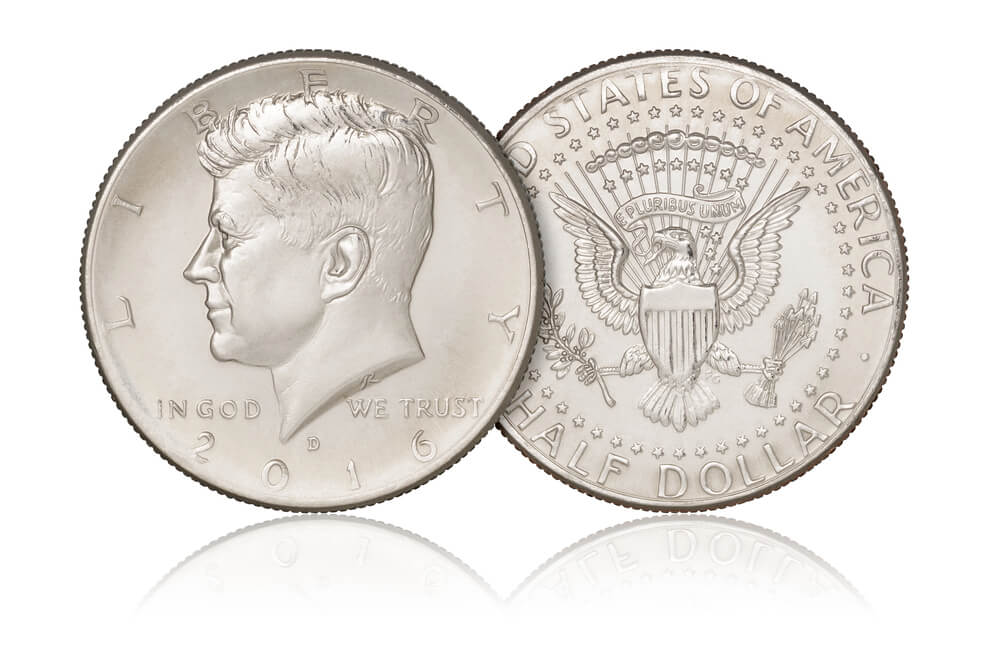
Philadelphia began placing a P mintmark on halves in 1980, and the 1982-P No FG variety is the scarcest of the missing initial coins. Overpolished dies removed Gasparro’s initials below the eagle, and the variety is cataloged as FS-901.
Certified examples in MS66 have sold for several hundred dollars, and lower grade coins typically sell for about 50 to 150 dollars. Because 1982 halves were struck in modest numbers and few were saved, true No FG coins are hard to find.
Buyers want full absence of the initials and a clear P, and should discount any coin with scratches through the reverse legend.
Mint Set Only Halves of 1987
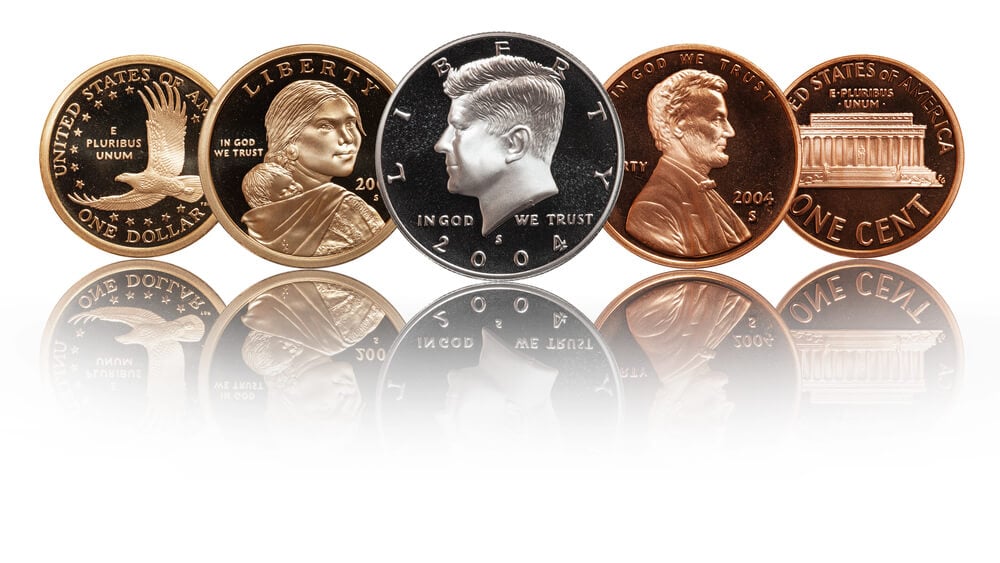
No half dollars were struck for circulation in 1987, so every 1987-P and 1987-D half came from the Mint’s uncirculated sets or from the proof set in the case of the 1987-S. Mintages are under three million each, and uncirculated 1987 halves sell for about 5 to 10 dollars apiece, roughly ten times face.
Gem MS67 and MS68 examples have sold for considerably more because set coins were often spotted or lightly scuffed by the packaging. The year is a sleeper for people searching rolls, since any 1987 half found in circulation escaped from a broken set.
Silver Proofs from 1992 Onward
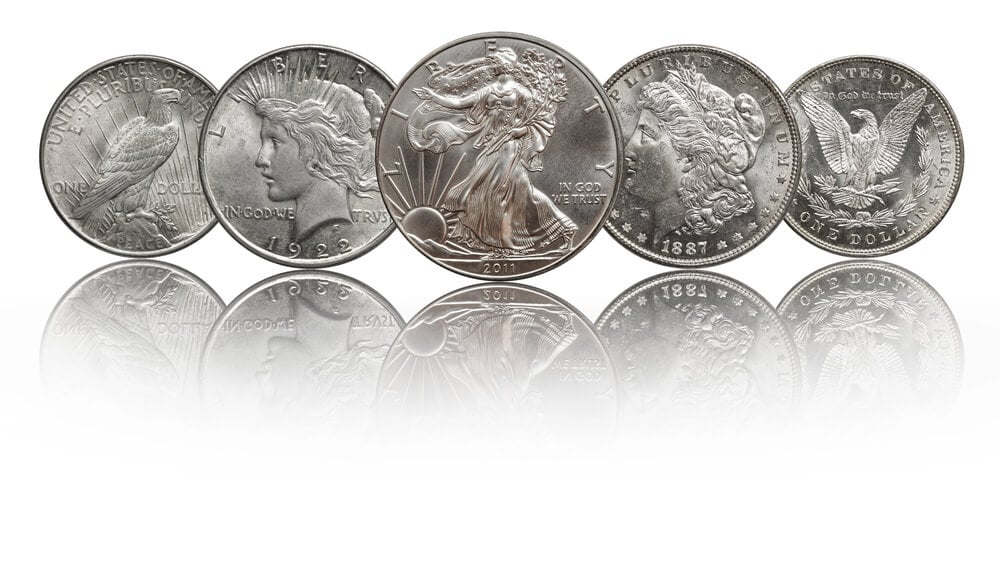
In 1992 the Mint introduced silver proof sets, and the half dollar in those sets returned to 90 percent silver after a 21 year absence. From 2019 the silver proofs moved to 99.9 percent fine silver.
Individual silver proof halves sell for about 15 to 30 dollars, with scarcer years such as the mid 1990s and 2008 commanding more. PR70 deep cameo coins certified by PCGS or NGC bring premiums that vary by year, with the lowest mintage dates selling for well over 100 dollars.
Milk spots, a problem on modern silver coins, cannot be removed and are the main value risk.
Matte Finish 1998-S from the RFK Set
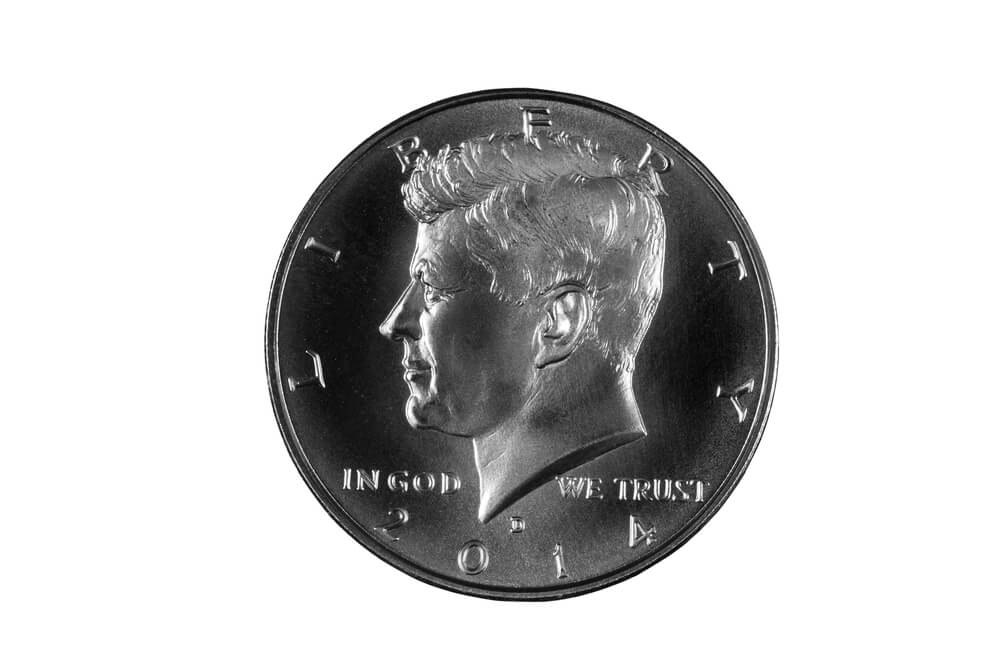
The Robert F. Kennedy Collectors Set of 1998 paired the RFK commemorative silver dollar with a matte finish 1998-S Kennedy half struck in 90 percent silver. Roughly 62,000 sets were sold, making this the lowest mintage Kennedy half of the modern era.
PCGS designates the coin as SMS, and SP69 examples typically sell for about 150 to 300 dollars. SP70 coins have sold for considerably more.
The matte surface is grainy and dull compared to a normal proof, which is why some turn up misidentified in dealer junk boxes. Spotting on the matte finish is common and hard to overlook.
Halves Not Released to Circulation Since 2002
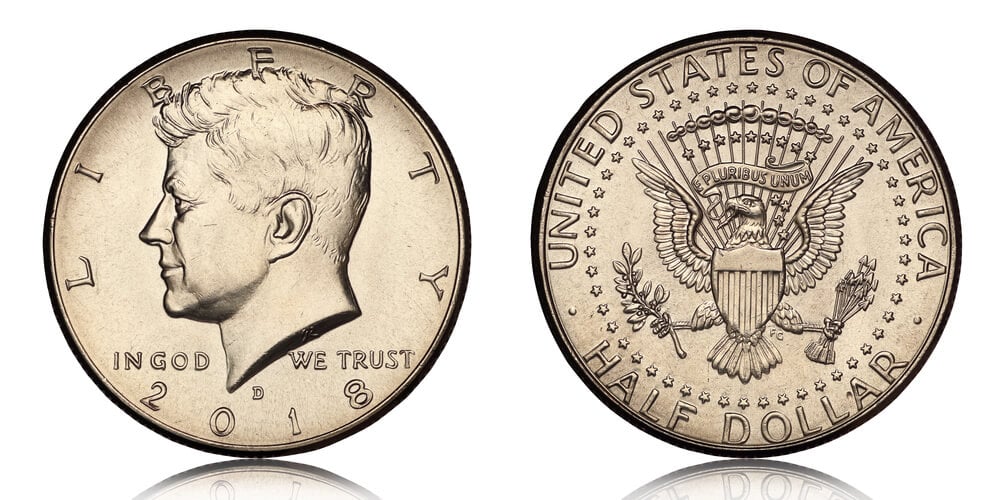
Beginning in 2002 the Mint stopped shipping Kennedy halves to the Federal Reserve for general circulation, striking them only for collector sales in bags and rolls. That continued until 2021, when the Federal Reserve ordered half dollars for circulation again.
The 2002 through 2020 business strikes sell for about 2 to 5 dollars each in original rolls, and specific low mintage years sell higher. Certified MS67 and MS68 examples from these years have sold for hundreds of dollars because so few were handled individually.
Finding one in change usually means a collector dumped a roll at a bank.
Gold Anniversary Half from West Point
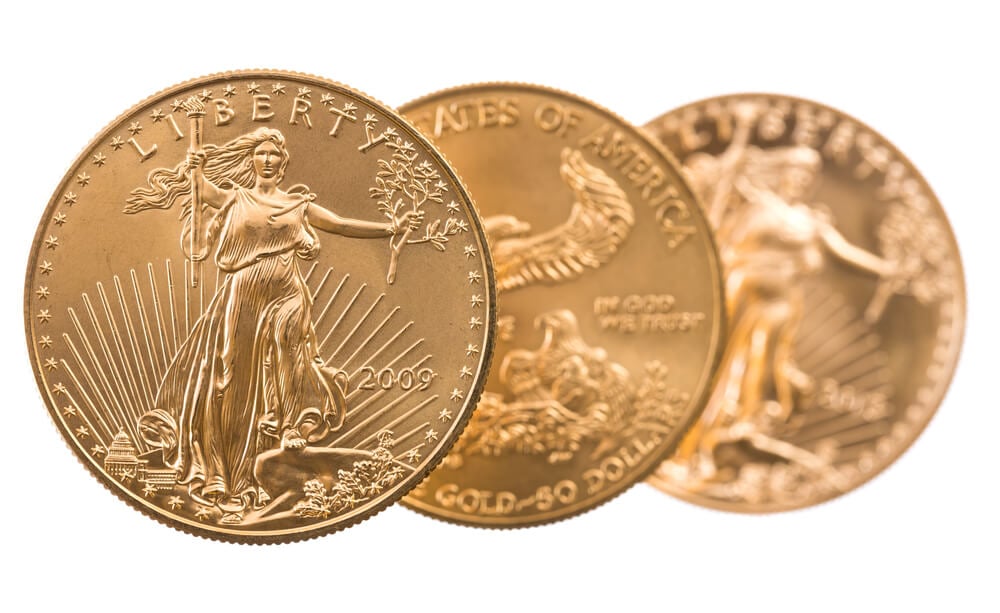
For the fiftieth anniversary of the series the Mint struck a proof Kennedy half in three-quarters of an ounce of 24 karat gold at West Point, using the original 1964 portrait rather than the later modified version. The coin went on sale at the ANA show in Rosemont in August 2014 and drew long lines.
Today it sells at a premium over its gold content, often 3,500 to 4,500 dollars depending on the bullion market. Examples with the original box and certificate bring more, and PR70 certifications add a further premium.
Fingerprints and handling marks on the proof fields are the main risks.
Silver Four-Coin Anniversary Set of 2014
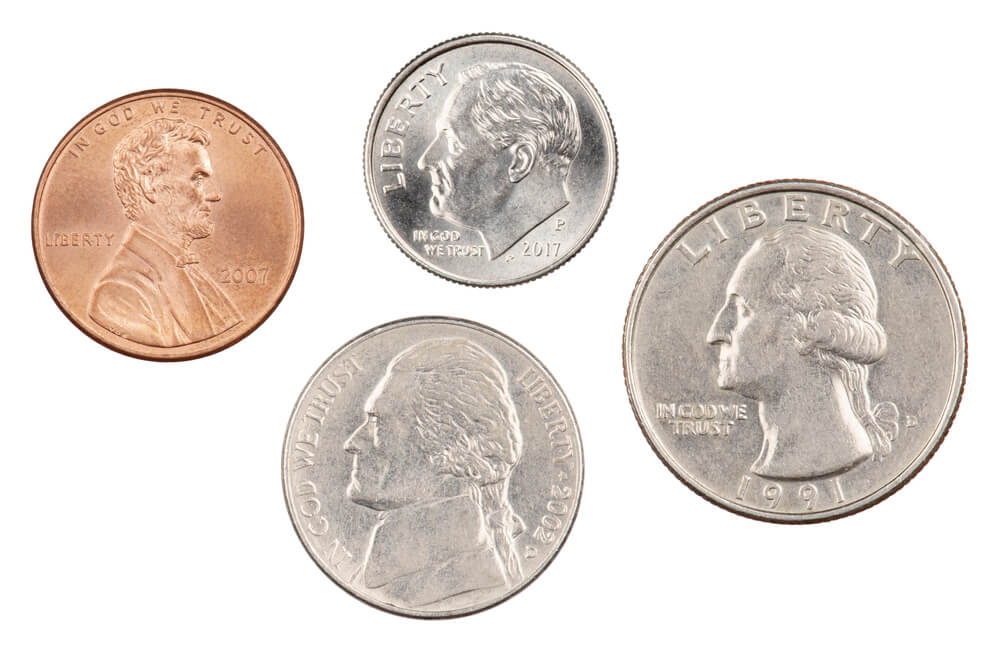
Four 90 percent silver halves from four mints made up the 2014 50th Anniversary Kennedy Half-Dollar Silver Coin Collection, each with a different finish. Philadelphia produced a proof, Denver an uncirculated coin, San Francisco an enhanced uncirculated coin and West Point a reverse proof.
All four carry the restored 1964 portrait. Complete sets in original Mint packaging typically sell for about 150 to 250 dollars, and sets with all four coins graded 70 by PCGS or NGC have sold for considerably more.
The reverse proof West Point coin is the one buyers single out. Missing certificates and scuffed cases lower what a set brings.
Registry Grade MS68 Clad Halves
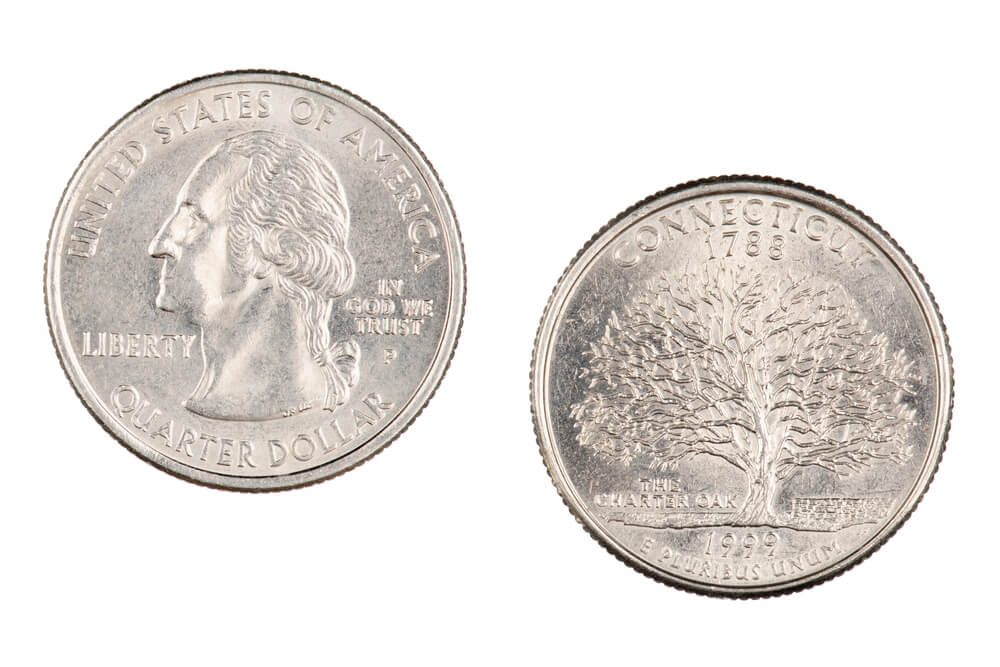
The hardest Kennedy halves to find are not rare dates but common clad coins in nearly perfect condition. PCGS and NGC registry collectors compete for the single finest example of each date and mintmark, and an MS68 clad half from the 1970s or 1980s can be one of only a handful certified.
Such coins have sold for thousands of dollars at Heritage and Stack’s Bowers, while the same date in MS65 is worth a few dollars. The hunt runs through unopened mint sets and original bank rolls.
A single contact mark on the cheek is the difference between a top pop coin and an ordinary one.
Pockets Full of Fifty-Cent Pieces
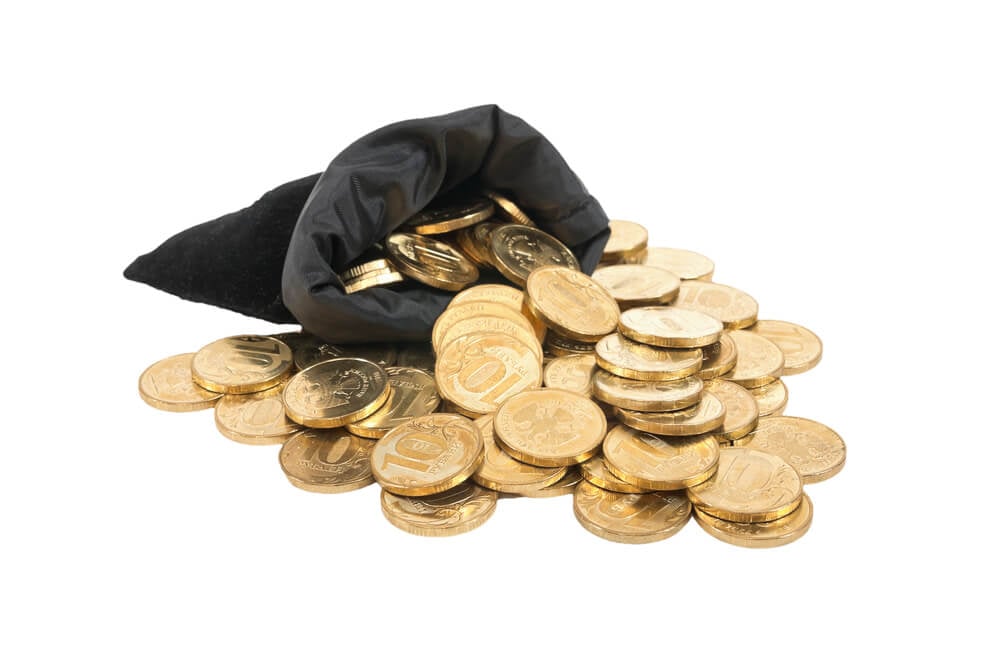
The half dollar is the coin Americans stopped using, and that neglect is why so many of these varieties survived. Nobody spent them, so they sat in drawers, sets and bank vaults for decades. The result is a series where the scarce coins are scattered among billions of common ones rather than locked away.
Checking means a scale, a loupe and a little patience, and most searches end with fifty cents. The payoff comes from the few that do not, whether a missing initial, a clear S, or a 1964 proof with heavy hair. Those coins were there all along for anyone who bothered to look.
More from Go2Tutors!

- The Romanov Crown Jewels and Their Tragic Fate
- 13 Historical Mysteries That Science Still Can’t Solve
- Famous Hoaxes That Fooled the World for Years
- 15 Child Stars with Tragic Adult Lives
- 16 Famous Jewelry Pieces in History
Like Go2Tutors’s content? Follow us on MSN.