The Strangest Things Found on Google Earth
It’s wild how much of the world we can see from a laptop. With Google Earth, people have explored deserts, oceans, and even backyards without leaving their couch.
And the internet never disappoints when it comes to spotting odd stuff. Let’s take a little trip through the weirdest, most unexpected sights that have been discovered on Google Earth.
Desert pattern in China
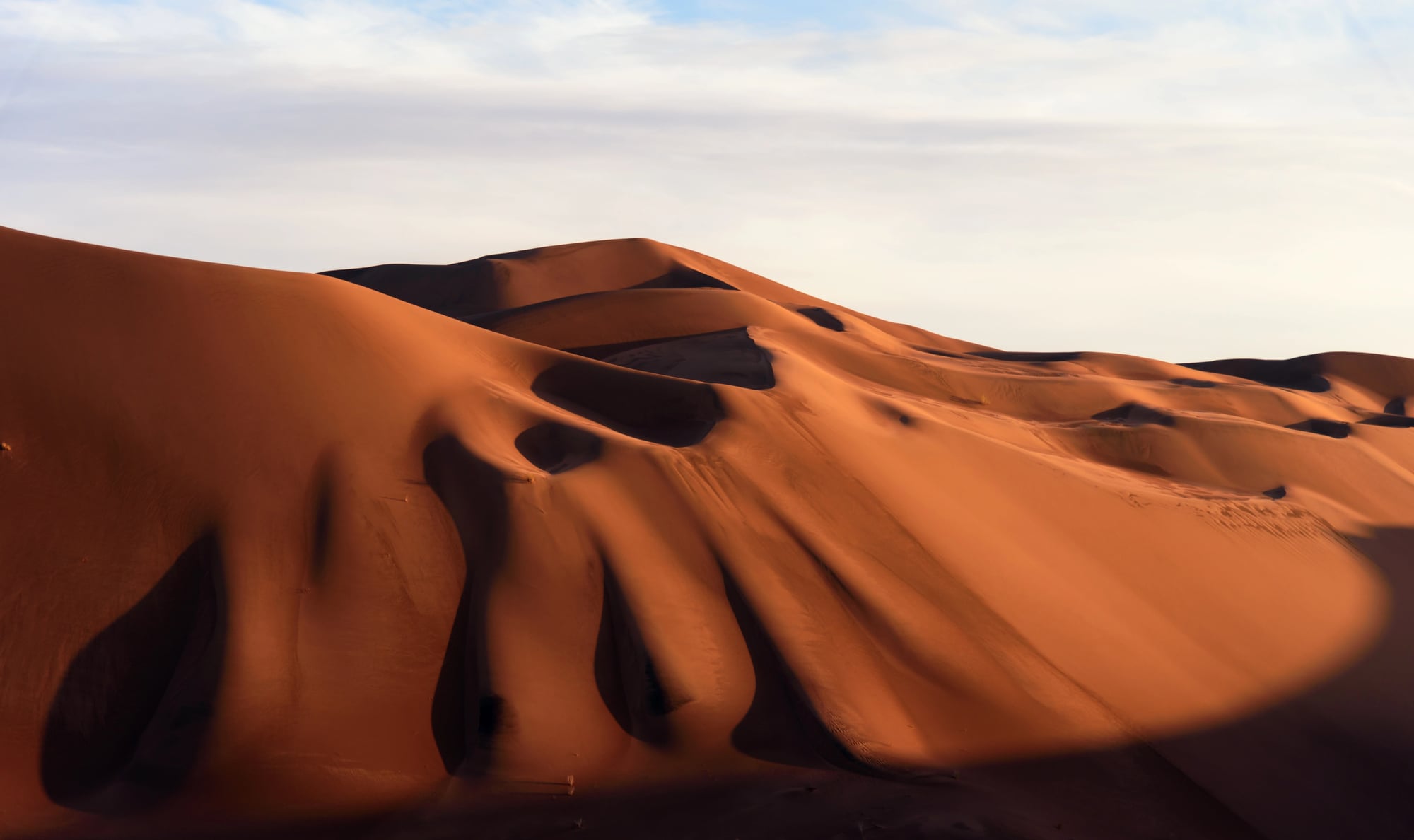
In the Gobi Desert, giant white lines form strange geometric patterns so large they can be seen from space. Some people guessed they were alien runways or secret military testing zones.
They’re actually calibration targets for Chinese satellites, but that doesn’t make them any less mysterious-looking.
A heart-shaped lake in Ohio

Nature occasionally has a soft side, and this small lake in Columbia Station, Ohio proves it. It’s perfectly shaped like a heart, surrounded by green trees and farmland.
Couples even use it as a virtual postcard for Valentine’s Day.
Airplane graveyard in Arizona

Tucson’s Davis–Monthan Air Force Base is home to a massive airplane storage site that looks like an endless parking lot of retired jets. Seen from above, it’s both impressive and eerie.
The dry desert air keeps these metal giants preserved for decades.
The blood-red lake in Iraq

A small lake near Sadr City once appeared bright red on satellite images, shocking everyone who saw it. Some thought it was polluted or dyed on purpose.
Later, experts explained that algae or mineral deposits likely caused the unusual color.
A giant triangle in Australia

Deep in the outback, there’s a huge triangle with a single circle in the middle. It looks like something straight out of a sci-fi movie.
It turned out to be part of an old satellite calibration site, but it’s still a favorite find for curious explorers.
Shipwreck off the coast of Sudan

Near Sudan’s Red Sea coast, the outline of a huge shipwreck rests in shallow water. It’s the SS Jassim, a Bolivian cargo ship that ran aground in 2003.
Over time, it’s become a hauntingly beautiful landmark visible from space.
The giant pink bunny in Italy
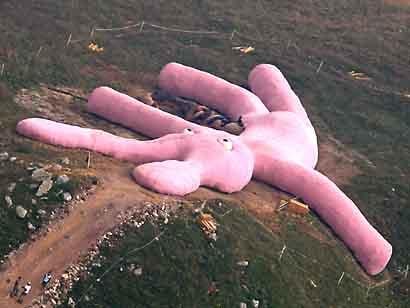
On a hillside in northern Italy, a 200-foot-long pink stuffed rabbit once sprawled out for all to see. It was an art installation built by a group of artists called Gelitin.
The massive bunny eventually faded and fell apart, but for years it looked like a cartoon had crash-landed in the Alps.
A plane in the forest of Oregon

Hidden deep in Oregon’s woods, Google Earth users spotted a passenger plane sitting quietly among the trees. It wasn’t a crash site but rather someone’s home.
A local woman turned an old Boeing 727 into a fully functional house.
A symbol in Nevada desert

In the middle of nowhere in Nevada, there’s a giant circular symbol that sparked plenty of speculation. It looks like something straight out of a spy movie.
It turned out to be an old target range used by the military.
A lake shaped like a giant guitar in Argentina

Near Córdoba, Argentina, a large man-made lake shaped exactly like a guitar catches everyone’s attention. The creator planted thousands of trees to form its outline.
Seen from above, it looks like the land is strumming a tune.
The phantom island that never existed

For years, Google Earth showed a small black island in the South Pacific named Sandy Island. Scientists sailed there in 2012 and found nothing but open ocean.
It was a cartographic mistake that fooled the world for decades.
A ship-shaped building in South Korea

In the coastal town of Jeongdongjin, a hotel built in the shape of a cruise ship sits high on a cliff. It looks like a real vessel frozen mid-sail.
Tourists love visiting just for the surreal photo opportunities.
The ‘badlands guardian’ in Canada

In Alberta, Canada, natural erosion formed the shape of a human head wearing a headdress. From above, it looks like an ancient sculpture carved into the Earth.
The locals call it the Badlands Guardian, though it’s completely natural.
A sea monster in New Zealand

Off the coast of Oke Bay, a strange shadow resembling a massive sea creature stirred up a frenzy online. Some thought it was a giant squid or secret submarine.
Experts later said it was likely a wake left by a boat, but the image still makes people wonder.
The secret Swastika in a U.S. forest

In the 1950s, foresters in Idaho unknowingly planted trees in a pattern that formed a swastika when viewed from above. It went unnoticed for decades until Google Earth made it visible.
Officials later worked to blend it into the surrounding forest to remove the offensive shape.
The enormous Yoda face in France

In a field near Nantes, France, a farmer used different crops to create a portrait of Yoda from Star Wars. It was part of a local festival celebrating pop culture.
The level of detail was so good that people could see it clearly on Google Earth.
The mysterious underwater lines near the Bahamas

Long, straight lines stretch across the ocean floor near the Bahamas, looking like ancient roads or ruins. While conspiracy theories ran wild, scientists explained they were digital artifacts caused by sonar mapping.
Still, the image keeps sparking curiosity.
A volcano erupting in real time
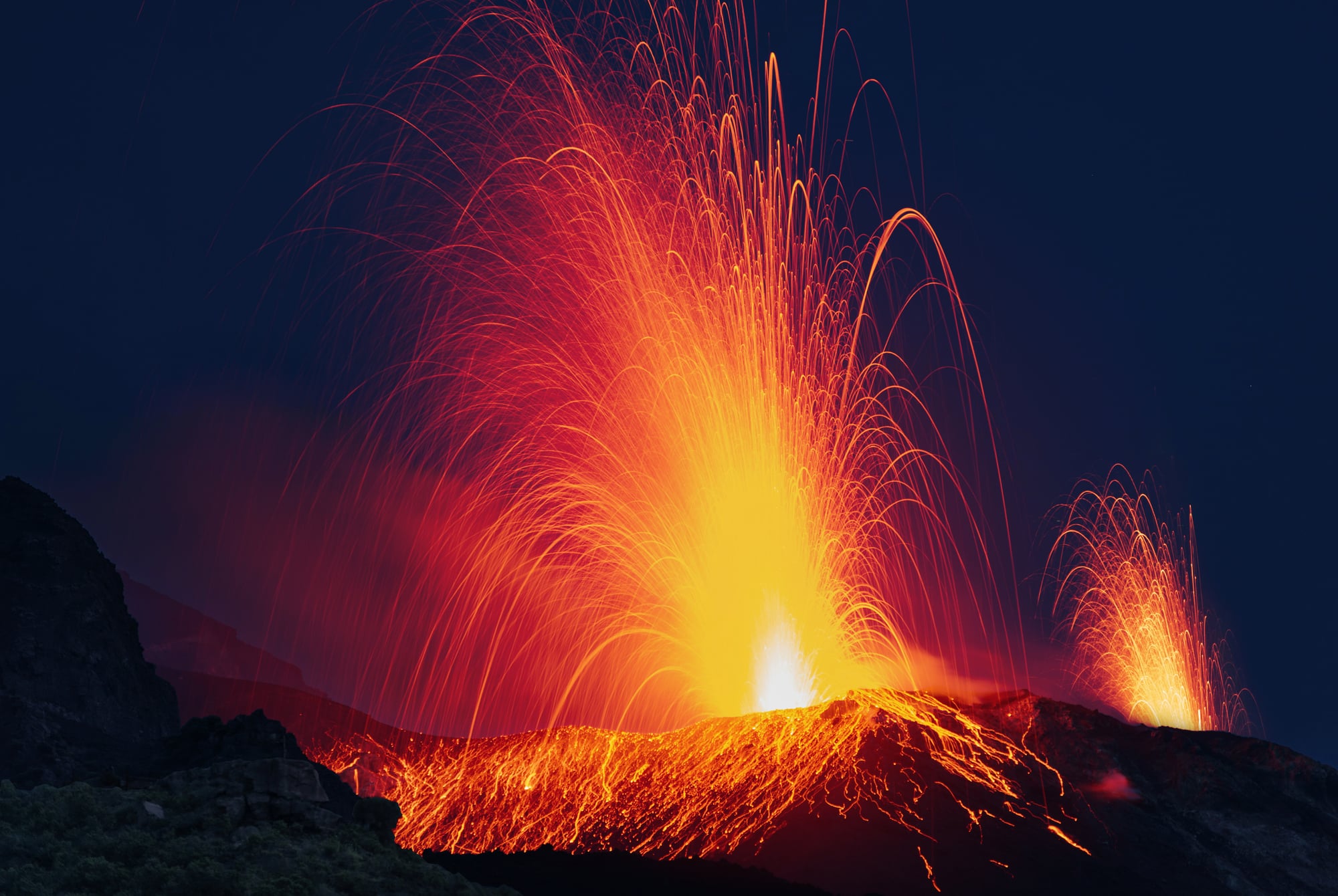
In 2019, Google Earth captured satellite images of a volcanic eruption in Kamchatka, Russia. The dark ash plume could be seen rising from the crater and spreading across the landscape.
It was one of those rare times when nature’s power was caught mid-action.
How the world looks when no one’s watching
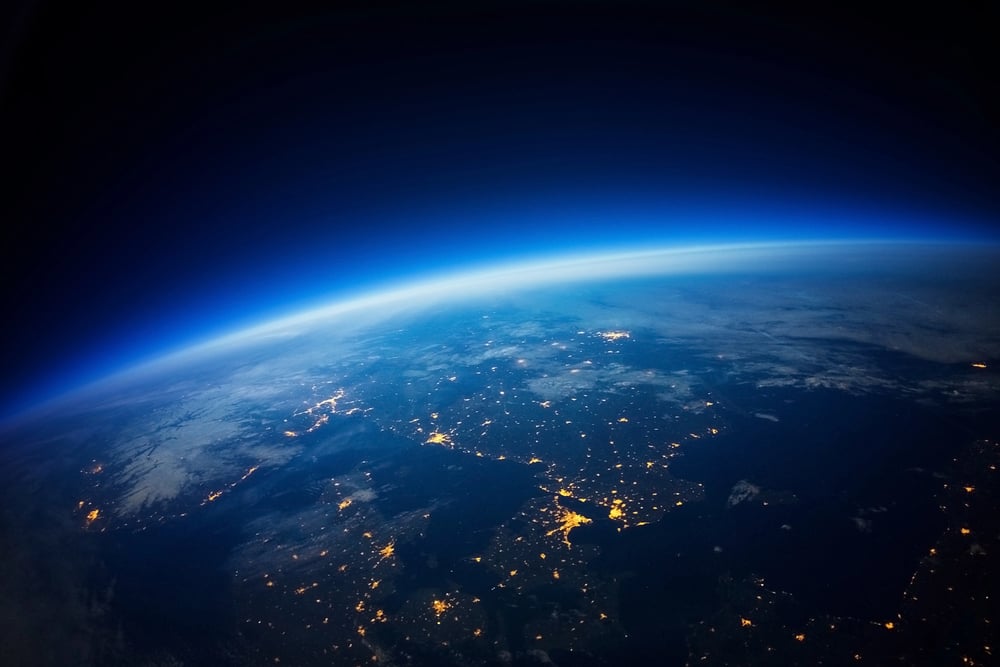
These odd sights remind people how strange and wonderful the planet can be when viewed from above. Google Earth turns the ordinary into the extraordinary, revealing stories hidden in plain sight.
What once took explorers years to uncover can now be found with a few clicks.
More from Go2Tutors!

- The Romanov Crown Jewels and Their Tragic Fate
- 13 Historical Mysteries That Science Still Can’t Solve
- Famous Hoaxes That Fooled the World for Years
- 15 Child Stars with Tragic Adult Lives
- 16 Famous Jewelry Pieces in History
Like Go2Tutors’s content? Follow us on MSN.



