Surprising Facts About Competitive Eaters
Most people picture competitive eaters as large, round-bellied individuals who simply eat more than everyone else. That image is mostly wrong.
The world of competitive eating is stranger, more athletic, and far more calculated than it looks from the outside — and the people who do it well tend to defy almost every assumption you’d make about them.
Many of the Best Eaters Are Surprisingly Thin

This catches most people off guard. Some of the top competitive eaters in the world are lean, even wiry.
The reason comes down to stomach mechanics. A body with less abdominal fat gives the stomach more room to physically expand.
Competitive eaters train their stomachs to stretch far beyond normal capacity, and that process works better when there’s space for it to happen.
They Actually Train
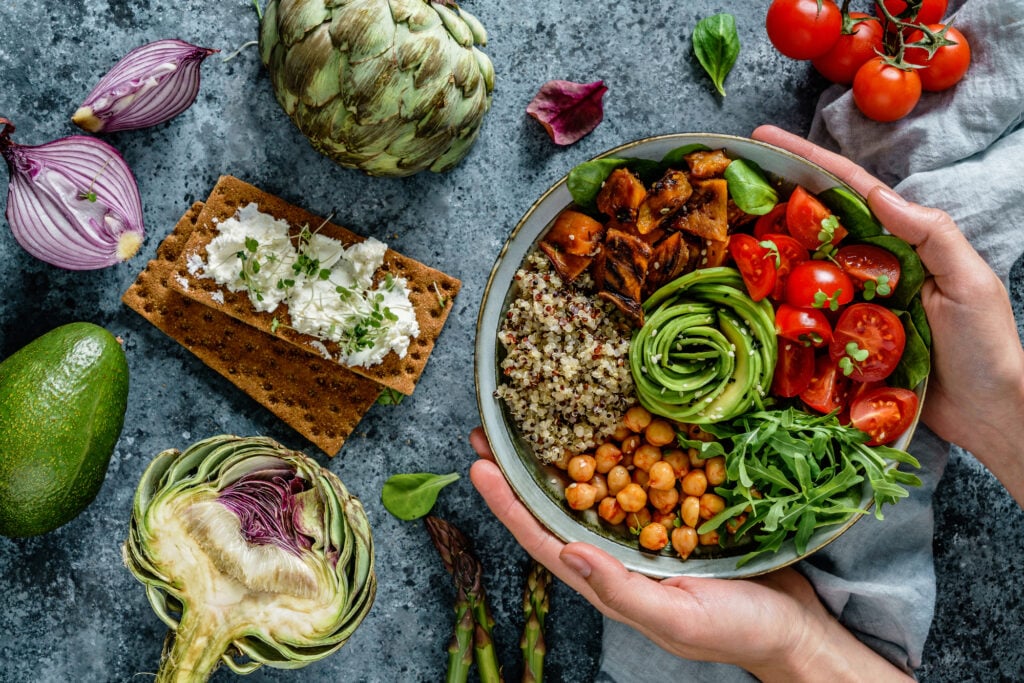
Competitive eating isn’t just showing up and going to town. Serious competitors train regularly, often using large quantities of water, low-calorie vegetables, or watermelon to stretch the stomach without taking in massive amounts of food.
The training is deliberate and progressive — the same way a runner builds up mileage. Some train daily.
Others follow strict weekly schedules in the off-season.
The Stomach Can Expand to Many Times Its Resting Size
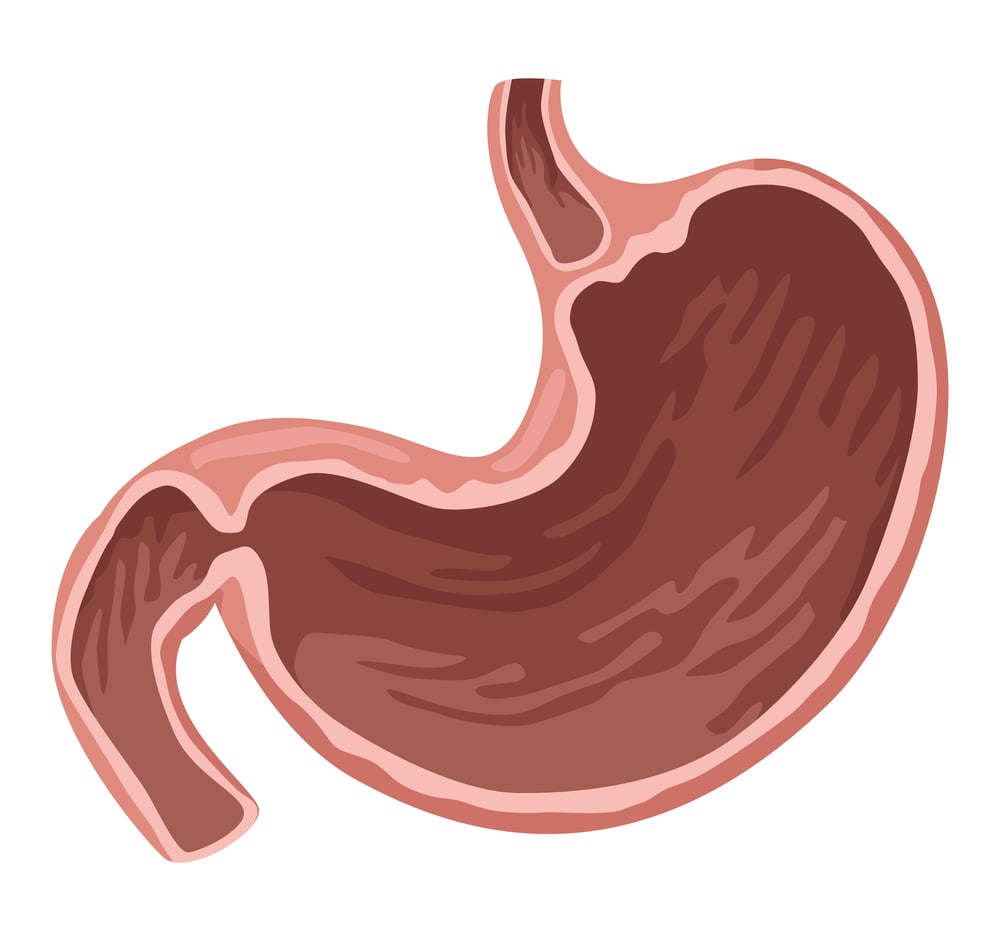
At rest, a human stomach holds roughly one liter. Trained competitive eaters can push that to four, five, or even more liters.
The stomach is a muscle, and like other muscles, it responds to consistent stress by adapting. The upper digestive tract becomes more tolerant of extreme volume over time — though researchers still debate the long-term effects of doing this repeatedly.
Speed Is the Real Skill

Eating competitions are almost always timed. That means raw capacity isn’t the whole story — eaters have to get food in fast.
The technique matters enormously. Watch experienced competitors and you’ll notice specific methods: breaking food into smaller pieces, timing swallows, managing breathing, using liquid to help push food down.
It’s closer to a sport with technique requirements than it is to just eating a lot.
Joey Chestnut’s Records Are Hard to Believe

Joey Chestnut has dominated competitive eating for years in a way that has no real parallel in other sports. His record at Nathan’s Famous Hot Dog Eating Contest stands at 76 hot dogs and buns in ten minutes.
He holds dozens of world records across different foods. The consistency of his dominance — year after year, across different types of competitions — puts him in a category of his own.
Women Compete at the Highest Levels

The competitive eating world has serious female competitors who hold world records and regularly beat male competitors. Miki Sudo is one of the most decorated competitive eaters of all time, male or female.
The assumption that this is a male-dominated sport where women don’t stand a chance doesn’t hold up when you look at the actual results.
Some Competitors Have Backgrounds in Other Sports
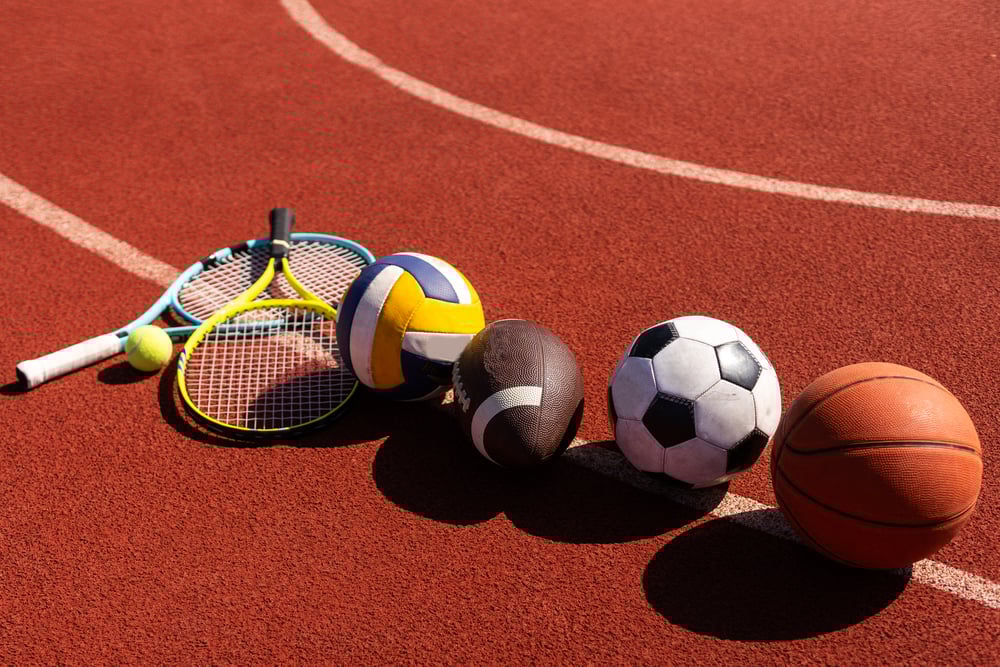
A number of competitive eaters were athletes first. Former football players, wrestlers, and endurance athletes have found success on the circuit.
The discipline, physical conditioning, and mental toughness that competitive sports build translate more directly to competitive eating than you’d expect.
The Prize Money Is Smaller Than You Think

For most competitors below the very top tier, competitive eating doesn’t pay particularly well. The biggest events offer real money — Nathan’s Famous pays out tens of thousands of dollars — but most regional contests offer much smaller prizes, gift cards, or just trophies.
Most competitive eaters keep regular jobs. It’s a side pursuit for the majority of people on the circuit.
There Are Hundreds of Official Competitions a Year

Major League Eating, the main governing body, sanctions competitions across the United States throughout the year. These events cover everything from hot dogs and pizza to tamales, oysters, and deep-fried asparagus.
The variety is vast, and the circuit functions like a real professional sports league — with rankings, qualifying events, and a season structure.
The Mental Game Is Real

Eating large quantities of food quickly is genuinely uncomfortable, even for trained competitors. Managing the urge to slow down, dealing with physical discomfort, and staying focused during a competition requires mental toughness.
Experienced eaters talk about this directly — the last few minutes of a ten-minute contest are brutal, and staying composed when your body is screaming at you to stop is a skill in itself.
Some Competitors Have Unusually Fast Digestive Systems
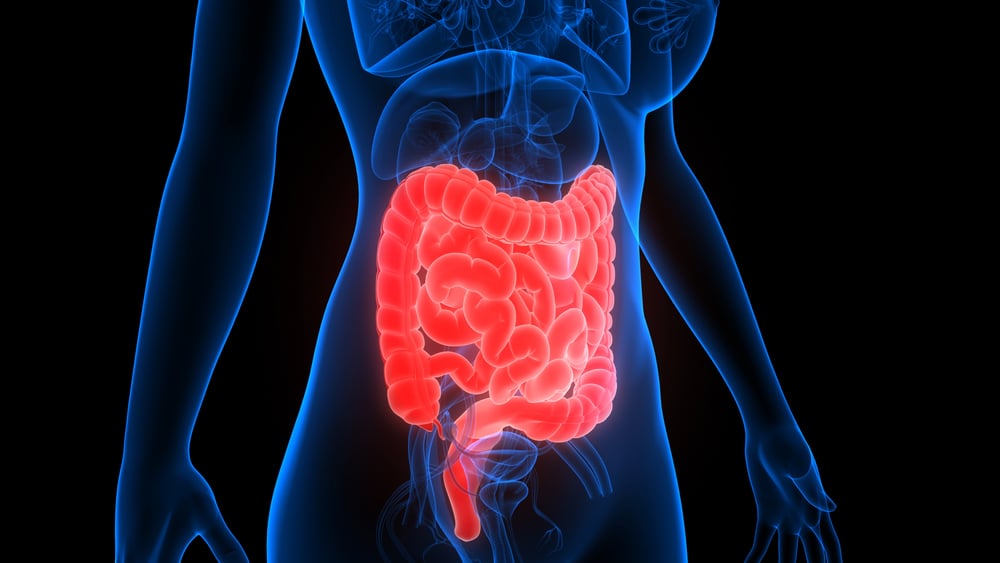
Research on elite competitive eaters has found that some of them process food faster than average. The stomach empties into the small intestine more quickly in certain individuals, which helps clear space during a long competition.
Whether this is innate or develops through training isn’t fully understood, but it appears to be a real physiological advantage.
Recovery Takes Longer Than the Competition

Minutes decide the match. Yet hours pass before things feel right again.
After big events, regular eating stops – sometimes one full day, sometimes two. The stomach is still working through what it took in, so hunger just does not show up.
Days might go by with a strange weight inside, like balance lost somehow. A few say their bodies protest long afterward if the challenge was too extreme.
The Sport And Its Odd Connection To Food
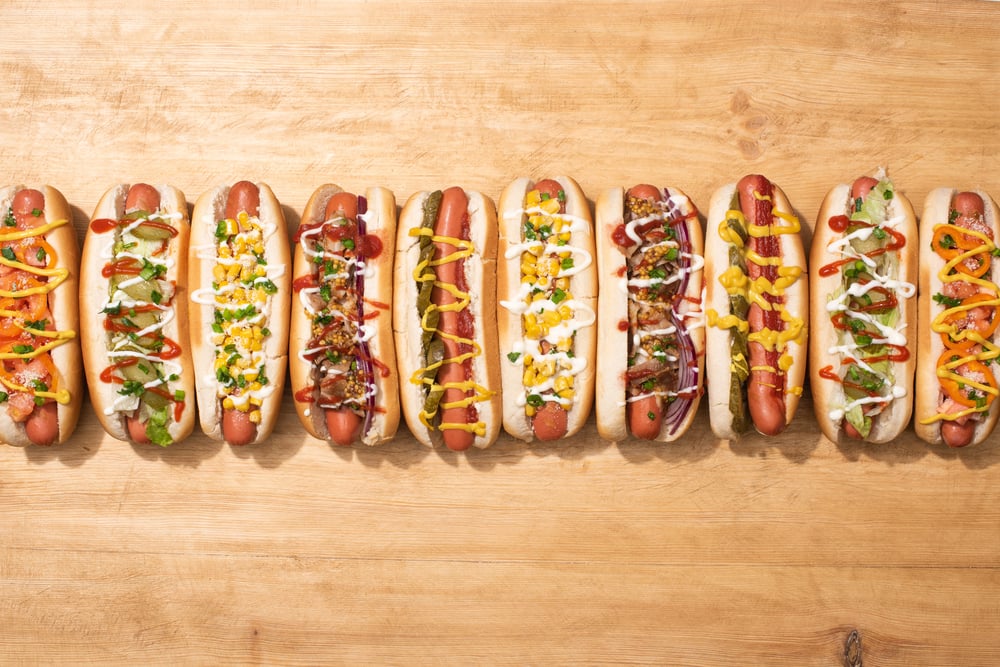
Most top contest eaters pay close attention to meals when not competing. Often they track nutrition, move regularly, keep energy balanced ahead of big days.
Contrary belief – that these folks ignore limits – misses how disciplined many actually are. Reality shows precision, not chaos, shapes their daily habits.
The Jaw and Neck Muscles Work During Movement

Gobbling down large amounts fast really strains the jaw. For some contests, chew power matters – athletes even condition those mouth muscles on purpose.
Tough cuts of meat? Foods needing lots of chews? They wear their jaws out quickly.
You might laugh, yet in these events, tired jaws can decide who wins. Lasting long isn’t just about stomach space.
When Hunger Isn’t the Reason

What feels odd about competitive eating is how little hunger matters. Not showing up famished is common among those who compete – instead, some skip meals just beforehand, yet nobody aims to come ravenous.
For the stomach to stretch well, it mustn’t be tight from emptiness. That growling feeling most know? It hardly affects what an experienced eater can pack in.
A Different Kind of Human Limit

Strange how a stomach can become stage and lab at once. Not built for gallons of pickles stuffed down in minutes, still bodies adapt when will meets weird biology.
Some eaters stretch limits while science scratches its head. Each record cracked leaves experts guessing just how far it might go.
Limits shift without warning.
More from Go2Tutors!

- The Romanov Crown Jewels and Their Tragic Fate
- 13 Historical Mysteries That Science Still Can’t Solve
- Famous Hoaxes That Fooled the World for Years
- 15 Child Stars with Tragic Adult Lives
- 16 Famous Jewelry Pieces in History
Like Go2Tutors’s content? Follow us on MSN.