Most Haunted Places in the US
Something about old buildings and tragic histories just pulls at people. Maybe it’s curiosity. Maybe it’s the thrill of wondering what happens after death.
Whatever the reason, certain places across America have earned reputations that refuse to fade—places where visitors report unexplained sounds, shadows that move on their own, and feelings they can’t quite shake. These locations share something beyond their ghost stories.
They carry weight. Real events happened within their walls, and whether you believe in spirits or not, standing in these spaces feels different.
The air feels heavier. Your mind starts playing tricks, or maybe it doesn’t.
The Stanley Hotel, Colorado

Stephen King stayed here once and couldn’t sleep. Room 217 kept him up all night, and he left with the idea for The Shining.
The hotel sits in Estes Park, built in 1909, and guests still request that room specifically—even though King actually wrote about the Overlook Hotel, not this one. But the Stanley has its own stories.
Children laugh in the empty ballroom. Piano music drifts from the music room when no one’s there.
The fourth floor bothers people the most, especially the area where staff used to live. Something about those hallways makes visitors turn around before reaching the end.
Eastern State Penitentiary, Pennsylvania

This prison operated from 1829 to 1971, and it pioneered solitary confinement. The idea was isolation would make criminals repent, but it drove many of them to madness instead.
Al Capone spent time here, and supposedly his cell is one of the most active spots for paranormal activity. The cell blocks stretch out like spokes on a wheel, and each one feels wrong in its own way.
Shadow figures dart between cells. Voices echo down empty corridors.
Guards who worked there before it closed reported seeing prisoners who weren’t actually there—prisoners who’d died decades earlier. Walking through the penitentiary now, you can still see the cells exactly as they were.
Tiny spaces with nothing but a bed and a pit in the floor. The building has been abandoned long enough that nature is taking it back, but something else lingers too.
The Myrtles Plantation, Louisiana

Built in 1796, this plantation claims to sit on a Native American burial ground. At least twelve people have died here, though the actual number probably goes higher.
The most famous ghost is Chloe, an enslaved woman who allegedly poisoned two children with a birthday cake. Visitors photograph a figure in a green turban standing between the buildings, always in the same spot.
The mirror in the house supposedly holds the spirits of Sara Woodruff and her children—they died from poison, and according to legend, someone forgot to cover the mirrors as was customary. Now visitors see handprints that appear on the glass even after cleaning.
Winchester Mystery House, California

Sarah Winchester, heir to the rifle fortune, believed she was haunted by the spirits of people killed by Winchester rifles. A medium told her to keep building onto her house to confuse the ghosts, so she did—for 38 years straight.
Construction never stopped until the day she died. The house sprawls across several acres now, a maze of 160 rooms with stairs that lead to ceilings, doors that open to walls, and hallways that twist back on themselves.
Sarah held seances in a special room designed with one entrance but multiple exits—supposedly so spirits could leave. Whether the building actually hosts spirits or whether it’s just unsettling by design, visitors report strange sensations.
Footsteps overhead when you’re on the top floor. Doorknobs turning on their own.
Cold spots that don’t make sense given the California weather.
The Queen Mary, California
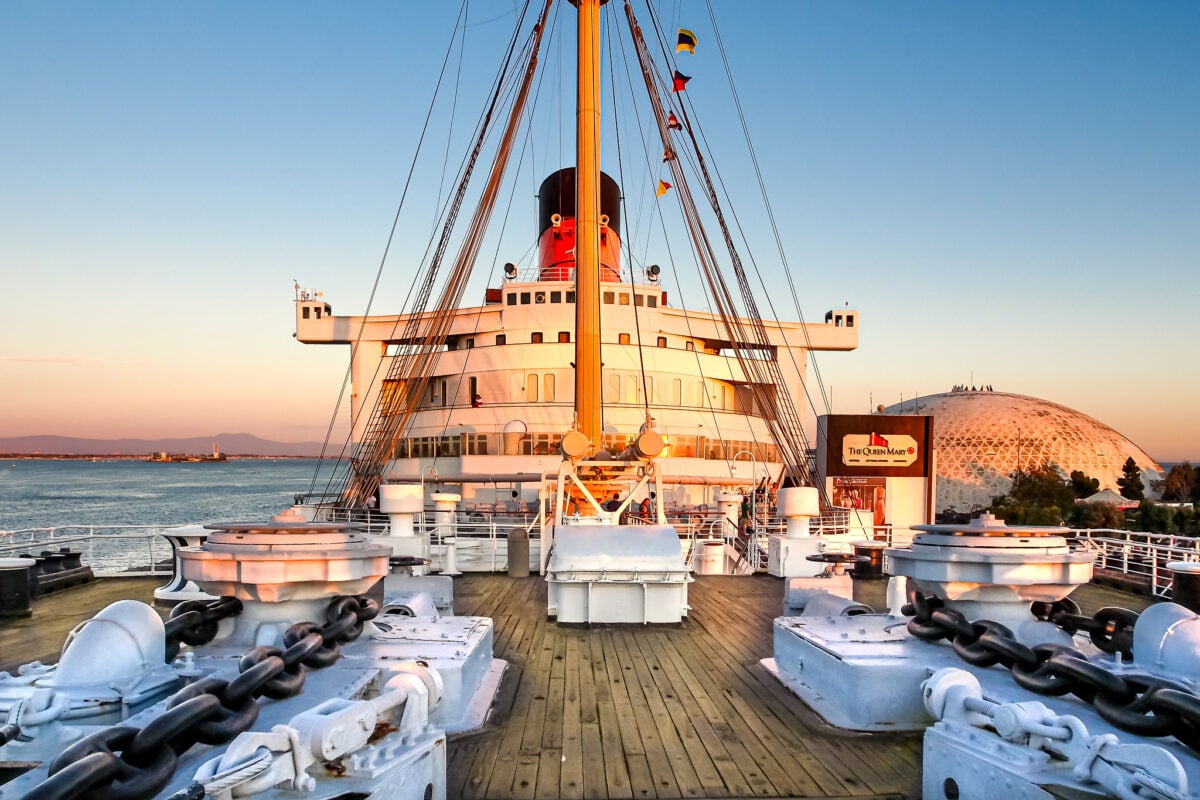
This luxury ocean liner sailed from 1936 to 1967 before becoming a floating hotel in Long Beach. During World War II, it served as a troop transport ship, and hundreds of soldiers died aboard from diseases and accidents.
The most famous incident involved the Queen Mary accidentally ramming and sinking one of its escort ships, killing over 300 men. Now the ship hosts tourists, but staff and guests report activity throughout.
The pool area, where two women drowned years apart, sees wet footprints appear on the deck. Engine Room 13 is notorious—a crew member was crushed to death there, and people report feeling watched, touched, and chased out of the space.
The first-class suites have their own stories. Room B340 was closed for years because too many guests refused to stay the night.
They’d report someone watching them sleep, or they’d wake up to the sensation of being held underwater.
Waverly Hills Sanatorium, Kentucky

Tuberculosis killed thousands here between 1910 and 1961. At its peak, one person died every hour.
The disease had no cure back then, and treatments ranged from experimental to brutal. Patients often died alone in rooms that overlooked rolling hills—a view that did nothing to ease their suffering.
The body chute, officially called the death tunnel, runs 500 feet from the main building down to the railroad tracks. Staff used it to remove corpses without upsetting the living patients.
Now it’s one of the most active spots for paranormal reports. People hear their names whispered.
They see figures standing in the tunnel watching them. Room 502 housed two nurses who both died there—one from tuberculosis, one under mysterious circumstances.
Visitors to that room report overwhelming sadness that turns into something darker. Some leave crying.
Others leave angry without understanding why.
Alcatraz Island, California

The prison closed in 1963, but you can still tour the cells where America’s most dangerous criminals lived. Al Capone spent time here too, and guards reported hearing banjo music coming from the shower room—where Capone used to practice—long after he was transferred.
Cell 14D in Block D is known as the pit. Inmates sent there for punishment reportedly never came out the same.
Some claimed something evil lived in that cell with them. A prisoner sent there in the 1940s screamed all night that something with glowing eyes was killing him.
When guards checked on him the next morning, they found him dead with unexplained marks around his throat. Tour guides and park rangers working there report cell doors slamming shut on their own.
They hear voices and cry from empty cells. The smell of smoke appears in areas where no one has smoked in over 60 years.
St. Augustine Lighthouse, Florida

This lighthouse has stood since 1874, built to replace an earlier one that collapsed into the ocean. During construction, three young girls drowned when their cart rolled into the water.
Visitors and keepers report hearing children’s laughter near the top of the lighthouse and seeing girls in period clothing on the grounds. The head keeper’s daughters, who died in that accident, allegedly still play on the property.
Staff members find toys moved from where they left them. The girls supposedly appear at the top of the lighthouse during tours, visible only in photographs.
But the children aren’t the only presence here. A tall figure in a blue jacket walks the catwalks around the light.
Keepers have reported this figure for over a century, always wearing the same clothes, always disappearing when approached.
The White House, Washington D.C.

Yes, that White House. Multiple presidents, staff members, and guests have reported paranormal activity.
Abraham Lincoln’s ghost appears most frequently—Eleanor Roosevelt claimed to sense his presence, and Winston Churchill allegedly saw Lincoln standing by his bed during a visit. Abigail Adams supposedly hangs laundry in the East Room, where she used to dry clothes when she lived there.
The smell of old soap appears when she’s around. Andrew Jackson’s presence reportedly lingers in the Rose Room, accompanied by the sound of his laughter and swearing.
Guards hear music from the 1800s coming from empty rooms. Doors lock and unlock without anyone touching them.
The building has enough history and enough tragedy that it’s impossible to separate legend from truth anymore.
The Villisca Axe Murder House, Iowa

In 1912, someone murdered eight people in this house with an axe—six children and two adults. The killer was never caught, and the case remains unsolved.
The house sat empty for years before becoming a tourist attraction, but most people who stay overnight don’t make it until morning. Paranormal investigators report aggressive activity.
Equipment fails for no reason. People feel pushed, scratched, and followed. Children’s voices call out in the darkness, asking for help that never came over a century ago.
The attic, where the killer supposedly hid before attacking, feels wrong to everyone who climbs up there. Some visitors report seeing the outline of a man holding something long and heavy.
Others just leave because the fear becomes too much.
The Lizzie Borden House, Massachusetts

Lizzie Borden took an axe. You know the rhyme.
In 1892, someone killed her father and stepmother with a hatchet in this house. Lizzie was tried and acquitted, but she lived under suspicion for the rest of her life.
Now you can tour the house or even spend the night in the same rooms where the murders happened. Guests report hearing footsteps on the stairs.
Doors open and close. Someone pulls the covers off beds while people sleep.
The most common experience involves feeling watched—an intense sensation that someone stands just behind you, just out of sight. The basement, where Lizzie allegedly burned a dress after the murders, bothers people the most.
Cold spots appear down there even in summer. Some visitors report seeing a woman in a long dress at the bottom of the stairs, watching them with an expression they can’t quite read.
The Sallie House, Kansas

This small house in Atchison looks ordinary from the outside, but the family who lived here in the 1990s documented some of the most extreme paranormal activity ever recorded. Toys moved on their own.
Objects flew across rooms. The husband reported being scratched and pushed by invisible hands.
The entity supposedly responsible is a girl named Sallie who died during a botched medical procedure in the house when it served as a doctor’s office. But investigators say something darker than a child spirit lives there—something that pretends to be a child but isn’t.
Most visitors leave within an hour. The few who stay longer report psychological effects that last for days. Nightmares. Paranoia.
A feeling of being followed even after leaving the property.
Trans-Allegheny Lunatic Asylum, West Virginia

This asylum opened in 1864 and was designed to house 250 patients. At its peak, it held over 2,400.
The overcrowding led to terrible conditions—patients sleeping in hallways, violent restraints, treatments that caused more harm than healing. It closed in 1994, but the building remains as a dark monument to how society once treated mental illness.
The fourth floor, known as the violent ward, housed patients who posed dangers to themselves or others. Tour guides refuse to go up there alone.
Visitors report being touched, hearing screams, and seeing figures that disappear around corners. One of the most documented spirits is a woman named Lily who supposedly died during childbirth in the asylum.
She appears in the old nursery area, and paranormal investigators report having full conversations with her through various equipment.
Dock Street Theatre, South Carolina
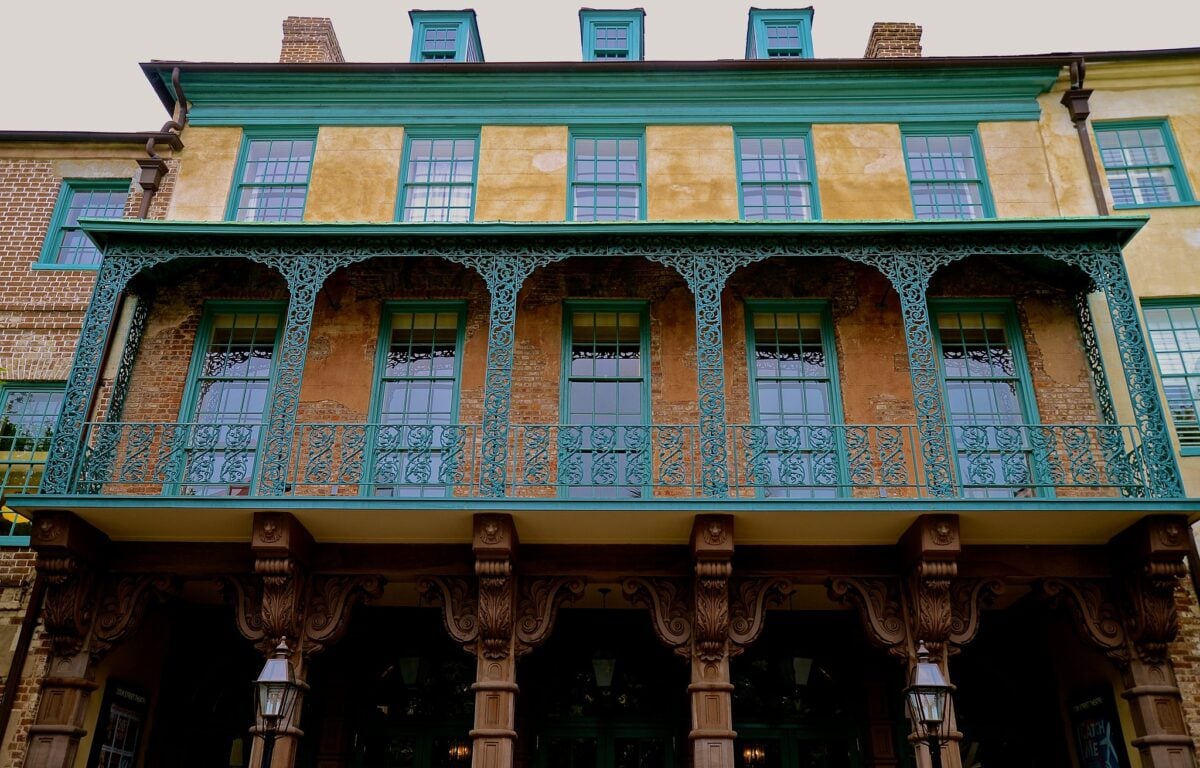
Charleston’s first theater stands on the site of what was once the Planters Hotel. A woman named Nettie supposedly worked as a servant there and fell from the second floor—though some versions of the story suggest she jumped.
Now she appears in a red dress on the upper balcony, watching performances and rehearsals. The theater manager, a man named Junius Brutus Booth, also lingers.
Staff report seeing him in period clothing, always near the stage, always vanishing when directly approached. Actors performing here often report feeling someone watching from the wings during shows.
The most unsettling reports come from the second floor dressing rooms. Lights flicker on and off. Costumes move from where they were hung.
The smell of old perfume fills the air for no apparent reason. During renovations in the 1930s, workers refused to stay on the second floor alone.
When History Refuses to Let Go

These places exist in a space between past and present. Whether you believe the stories or not, standing in these locations does something to you.
Maybe it’s a suggestion. Maybe it’s the weight of knowing what happened there.
Or maybe some events leave marks that don’t fade with time—echoes that persist long after the original sound has died. The people who visit these sites aren’t all believers.
Many come as skeptics. But something about walking through a room where someone died, or standing in a cell where a person went mad, changes the way you think about places and time.
The stories continue because the places themselves demand them. They refuse to be forgotten.
More from Go2Tutors!

- The Romanov Crown Jewels and Their Tragic Fate
- 13 Historical Mysteries That Science Still Can’t Solve
- Famous Hoaxes That Fooled the World for Years
- 15 Child Stars with Tragic Adult Lives
- 16 Famous Jewelry Pieces in History
Like Go2Tutors’s content? Follow us on MSN.



