28 School Cafeteria Changes Across the Past Century
The American school lunch line looks nothing like it did a hundred years ago, and the trays are only part of the story. Behind every scoop of mashed potatoes sits a pile of federal law, farm politics, court fights, and the occasional public embarrassment.
Some changes arrived with a signing ceremony and a presidential speech. Others crept in through spending bills, rule changes, and a pandemic. Together they explain why a cafeteria tray is one of the most heavily regulated meals in the country.
Depression-Era Surplus Food Became School Lunch
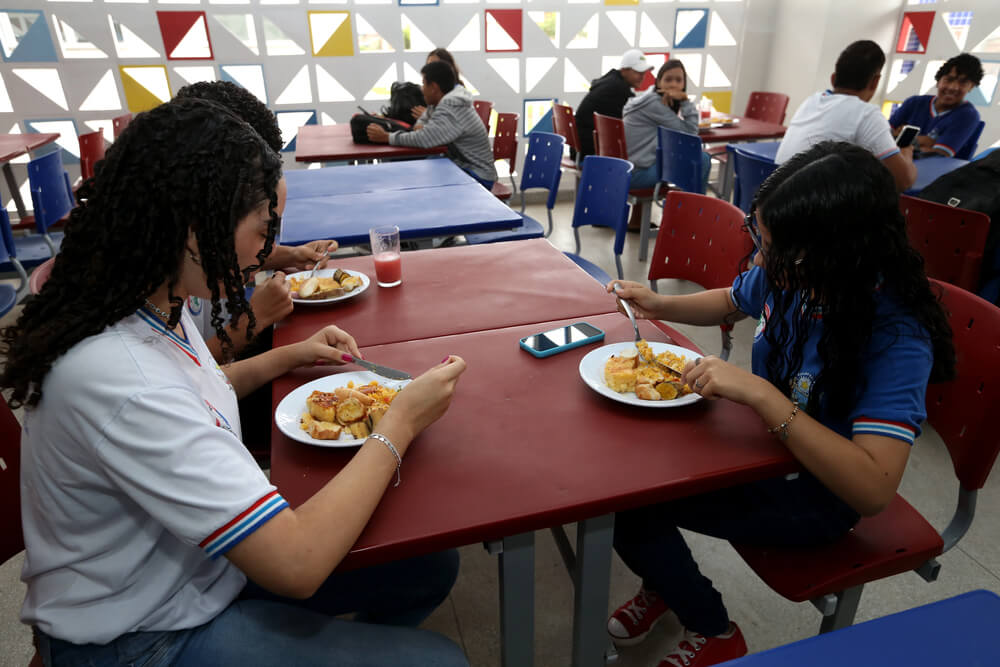
During the 1930s, the federal government bought surplus farm products to prop up prices and began sending them to schools. Relief programs paid unemployed women to cook and serve the meals, which put two problems on the same lunch tray. School lunch began as much a farm policy as a nutrition policy. That origin story still shapes which foods show up in cafeterias today.
The National School Lunch Act Made Lunch Permanent
President Harry Truman signed the National School Lunch Act on June 4, 1946, creating a lasting federal program with funds sent to the states. Supporters pointed to the large number of young men turned away from military service during the war for health problems tied to poor diets. Congress later renamed the law in honor of Senator Richard B. Russell of Georgia, its leading sponsor. The program has operated ever since.
Special Milk Program Put a Carton in Every Hand

Congress created the Special Milk Program in 1954, reimbursing schools for milk served to children. The program helped move surplus dairy products while building a daily habit that still defines the cafeteria tray. Today it serves mainly schools and institutions that do not take part in other federal meal programs. The milk carton remains one of the few cafeteria items nearly every former student can picture.
National School Lunch Week Got a Presidential Proclamation
In 1962, President John F. Kennedy issued a proclamation setting aside a week to recognize the lunch program. The observance has continued each year, and Congress later set it for the second week of October. Schools mark it with themed menus, decorated lunchrooms, and thank-you notes for cafeteria staff. It is a rare holiday built entirely around the people behind the serving line.
The Child Nutrition Act Opened the Door to School Breakfast
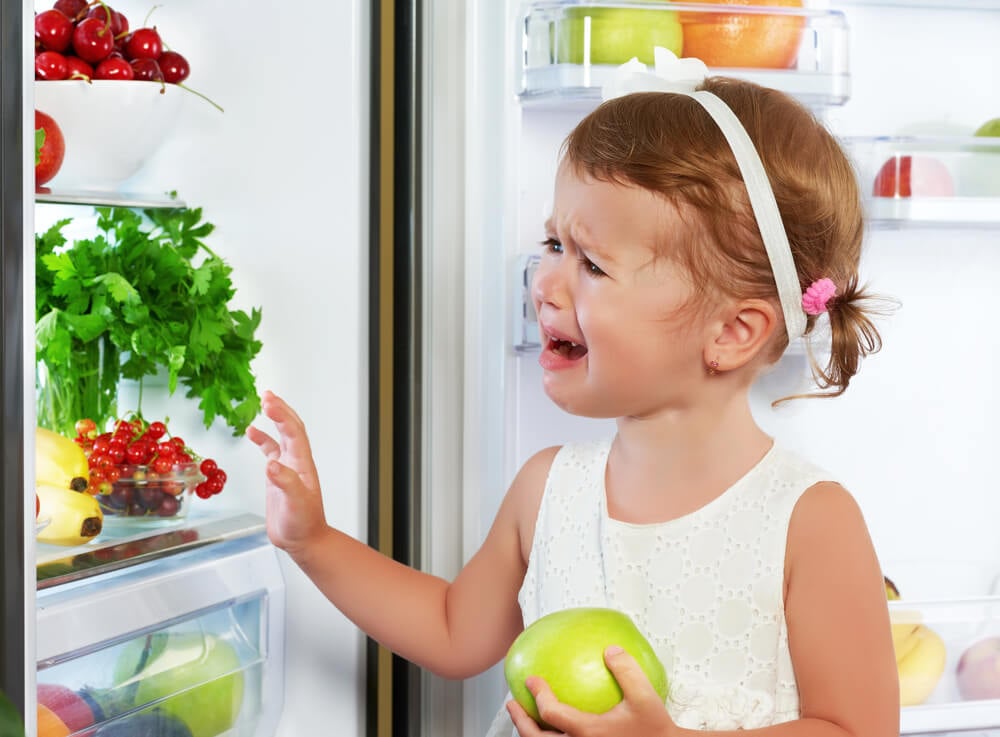
The Child Nutrition Act of 1966 created a pilot School Breakfast Program aimed at schools serving especially needy areas. Breakfast then spent nearly a decade as a temporary experiment. Congress made the program permanent in 1975, and it has since grown into a major part of the school day. For many students, the cafeteria stopped being a noon stop and became the first meal of the morning.
National Eligibility Standards Set the Rules for Free Lunch

A 1970 law required national eligibility standards for free and reduced-price lunches, replacing a patchwork of local decisions. Before then, schools could apply different rules, and some children who needed meals fell through the cracks. The change gave families a uniform income-based test to follow across state lines. It is the foundation of the free and reduced-price system still in use.
A 1979 Rule Targeted Soda and Candy

In 1979, the Department of Agriculture issued rules restricting the sale of certain low-nutrition items, including soda, water ices, chewing gum, and some candies, during meal periods. Industry groups sued, and a court later narrowed the rule to the areas where meals were served. The fight showed how contested the cafeteria’s edges could be. Vending machines in hallways stayed largely outside federal reach for decades.
Ketchup Became the Most Mocked Vegetable in America
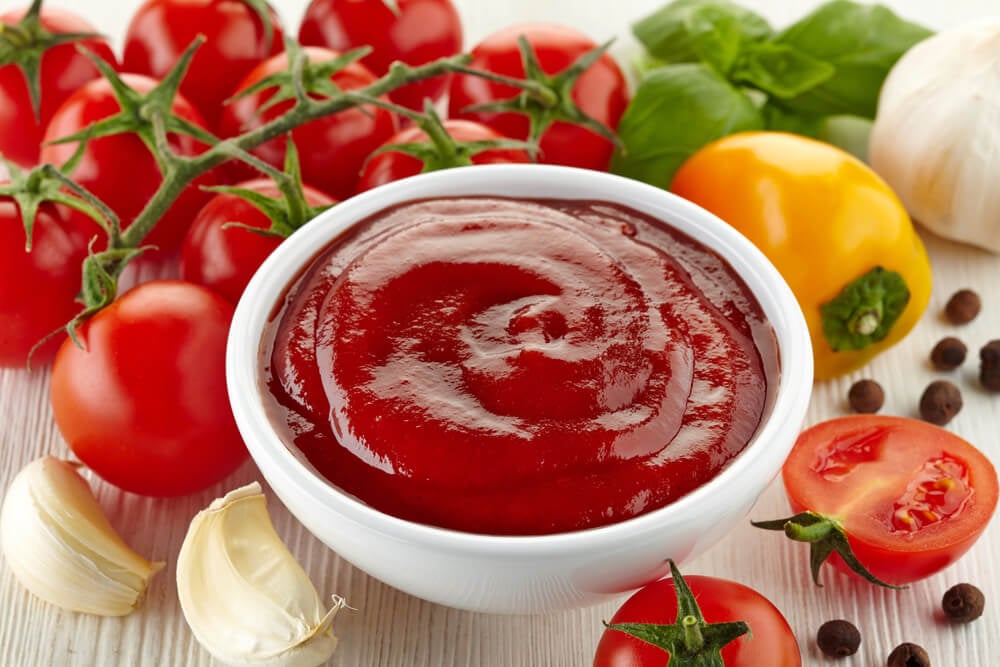
In September 1981, the Reagan administration proposed new meal pattern rules that would have counted condiments such as ketchup and pickle relish toward the vegetable requirement. The backlash was immediate, and the idea was withdrawn within days. The episode became shorthand for cost-cutting at the expense of children. Decades later, it still gets dragged back into nearly every debate over school meals.
The School Meals Initiative Brought in Dietary Guidelines
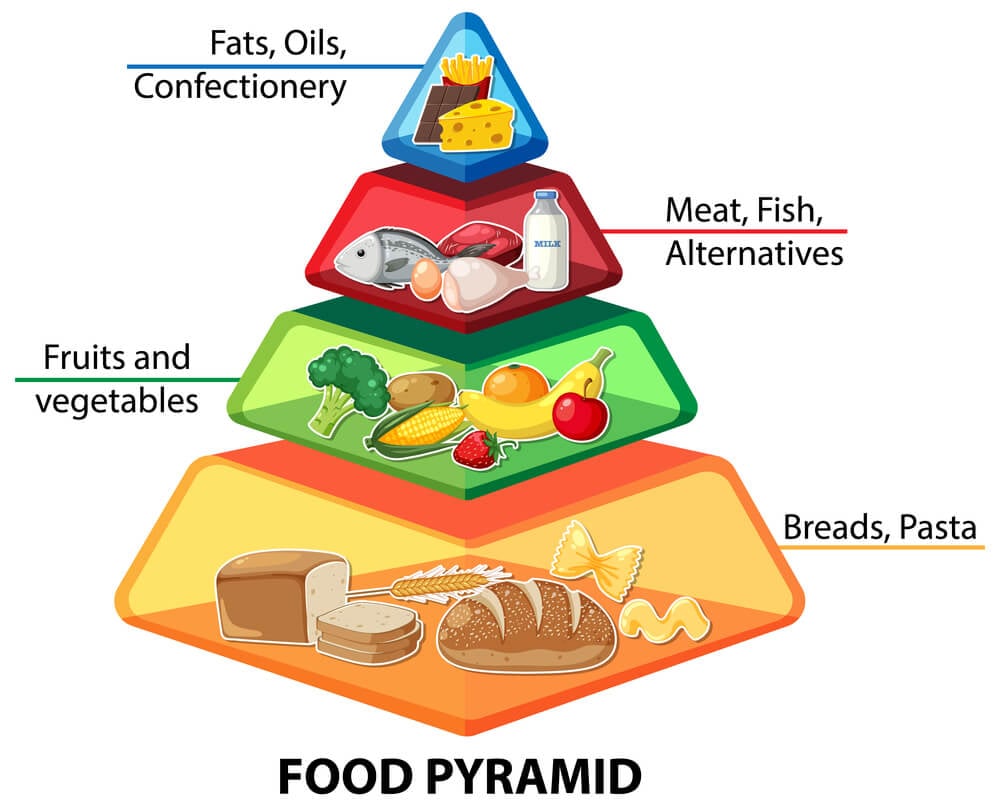
The Healthy Meals for Children Act of 1994 led to the School Meals Initiative for Healthy Children, launched in 1995. Schools were asked to meet federal dietary guidelines, including limits of no more than 30 percent of calories from fat and under 10 percent from saturated fat. Nutrient analysis of menus became part of a cafeteria manager’s job. It marked the first time lunch was measured against nutrient goals rather than only food groups.
The Edible Schoolyard Put a Garden Beside the Cafeteria
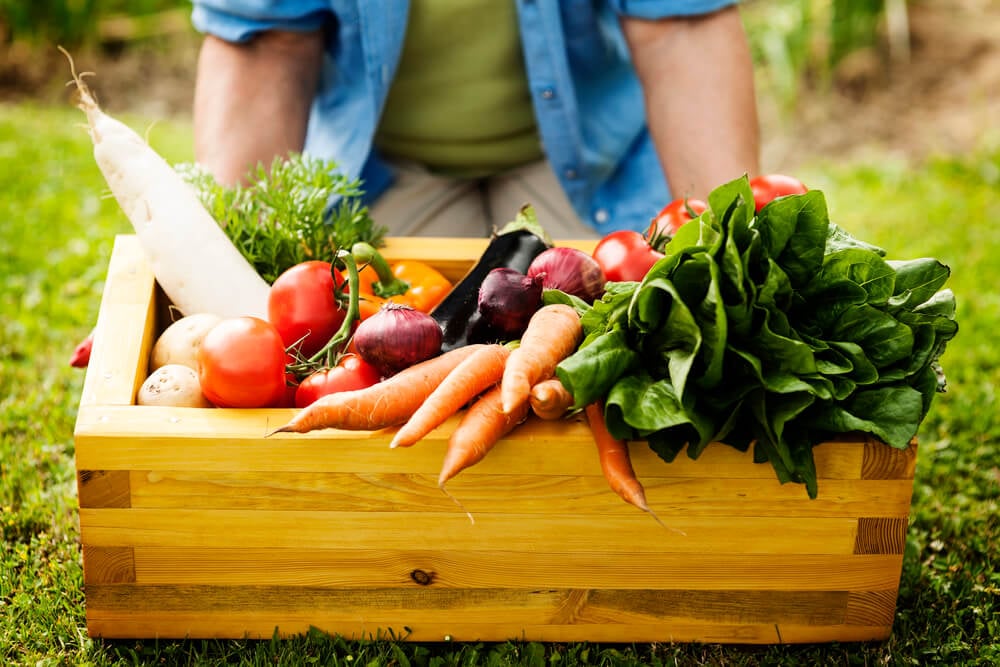
In 1995, chef Alice Waters helped launch the Edible Schoolyard at Martin Luther King Jr. Middle School in Berkeley, California. Students grew vegetables and herbs in a garden and cooked with them in a teaching kitchen. The project helped spark a national school garden movement that linked classroom lessons to what showed up on trays. It argued that cafeteria change could start in the dirt.
Fresh Fruit and Vegetable Snacks Reached the Classroom
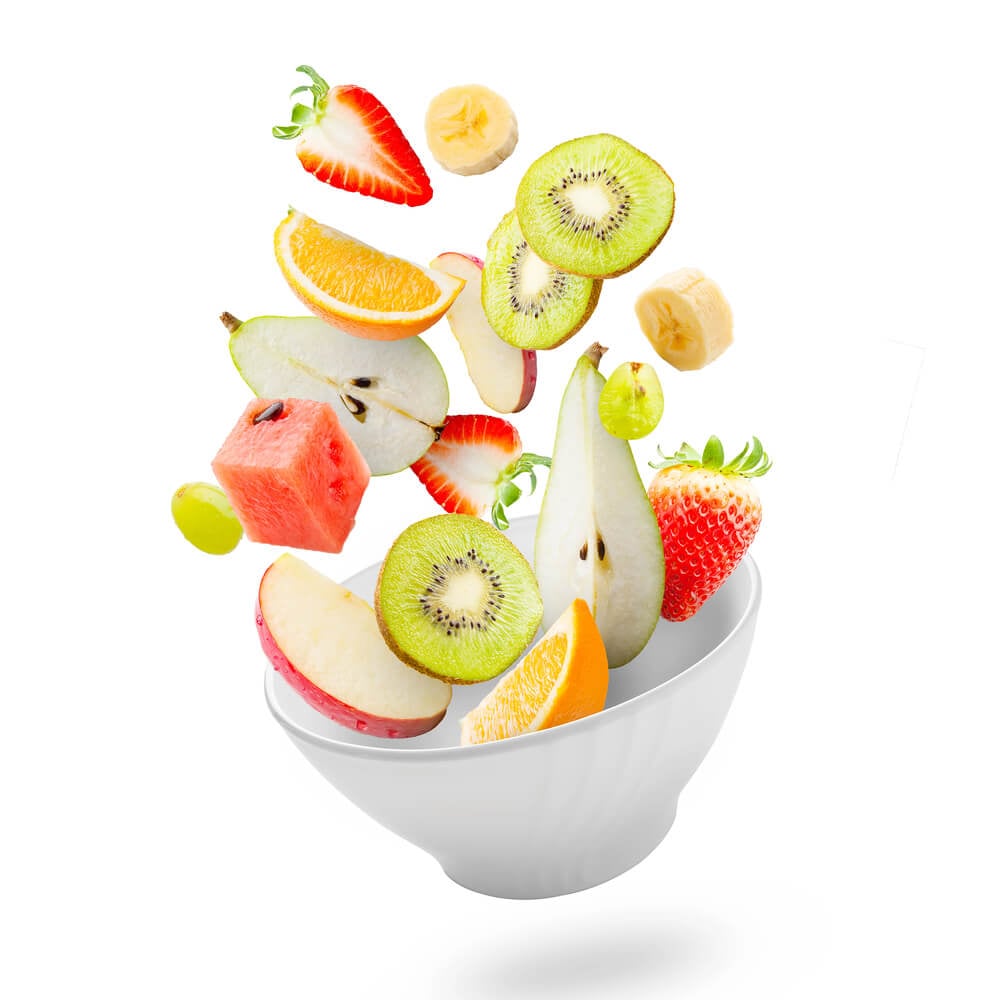
The Fresh Fruit and Vegetable Program began as a pilot in 2002 and expanded to every state in 2008. It provides fresh produce snacks to students in qualifying elementary schools, separate from the lunch line. Pears, melons, and other items that rarely appeared in a cafeteria suddenly landed on desks. For some children, it was the first time they had tasted fresh produce outside the home.
Wellness Policies Became Mandatory
The Child Nutrition and WIC Reauthorization Act of 2004 required every school district taking part in federal meal programs to adopt a local wellness policy by the 2006-07 school year. Policies had to address nutrition guidelines, physical activity, and nutrition education. The mandate pushed decisions about vending machines and bake sales into local public meetings. Parents, teachers, and administrators suddenly had a seat at the table.
Stimulus Money Replaced Aging Kitchen Equipment
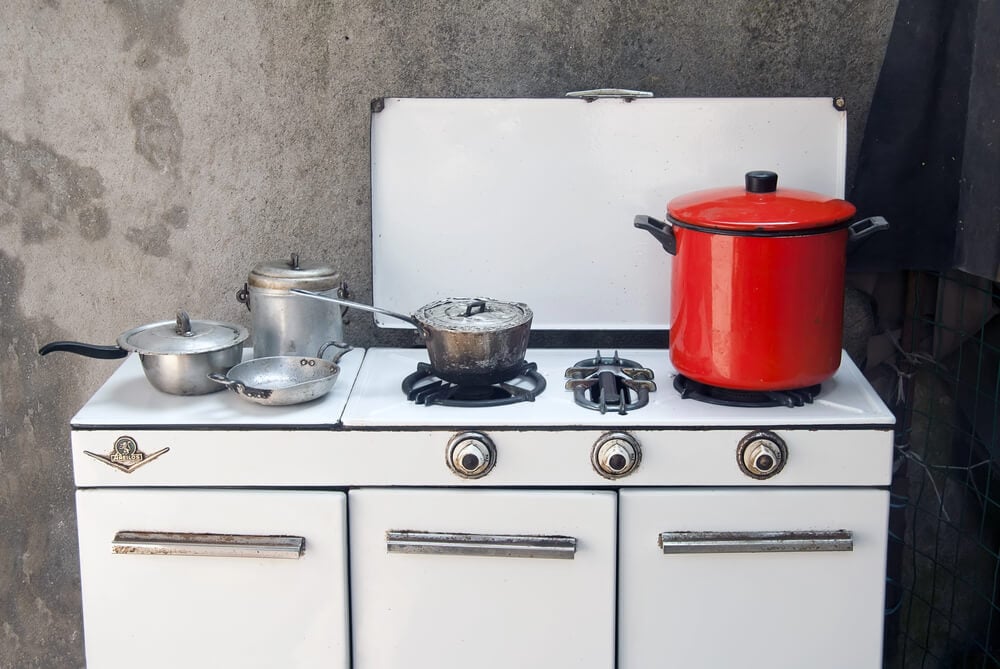
The 2009 American Recovery and Reinvestment Act included $100 million for school kitchen equipment. Many cafeterias were still working with decades-old fryers and ovens that were poorly suited to preparing fresh food. The funding let districts buy items such as steamers and refrigeration units. Healthier menus require tools to match, and the money filled a gap that rule changes alone could not.
The Healthy, Hunger-Free Kids Act Rewrote the Rules

President Barack Obama signed the Healthy, Hunger-Free Kids Act on December 13, 2010. It gave USDA authority to set nutrition standards for all foods sold in schools during the day, funded school meal reimbursement increases, and expanded access to free meals. The law was the largest overhaul of the lunch program in a generation. Many of the changes that followed trace back to this single bill.
Salad Bars Were Pushed Into Thousands of Schools
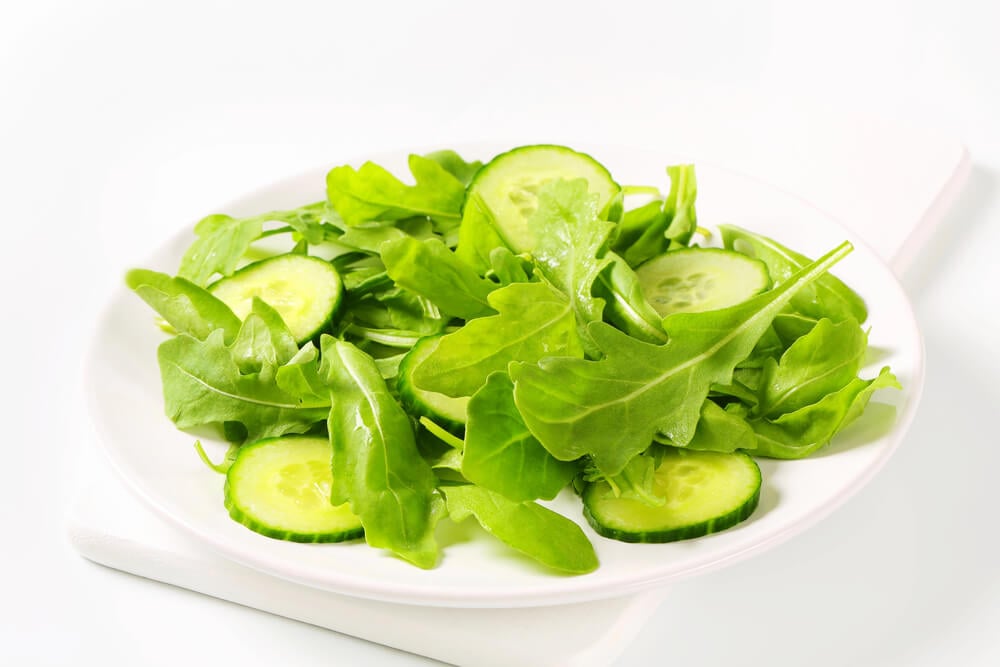
In 2010, the Let’s Move Salad Bars to Schools campaign launched with a goal of putting 6,000 salad bars in schools within three years. Donations from companies and nonprofits helped districts buy the equipment. The idea was to let children choose fruits and vegetables for themselves rather than be handed a scoop of whatever was on the menu. Self-serve produce became a visible symbol of cafeteria reform.
Pizza Sauce Was Kept on the Vegetable List
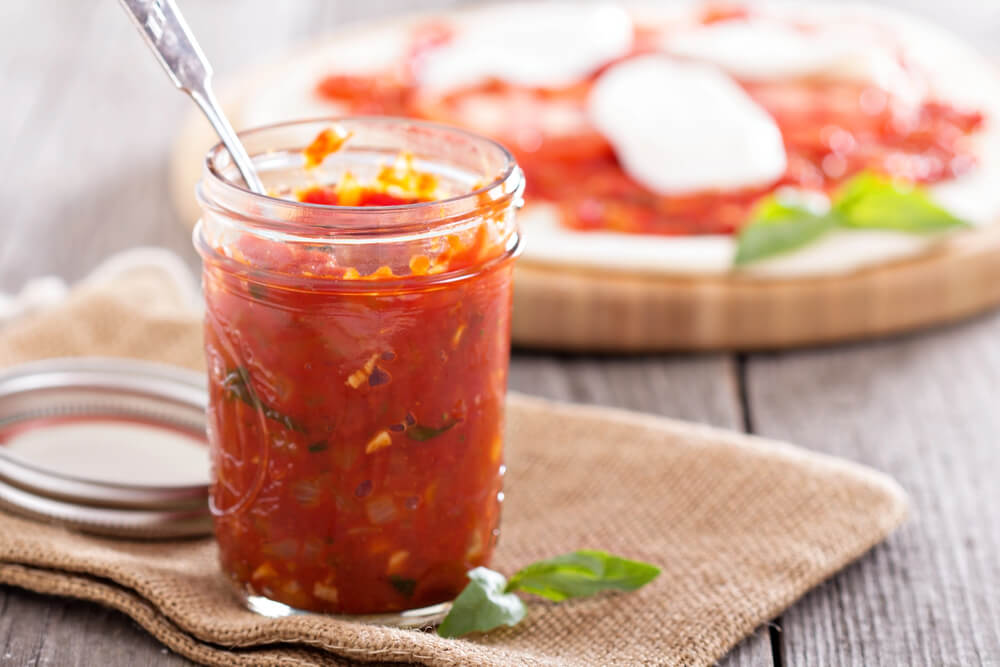
In November 2011, Congress passed a spending bill that blocked USDA from changing how tomato paste was counted. Under the existing rules, two tablespoons of tomato paste counted as a half cup of vegetables, which meant a slice of pizza could satisfy the requirement. Headlines announced that Congress had declared pizza a vegetable. The provision became a lasting example of food industry influence on school menus.
Calorie Limits and Required Produce Arrived in 2012

USDA issued its first major overhaul of lunch standards in about 15 years in January 2012. For the first time, lunches had both minimum and maximum calorie levels, with ranges of 550 to 650 calories for kindergarten through fifth grade. Students also had to take a fruit or vegetable at lunch. Plenty of tray waste followed, and so did a heated national debate over whether the rules had gone too far.
Pink Slime Got Pushed Off the Menu

In 2012, public outrage over lean finely textured beef, nicknamed pink slime by critics, led USDA to let schools choose beef without the product. The ingredient is made by separating beef trimmings and treating them for safety, then blending the result into ground beef. Orders dropped sharply, and the maker closed several plants. The controversy showed how quickly social media pressure could reshape what districts bought.
Farm to School Grants Got Federal Money
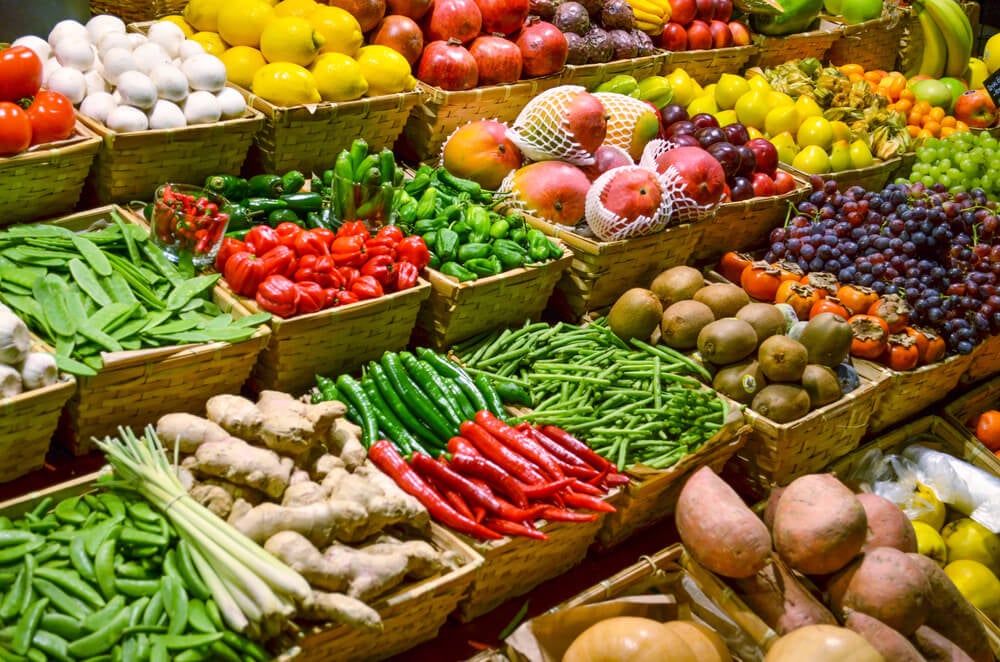
The 2010 child nutrition law directed USDA to award competitive grants helping schools buy local food and teach students about agriculture. The first awards were made for fiscal year 2013. Districts used the money for school gardens, farm visits, and local purchasing. The effort tied cafeterias to nearby farms, giving growers a steady customer and giving children a closer look at where food comes from.
Smart Snacks Limited What Else Could Be Sold
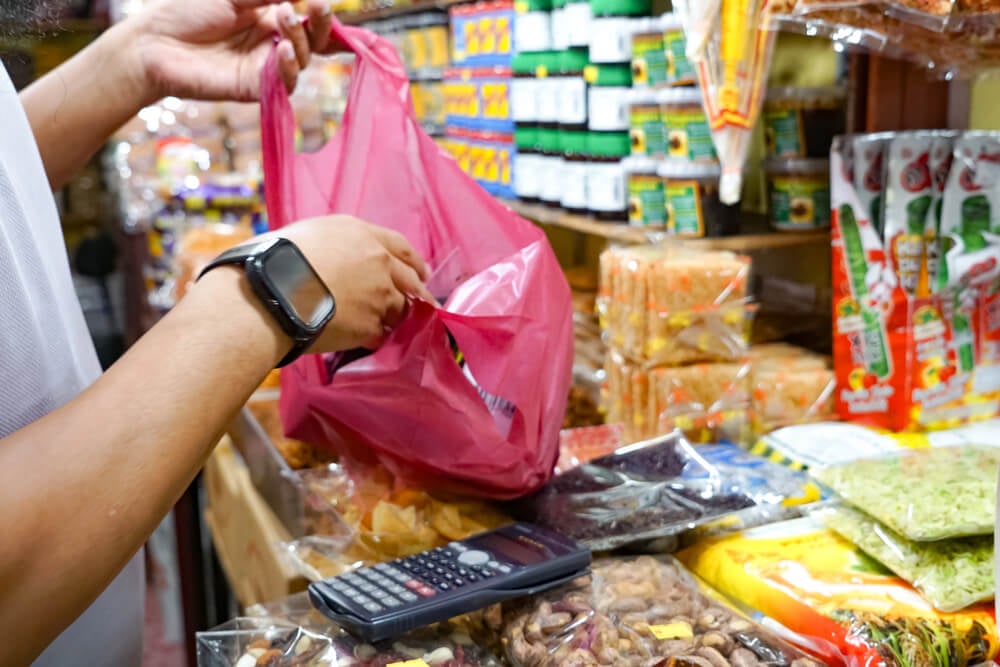
The Smart Snacks in School standards took effect on July 1, 2014. They set rules for foods sold outside the meal line during the school day, including snack limits of 200 calories and entree limits of 350 calories. Snacks had to meet standards for fat, sodium, and sugar. Vending machines and school stores had to change their stock, and fundraising bake sales were handled by state rules.
Grains Had to Be Whole Grain-Rich
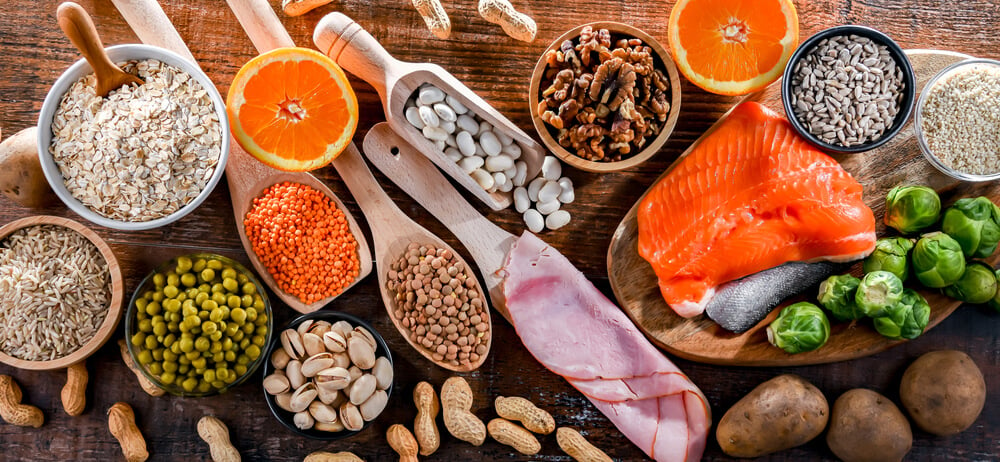
Starting in the 2014-15 school year, all grains served in school lunches and breakfasts had to be whole grain-rich, meaning at least half the grain content was whole grain. Pizza crust, tortillas, and dinner rolls were reformulated by manufacturers. Some students complained about the denser texture. The rule moved an entire product category into a new recipe.
Community Eligibility Ended the Free Lunch Application

The Community Eligibility Provision became available nationwide for the 2014-15 school year. Schools and districts where at least 40 percent of students were identified as eligible without a household application could serve breakfast and lunch free to every student. Paperwork shrank, and so did the line between children who paid and those who did not. For high-poverty schools, it changed lunch from a transaction into a service.
Flexibilities Softened the 2012 Rules
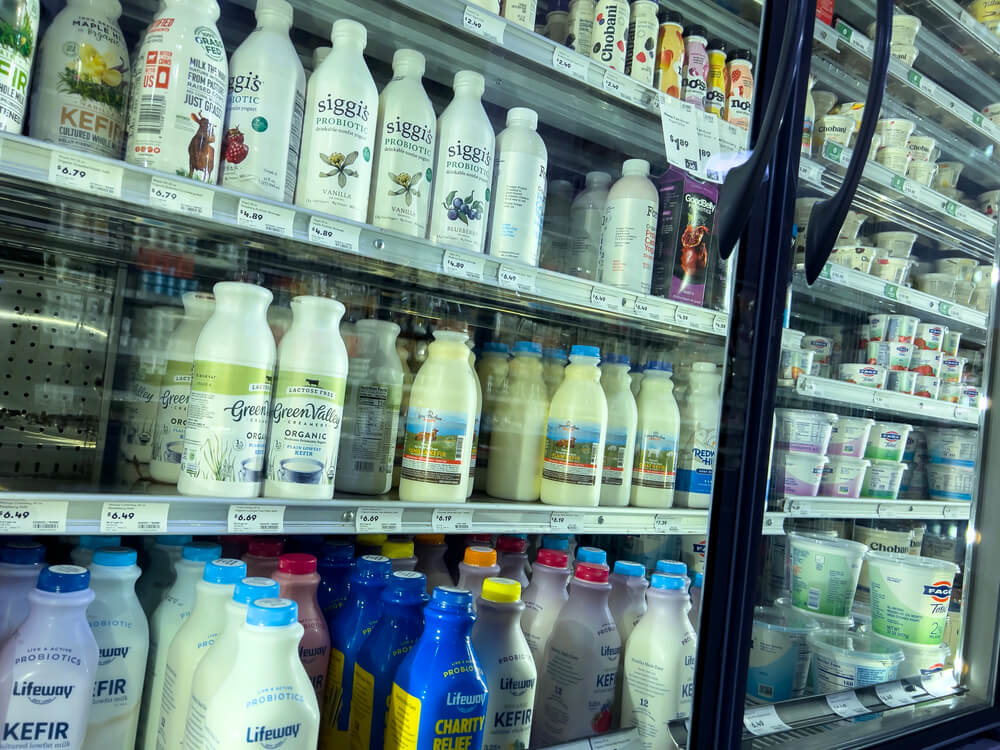
In late 2018, USDA finalized a rule that allowed schools to serve low-fat flavored milk again, set a minimum of 50 percent for whole grain-rich foods, and delayed further sodium cuts. The agency said schools needed more flexibility to keep students eating. Critics argued it weakened progress, while school nutrition groups welcomed it. It marked the first major rollback of the 2012 standards.
New Mexico Outlawed Lunch Shaming
In 2019, New Mexico enacted the Hunger-Free Students’ Bill of Rights, widely described as the first law of its kind. It barred schools from singling out children with unpaid lunch debt, such as by stamping a hand or serving an alternative meal. Other states soon passed similar laws. The change responded to viral stories of students handed cold sandwiches while classmates ate hot meals.
Pandemic Waivers Let Everyone Eat Free

In spring 2020, USDA used waivers to let schools serve meals to all children at no charge and to hand them out in grab-and-go or curbside formats. Parents could pick up meals for their children, and cafeterias became meal assembly sites. The waivers were extended and ran through June 2022. For two years, a debt-free lunch was available to every student.
California Made Free Meals Universal

California began funding free breakfast and lunch for all public school students in the 2022-23 school year, becoming the first state to commit to universal school meals on that scale. Other states, including Maine and Colorado, soon followed. The move kept the pandemic-era idea alive after the federal waivers ended. It also drew a new debate over cost, since states have to cover the gap.
Added Sugar Limits Reached School Meals
In April 2024, USDA finalized a rule setting limits on added sugars in school meals. Product-specific limits for items such as cereals, yogurt, and flavored milk began in July 2025. A weekly cap of less than 10 percent of calories from added sugars is scheduled for July 2027. The change targets the sweet breakfast items long common in cafeterias.
Whole Milk Returned to the Lunch Line
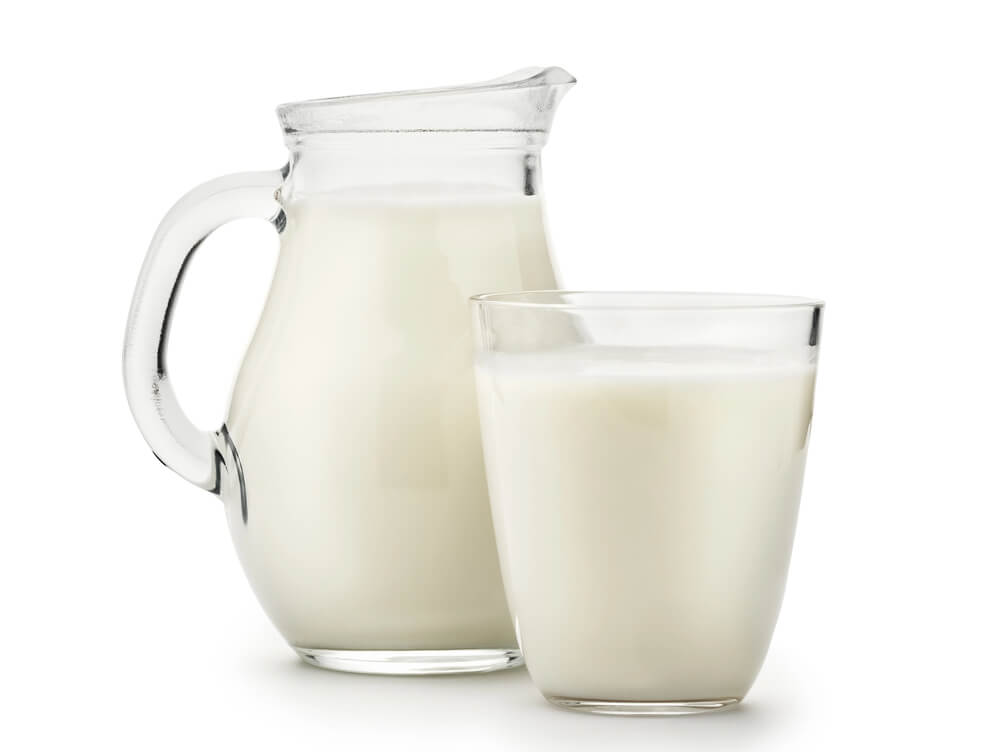
President Donald Trump signed the Whole Milk for Healthy Kids Act in January 2026, allowing schools to serve whole and 2 percent milk again. Milk limited to fat-free and low-fat options had been the norm since the 2012 rules. Dairy groups cheered, while some nutrition advocates raised concerns about saturated fat. The law reversed one of the most visible rule changes of the previous decade.
Lunch Reflects Who Pays Attention
Read in order, the list shows that the cafeteria tray has always been a mirror of the country’s priorities. Farm surpluses, wartime worries, hunger, obesity, budgets, and politics each took a turn deciding what went on the plate. The same program that began as a way to move extra crops now argues about sugar, sodium, and milk fat.
The pattern is a swing between tighter standards and loosened rules, usually driven by what adults think children should eat rather than what children will eat. The cafeteria line remains one of the few places where national policy, local budgets, and a nine-year-old’s opinion meet at a single counter. Whatever comes next will land on the same tray.
More from Go2Tutors!

- 27 Silver Dollars and Half Dollars Worth Keeping
- 28 Restaurant Menu Items Nobody Orders Anymore
- 17 Places Built in Seemingly Impossible Spots
- 27 Vintage Rings Worth More Than They Look
- 25 Restricted Sites Tourists Can’t Enter
Like Go2Tutors’s content? Follow us on MSN.