30 Photos of Neighborhood Life Before Television
For most of the twentieth century, entertainment happened outside the living room. People gathered on porches, in shops, and on sidewalks, and cameras caught them doing it.
By the mid-1950s, most American homes had a television set, and the street scenes below began to thin out. The photographs that survive show what filled the evenings before the screen arrived.
The Front Porch Swing

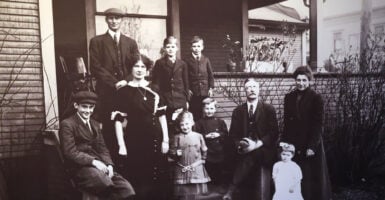
Evening on the porch was a family ritual in towns across the country, with neighbors drifting by to talk. Photographs show swings, rockers, and glasses of lemonade as the day cooled.
The porch worked as a half-public room where a family could be seen and could see others.
The City Stoop
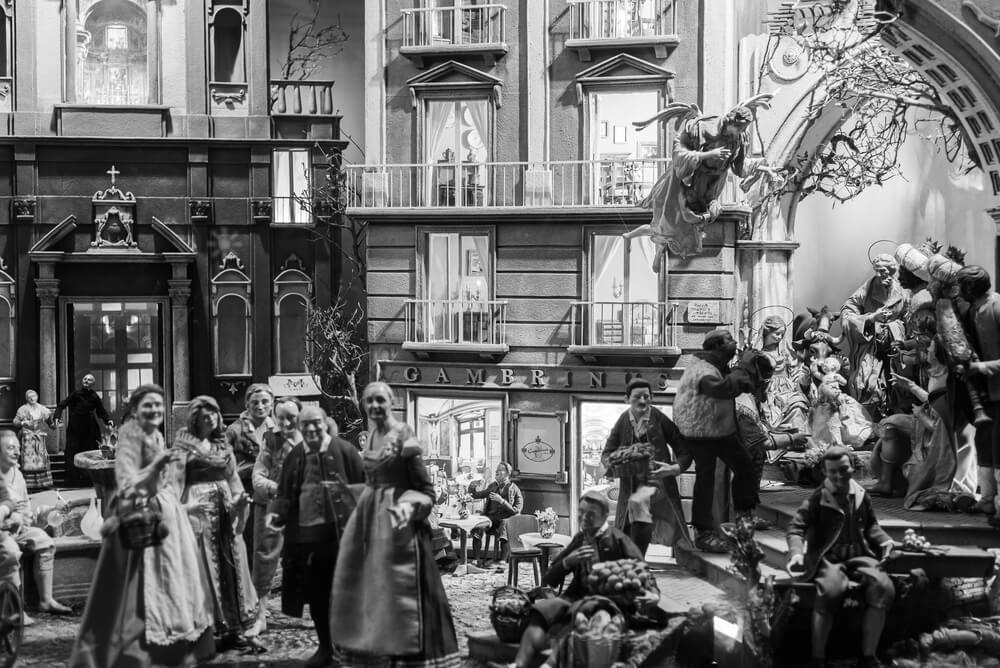
— Photo by feolasergio1966.gmail.com
In crowded neighborhoods, the stoop did the job that porches did elsewhere. Photographs show neighbors lined along the steps, watching traffic and gossiping.
The stoop was a place where children kept an eye on younger siblings while adults traded news.
The Family Around the Radio
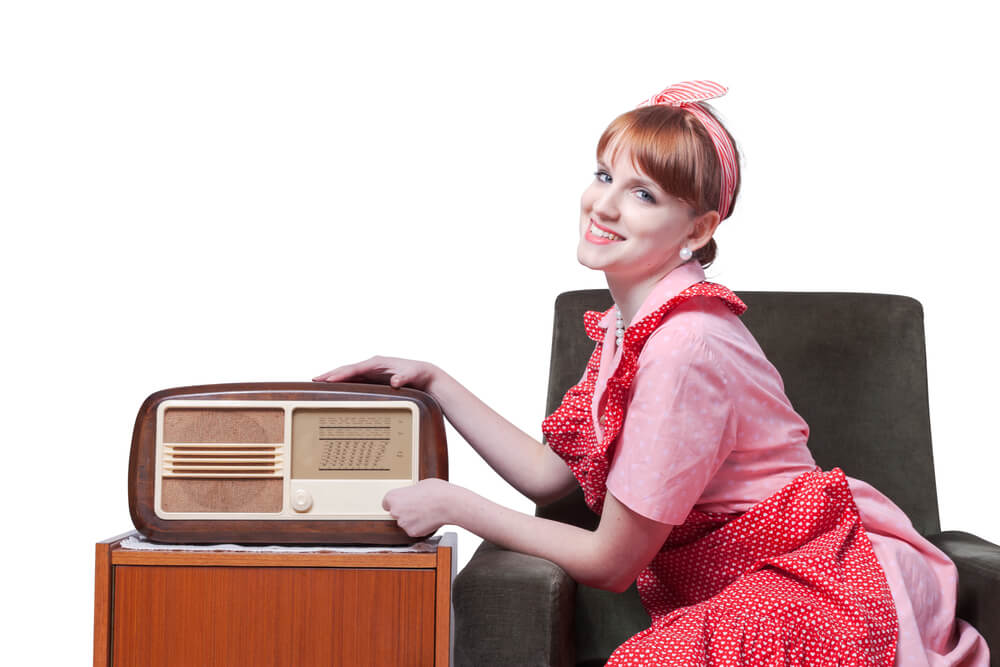
Commercial radio broadcasting began in November 1920 when KDKA in Pittsburgh reported election returns, and by the 1930s many families gathered around a large wooden set each night.
Photographs show parents and children listening with their eyes fixed on the cabinet. The set was furniture and focal point at once.
The Corner Drugstore Soda Fountain
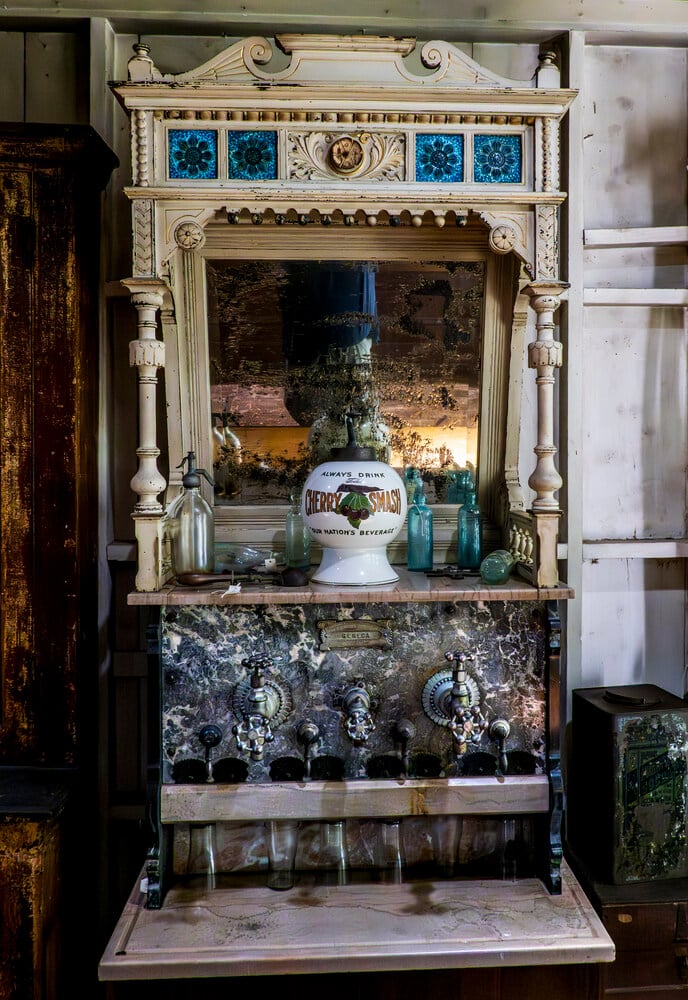
Soda fountains were social centers where teenagers and families ordered ice cream sodas at a marble counter. Photographs show soda jerks in paper caps and crowds on stools.
The drugstore doubled as a hangout long before malls.
The Neighborhood Barbershop
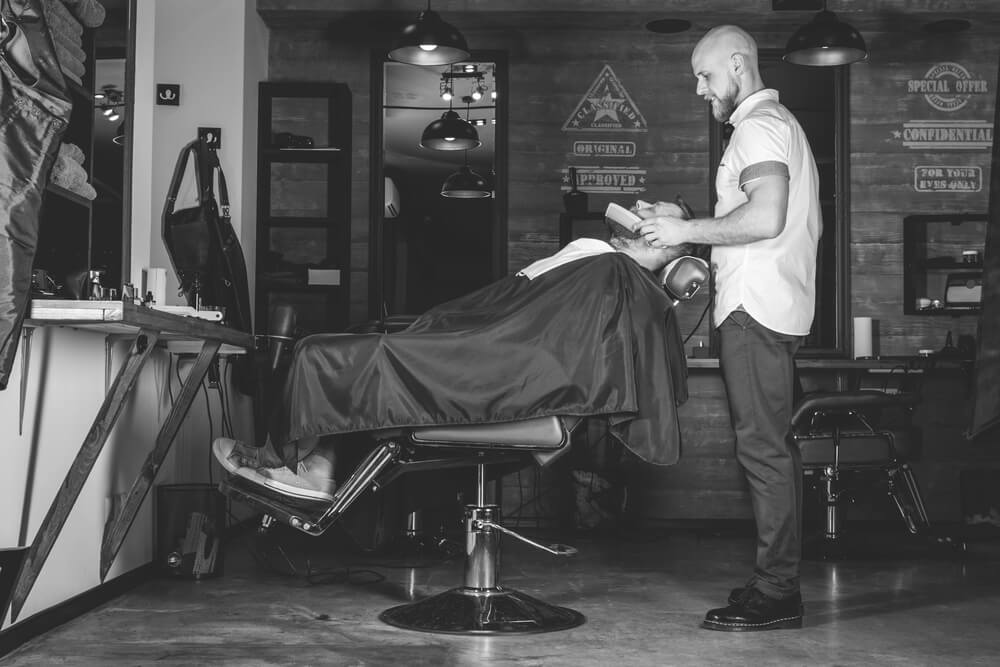
Barbershops were male gathering places where haircuts came with conversation and news. Photographs show rows of chairs, mirrors, and customers waiting with newspapers.
The shop was as much a social club as a business.
The Milkman at Dawn
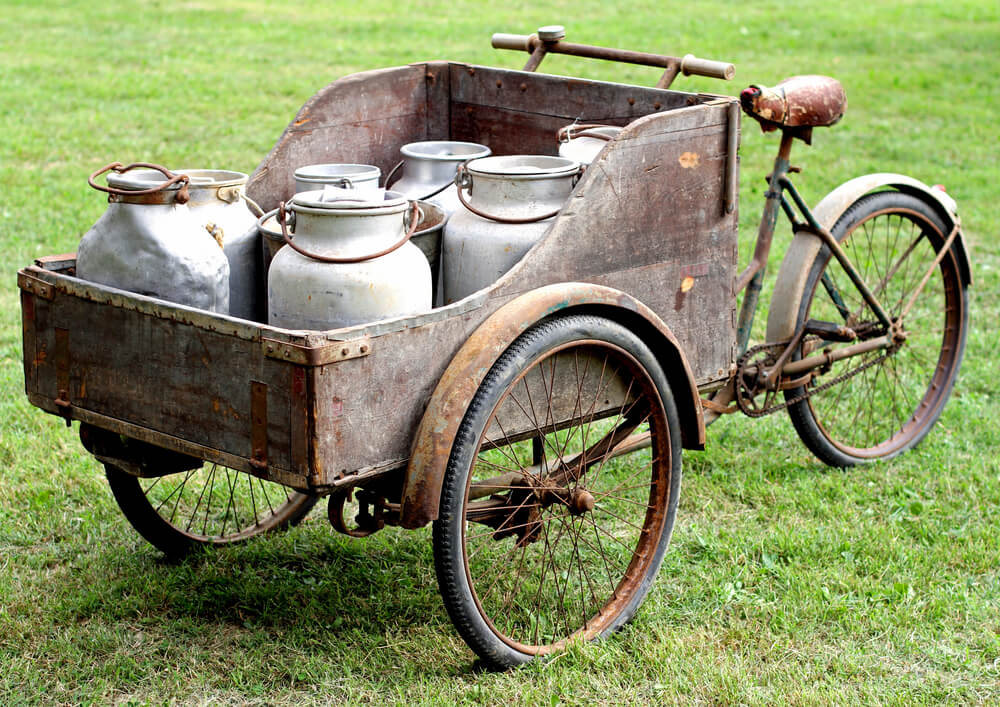
Milkmen delivered glass bottles to doorsteps before sunrise, often by horse-drawn wagon in the early decades and later by truck. Photographs show carriers with wire crates stacked with bottles.
The route made the delivery man a familiar face on every block.
The Iceman’s Wagon

Before electric refrigerators became common, ice delivered to the door kept food cold in iceboxes. Photographs show children following the wagon to scoop up chips of ice.
A card in the window told the driver how many pounds to bring.
The Scissors Grinder
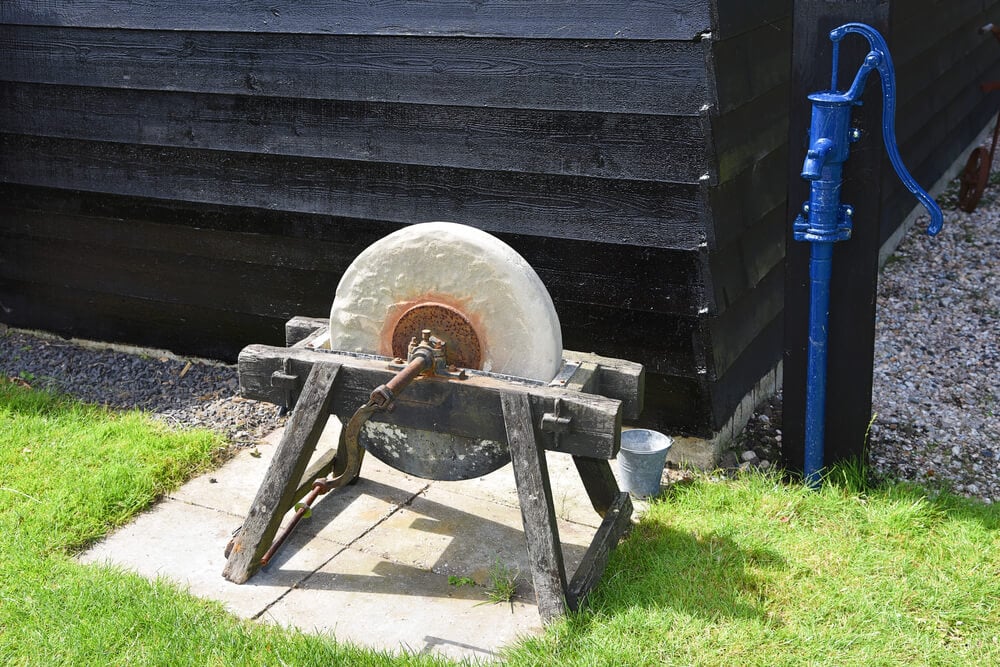
Knife and scissors sharpeners wheeled a grinding stone through neighborhoods, announcing themselves with a bell. Photographs show housewives bringing out kitchen knives to be sharpened on the spot.
The trade lasted as long as households bought carbon steel blades.
The Rag-and-Bone Man
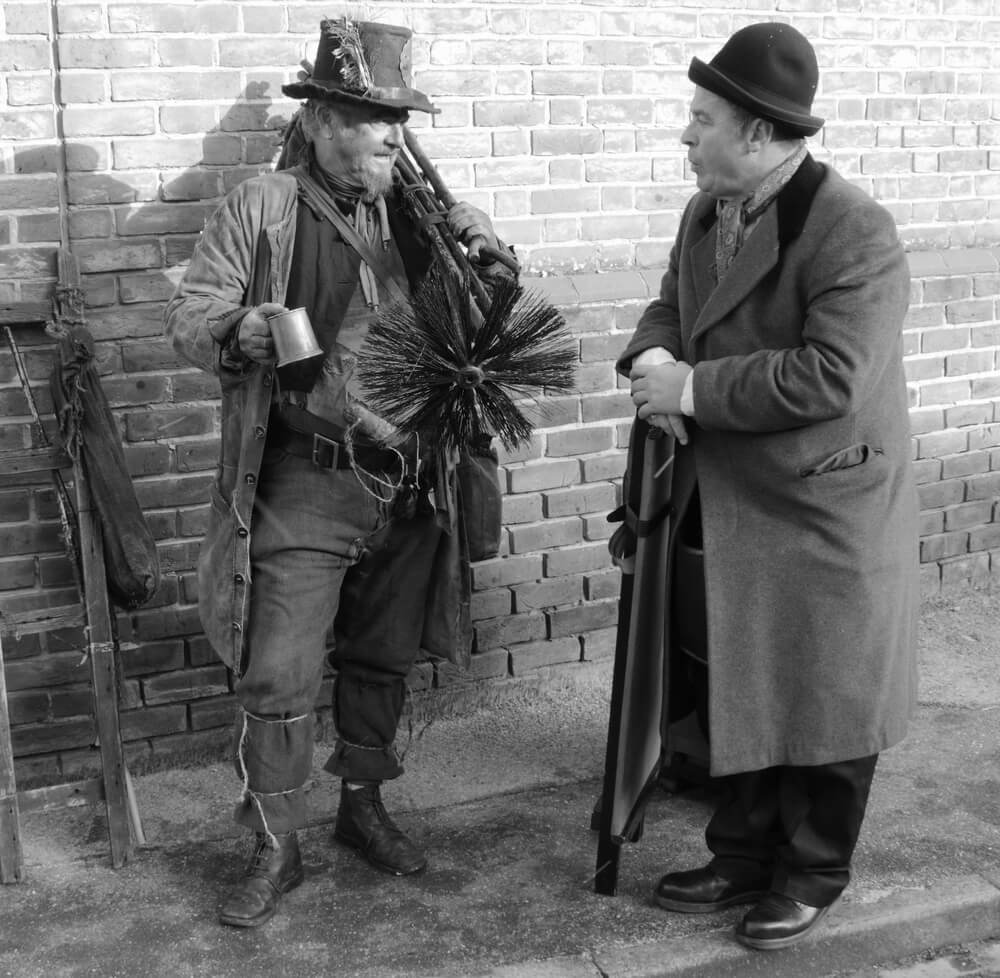
Peddlers collected rags, scrap metal, and bottles and hauled them away in carts. Photographs show wagons piled with bundles pulled by weary horses.
The work turned household waste into a small income.
Newsboys on the Corner
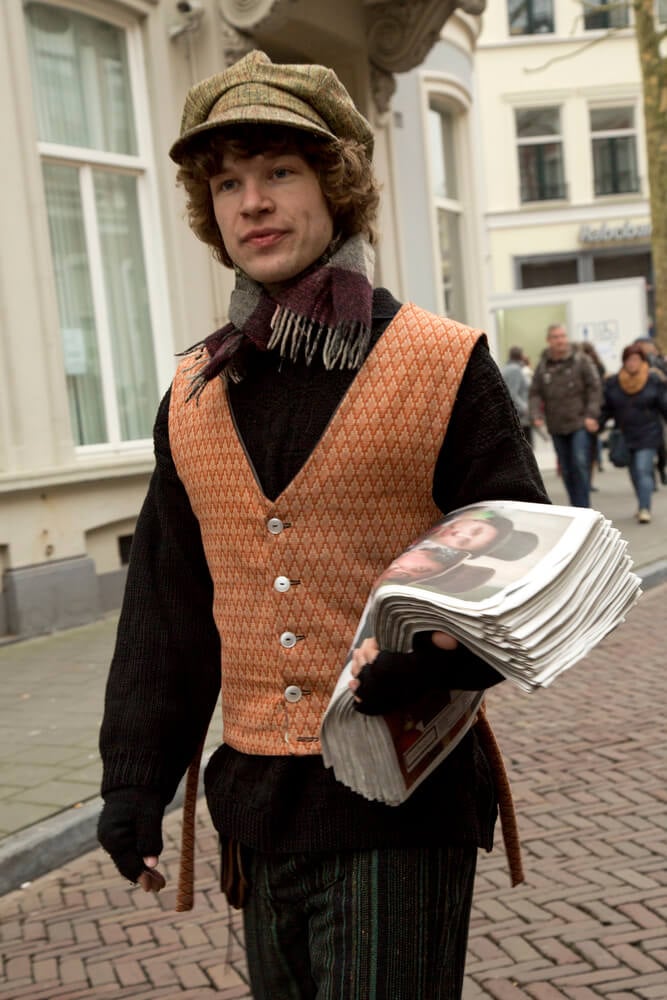
Boys sold newspapers on street corners, shouting headlines to passersby. Photographs show them with satchels and caps, clustered near streetcar stops.
Lewis Hine documented many of them for the National Child Labor Committee.
Hopscotch on the Sidewalk
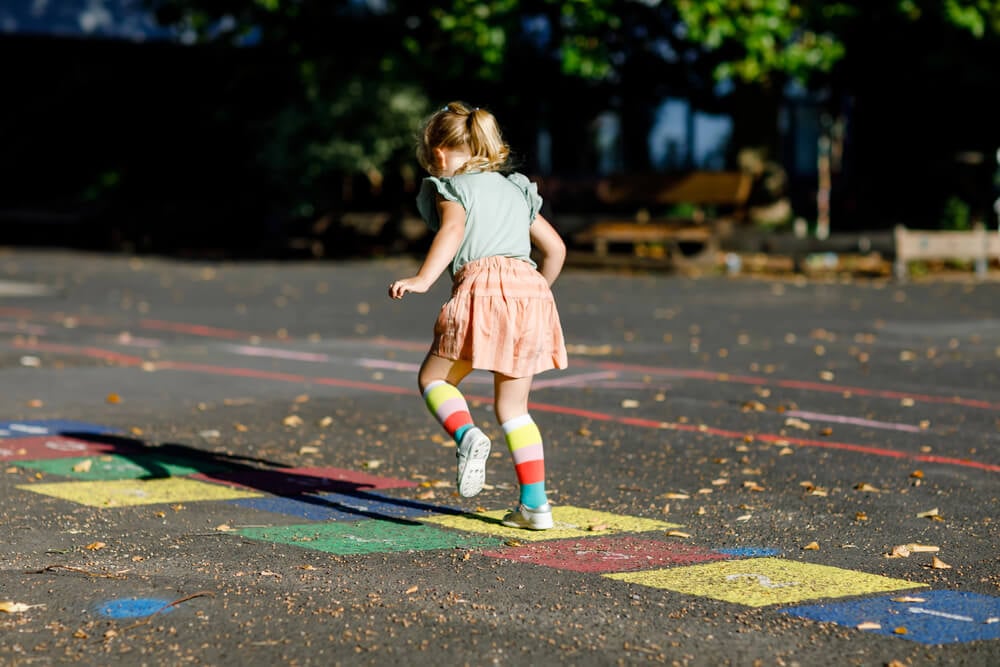
Chalk squares on the pavement turned any sidewalk into a playground. Photographs show girls hopping between numbers with a stone marker.
The game needed nothing more than chalk and a flat surface.
Marbles in the Dirt
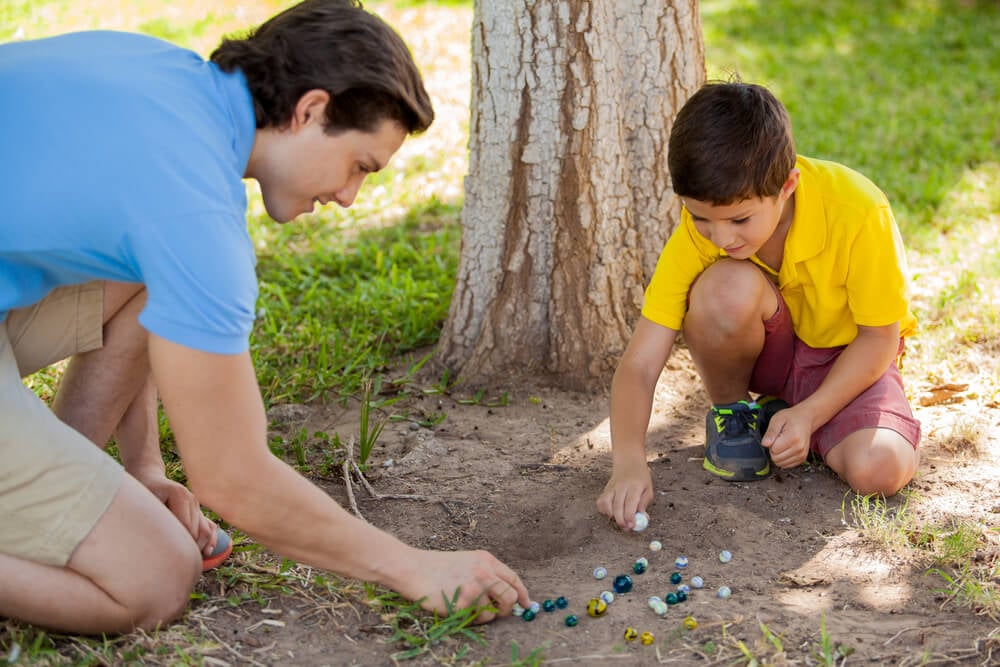
Boys knelt in the dirt with glass marbles and traded the best ones. Photographs show circles drawn in dust and children bent in concentration.
A good shooter was a minor celebrity on the block.
Jump Rope on the Block
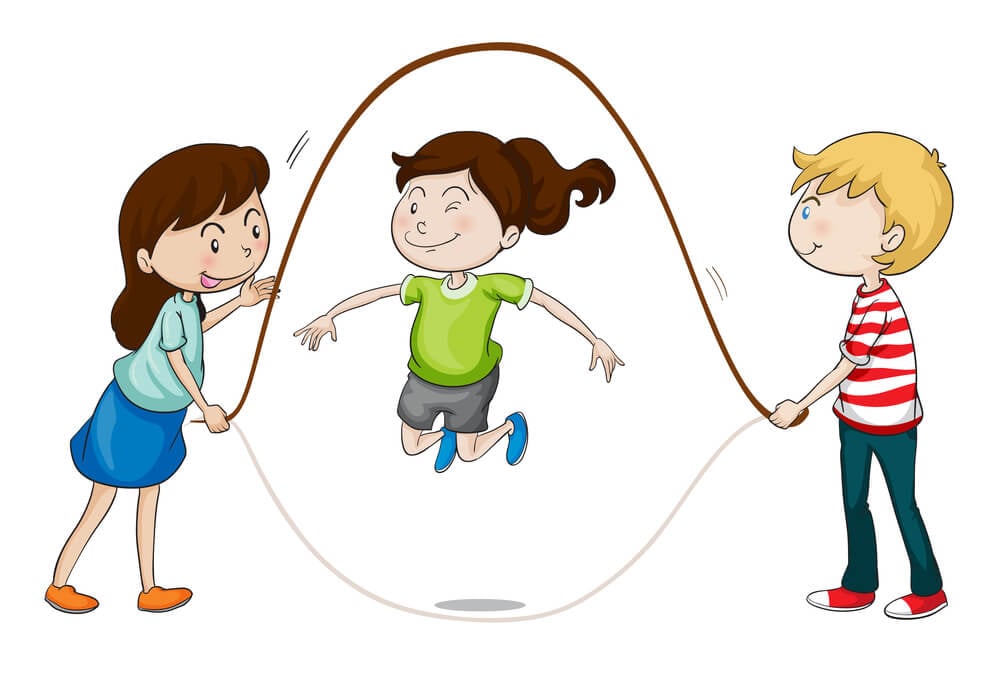
Girls turned long ropes across the street while others jumped in, chanting rhymes. Photographs show lines of children waiting for a turn at the rope.
The rhymes were passed along from one group to the next, with few written records.
Kick the Can at Dusk
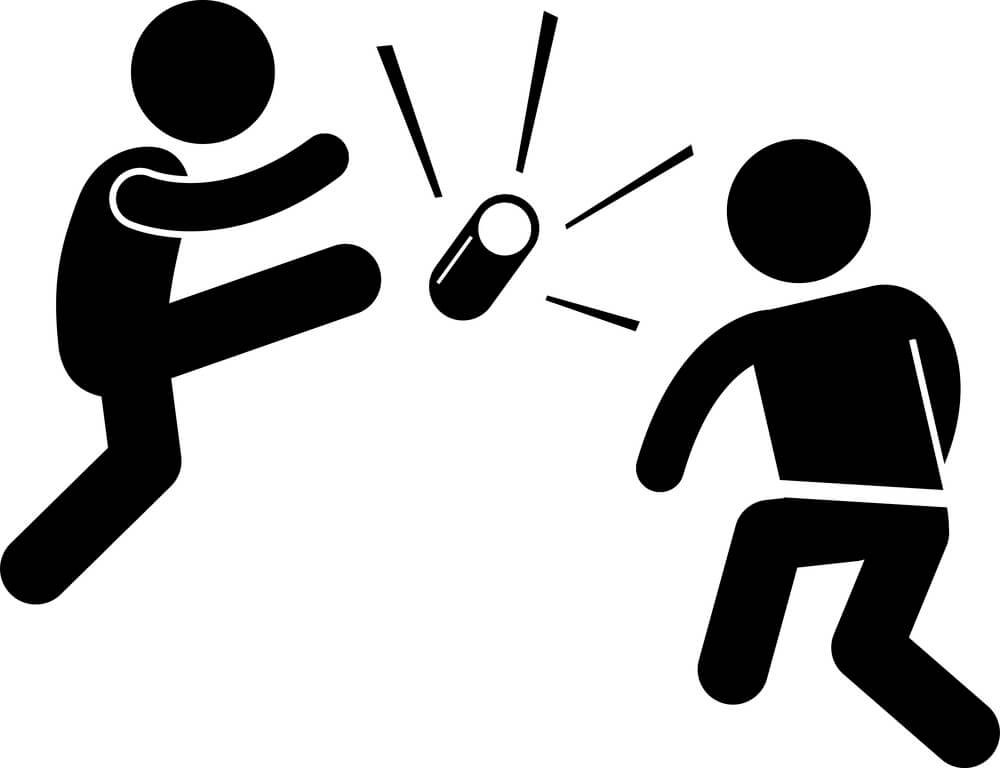
As streetlights came on, children played hide-and-seek variants such as kick the can. Photographs show groups scattering behind parked cars and hedges.
The game worked best in neighborhoods where no one worried about children outdoors after dark.
Roller Skating on Clay Pavement
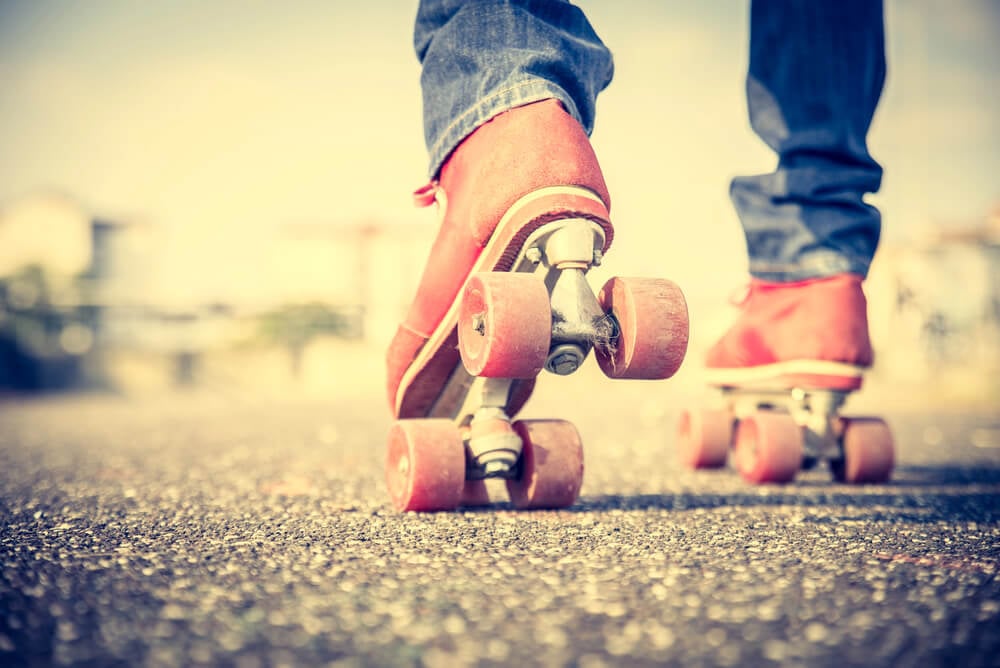
Clamp-on skates carried children down hard sidewalks, with a skate key worn around the neck. Photographs show kids with scraped knees and metal wheels.
A smooth stretch of concrete was valuable real estate.
The Church Supper
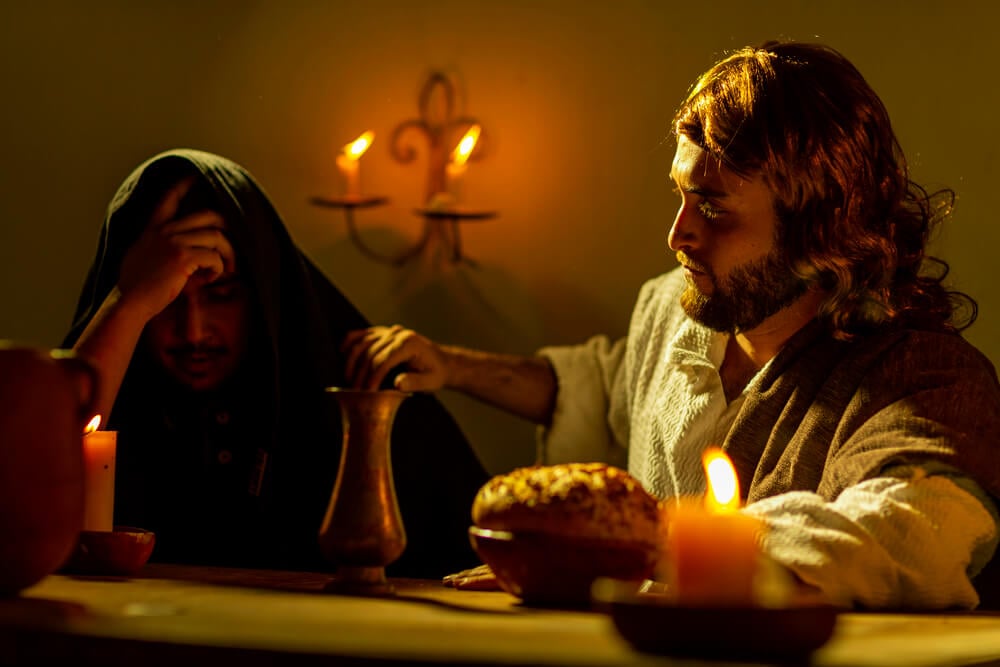
Church basements filled with long tables for suppers, where congregants paid a small fee for a meal. Photographs show women serving from pots and children running between tables.
The suppers raised funds and cemented community bonds.
The Grange Hall Dance
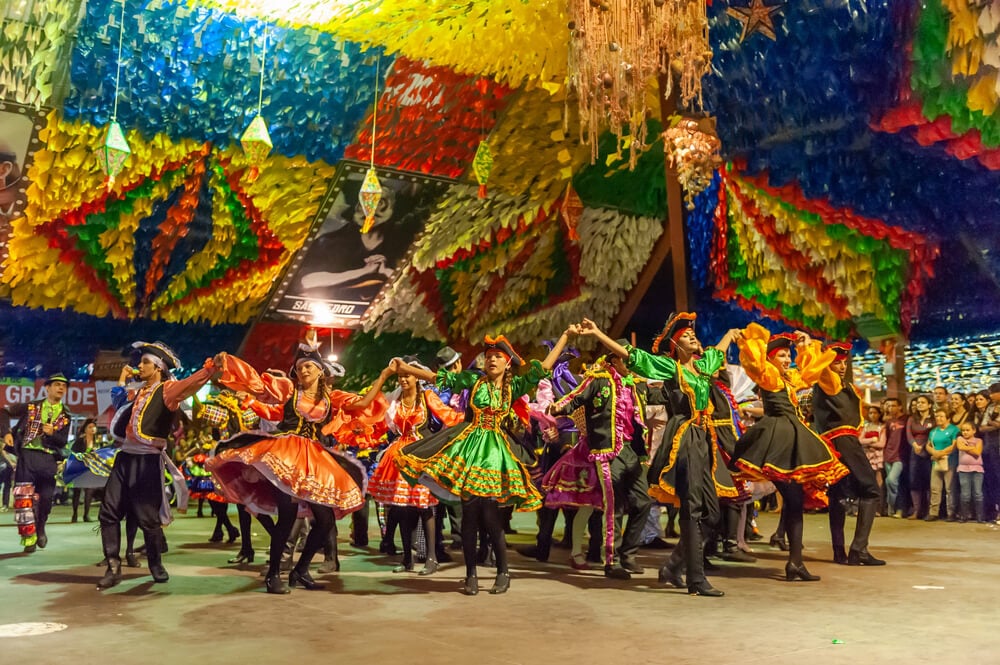
Rural communities held dances in Grange halls and community buildings, with fiddlers and callers directing square dances. Photographs show couples lined up in sets.
The events brought together farm families who had few other chances to socialize.
The Bandstand Concert
Town bandstands hosted summer concerts, where brass bands played marches while families spread blankets on the green. Photographs show audiences in hats and bonnets facing the stage.
A free concert was among the cheapest evening outings.
The Saturday Matinee
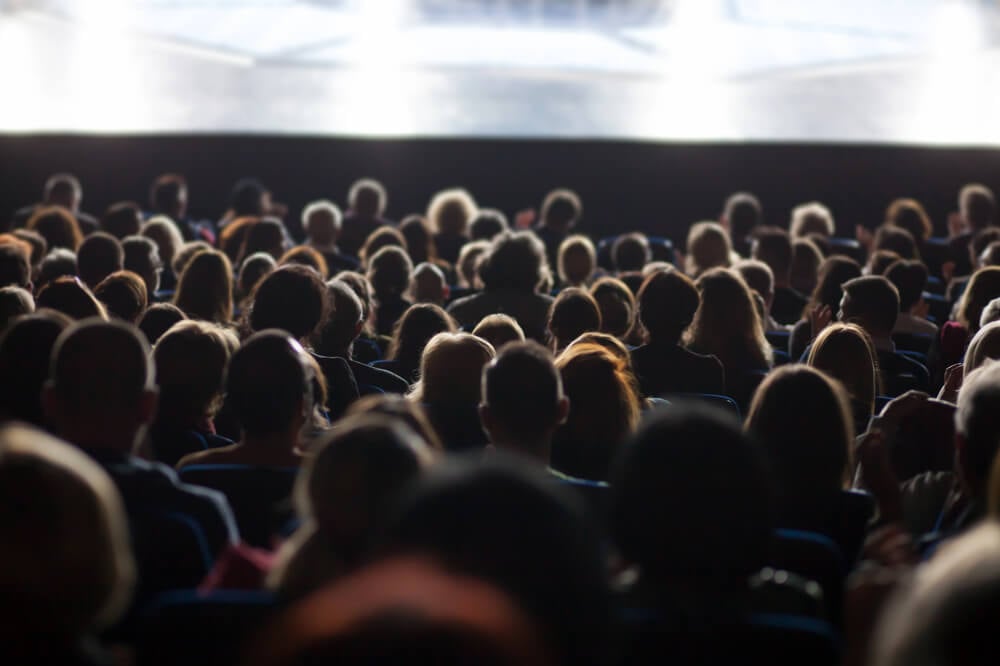
Neighborhood movie houses showed serials and cartoons to crowds of children on Saturday afternoons. Photographs show lines stretching around the block.
The matinee gave parents a break and children a shared experience.
The First Drive-In
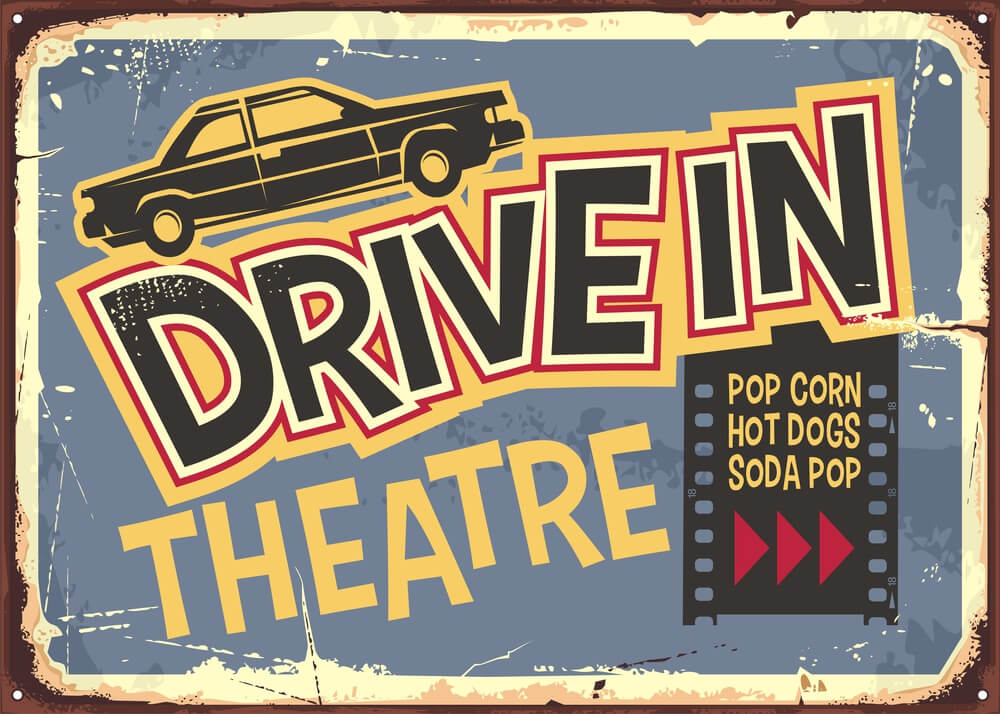
Richard Hollingshead opened what is generally considered the first drive-in theater in Camden, New Jersey, in 1933. Photographs show cars angled toward a giant screen.
It fit the car-minded postwar culture that followed.
The Fourth of July Parade
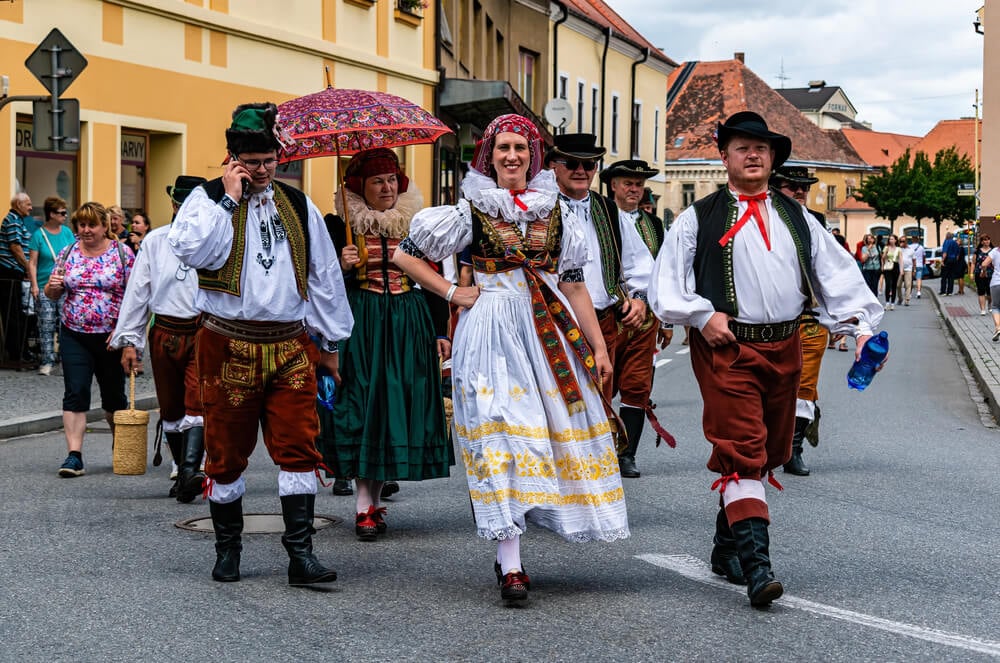
Small-town parades brought out fire trucks, veterans, bands, and floats, with spectators lining Main Street. Photographs show bunting draped across storefronts.
The parade was a yearly show of local identity.
The Ice Cream Social
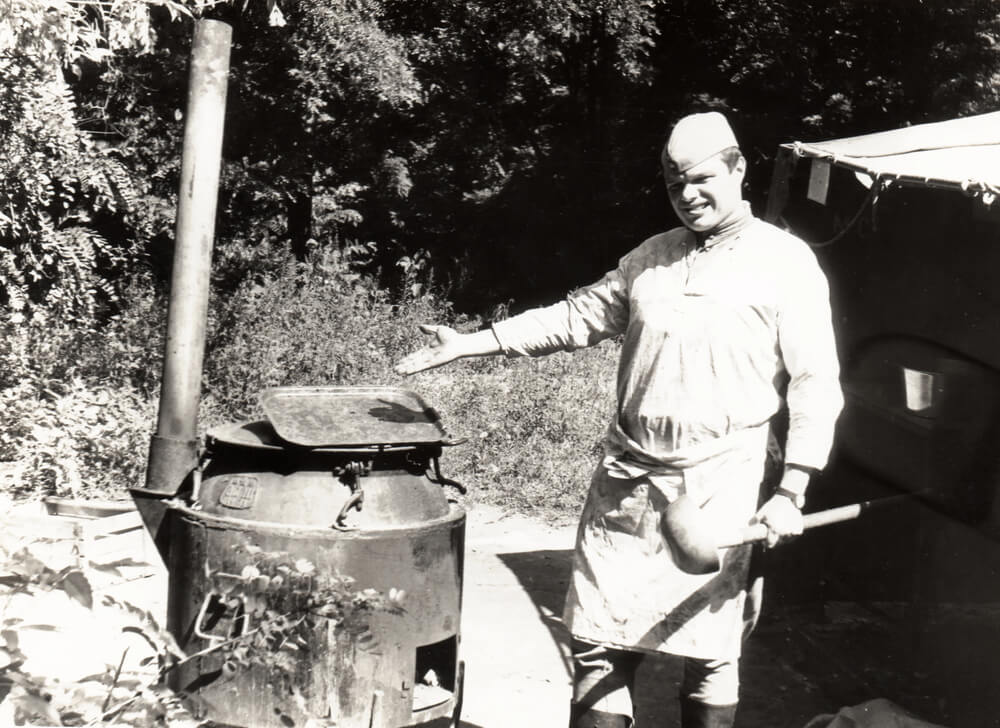
Church and community groups held ice cream socials where neighbors paid for a dish and chatted on the lawn. Photographs show tables and hand-cranked freezers.
It was a simple event that raised money for a good cause.
Laundry Day in the Backyard
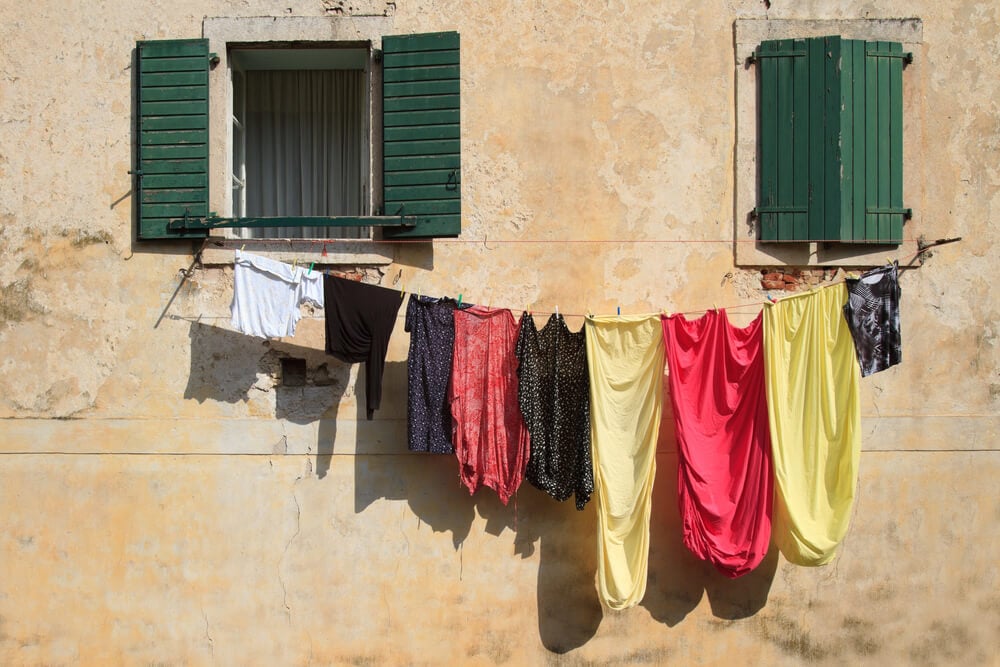
Monday was often washday, with sheets pinned on lines across yards. Photographs show women hanging clothes and chatting over fences.
The chore doubled as neighborly time.
The Open Hydrant in Summer

City children cooled off in the spray from an opened fire hydrant on hot days. Photographs show kids splashing in the street.
The scene became a symbol of summer in dense neighborhoods.
The Victory Garden
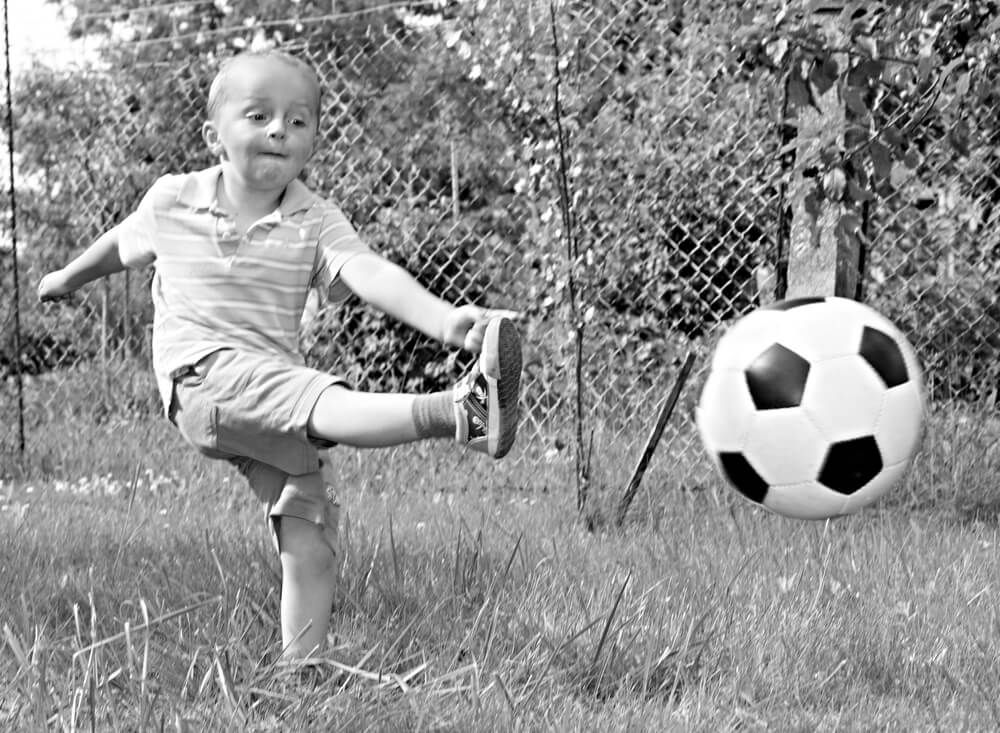
During the Second World War, families planted gardens in yards, vacant lots, and parks to supplement rationed food. Photographs show neighbors tending rows of vegetables.
The gardens became a symbol of home-front effort.
The Party Line Telephone

Shared telephone lines let neighbors listen in on each other’s calls, and photographs show women on the phone with their hands cupped around the mouthpiece. Each household had a distinctive ring.
The line created a community of eavesdroppers.
Community Sing-Alongs
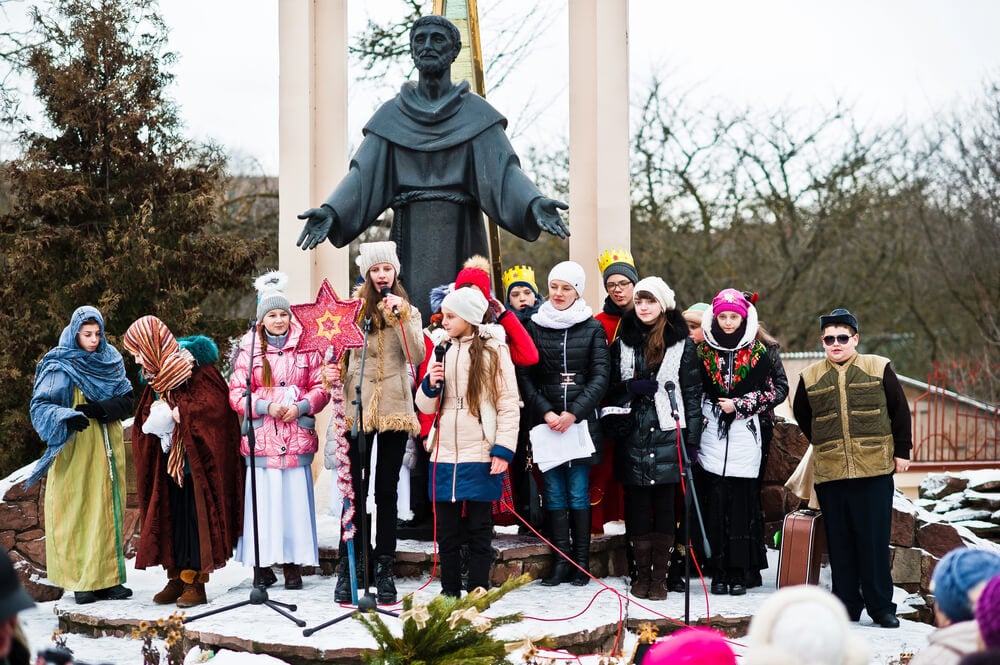
Neighborhood gatherings often ended with songs around a piano. Photographs show groups of people crowded around an upright instrument.
Songbooks passed from hand to hand.
The County Fair Midway
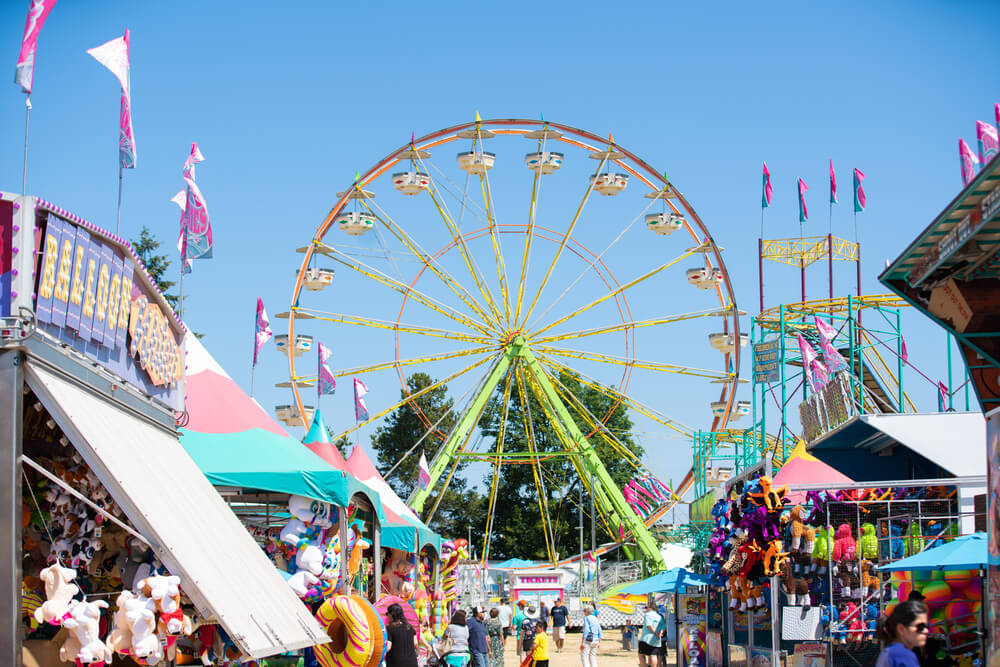
County fairs gathered farm families for livestock shows, pie contests, and carnival rides. Photographs show Ferris wheels and crowds in front of tents.
The fair marked the end of the harvest season.
Sunday Afternoon on the Park Bench
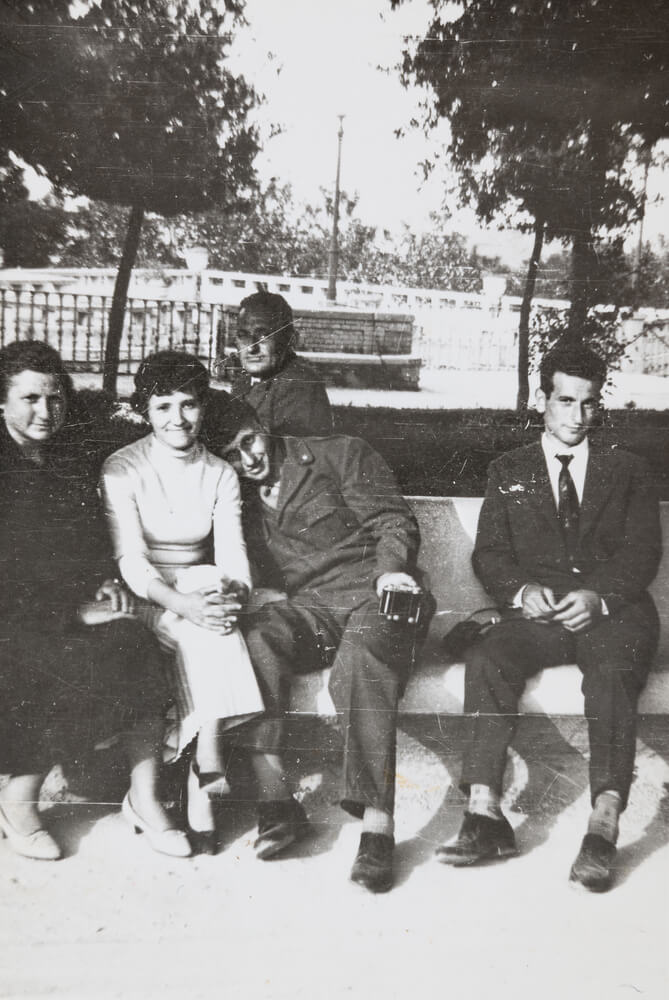
Parks filled on Sunday afternoons with families in their best clothes. Photographs show men in hats and women in dresses walking paths and sitting on benches.
The stroll was a weekly ritual of seeing and being seen.
The Corner Grocery Credit Book
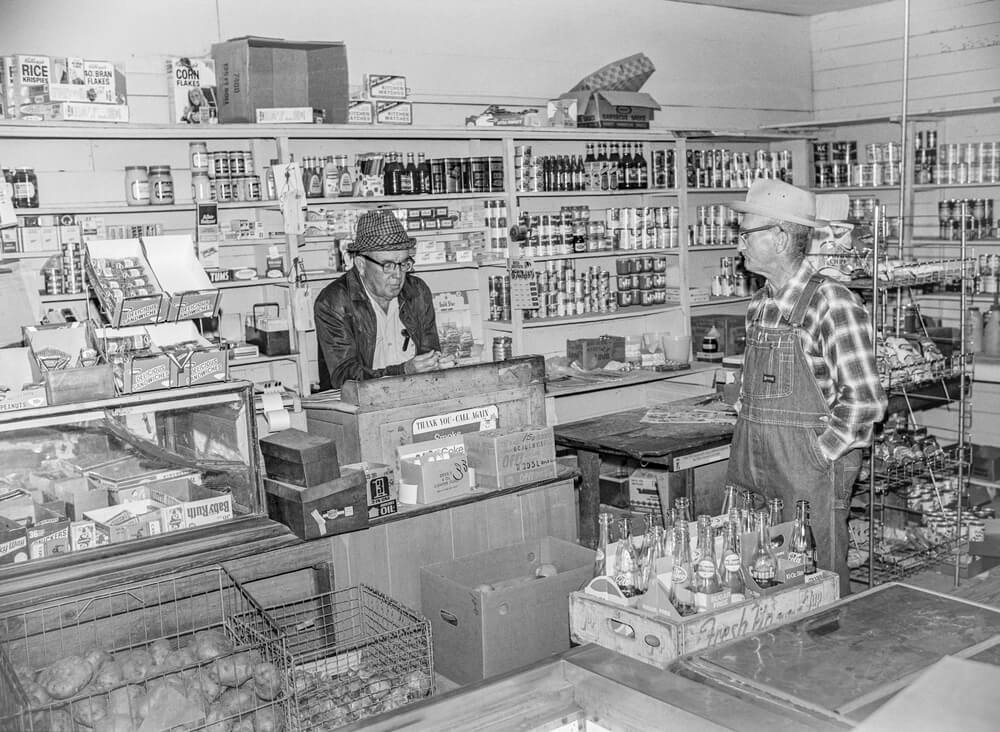
Corner grocers kept a ledger of purchases for neighborhood families and let customers pay at the end of the week. Photographs show shopkeepers behind counters stacked with canned goods.
The grocer knew every family by name.
The Neighborhood Held Together by Conversation
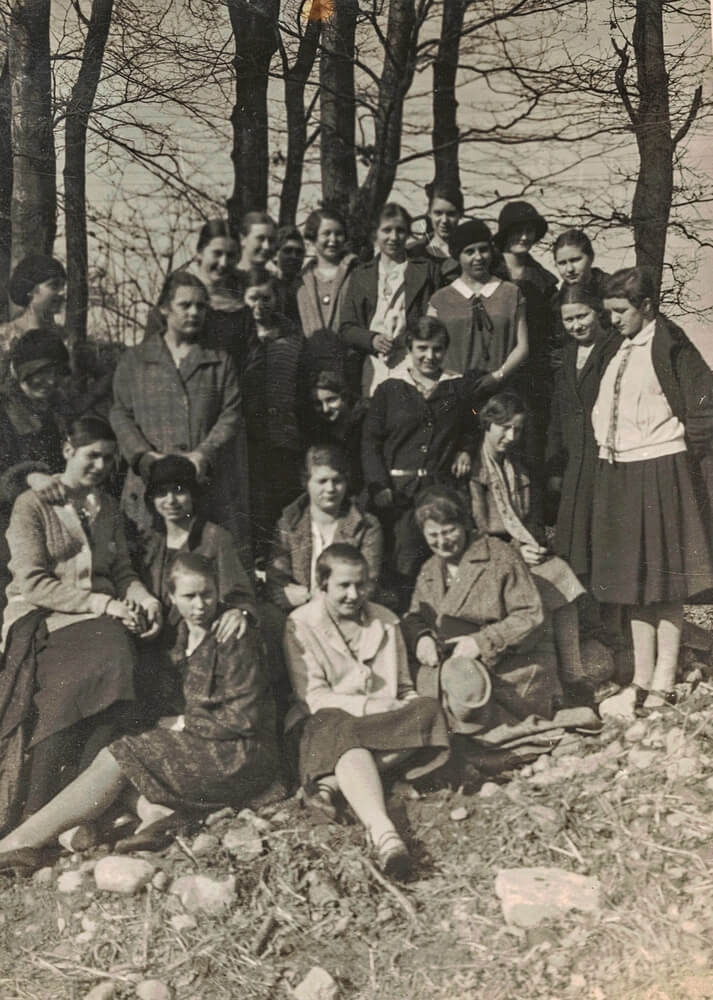
Almost every scene above depended on people being in the same place at the same time with nothing else competing for their attention. Radio and early cinema had already pulled some of that attention indoors, but they still tended to gather people rather than separate them.
Television changed the arrangement by placing the evening show in each living room. The photographs left behind are a record of an older routine in which entertainment was something neighbors made together.
More from Go2Tutors!

- 27 Silver Dollars and Half Dollars Worth Keeping
- 28 Restaurant Menu Items Nobody Orders Anymore
- 17 Places Built in Seemingly Impossible Spots
- 27 Vintage Rings Worth More Than They Look
- 25 Restricted Sites Tourists Can’t Enter
Like Go2Tutors’s content? Follow us on MSN.