Ancient Art Techniques Still Used Today
Artists tend to chase the new. Digital tools, experimental mediums, cutting-edge materials—the field moves fast.
But walk into any serious art studio and you’ll find techniques that predate electricity, plumbing, and sometimes even written language. These methods survive because they work in ways that modern shortcuts can’t replicate.
The artists who use them aren’t nostalgic or stuck in the past. They’re just honest about what produces lasting results.
Fresco: Paint That Becomes the Wall

Fresco doesn’t sit on a surface—it becomes part of it. Artists apply pigments to wet plaster, and as the plaster dries, the colors lock into the wall itself.
The technique showed up in ancient Crete around 1500 BCE and hasn’t stopped since. Modern muralists still use it, especially for outdoor work that needs to last.
The Sistine Chapel ceiling proves the durability. After 500 years, those figures still hold their intensity because Michelangelo worked fast, section by section, racing the plaster’s drying time.
You can’t fix mistakes easily. You work wet, you work fast, and the wall keeps what you give it. Contemporary artists who tackle large public works often return to this method when permanence matters more than convenience.
Egg Tempera: The Medieval Workhorse

Before oil painting took over, egg tempera ruled European art for centuries. You mix colored pigments with egg yolk, and the result dries fast, hard, and bright.
Icons and altar pieces from the 1200s still show this. The finish has a particular glow that oil can’t match—something about how light bounces off those thin, precise layers.
Artists today use egg tempera when they want that specific luminosity or when working on religious art that connects to older traditions. The technique demands patience, building up the image slowly, layer by layer.
The fast drying time means you work in small sections, but the final surface has a quality that feels both ancient and immediate.
Gold Leaf: Hammered Metal as Light

Gold leaf isn’t paint. It’s actually gold beaten so thin that light passes through it. Ancient Egyptians figured out how to do this thousands of years ago, and the process hasn’t changed much.
Icon painters, book artists, and sign makers still use it. The gold catches light differently than any painted substitute—it glows from within.
The application takes steady hands. Gold leaf tears easily, static makes it stick to everything, and you need the right adhesive.
Once it’s down and burnished, it lasts longer than most materials on earth.
Stone Carving: Subtractive Permanence

Stone carving might be humanity’s oldest art form. You take something hard and permanent, then chip away everything that doesn’t belong.
Ancient sculptors in Egypt, Greece, and China all worked this way, and contemporary sculptors still do. The technique hasn’t evolved because it can’t.
Stone responds to force and patience. You rough out the basic form with heavy tools, then refine with progressively finer ones.
Marble sculptors today use the same pointing systems that Renaissance workshops used—measuring and transferring proportions from a model to the block. Some artists now add power tools to speed things up, but the basic conversation between hand, tool, and stone remains unchanged.
Lost-Wax Casting: Ancient Alchemy in Bronze
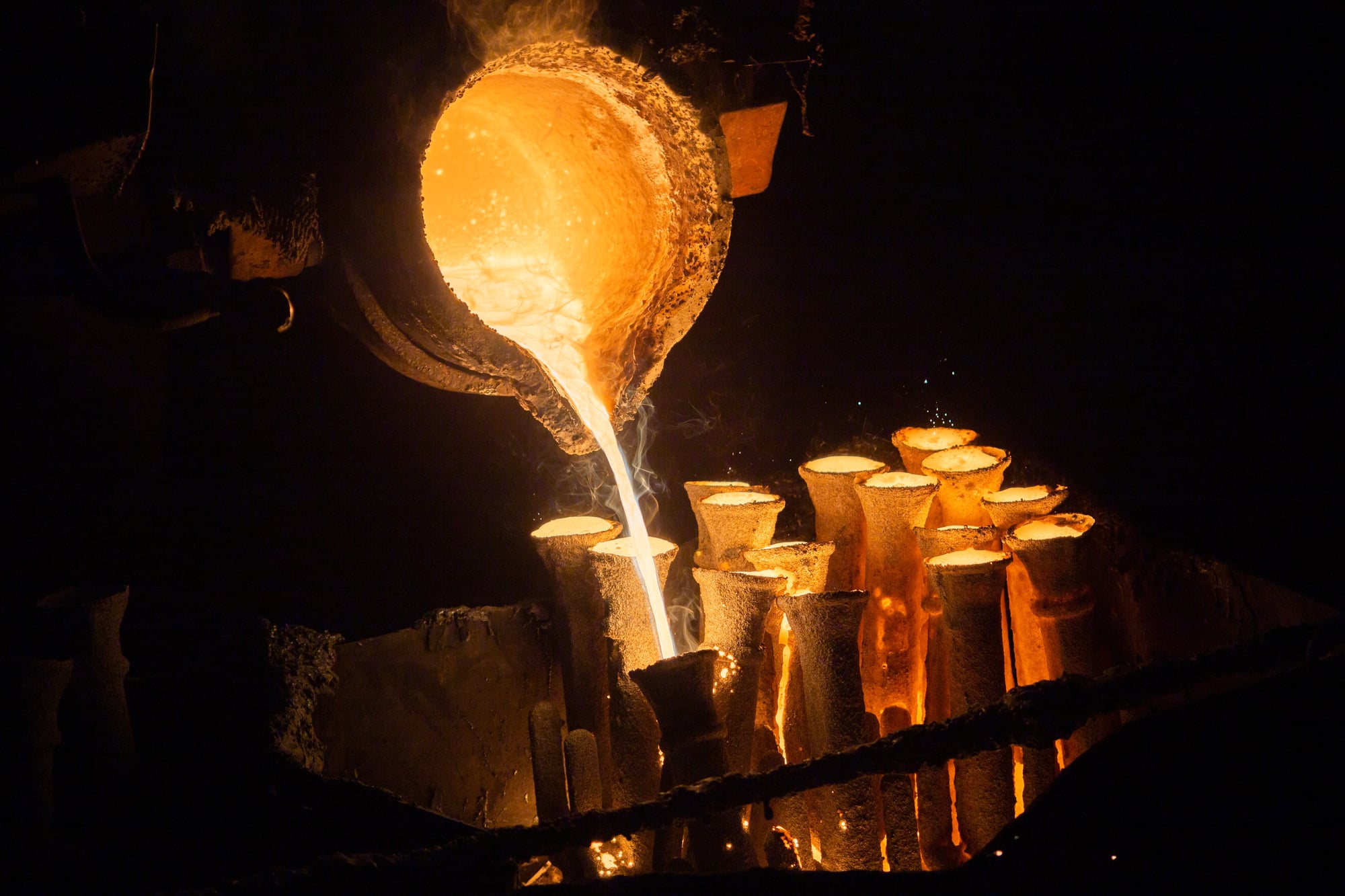
Lost-wax casting sounds complicated because it is. You sculpt in wax, coat it in clay, heat it until the wax melts out, then pour molten bronze into the hollow mold.
The Greeks perfected this around 500 BCE. Foundries across the world still use this exact process for bronze sculptures.
Nothing else produces the same detail or allows for the same complexity of form. Those ancient Greek statues with realistic fabric folds and individual hairs? All possible because wax can be worked precisely before the bronze replaces it.
Modern sculptors appreciate this flexibility. They can work the wax, make changes, and know the bronze will preserve every decision.
Encaustic: Painting with Heated Wax

Encaustic painting uses pigmented wax applied hot. Ancient Egyptians and Greeks both used it, and those Fayum mummy portraits from Roman Egypt still look fresh after 2,000 years.
The wax protects the color from air and light. Contemporary artists rediscovered encaustic in the 20th century, drawn by its texture and durability.
You heat the wax, mix in pigments, and apply it with brushes or tools. It cools fast, so you work quickly, and you can scrape, layer, and build up thick surfaces that have depth you can actually feel.
The finished work has a particular quality—colors glow but stay muted, and the surface catches light in subtle ways. Plus it’s archival; those portraits survived millennia buried in Egyptian sand.
Natural Pigments: Earth and Stone Ground to Color

Synthetic pigments only showed up in the 1800s. Before that, every color came from the ground—literally. Artists crushed minerals, bugs, and plants to make paint.
Yellow from earth, red from iron oxide, blue from lapis lazuli. Some artists today reject modern tube paints and return to making their own colors.
The process connects them to material sources. Ochre comes from specific clay deposits. Ultramarine requires grinding a semi-precious stone.
It’s labor-intensive, but the results carry weight—both physical, in how the pigments handle, and metaphorical, in how they connect the artist to thousands of years of practice.
Mosaic: Patience in Tiny Pieces

Mosaics turn labor into permanence. You set small pieces of stone, glass, or ceramic into mortar, creating images that last longer than almost any other art form.
Romans covered entire floors with them. Byzantine churches glowed with gold glass tesserae. Contemporary mosaic artists use the same basic approach—cutting small pieces and setting them carefully.
Each piece catches light differently, so the whole image shimmers and shifts as you move around it. You can’t get that effect with paint. Modern materials make some aspects easier, but the core practice remains unchanged.
Woodblock Printing: Carving to Multiply Images
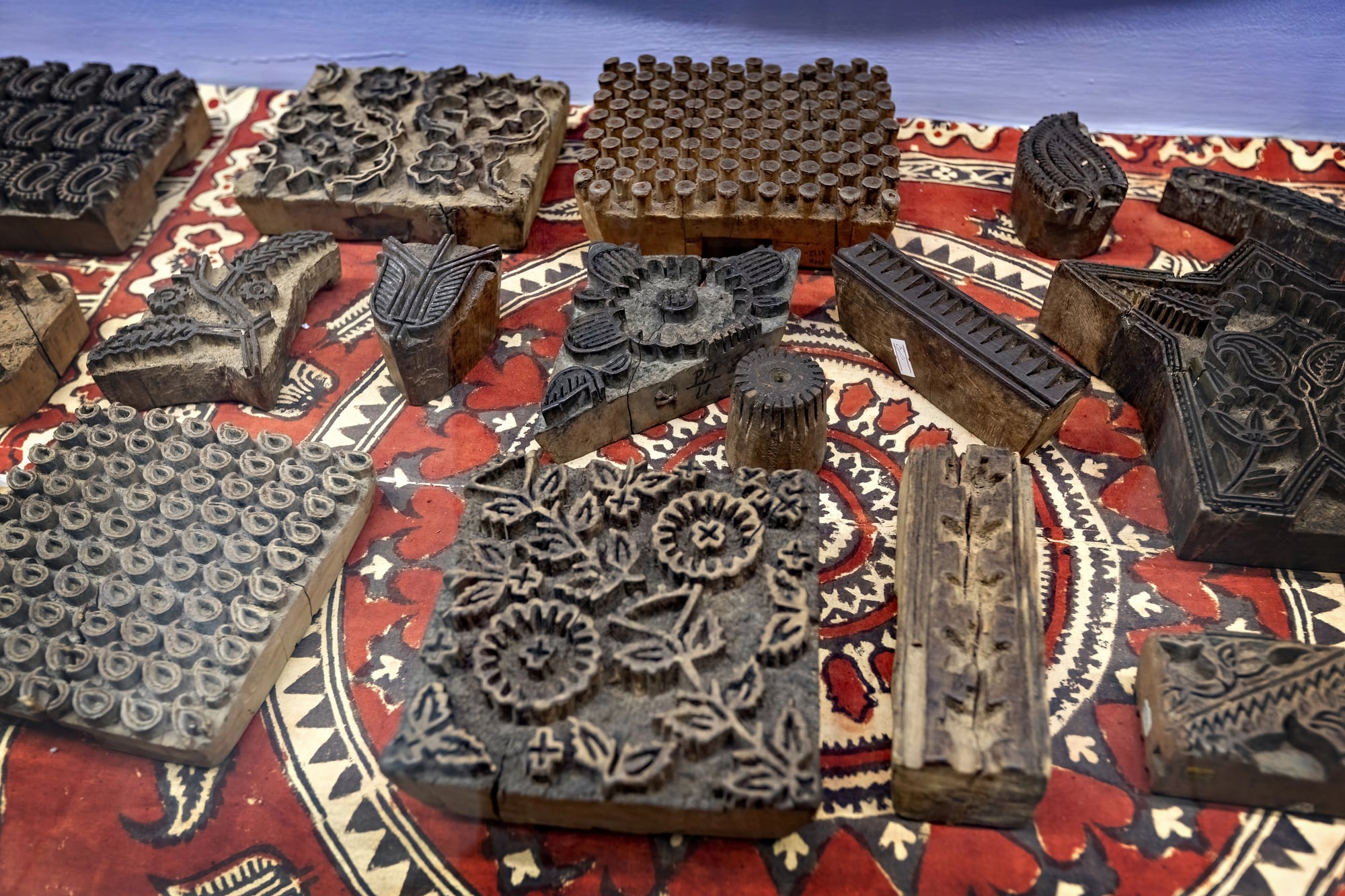
Woodblock printing originated in China over 1,000 years ago and spread to Japan, where it became an art form. You carve an image into a block of wood, ink it, and press paper against it.
Contemporary printmakers still use this technique. They like the physicality of carving and the slight variations each print shows.
You cut away what you don’t want to print, leaving raised lines and areas. Then you apply ink, place paper on top, and rub the back with a baren to transfer the image.
The process yields multiples, but each one is slightly unique. The wood grain shows through, and pressure variations create subtle differences.
The Potter’s Wheel: Spinning Clay into Form

The potter’s wheel appeared around 3,000 BCE in Mesopotamia. Spinning clay while shaping it produces symmetrical vessels faster than hand-building.
Modern potters use electric wheels instead of foot-powered ones, but the technique—centering clay, opening it up, pulling walls higher—hasn’t changed.
You can watch ancient Greek pottery and see the same spiral marks and proportions that studio potters create today. Clay and rotation and human hands produce recognizable results across millennia.
Buon Fresco: The Unforgiving Daily Section
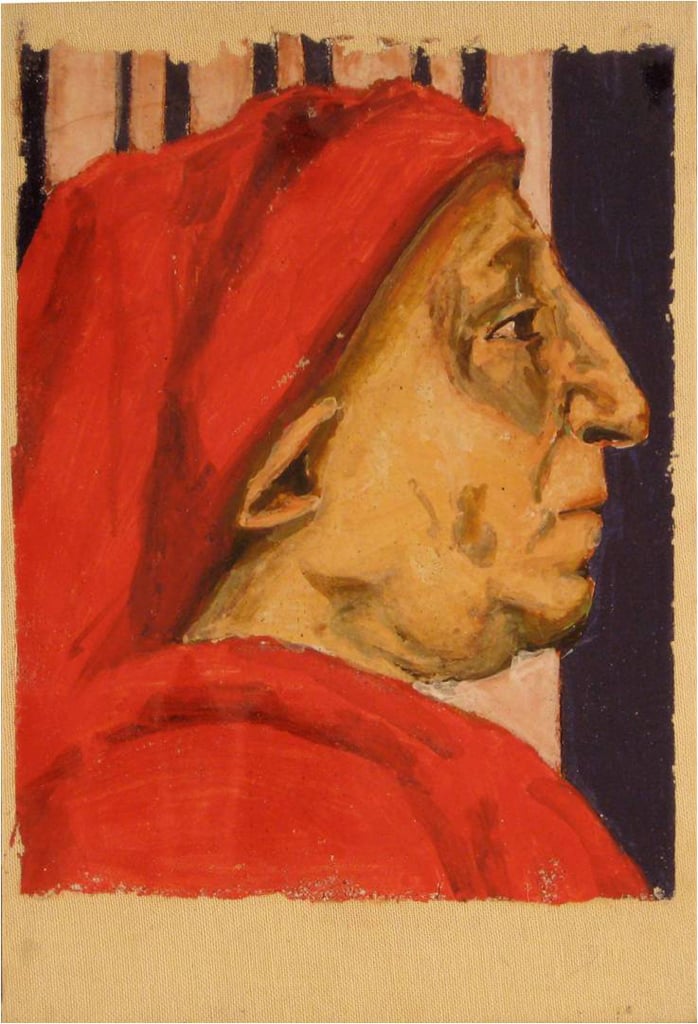
Buon fresco is painting on fresh, wet plaster in sections called giornate—literally “a day’s work” in Italian. Each section has to be completed while the plaster is wet, usually within a few hours.
Renaissance masters like Giotto and Masaccio planned their work around this constraint. They sketched the full composition on the wall, then plastered and painted one section at a time.
Muralists today who use buon fresco face the same pressure. Mistakes become permanent—the pigments bind chemically with the lime plaster as it cures. The method demands confidence and planning that most modern painting techniques don’t require.
Sgraffito: Scratching Through Layers

Sgraffito comes from the Italian word “to scratch.” You apply one layer of plaster, slip, or paint, then cover it with a different color.
While the top layer is still soft, you scratch through it to reveal the layer underneath. Ancient Greeks and Romans decorated pottery this way.
Contemporary artists use sgraffito in ceramics and plaster work. The technique creates precise lines and patterns that feel both ancient and graphic.
It requires planning—you need to know what you’re revealing before you apply the top layer. Light catches the carved lines differently than it would hit flat paint, adding dimension.
Gesso: The Foundation Layer That Matters
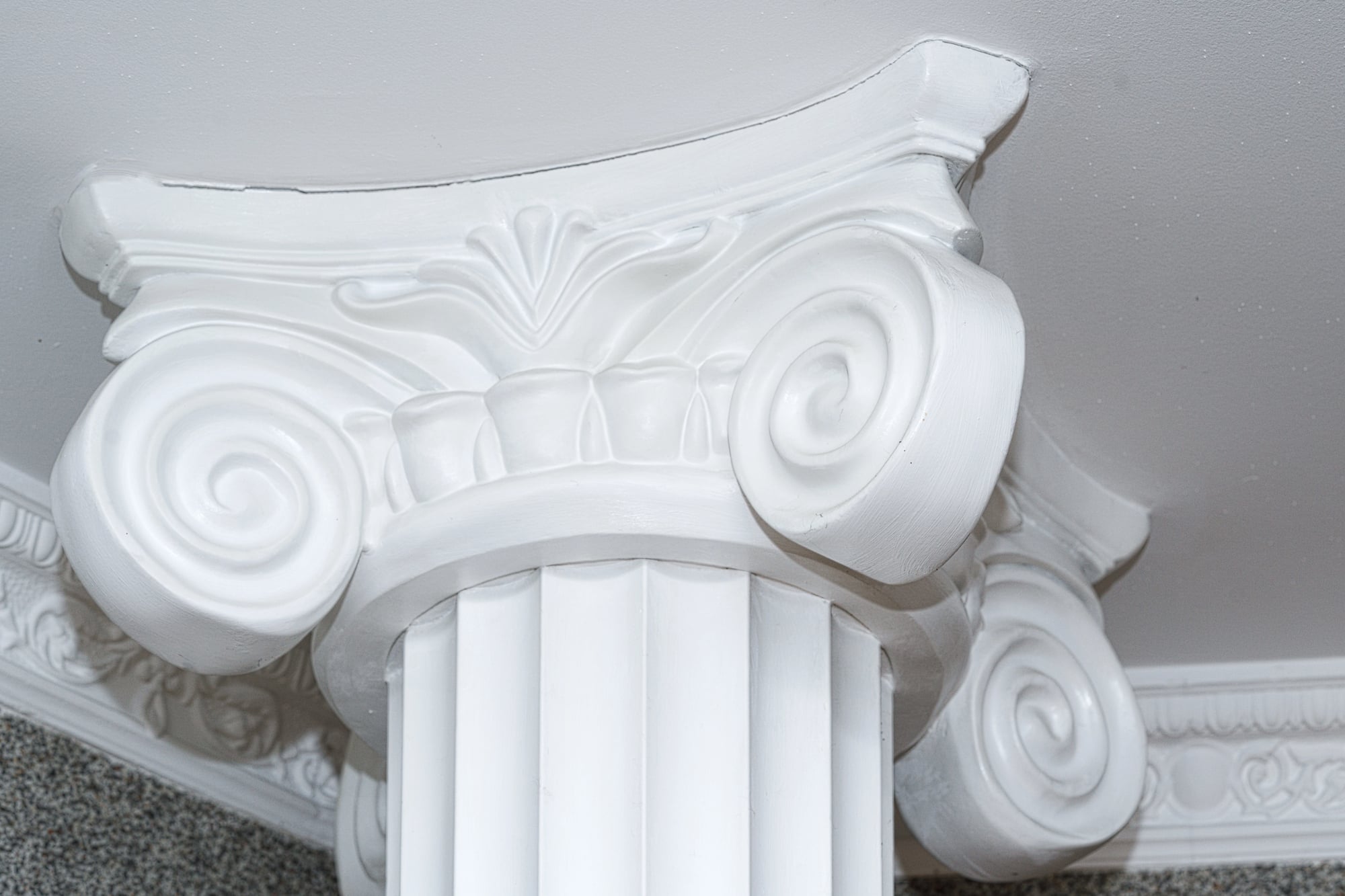
Gesso is a blend of powdered chalk or gypsum mixed with binder to form an even base for painting. Medieval and Renaissance painters made it by hand to prepare surfaces properly.
Some modern painters ignore this step, grabbing store-bought primed canvas instead. But those who stick to classic methods mix and spread their own gesso.
Homemade gesso changes how paint behaves, producing whiter tones, silkier surfaces, and better control. Brushing, drying, sanding, and repeating takes patience, but the payoff is a surface that enhances the final artwork.
Time Doesn’t Change What Works

These tricks stick around because they fix issues newer ways haven’t handled well. Fresco ties directly into buildings, gold leaf shines uniquely, and stone carving creates lasting permanence.
Artists today who choose these methods aren’t rejecting progress. They’re choosing tools that match their intentions.
Sometimes the oldest way remains the most honest one. The materials resist shortcuts, demand patience, and produce results that last.
Art grows when it glances at the past. Those who blended egg tempera centuries ago connect somehow with folks doing it now. It’s not about longing for old times—it’s about knowing certain talks between maker and medium stay true without changes.
More from Go2Tutors!

- The Romanov Crown Jewels and Their Tragic Fate
- 13 Historical Mysteries That Science Still Can’t Solve
- Famous Hoaxes That Fooled the World for Years
- 15 Child Stars with Tragic Adult Lives
- 16 Famous Jewelry Pieces in History
Like Go2Tutors’s content? Follow us on MSN.