28 Shipwrecks With Treasure That Has Never Been Recovered
The ocean keeps its secrets better than anyone. Beneath thousands of feet of saltwater, inside rotting hulls swallowed by silt and time, fortunes sit exactly where they fell — untouched, unclaimed, and in many cases, undiscovered.
Shipwrecks have captured human imagination for centuries, not just because of the gold or silver, but because each one is a frozen moment: a ship that left port and never came back, carrying everything it had with it. Some of these wrecks are well-documented, their locations known but their cargo still unreachable.
Others are little more than legends — persistent, maddening legends that have driven explorers to bankruptcy and back. What follows are 28 of the most compelling, most tantalizing, and in some cases most heartbreaking cases of sunken treasure that the sea has refused to give up.
The San José
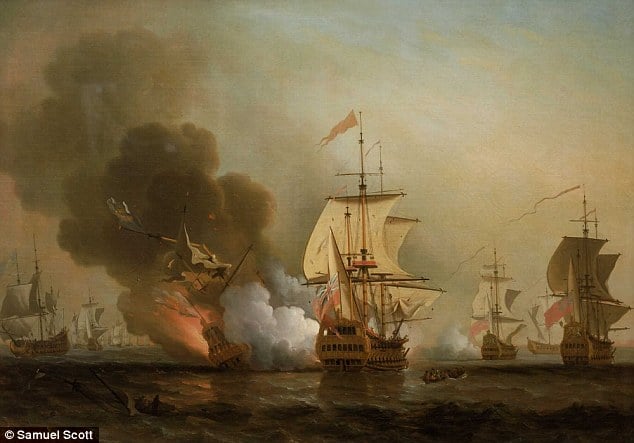
The San José went down in 1708 off the coast of Cartagena, Colombia, and it took roughly 600 lives and what is now estimated to be $17 billion in gold, silver, and emeralds with it. Colombia, Spain, and a U.S. salvage company have all claimed legal rights to the wreck — and none of them have resolved it.
The ship sits at around 2,000 feet deep, which is saying something, but the legal battle above the surface is the real obstacle.
The Flor de la Mar
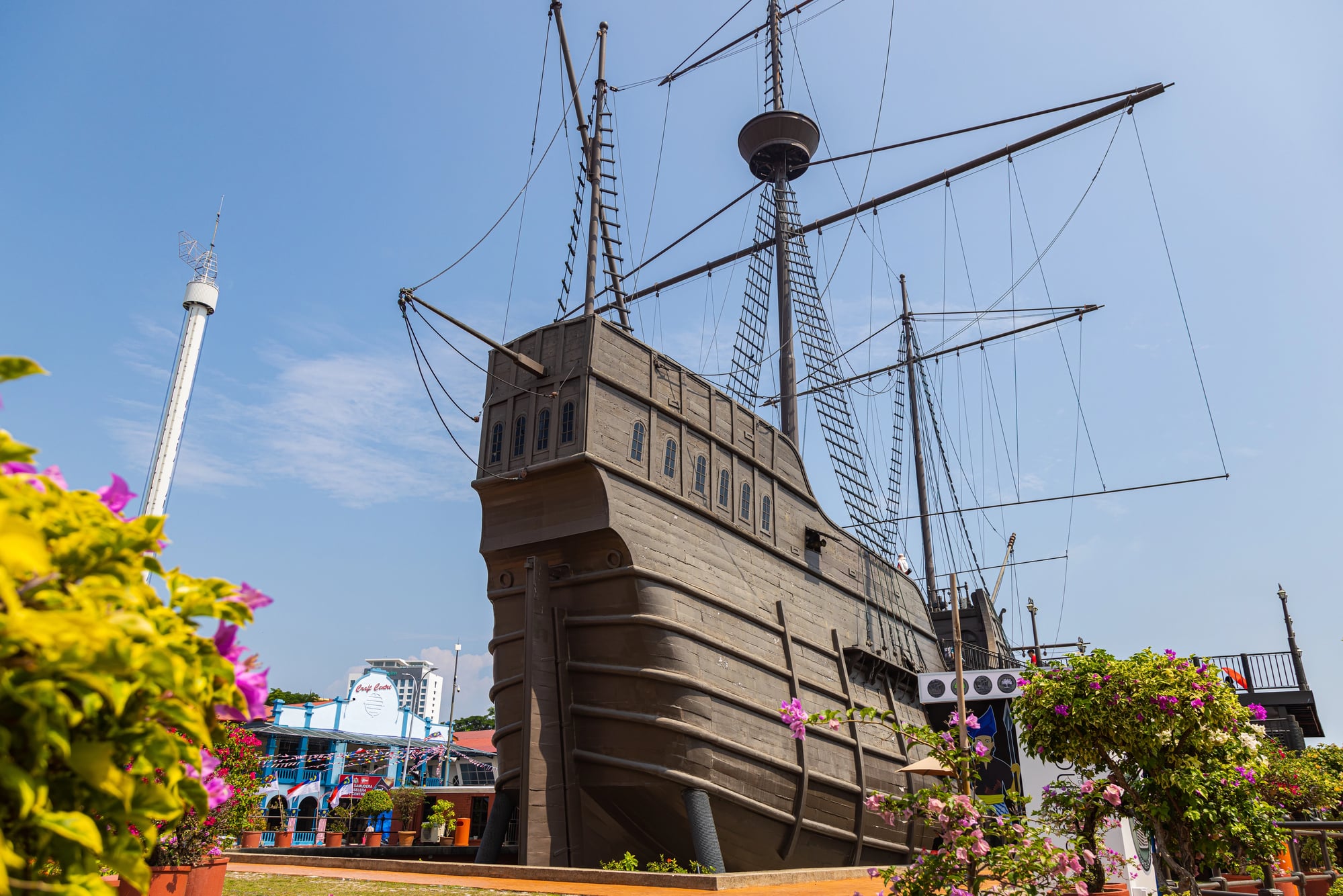
This Portuguese carrack sank in the Strait of Malacca in 1511, carrying what some historians describe as the largest single treasure ever loaded onto a ship — looted from the Sultan of Malacca’s palace. No one has found it.
The wreck’s location is disputed to the point where serious salvage attempts have never gotten off the ground.
The Merchant Royal
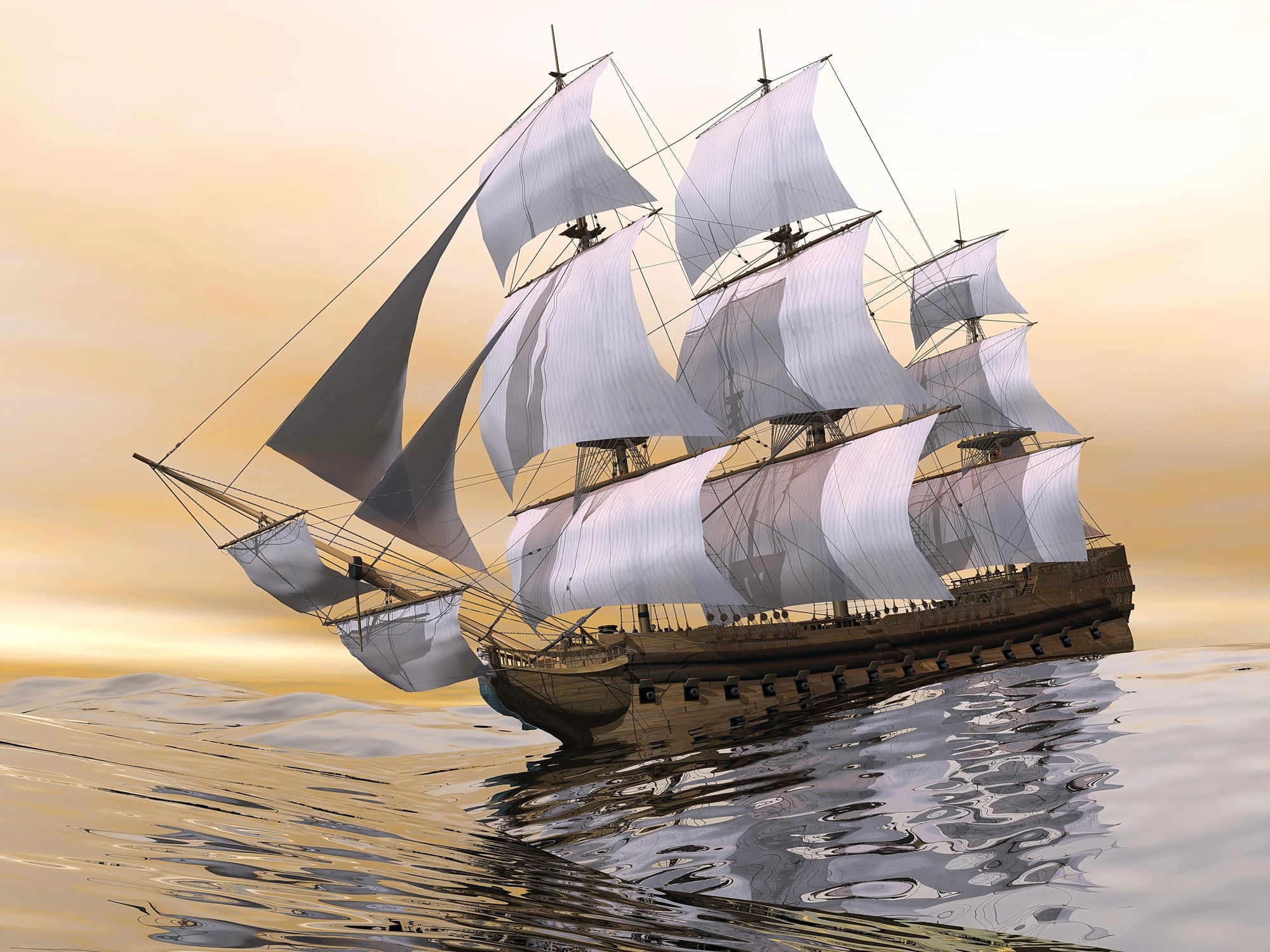
The Merchant Royal — an English trading vessel that went down in 1641 near the Isles of Scilly — was carrying an extraordinary cargo that included 100,000 pounds of gold, 400 bars of silver, and nearly half a million coins, a weight so staggering that the ship’s pumps had been struggling for days before she finally gave out. Divers have searched the area for decades.
The seabed there is unforgiving, and the ship has never been positively identified.
The SS Central America
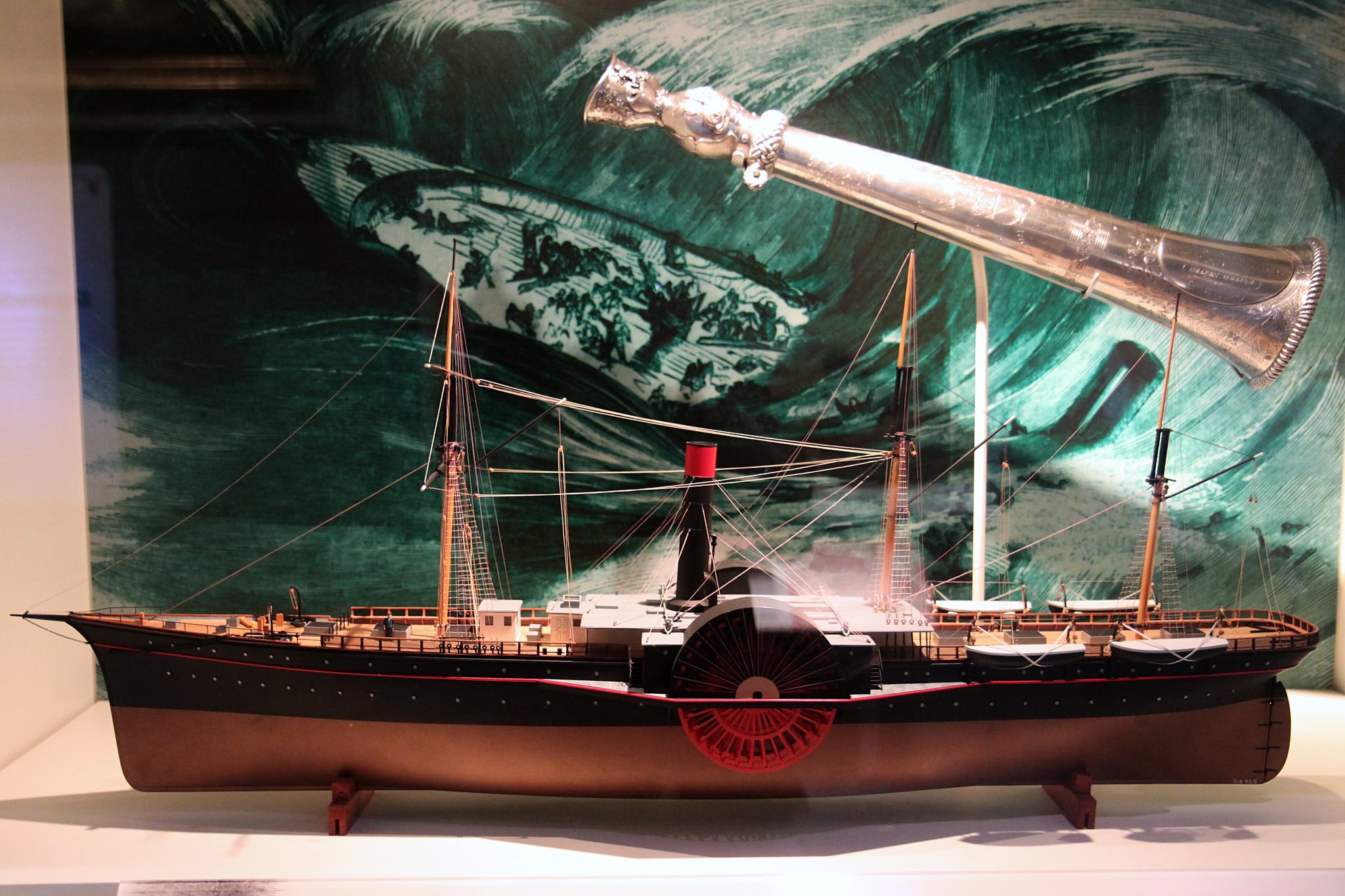
This one is different because part of it was recovered — and the rest wasn’t. The Central America sank in a hurricane off South Carolina in 1857, carrying three tons of California Gold Rush gold, and while a salvage company pulled up a significant portion in the 1980s, the legal fights that followed were so brutal that large sections of the wreck remained unexplored.
Estimates suggest there’s still gold left. Nobody’s been back in a meaningful way since.
The Nuestra Señora de Atocha

The Atocha sank off the Florida Keys in 1622 during a hurricane, and Mel Fisher spent 16 years — and lost his son — searching for it before finding the main cargo in 1985. But Fisher’s discovery, as spectacular as it was, recovered only a portion of the manifest’s listed treasure, and the “Mother Lode” section of the wreck site is still believed to hold significant amounts of unrecovered silver and gold.
The ocean off the Keys is shallow enough that it seems like it should be easy. It is not.
The HMS Sussex
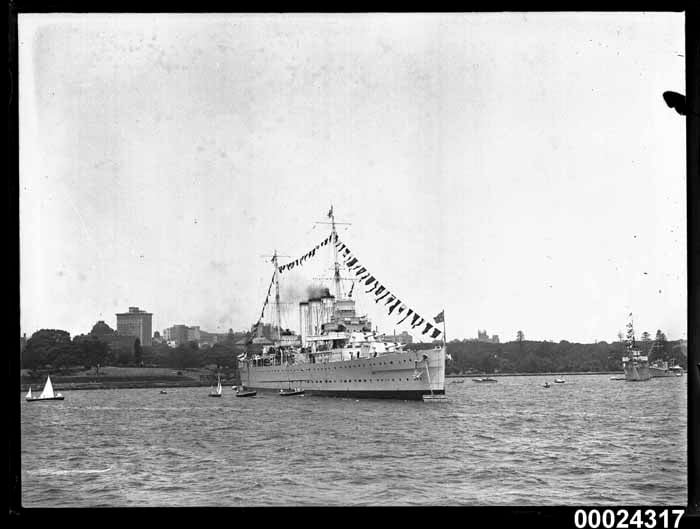
Britain’s Royal Navy lost the Sussex in 1694 near Gibraltar, along with an estimated £1 billion in gold coins that were meant to fund a military alliance. Odyssey Marine Exploration located what they believe to be the wreck in the early 2000s, but Spain claimed territorial rights over the site and the legal standoff has kept the treasure untouched ever since.
So the coins sit there — a billion pounds of them — while lawyers argue on the surface.
The Flebus
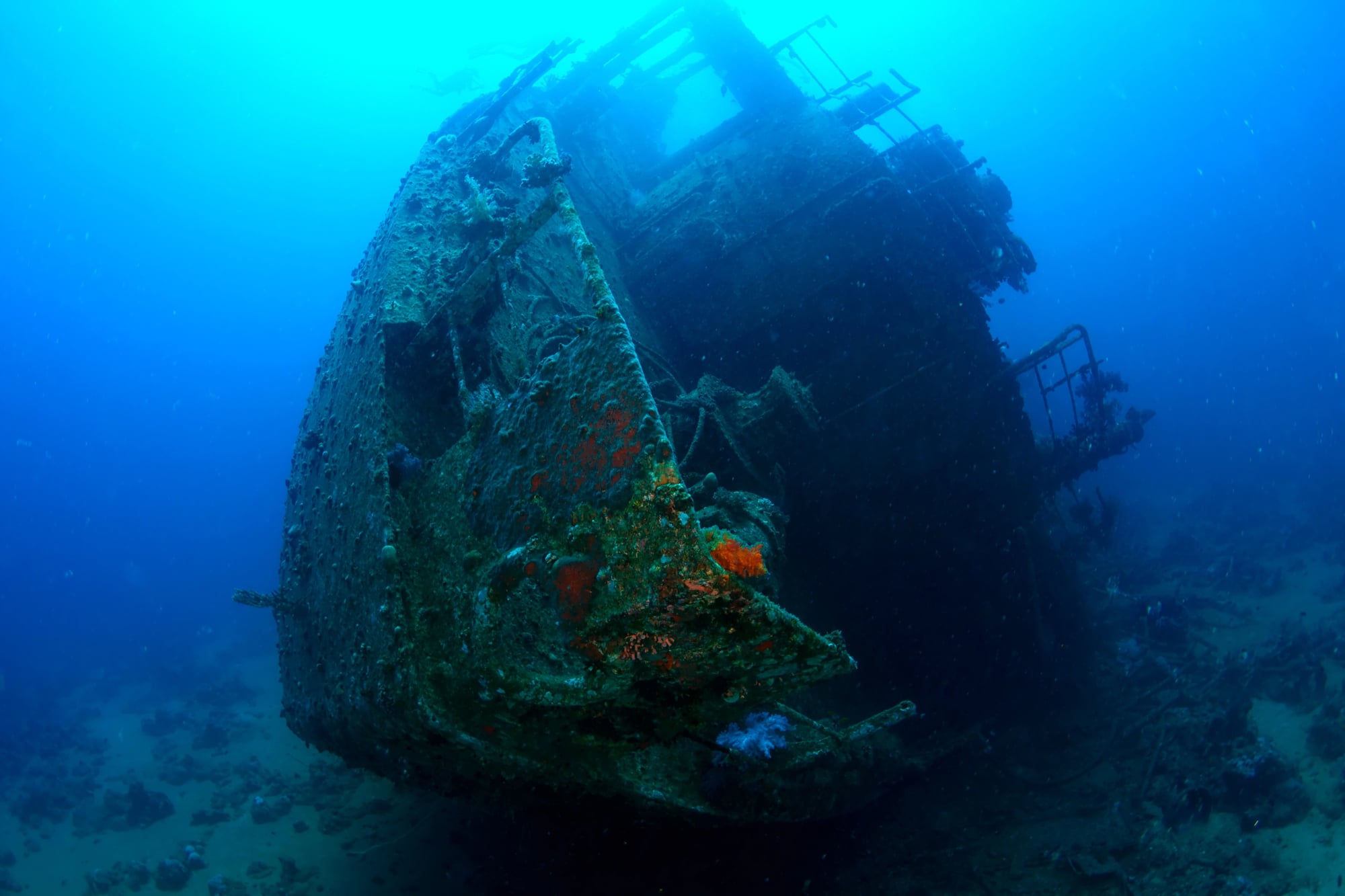
Not every lost treasure is ancient — some are simply forgotten, which is almost worse. The Flebus was a small vessel that sank in Lake Michigan in 1837 carrying a payroll shipment, and its location has never been definitively confirmed despite the lake’s relatively manageable depth in the area.
Lake Michigan has claimed hundreds of ships. Finding the right one, in that cold, dark water, with records that barely exist, is harder than it sounds.
The Whydah Gally
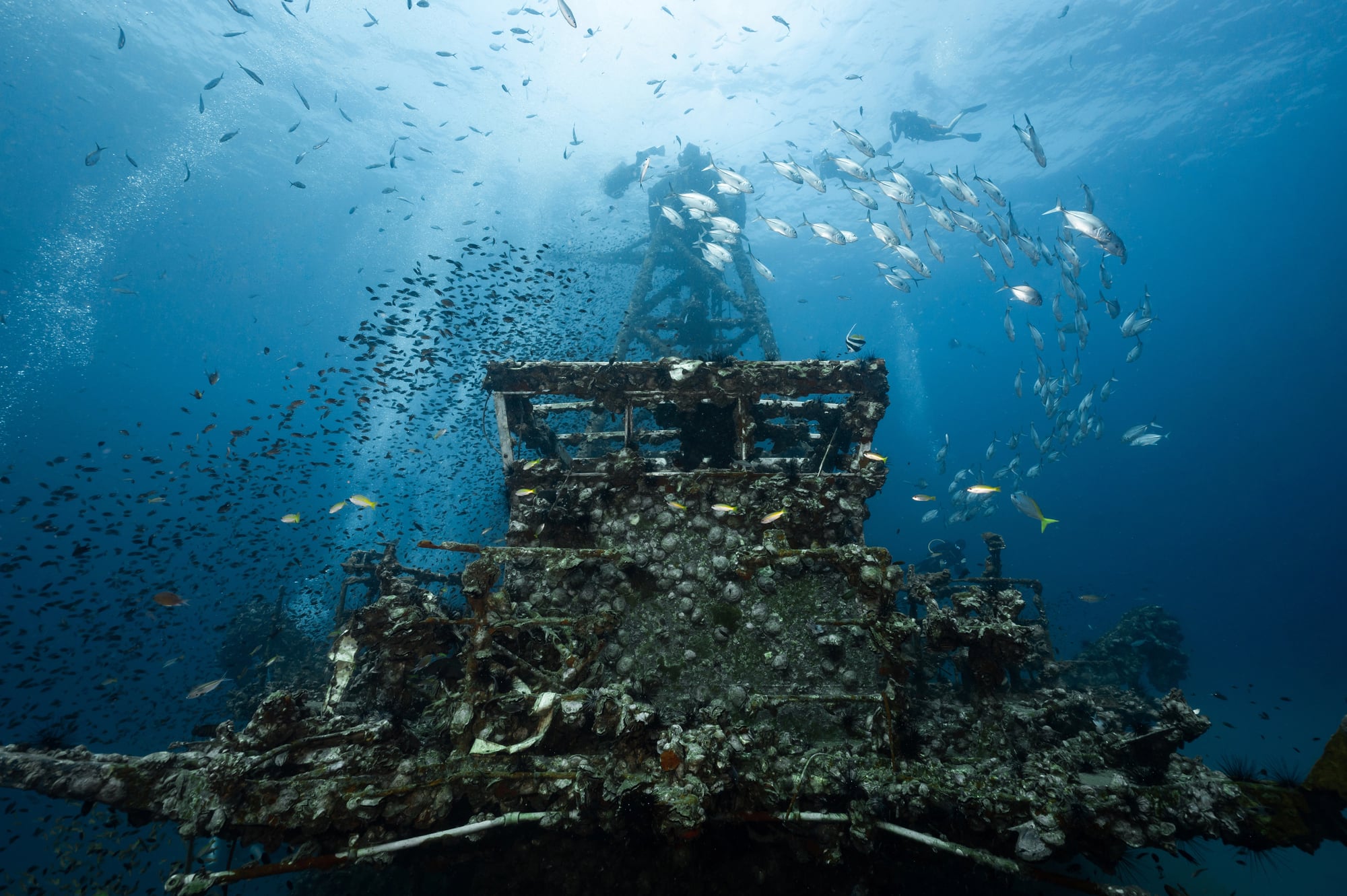
The Whydah Gally, the flagship of the pirate Samuel “Black Sam” Bellamy, sank off Cape Cod in 1717 with more than 4.5 tons of gold and silver aboard — plunder from over 50 ships. Barry Clifford discovered the wreck in 1984 and has recovered thousands of artifacts, but estimates consistently suggest the bulk of the treasure has still not been found, buried under shifting sand that has resisted decades of excavation.
The Whydah giveth, and the Whydah taketh away.
The São Paulo
Portugal’s São Paulo ran aground near the Straits of Magellan in 1561 during an attempted circumnavigation, and the surviving crew had to leave behind a significant portion of their cargo — which included gold and trade goods — before making it to shore. The exact location of the wreck has never been confirmed.
That stretch of South American coastline is remote enough that searches have been rare and inconclusive.
The Admiral Nakhimov
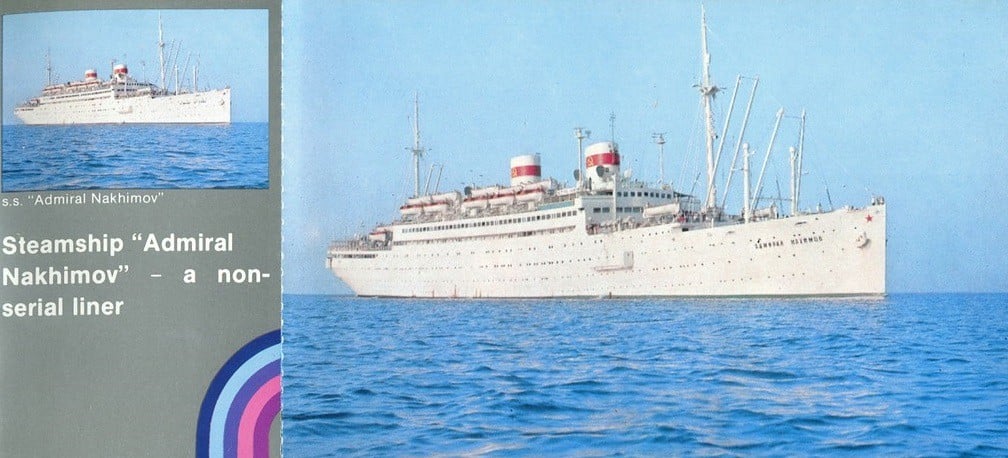
The Admiral Nakhimov was a Russian cruiser that went down near Japan’s Tsushima Islands in 1905, following the catastrophic Battle of Tsushima, and it was reportedly carrying around 5,500 boxes of gold coins — the Imperial Russian Navy’s war chest. Japanese salvage teams attempted recovery in the 1980s and found some artifacts but nothing close to the reported gold.
Russia has never fully released information about what the ship was actually carrying, which is its own kind of answer.
The La Capitana
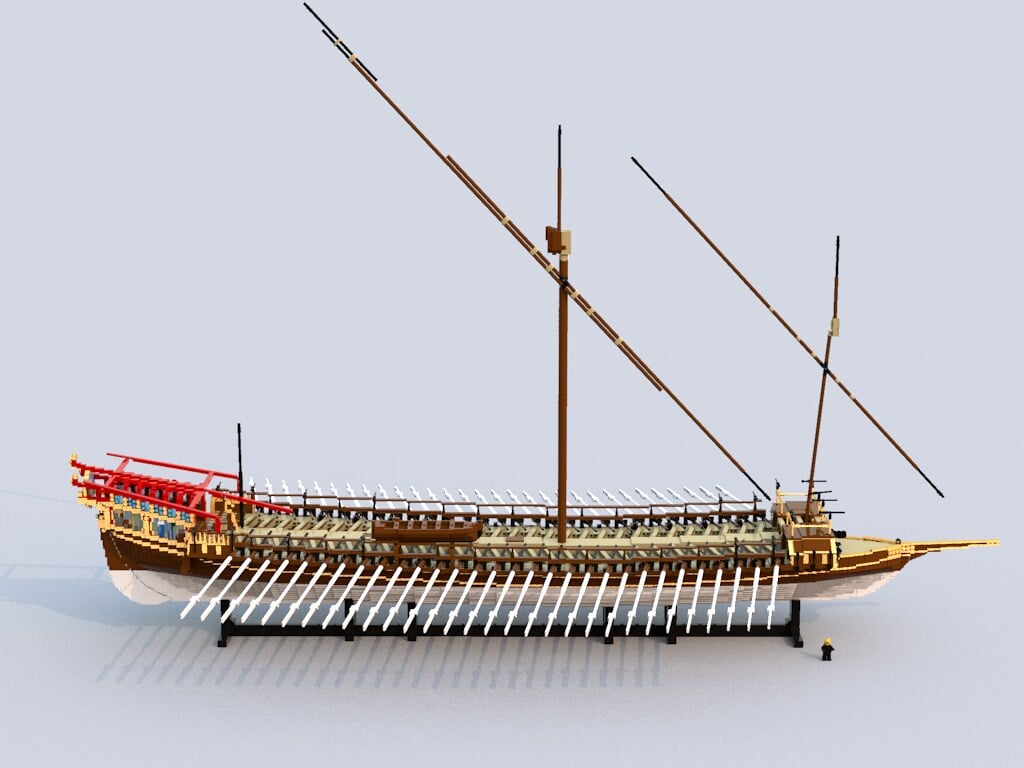
This Spanish galleon sank in 1654 off the coast of Ecuador, carrying around 800 pounds of gold and a large quantity of silver coin — modest by some standards but still unrecovered after nearly four centuries. Ecuador’s notoriously difficult Pacific coast, with its currents and murky conditions, has frustrated the handful of expeditions that tried to locate it.
The ship’s precise resting place remains unknown.
The RMS Republic
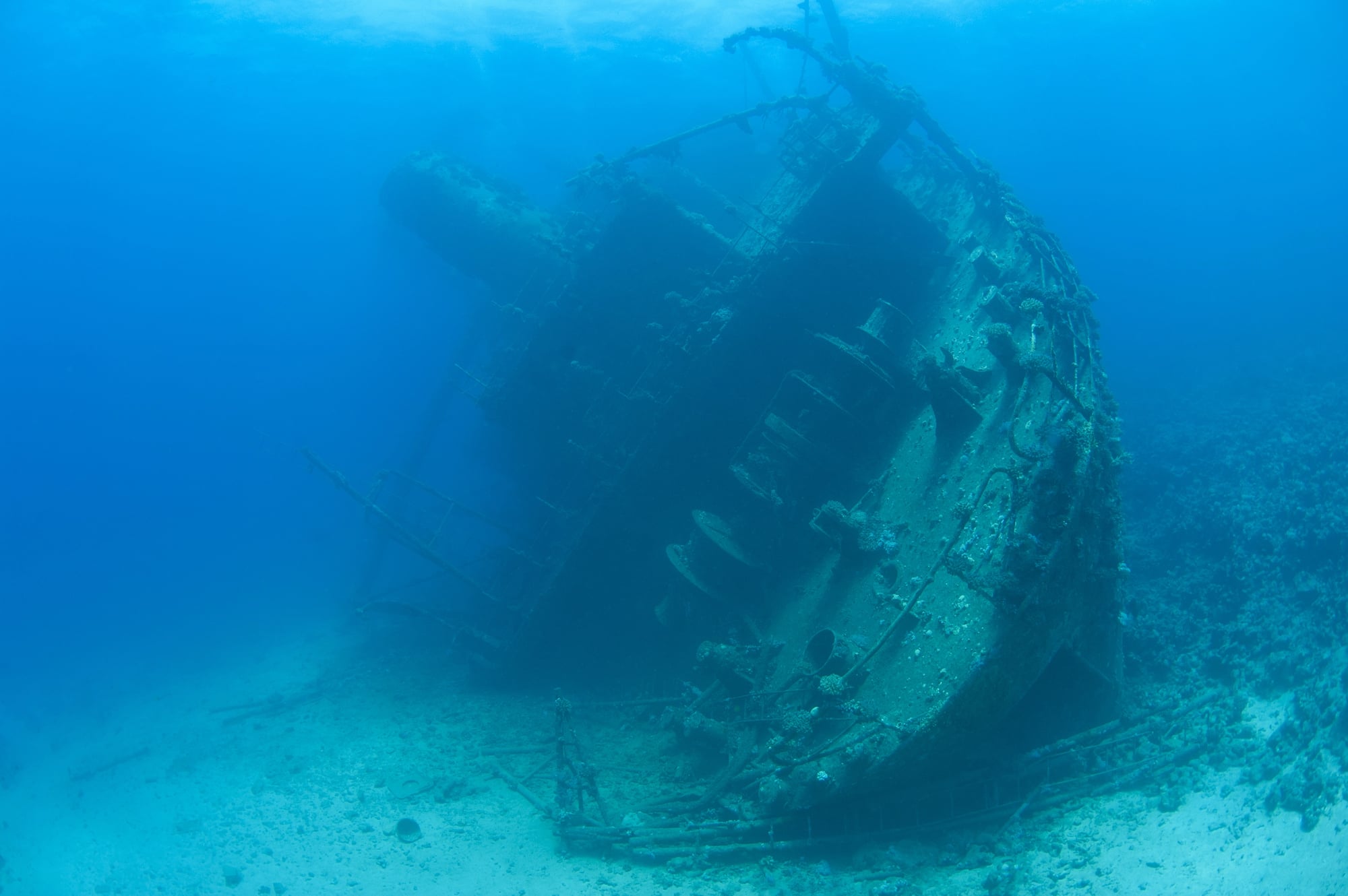
The Republic — a White Star Line ocean liner — sank in 1909 off the coast of Nantucket after a collision, and it went down with what some believe was a large gold shipment intended for Russian Tsar Nicholas II. The ship’s location is actually known, sitting at around 270 feet deep, but the purported gold has never been officially confirmed or recovered.
Salvagers keep going back. They keep coming up empty.
The Sunken City of Port Royal
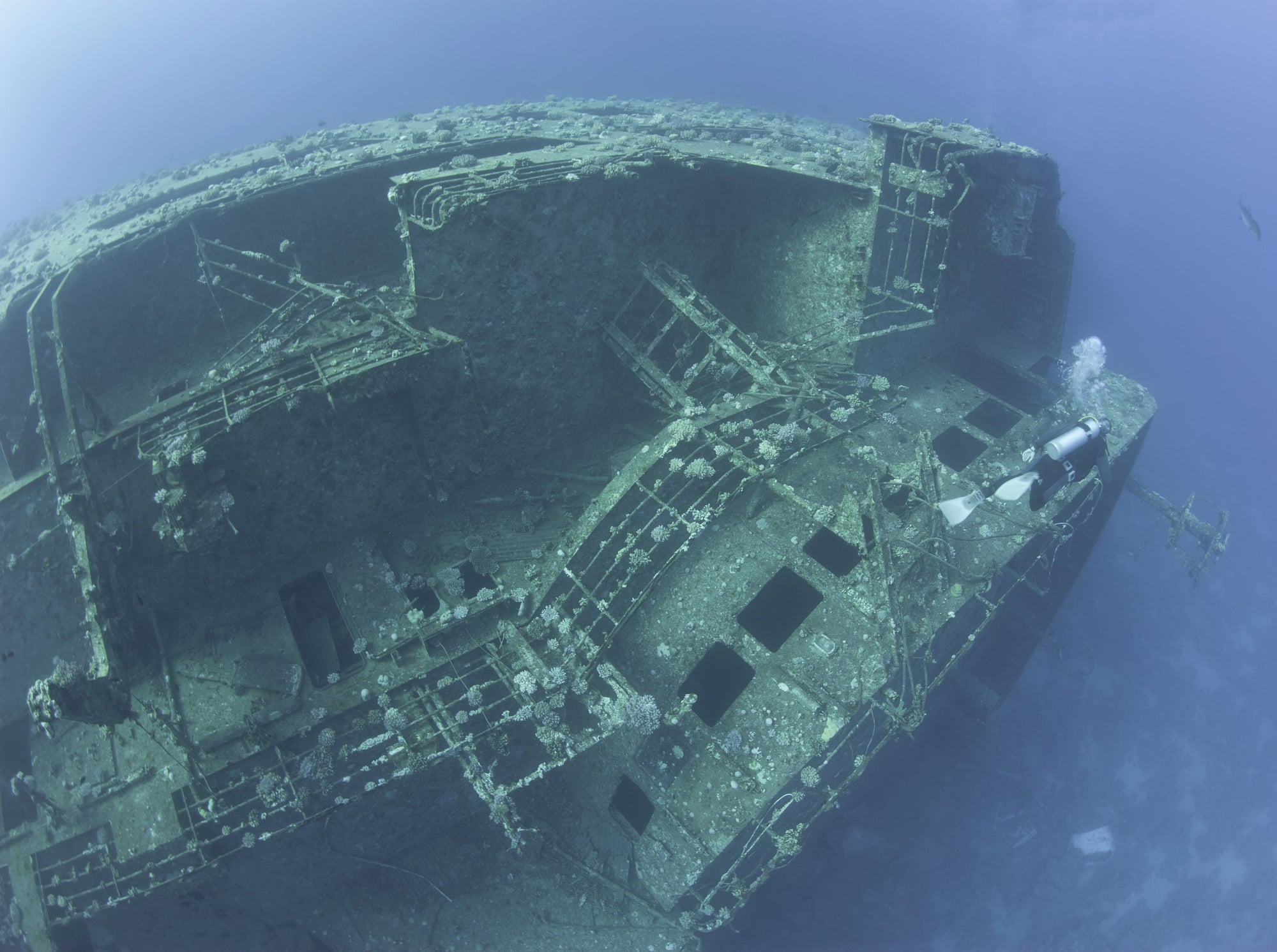
Port Royal isn’t a single ship — it’s an entire city that liquefied into the Caribbean Sea during the 1692 earthquake that swallowed two-thirds of Jamaica’s most prosperous (and notoriously lawless) port town. Divers have recovered artifacts over the years, including watches stopped at the exact moment of the quake, but the majority of the town’s wealth — which was considerable, given that Port Royal was essentially the pirate capital of the Western Hemisphere — remains buried under silt.
It’s less a shipwreck and more a sunken civilization, and the treasure is inseparable from the wreckage of everyday life.
The Titanic’s Rumored Safe Contents
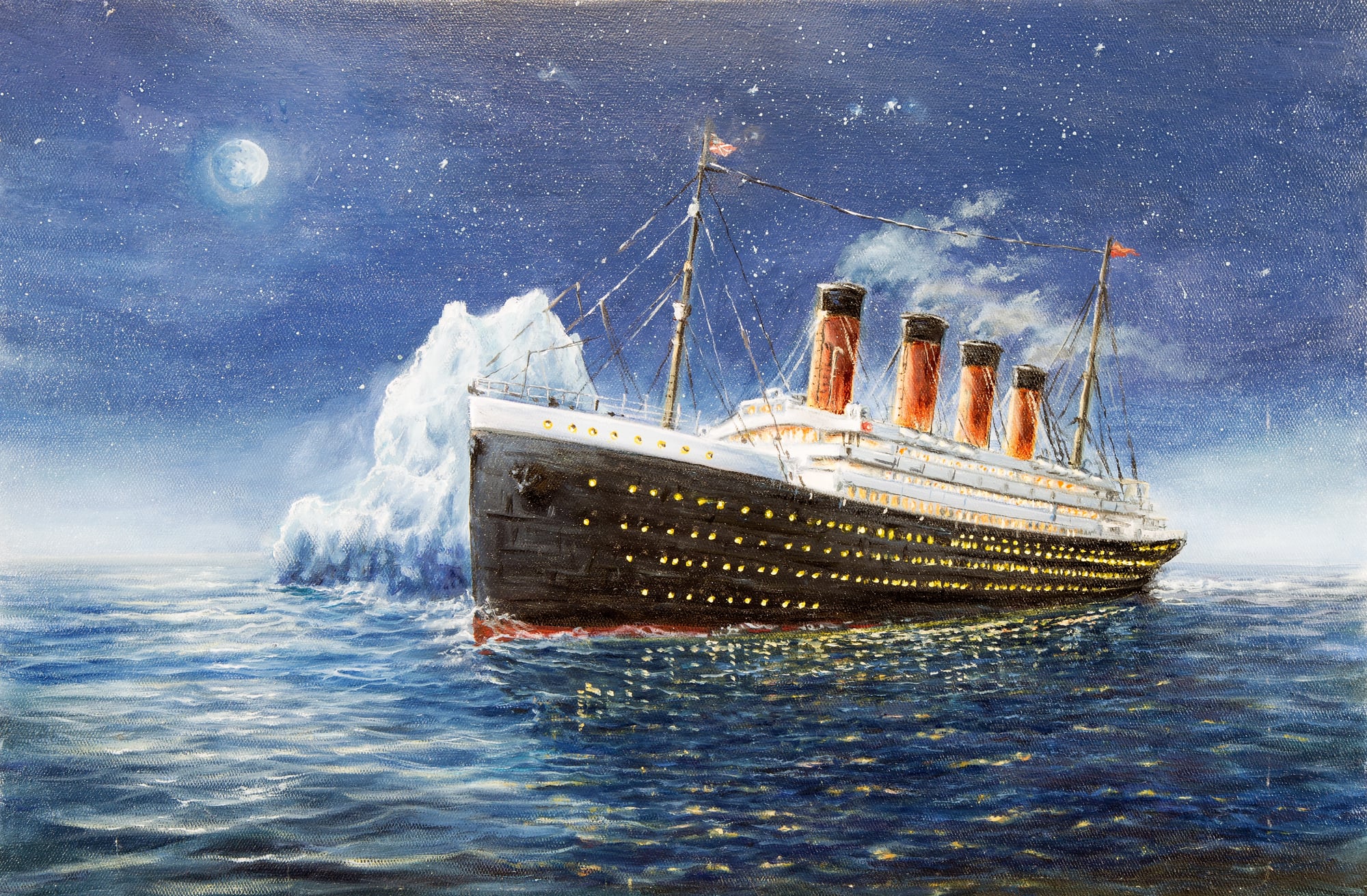
The Titanic sits about 370 miles southeast of Newfoundland at roughly 12,500 feet below the surface, and while its location is well known and extensively documented, the contents of its first-class passengers’ safes — rumored to include diamonds, negotiable bonds, and significant amounts of cash — have never been fully recovered. What’s been retrieved is a fraction of what went down.
At those depths, in that water temperature, the question of what’s still sealed inside corroded safe boxes is one that may never get a clean answer.
The Urca de Lima
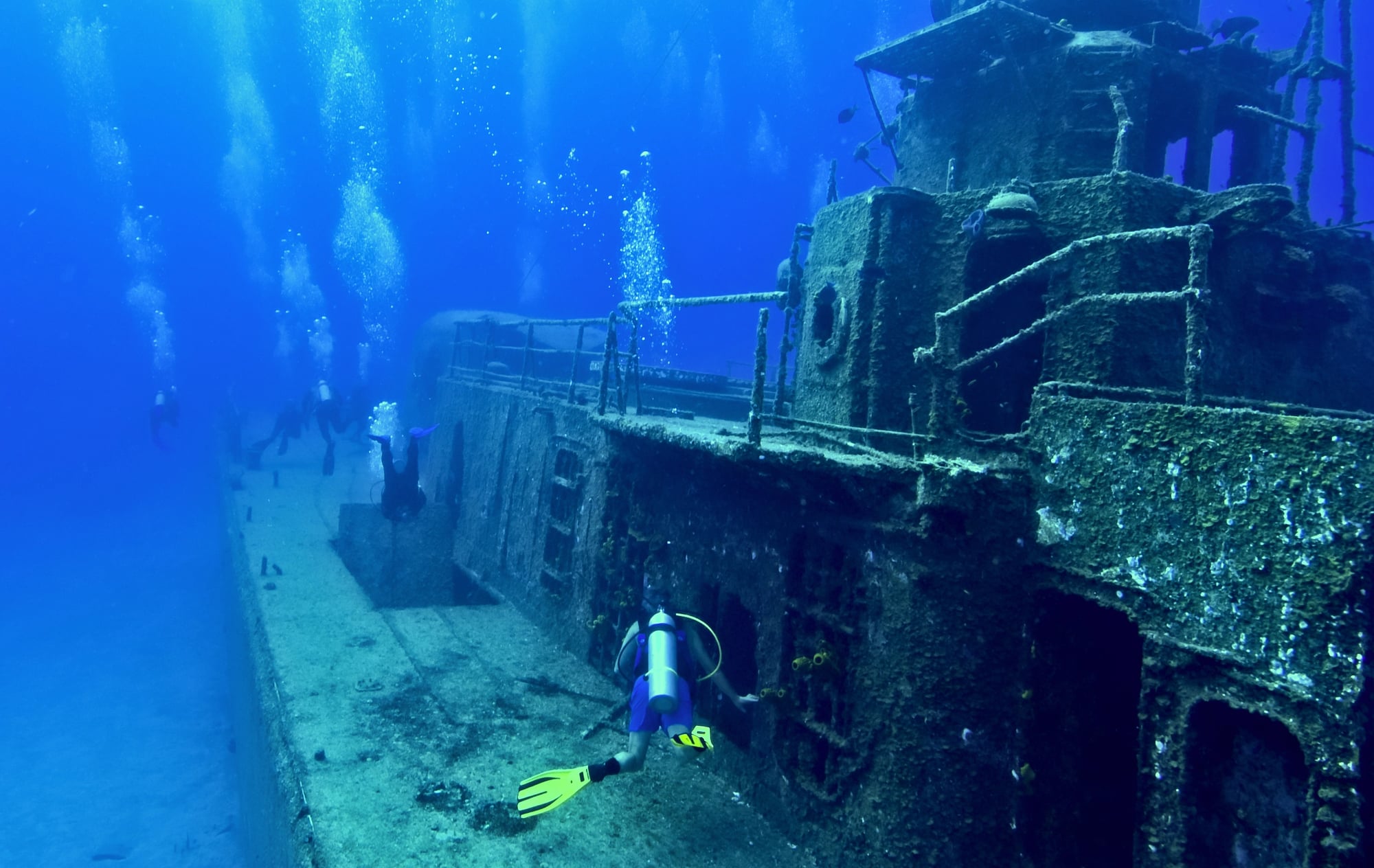
The Urca de Lima was part of the famous 1715 Plate Fleet disaster, when a hurricane sank eleven Spanish galleons off Florida’s east coast, and while some of the fleet’s treasure has been recovered along the Treasure Coast over the decades, the Urca de Lima herself — which reportedly ran aground near Fort Pierce — is still believed to hold a significant portion of her silver cargo. The wreck is in relatively shallow water, which has made it both more accessible and more plundered; what remains is harder to pinpoint because the site has been disturbed so many times.
Go figure.
The Lutine
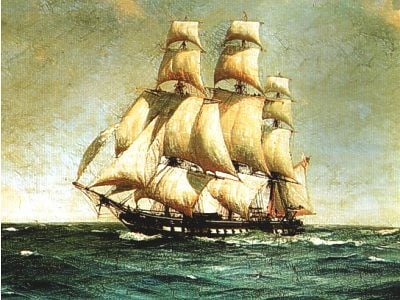
HMS Lutine went down in the North Sea near the Dutch island of Terschelling in 1799, carrying gold and silver bullion worth over a million pounds sterling — the equivalent of hundreds of millions today — and while its famous bell was recovered and now hangs at Lloyd’s of London, the bulk of the treasure has never been located despite more than 150 years of search attempts. The shifting sands of that part of the North Sea are extraordinary at burying things.
Lutine’s treasure is one of the most stubbornly persistent unsolved recovery problems in European maritime history.
The SS Gairsoppa
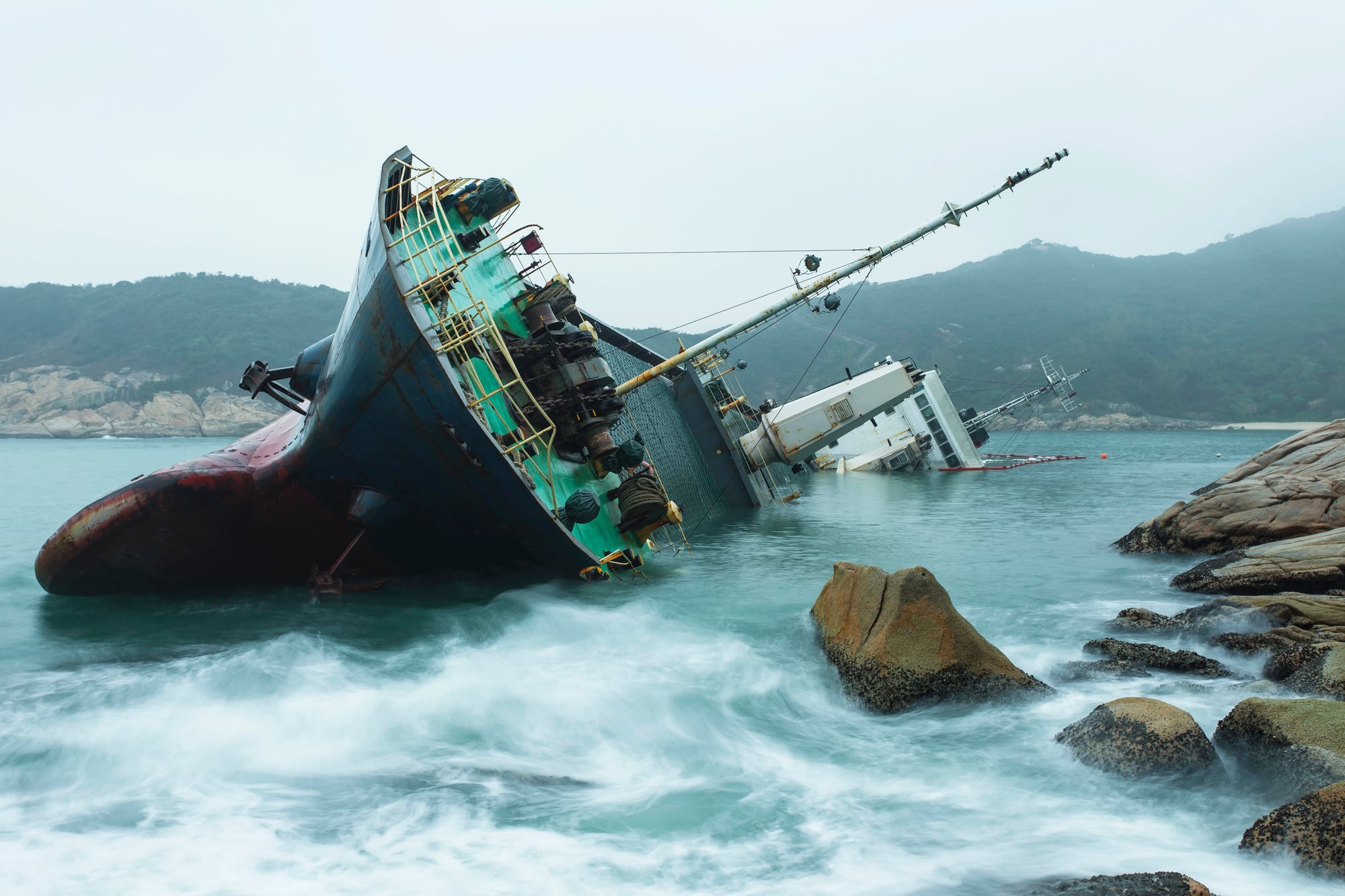
The SS Gairsoppa was a British cargo ship torpedoed by a German U-boat in 1941 while crossing the Atlantic, and it went down with approximately 240 tons of silver — one of the largest silver cargoes ever lost at sea. Odyssey Marine Exploration found the wreck in 2011 at around 15,000 feet deep and recovered a remarkable amount of silver bars, but they recovered far less than the full manifest indicated.
The rest remains on the seabed.
The San Martín
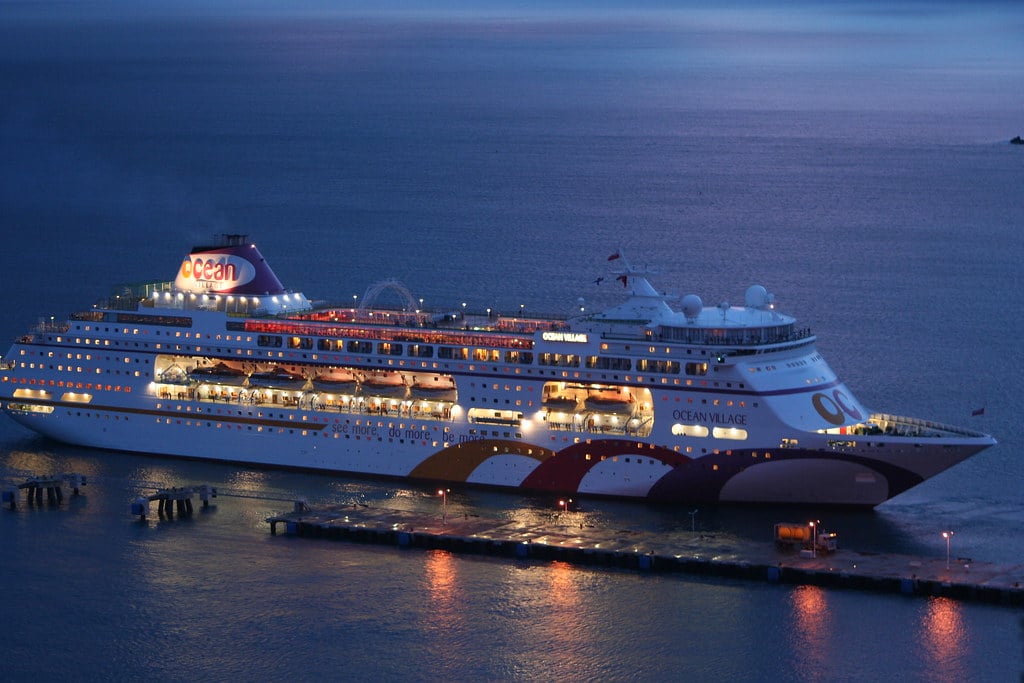
The San Martín was the flagship of the Spanish Armada — the ship from which the Duke of Medina Sidonia commanded the disastrous 1588 campaign against England — and while she actually survived the campaign, her companion vessels that sank along Ireland’s west coast during the storms that wrecked the retreating fleet are believed to have carried significant gold and silver payroll. Several Irish wrecks from that fleet have been located, but recovery has been legally and physically complex, and large amounts of cargo remain on the seabed off the Irish coast.
The Cocos Island Treasure Ship
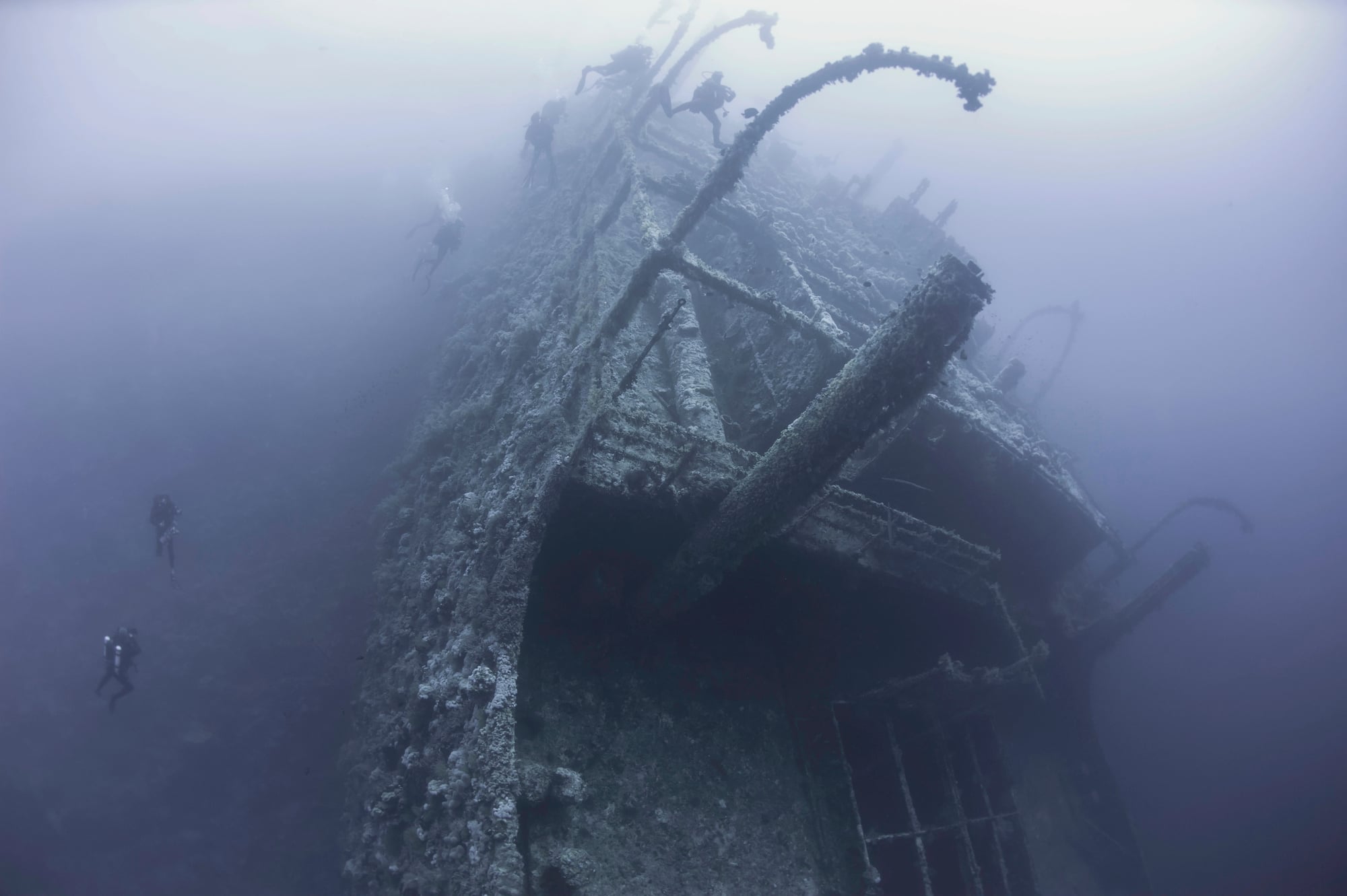
Cocos Island, a remote Costa Rican territory in the Pacific, has one of the most enduring treasure legends in the world — centered on a cache of gold allegedly loaded onto a ship in Lima, Peru, in 1820 to keep it out of revolutionary hands, and then buried or sunk near the island when the crew disappeared. Hundreds of expeditions have gone to Cocos Island.
None have found the treasure. At this point the island is legally protected, making future searches even more complicated.
The Black Swan
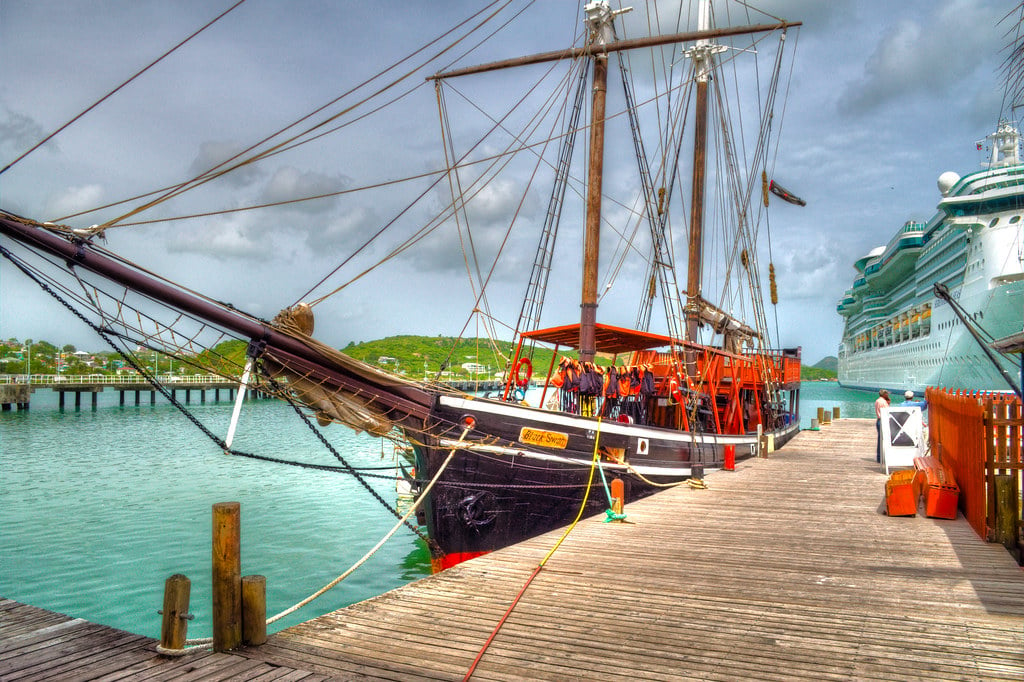
The Black Swan is what Odyssey Marine Exploration called the anonymous colonial-era Spanish vessel they found in 2007, from which they recovered 17 tons of gold and silver coins — but Spain successfully argued in U.S. federal court that the shipwreck was the Nuestra Señora de las Mercedes and all of the coins were returned to Spain. The wreck site itself, located in the Atlantic near Gibraltar, is now off-limits, and whether additional treasure remains in the hull is an open question that nobody is currently permitted to answer.
The Atocha’s Sister Ship, the Santa Margarita
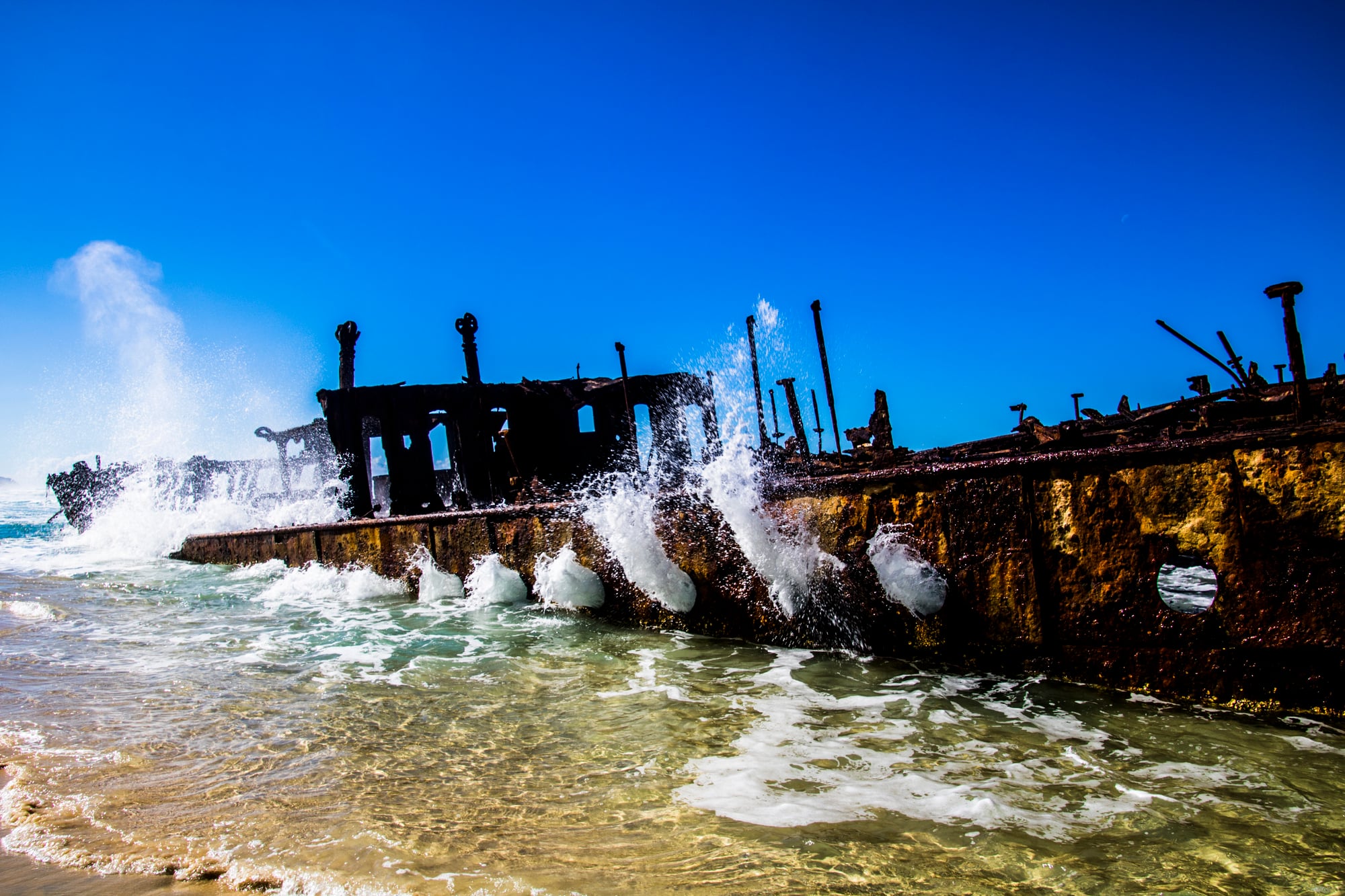
The Santa Margarita went down in the same 1622 hurricane that took the Atocha, and while Mel Fisher’s operation recovered some of the Santa Margarita’s cargo in the 1980s — including gold chains and silver bars — a significant portion of her manifest has never been found. The two wrecks are in the same general area of the Florida Keys, which sounds helpful until you understand how completely the sea floor in that region has rearranged things over 400 years.
Treasure hunters still work the area.
The Dunbar
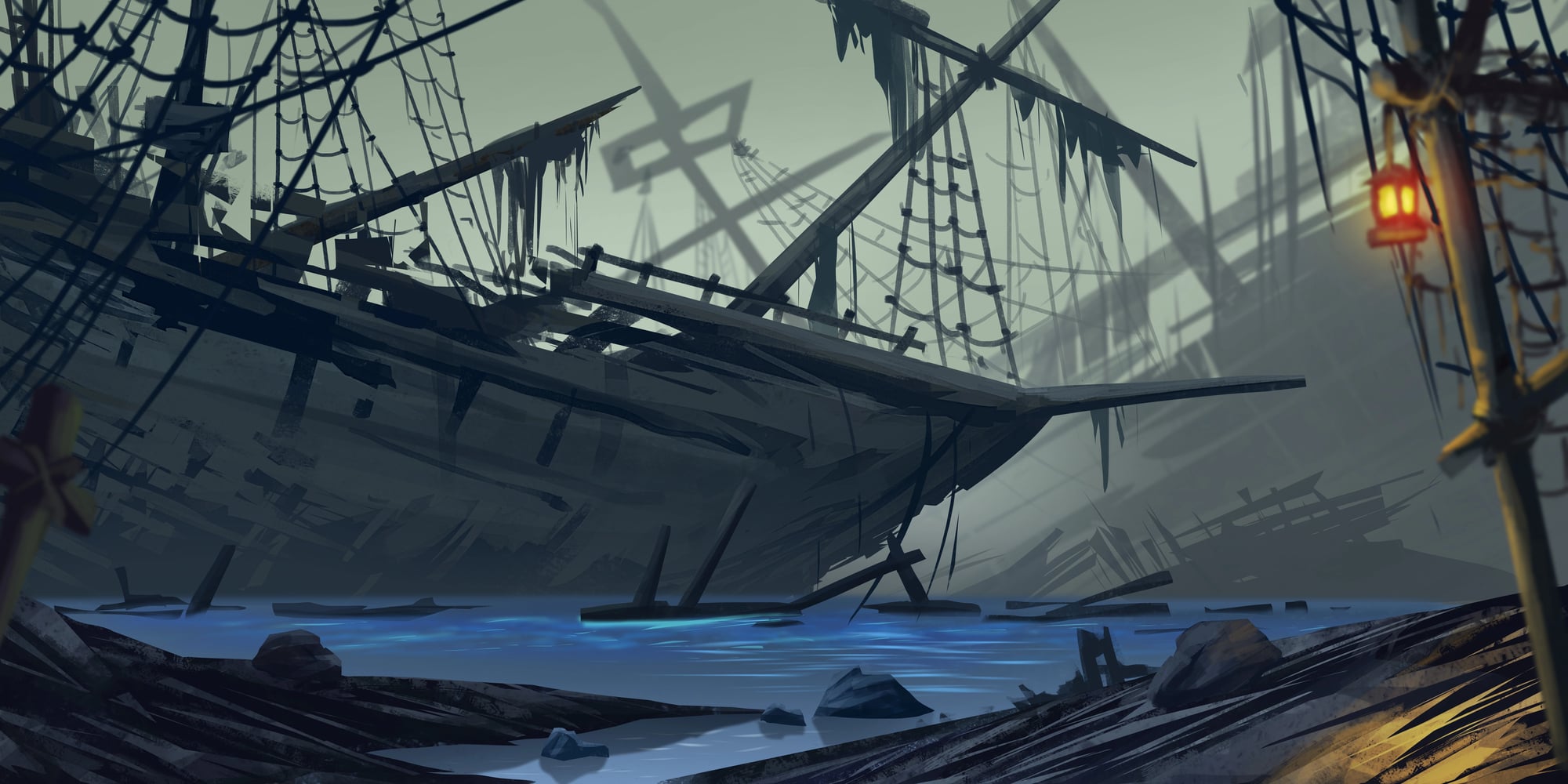
The Dunbar was a British clipper that wrecked near Sydney, Australia, in 1857 with only one survivor out of 122 people aboard, and while the ship wasn’t primarily a treasure vessel, contemporary accounts suggest it was carrying a significant amount of gold coins and personal valuables belonging to passengers returning from the California and Australian gold fields. The wreck was located, but the site has never been fully excavated.
The gold — if it’s there — remains inside.
The São João Baptista
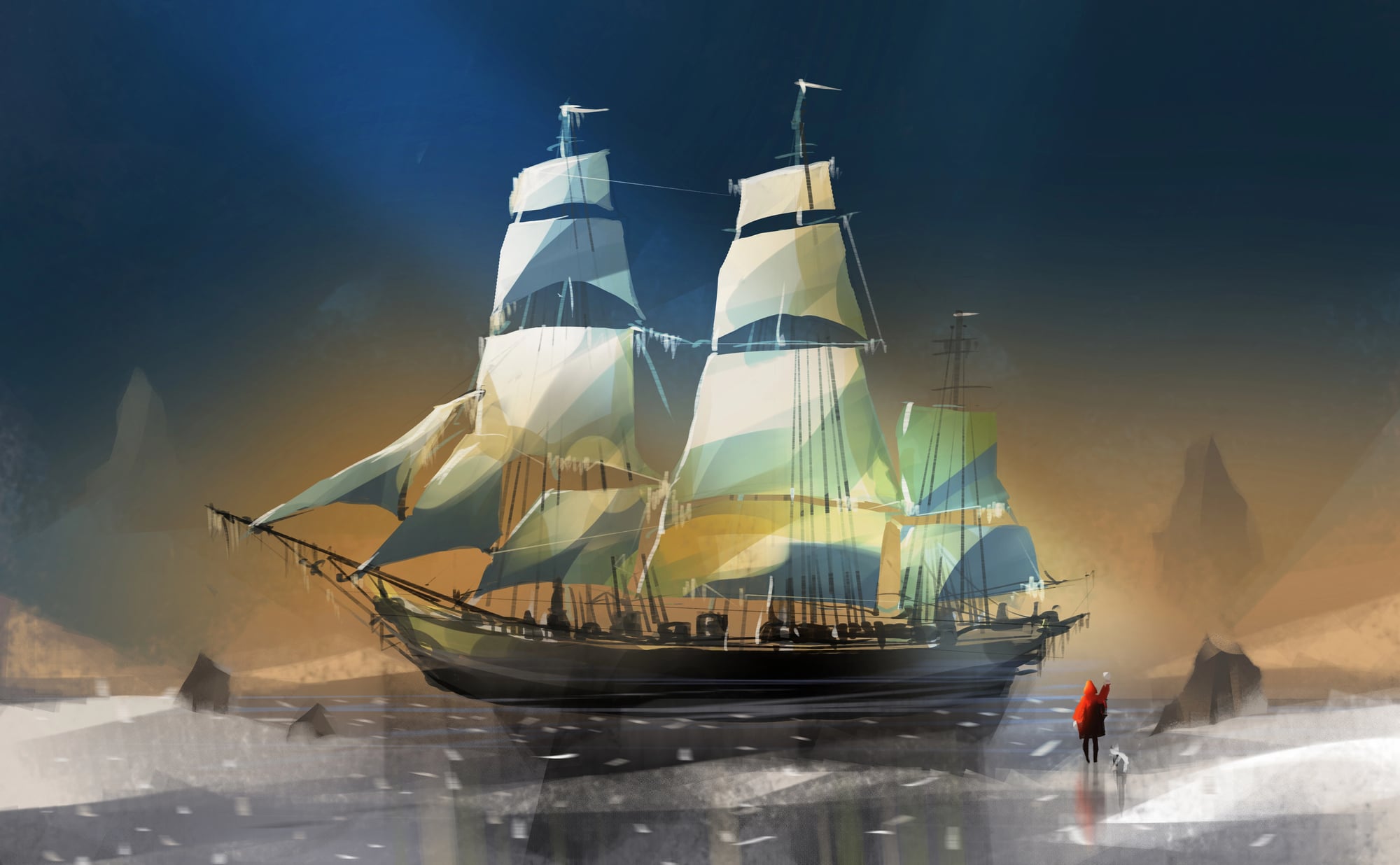
Portugal’s São João Baptista sank in 1622 — the same catastrophic year for Spanish and Portuguese shipping — near the coast of Mozambique, carrying a large quantity of gold, ivory, and trade goods from India. The ship broke apart on a reef, and while some artifacts have washed ashore over the centuries, no coordinated salvage effort has ever recovered the main cargo.
That stretch of the African coast is a long way from anywhere.
The Lake Toplitz Nazi Gold
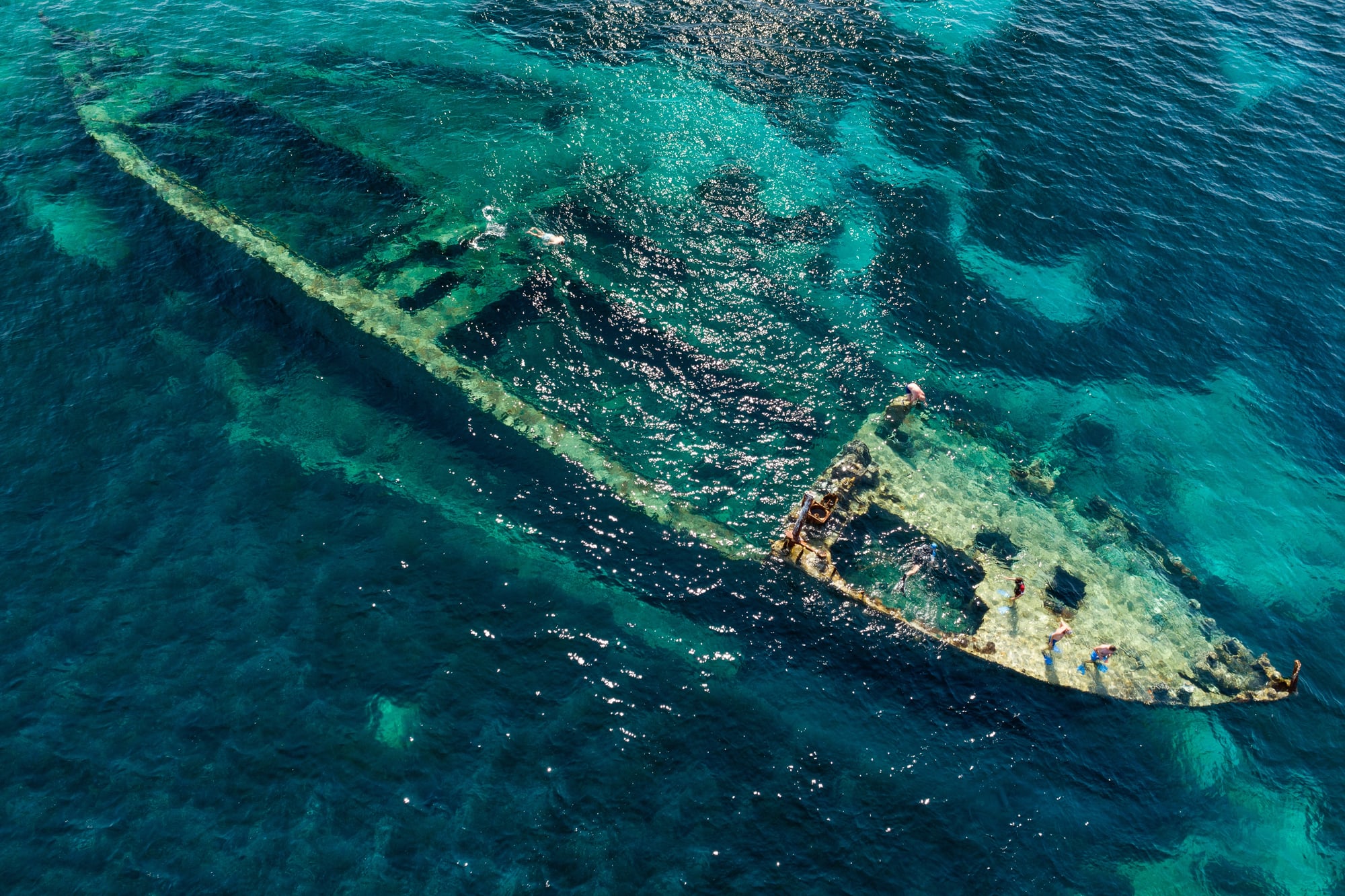
Lake Toplitz in Austria — a cold, log-choked alpine lake — has been the subject of persistent rumors since World War II ended, with multiple accounts suggesting that retreating SS officers dumped crates of gold, counterfeit currency, and looted valuables into its depths in the final weeks of the war. Dives have recovered boxes of counterfeit British pounds — which confirmed that something was dumped there — but the alleged gold has never materialized.
Austria has placed strict limits on diving in the lake, which either protects the site or protects the secret, depending on who you ask.
The Vasa’s Forgotten Companion
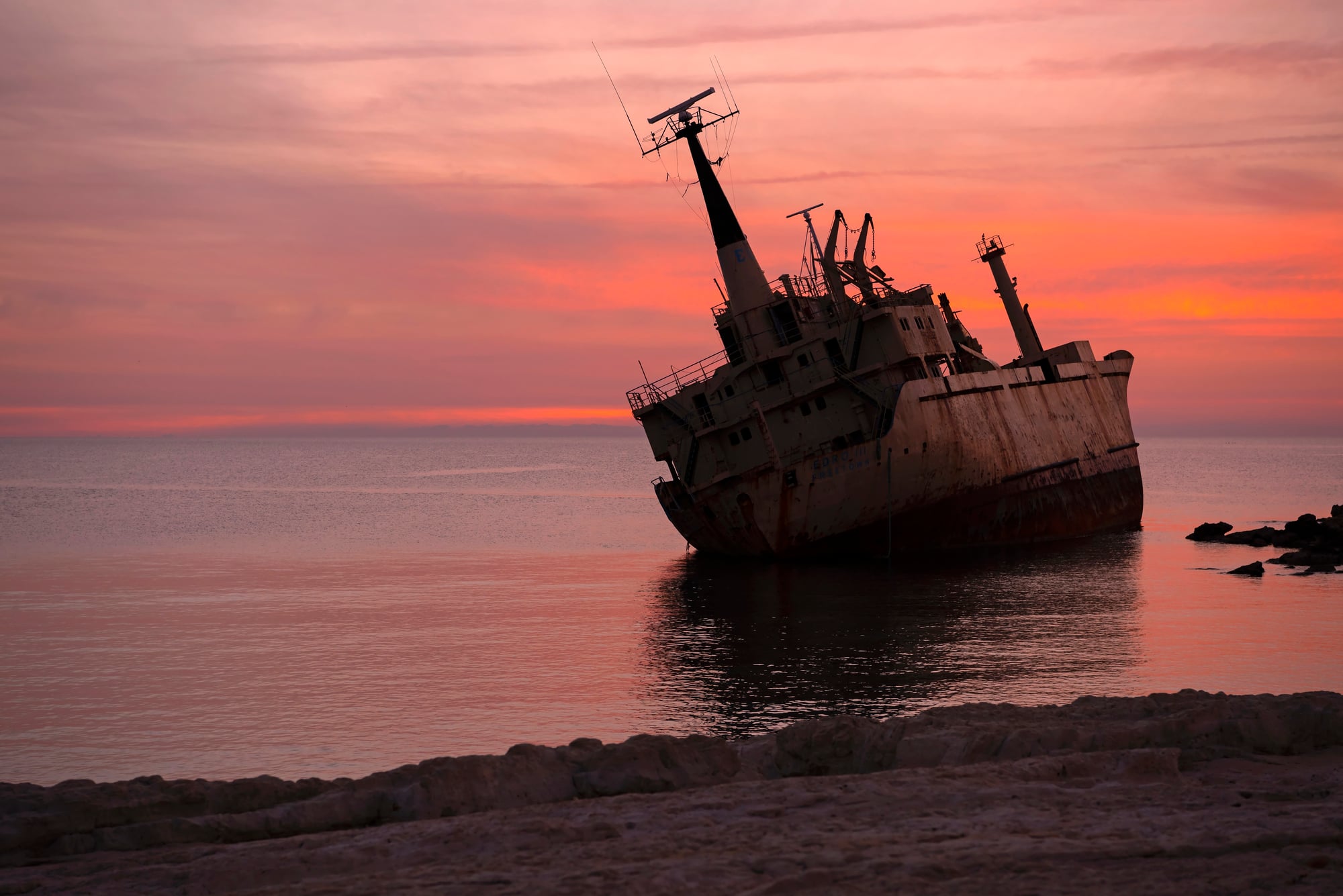
The Vasa — the Swedish warship that sank in Stockholm harbor in 1628 and was famously raised in 1961 — gets all the attention, but a companion vessel from the same era, lost somewhere in the Baltic, reportedly carried a significant portion of the Swedish crown’s silver reserves. The Baltic’s low-salinity water preserves organic material exceptionally well, which means the ship, if found, would be in remarkable condition.
It hasn’t been found.
The Ecuador Galleon
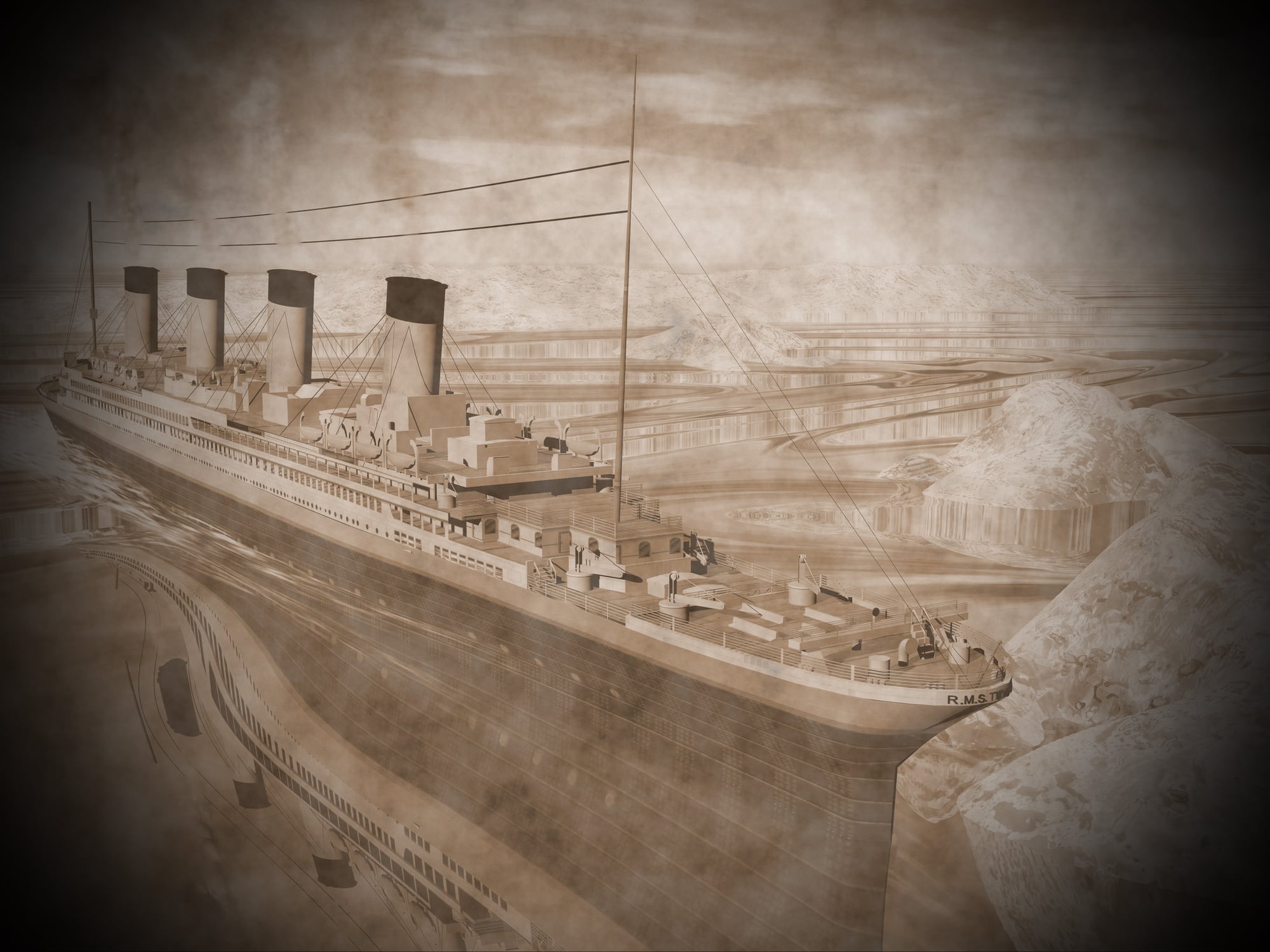
A Spanish galleon sank in 1654 off Chanduy, Ecuador — sometimes called the “Chanduy wreck” — and is believed to be carrying gold, silver, and precious gems from the mines of Peru. Ecuador’s government has periodically announced plans to excavate the site; none have produced results.
The cargo is estimated in the hundreds of millions of dollars, and the site is known, which makes the absence of meaningful recovery all the more baffling.
The John Barry
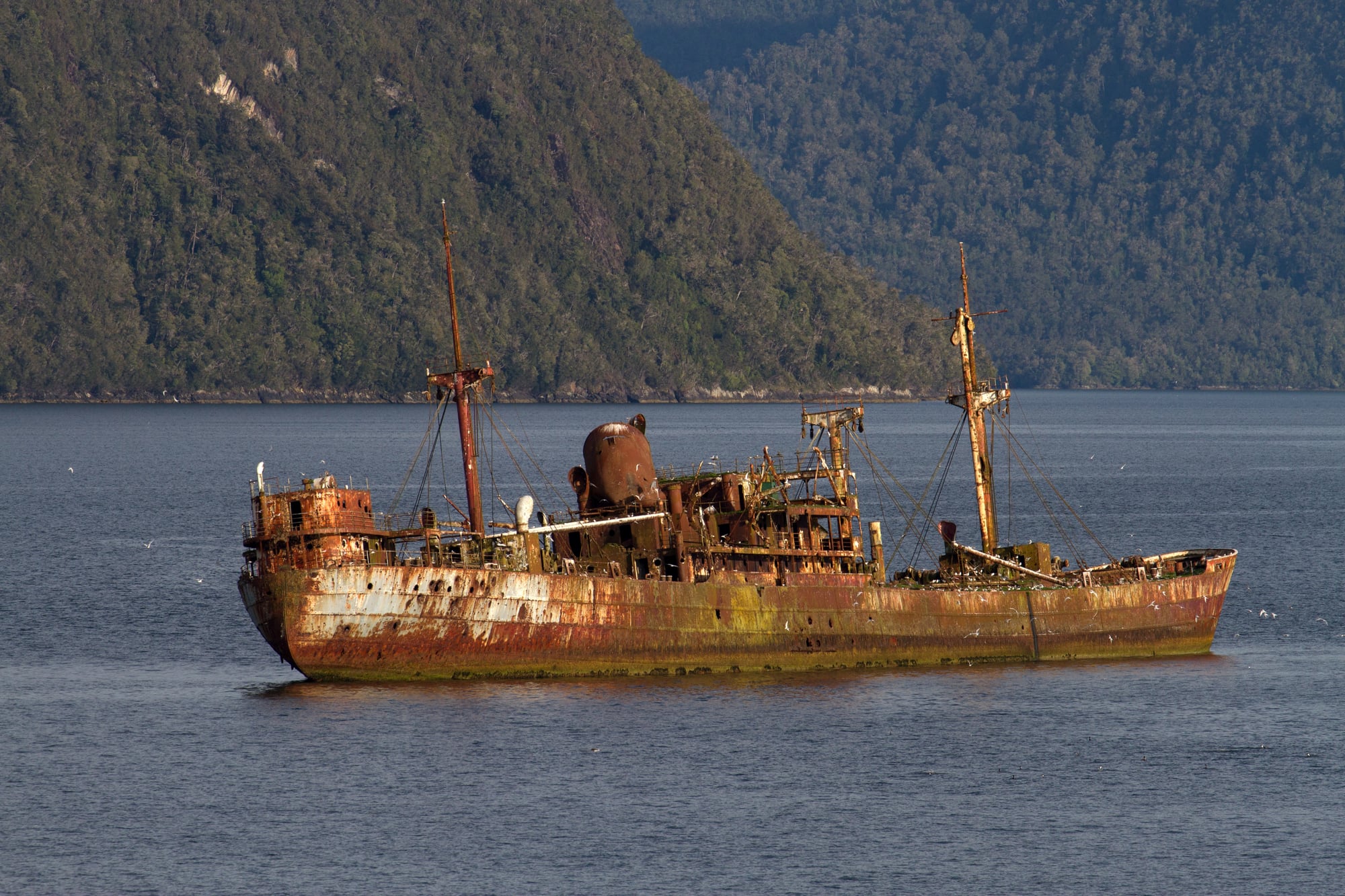
The John Barry is a American Liberty ship torpedoed by a German submarine in the Arabian Sea in 1944, and it sank carrying what the U.S. government has confirmed was approximately $26 million in silver coins — 3 million Saudi Arabian riyals — along with a classified secondary cargo that has never been fully disclosed. The wreck sits at around 8,500 feet deep, which put it beyond salvage technology for decades.
A consortium did attempt recovery in the 1990s, pulled up some silver, and then the operation collapsed. Most of the cargo is still down there.
The Sunken Aztec Gold of Lake Texcoco
This one sits at the intersection of history and legend, but it’s grounded in a documented event: in 1520, during the retreat known as La Noche Triste, Spanish conquistadors under Hernán Cortés fled Tenochtitlan carrying enormous quantities of Aztec gold and were ambushed on a causeway, causing many of the men and much of the gold to fall into Lake Texcoco. The lake has since been largely drained and built over — Mexico City sits on top of it — but significant portions of the lake bed have never been excavated.
The gold, if it survived the centuries, is somewhere under one of the largest cities in the world.
What the Ocean Owes Nobody
The sea is not a vault — it doesn’t store things for retrieval, it simply keeps them. Every shipwreck on this list represents not just lost gold or silver, but lost time: the years spent searching, the fortunes spent funding expeditions, the lifetimes devoted to a question the water refuses to answer cleanly.
Some of these treasures will eventually surface — technology improves, legal disputes settle, silt shifts in the right direction. But most of them probably won’t, at least not in any complete sense.
And there’s something worth sitting within that: the ocean has been here far longer than the ships that fell into it, and it operates on a timeline that makes human urgency look faintly absurd. The treasure isn’t waiting for anyone.
It’s just there — patient, indifferent, and thoroughly unbothered.
More from Go2Tutors!

- The Romanov Crown Jewels and Their Tragic Fate
- 13 Historical Mysteries That Science Still Can’t Solve
- Famous Hoaxes That Fooled the World for Years
- 15 Child Stars with Tragic Adult Lives
- 16 Famous Jewelry Pieces in History
Like Go2Tutors’s content? Follow us on MSN.