17 MP3 Player Brands You Totally Forgot About
Before smartphones turned everyone into a walking music library, portable MP3 players ruled the digital music world. While most people remember the iPod dominating the market, dozens of other brands tried to carve out their own slice of the portable audio pie.
Some offered better sound quality, others had unique features that Apple didn’t provide, and a few were just cheaper alternatives that did the job well enough. These forgotten brands created devices that millions of people carried in their pockets, backpacks, and cars during the golden age of digital music.
Here is a list of 18 MP3 player brands that once competed for space in your music collection.
Creative Labs
Creative Labs dominated computer sound cards for years before launching the Zen series of MP3 players that actually predated the original iPod. The Zen players offered superior audio quality and supported more file formats than Apple’s devices, making them favorites among audiophiles.
Creative’s interface wasn’t as sleek as the iPod’s, but their players often had better battery life and cost significantly less for the same storage capacity.
iRiver

iRiver made some of the most feature-packed MP3 players on the market, often including FM radio, voice recording, and support for multiple audio formats in a single device. Their H-series players were particularly popular among tech enthusiasts who wanted more functionality than basic music playback.
The Korean company’s devices typically offered excellent build quality and sound performance that rivaled much more expensive audio equipment.
Like Go2Tutors’s content? Follow us on MSN.
Archos
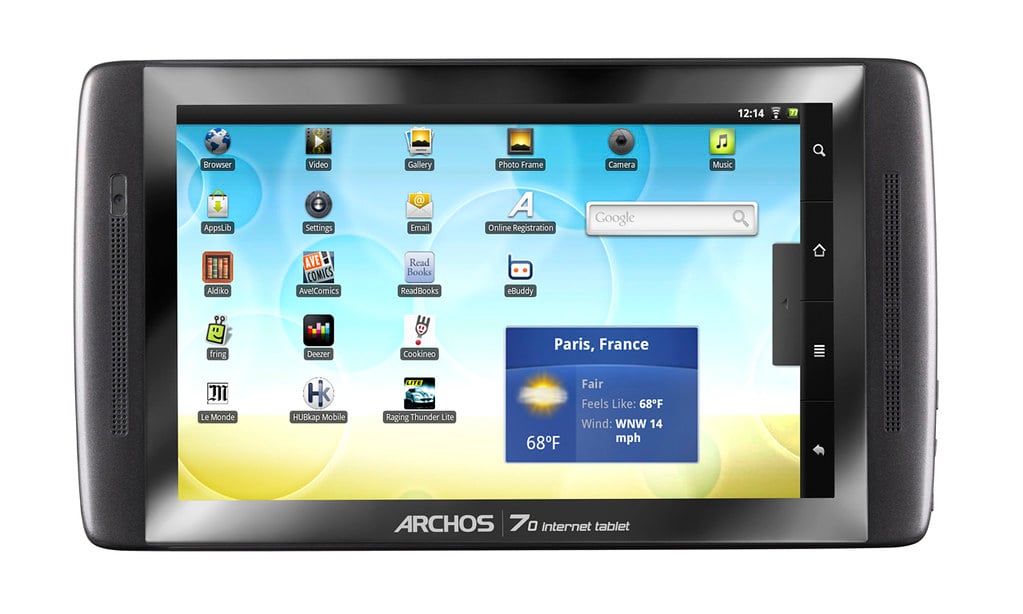
Archos specialized in portable media players that could handle video files long before smartphones made this capability standard. Their devices featured larger screens and more storage than most competitors, making them perfect for watching downloaded TV shows and movies.
While the company still exists today making tablets and other devices, their MP3 player division was eventually overwhelmed by multifunctional smartphones.
Rio
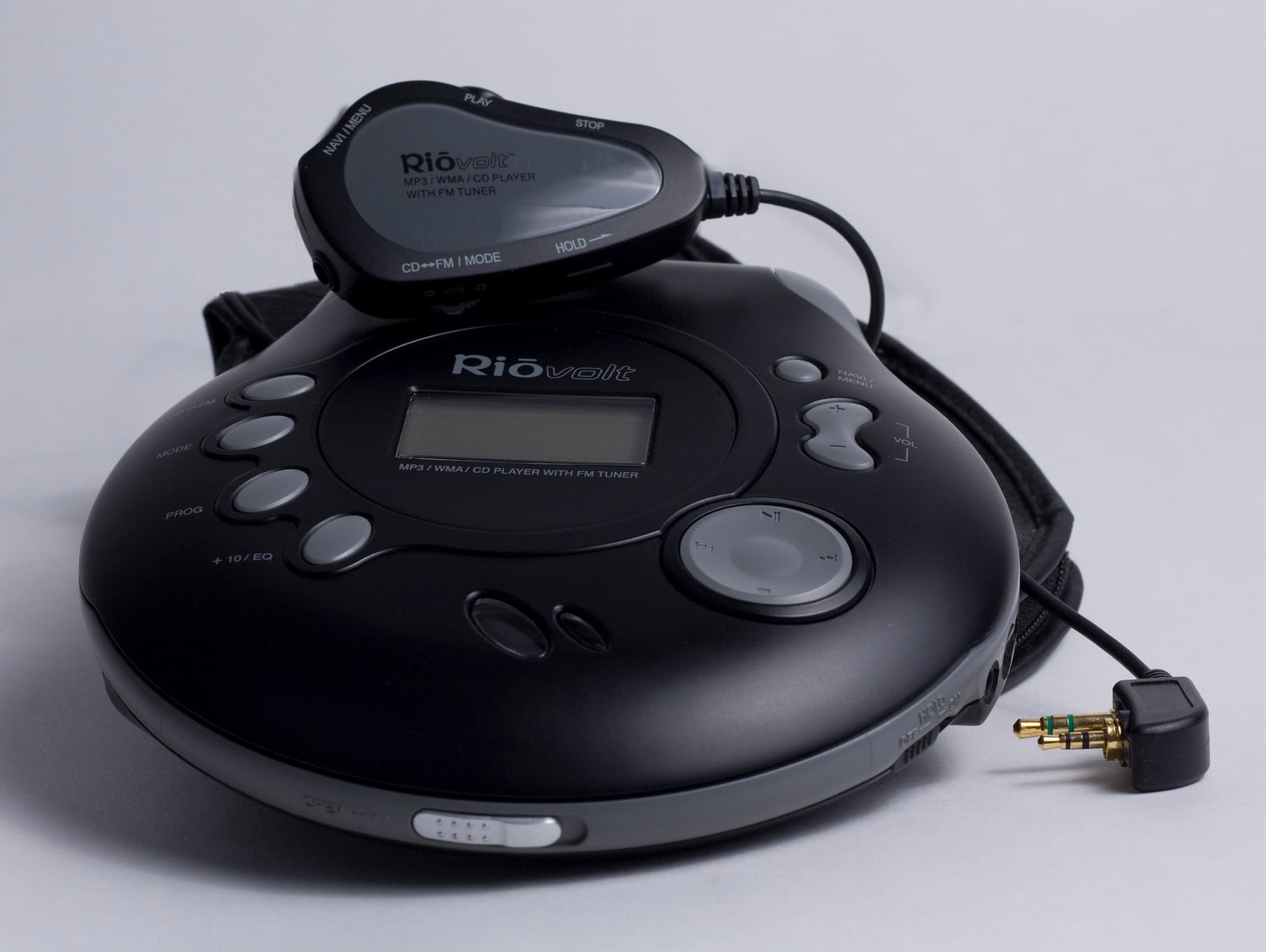
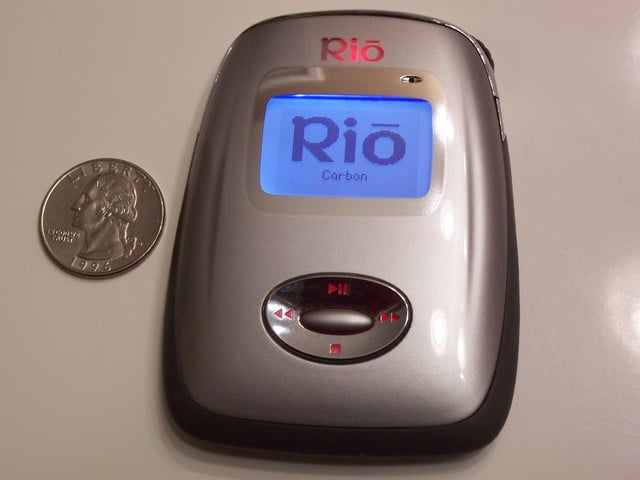
Rio Audio created one of the first commercially successful MP3 players with the Rio PMP300 in 1998, years before most people had even heard of digital music files. The company continued making players throughout the early 2000s, focusing on affordable devices that made digital music accessible to budget-conscious consumers.
Rio’s players were often the first choice for people who wanted to try the MP3 experience without spending iPod money.
Cowon

Cowon built a reputation for creating MP3 players with exceptional audio quality that satisfied even the pickiest music lovers. Their devices typically included powerful equalizers, support for lossless audio formats, and amplifiers that could drive high-impedance headphones.
The South Korean company’s players cost more than basic alternatives, but serious music enthusiasts considered them worth every penny for the superior sound reproduction.
SanDisk Sansa

SanDisk leveraged their memory card expertise to create the Sansa line of flash-based MP3 players that were compact, affordable, and reliable. The Sansa Clip series became particularly popular for its tiny size, surprisingly good sound quality, and incredibly long battery life.
These players were perfect for gym workouts, jogging, or any situation where you needed music without bulk or worry about damage.
Like Go2Tutors’s content? Follow us on MSN.
Sony Walkman Digital
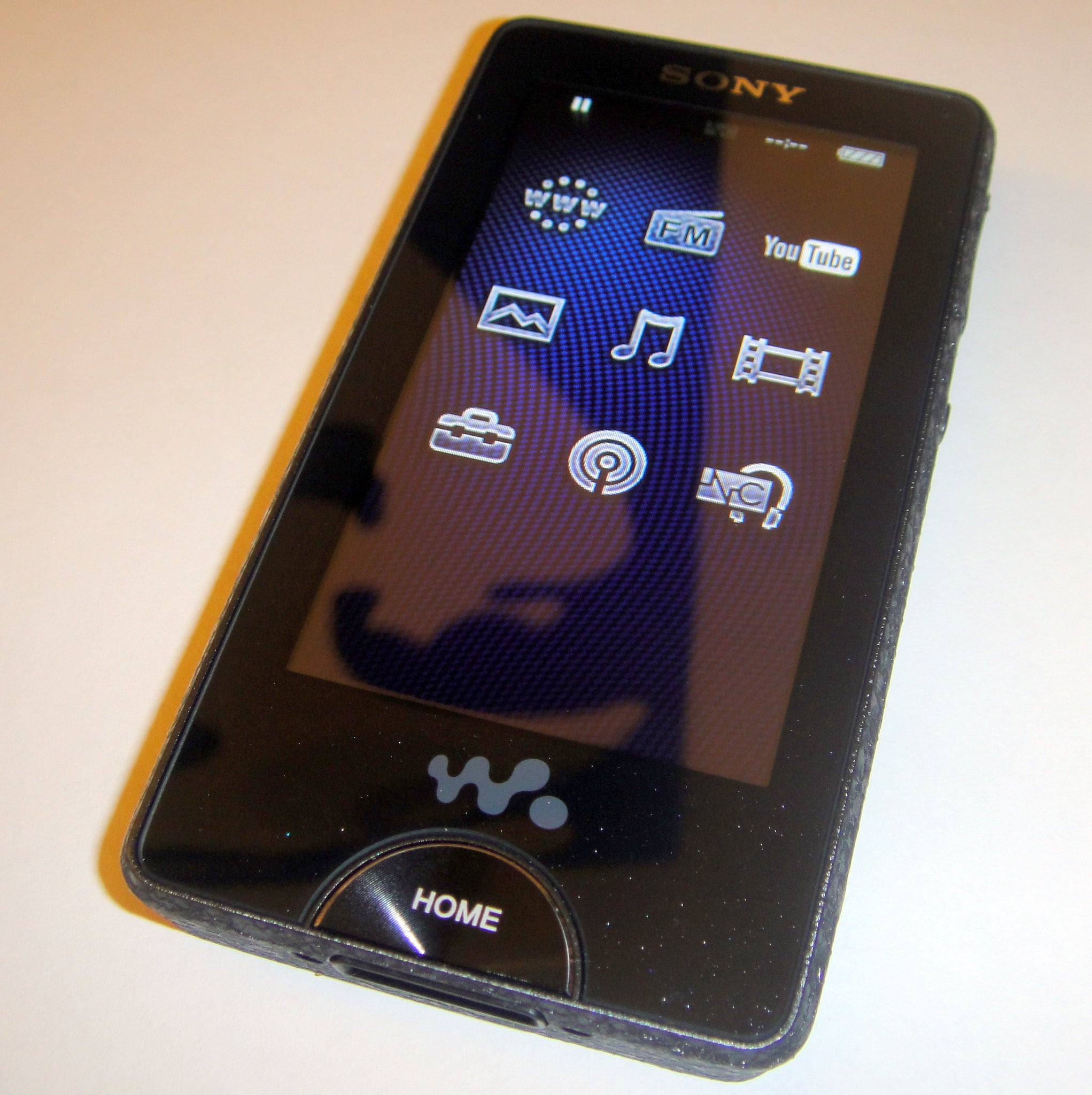
Sony tried to transfer their legendary Walkman brand recognition to digital music players, creating devices that emphasized audio quality and sophisticated design. Their Network Walkman series featured Sony’s proprietary ATRAC format alongside standard MP3 support, though this complexity sometimes confused consumers.
Despite the brand recognition and solid engineering, Sony’s digital Walkmans never achieved the cultural impact of their cassette predecessors.
Philips GoGear

Philips GoGear players offered solid performance at competitive prices, often including features like FM radio and voice recording that made them versatile portable companions. The Dutch company’s devices typically had straightforward interfaces that made them appealing to users who found iPods too complicated or expensive.
GoGear players were particularly popular in European markets where Philips had strong brand recognition and distribution networks.
Memorex

Memorex applied their experience with blank media to create affordable MP3 players that delivered basic functionality without unnecessary complexity. Their devices were often sold at big box retailers as budget alternatives to premium brands, making digital music accessible to price-sensitive consumers.
While Memorex players lacked the polish of more expensive options, they worked reliably and introduced many people to the convenience of portable digital audio.
Like Go2Tutors’s content? Follow us on MSN.
Neuros
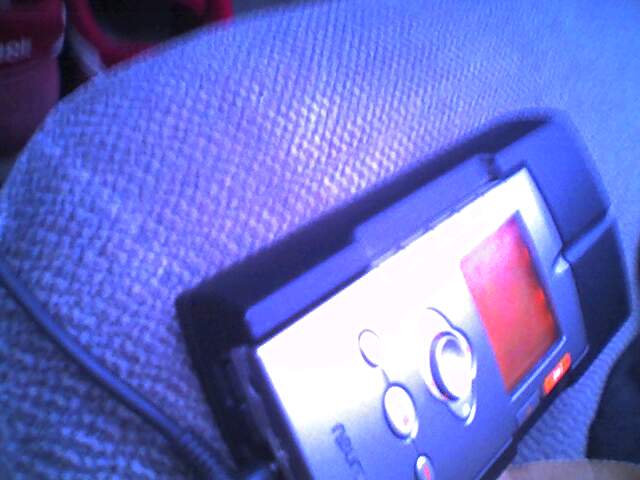
Neuros created innovative MP3 players that included features like built-in FM transmitters for playing music through car radios and recording capabilities for capturing radio shows. Their devices were particularly popular among tech-savvy users who appreciated the ability to customize firmware and add functionality through software updates.
The company’s open-source approach attracted a dedicated community of users who modified and enhanced their players.
Zen Vision
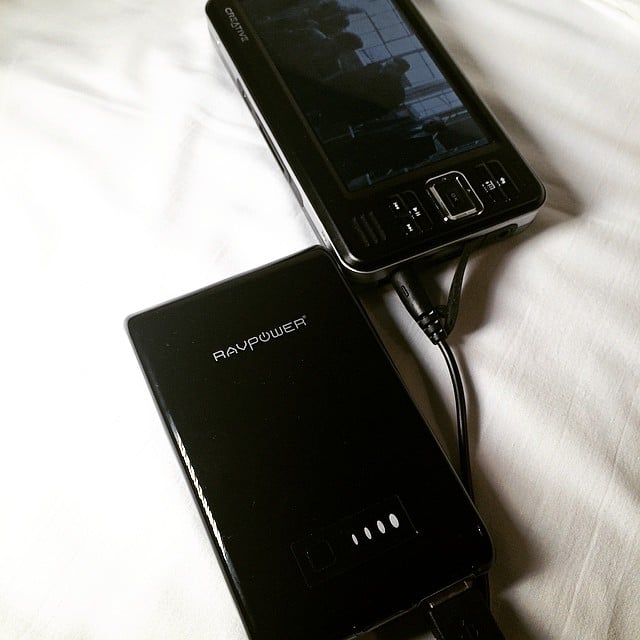
Zen Vision represented Creative Labs’ attempt to compete directly with video-capable iPods by offering large screens and comprehensive media playback capabilities. These players could handle photos, videos, and music while providing expandable storage through memory cards.
Despite impressive technical specifications, the Zen Vision line couldn’t overcome iPod’s marketing momentum and ecosystem advantages.
iAudio
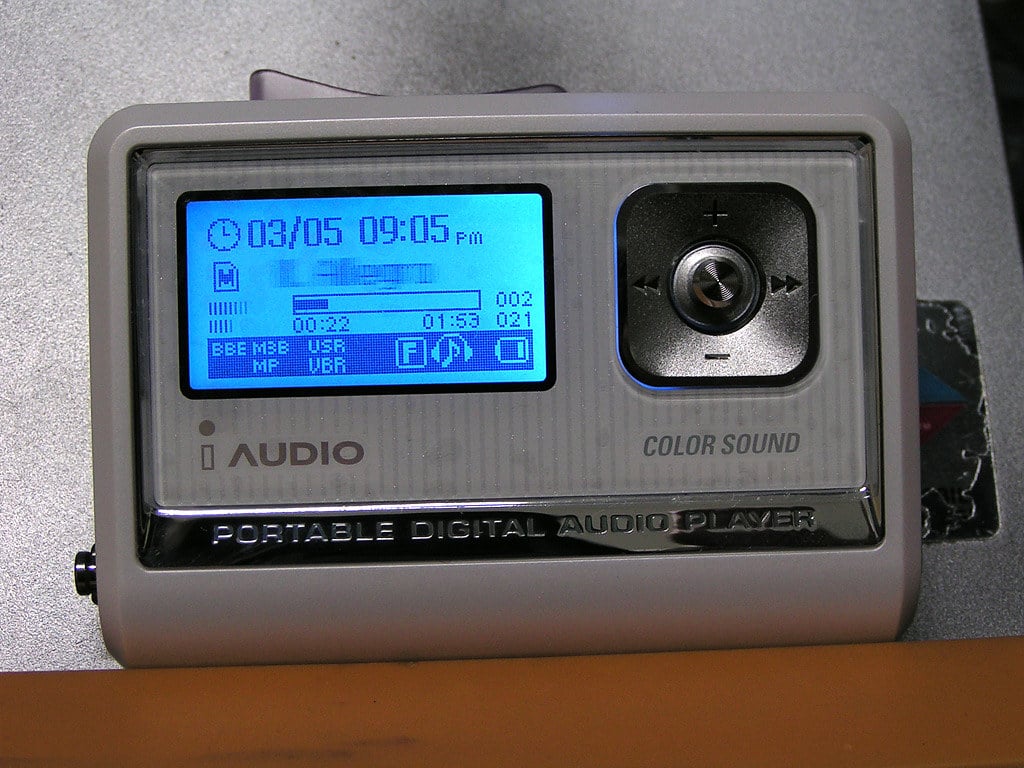
iAudio players from Cowon’s consumer division focused on delivering audiophile-quality sound in affordable packages that didn’t require expensive headphones to sound good. Their devices often included features like crossfeed processing and sophisticated equalizers that enhanced the listening experience.
Music enthusiasts appreciated iAudio’s attention to sound quality over flashy marketing or trendy designs.
Like Go2Tutors’s content? Follow us on MSN.
Toshiba Gigabeat

Toshiba’s Gigabeat series offered large storage capacities and solid build quality at prices that undercut many competitors. These players typically featured intuitive interfaces and good battery life, making them practical choices for users who prioritized functionality over style.
Microsoft eventually acquired the Gigabeat technology and used it as the foundation for their Zune media players.
Sandisk Sansa Fuze
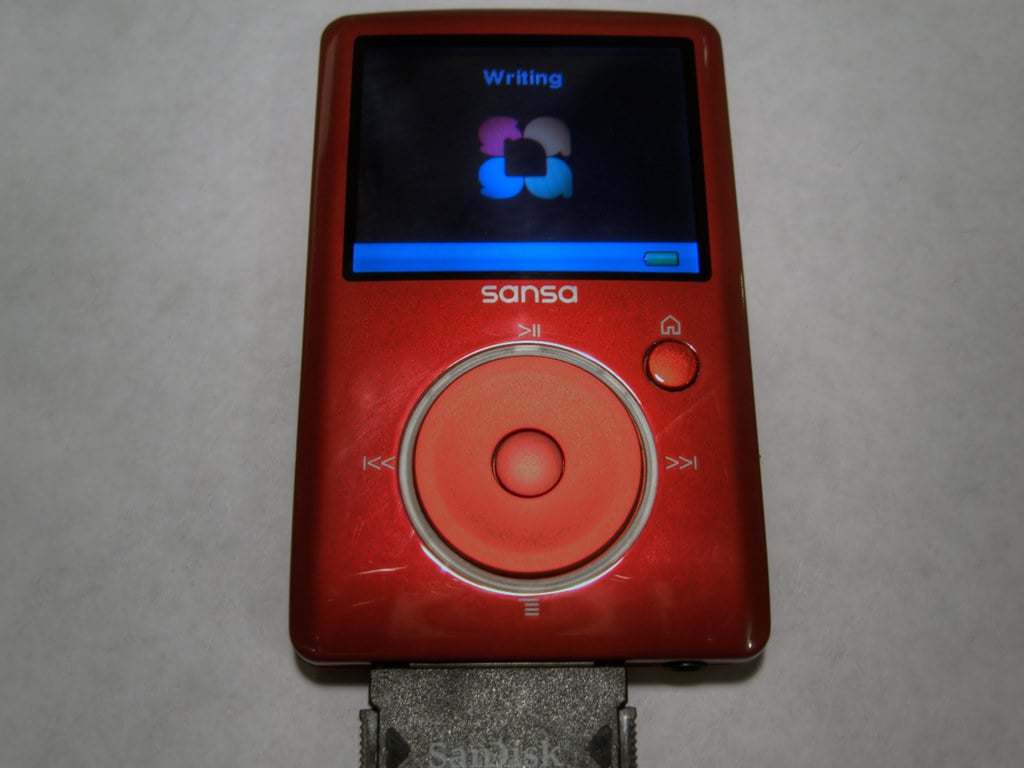
The Sansa Fuze expanded on Sandisk’s successful Clip formula by adding a larger color screen, video playback capability, and memory card expansion. These features made the Fuze a versatile media player that could handle music, photos, videos, and radio in a package smaller than most competing devices.
The Fuze became popular among users who wanted iPod-like functionality without paying iPod prices.
Samsung YP Series
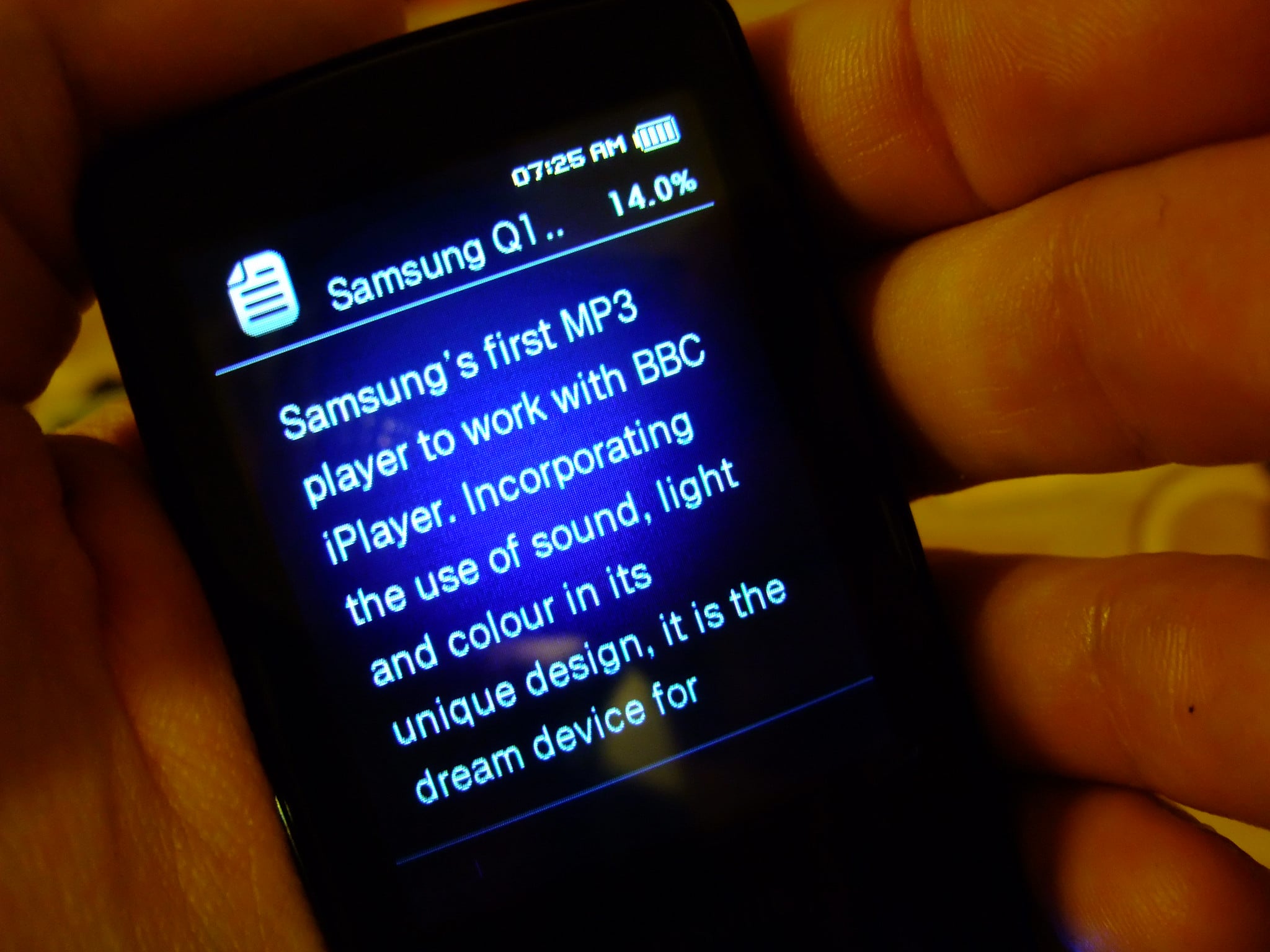
Samsung’s YP series included a wide range of MP3 players from tiny flash-based devices to large hard drive models that competed directly with iPods. The Korean company leveraged their display technology to create players with bright, colorful screens that made browsing music collections visually appealing.
Samsung’s players often included unique features like Bluetooth connectivity and television output capabilities.
Like Go2Tutors’s content? Follow us on MSN.
Panasonic D-snap
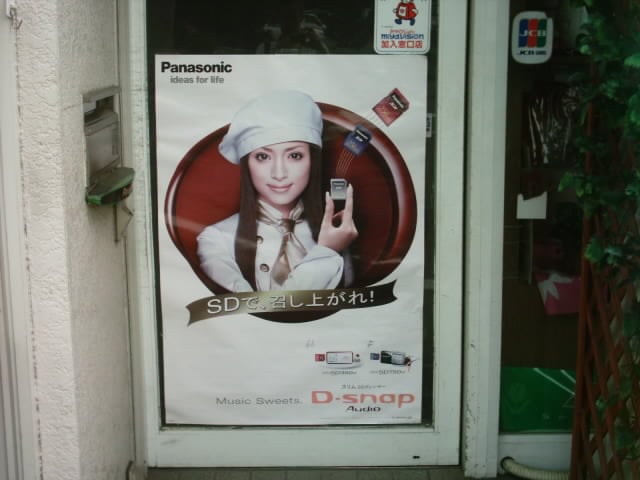
Panasonic’s D-snap players combined MP3 functionality with digital camera capabilities, creating hybrid devices that appealed to users who wanted multiple functions in one gadget. The unusual combination made D-snap players larger than dedicated MP3 devices, but some users appreciated having fewer separate gadgets to carry.
The camera quality was decent for the time, though neither the audio nor photo capabilities matched dedicated devices.
Mpio
Mpio manufactured compact, affordable MP3 players that prioritized portability and battery life over advanced features or large storage capacities. Their devices were particularly popular for exercise and outdoor activities where size and reliability mattered more than extensive media libraries.
Mpio players often included features like voice recording and FM radio that added utility beyond basic music playback.
Like Go2Tutors’s content? Follow us on MSN.
The Sound of Competition

These forgotten MP3 player brands remind us that the portable audio market was once incredibly diverse and competitive, with companies trying different approaches to win customers beyond just copying Apple’s formula. Many of these brands offered superior audio quality, better prices, or unique features that iPods lacked, yet they couldn’t overcome Apple’s marketing power and ecosystem integration.
The smartphone revolution eventually made dedicated MP3 players largely obsolete, but for several years, these brands provided millions of people with the soundtrack to their daily lives in ways that felt personal and exciting in a pre-streaming world.
More from Go2Tutors!

- 16 Historical Figures Who Were Nothing Like You Think
- 12 Things Sold in the 80s That Are Now Illegal
- 15 VHS Tapes That Could Be Worth Thousands
- 17 Historical “What Ifs” That Would Have Changed Everything
- 18 TV Shows That Vanished Without a Finale
Like Go2Tutors’s content? Follow us on MSN.



