28 Unusual Jobs From Victorian England
Victorian England ran on coal, horses and an enormous supply of people willing to do almost anything for a few pence. Many of the jobs that kept its cities fed, lit and moderately clean have vanished so completely that their names now need explaining.
Much of what is known about them comes from Henry Mayhew, a journalist who spent years interviewing London’s street workers and published the results in 1851. The parliamentary commissioners who went down the mines and into the mills supplied the rest.
The Knocker-Up Who Replaced the Alarm Clock
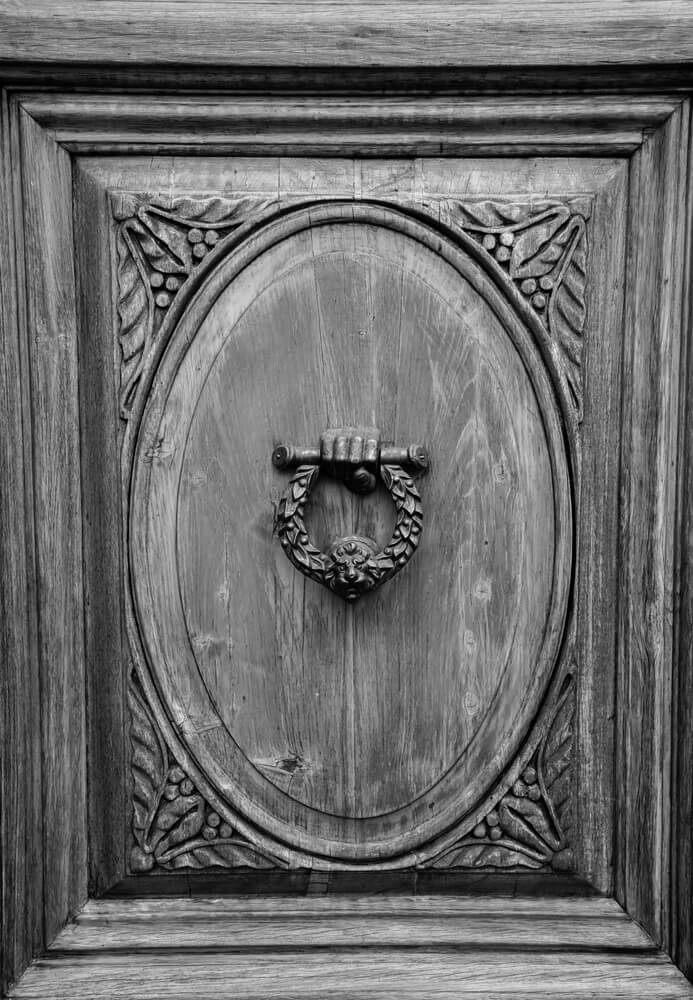
Before cheap alarm clocks reached working households, mill hands and dockers paid a knocker-up a few pence a week to rap on the bedroom window at a set hour. The usual tool was a long bamboo pole, sometimes tipped with wire, and the more careful knockers-up waited until they were sure the client was awake.
Some preferred a pea shooter, a method later made famous by Mary Smith of Limehouse in east London, who charged sixpence a week and was photographed at work in 1931. The trade grew up with the factory shift and lingered in pockets of industrial England until the early 1970s.
As for who woke the knocker-up, many simply slept by day and worked through the night.
Mudlarks on the Thames Foreshore
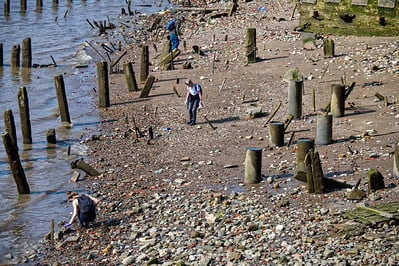
At low tide the Thames gave up a strip of gray mud, and London’s poorest children waded into it. Henry Mayhew, whose survey of the city’s working poor appeared in 1851, described mudlarks as mostly boys and girls along with some elderly women, picking out lumps of coal, bits of iron, rope, bones and copper nails dropped from ships under repair.
Copper was the prize find. Most went barefoot, and broken glass and nails buried in the mud were a constant hazard.
Whatever they gathered was sold by the pound to local dealers, and a day’s haul often came to no more than a few pence.
Toshers Who Searched the Sewers
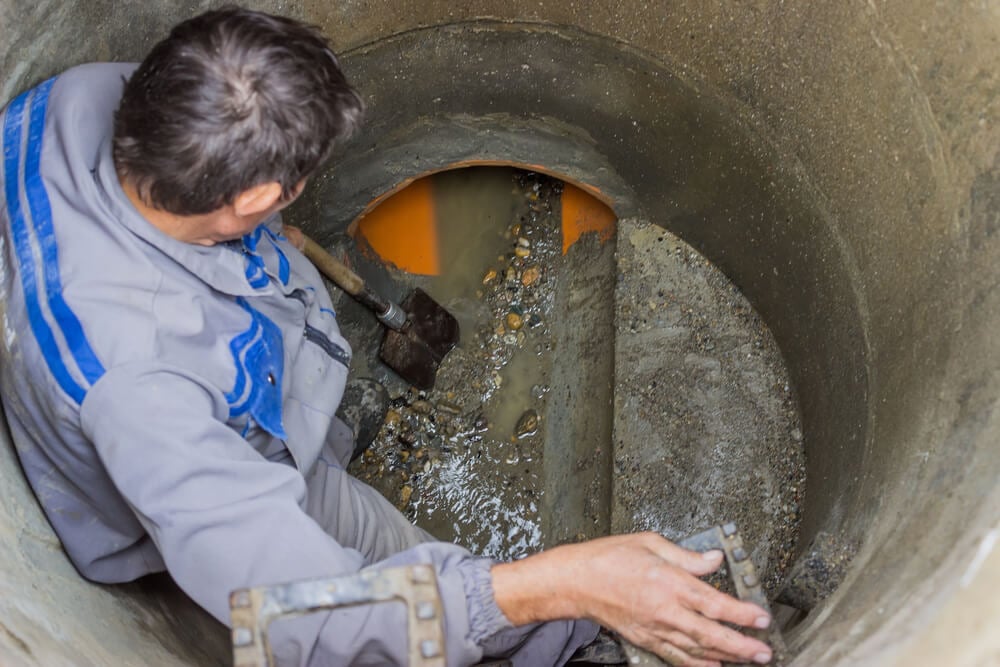
Toshers, or sewer hunters, made a living by walking London’s sewers at low tide and sifting the sludge for coins, silver spoons, scrap metal and anything else that had gone down a drain. Mayhew described them in long greasy velveteen coats with huge pockets and canvas aprons, a lantern strapped to the chest and a long pole tipped with an iron hoe for probing the muck and testing the footing.
Entering the sewers without permission was made an offense in 1840, with a reward of 5 pounds for informers, so they worked in gangs of three or four and mostly at night. Mayhew’s informants put the average take at around 6 shillings a day, well above a laborer’s wage.
Pure Finders and the Leather Trade

“Pure” was the trade name for dog droppings, and collecting it was a recognized trade. Tanneries, many of them clustered in Bermondsey in south London, rubbed it into hides to soften and cleanse fine leather of the kind used for gloves and book bindings.
Mayhew found pure finders walking the streets with a covered basket and, in some cases, a single leather glove. He reported that a bucketful sold for somewhere between 8 pence and a little over a shilling depending on quality, with the dry, chalky kind fetching the most at some yards.
One collector told him that as more people took up the work, the price and the pickings both fell.
Crossing Sweepers at Every Corner
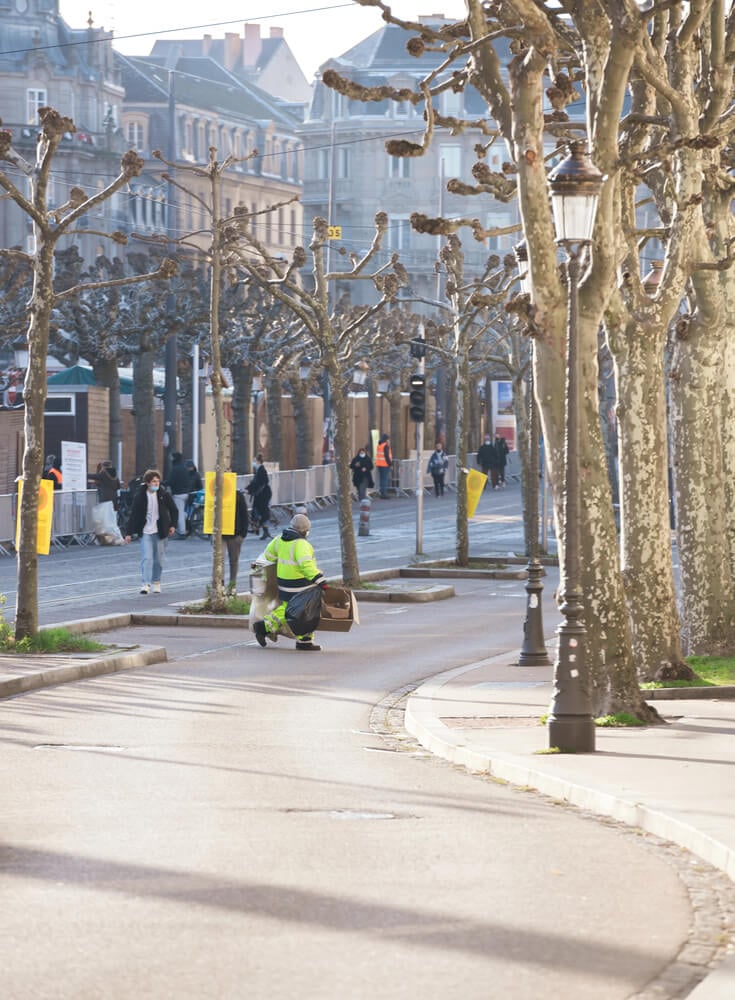
Victorian streets were coated in mud and horse manure, which created a job for anyone with a broom. Crossing sweepers cleared a path across the road for pedestrians in good shoes and long skirts, then held out a hand for a tip.
Mayhew devoted many pages of his 1851 survey to them, noting that regular sweepers treated a profitable crossing as personal property and defended it against newcomers. Many were children, elderly or disabled, because the work required no capital beyond the broom.
Some householders paid a trusted sweeper a small weekly sum and sent them on errands as well.
Climbing Boys Inside the Chimneys

Master sweeps used small children to climb inside flues and scrape them clean, some of them as young as four to six. An 1840 law barred anyone under 21 from climbing chimneys, and it was widely ignored.
The turning point was George Brewster, a boy of about 12 who became stuck in a flue at the asylum at Fulbourn near Cambridge in February 1875 and died shortly after being pulled out. His master, William Wyer, was convicted of manslaughter and sentenced to six months of hard labor.
Lord Shaftesbury pushed a new act through Parliament that September requiring sweeps to be authorized by the police in each district where they worked, which finally gave the earlier laws some force.
Rat Catcher to the Queen
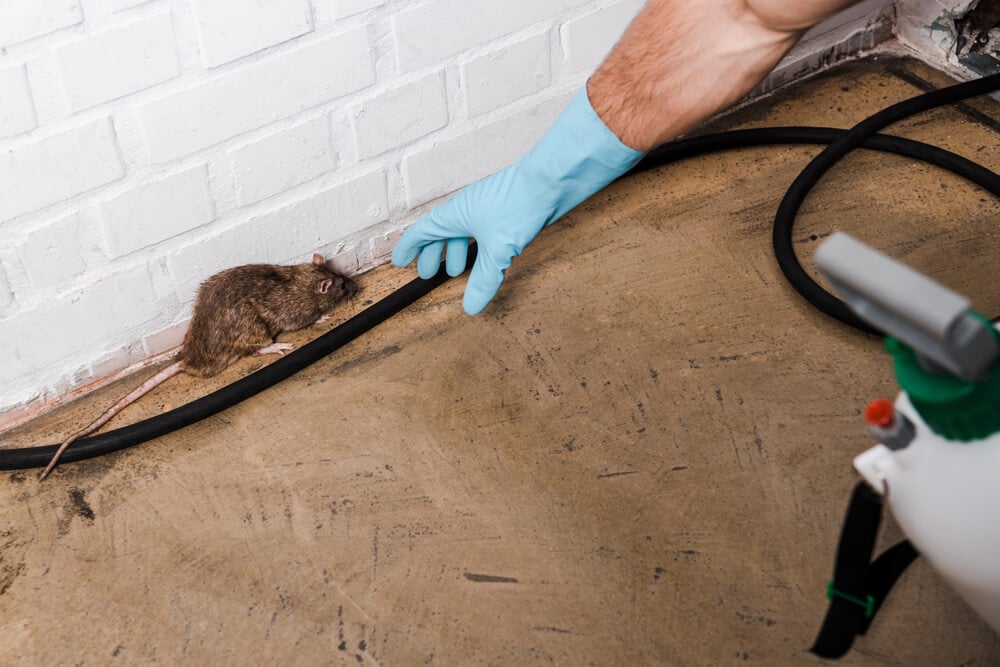
Jack Black was the best known rat catcher in mid-century London and billed himself as rat and mole destroyer to Her Majesty. Mayhew interviewed him and described the outfit he had made for himself: a green coat, scarlet waistcoat, white breeches and a broad leather belt decorated with metal rats.
Black caught rats by hand and carried the scars of many bites, several of which he said had nearly killed him. He also kept and bred unusually colored rats and sold them as pets, which is why he is sometimes credited with a part in the origins of the fancy rat.
Bone Grubbers and Rag Gatherers

Long before the rag-and-bone man had a cart, he had a sack and a spiked stick. Bone grubbers walked miles of London streets before most people were awake, turning over refuse heaps for anything that could be sold.
Bones went to soap boilers and makers of knife handles and toys, rags went to paper makers, and scrap metal went to the marine store dealer. Mayhew reckoned that a typical day of this work, nine or ten hours of walking, brought in about sixpence, enough for a bed in a lodging house and little else.
He put the number of bone grubbers and rag gatherers in London at between 800 and 1,000.
Lamplighters and the Gas Flame
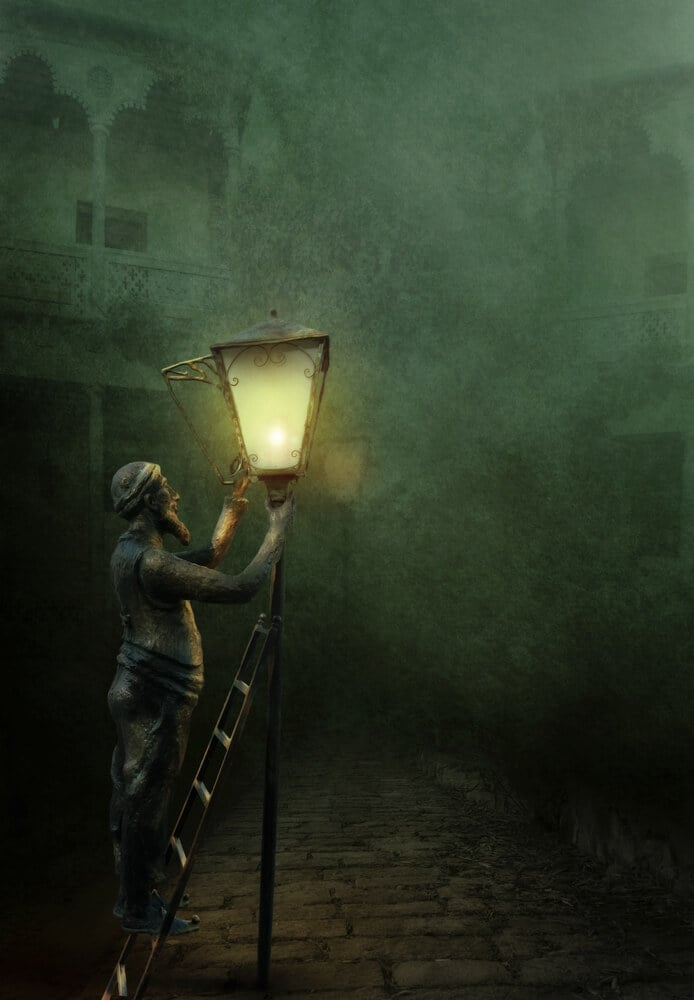
Gas street lighting arrived in London on Pall Mall in 1807, and for the rest of the century every lamp had to be lit and put out by hand. Lamplighters walked a fixed round at dusk with a ladder or a long pole carrying a small flame, opened each lantern, turned the tap and lit the jet.
At dawn they came back and turned everything off. They also cleaned the glass and replaced worn fittings.
A single round could run to dozens of lamps, and residents tended to know their lamplighter by sight. Electric lighting and automatic switches slowly thinned the ranks from the 1880s onward.
Match Workers at Bryant and May

Women and teenage girls made matches at the Bryant and May factory in Bow, east London, dipping sticks in a paste containing white phosphorus. Long exposure could cause phossy jaw, a disease that destroyed the jawbone.
In June 1888 the campaigner Annie Besant published an article titled “White Slavery in London” describing low pay and a system of fines. When the company tried to make workers disown it and then dismissed one of them, about 1,400 walked out in early July.
They won an end to the fines by the middle of the month and formed a union. Britain did not prohibit white phosphorus matches until a law passed in 1908 took effect at the end of 1910.
Dust Sifters in the Dust Yards

Household “dust” meant coal ash and cinders, and Victorian London produced mountains of it. Dustmen carted it to yards where teams of sifters, most of them women in leather aprons, stood at great heaps and worked it through iron sieves.
Nothing was wasted. Fine ash went to brickmakers and farmers, larger cinders known as breeze were burned in brick kilns, and rags, bones, metal and old boots were set aside for separate buyers.
Mayhew described the yards in detail around 1850. Dust contractors could grow rich on the trade, a fact that Victorian novelists found too good to leave alone.
Nightmen and the Cesspool Round
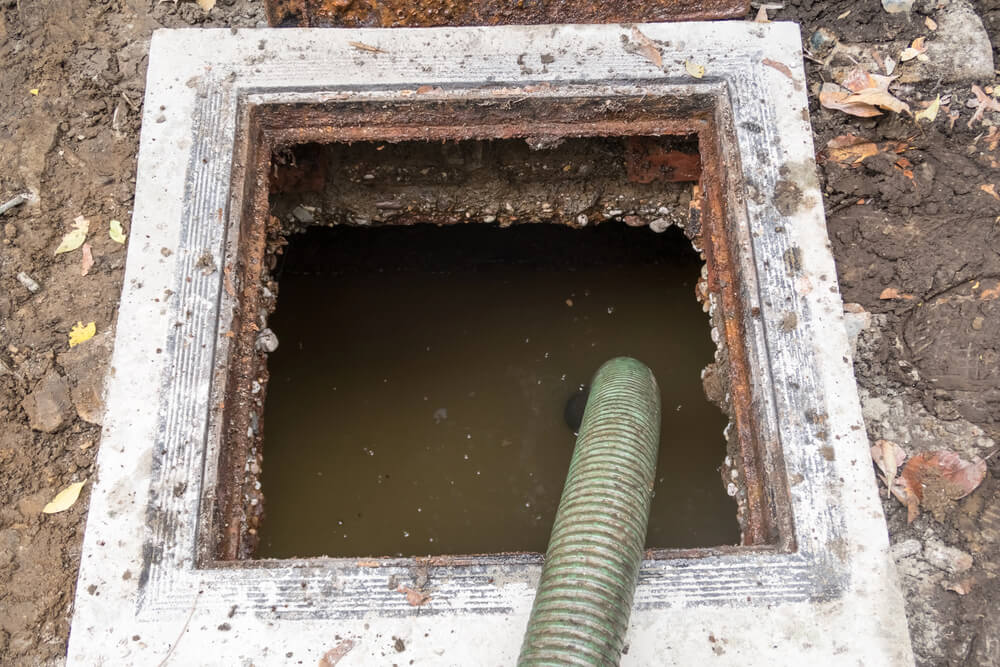
Before sewers reached most houses, waste collected in a brick cesspool under or behind the home, and somebody had to empty it. That was the nightman’s job, so called because the work was restricted to the hours of darkness to spare the neighbors.
A gang typically had four men, with ropemen and tubmen passing the contents up and out to a waiting cart. The load, politely called night soil, was sold to farms outside the city as fertilizer.
London’s main drainage system, designed by Joseph Bazalgette and built from 1859, along with the spread of flushing toilets, gradually put the nightmen out of work.
Funeral Mutes at the Front Door

A respectable Victorian funeral required hired mourners known as mutes. Supplied by the undertaker, a pair of them stood silently outside the house of the dead, dressed in black with a sash and holding a staff draped in crape, then walked ahead of the hearse to the cemetery.
Their only duties were to stand still and look sorrowful. Novelists and cartoonists of the period mocked them freely, often suggesting the solemn faces were helped along by gin.
The custom added noticeably to the cost of a burial, and as funeral reformers argued for simpler ceremonies, mutes faded from use toward the end of the century.
Sin-Eaters of the Welsh Borders

In parts of the Welsh Marches, a sin-eater was paid to eat bread and drink ale passed over a coffin, a ritual believed to take the sins of the dead onto the living. The antiquary John Aubrey recorded it in the 1680s.
Richard Munslow of Ratlinghope in Shropshire, who died in 1906, is usually described as the last known sin-eater in England. Unusually, he was a farmer of some standing and no outcast, and he is thought to have taken up the custom after losing four of his own children, three of them to scarlet fever in a single week in 1870.
Local people paid to restore his memorial, and a service marked its completion in 2010.
Hokey-Pokey Men and the Penny Lick
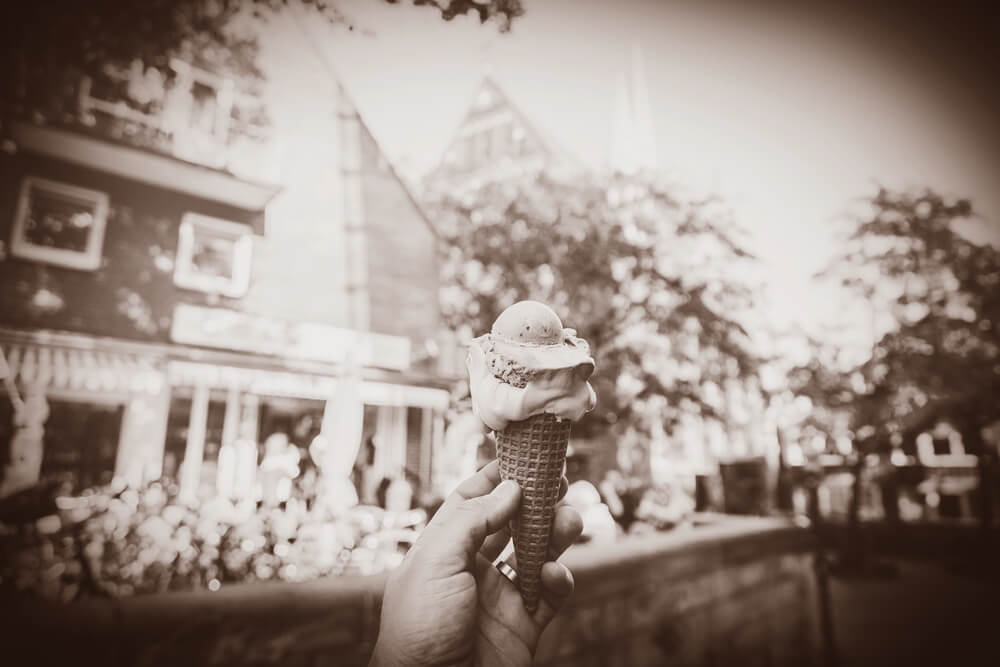
Italian immigrants, many living around Clerkenwell in London, dominated the street ice cream trade in the second half of the century. Their cheap ices were known as hokey-pokey, a name of uncertain origin.
The usual serving was a penny lick, a small thick-bottomed glass that made a dab of ice cream look generous. Customers licked it clean and handed it back, and the seller wiped or rinsed it for the next person.
The shared glasses were blamed for spreading disease, including tuberculosis, and they were banned in London after 1899. The edible cone eventually solved the problem.
Watercress Girls at Farringdon Market
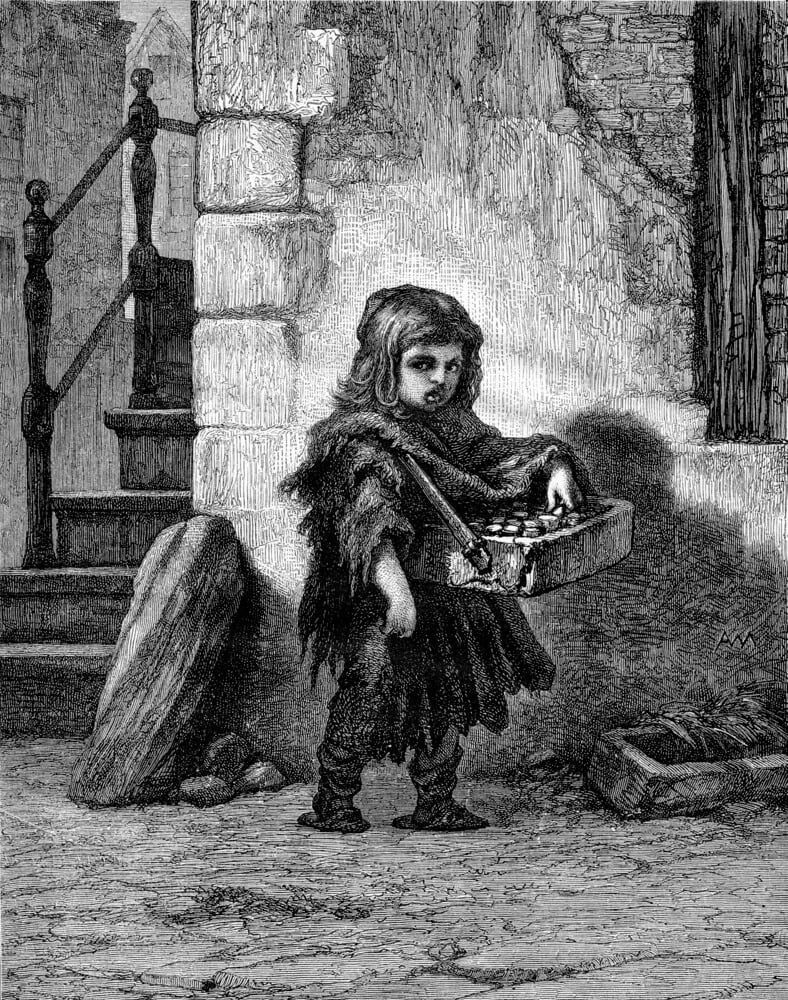
Watercress was a cheap breakfast relish, and much of it was sold on the street by children. They bought it before dawn at Farringdon Market in London, tied it into penny or halfpenny bunches and walked the streets crying it until it was gone.
Mayhew’s most famous interview is with a watercress girl who told him she was eight years old. She described getting up in the dark, handling the wet cress in freezing weather and having no time for play.
He wrote that she had the manner of a grown woman. Few passages in his survey have been reprinted as often.
Scavengers and Piecers in the Cotton Mills
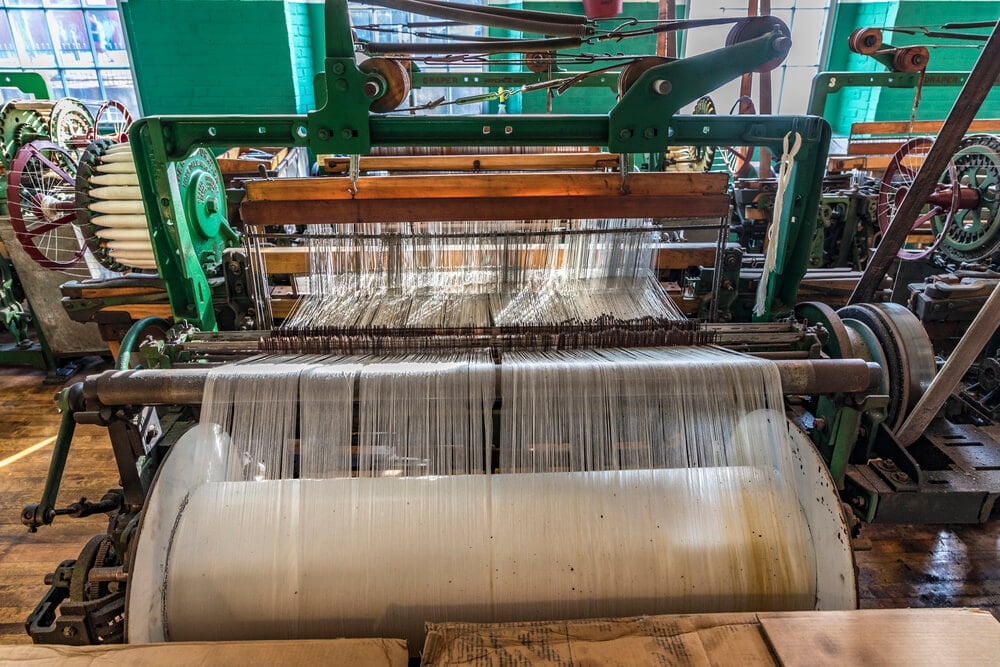
Spinning mules in Lancashire mills needed two kinds of small workers. Piecers walked alongside the moving carriage and twisted broken threads back together, covering many miles in a shift.
Scavengers, usually the youngest, crawled beneath the machinery while it ran to sweep up loose cotton and fluff. The Factory Act of 1833 barred children under nine from most textile mills and limited hours for older children, and the 1844 act required dangerous machinery to be fenced.
Under the half-time system that followed, children split the day between the mill and the schoolroom, a practice that lasted in Lancashire until after the First World War.
Trappers in the Coal Pits
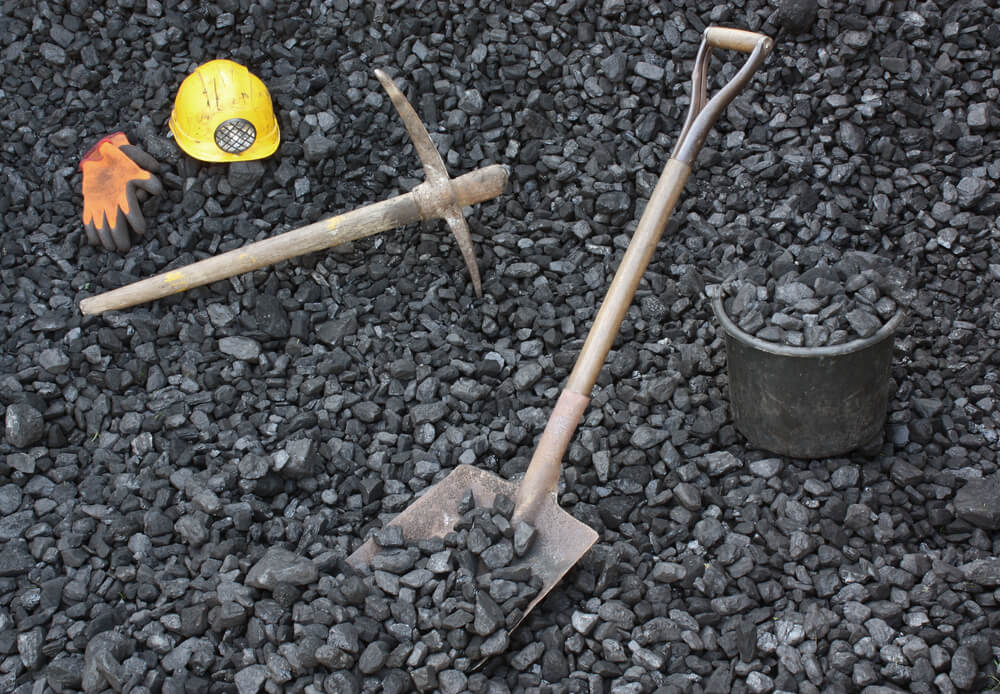
Coal mines were ventilated by a system of wooden doors, and each door needed someone to open it for passing coal tubs and shut it again. That job went to trappers, children as young as five or six who sat alone in the dark for up to twelve hours.
Older children called hurriers dragged the loaded tubs. On July 4, 1838, a stream swollen by violent storms flooded the Huskar pit near Silkstone in Yorkshire and drowned 26 children trying to escape.
A royal commission followed, and its illustrated report of May 1842 shocked readers. Parliament passed the Mines and Collieries Act that year, barring women, girls and boys under ten from underground work.
Pit Brow Women at the Surface

When the 1842 act removed women from underground work, many stayed at the collieries above ground. Pit brow women, most numerous around Wigan in Lancashire, unloaded and pushed tubs at the pit mouth and picked stone from coal at the screens.
They wore trousers under shortened skirts, with clogs and headscarves, which caused more public comment than the labor did. Arthur Munby, a London lawyer and diarist, interviewed them over many years and commissioned photographs of them.
In 1887 an attempt in Parliament to ban their work failed after a deputation of 23 pit women went to the Home Secretary that May to defend it.
Coal Whippers on the River
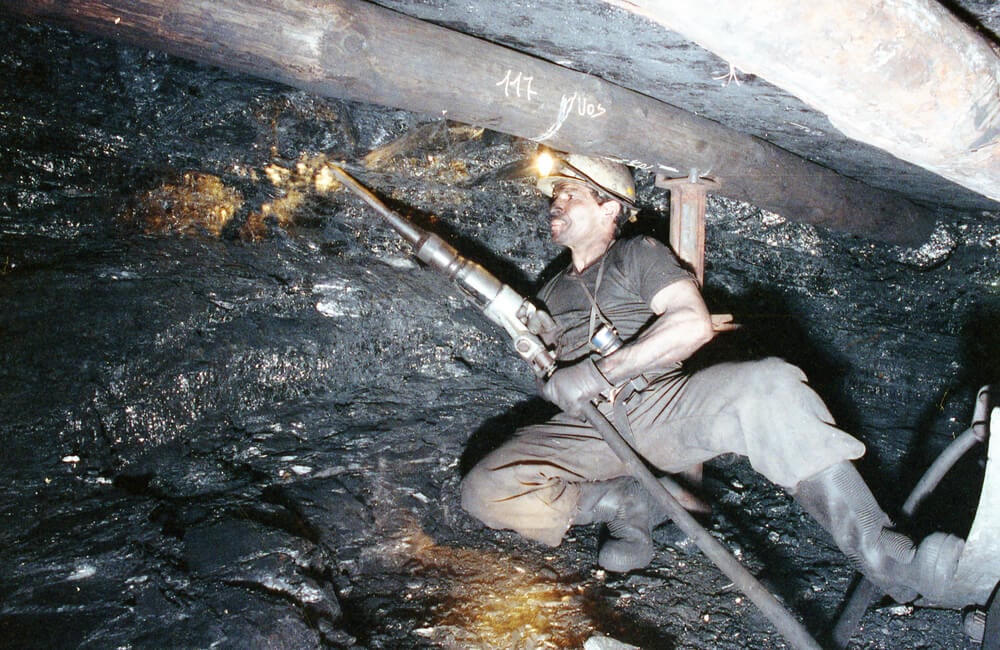
Coal reached London by sea, and every ton had to be lifted out of the ship by muscle. Gangs of coal whippers did it by hauling on ropes run over a pulley, then jumping together from a raised platform so their weight jerked the loaded basket up to the deck.
For years most of the men were hired through riverside publicans, who gave work to those who drank most at their bars. An act of Parliament in 1843 set up a public office where whippers were registered and ships applied for a gang, which was meant to end the arrangement.
Mayhew, visiting some years later, still found the whippers among the hardest-worked men on the Thames.
Cat’s Meat Men and Their Rounds

The cat’s meat man sold meat for cats, a distinction worth making. He bought boiled horse flesh from the knackers’ yards, cut it into small pieces, threaded it on wooden skewers and carried it from door to door on a barrow or in a basket.
A skewer cost as little as a halfpenny. Mayhew estimated that about a thousand people followed the trade in London, serving roughly 300,000 cats.
Sellers kept regular rounds and regular customers, and observers noted that a barrow could be surrounded by cats, strays included, within minutes of setting out. Dogs were served too.
Running Patterers and Their Street News

A running patterer sold cheap printed sheets by shouting their contents through the streets, usually faster than anyone could follow. Murders, executions, fires and royal scandals were the staples, and a good crime could keep the presses busy for weeks.
Much of the supply came from printers around Seven Dials in London, where James Catnach had built the business earlier in the century. Mayhew recorded that patterers readily admitted to selling invented stories when real news ran short.
Cheap newspapers, especially after the newspaper stamp duty was abolished in 1855, steadily took away their customers.
Telegraph Boys in Uniform

After the Post Office took over Britain’s private telegraph companies in 1870, it employed thousands of boys to carry messages from the office to the door. Most joined in their early teens, wore a military-style uniform with a pillbox cap and were drilled like small soldiers.
Speed was the point of the job, first on foot and later by bicycle. The work had a built-in problem, since boys were often let go when they grew too old for it, and officials spent years debating what to do with them.
For many families a telegraph boy at the door meant news too urgent to be good.
Straw Plaiters of Bedfordshire

Luton’s hat industry ran on straw plait made by hand in cottages across Bedfordshire, Hertfordshire and Buckinghamshire. Women and children split wheat straws with a small tool and braided them into long lengths sold by the score of yards at plait markets.
Children learned at so-called plait schools, often from the age of three or four, where a penny to 3 pence a week bought supervision and a steady output of plait but little reading. Workshop legislation in 1867 and the Education Act of 1870 squeezed the schools, and cheap imported plait from China and Japan cut a family’s earnings to about 4 shillings a week by the 1870s.
Muffin Men and the Handbell

The muffin man was a real figure of Victorian streets, most often seen on winter afternoons in time for tea. He carried muffins and crumpets in a basket, wrapped in flannel to keep them warm, and rang a handbell to announce himself.
Mayhew found that most sellers were boys or old men, many of them the children of bakers or worn-out bakers themselves, earning a few shillings a week in a trade that ran from October into spring. He also noted that the bell had been prohibited by an act of Parliament as a nuisance, and that the prohibition was cheerfully ignored.
The nursery rhyme about Drury Lane was first written down in 1820, before the reign began.
Nailers of the Black Country
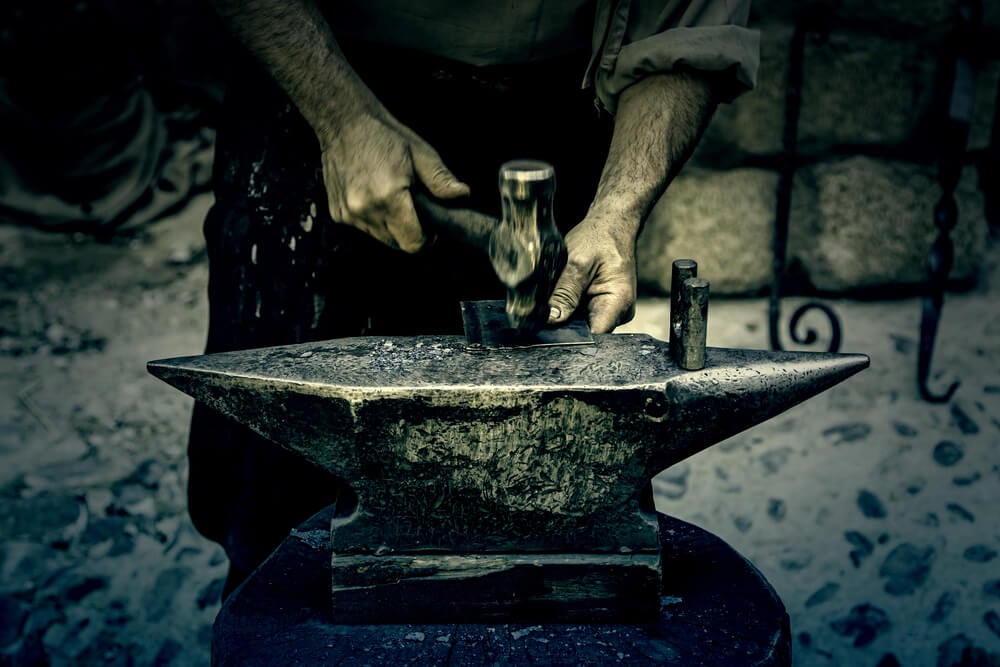
Until machines took over, most English nails were hammered out one at a time in small forges behind cottages in and around the Black Country, west of Birmingham. Entire families worked the trade, including women and children, heating iron rod and striking each nail to shape.
Middlemen known as foggers supplied the iron and bought back the nails, often paying in overpriced goods instead of cash, a practice called truck. Government commissioners who visited in the 1840s recorded long hours and very low earnings.
Machine-cut nails undercut the hand trade through the second half of the century, and nailers in towns such as Bromsgrove and Dudley struck repeatedly over falling rates.
Phrenologists Who Read Heads

Phrenology held that character could be read from the shape of the skull, and for much of the nineteenth century people paid to have it done. A practitioner ran fingers over a client’s head, measured it, and wrote out a chart rating faculties such as caution, benevolence and self-esteem.
Parents sought advice on careers for children, and couples on their suitability for marriage. The American Lorenzo Fowler carried on his practice in London and from about 1879 had offices in the Imperial Buildings at Ludgate Circus, and his labeled ceramic heads are still widely reproduced.
Scientists had largely rejected the theory by mid-century, which did little to slow business.
Daguerreotypists in Glass Rooftop Studios

Richard Beard opened what is generally regarded as Britain’s first public photographic portrait studio on March 23, 1841, on the roof of the Royal Polytechnic Institution in Regent Street, London. The new trade of daguerreotypist required sunlight, chemistry and patient customers.
Sitters were posed under blue glass with reflectors directing the sun onto them, and held still for a minute or two while the image formed on a silvered copper plate. The plate was then developed over heated mercury, a hazard nobody fully understood.
Each portrait was unique and could not be copied. Cheaper processes on glass and paper replaced the daguerreotype within about 20 years.
Soot, Mud and the Price of a Penny

Nearly every job on this list existed because something was missing. Sewers did not reach most homes, so nightmen carried the waste away.
Cheap clocks, safety rules and school places were just as scarce, so someone knocked on the window while children sold cress, opened mine doors and crawled under machines.
The trades disappeared when engineering, law and cheap manufactured goods filled those gaps, usually over the objections of someone who profited from the old arrangement. Reform tended to arrive only after a named death, a strike or a shocking report made the cost visible.
Mayhew and the commissioners preserved the voices of people who were rarely asked about anything. Their answers remain the most reliable account of how the Victorian city worked.
account of how the Victorian city worked.
More from Go2Tutors!

- The Romanov Crown Jewels and Their Tragic Fate
- 13 Historical Mysteries That Science Still Can’t Solve
- Famous Hoaxes That Fooled the World for Years
- 15 Child Stars with Tragic Adult Lives
- 16 Famous Jewelry Pieces in History
Like Go2Tutors’s content? Follow us on MSN.