26 Old Seed Packets and Garden Catalogs Collectors Want
The dusty corners of antique shops and estate sales hold treasures most people walk past without a second glance. Tucked between yellowed magazines and faded postcards, savvy collectors know to check the boxes of old papers: vintage seed packets and garden catalogs, worth far more than their original nickel price tags.
These paper remnants tell stories that go beyond gardening — capturing the artistry of lithographic printing, the evolution of plant varieties that have since vanished from commerce, and how Americans fed themselves across more than a century of change. Values vary enormously with condition and edition, so treat the price guidance below as direction rather than guarantees, and get anything significant appraised before selling.
Burpee’s Annual Seed Catalog (1876–1920)

W. Atlee Burpee founded his seed company in 1876, and those early catalogs are collector favorites. The covers featured elaborate Victorian illustrations of prize vegetables and flowers that could transform any humble plot into paradise.
Burpee was the first research-based seed company in the United States, and the catalogs documented that innovation in real time. Pre-1900 editions in good condition are the ones to find — the 1888 catalog introduced Burpee’s Bush Lima Bean with fanfare that would make modern marketers jealous.
The rarity stems from practical use: most people discarded catalogs after ordering, which means surviving clean copies are genuinely uncommon.
Ferry’s Seed Annual (1856–1929)
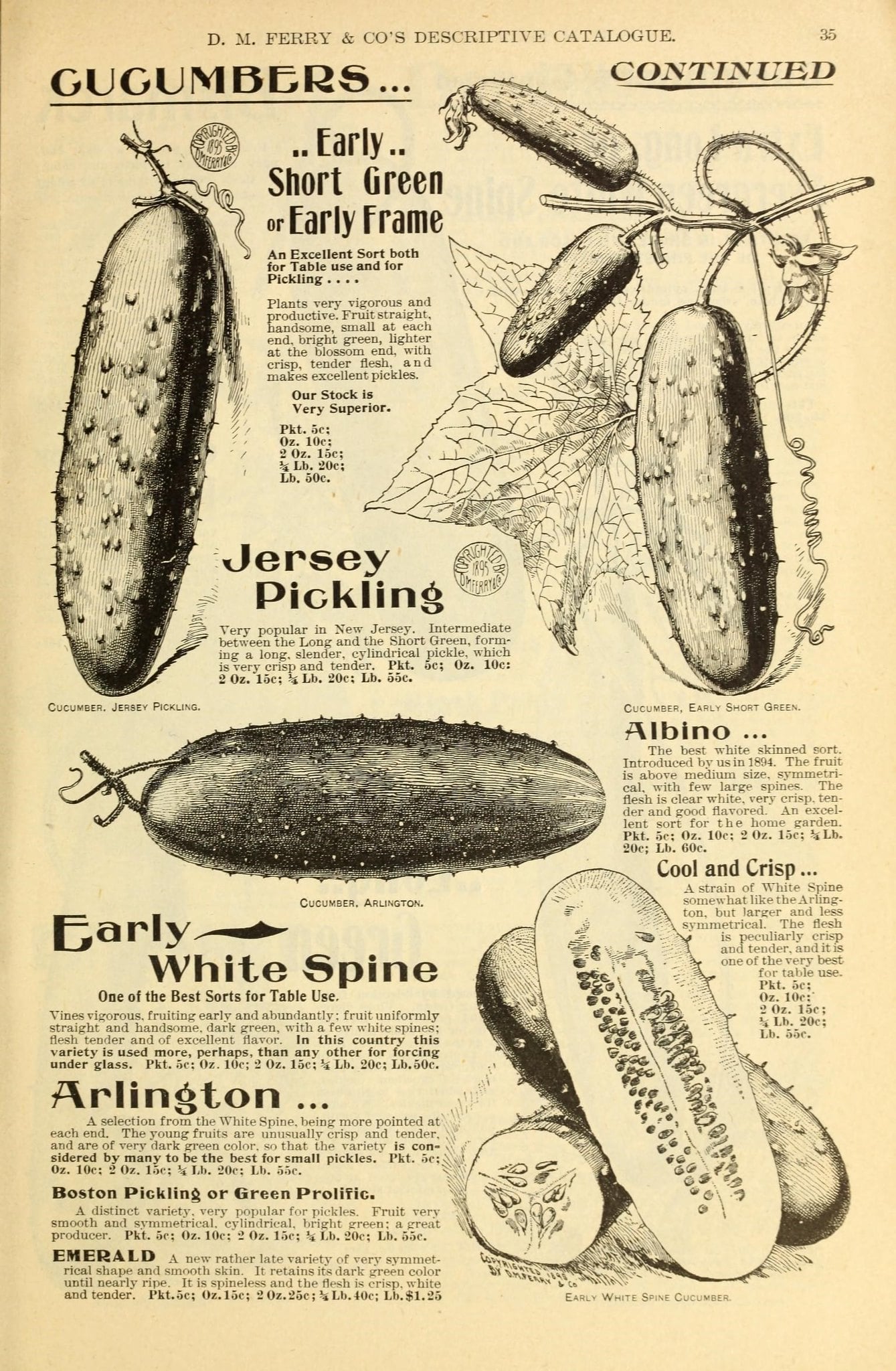
Ferry Seeds started in Detroit when the city was still surrounded by farms rather than factories. Their catalogs documented America’s transition from rural to urban, offering both practical vegetables and ornamental flowers for the emerging suburban class.
The 1880s editions are particularly sought after for their chromolithographic covers showing impossibly perfect produce. Collectors prize the 1893 World’s Fair edition, which promoted Ferry’s medal-winning varieties.
Clean copies from the peak years attract serious interest from both ephemera collectors and garden historians.
Peter Henderson’s “Everything for the Garden” (1872–1920)
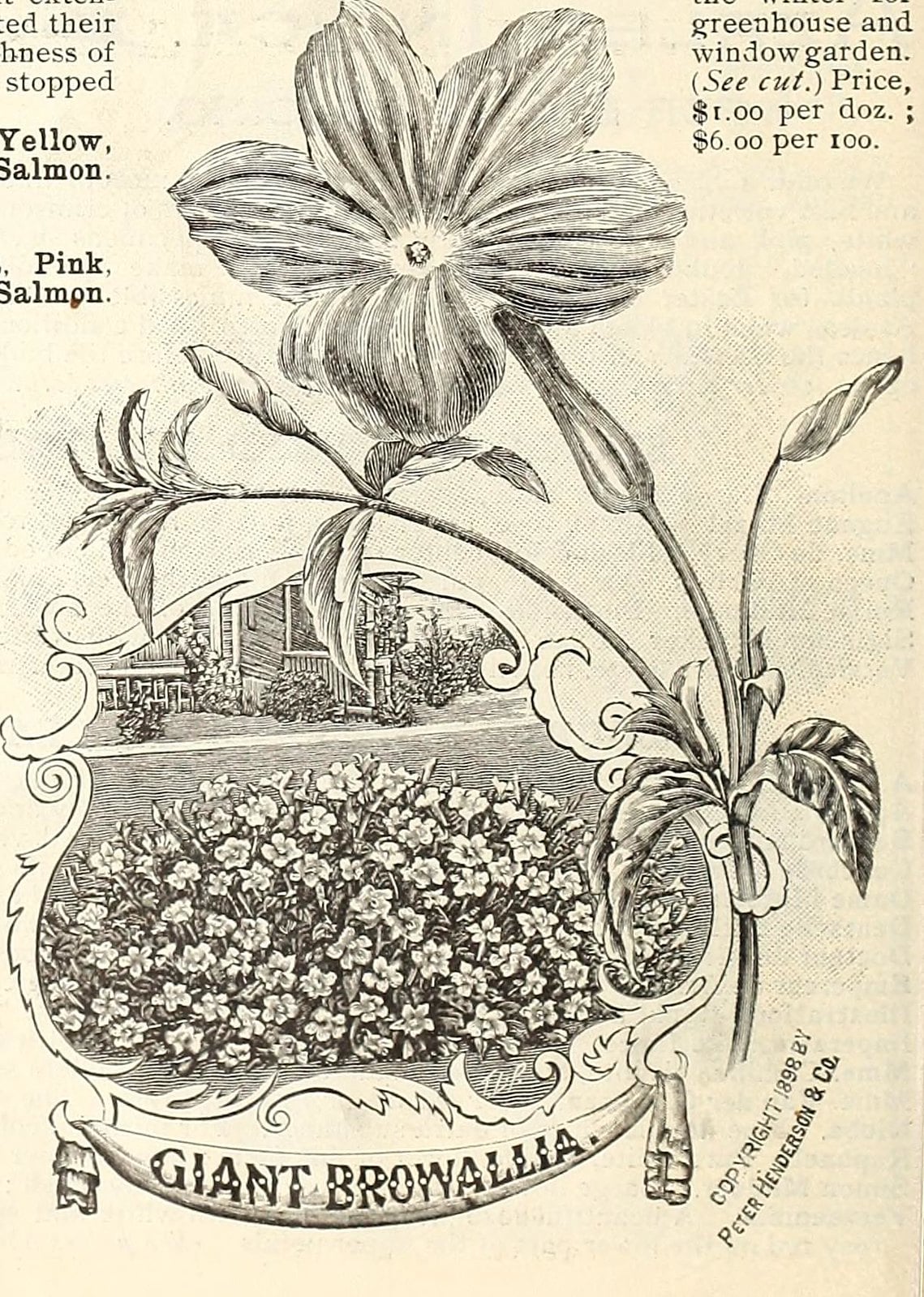
Henderson’s catalogs weren’t just seed lists — they were gardening education wrapped in beautiful packaging. Peter Henderson himself wrote much of the content, sharing techniques he’d learned as head gardener for wealthy estates before starting his seed business.
The covers often featured elegant ladies in period dress tending flower beds, appealing to the Victorian notion that gardening was both practical and refined. Early editions from the 1870s-1880s are the most sought after, and the educational content makes them valuable to garden historians as well as ephemera collectors.
Northrup, King & Co. “Sterling Seeds” (1896–1960s)
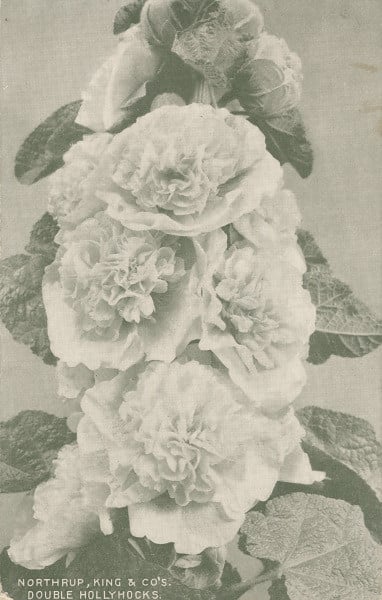
What makes Northrup King catalogs special isn’t just their age but their geography — they specialized in varieties suited to harsh northern climates, documenting how settlers adapted farming to places like Minnesota and the Dakotas. The covers tended toward practical photography rather than artistic illustration, which somehow makes them more poignant now — like looking at family photos where everyone’s dressed up for church but you can still see the calluses on their hands.
The 1920s editions are particularly collectible, showing the company’s expansion during the agricultural boom that preceded the Depression. The earlier catalogs, from 1900-1915, command the most attention — those were the years when the company was establishing varieties that would feed the expanding frontier, and the optimism on every page feels earned rather than manufactured.
Livingston’s True Blue Seeds (1850s–1920s)
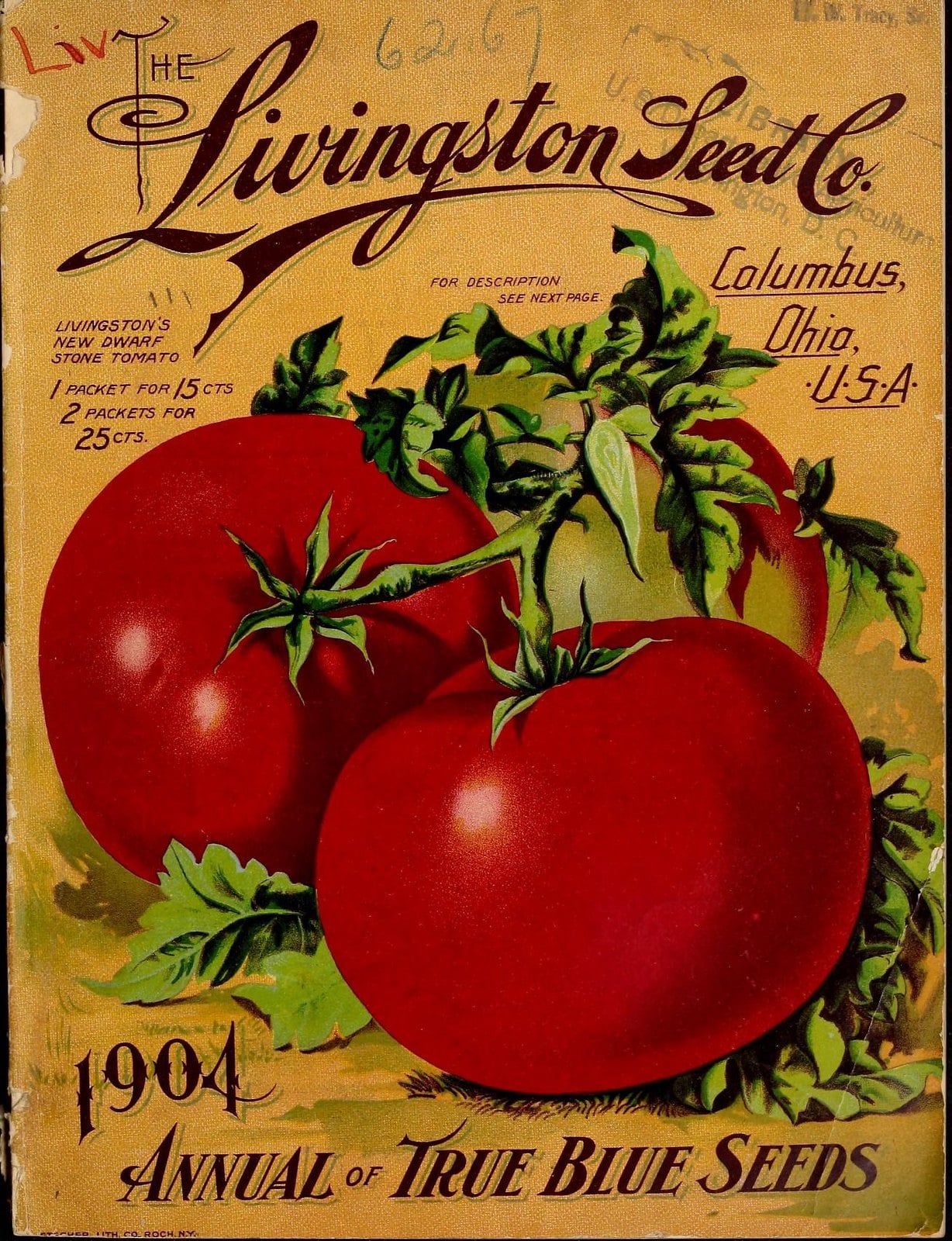
Livingston’s made their name with tomatoes. Not just any tomatoes — varieties they bred themselves and promoted with the fervor of evangelists preaching the gospel of perfect fruit.
Their seed packets are artwork in miniature. The lithographed tomatoes practically glow with health and abundance.
The “Paragon” and “Perfection” varieties dominated American gardens for decades, and original packets from the 1880s-1900s are among the more attractive individual packets in this collecting field. Complete catalogs from this period are the real prizes.
Maule’s Seed Book (1877–1930s)
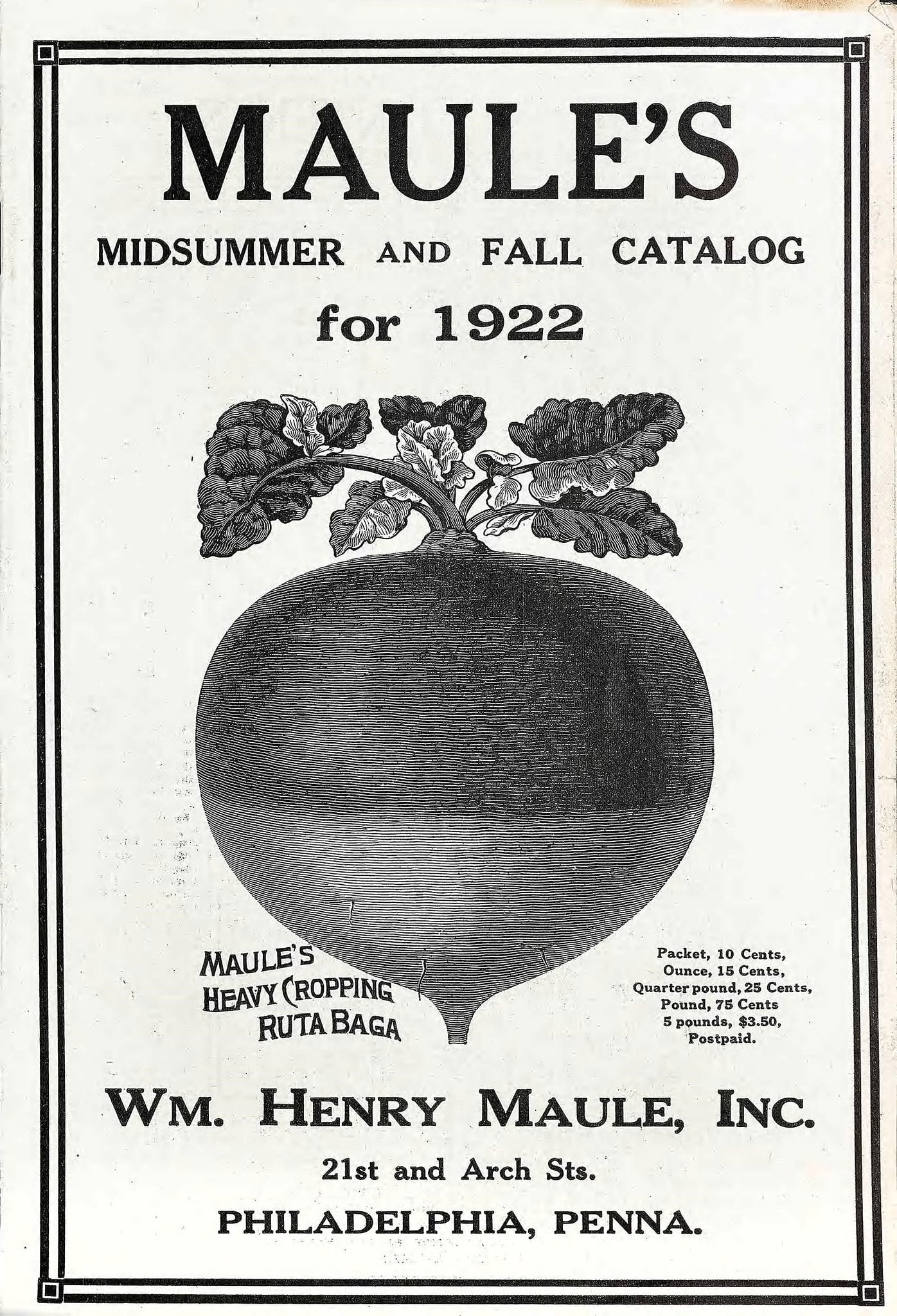
William Henry Maule wrote catalog copy like a man possessed. His descriptions turned seed packets into adventures and vegetable gardens into quests for horticultural glory.
The dramatic language and bold claims made Maule’s catalogs as entertaining as they were informative. Collectors seek out the pre-1910 editions for their over-the-top marketing copy and detailed engravings.
The 1895 catalog promised “vegetables and flowers that will make your neighbors weep with envy” — and somehow made it sound believable.
Johnson & Stokes “Garden and Farm Manual” (1888–1920s)
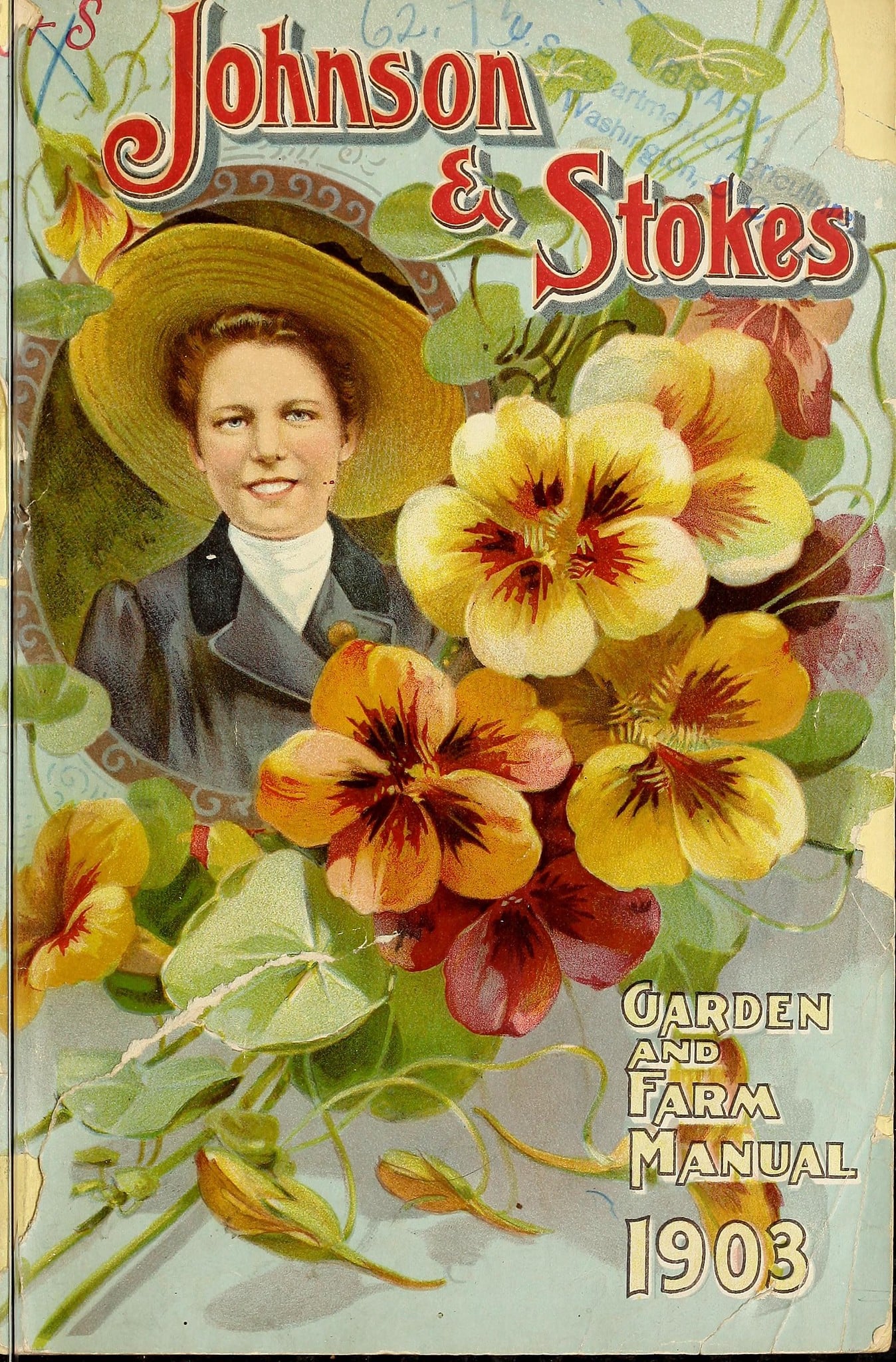
Based in Philadelphia, Johnson & Stokes positioned themselves as the scientific seedsmen, emphasizing breeding techniques and agricultural research over flowery promises. Their catalogs included detailed growing instructions and honest assessments of which varieties worked where.
The technical approach attracted serious gardeners and farmers, making these catalogs valuable references long after publication. Pre-1900 editions are the ones collectors want, with the 1893 edition (featuring their Columbian Exposition displays) commanding particular attention.
D.M. Ferry Seed Packets (1880s–1920s)
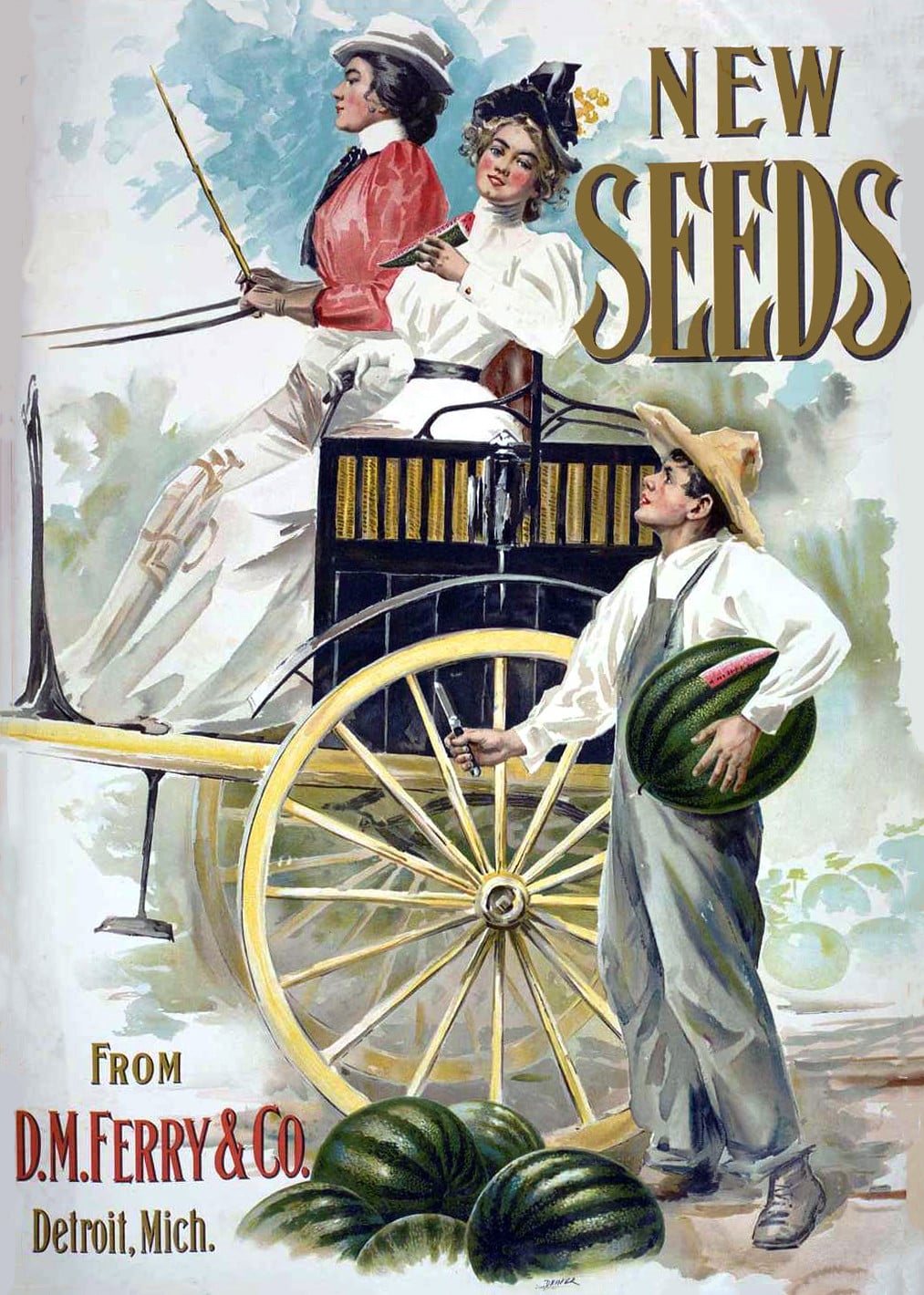
Ferry’s individual seed packets deserve separate mention from their catalogs — the lithographic artwork on these small paper envelopes represents some of the finest commercial printing of the era. Each packet was a tiny advertisement designed to catch the eye in country stores and city shops.
The colors remain surprisingly vivid after more than a century, partly because most packets were stored in dark drawers and boxes, protected from the sunlight that would have faded them. Individual packets in excellent condition are sought-after collectibles, with rare vegetables or unusual flowers commanding the highest prices.
Complete uncut sheets of packets, occasionally found in old print shops, are extraordinary finds.
Shaker Seed Packets (1790s–1870s)
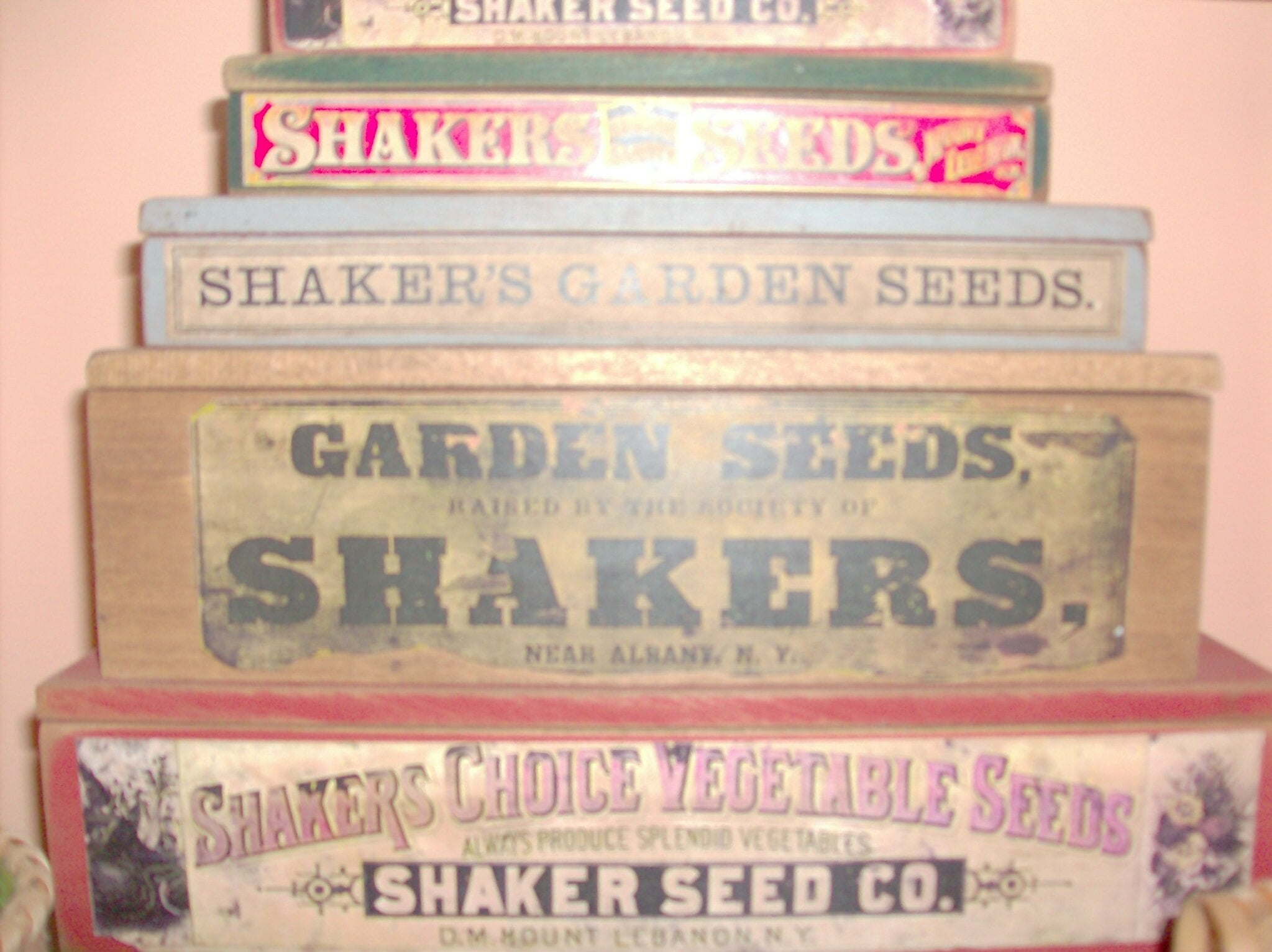
The Shakers elevated seed production to a spiritual practice, and their packets reflect that devotion. Simple, honest labeling without flashy artwork, but the quality of both seeds and printing was legendary among 19th-century gardeners.
Shaker communities sold seeds door-to-door and through general stores, building a reputation for reliability that made their packets trusted currency in rural America. Original Shaker packets are genuinely rare and valuable — among the most prized individual items in this collecting field.
The Enfield, Connecticut, and Mount Lebanon, New York, communities produced the most collectible examples.
Vaughan’s Gardening Illustrated (1876–1930s)
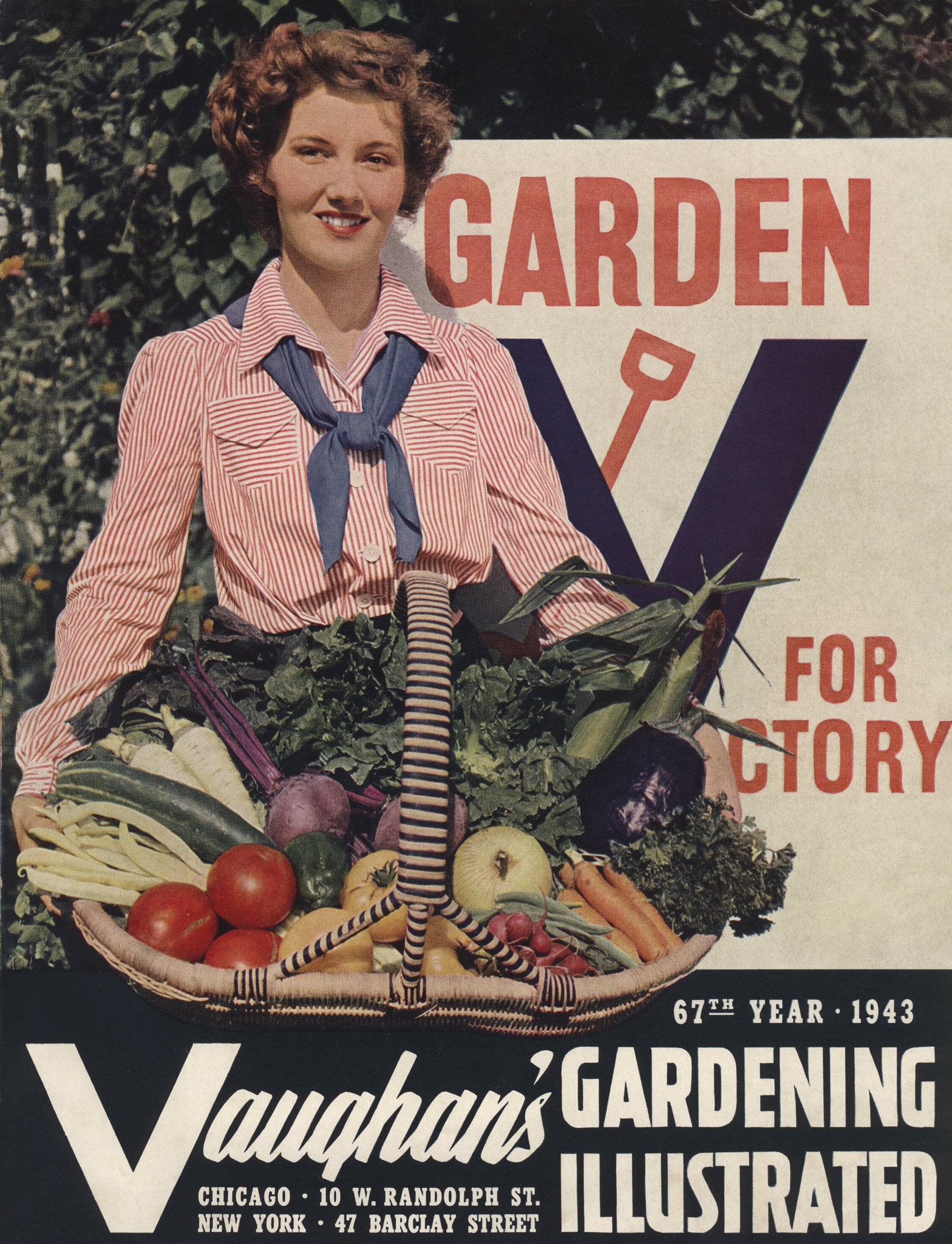
J.C. Vaughan started his Chicago seed house just as the city was rebuilding from the Great Fire, positioning his company to serve both urban gardeners and rural farmers across the expanding Midwest. His catalogs captured the optimism of that moment — when everything seemed possible and a packet of seeds represented hope made tangible.
The covers featured elaborate floral arrangements that suggested sophisticated European gardens could flourish in American soil. Pre-1900 editions are most valuable to collectors.
The 1893 World’s Columbian Exposition catalog, showcasing varieties displayed at the Chicago fair, is a particularly sought-after edition.
Landreth Seed Company Catalogs (1784–1930s)
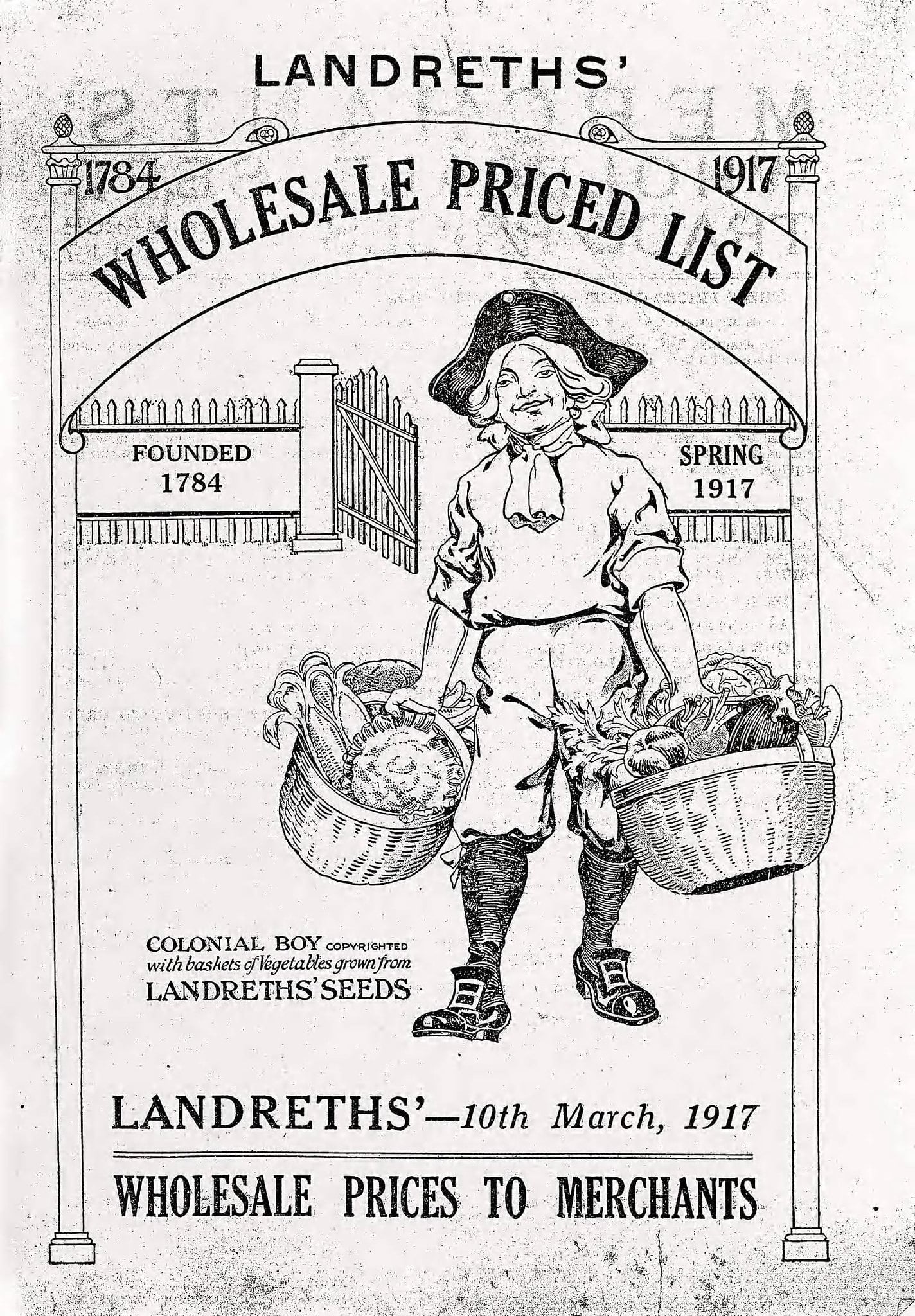
America’s oldest seed company, Landreth supplied seeds to George Washington and Thomas Jefferson. Their early catalogs documented the introduction of European varieties to American soil and the development of plants suited to the new nation’s diverse climates.
The historical significance makes these catalogs valuable beyond their ephemeral appeal. Pre-Civil War examples are museum-quality pieces that appear rarely at auction.
Even early 20th-century editions command serious attention due to the company’s unparalleled pedigree.
Aggeler & Musser Pacific Coast Seeds (1900s–1940s)
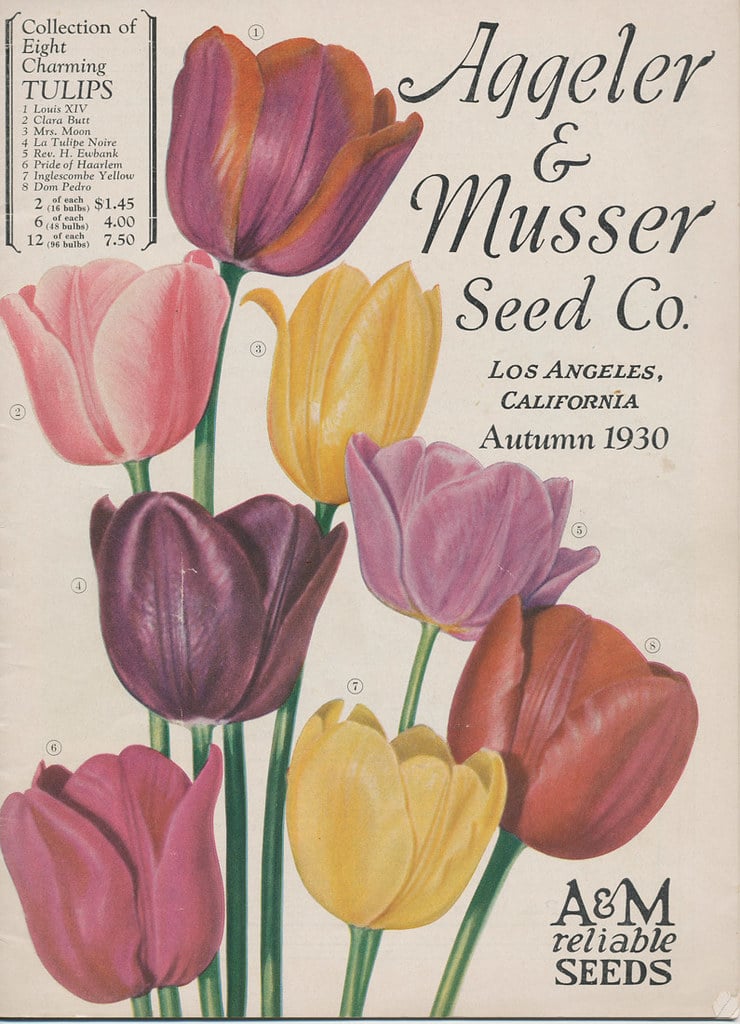
This California company specialized in varieties suited to West Coast growing conditions, documenting the agricultural boom that transformed California into America’s garden. Their catalogs featured crops unknown in other regions — avocados, citrus, and Mediterranean vegetables that were exotic novelties in most of the country.
The regional focus makes these catalogs particularly collectible on the West Coast, but their rarity appeals to collectors nationwide. Clean examples from the 1910s-1920s are the ones to seek, with earlier editions harder to find and correspondingly more valuable.
Sutton & Sons English Seeds (1880s–1920s)

Sutton was the Rolls-Royce of English seed houses, and their American catalogs catered to gardeners who wanted to recreate English country gardens in New World soil. The production values were exceptional — heavy paper, detailed engravings, and writing that assumed readers shared a deep knowledge of horticultural tradition.
You didn’t just buy Sutton seeds; you joined a tradition that stretched back centuries, one that measured success not in abundance but in refinement. Their sweet pea varieties alone filled pages with descriptions that read like wine reviews.
American distributors imported both seeds and catalogs, making original Sutton catalogs rare finds in American collections.
Alneer Brothers Seeds (1890s–1930s)
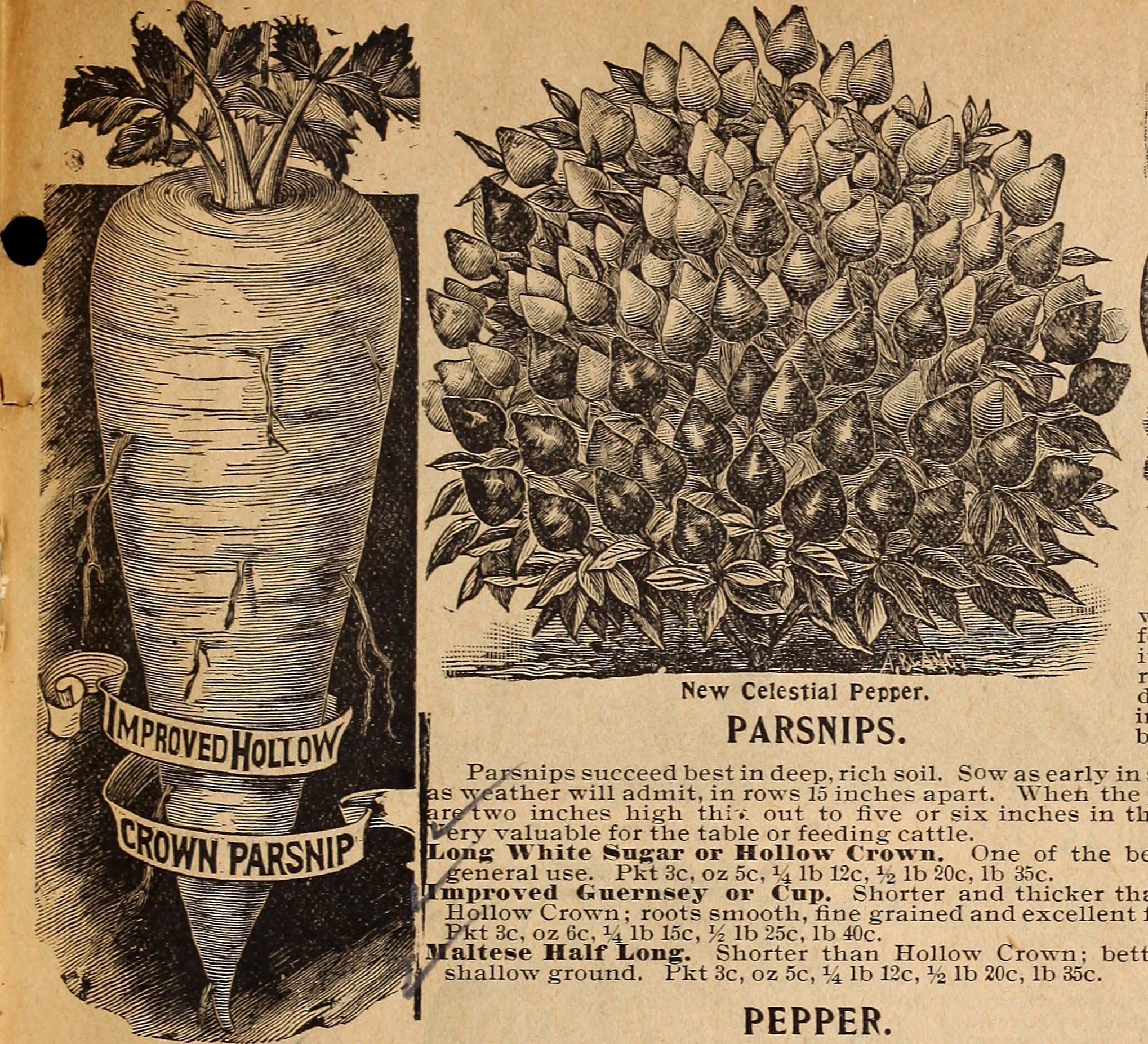
The Alneer Brothers positioned themselves as the affordable alternative to premium seed houses, offering good varieties at prices working families could manage. Their catalogs had a down-to-earth quality that reflected their customer base.
The unpretentious approach and competitive pricing built a loyal following, particularly in the Midwest. Original catalogs are less common than those from larger companies, which makes clean examples worth finding.
The honest marketing copy provides an interesting contrast to the hyperbole of competitors.
Childs’ Rare Flowers and Vegetables (1888–1920s)
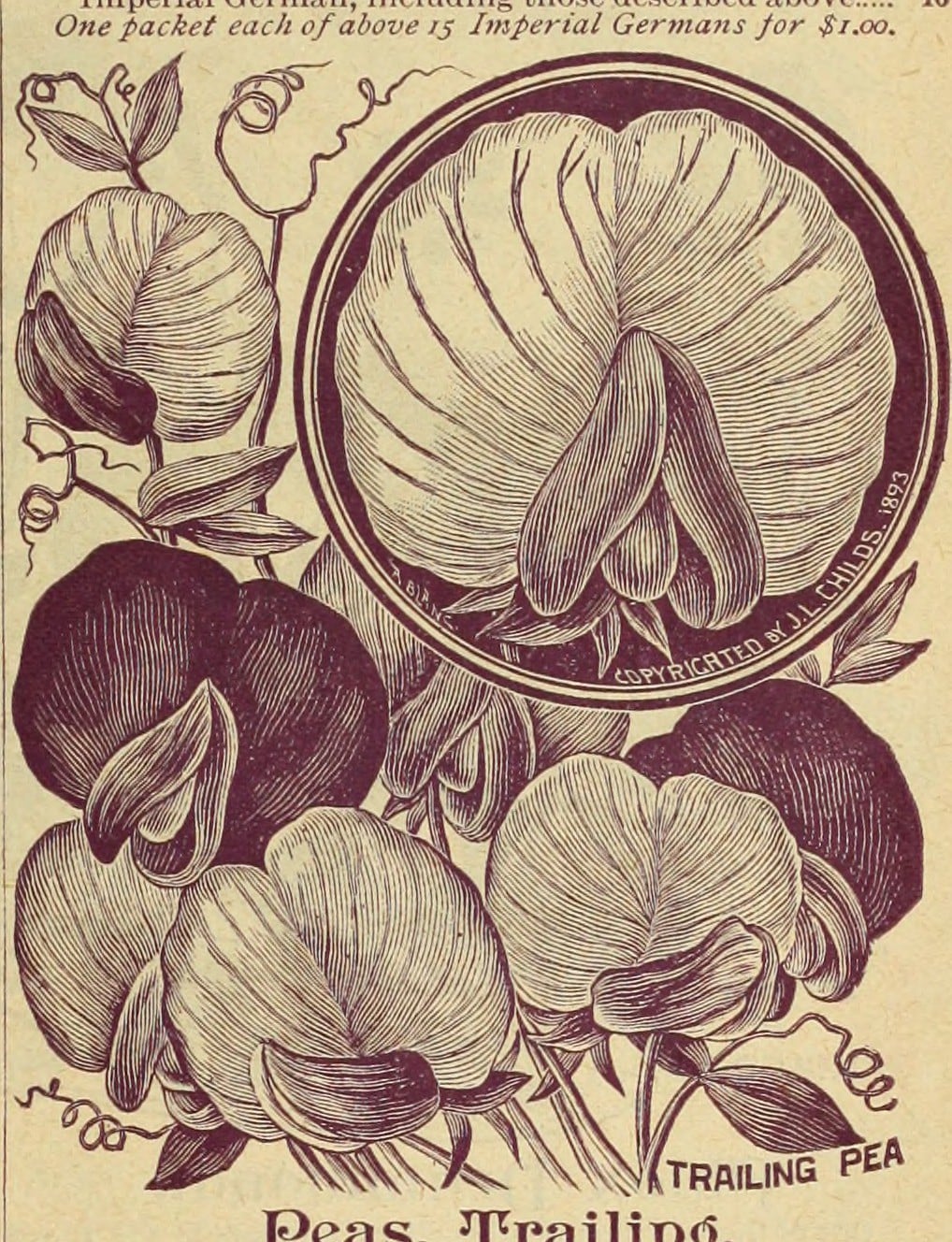
J. Lewis Childs had a genius for marketing unusual varieties to adventurous gardeners. His catalogs read like exotic travel brochures, promising flowers and vegetables that would astonish neighbors and transform ordinary gardens into botanical wonderlands.
The emphasis on novelties and rare varieties attracted customers willing to pay premium prices for unique plants. Childs’ catalogs are collector favorites for their colorful covers and dramatic plant descriptions, with pre-1910 editions the most sought after.
Wood, Stubbs & Co. Seeds (1880s–1920s)
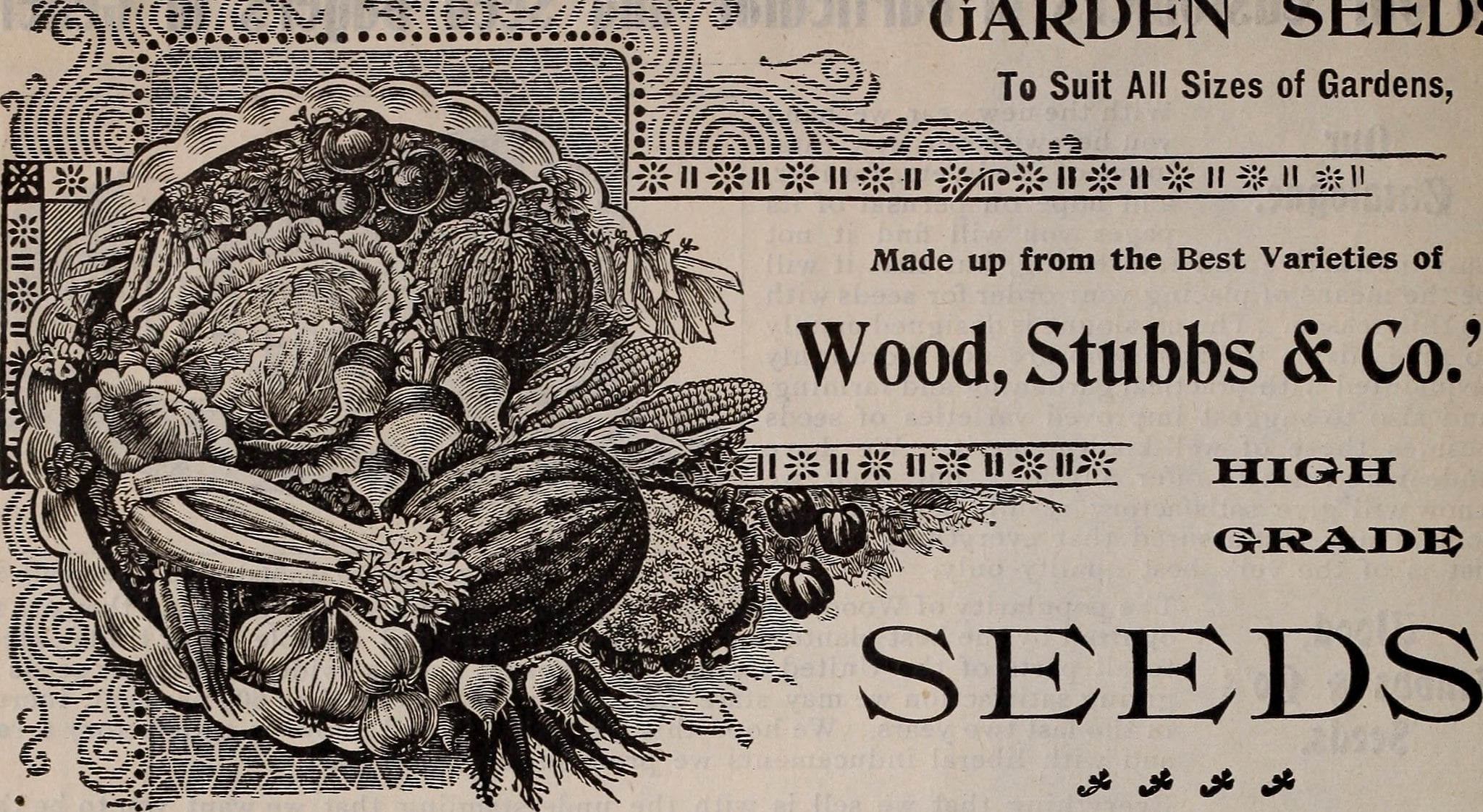
This Louisville-based company served Southern gardeners with varieties adapted to hot, humid climates. Their catalogs documented regional growing techniques and crops that were rare or unknown in Northern markets.
The regional specialization makes these catalogs particularly valuable to collectors interested in Southern agricultural history. Clean examples from the peak years — the 1890s through the 1910s — are the ones that attract serious collector attention.
Mandeville & King Flower Seeds (1870s–1910s)
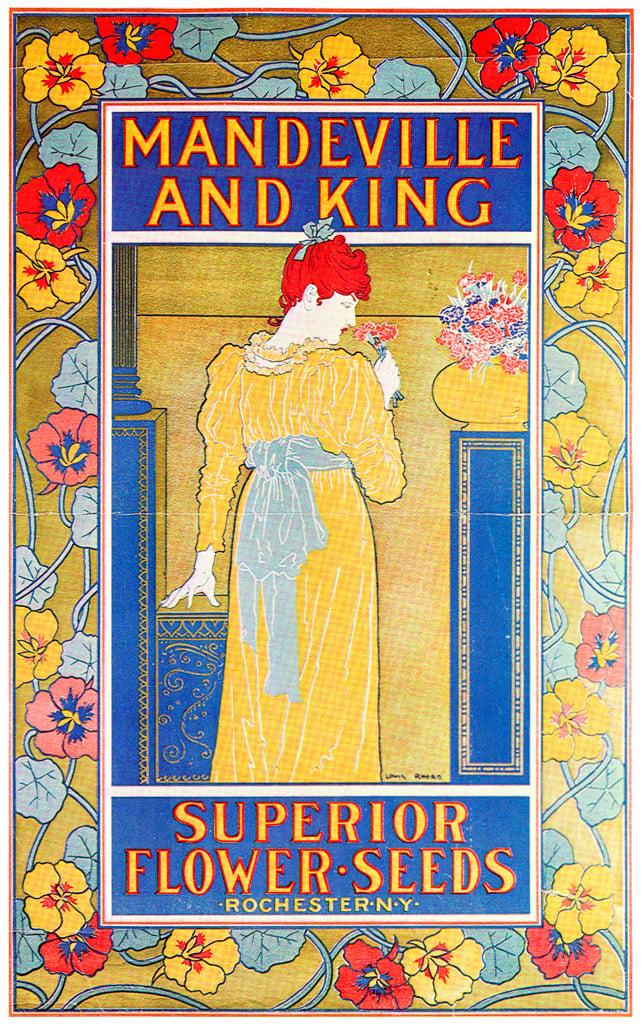
Mandeville & King specialized in flower seeds for serious gardeners who viewed ornamental horticulture as an art form requiring the finest materials. Their catalogs were educational treatises disguised as sales literature, explaining color theory, garden design, and the cultural requirements of exotic species.
The specialized focus created beautiful catalogs with exceptional botanical illustrations. The educational content makes them valuable references for garden historians as well as ephemera collectors.
The artistic quality of the illustrations is the primary driver of collector interest.
Gregory’s Seeds (1856–1920s)
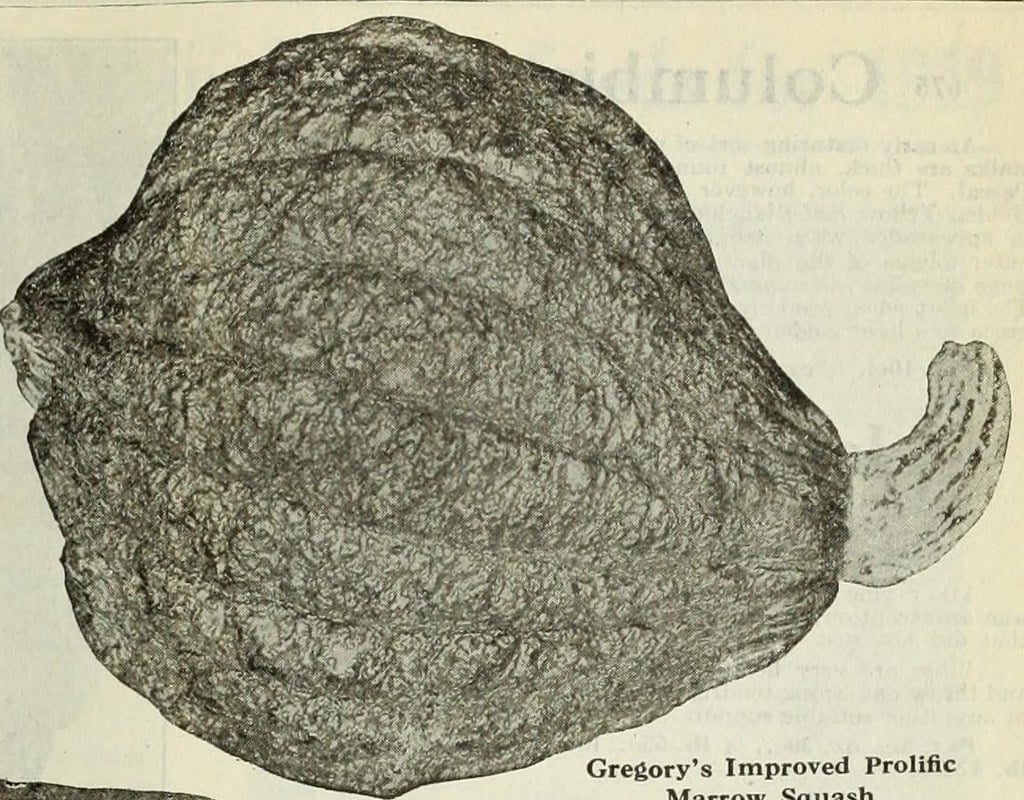
James J.H. Gregory built his Massachusetts seed house on a foundation of honest dealing and careful breeding work. His catalogs emphasized quality over quantity, featuring detailed descriptions of growing techniques alongside variety listings.
Gregory’s squash and corn varieties dominated New England gardens for generations, and his catalogs documented the breeding work that created these successful strains. Pre-1900 catalogs are the most sought after, with the technical focus adding value for agricultural historians as well as collectors.
Thorburn’s Seed Annual (1802–1920s)
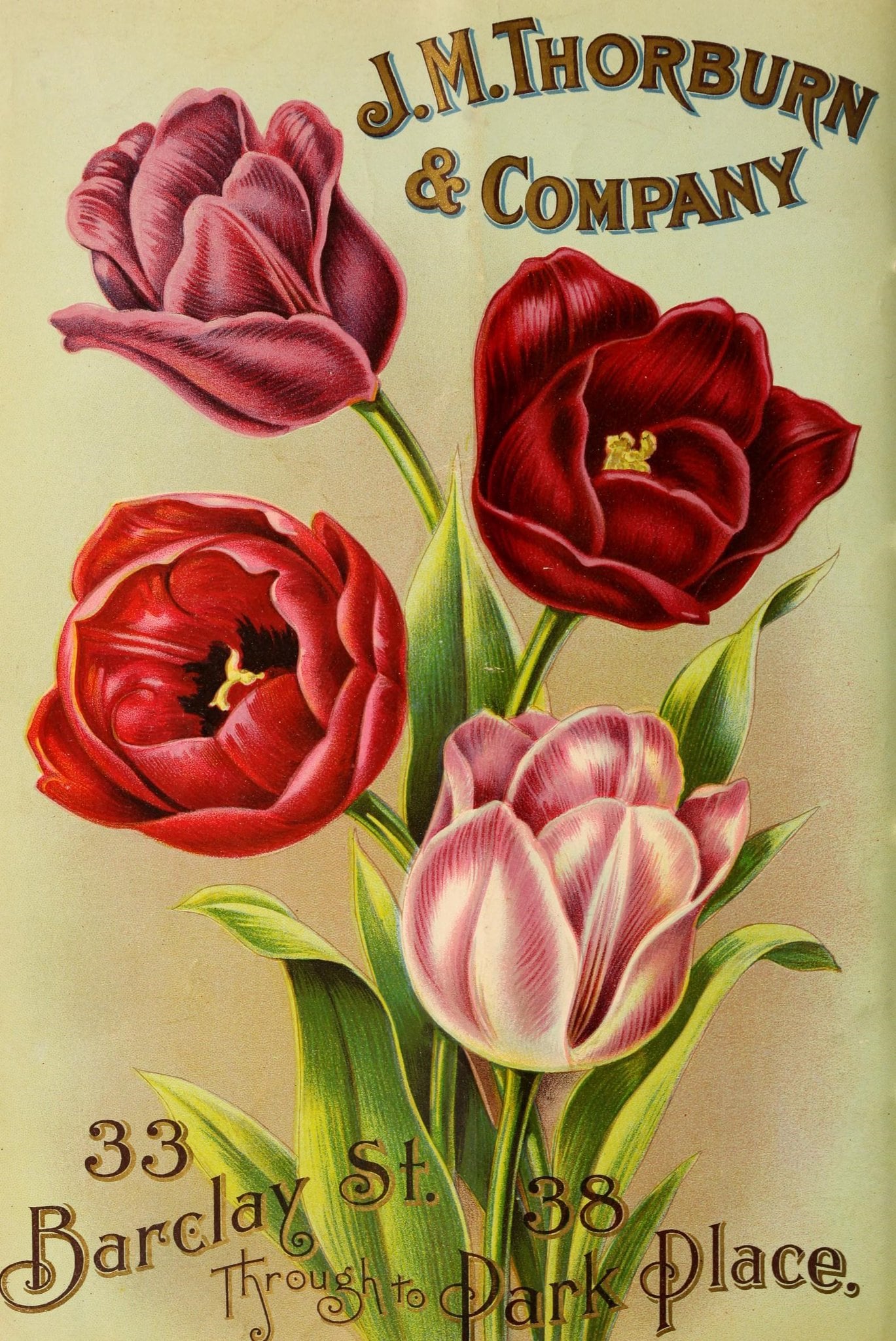
Grant Thorburn claimed to be America’s first professional seedsman, and his New York company served gardeners for more than a century. The longevity created an unmatched historical record of American gardening evolution — their catalogs show how American tastes shifted from purely practical vegetables toward ornamental gardening as the country developed economically.
There’s something wonderfully stubborn about Thorburn catalogs: even as competitors embraced flashier marketing, Thorburn maintained a dignified reserve that suggested their reputation spoke louder than any advertising copy could. Pre-Civil War examples are extraordinary finds.
Even early 20th-century catalogs carry a premium due to the company’s storied history.
Rice’s Seeds (1840s–1920s)
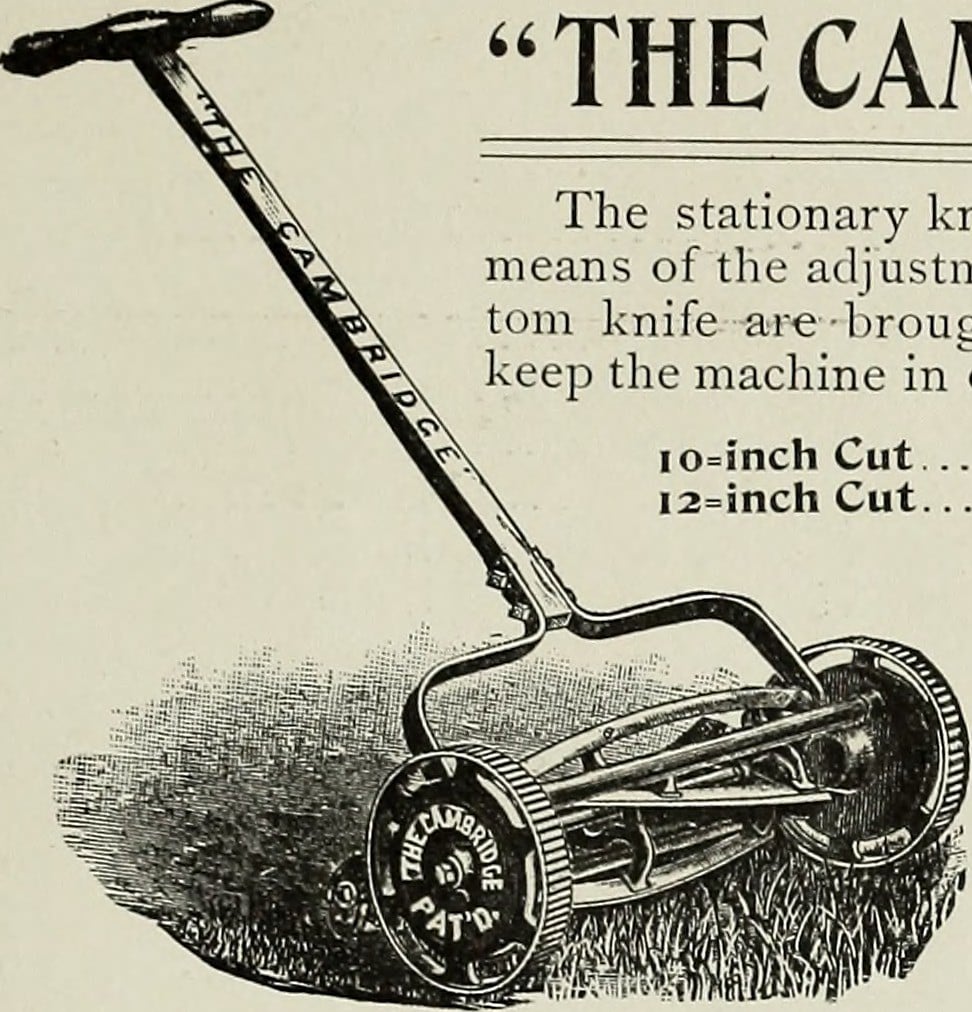
Jerome B. Rice built his Cambridge seed house into one of the largest companies in the country, specializing in field crops and garden vegetables for practical growers. His catalogs were working documents for serious farmers rather than entertainment for hobby gardeners.
The practical focus and detailed cultural instructions make Rice catalogs valuable references for understanding 19th-century agriculture. The company’s size and longevity should make catalogs common, but heavy use means survival in good condition is genuinely rare.
Dreer’s Garden Book (1838–1920s)

Henry A. Dreer’s Philadelphia company became famous for flower seeds and bulbs, creating catalogs that were visual feasts of color and design. The chromolithographic covers are among the most beautiful in American seed catalog history, and they attract collectors who appreciate fine commercial printing as much as gardening history.
Dreer’s emphasis on ornamental gardening attracted affluent customers who could afford extensive flower gardens. Pre-1900 editions with exceptional artistic covers are the most sought after, though even later editions attract attention for the quality of their production.
Gill Brothers Seed Company (1890s–1930s)
The Gill Brothers served Pacific Northwest gardeners with varieties adapted to the region’s unique climate. Their catalogs documented the agricultural development of Oregon and Washington as settlers learned to garden in a climate unlike anywhere else in America.
The regional specialization and relatively short business lifespan make Gill Brothers catalogs uncommon finds. The Pacific Northwest focus appeals particularly to Western collectors, but the scarcity drives interest from collectors nationwide.
Henderson’s Farmer’s Manual (1860s–1920s)
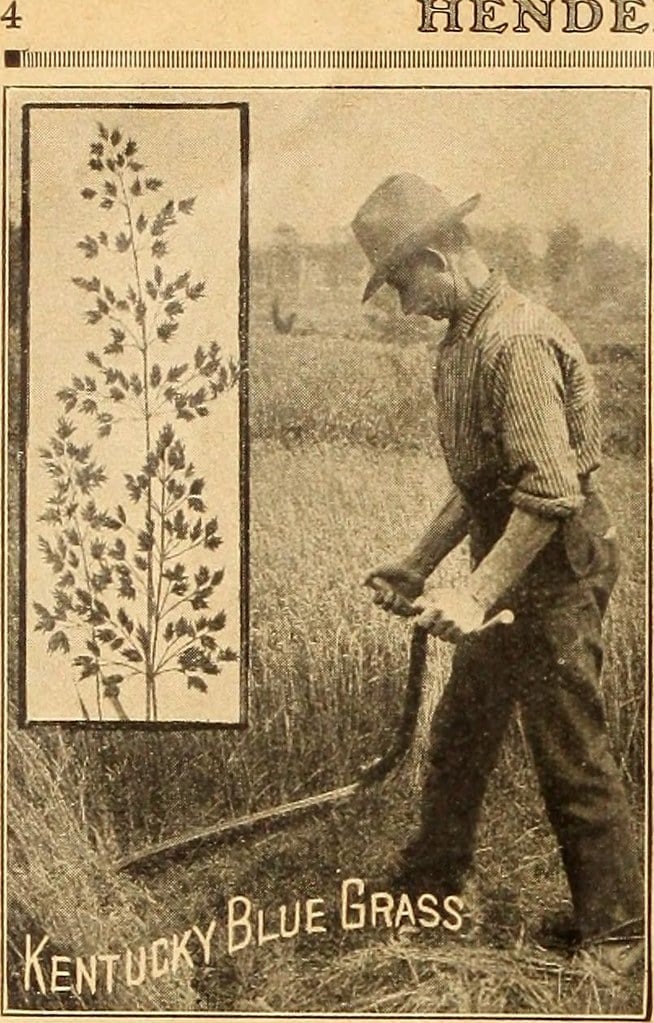
Peter Henderson’s agricultural guide targeted commercial growers rather than home gardeners, offering detailed advice on market gardening, greenhouse management, and crop timing. The technical focus created catalogs dense with practical information that remained useful long after the company’s heyday.
The professional orientation makes these manuals valuable resources for understanding 19th-century commercial agriculture. The detailed cultural instructions remain genuinely useful for serious gardeners today, which is unusual for paper ephemera a century old.
Salzer’s Seeds (1888–1930s)
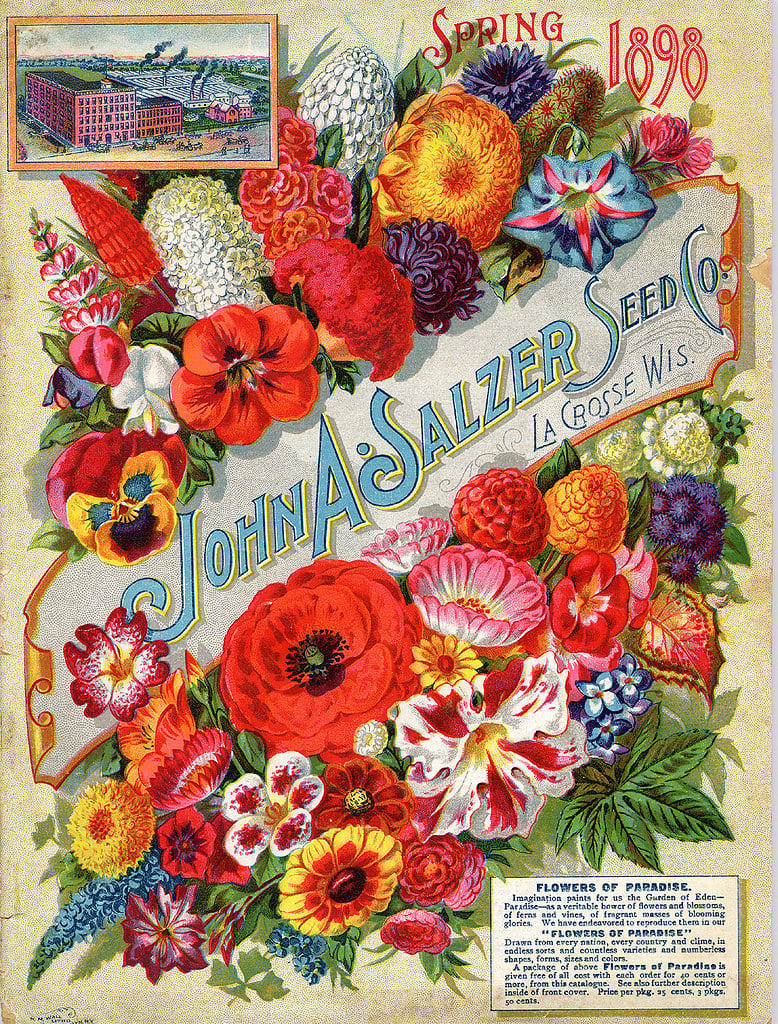
John A. Salzer built his Wisconsin seed house on aggressive marketing and dramatic claims that made competitors’ hyperbole seem restrained. His catalogs promised miraculous yields from revolutionary varieties that would transform agriculture — and made it all sound perfectly reasonable.
The over-the-top marketing style makes Salzer catalogs entertaining reading and popular collectibles. The dramatic claims and colorful language captured the optimistic spirit of American agricultural expansion in ways that more sober competitors never quite managed.
Everitt’s Seed Store (1890s–1920s)
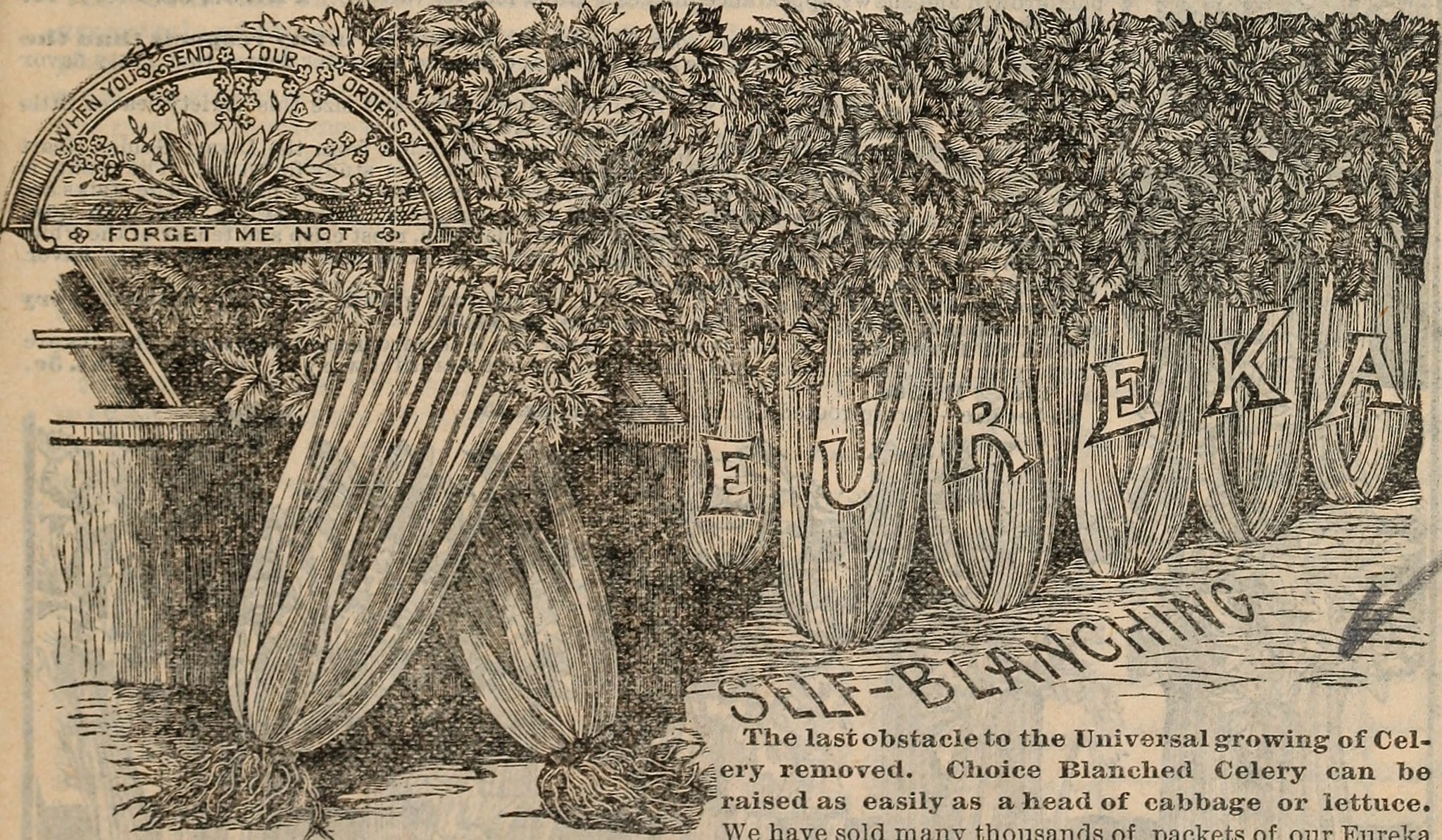
O.K. Everitt’s Indiana company targeted rural customers with practical varieties and down-home marketing that emphasized honest dealing and fair prices. The catalogs had a folksy quality that reflected small-town values and the direct relationship between a seed company and its community.
The regional focus and authentic voice make Everitt catalogs appealing to collectors interested in Midwest agricultural history. The company’s modest size means catalogs are less common than those from industry giants, which works in their favor for collectors.
Buckbee’s “Full of Life” Seeds (1890s–1930s)
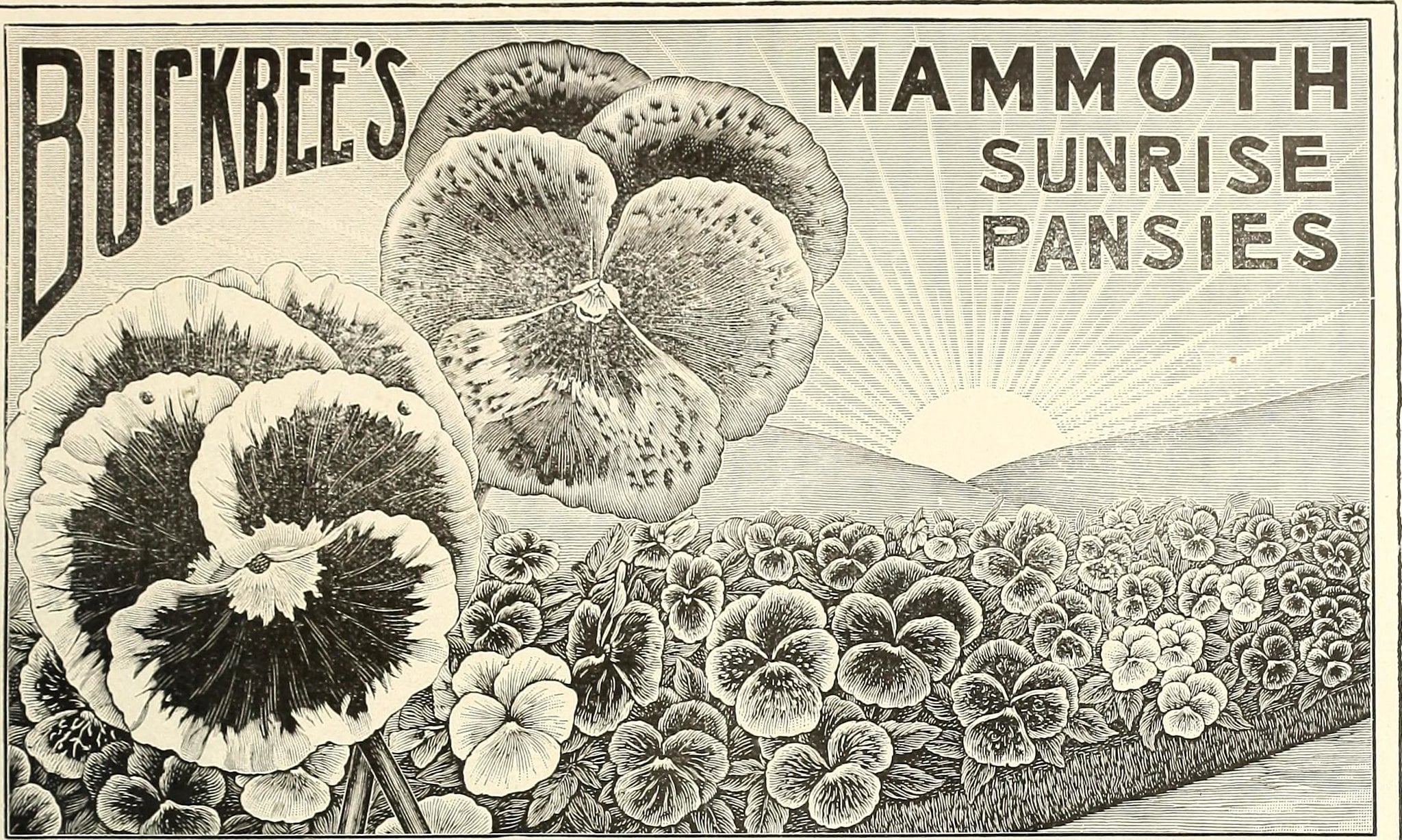
H.W. Buckbee’s Illinois company used aggressive advertising and money-back guarantees to build a national customer base. Their catalogs featured testimonials from satisfied customers and dramatic before-and-after photographs of improved farms — early 20th-century advertising technique at its most enthusiastic.
The “Full of Life” slogan became one of the most recognized in American agriculture. Original catalogs are valued both as ephemera and as examples of the era’s marketing innovation.
Stumpp & Walter Co. Seeds (1890s–1920s)
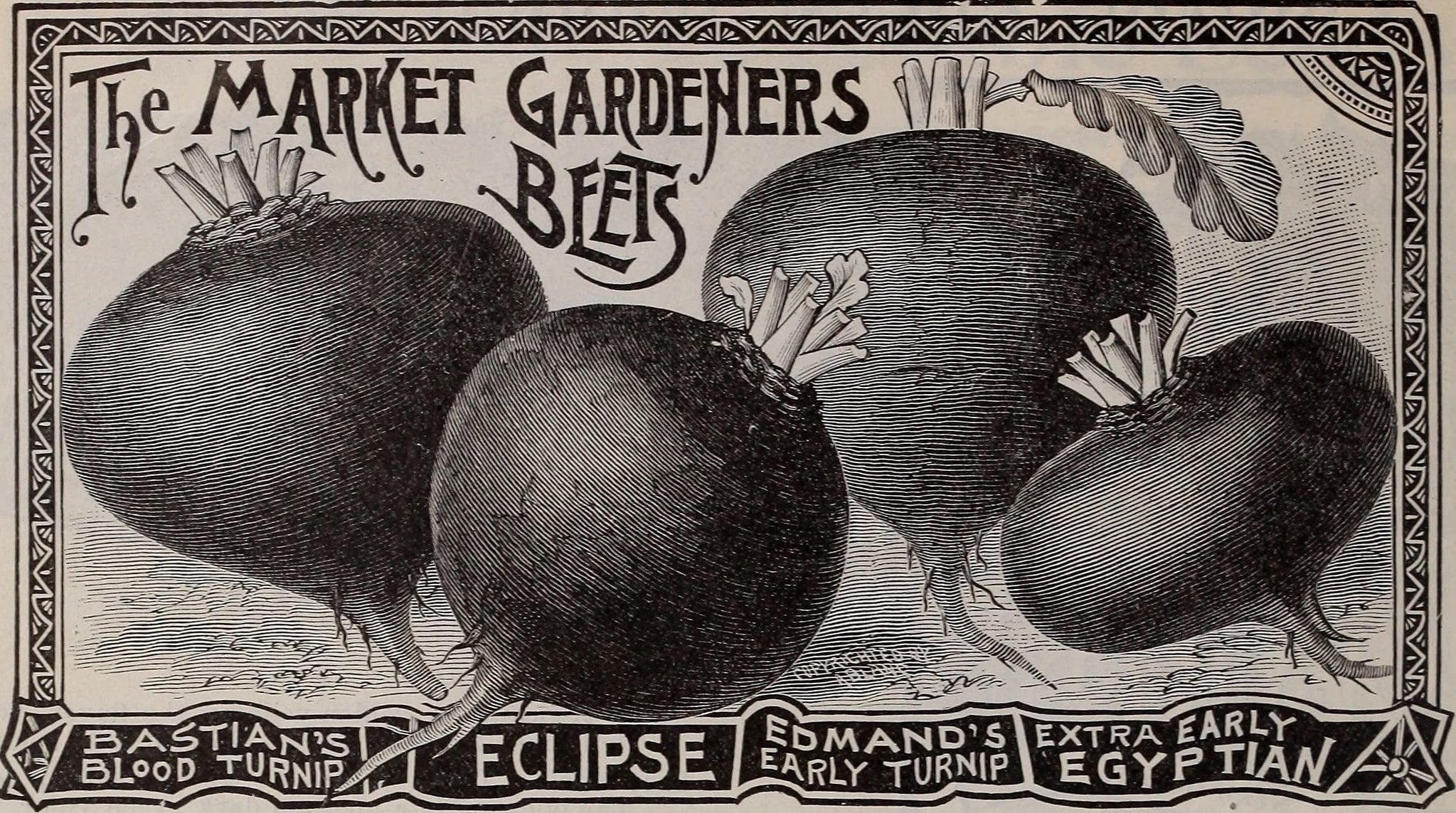
This New York company specialized in high-quality lawn and golf course grasses, serving the emerging suburban market and private clubs. Their catalogs documented the American obsession with perfect lawns that characterized the early 20th century.
The specialized focus on turf grasses makes these catalogs unique in American seed catalog history. The technical information on grass varieties and maintenance remains genuinely valuable for turf professionals, which gives them a practical collector audience alongside the ephemera enthusiasts.
What the Paper Remembers

These catalogs and packets carry more than commercial history. They document what people hoped for when spring arrived — the vegetables they wanted to grow, the flowers they thought would make their yards beautiful, the varieties that held a specific promise in a specific season.
The paper survived when the gardens didn’t, which is why collectors search for it. Every chromolithographed cover is evidence of an agricultural world more diverse and regionally rooted than what replaced it.
The heirloom seed movement has rediscovered some of the varieties these catalogs promoted. The catalogs themselves are the original argument for why those varieties were worth saving.
More from Go2Tutors!

- The Romanov Crown Jewels and Their Tragic Fate
- 13 Historical Mysteries That Science Still Can’t Solve
- Famous Hoaxes That Fooled the World for Years
- 15 Child Stars with Tragic Adult Lives
- 16 Famous Jewelry Pieces in History
Like Go2Tutors’s content? Follow us on MSN.