29 Antique Pocketknives Worth Real Money
The knife in a dead relative’s dresser drawer looks like junk: dull blade, cracked handle, a tang stamp worn nearly smooth. Sometimes it is exactly that. Sometimes it is a factory name that vanished decades ago, and collectors will pay for it.
Value in this corner of antiques is stubborn and specific. A maker’s mark, a handle material, or a single year of production can separate a few dollars from a few hundred. These are the names and models that tend to make that difference.
Case Bros Little Valley Tested XX Jacknife
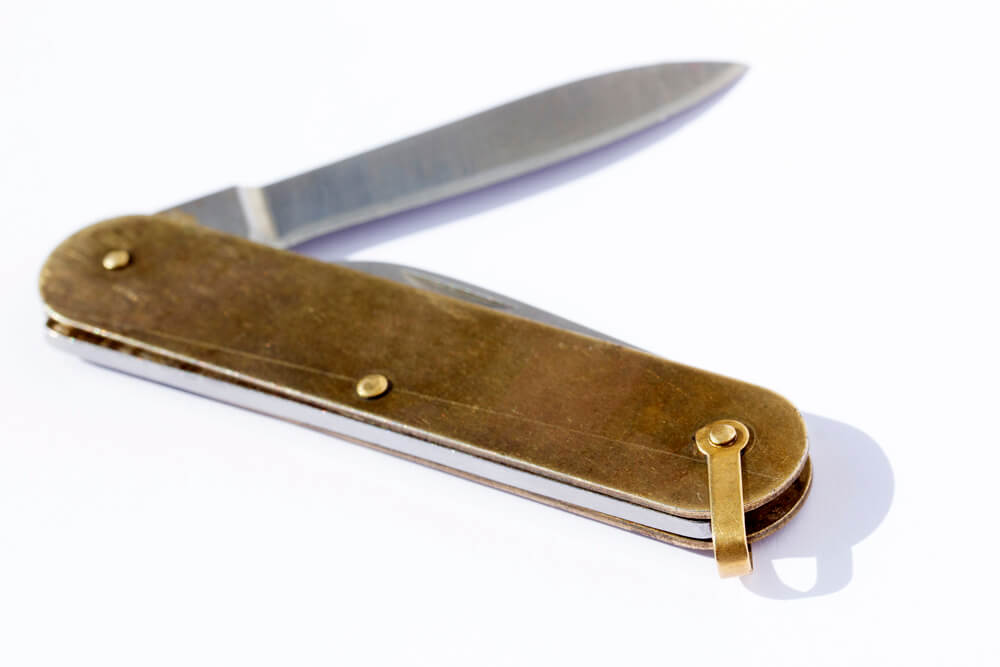
Case Brothers Cutlery operated out of Little Valley, New York, and its tang stamps pair the family name with the words “Tested XX,” a quality claim printed right on the steel. Knives from this early family venture predate the better-known Bradford, Pennsylvania era, which makes them a favorite with collectors who trace the Case lineage backward.
Value swings hard with condition, including blade wear, crack-free handles, and how crisp the tang stamp remains. A sharp, unsharpened example with a clear stamp can sell for many times what a worn one brings.
Case Tested XX From the Bradford Years
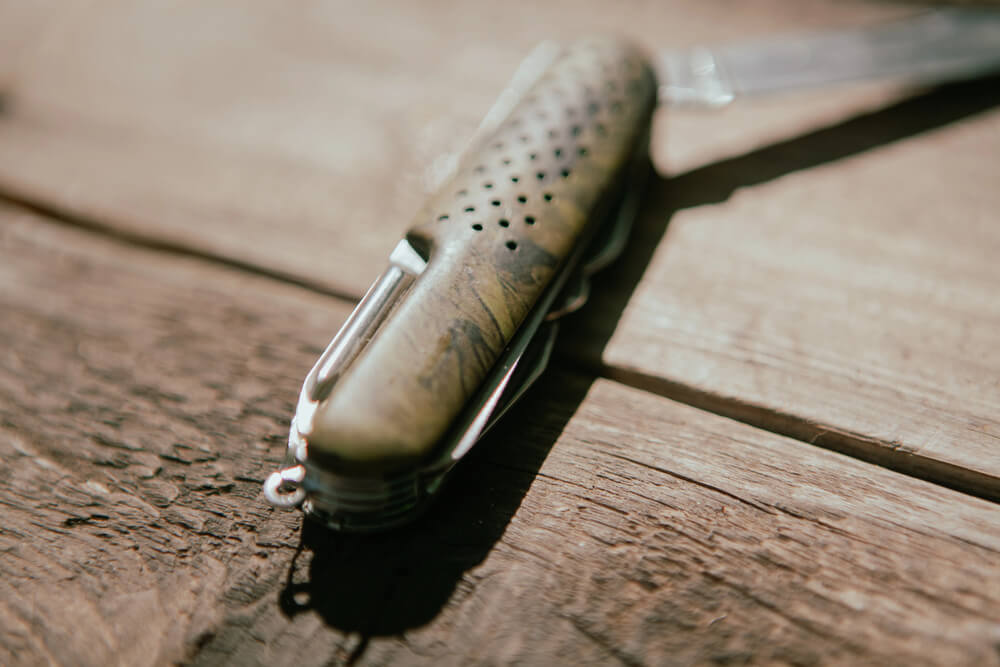
W.R. Case & Sons Cutlery Company operated in Bradford, Pennsylvania, and its Tested XX stamp was used on pocketknives made through roughly the 1920s and 1930s. The stamp matters because later Case knives use a different dating system, with a series of printed dots that run from ten dots in 1970 down to one dot in 1979.
Tested XX knives from the earlier decades are a distinct collecting category from those later dot-era pieces. Bone handle condition, original blade length, and the absence of reground edges drive the price.
Remington Bullet Knives Made Before 1940
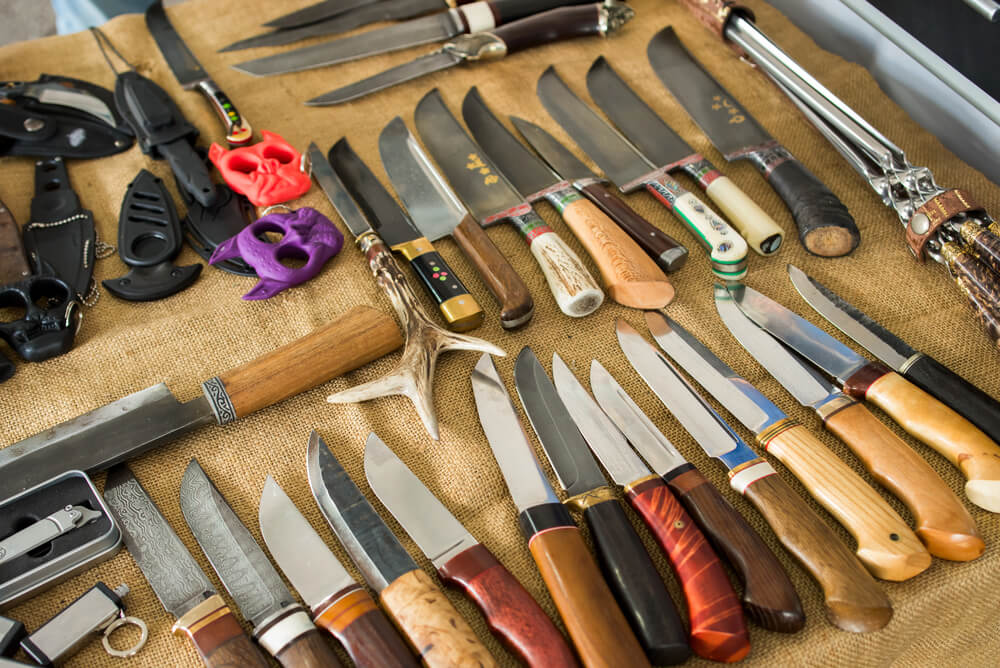
Remington Arms built folding knives shaped like a cartridge, and the R1306 Bullet became the most chased model in the line. Remington sold its cutlery business to Pal Blade and Tool in 1940, so anything stamped by the original maker falls into a finite pool.
Collectors prize the pre-1940 pieces above the many commemorative Bullets issued decades later. Examples with sharp blades, unbroken shields, and the original box can bring several times the price of a pitted, repaired one.
Winchester Pocketknives From 1919 to 1942
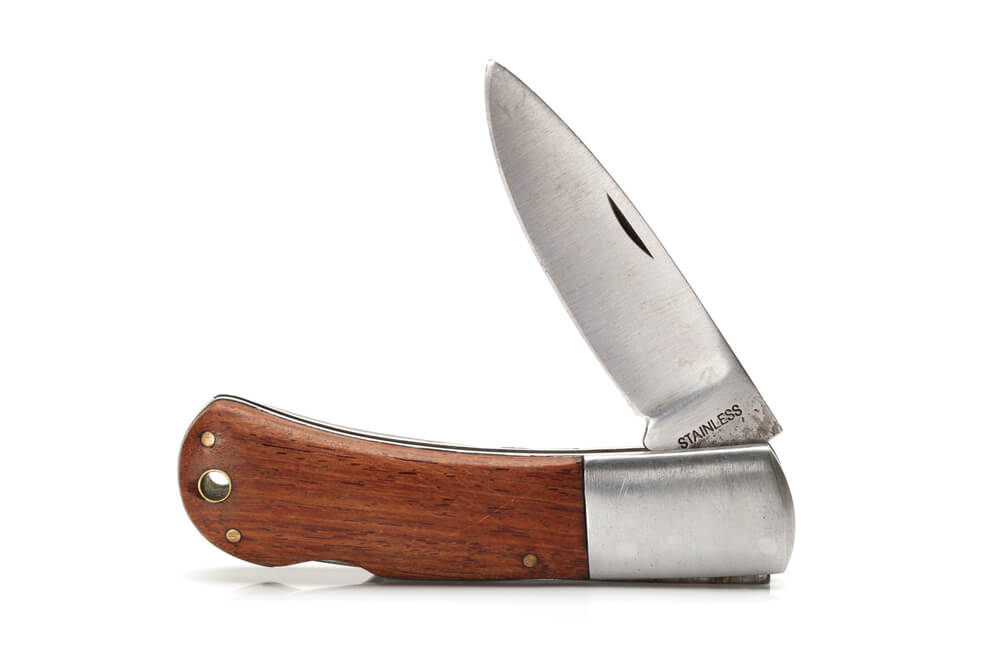
Winchester is remembered for rifles, yet the company sold pocketknives from 1919 to 1942, and those knives now command gun-show prices on the strength of the name alone. A green-bone three-blade knife with a punch blade is the kind of find buyers hunt for.
Tang stamps vary by year, so the exact mark affects the price as much as the pattern. Value depends heavily on blade wear, handle condition, and whether the shield survives intact.
Keen Kutter Folders From Simmons Hardware
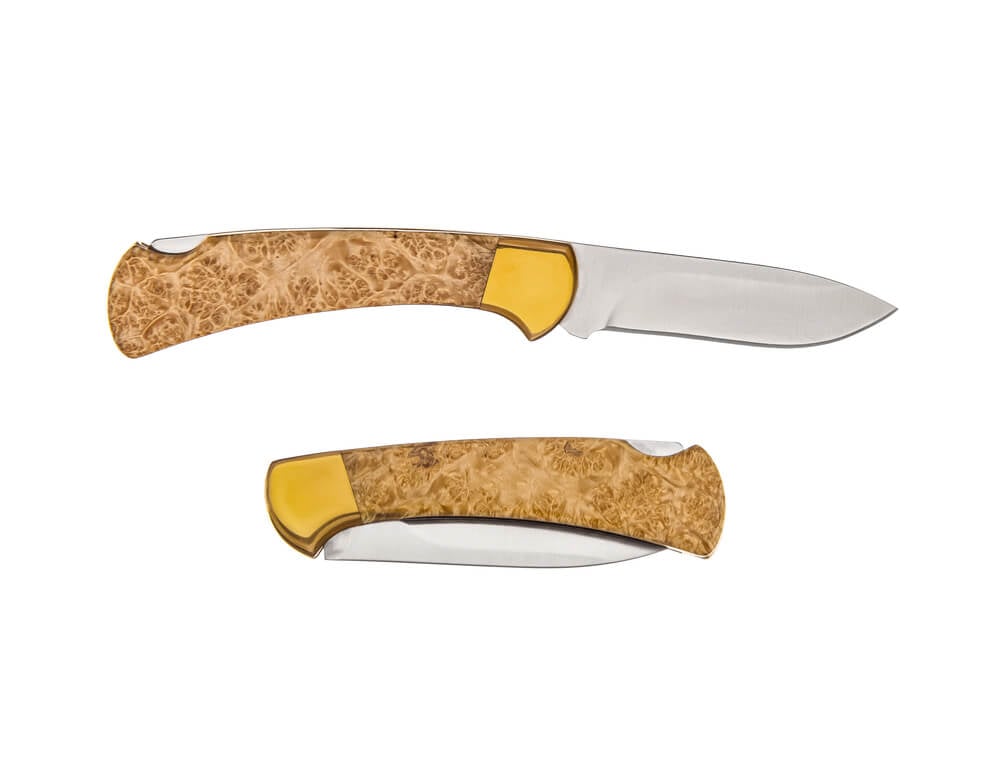
E.C. Simmons built Simmons Hardware Company in St. Louis and put the Keen Kutter name on tools and knives, backed by a slogan about quality outlasting the memory of the price. Winchester bought the business in 1922, so a Keen Kutter pocketknife from that period can carry a Winchester connection in its manufacturing history.
Barlow-pattern and stockman folders turn up at flea markets with prices that depend on the handle, the blade condition, and the clarity of the K.K. stamp. The stamp on the tang is the first thing a buyer checks.
Russell Green River Works Barlow
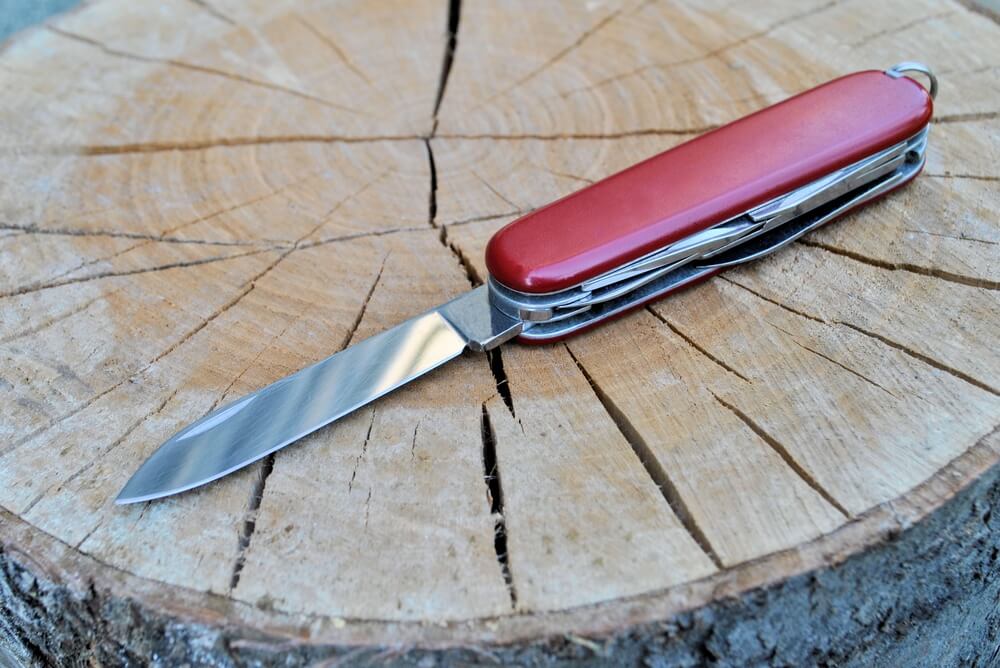
John Russell Cutlery made knives at its Green River Works in Turners Falls, Massachusetts, and the Green River stamp became a recognizable mark across the American frontier. The Barlow pattern itself descends from Sheffield, England, but the Russell versions are the American ones that collectors pursue.
Russell merged with Harrington Cutlery in 1933, so the older, single-name Russell stamps belong to a closed chapter. Blade wear, intact bolsters, and clean stamps are what lift a Russell Barlow from a drawer find to a real asset.
Lamson & Goodnow Barlow From Shelburne Falls
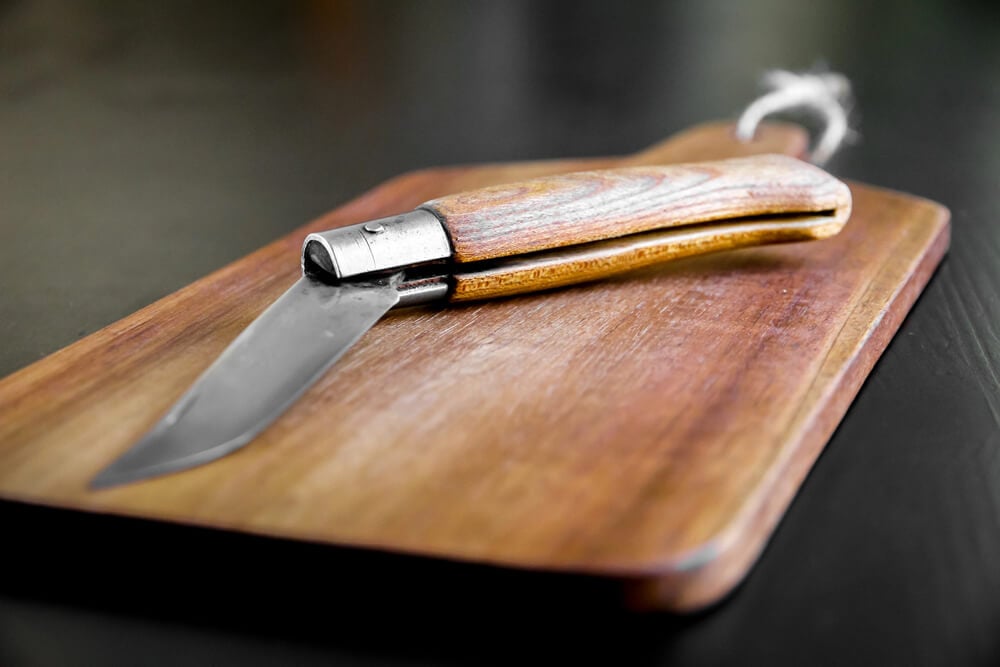
Lamson & Goodnow of Shelburne Falls, Massachusetts, made cutlery from the 1830s, and its Barlow folders are among the oldest American-made examples a collector can realistically own. The company name survives today on kitchen knives, which gives the antique pocketknives an odd continuity with a present-day brand.
Early stamps with the full Shelburne Falls location are more desirable than later ones. Pitting, handle shrinkage, and a missing or replaced pin can cut the value in half.
Camillus TL-29 Electrician’s Knife
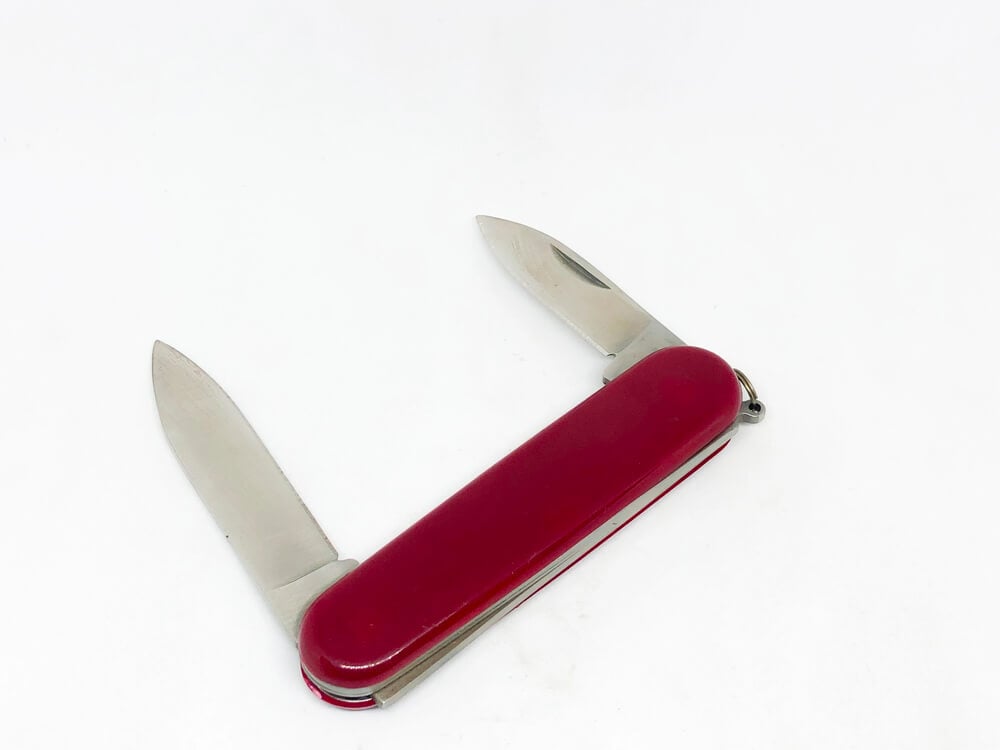
Camillus Cutlery operated in Camillus, New York, for more than a century before it closed in 2007, and that closure turned its older military contract folders into finite collectibles. The TL-29 was built for electricians and linemen, with a screwdriver-style tool and a blade shaped for stripping wire.
World War II era examples with legible government markings sell for more than civilian versions. Condition, handle integrity, and whether the contract stamp has been polished away decide the final figure.
Schrade Press Button Knives From Walden
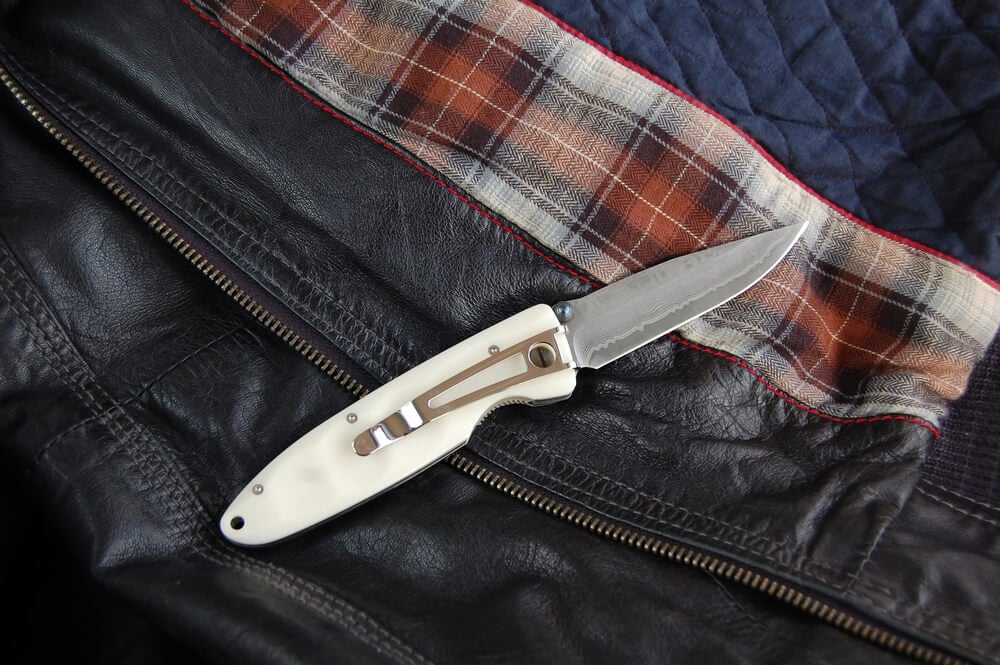
George Schrade patented a press-button folding knife in the early 1890s, an idea that let a user open the blade with a thumb press instead of a fingernail. The Schrade Cut. Co. made these in Walden, New York, and early Walden-stamped press-button knives are the ones that excite buyers.
The spring mechanism is a common failure point, so a working example costs noticeably more than one that no longer snaps open. Handle material, tang stamps, and original blade length all feed into the price.
Ulster Knife Company and Dwight Divine & Sons
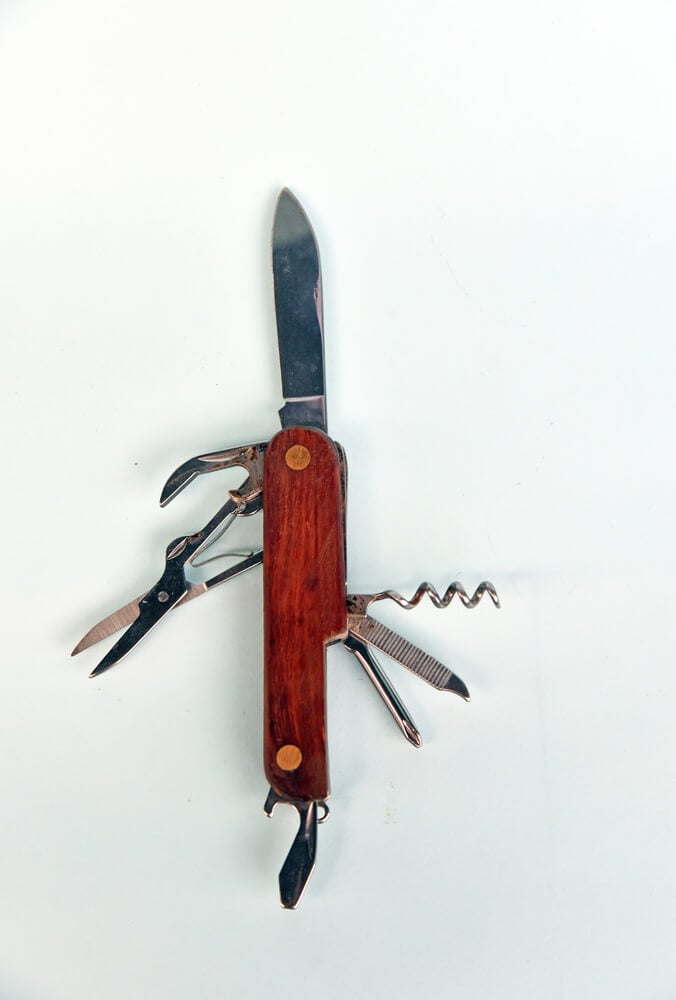
Ulster Knife Company of Ellenville, New York, grew out of the older Dwight Divine & Sons cutlery operation, and both names appear on collectible tang stamps. Albert Baer took control of Ulster in the early 1940s and later ran Schrade as well, linking two prized names under one owner.
The “Dwight Divine & Sons” stamp is an early-era marker that collectors specifically seek out. Value depends on blade wear, handle condition, and whether the stamp is deep enough to read cleanly.
The Swiss Modell 1890 Soldier’s Knife
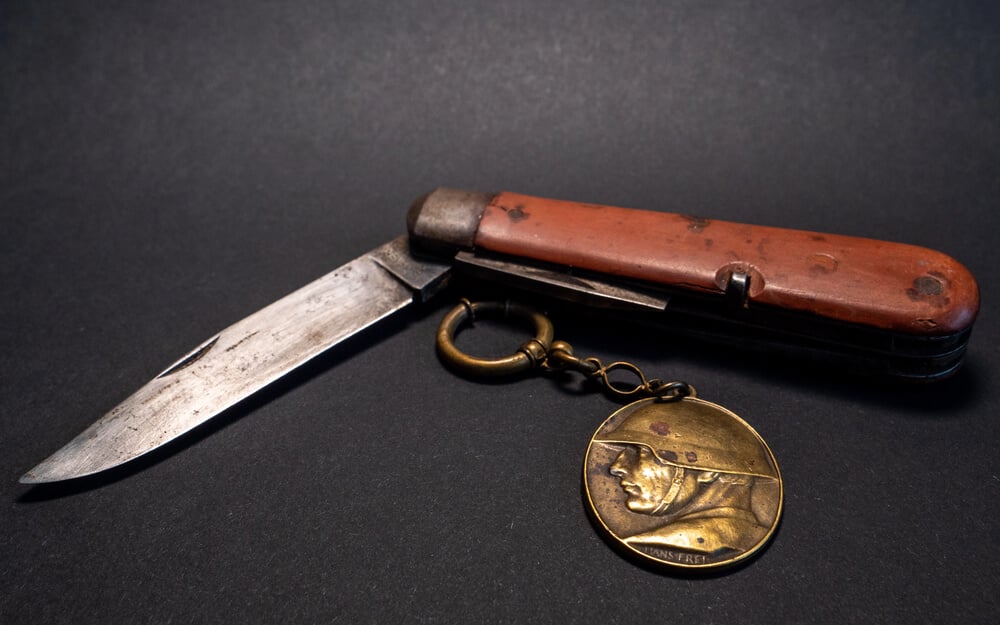
The first knife issued to Swiss soldiers was not made in Switzerland at all, since the Modell 1890 was produced in Solingen, Germany. Karl Elsener, who headed a cutlers’ cooperative in Ibach, then began supplying a Swiss-made version in 1891.
Original Modell 1890 knives are rare, and their value depends on blade condition, the integrity of the wooden scales, and any surviving Swiss military markings. Reproductions and later variants circulate widely, which makes authentic examples harder to separate from the crowd.
Victorinox Officer’s Knife of 1897
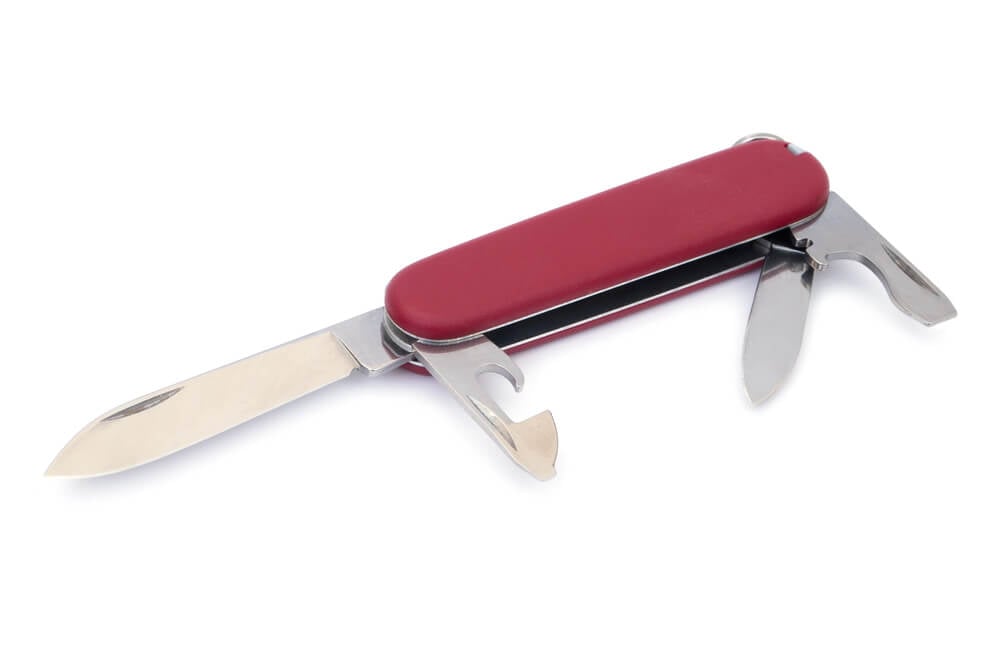
Karl Elsener patented the officer’s and sports knife in 1897, a design that fit six tools into one body using only two springs. That spring arrangement let blades sit on both sides of the handle, a leap over the single-sided soldier’s knife.
Early examples in the older style, with the red scale and a cross, command more than the countless modern descendants. Crisp tool snap, undamaged scales, and original blade sharpness matter more than age alone.
Wenger Delemont Swiss Army Knives Before the Merger
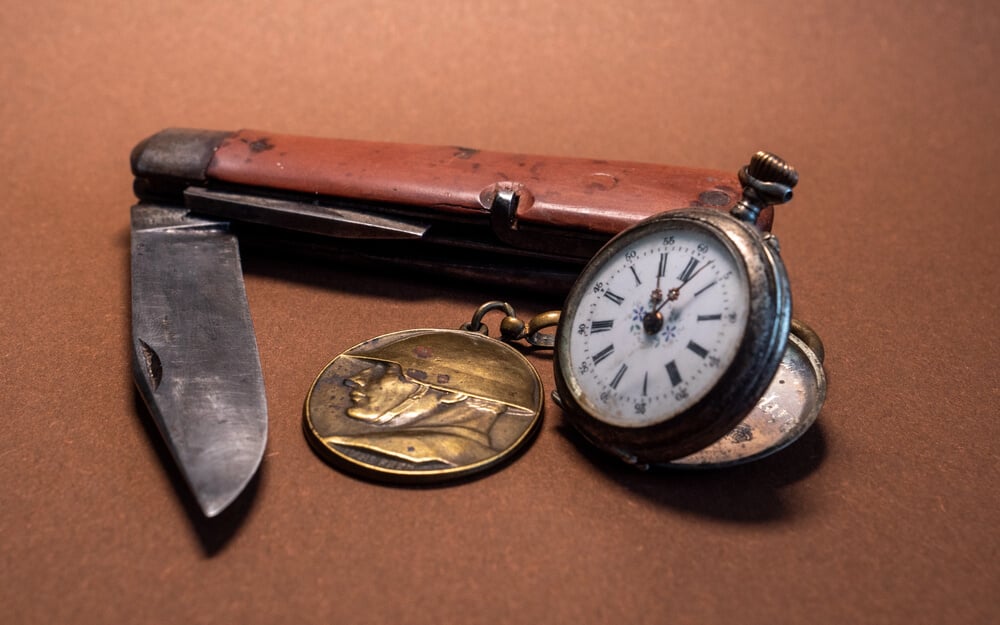
Wenger, based in Delemont, Switzerland, split the Swiss Army knife contract with Victorinox in 1908, which is why one brand carries “Original” on its tang and the other “Genuine.” Victorinox acquired Wenger in 2005, and the Wenger name eventually faded from new production.
That makes older Wenger-marked knives a closed collecting field, and examples with early markings and unbroken scales rise in value. Blade condition, tool completeness, and original packaging push prices higher.
Union Cutlery Company Folders From Olean
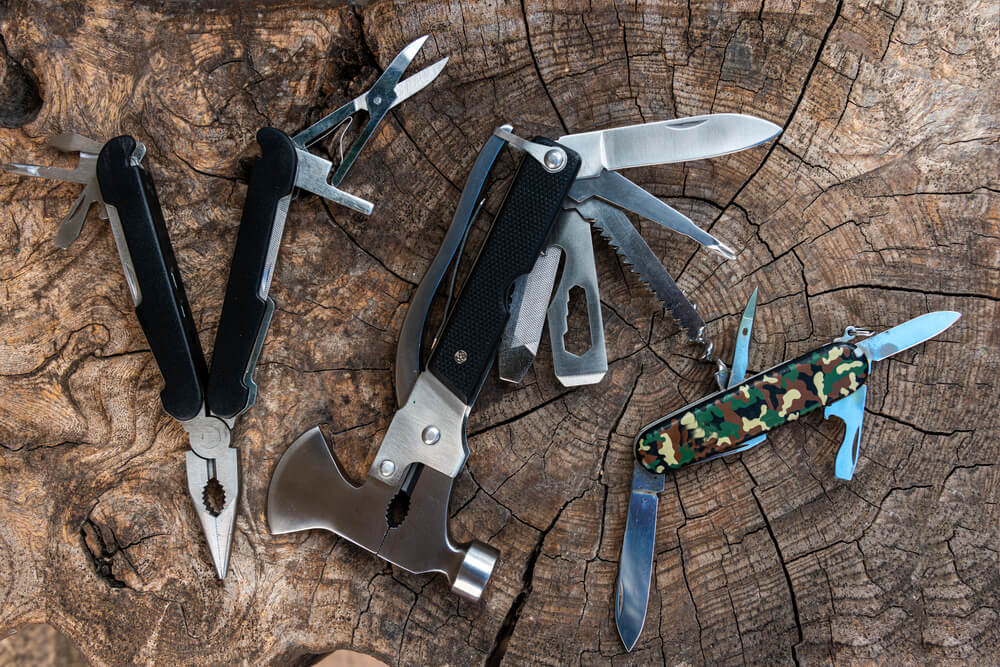
Union Cutlery Company settled in Olean, New York, and registered the KA-BAR trademark in 1923, but folders with the older Union Cut. Co. stamp predate that famous name. Collectors who know the fighting knife from military history often overlook how many pocketknives the company produced.
A stockman or jack with the earlier stamp, clean bone or stag handles, and no blade repairs is worth noticeably more than a late, heavily used one. Original sheath or box pieces add to the price.
Schatt & Morgan Pocketknives From Titusville
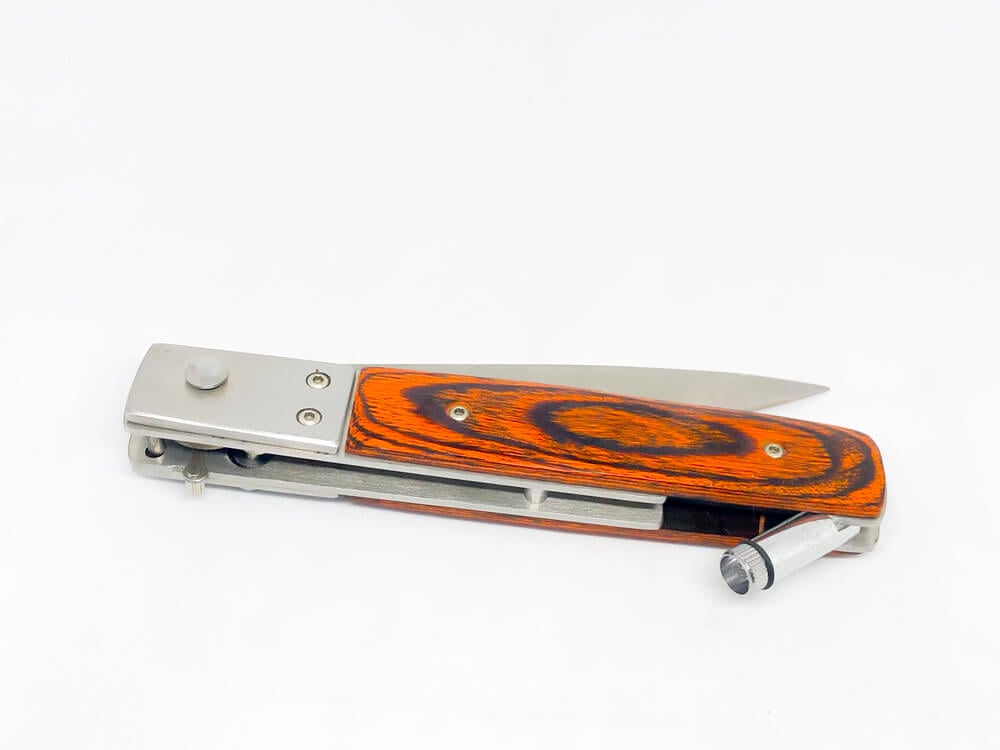
Schatt & Morgan Cutlery Company began producing knives in Titusville, Pennsylvania, in 1902, and its knives came from the same town where Edwin Drake drilled the first commercial oil well in 1859. The firm was renamed Queen Cutlery Company in 1922, so the Schatt & Morgan stamp marks a narrow production window. Collectors treat it as a separate category from the more common Queen marks.
Handle wear, blade sharpening history, and the clarity of the stamp influence the market value.
George Wostenholm I*XL Sheffield Knives
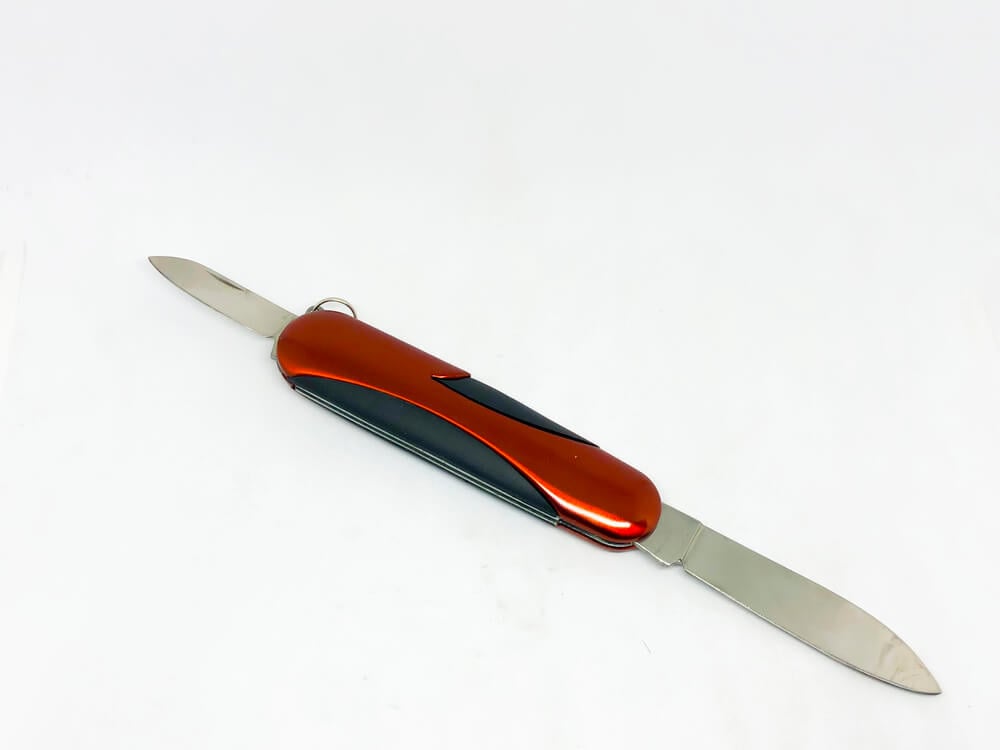
George Wostenholm of Sheffield, England, branded his knives I*XL, a play on the word excel that became one of the most recognized cutlery marks on the American market. His Washington Works in Sheffield was named after the American president, a nod to how much business came from across the Atlantic.
Wostenholm pocketknives with silver fittings or pearl handles have sold at auction for well above ordinary folders. Cracked scales, blade pitting, and missing parts reduce prices sharply.
Joseph Rodgers & Sons Sheffield Pen Knives
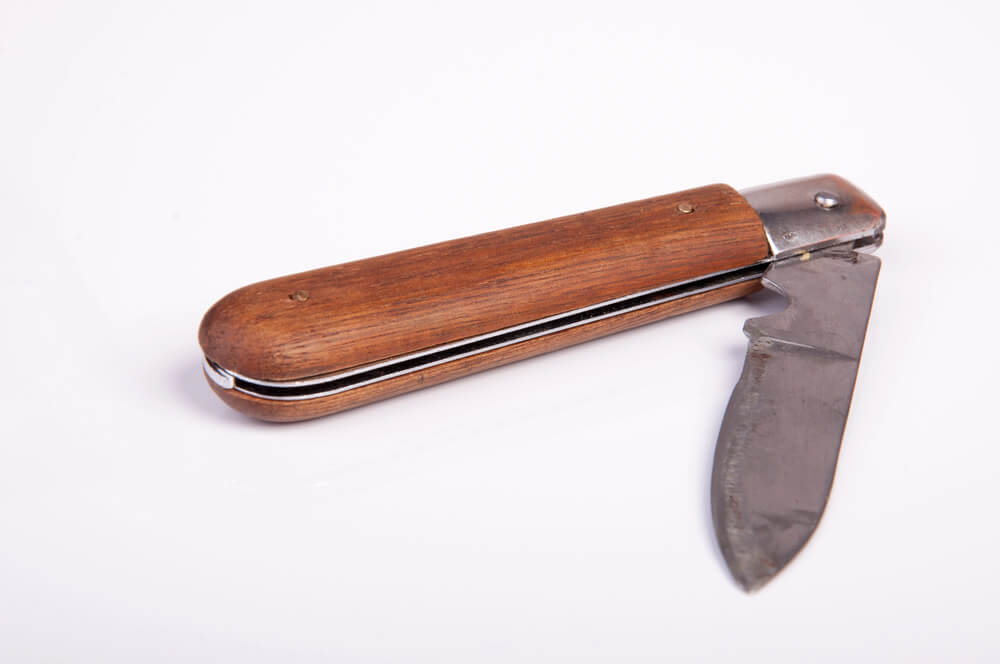
Joseph Rodgers & Sons, a Sheffield cutlery house, marked its blades with a star and a Maltese cross, and the firm held royal appointments that it advertised on its tang stamps. Their small pen knives and multi-blade folders were made for gentlemen who wrote with quills and carried penknives for sharpening them.
Mother-of-pearl, tortoiseshell, and silver-mounted examples are the ones that bring serious money. Handle cracks, chipped scales, and blade loss are the usual price killers.
Ontario Knife Company Folders From Franklinville
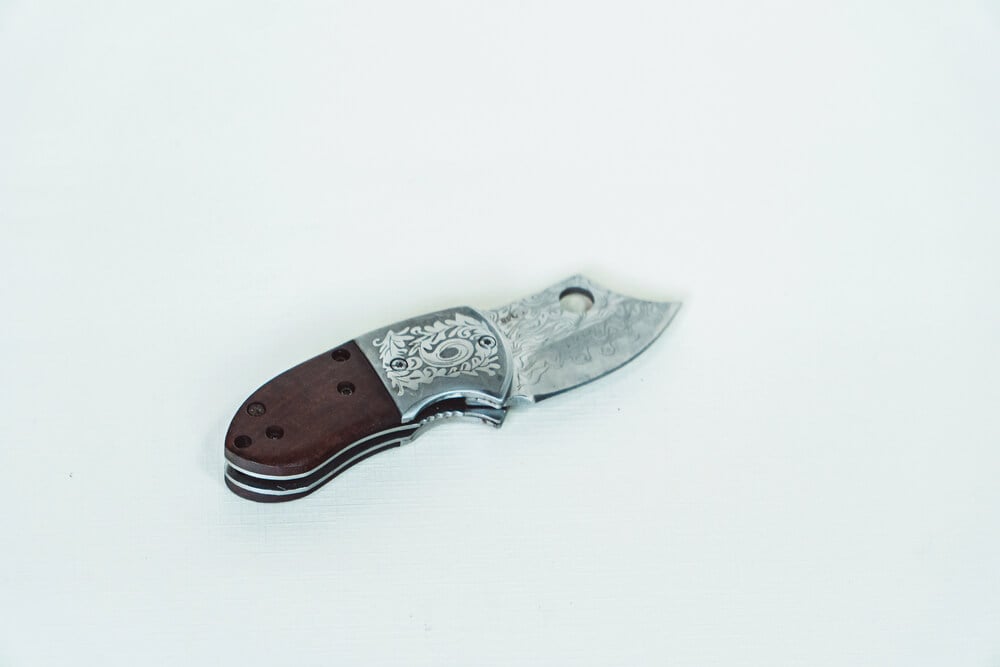
Ontario Knife Company began in Franklinville, New York, in 1889 and became best known for military work, but it also produced civilian pocketknives that collectors seek out. The older tang stamps tied to the original Franklinville era are the most desirable.
Many were used hard as work knives, so survivors with sharp blades and crack-free handles carry a noticeable premium. A missing blade or replaced scale reduces the value significantly.
New York Knife Company Hammer Brand Folders
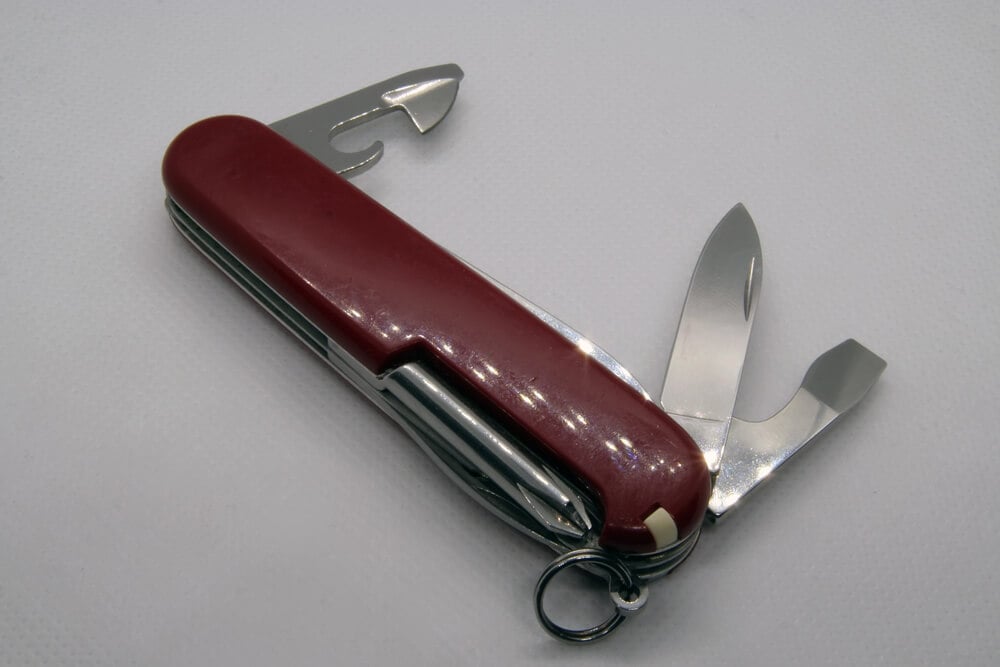
New York Knife Company of Walden, New York, was founded in 1856 and sold knives under the Hammer Brand name until the company closed in 1931. The company was one of several Walden firms that made the town a cutlery hub before most of them vanished.
Etched aluminum pen knives, folding hunters, and jacks from the firm all attract collectors. Mint, unused examples are scarce, and even light blade wear can lower the price.
Imperial Knife Company Folders From Providence
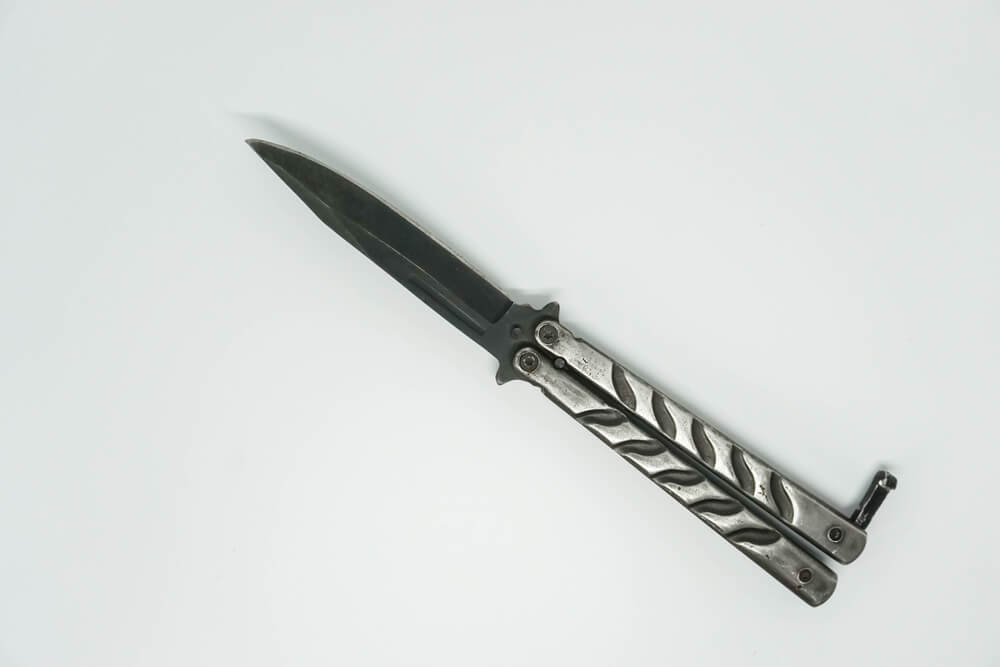
Imperial Knife Company was based in Providence, Rhode Island, and its folders were widely distributed through the first half of the twentieth century. The firm later became part of a group that included Schrade, which tied it to one of the larger American cutlery combinations.
Early Imperial stamps and novelty or advertising handles are the ones that fetch real money. Blade condition and handle integrity decide whether a find is worth keeping or reselling.
Colonial Knife Company Pocketknives of Providence
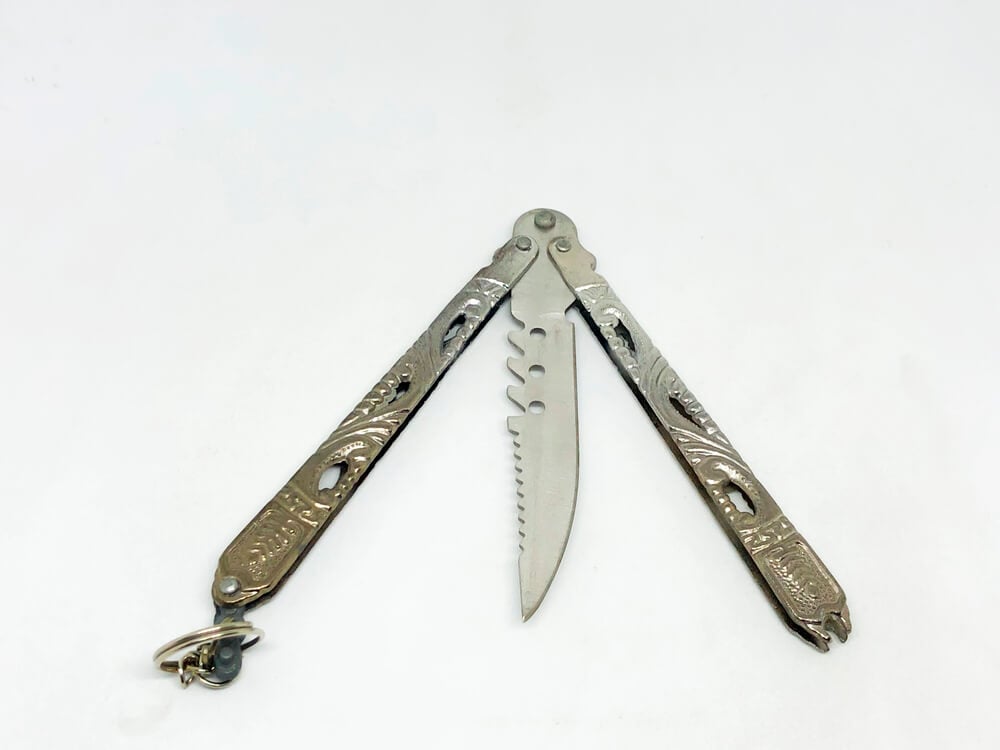
Colonial Knife Company also operated in Providence, Rhode Island, and its folding knives are far more common than the great old brands. Even so, particular patterns, such as advertising knives and military contract versions, command notable prices.
The firm produced knives for the military during the World War II era. Intact handles, working springs, and legible stamps matter most when deciding what a knife is worth.
Utica Cutlery Kutmaster Knives
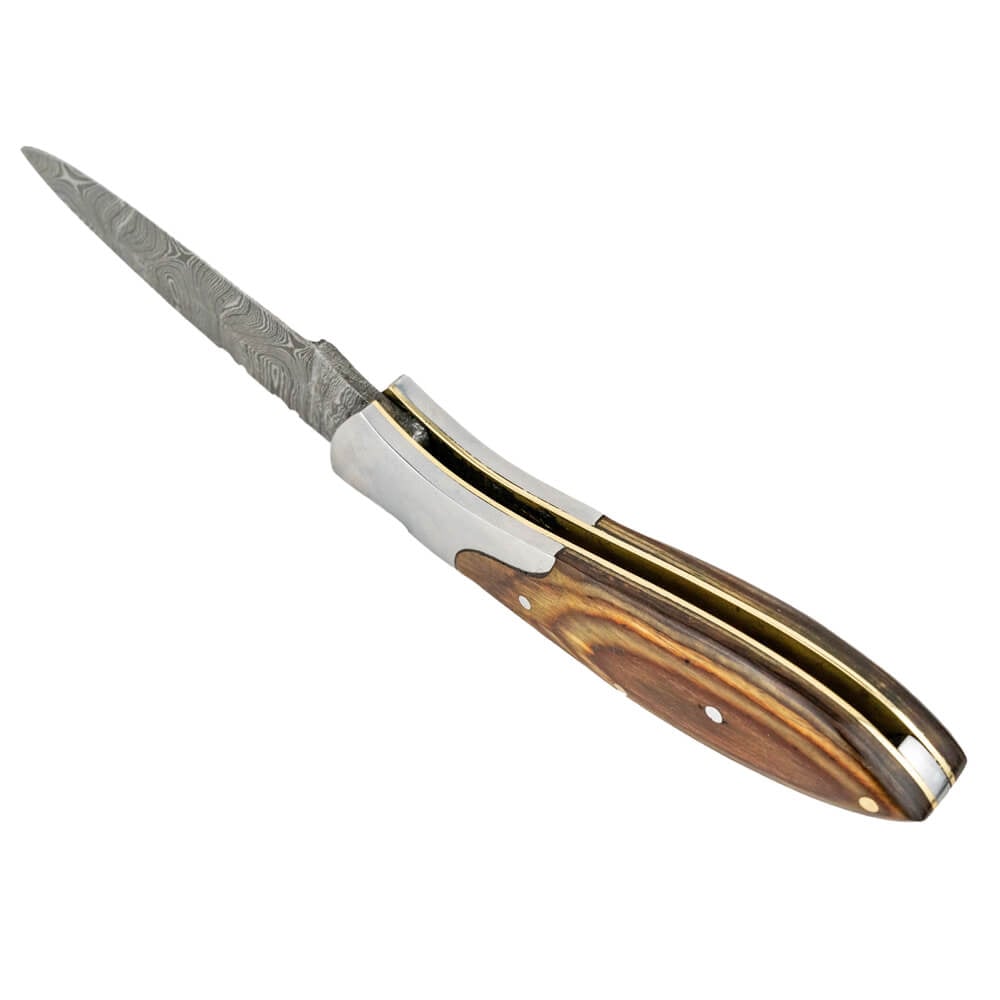
Utica Cutlery Company of Utica, New York, was founded in 1910 and sold knives under the Kutmaster brand. Kutmaster stamps appear on stockmen, jacks, and large work knives, and collectors favor the older stamps with strong detail.
Because the company made so many knives, condition separates the real finds from the ordinary ones. A sharp, unsharpened blade and clean handles can lift a Kutmaster well above the common range.
Western Cutlery Boulder Pocketknives
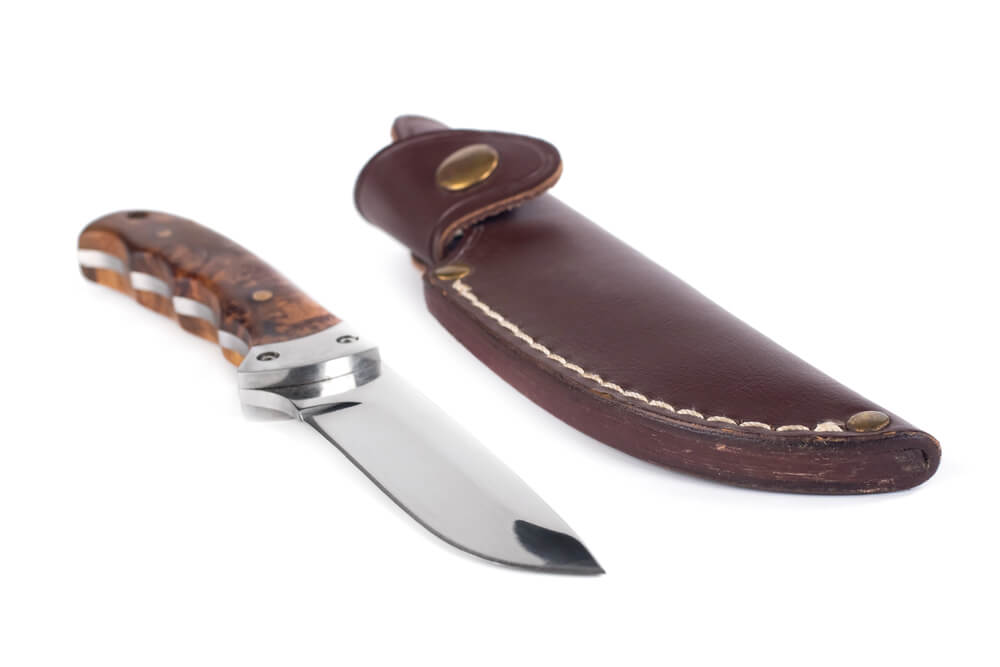
Western Cutlery worked out of Boulder, Colorado, beginning in 1911, a rare Rocky Mountain location for a major American cutlery company. Older Western stamps, particularly on knives with bone or stag handles, bring notable premiums.
Collectors often pair them with the company’s catalogs. Blade wear, handle cracks, and stamp clarity determine how much a seller can expect.
Robert Klaas Kissing Crane Knives of Solingen
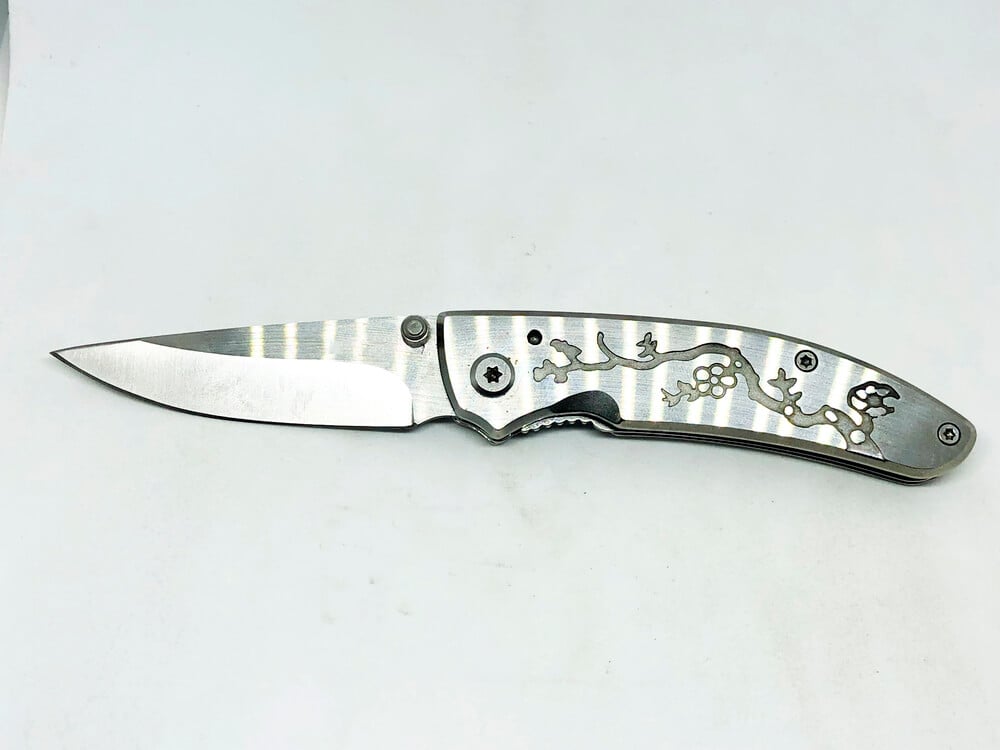
The Kissing Crane trademark of the Robert Klaas firm in Solingen, Germany, shows two cranes facing each other, an image collectors spot immediately. Klaas knives were exported widely, which makes them easier to find than rare American makers.
Pearl-handled and fancy-bolster examples bring stronger prices than plain bone jacks. Condition, including blade wear, handle damage, and stamp sharpness, sets the final figure.
J.A. Henckels Twin Pocketknives
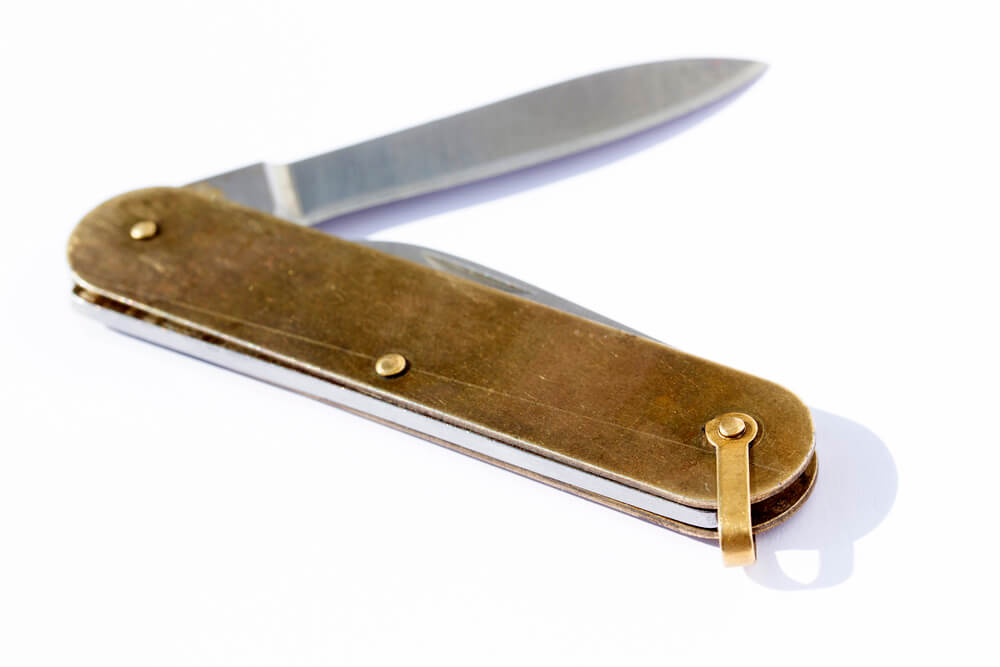
J.A. Henckels dates to 1731 in Solingen, Germany, and the twin figures of its mark have appeared on cutlery ever since. Pocketknives with the early twin marks are less common than the kitchen cutlery that built the company’s fame.
Fancy handles, original cases, and clean blades increase value. Pitted blades, chipped scales, and altered edges lower it.
Cattaraugus Cutlery Company Little Valley Knives
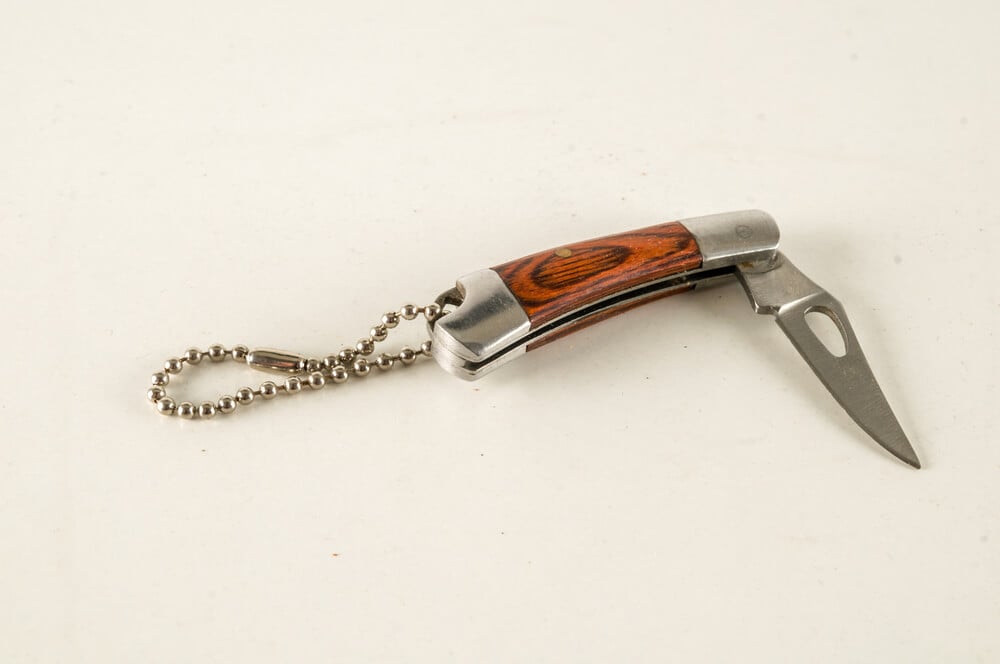
Cattaraugus Cutlery Company operated in Little Valley, New York, from 1886 to 1963, giving it a long run that spans the full American cutlery era. Its pocketknives, including Barlows and stockmen, attract collectors who value regional makers.
The earlier tang stamps from the 1900s and 1910s bring more than the later ones. Blade wear, handle condition, and original sharpness set the price.
Robeson ShurEdge Knives From Perry
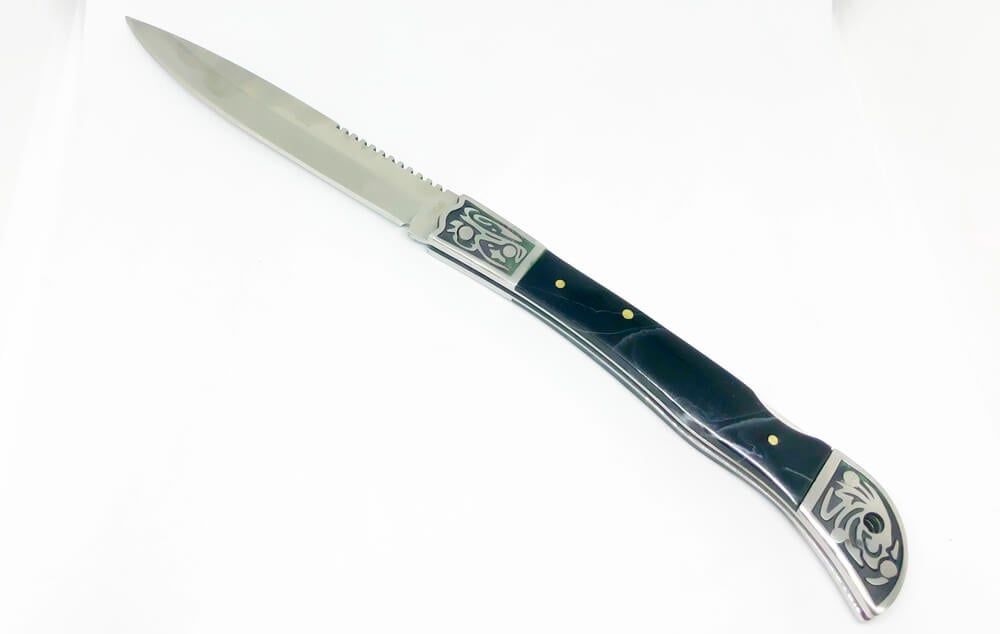
Robeson Cutlery Company, based in Perry, New York, sold its knives under the ShurEdge brand, and its catalogs from 1908 to 1930 are collectible on their own. Robeson was known for quality, and its stag and bone handled knives are among the more expensive American folders of the period.
The company’s reputation for tight fit and clean finish means condition matters even more. A crisp ShurEdge stamp, unbroken handles, and original sharpness raise prices.
Shapleigh Diamond Edge Folders From St. Louis
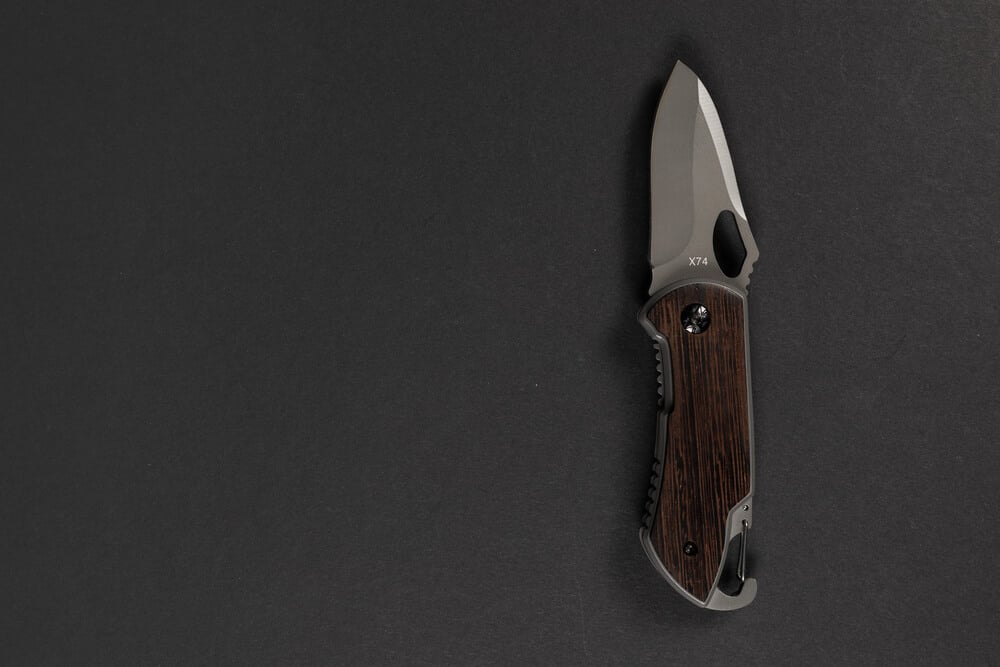
Shapleigh Hardware Company of St. Louis began in 1843 and sold knives under the Diamond Edge brand, which became one of the better-known hardware-store names in the Midwest. Diamond Edge folders with bone or stag handles and full stamps are the ones collectors want.
Because the company was a distributor, its knives were made by various factories. Handle cracks, blade pitting, and missing stamps lower the value.
Boker Tree Brand Knives of Solingen
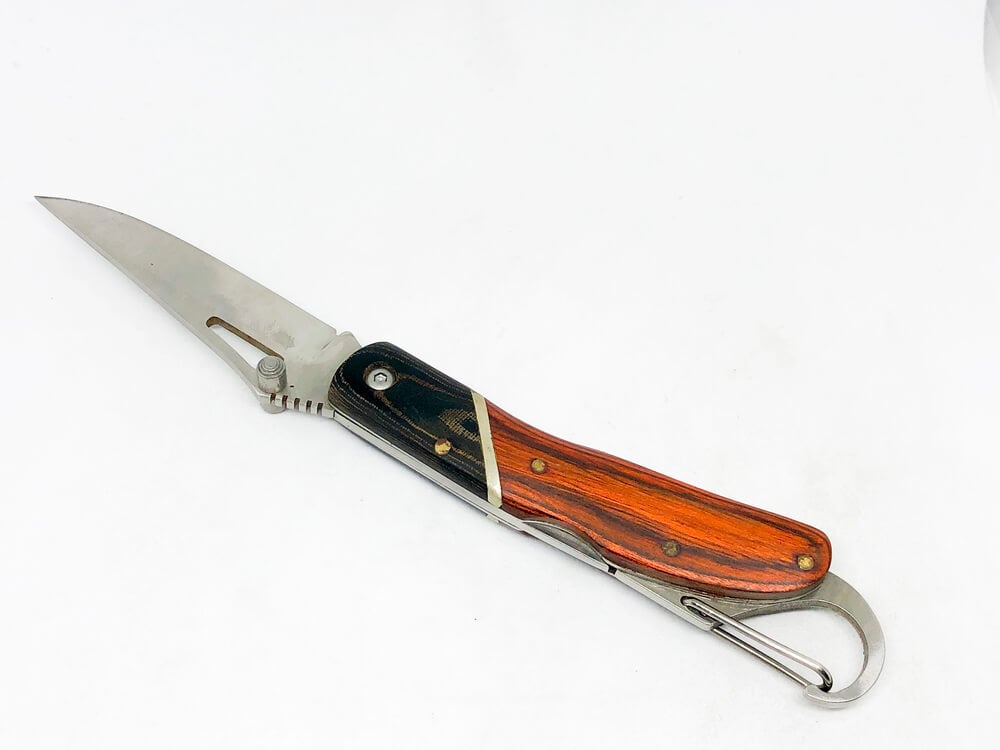
Boker, a Solingen cutlery firm, built its reputation on the Tree Brand trademark, a mark that has appeared on pocketknives for well over a century. Older Tree Brand folders with pearl, stag, or bone handles and crisp stamps are the ones that bring collectors’ money.
The company also operated in the United States, which gives some American-stamped versions a distinct place in the market. Blade wear, handle cracks, and original packaging influence what a knife can sell for.
What a Worn Tang Stamp Is Really Selling
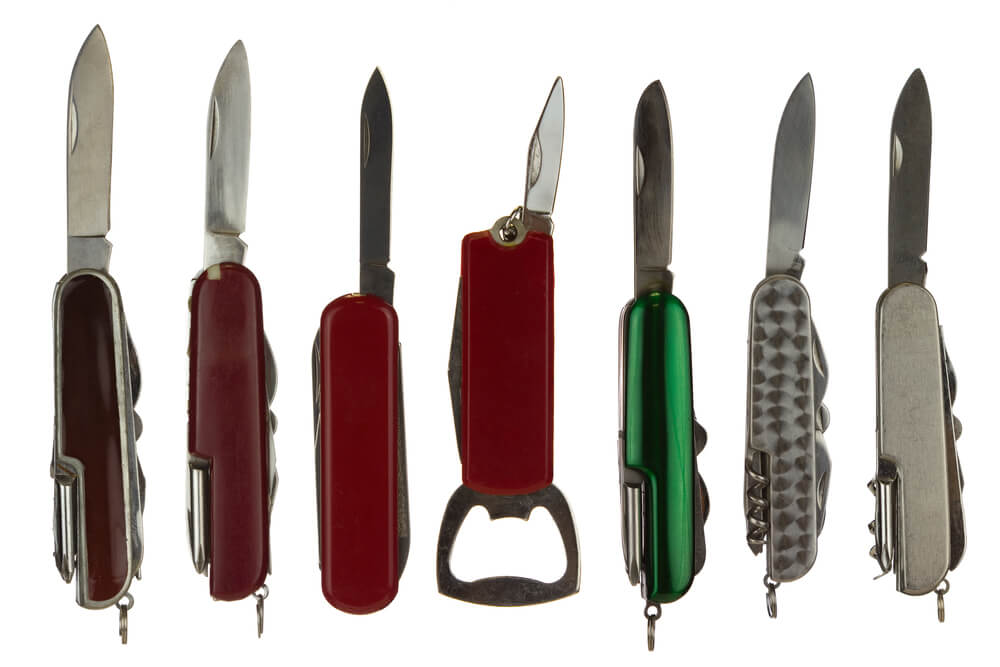
Across all of these names, the thing being sold is rarely steel. A tang stamp is a small piece of manufacturing history, tied to a town, a factory, and a few decades when thousands of people made their living grinding blades. When the factory closed, the stamp became finite, and finite things draw buyers.
That is why condition keeps appearing in every price conversation. A worn blade, a repaired handle, or a polished-off stamp changes what the knife is, not just what it costs. The best finds are not always the oldest ones, but the ones that survived with the details intact.
More from Go2Tutors!

- 27 Silver Dollars and Half Dollars Worth Keeping
- 28 Restaurant Menu Items Nobody Orders Anymore
- 17 Places Built in Seemingly Impossible Spots
- 27 Vintage Rings Worth More Than They Look
- 25 Restricted Sites Tourists Can’t Enter
Like Go2Tutors’s content? Follow us on MSN.