29 Banned Rallies That Changed the Course of a Nation
Throughout American history, the most powerful gatherings have often been those the government tried hardest to silence. When authorities ban a rally, they usually fear what it represents more than what it says.
These forbidden assemblies — from labor strikes to civil rights marches to anti-war demonstrations — carved out space for voices that power preferred to keep quiet. The irony runs deep: by attempting to silence dissent, officials often amplified it beyond what anyone expected.
The Pullman Strike Rally
The 1894 gathering in Chicago’s Turner Hall wasn’t supposed to happen. Federal marshals had already made it clear that any meeting supporting the striking railroad workers would be considered seditious.
Eugene Debs spoke anyway, to a crowd that knew showing up might cost them their jobs or worse. The rally crystallized something that had been building for years — the idea that workers deserved more than scraps from the industrial table.
Boston Common Anti-Slavery Meeting
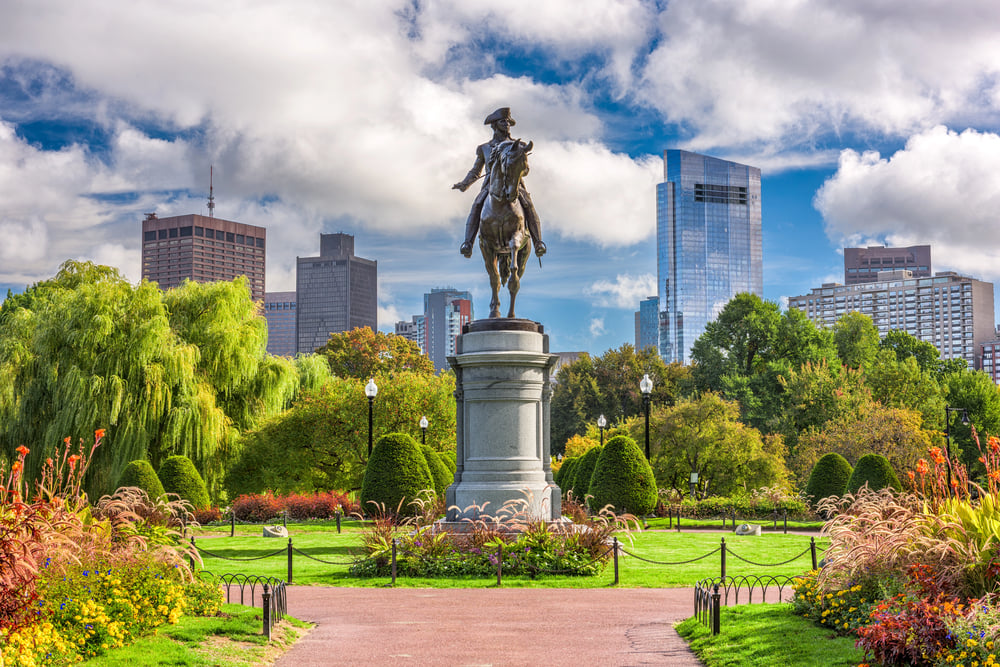
Garrison knew the risks when he called for the 1835 gathering. Boston’s merchant class had too much tied up in Southern cotton to tolerate abolitionist speeches on public grounds.
The mayor’s office issued warnings. Newspapers ran editorials about “outside agitators” disrupting the peace. But something happens when you tell people they can’t speak truth on ground their taxes help maintain. The crowd that showed up was three times larger than anyone expected.
The Bonus Army Encampment
Veterans camping on government property in 1932 weren’t technically holding a rally, but their presence was a form of protest Washington couldn’t ignore. These weren’t radicals or revolutionaries — they were men who had served their country and wanted the bonuses they’d been promised for their service during the Great War.
And yet (because nothing threatens power quite like people who’ve already proven their loyalty asking uncomfortable questions), federal troops arrived with tanks and tear gas to clear them out. The images of soldiers attacking veterans created a permanent crack in how Americans viewed their government’s relationship with those who served it.
Salem Witch Trial Protests
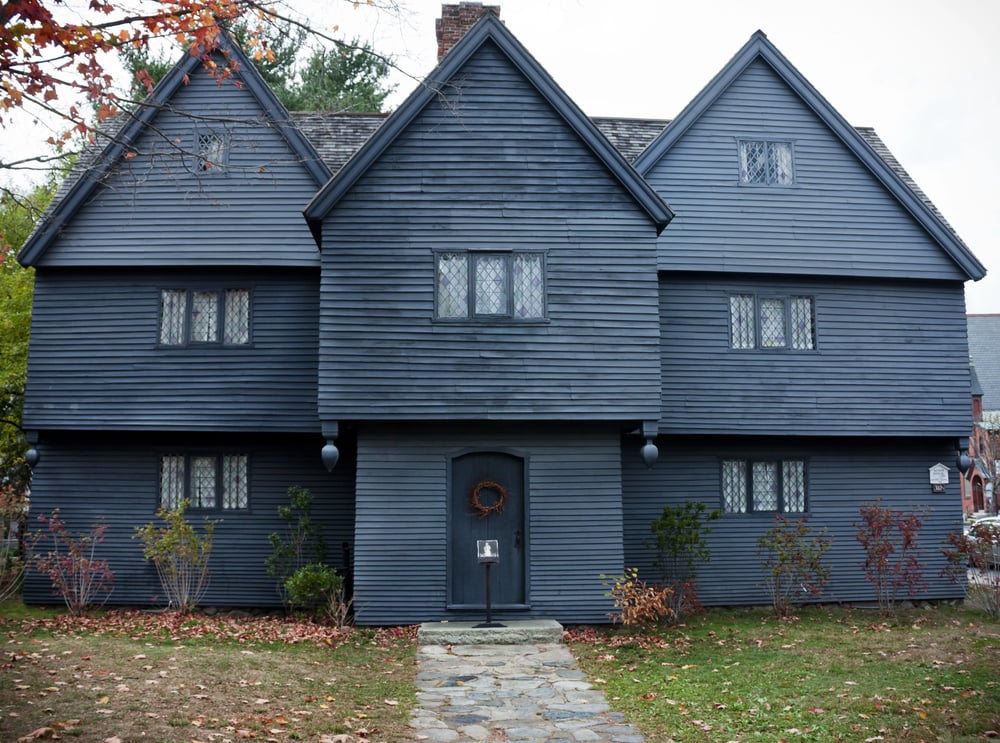
Think of it as the first real challenge to theocratic authority in colonial America. When families gathered in 1692 to question the proceedings that were sending their neighbors to the gallows, they weren’t just disputing individual verdicts — they were challenging the entire system that made such verdicts possible.
The Puritan leadership understood this perfectly, which explains why they treated peaceful questioning as another form of witchcraft. These weren’t organized rallies in the modern sense, but they carried the DNA of every future American protest: ordinary people deciding that official explanations weren’t good enough anymore.
Homestead Steel Strike Gathering
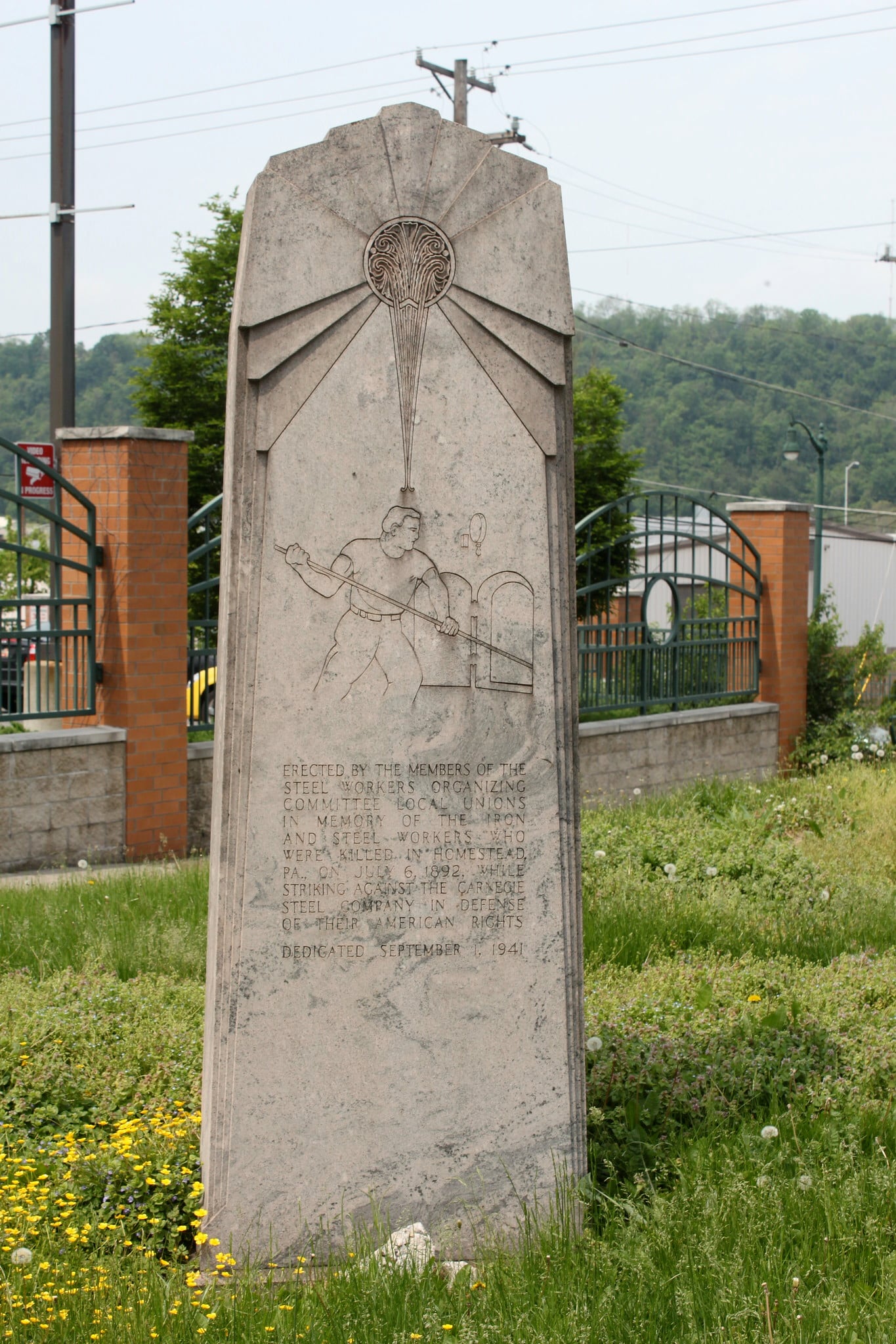
Carnegie’s private army made sure the 1892 meeting never happened. But the attempt to hold it mattered more than the meeting itself.
Workers had planned to gather in the town square to discuss their response to wage cuts and longer hours. Instead, they found themselves facing Pinkerton detectives with rifles. The violence that followed changed how Americans thought about the relationship between capital and labor.
Shays’ Rebellion Assemblies
The meetings that Daniel Shays organized across western Massachusetts in 1786 terrified the founding generation more than most people realize, because they revealed something uncomfortable about the new nation: it wasn’t actually that different from the old one when it came to protecting the interests of creditors over debtors (and the guys who had just fought a war against taxation without representation were discovering that representation didn’t automatically mean taxation with consent).
These gatherings of debt-ridden farmers weren’t just about immediate economic relief — they were about whether the American experiment would serve ordinary people or just create a new class of untouchable elites.
Anti-Draft Riots Planning Meetings
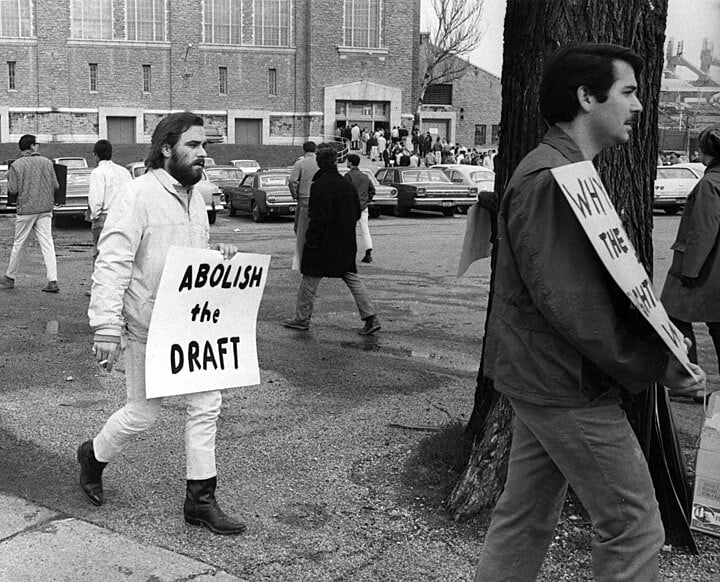
The 1863 gatherings in New York weren’t rallies so much as emergency sessions. Working-class men who couldn’t afford the $300 commutation fee to avoid military service knew they were being asked to fight a rich man’s war.
When authorities banned public meetings on the subject, people met anyway — in basements, back rooms, anywhere they could find space. The explosion that followed was inevitable.
Seneca Falls Follow-Up Assemblies
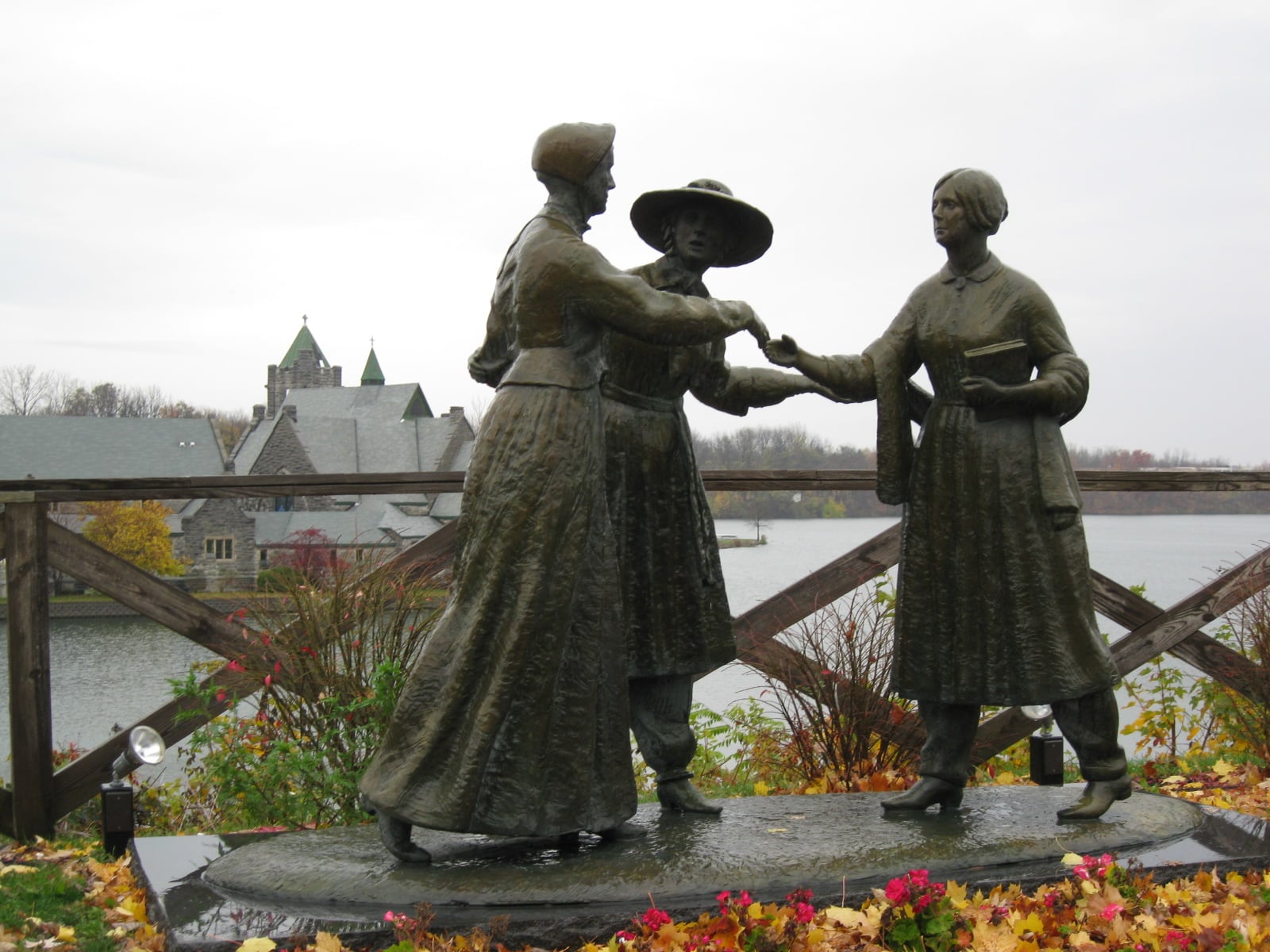
The 1848 convention gets remembered, but the smaller gatherings that followed faced more official resistance. Local authorities had decided that women’s rights meetings were inherently disruptive to public order.
Churches withdrew their support. Newspapers refused to announce meeting times and locations. Yet women kept meeting, often in private homes, laying the groundwork for everything that followed.
Industrial Workers of the World Free Speech Fights
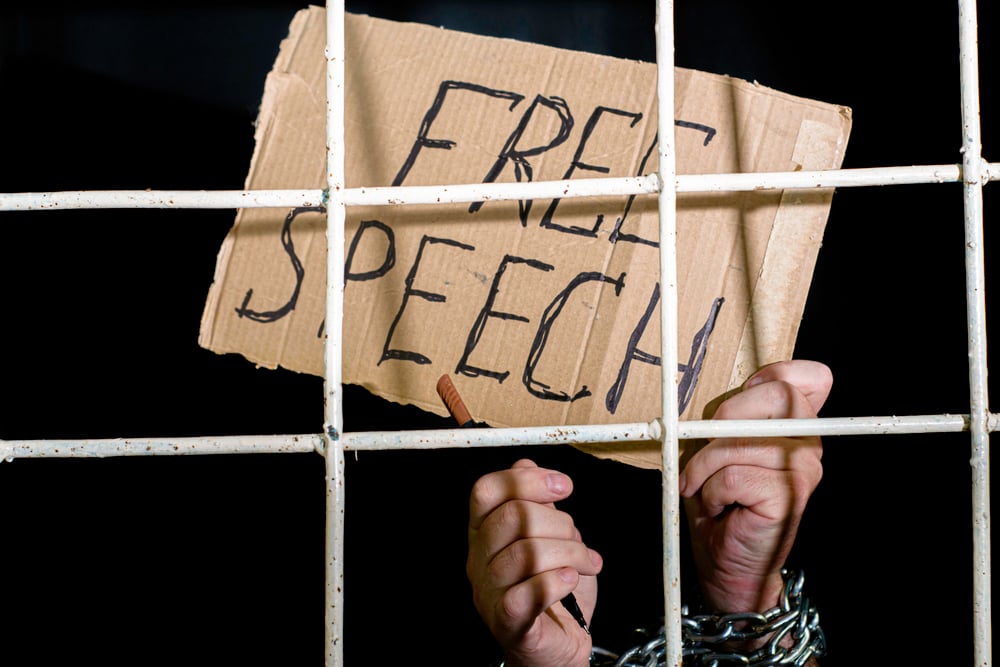
The Wobblies understood something that other labor organizations missed: the fight for economic justice was also a fight for the right to speak publicly about economic justice. When cities like Spokane and San Diego banned IWW rallies in the early 1900s, the union made free speech itself the battleground.
Members would arrive in waves, speak until they were arrested, then be replaced by the next wave. The strategy worked because it made the cost of suppression higher than the cost of tolerance.
Cherokee Resistance Gatherings
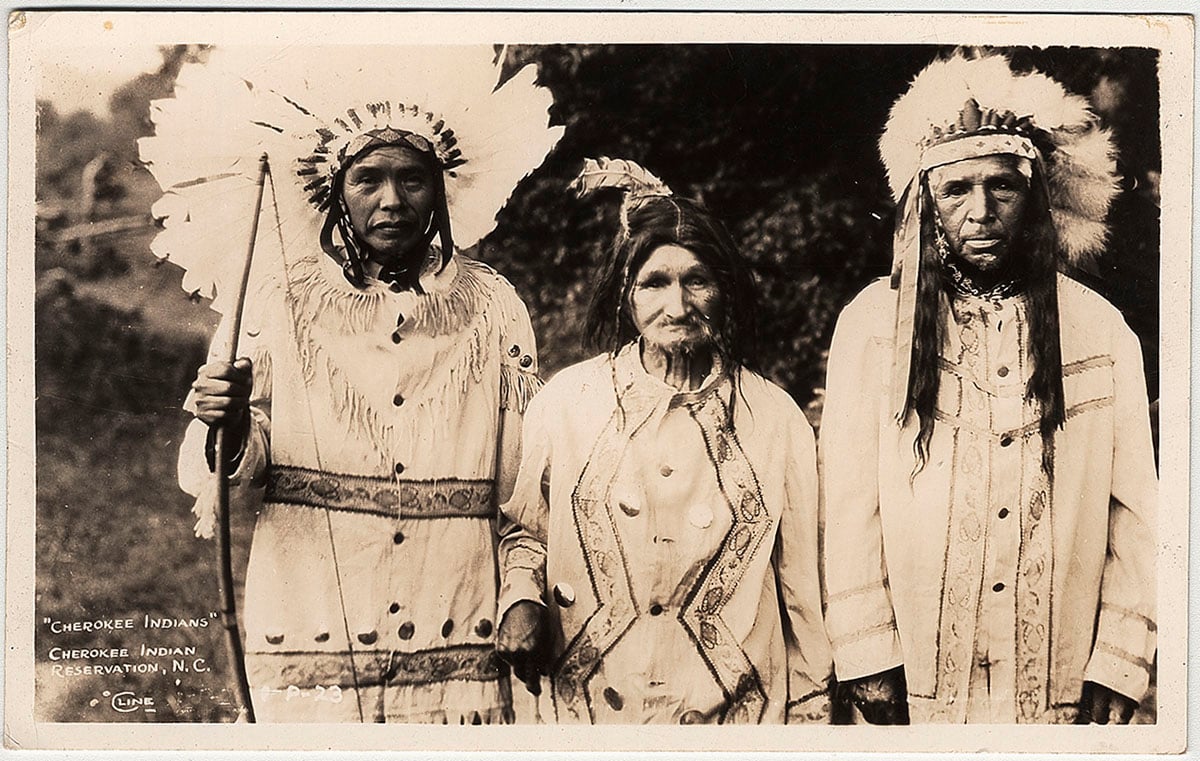
The meetings that Cherokee leaders held in the 1830s to organize resistance to forced removal weren’t just about land — they were about the principle that treaties meant something. Federal authorities understood this perfectly, which is why they declared such gatherings illegal.
When people with legal documents proving their right to their territory insist on meeting to discuss those rights, they’re challenging more than a specific policy. They’re challenging the entire framework that makes taking their land seem reasonable.
Anti-Espionage Act Protests
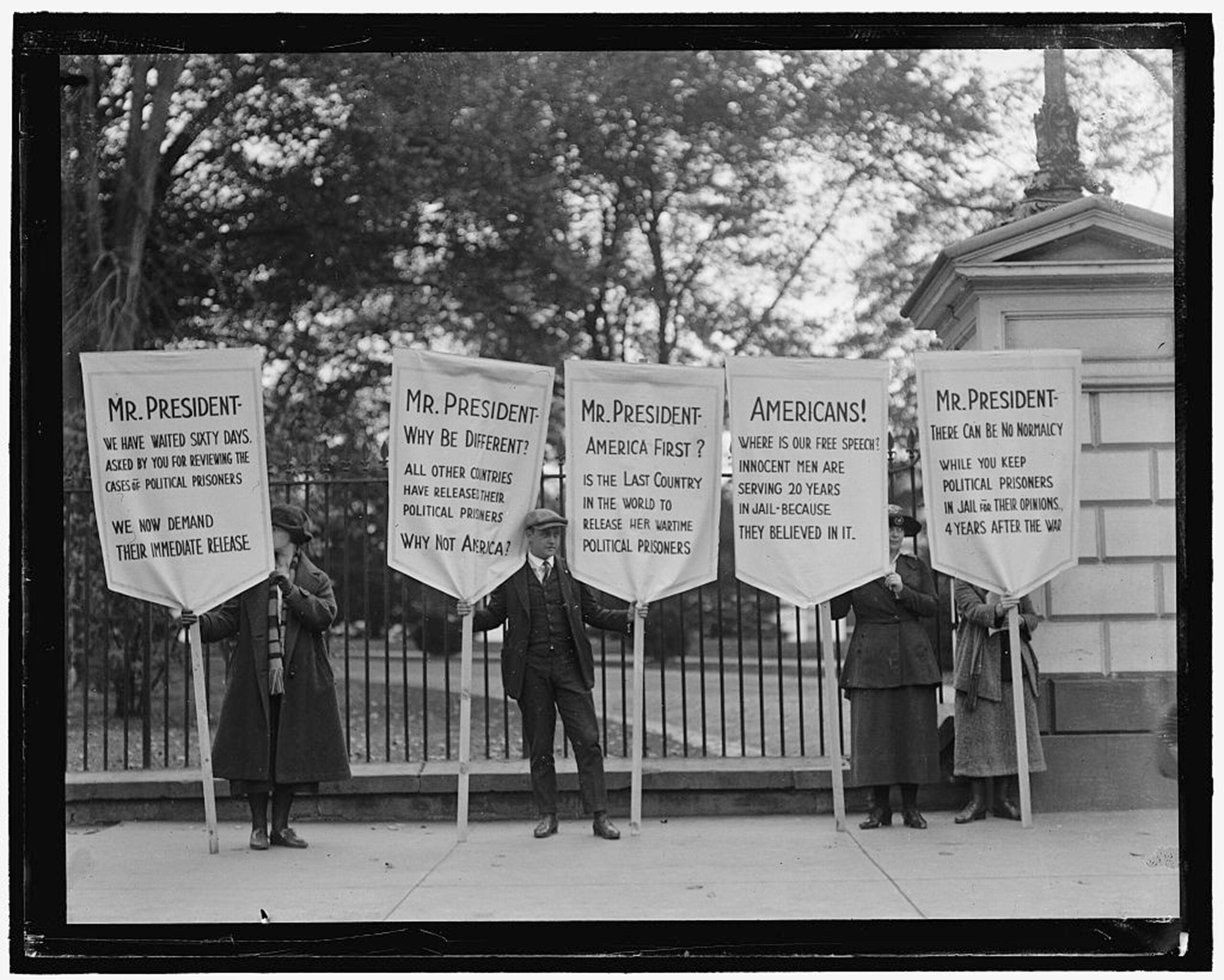
Eugene Debs knew exactly what would happen when he spoke at the 1918 rally in Canton, Ohio. The Espionage Act had made criticism of the war effort illegal, and everyone understood that “criticism” could be defined pretty broadly.
But Debs spoke anyway, arguing that a democracy that couldn’t tolerate dissent during wartime wasn’t much of a democracy. His arrest and imprisonment proved his point better than his speech ever could have.
Bonus March Planning Sessions
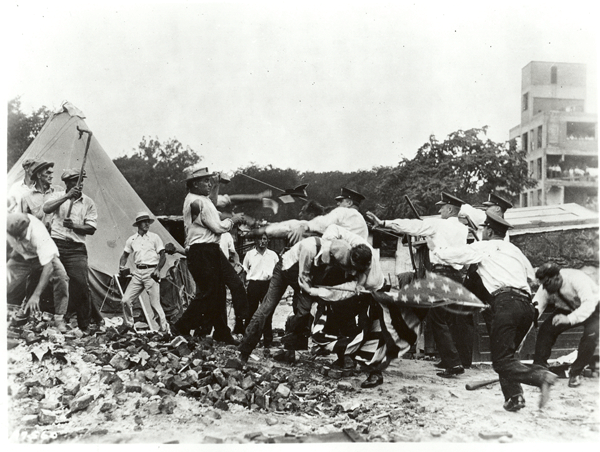
Before the veterans arrived in Washington in 1932, they had to organize locally — and local officials did everything possible to prevent those organizational meetings from happening. Police departments suddenly discovered ordinances about public gatherings that hadn’t been enforced in decades.
Meeting halls found reasons to cancel bookings. The pattern repeated across the country: authorities who claimed to support veterans in principle did everything they could to prevent veterans from organizing in practice.
Abolitionist Convention Disruptions
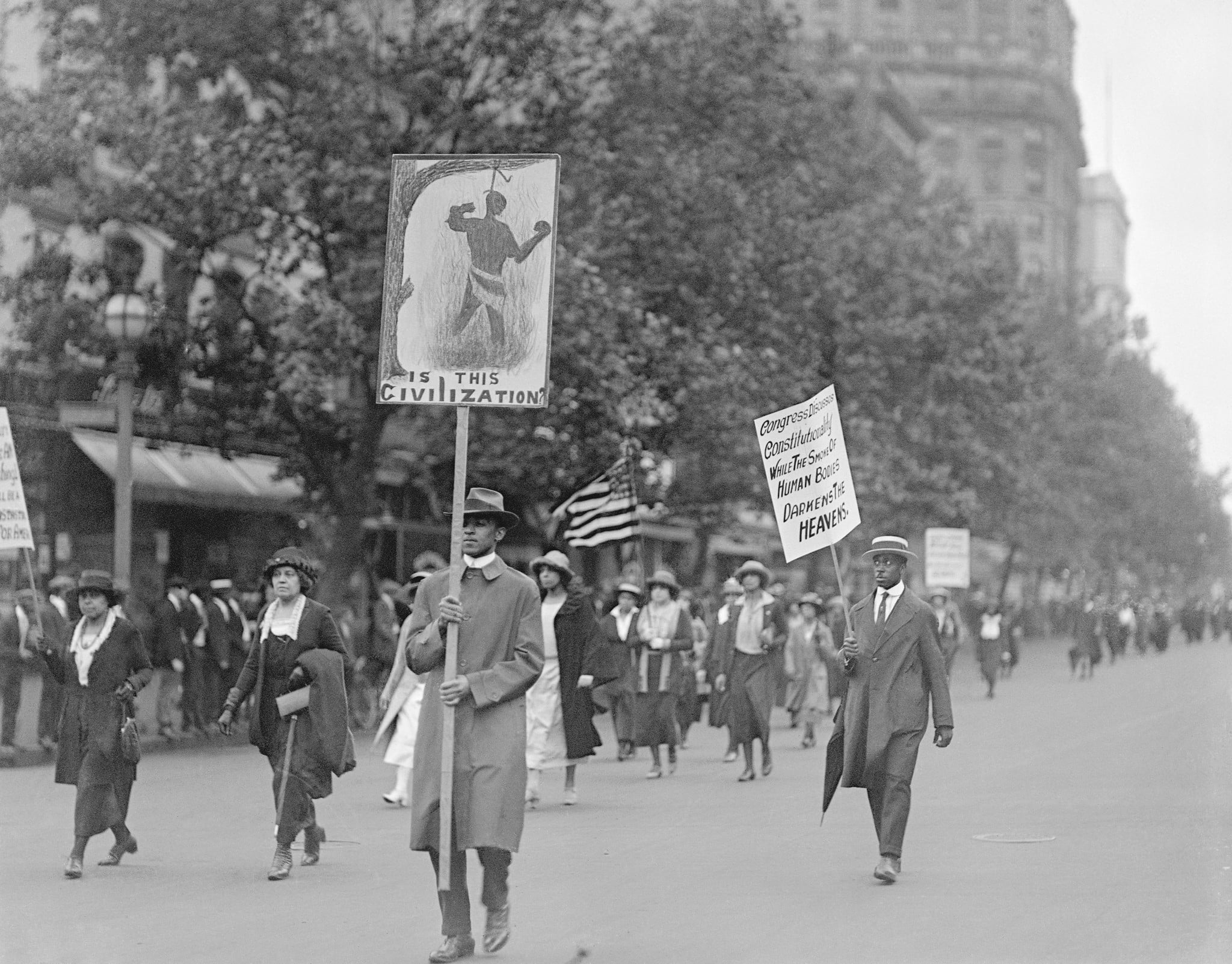
The 1850 gathering in Boston was supposed to discuss the recently passed Fugitive Slave Law. Instead, it became a test of whether federal legislation could override local sentiment about free speech.
When federal marshals appeared to arrest anyone speaking against the law, they discovered something about Massachusetts crowds: telling them they couldn’t discuss federal overreach just made them more determined to discuss it.
Lowell Mill Girls Strikes
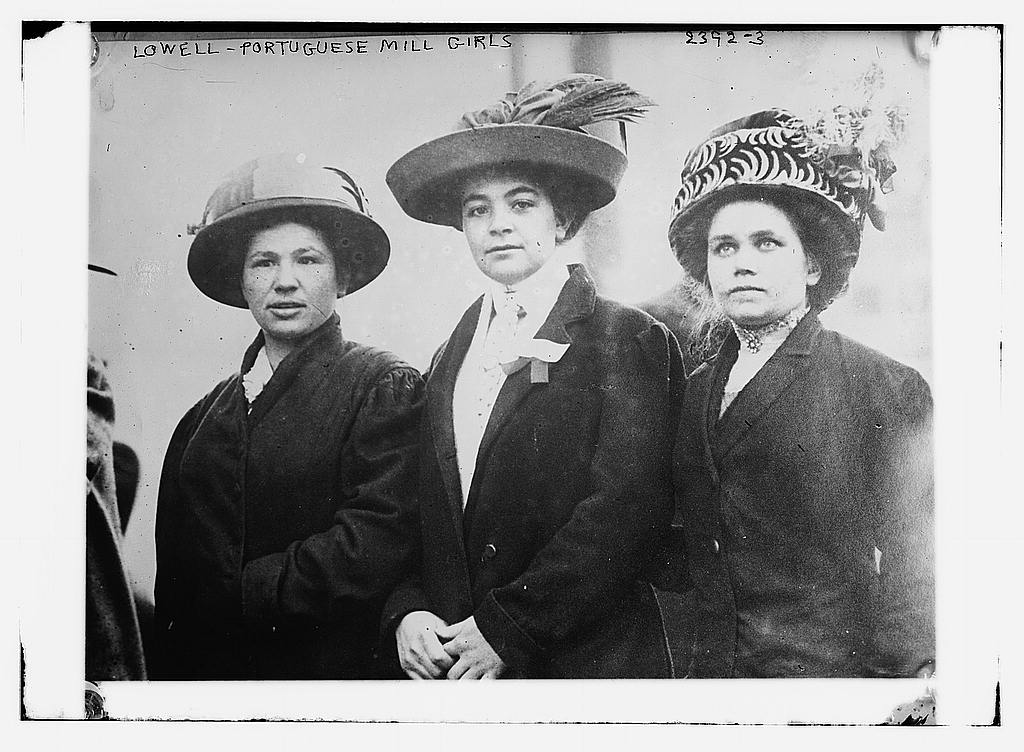
The young women working in Massachusetts textile mills in the 1830s weren’t supposed to be capable of political organization. When they proved otherwise by organizing rallies to protest wage cuts and longer hours, mill owners and city officials tried a different approach: declaring such gatherings improper for respectable women.
The strategy backfired spectacularly. Nothing motivates people quite like being told their concerns aren’t worthy of public discussion.
Anti-War Rally at Kent State
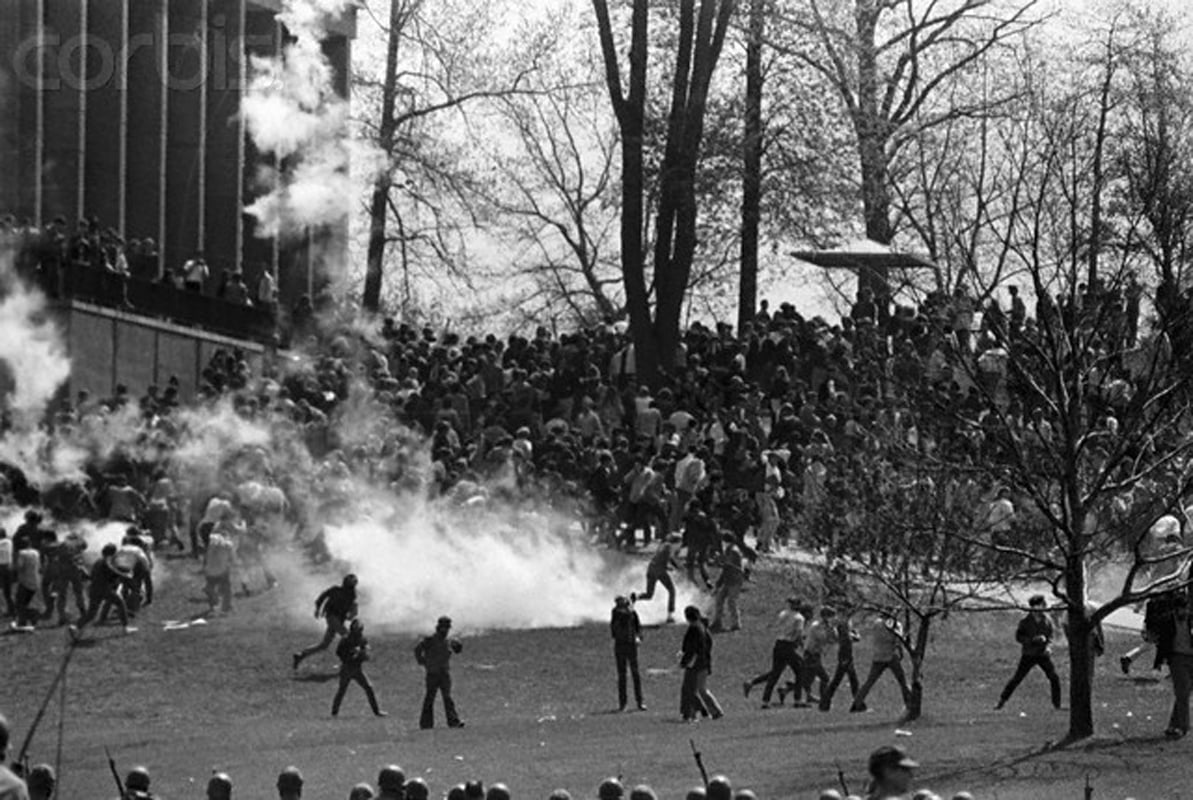
The 1970 gathering that ended with National Guard troops opening fire on students wasn’t illegal when it began. But university officials had decided that any criticism of the Cambodia invasion constituted a threat to public order.
The decision to ban the rally and call in troops transformed a campus protest into a national crisis. Four dead students made the anti-war movement’s argument better than any speech could have.
Detroit Walk to Freedom
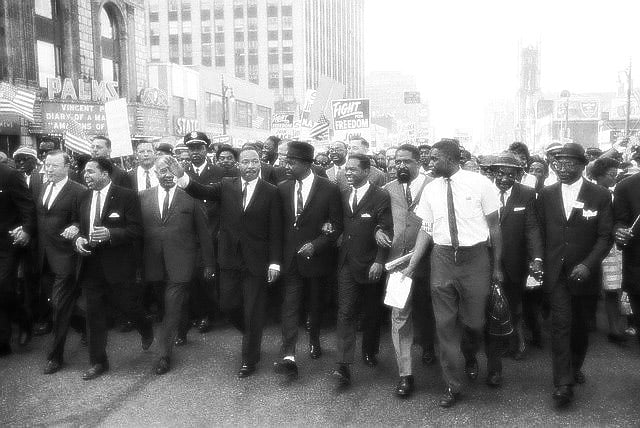
The 1963 march that featured Martin Luther King Jr.’s first full delivery of his “I Have a Dream” speech almost didn’t happen. Detroit officials had initially refused to grant permits, arguing that such a large gathering of civil rights supporters would inevitably lead to violence.
When organizers went ahead anyway, they proved that the real threat to public order wasn’t the march itself — it was the resistance to it.
Free Soil Party Rallies
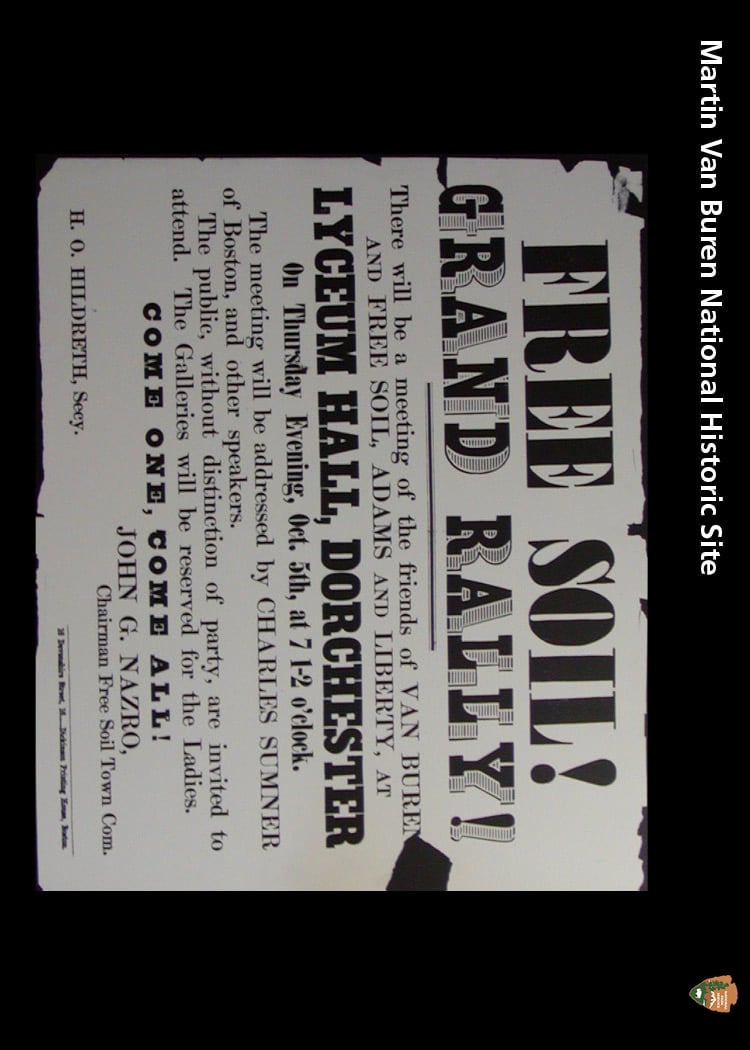
The political gatherings that launched the Free Soil movement in the 1840s faced harassment from both major parties. Democrats and Whigs had too much invested in avoiding the slavery question to tolerate a party that made it central.
Local officials found creative ways to deny permits and disrupt meetings. But you can’t suppress an idea whose time has arrived by preventing people from discussing it in public.
Pennsylvania Railroad Strike Meetings
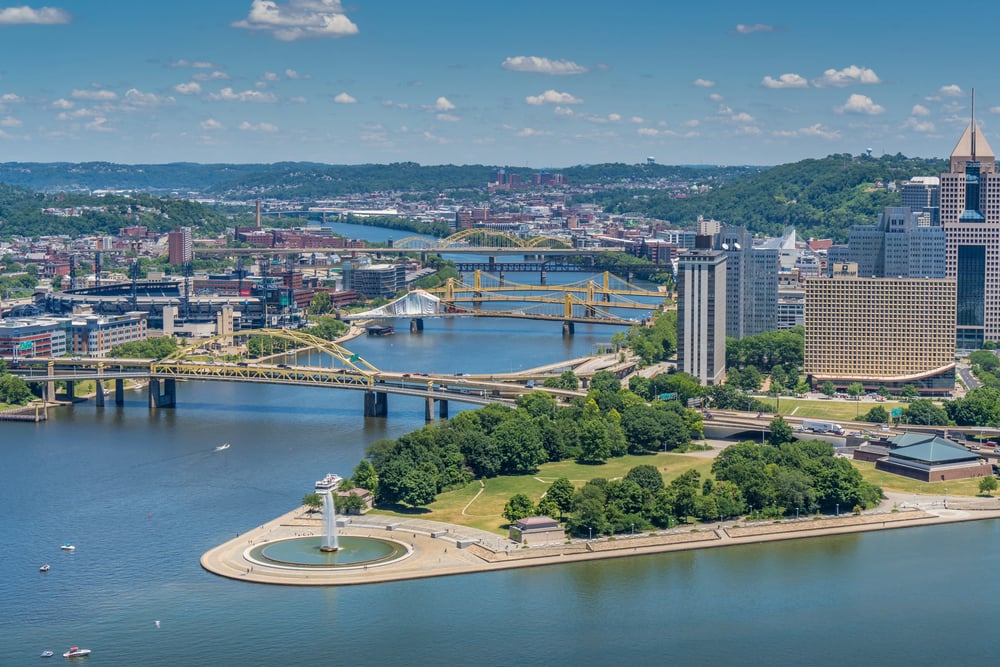
The 1877 gatherings in Pittsburgh weren’t just about wages — they were about whether workers had any right to resist corporate power when it was backed by government force. When local authorities banned strike meetings, they were essentially arguing that economic disputes weren’t appropriate subjects for democratic discussion.
The violence that followed made it clear that suppressing discussion doesn’t eliminate conflict; it just ensures the conflict will be less civilized.
American Indian Movement Protests
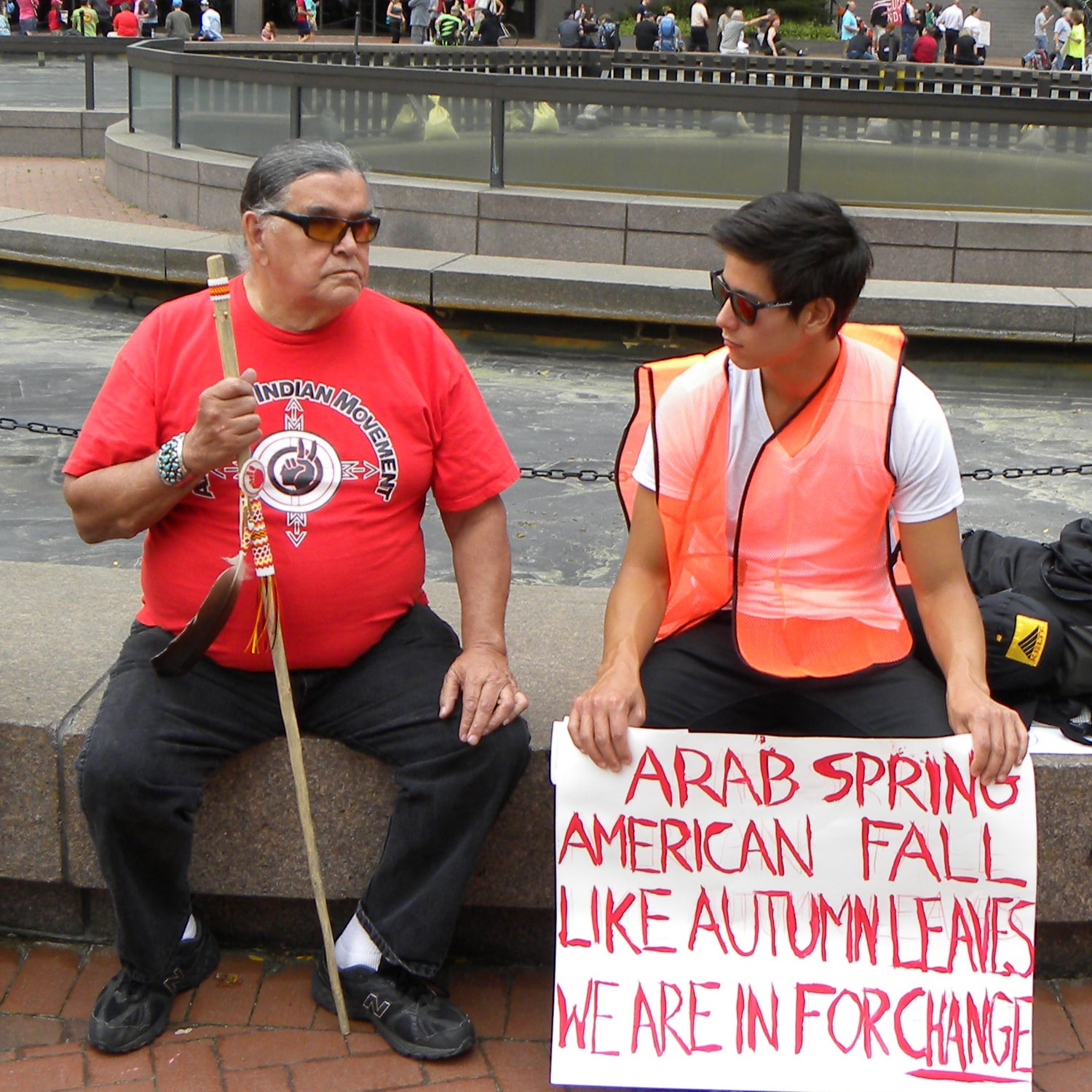
The rallies that AIM organized in the 1960s and 70s faced a peculiar form of government resistance. Federal officials couldn’t simply declare them illegal without acknowledging that Native Americans had legitimate grievances.
Instead, they relied on procedural harassment — permit delays, venue changes, sudden enforcement of obscure regulations. The strategy revealed something telling about how power operates: when it can’t openly oppose something, it tries to make that something impossible to organize.
Textile Workers Union Rallies
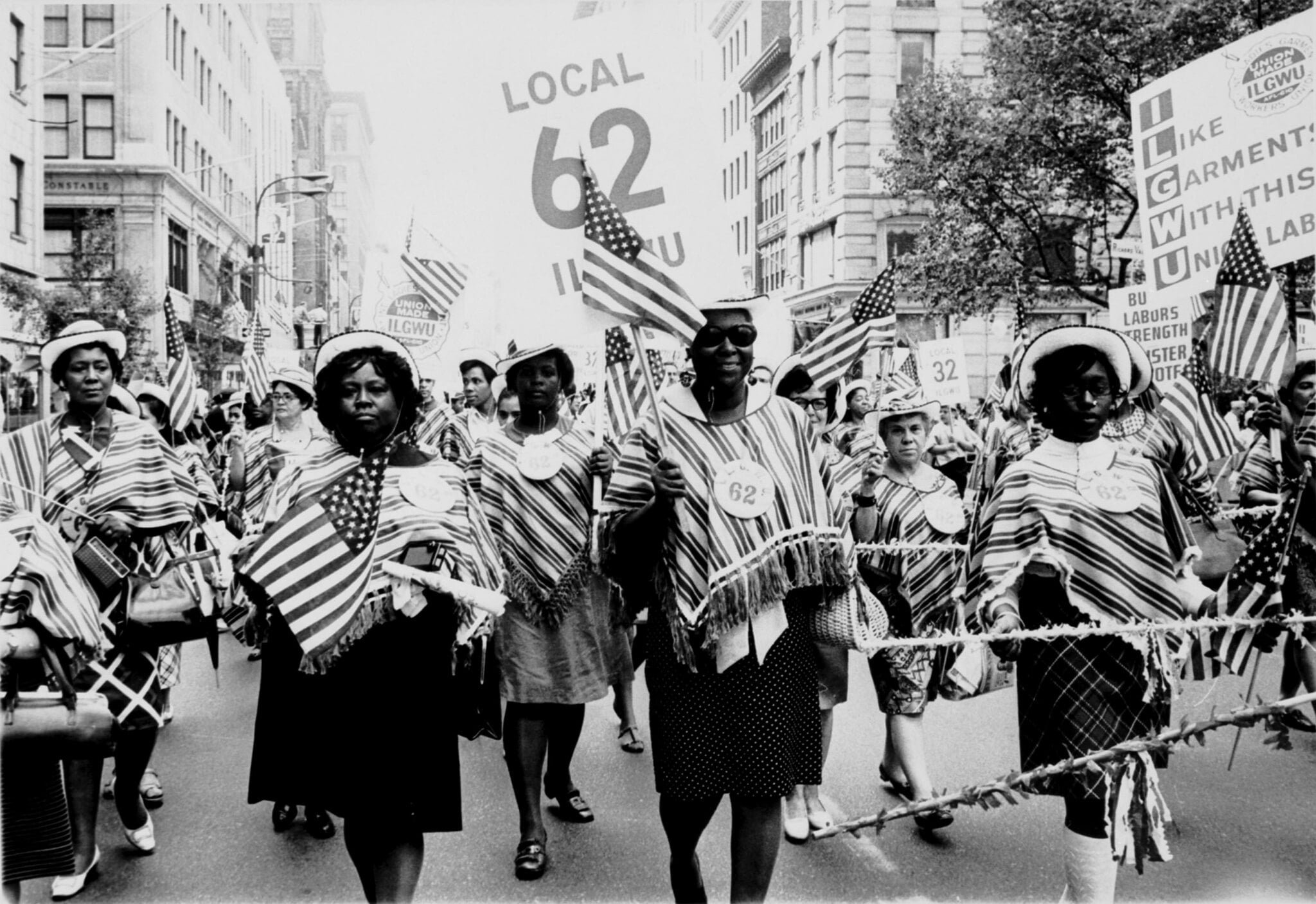
The southern organizing drives of the 1920s and 30s met resistance that went far beyond normal labor-management disputes. Mill owners had convinced local authorities that union rallies represented a threat to the entire social order of the South.
Police departments treated strike meetings like seditious gatherings. The pattern was consistent: when economic power feels threatened, it quickly discovers that its interests align perfectly with maintaining public order.
Anti-Lynching Campaign Meetings
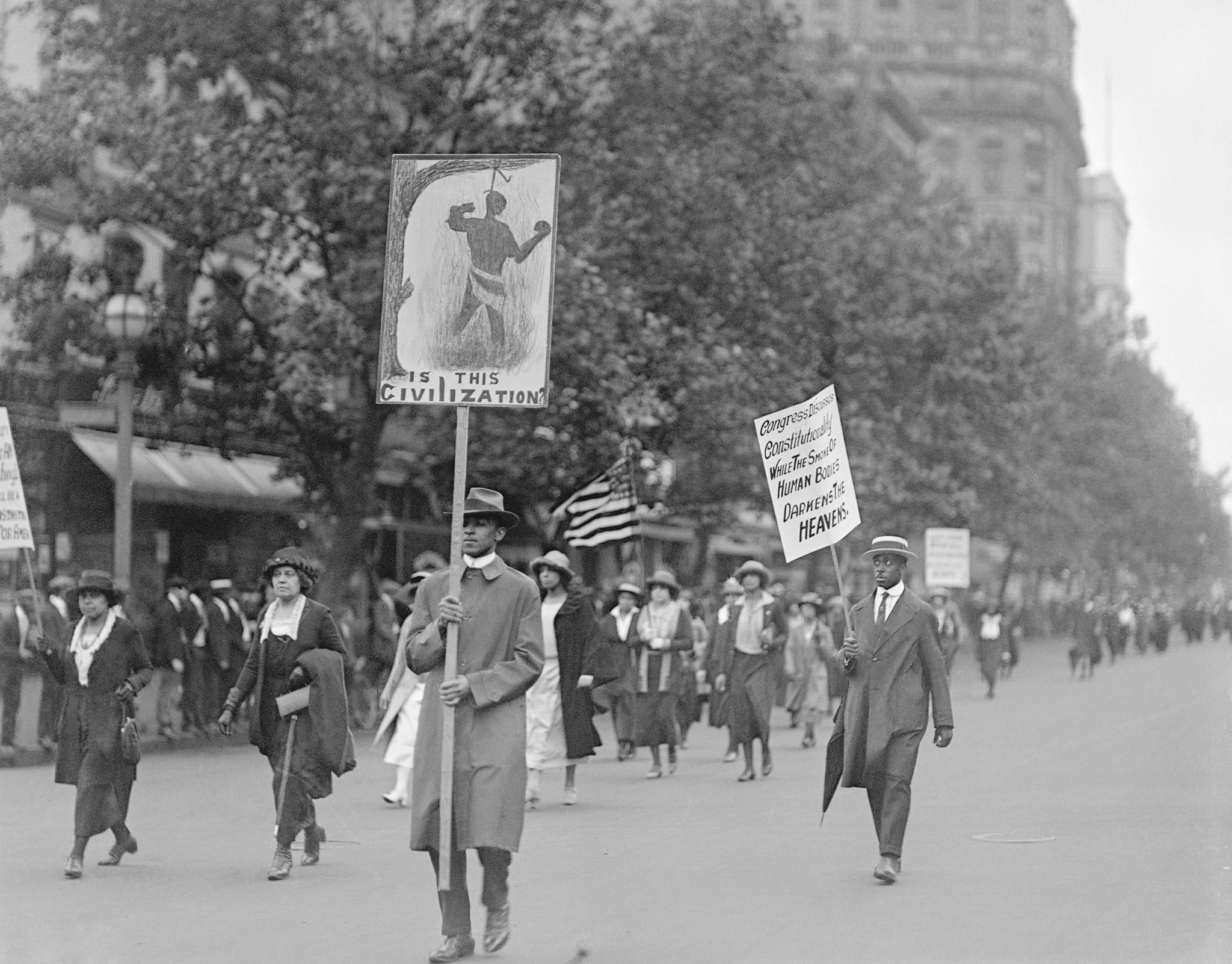
Ida B. Wells discovered that documenting lynchings was dangerous enough; organizing public meetings to discuss them was nearly impossible. Local authorities in both the North and South found reasons to ban gatherings focused on racial violence.
The message was clear: some subjects were too inflammatory for democratic discussion. Wells kept organizing anyway, proving that courage isn’t the absence of fear — it’s the decision that some things matter more than personal safety.
Populist Party Rallies

The farmers’ movement of the 1890s faced resistance that revealed how much the political establishment feared genuine economic democracy. When Populist organizers tried to hold rallies in small towns across the Midwest and South, they often found that meeting halls were suddenly unavailable and public spaces were off-limits.
Local newspapers refused to announce meeting times. The pattern was too consistent to be coincidental.
East Coast Longshoremen Strikes
The dock workers who tried to organize in the early 1900s discovered that port authorities had their own ideas about appropriate public assembly. Strike meetings were routinely declared illegal threats to interstate commerce.
The justification revealed something important: when economic power is concentrated enough, any challenge to it can be framed as a threat to the general welfare.
Anti-Immigration Act Protests
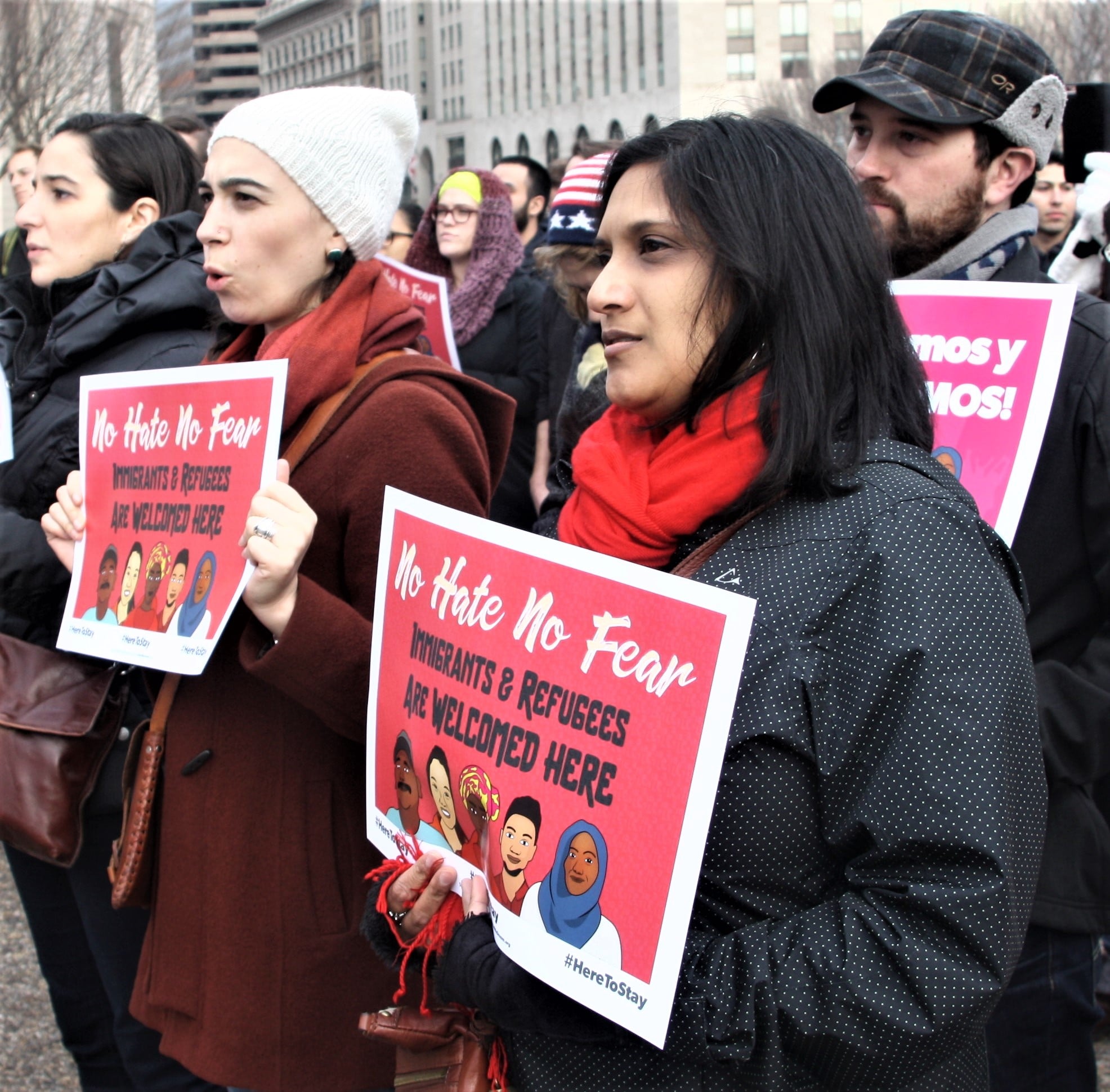
The rallies organized to oppose the Immigration Act of 1924 faced official resistance that exposed the legislation’s real purpose. When authorities banned public meetings to discuss immigration policy, they revealed that the law wasn’t really about immigration — it was about preserving a particular vision of American identity.
Democratic discussion might have led people to inconvenient conclusions about who the law was meant to protect and who it was meant to exclude.
Scottsboro Boys Defense Rallies
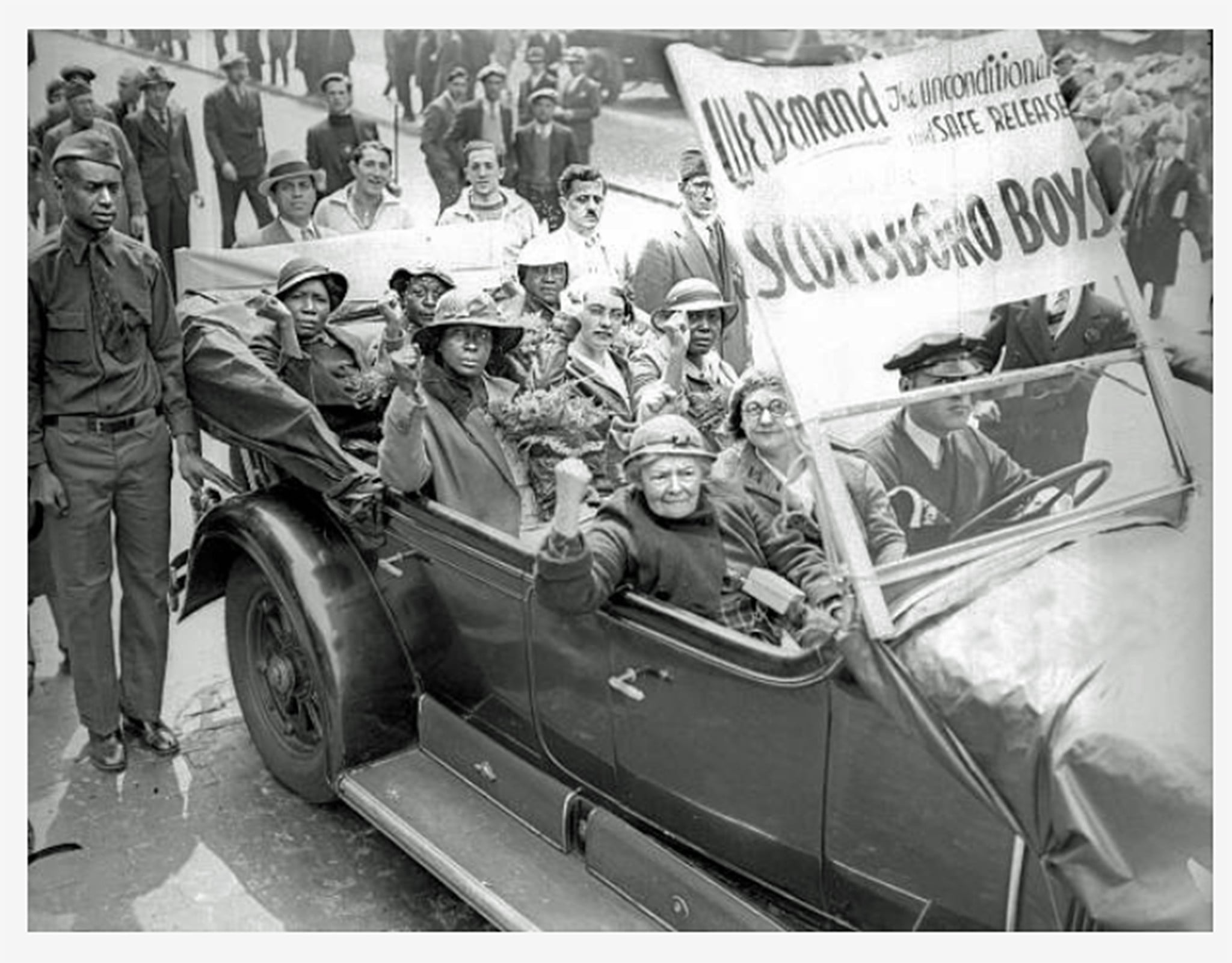
The gatherings organized to support the nine young men falsely accused of rape in Alabama faced harassment that extended far beyond the South. Even in northern cities, police departments discovered reasons to break up meetings focused on the case.
The resistance revealed something uncomfortable: the injustice wasn’t limited to one region, and neither was the investment in maintaining it.
United Auto Workers Sit-Down Strikes
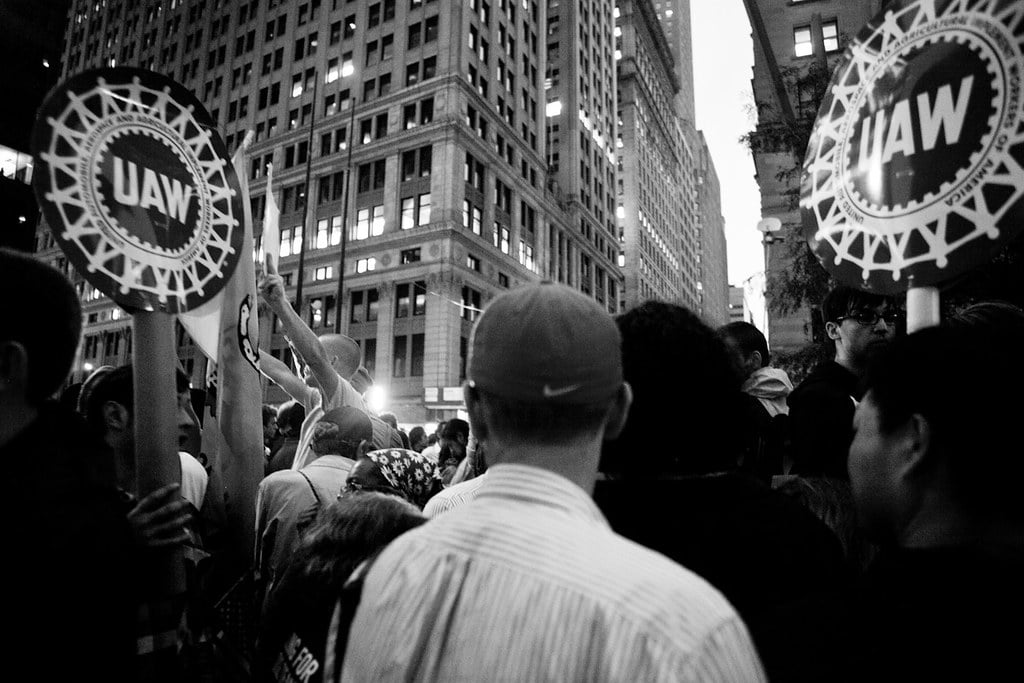
The 1936-37 factory occupations weren’t rallies in the traditional sense, but they represented a form of assembly that terrified corporate and government officials. When workers gathered inside the factories they operated, they were making an argument about economic democracy that went beyond wage negotiations.
The response was swift and harsh: court injunctions, police action, threats of federal intervention.
Anti-Red Scare Protests
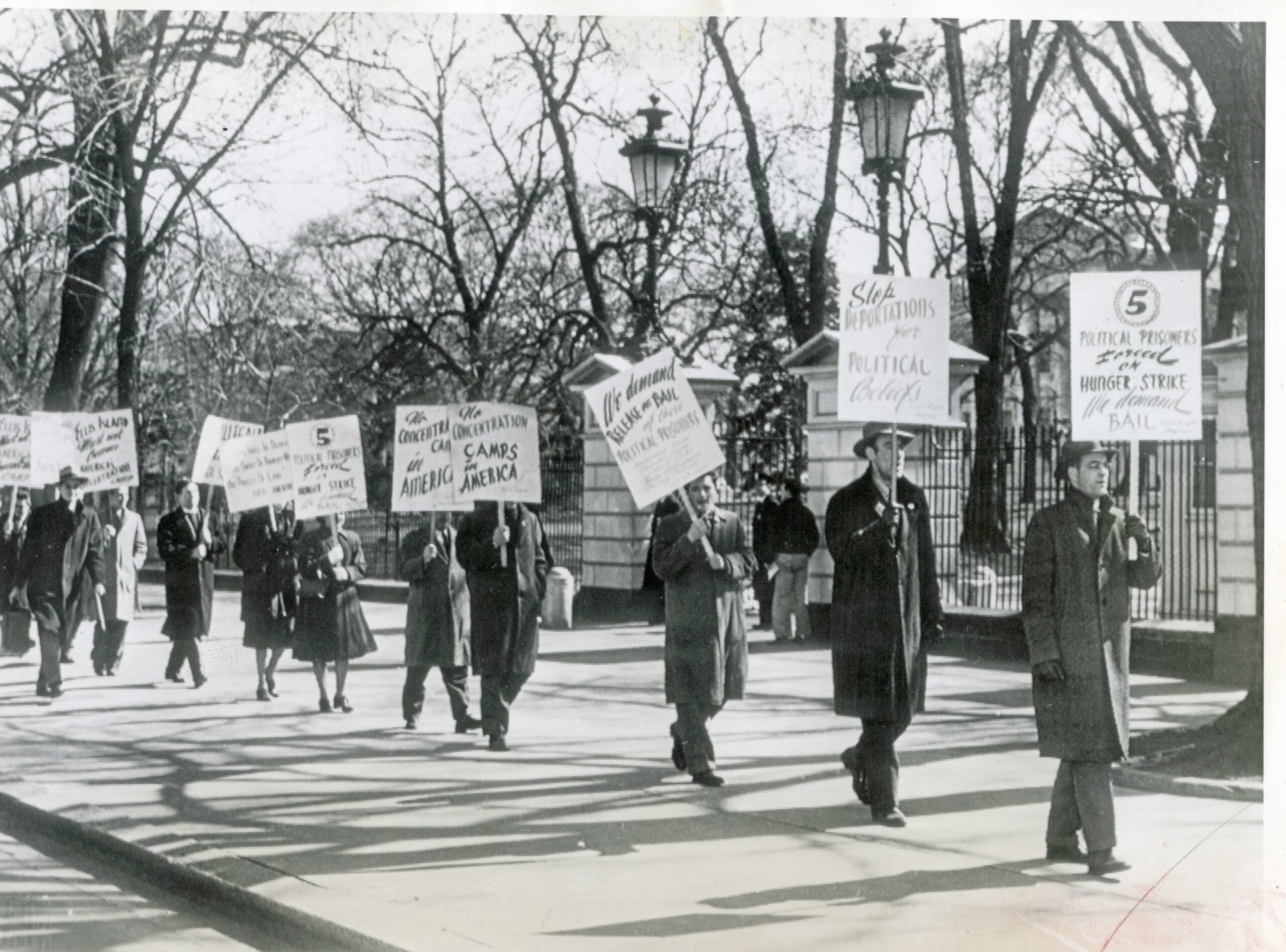
The rallies organized to oppose the Palmer Raids in 1919-20 faced the obvious problem: any gathering to protest government overreach could itself be labeled subversive. The circular logic was perfect and devastating.
People who wanted to defend civil liberties discovered that exercising those liberties was evidence of disloyalty. Some gathered anyway, proving that constitutional rights mean nothing unless people are willing to risk something to defend them.
Civil Rights Congress Meetings
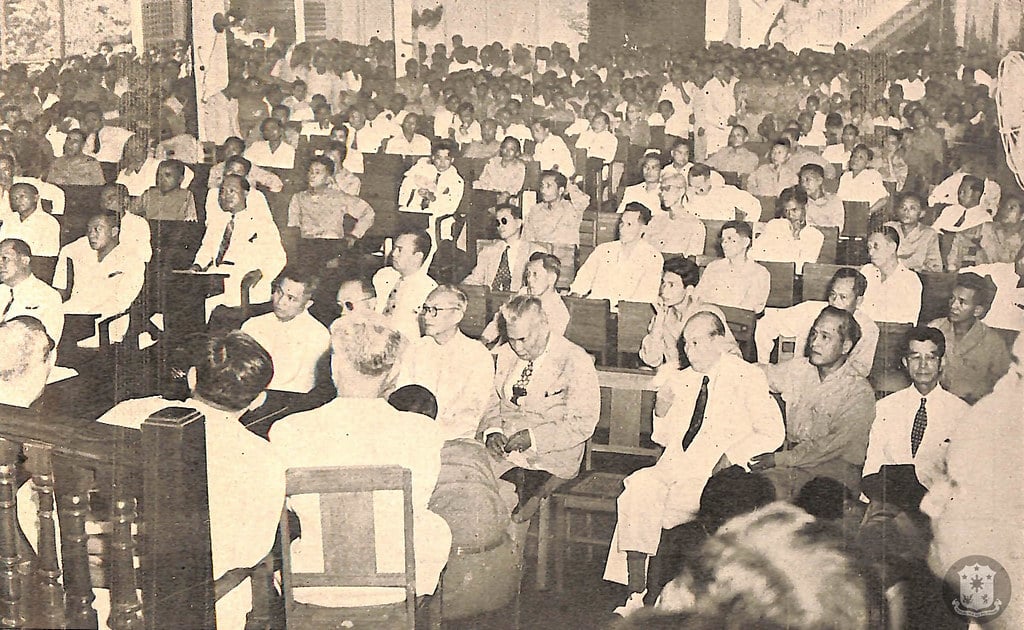
The organization that formed to defend civil liberties during the Cold War found that defending civil liberties was itself considered subversive. Local authorities used every available tool to prevent CRC meetings — permit denials, venue harassment, selective enforcement of fire codes and occupancy limits.
The pattern revealed the central contradiction of the era: America was fighting for freedom abroad while restricting it at home.
Anti-Vietnam War Teach-Ins
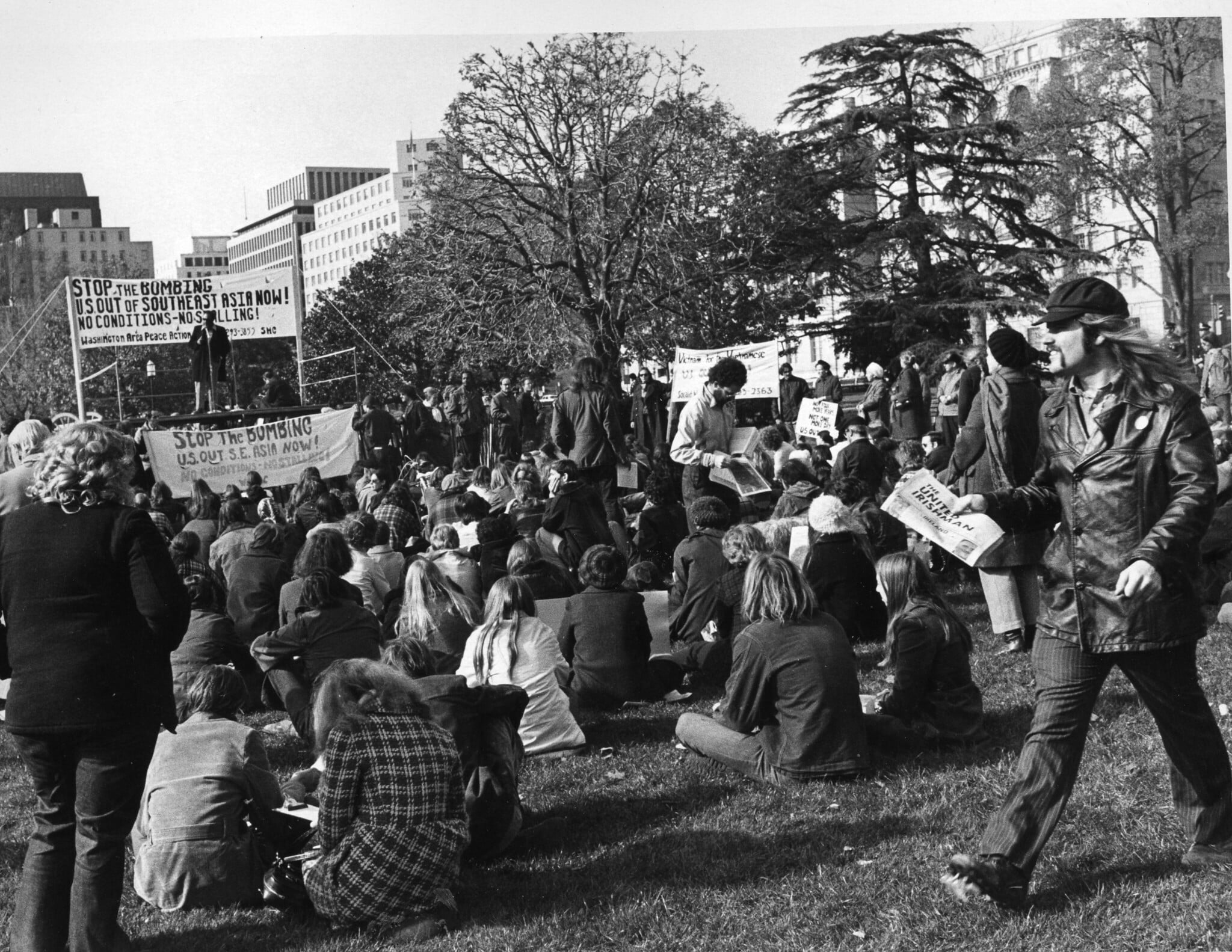
The campus gatherings that began at the University of Michigan in 1965 faced resistance that escalated as the war continued. University administrators, under pressure from state legislators and federal officials, found ways to limit and control these educational assemblies.
When peaceful discussion of foreign policy becomes controversial, the policy itself is probably the problem.
When Silence Becomes Impossible
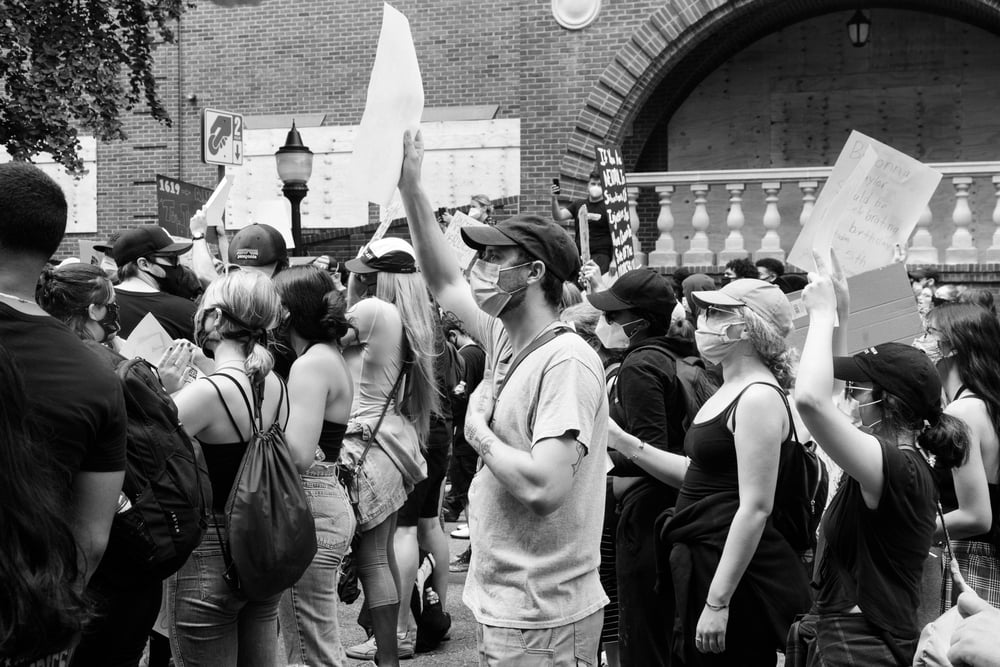
The thread running through all these banned rallies isn’t the specific issues they addressed — it’s the moment when ordinary people decided that staying quiet was no longer an option. Authorities understood this instinctively, which explains why they worked so hard to prevent these gatherings from happening.
But suppression often creates the very thing it’s trying to prevent: a sense that something important is at stake, something worth risking safety and comfort to defend. The rallies that changed America’s course weren’t successful because they were allowed to happen. They were successful because people held them anyway.
More from Go2Tutors!

- The Romanov Crown Jewels and Their Tragic Fate
- 13 Historical Mysteries That Science Still Can’t Solve
- Famous Hoaxes That Fooled the World for Years
- 15 Child Stars with Tragic Adult Lives
- 16 Famous Jewelry Pieces in History
Like Go2Tutors’s content? Follow us on MSN.



