15 States With the Most Expensive Speeding Tickets
Getting pulled over is never fun, but the sting gets worse when you see the fine. Some states treat speeding tickets like a minor inconvenience — a $50 slap on the wrist that barely registers.
Others see them as a serious revenue opportunity, charging hundreds or even thousands of dollars for going just a few miles over the limit. The difference between getting caught speeding in Montana versus New Jersey can mean the difference between skipping lunch and skipping rent.
The cost of speeding tickets varies wildly across the country, influenced by state laws, local court systems, and how aggressively municipalities pursue traffic violations as funding sources. Some states cap fines at reasonable amounts, while others let them spiral into budget-crushing territory with fees, surcharges, and escalating penalties that pile on top of the base fine.
Virginia
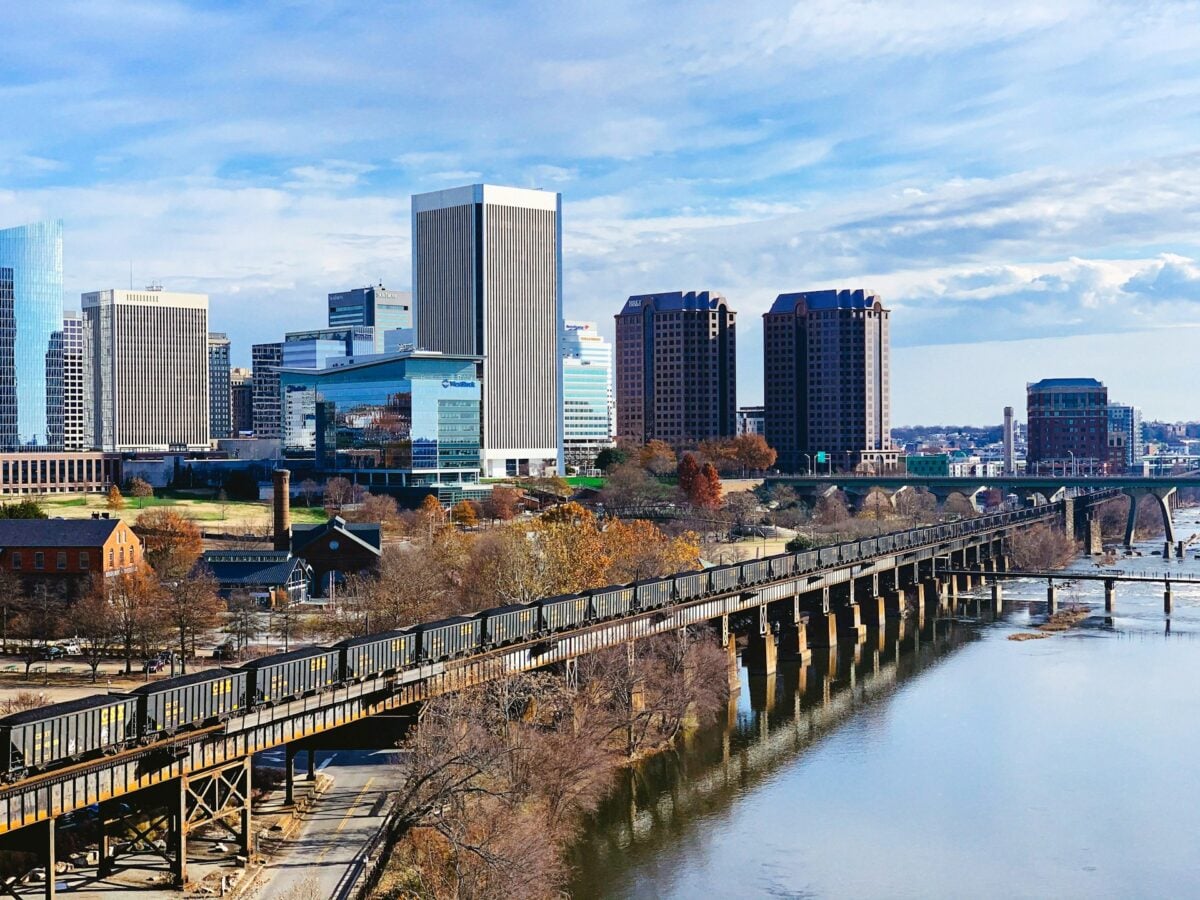
Virginia doesn’t mess around with speeders. The state can hit drivers with fines reaching $2,500 for what they call “reckless driving” — which kicks in at just 20 mph over the speed limit or driving faster than 85 mph anywhere in the state.
That means cruising at 70 mph in a 55 mph zone (something that would barely register in most states) can land you with a massive fine and even potential jail time in Virginia. The state also tacks on additional fees that can push total costs even higher.
Court costs, processing fees, and state surcharges all get added to the base fine, creating a perfect storm of expensive consequences for what might seem like routine speeding.
Georgia

There’s something particularly stubborn about Georgia’s approach to speeding fines, the way a bill collector refuses to let go of a debt that should have been settled years ago. The state operates on a sliding scale that starts reasonable enough but quickly escalates into territory that feels punitive rather than corrective — which, to be fair, might be exactly what they’re going for.
When you’re caught doing 24 mph over the speed limit, the fine jumps to $500, and that’s before the various fees and surcharges that seem to multiply like weeds in an untended garden. And then there are the Super Speeder fines, Georgia’s particular gift to drivers who get caught going more than 75 mph on a two-lane road or 85 mph on any highway. That triggers an additional $200 state fine on top of whatever the local jurisdiction already charged you — a reminder that arrives in the mail weeks later, just when you thought the whole thing was behind you.
Illinois
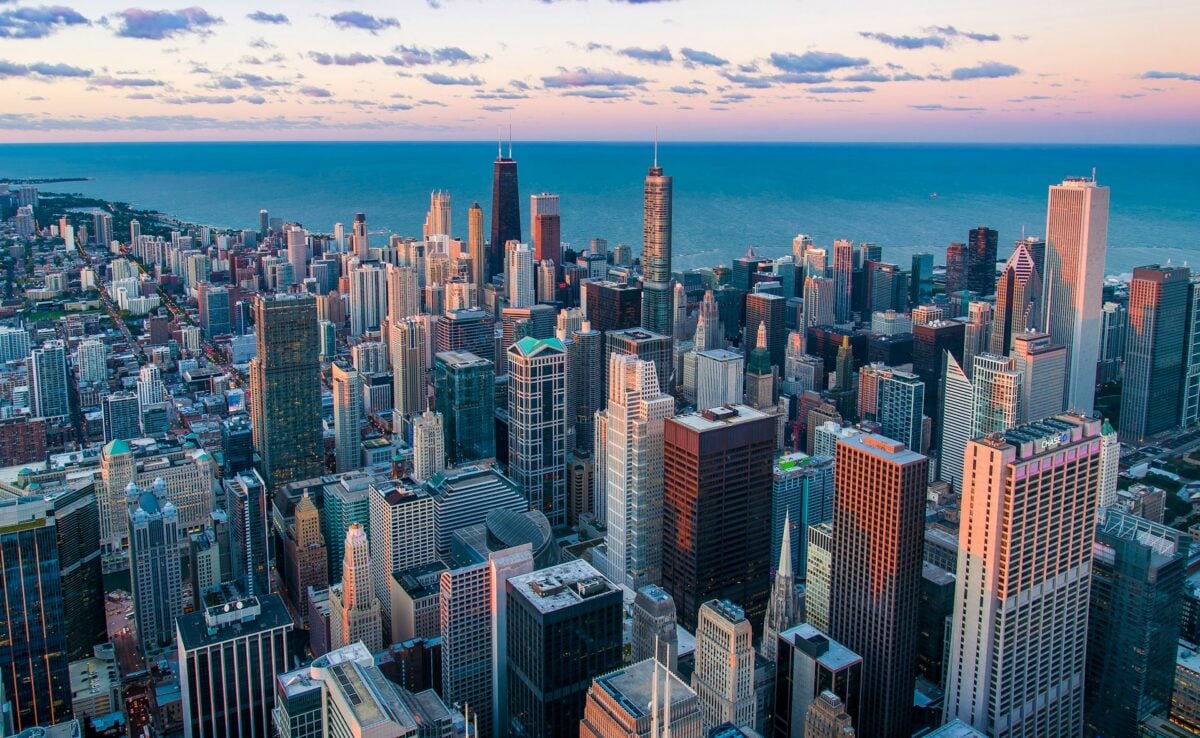
Illinois has turned speeding tickets into an art form of revenue generation. Base fines start around $120 for minor violations but can easily climb past $1,000 once you factor in court costs, state assessments, and various administrative fees that seem designed more for budget balancing than traffic safety.
The state particularly hammers drivers caught in construction zones, where fines double automatically. Get caught doing 26 mph over the limit in a work zone and you’re looking at fines that can approach $1,500.
Chicago adds its own layer of complexity with automated speed cameras that issue tickets for going just 6 mph over the limit, creating a steady stream of $100 citations that residents barely notice until they pile up.
New Jersey

New Jersey operates like a tollbooth that never quite tells you the full price until after you’ve already passed through (and by then it’s too late to turn around and take surface streets instead). The state’s speeding fines follow a tiered system that seems reasonable on paper — $85 for going 1-14 mph over the limit — but that’s before you encounter the labyrinthine world of court costs, state surcharges, and administrative fees that can triple the final amount you actually pay.
So that $85 fine becomes $285 without much explanation, which feels less like a traffic violation and more like a shell game where you’re guaranteed to lose. But the real kicker comes with New Jersey’s point system and the insurance premium increases that follow.
The state doesn’t just want your money once — they want it every month for the next three to five years as your insurance rates climb to reflect your new status as someone who apparently can’t be trusted with a gas pedal.
Nevada

Nevada takes a no-nonsense approach to speeders. Fines start at $205 for going just 10 mph over the limit and climb rapidly from there.
Hit 25 mph over and you’re facing a $405 fine, plus court costs and fees that push the total well beyond $500. The state also implements hefty penalties for school zone violations, where fines double during certain hours.
Las Vegas adds its own municipal fines on top of state penalties, creating a system where a simple speeding ticket can easily cost $600 or more.
New York

The geography of New York’s speeding fines tells a story about power and proximity — the closer you get to the city, the more expensive your mistakes become, like some kind of financial gravity well that pulls harder the nearer you are to Manhattan. Upstate, a speeding ticket might sting but won’t necessarily require you to rearrange your monthly budget; downstate, especially in Nassau and Suffolk counties, the same violation can cost three times as much, not because the roads are more dangerous or the enforcement more necessary, but because the municipalities have figured out that traffic violations represent a reliable source of revenue that doesn’t require raising taxes on residents.
And New York doesn’t stop at the initial fine. The state piles on a “Driver Responsibility Assessment” for accumulating too many points, which can add $300 to $750 in additional fees spread over three years.
It’s a system that keeps punishing long after the original violation is forgotten.
California

California has perfected the art of the expensive speeding ticket. Base fines might seem reasonable — $35 for going 1-15 mph over the limit — but that’s before the state adds penalty assessments, court operations fees, criminal conviction assessments, state court construction penalties, and emergency medical services funds.
By the time all the fees are calculated, that $35 base fine becomes a $238 total cost. Speed violations in excess of 25 mph over the limit can result in total fines exceeding $500, making California one of the most expensive states to get caught speeding.
Oregon

Oregon doesn’t believe in gentle warnings. Speeding fines start at $265 for going just 11-20 mph over the limit and escalate quickly from there.
The state treats speeding as a serious violation worthy of serious consequences, regardless of whether you’re a first-time offender or a repeat customer. Construction zone violations face doubled fines, and Oregon aggressively enforces these penalties.
Court costs and administrative fees add another $150-200 to most tickets, creating total costs that frequently exceed $400 for relatively minor violations.
Washington
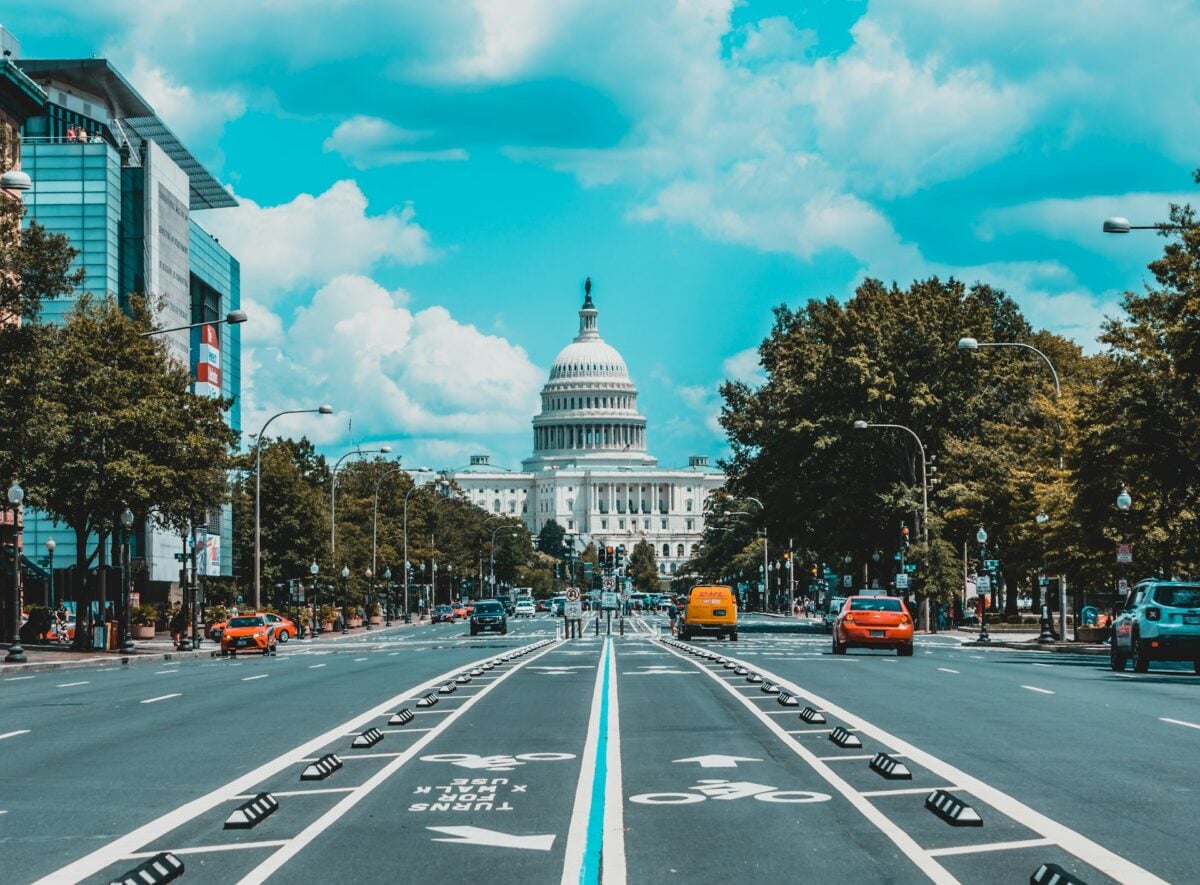
There’s something almost mathematical about how Washington calculates speeding fines, like they fed traffic violation data into a spreadsheet and let formulas determine how much pain each mph over the limit should cost (which, given how government bureaucracy works, might actually be exactly what happened). The state operates on a precise scale where going 1-10 mph over costs $136, 11-15 mph over costs $183, and the progression continues upward in neat increments that suggest someone spent considerable time optimizing the revenue potential of each violation bracket.
But Washington’s real genius lies in how it handles repeat offenders and extreme speeds. Get caught going more than 26 mph over the limit and you’re suddenly facing reckless driving charges that can bring fines exceeding $1,000, plus potential license suspension and mandatory court appearances that turn a simple traffic stop into a months-long legal process.
Connecticut

Connecticut has embraced speeding fines as a legitimate government revenue stream. Base fines start at $148 for minor violations but can climb past $600 for speeds exceeding 25 mph over the limit.
The state adds various surcharges and fees that typically increase the total cost by 30-40%. Highway work zone violations face automatic doubling of fines, and Connecticut enforces these penalties aggressively during construction season.
The state also imposes additional fees for drivers who choose to contest their tickets in court, essentially charging you extra for exercising your legal rights.
Pennsylvania

Pennsylvania operates a tiered fine system that starts at $42.50 for going 6-10 mph over the limit but quickly escalates. Court costs add another $151.50 to every ticket, meaning even the smallest violation costs nearly $200 total.
The state really hammers speeders in work zones, where fines can reach $500 plus costs for relatively minor violations. Pennsylvania also assesses points that can trigger additional fees and insurance increases, creating long-term financial consequences that extend well beyond the initial fine.
Florida

Florida’s speeding ticket system feels designed by someone who understands that most violations will be paid without question, so why not make them expensive enough to matter (but not so expensive that people start hiring lawyers and clogging up the court system with challenges). The state starts with seemingly reasonable base fines — $129 for going 6-9 mph over the limit — but then adds court costs, processing fees, and various administrative charges that push most tickets into the $200-300 range without much ceremony or explanation.
School zone violations get the full treatment in Florida, with doubled fines that can easily exceed $400 for going 15 mph over the limit during school hours. The state doesn’t mess around with drivers who speed past children, and the financial penalties reflect that priority clearly enough that most people only make that mistake once.
Maryland

Maryland believes in making speeding expensive enough to remember. Fines start at $90 for going 1-9 mph over the limit but jump to $140 for 10-19 mph over and continue climbing from there.
Court costs add another $93 to every ticket, regardless of the violation severity. Work zone violations face doubled penalties, and Maryland enforces these aggressively.
The state also uses automated speed cameras extensively, particularly in school zones and residential areas, generating a steady stream of $40 tickets that add up quickly for regular commuters.
Massachusetts

Massachusetts takes a straightforward approach to speeding fines that reflects the state’s general attitude toward rule-breakers: if you’re going to ignore the posted limits, you’re going to pay for the privilege. Base fines range from $105 for minor violations to $300 for excessive speeds, but court costs and administrative fees typically add another $75-100 to the total.
The state particularly hammers drivers caught speeding in school zones or construction areas, where fines double automatically. Massachusetts also assesses surcharges for drivers who accumulate multiple violations within a short period, creating escalating penalties that can make repeat speeding expensive enough to change behavior.
Delaware

Delaware proves that small states can issue large fines. Speeding tickets start at $115 for going 1-9 mph over the limit and climb rapidly to $230 for speeds 20-29 mph over the posted limit.
Court costs add another $85 to most violations, pushing even minor tickets past $200. The state doubles fines in school zones and construction areas, and Delaware enforces these penalties consistently.
What makes Delaware particularly expensive is how quickly fines escalate — the jump from minor speeding to serious speeding happens at lower speed thresholds than most states, meaning you hit the expensive penalty tiers sooner.
Looking at the Road Ahead

The trend toward expensive speeding tickets isn’t going anywhere. States have discovered that traffic fines represent a politically palatable way to generate revenue without raising taxes, and municipalities have learned that automated enforcement systems can produce steady income streams with minimal effort.
What started as a public safety measure has evolved into a sophisticated revenue collection system that varies dramatically depending on which state lines you happen to cross. The real cost of these expensive tickets extends beyond the immediate financial hit.
Higher fines create economic inequities where wealthy drivers treat speeding tickets as a minor inconvenience while middle and lower-income drivers face genuine financial hardship. Some states are beginning to experiment with income-based fines, but most continue to operate on the assumption that one size fits all wallets equally well.
More from Go2Tutors!

- The Romanov Crown Jewels and Their Tragic Fate
- 13 Historical Mysteries That Science Still Can’t Solve
- Famous Hoaxes That Fooled the World for Years
- 15 Child Stars with Tragic Adult Lives
- 16 Famous Jewelry Pieces in History
Like Go2Tutors’s content? Follow us on MSN.



