29 Female Spies Who Shaped World Wars
Intelligence services in both world wars discovered the same useful fact at roughly the same time. A woman carrying a shopping basket, a nurse’s bag or a sheaf of sheet music drew far less attention at a checkpoint than a man of military age.
Some of the women who exploited that blind spot became famous, often for the wrong reasons.
Others went unrecognized for decades, and a few were never thanked at all. Their records sit in archives in London, Paris, Washington, Berlin and Moscow, and the files are frequently drier and more impressive than the legends.
Mata Hari and the Case That Was Thinner Than the Legend
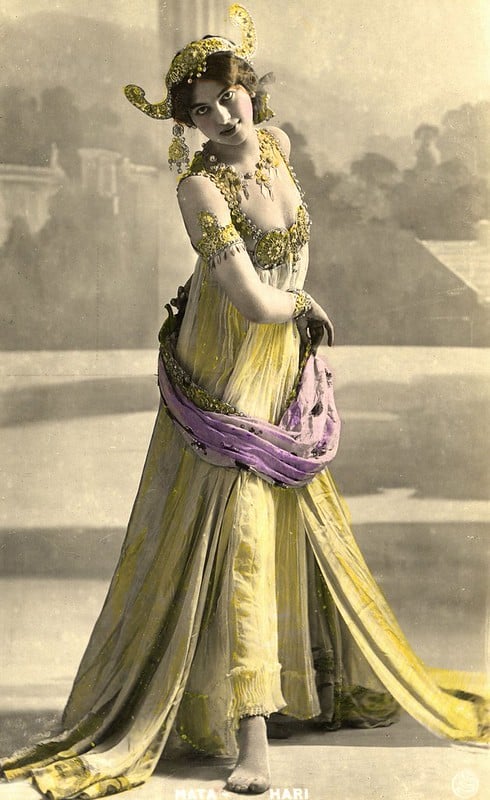
Margaretha Zelle, a Dutch dancer born in Leeuwarden in 1876, is the most famous spy of World War I and probably one of the least productive. German intelligence did register her under the designation H21, and French intelligence also tried to use her, which left her trusted by neither side.
Arrested in Paris in February 1917, she was tried by a military court and shot at Vincennes on October 15 of that year. Prosecutors blamed her for the deaths of thousands of soldiers.
Most historians who have read the released French files conclude that she passed along little of any military value.
Edith Cavell, the Nurse Who Ran an Escape Line
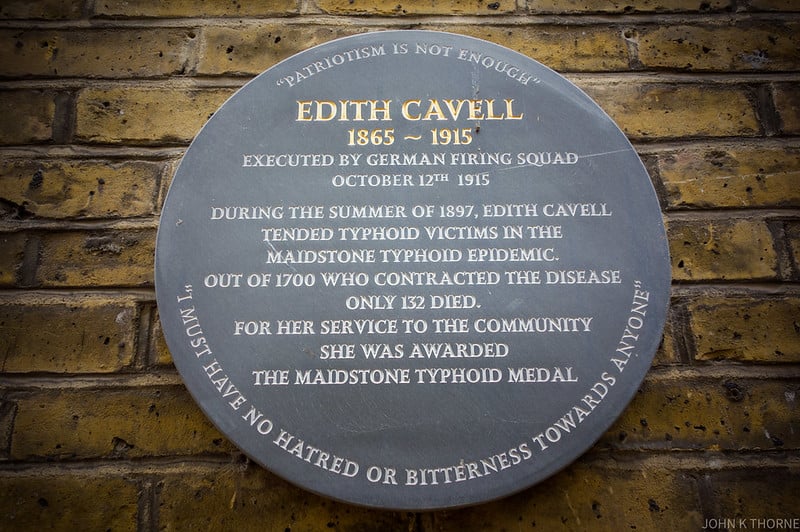
Cavell was a British nurse who had run a training school in Brussels since 1907, and she is often listed among spies without quite belonging there. Her offense was helping roughly 200 Allied soldiers and Belgian men of military age reach the neutral Netherlands.
German authorities arrested her in August 1915, and a court-martial convicted her of aiding the enemy. She was shot in Brussels on October 12, 1915, despite appeals from American and Spanish diplomats.
Later research suggests her network may also have carried some intelligence, but escape work was the charge, and her death became a powerful recruiting theme in Britain.
Louise de Bettignies and the Alice Network
Fluent in several languages and educated partly in England, Louise de Bettignies of Lille worked for British intelligence under the alias Alice Dubois. Through 1915 she built a ring of roughly 100 people in occupied northern France that reported on German troop trains, artillery positions and airfields, with messages carried across the Dutch border.
German police arrested her near Tournai in October 1915. A death sentence was commuted to forced labor for life, and she was held at Siegburg prison in Germany. She died in a Cologne hospital on September 27, 1918, a few weeks before the armistice, at the age of 38.
Marthe Cnockaert, Decorated by the Army She Spied On

Few agents have managed to collect honors from both sides. Cnockaert, a young Belgian woman from Westrozebeke, nursed wounded Germans at a military hospital in Roeselare and was awarded the Iron Cross for that work. At the same time she passed reports on troop movements to a British network through local couriers.
She was caught in 1916 and sentenced to death that November, a sentence that was reduced to imprisonment, reportedly in part because of her decoration. Her 1932 memoir carried a foreword by Winston Churchill and was filmed the following year, though the book was ghostwritten by her husband.
Gabrielle Petit, a Shop Assistant Turned National Symbol
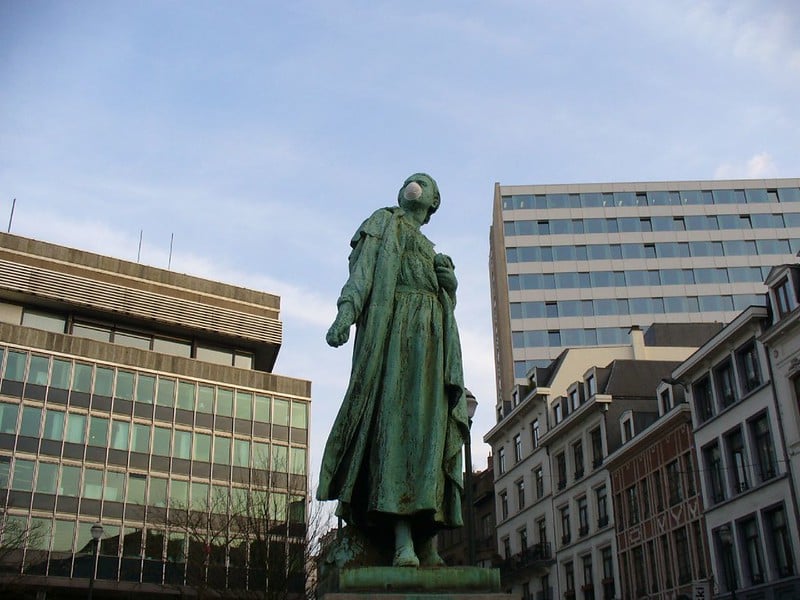
Born in Tournai in 1893 and raised partly in a Catholic boarding school, Petit was working as a shop assistant in Brussels when the war began. After a short course of British training in 1915, she began to gather details of German troop movements for British intelligence and helped distribute a clandestine newspaper.
She was arrested in February 1916 and refused to name her contacts in exchange for leniency. A firing squad shot her in Brussels on April 1, 1916, when she was 23. Belgium gave her a state funeral in 1919, and a statue of her has stood in Brussels since 1923.
Marthe Richard and a Story That Grew in the Telling
Richard took up flying in 1913 and earned a pilot’s license, was widowed in 1916 and was then recruited by Georges Ladoux, the same French officer who handled Mata Hari. Sent to Spain, she grew close to Hans von Krohn, the German naval attache in Madrid, and reported on what she learned there.
France awarded her the Legion of Honor in 1933, and her memoirs and a 1937 film made her a celebrity. Historians have since questioned how much of the published account is accurate, since Ladoux wrote the first version himself with a novelist’s freedom. Her presence in Madrid is documented. Many of the details are less certain.
Elsbeth Schragmuller, the Real Fraulein Doktor
Allied newspapers spent years inventing a sinister German spymistress known as Fraulein Doktor, and the real woman behind the rumor was an academic. Schragmuller earned a doctorate in political science at Freiburg in 1913, one of the first women in Germany to complete a university degree.
In 1915 she rose to a senior post at the German war intelligence office in Antwerp, where she recruited and trained agents. Her methods stressed observation, cover stories and careful reporting.
Her identity became public only after German records were examined in 1945. She had died in Munich in 1940, having given almost no interviews.
Virginia Hall, the Agent With a Wooden Leg Named Cuthbert

Hall, born in Baltimore in 1906, lost her left leg below the knee in a hunting accident in Turkey in 1933 and was turned down for the American diplomatic service because of it. Britain’s Special Operations Executive sent her to Lyon in 1941 under cover as a reporter for the New York Post.
She organized safe houses and escapes until late 1942, then crossed the Pyrenees on foot in winter. Returning in 1944 for the American Office of Strategic Services, she radioed reports and armed resistance groups in central France.
In 1945 she received the Distinguished Service Cross, the only civilian woman so honored in that war.
Noor Inayat Khan, the Wireless Operator Called Madeleine
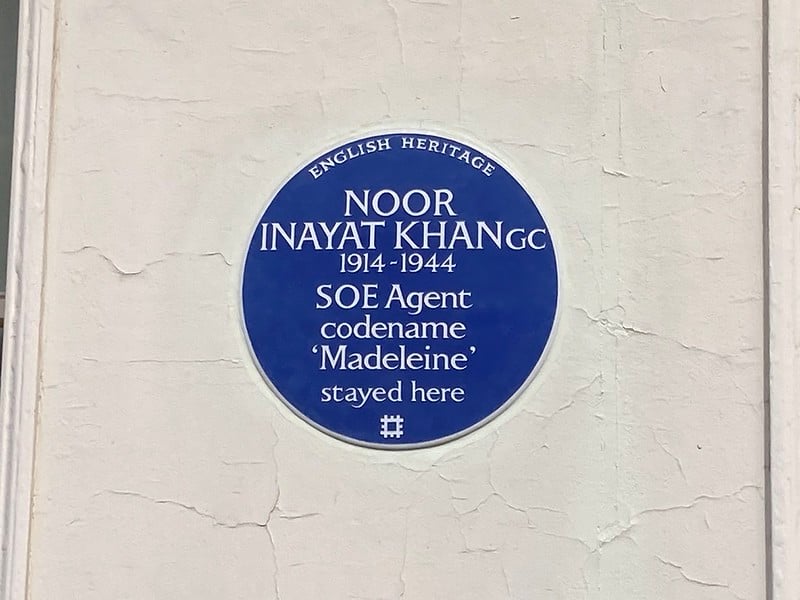
Born in Moscow in 1914 to an Indian father and an American mother, Noor Inayat Khan was a published author of children’s stories before the war. She was flown into France in June 1943 as the first female wireless operator SOE sent to occupied France.
Within days the Prosper network collapsed around her, and for several months she kept transmitting from Paris, moving constantly. She was betrayed and arrested in October 1943, tried twice to escape and was held in chains at Pforzheim.
She was shot at Dachau on September 13, 1944. Britain awarded her the George Cross in 1949.
Violette Szabo and Two Missions in One Spring
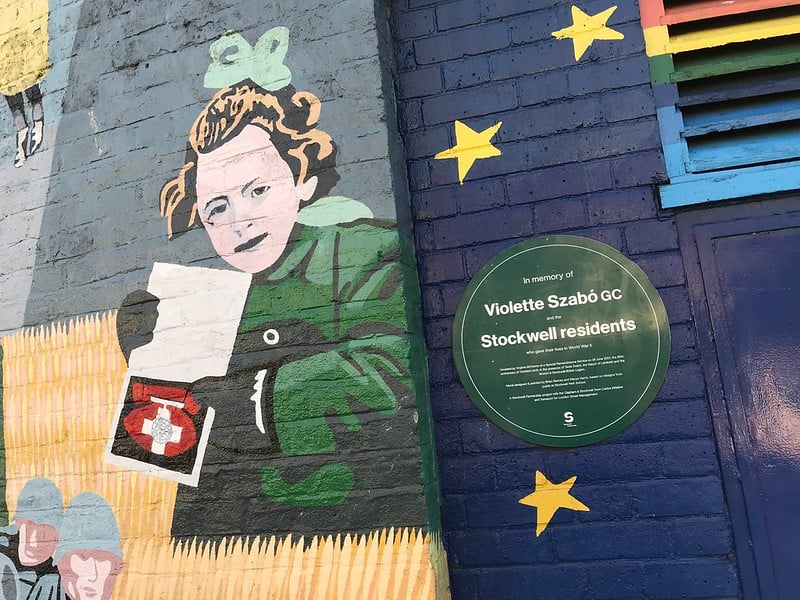
Szabo was a young widow when SOE recruited her. Her husband, a Free French officer, had been killed at El Alamein in 1942, leaving her with an infant daughter. She completed a first mission to the Rouen area in April 1944 and parachuted again near Limoges on the night after the Normandy landings.
Within days her car ran into a German roadblock, and she was captured after what most accounts describe as a gun battle. She was executed at Ravensbruck in early 1945, aged 23.
Her daughter Tania, then four years old, received her mother’s George Cross from King George VI in 1947.
Odette Sansom and the Lie That Saved Two Lives
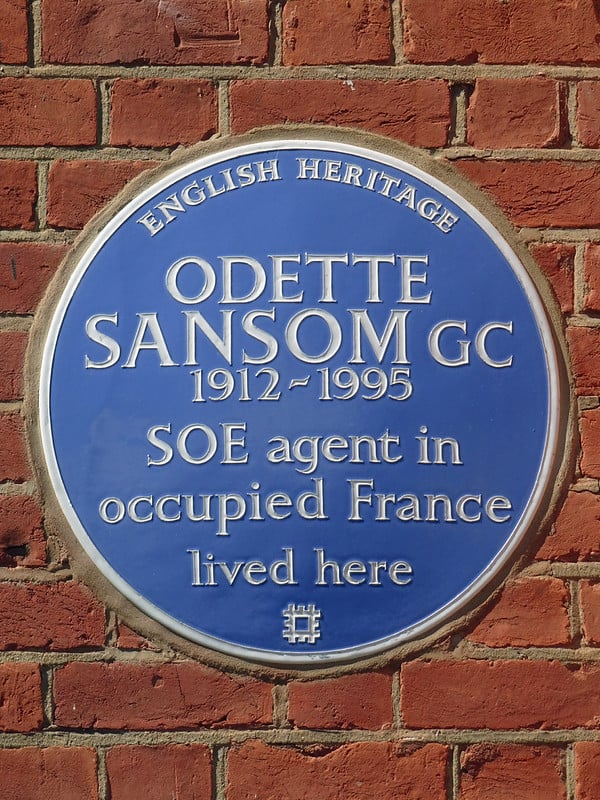
A French-born mother of three living in England, Sansom landed on the Riviera coast in late 1942 and worked as a courier for the Spindle network under Peter Churchill. Both were arrested in April 1943 by the German counterintelligence sergeant Hugo Bleicher.
She told her interrogators that Churchill was her husband and a nephew of the British prime minister, neither of which was accurate, in the hope that both would be kept alive as bargaining pieces. She endured harsh interrogation and Ravensbruck and survived.
In 1946 she was awarded the George Cross, and she later did marry Peter Churchill.
Nancy Wake, Known to the Gestapo as the White Mouse
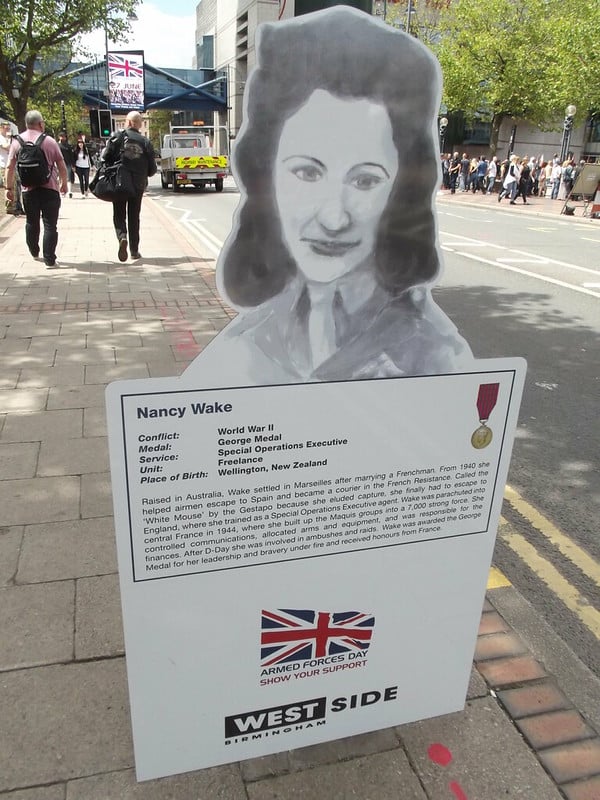
Wake was born in Wellington, New Zealand, in 1912, grew up in Sydney and was living in Marseille as the wife of a French industrialist when France fell. She worked on an escape line until 1943, when she fled over the Pyrenees.
Trained by SOE, she parachuted into the Auvergne in April 1944 to help arm and organize several thousand resistance fighters. After her group’s radio codes were lost, she is credited with cycling about 500 kilometers in roughly three days to arrange replacements.
Her first husband, Henri Fiocca, was killed by the Gestapo in 1943. She died in London in 2011 at 98.
Krystyna Skarbek, Also Called Christine Granville

Daughter of a Polish count, Skarbek volunteered her services to British intelligence in 1939 and proposed her own first mission. She skied across the Tatra Mountains from Hungary into occupied Poland carrying messages and brought out intelligence on German preparations in the east.
In July 1944 she parachuted into southeastern France as a courier for Francis Cammaerts. When he and two colleagues were arrested at Digne that August, she walked into the prison and secured their release through a mix of bluff and a bribe.
She was killed in a London hotel in 1952 by a man she had rejected.
Pearl Witherington, Courier Turned Commander
Witherington, a British subject born in Paris in 1914, parachuted into France in September 1943 as a courier and spent months traveling by night train under cover as a cosmetics saleswoman. When her network chief was arrested in May 1944, she took over part of his territory in the Indre region and built the Wrestler network.
After the invasion it counted about 2,000 armed fighters, who cut rail lines to slow German reinforcements. She was recommended for the Military Cross, for which women were not eligible.
She sent back the civil honor offered instead and later accepted a military one.
Vera Atkins, Who Went Looking for the Missing
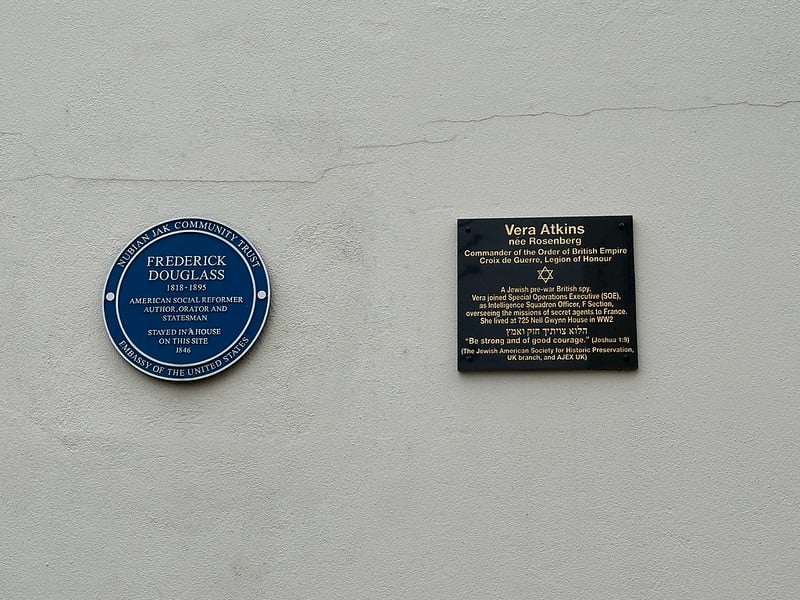
Atkins never worked behind enemy lines, and her place here rests on what she did from a desk and afterward. Born Vera Rosenberg in Romania in 1908, she became intelligence officer of F Section, the French arm of SOE, and briefed agents down to the labels in their clothing.
When the war ended, more than a hundred F Section agents were unaccounted for. Atkins spent much of 1946 in Germany questioning camp staff and guards and established the fate of all but one.
Her findings confirmed how Noor Inayat Khan, Andree Borrel and many others had died. She lived until 2000.
Andree Borrel, Among the First to Arrive by Parachute

Before SOE recruited her, Borrel had already helped run a safe house on an escape line near the Spanish border. On the night of September 24, 1942, she and Lise de Baissac became the first female SOE agents to parachute into France.
Borrel became courier and then second in command to Francis Suttill, head of the large Prosper network around Paris, and took part in sabotage of power installations. She was arrested in June 1943 when the network was broken.
On July 6, 1944, she was killed at the Natzweiler camp in Alsace together with three other SOE women.
Josephine Baker and the Notes Hidden in Sheet Music
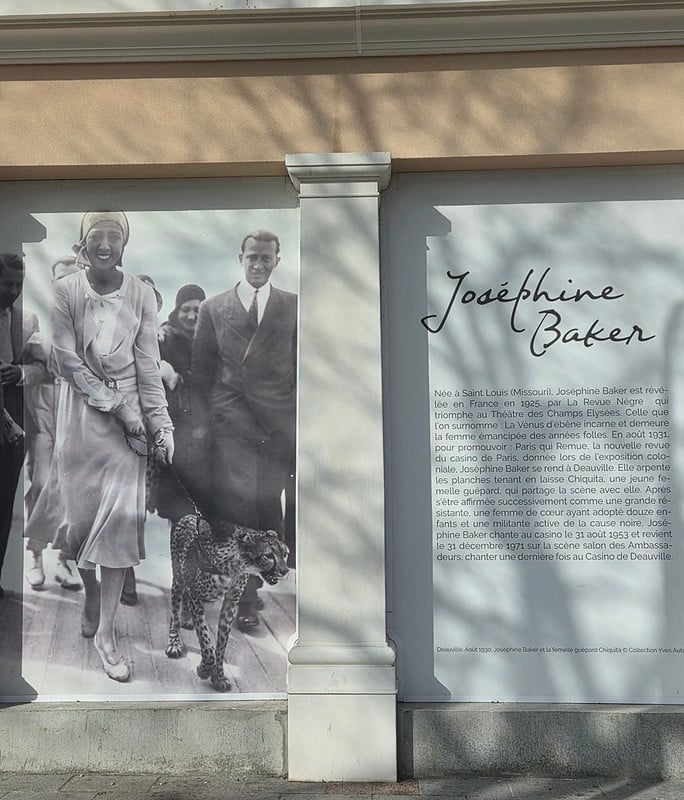
Saint Louis gave the world Baker in 1906, and Paris made her a star. In 1939 she was recruited by Jacques Abtey of French military intelligence, who valued her invitations to embassy parties. After the fall of France she traveled to Portugal and North Africa with Abtey posing as her assistant, carrying information written in invisible ink on her music scores.
Her fame meant border officials rarely searched her luggage. France awarded her the Resistance Medal, the Croix de Guerre and the Legion of Honor.
In November 2021 she became the first Black woman honored in the Pantheon in Paris.
Eileen Nearne, Who Kept Her War to Herself
Nearne was flown into France in March 1944, aged 22, to operate a wireless set for the Wizard network near Paris under the code name Rose. She sent 105 messages before German direction finders located her in July.
Under interrogation she held to a story that she had sent messages for a businessman without knowing he was British. She was sent to Ravensbruck and then to a labor camp in Silesia, and escaped from a work party in April 1945.
She died alone in Torquay, England, in September 2010. Council workers searching her apartment for next of kin found her medals and wartime papers.
Jeannie Rousseau and the Rocket Report
Rousseau was a gifted linguist in her early twenties who worked as an interpreter for French businessmen dealing with the German army in Paris. Reporting to the Druides network under the code name Amniarix, she listened to officers who talked freely about secret weapons being tested on the Baltic coast.
Her 1943 report on rocket development at Peenemunde reached the British scientist R. V. Jones, who later singled it out for praise. She was arrested in 1944 while attempting to leave for London and survived Ravensbruck and two other camps.
She died in 2017 at 98, having rarely spoken publicly about any of it.
Marie-Madeleine Fourcade and Her Noah’s Ark
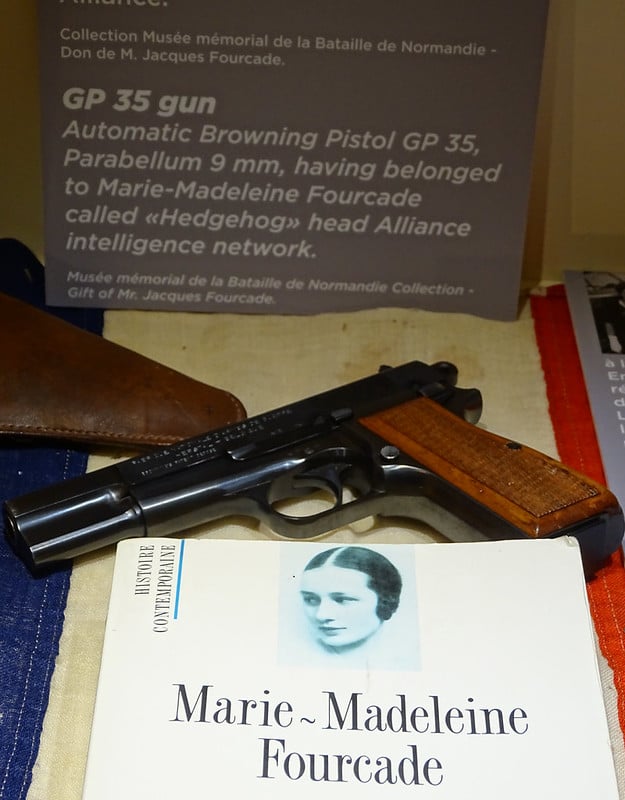
From 1941, Fourcade led Alliance, one of the largest intelligence networks in occupied France, which reported to Britain’s MI6. It eventually involved about 3,000 agents, who were given animal code names.
Hers was Hedgehog, and the Germans called the organization Noah’s Ark. Alliance supplied details of submarine bases, coastal defenses and secret weapons, including Jeannie Rousseau’s reports.
Fourcade was arrested twice and escaped both times, and she ran the network for a period from London. Hundreds of her agents did not survive.
When she died in 1989, she was given a funeral at Les Invalides in Paris, the first woman to have her funeral there.
Lise de Baissac, Living Next to the Enemy
A native of Mauritius, then a British colony, de Baissac was 37 when she parachuted into France in September 1942. She settled alone in Poitiers posing as a widow, and her apartment was close to the local Gestapo headquarters, whose chief she came to know by sight.
Her job was to receive newly arrived agents and find drop zones for them. She was flown out in 1943 and returned in April 1944 to work in Normandy with her brother Claude, cycling long distances with messages and radio parts as the invasion approached.
She died in Marseille in 2004 at the age of 98.
Yvonne Rudellat, the Hotel Receptionist Who Sailed In

Rudellat was a 45-year-old secretary at a small London hotel used by SOE staff when a recruiting officer interviewed her. In July 1942 she was put ashore on the Riviera from a small sailing vessel, the first woman trained by F Section to be sent into France.
She worked as a courier in the Loire valley and helped with sabotage of trains and power lines. In June 1943 she was wounded and captured after a car chase.
She passed through Ravensbruck and reached Bergen-Belsen, where she died of disease in April 1945, days after British troops had liberated the camp.
Mildred Harnack, the Wisconsin Teacher in Berlin
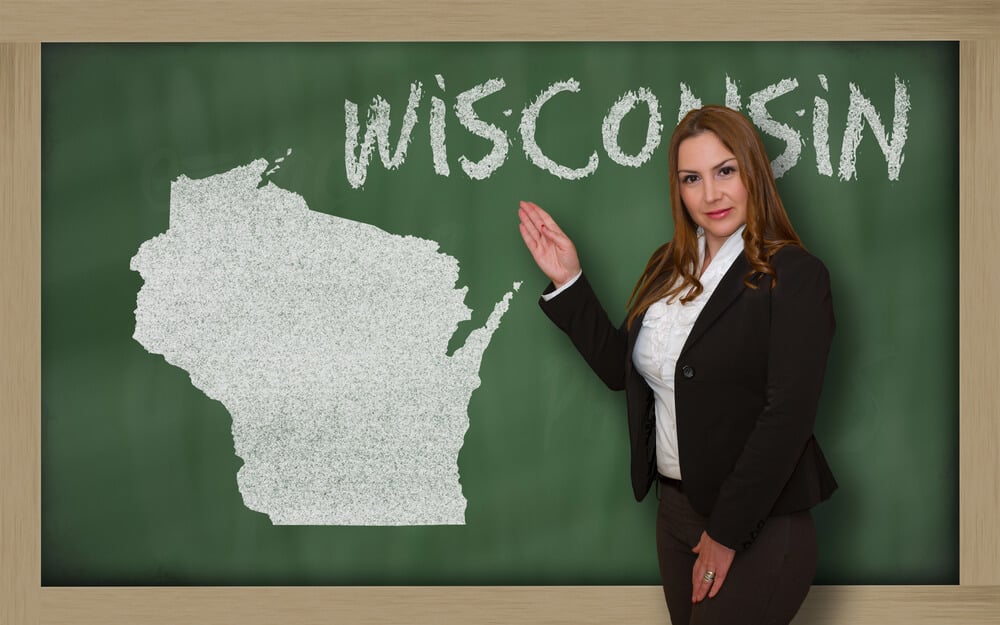
Milwaukee-born Harnack met her German husband, Arvid, at the University of Wisconsin and moved to Germany with him in 1929. She taught literature in Berlin while the couple gathered a circle of opponents of the Nazi government.
The group passed economic and military information to the Soviet Union and to American diplomats, and German counterintelligence labeled it the Red Orchestra. She was arrested in September 1942.
A court gave her six years, but Hitler refused to confirm the sentence, and a second trial condemned her. She was executed at Plotzensee prison on February 16, 1943. Wisconsin schools mark her birthday each September.
Amy Elizabeth Thorpe, Code Name Cynthia

Thorpe, born in Minneapolis in 1910, was married to a British diplomat and worked for British Security Coordination, the intelligence office William Stephenson ran from New York. Her method was to win the confidence of men with access to secrets.
Her best documented success came in June 1942, when she and Charles Brousse, a press officer at the Vichy French embassy in Washington, removed naval cipher books from the embassy safe overnight so they could be photographed and returned. The value of the material to the North Africa landings that November is still debated. She married Brousse after the war and died in France in 1963.
Elizebeth Friedman, Who Unmasked Spies From a Desk
Strictly speaking, Friedman was a codebreaker and never an agent in the field. A pioneer of American cryptanalysis since World War I, she led a small Coast Guard unit in World War II that read the radio traffic of German agents operating in South America.
Her team solved thousands of messages, including some enciphered on Enigma machines, and the results helped authorities there break up the networks in 1942 and afterward. J. Edgar Hoover’s FBI took public credit. Friedman was bound by secrecy and said nothing, and the records that showed her role were not declassified until long after her death in 1980.
Ursula Kuczynski, the Soviet Agent in an English Village

Known by the code name Sonya, Kuczynski was a German communist and an officer of Soviet military intelligence who had already served in China and Switzerland. She arrived in England in 1941 and settled in Oxfordshire, where neighbors knew her as a refugee housewife raising young children.
From a homemade transmitter she relayed information to Moscow, and from 1942 she acted as courier for the physicist Klaus Fuchs, who was passing on details of atomic research. British security questioned her in 1947 without result.
She left for East Germany in 1950, wrote memoirs as Ruth Werner and died in Berlin in 2000.
Nathalie Sergueiew, the Double Agent Called Treasure
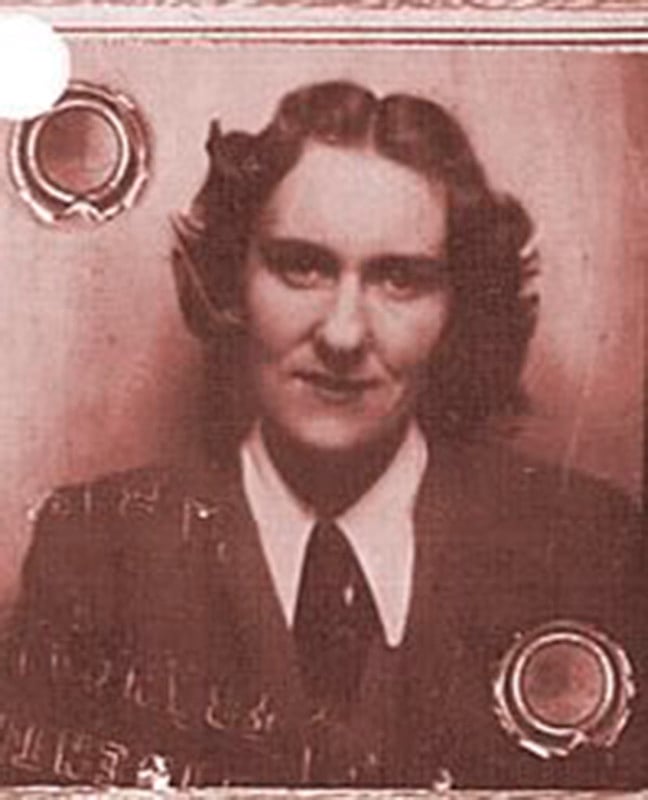
Russian-born and raised in France, Sergueiew was recruited by German intelligence, then offered herself to the British in Madrid in 1943. As agent Treasure she fed Berlin false reports that supported the deception plan before D-Day.
Her handlers found her difficult. She was furious that quarantine rules had separated her from her dog, which died, and in 1944 she admitted that the Germans had given her a secret signal to show she was under control and that she had considered using it.
MI5 dropped her shortly after the landings and kept her transmitter going without her. She died in 1950.
Elvira Chaudoir and the Telegram About a Dentist
Daughter of a Peruvian diplomat, Chaudoir was a regular at London card tables when MI6 recruited her and let German intelligence believe it had done the same. Under the code name Bronx she wrote letters in secret ink that passed along invented gossip from well-placed friends.
Her most important message was an ordinary telegram to a Lisbon bank in May 1944 asking for money for dental treatment. By prearranged code it meant an Allied landing was expected in the Bay of Biscay within a week.
It was one of several signals that encouraged the Germans to keep armored forces in southwestern France.
Phyllis Latour, With Codes Wound Into a Hair Tie
South African-born Latour was 23 when she parachuted into Normandy on May 1, 1944, five weeks before the invasion. Posing as a teenage girl selling soap, she cycled between villages and chatted with German soldiers, then transmitted what she had seen.
She sent 135 messages, moving her radio sets constantly to avoid detection. Her one-time codes were printed on a strip of silk that she kept wound up inside a hair tie, marking each used code with a pinprick.
She raised four children in New Zealand, who reportedly learned of her service only around 2000. She died in Auckland in 2023, aged 102.
Silence as a Second Career
Most of these women were recruited for a narrow reason. They spoke the right language, held the right passport or looked unlikely to be carrying a radio.
Once in place, they did work that the services employing them had scarcely planned for, from running networks of thousands to commanding armed men. Official recognition often lagged far behind the record.
Many who survived said little for the rest of their lives, some from habit and some because secrecy laws required it. Families learned the facts from archives, obituaries or a box of medals.
Popular memory still favors the dancer shot at Vincennes, whose file is among the thinnest of all. Quieter careers left more evidence and far less legend.
More from Go2Tutors!

- The Romanov Crown Jewels and Their Tragic Fate
- 13 Historical Mysteries That Science Still Can’t Solve
- Famous Hoaxes That Fooled the World for Years
- 15 Child Stars with Tragic Adult Lives
- 16 Famous Jewelry Pieces in History
Like Go2Tutors’s content? Follow us on MSN.