Bizarre Military Tactics That Somehow Succeeded
Discipline wins wars. So do supply lines.
Strength matters too. Still, odd thoughts have shifted outcomes – just like power.
Stuck situations made leaders try wild plans. Thin supplies led to choices people called crazy.
Theater crept into strategy when normal routes failed. Absurd moves once worked where order fell short.
Balance tilted not by muscle but by surprise. Logic stepped aside for imagination now and then.
Conventional paths blocked minds wandered off map. Unusual answers emerged from desperation.
Plain rules gave way to risky bets. Sometimes silliness carried the day.
Some bets defied logic yet still paid off. Take a step back, see how odd choices shifted combat lines while rivals stumbled through wrong guesses.
Flaming Pigs Against War Elephants
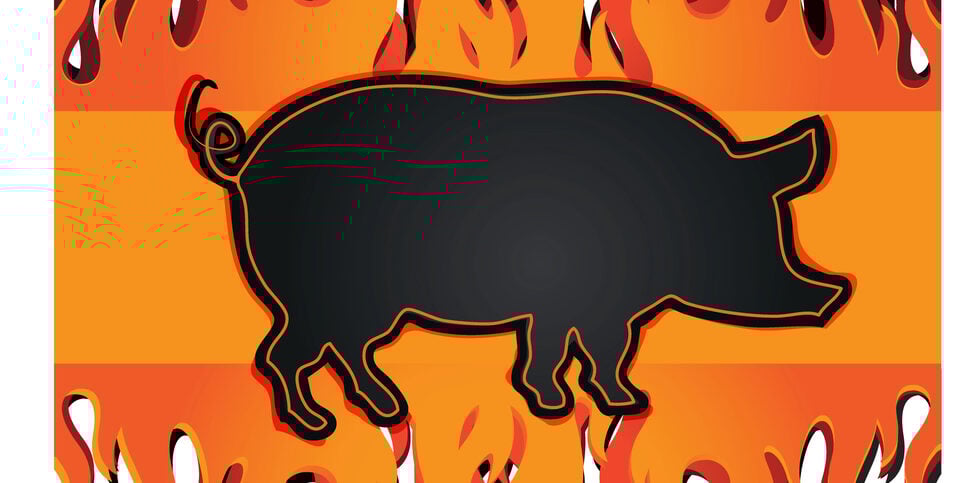
In the ancient Mediterranean world, war elephants were the armored tanks of their time. Towering and terrifying, they could break infantry lines and cause chaos simply by charging.
But elephants also had a weakness: they were highly sensitive to noise and fire.
During conflicts between Roman forces and Pyrrhus of Epirus in the third century BCE, defenders reportedly released pigs coated in pitch and set alight toward advancing elephants. The squealing animals and flames panicked the elephants, which turned back and trampled their own troops.
Ancient sources describe the tactic as crude but effective. It demonstrated an uncomfortable truth about warfare: sometimes the fastest way to counter overwhelming power is to exploit a psychological vulnerability rather than meet force head-on.
Hannibal’s Torch-Lit Oxen
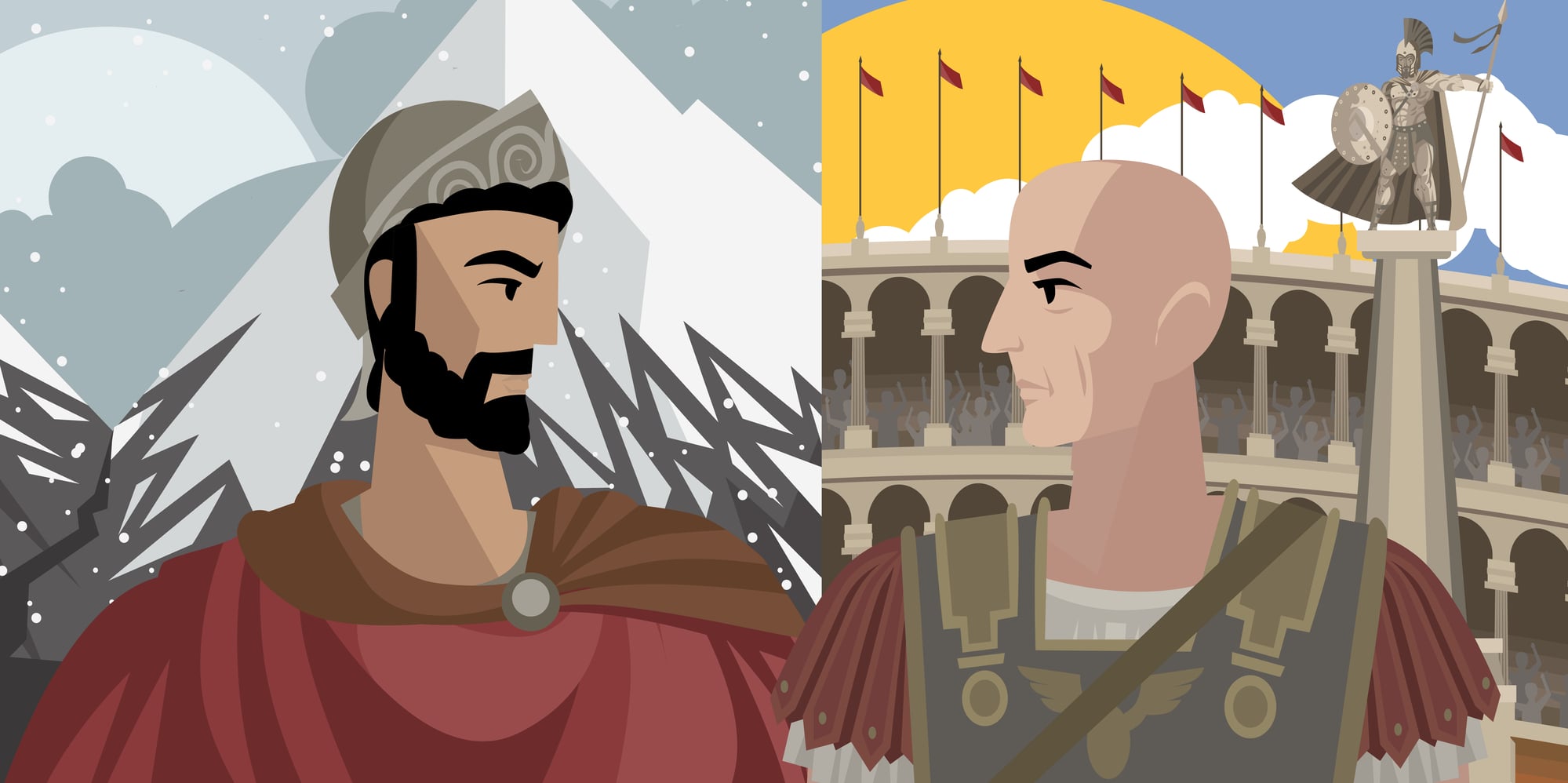
Hannibal Barca, the Carthaginian general who marched elephants across the Alps, understood deception as well as he understood terrain. In 217 BCE, when Roman forces blocked a mountain pass to trap his army, Hannibal devised an unusual escape plan.
He ordered bundles of burning wood tied to the horns of thousands of oxen and had them driven up nearby hills at night. From a distance, the moving lights appeared to be an army maneuvering under cover of darkness.
Roman troops repositioned to intercept what they believed was the main force, leaving the actual route thinly guarded. Hannibal slipped through with minimal losses.
The spectacle of flaming cattle was strange, but it achieved precisely what he needed: confusion.
The Mongol Feigned Retreat
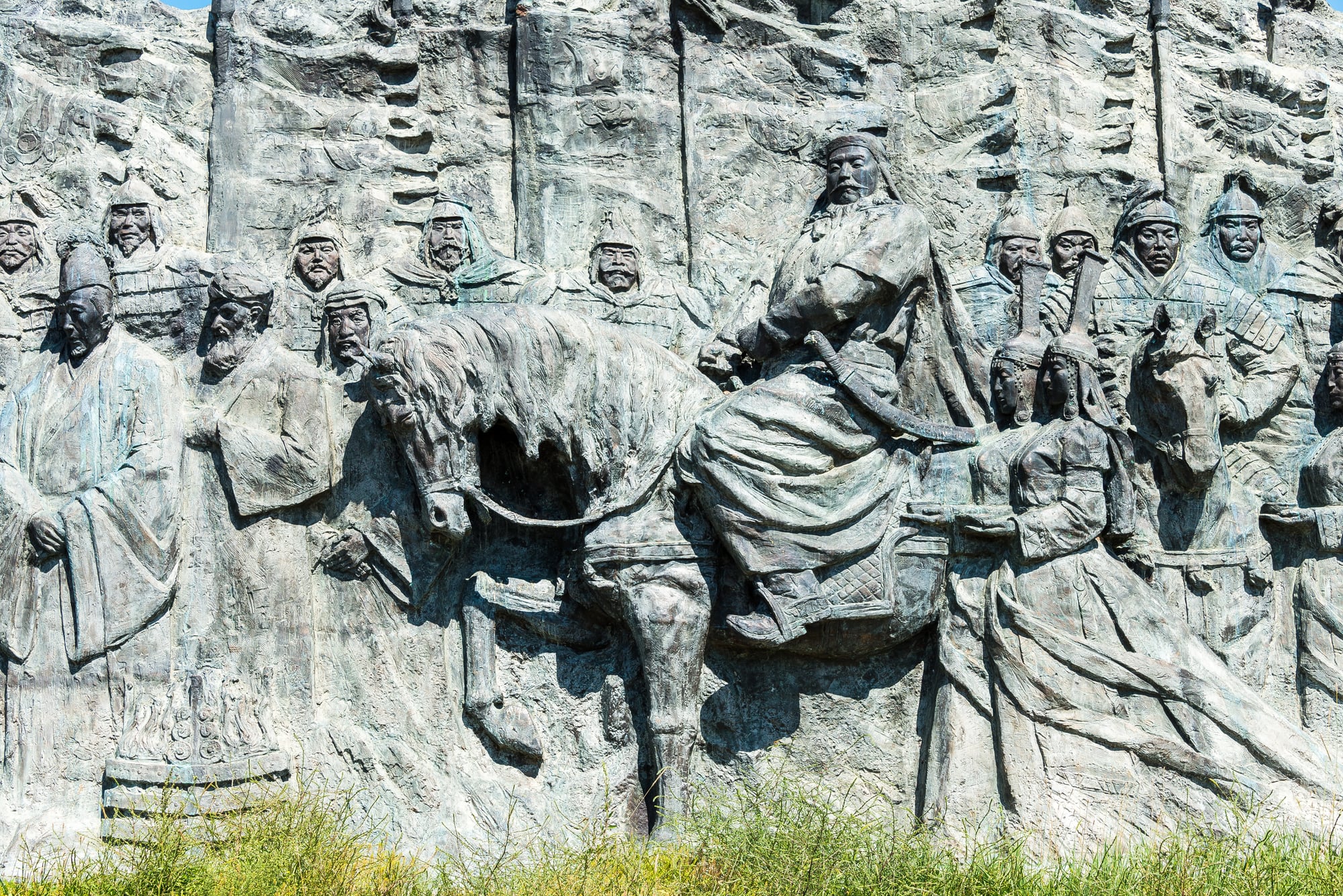
The Mongol Empire expanded across Asia and into Europe with remarkable speed in the 13th century. One of its most effective tactics seemed counterintuitive: retreating on purpose.
Mongol cavalry units would engage an enemy briefly, then appear to break ranks and flee.
Opposing forces often interpreted this as victory and gave chase. Once stretched out and disorganized, they found themselves surrounded by fresh Mongol units that had been waiting beyond sight.
This feigned retreat required discipline and precise coordination. It turned the enemy’s confidence into a liability and transformed apparent weakness into strategic advantage.
The Trojan Horse Legend
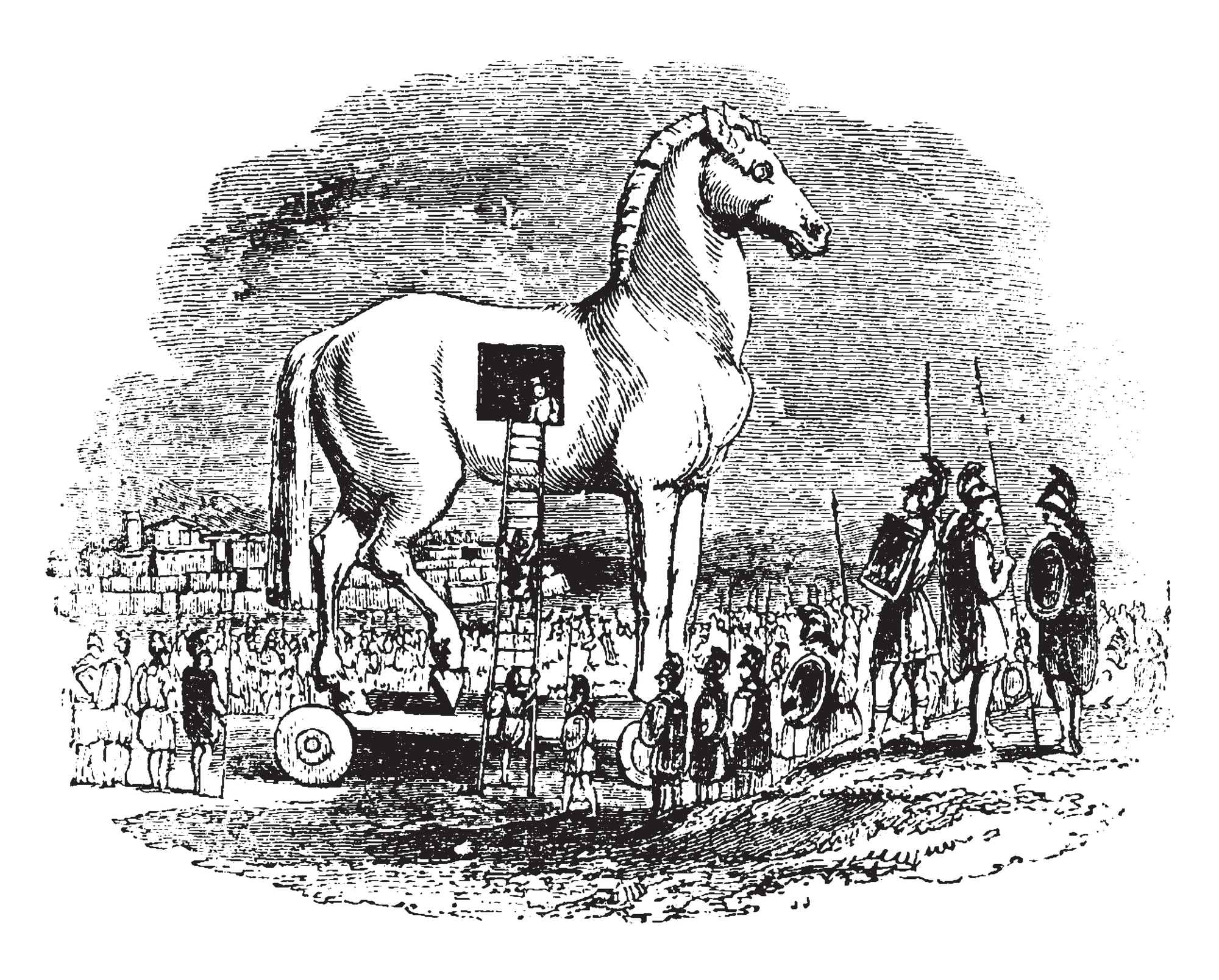
The story of the Trojan Horse occupies a blurred line between myth and possible memory. According to ancient Greek tradition, after years of failed siege, Greek forces built a massive wooden horse and hid soldiers inside while pretending to abandon the battlefield.
The Trojans brought the structure within their city walls, believing it a trophy. At night, hidden warriors emerged and opened the gates for the returning Greek army.
Whether entirely factual or partly symbolic, the tale has endured for centuries as shorthand for deception. Its lasting power lies in the central idea: sometimes infiltration succeeds where open assault fails.
The Battle of Cowpens
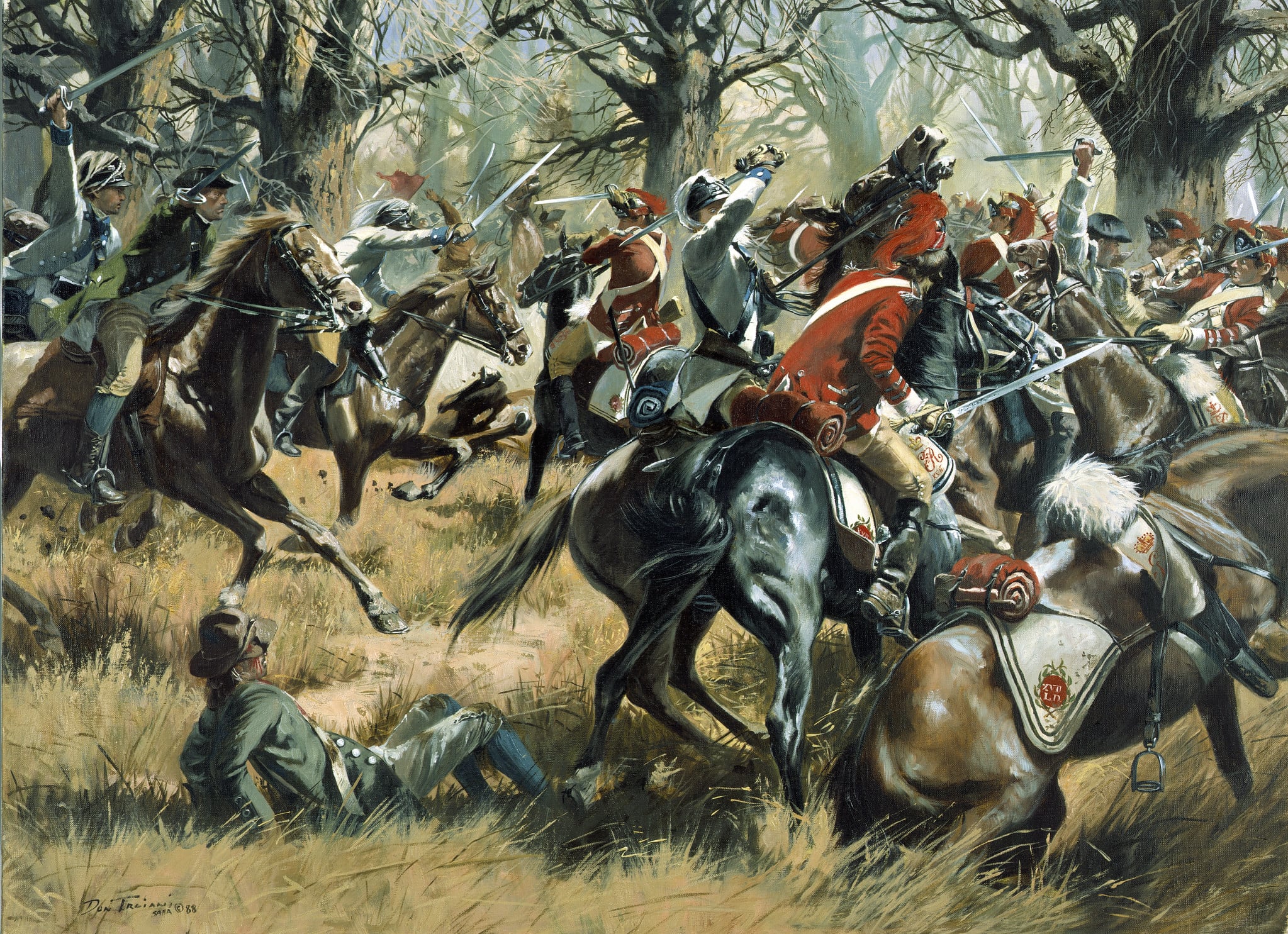
During the American Revolutionary War in 1781, General Daniel Morgan faced British forces known for aggressive charges. Rather than match them directly, Morgan structured his lines to exploit that aggressiveness.
He placed less experienced militia at the front with orders to fire a few volleys and then retreat. British troops advanced, believing they were routing the Americans.
Instead, they ran into well-prepared Continental forces positioned behind the initial line. The controlled withdrawal created the illusion of collapse and led to a decisive American victory.
It was a calculated risk that relied on timing and restraint rather than spectacle.
Operation Mincemeat
In 1943, Allied planners sought to mislead Nazi Germany about the intended invasion of southern Europe. The solution was audacious.
British intelligence obtained a body, dressed it as a Royal Marine officer, and planted false invasion documents in a briefcase chained to the corpse.
The body was released off the coast of Spain, where officials passed the documents to German intelligence. The planted papers suggested an attack on Greece rather than Sicily.
German forces shifted resources accordingly, leaving Sicily more vulnerable when the actual invasion occurred. The plan’s success rested on careful detail and psychological insight rather than force.
The Ghost Army
Later in World War II, the United States assembled a special unit known unofficially as the Ghost Army. Its mission was deception.
Artists, sound engineers, and radio operators created inflatable tanks, fake artillery, and simulated troop movements to mislead German forces about Allied positions.
From a distance, the illusion appeared convincing. Recorded sounds of marching boots and clanking equipment were broadcast to enhance the effect.
The unit’s work diverted enemy attention and reduced casualties by drawing fire away from real formations. It was warfare conducted with stagecraft and imagination, yet its impact was tangible.
Operation Fortitude
As part of preparations for the D-Day landings in 1944, Allied leaders launched Operation Fortitude to convince Germany that the main invasion would strike at Pas-de-Calais rather than Normandy. Inflatable vehicles, dummy aircraft, and fabricated radio traffic supported the ruse.
Even General George Patton was assigned to command a fictitious army group to lend credibility to the deception. German leadership remained uncertain about Allied intentions long after troops had landed in Normandy.
The misdirection delayed reinforcements and contributed significantly to the operation’s success. A campaign built on illusion bought crucial time.
The Use of Camouflage and Disguise
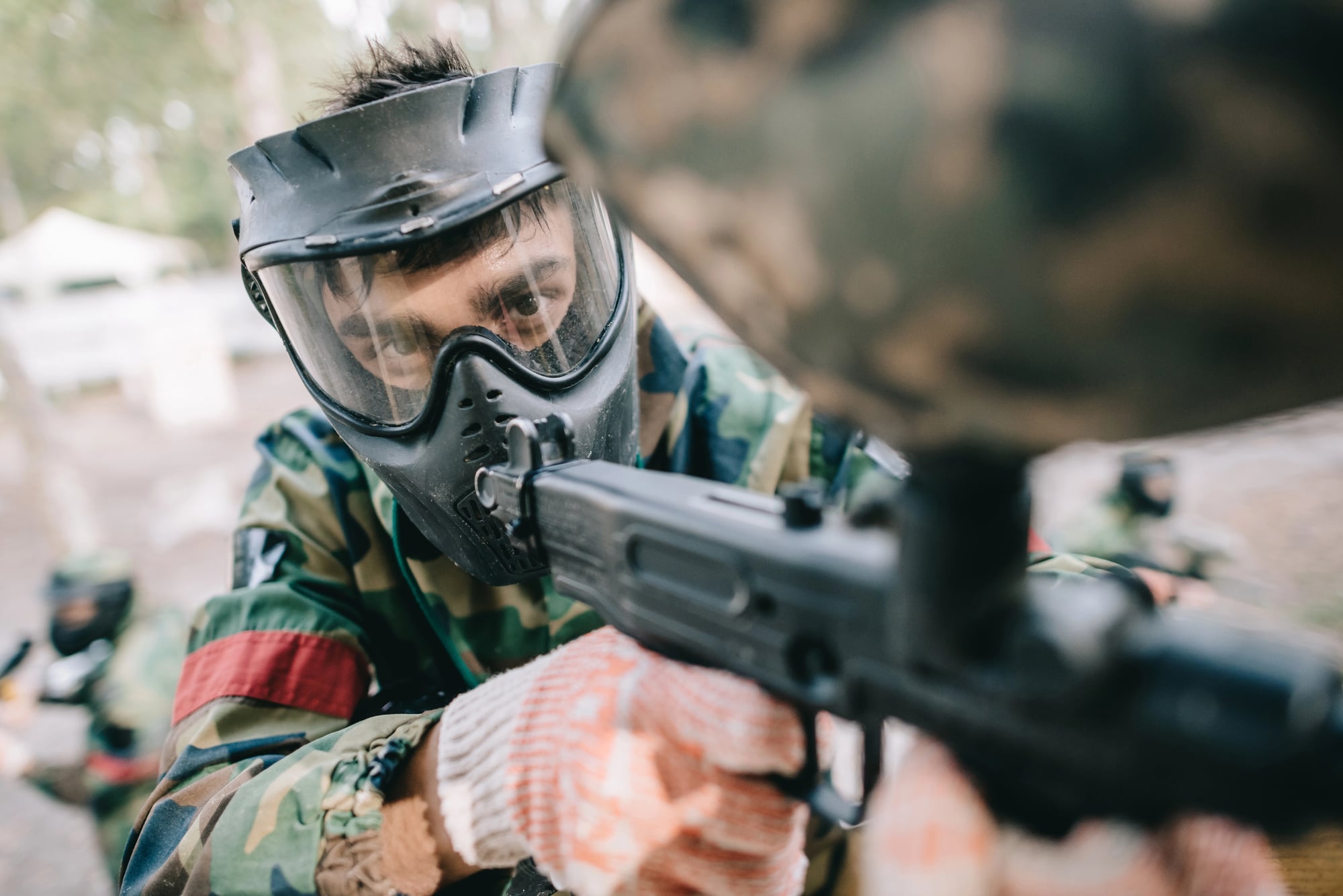
Throughout history, camouflage has evolved from simple concealment to elaborate disguise. In World War I, French artist Lucien-Victor Guirand de Scévola pioneered large-scale camouflage units to disguise artillery and installations.
By World War II, entire factories were hidden beneath painted landscapes to resemble fields or villages from the air. In some cases, ships were painted with bold geometric patterns known as dazzle camouflage to confuse enemy rangefinding.
These designs did not make vessels invisible, but they complicated targeting. The concept was strange at first glance, yet it exploited the limits of human perception.
Smoke Screens and Controlled Chaos
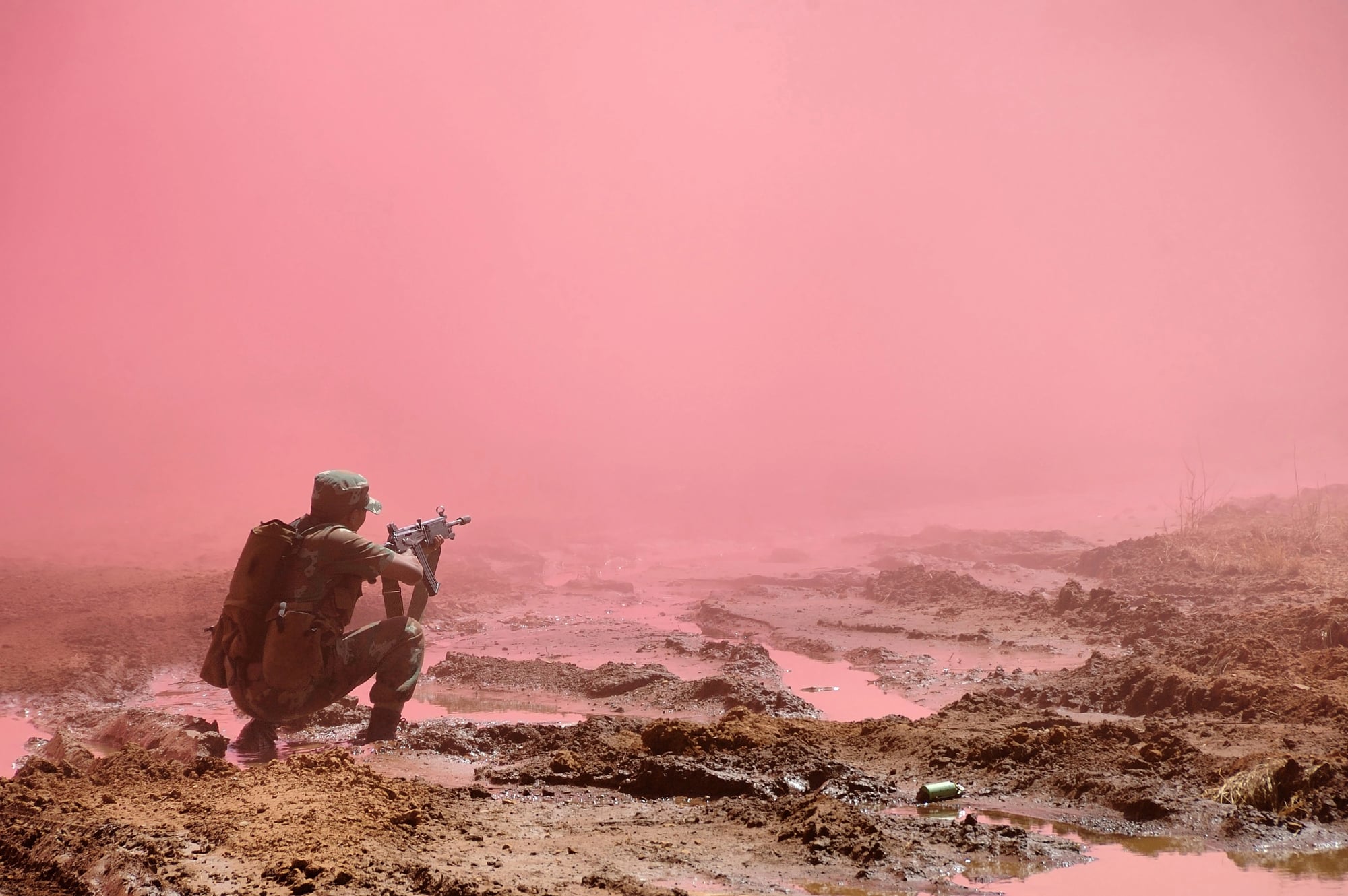
Smoke screens might seem straightforward, but their coordinated use often produced dramatic results. During naval battles in both World Wars, ships deployed thick smoke to obscure movements and shield vulnerable vessels.
In some cases, smoke was used offensively, masking surprise maneuvers or retreats. The confusion created by limited visibility forced opponents to rely on incomplete information.
When timed correctly, controlled chaos disrupted carefully laid plans and shifted momentum.
The Enduring Logic Of The Unconventional
Victory often hides in plain sight, tucked between rules broken quietly. Not every win came from tight ranks or shiny new tools.
Sometimes it was the odd move that shifted everything – like creatures set alight, charging forward in panic. Fake gear swelled with air fooled more than one scout.
Clever lies left behind on purpose bent the truth enough to matter. Pulling back at just the wrong time felt right only after it worked.
Each trick relied on what people thought they knew.
Success came not from odd choices, yet from hitting where minds expected safety. What enemies thought real guided their moves.
Tricks, nudges off track, pressure on thinking – these bend fights just like swords and troop counts do. Not flashiness, but unseen shifts tilt outcomes.
History shows something obvious. At first sight, new ways of fighting wars hardly ever fit old patterns.
When ideas break what people think is certain, they might fail in thought but win in real fights. Each age rewards those who question fixed beliefs, giving them advantage.
Watch closely enough, a pattern emerges – imagination acts like a weapon no armor can block.
More from Go2Tutors!

- The Romanov Crown Jewels and Their Tragic Fate
- 13 Historical Mysteries That Science Still Can’t Solve
- Famous Hoaxes That Fooled the World for Years
- 15 Child Stars with Tragic Adult Lives
- 16 Famous Jewelry Pieces in History
Like Go2Tutors’s content? Follow us on MSN.