29 Retro Hairstyles from the Eighties and Nineties Making a Quiet Comeback
Fashion cycles on a roughly thirty-year delay, which means that what your parents looked like in photographs you once found inexplicable is now what people in their twenties are deliberately asking their stylists to recreate. The hairstyles of the 1980s and 1990s — which covered a remarkably wide range from aggressively volumized to determinedly flat, from chemically altered to deliberately undone — have been arriving back into salons gradually over the past several years, often under new names that disguise their origins.
The wolf cut is a shag. The butterfly cut is a mid-nineties salon staple. Curtain bangs were everywhere in 1994. The generation currently adopting these styles mostly does not know this, which is exactly how fashion trends work and exactly as it should be.
The Mullet
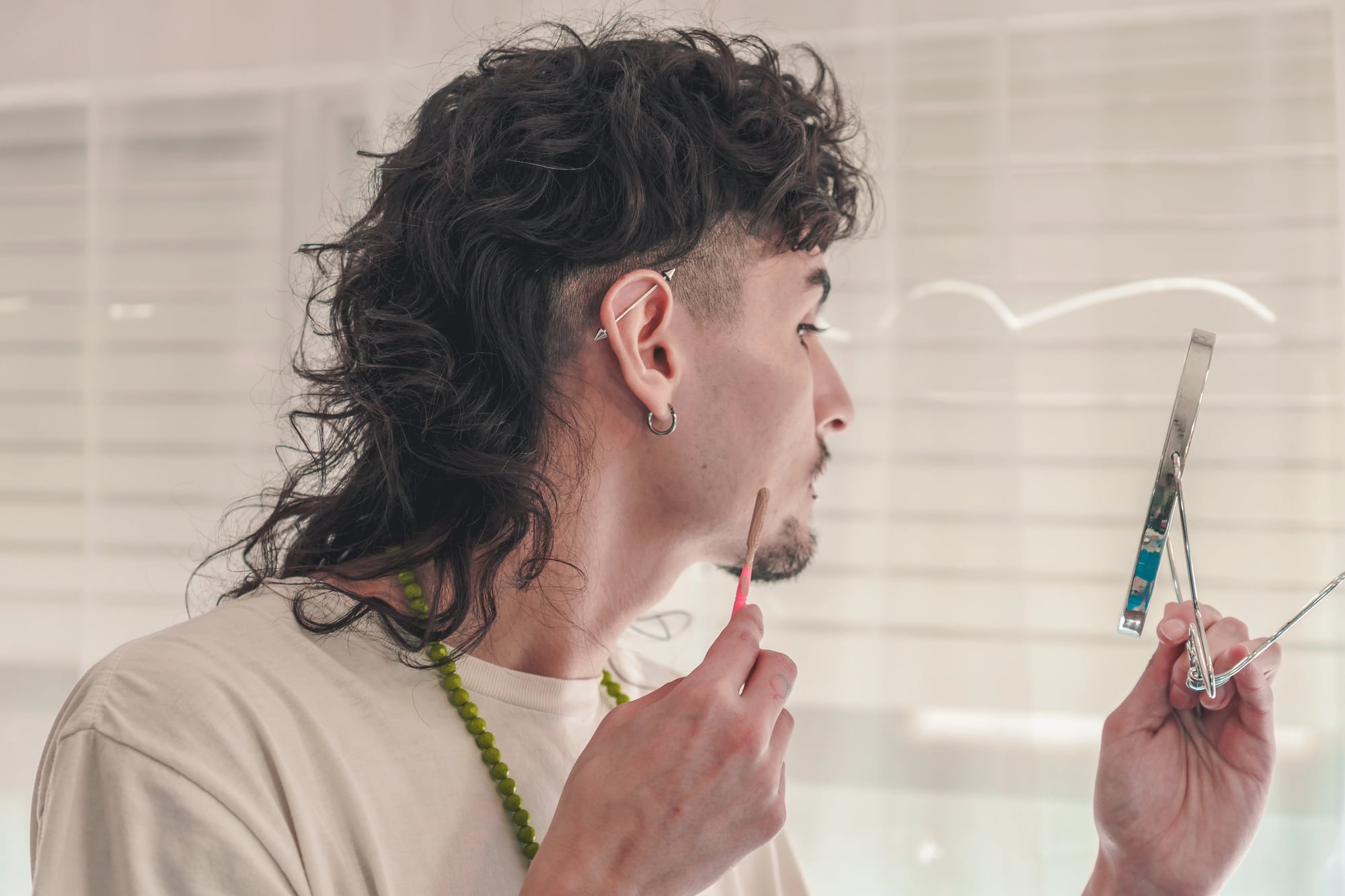
Business in the front, party in the back — the mullet is arguably the most recognizable hairstyle in Western cultural memory and has been the subject of serious ridicule for thirty years, which makes its genuine comeback more interesting than it would have been if it had simply never gone away. Modern mullets tend to have softer disconnections between the front layers and the longer back, and the fem-mullet in particular has been updated with blended layering that removes the hard contrast that made the original so divisive.
Athletes, particularly Australian rules football players, helped normalize the style’s return beginning around 2019.
The Shag
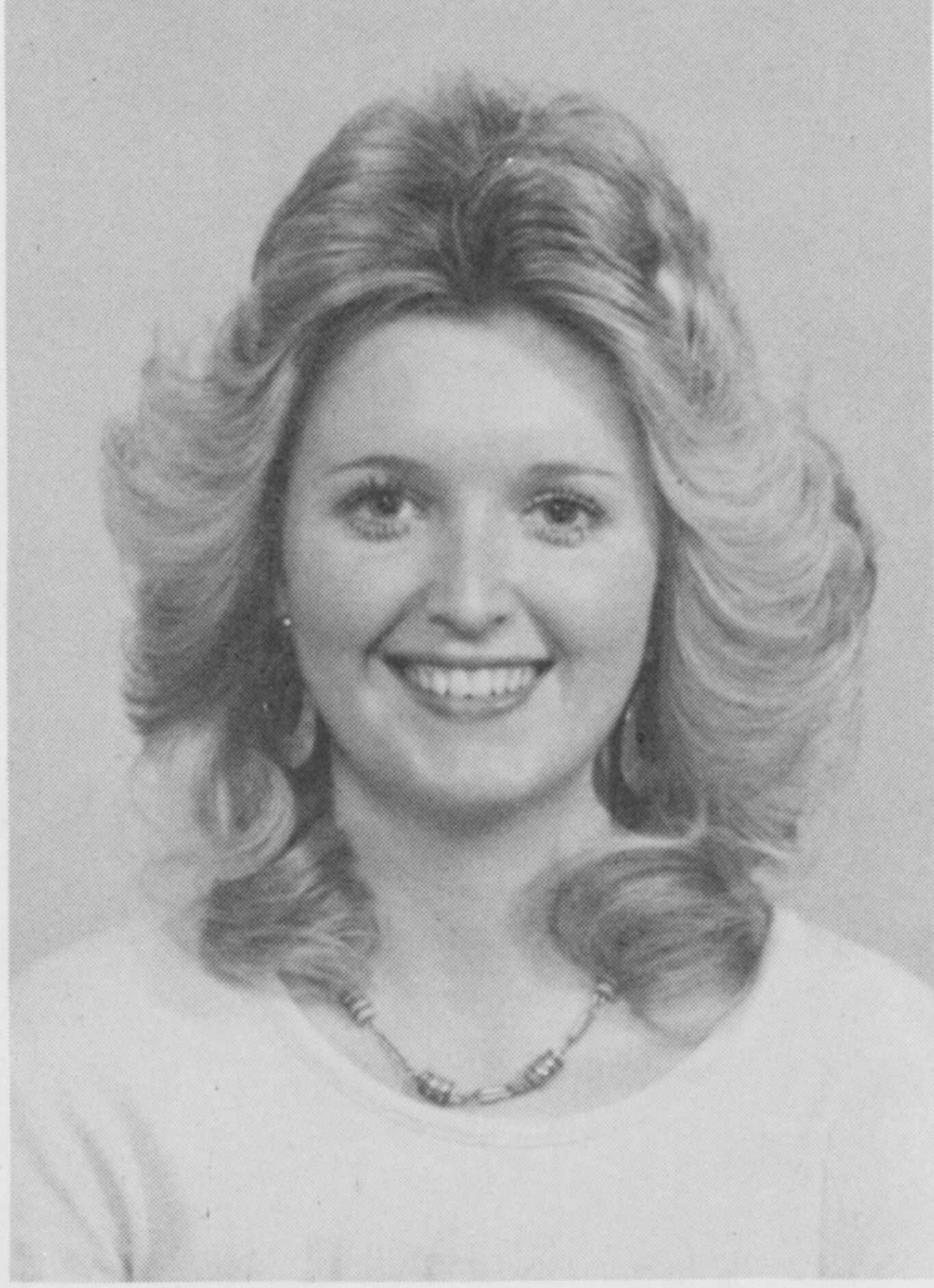
The shag — layers throughout the length of the hair with shorter pieces around the face and crown — has its origins in the early 1970s and experienced its most visible decade in the 1980s. It disappeared during the sleek-hair years of the late 1990s and early 2000s and has returned as the defining haircut of the mid-2020s, particularly in its wolf cut variation.
Modern shags differ from their predecessors mainly in the degree of disconnection between layers: contemporary versions tend to be blended rather than stepped, producing texture without the abrupt length changes of the original.
The Wolf Cut
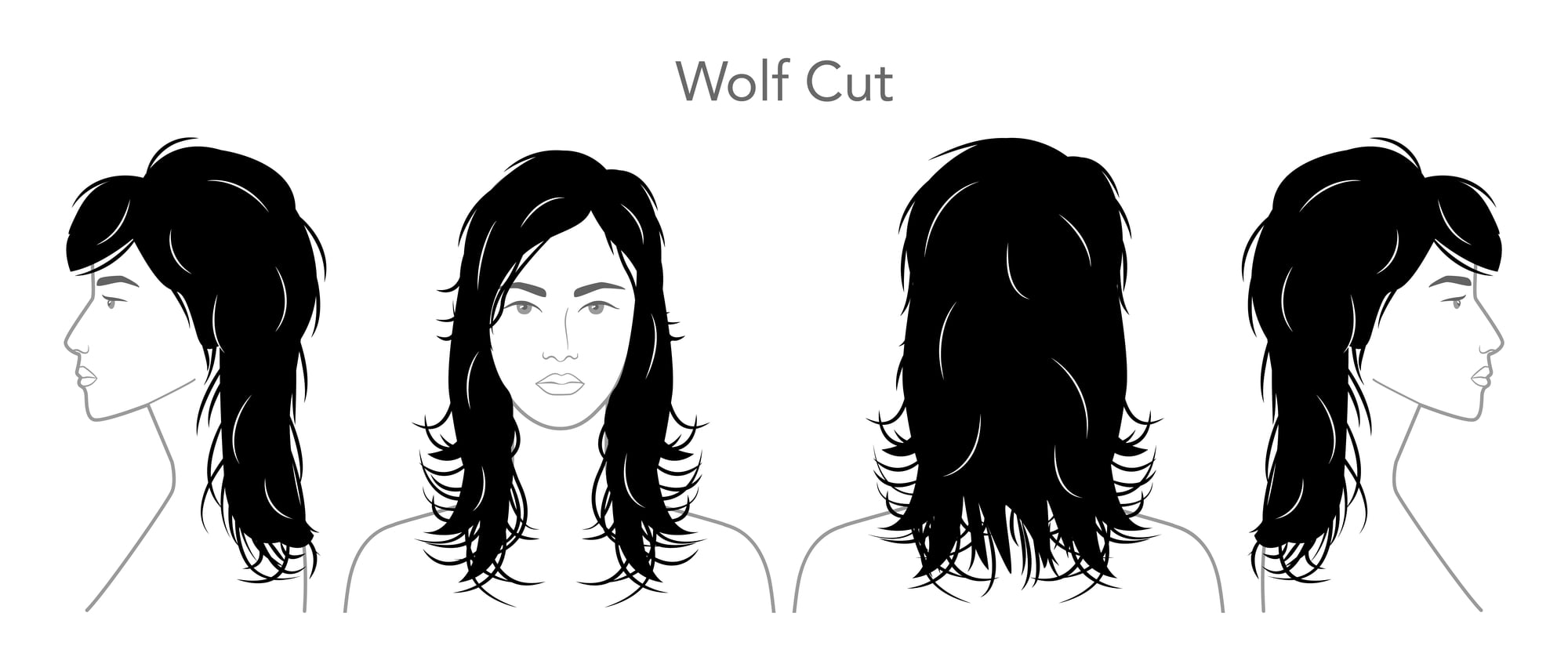
The wolf cut is a combination of the shag and the mullet — shorter, heavily layered hair on top that gives way to longer, less structured lengths below, usually paired with curtain bangs and finished with a slightly disheveled texture. It became a TikTok-driven phenomenon beginning around 2021 and has remained in consistent demand at salons since.
Stylists frequently describe it as “a modern take on 1980s rock-and-roll hair,” which is accurate and also describes roughly a third of the cuts currently being requested.
Curtain Bangs
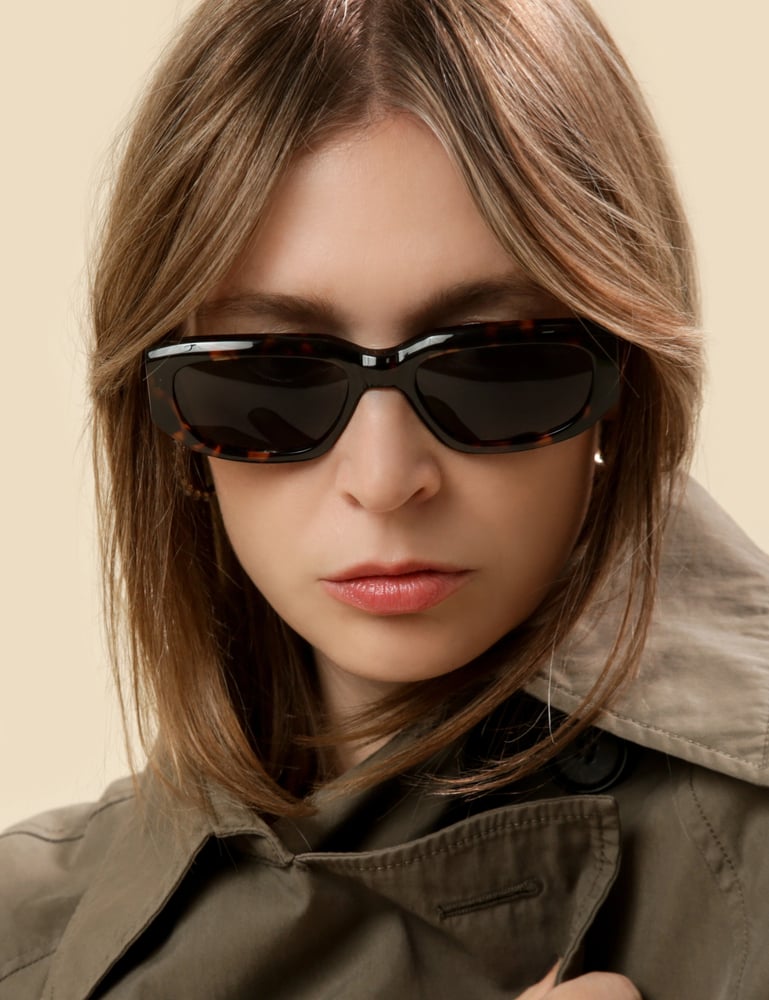
Curtain bangs — a center-parted fringe that parts in the middle and sweeps outward to frame the face rather than falling straight across the forehead — were ubiquitous in the mid-1990s on everyone from Leonardo DiCaprio to Jennifer Aniston. They left the mainstream during the early 2000s preference for side-swept bangs and returned around 2020 as one of the more universally flattering adaptations from the era.
Modern curtain bangs tend to be slightly longer and less structured than their 1990s originals, but the essential shape is identical.
The Big Blowout

The voluminous blowout — hair dried outward from the scalp with a large round brush to produce significant lift and fullness — was the dominant styling method of the 1980s and early 1990s. It required substantial time, hairspray, and the specific technique of setting the brush into the hair while it was warm and releasing it only when the section had cooled.
The blowout never entirely disappeared but cycled through a period of unfashionability during the sleek, flat-iron years of the mid-2000s through mid-2010s. It is currently back, with particular enthusiasm from a generation that grew up during the flat era and finds the volume novel.
The Perm
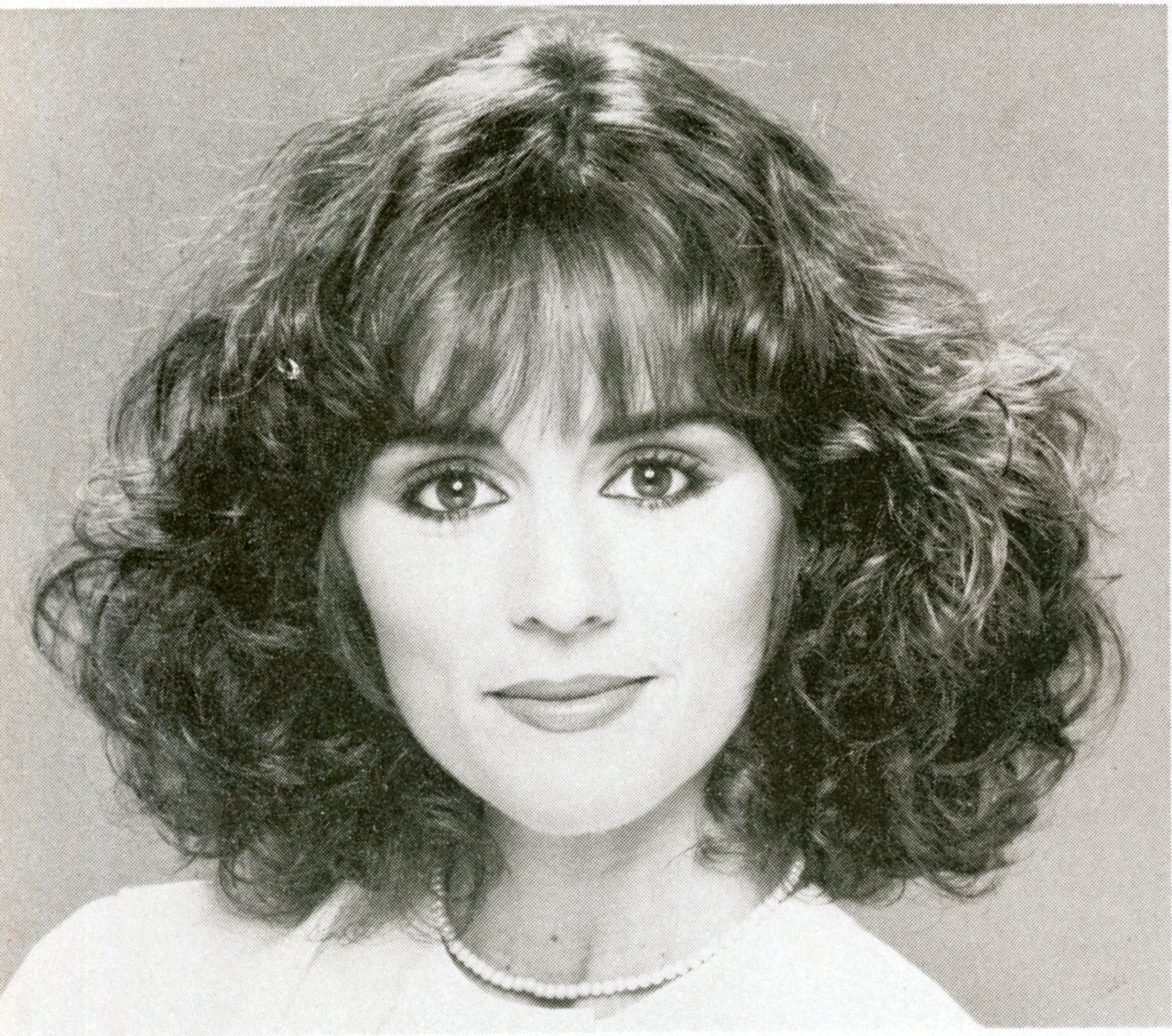
The perm — a chemical treatment that restructures the hair’s bonds to produce waves or curls that persist for several months — peaked in the 1980s and became so associated with that decade that it spent the 1990s being actively avoided. It began returning around 2022, initially as a texture treatment producing loose beach waves rather than the tight uniform curls of the original, and has expanded since into looser approaches that look more like natural curl than chemical processing.
Men’s perms, in particular, have become popular in salon communities that follow soccer and certain K-pop aesthetics.
Crimped Hair
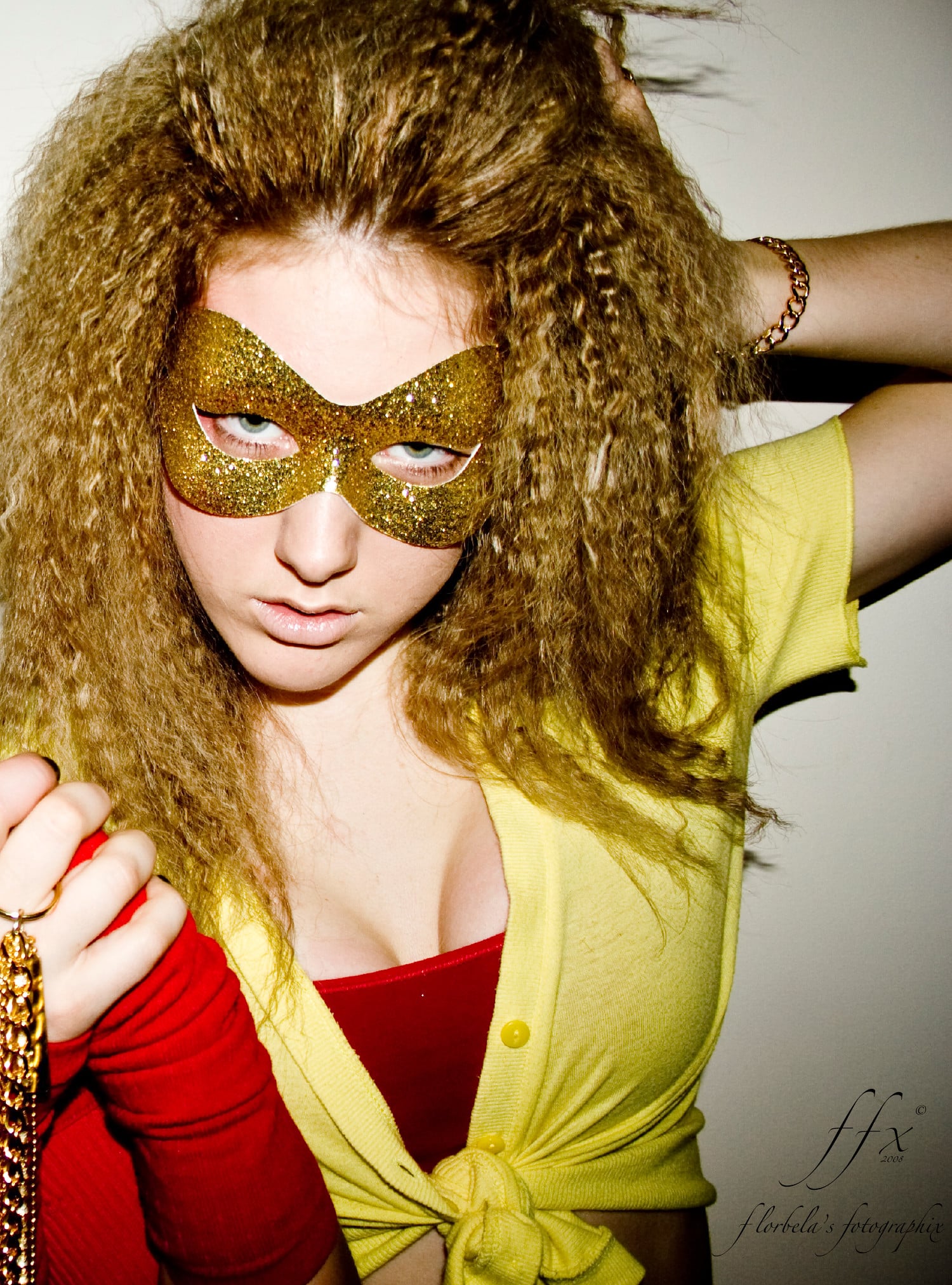
Crimped hair — produced by a crimping iron that creates a zig-zag pattern along the hair shaft — was one of the more specific aesthetic choices of the 1980s and early 1990s, requiring dedicated equipment and producing a result that could not reasonably be confused with anything natural. It disappeared almost completely from the mainstream and has returned, very carefully, as an accent technique rather than an all-over application.
Current crimping tends to appear in sections rather than throughout the whole head, which produces texture without the full commitment to a look that dates itself to a specific decade.
The Rachel
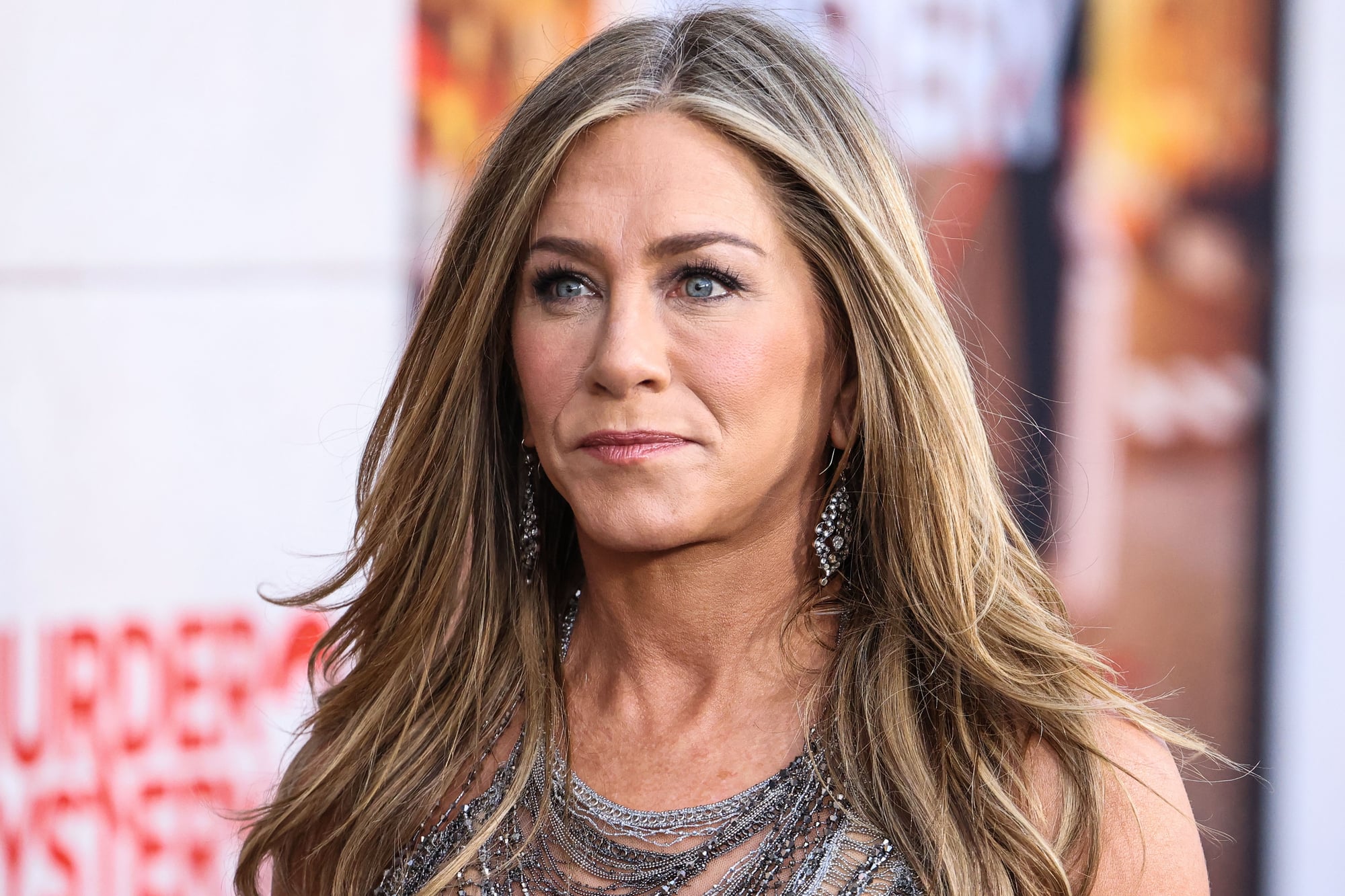
The layered, face-framing cut popularized by Jennifer Aniston as Rachel Green on Friends beginning in 1994 became the most requested salon haircut of the 1990s to a degree that has rarely been matched by any single hairstyle since. It features substantial layering with the ends slightly flicked outward, longer lengths at the sides that frame the cheekbones, and a general quality of well-maintained volume that requires significantly more maintenance than it appears to.
It was briefly retired during the aughts as anything associated with the 1990s became passé, but stylists report consistent requests for the cut under that name starting around 2022.
Butterfly Clips
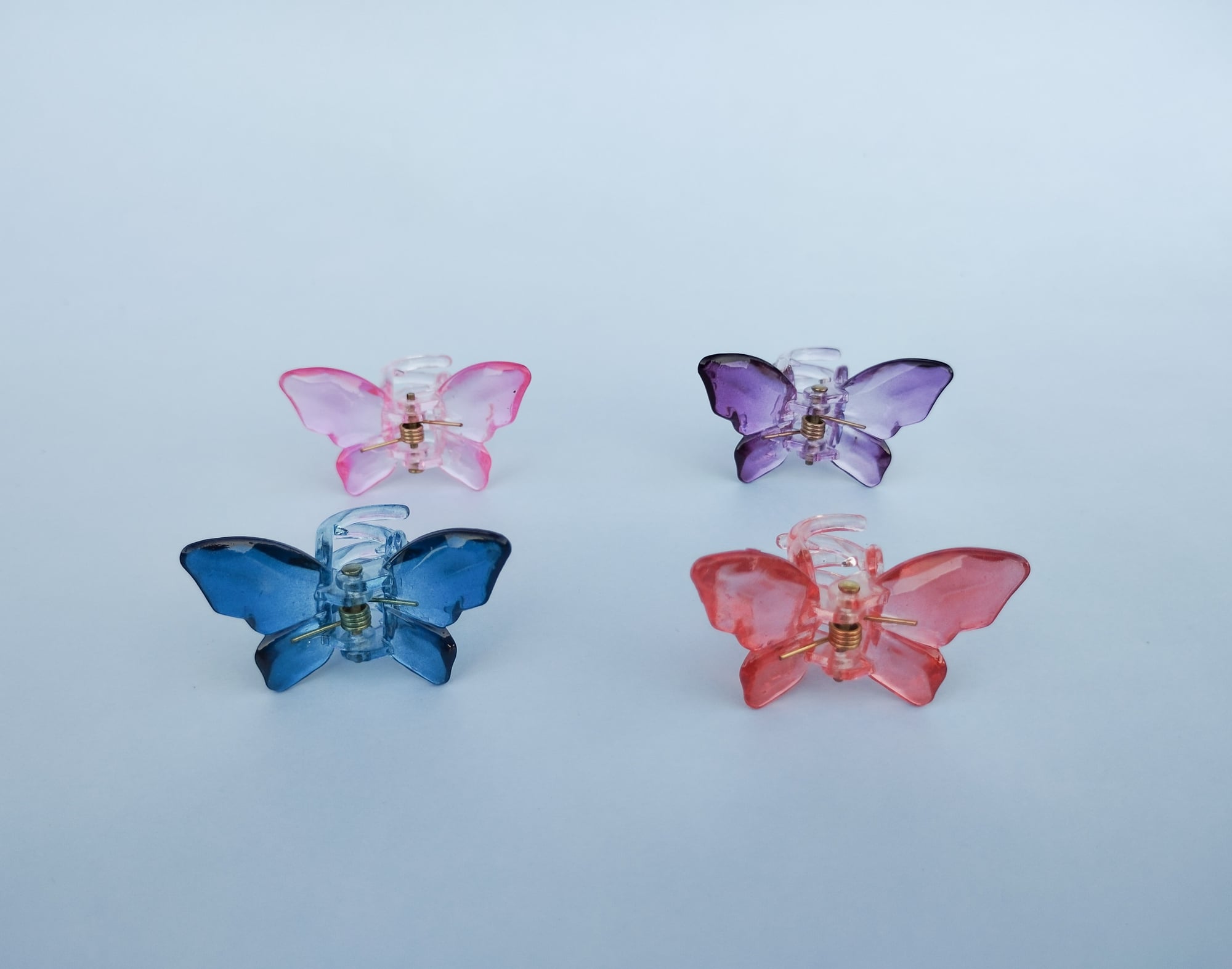
Butterfly clips — the small plastic hair accessories with two prongs that clipped open and shut, used to secure sections of hair or pin small portions away from the face — were ubiquitous in the mid-to-late 1990s in every color and pattern the manufacturer could produce. They disappeared with the accessories trends of the early 2000s and returned around 2020 as part of the broader late-1990s and Y2K aesthetic revival driven partly by social media’s discovery that early-internet-era fashion was visually interesting.
Butterfly clips have been available in every pharmacy and beauty supply store again since approximately 2021.
Feathered Layers (Farrah Fawcett-Style)
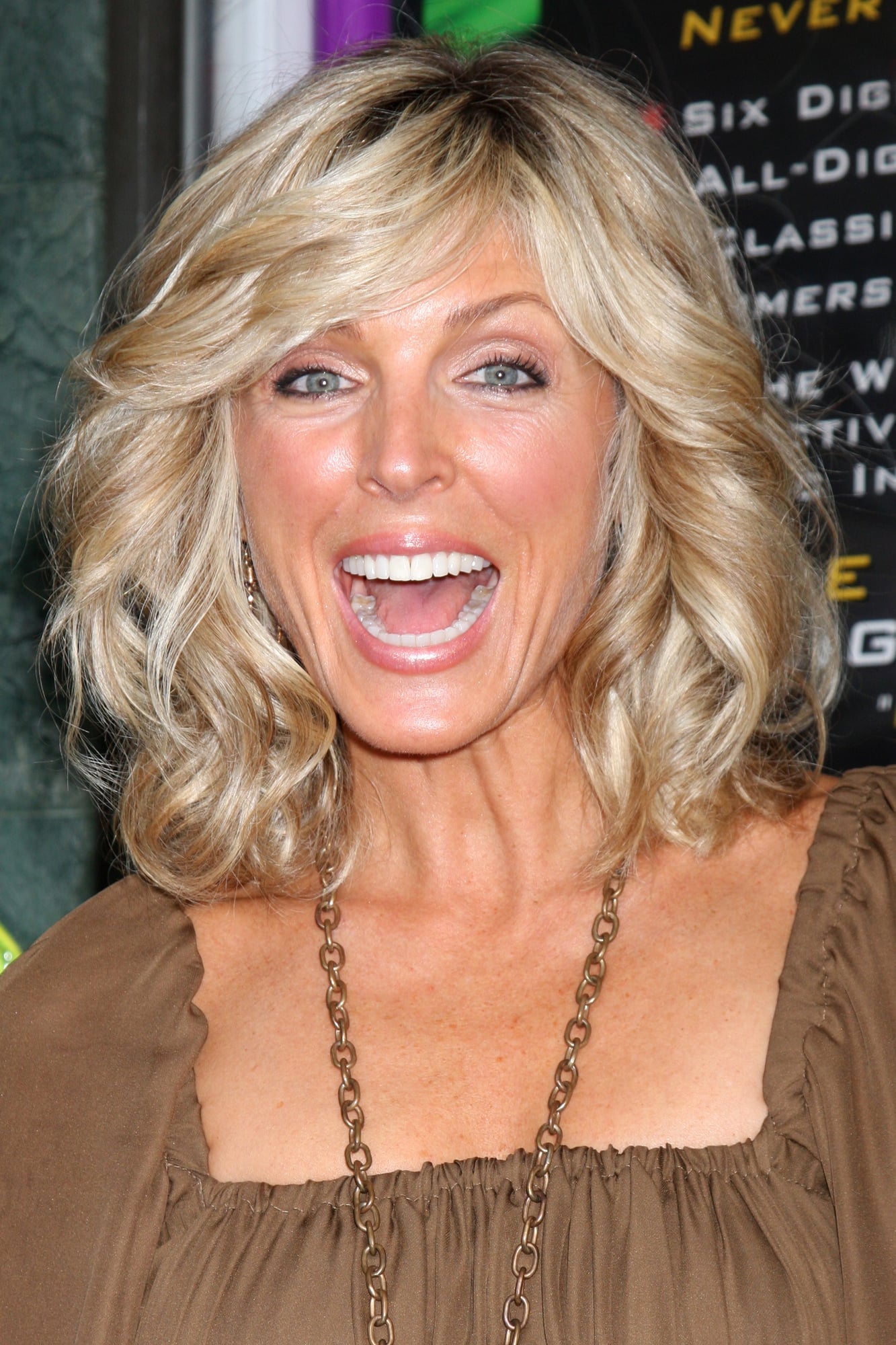
The Farrah Fawcett wing — layers that curve outward and backward from the face in a specific flowing motion associated with the Charlie’s Angels actress — originated in the 1970s but remained in fashion throughout the early 1980s and experienced periodic revivals. The current version, described by stylists as “Farrah Fawcett face-framing layers,” prioritizes the cascading layered effect over the specific feathering technique of the original, but the aesthetic is recognizably the same and is consistently cited by clients requesting the look by name.
The Butterfly Cut
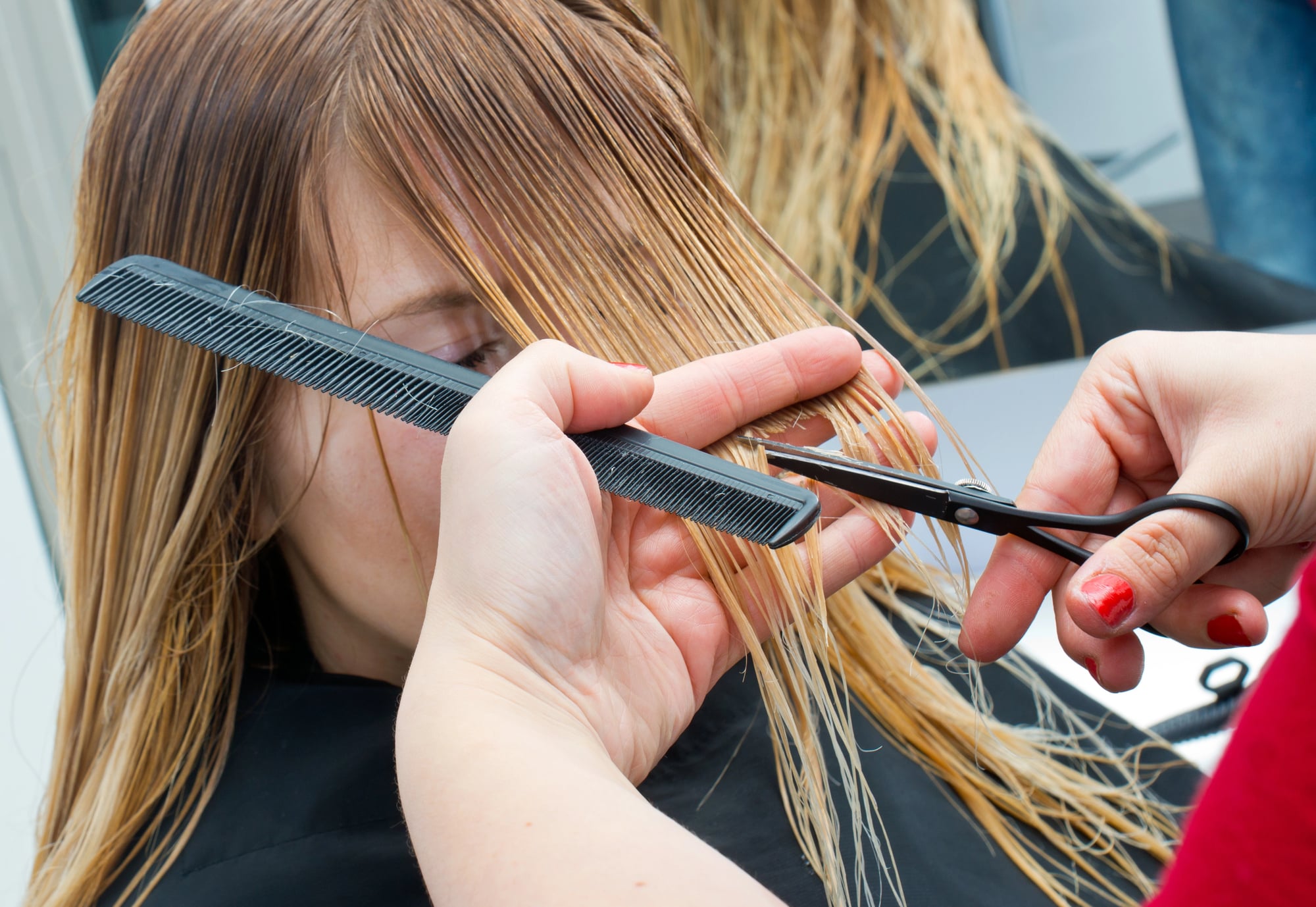
The butterfly cut features short, face-framing layers at the front and crown that contrast with significantly longer lengths below — creating a visual effect from behind that resembles butterfly wings. It was a popular mid-length cut through the mid-1990s and Y2K period and returned around 2022 as one of the most frequently searched haircut styles.
Modern versions tend to have softer layer transitions than the original and are often paired with a center part that enhances the wing-like visual effect.
Scrunchies
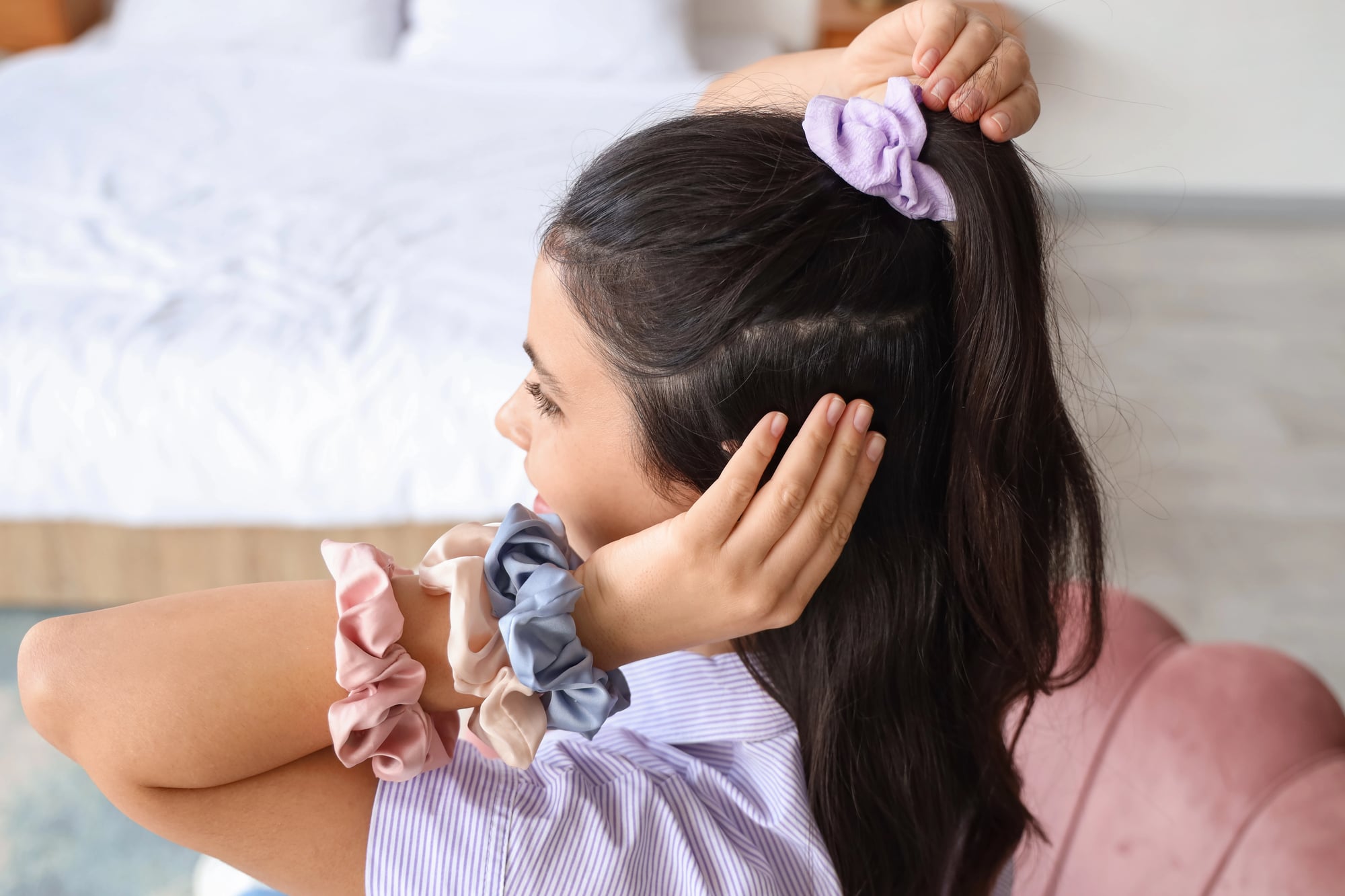
The scrunchie — a hair tie with a fabric cover, producing a gathered fabric loop rather than an exposed elastic — was the functional hair accessory of the late 1980s through the 1990s and was so thoroughly associated with that period that a tv show referenced its obsolescence in 2000. They returned around 2018 driven by Millennial nostalgia and Gen Z’s appetite for early-internet-era aesthetic, and have since become permanently available in the accessories market at a price range extending from dollar-store three-packs to designer versions that cost more than some haircuts.
The Pixie Cut with Micro-Bangs
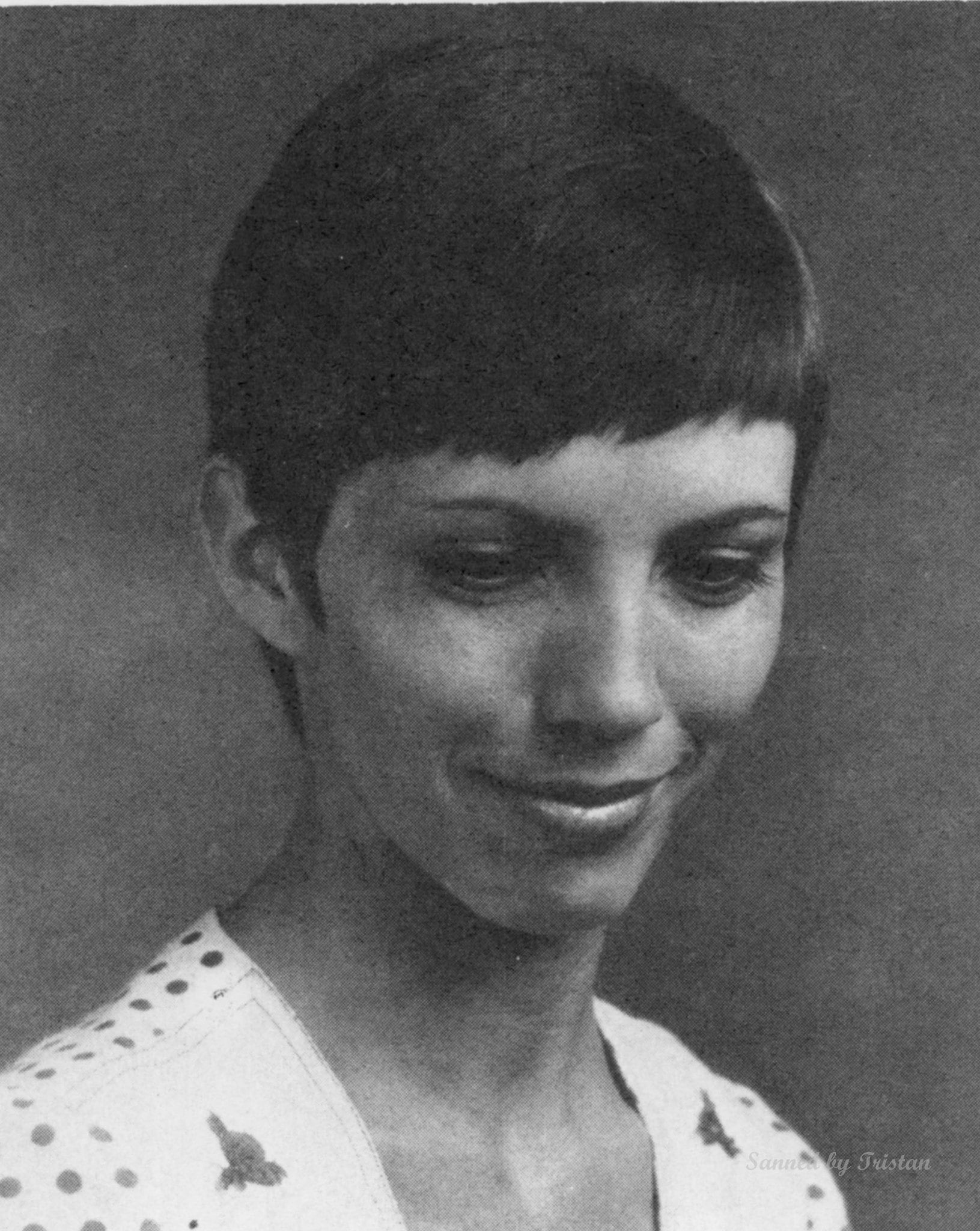
The ultra-short pixie with micro-bangs — cropped very short at the sides and back, with a small fringe of hair barely reaching the eyebrows — was strongly associated with 1990s alternative fashion, most visibly with Winona Ryder. It appeared in independent film, alternative music culture, and the fashion coverage of the early decade.
The current revival features essentially the same cut with slightly more textured styling on the top section, and stylists note that clients frequently bring in photographs from the early 1990s as their reference image.
High Ponytail with Volume at the Crown
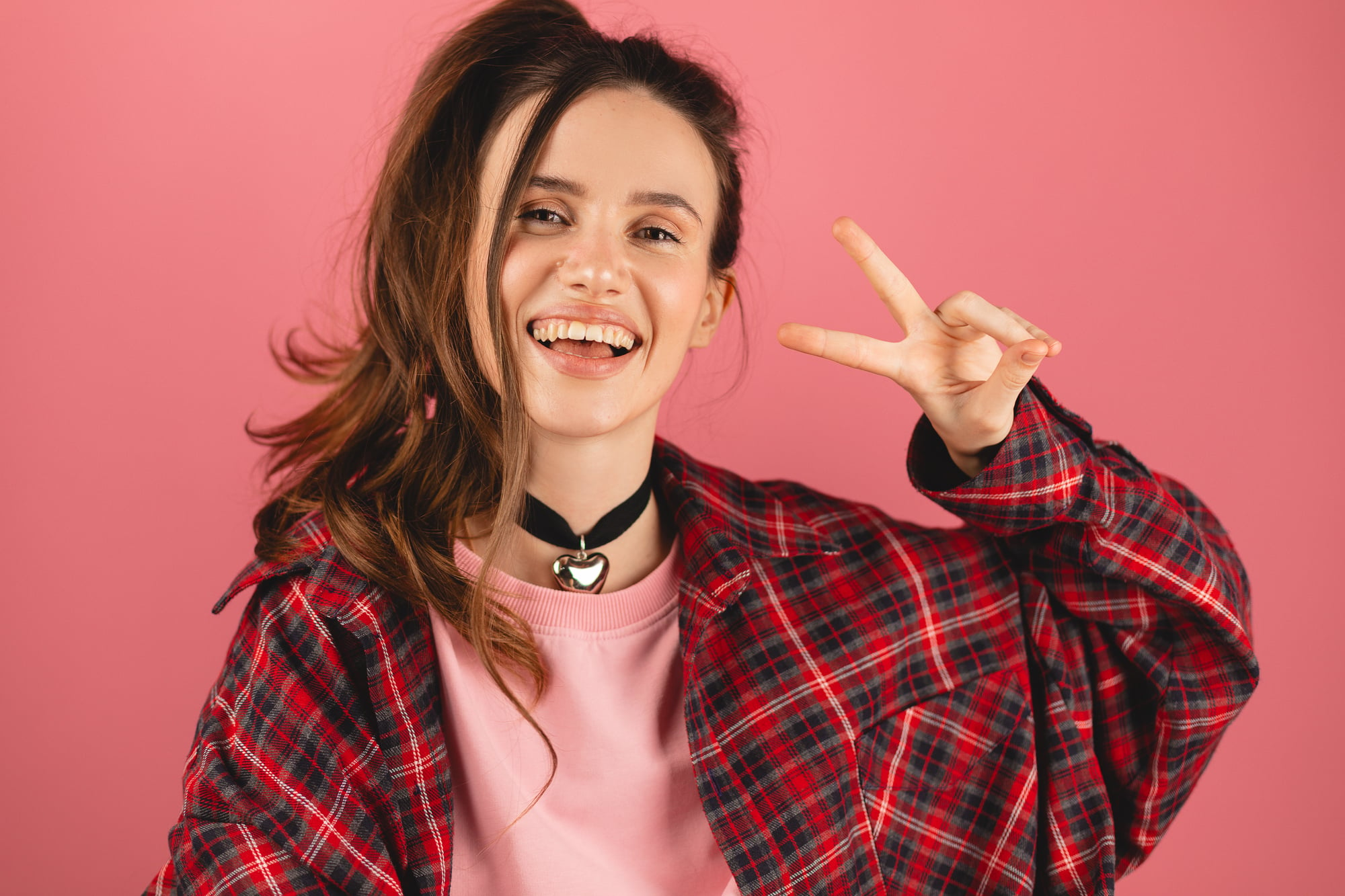
The high ponytail with deliberately teased or volumized hair at the crown — pulled tight at the temples and elevated above the natural crown of the head, with the ponytail falling from the highest point of the skull — was a common formal and semi-formal style throughout the 1980s and early 1990s. It has returned in a version that achieves the same effect through strategic sectioning and the use of volumizing products rather than the hairspray-and-backcombing technique of the original.
The Half-Up Half-Down with Height
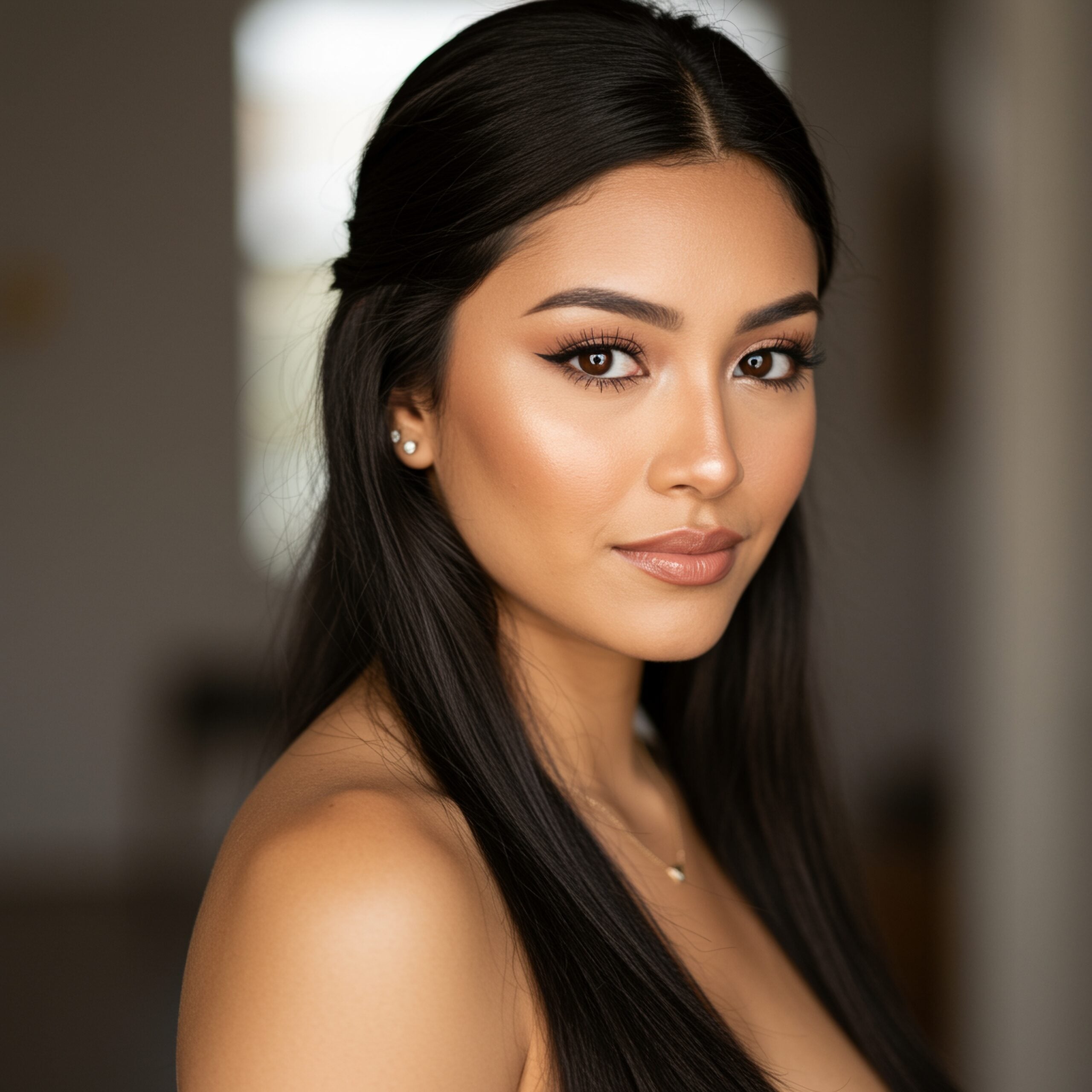
A half-up half-down style featuring deliberately elevated volume at the crown — the section gathered into a small bump or twist at the top of the head with the remaining hair falling loose — was a common casual style throughout the late 1980s and early 1990s. The hair claw clip has driven much of its return: the oversized jaw clips that have been fashionable since approximately 2022 produce essentially the same elevated half-up shape that 1990s scrunchies and banana clips previously achieved.
The Banana Clip Style
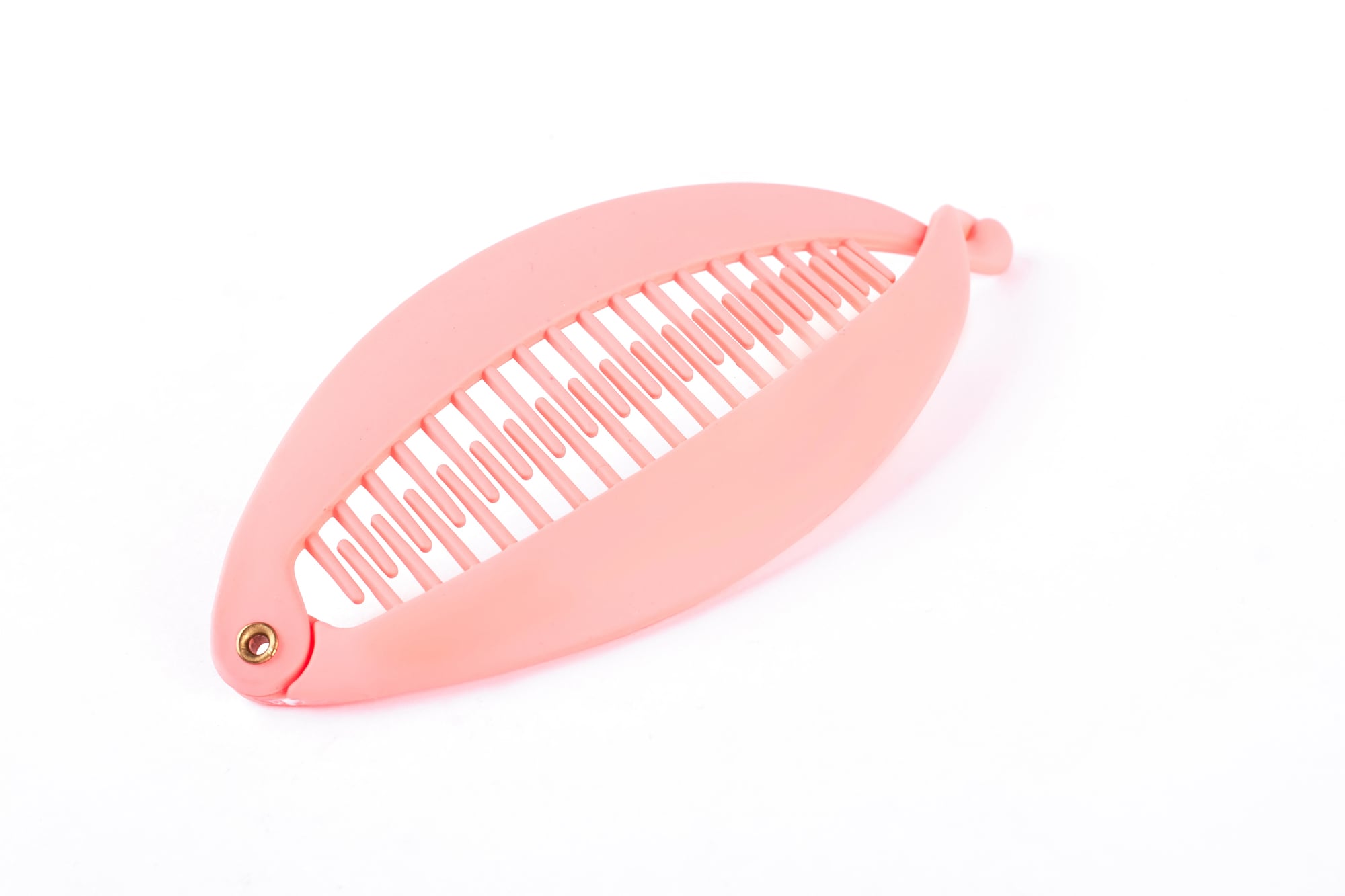
The banana clip — a long, curved clip with teeth on both sides that gathered hair into a vertical roll at the back of the head — was one of the most practical accessories of the 1980s and 1990s, allowing an updo without pinning and producing a distinctive fan of hair at the top of the clip. The accessory itself never fully disappeared from the market and has seen returning fashion coverage since 2023, described as a “low-effort elevated updo” rather than as a period piece.
Box Braids
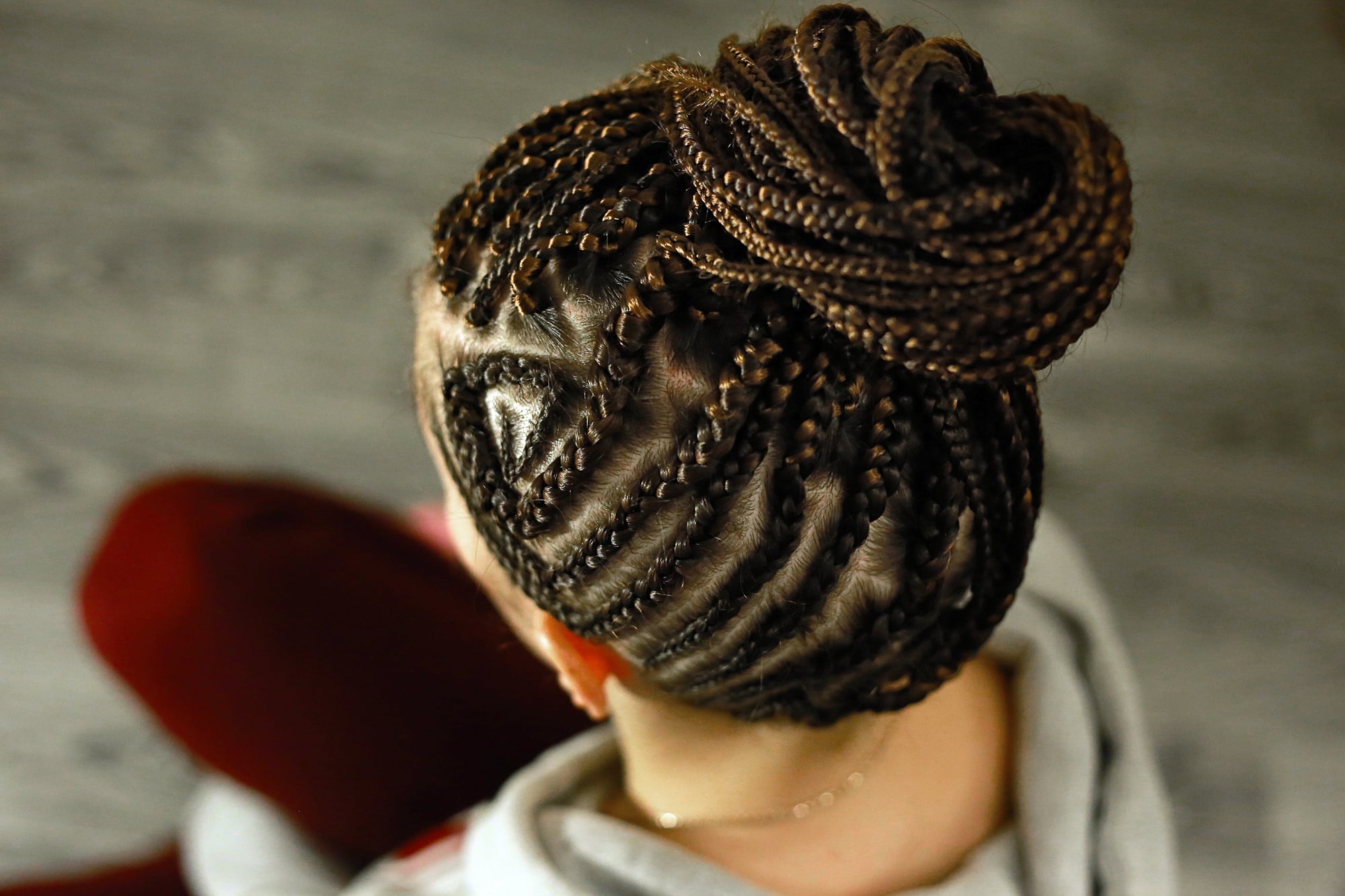
Box braids — a protective hairstyle in which the hair is parted into square sections and each section braided from the root with or without additional extension hair — have deep roots in Black hair traditions that predate any specific fashion decade. Their visibility in mainstream fashion coverage was particularly high in the 1990s through figures like Janet Jackson, and they have remained continuously present in Black hair culture since.
Current interest from broader style coverage reflects ongoing mainstream fashion’s borrowing from Black hair aesthetics, a dynamic with its own complex history that any honest discussion of the style should acknowledge.
The Bowl Cut
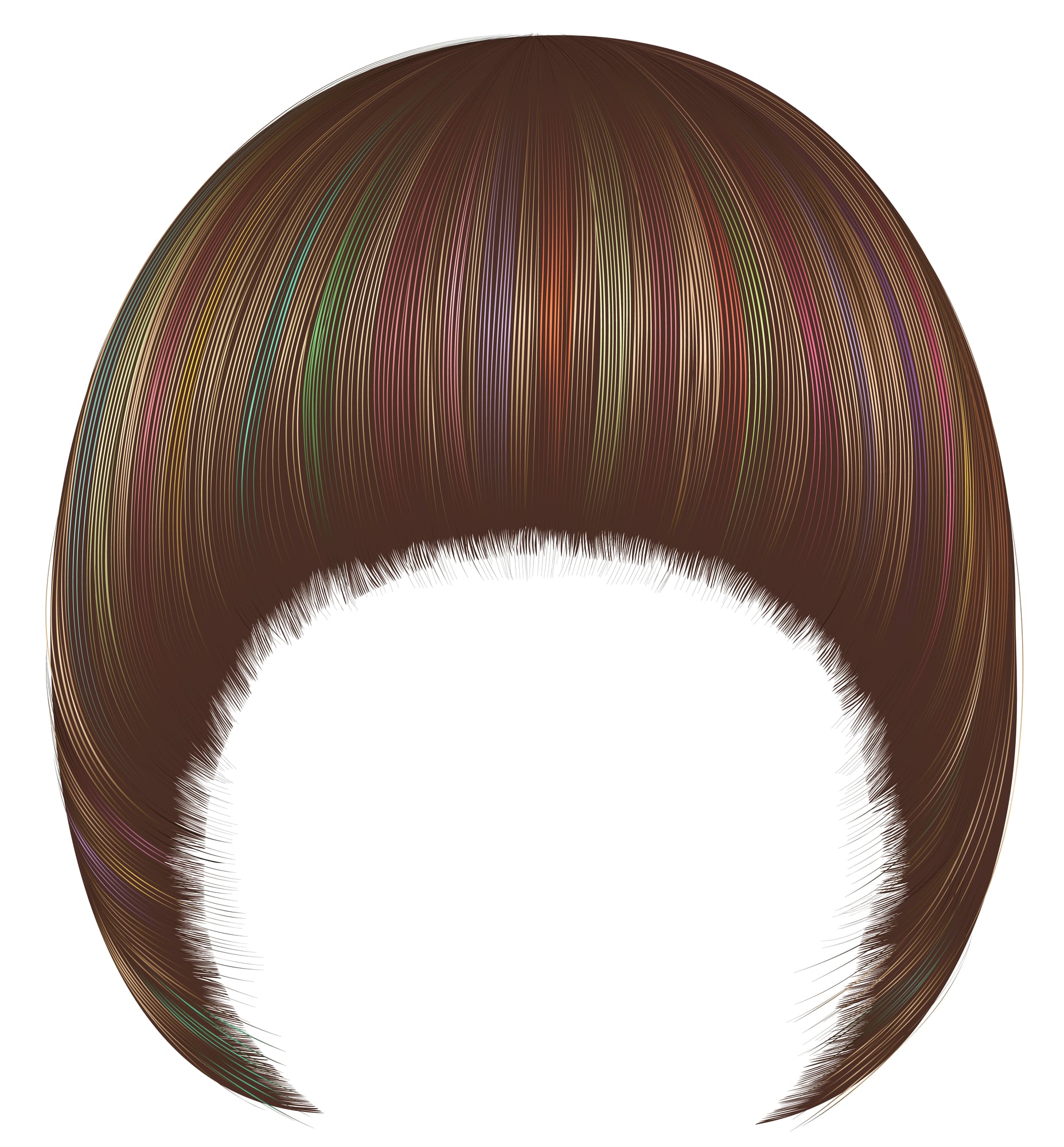
The bowl cut — hair cut at a consistent horizontal level around the head, with the sides and back shorter than the top, creating the approximate impression of a bowl placed on the head — was strongly associated with 1990s youth culture, particularly boys’ haircuts. It has returned in a more refined version with tapered sides and more deliberate texture on top, removing the blunt uniformity of the original in favor of something that references the shape without fully committing to it.
Teased Volume at the Crown
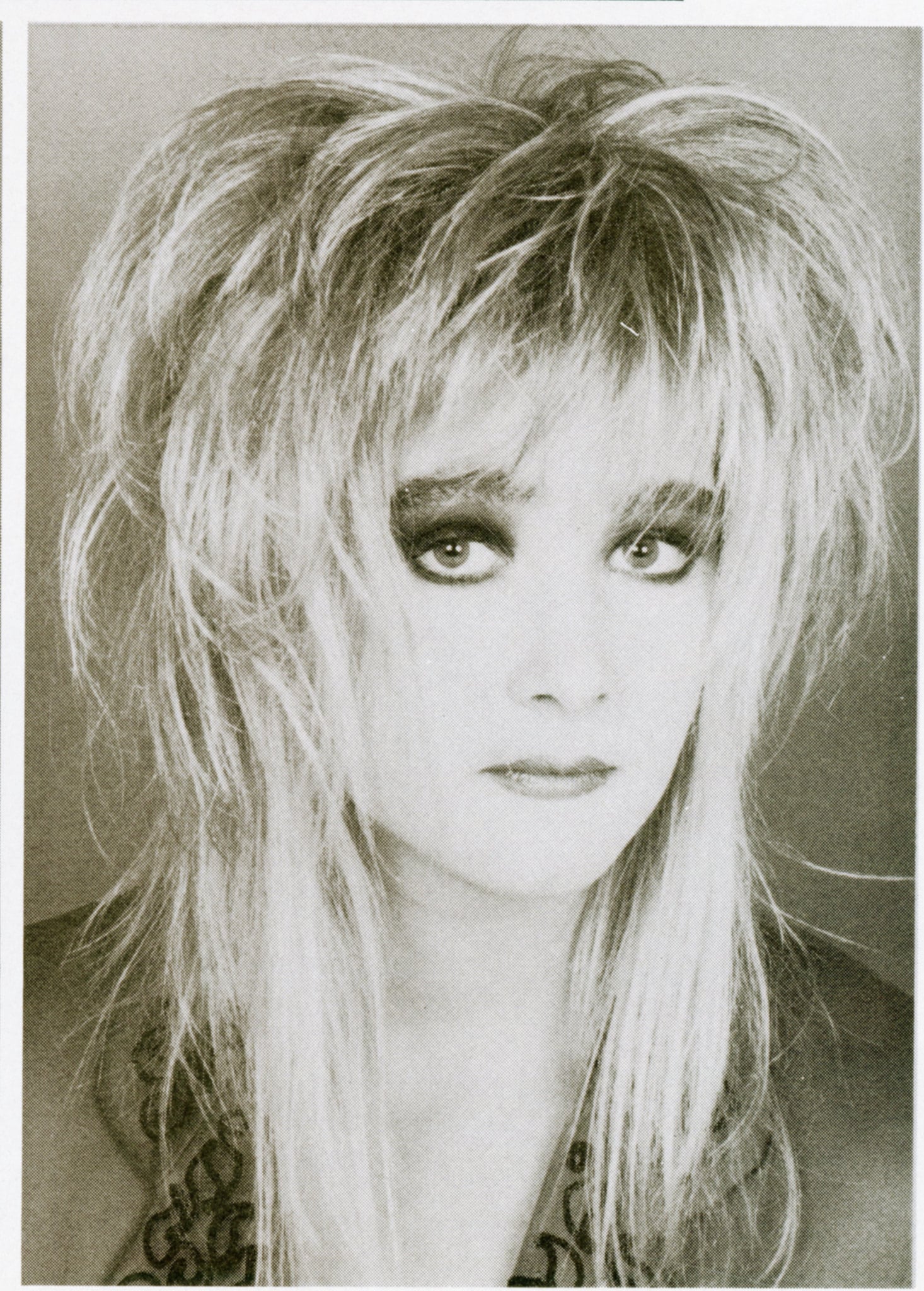
The deliberate teasing of the crown section — backcombing the hair close to the scalp to create height that was then smoothed over the surface — was a fundamental technique of 1980s hair styling. Current versions, influenced by social media tutorials revisiting decade-specific styling techniques, are appearing in both casual and formal contexts.
The technique itself has not changed; what has changed is who is learning it and what they call the result.
The Wet Look
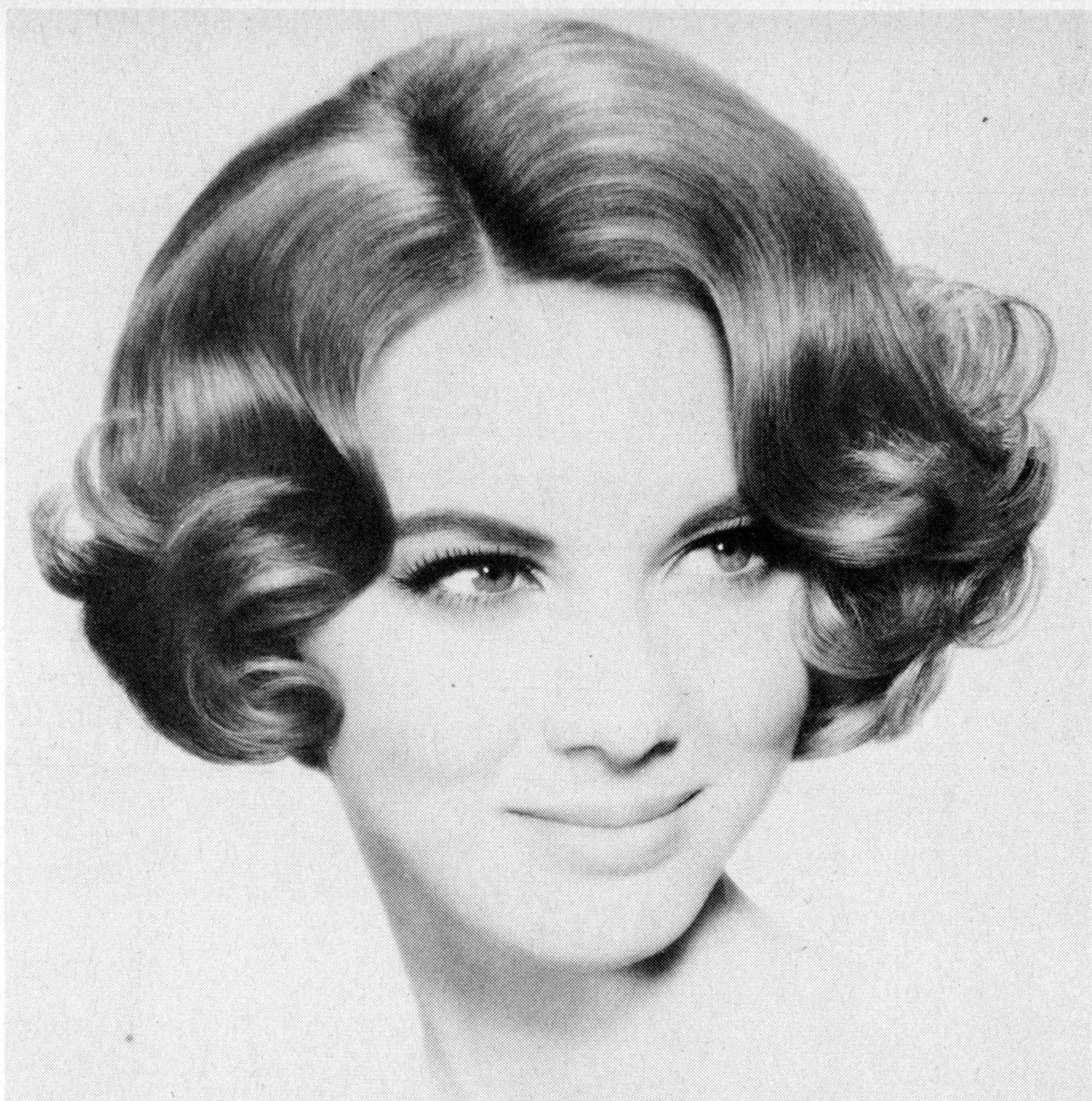
The deliberately wet-looking style — hair slicked close to the head with gel or product to appear damp, associated with both the 1980s high fashion aesthetic and certain R&B and hip-hop style influences of the 1990s — has returned in red carpet contexts and editorial fashion. Eva Longoria’s appearance at the 2024 Golden Globes with a wet wolf cut helped accelerate its current visibility.
The product techniques required (high-shine gel on clean, slightly damp hair) are more widely documented on current styling platforms than they were in their original decade.
Space Buns
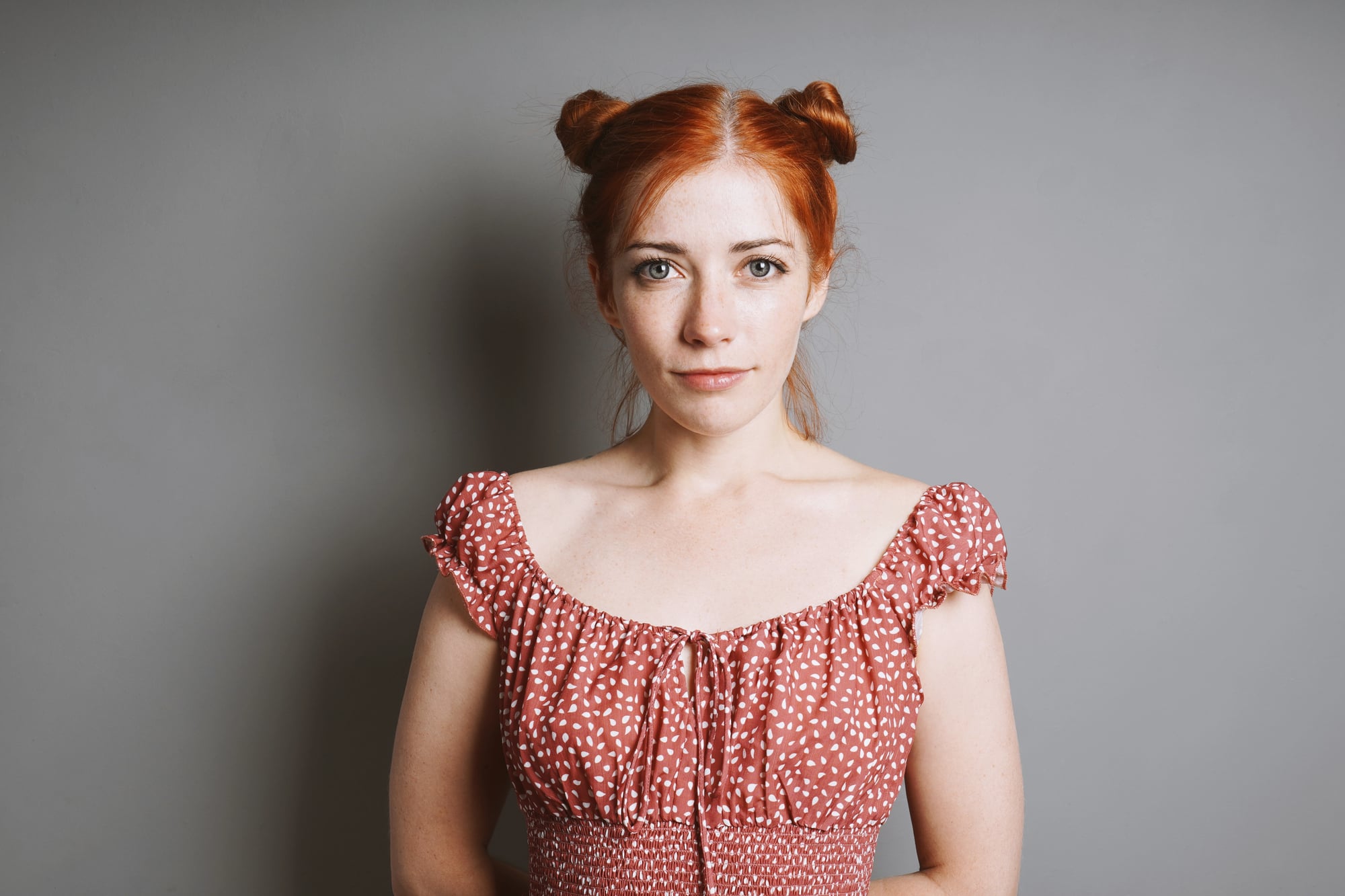
Two buns positioned high on either side of the head — a style with roots in various cultural traditions that achieved its most widespread mainstream visibility in the 1990s through both rave culture and pop music aesthetics — have been consistently present on festival grounds and in social media content since approximately 2018. They require minimal equipment, can be achieved on most hair lengths and textures, and photograph distinctively, which explains much of their sustained social media presence.
Side Crimped Sections
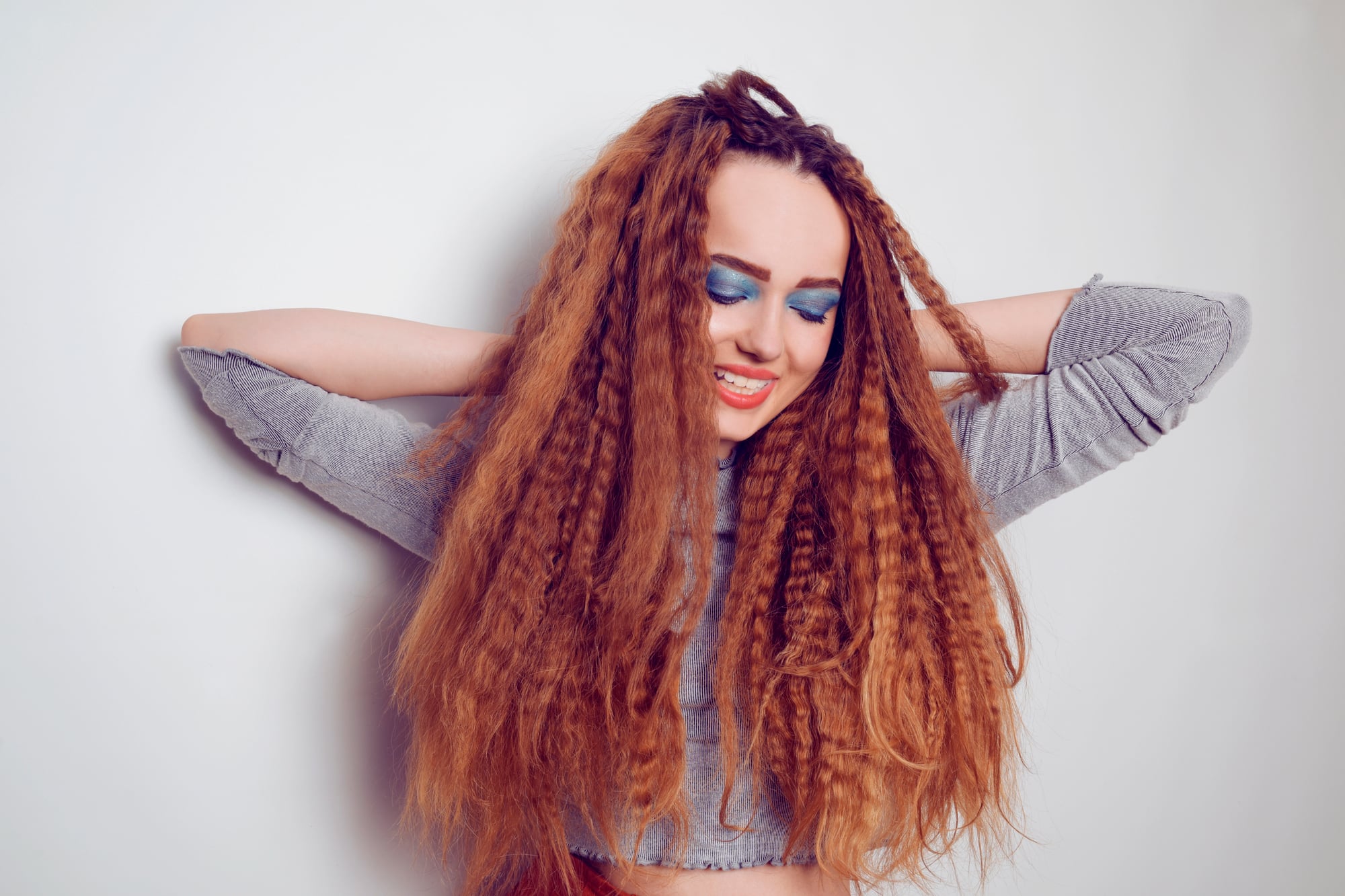
A more restrained adaptation of full crimped hair, in which only the lower sections or side pieces of the hair are crimped while the rest remains smooth or loosely waved, has appeared in editorial contexts as a way to reference the 1980s crimping aesthetic without the full vintage commitment. The selective application is also more technically manageable than all-over crimping, which requires very even passes of the crimper across the entire head and significant time investment.
Voluminous Curls with Defined Ringlets
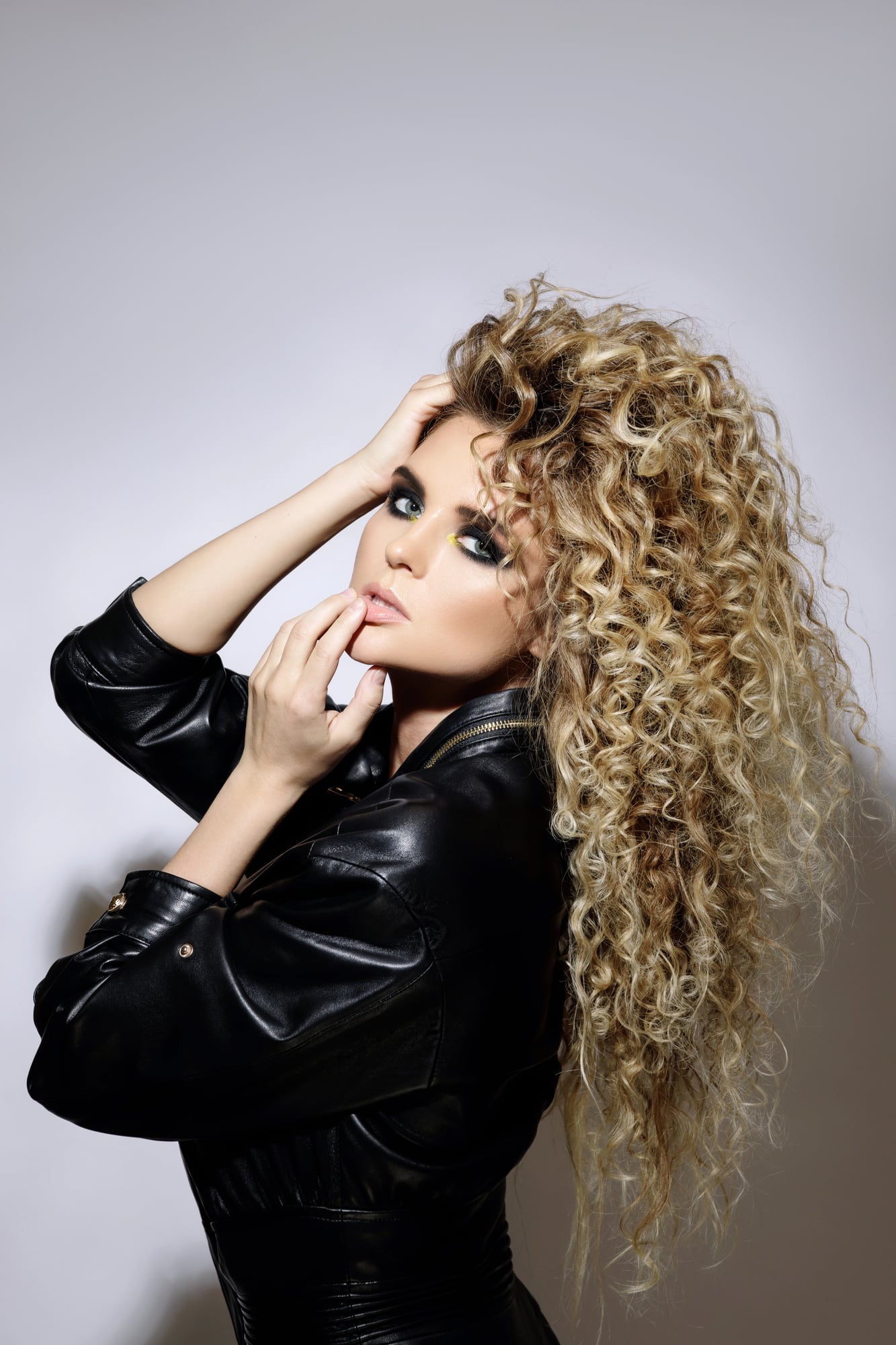
The defined ringlet — a curl with a consistent spiral shape from root to tip, produced either chemically or through curl-forming techniques — was particularly associated with late-1980s and early-1990s pop and R&B aesthetics. Current approaches produce similar results through techniques including diffuser-drying and curl-setting products designed for natural curl patterns, rather than the chemical processes of the original.
The visual result is recognizably similar; the method has changed significantly.
The Middle Part
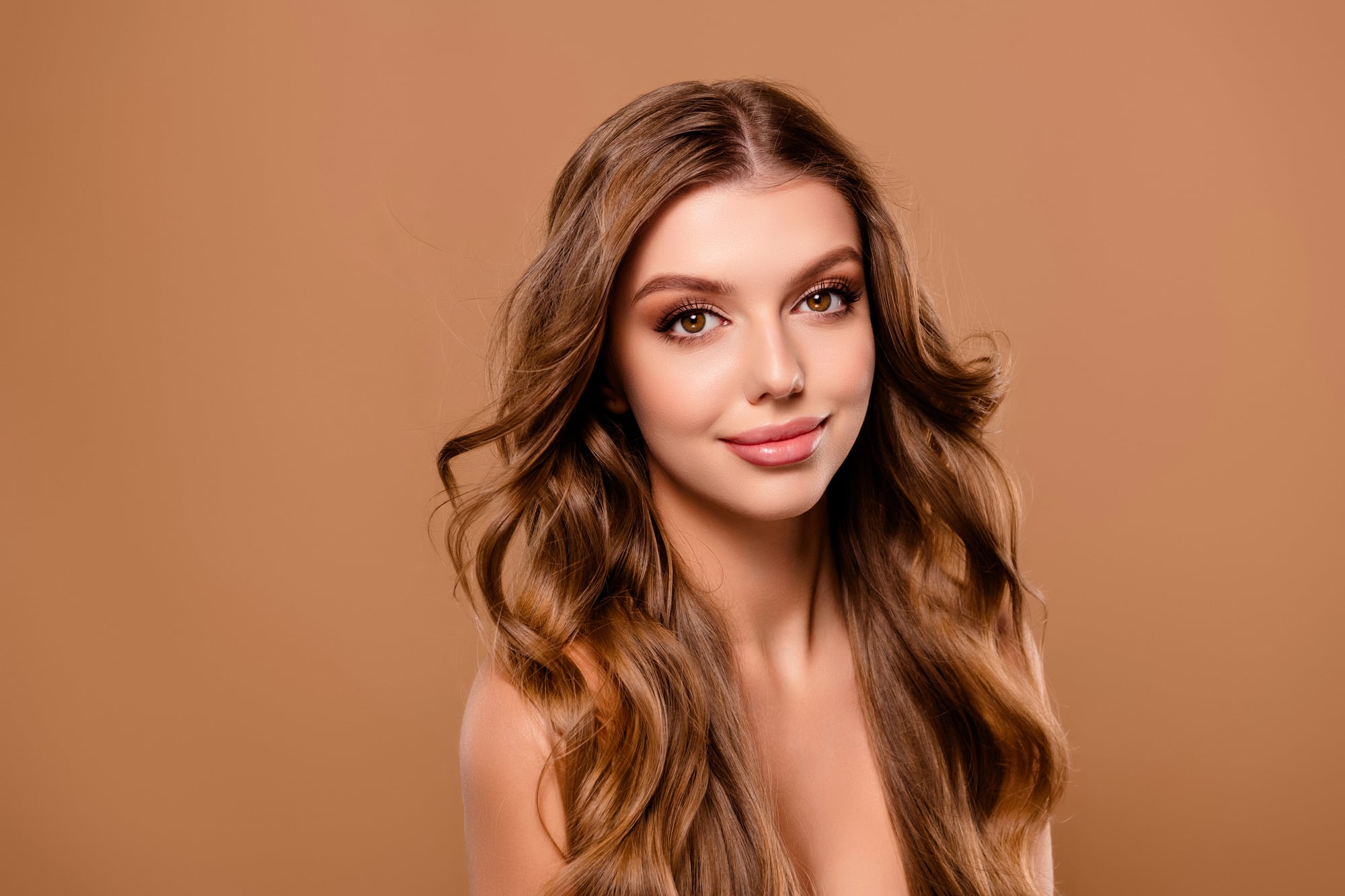
The strict center part — hair divided precisely down the middle of the scalp — was a defining aesthetic choice of the early 1990s, visible on young men and women throughout the decade before the side part replaced it as the dominant option in the 2000s and 2010s. The center part returned around 2020, initially through social media content that framed it specifically as a generational identifier.
It is currently simply a neutral styling choice again, which is the most complete form of a trend’s rehabilitation.
The Shag with Fringe
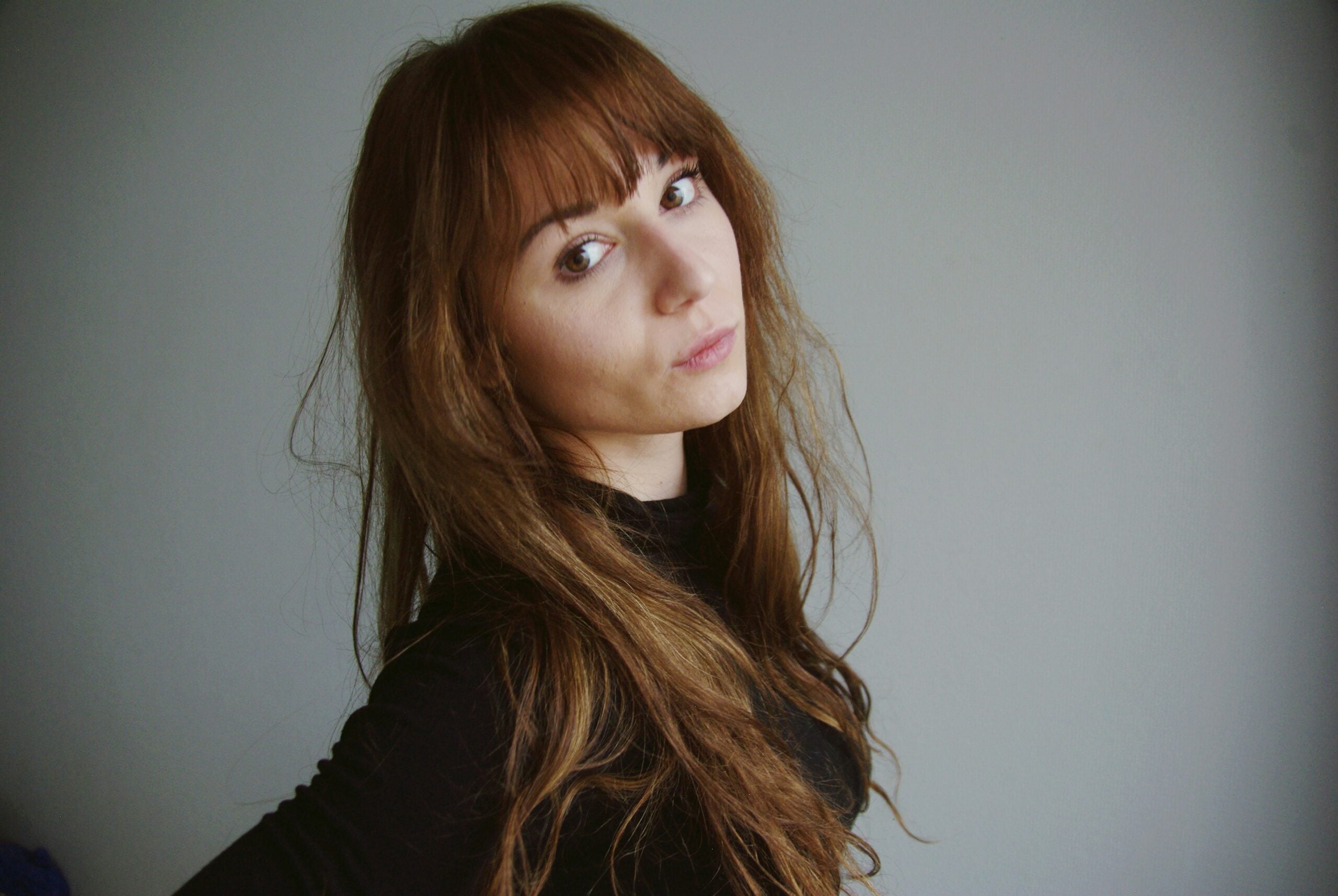
A shag cut combined with a straight-across fringe — shorter layers throughout the hair with a blunt or barely textured bang across the forehead — was a common alternative and indie music aesthetic throughout the late 1970s into the 1980s and returned periodically in the 1990s. Current versions feature slightly more textured fringe than the blunt-cut originals, but the overall silhouette (layered, with forward-falling fringe and shoulder-length or longer back sections) is recognizably the same.
Y2K-Inspired Half-Up Knot

The small, high half-up knot — a twisted section of hair secured at the very top of the crown with a small hair tie or jaw clip, with the remaining hair loose — was a casual style common throughout the late 1990s and early 2000s. Its return has been specifically labeled “Y2K” in fashion coverage since approximately 2021, identifying it as part of the broader revival of the aesthetic of the internet’s first decade.
Chunky Highlights

Chunky highlights — bold, high-contrast streaks of color placed in large sections rather than the fine, blended highlights that became dominant in the 2000s — were a defining aesthetic of late-1990s and early-2000s hair coloring. Platinum chunks against dark brown, caramel blocks through blonde, or vivid color sections through natural base tones were all common.
They returned in editorial fashion contexts around 2021 and have spread into mainstream salon requests described as “money piece” coloring and “face-framing highlights,” which achieve similar high-contrast effects with a slightly more considered placement.
The Bixie
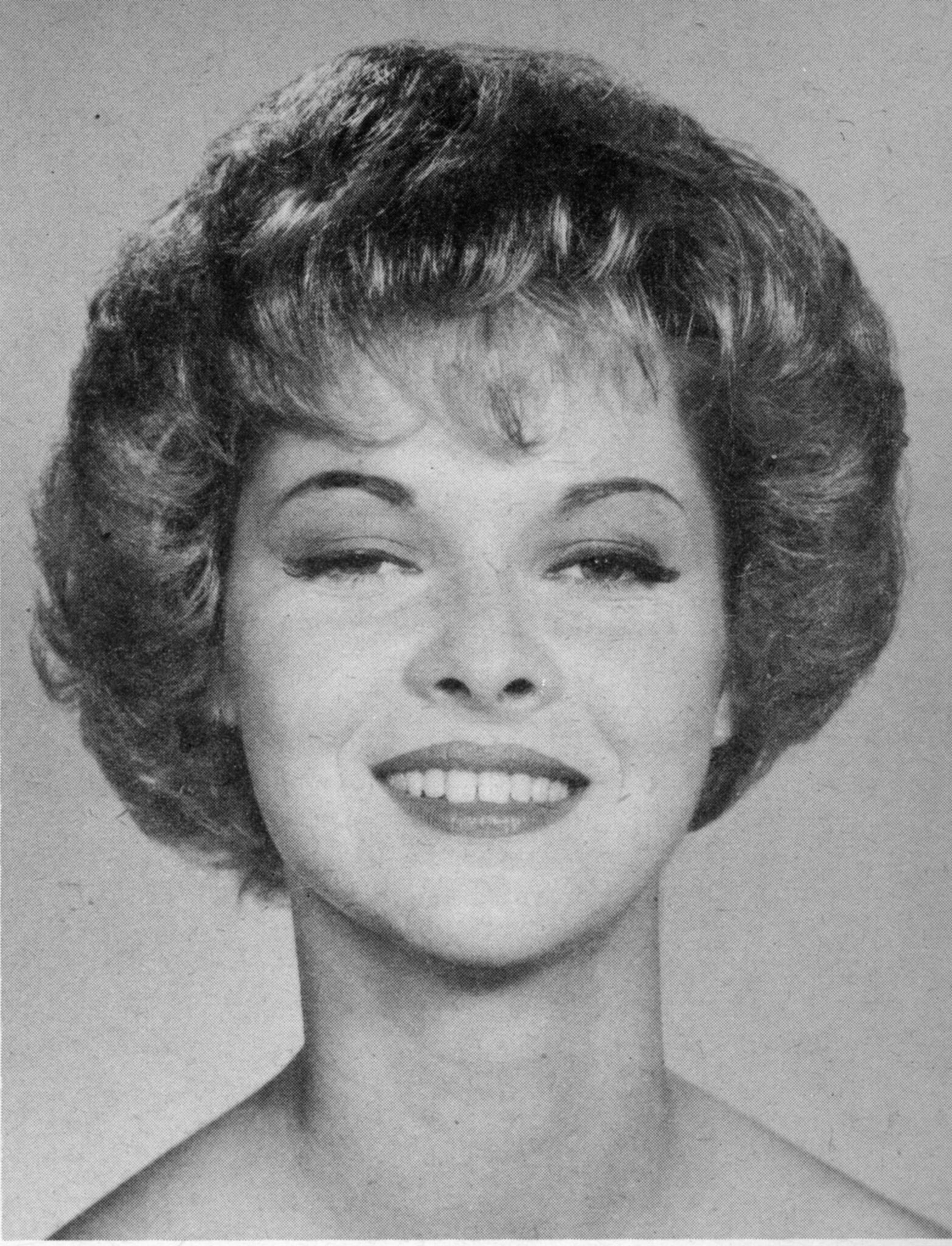
A mid-length cut sitting between a classic bob and a pixie, with length falling somewhere between the chin and the ear, the bixie achieves a proportion that was common in 1990s alternative fashion. It requires less commitment than a pixie, offers more face-framing options than a bob, and photographs distinctively at a length that has historically been in and out of fashion.
Its current name is new; the cut itself is a direct descendent of early-1990s salon styles.
The Blunt Bob
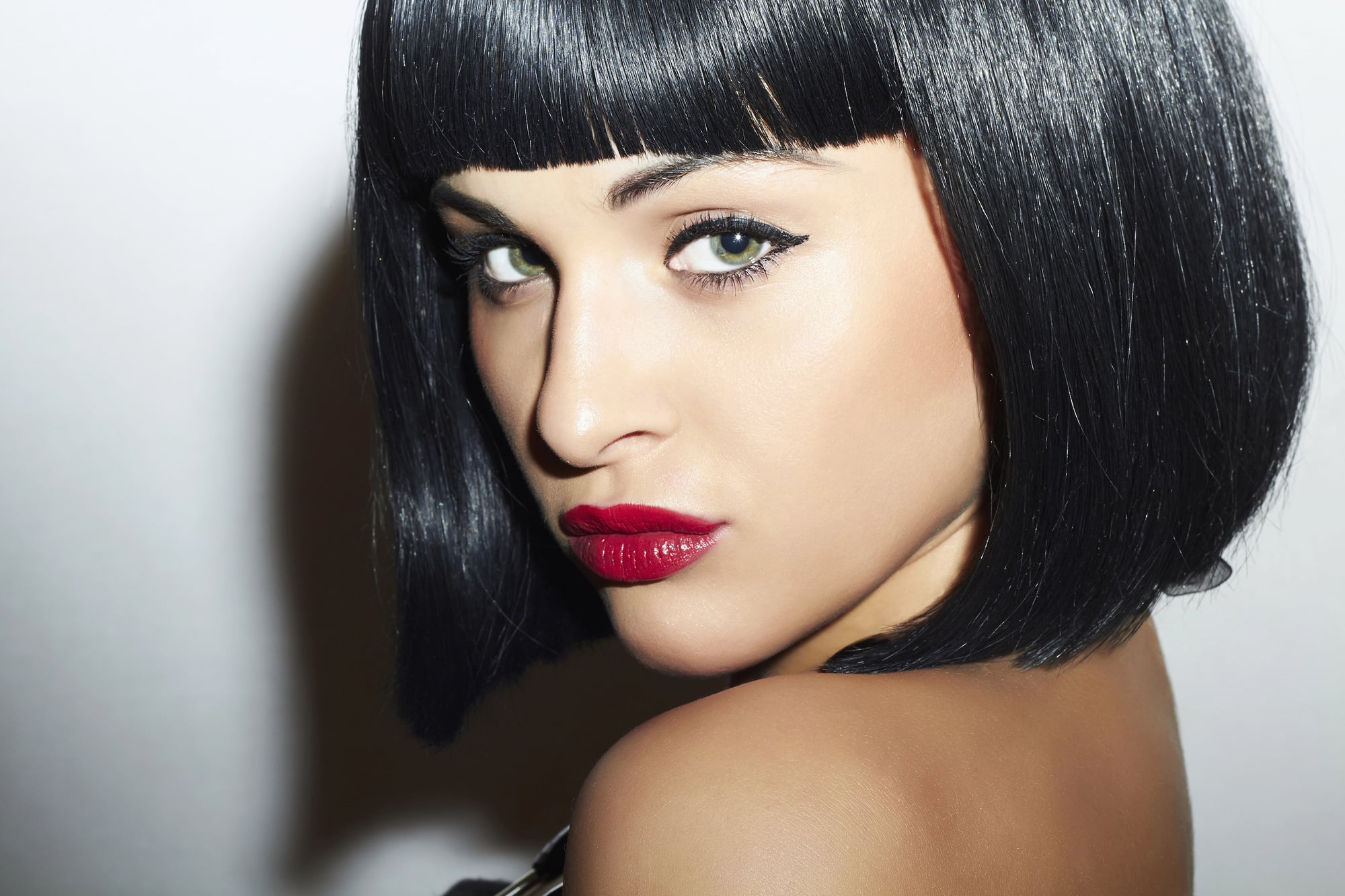
The blunt bob — cut at a single consistent length with minimal layering, producing a heavy, geometric shape — was the signature cut of the early 1990s minimalist aesthetic, associated with designers like Calvin Klein and the fashion editorial work of the decade’s first half. It temporarily gave way to more layered and deconstructed shapes and has returned in both fashion editorial and mainstream salon contexts as a clean-lined alternative to the textured styles that dominated the decade between 2012 and 2022.
How Trends Come Back

Hairstyles return not because they were technically superior to what replaced them but because enough time has passed for the association with their original era to feel like an asset rather than a liability. The mullet could not return in 2005 because it still belonged to 1988.
By 2020, it belonged to history, which made it available again as a reference point rather than a remnant. The same principle applies to every item on this list.
They did not get better — the cultural memory of them matured until they could be seen again without their original embarrassment, just their original shape. The next generation of fashion students is currently watching the hairstyles of 2005 to 2015 with exactly the same interested, slightly incredulous attention that today’s stylists are giving to the 1990s.
In thirty years, someone will write this same list about the styles currently being photographed at music festivals, and it will all seem very obvious in retrospect.
More from Go2Tutors!

- The Romanov Crown Jewels and Their Tragic Fate
- 13 Historical Mysteries That Science Still Can’t Solve
- Famous Hoaxes That Fooled the World for Years
- 15 Child Stars with Tragic Adult Lives
- 16 Famous Jewelry Pieces in History
Like Go2Tutors’s content? Follow us on MSN.