30 Ancient Inventions Still Used Today
Modern life feels built on recent technology, but a surprising amount of it rests on ideas that are thousands of years old. The basic designs behind locks, scissors, calendars and paper have barely changed since they first appeared.
Some ancient inventions survived because nobody found a better solution. Others were improved over the centuries while keeping the same core principle, which means an engineer from Babylon or Han China would still recognize them instantly.
Paper From Han Dynasty China
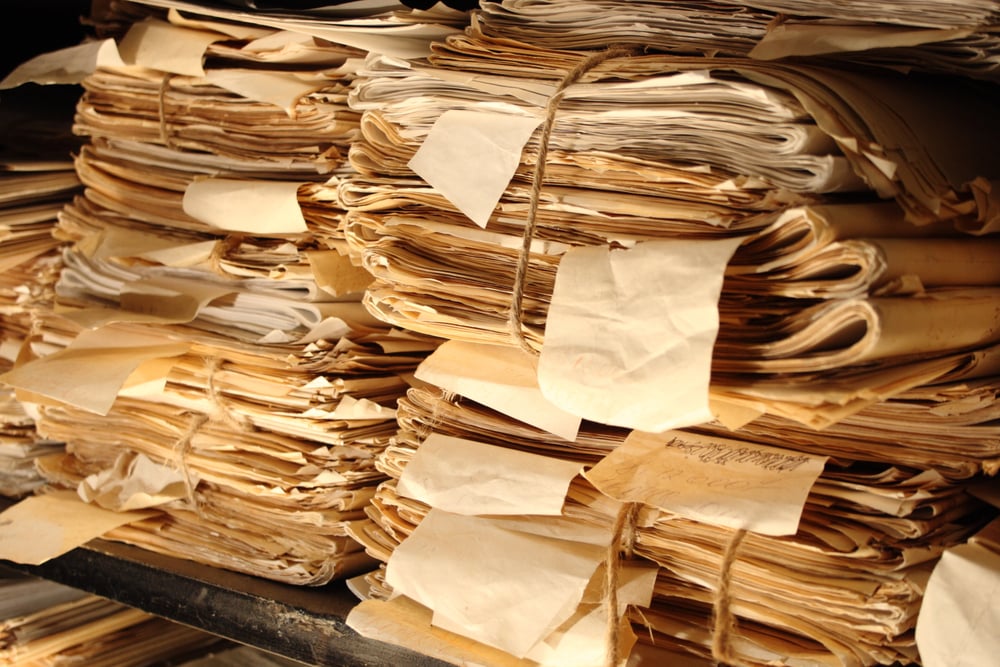
Chinese tradition credits a court official named Cai Lun with inventing paper around AD 105, using tree bark, hemp, rags and old fishing nets pounded into pulp and spread thin to dry. Archaeologists have since found fragments of paper that are older, so Cai Lun probably improved and standardized an existing process rather than creating it from nothing.
The technique spread slowly westward, reaching the Islamic world in the eighth century and Europe several centuries after that. Modern paper mills operate at enormous scale, but the basic principle of pressing plant fibers into sheets remains essentially unchanged.
Scissors
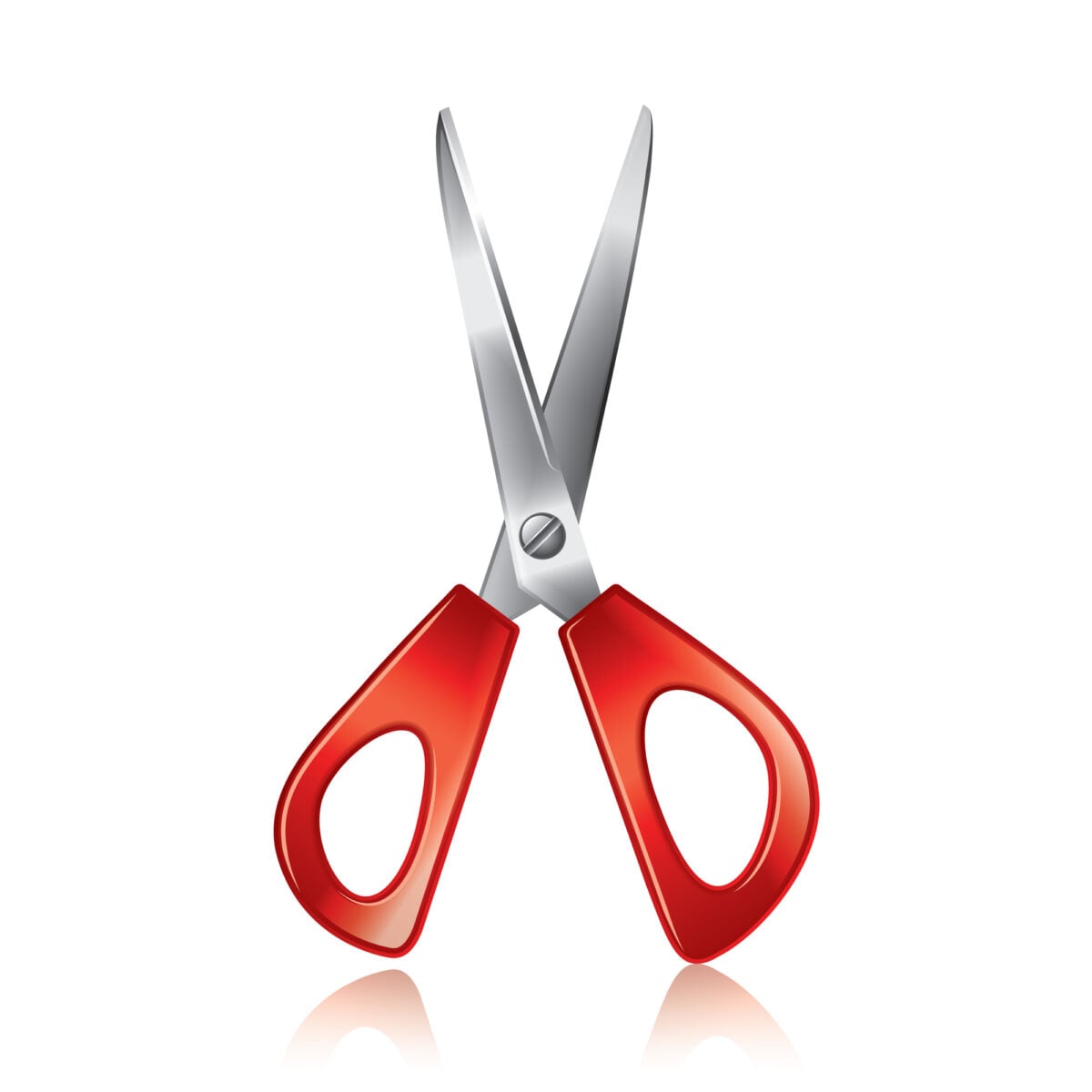
Egypt produced the earliest known scissors around 1500 BC, made from a single piece of bronze bent into a U shape, with two blades that sprang apart when released. These spring scissors worked like modern sheep shears.
Around AD 100, the Romans developed cross-bladed scissors with a pivot between the handles, the design that is now standard in kitchens and offices. Scissors stayed expensive, handmade tools for centuries.
Mass production arrived in Sheffield, England, in the 1760s, when Robert Hinchliffe began making them from hardened, polished steel and put them within reach of ordinary households.
Pin Tumbler Locks
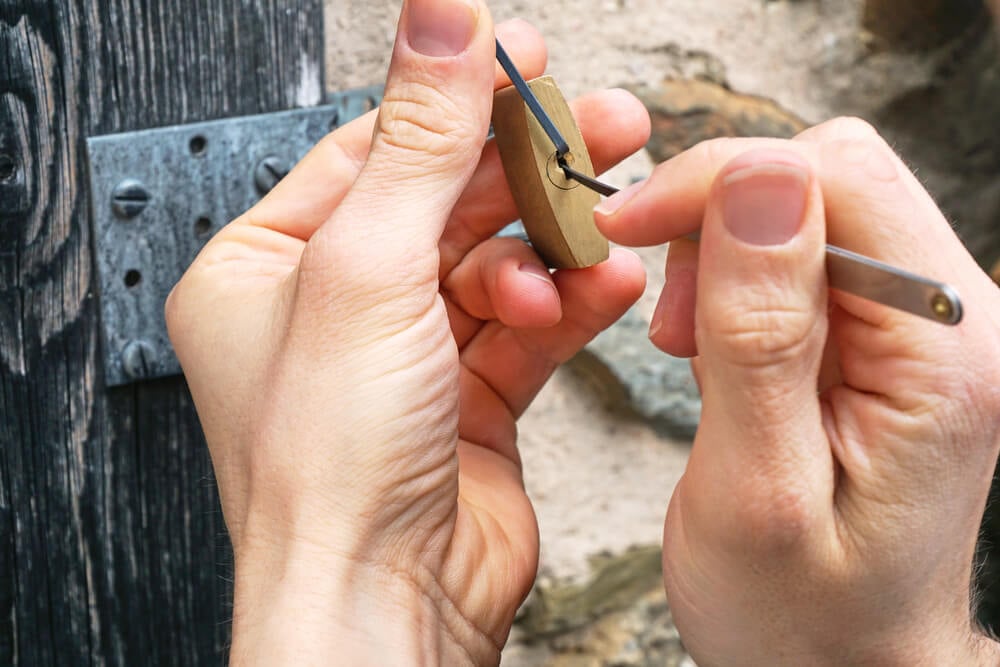
Some of the earliest known locks come from ancient Mesopotamia and Egypt, roughly 4,000 years ago. They were made of wood and used pins that dropped into openings in a bolt, holding it shut until a large wooden key lifted them to the right height.
The same basic idea underlies the pin tumbler lock still used on most front doors. Linus Yale Sr. and his son Linus Yale Jr. adapted it in the mid-1800s, creating a compact metal version with a small flat key.
The ancient Egyptian keys, by contrast, could be as long as a man’s arm and were carried over the shoulder.
Roman Sewers
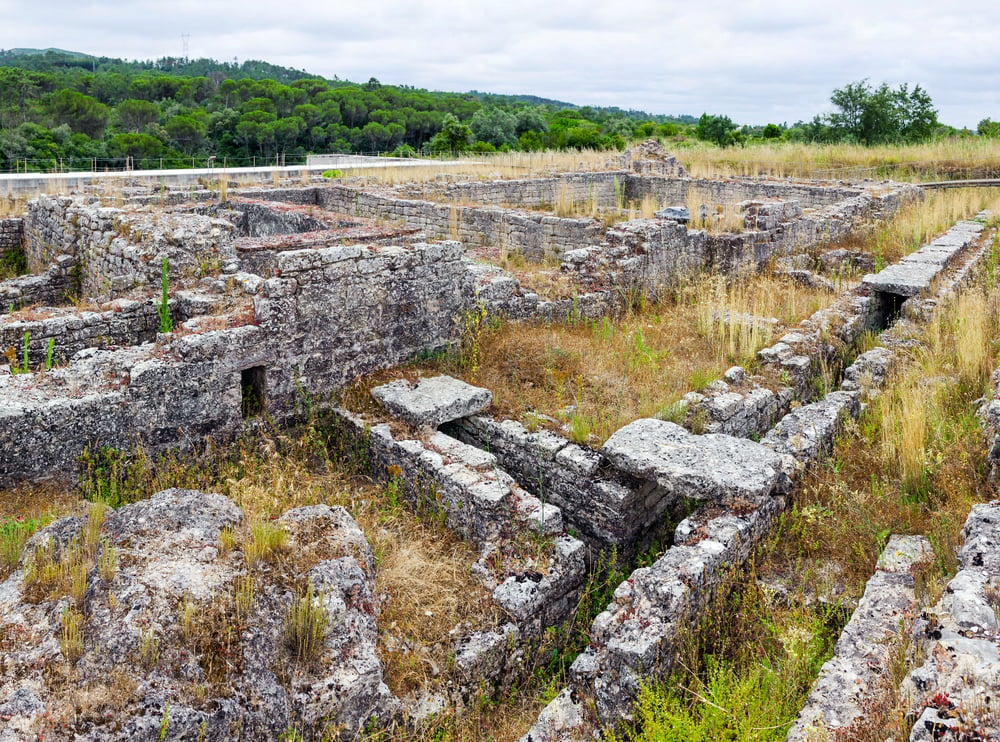
Rome’s Cloaca Maxima, meaning the Greatest Sewer, was begun around the sixth century BC to drain marshy land around the Forum into the Tiber River. It was later covered and extended, and parts of it still carry water beneath the city today.
The Romans also built public latrines connected to drainage channels, some seating dozens of people side by side. Modern sewer systems use pumps, treatment plants and plastic pipes, but the idea of an underground channel carrying waste away from where people live and work goes back to engineers like these.
Roman Concrete

Romans perfected concrete made from lime, volcanic ash and rock, and some of their structures have survived for 2,000 years. Their marine concrete, used for harbor piers and breakwaters, is especially remarkable because it actually grew stronger in seawater.
A 2017 study led by geologist Marie Jackson found that seawater reacts with the volcanic ash to form rare minerals, including aluminous tobermorite, which reinforce the material over time. Modern concrete relies on Portland cement and steel reinforcement and tends to deteriorate faster, so researchers are studying Roman recipes to improve durability.
The 365-Day Calendar

Ancient Egyptians devised a civil calendar of 365 days, divided into 12 months of 30 days, plus five extra days at the end of the year. It was not perfectly accurate, drifting by about a day every four years against the seasons. In 46 BC, Julius Caesar introduced the Julian calendar, which kept the 365 days but added a leap day every fourth year.
The Gregorian calendar introduced by Pope Gregory XIII in 1582 made a small correction by skipping some leap years at the turn of centuries. That calendar remains the global civil standard today.
Sixty-Minute Hours

Dividing hours into 60 minutes and minutes into 60 seconds is a habit inherited from ancient Mesopotamia. Sumerian and later Babylonian mathematicians used a counting system based on 60, likely because 60 can be evenly divided by many smaller numbers, including 2, 3, 4, 5, 6, 10, 12, 15, 20 and 30.
The same system gave the world 360 degrees in a circle, used by Babylonian astronomers to track the heavens. Greek astronomers adopted it, and it passed into European science.
Every clock face, stopwatch and navigation chart still quietly follows Babylonian math.
The Wheel
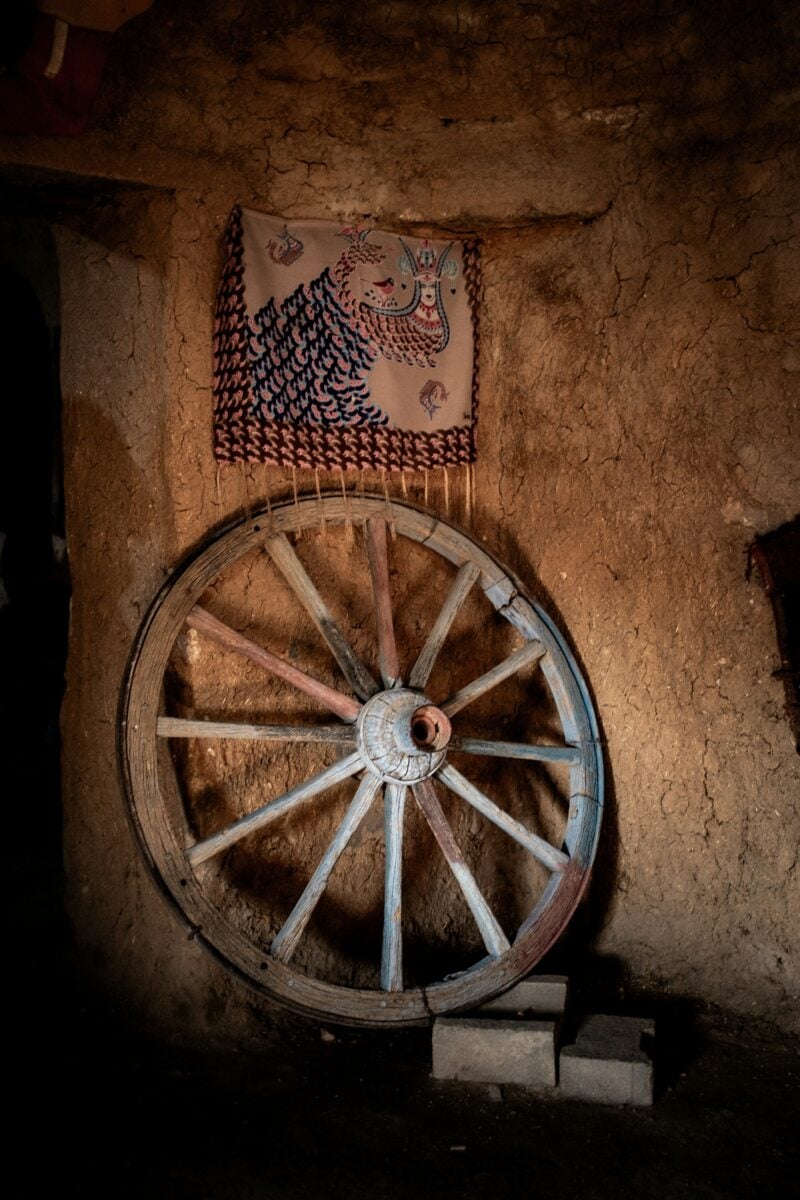
Wheels appeared in Mesopotamia around 3500 BC, though they were probably first used by potters rather than for transport. Potter’s wheels allowed clay to be shaped quickly and evenly.
Wheels for carts followed within a few centuries, and some of the oldest known wooden wheels have been found in Slovenia, including one from the Ljubljana Marshes dated to around 3150 BC. The most difficult part was not the wheel itself but the axle, which had to fit precisely.
Wheels are now so universal that it is easy to forget several advanced ancient civilizations never used them for transport.
Glass
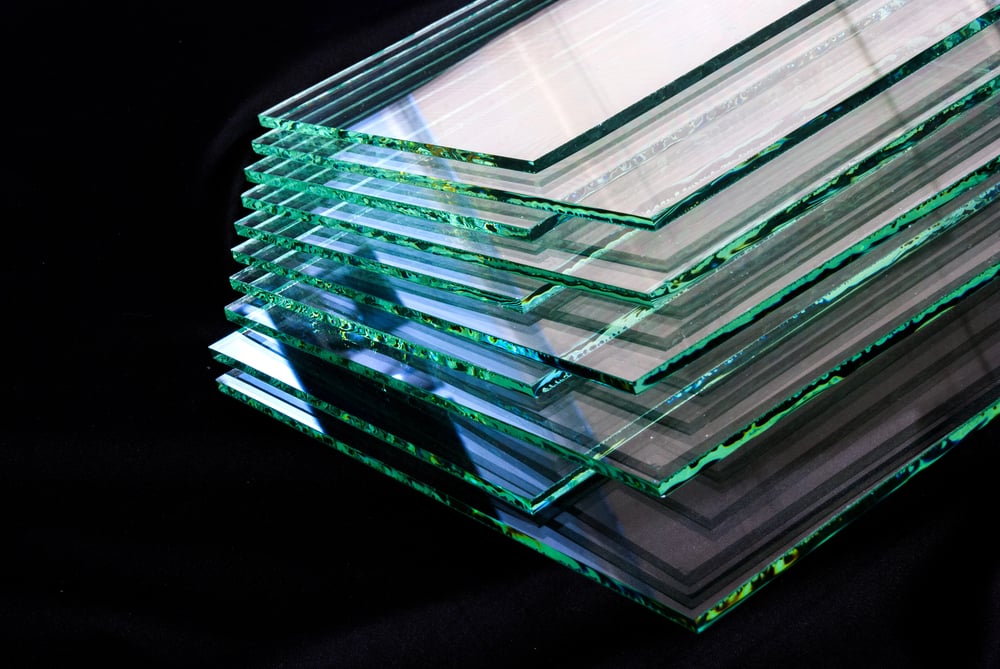
The first manufactured glass objects, mostly beads, appeared in Mesopotamia and Egypt around 2500 BC. Early glass vessels were made by shaping molten glass around a core of clay and dung, then removing the core.
Around the first century BC, glassworkers in the region of Syria discovered glassblowing, which allowed thin, transparent containers to be made quickly and cheaply. The Romans spread the technique across their empire, producing drinking cups, bottles and even window panes.
Modern glass factories use automated machines, but hand glassblowers still follow the same basic method.
Soap

A Babylonian clay cylinder from around 2800 BC contains one of the earliest known recipes for a soaplike substance made by boiling fats with ashes. Ancient Egyptians used similar mixtures for washing and treating skin diseases, according to the Ebers Papyrus from around 1550 BC. Early soap was often used for cleaning wool and textiles rather than bodies. Romans made a kind of soap as well, but they preferred to clean themselves with oil and a curved metal scraper called a strigil.
The chemistry of making soap from fats and alkali has not fundamentally changed.
Toothpaste

Egyptians of the pharaonic era used a tooth powder made from ingredients such as ox hooves, ashes, burnt eggshells and pumice. A papyrus from the fourth century AD, now held in Vienna, records a recipe combining rock salt, mint, dried iris flower and grains of pepper, which were crushed together to make a cleaning powder.
Modern dentists who tested it said it would have worked reasonably well, though it left gums sore. Toothbrushes also have ancient roots, since people chewed twigs with frayed ends to clean their teeth.
Toothpaste in tubes did not appear until the late 1800s.
Kohl Eyeliner
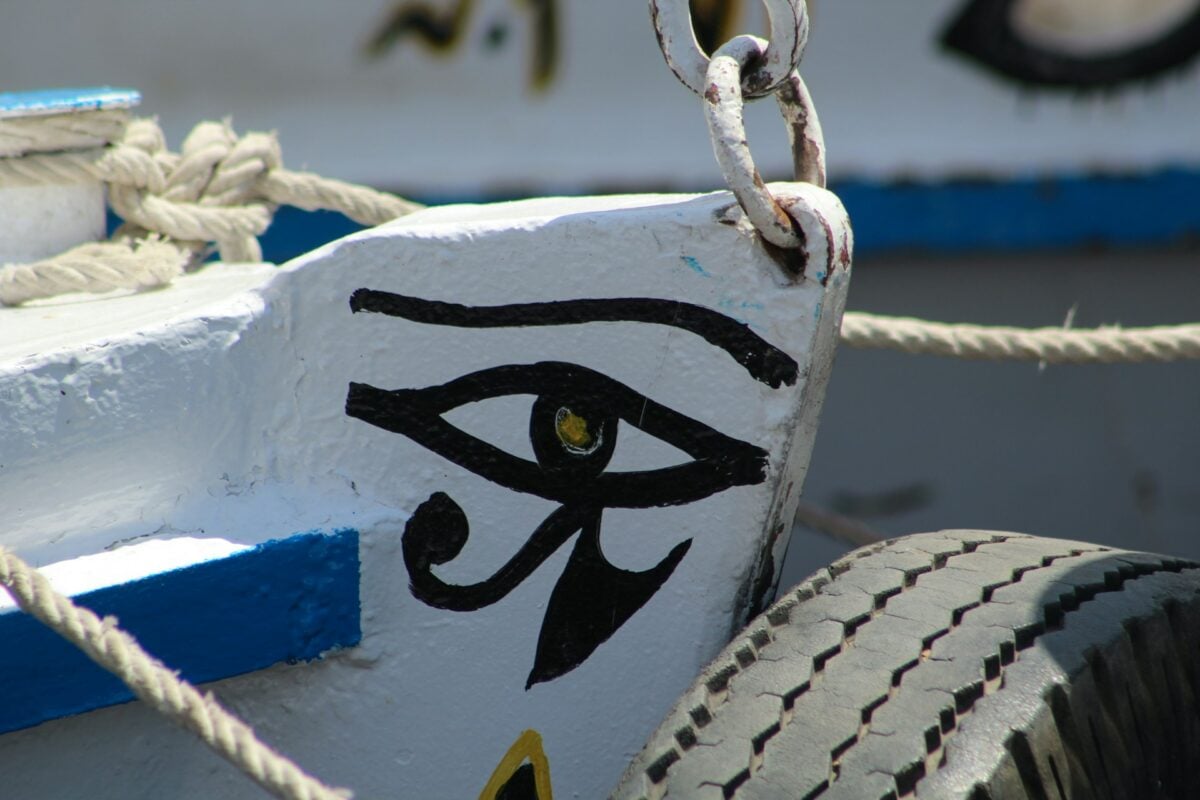
Egyptian men and women alike lined their eyes with kohl, a dark cosmetic often made from ground lead compounds. It was fashionable, but it also protected the eyes from sun glare and was believed to ward off illness.
A 2010 study by French researchers found that some of the lead compounds in Egyptian kohl, produced deliberately through wet chemistry, may have stimulated the immune system to fight eye infections. Eyeliner remains one of the most widely used cosmetics in the world, and many brands still sell products labeled kohl, though modern versions are made without lead.
Magnetic Compass

Around the time of the Han dynasty, Chinese scholars discovered that a spoon carved from lodestone, a naturally magnetic mineral, would turn to point north and south when placed on a smooth plate. These early devices were used for divination and to arrange buildings according to feng shui rather than for navigation.
By the 11th century, the scientist Shen Kuo described magnetized needles, and Chinese sailors were using compasses at sea soon after. The compass later reached Europe, where it transformed navigation.
Even with satellite positioning, ships and aircraft still carry magnetic compasses as backups.
Umbrellas and Parasols
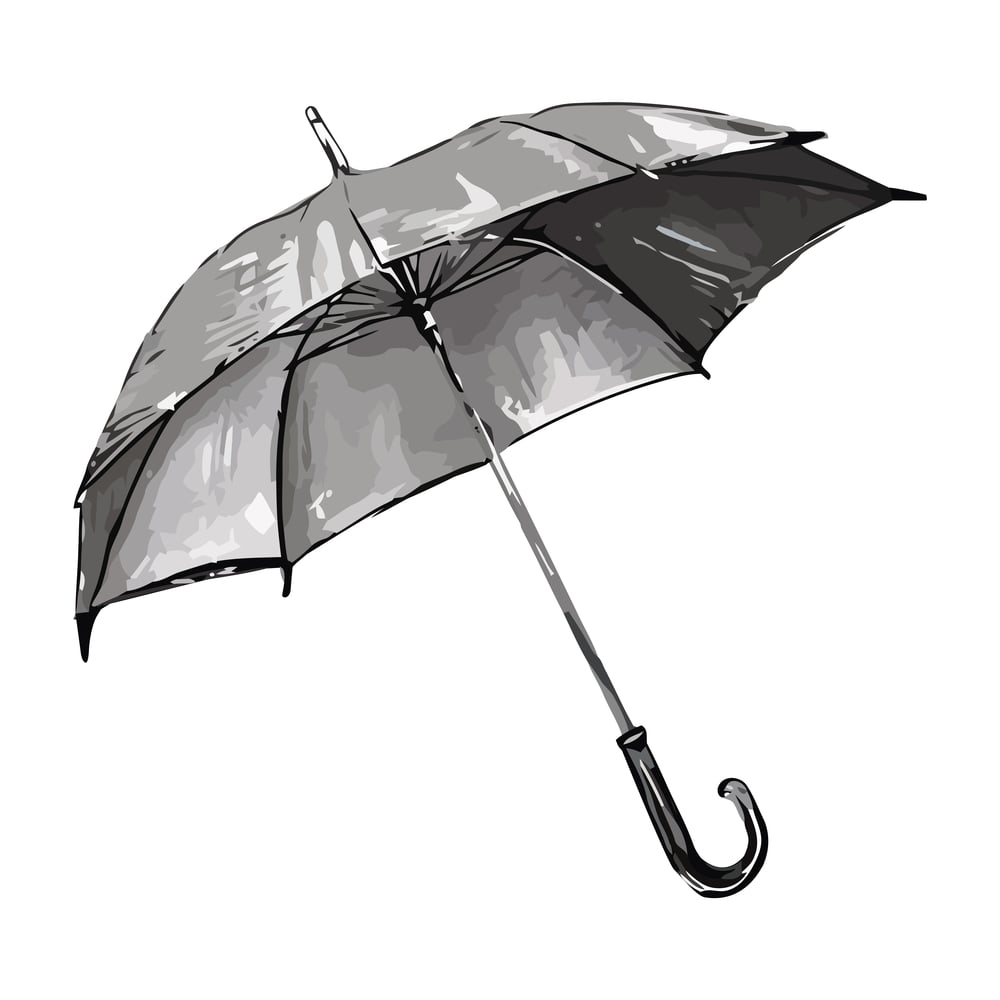
Parasols appear in ancient art from Egypt, Mesopotamia, India and China, often held over the heads of kings and nobles as symbols of status. The Chinese are credited with developing collapsible umbrellas and with waterproofing paper or silk covers with wax and lacquer.
In ancient Greece and Rome, parasols were mostly used by women to block the sun. The umbrella was slow to catch on for men in Britain, and Jonas Hanway was mocked for carrying one in London in the 1750s.
Today, billions of umbrellas are sold worldwide each year, still using the folding rib design.
Wheelbarrow
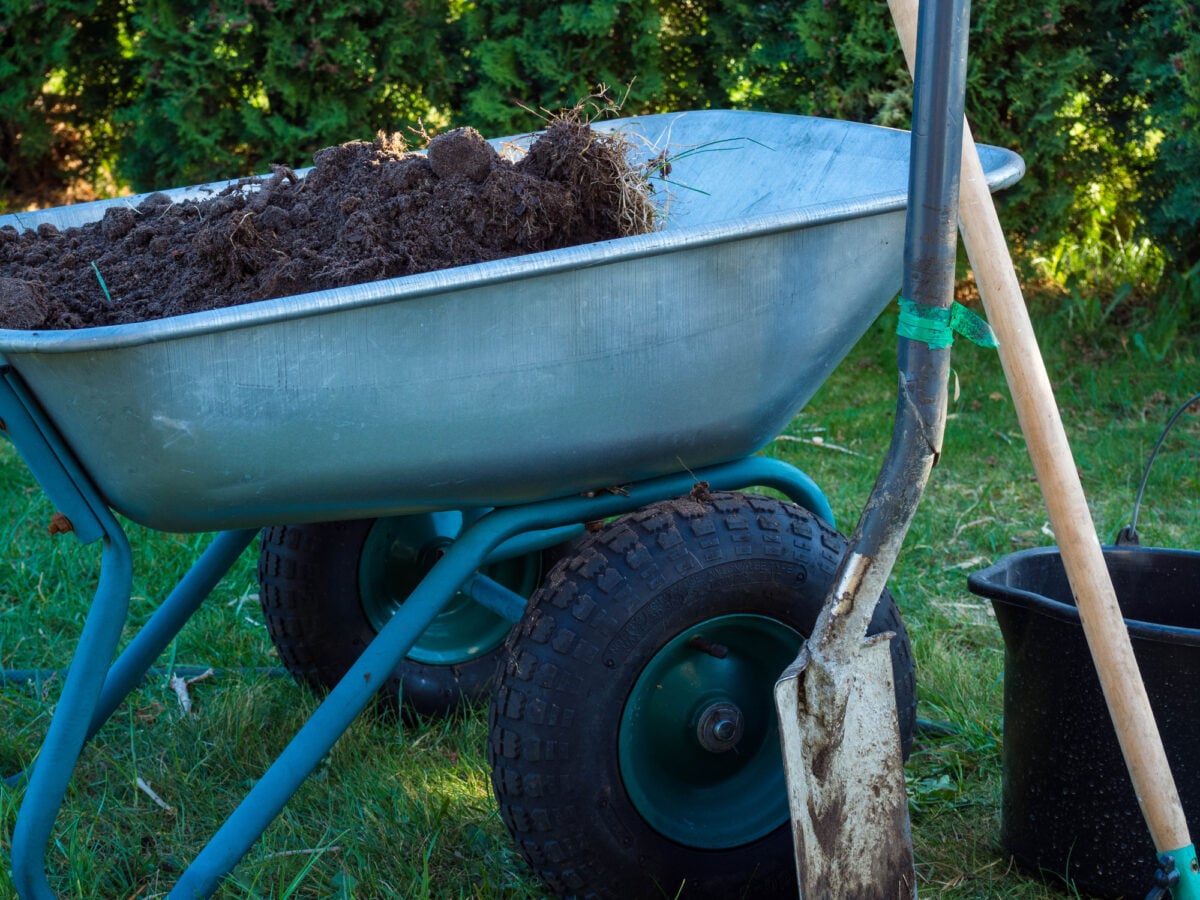
Chinese texts and tomb carvings show wheelbarrows in use during the Han dynasty, around the first or second century AD. Chinese wheelbarrows often had a large central wheel, allowing heavy loads to be balanced directly over the axle, and some were fitted with sails to help push them along.
The military strategist Zhuge Liang is traditionally associated with a type of wheelbarrow called the wooden ox, used to carry supplies. Wheelbarrows appeared in Europe around the 12th century. Construction sites and gardens around the world still depend on them.
Abacus

Counting boards were used in ancient Mesopotamia, Greece and Rome, where pebbles were moved along lines drawn in sand or carved in stone. The word calculate comes from the Latin calculus, meaning small pebble.
The Chinese suanpan, a frame with beads on rods, was widely used by the Ming dynasty and may be considerably older. Japan developed its own version, the soroban.
The abacus is still taught in schools in parts of Asia to develop mental arithmetic, and skilled users can sometimes calculate faster than people with electronic calculators.
Aqueducts
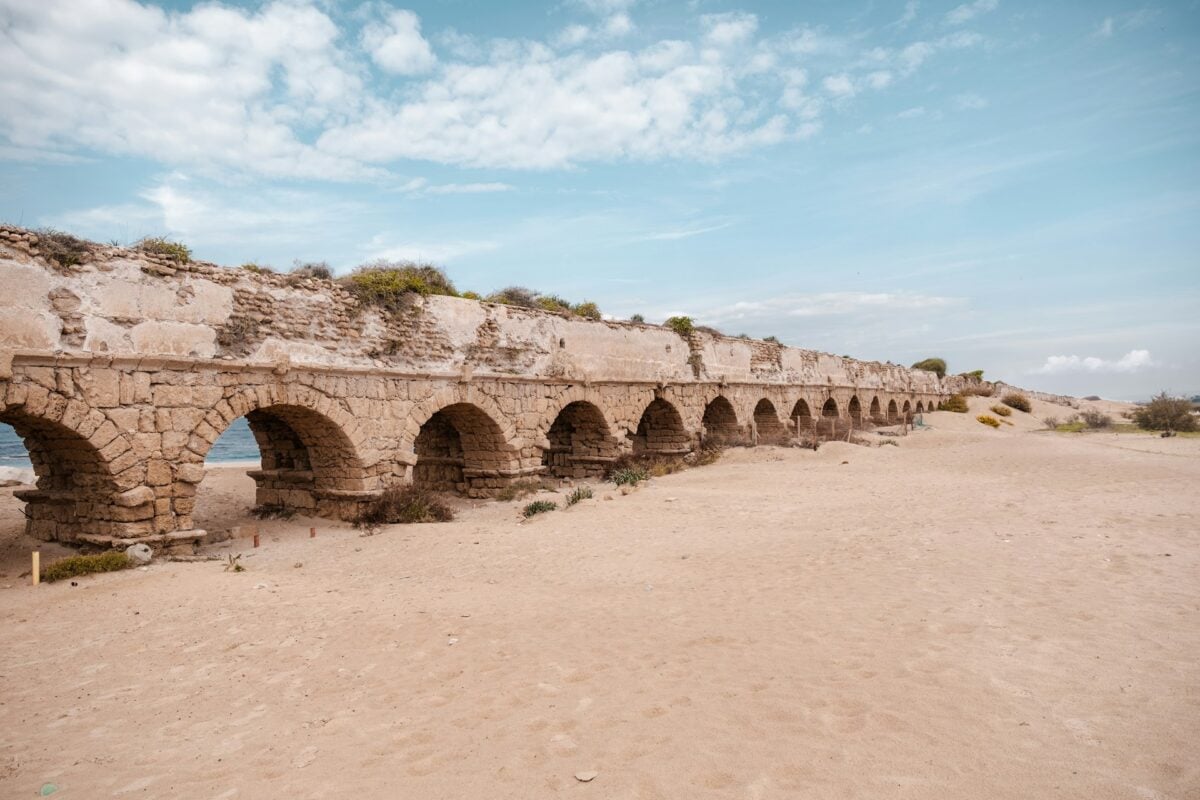
Roman aqueducts carried water across long distances using gravity alone, with channels dropping only slightly over many miles. The Aqua Virgo, completed in 19 BC by Marcus Agrippa, still supplies water to fountains in central Rome, including the Trevi Fountain.
According to legend, a young girl showed Roman soldiers the location of the spring, which gave the aqueduct its name. Most of its route runs underground, so it survived invasions and neglect better than the dramatic arches of other aqueducts.
Modern water systems use pumps and pipes, but gravity-fed aqueducts still supply many cities.
Phonetic Alphabet

Phoenician traders from the eastern Mediterranean developed an alphabet of 22 consonant letters by around 1050 BC, building on even earlier scripts from the region. Unlike hieroglyphs or cuneiform, which used hundreds of symbols, an alphabet allowed people to write every sound in their language with a small set of letters.
The Greeks adopted the Phoenician letters and added vowels, and the Romans adapted the Greek version into the Latin alphabet. The letters on keyboards around the world descend directly from this system, which is why the letter A began as an ox head.
Chopsticks

Chopsticks were probably first used in China for cooking, stirring and reaching into pots of boiling water or oil. Some of the oldest known examples, made of bronze, were found at the ruins of Yinxu, a late Shang dynasty capital, dating to roughly 1200 BC.
Chopsticks became common as eating utensils during the Han dynasty, when food was often cut into small pieces before serving. The design spread to Japan, Korea and Vietnam, each of which developed its own style.
Today, billions of pairs are used daily, including enormous numbers of disposable wooden ones.
Archimedes Screw
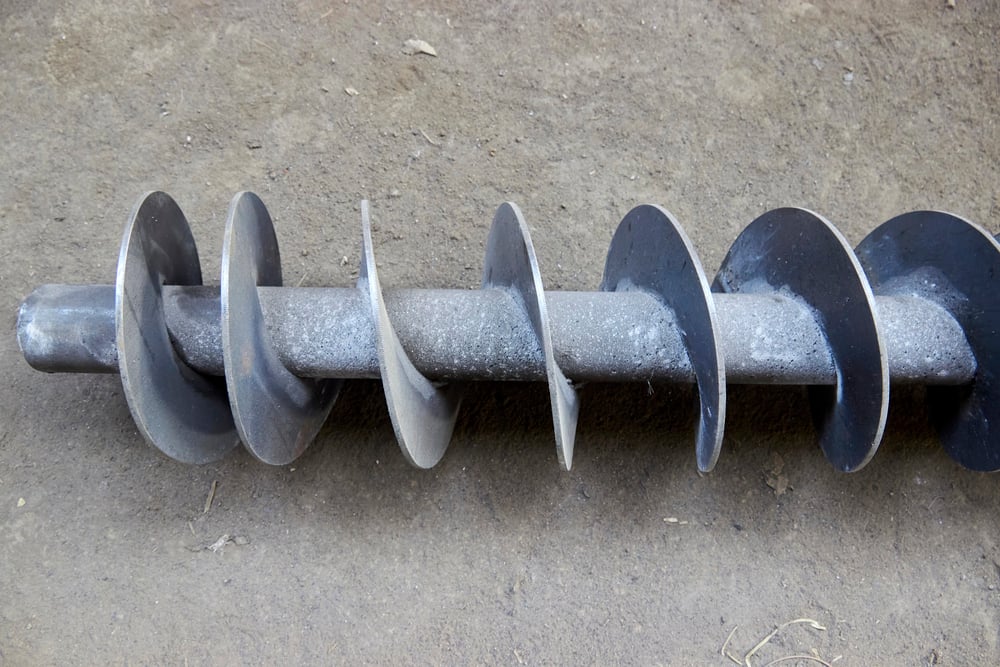
An Archimedes screw is a spiral inside a tube that lifts water when turned. It is named after the Greek mathematician Archimedes, who lived in the third century BC, although similar devices may have existed earlier in Egypt or Assyria.
Farmers used it to irrigate fields, and miners used it to drain water. The design is still used today in wastewater treatment plants, for moving grain and other loose material, and even in reverse as small hydroelectric generators.
In the Netherlands, large versions still help pump water out of low-lying land.
Underfloor Heating

Wealthy Romans heated their baths and villas with hypocausts, systems that circulated hot air from a furnace through spaces beneath raised floors and sometimes through flues in the walls. The Roman engineer Sergius Orata is traditionally credited with developing the system in the first century BC.
Similar ideas existed elsewhere, and the Korean ondol system, which channels heat under floors, dates back thousands of years. Modern underfloor heating uses hot water pipes or electric cables rather than smoke, but the goal of warming a room from below remains the same.
Beer

Beer brewing dates back at least 5,000 years in Mesopotamia, where it was a staple of daily life and was even used to pay workers. The Sumerian Hymn to Ninkasi, written down around 1800 BC, praises the goddess of beer and describes the brewing process.
Egyptians also brewed beer, and the laborers who built the pyramids received daily rations of it. Ancient beer was often thick and drunk through straws to avoid the grain husks floating on top.
Modern brewing uses hops and precise temperature control, but the basic fermentation of grain remains unchanged.
Silk

Silk production began in China, where people learned to raise silkworms and unravel their cocoons to make thread. Chinese legend credits Leizu, wife of the Yellow Emperor, with the discovery, and archaeological evidence suggests silk was being produced more than 5,000 years ago.
The process was a closely guarded secret, and silk became a valuable export along the trade routes later known as the Silk Road. According to tradition, monks smuggled silkworm eggs to the Byzantine Empire in the sixth century, hidden inside hollow canes.
Silk remains prized for its sheen and strength.
Sewing Needles
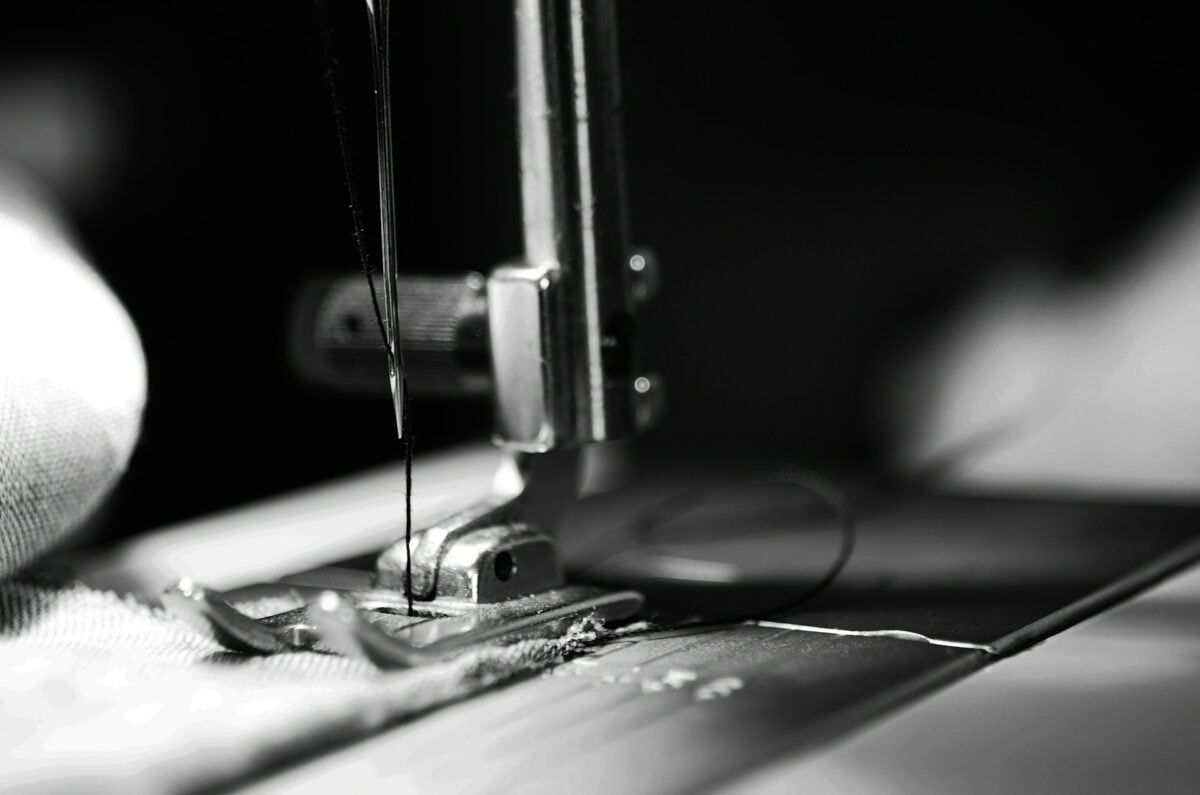
Sewing needles are among the oldest tools still in daily use. A needle made from bird bone, found in Denisova Cave in Siberia, has been dated to around 50,000 years ago, and eyed needles became common in Europe and Asia during the last Ice Age.
They allowed people to make fitted clothing from animal hides, which was essential for survival in cold climates. Bone and ivory needles were later replaced by bronze, iron and steel versions.
The basic design, a thin, pointed shaft with an eye for thread, has hardly changed in tens of thousands of years.
Dice
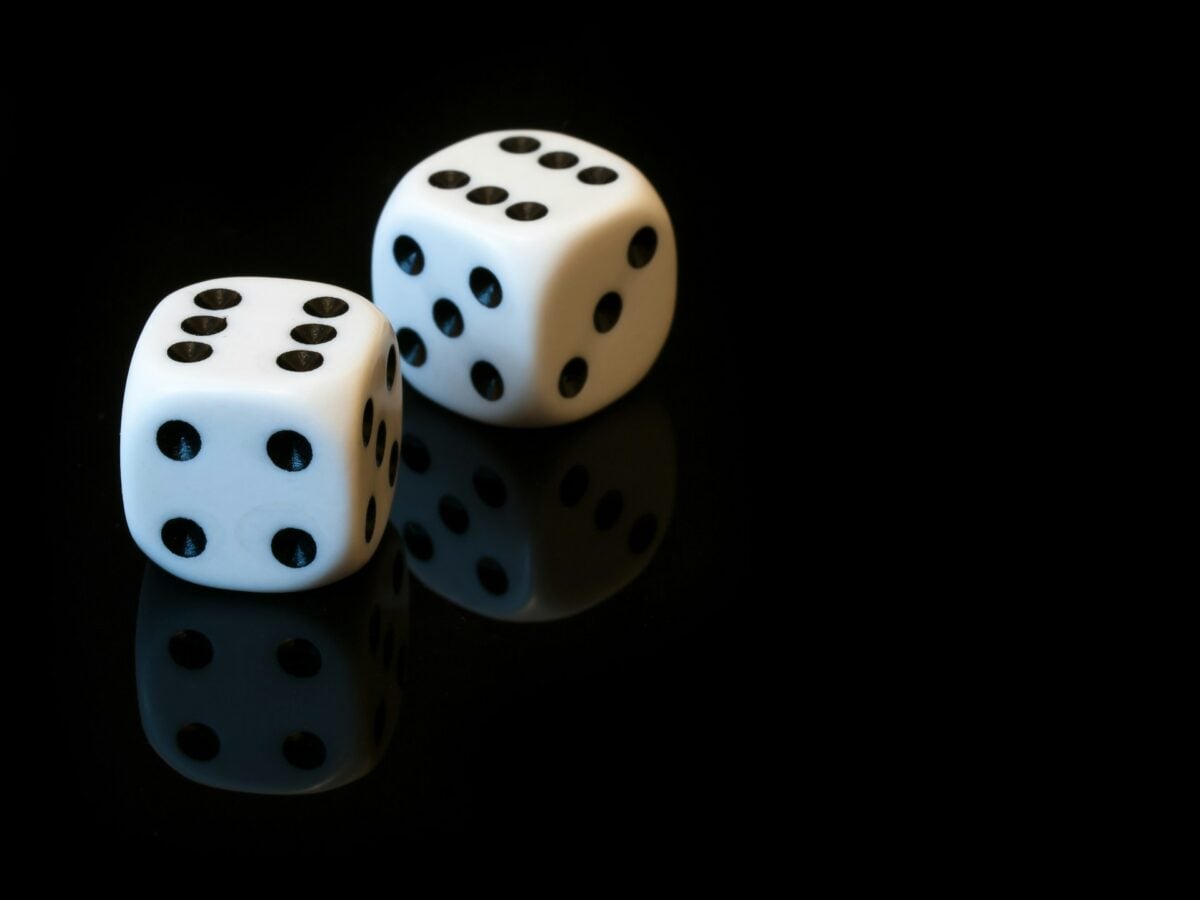
Dice are among the oldest known gaming tools. A set of dice found at Shahr-e Sukhteh in Iran, dating to roughly 2800 to 2500 BC, closely resembles modern six-sided dice. Around the same period, the Royal Game of Ur in Mesopotamia used four-sided pyramid dice.
Ancient Romans were enthusiastic gamblers, and dice made of bone, ivory and stone have been found across their empire, including some weighted to cheat. Dice have long been used for fortune telling as well as games.
Today, they appear in board games, casinos and tabletop role-playing games worldwide.
Mirrors
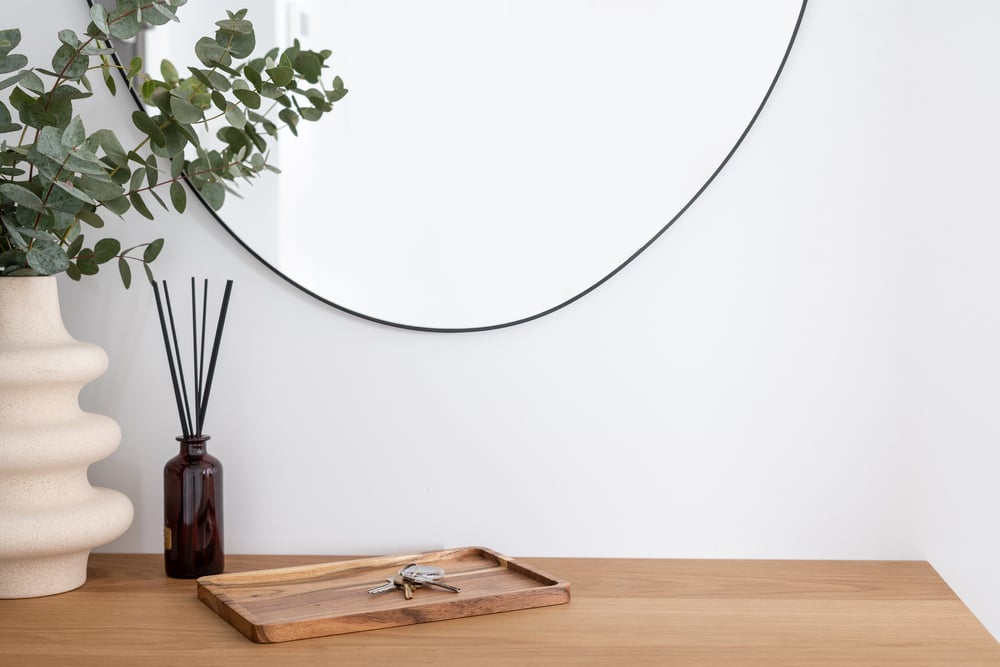
Polished obsidian, a volcanic glass, was used for the earliest known mirrors, which were found at Catalhoyuk in modern Turkey and date to around 6000 BC. Later mirrors in Egypt, Mesopotamia and China were made from polished copper or bronze.
Glass mirrors backed with metal appeared in Roman times but were small and uneven. In the 1500s, Venetian craftsmen on the island of Murano produced high-quality glass mirrors, and their techniques were closely guarded.
In 1835, German chemist Justus von Liebig developed a process for coating glass with silver, the basis of modern mirrors.
Ink

Ancient Egyptians and Chinese both made ink by mixing soot, also known as lampblack, with water and a binder such as gum or animal glue. Egyptian scribes carried palettes with cakes of black and red ink, and their writing on papyrus has survived for thousands of years.
Chinese ink sticks, ground on a stone with water, were refined over centuries and became highly prized. In medieval Europe, iron gall ink made from oak galls became the standard for manuscripts.
Modern pen and printer inks use different chemistry, but India ink remains close to the ancient carbon formula.
Postal Relay Systems

Persian kings including Cyrus the Great and Darius the Great built a relay system for royal messages, with riders stationed along the Royal Road at intervals of roughly a day’s travel. Fresh horses and riders carried messages onward, covering distances of more than 1,500 miles in about a week.
The Greek historian Herodotus admired the system and wrote that nothing stopped these couriers. A version of his description is carved on the James A. Farley Building in New York, which served as the city’s main post office, and it is often mistaken for the official motto of the US Postal Service.
Lighthouses

The Pharos of Alexandria, built in the third century BC, was one of the Seven Wonders of the Ancient World and guided ships into Egypt’s busiest harbor. It was damaged by earthquakes and eventually collapsed. The Romans built lighthouses across their empire, and one of them, the Tower of Hercules in A Coruna, Spain, still operates today.
It was built in the first or second century AD and restored in the 1790s, making it the oldest Roman lighthouse still in use. It was added to the UNESCO World Heritage List in 2009.
Plows

Early plows, called ards, were simple wooden tools that scratched a furrow in the soil. They were used in Mesopotamia by around 4000 BC, often pulled by oxen.
Mesopotamian farmers later developed a seeder plow that dropped seeds through a funnel into the furrow as it was cut. The Chinese developed iron moldboard plows that turned the soil over, a design that reached Europe much later.
Plows allowed farmers to cultivate much larger areas, which supported growing populations and cities. Modern tractors pull plows that still follow the same basic principle.
Old Ideas in New Hands

The most successful inventions tend to disappear into ordinary life. Nobody thinks about Mesopotamia while checking a watch or about Han dynasty officials while grabbing a sheet of paper.
That invisibility is a sign of how well the ideas worked. Progress often looks like a series of breakthroughs, but it is equally a story of refinement.
Each generation takes an old solution, improves the materials and adapts the design. The underlying idea often survives long after the empire that produced it.
More from Go2Tutors!

- The Romanov Crown Jewels and Their Tragic Fate
- 13 Historical Mysteries That Science Still Can’t Solve
- Famous Hoaxes That Fooled the World for Years
- 15 Child Stars with Tragic Adult Lives
- 16 Famous Jewelry Pieces in History
Like Go2Tutors’s content? Follow us on MSN.