13 Ancient Cities Buried and Rediscovered
Entire cities have vanished beneath ash, sand, jungle canopy, and centuries of accumulated soil, only to be rediscovered by archaeologists working sometimes centuries after the last resident walked away. Each rediscovery rewrote assumptions about the civilization that built it.
Pompeii, Italy
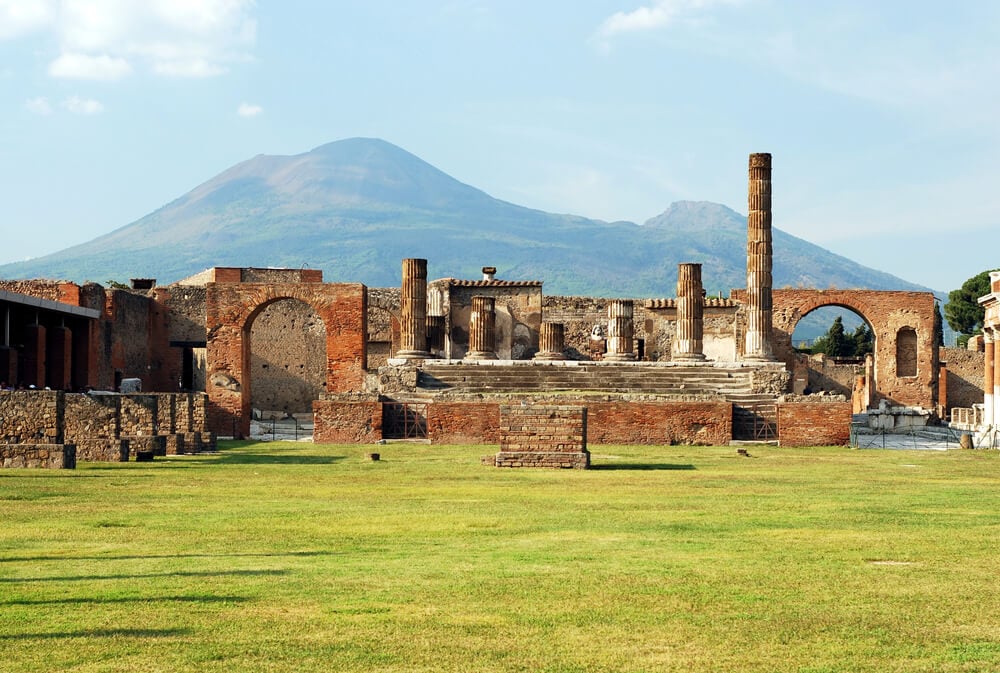
Buried under volcanic ash and pumice when Mount Vesuvius erupted in 79 CE, Pompeii remained largely undisturbed until systematic excavations began in 1748 under the direction of Spanish military engineer Rocque Joaquin de Alcubierre. The eruption preserved the city with startling precision, including plaster casts of victims’ final positions, created by pouring plaster into the voids their decomposed bodies left in the hardened ash.
Machu Picchu, Peru
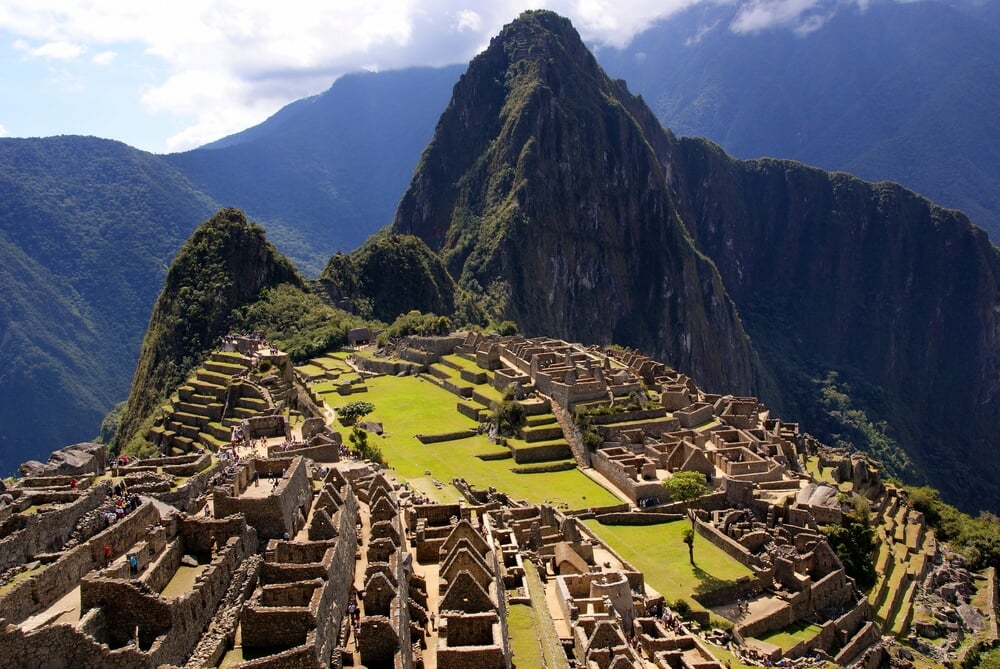
Built by the Inca in the 15th century and abandoned roughly a century later, likely around the time of the Spanish conquest, Machu Picchu remained largely unknown to the outside world until American historian Hiram Bingham was guided to the site by local farmers in 1911. Unlike many rediscovered cities, Machu Picchu was never truly “lost,” since local Quechua communities had long known of its existence.
Troy, Turkey
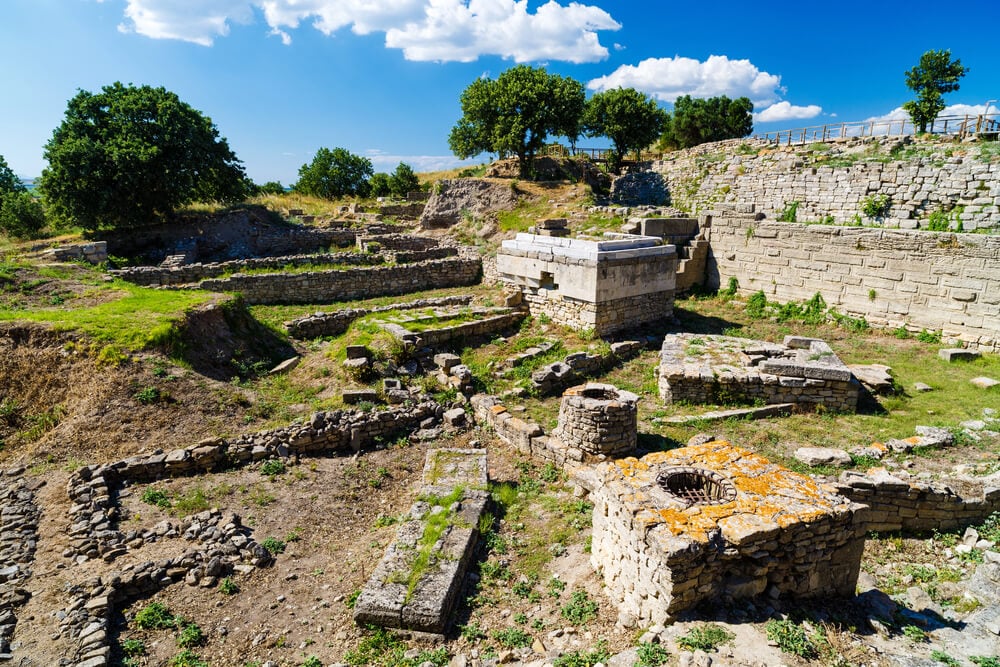
The historical basis for Homer’s Iliad, Troy was long considered a myth until German businessman-turned-archaeologist Heinrich Schliemann began excavating the mound of Hisarlik in northwestern Turkey in 1870, uncovering multiple layered cities dating back thousands of years. Schliemann’s excavation methods, aggressive by modern standards, damaged some of the very layers he was trying to study, complicating later archaeological interpretation.
Angkor, Cambodia
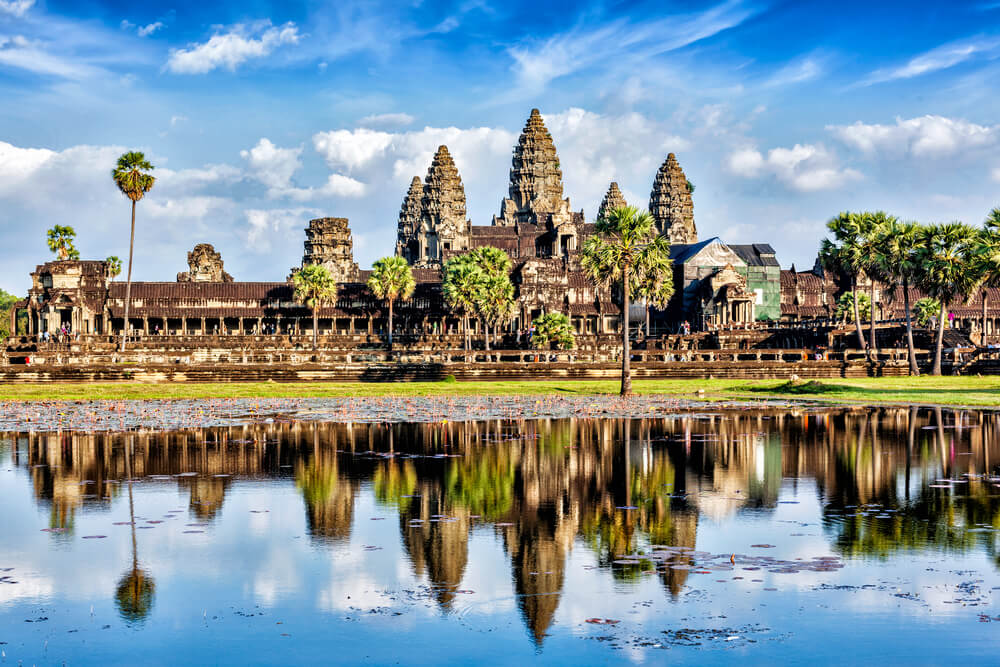
The Khmer Empire’s capital, Angkor, was largely abandoned by the 15th century after centuries as one of the largest pre-industrial urban centers in the world, and though never fully “lost” to local Cambodians, it was reintroduced to Western audiences following French naturalist Henri Mouhot’s widely read 1860s accounts. Recent LiDAR surveys conducted in 2012 revealed the urban area extended far beyond the famous Angkor Wat temple complex, encompassing a city far larger than previously understood.
Petra, Jordan
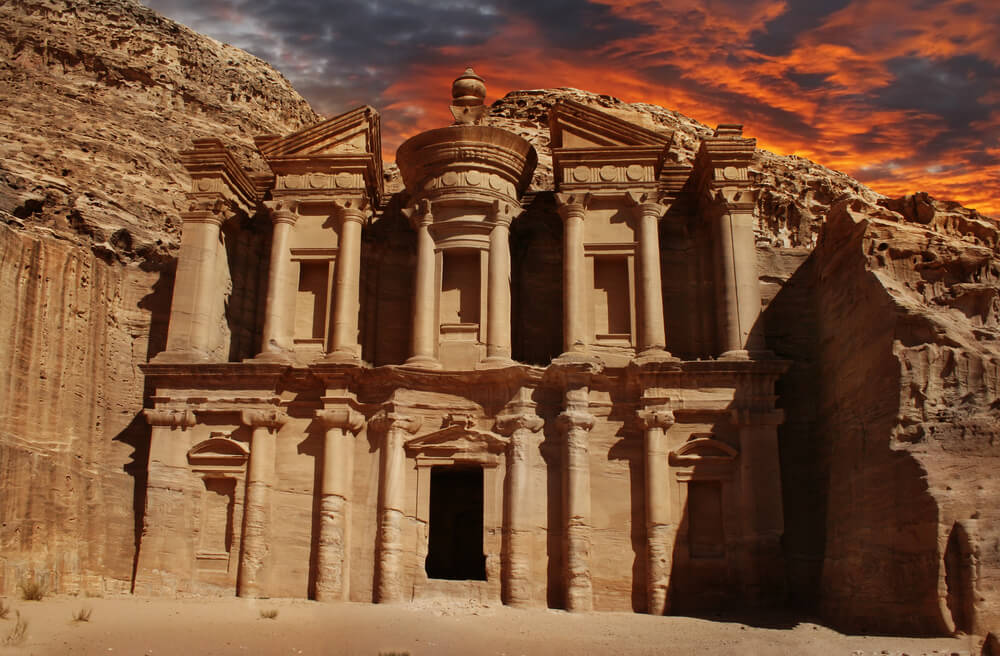
Carved directly into rose-colored sandstone cliffs by the Nabataeans beginning around the 4th century BCE, Petra served as a major trade hub before declining after a series of earthquakes and shifting trade routes, and it remained largely unknown to the Western world until Swiss explorer Johann Ludwig Burckhardt reached it in 1812 disguised as a Muslim traveler. Much of the city, including large sections of the elaborate Treasury facade, remains only partially excavated even today.
Teotihuacan, Mexico
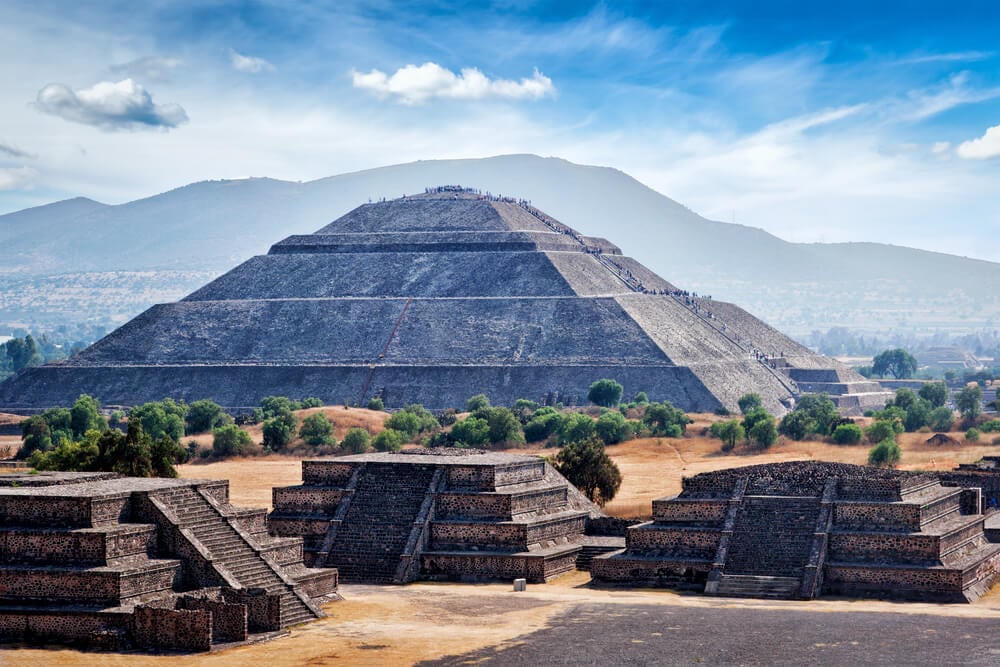
One of the largest cities in the pre-Columbian Americas, Teotihuacan reached its peak population sometime between 100 and 450 CE before its dramatic decline, and though its massive pyramids remained visible above ground, the identity of the civilization that built it remained unknown even to the Aztecs who later named the site. Extensive archaeological excavation only began in earnest in the 20th century, and researchers still debate which ethnic group originally constructed it.
Mohenjo-daro, Pakistan
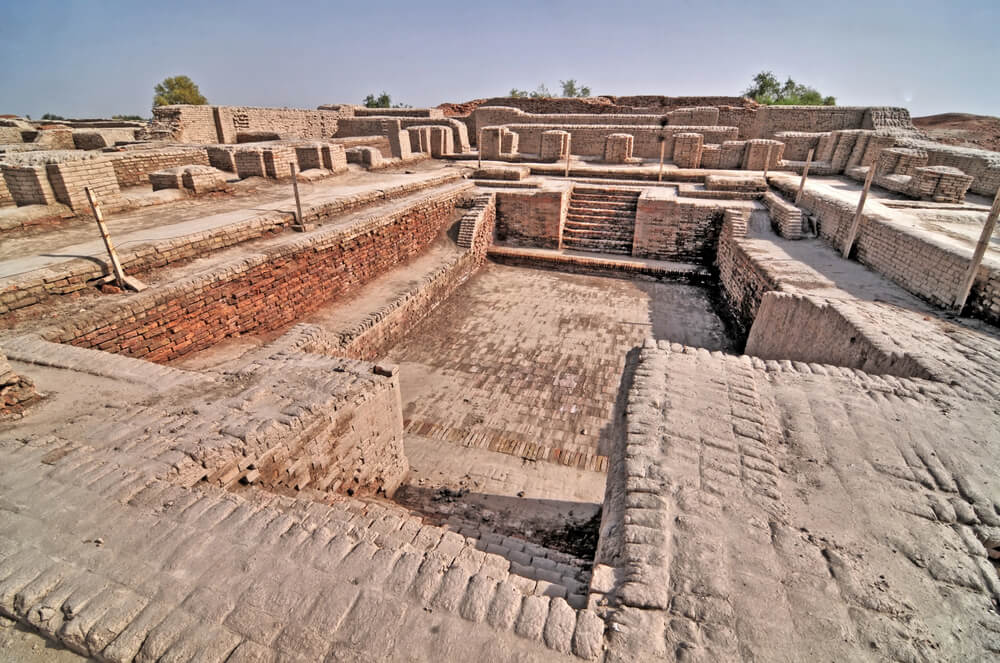
A major city of the Indus Valley Civilization, built around 2500 BCE, Mohenjo-daro was rediscovered in 1922 by archaeologist Rakhaldas Bandyopadhyay, revealing a remarkably advanced urban planning system including a sophisticated citywide drainage network unmatched by other ancient civilizations of the same era. The Indus script found throughout the site remains undeciphered to this day, leaving much of the civilization’s history a matter of ongoing scholarly debate.
Herculaneum, Italy
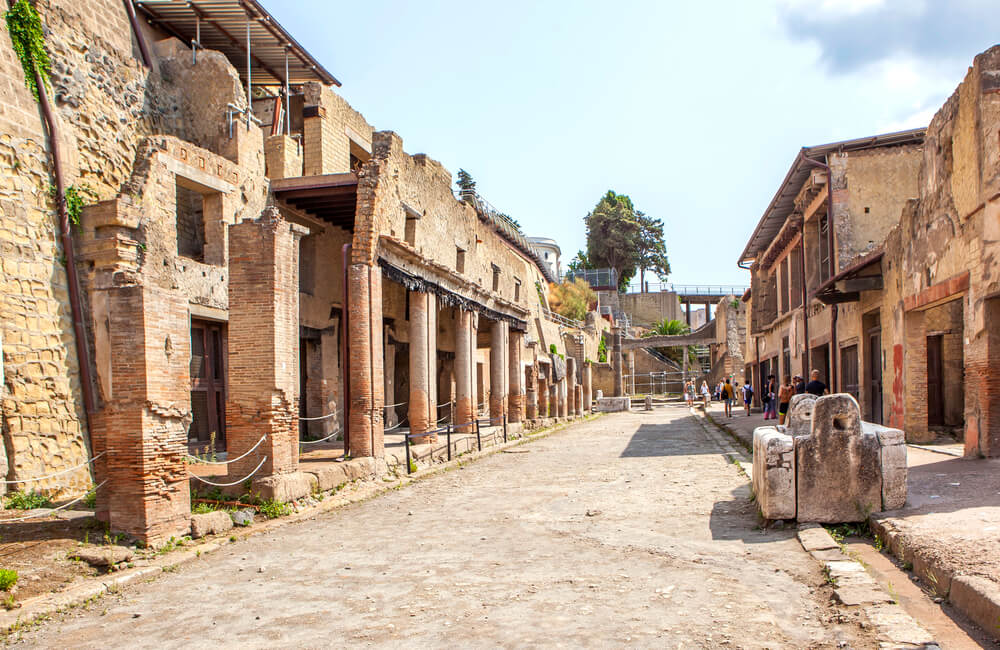
Buried alongside Pompeii by the same 79 CE eruption of Mount Vesuvius, Herculaneum was preserved even more completely due to a pyroclastic flow that carbonized organic material rather than burning it away, preserving wooden furniture, food, and even papyrus scrolls. Formal excavation began in 1738, ten years before Pompeii’s systematic excavations in 1748, after well-diggers accidentally struck the buried theater.
Great Zimbabwe, Zimbabwe
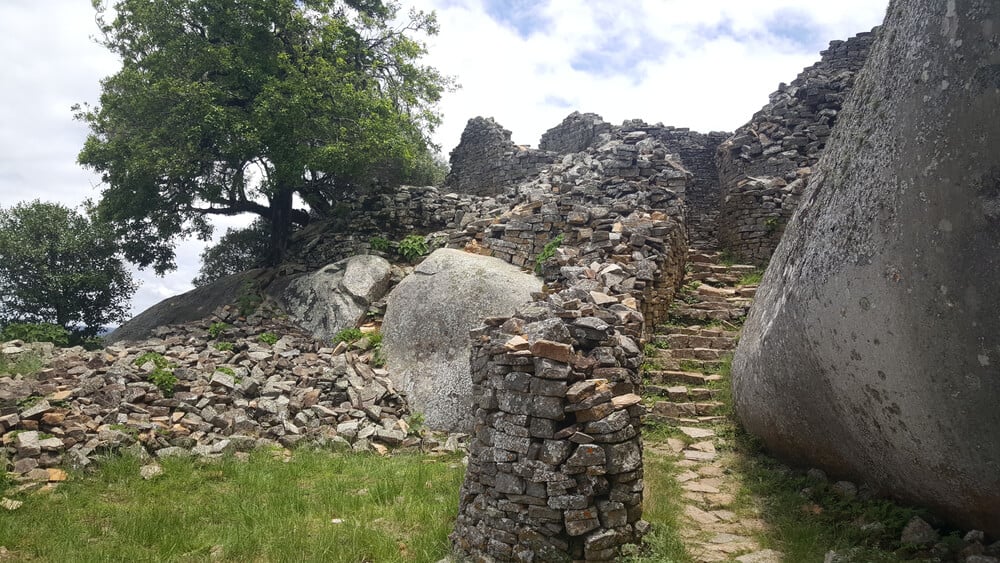
Built by the ancestors of the Shona people beginning around the 11th century CE, Great Zimbabwe was the center of a powerful trading kingdom before its abandonment around the 15th century, likely due to resource depletion. Colonial-era European visitors controversially refused to credit African builders with the site’s construction for decades, a position modern archaeology has thoroughly disproven through extensive excavation confirming indigenous Bantu origins.
Caral, Peru
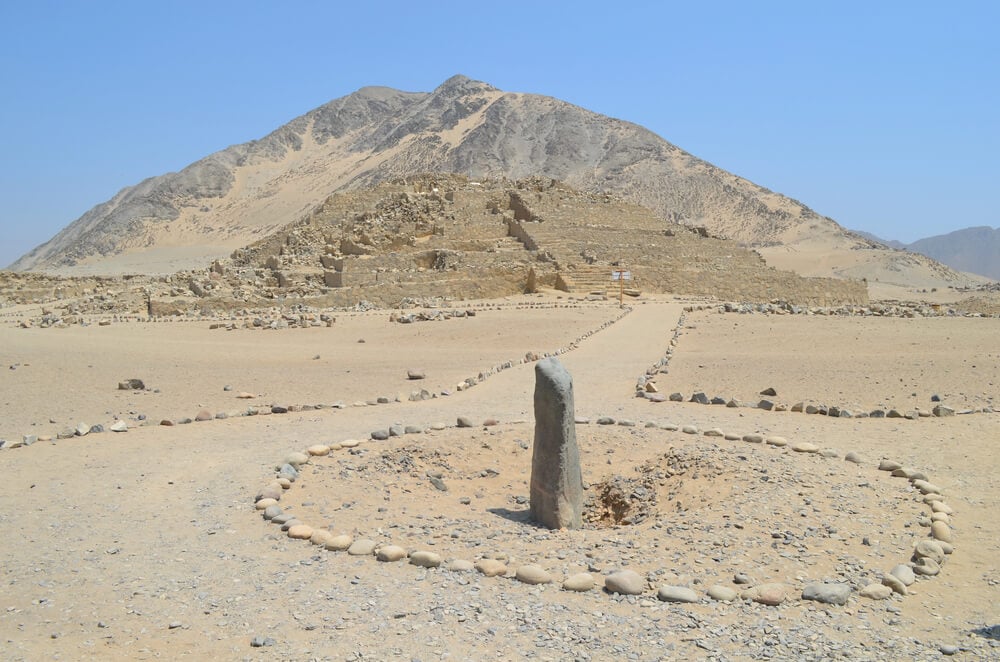
Caral, located in Peru’s Supe Valley, is now considered one of the oldest known urban centers in the Americas, with construction dating back roughly 5,000 years, predating the Inca by millennia. Archaeologist Ruth Shady Solis began major excavations in 1996, and the site’s age has forced significant reconsideration of how early complex urban civilization developed in South America.
Ani, Turkey
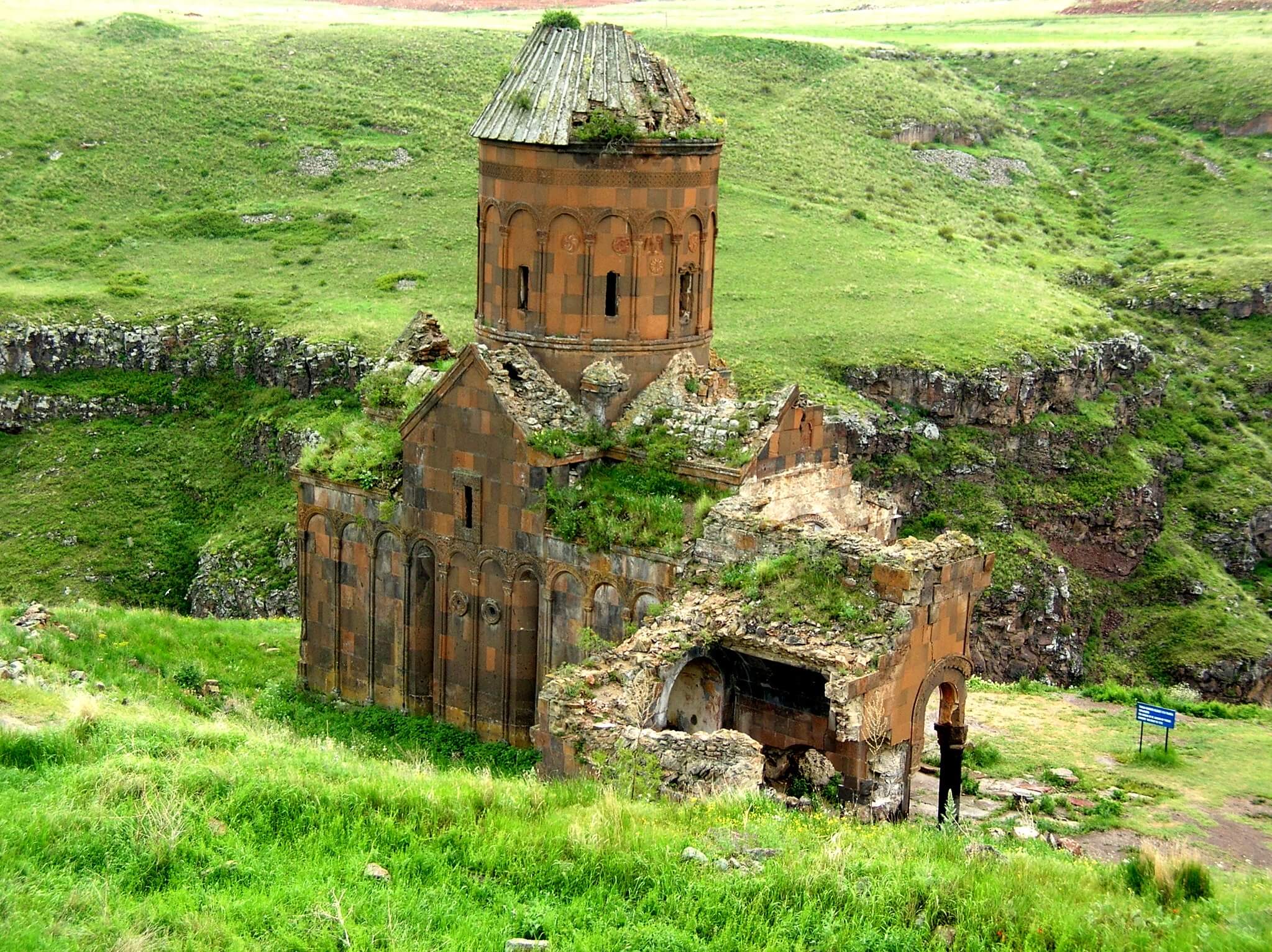
Once a major medieval Armenian capital known for its extensive network of churches, Ani flourished along Silk Road trade routes before a combination of earthquakes, invasions, and shifting trade patterns led to its abandonment by the 17th century. The ruins, located directly on the modern Turkey-Armenia border, remained largely inaccessible to researchers for decades due to the politically sensitive border zone.
Vijayanagara, India
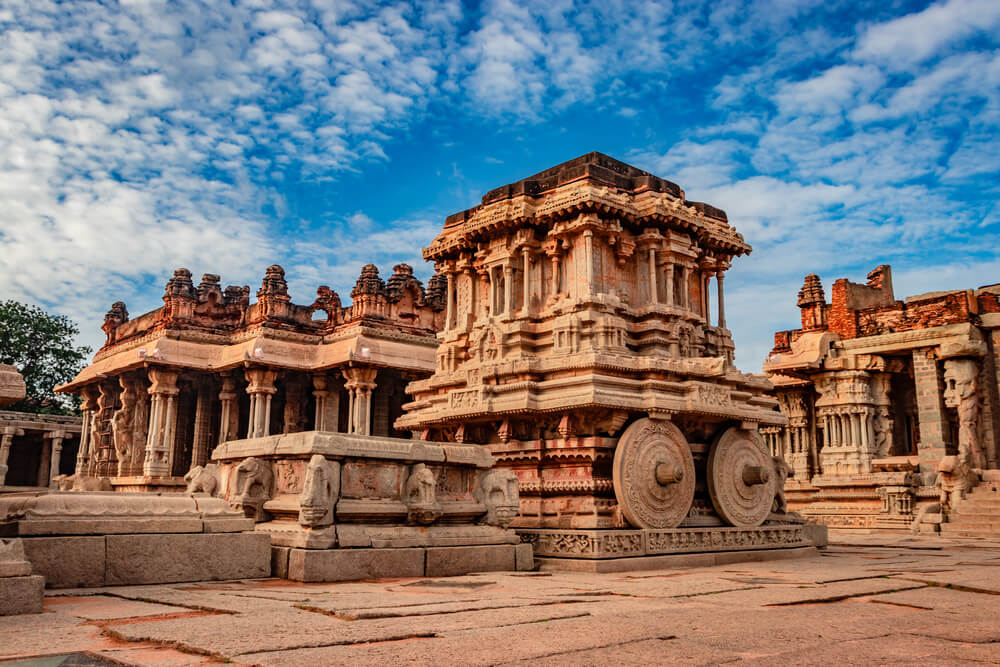
Capital of the Vijayanagara Empire, which dominated much of southern India from 1336 until its fall in 1565 following the Battle of Talikota, the city was sacked and largely abandoned within months of that defeat. The ruins near modern Hampi remained relatively unexcavated until 20th-century archaeological surveys began systematically documenting the site’s temples and palace structures.
Ctesiphon, Iraq
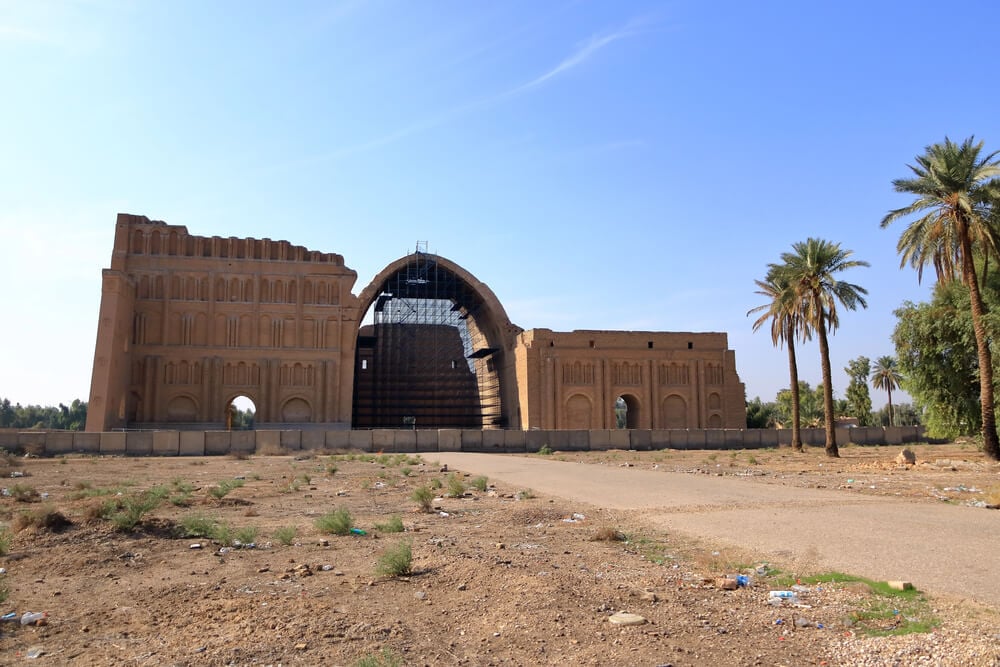
Once the capital of the Parthian and Sassanid Persian empires, Ctesiphon was among the largest cities in the world during late antiquity before its decline following the Arab conquest in 637 CE. The site’s most famous surviving structure, the Taq Kasra arch, remains the largest unreinforced brick vault in the world, though large portions of the surrounding city remain unexcavated.
Ruins as Argument

Every rediscovered city on this list eventually became a kind of argument, whether about who built it, why it was abandoned, or what its existence said about the sophistication of a civilization that outsiders had underestimated. Great Zimbabwe’s colonial-era controversy is the clearest example, but the same pattern of skepticism followed nearly every non-European site rediscovered during the 19th and early 20th centuries.
What eventually settles these arguments is rarely a single excavation but decades of accumulated evidence, radiocarbon dating, and increasingly LiDAR and satellite imaging that reveal what ground-level surveys missed entirely. The cities were never actually lost to everyone; they were lost specifically to whoever wasn’t looking, and rediscovery has always said as much about the discoverers as the discovered.
More from Go2Tutors!

- The Romanov Crown Jewels and Their Tragic Fate
- 13 Historical Mysteries That Science Still Can’t Solve
- Famous Hoaxes That Fooled the World for Years
- 15 Child Stars with Tragic Adult Lives
- 16 Famous Jewelry Pieces in History
Like Go2Tutors’s content? Follow us on MSN.