30 Battles Won by Smaller Armies Against Impossible Odds
History has a soft spot for the underdog — not out of sentimentality, but because the underdog keeps winning. Again and again, across centuries and continents, smaller forces have walked into situations that looked like certain destruction and walked out the other side with victories that rewrote the rules of what was supposed to be possible.
These weren’t flukes. They were the product of better generals, tougher soldiers, smarter ground, or sheer refusal to accept what the numbers said. Some of these battles you’ll recognize immediately. Others have been quietly sitting in the footnotes of history, waiting for someone to notice how extraordinary they actually were.
All of them share one thing: the side that should have lost didn’t.
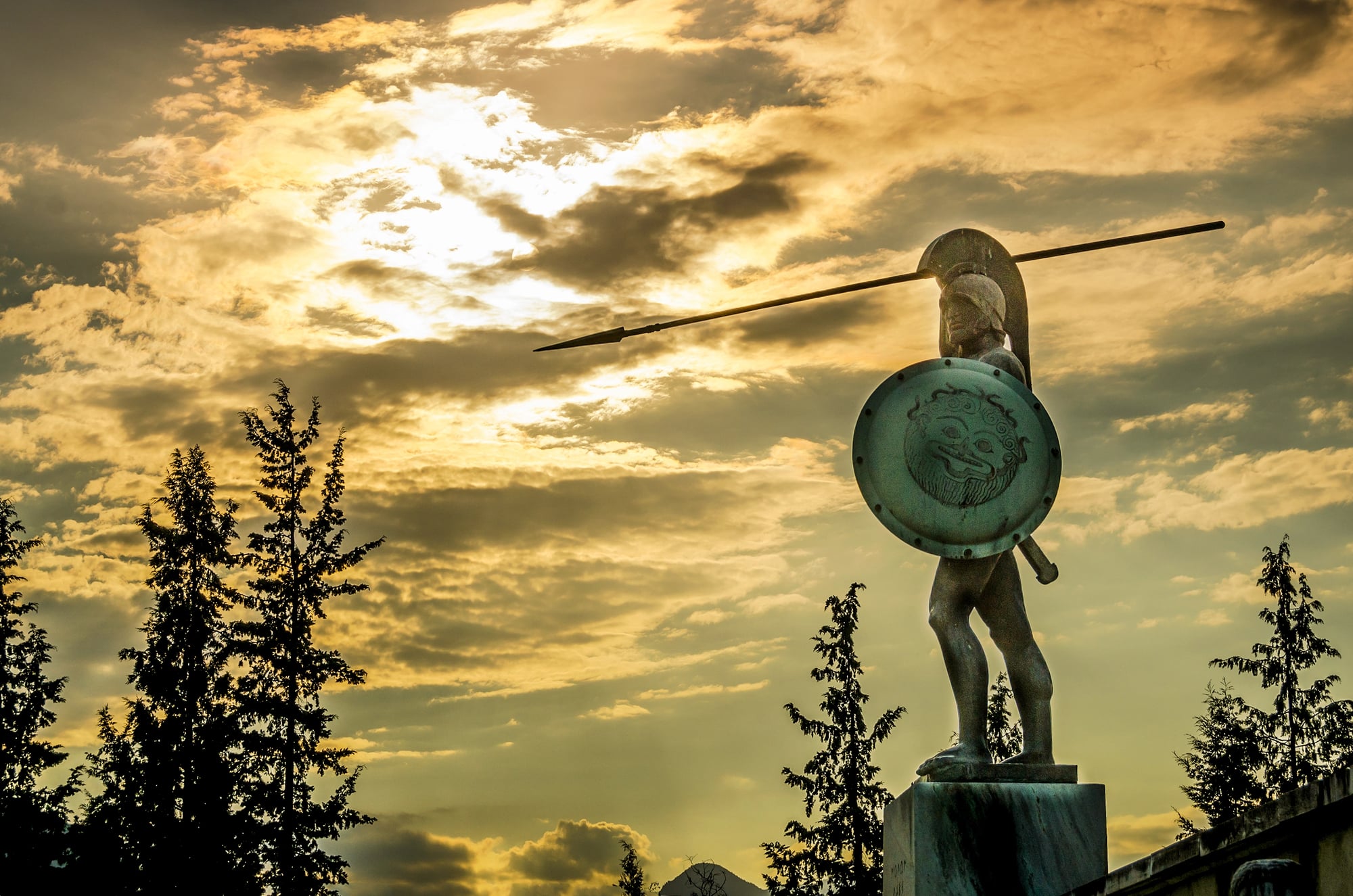
The Battle of Thermopylae
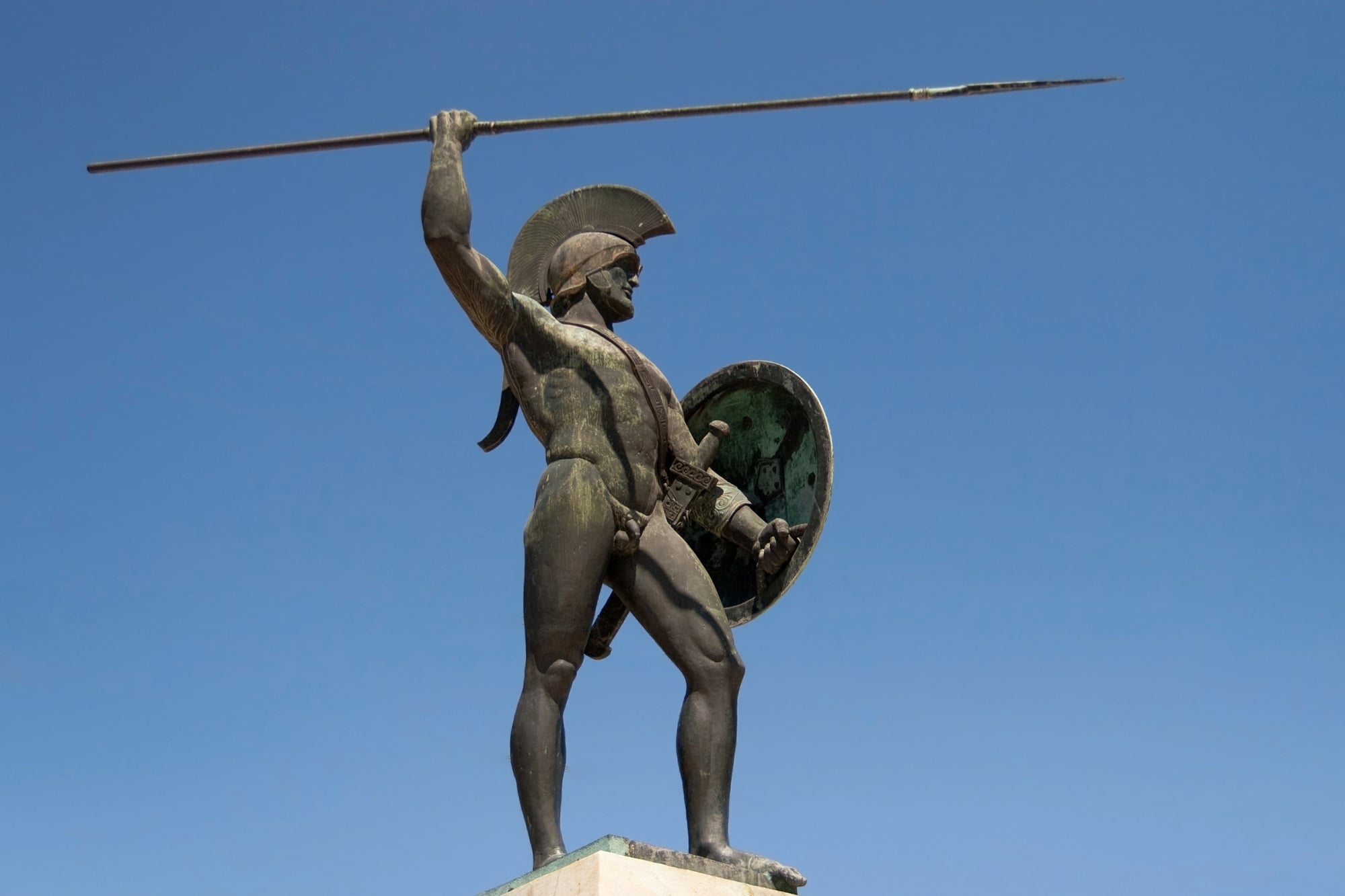
Three hundred Spartans held the pass at Thermopylae against a Persian army estimated in the hundreds of thousands. They didn’t win — not in the conventional sense — but they held for three days and inflicted casualties that rattled Xerxes enough to change the shape of the entire war.
The stand bought Greece time, and time bought Greece everything.
The Battle of Salamis
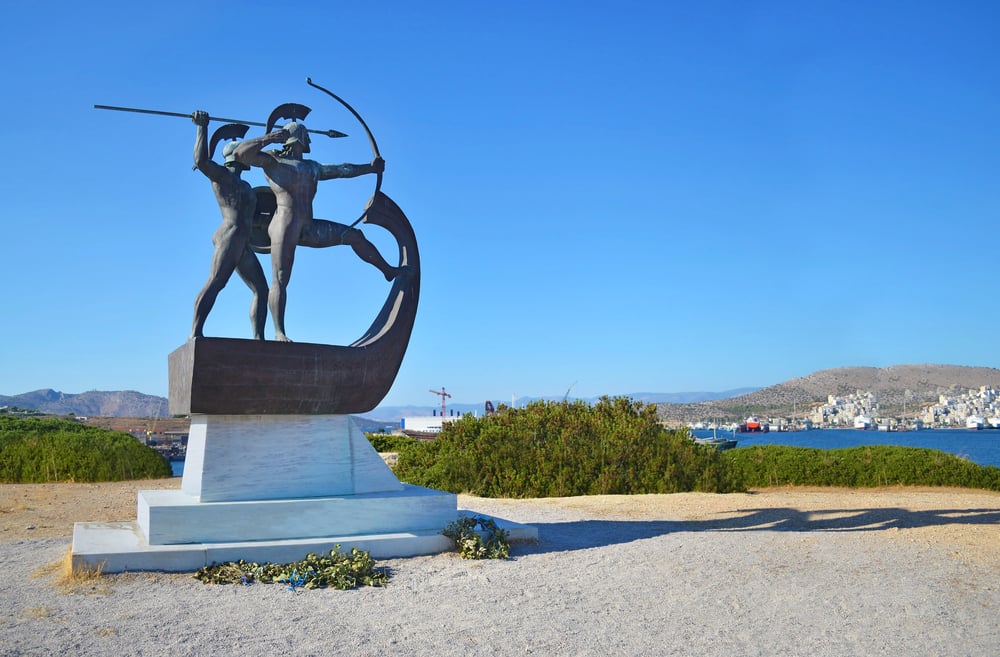
The Greek fleet was outnumbered by roughly three to one when it met the Persian navy in the narrow strait of Salamis in 480 BC. Themistocles understood something the Persians didn’t: that tight water neutralizes numerical advantage, the way a crowded hallway neutralizes a large army.
The Persian ships, designed for open water, tangled with each other — and the Greeks tore them apart.
The Battle of Gaugamela
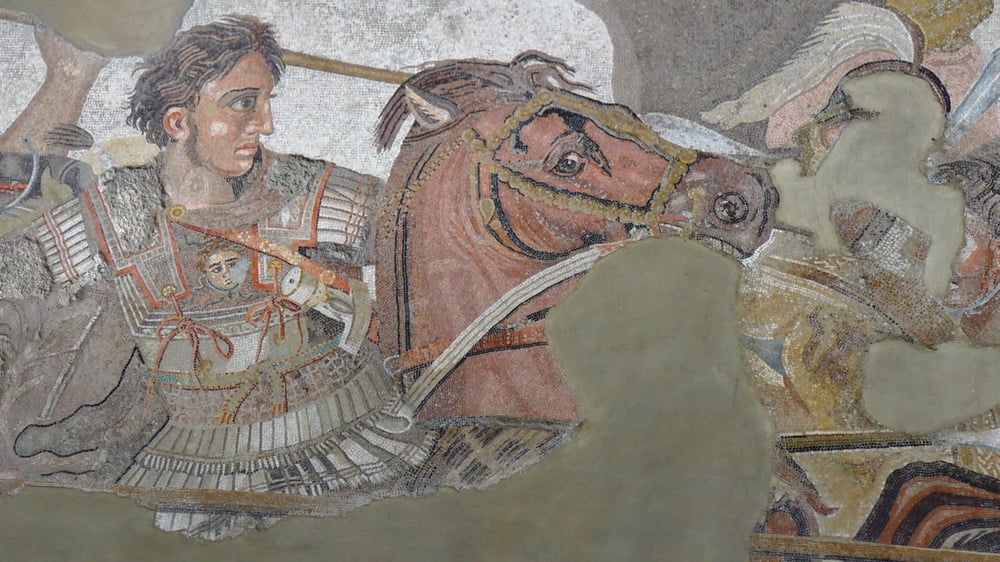
— Photo by giannimarchetti
Alexander the Great faced a Persian force at Gaugamela that outnumbered his own by perhaps five to one, and Darius III had specifically chosen flat, open ground to give his numbers room to breathe. Alexander’s answer — a diagonal advance designed to create a gap in the Persian line — is still studied in military academies, which is saying something for a battle fought in 331 BC.
He didn’t just win; he ended an empire.
The Battle of Cannae
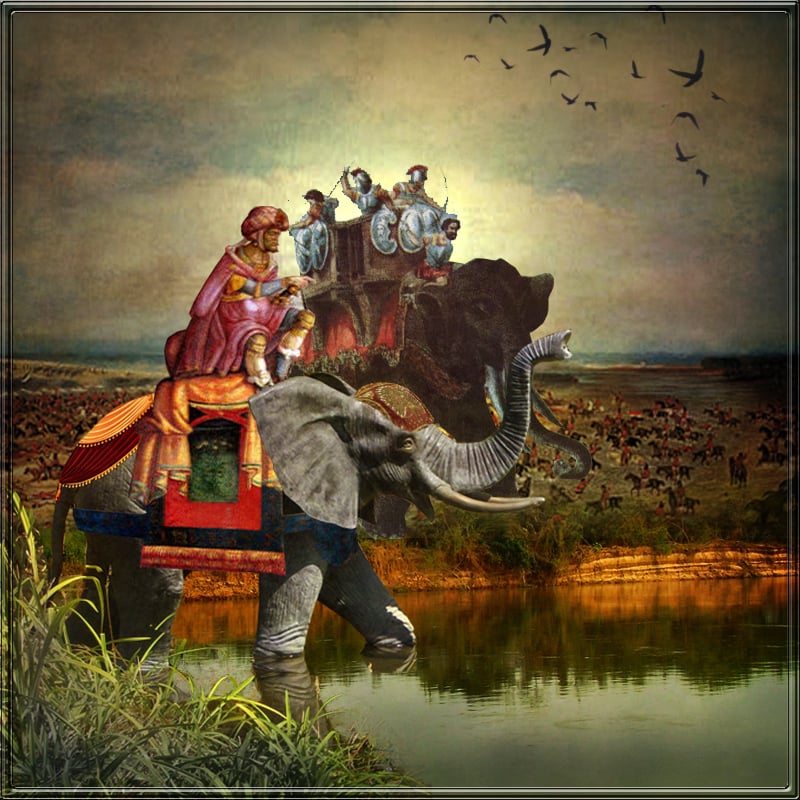
Hannibal’s army at Cannae was smaller, yet he managed to encircle a Roman force of roughly 86,000 men and kill approximately 70,000 of them in a single afternoon — a casualty rate that military historians still find almost difficult to process. The double-envelopment he executed that day became the template for annihilation warfare: every general who’s ever tried to destroy rather than simply defeat an enemy has been, consciously or not, chasing Cannae.
Rome survived anyway — stubbornly, characteristically — but it never quite forgot the afternoon it stopped existing as a force in the field.
The Battle of Agincourt
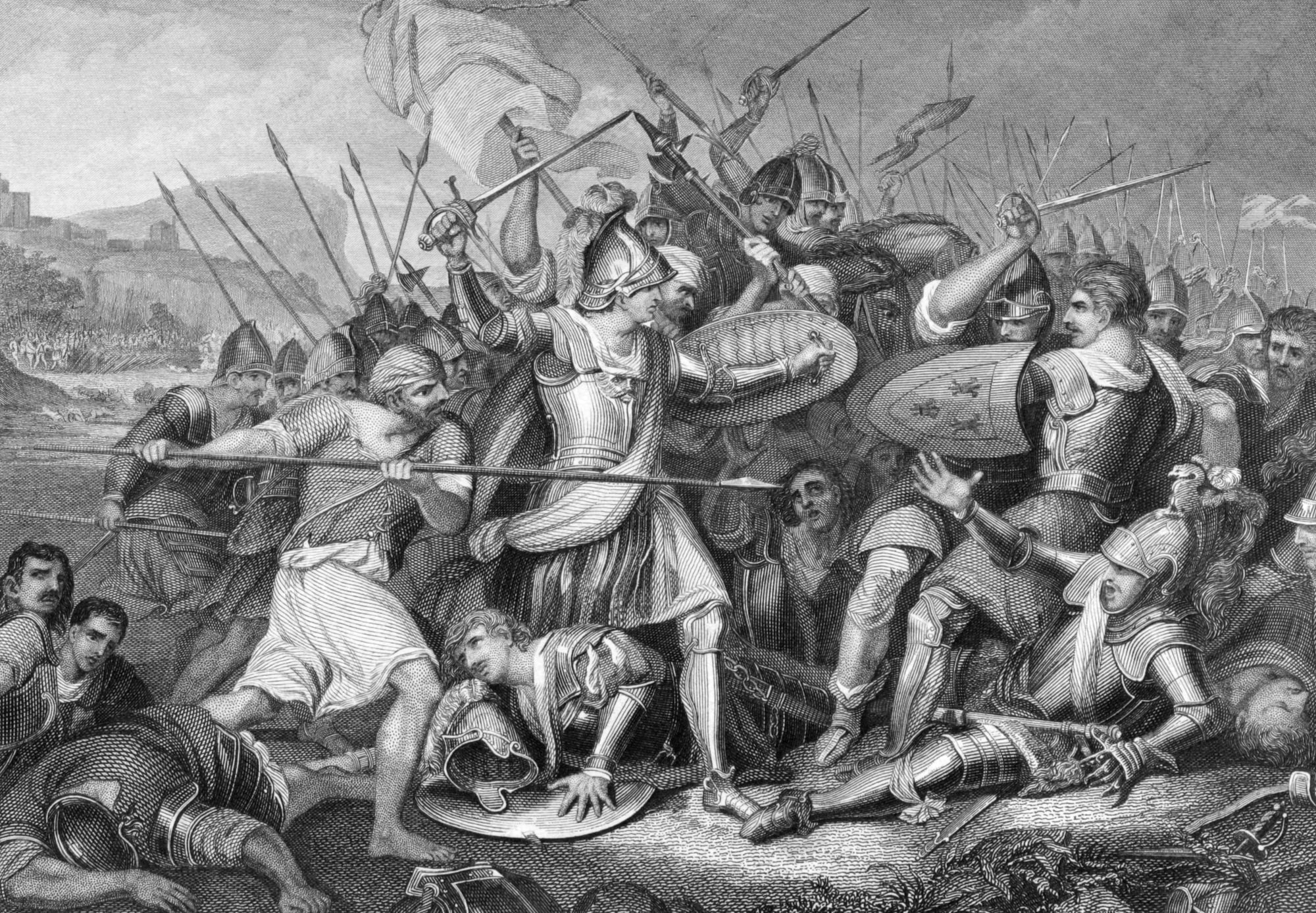
Henry V’s exhausted, hungry, outnumbered English army stood in a muddy field in northern France in 1415 and faced a French force somewhere between three and six times its size. The French knights, heavily armored and advancing through churned-up ground, couldn’t move fast enough — and English longbowmen, positioned at the flanks, turned that mud into a killing corridor.
Agincourt made Henry a legend, which is why Shakespeare wrote the play and not the other way around.
The Battle of Tours
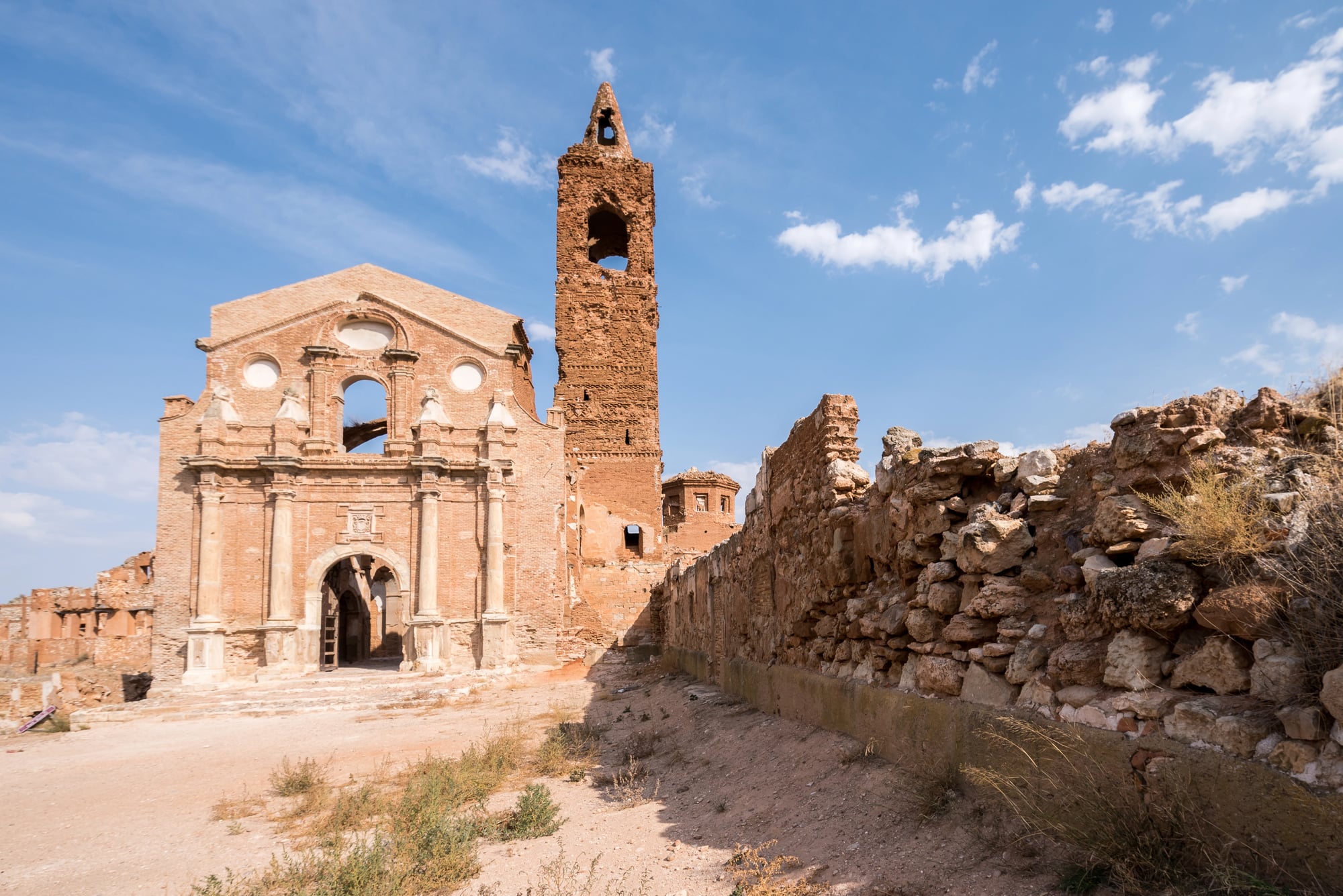
Charles Martel met the Umayyad Caliphate’s advancing army somewhere between Tours and Poitiers in 732 AD with a Frankish force significantly smaller and, notably, almost entirely infantry against a cavalry-heavy opponent. He held his ground — literally, refusing to pursue when the Umayyad cavalry probed and retreated — until the moment came and then he didn’t miss it.
The battle is widely considered one of the most consequential in Western history, a point on which most historians, despite disagreeing about almost everything else, tend to agree.
The Battle of Hastings
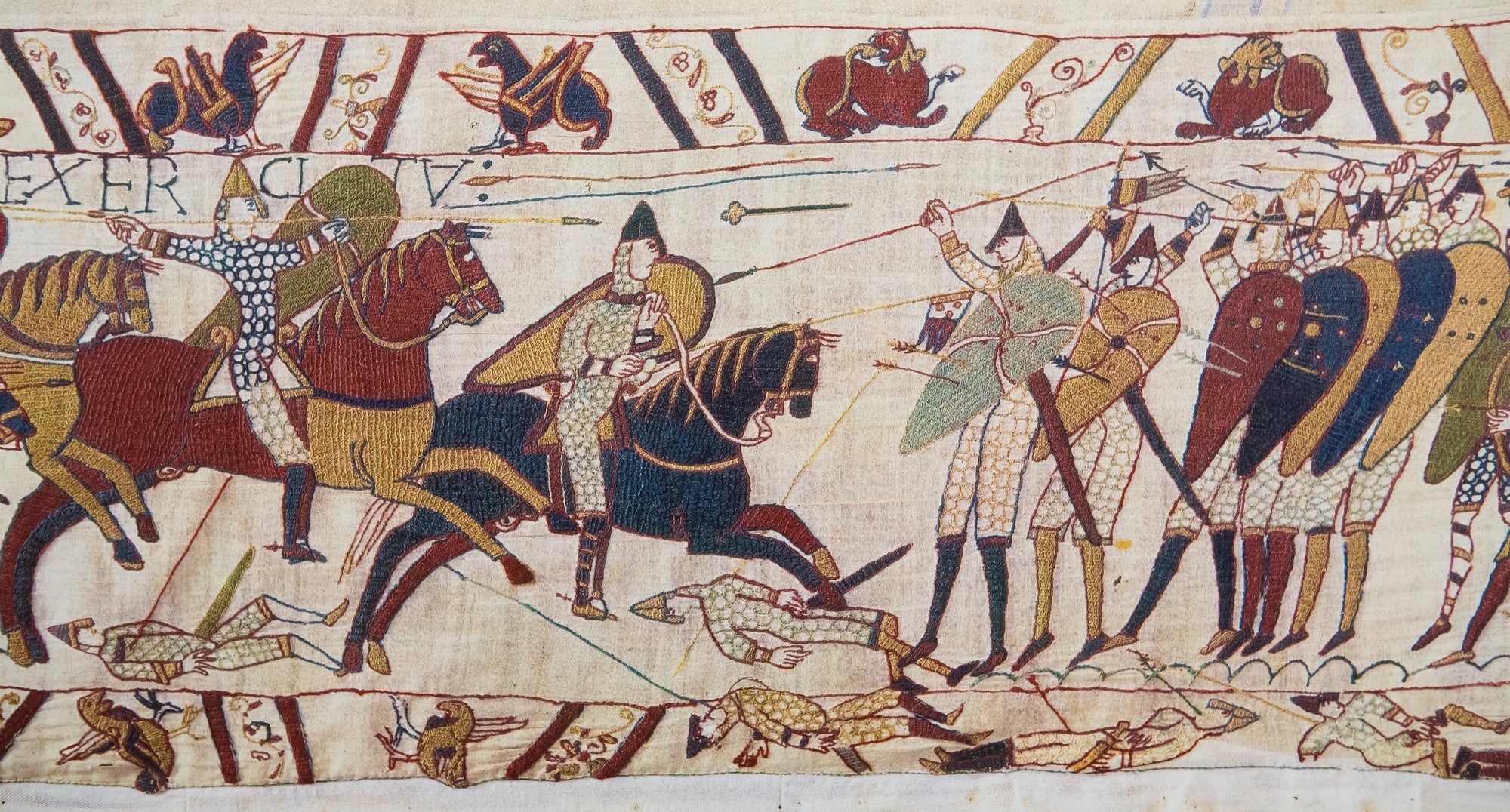
Harold II’s English army was exhausted from a forced march south after Stamford Bridge, fighting on foot against William’s cavalry and archers — and still nearly held. The Norman line broke twice before a feigned retreat drew the English shield wall apart and gave William the opening that changed England permanently.
To be fair to Harold: he came within an eyelash of winning.
The Siege of Szigetvár
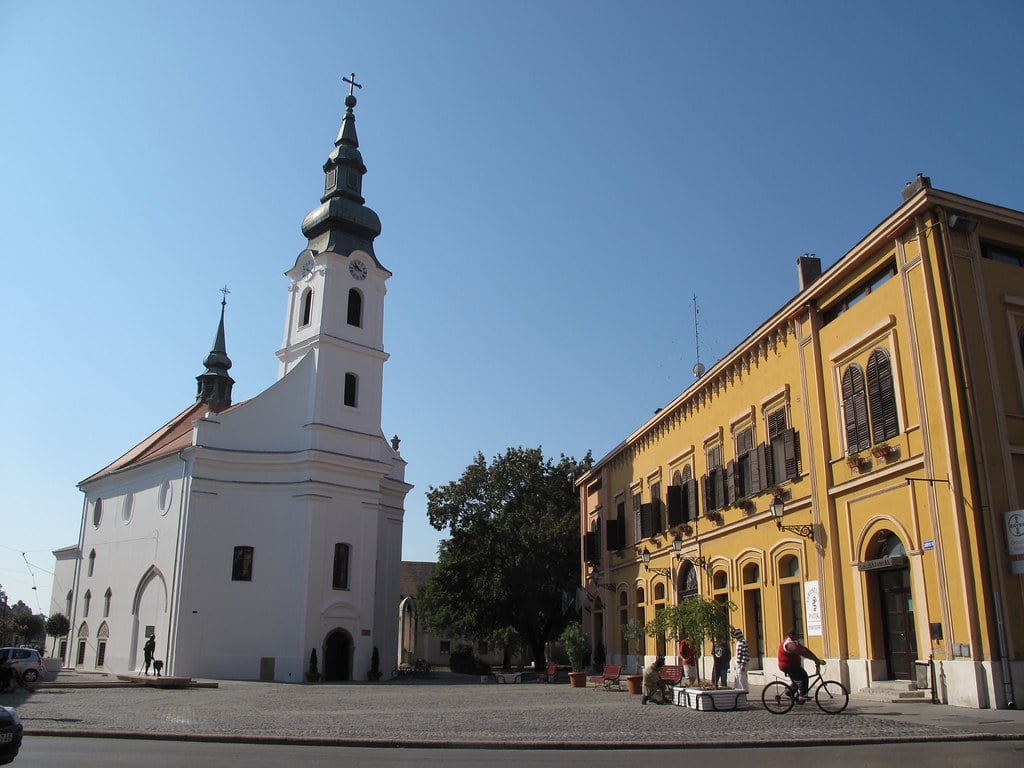
In 1566, a Croatian-Hungarian garrison of roughly 2,300 men held the fortress of Szigetvár against an Ottoman army of somewhere between 100,000 and 300,000 for over a month. The commander, Nikola Šubić Zrinski, knew from the start there was no relief coming — and held anyway, sortie after sortie, until the fortress fell and the Ottoman advance on Vienna stalled just long enough for the season to close the campaign window.
Suleiman the Magnificent died during the siege. The garrison’s last stand cost the Ottomans weeks they couldn’t afford.
The Battle of Stirling Bridge
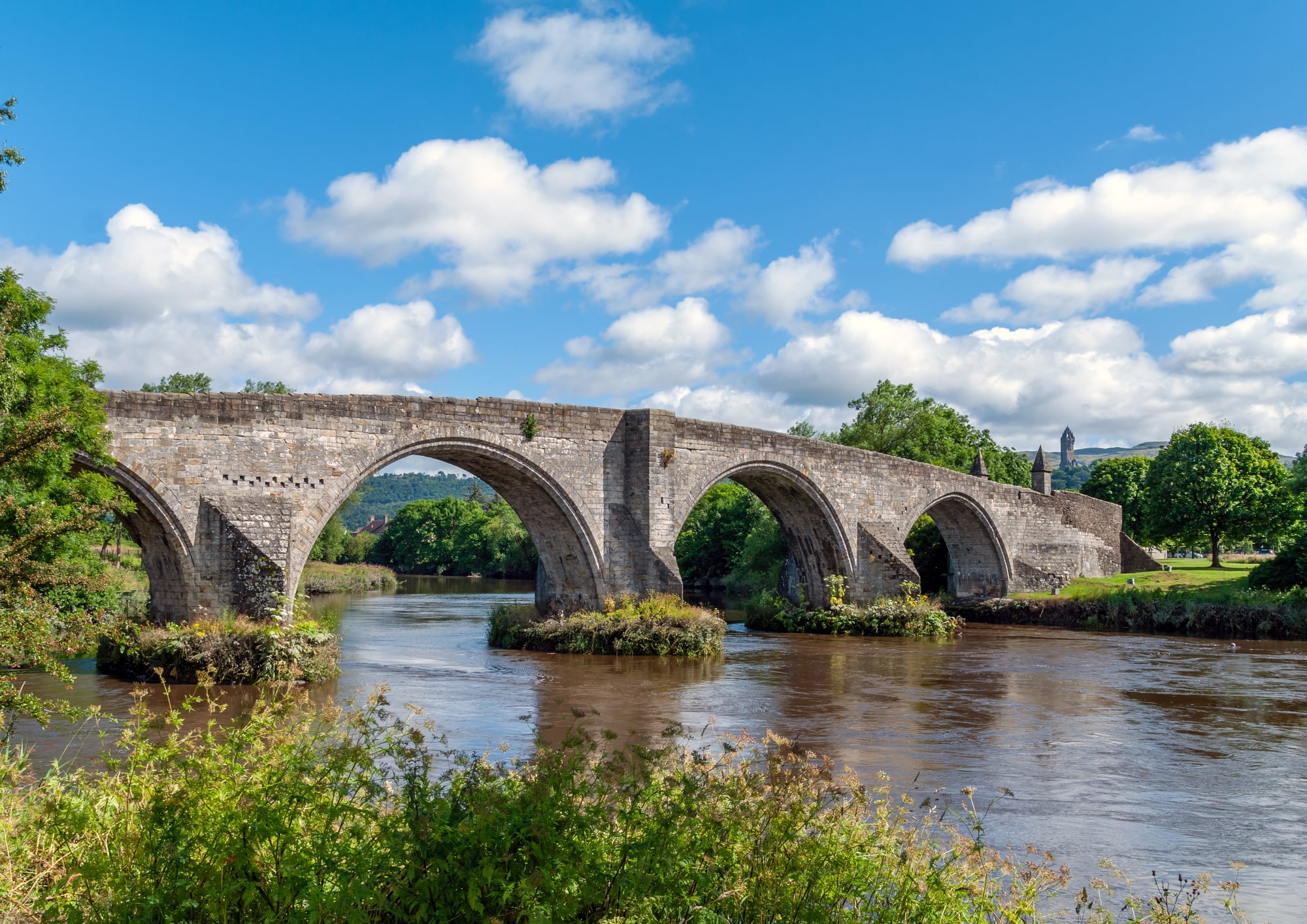
William Wallace’s Scottish force faced a much larger, better-equipped English army at Stirling Bridge in 1297, and what Wallace understood that the English commander Andrew de Warenne apparently did not was that a bridge is not a crossing — it’s a bottleneck. He waited while half the English force crossed, then hit it before the other half could follow.
The English vanguard was destroyed; the army retreated.
The Battle of Adwa
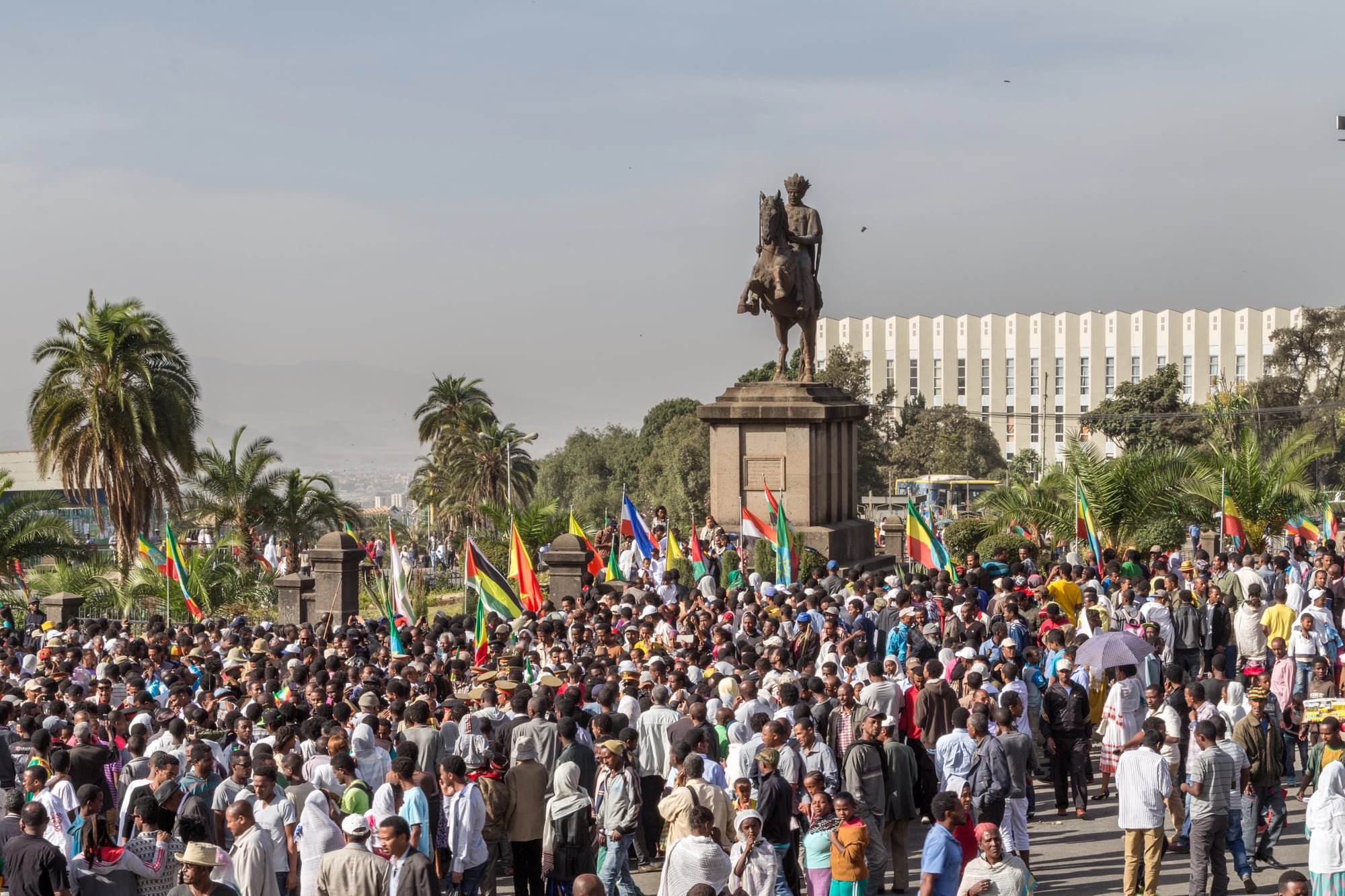
In 1896, an Ethiopian army under Emperor Menelik II defeated a well-armed Italian colonial force that had expected to conquer with industrial-era weapons and nineteenth-century confidence. The Italians were routed — comprehensively, not marginally — and Ethiopia became the only African nation to successfully repel a European colonial army during the Scramble for Africa, a fact that carries its own particular weight.
Adwa wasn’t just a military victory; it was a refutation.
The Battle of Rorke’s Drift
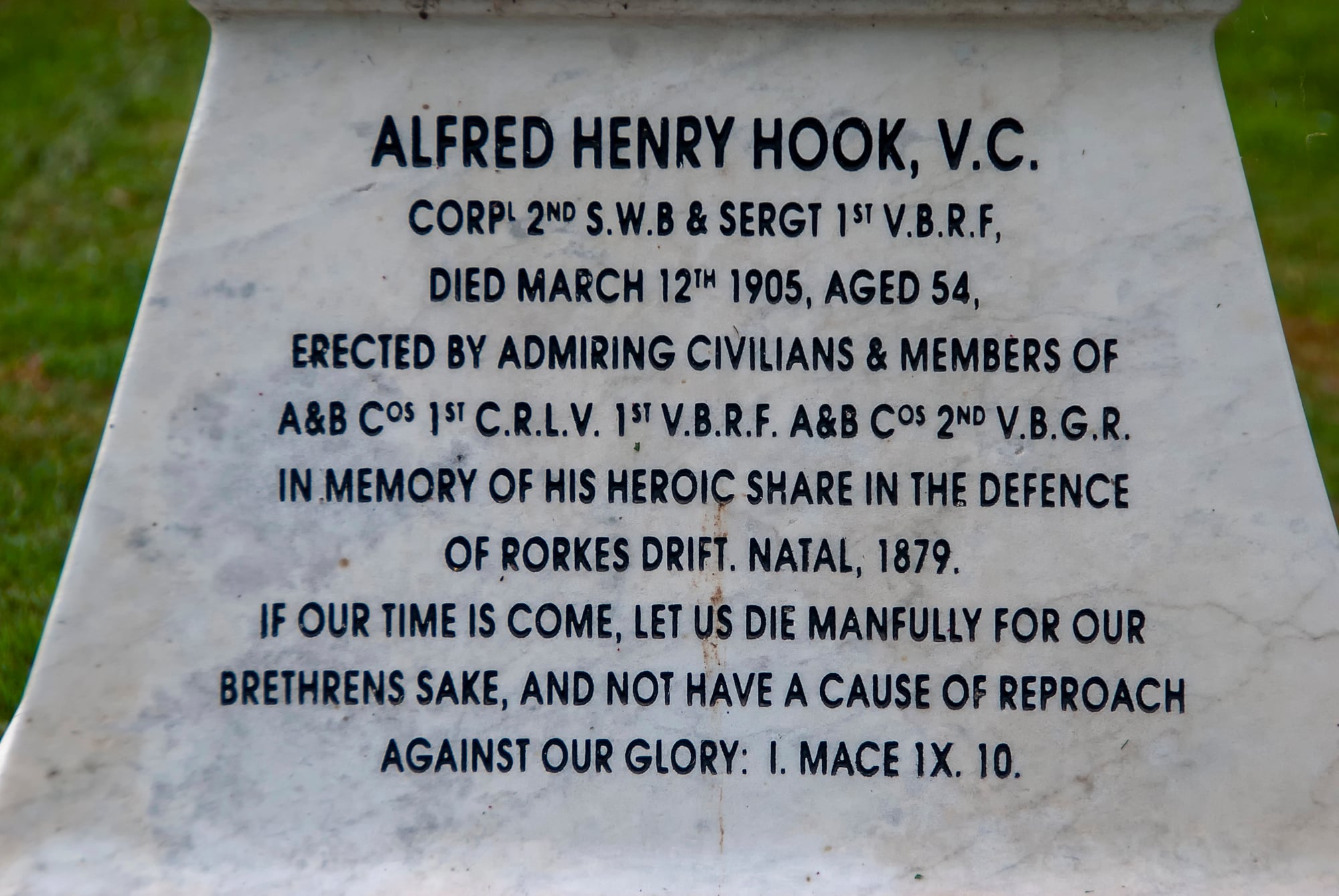
Roughly 150 British soldiers, many of them sick, held a supply depot at Rorke’s Drift against an estimated 3,000 to 4,000 Zulu warriors for twelve hours through the night of January 22–23, 1879. They used mealie bags, biscuit boxes, and the walls of a hospital as fortifications — improvised, unglamorous, and effective enough to hold until dawn.
Eleven Victoria Crosses were awarded for that night, the most ever given for a single action.
The Battle of Thermopylae (1941)
A small Allied rearguard — primarily ANZAC and British forces — held the same famous pass in 1941 against a modern German advance designed to sweep Greece in days. They didn’t stop the Germans, but they delayed them long enough to allow a significant evacuation from Greece — buying time, the way outnumbered forces at Thermopylae have apparently always done.
The pass has a habit of being useful to the smaller side.
The Battle of Bir Hakeim
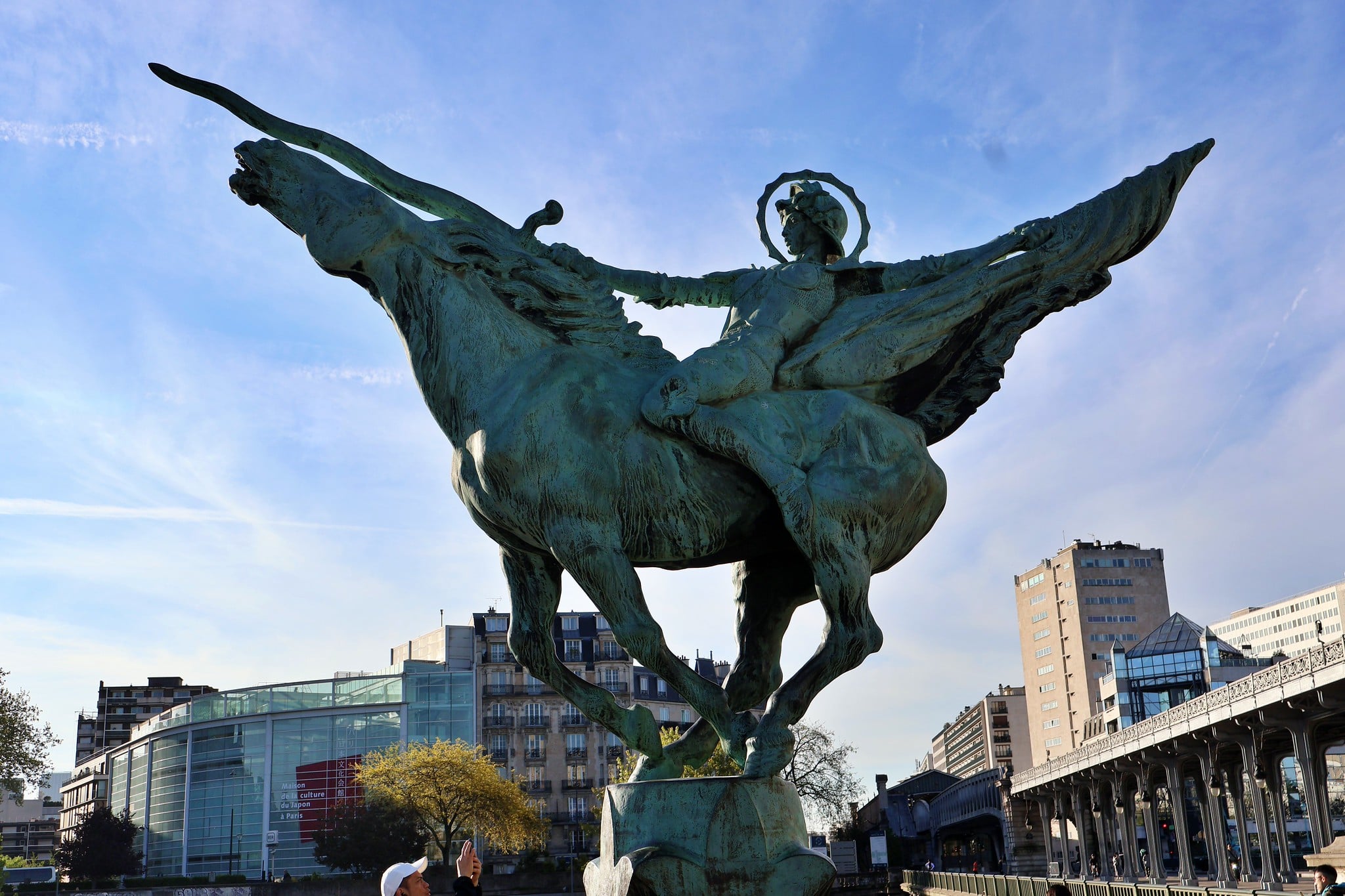
In May 1942, a Free French garrison of roughly 3,700 men held a desert fort at Bir Hakeim against Rommel’s Africa Korps for sixteen days when Rommel expected to overrun it in a day, maybe two. The delay wrecked the Axis timetable and bought the Eighth Army time to stabilize at Gazala — a contribution that the broader narrative of El Alamein tends to quietly absorb without mentioning.
De Gaulle called it the moment Free France reestablished its military credibility.
The Battle of Crécy
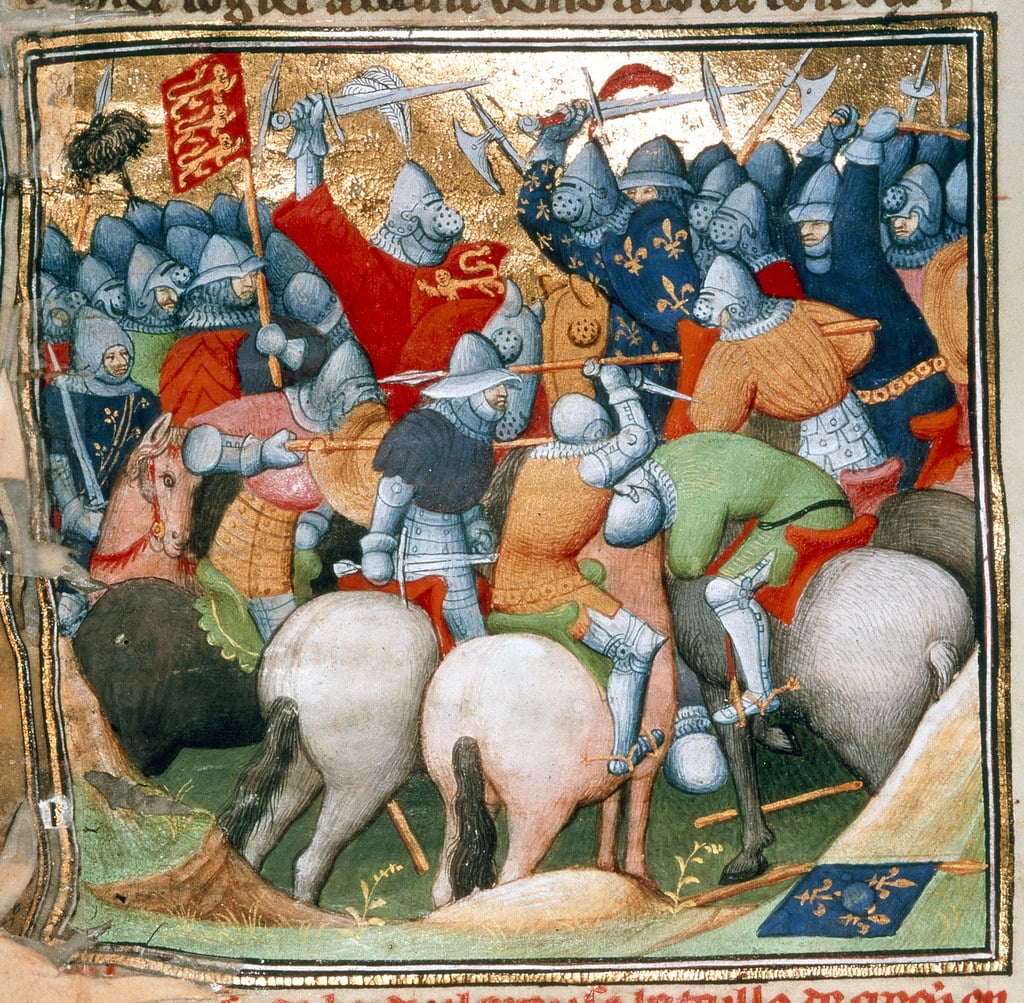
The English longbow did its most famous work at Crécy in 1346, where Edward III’s army — numerically inferior and fighting on French soil — destroyed a larger French force that had every advantage except the one that mattered: patience. The French cavalry charged uphill, repeatedly, into arrow volleys, losing perhaps 1,500 knights and thousands of infantry.
It was, by any fair assessment, a catastrophic tactical failure by the French dressed up as English brilliance, but you take your victories how you find them.
The Battle of Cowpens
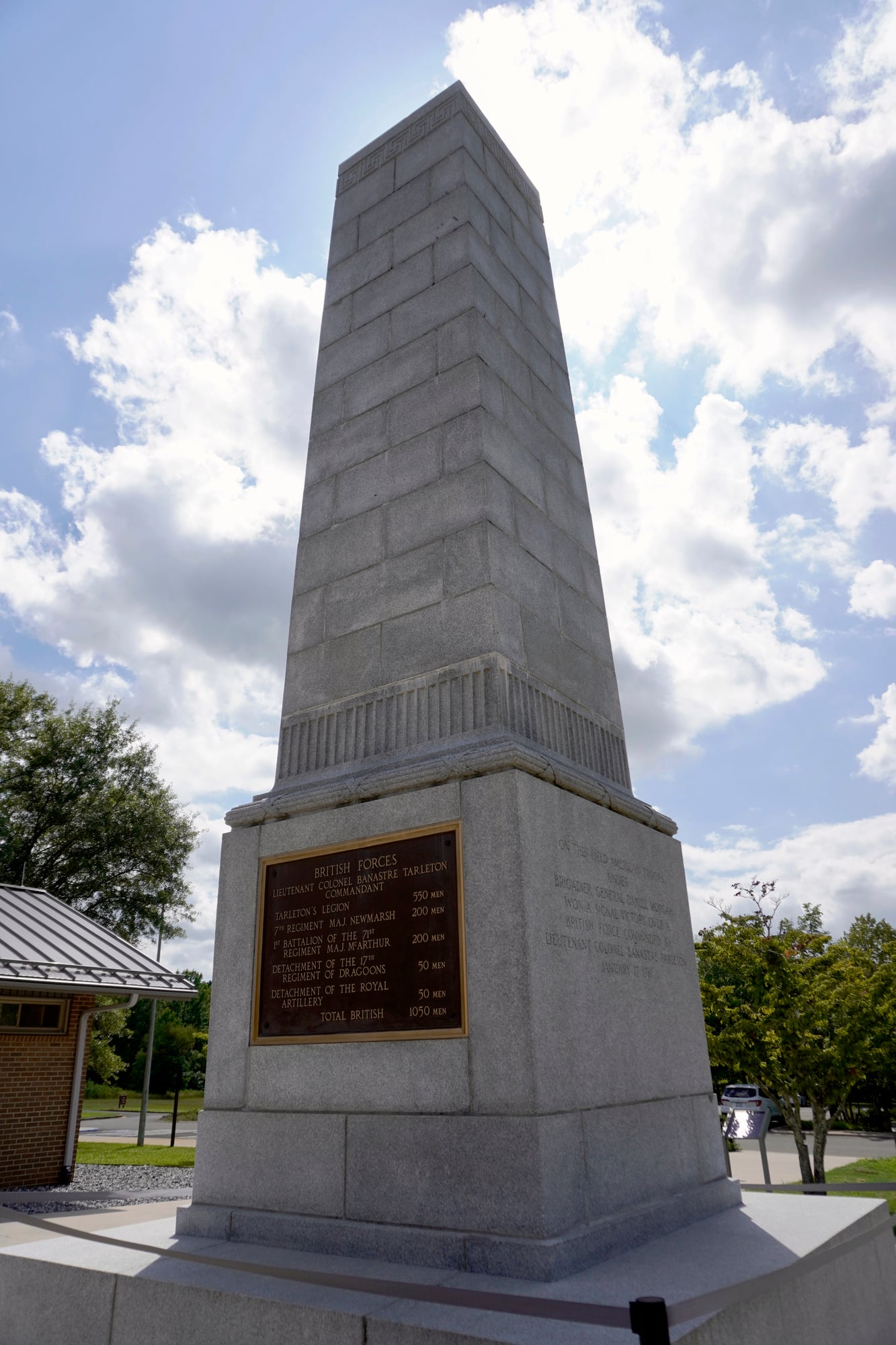
At Cowpens in January 1781, American General Daniel Morgan arranged a force of Continental regulars and militia against Banastre Tarleton’s British Legion — and won decisively. Morgan’s genius was using the militia’s tendency to break and retreat as a deliberate tactic, drawing Tarleton’s line forward into a double envelopment that echoed, consciously or not, Cannae.
The British lost nearly 900 men; the Americans lost fewer than 75.
The Battle of Trenton
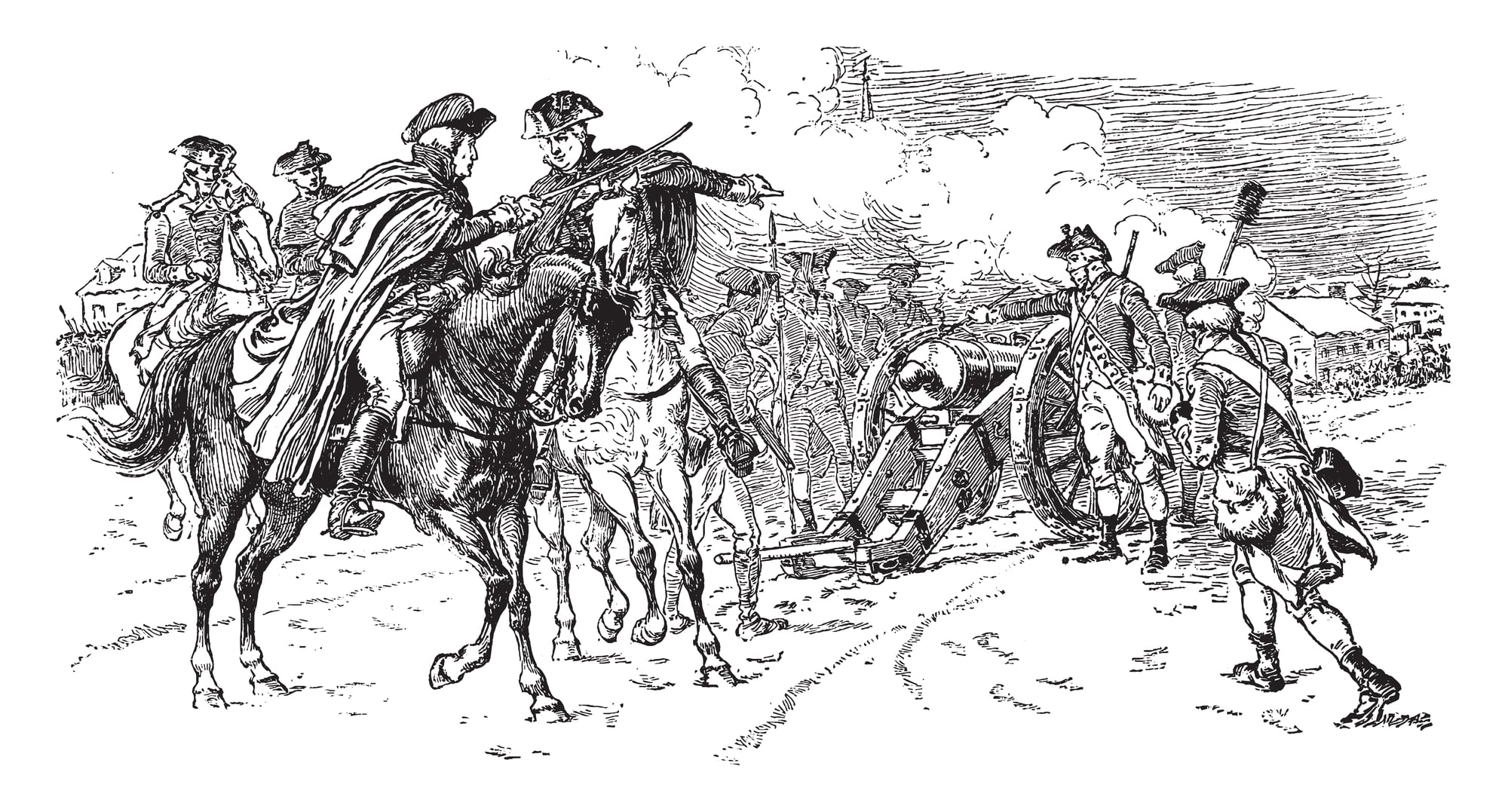
Washington crossed the Delaware on the night of December 25–26, 1776, with 2,400 men in brutal cold, and hit a Hessian garrison of roughly 1,400 at Trenton before dawn. The Hessians were not, contrary to popular myth, drunk — they were simply caught off guard in weather no one expected an army to move through.
Washington captured almost the entire garrison without losing a single man in battle.
The Battle of Camden (reversed)
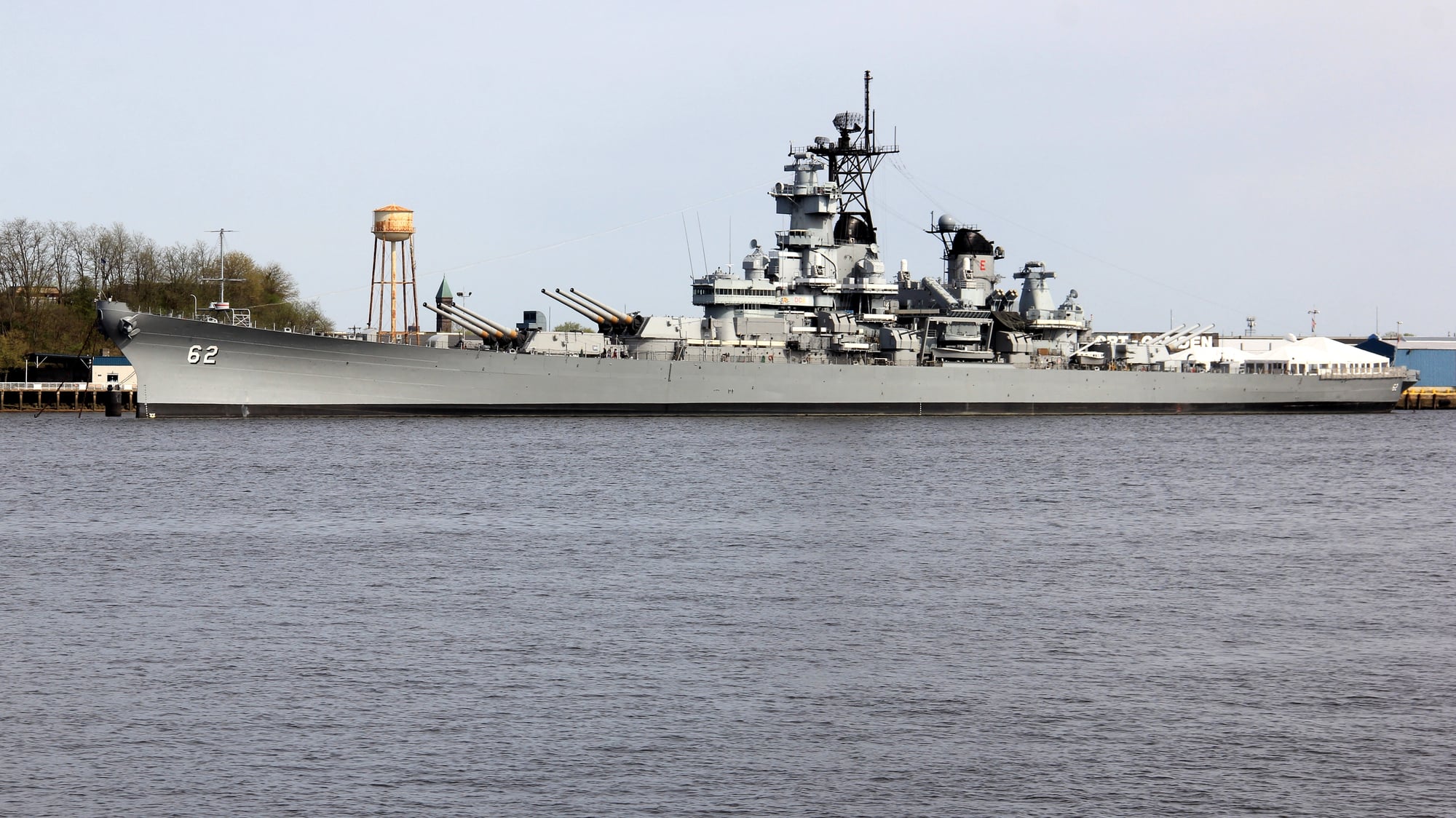
Camden in 1780 is the cautionary inverse — but Cowpens, which came nine months later, is the correction, and the correction was total. What Morgan understood that Horatio Gates (the American commander at Camden) hadn’t was that terrain and psychology are not secondary considerations — they’re the battle, and the troops, and the outcome.
The Battle of Platea
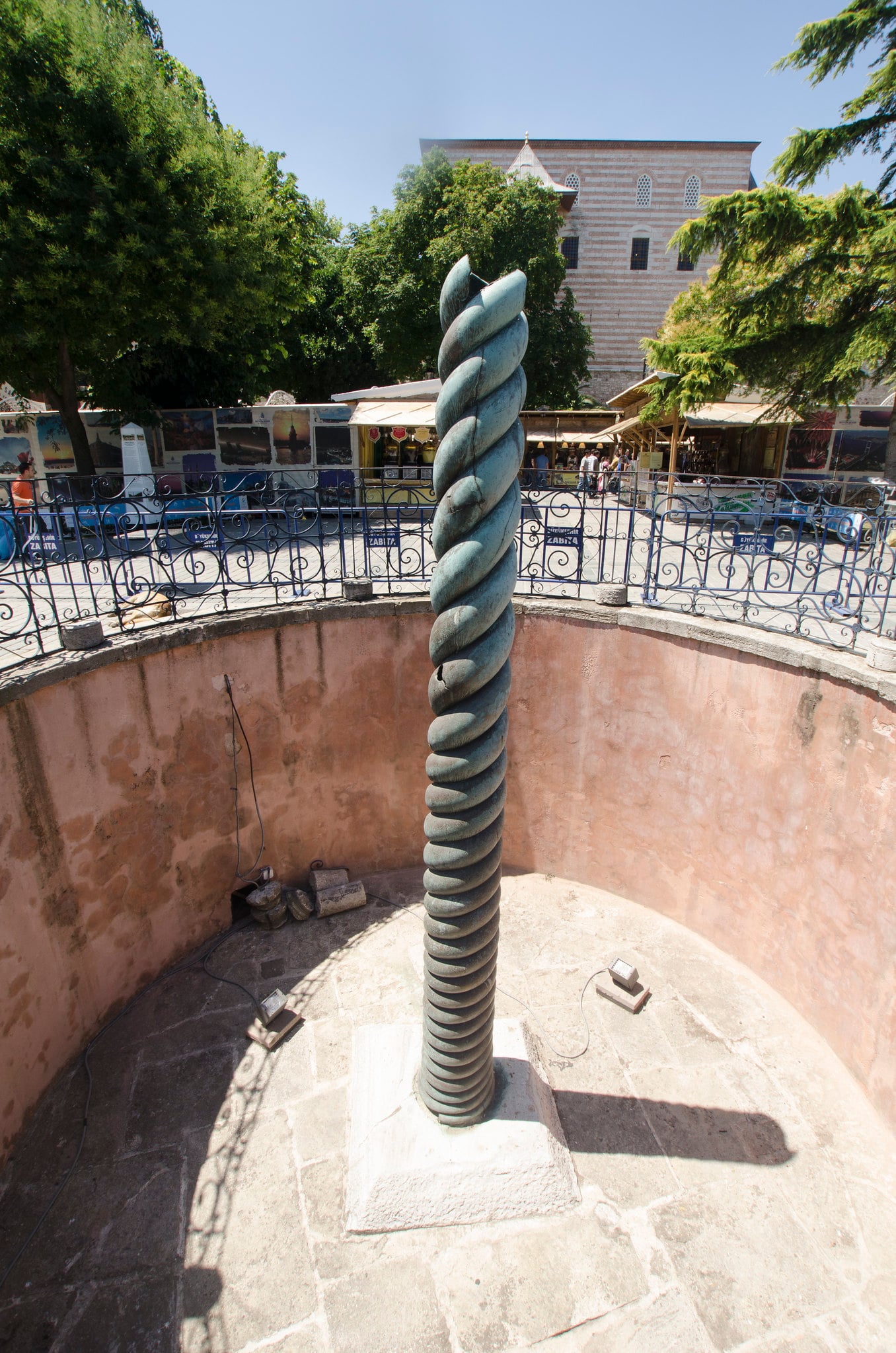
After Thermopylae and Salamis, the decisive land battle of the Greco-Persian Wars was fought at Plataea in 479 BC, where a Greek coalition army defeated a Persian land force that still significantly outnumbered it. The Persian commander Mardonius made the fatal error of forcing battle before his position was set — impatience dressed as aggression — and the Greek hoplite line that met him was the most formidable infantry formation in the ancient world.
The Persian army disintegrated; Mardonius died in the fighting.
The Battle of Mohi
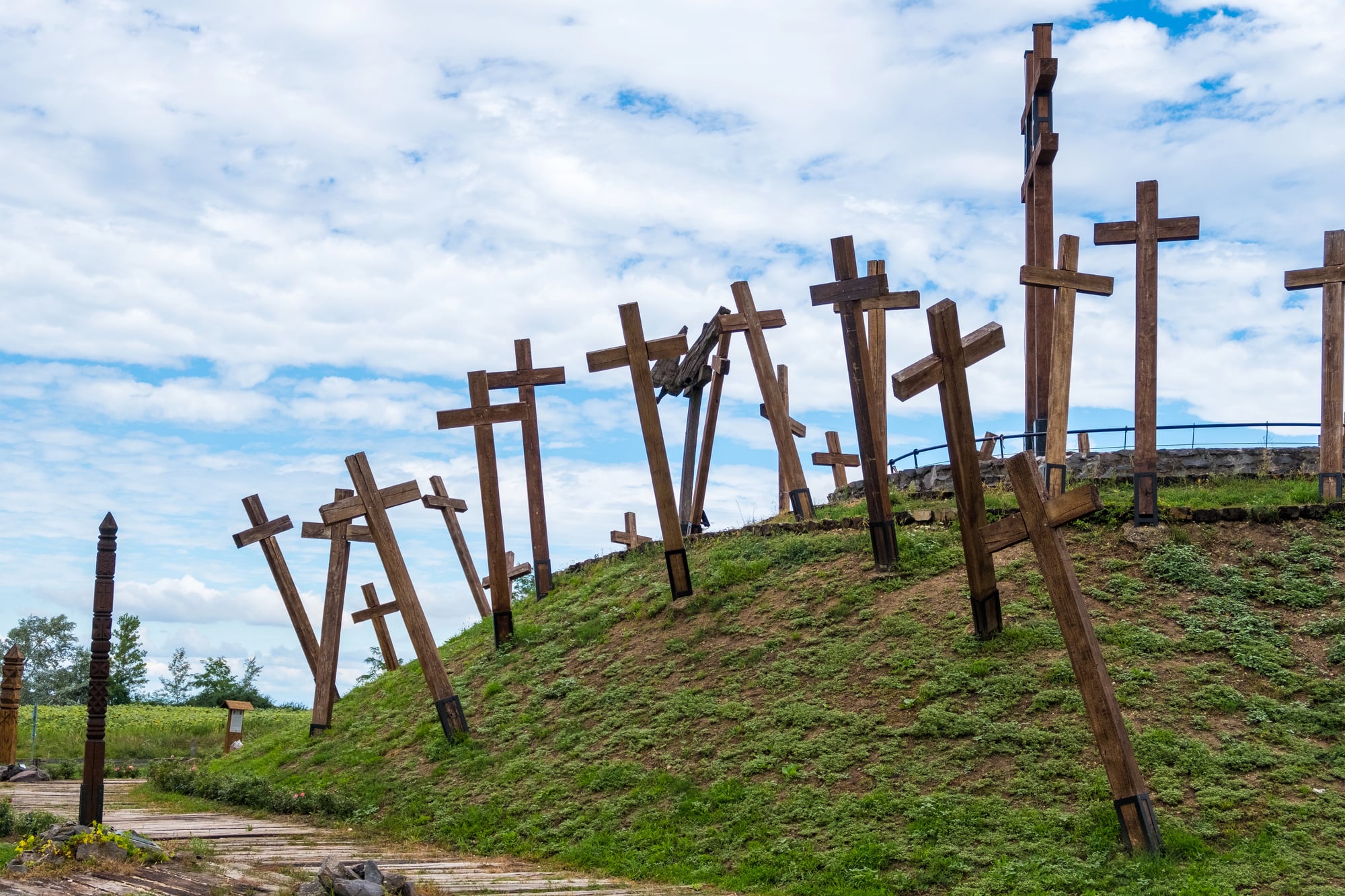
The Mongols at Mohi in 1241 faced a Hungarian army roughly comparable in size, but the comparison ends there — the Mongol commanders Batu Khan and Subutai had a tactical sophistication that the Hungarian King Béla IV simply didn’t. What makes Mohi fascinating, though, is less the victory than the method: Subutai bridged a river at night, flanked the entire Hungarian camp, and turned a field battle into a rout before dawn.
Numbers barely came into it.
The Battle of the Granicus
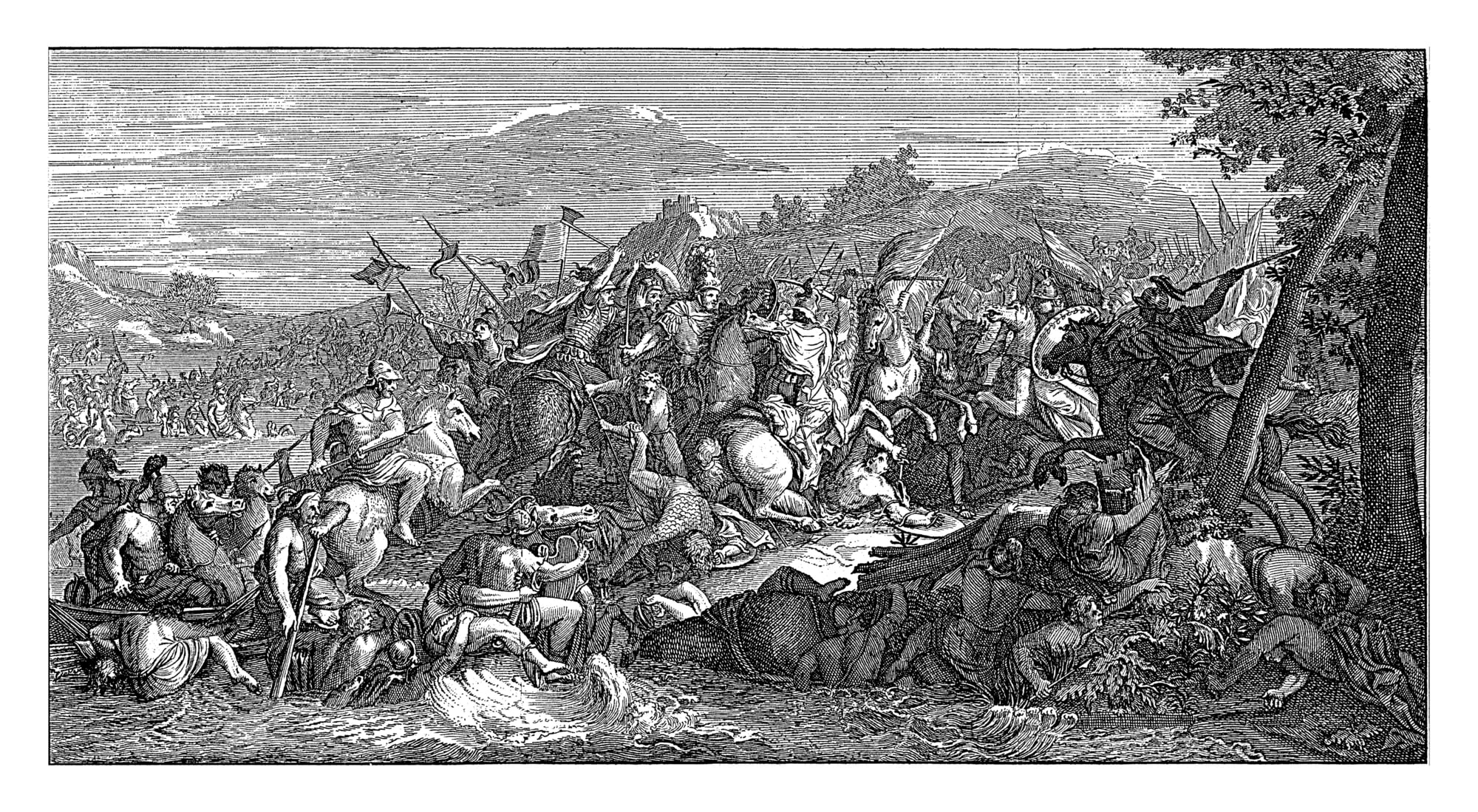
Alexander’s first major engagement with Persia was fought at the Granicus River in 334 BC, where his cavalry crossed directly into Persian steel — a crossing that his senior commander Parmenion thought suicidal and possibly was. Alexander led from the front, nearly died, was saved by a bodyguard who took a sword stroke meant for him, and emerged from the water with a Persian satrapal army broken around him.
Suicidal or not, it worked.
The Battle of White Mountain
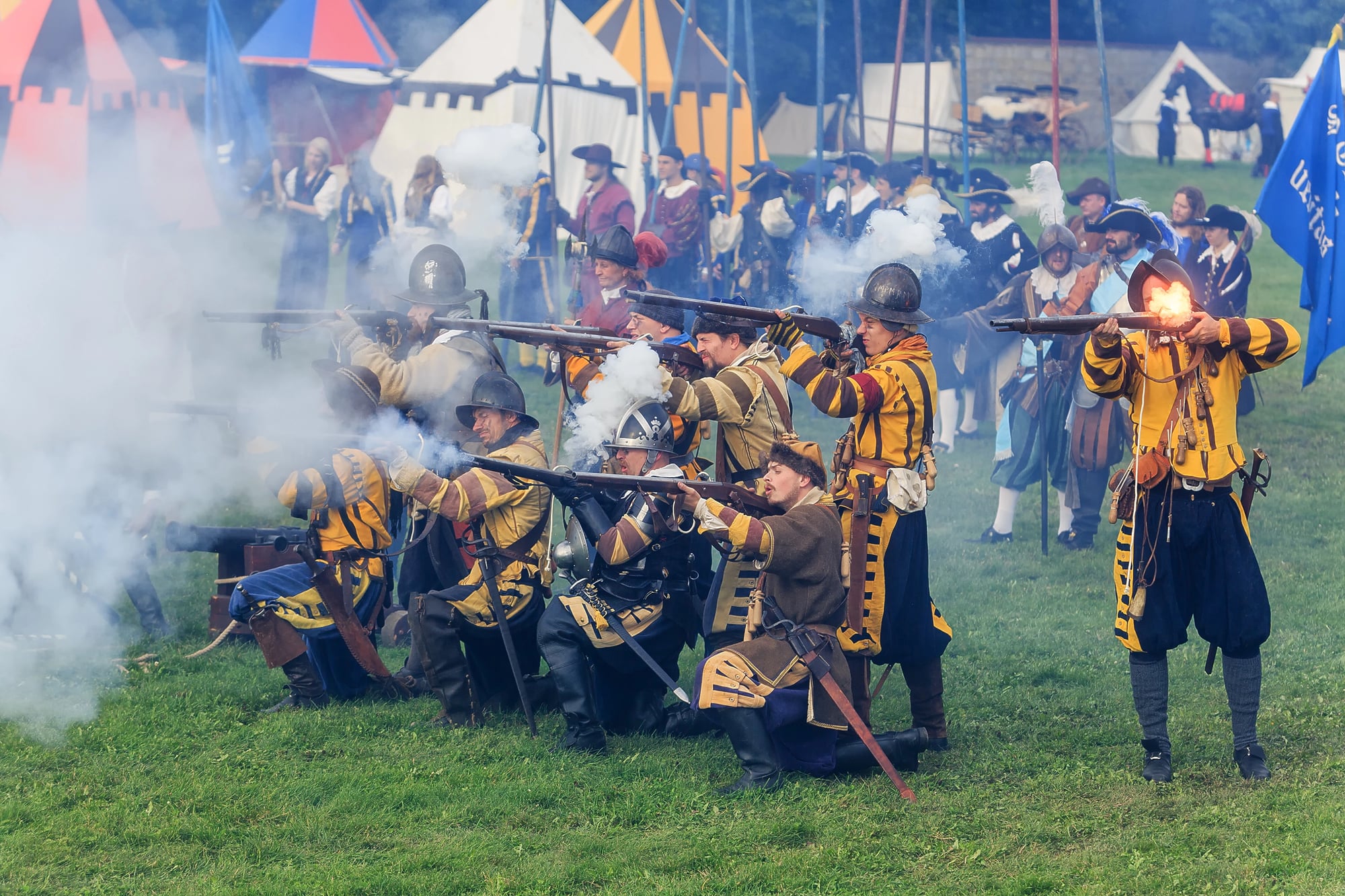
The Battle of White Mountain in 1620 wasn’t a long engagement — it lasted about an hour — but a Catholic League force under Tilly and Maximilian of Bavaria routed a Bohemian Protestant army nearly equal in size in terrain that the Bohemians had chosen and should have favored. The Bohemian infantry collapsed under a coordinated cavalry and infantry assault that the Protestant commanders, disorganized and fractious, never answered.
It set the stage for three decades of war across Central Europe.
The Battle of the Nile
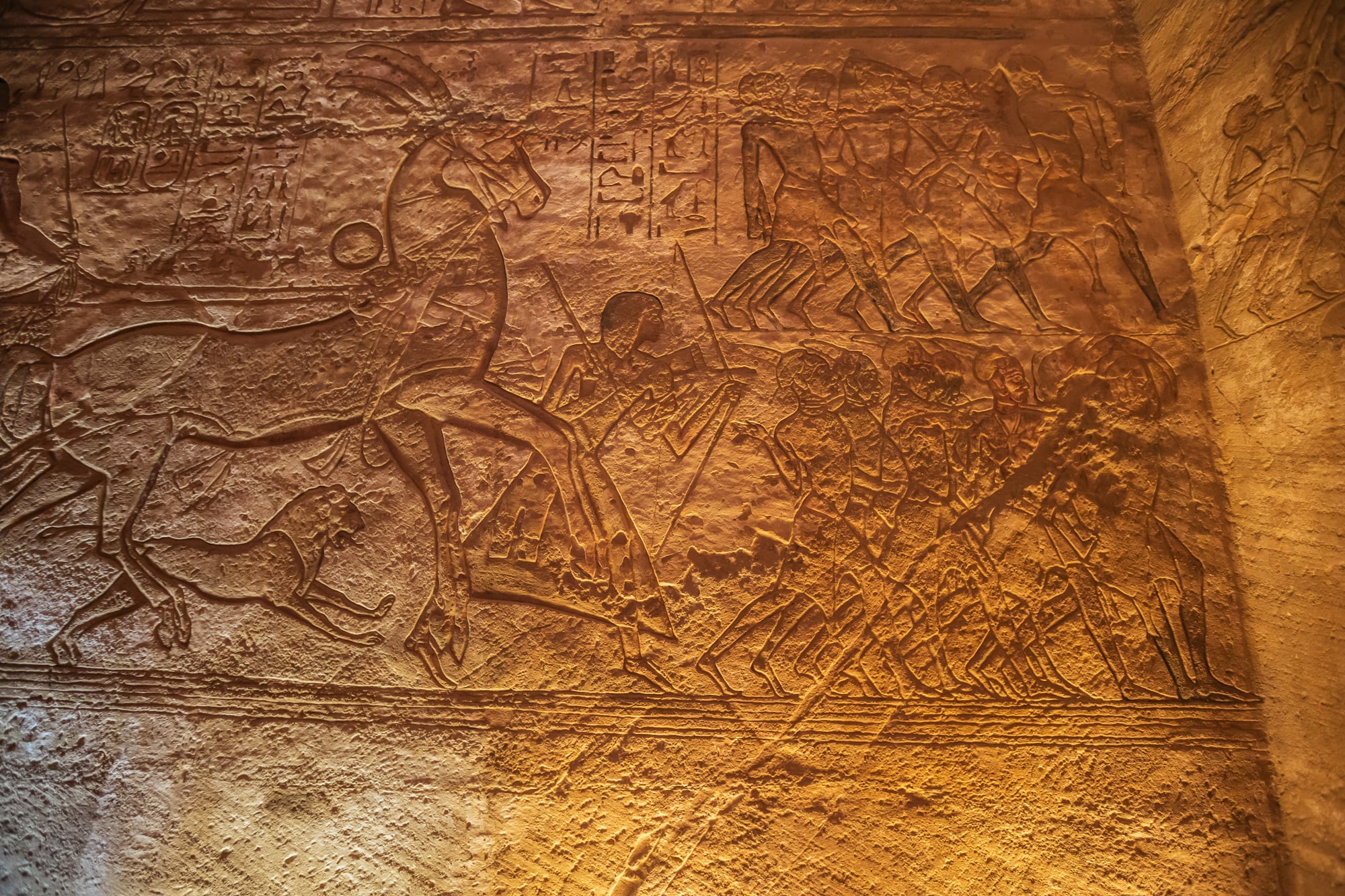
Nelson’s fleet at the Battle of the Nile in 1798 was approximately equal in ships to the French fleet anchored in Aboukir Bay — but he exploited two things the French hadn’t prepared for: the fact that his captains were so well-drilled they could act without signals, and the audacious decision to send half his fleet around the landward side of the anchored French line.
The French were caught between two fires. Nelson destroyed or captured eleven of their thirteen ships of the line.
The Battle of Isandlwana
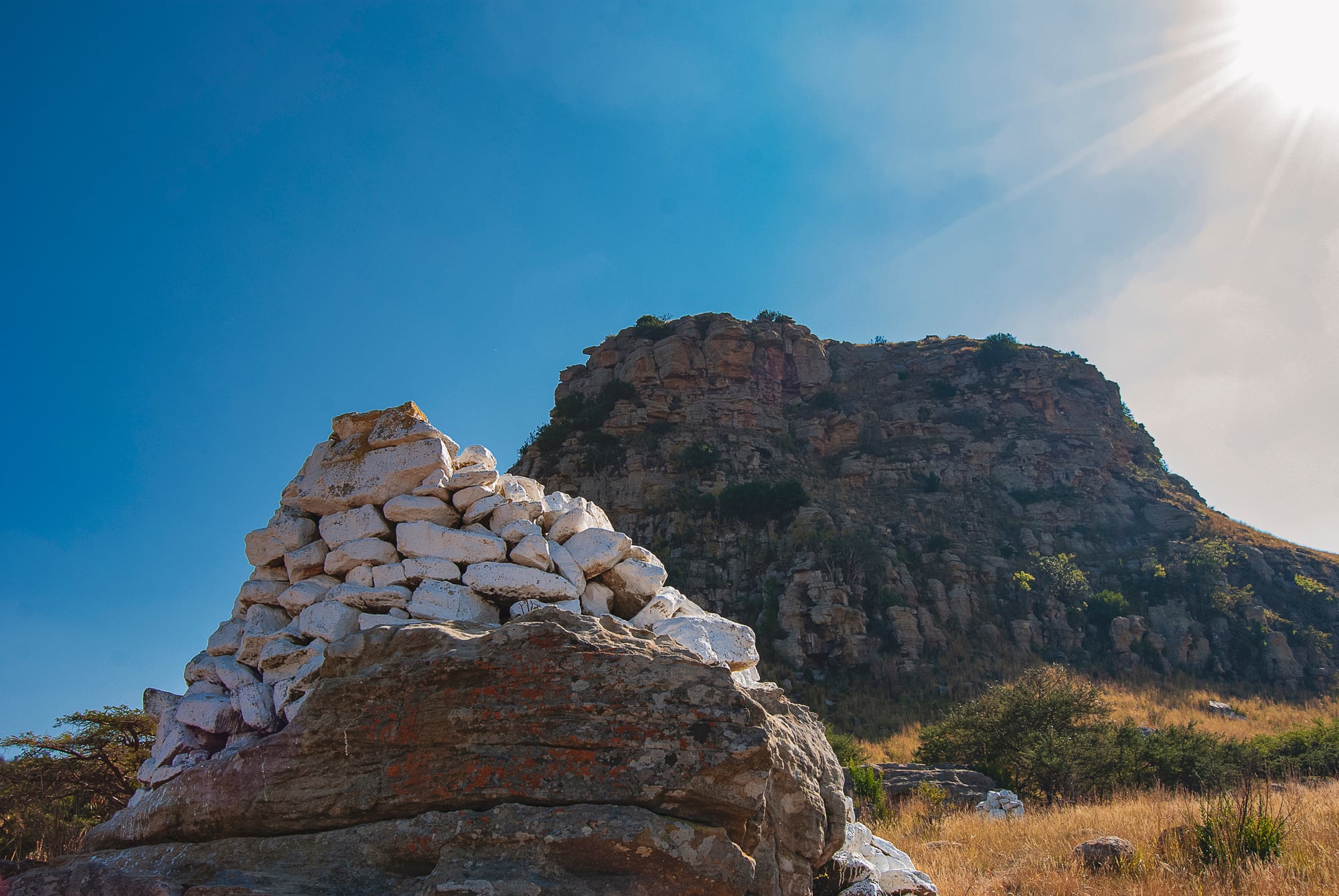
Isandlwana belongs here not as a victory for the smaller side but as a reminder of what happens when the larger side grows careless — because roughly 20,000 Zulu warriors destroyed a British column of 1,800 on January 22, 1879, in what remains the worst defeat inflicted on the British Army by an indigenous force.
The British had Martini-Henry rifles and a camp that wasn’t laagered. The Zulus had the classic chest-and-horns formation and the discipline to use it.
The Battle of Tet
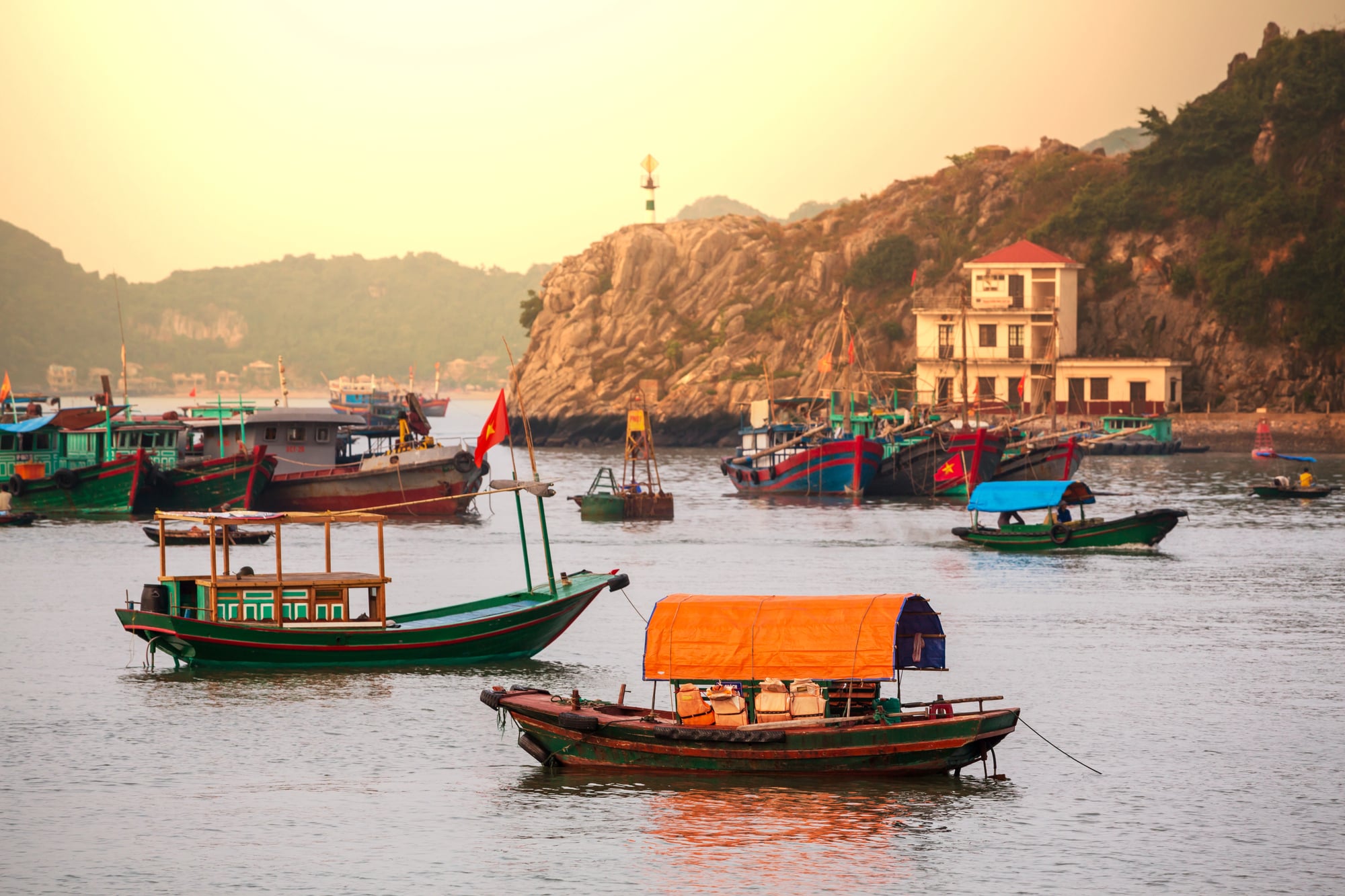
The Tet Offensive in 1968 wasn’t a military victory for North Vietnamese and Viet Cong forces — in terms of battlefield results, it was actually a devastating loss for the attacking side. But it permanently broke American public confidence in the war’s progress, which turned out to matter more than the military result, and the side with significantly fewer resources and no air force managed to make that happen.
The offense proved that perception and military reality can point in entirely different directions.
The Battle of Long Island (American Retreat)

Washington’s army was outfought and outmaneuvered at Long Island in August 1776 — the British flanking move was textbook — but the retreat across the East River on the night of August 29–30 was one of the great feats of the war. Nine thousand men moved silently through fog, in small boats, without a single soldier left behind, in full earshot of the British camp.
The army that escaped Long Island was the army that eventually won the Revolution.
The Battle of Chancellorsville
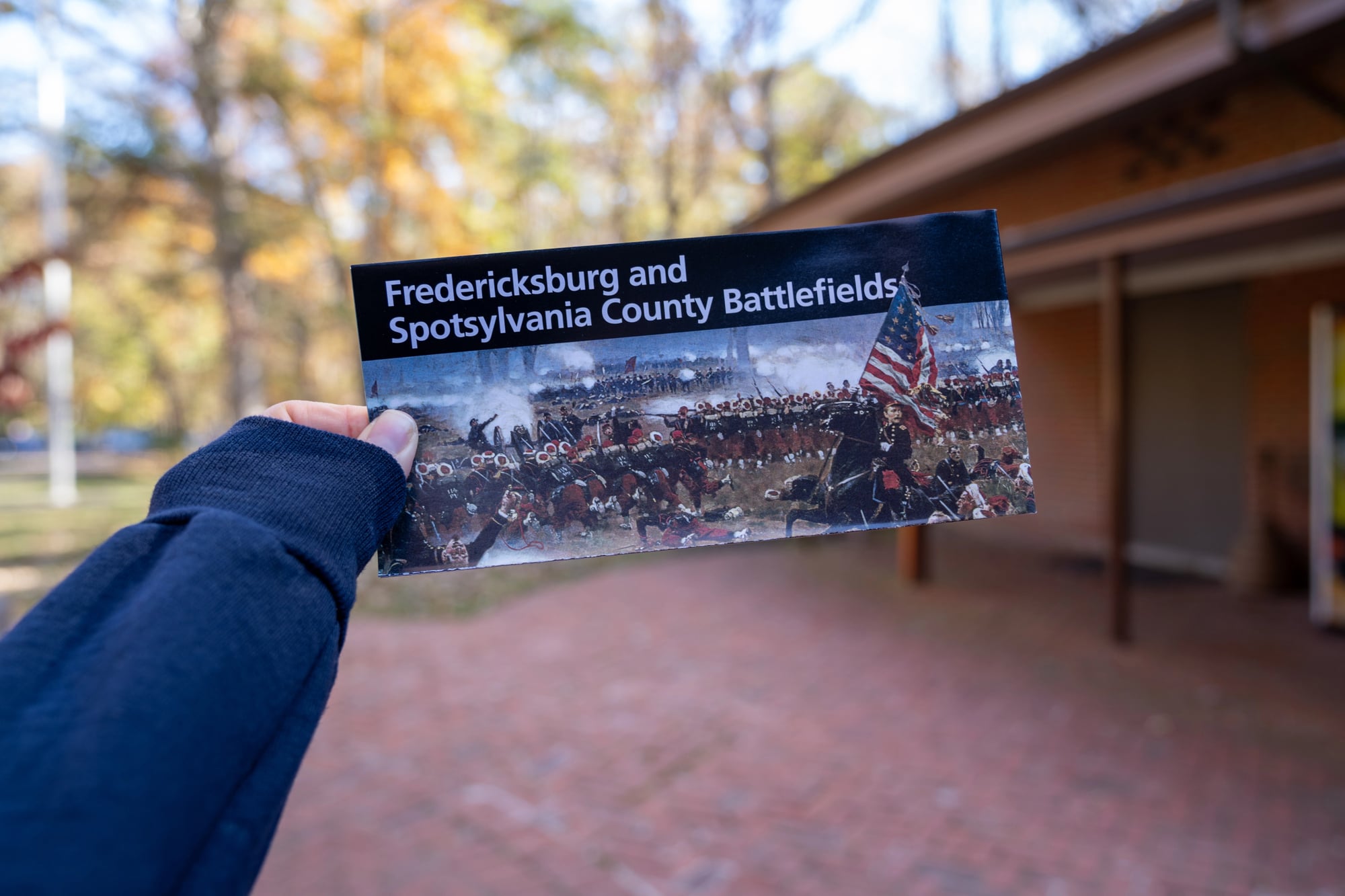
Lee divided his army in the face of a Union force more than twice his size — divided it again, sent Stonewall Jackson on a twelve-mile flank march through the Wilderness, and hit Hooker’s right flank at dusk on May 2, 1863, with a force the Union didn’t know was there. It is considered by many historians Lee’s tactical masterpiece and the most audacious maneuver of the Civil War.
It cost him Jackson, which turned out to be a price the Confederacy couldn’t afford.
The Battle of Tannenberg
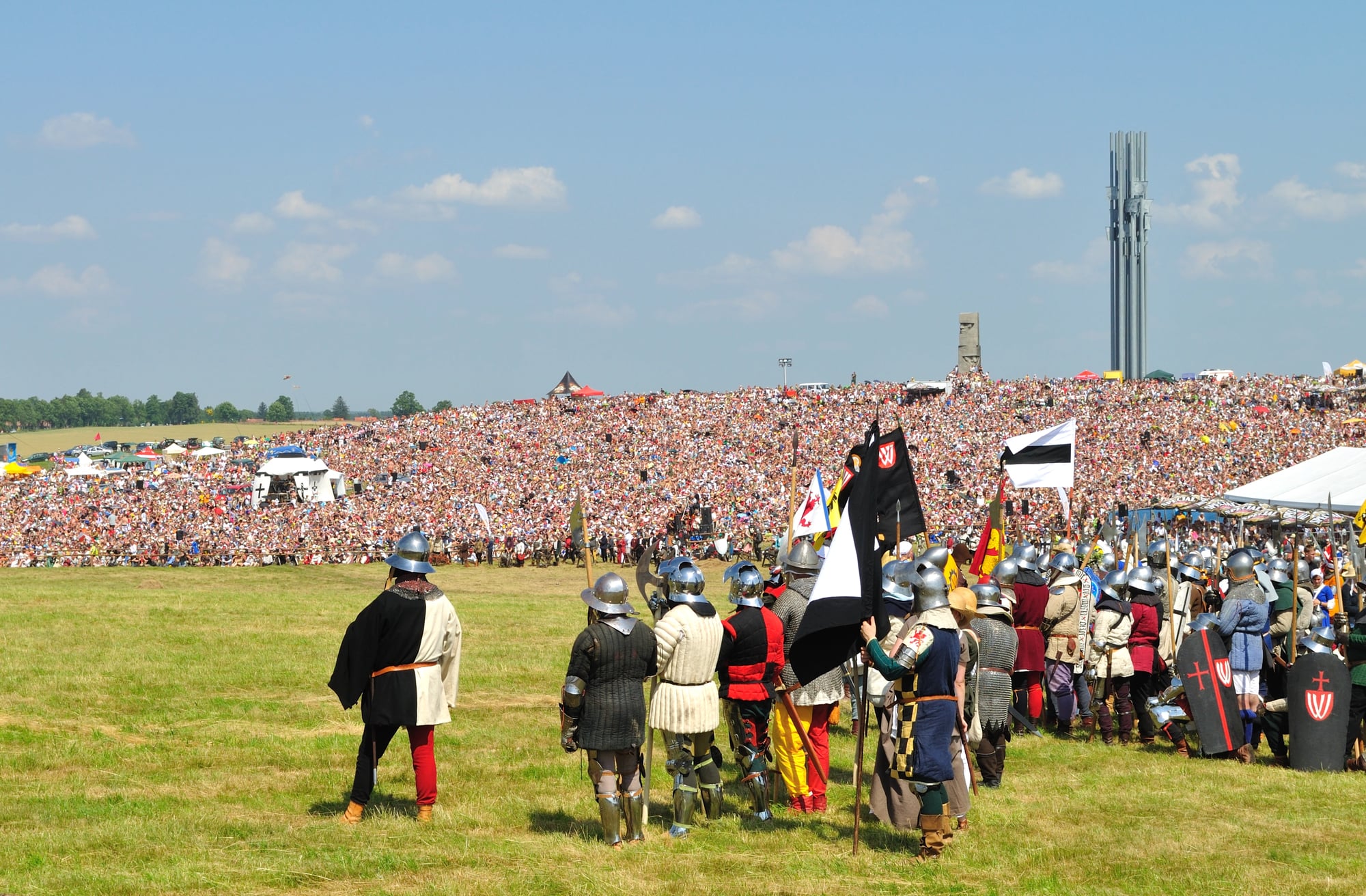
In August 1914, German commanders Hindenburg and Ludendorff encircled and destroyed the Russian Second Army — roughly 150,000 men — with a German force that was actually smaller in total numbers across the front. They used the Russians’ own unencrypted radio communications to coordinate the encirclement, reading their opponent’s orders in real time.
It was, in effect, the most expensive intelligence failure in Russian military history.
The Battle of Britain
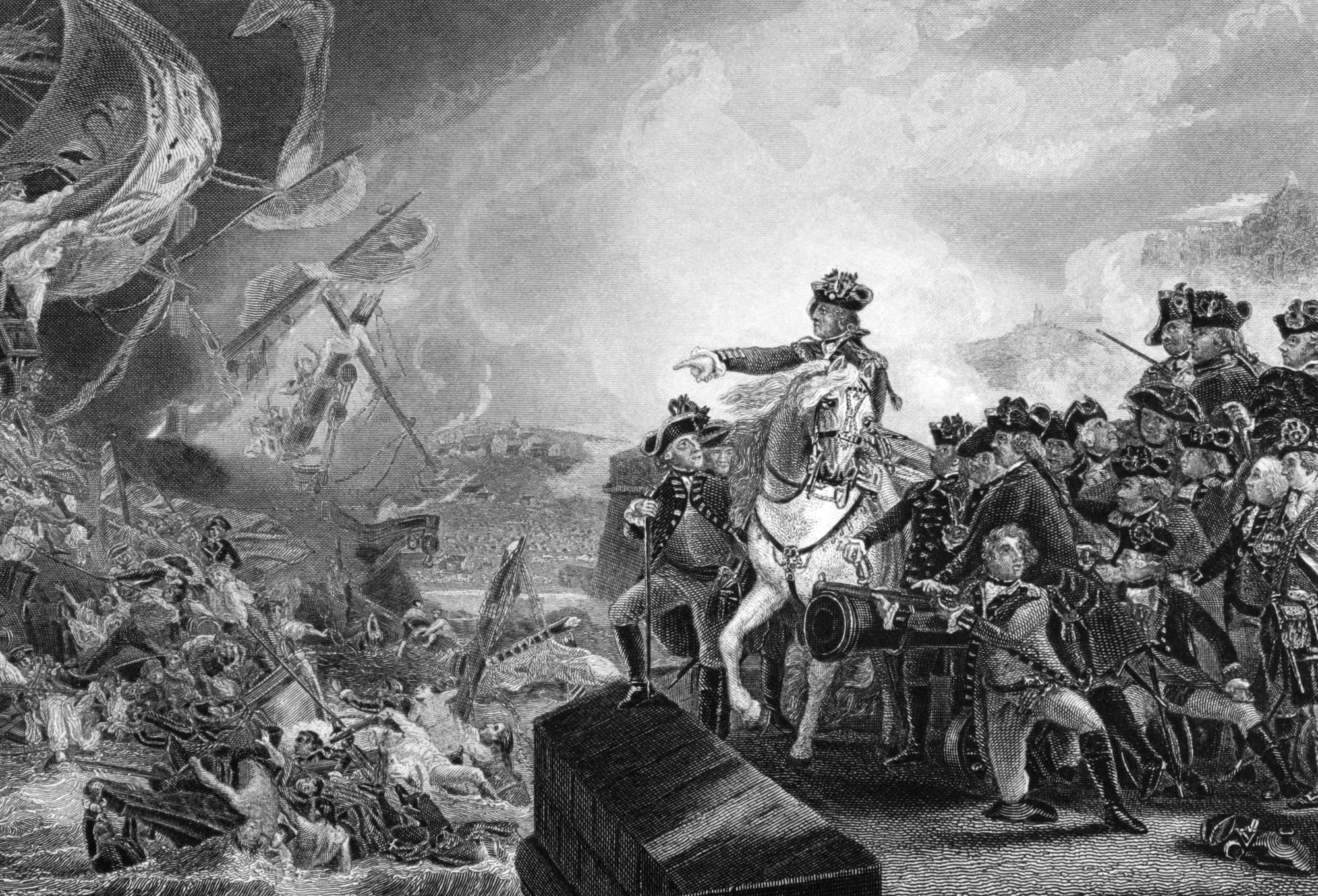
The Royal Air Force in the summer of 1940 was outnumbered by the Luftwaffe in aircraft and pilots both, defending an island against a force that had just swept through France in six weeks. The RAF held — barely, and at terrible cost — but held long enough that Hitler postponed Operation Sea Lion and never rescheduled it.
The victory lived in the margin between what was possible and what seemed possible, which is a difference that matters enormously when you’re the one holding the line.
The Battle of Midway
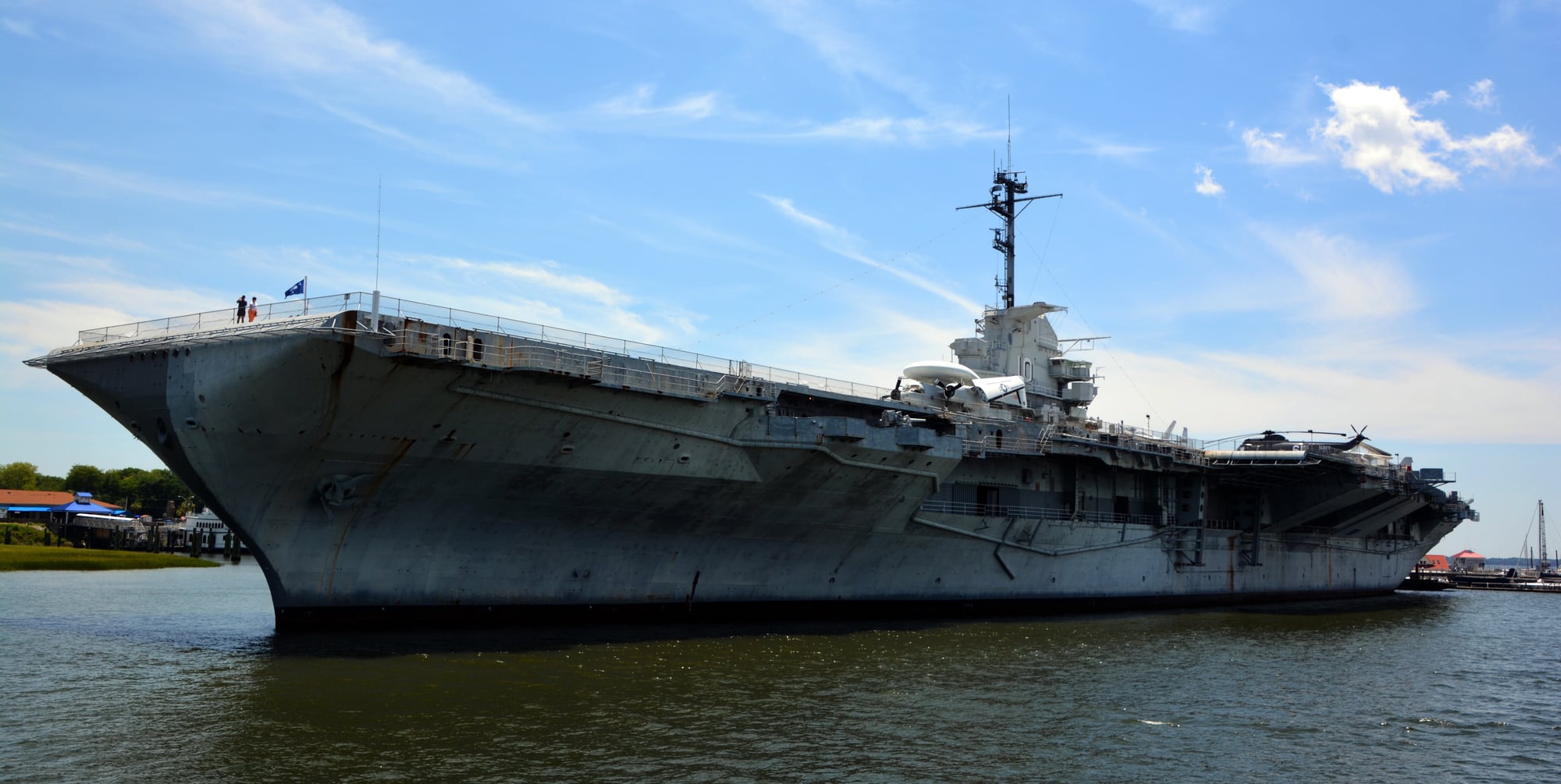
Four American aircraft carriers faced four Japanese fleet carriers at Midway in June 1942, with Japan holding every strategic advantage — initiative, experience, and the expectation of an easy ambush. What Japan didn’t know was that American codebreakers had read their operational plan, and what Japan couldn’t account for was the thirty seconds that changed the battle: the moment American dive bombers arrived at altitude, with the Japanese carrier decks full of armed and fueled aircraft, and dropped their ordnance.
Three carriers went down in five minutes.
The Battle of Balaclava
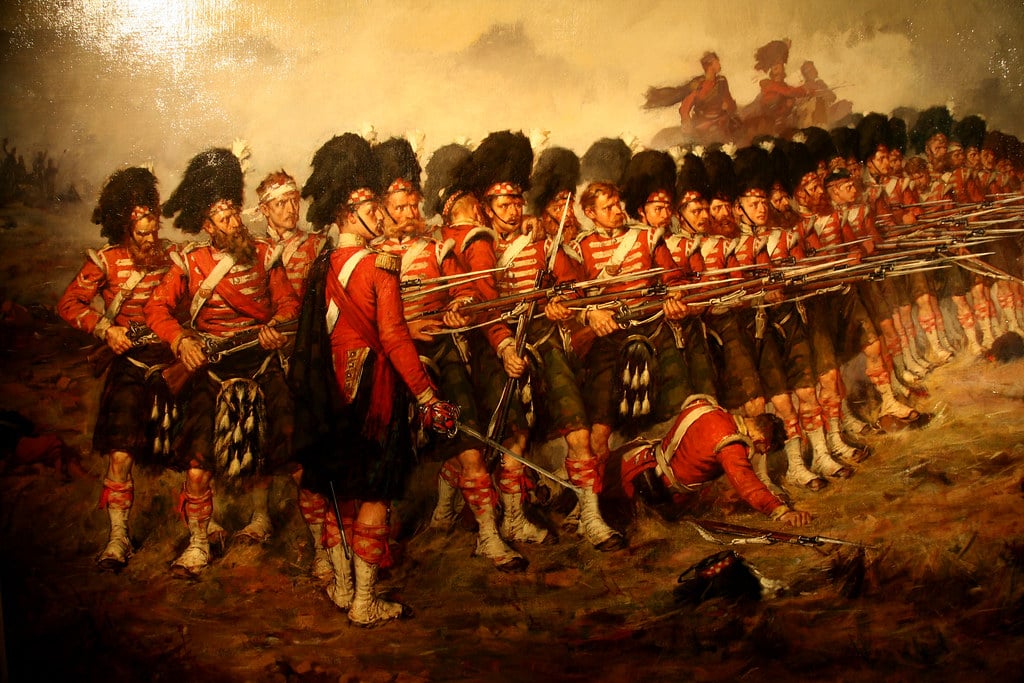
The Thin Red Line at Balaclava in 1854 — a double-ranked line of Scottish Highlanders standing against Russian cavalry — held not because of numbers but because Sir Colin Campbell refused to form the traditional defensive square and trusted his men to hold a line instead. The Russian cavalry pulled up short and withdrew, which remains one of history’s more interesting decisions by the side with the numerical advantage.
The same battle also produced the Charge of the Light Brigade, which is what happens when boldness runs ahead of information.
The Weight of the Smaller Number
There’s a pattern running through all of these — not luck, not destiny, but something more concrete: the side that wins against the odds almost always understands the ground better, or moves faster, or fights with something the larger army can’t match with numbers alone.
Size is an advantage the way a full hand of cards is an advantage. It still matters how you play them.
History keeps returning this verdict, in every language and every century, and the verdict is always the same: what the larger army assumes is often exactly what the smaller army uses against it.
More from Go2Tutors!

- The Romanov Crown Jewels and Their Tragic Fate
- 13 Historical Mysteries That Science Still Can’t Solve
- Famous Hoaxes That Fooled the World for Years
- 15 Child Stars with Tragic Adult Lives
- 16 Famous Jewelry Pieces in History
Like Go2Tutors’s content? Follow us on MSN.



