Common Cooking Myths That Ruin Your Food
In home kitchens, there is a wealth of inherited knowledge.
Some are endearing and useful, while others persist simply because someone’s grandmother once insisted it was true.
Over time, these ideas become deeply embedded in people’s cooking practices.
The only problem is that when you look more closely, many of them lose their flavor, tenderness, or ease of preparation.
Food science has updated many of the previously recognized guidelines by substituting useful methods for antiquated theories.
Experts’ knowledge of cooking methods is updated every ten years by new tools and testing methods.
The emergence of culinary shows, test kitchens, and food scientists is forcing more people to reconsider the shortcuts they were taught.
Depending on how the ingredients behave, even recipes that appear traditional can be improved with small changes.
Often, these myths endure not because they are helpful but because they are comforting.
But letting them go makes cooking much easier, faster, and more delicious.
Here we take a closer look at some of the most persistent myths that quietly impede great cooking.
The myth that searing meat ‘locks in juices’
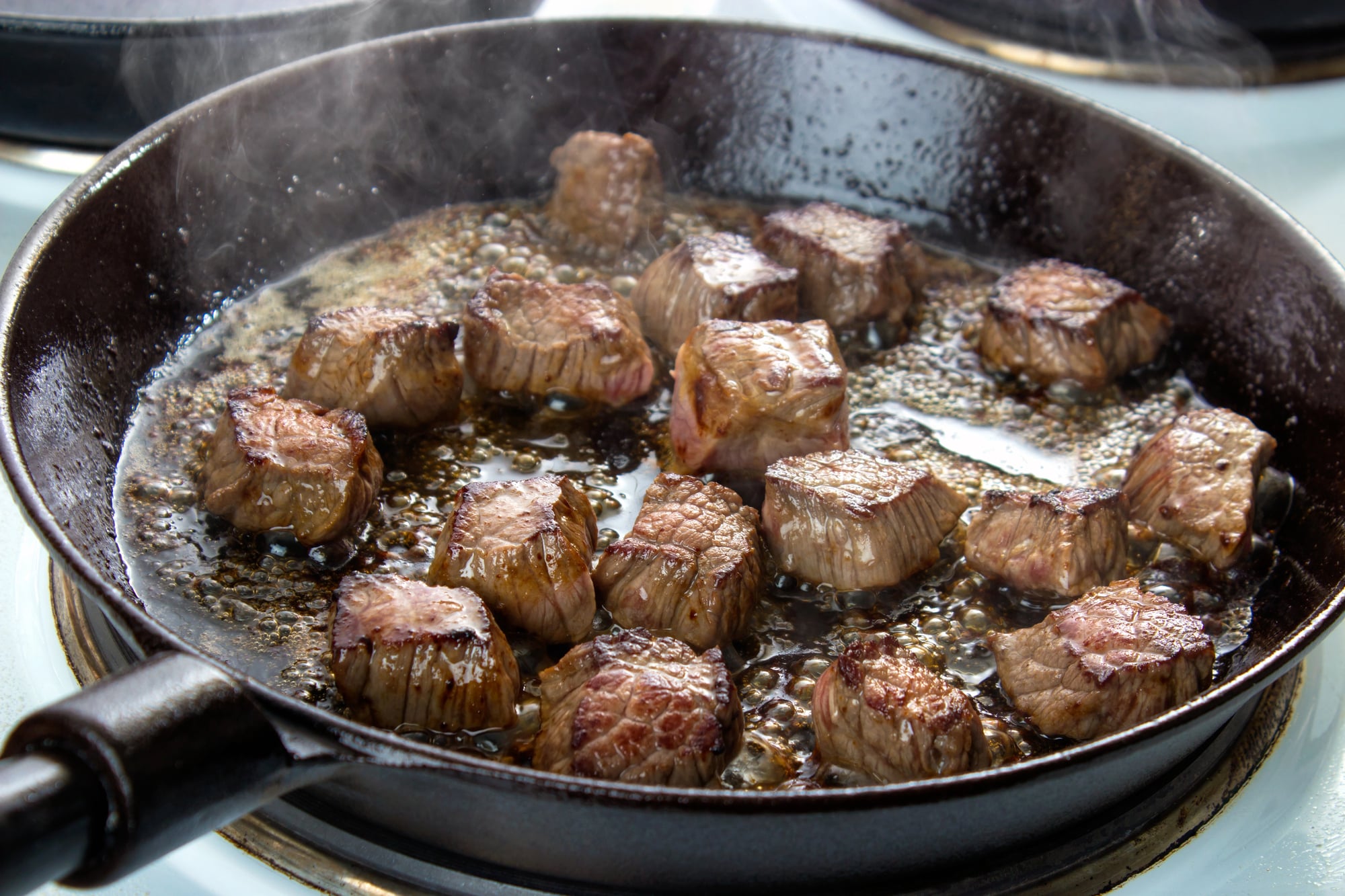
Although searing adds a lot of flavor, it doesn’t give the meat a protective coating.
The browning that happens during a sear is the Maillard reaction, a chemical process that produces hundreds of new aroma and flavor compounds.
The surface stays porous, but the outside takes on the appearance of a caramelized crust.
Steam and natural drippings are still ways that moisture escapes from the meat as it cooks.
Nevertheless, a well-executed sear significantly alters the final dish’s flavor by introducing depth and contrast.
The pleasing contrast between the crisp outside and the tender inside is probably where the notion that searing retains moisture originated.
Despite the same amount of moisture loss, this contrast may give the impression that the meat remained juicier.
Because controlled temperatures preserve tenderness better than high heat alone, professional kitchens frequently sear meat for a short time before transferring it to a softer heat source.
Although searing is still necessary for flavor, it is more effective when used as the initial step in a methodical cooking process than as a moisture-saving technique.
The belief that pasta water needs oil to prevent sticking
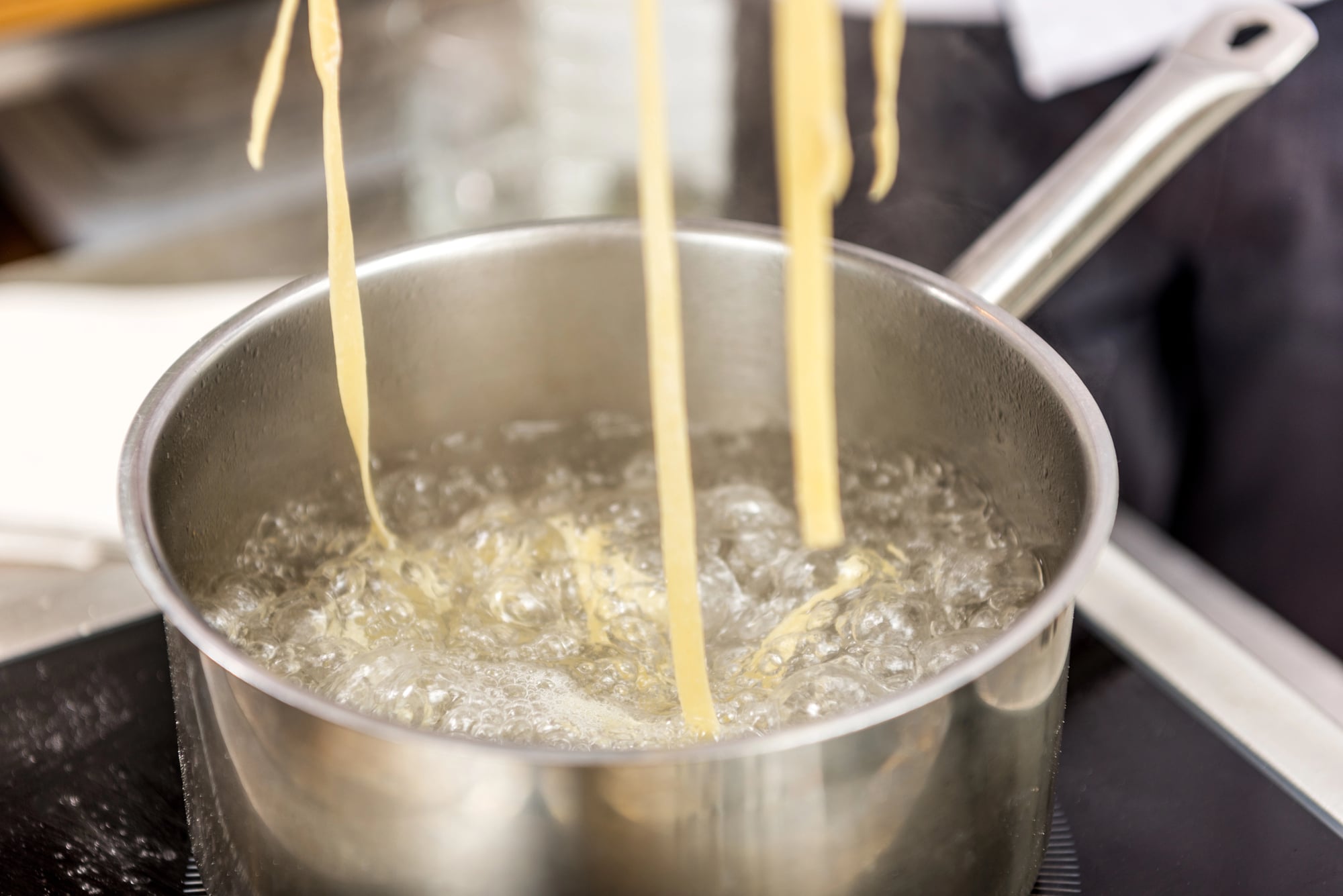
Pouring oil into a pot of boiling water has become a widespread habit, even though it does nothing to stop pasta from sticking together.
Because water and oil don’t mix, the oil floats on the surface instead of coating the pasta as it cooks.
The only reliable way to prevent clumping is to give the pasta a quick stir in the first minute or two, which helps keep the strands separate while the starch loosens.
Once the pasta is drained, the small amount of surface starch naturally helps sauce cling better, which is why adding oil afterward actually works against you.
Part of the confusion comes from memories of early nonstick pans or from attempts to stop lasagna sheets from bonding together.
Those situations feel like they need lubrication, but the solution is technique, not oil.
Generous water volume, early stirring, and adequate salt make a far bigger difference.
A well-salted pot also seasons the pasta from within, giving it more body and flavor.
Oil ends up creating a slippery surface that prevents sauces from binding, which takes away one of the biggest pleasures of pasta: that silky, cohesive bite.
The idea that washing mushrooms keeps them from browning
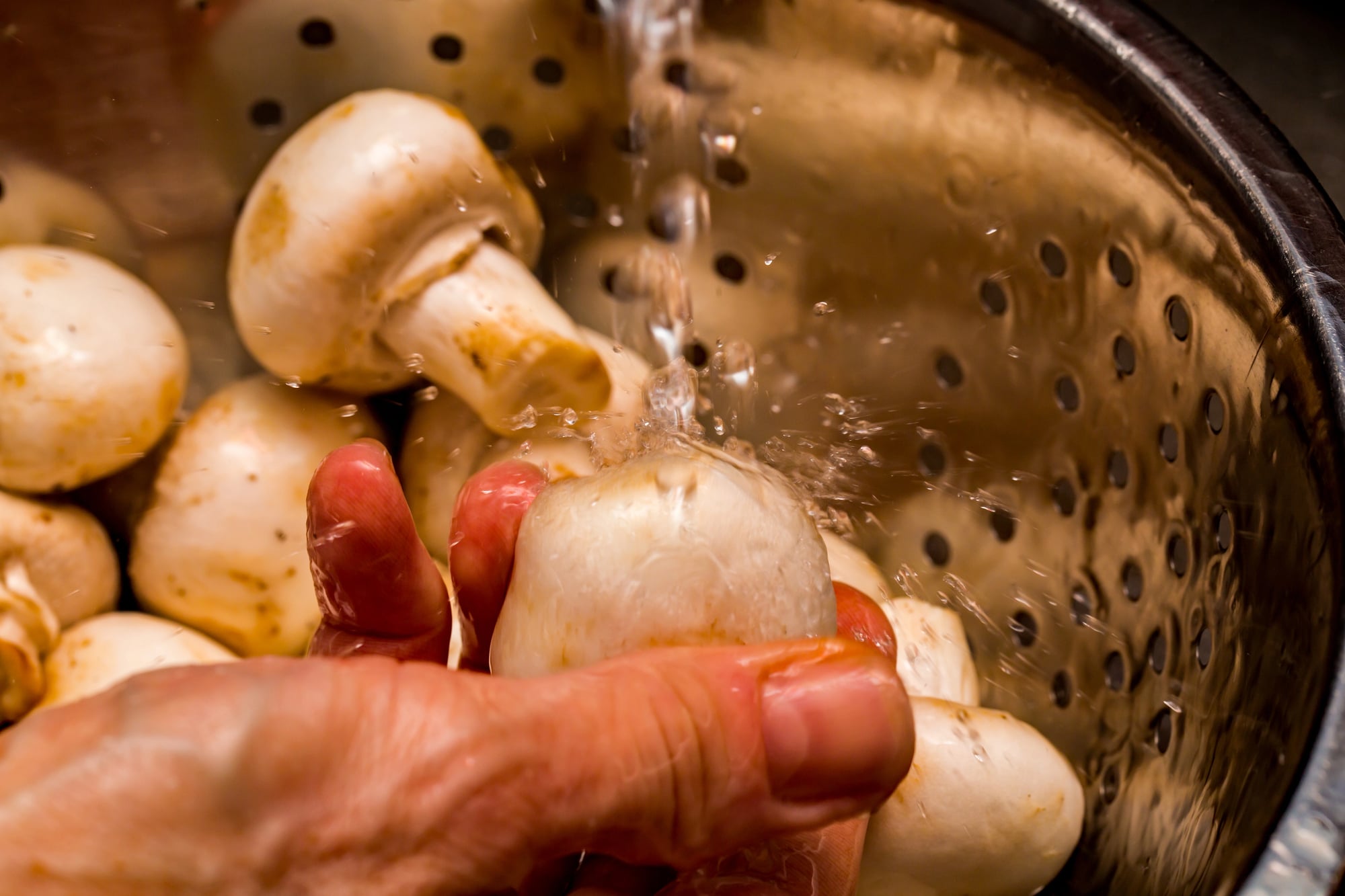
For years, cooks were warned that rinsing mushrooms would make them absorb water like sponges.
Tests have shown that mushrooms pick up only a tiny amount of moisture after a quick rinse, far less than what they’ll release once they hit a hot pan.
The real key to browning is heat and space.
Crowding the pan traps steam, which stops caramelization and leaves the mushrooms pale.
Drying them thoroughly after rinsing and giving them room to cook allows their natural sugars to deepen in flavor.
The old advice likely came from the days when mushrooms were sold loose and carried more dirt, making washing feel risky.
Today’s mushrooms arrive much cleaner, so a quick rinse is harmless.
What matters more is patience during cooking.
Giving the mushrooms time to release their moisture, evaporate it, and begin browning takes longer than many expect.
Once they reach that stage, the flavor becomes earthy and concentrated.
The wash doesn’t hold them back; improper heat management does.
The rule that you must soak beans overnight or they won’t cook

Soaking beans can shorten cooking time, but it isn’t required for tenderness.
Modern testing shows that unsoaked beans cook just fine with enough time and steady heat.
Many cooks skip the soak entirely, allowing the beans to simmer gently until they soften.
Salt, once blamed for tough skins, actually helps the seasoning penetrate more evenly and encourages a smoother texture.
On the other hand, a soak can still be useful if you want to speed things along or reduce the active time at the stove.
Cooks often hold onto the soaking rule because early recipes came from times when beans varied wildly in age and quality.
Older beans take longer to soften, which led to soaking becoming the default.
With more consistent supply chains today, the need for an overnight soak isn’t as strong.
A slow simmer with enough water and a dose of salt creates tender, flavorful results.
The real key is freshness; beans that sat too long in storage will resist softening no matter what method you choose.
The assumption that you should wait to salt food until the end

Some cooks save salt for the very end of cooking because they believe it will retain moisture or avoid toughness.
In actuality, early salting promotes a more complete flavor development.
Salt draws out subtle notes that would otherwise remain hidden by penetrating ingredients deeper after it has had time to dissolve.
Additionally, early seasoning promotes browning and aids in the release of excess liquid from vegetables, particularly in dishes that are roasted at high heat.
Finishing salt does have a role, though.
The final addition of a few flakes adds a different type of brightness that produces contrast instead of depth.
People’s association of salt with the final tasting is probably the reason this myth endures.
Although last-minute changes are important, they cannot take the place of early seasoning, which gives a dish its structure.
Applying salt in advance helps proteins absorb it more gradually and cook more evenly.
When salt extracts their natural sugars, vegetables, particularly root types, take on a deeper roasted flavor.
Although they both have a function, early and late salting have entirely different outcomes.
The belief that alcohol completely cooks out of sauces

Although it doesn’t completely remove it, simmering a sauce made with wine or spirits does lessen its strength.
Research has indicated that even after prolonged cooking, a detectable quantity is still present.
The behavior of the alcohol as it reduces is more important.
The flavor blends into the supporting ingredients as it evaporates, becoming less sharp and more round.
Alcohol is transformed from a harsh note into a background component that adds depth and complexity when the sauce is simmered slowly.
Balance, not removal, is the aim.
Cooks often assume that time alone creates a clean slate, but alcohol reduction depends heavily on surface area, heat intensity, and the ingredients mixed into the sauce.
Cream-based sauces hold onto alcohol differently than tomato-based ones, for example.
The gentle approach remains best because it coaxes out complexity without leaving harshness behind.
Instead of aiming for removal, the process shapes the sauce into something layered and harmonious.
Why these myths have stayed so long
Myths endure because they instill confidence in people even when the underlying science isn’t reliable.
Many were from earlier times when cooks relied on observation rather than controlled testing, ingredients varied greatly, and tools were less dependable.
We now have a much better understanding of how chemistry, heat, and moisture shape food.
That information enhances tradition rather than diminishes it.
Cooks can work more intentionally and produce dishes that taste better and are easier to prepare when they understand the truth behind these myths.
More from Go2Tutors!

- The Romanov Crown Jewels and Their Tragic Fate
- 13 Historical Mysteries That Science Still Can’t Solve
- Famous Hoaxes That Fooled the World for Years
- 15 Child Stars with Tragic Adult Lives
- 16 Famous Jewelry Pieces in History
Like Go2Tutors’s content? Follow us on MSN.



