30 Classroom Items from the ’80s That Have Mostly Disappeared
Walk into a 1985 classroom and the smell would hit first: a faint mix of chalk dust, damp wool, and the sweet chemical tang of fresh purple ink. The room hummed, clicked, and beeped in ways that many modern classrooms no longer do.
Most of what filled those rooms was ordinary, replaceable, and cheap. That is exactly why so much of it disappeared without anyone noticing the last one go.
The Overhead Projector Humming at the Front of the Room
Teachers wrote on clear acetate sheets while a fan whirred and a bright lamp threw the writing onto a pull-down screen. Overhead projectors became common classroom tools by the 1980s, and many teachers used them from rolling carts.
Teachers also kept stacks of transparencies in cardboard frames, which could be layered to build a diagram one piece at a time. Projectors and the smeary markers that went with them have largely given way to document cameras and interactive displays.
The Filmstrip Projector and Its Signal to Advance
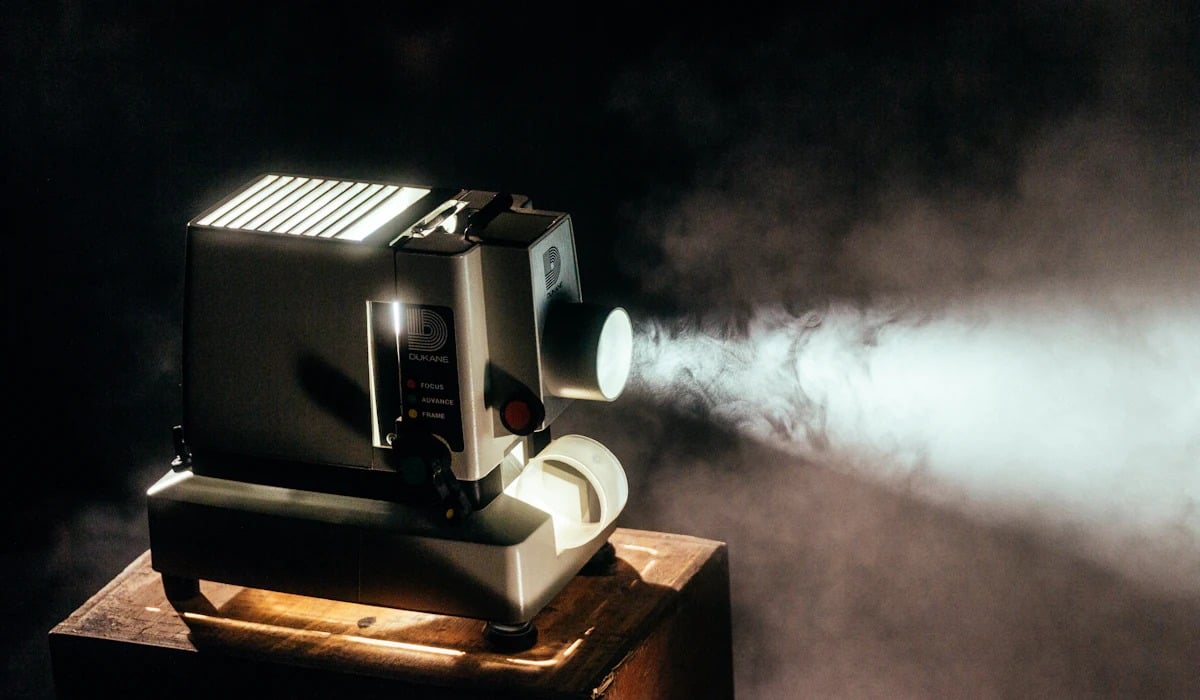
A filmstrip was a short roll of still frames, and the projector showed one picture at a time while some sets paired the images with narration on a cassette or record. At a chime or beep on the audio, a student volunteer turned a knob to move to the next frame.
Sets covered everything from the planets to dental hygiene, and the format faded once videotape and later digital video took over.
The Trapper Keeper and Its Velcro Rip
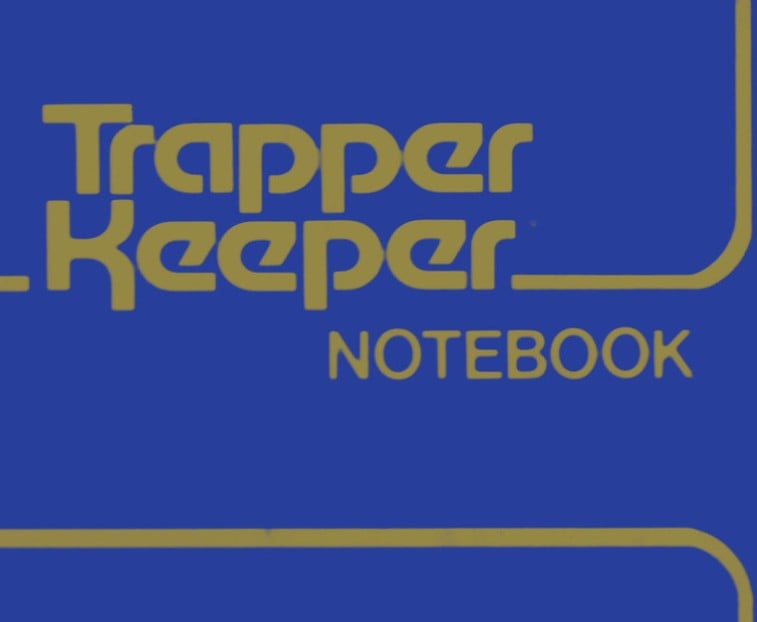
Mead’s Trapper Keeper was designed by E. Bryant Crutchfield, who died in 2022 at age 85, and its Velcro flap made a sound that announced every student’s arrival.
Inside, pocket folders and ring-bound paper snapped into a single organized binder. Covers with bold airbrushed designs turned a school supply into a status symbol.
Collectors still hunt vintage examples, and the price of any one depends heavily on condition and whether the original inserts survived.
Ditto Sheets and Their Purple Ink
Worksheets printed on a spirit duplicator came out damp, smelled strongly of solvent, and had text in a distinctive purple. The process worked by transferring dye from a master sheet to each copy, which meant the copies grew fainter as the run went on.
Students famously held a fresh sheet up to their faces for a quick sniff before tackling the questions. Photocopiers eventually made the technology uncommon in schools.
The Mimeograph and Its Stencil Drum
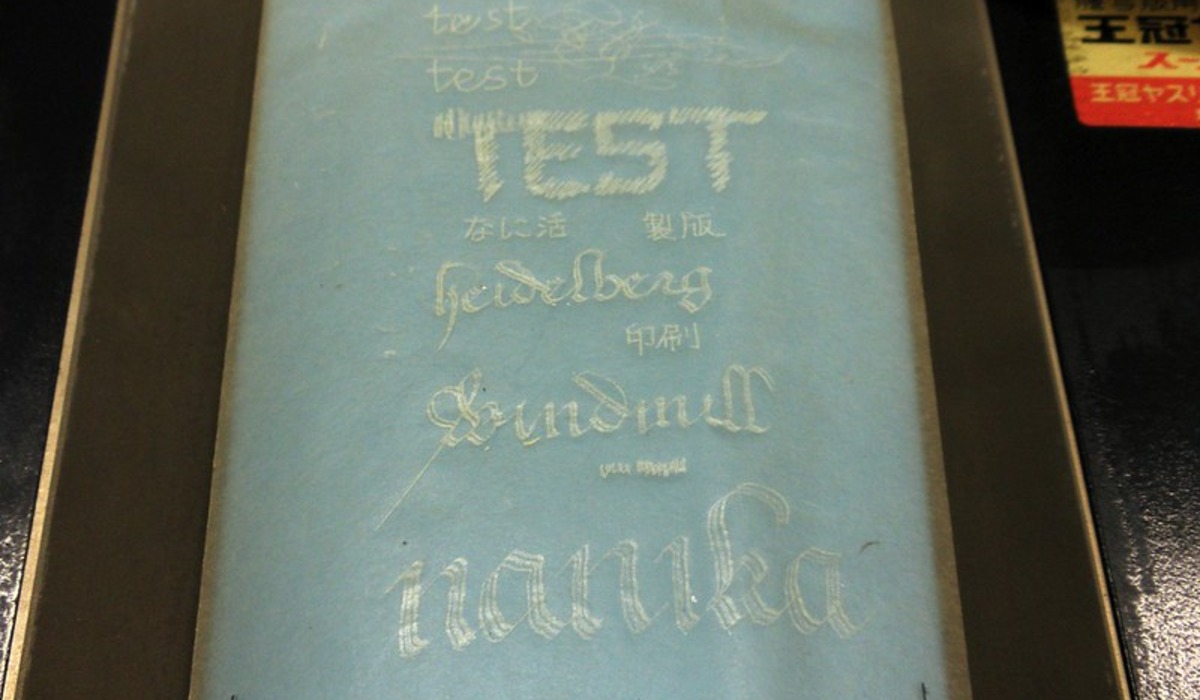
A mimeograph forced ink through a typed stencil wrapped around a rotating drum, and the resulting copies were black rather than purple. Teachers or school secretaries cut stencils on a typewriter with the ribbon disengaged so the keys struck the stencil directly.
The machine was messier and slower than a copier but could produce large numbers of copies from a single stencil. Copiers eventually pushed it out of many school offices.
The Apple IIe Computer Cart
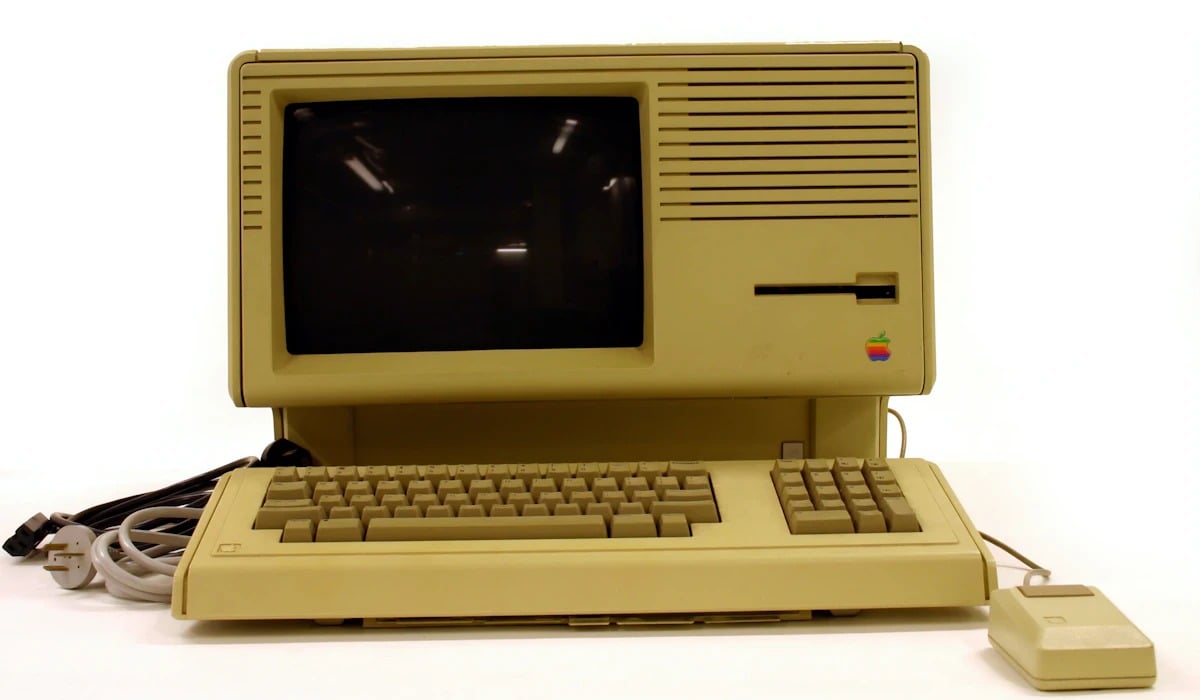
Apple introduced the Apple IIe in 1983, and it became a fixture in many school computer labs and corner stations. Teachers booked time on the single machine in the back of the room, and students took turns while classmates watched over their shoulders.
Apple discontinued the model in 1993, although schools replaced their older computers at different rates.
The Oregon Trail on a Classroom Computer
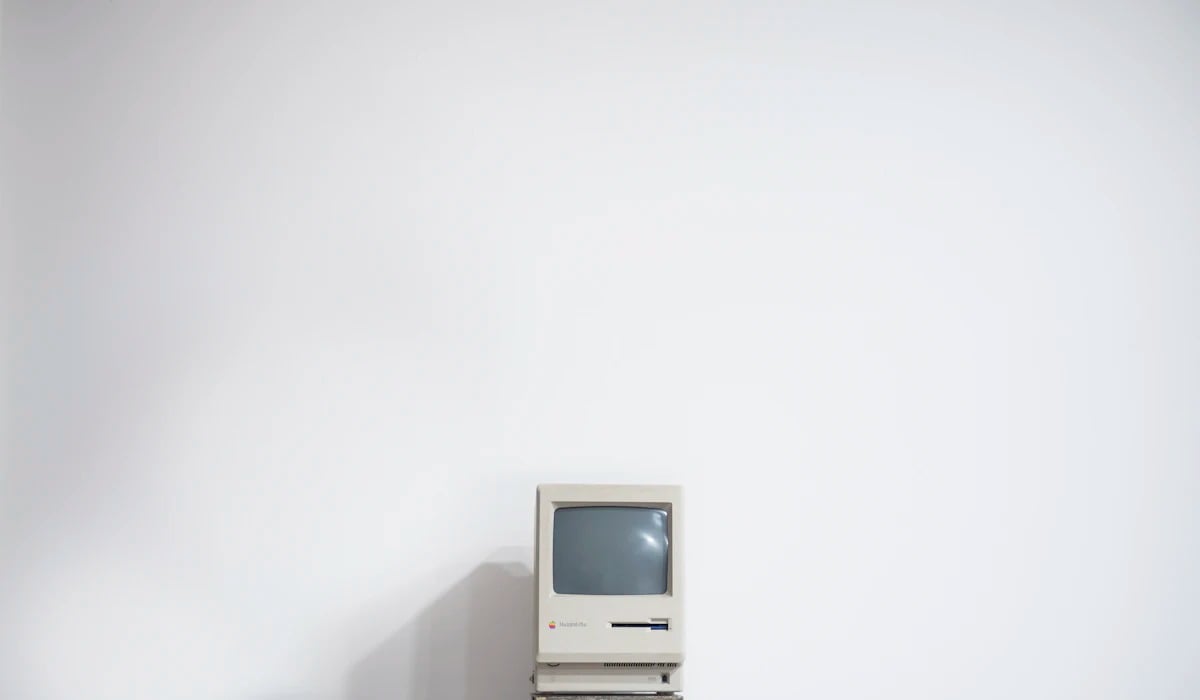
The Minnesota Educational Computing Consortium, known as MECC, distributed a version of The Oregon Trail that turned a generation of students into frontier travelers. Players hunted for food, forded rivers, and tried to keep their party members healthy.
The original game was developed in 1971 by student teachers at Carleton College in Minnesota, and MECC later brought it to Apple II computers in schools. Original disks and packaging can interest collectors, but their value depends on the specific edition, condition, and completeness.
The 5.25-Inch Floppy Disk
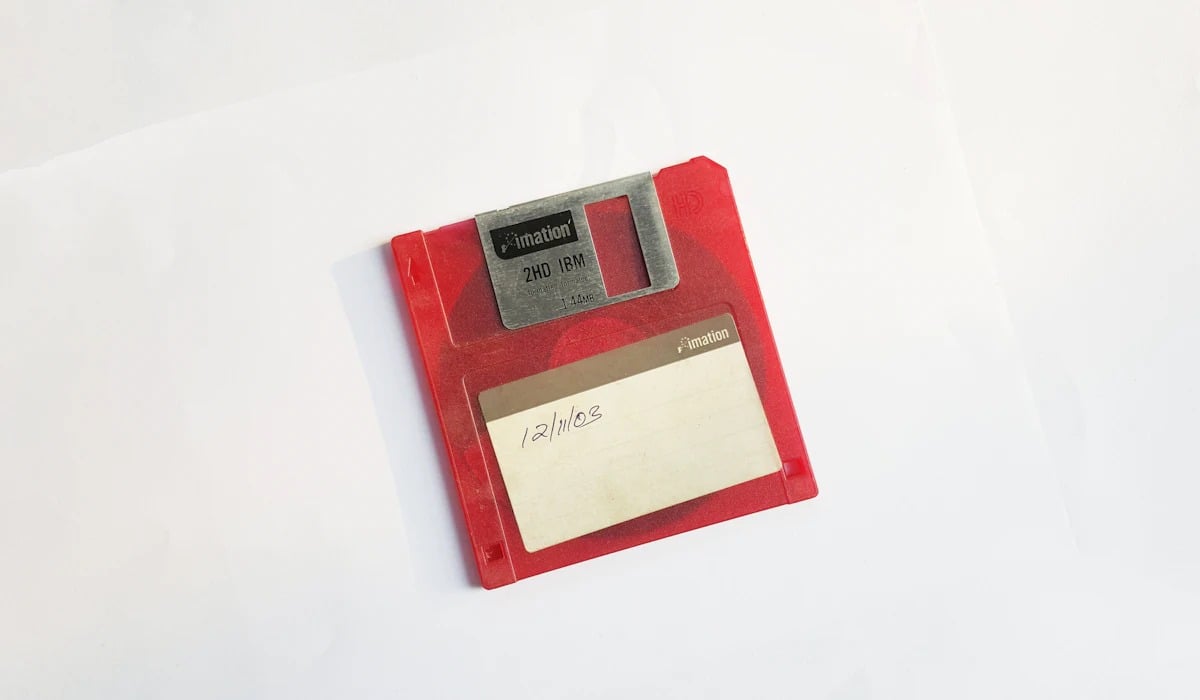
School software lived on thin, flexible magnetic disks sealed inside a square paper sleeve. They held hundreds of kilobytes in common formats, though capacity varied by disk and drive.
Teachers warned students never to touch the exposed magnetic surface or bend the disk. The format slowly gave way to the harder 3.5-inch disk and then to CDs, flash drives, and the cloud.
The Speak & Spell Learning Toy
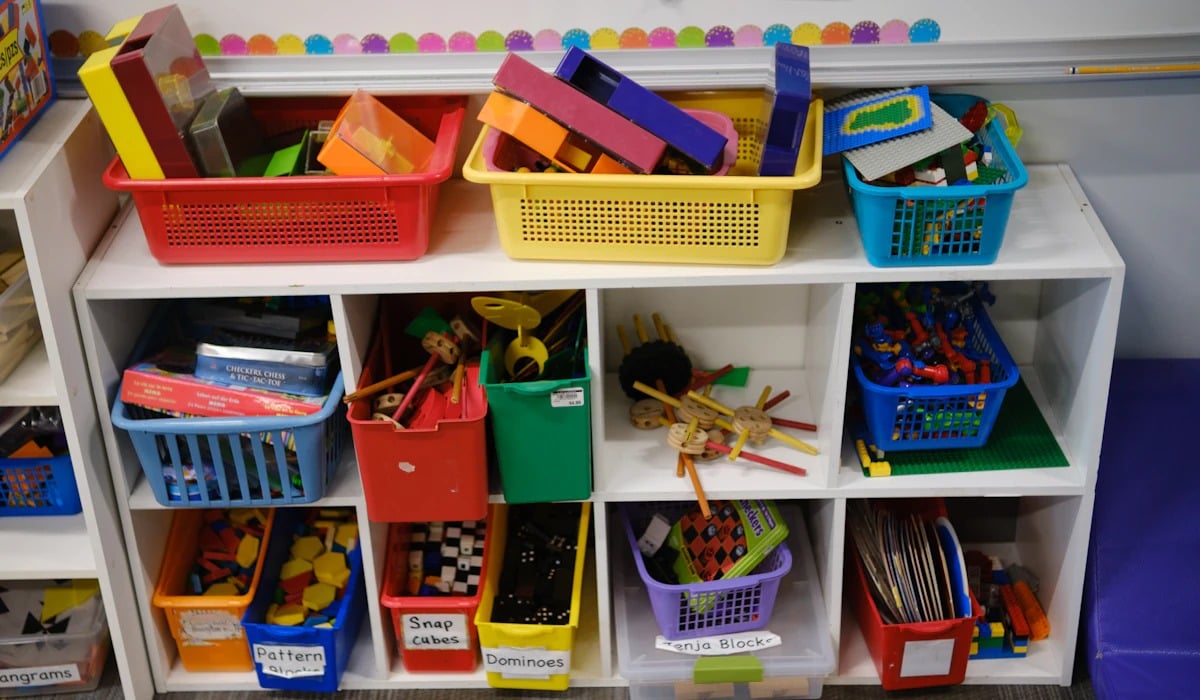
Texas Instruments released the Speak & Spell in 1978, and by the 1980s it was a familiar sight in homes and some classrooms. The handheld device spoke a word aloud in a synthesized voice and asked the student to type its spelling on a small keyboard.
Its robotic voice became so recognizable that filmmakers later used it as a sound effect. Working units are collectible today, though pricing depends on condition and whether the battery compartment is free of corrosion.
The 16mm Film Projector
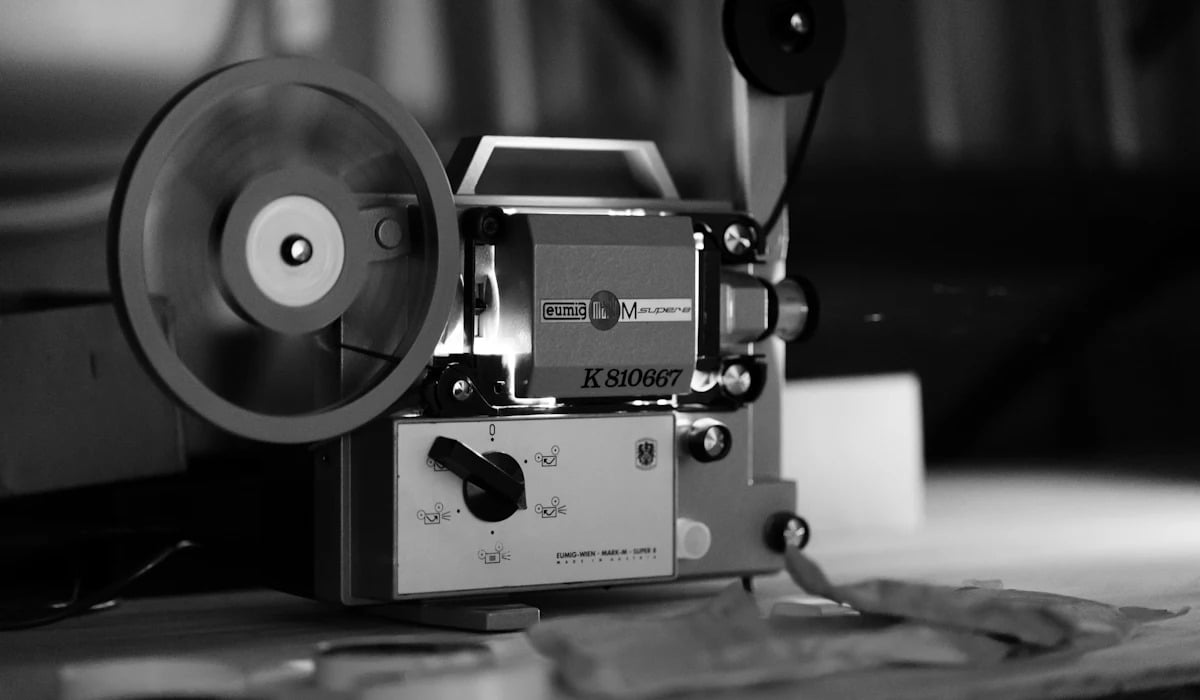
Before videotape, teachers borrowed educational films on metal reels that had to be threaded through a maze of sprockets and loops. A student who could do this without the film jumping off the track was treated as a minor celebrity.
The projector’s sound was loud enough that the teacher often had to leave the lights off and the windows covered for the entire showing. School districts gradually retired many reels and projectors as VCRs became cheaper and easier to run.
Felt Chalkboard Erasers
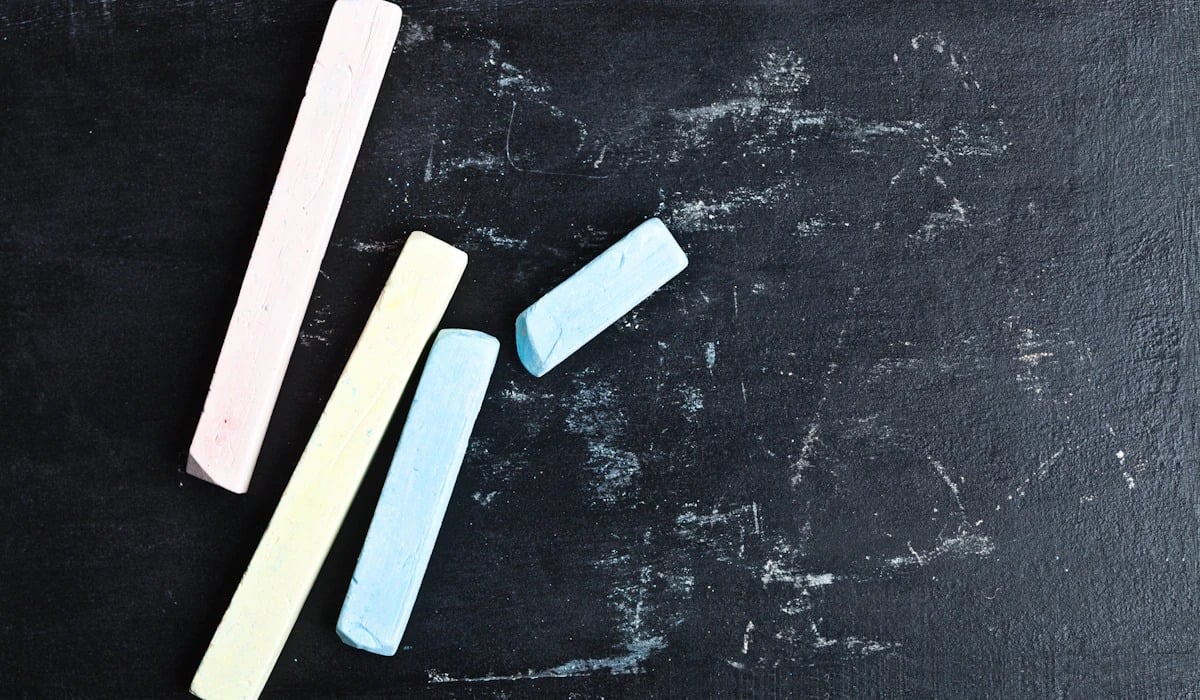
Every chalkboard had a ledge for felt erasers, and the chore of cleaning them was a coveted job. Students took them outside and clapped them together in a cloud of dust, with the thickest clouds earning the most admiration.
Green chalkboards were common by the 1980s, alongside older blackboards, but the chalk and erasers stayed much the same. Whiteboards and dry-erase markers have since replaced them in many classrooms.
The Library Card Catalog
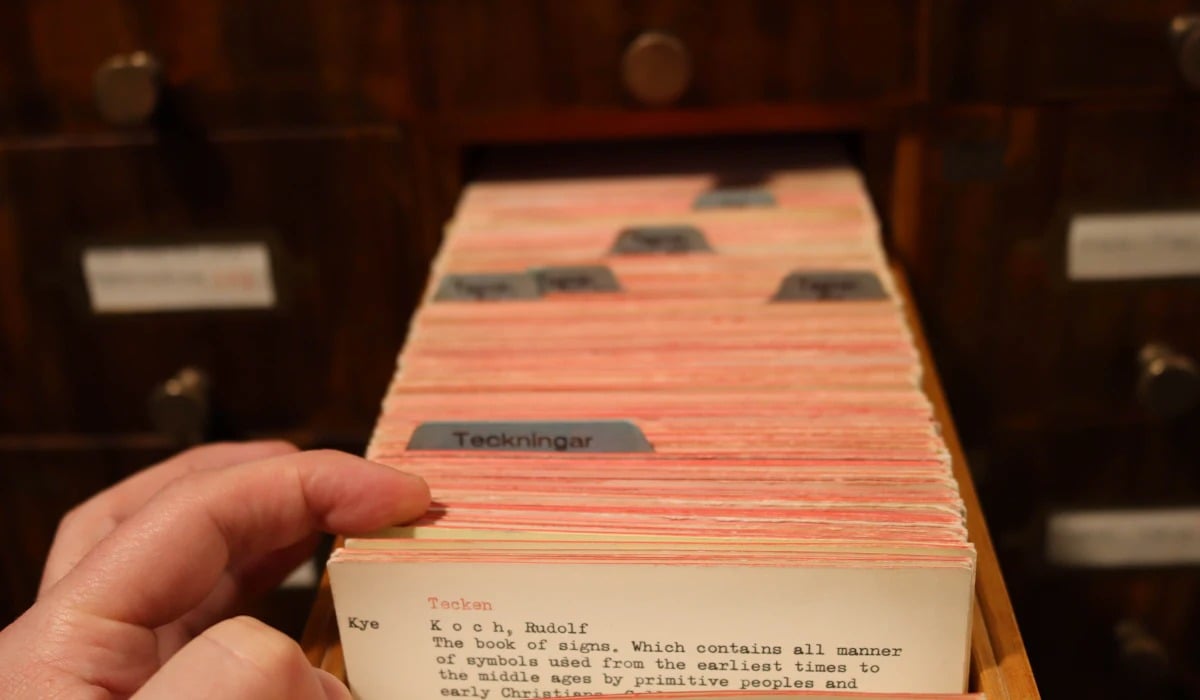
Rows of wooden drawers held index cards for every book in the library, filed by author, title, and subject. Students searched using the catalog entries and classification numbers and then hunted for the book among the shelves.
A pull-out rod at the bottom of each drawer kept the cards from spilling onto the floor when someone yanked it too hard. Computerized catalogs spread through libraries over the following decades and left many cabinets as decor or storage.
Pull-Down Roller Maps
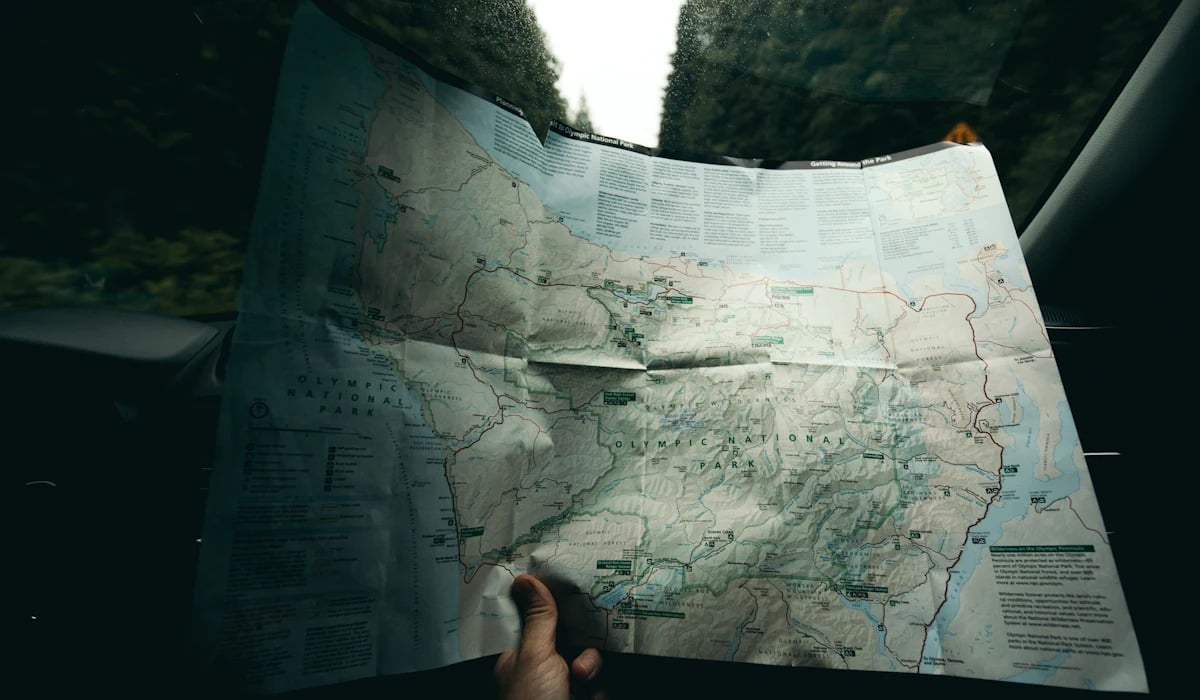
Large cloth-backed maps hung above the chalkboard on a spring roller, ready to be pulled down with a tug on a cord. They showed the world as it was drawn the year the school bought them, which in many rooms meant borders that no longer existed.
A teacher often used a long pointer to indicate a country, and the map snapped back up with a loud rattle when released. Digital projection and online mapping have replaced many of these classroom fixtures.
The Encyclopedia Set
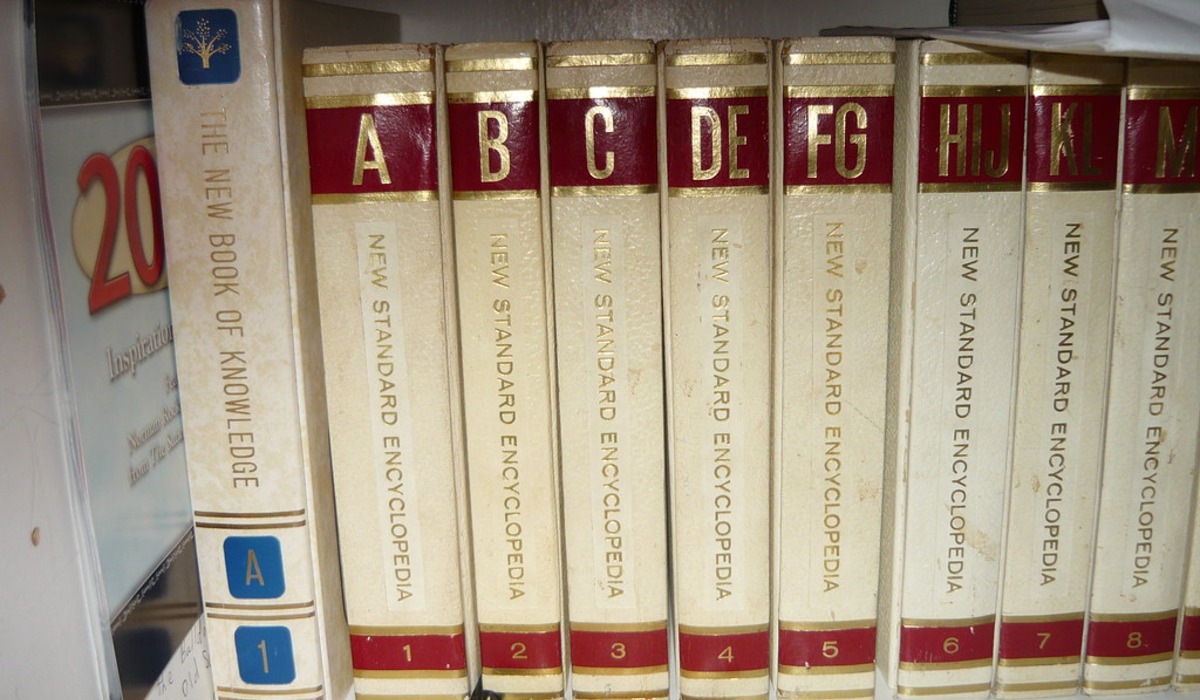
A shelf of heavy volumes of World Book or Encyclopaedia Britannica served as the answer to every research question. Students flipped through the index and then copied entries by hand into a report.
Britannica announced in 2012 that it would stop printing its multi-volume set after 244 years of print publication, ending an era that had effectively already ended in many classrooms. Old sets are now widely available secondhand, usually for very little.
The Pee-Chee Folder
Mead’s Pee-Chee folder was a plain, slightly yellow-tinted folder with an illustration of athletes on the front. Its plain cover made it easy to decorate with a pen.
Students decorated it with doodles, band names, and the occasional grudge. Its look was so familiar that a vintage example now sells as nostalgia, with the price depending entirely on condition.
Scratch-and-Sniff Stickers
Teachers handed them out as rewards, and each one released a fruity or candy-like scent when rubbed with a fingernail. The technology relied on tiny fragrance-filled capsules that released their scent when crushed.
Scratch-and-sniff stickers became especially familiar to many schoolchildren in the 1980s. The scent faded after enough scratching, so students rationed them carefully.
Collectors of vintage sheets note that unused examples may be more desirable than well-worn ones, depending on the design and condition.
The Dot-Matrix Printer
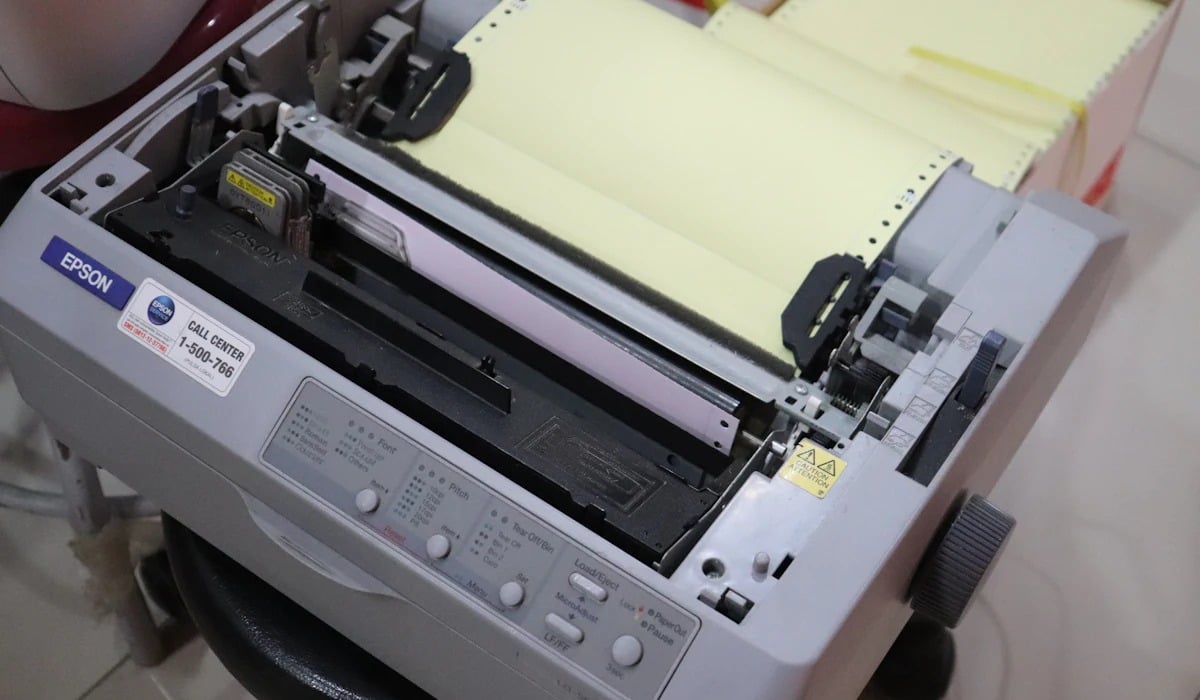
Apple introduced the ImageWriter in 1983 as a dot-matrix printer for the Apple II and Macintosh, and many schools relied on it to print reports. It formed letters from a grid of tiny pins striking a ribbon, which produced a loud, rhythmic screech.
Paper came as a continuous sheet with perforated edges that had to be torn off after printing. Inkjet and laser printers have since replaced most dot-matrix printers in everyday school use.
The Logo Turtle Robot
Logo was a programming language developed at MIT in the 1960s, and its best-known tool was a drawing turtle that students commanded to move and turn. Some early educational setups used a physical robot that rolled across large sheets of paper and drew paths with a pen; other versions displayed the turtle on a computer screen.
MIT researcher Seymour Papert championed the idea that children learn mathematics by teaching a machine to move. Later versions shifted the turtle onto the computer screen, and the physical robots mostly vanished.
Read-Along Cassettes With a Chime
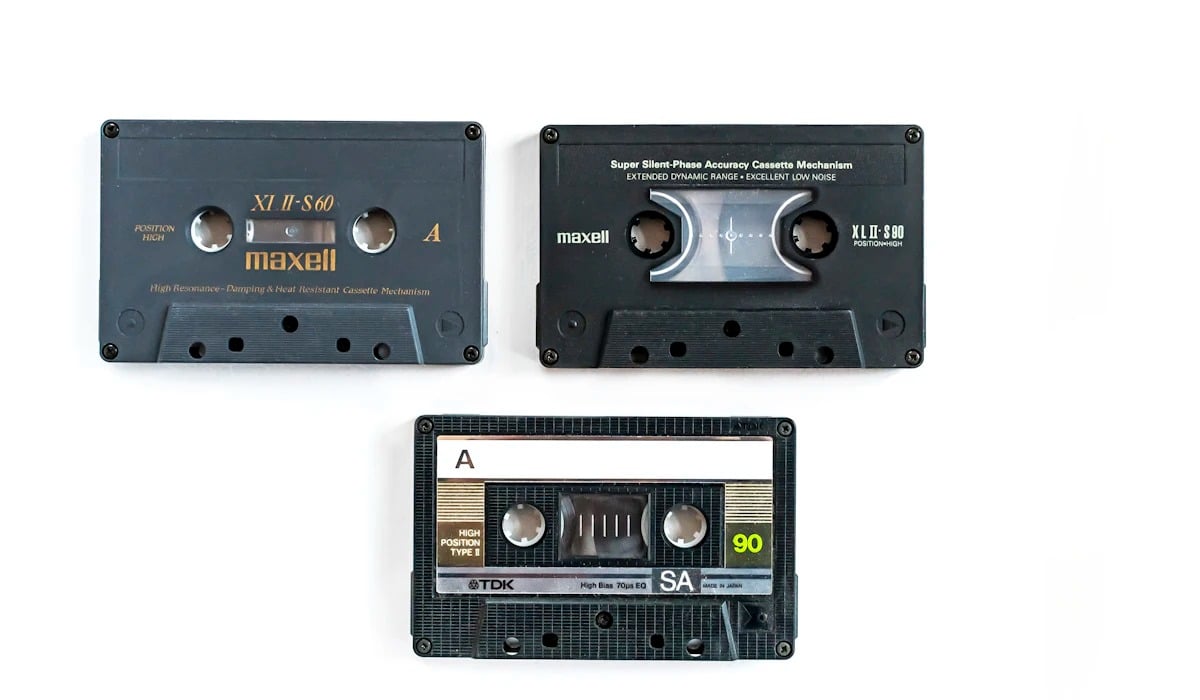
A cassette player narrated a picture book while a chime told children when to turn the page. Libraries and classrooms kept sets of the book and tape together in a plastic bag.
Students followed along with a finger on the text, which helped struggling readers keep pace. Streaming audiobooks and tablets have since replaced many of these tape-based sets.
The Classroom Record Player
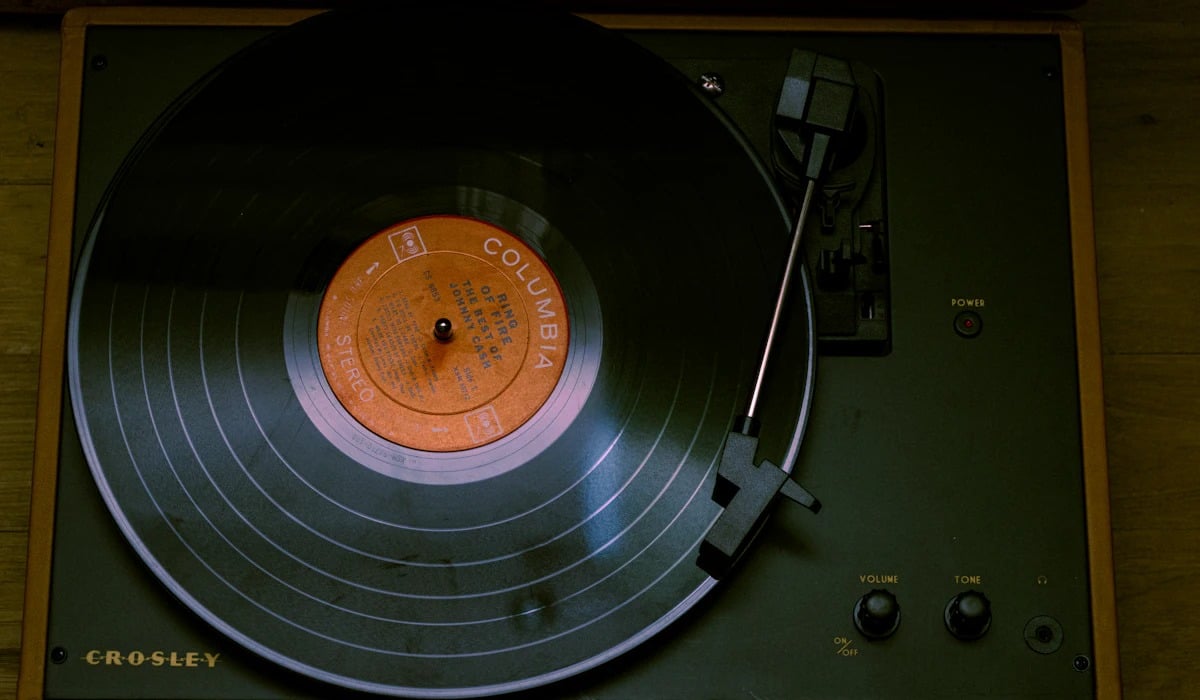
Music teachers and some elementary teachers kept a portable turntable on a shelf for playing records of songs, stories, and folk dances. The needle was delicate enough that students were not allowed to touch it.
Records were stored upright in cardboard sleeves and warped if left near a heater. Cassette tapes and later CDs made record players less common in classrooms.
The Rolling AV Cart
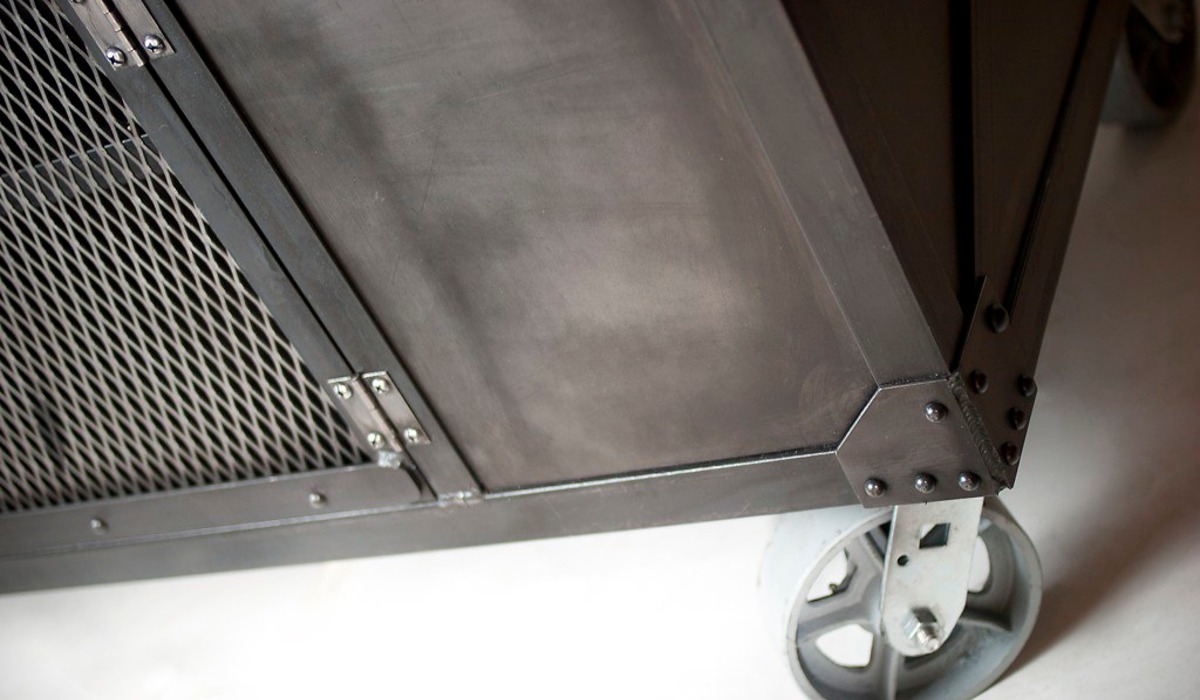
A tall metal cart carried a television, a VCR, and a tangle of cords from room to room. Teachers signed up for it ahead of time through the school’s media center.
The television was often bolted high on a pole so students at the back could see, and it took a skilled operator to align the picture. Flat-panel displays and projectors mounted in the ceiling have replaced many of these carts.
The IBM Selectric Typewriter
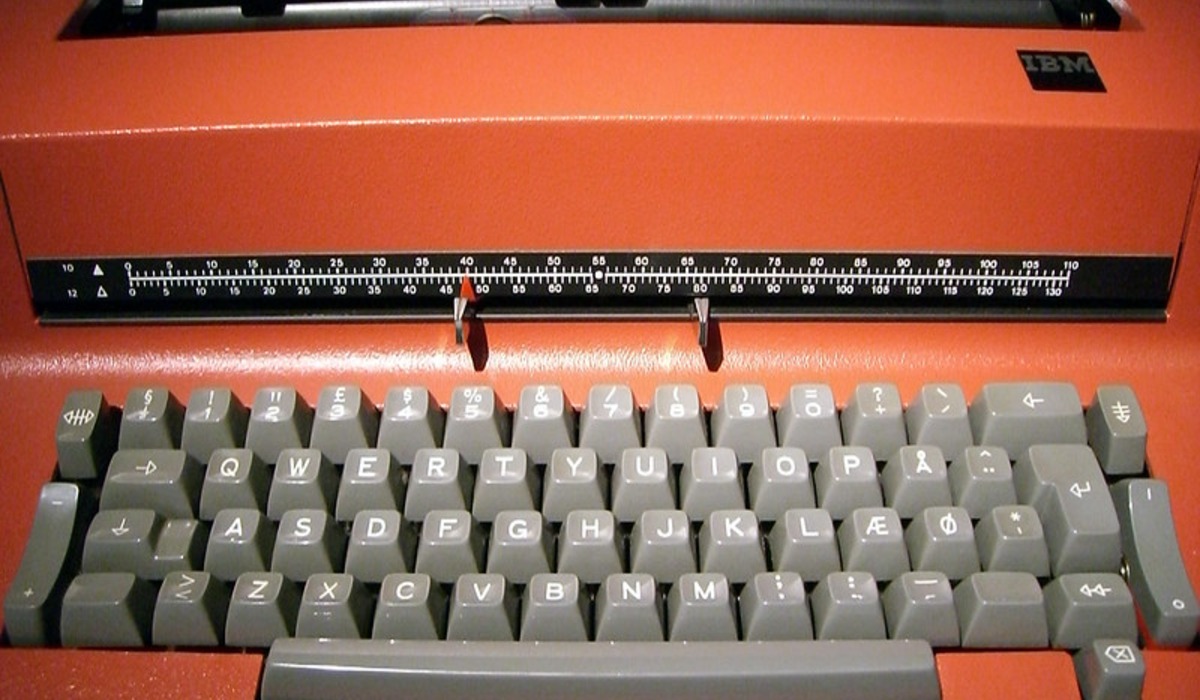
IBM introduced the Selectric in 1961, replacing the moving carriage with a spinning type element roughly the size of a large walnut, a design that made typing smoother and quieter than before. By the 1980s, school offices and some typing classes relied on the Selectric for reports and letters.
Changing the typeface only required swapping the element for another. Word processors and computers made the machines far less common.
The Wall-Mounted Pencil Sharpener
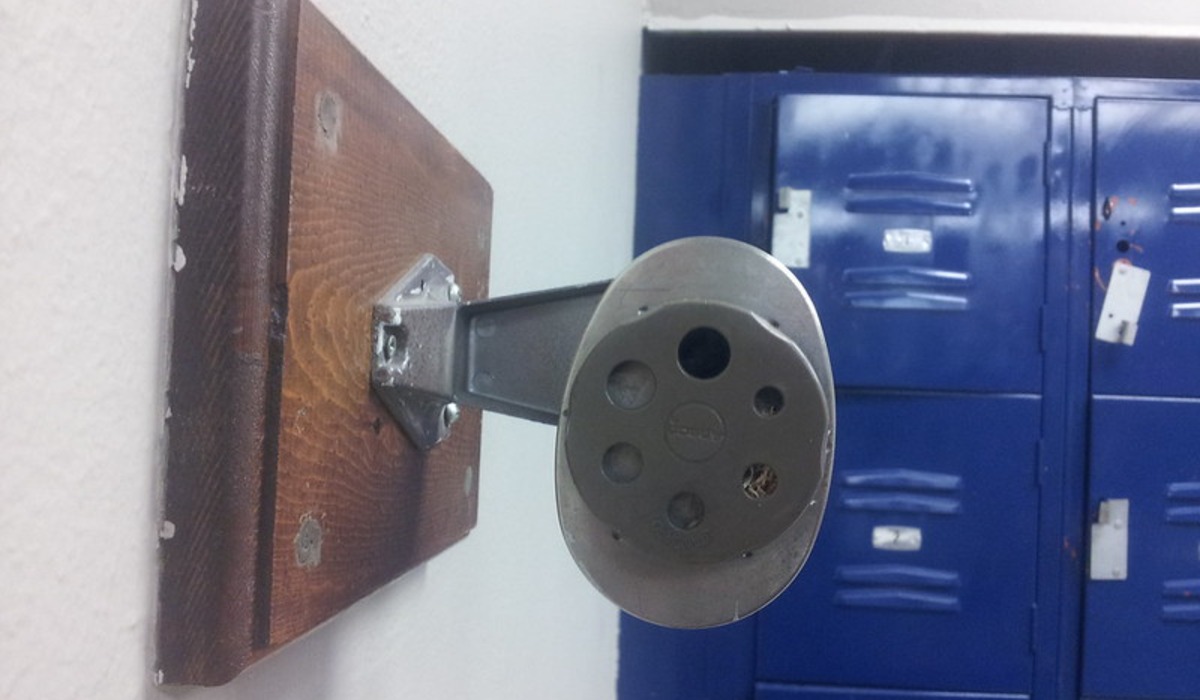
A hand-cranked sharpener bolted to the wall near the door let students sharpen their pencils with a satisfying grind. It collected shavings in a small bin that was emptied by whoever the teacher chose.
Going to sharpen a pencil was also the classic excuse to wander the room for a minute. Electric sharpeners and mechanical pencils reduced the need for these familiar fixtures in many classrooms.
The Library Book Card and Date Stamp

Each library book carried a paper pocket with a card inside, and students wrote their names on the card when they checked it out. The librarian stamped a due date inside the book, and the stamp ink left a record of every previous borrower.
Overdue notices were typed or handwritten and delivered to the classroom. Barcodes and computer databases replaced this checkout system in many libraries over the following decades.
The Kodak Carousel Slide Projector
Kodak introduced the Carousel slide projector in 1961, and its round tray held 80 slides. Teachers used it for art history, travel lessons, and science images, clicking the remote to move forward and back.
Kodak stopped making the projector in 2004, after digital projection had taken over much of the market. Used projectors are still collected, with prices that depend on condition and whether the original tray is included.
D’Nealian and Cursive Alphabet Strips
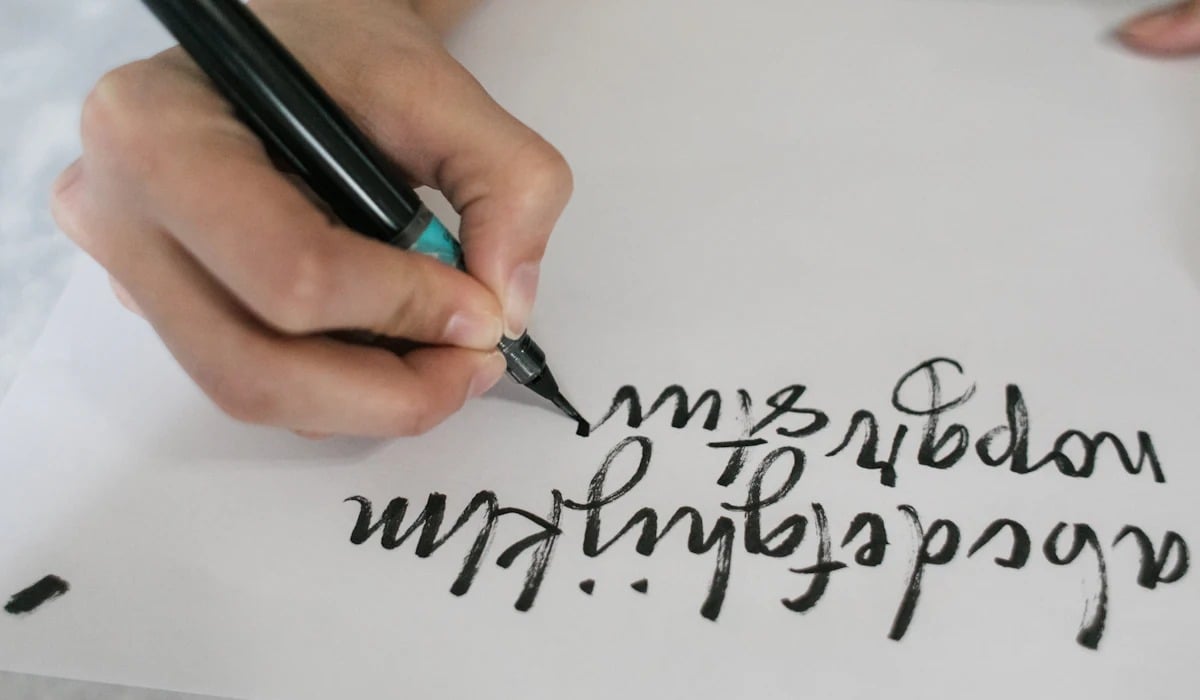
A strip of letters ran along the top of the chalkboard to show how to form each character in handwriting. Many schools used D’Nealian, a style created by Donald Neal Thurber in the 1970s to ease the move from print to cursive.
Other classrooms used different handwriting models or alphabet strips. The slanted letters on the strip were drilled until they became automatic.
Keyboards and tablets have since reduced the time given to handwriting, and cursive instruction has dropped in many places.
The Metal Lunch Box
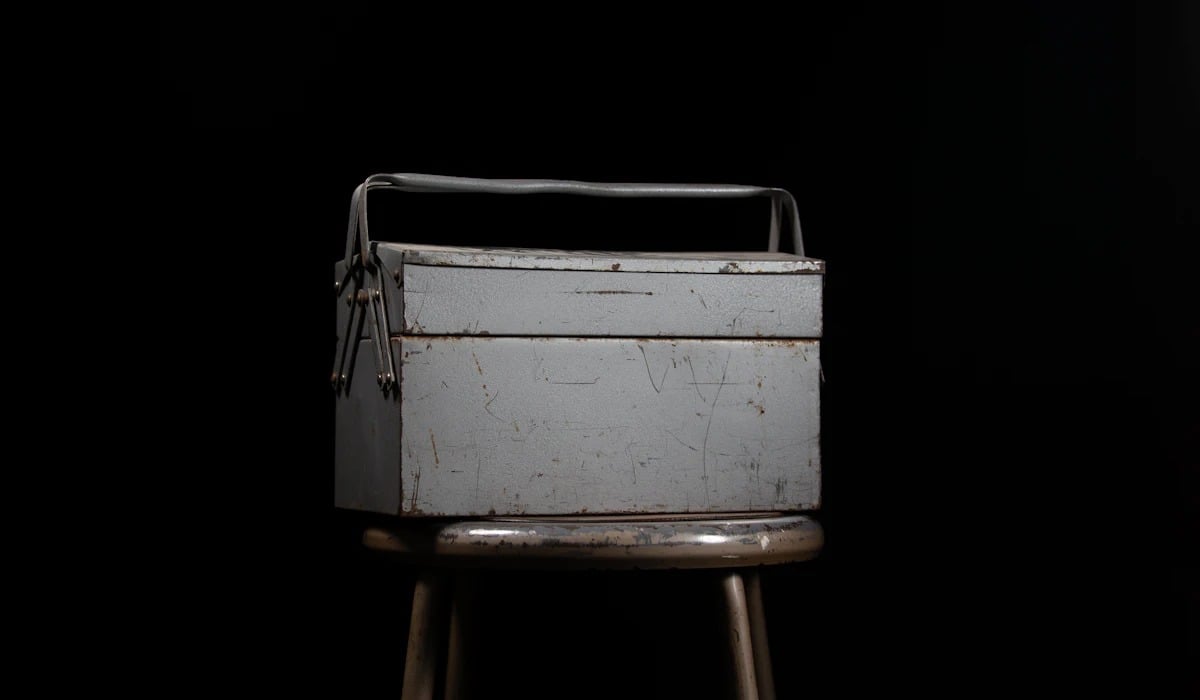
Metal lunch boxes with pictures of cartoon characters, television shows, and movie heroes were the mark of a lunch-hour status. A matching thermos usually rode inside, and the boxes were prone to dents and rust.
Plastic lunch boxes and soft insulated bags grew increasingly popular, helping metal versions lose their place in many school cafeterias. Vintage metal lunch boxes are prized by collectors, and their value depends heavily on condition and whether the thermos is included.
The TRS-80 Microcomputer
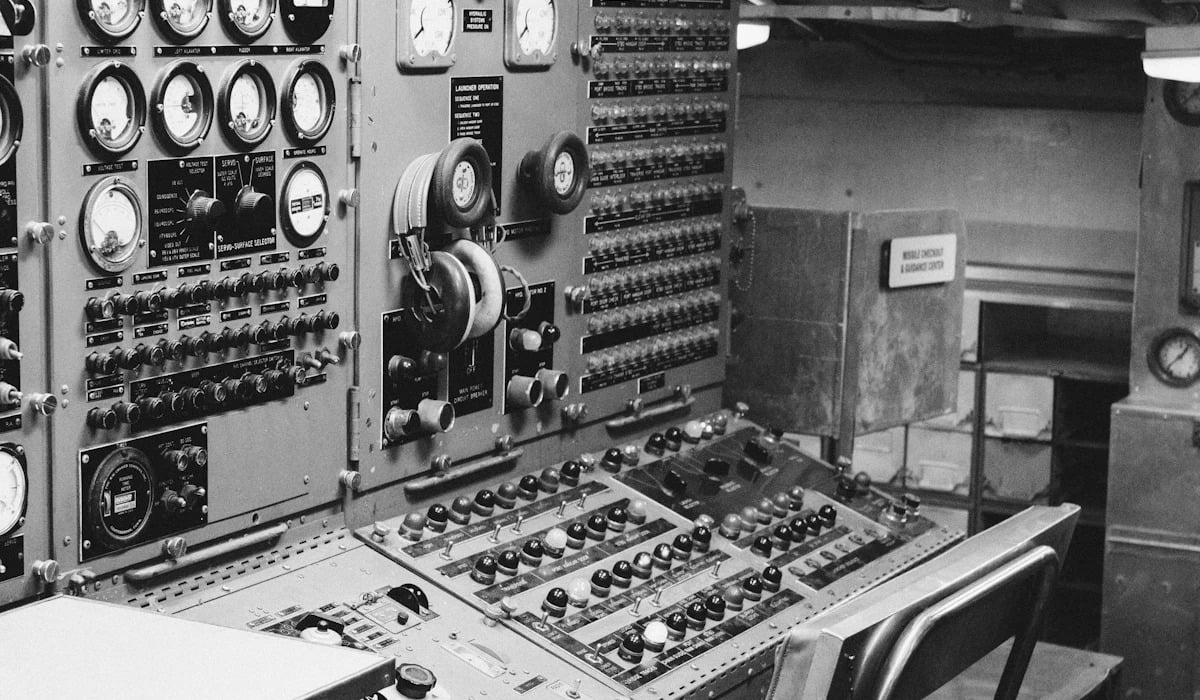
Radio Shack introduced the TRS-80 in 1977, and it ended up in many early school computer rooms. It ran BASIC, and students typed lines of code to make the screen display numbers or simple pictures.
The computer used a cassette recorder to save programs, which meant waiting through a long burst of squeaky tones. The machine became a historical curiosity once more advanced computers took over.
The Erasable Pen
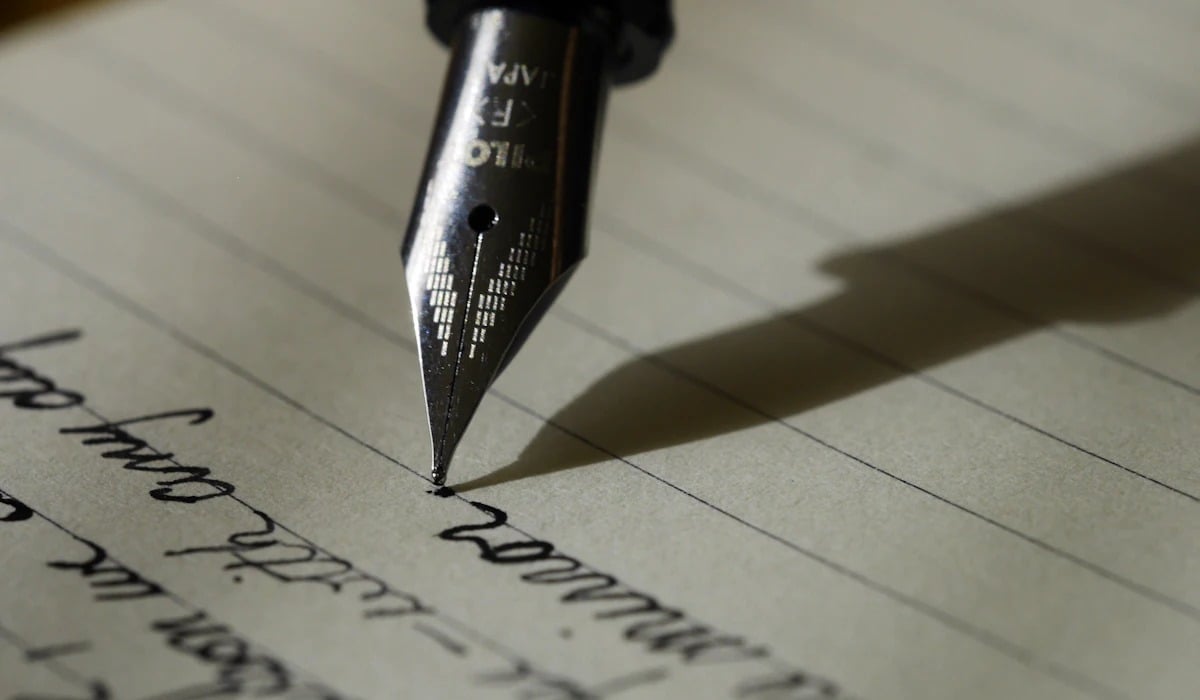
Paper Mate introduced the Erasermate in the late 1970s, and its ink could be rubbed out with a rubber eraser on the other end. Schools across the country let students use it, unlike the permanent pens that teachers usually banned.
The ink smeared easily if the paper was pressed hard, and it faded with time. Ordinary pencils and newer pen technologies gradually reduced its place in school supply cases.
The Lift-Top Desk With Attached Seat
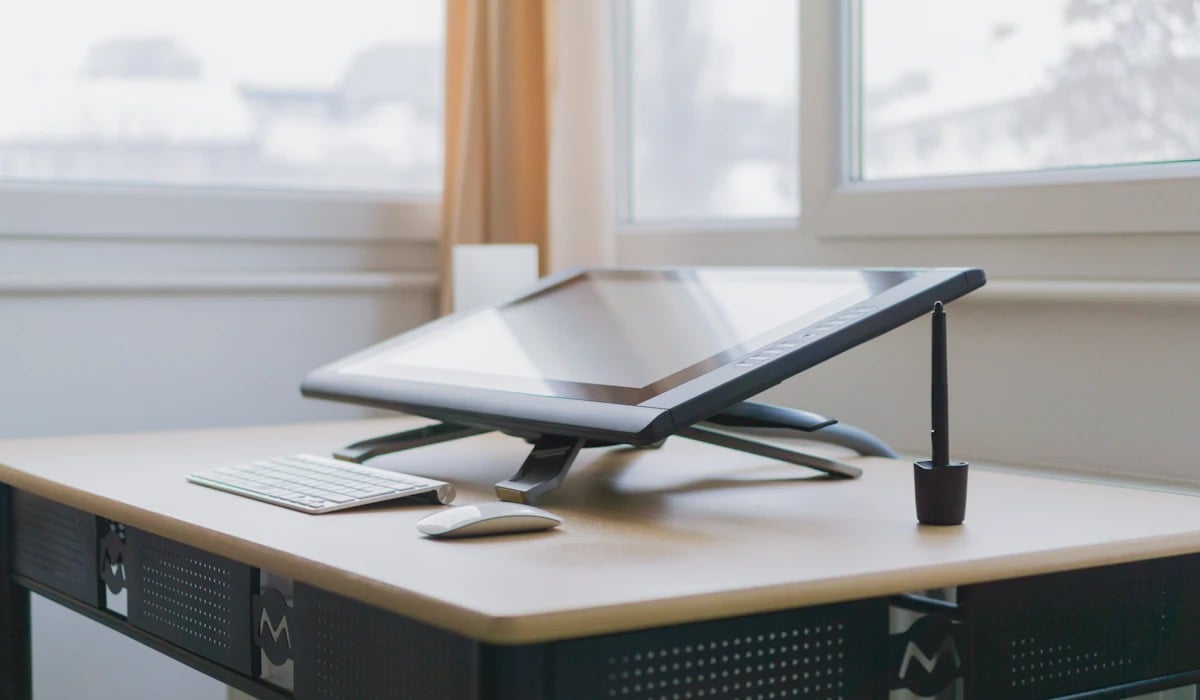
Desks with a hinged top and a storage space underneath were bolted to a seat in a single metal frame. The top could be lifted to reveal a place for books, and many desks had a groove for a pencil.
Students carved initials into the wood, which teachers tried to prevent without much success. Separate chairs and flexible seating have replaced many of these one-piece desks.
The Quiet Retirement of Everyday Things
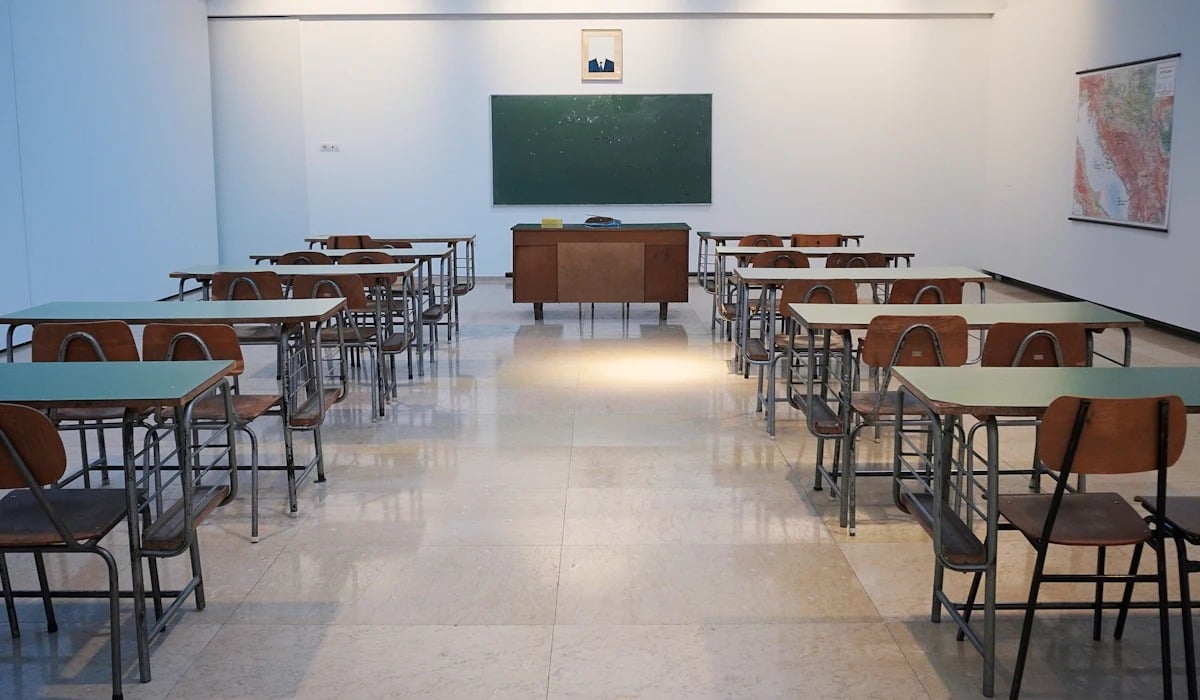
The items on this list were never meant to be memorable. They were tools for getting through a lesson, and most were replaced by something faster, cleaner, or cheaper without ceremony.
A projector went into storage, a catalog was turned into a planter, and nobody wrote a farewell.
Yet people who grew up with them can recall the exact sound of a filmstrip beep or the feel of a fresh dittoed page. Objects tied to ordinary routines tend to become the strongest memory triggers of all.
Their disappearance is a reminder that nostalgia attaches itself to the tools of daily life more than to the big moments.
MORE FROM GO2TUTORS!

- The Romanov Crown Jewels and Their Tragic Fate
- 13 Historical Mysteries That Science Still Can’t Solve
- Famous Hoaxes That Fooled the World for Years
- 15 Child Stars with Tragic Adult Lives
- 16 Famous Jewelry Pieces in History
Like Go2Tutors’s content? Follow us on MSN.