30 Old Sailor Superstitions Still Followed Today
The sea has never cared how well a crew was trained. For most of history, a ship could sink with good sailors, solid timbers and a capable captain, so people who lived on the water collected rules for keeping bad luck away.
Plenty of those rules survived steam engines, radar and satellite weather forecasts. Charter captains, Navy crews and weekend sailors still follow them, sometimes with a grin and sometimes with no grin at all.
No Bananas on Board
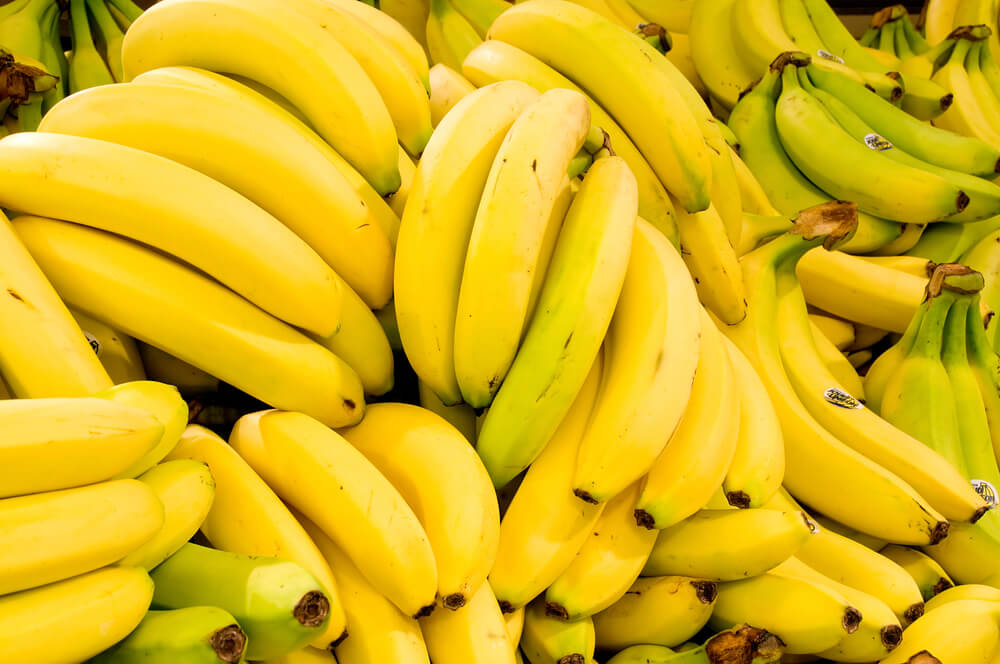
Bananas rank among the most stubborn superstitions on the water, and many fishing charter captains still ban them outright. Theories for the rule vary.
Some say fast sailing ships carrying banana cargo from the tropics never caught fish because they moved too quickly, while others point to venomous spiders hiding in the bunches or to fermenting fruit that sped up spoilage of other food. Whatever the source, the ban is taken seriously.
Anglers have been known to toss banana muffins and banana-flavored snacks overboard before leaving the dock.
Whistling Up a Storm

Whistling on a ship was long believed to whistle up the wind, inviting a storm that nobody wanted. On calm days, some crews made an exception, and a sailor might whistle softly to coax a breeze into dead sails.
The rule was enforced on many vessels, and a careless whistler could expect a sharp word or worse from older hands. The superstition also gave rise to the phrase whistling for the wind.
Many sailors still avoid whistling on deck, especially when the weather looks uncertain.
Never Leave Port on a Friday

Sailors have long refused to begin a voyage on a Friday, a belief often linked to the Crucifixion and to general Christian associations of the day with misfortune. A popular story claims the British Navy once built a ship named HMS Friday to disprove the superstition, and that it vanished on its first trip, but historians have found no evidence such a ship existed.
The belief survives anyway. Plenty of modern skippers quietly schedule departures for Thursday or Saturday.
Some will cast off a minute before midnight to dodge the issue.
Renaming a Boat Without a Ceremony
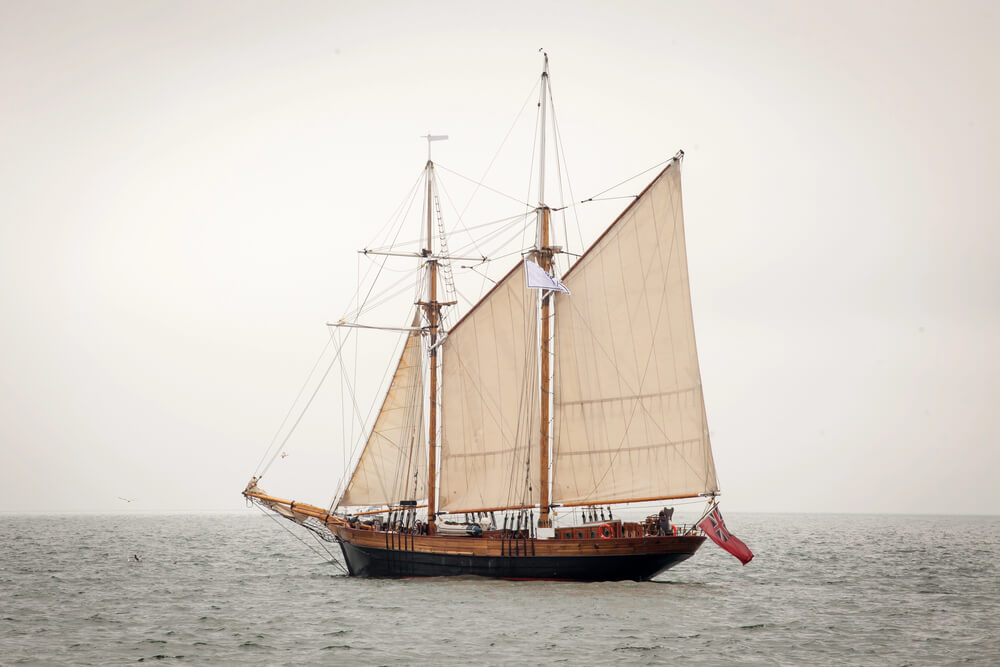
Renaming a boat is considered deeply unlucky unless the old name is formally removed first. Owners hold denaming ceremonies in which they ask the sea gods to strike the old name from the ledger of the deep, remove every trace of it from the hull and paperwork, and pour a libation over the bow.
Only then does the new name go on. Marinas see these ceremonies regularly, often with champagne poured partly into the water and partly into the owners.
Even skeptical buyers tend to go through with it.
Albatrosses Left Unharmed
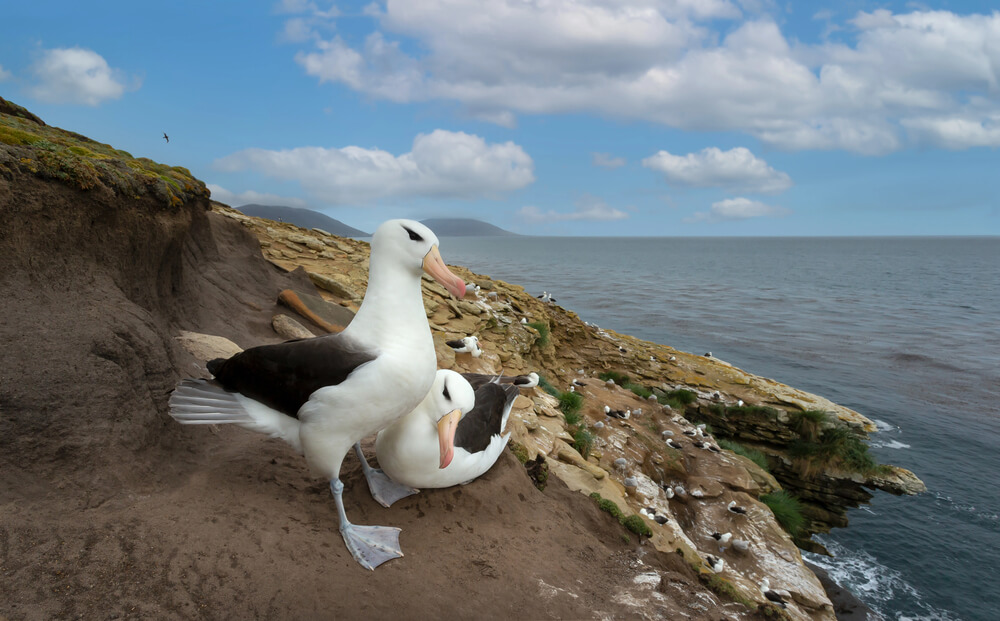
Killing an albatross was believed to bring terrible luck, since the great seabirds were thought to carry the souls of lost sailors. Samuel Taylor Coleridge made the belief famous in The Rime of the Ancient Mariner, published in 1798, in which a sailor shoots an albatross and dooms his ship.
The crew forces him to wear the dead bird around his neck. The poem gave English the phrase an albatross around the neck, meaning a burden that cannot be shaken.
Many sailors still regard the bird with affection and respect.
Red Sky at Night, Sailor’s Delight

The rhyme red sky at night, sailor’s delight, red sky at morning, sailors take warning has been passed down for centuries, and a version of it appears in the Gospel of Matthew. Unlike many superstitions, this one has a basis in weather science.
In the midlatitudes, weather systems often move from west to east, so a red evening sky can mean clear air to the west, while a red morning sky can signal moisture moving in. Sailors still glance at the horizon and repeat the rhyme.
It works often enough to keep its place.
A Coin Under the Mast

Placing a coin beneath a ship’s mast is an old tradition said to trace back to ancient Rome, where coins may have served as payment for a sailor’s passage to the afterlife. Shipbuilders continued the practice for centuries, and modern navies have kept it alive by placing coins beneath the masts of new warships during construction.
Crews and dignitaries often choose coins with personal or historical meaning. Recreational boatbuilders do the same with sailboat masts.
The coin rarely gets seen again, which is part of its charm.
Breaking the Bottle at a Christening
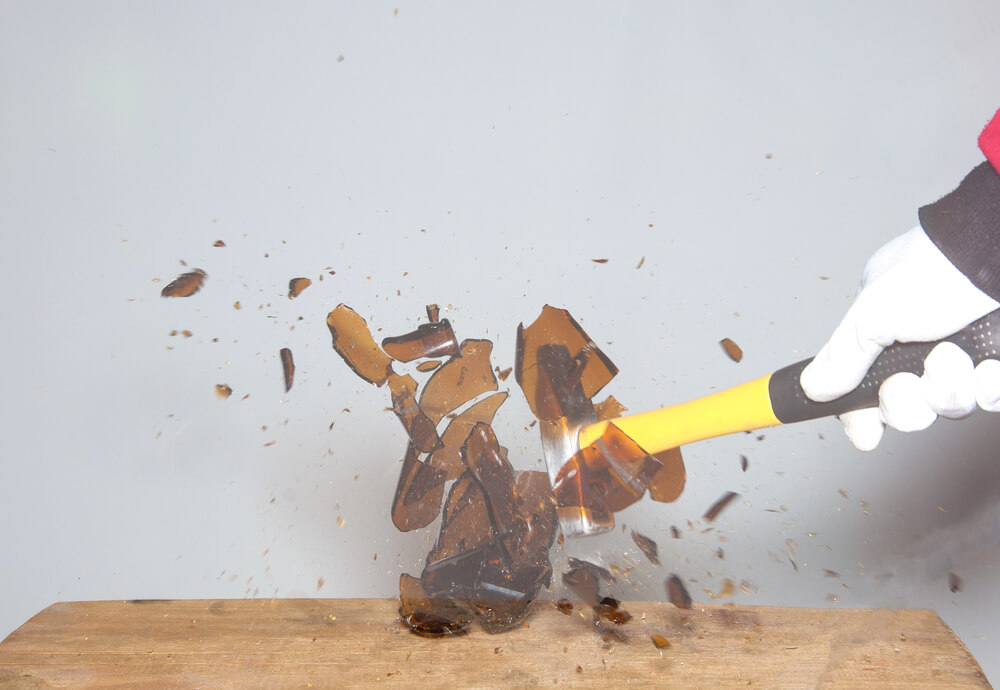
Ships have been christened with ceremonial liquids for centuries, and the modern custom of smashing a bottle of champagne across the bow is meant to bless the vessel and its crew. A bottle that fails to break is considered a terrible omen, and launch crews often score the glass in advance to make sure it shatters.
Sponsors of Navy ships still swing the bottle in public ceremonies. Some modern launches use wine, water or even local spirits instead of champagne.
The smash itself remains non-negotiable.
Cats Aboard for Luck
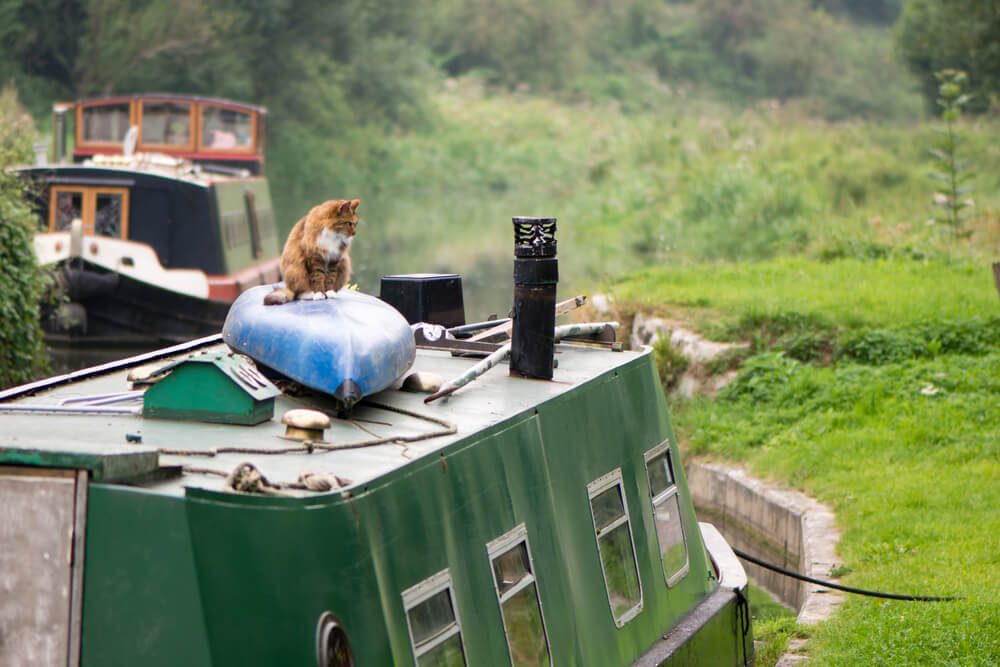
Ship’s cats were valued for catching rats that chewed through rope, food stores and cargo, and sailors came to treat them as lucky. Some believed cats could predict storms, and a cat behaving strangely was watched closely by the crew.
Cats were common on naval and merchant ships for centuries, and a few became famous, including Simon, a cat aboard the British warship HMS Amethyst who received an animal gallantry medal in 1949. Throwing a cat overboard was thought to invite disaster.
Many sailors still welcome a cat on board without hesitation.
Dolphins Swimming Alongside
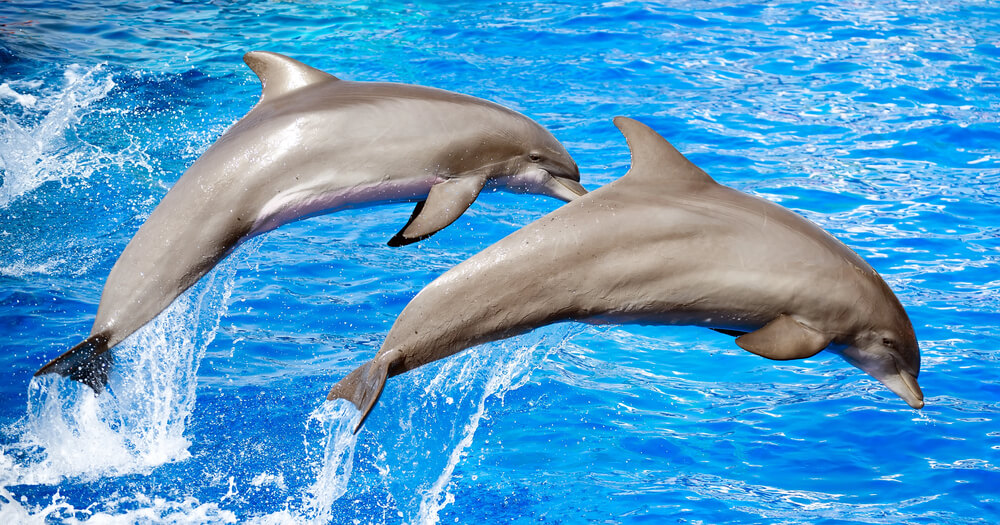
Dolphins riding the bow wave of a ship have long been read as a sign of good luck and safe passage. Ancient Greek sailors considered them sacred to Apollo and Poseidon, and stories of dolphins guiding ships or rescuing drowning sailors run through Mediterranean folklore.
Sailors believed a pod of dolphins meant fair weather ahead. Harming one was considered a serious mistake that could curse the rest of the voyage.
Modern crews still crowd the rail to watch them, and few sailors would argue that dolphins bring anything but good fortune.
Sharks Following the Ship
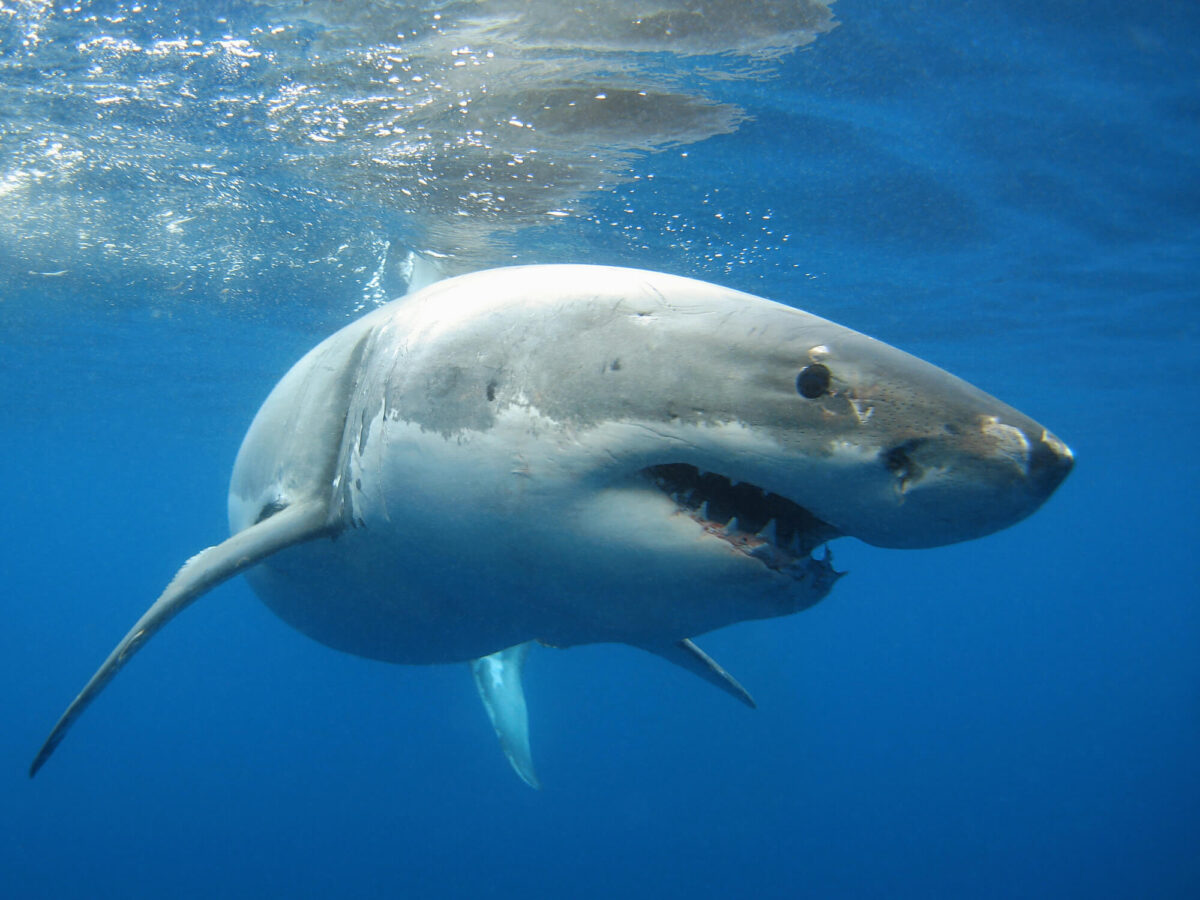
A shark trailing a ship for days was once taken as a warning that someone aboard would soon die. The belief had some grim logic behind it, since sharks often followed ships that threw food waste and, during long voyages, the bodies of the dead overboard.
Sailors claimed sharks could sense illness among the crew long before the ship’s surgeon noticed anything. The superstition made shark sightings an uneasy topic on deck.
Few modern sailors take it seriously, but a fin following the wake still makes plenty of people uncomfortable.
Saint Elmo’s Fire in the Rigging

Saint Elmo’s fire is a glowing blue or violet light that sometimes appears on masts and rigging during thunderstorms, caused by electrical discharge in a strong electric field. Sailors named it after Saint Erasmus of Formia, a patron saint of sailors also known as Saint Elmo.
Many took the glow as a sign of his protection, especially when it appeared near the end of a storm. Others saw it as a warning.
The phenomenon is now well understood by science, yet sailors who witness it still describe it with a kind of awe.
The Swallow Tattoo
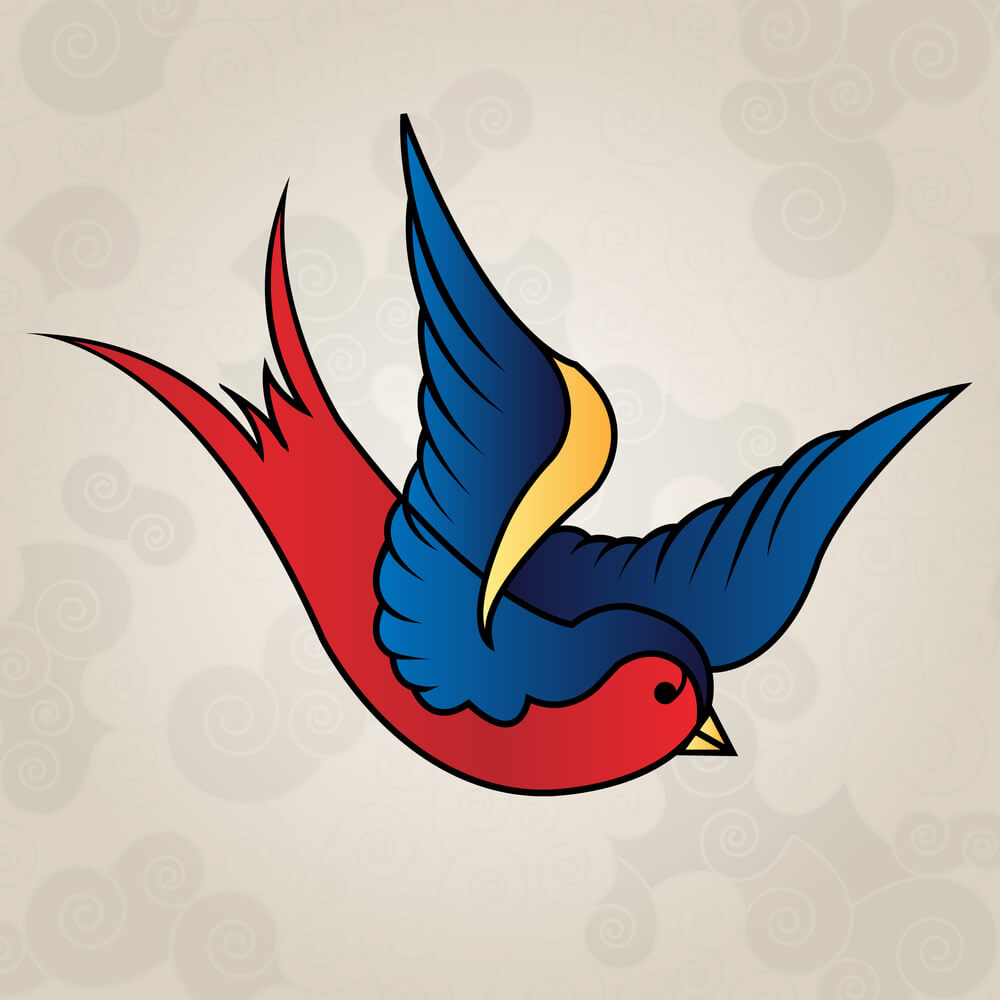
Sailors traditionally earned a swallow tattoo after logging 5,000 nautical miles at sea, and a second swallow after 10,000. Swallows return to the same nesting areas each year, so the bird came to symbolize a safe return home.
Some sailors believed that if they drowned, the swallows would carry their souls to heaven. The design remains one of the most popular traditional tattoos, often inked on the chest or hands.
Modern sailors still get them, and tattoo shops in port towns know the meaning well.
Pig and Rooster on the Feet
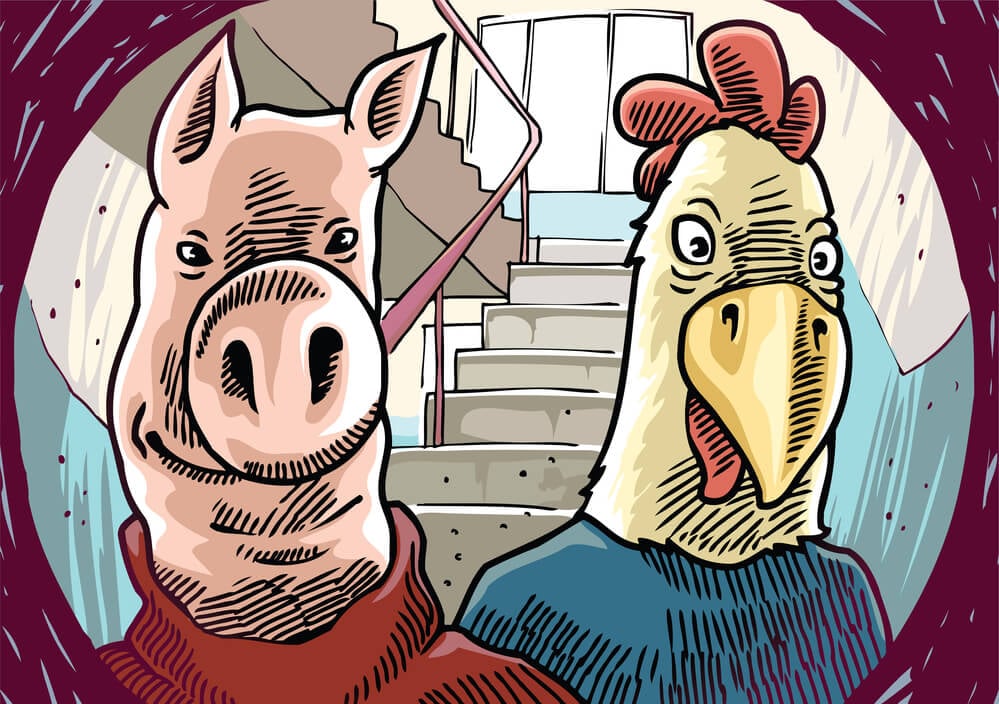
Some sailors tattooed a pig on one foot and a rooster on the other as protection against drowning. The usual explanation is that pigs and chickens were shipped in wooden crates that floated when a vessel went down, so the animals often turned up alive on shore after a wreck.
Others say the animals simply cannot swim, which made them odd symbols of survival. The tattoos became a classic part of Navy folklore.
Sailors still get the pair today, sometimes paired with jokes about never going hungry.
Gold Earrings for Burial
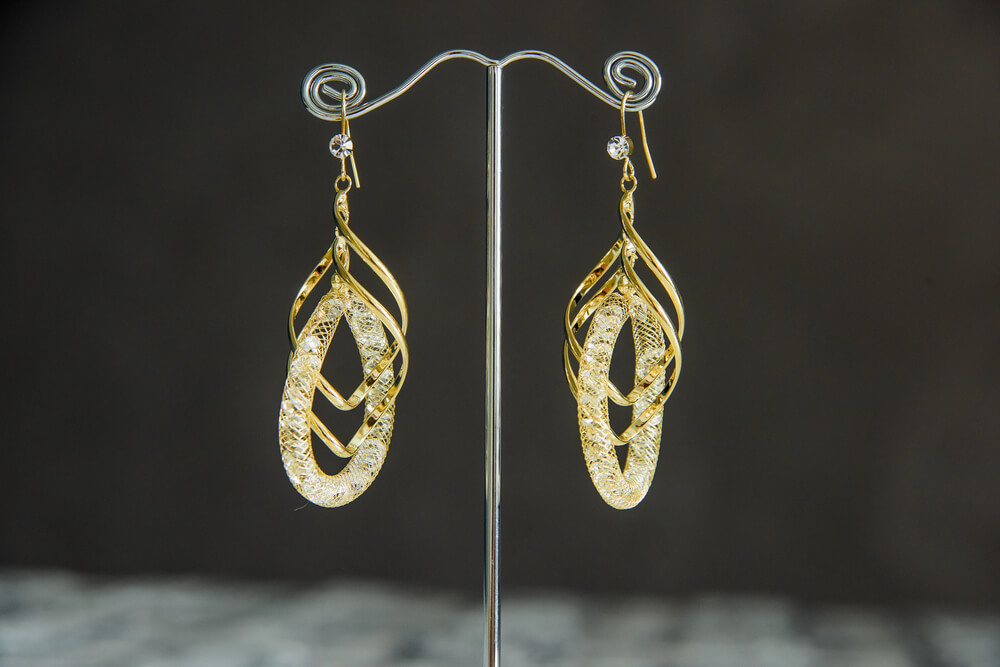
Sailors once wore gold earrings, the story goes, so that if their bodies washed ashore, the gold could pay for a proper Christian burial by whoever found them. Earrings also marked milestones, with some sailors wearing one after crossing the equator or rounding Cape Horn.
Others believed the gold improved eyesight. The burial explanation is the most repeated, though historians debate how widely it was actually held.
The earring remains a symbol of the seafaring life, and many sailors still wear one with that meaning in mind.
Figureheads to Calm the Sea
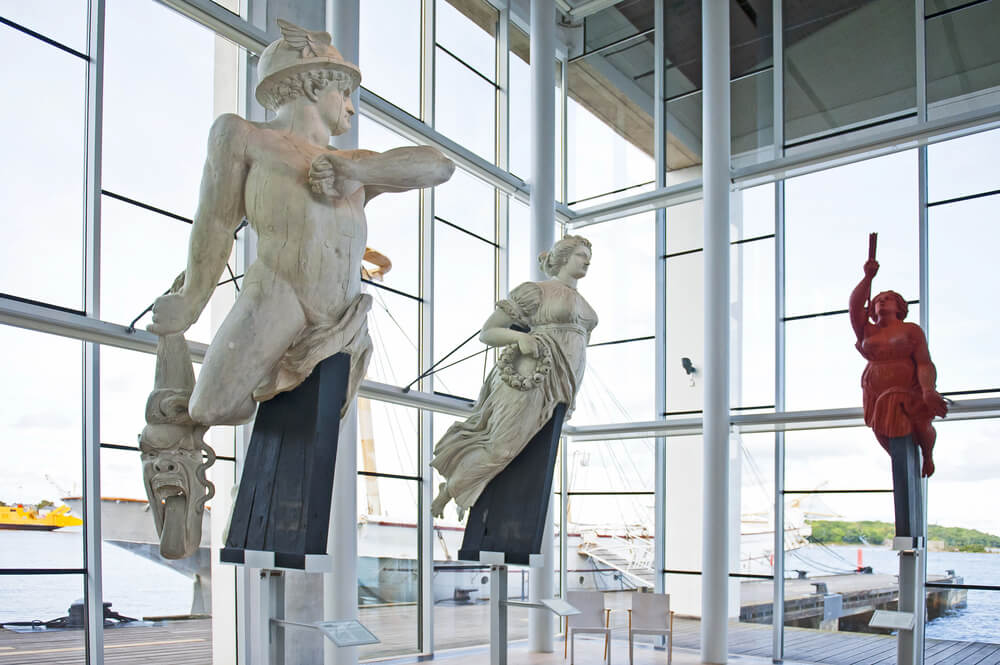
Women aboard ship were long considered unlucky by sailors who thought they distracted the crew and angered the sea. At the same time, carved female figureheads on the bow were believed to calm the waters and guide the ship home.
The figurehead was treated almost as a member of the crew, and sailors were reluctant to sail without one. Figureheads faded with the age of sail and the arrival of steel hulls.
The superstition about women aboard has largely vanished, while carved figureheads remain prized maritime art in museums.
Meeting a Redhead Before Sailing

In parts of Britain and Ireland, sailors believed that passing a red-haired person on the way to the ship brought bad luck for the voyage. A sailor could cancel the curse by speaking to the redhead before the redhead spoke first.
Some fishermen would simply turn around and go home for the day rather than risk it. The belief may connect to old suspicions about red hair in European folklore.
It has largely faded, but some old fishing families still mention it with a laugh, and a few still mean it.
Words Never Spoken Aboard
Certain words were forbidden on ships because saying them might make them happen. Drowned was the most obvious, and many sailors also avoided saying goodbye to anyone on the dock, believing a farewell suggested they would not return.
Saying the word last, as in last trip or last haul, was another danger. Crews used substitutes and indirect phrasing to get around the rules, and newcomers who slipped up learned them quickly from the grumbling around them.
Charter captains today still wince when a cheerful passenger announces the last cast of the day.
Rabbits and Pigs That Go Unnamed

Fishermen on the Isle of Portland in England have long refused to say the word rabbit, a superstition tied to quarry collapses blamed on burrowing rabbits. Locals use phrases such as underground mutton or long-eared furry things instead.
Scottish fishermen held a similar taboo against saying pig, sometimes calling the animal a curly tail. The word bans were taken seriously enough that outsiders who broke them got sharp looks.
A 2005 animated film poster in Portland reportedly had to be altered to avoid the word rabbit.
Crossing the Line Ceremony
When a ship crosses the equator, sailors who have never done it before, called pollywogs, go through a ceremony to become shellbacks. Crew members dress as King Neptune, Davy Jones and other members of the royal court of the deep, and the newcomers face a series of messy, often humiliating trials.
The tradition dates back centuries and is still held in the US Navy and other navies, although rules now limit the rougher parts. Sailors receive a certificate afterward.
Shellbacks treat the card with surprising seriousness.
No Clergy on Deck
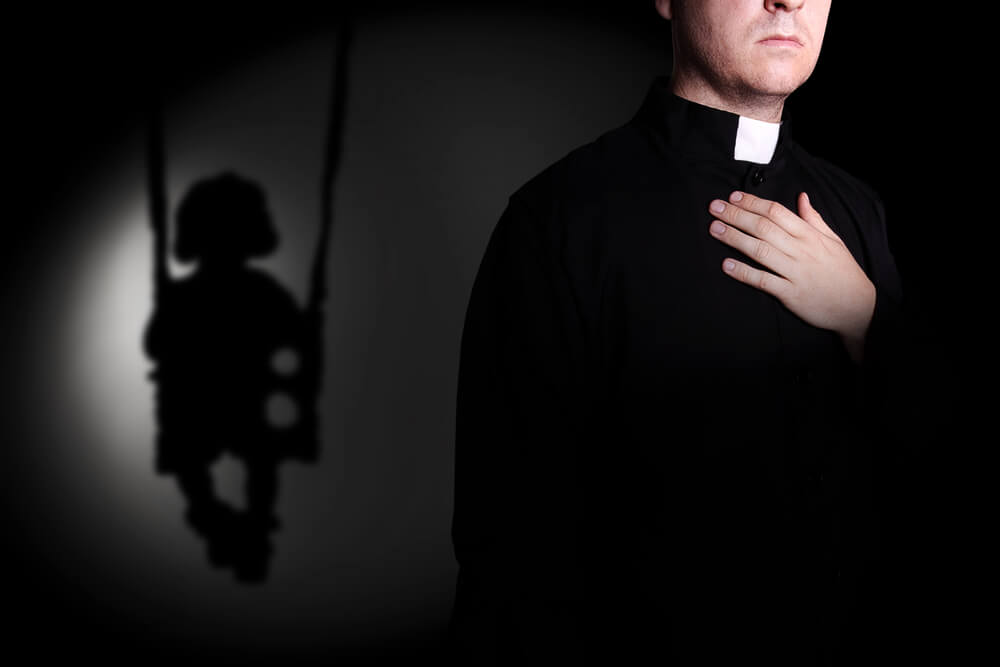
Clergy aboard ship were considered unlucky by many sailors, partly because priests were associated with funerals and last rites. A minister’s presence suggested someone might soon need burying at sea.
Some crews refused to sail with clergy or treated them warily if they came aboard. Fishermen in some regions also avoided meeting a priest on the way to the boat and would delay their departure if they did.
The belief has faded, but the uneasy link between clergy and the sea remains a quiet part of maritime folklore.
Eyes Painted on the Bow
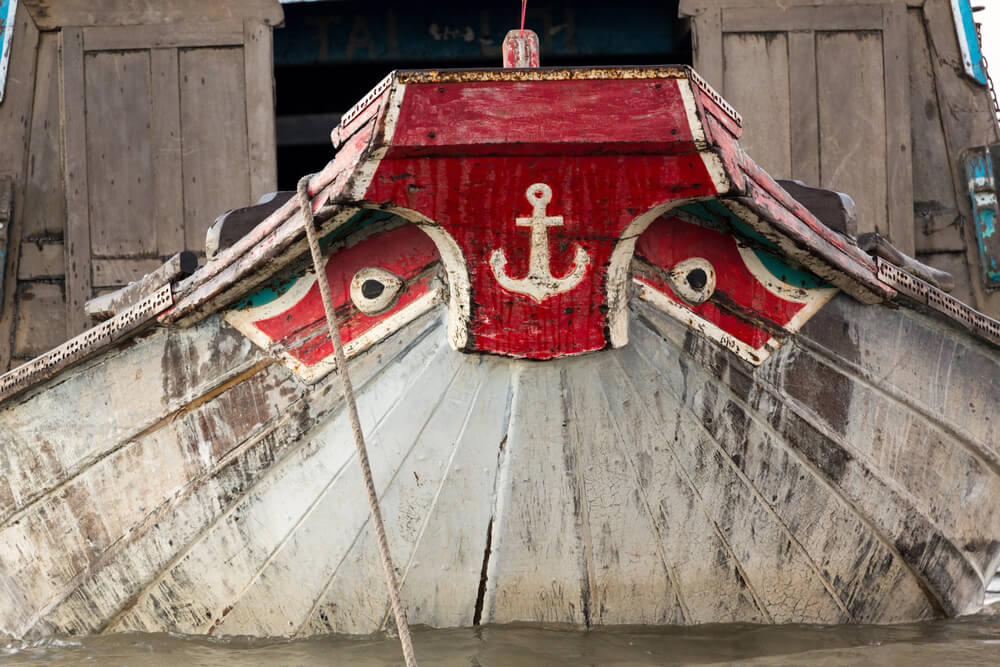
Boats in many cultures have eyes painted on the bow so the vessel can see its way and watch for danger. The tradition goes back to ancient Egypt and Greece, and painted eyes still appear on fishing boats in Malta, Portugal, Vietnam, China and elsewhere.
The colorful Maltese luzzu, with its pair of painted eyes, is one of the best-known examples. The eyes are thought to guard against evil, rocks and bad weather.
Many modern boatbuilders continue the custom, and owners repaint the eyes faithfully every season.
Loaves Kept Right Side Up

Fishermen in Brittany, Scotland and other coastal regions believed that turning a loaf of bread upside down on the table would cause a boat to capsize. The same logic applied to overturning a hatch cover or placing a bucket upside down on deck.
Anything inverted mimicked a capsized hull. Families in fishing villages enforced the rule at home as well as at sea, and children learned it early at the supper table.
Some people from those towns still flip a loaf right side up without thinking about why.
No Cutting Hair or Nails at Sea
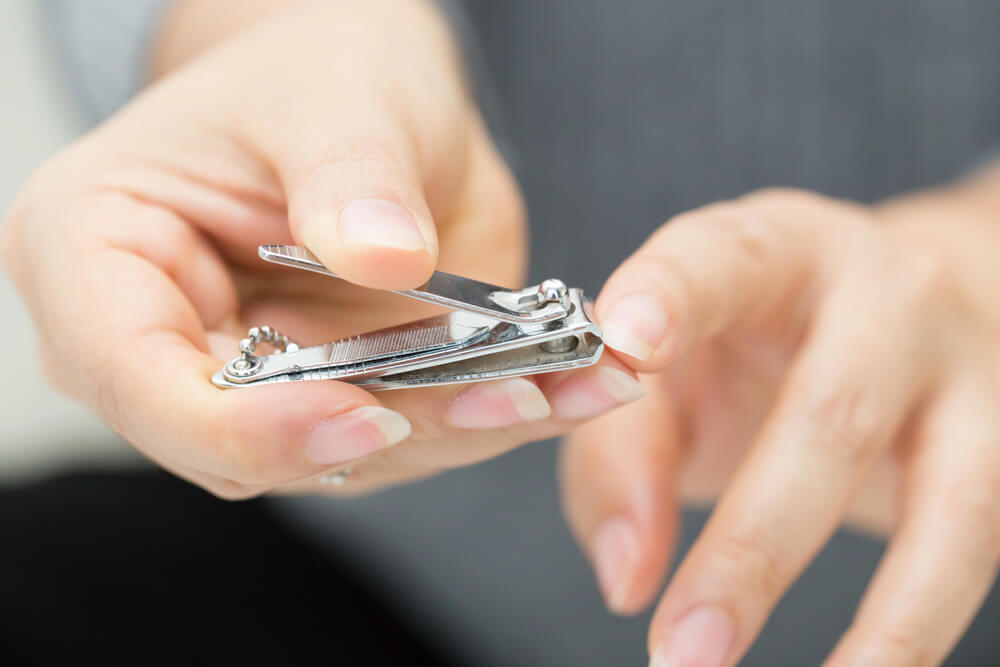
Cutting hair or nails at sea was considered unlucky, and the belief appears in ancient Roman writing, including the Satyricon of Petronius. Hair and nail clippings were thought to be offerings that could anger the sea gods, who were jealous of anything given away in their territory.
Sailors waited until they reached port to groom themselves. The rule may also have reflected practical concerns about sharp tools on a pitching deck.
Some sailors still avoid haircuts aboard during long passages, and arrive in port looking accordingly.
Horseshoes Nailed to the Mast
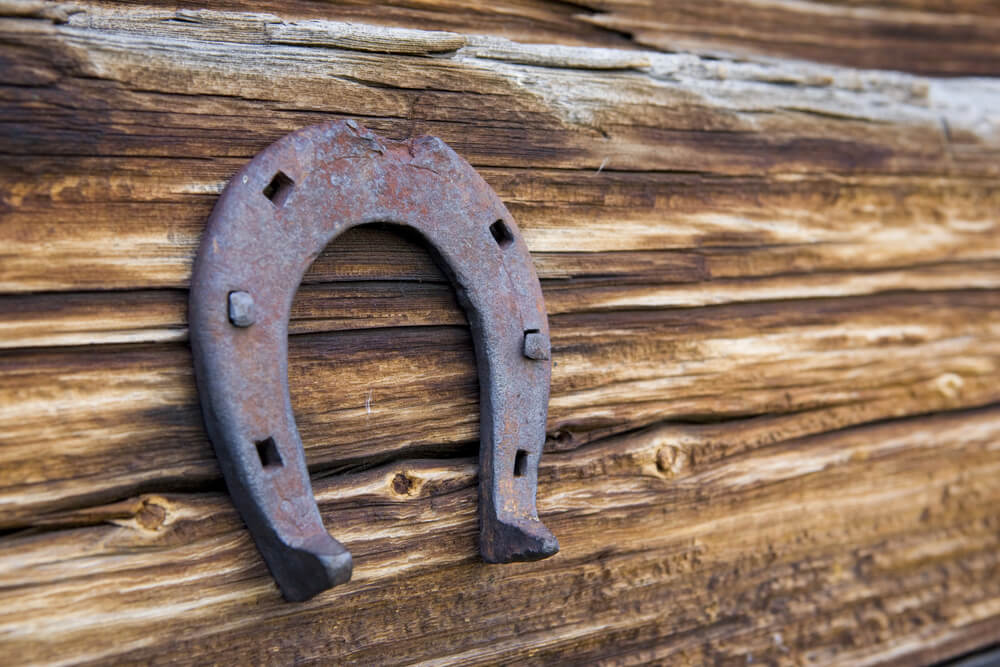
Horseshoes nailed to masts were thought to protect a ship from storms and bad luck, an extension of the land superstition. Admiral Horatio Nelson is said to have had a horseshoe nailed to the mast of HMS Victory, though the story is hard to prove.
Sailors generally hung them with the ends pointing up to hold the luck in. The practice continues on some private boats and in yacht club bars.
A horseshoe on a mast still raises a knowing smile from experienced sailors who spot it.
Libations for Neptune
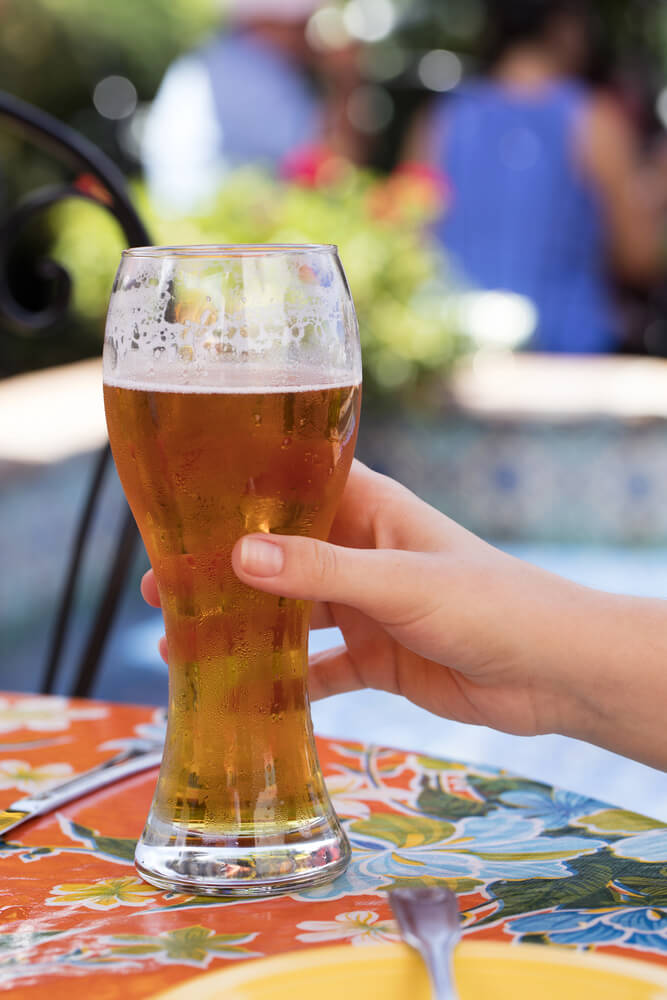
Pouring wine, rum or another drink into the sea as an offering to Neptune, Poseidon or other sea gods is an ancient custom. Sailors made libations before voyages, during storms and after safe returns.
The practice survives in denaming ceremonies, christenings and casual toasts on sailboats. Some skippers pour the first sip of a fresh bottle over the side before anyone else drinks.
Even nonbelievers often go along with it, since the offering costs only a splash and nobody wants to be the one who skipped it.
Calling Someone a Jonah
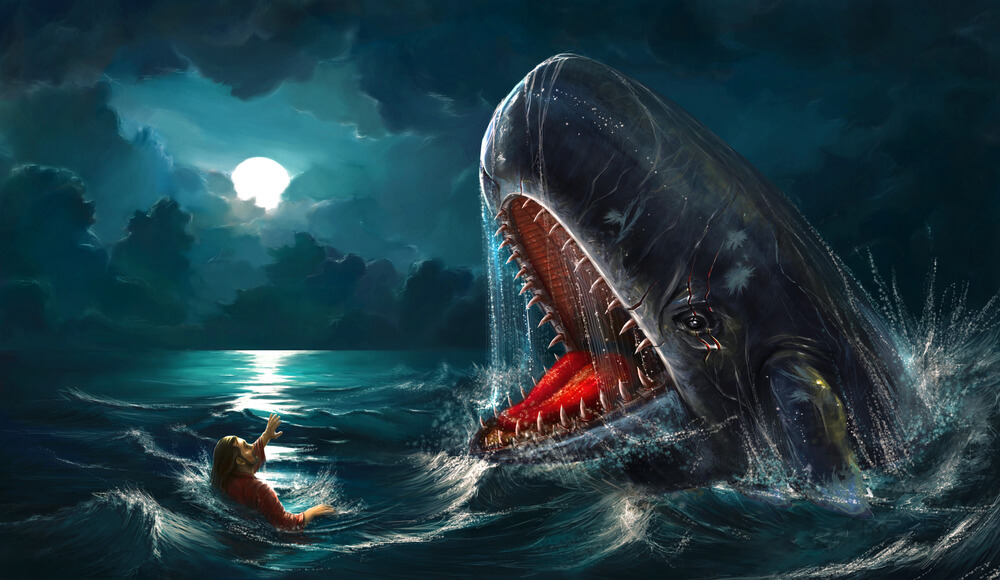
A crew member blamed for bad luck at sea was called a Jonah, after the biblical prophet thrown overboard during a storm. Sailors believed a Jonah could bring storms, poor catches or accidents to an otherwise sound ship.
A suspected Jonah might be shunned or put ashore at the next port. The term is still used on fishing boats and in sports for a person who seems to bring bad luck wherever he goes.
Few modern crews take it literally, but the label still stings.
Ship’s Bells Ringing on Their Own
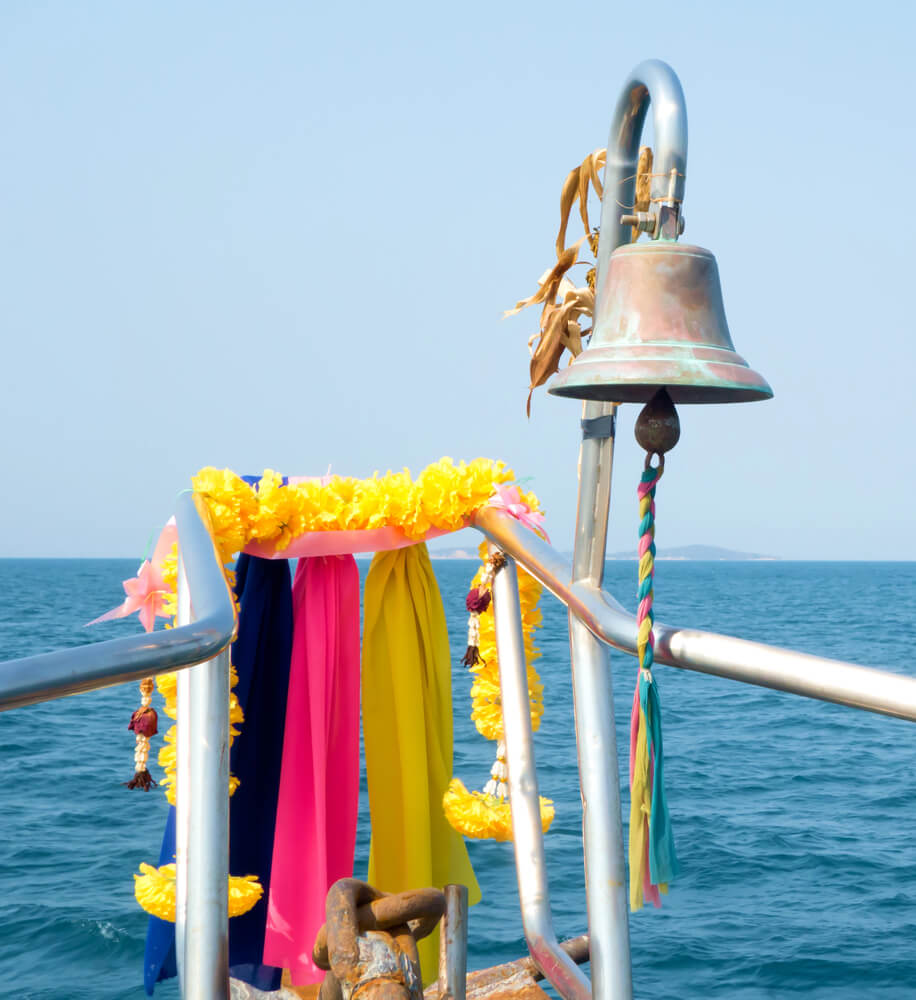
Hearing a ship’s bell ring on its own, with nobody near it, was taken as a sign that someone aboard would soon die. Bells could ring by themselves from a ship’s motion in rough seas, which only made the warning seem more frequent in bad weather.
Bells also marked time on ships through a system of watches, so a stray ring was unsettling. Sailors still treat ship’s bells with respect, polishing them and protecting them from damage.
A bell that rings unexpectedly in the night still draws a nervous glance from the watch.
Boarding With the Right Foot
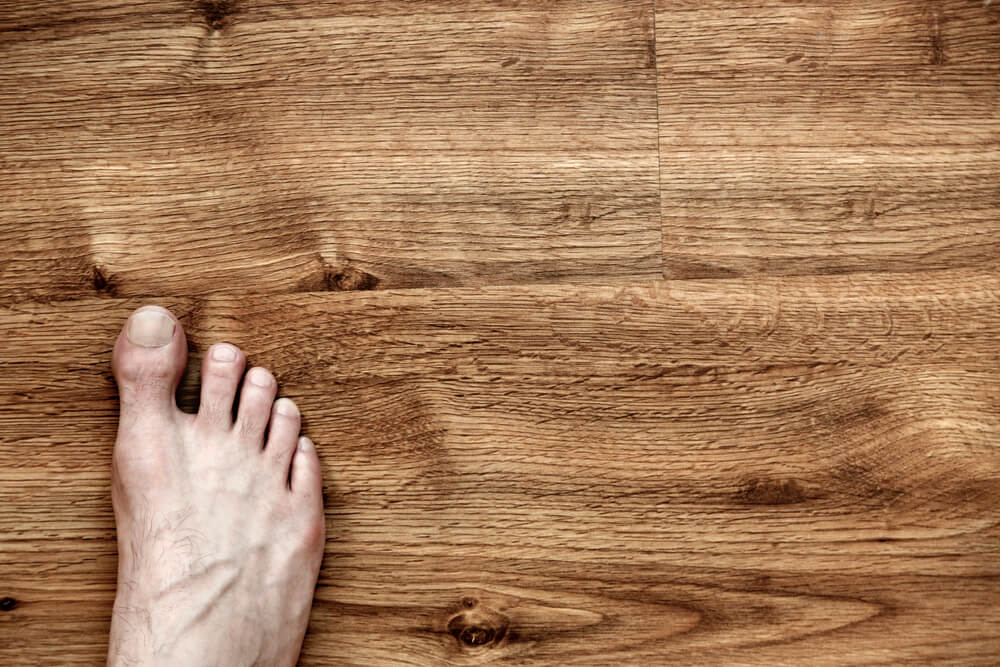
Many sailors believed that stepping aboard a ship with the left foot first brought bad luck. The right foot was associated with good fortune in many cultures, while the left was linked with misfortune, a bias that shows up in old words for the left side.
Sailors made a habit of stepping aboard right foot first, sometimes pausing at the gangway to get it right. The custom continues among some crews and charter passengers.
It costs nothing and keeps the old hands happy, which is reason enough for most people.
Cauls Sold as Drowning Charms

A caul is a membrane that sometimes covers a baby’s head at birth, and sailors once believed that carrying one protected against drowning. Cauls were bought and sold as charms, and 19th-century London newspapers carried advertisements offering them to seafarers.
Prices could be surprisingly high, since demand rose in wartime. The belief has faded, though some families still keep cauls as odd heirlooms tucked away in drawers.
The trade remains one of the stranger chapters of maritime superstition and a reminder of how badly sailors wanted protection.
Luck Measured in Fathoms
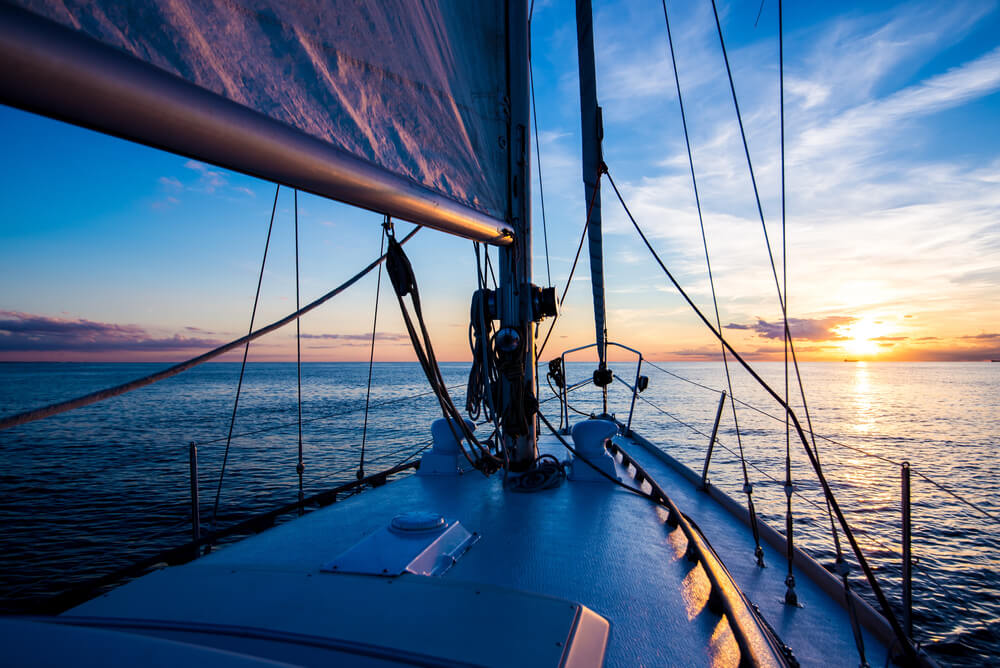
Superstitions took root at sea because the risks were real and the answers were few. A sailor could not control the weather, the timbers or the sharks, but he could control whether he whistled or which foot touched the deck first.
These small rules gave crews a sense of order in a place that offered very little. Modern ships carry satellite navigation and detailed forecasts, yet the old habits hang on.
Bananas still get left at the dock, boats still go through denaming ceremonies, and sailors still pour a splash over the side. Most people who follow these customs would not claim they work.
They simply see no reason to test the sea.
More from Go2Tutors!

- The Romanov Crown Jewels and Their Tragic Fate
- 13 Historical Mysteries That Science Still Can’t Solve
- Famous Hoaxes That Fooled the World for Years
- 15 Child Stars with Tragic Adult Lives
- 16 Famous Jewelry Pieces in History
Like Go2Tutors’s content? Follow us on MSN.