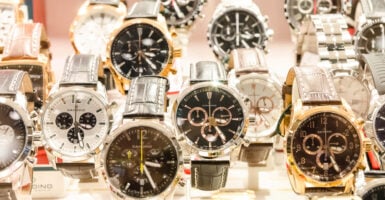
30 Old Watches Tucked in Drawers That Collectors Pay Hundreds to Own
Plenty of old watches stopped ticking decades ago and ended up in a dresser drawer next to cufflinks and spare buttons. Nobody bothered to fix them because a new one was cheaper.
Some of those forgotten watches sell for hundreds of dollars, and a few sell for far more than that. Collectors pay close attention to the reference number, the dial, and whether the watch has been left alone.
Rolex Submariner Reference 5513
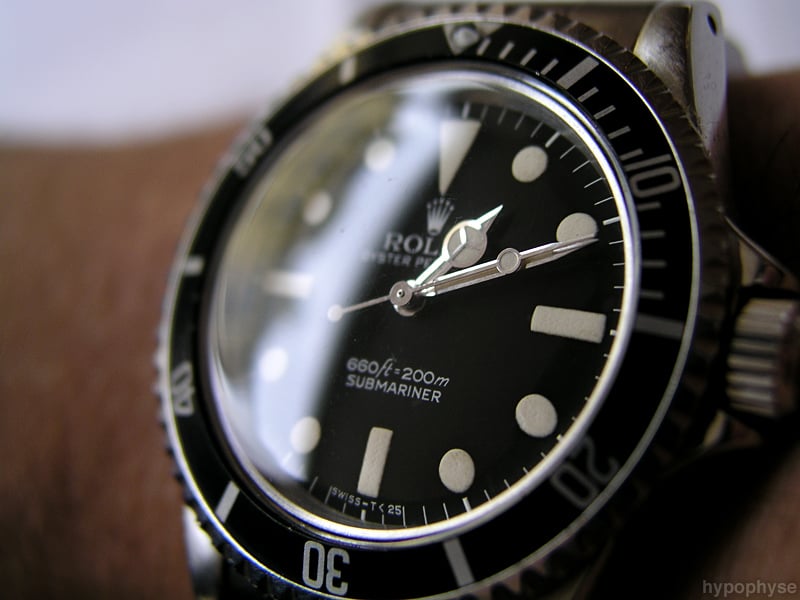
Divers and ordinary buyers wore the Rolex Submariner reference 5513 for more than two decades, since the no-date model stayed in production from roughly 1962 to the late 1980s. Its long run means many survive, yet collectors still pay strong prices because small dial variations separate common examples from rare ones.
Clean watches commonly sell for five figures, with early gilt dials and unusual markings bringing more. Collectors check for original dials, hands, and bezels, since replaced parts lower value sharply.
Heavy polishing of the case also hurts. Box, papers, and service records add noticeably to the price when they survive.
Rolex Daytona With a Paul Newman Dial
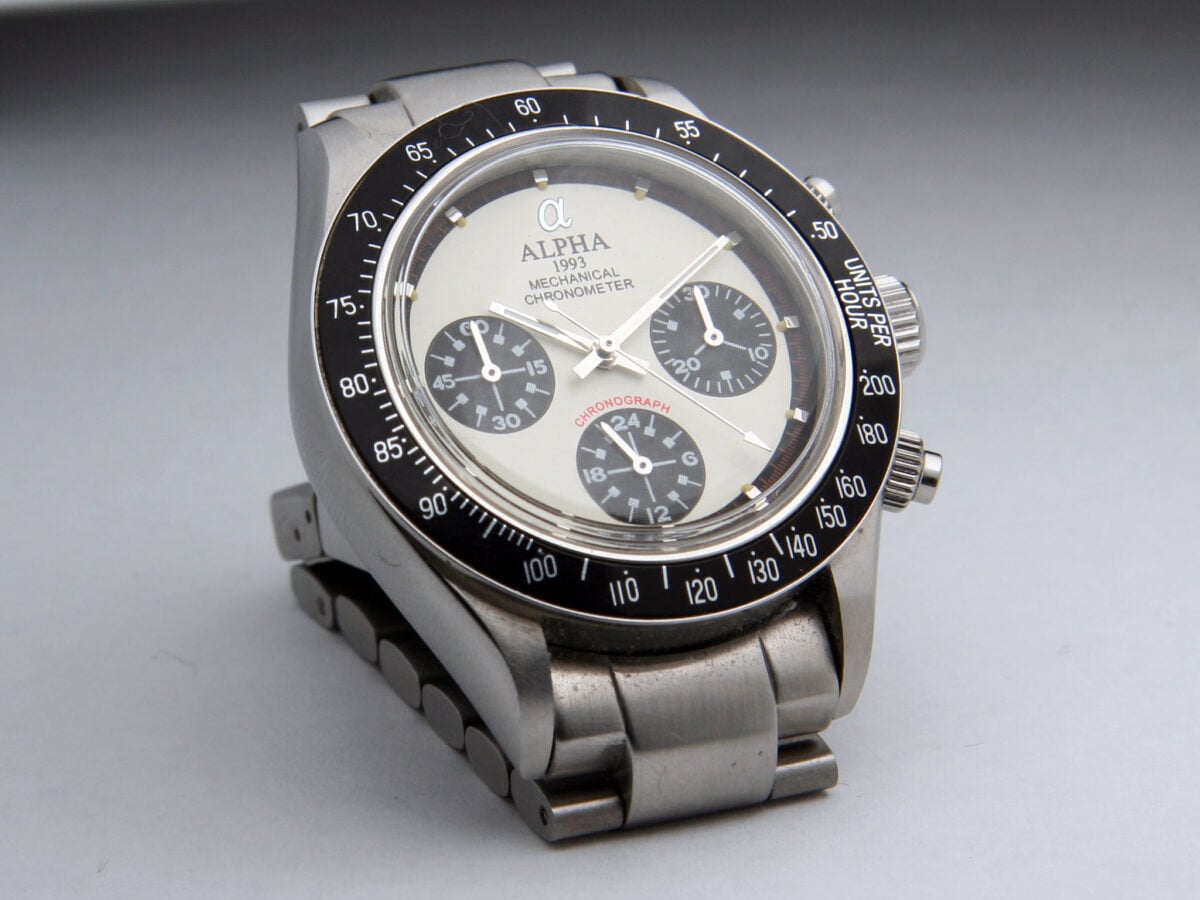
Actor Paul Newman wore a Rolex Daytona with an exotic dial, and collectors now use his name for that style of dial, which features contrasting subdials with square markers. Newman’s own reference 6239 sold for about 17.8 million dollars at Phillips in New York in 2017, a record for a wristwatch at the time.
Other Paul Newman Daytonas usually sell for six figures. Collectors check for original dials, since fake and refinished dials are common.
Case condition, correct pushers, and service history all affect value. Authentication by an experienced dealer is essential before any sale of this watch.
Rolex GMT-Master Reference 1675
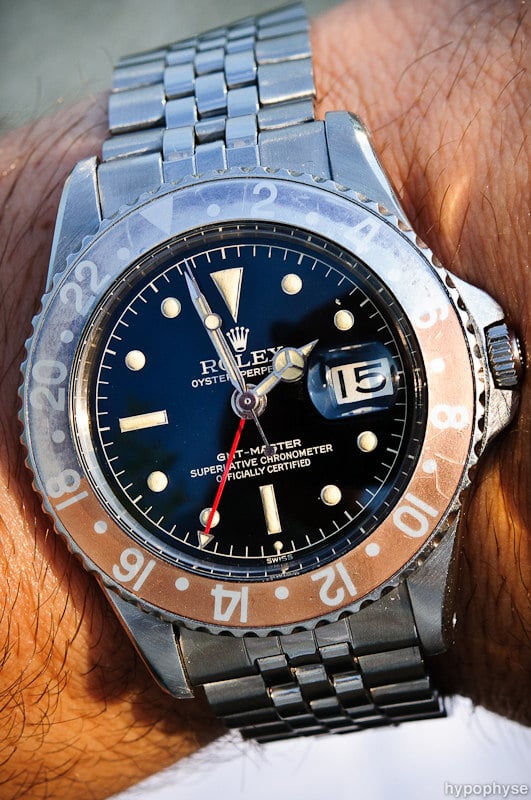
Pan Am pilots were among the early users of the GMT-Master, which Rolex developed in the 1950s to show two time zones at once, and the reference 1675 was produced from about 1959 into the late 1970s. The red and blue bezel earned the nickname Pepsi.
Clean examples commonly sell for five figures, with early versions and gilt dials bringing more. Collectors check for faded bezels, replaced hands, and polished cases.
A naturally faded bezel can add value, while a replacement lowers it. Original bracelets, boxes, and papers raise the price considerably for collectors.
Tudor Submariner
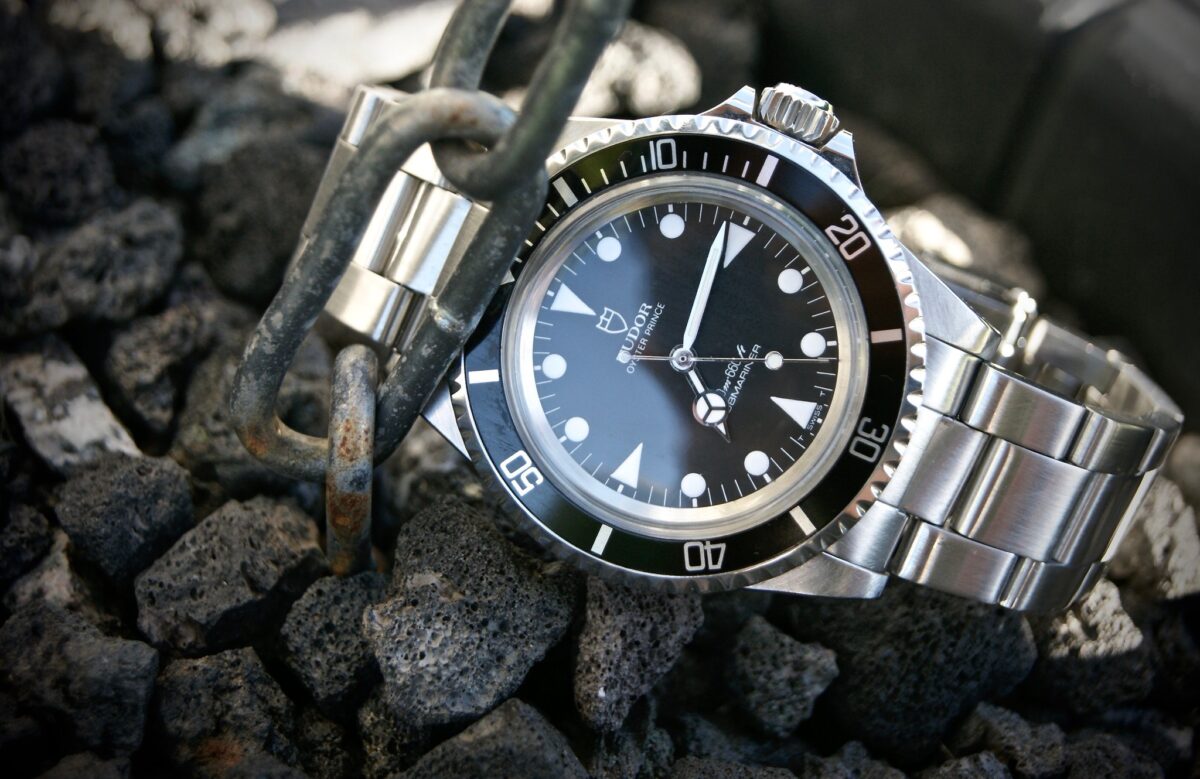
Tudor, the sister brand of Rolex, sold its own Submariner from the 1950s onward, using Rolex cases and crowns with less expensive movements. The French Navy issued Tudor Submariners to its divers, and those military examples with snowflake hands draw strong interest.
Civilian models commonly sell for thousands of dollars, while documented military pieces sell for much more. Collectors check for original dials, hands, and bezels.
Service replacements lower value, and military provenance needs documentation to count. Watches with original bracelets and papers bring the best prices from collectors.
Omega Speedmaster Reference 105.012
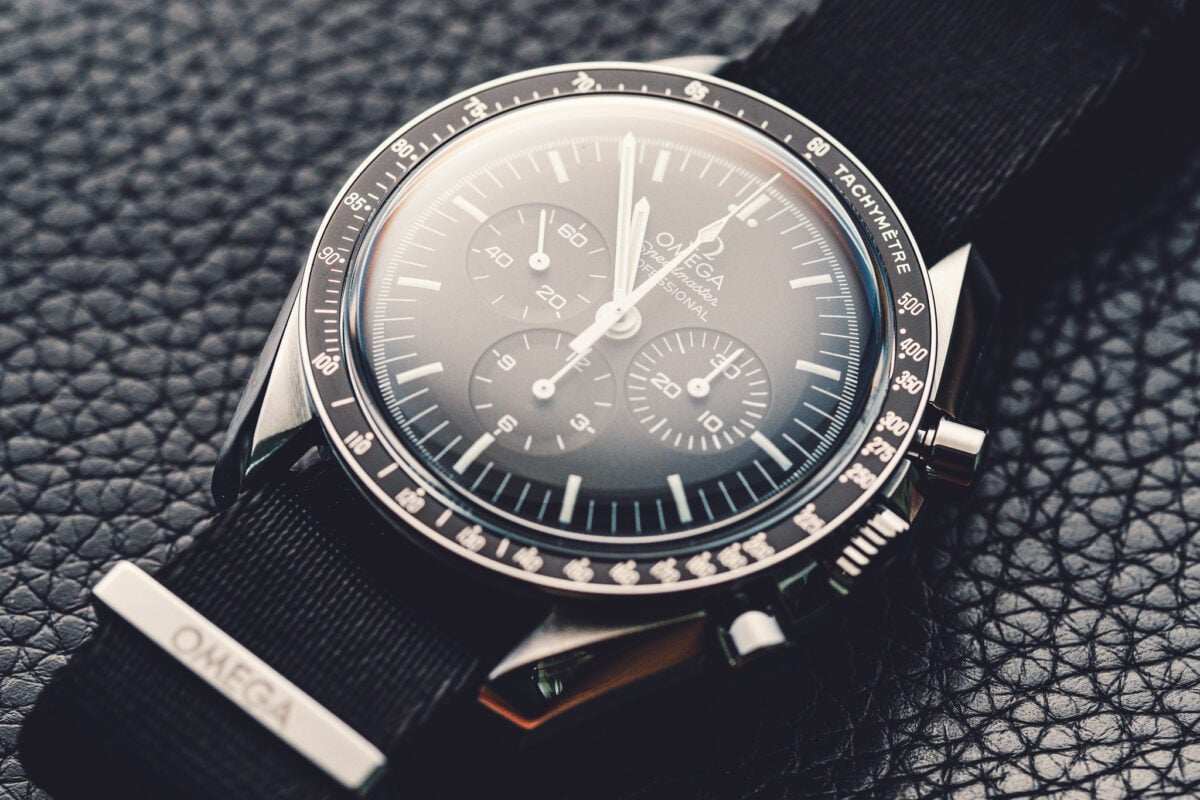
Buzz Aldrin wore an Omega Speedmaster on the moon in July 1969, and the reference 105.012 belongs to the family of watches NASA qualified for crewed spaceflight in 1965. That history makes early Speedmasters popular with collectors.
Examples commonly sell for thousands of dollars, with early references selling for more. Collectors check for original dials, bezels, and hands, since service parts lower value.
The dot over 90 bezel and other small details mark the earliest versions. Watches with original boxes and papers bring higher prices, especially when the movement has been serviced without replacing original parts.
Omega Constellation With a Pie-Pan Dial
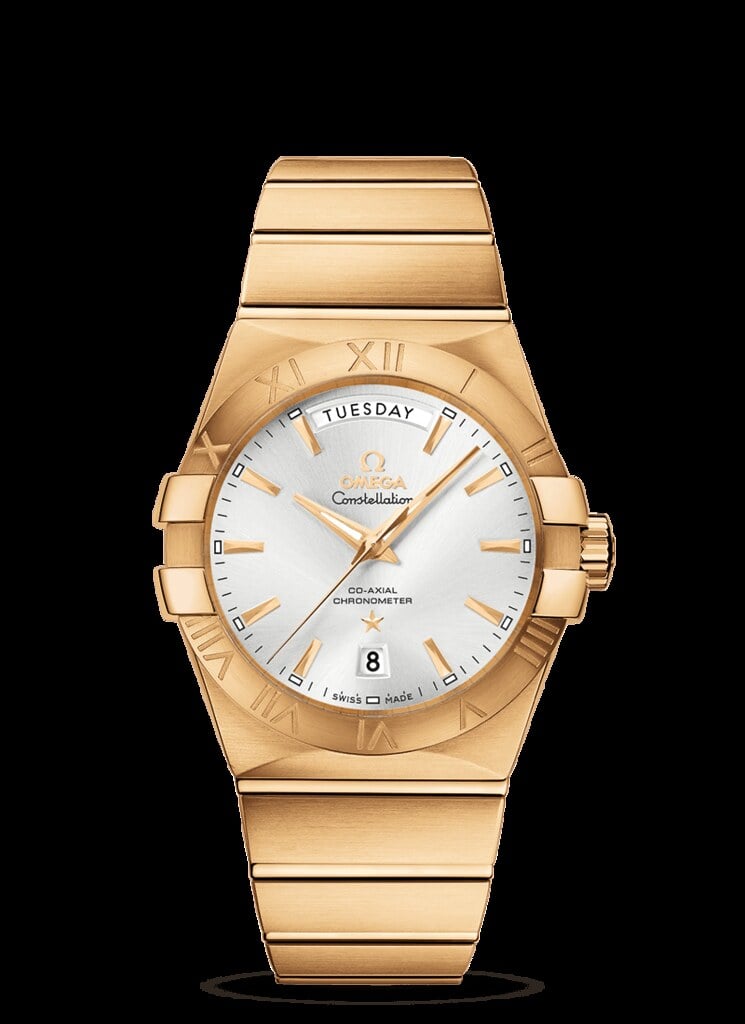
Omega introduced the Constellation in 1952 as a chronometer-certified automatic, and many models from the 1950s and 1960s have a faceted dial that collectors call pie-pan because of its shape. The caseback usually shows an observatory under a sky of stars.
Examples commonly sell for hundreds to a few thousand dollars, with gold models and rare dials bringing more. Collectors check for dial damage, worn casebacks, and replaced crowns.
Refinished dials lower value sharply. Watches with original bracelets and papers draw more interest, and clean casebacks with sharp medallions help the price.
Heuer Monaco
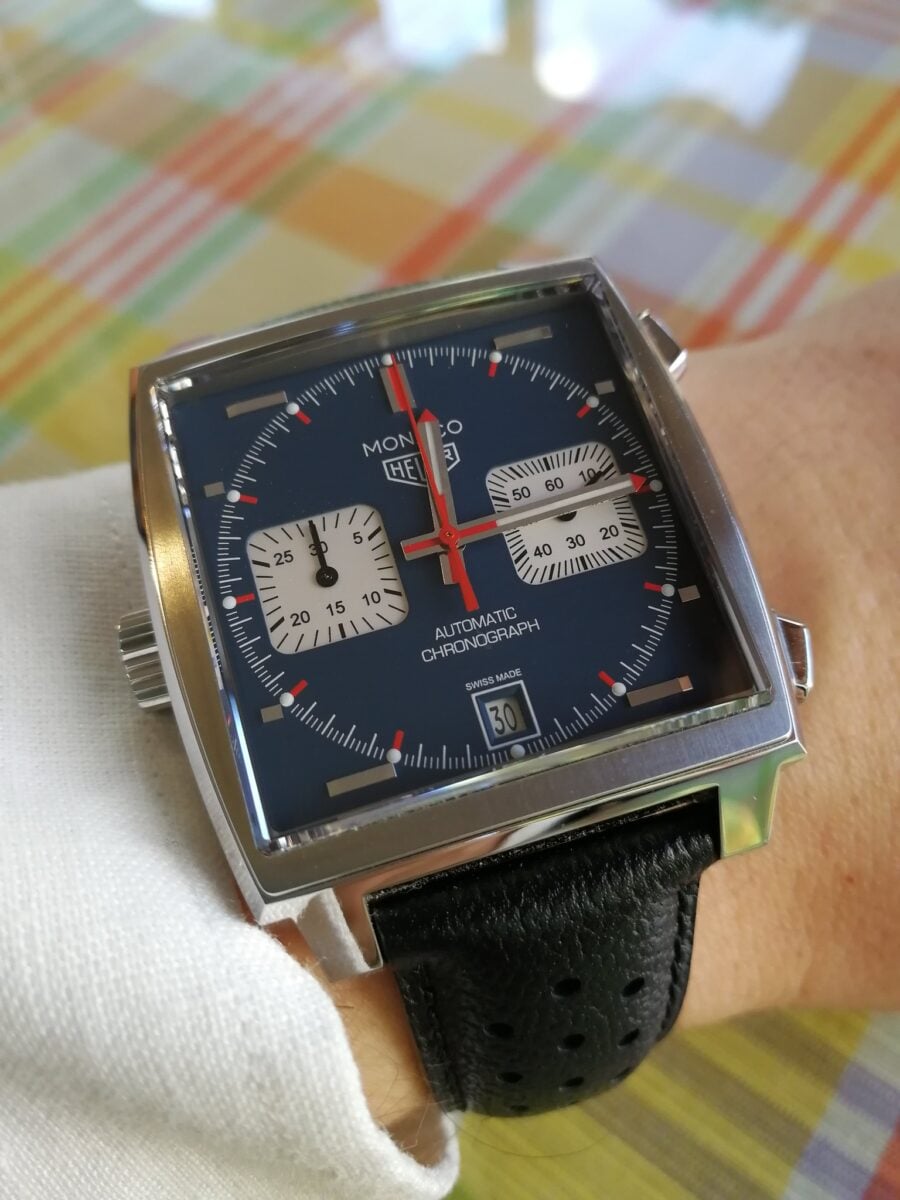
Heuer introduced the Monaco in 1969 as a square, water-resistant chronograph, and it used the Caliber 11, one of the first automatic chronograph movements. Steve McQueen wore a Monaco in the 1971 film Le Mans, which made the watch famous.
Original examples commonly sell for thousands of dollars, with early versions bringing more. Collectors check for original dials, hands, and crowns, since replaced parts lower value.
The square case shows polishing clearly. Watches with original straps, boxes, and papers bring the strongest prices, and McQueen’s association keeps demand steady.
Seiko 6139 Chronograph
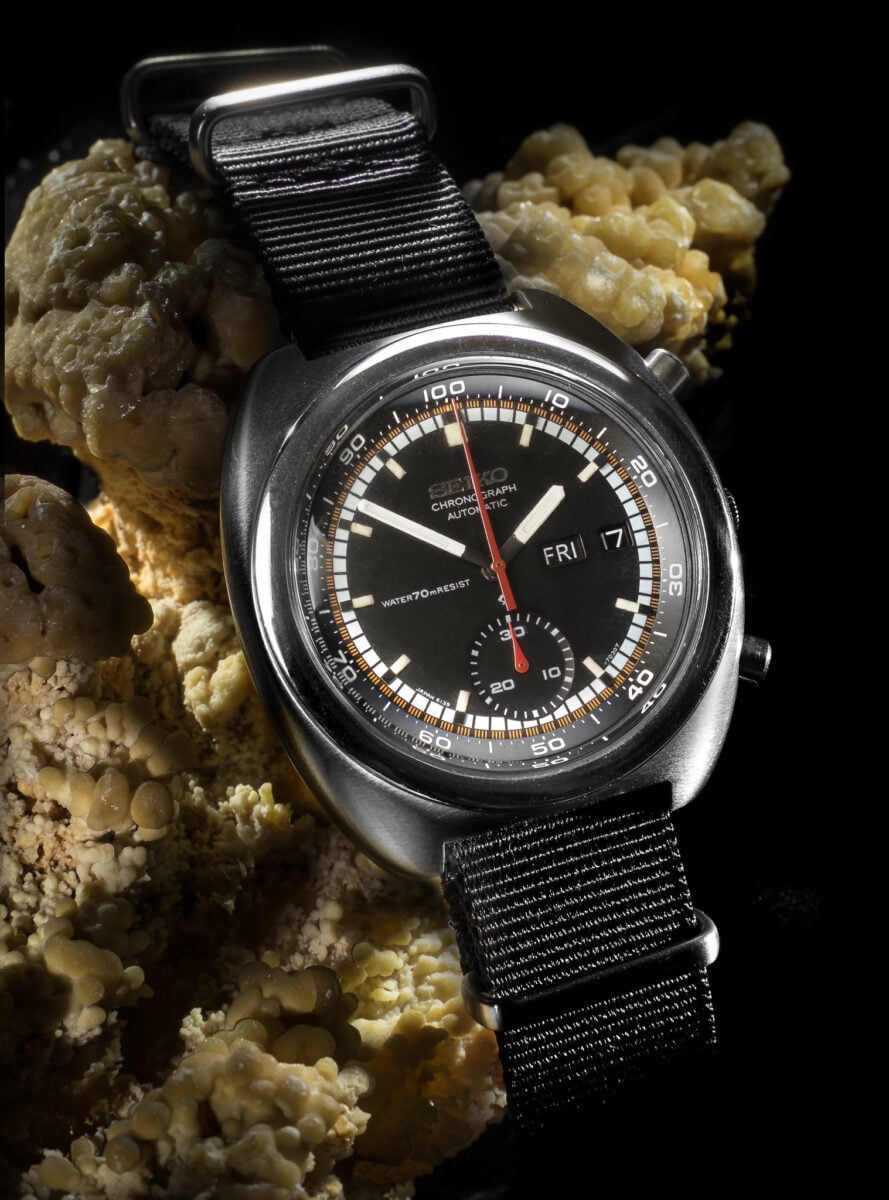
Seiko released the 6139 in 1969, one of the earliest automatic chronograph movements in the world. Astronaut William Pogue wore a yellow-dial version aboard Skylab in 1973, and collectors nicknamed it the Pogue.
Examples commonly sell for hundreds to a few thousand dollars, with the Pogue dial bringing the most. Collectors check for original dials, bezels, and hands.
Faded bezels can add appeal, while replaced parts lower value. The movement is durable, and working examples draw more interest.
Watches with original bracelets and clean cases bring the best prices.
Seiko 62MAS Diver
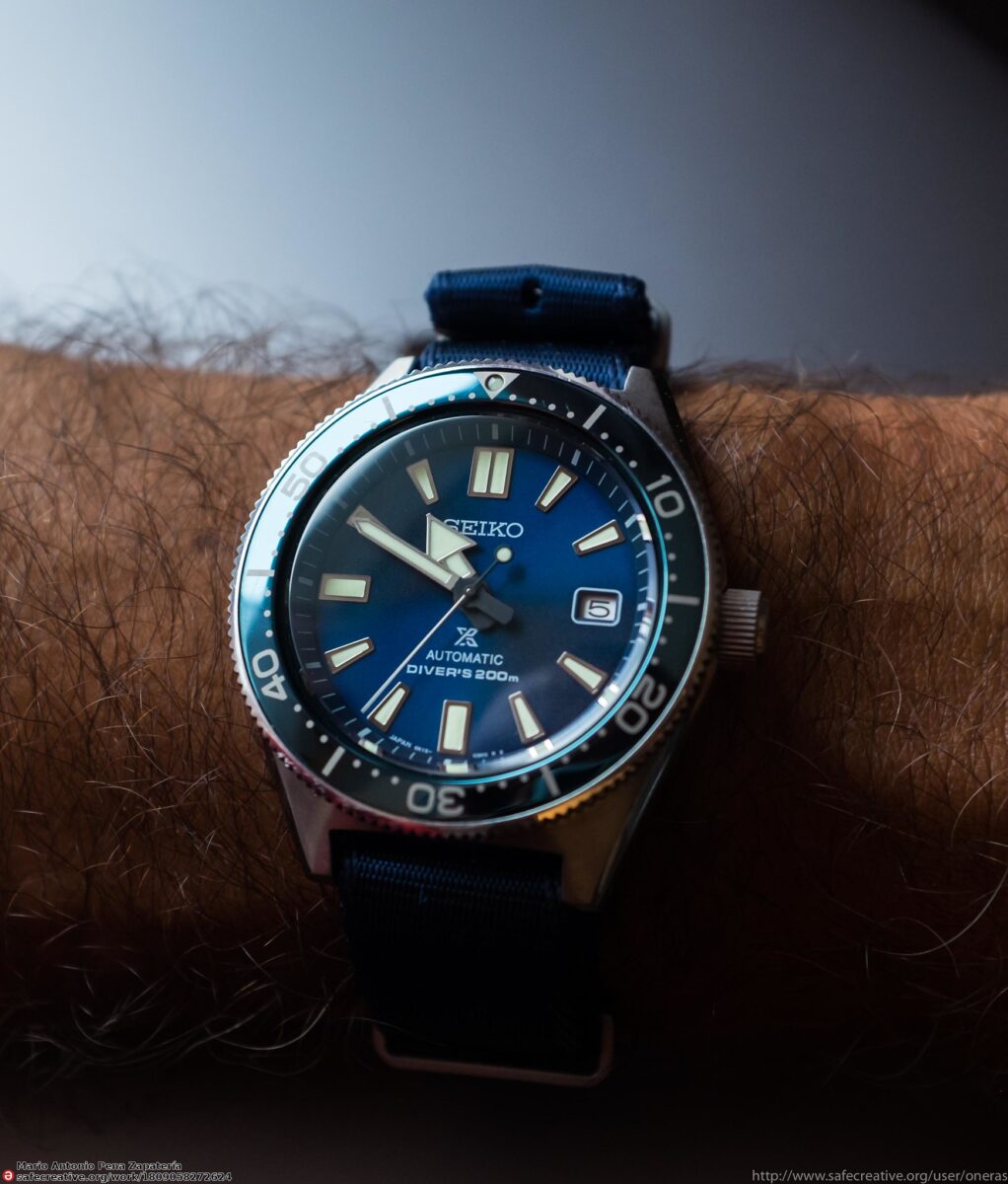
Seiko introduced the 62MAS in 1965 as its first diver’s watch, and it became the model for decades of Seiko dive watches. The watch was used by members of a Japanese Antarctic expedition.
Clean examples commonly sell for thousands of dollars. Collectors check for original dials, bezels, and hands, since replaced parts lower value.
The dial markers often age unevenly, and some collectors prefer that patina. Case polishing hurts value, and original bracelets add to it.
Watches with documentation and clean movements bring the strongest prices from collectors.
Hamilton Ventura
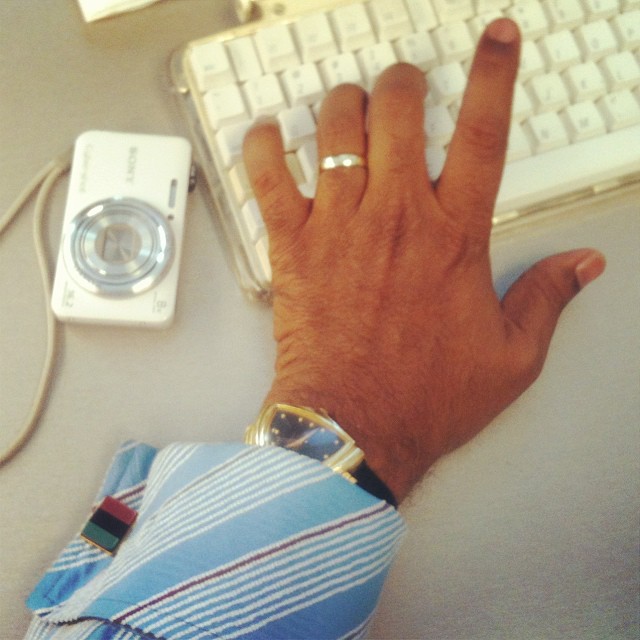
Hamilton introduced the Ventura in 1957 as the first battery-powered wristwatch, with a triangular case that looked like nothing else in stores. Elvis Presley wore one in the 1961 film Blue Hawaii, which added to its fame.
Original examples commonly sell for hundreds to a few thousand dollars. Collectors check whether the electric movement still works, since repairs can be difficult.
Dial damage and worn cases lower value. Gold versions bring more than base metal ones.
Watches with original boxes and papers draw more interest, especially in working condition.
Bulova Accutron
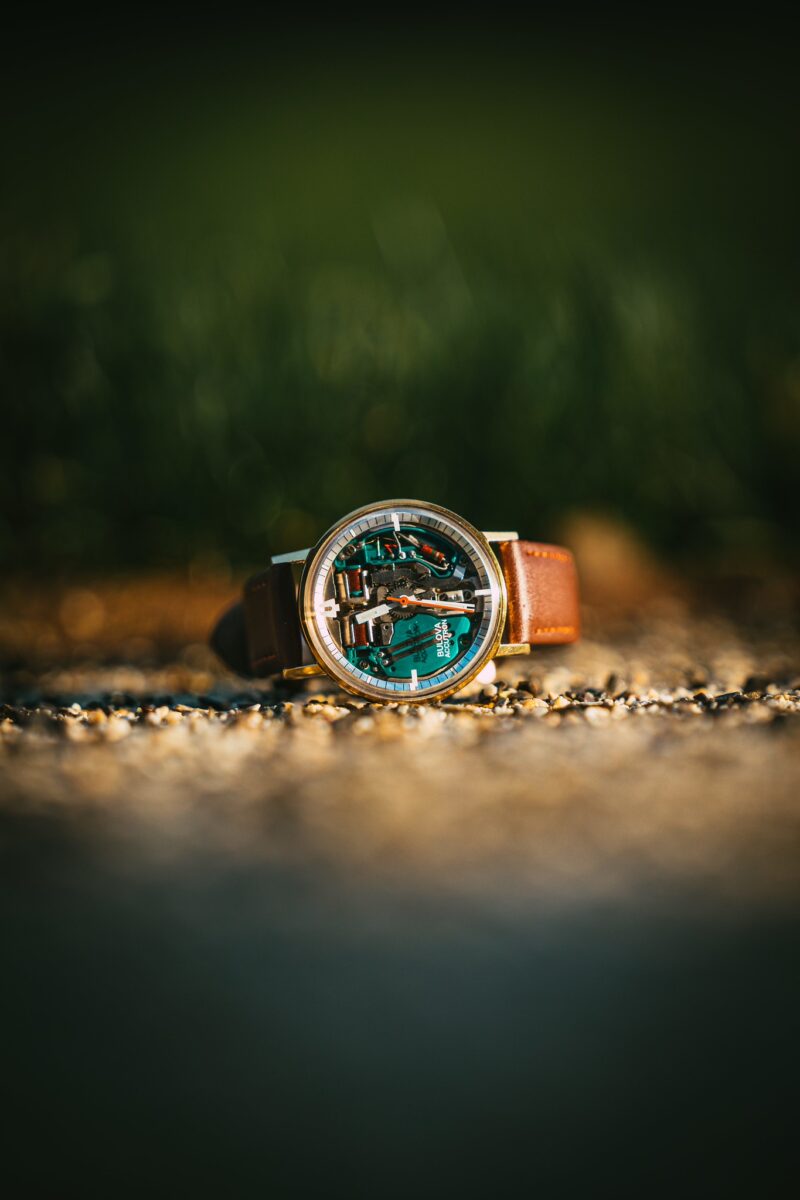
Bulova introduced the Accutron in 1960, using a tuning fork that vibrated at 360 times per second to keep time. The watch made a faint hum instead of ticking, and the technology was used in instruments aboard American spacecraft.
Examples commonly sell for hundreds of dollars, with the Spaceview model, which shows the movement through a clear dial, bringing more. Collectors check whether the movement works, since repairs can be costly.
Worn cases and damaged dials lower value. Watches with original boxes and papers draw more interest from collectors.
Longines 13ZN Chronograph
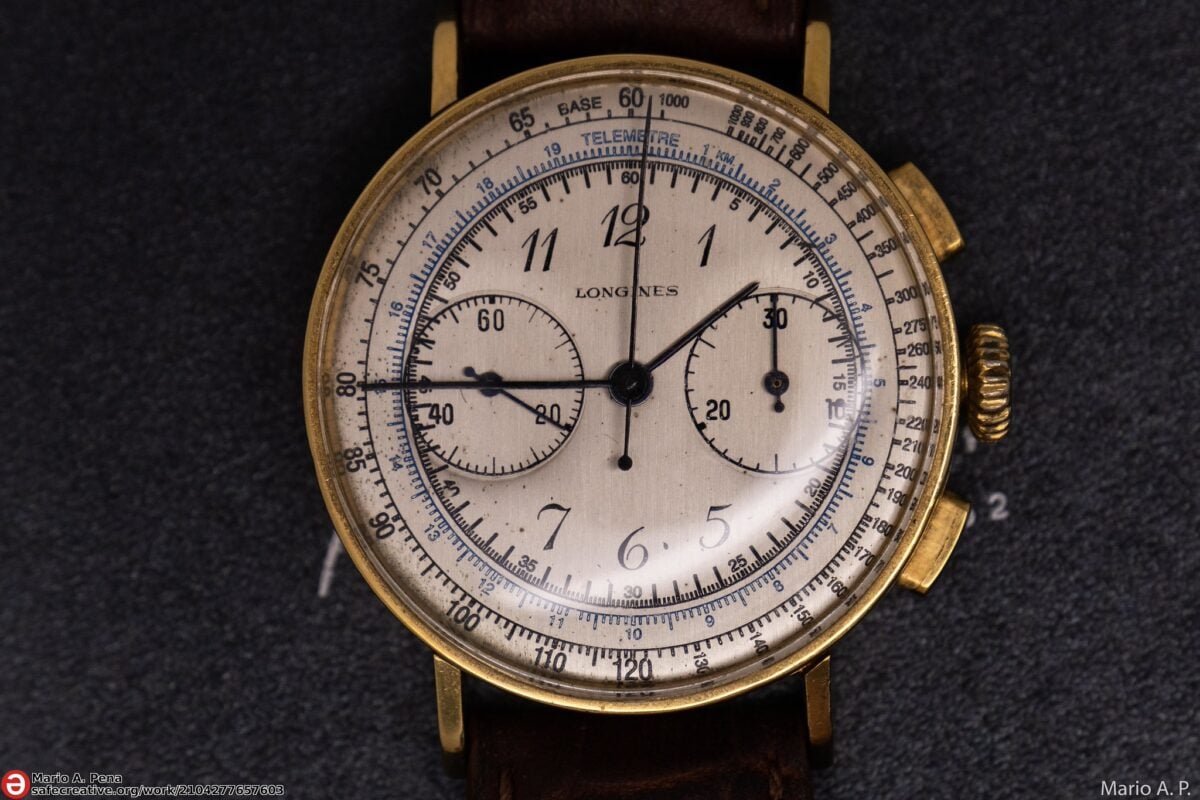
Longines introduced the 13ZN chronograph movement in 1936, and it was one of the first to include a flyback function, which lets the chronograph reset without stopping. The movement appeared in watches used by pilots and military personnel.
Examples commonly sell for thousands to tens of thousands of dollars, depending on the dial and case. Collectors check for original dials, hands, and pushers, since replaced parts lower value.
Refinished dials hurt prices sharply. Watches with original cases and documentation bring the best prices, especially rare dial variations.
Universal Geneve Polerouter
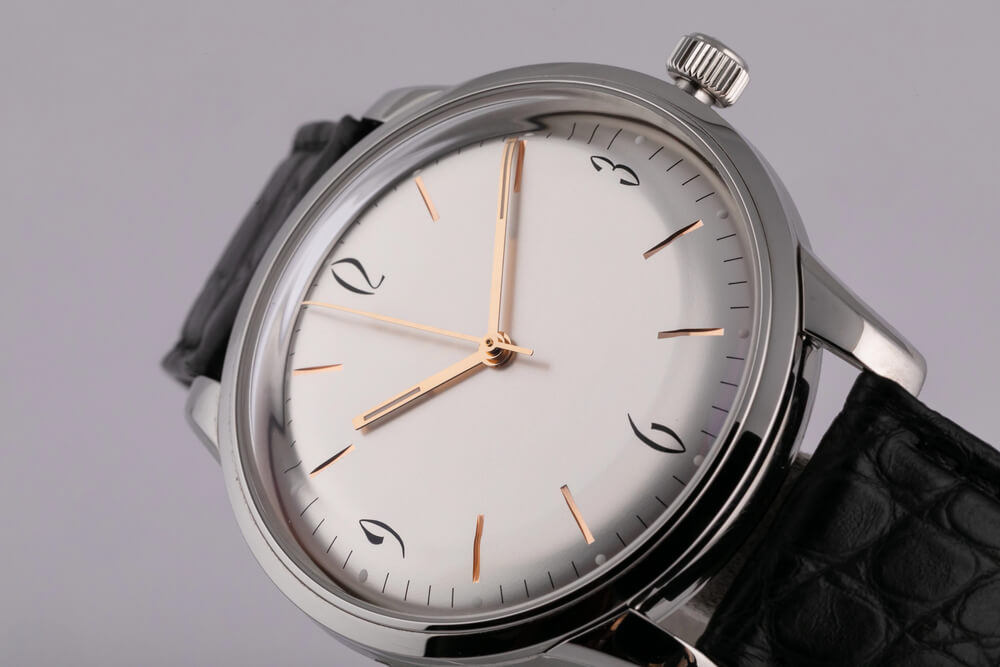
Universal Geneve introduced the Polerouter in 1954 to mark Scandinavian Airlines flights over the North Pole, and a young Gerald Genta designed it early in his career. The watch used an automatic movement with a micro-rotor, which kept the case thin.
Examples commonly sell for hundreds to a few thousand dollars. Collectors check for original dials, crowns, and hands.
Refinished dials lower value sharply, and worn cases hurt as well. The Genta connection adds appeal.
Watches with original bracelets and clean dials bring the strongest prices from collectors.
Patek Philippe Calatrava Reference 96
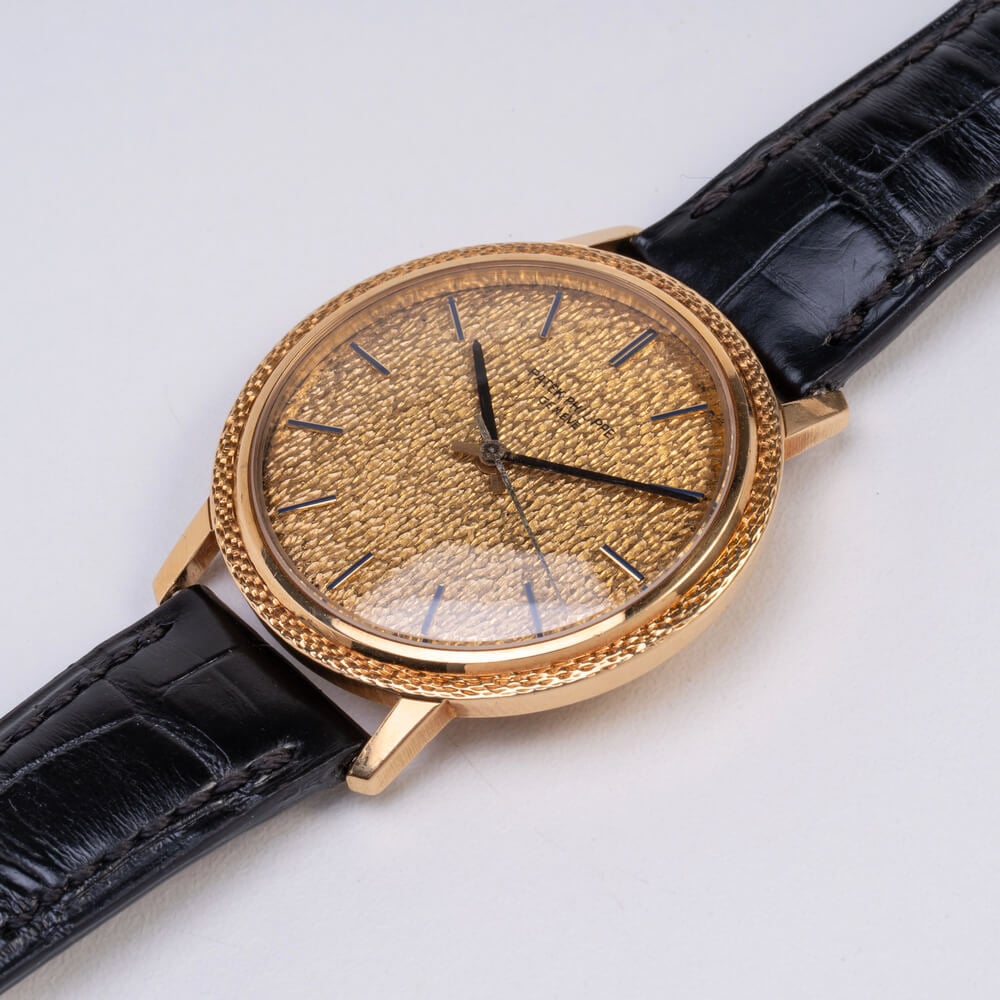
Patek Philippe introduced the Calatrava reference 96 in 1932, and its simple round design became a template for dress watches for decades. The watch was produced in several versions over many years.
Examples commonly sell for thousands to tens of thousands of dollars, depending on the metal, dial, and condition. Collectors check for original dials, crowns, and cases, since replaced parts lower value.
Refinished dials hurt prices significantly. Watches with original papers and boxes bring the most.
Patek Philippe archives can confirm production details for a fee.
Cartier Tank
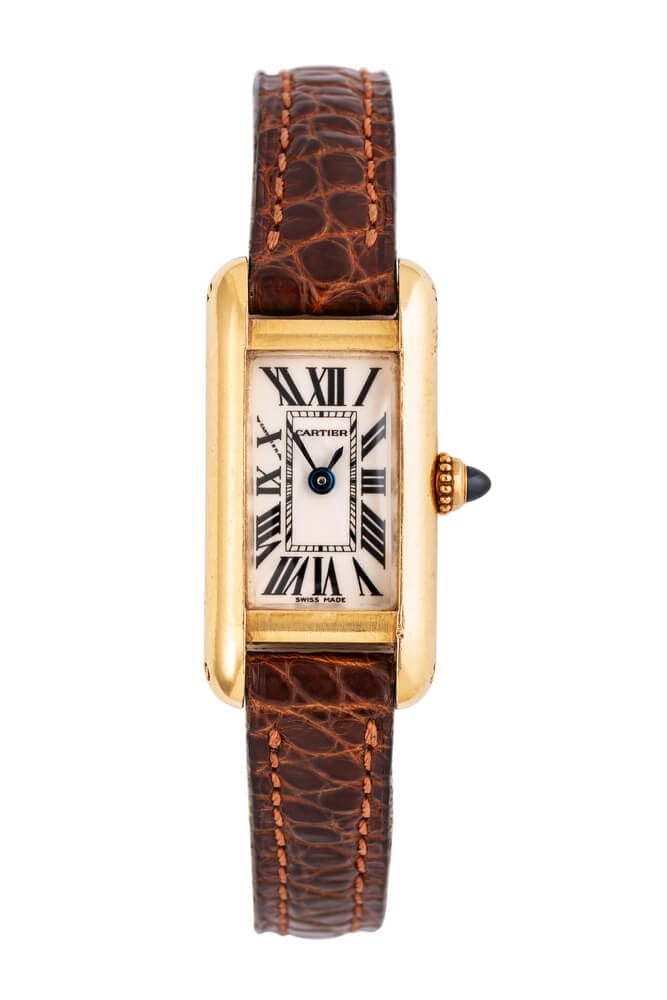
Louis Cartier designed the Tank in 1917, inspired by the shape of military tanks seen during World War I. The rectangular case became one of the best-known watch designs of the century.
Vintage examples commonly sell for thousands of dollars, with early versions and gold cases bringing more. Collectors check for original dials, crowns, and cases, since replaced parts lower value.
Worn cases and damaged dials hurt prices. Watches with original boxes and papers draw more interest.
The Tank’s long production history means dates and references matter.
Jaeger-LeCoultre Reverso
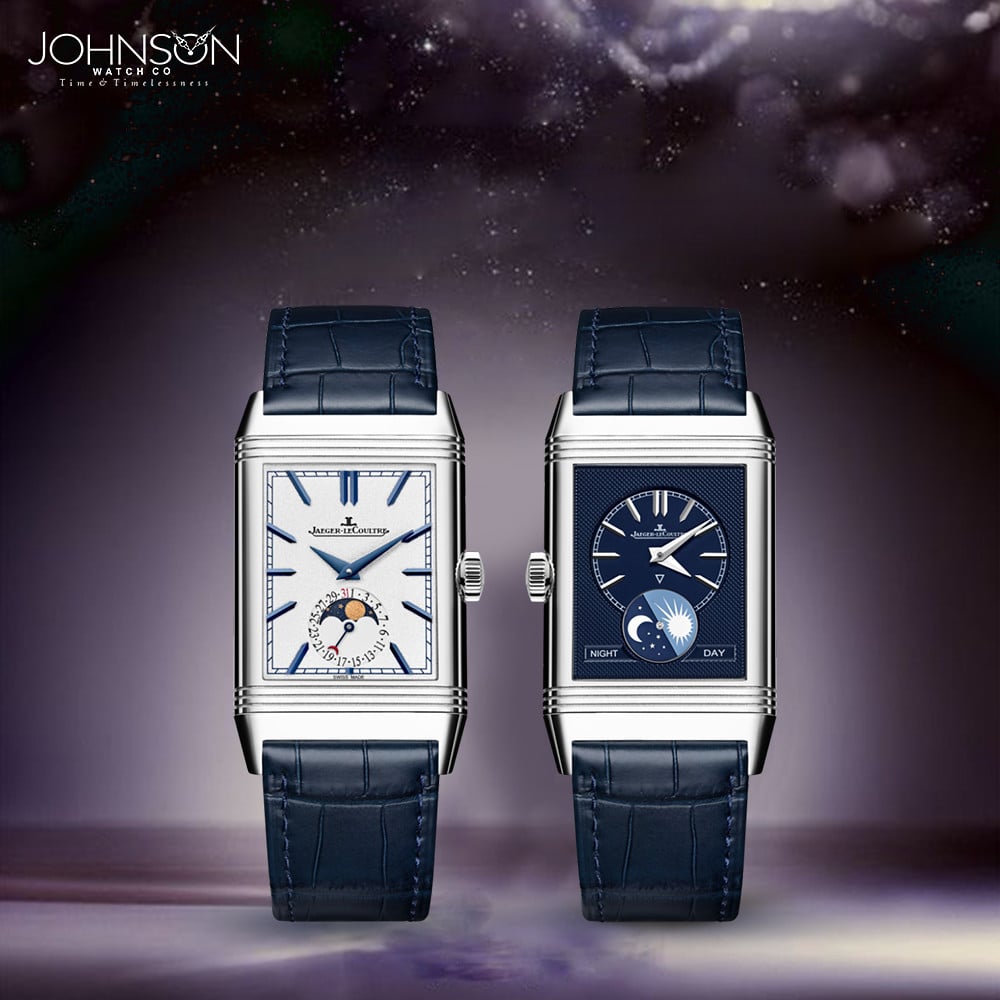
Jaeger-LeCoultre introduced the Reverso in 1931 after British officers playing polo in India asked for a watch that could survive a match without a shattered crystal. The answer was a case that slides sideways and flips over, turning the dial inward and showing a solid metal back.
Vintage examples commonly sell for thousands of dollars, with early pieces and unusual dials bringing more. Collectors check for original dials, crowns, and cases, and they test the flipping mechanism for looseness.
Worn carriages and replaced parts lower value. Engraved backs can help or hurt, depending on who the engraving names.
Audemars Piguet Royal Oak Reference 5402
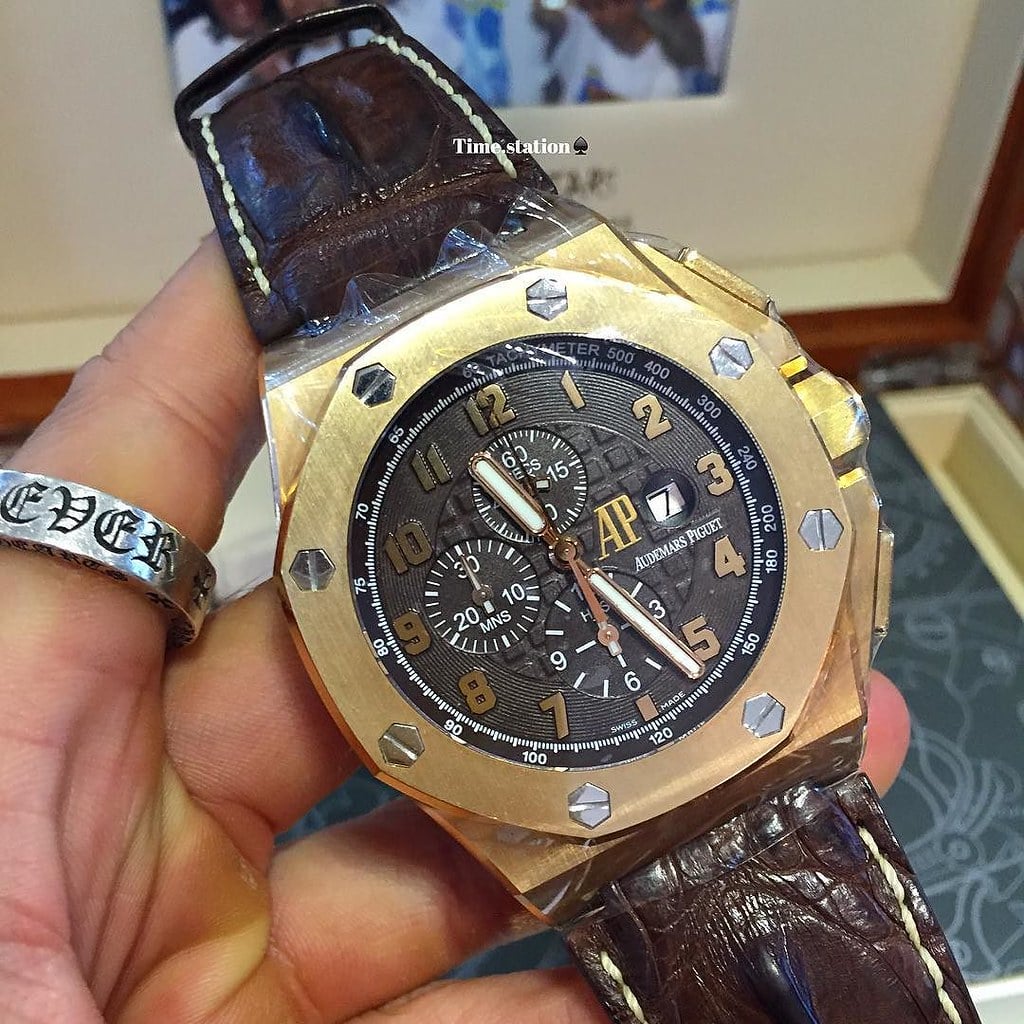
Audemars Piguet introduced the Royal Oak reference 5402 in 1972, with an octagonal bezel, exposed screws, and an integrated bracelet designed by Gerald Genta. The steel watch was priced higher than many gold dress watches at the time, a gamble that eventually shaped the entire luxury sports watch market.
Clean examples commonly sell for tens of thousands of dollars, with early A-series pieces reaching six figures. Collectors check for original dials, bracelets, and cases.
Heavy polishing softens the sharp brushed and polished edges, which lowers value. Original papers and boxes add noticeably to the price.
Zenith El Primero
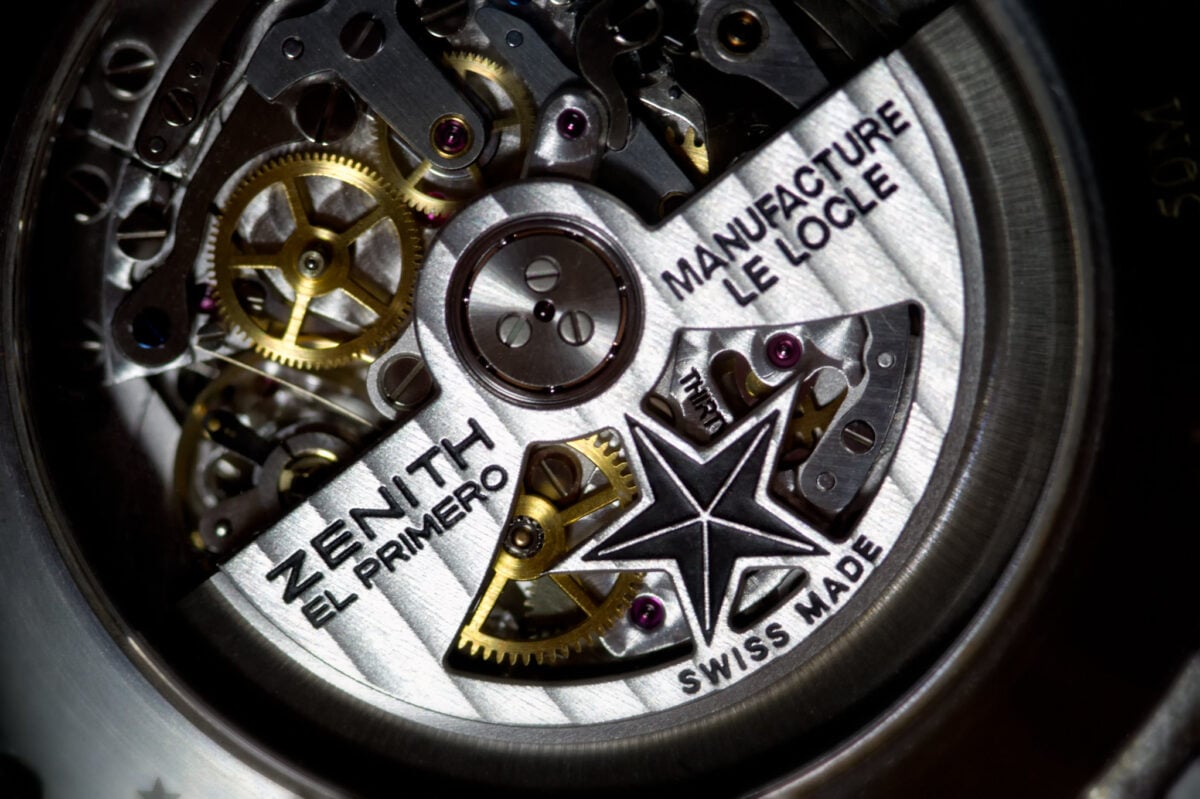
Zenith introduced the El Primero in 1969, an automatic chronograph movement running at 36,000 vibrations per hour, fast enough to time events to a tenth of a second. When new owners ordered production halted during the quartz crisis of the 1970s, engineer Charles Vermot hid the tools and plans in a factory attic, which let production resume in the 1980s.
Vintage examples commonly sell for thousands of dollars. Collectors check for original dials, hands, and pushers.
Replaced parts lower value. Watches with original bracelets and papers bring the strongest prices from collectors.
Breitling Navitimer
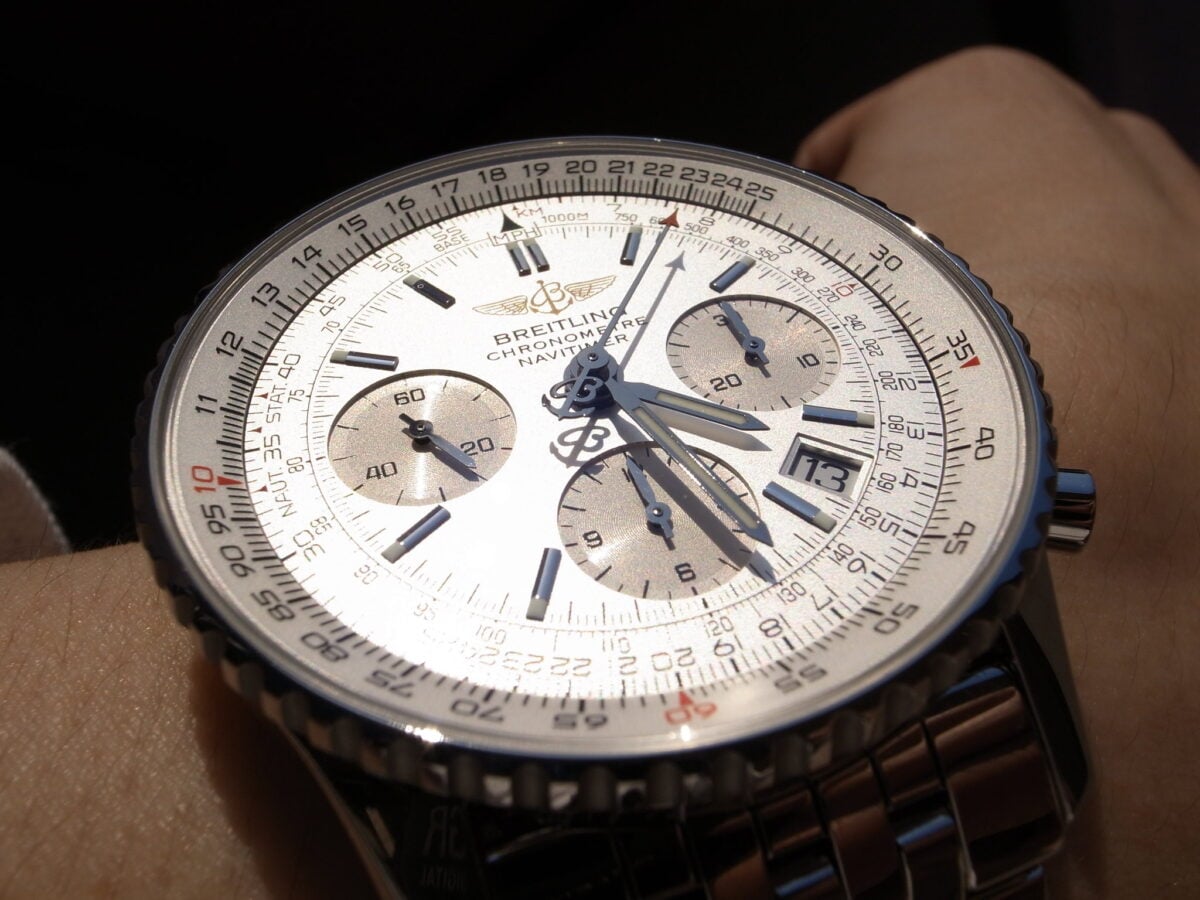
Breitling introduced the Navitimer in 1952 with a circular slide rule bezel that let pilots calculate speed, fuel consumption, and distance without separate instruments. The watch became closely associated with the Aircraft Owners and Pilots Association, whose wings logo appears on some dials.
Vintage examples commonly sell for thousands of dollars, with early references bringing more. Collectors check for original dials, bezels, and hands, since replaced parts lower value.
The crowded dial shows damage clearly, and worn bezel scales hurt prices. Watches with original bracelets and papers bring more from collectors.
Ingersoll Mickey Mouse Watch
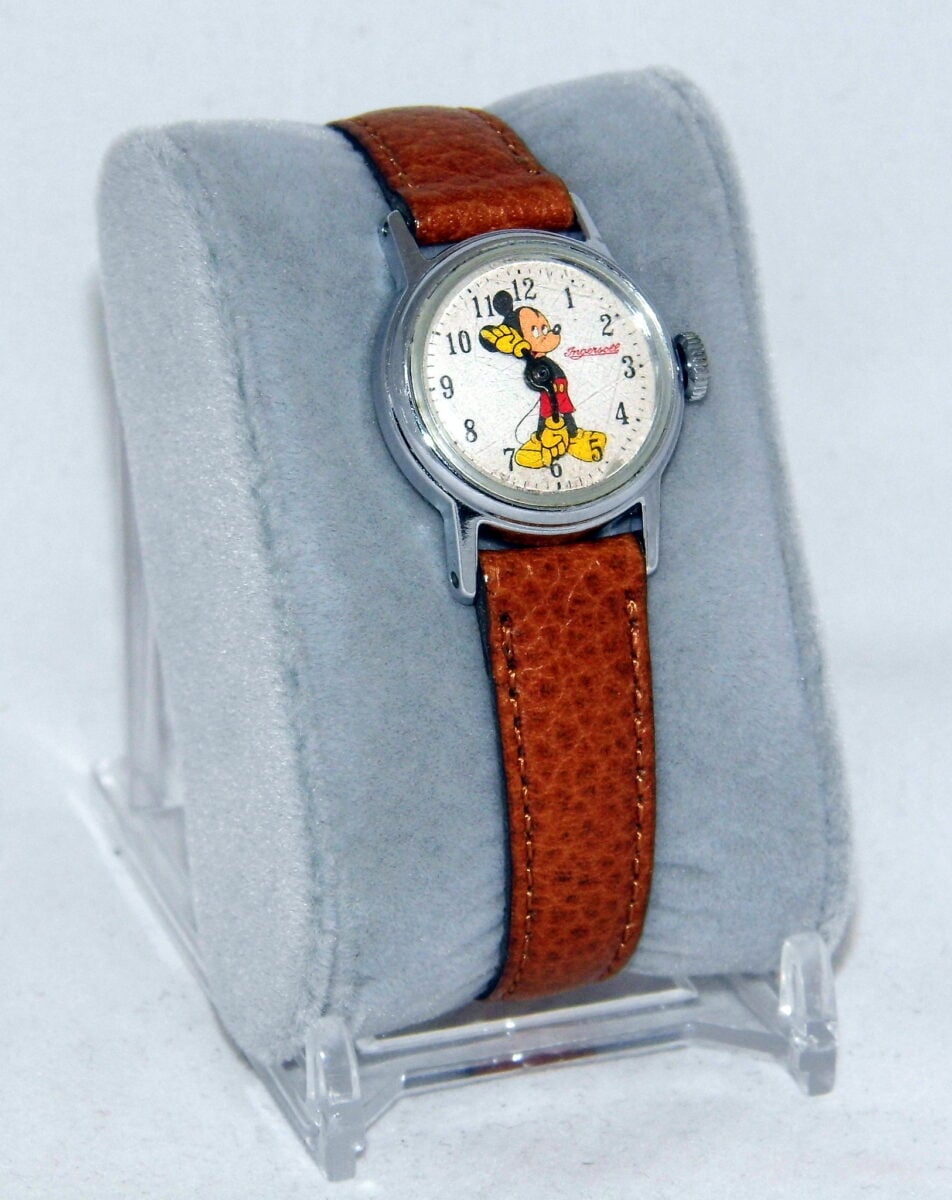
Ingersoll introduced the Mickey Mouse watch in 1933, and it sold in huge numbers during the Great Depression, famously helping keep the company in business. Mickey’s gloved hands point to the hours and minutes, and a small disc with three Mickeys turns as the seconds hand.
Loose examples commonly sell for hundreds of dollars, while watches in their original boxes bring considerably more. Collectors check for original dials, straps, and hands.
Faded dials and replaced straps lower value. Watches that still run draw more interest, and original packaging in good shape adds the biggest premium.
Railroad-Grade Pocket Watches
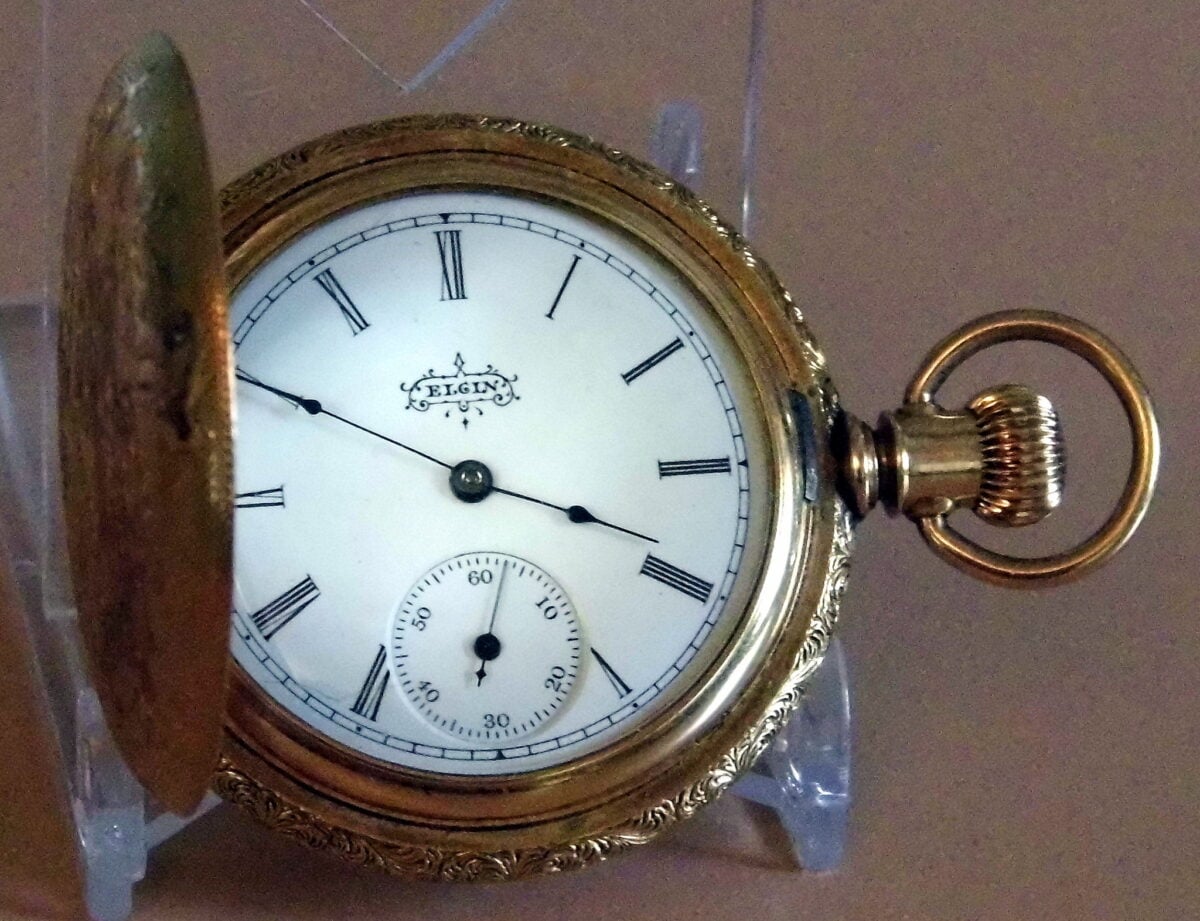
American railroads adopted strict standards for pocket watches after an 1891 collision near Kipton, Ohio, which investigators blamed partly on an engineer’s watch that had stopped for several minutes. Railroad-grade watches had to meet requirements such as at least 17 jewels, adjustment for temperature and position, and lever setting to prevent accidental time changes.
Hamilton’s 992B, produced from 1940, became one of the best-known examples. Most sell for hundreds of dollars.
Collectors check for original dials, cases, and movements. Cracked enamel dials and worn cases lower value, while accurate running watches bring more.
Casio G-Shock DW-5000C
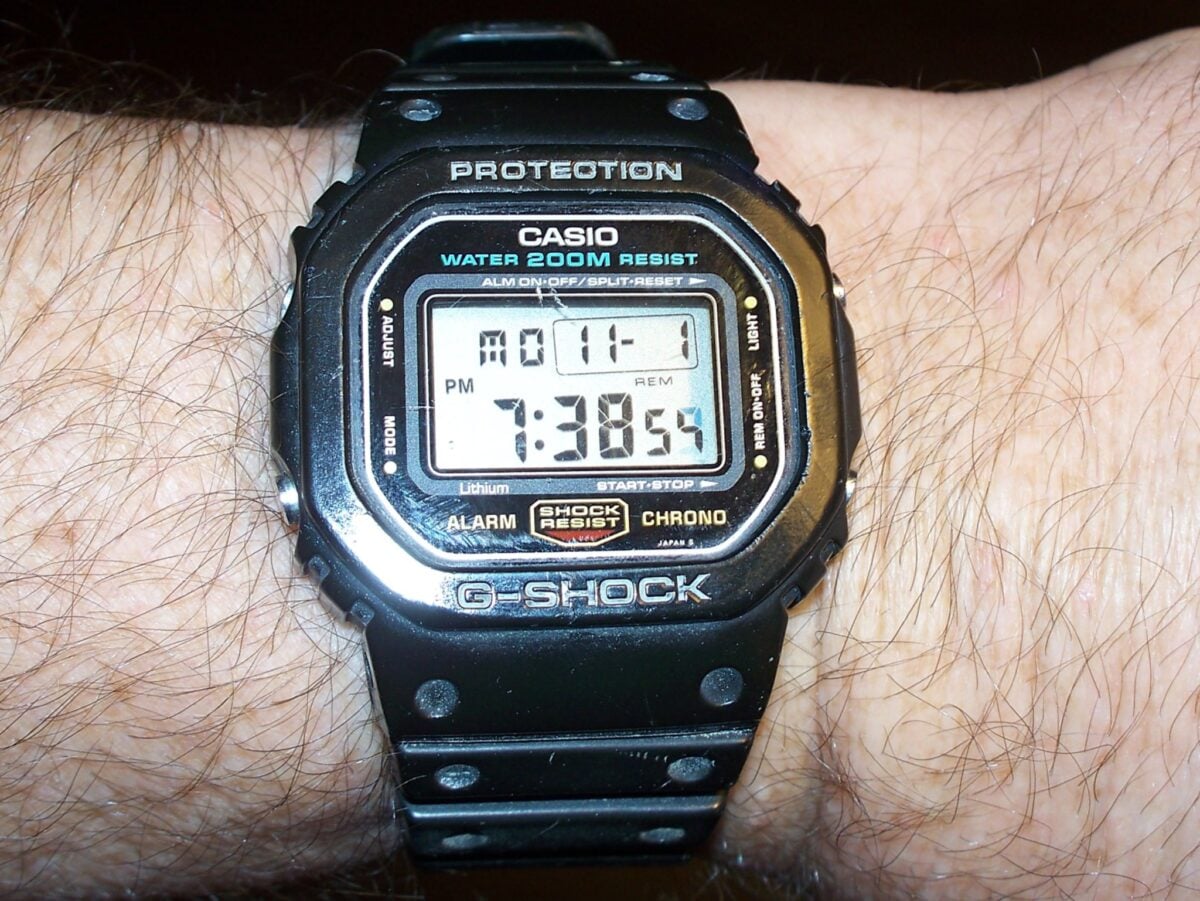
Casio released the first G-Shock, the DW-5000C, in 1983 after engineer Kikuo Ibe spent months testing prototypes by dropping them from a high window. The goal was a watch that could survive a fall, heavy shocks, and water, and the rugged design found a large following with workers and skaters.
Original examples commonly sell for hundreds of dollars, with clean boxed pieces reaching a few thousand. Collectors check for original straps, bezels, and screens.
Cracked resin and replaced parts lower value. Working examples draw more interest, and original boxes add significantly to the price.
Hamilton Pulsar P1
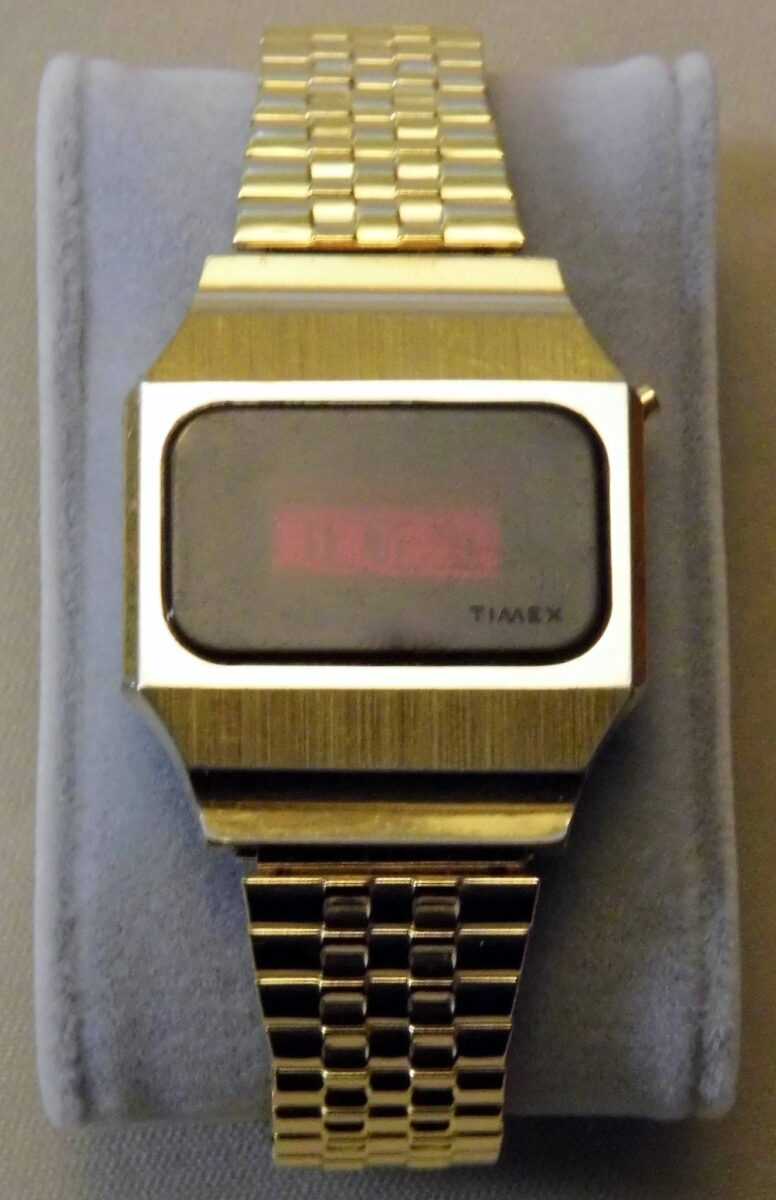
Hamilton introduced the Pulsar P1 in 1972, one of the earliest electronic digital watches, with a red LED display that lit up at the press of a button. The 18-karat gold watch was a limited edition priced at about 2,100 dollars, a large sum at the time.
Examples commonly sell for hundreds to a few thousand dollars, depending on condition. Collectors check whether the display works, since repairs can be difficult.
Worn cases and damaged displays lower value. Watches with original boxes and papers bring more, and the Pulsar’s place in watch history keeps demand steady.
Doxa Sub 300
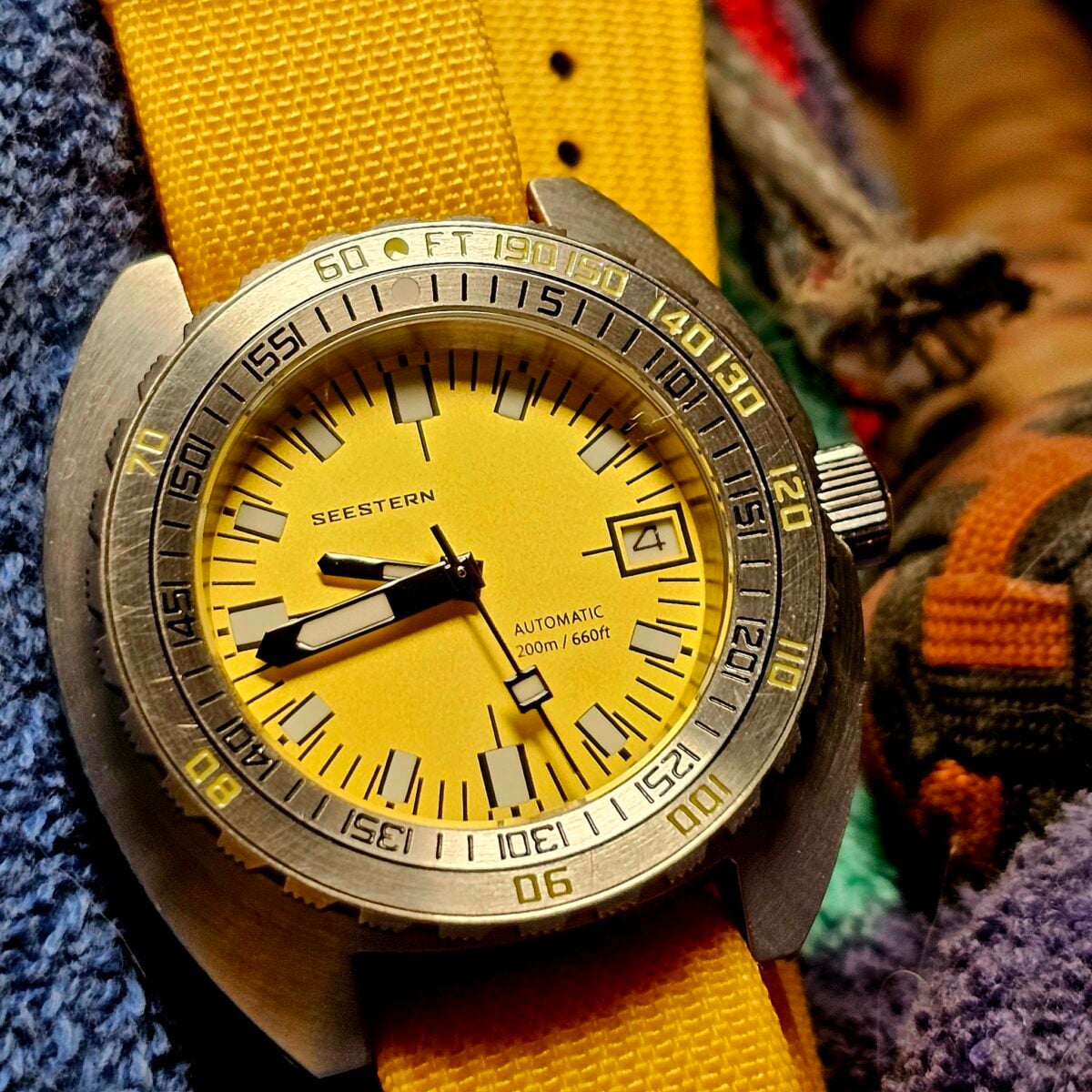
Doxa introduced the Sub 300 in 1967 with an orange dial that divers found easy to read underwater, a choice other brands later copied. The watch also featured a bezel showing no-decompression limits for dives.
Novelist Clive Cussler gave the watch to his character Dirk Pitt, which added to its fame. Vintage examples commonly sell for thousands of dollars.
Collectors check for original dials, bezels, and bracelets. Faded dials and replaced parts lower value.
Watches with original bracelets and papers bring more, and the orange dial remains the most sought after.
Vulcain Cricket
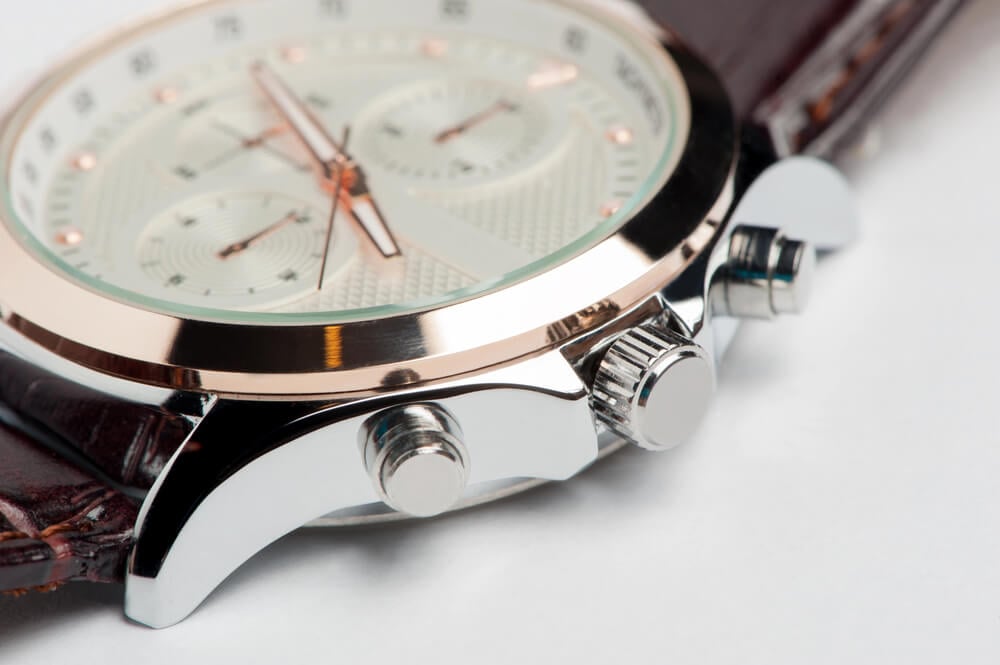
Vulcain introduced the Cricket alarm watch in 1947, and its loud, buzzing alarm could be heard across a room. President Harry Truman received one, and the watch later became associated with several American presidents, earning the nickname the President’s Watch.
Examples commonly sell for hundreds to a few thousand dollars, depending on condition and model. Collectors check whether the alarm works, since repairs can be costly.
Worn cases and damaged dials lower value. Watches with original boxes and papers draw more interest from collectors, especially early examples from the 1950s.
Movado Museum Watch
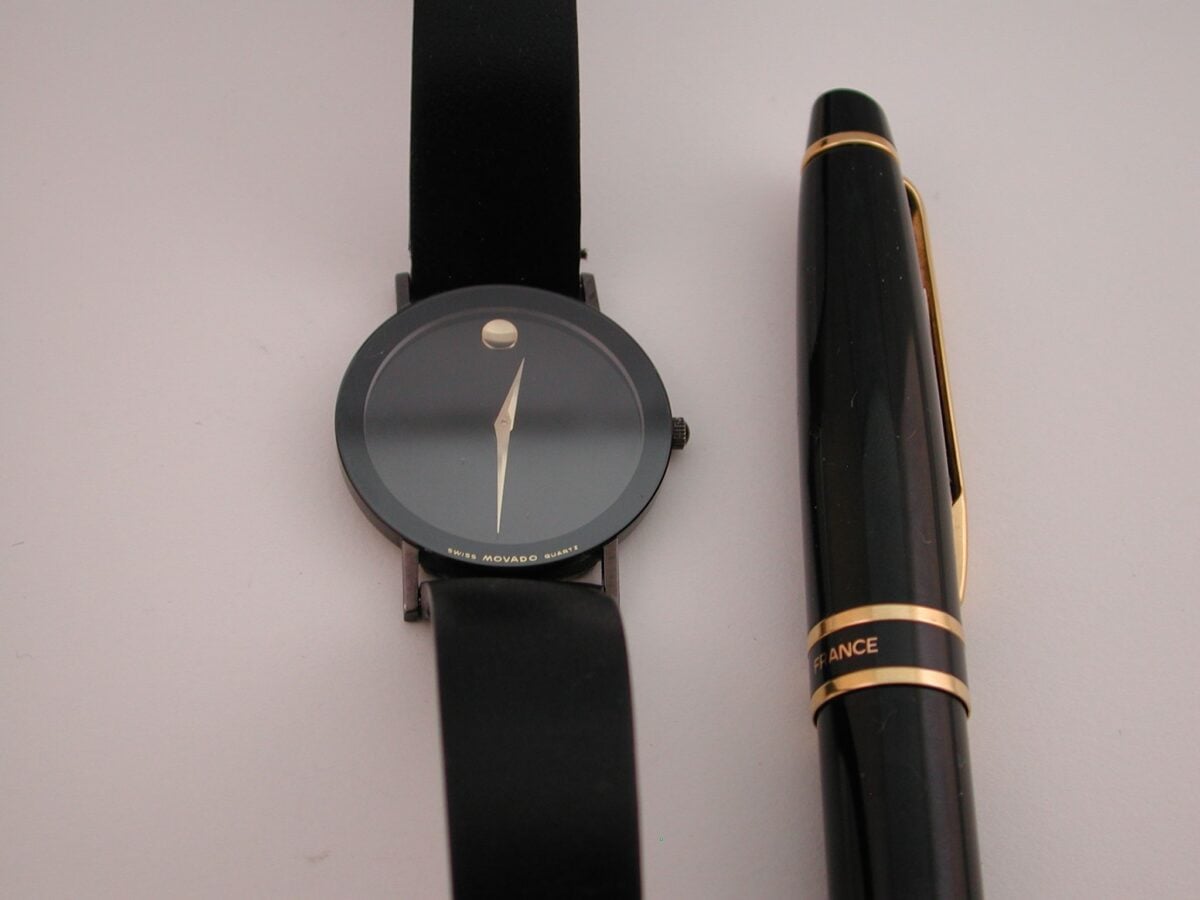
Designer Nathan George Horwitt created the Museum dial in 1947, a black face with no numbers and a single dot at 12 meant to suggest the sun at noon. The design entered the permanent collection of the Museum of Modern Art, and Movado began producing watches with the dial in the 1960s.
Vintage examples commonly sell for hundreds of dollars, with early gold models bringing more. Collectors check for original dials, crowns, and straps.
Worn cases and scratched dials lower value. Watches with original boxes and papers draw more interest from collectors.
Blancpain Fifty Fathoms
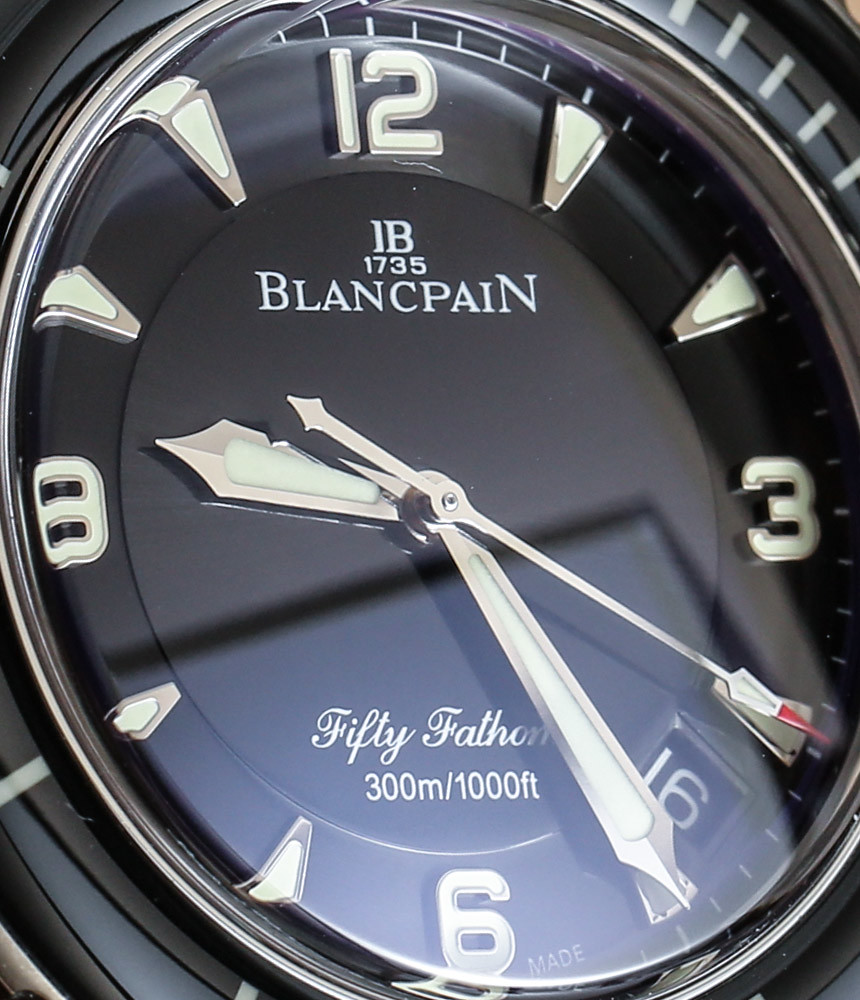
Blancpain introduced the Fifty Fathoms in 1953, designed with input from French Navy combat divers who needed a reliable watch for underwater missions. The watch helped define the modern dive watch, with a rotating bezel and luminous markers.
Vintage examples commonly sell for tens of thousands of dollars, with military-issued versions bringing more. Collectors check for original dials, bezels, and hands.
Replaced parts lower value. Military provenance adds significantly to the price, but it needs documentation to count.
Watches with original bracelets and papers bring the strongest prices.
British Military Dirty Dozen Watches
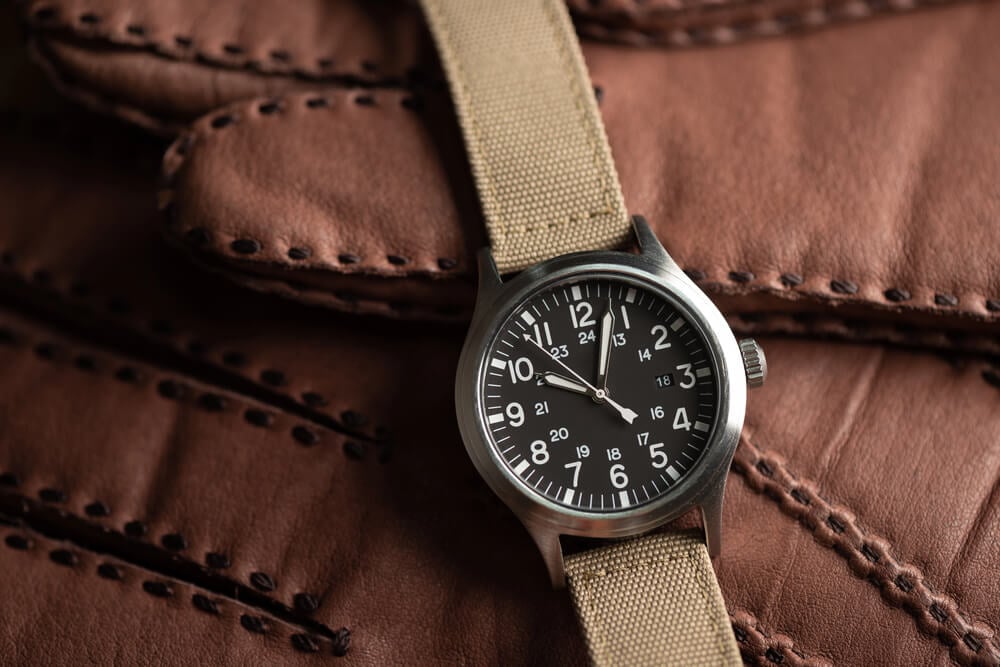
British military planners ordered wristwatches from 12 Swiss makers near the end of World War II, and collectors call the group the Dirty Dozen. The makers included Omega, Longines, IWC, and Jaeger-LeCoultre, among others, and each watch carried a black dial, luminous markers, and military markings on the back.
Examples commonly sell for thousands of dollars, with rarer makers such as Grana bringing the most. Collectors check for original dials, cases, and military markings.
Replaced parts lower value. Complete sets of all 12 are rare and command significant premiums from collectors.
Gruen Curvex
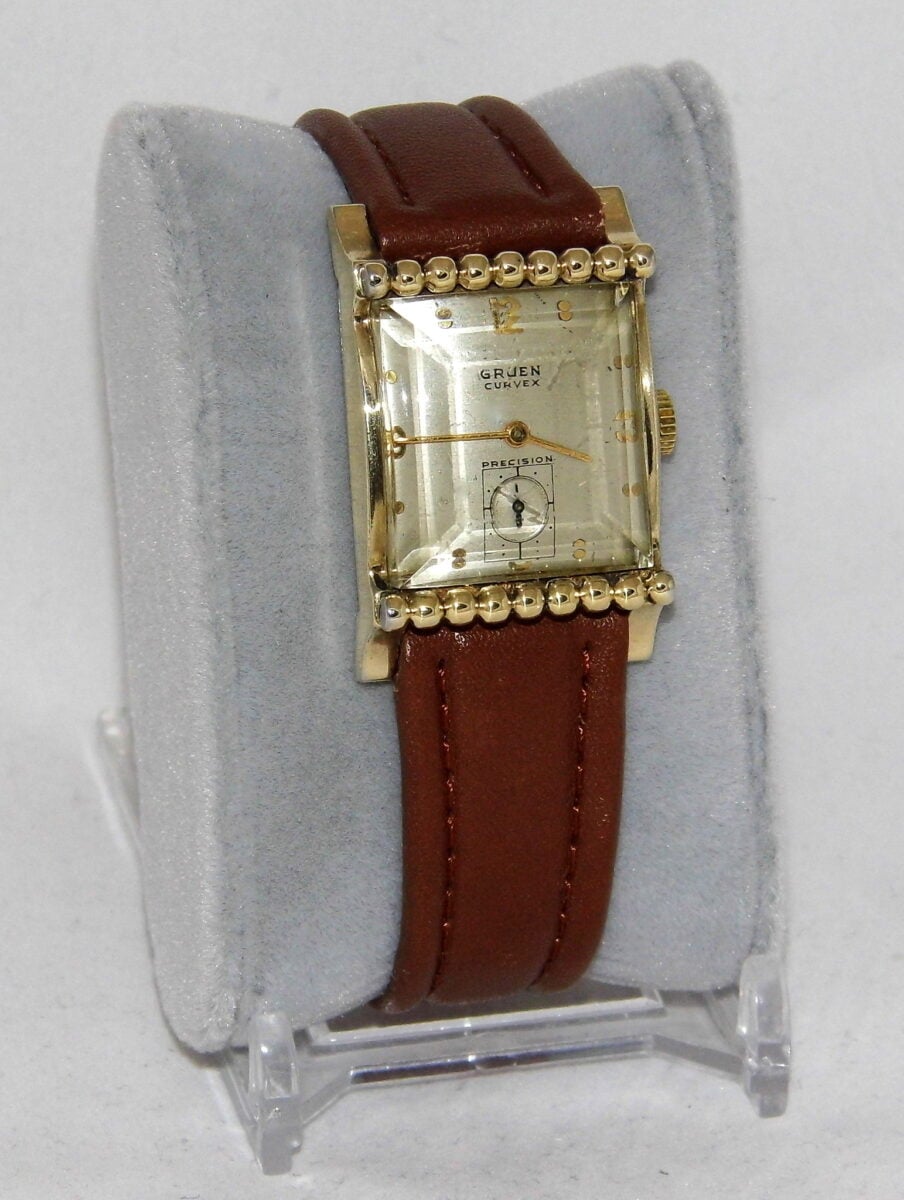
Gruen introduced the Curvex in 1935 with a movement that was curved to fit a curved case, allowing the watch to hug the wrist. The design became a popular dress watch, and Gruen produced it in many styles and metals.
Examples commonly sell for hundreds of dollars, with gold models bringing more. Collectors check for original dials and cases, since replaced parts lower value.
Worn cases and damaged dials hurt prices. Watches that still run draw more interest.
Original boxes and papers add value, and unusual case shapes bring the most from collectors.
Vacheron Constantin Dress Watches
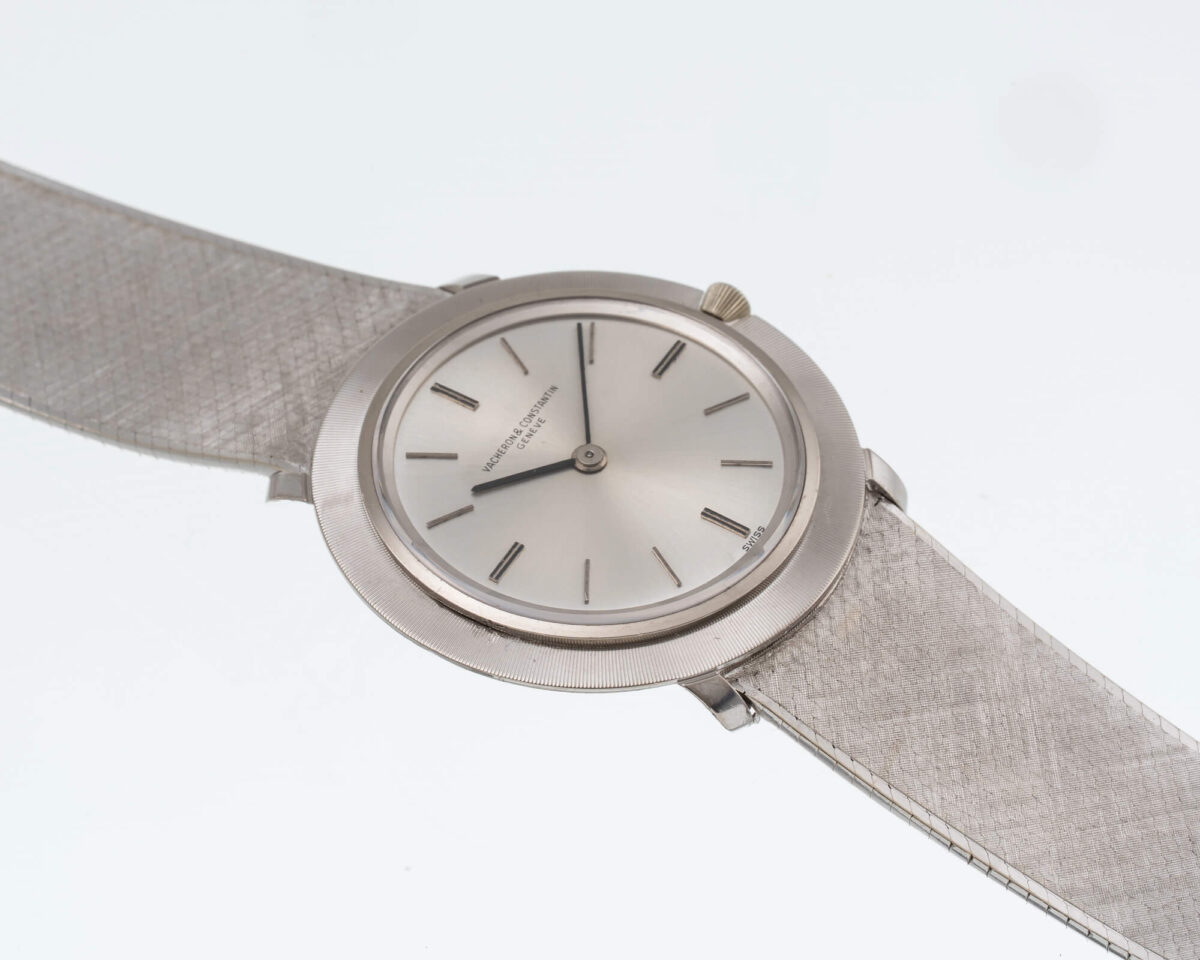
Vacheron Constantin was founded in Geneva in 1755, making it one of the oldest watch companies in continuous operation. Its vintage dress watches from the 1940s through the 1960s often feature slim gold cases and clean dials.
Examples commonly sell for thousands of dollars, with rare dials and complications bringing more. Collectors check for original dials, crowns, and cases, since replaced parts lower value.
Refinished dials hurt prices significantly. Watches with original papers and boxes bring more, and company archives can confirm production details for a fee.
Time Keeps Its Own Ledger
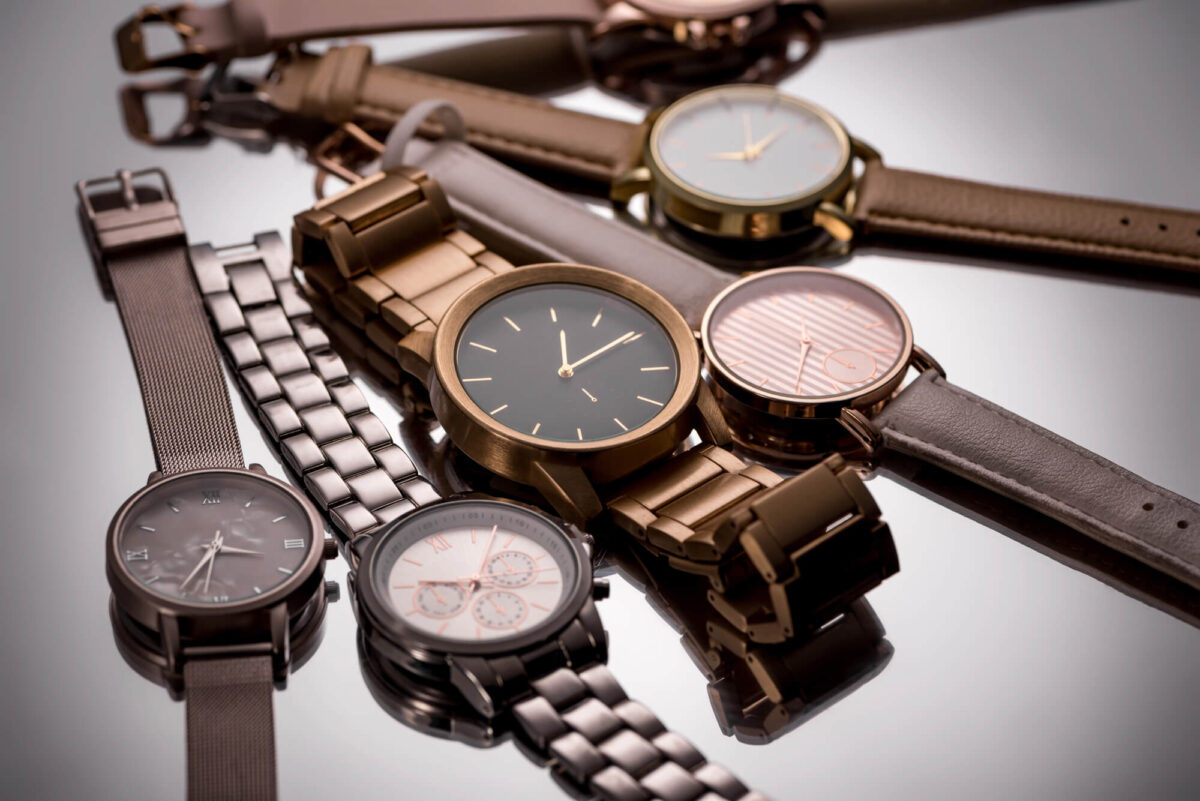
Most of the watches on this list were bought to be worn, not collected. They went to work, to war, and to sea, and then they went into a drawer.
The ones that survived with original parts are now worth far more than their original prices. Anyone who finds an old watch should resist the urge to polish it or replace the dial.
Original parts matter more than shine to collectors. A trusted watchmaker or dealer can identify the reference and confirm what the watch is worth.
More from Go2Tutors!

- The Romanov Crown Jewels and Their Tragic Fate
- 13 Historical Mysteries That Science Still Can’t Solve
- Famous Hoaxes That Fooled the World for Years
- 15 Child Stars with Tragic Adult Lives
- 16 Famous Jewelry Pieces in History
Like Go2Tutors’s content? Follow us on MSN.