15 Forgotten Survival Skills That Were Once Taught in Schools
Remember when school wasn’t just about standardized tests and college prep? There was a time when education focused on practical life skills that would serve students well beyond graduation day.
Many schools once prioritized teaching children how to navigate the real world with capabilities that might seem outdated today but represented crucial knowledge for previous generations. Here is a list of 15 forgotten survival skills that were once standard parts of school curricula across America but have largely disappeared from modern education.
Basic First Aid

Most schools today offer minimal first aid training, if any at all. Students once learned how to properly clean and dress wounds, create makeshift splints for broken bones, and recognize the signs of common illnesses.
They practiced these skills regularly through demonstrations and hands-on application rather than just watching a video once a year.
Navigation Without Technology

Before GPS and smartphones, students were taught comprehensive map reading and compass navigation. They learned to understand topographical features, calculate distances using scale, and find their way using natural markers.
Many schools even conducted practical exercises where students had to navigate across campus or nearby parks using only these traditional methods.
Like Go2Tutors’s content? Follow us on MSN.
Food Preservation

Canning, drying, and storing food for winter months was once a standard part of home economics. Students learned the science behind food preservation, including safe canning temperatures, proper sealing techniques, and how to prevent spoilage.
This knowledge helped families maintain food security through lean times and seasonal changes in food availability.
Foraging for Wild Edibles

Identifying edible plants, berries, nuts, and fungi was commonly taught in rural and even some urban schools. Students learned which local plants provided nutrition, which had medicinal properties, and crucially, which were dangerous to consume.
This knowledge connected children to their natural environment and provided emergency food options in difficult situations.
Home Repairs
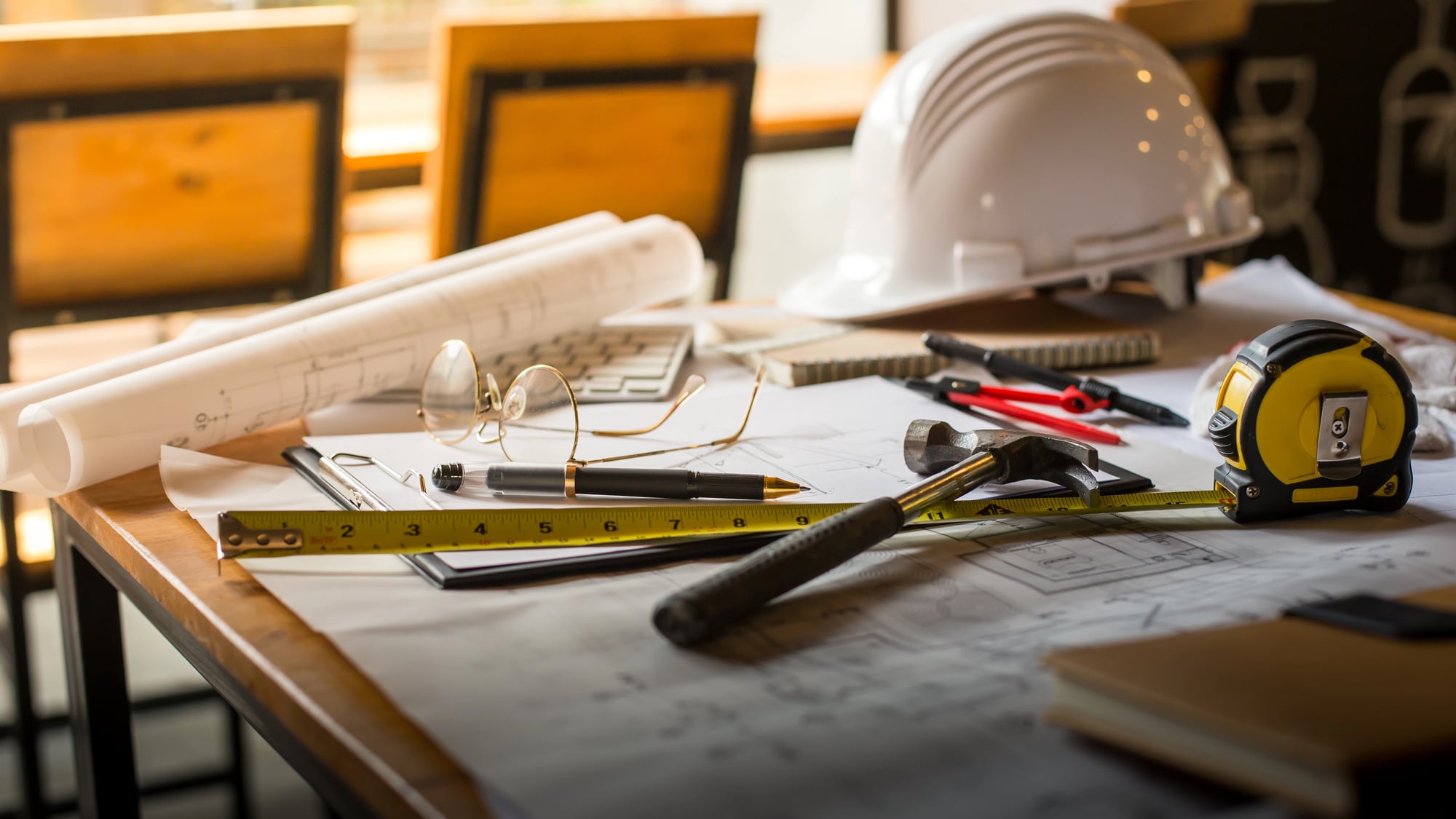
Basic carpentry, plumbing, and electrical work were standard skills taught to students regardless of gender by the mid-20th century. Kids learned to fix leaky faucets, patch walls, repair furniture, and safely handle common household emergencies.
These practical lessons prepared them for homeownership and self-sufficiency long before the era of YouTube tutorials.
Like Go2Tutors’s content? Follow us on MSN.
Sewing and Mending

The ability to repair clothing wasn’t just considered a domestic skill but a practical necessity. Students learned to darn socks, patch tears, replace buttons, and even make simple garments from patterns.
This knowledge extended the life of clothing and saved families significant money in eras when clothes represented a major household expense.
Fire Building and Management
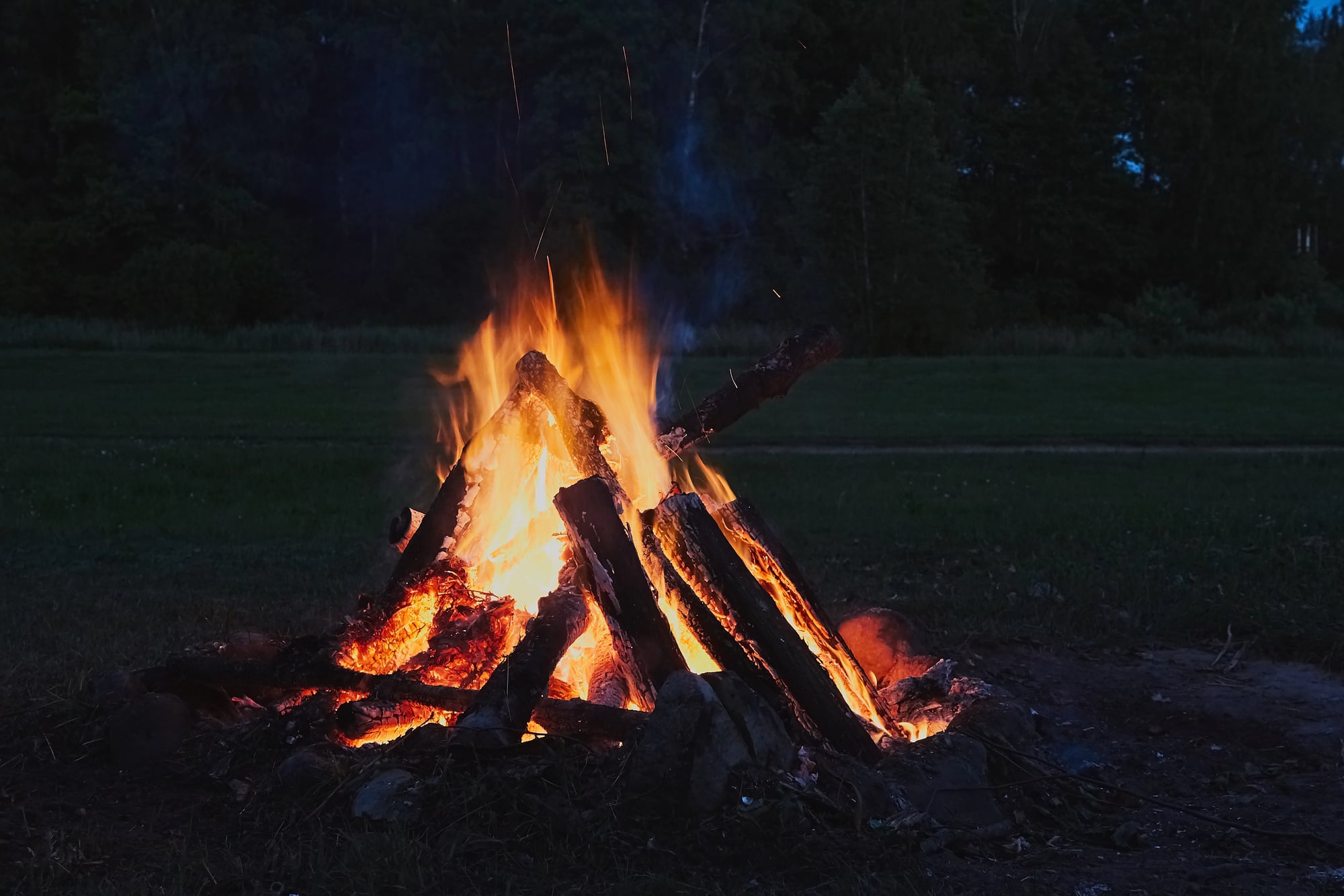
The proper way to build, maintain, and safely extinguish various types of fires was once common knowledge taught in schools. Students learned which woods burned cleanest, how to start fires without matches, and how to cook over open flames.
This instruction included crucial safety protocols that prepared children for camping, power outages, and emergency situations.
Weather Prediction

Before weather apps and 24-hour forecasts, students learned to read natural signs to predict weather changes. They understood what cloud formations indicated approaching storms, how animal behavior signaled weather shifts, and how to plan accordingly.
This knowledge helped communities prepare for weather events and manage agricultural planning more effectively.
Like Go2Tutors’s content? Follow us on MSN.
Handwriting and Penmanship

Clear, legible handwriting was once considered essential for communication and professional success. Students spent hours practicing penmanship with specific techniques for proper posture, paper positioning, and letter formation.
Good handwriting wasn’t just about aesthetics but about ensuring your thoughts could be accurately understood by others when technology wasn’t available.
Mental Math and Estimation

Before calculators became ubiquitous, students mastered mental math techniques for quick calculations and reasonable estimations. They learned shortcuts for multiplying large numbers, calculating percentages, and solving practical math problems without writing anything down.
These skills helped with everything from shopping to construction projects.
Water Collection and Purification
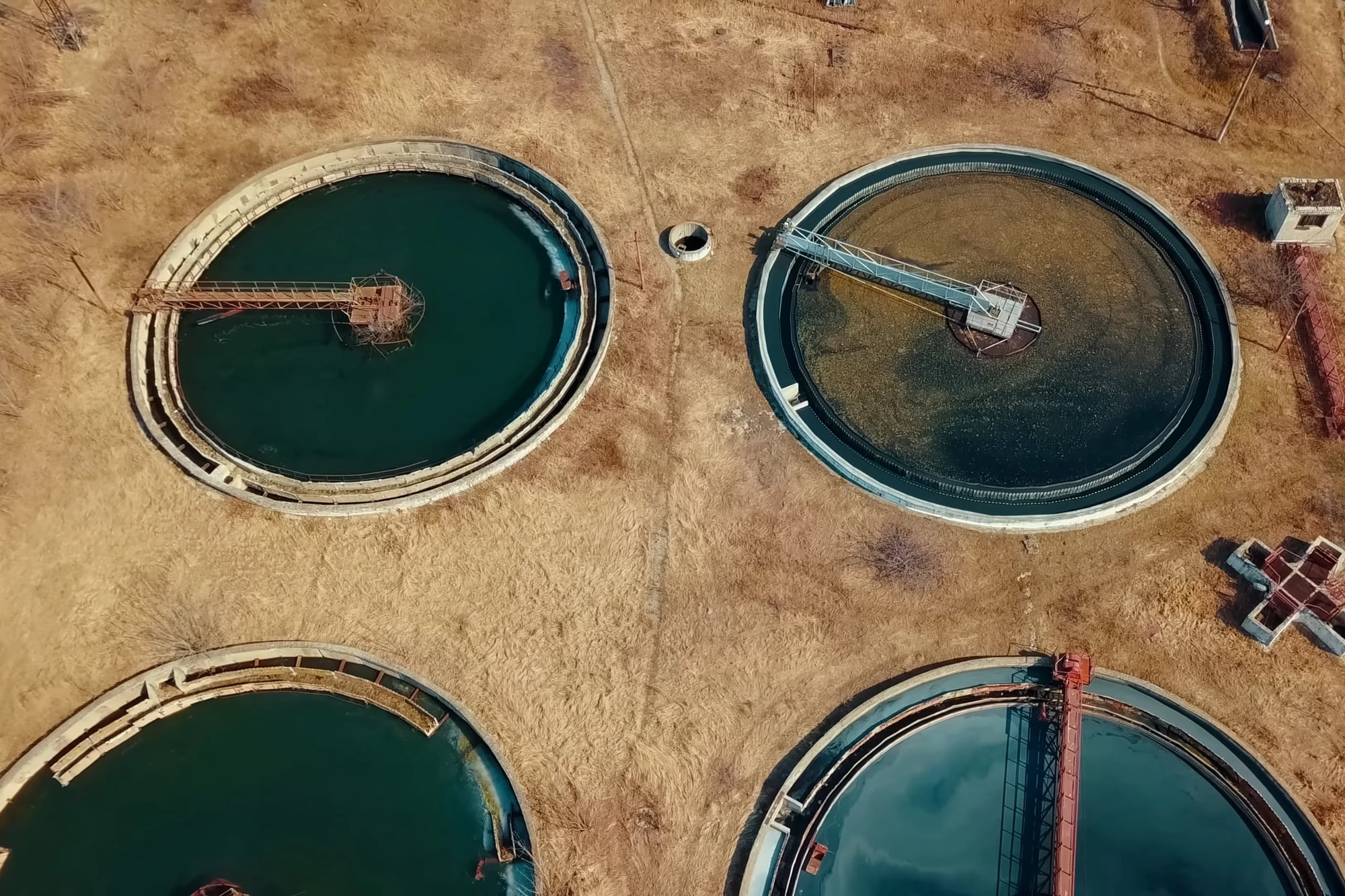
Finding and making water safe to drink was once standard curriculum in many schools. Students learned to identify potential water sources, create simple filtration systems, and understand the importance of boiling or chemical treatment.
This knowledge could literally save lives in emergency situations when clean water isn’t readily available.
Like Go2Tutors’s content? Follow us on MSN.
Hunting and Fishing
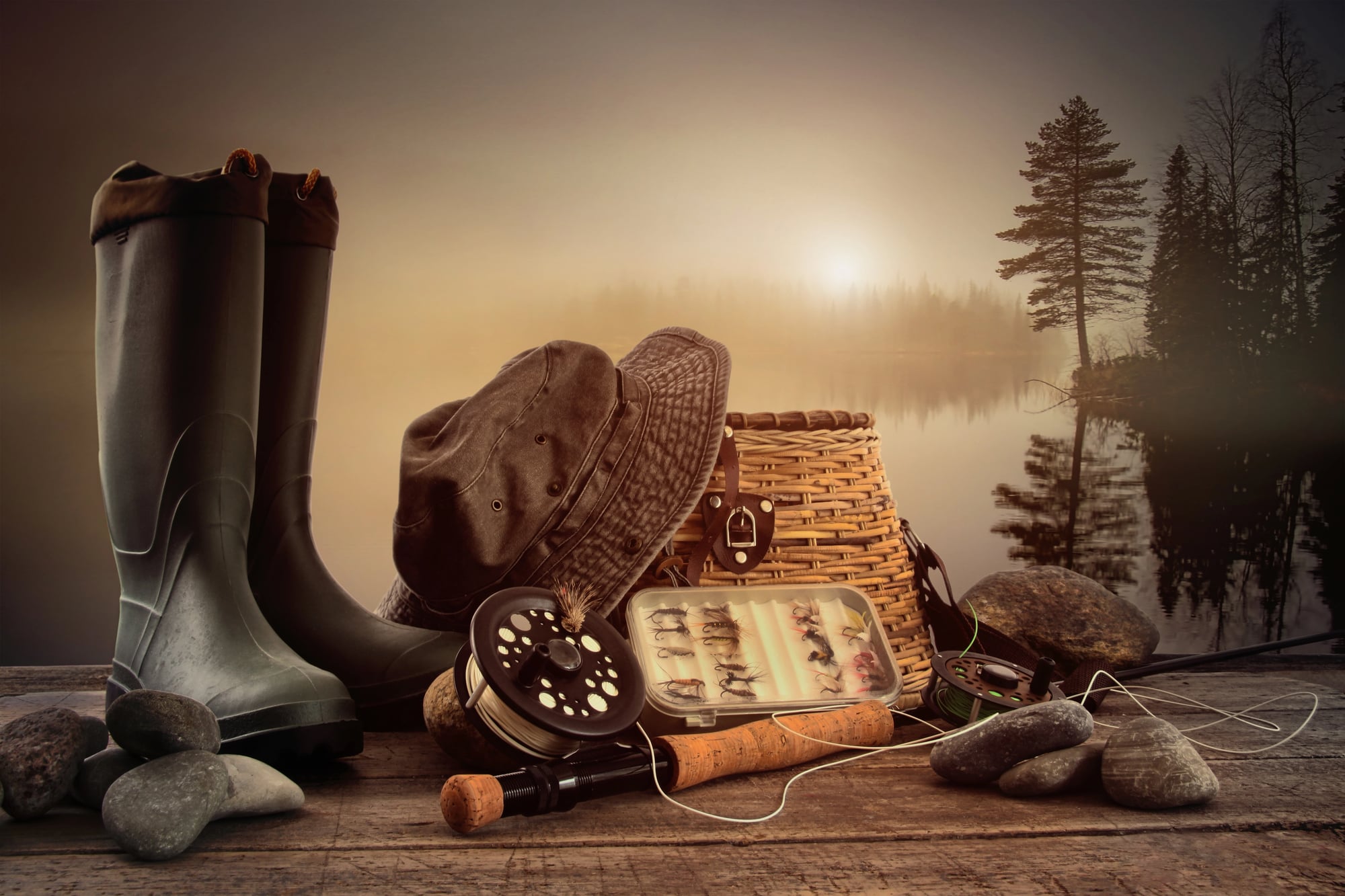
Many rural schools once taught the basics of obtaining protein through hunting and fishing. Students learned about local game laws, proper tool usage, and the ethical treatment of animals.
More importantly, they understood these activities as part of a sustainable food system rather than merely recreational pursuits.
Gardening and Crop Rotation
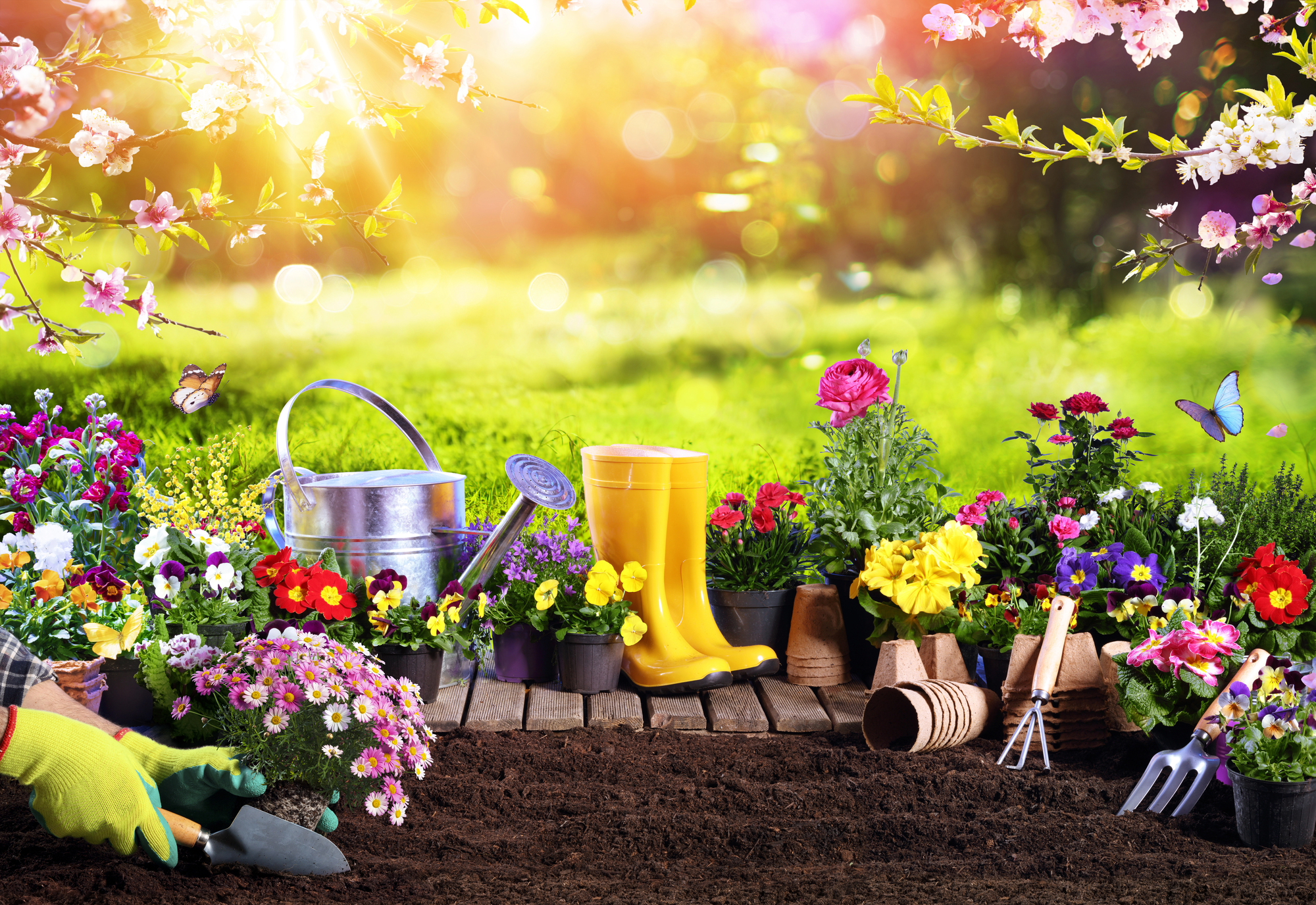
Growing food was considered a fundamental skill taught through school garden programs. Students learned proper planting techniques, pest management without chemicals, and how crop rotation maintained soil health.
These school gardens often supplemented school lunch programs while teaching children where food actually comes from.
Animal Husbandry
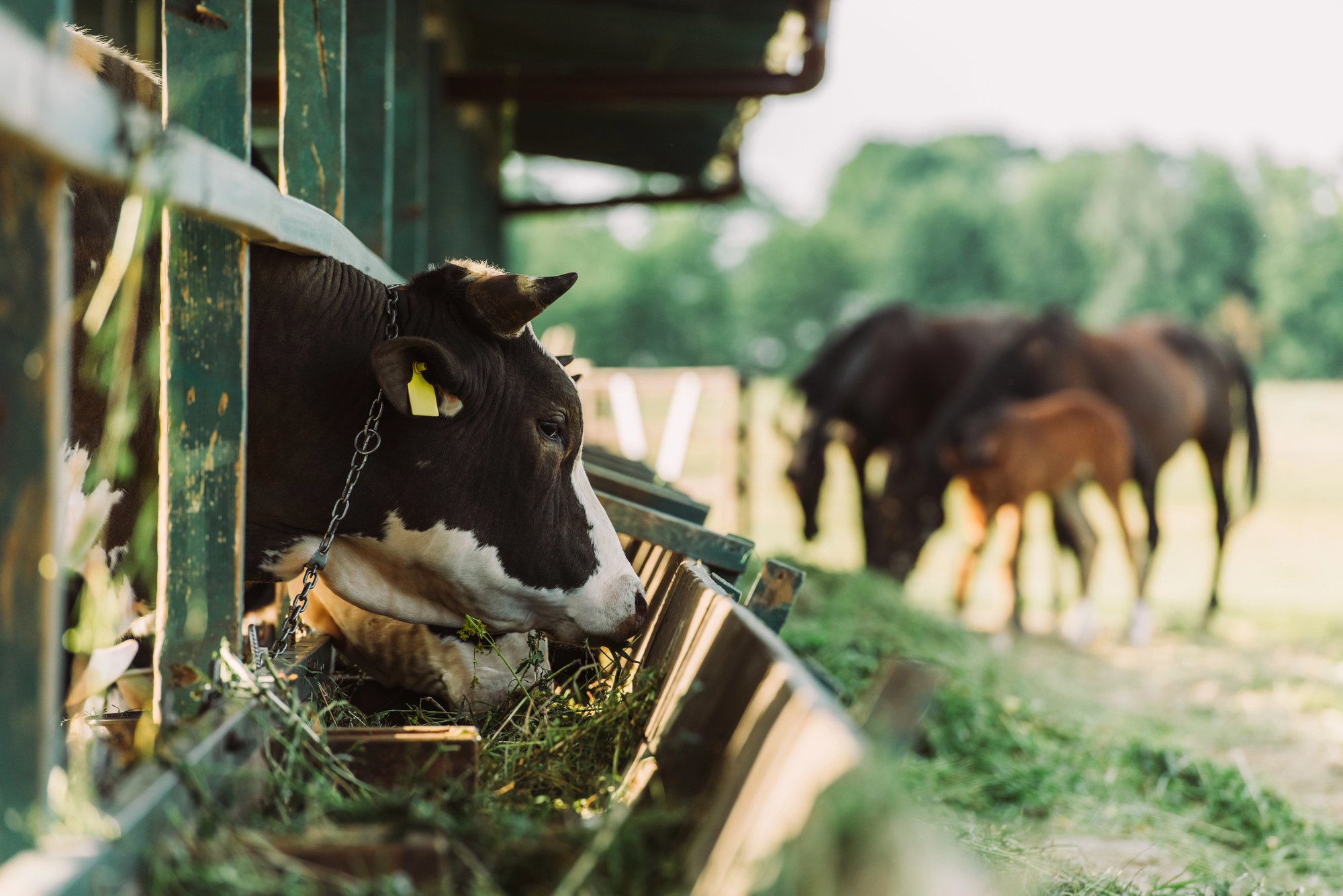
Many regular education programs included cattle care, thus it wasn’t just found in agricultural institutions. Students gained knowledge of acceptable breeding procedures, basic veterinary care, and appropriate food.
Through the everyday maintenance of living things, this knowledge promoted family food production and instilled a sense of responsibility.
Like Go2Tutors’s content? Follow us on MSN.
Social Etiquette and Communication

Instead of being taken for granted, face-to-face communication skills were specifically taught. Students picked up suitable behavior in many social settings, conflict resolution, conversation maintenance, and correct introductions.
In a pre-digital society, these teachings enabled young people to negotiate social institutions and create significant communal ties.
The Enduring Value of Self-Reliance

These diminished skills reflect a mindset of independence and communal interdependence that influenced earlier generations, and they go beyond simple practical skills. Even though technology has made many of these skills seem less important, they are nonetheless useful in situations where resources are scarce or systems malfunction.
The confidence that comes from knowing that you can meet your basic requirements no matter what happens outside of your control is perhaps the most important lesson we can learn from this educational approach.
More from Go2Tutors!

- 18 Unexpectedly Valuable Collectibles You Might Have Lying Around
- 15 Things Every Teenager in the ’70s Did That Teens Today Wouldn’t Understand
- 15 Strange Things People Have Tried to Ban (And Failed)
- 15 Inventions That Were Immediately Banned After Being Created
- 20 Actors Who Were Almost Cast in Iconic Roles
Like Go2Tutors’s content? Follow us on MSN.