27 Classic TV Shows Families Watched Together
For decades, most homes had one television, a few channels and a fixed schedule. When a favorite show came on, the entire family gathered in the same room, often with dinner on TV trays.
Those shared hours shaped American culture in ways streaming never quite can. The catchphrases, theme songs and cliffhangers on this list were discussed at school and work the next morning, because nearly everyone had seen the same episode.
Ed Sullivan’s Sunday Night Stage
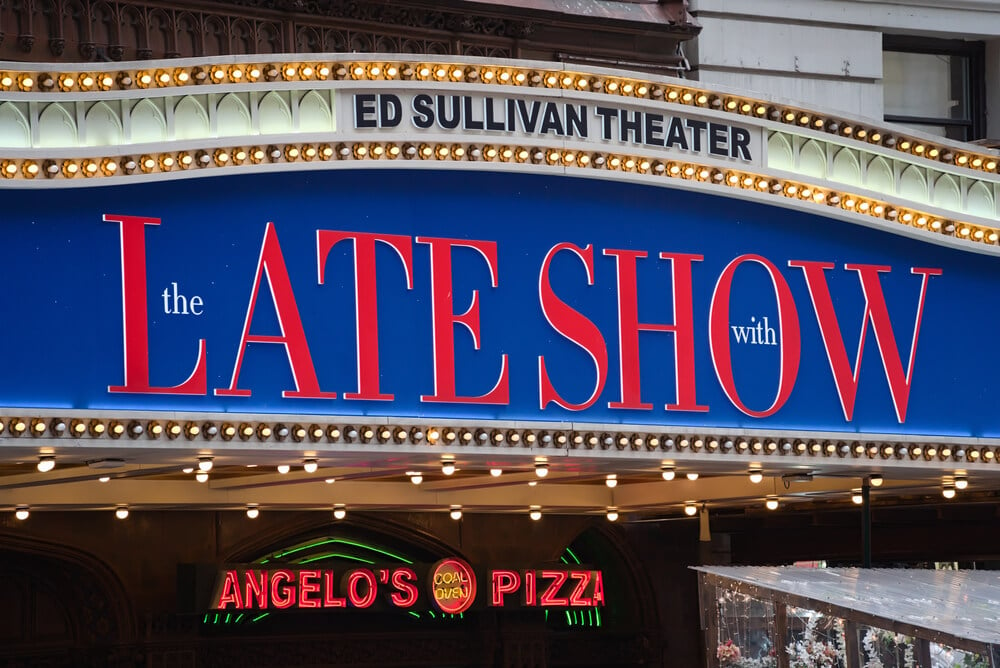
Ed Sullivan hosted his CBS variety show from 1948 to 1971, and Sunday nights in millions of homes revolved around it. The program mixed rock stars, comedians, opera singers, puppets and plate spinners in a single hour, so every generation in the room found something to enjoy.
Elvis Presley’s appearances in 1956 caused a national stir. On February 9, 1964, the Beatles made their American television debut on the show, drawing an estimated 73 million viewers.
Sullivan himself was famously stiff on camera, which only made the parade of acts around him more memorable.
Lucy and Ricky Ricardo’s Living Room
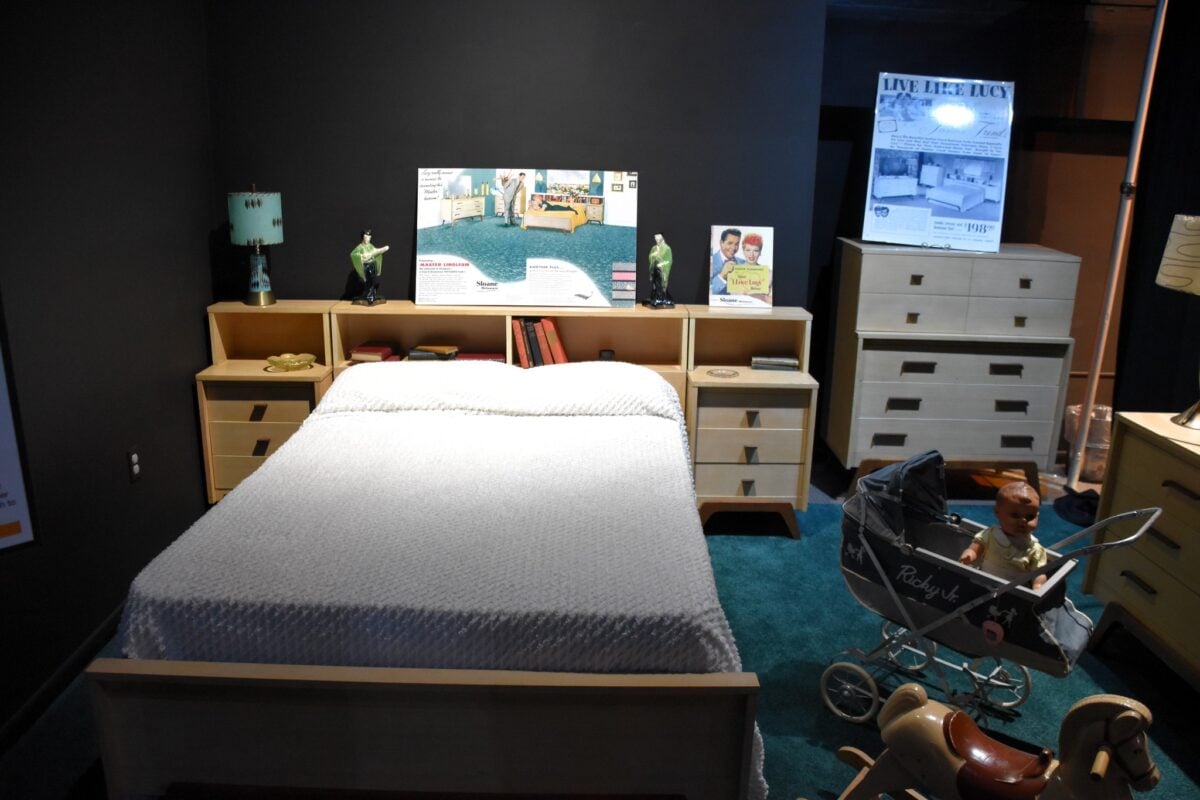
Desi Arnaz and his wife starred as Ricky and Lucy Ricardo in a CBS sitcom that ran from 1951 to 1957 and set the template for American situation comedy. Its production company, Desilu, filmed episodes with multiple cameras in front of a live audience, a method that became standard for decades.
The January 1953 episode in which Lucy gives birth drew a staggering share of the national audience, coinciding with the real birth of the couple’s son. Physical comedy bits like the chocolate factory assembly line still circulate today.
Reruns introduced the Ricardos to every generation that followed.
Leave It to Beaver and the Cleaver Household
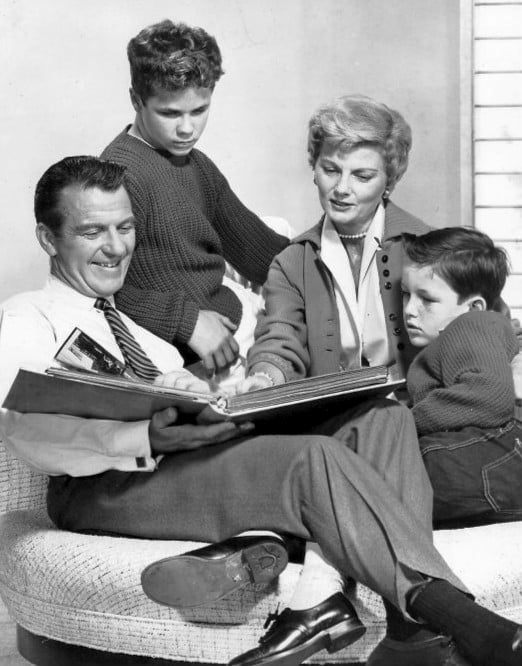
Leave It to Beaver aired from 1957 to 1963, following the Cleaver family through the small troubles of suburban childhood. Ward and June Cleaver offered calm parental wisdom, while their sons Wally and Theodore, nicknamed Beaver, found new ways to get into trouble.
Eddie Haskell, Wally’s smooth-talking friend, became one of television’s great comic schemers. The show is often credited as the first American series to show a toilet tank on screen, a detail that reportedly worried network censors.
Its gentle humor made it a fixture of reruns for decades.
Lassie and Her Loyal Rescues

Lassie ran on CBS from 1954 to 1973, making it one of the longest-running series in television history. The faithful collie rescued children from wells, warned of fires and led adults to danger, usually with a well-timed bark.
The original dog to play the role was a male collie named Pal, and his descendants continued in the part for years. Families tuned in on Sunday evenings, and many children grew up wanting a collie of their own.
The show also delivered gentle lessons about kindness, responsibility and courage that parents appreciated.
Walt Disney’s Sunday Night Anthology
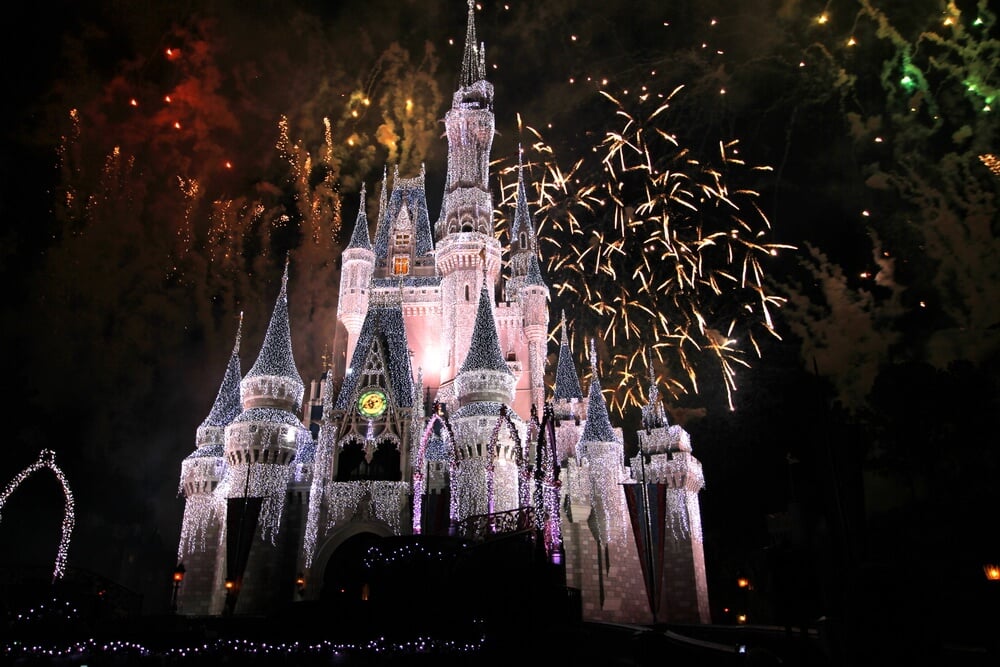
Walt Disney launched his television anthology on ABC in 1954 under the title Disneyland, partly to help fund and promote his new theme park. The program mixed cartoons, nature documentaries, adventure serials and previews of park attractions.
Its Davy Crockett episodes set off a national craze for coonskin caps in 1955. The series later moved to NBC and became known for broadcasting in color, which encouraged families to buy color sets.
Under various titles, the anthology aired for decades and became a Sunday night ritual for generations of children.
Bonanza and the Cartwright Ranch
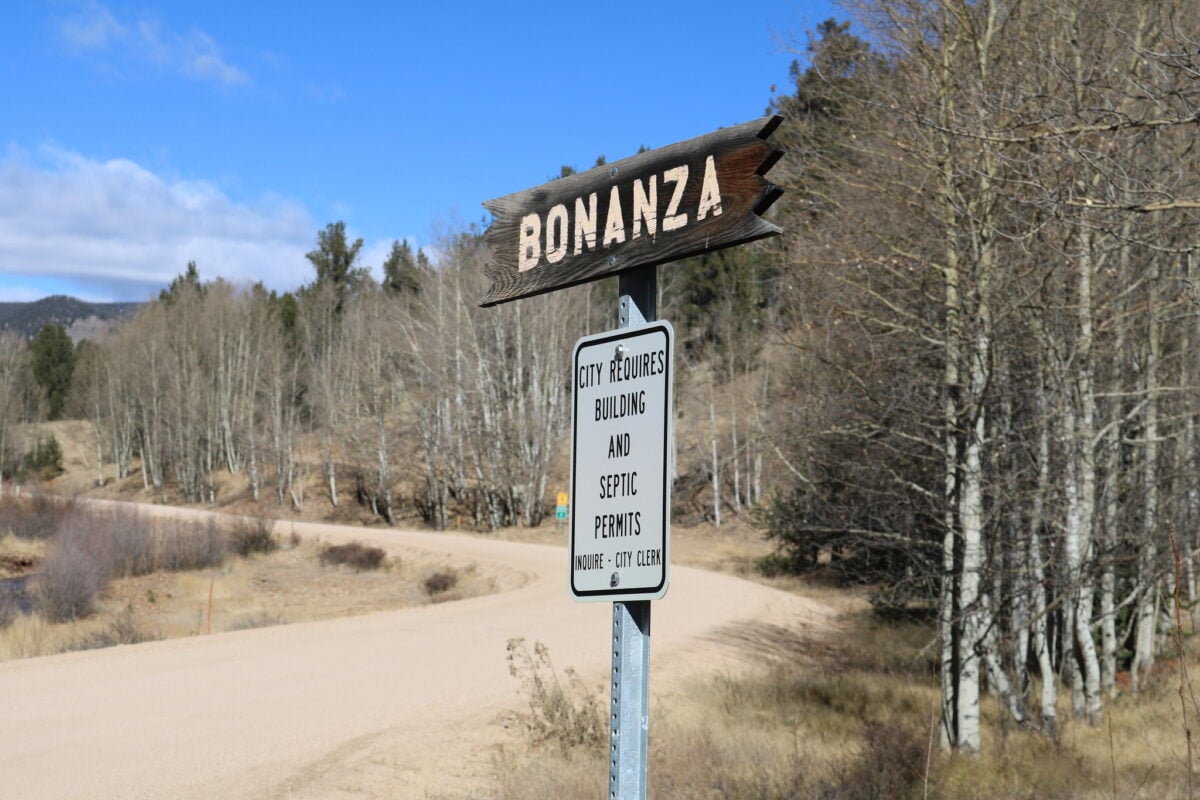
Bonanza premiered on NBC in 1959 and ran until 1973, following widower Ben Cartwright and his three sons on the Ponderosa ranch near Virginia City, Nevada. Lorne Greene played the patriarch, and Michael Landon played the youngest son, Little Joe.
The series was filmed in color, and NBC, owned by color television maker RCA, used it to showcase the new technology. Its galloping theme song became instantly recognizable.
Bonanza spent several seasons at the top of the ratings, and its themes of family loyalty made it a natural choice for shared viewing.
Andy Griffith and the Town of Mayberry
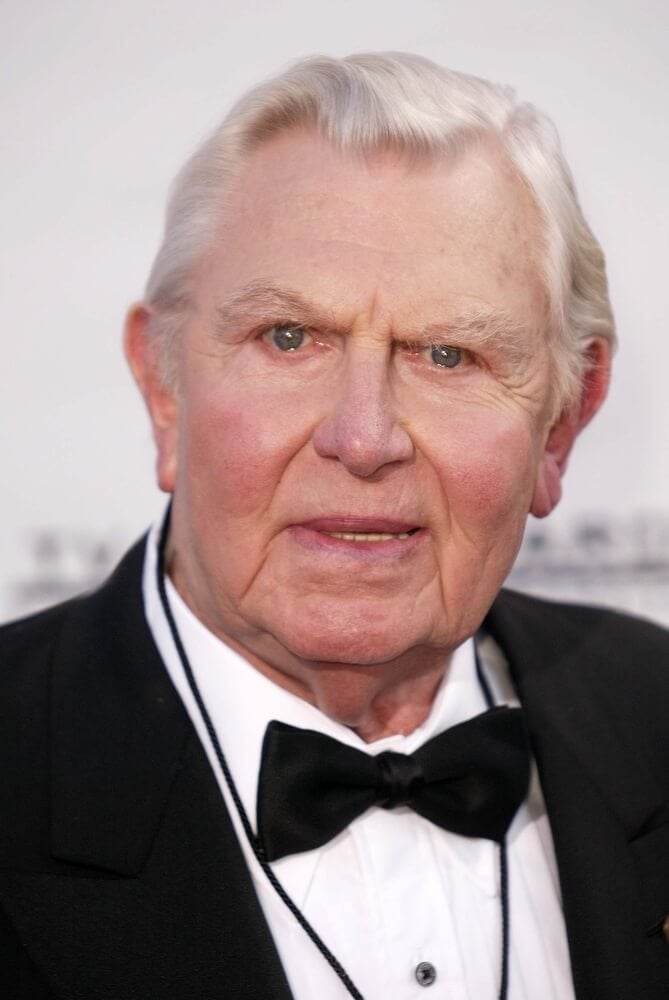
Set in the small town of Mayberry, North Carolina, The Andy Griffith Show aired on CBS from 1960 to 1968. Andy Griffith played a calm, wise sheriff raising his son Opie, played by a young Ron Howard, with help from his Aunt Bee.
Don Knotts stole scenes as the jittery deputy Barney Fife, winning multiple Emmy Awards for the role. The opening sequence of father and son walking to a fishing spot, accompanied by a whistled theme, remains one of television’s most famous.
The show finished its final season at number one in the ratings.
Beverly Hillbillies and the Clampett Mansion
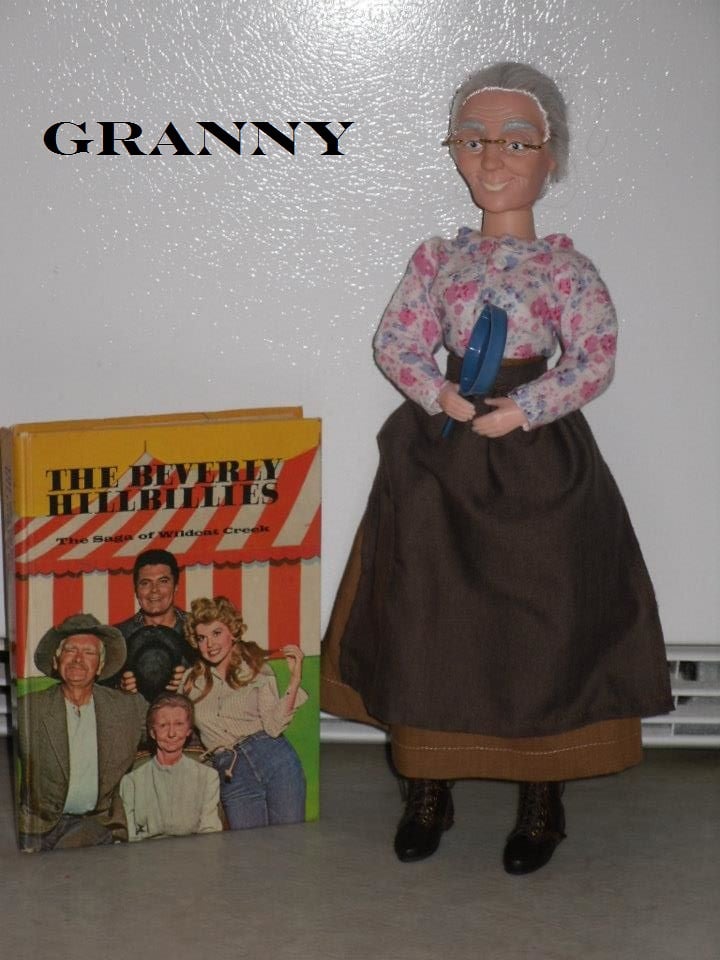
Oil money drove the plot of The Beverly Hillbillies, which premiered on CBS in 1962. Jed Clampett strikes it rich and moves his kin to a Beverly Hills mansion.
Buddy Ebsen played Jed, with Irene Ryan as the feisty Granny and Donna Douglas as the animal-loving Elly May. The fish-out-of-water humor made it one of the top-rated shows in the country during its early seasons.
Its banjo theme song became a hit in its own right. The show ran until 1971 and remains a reliable source of reruns and nostalgia.
Mister Ed and His Famous Lips
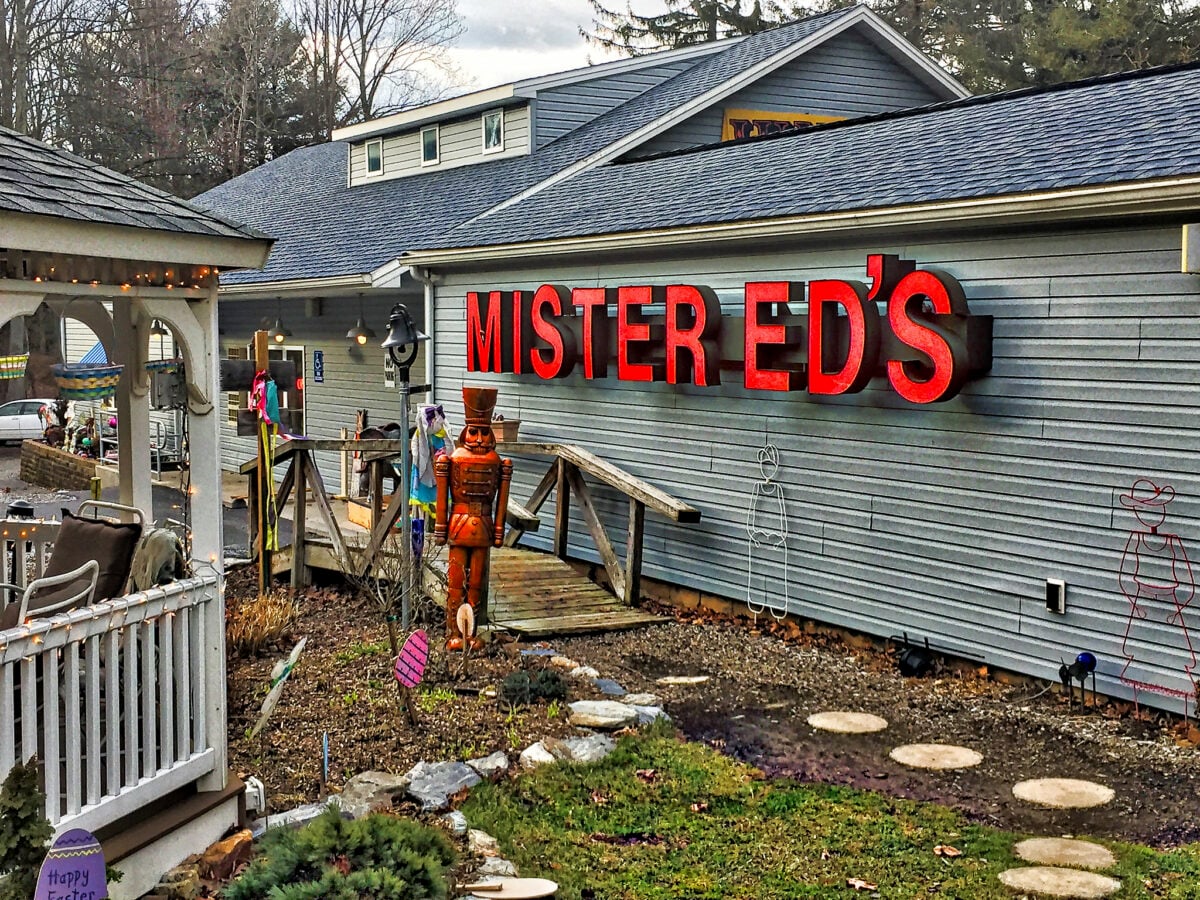
Mister Ed aired from 1961 to 1966, first in syndication and then on CBS, about a palomino horse who talked only to his owner, Wilbur Post. Alan Young played the bewildered Wilbur, and the horse, whose real name was Bamboo Harvester, became an unlikely television star.
Trainers used various methods to make the horse appear to speak, and the show kept those secrets for years. Kids loved the idea of a talking horse, while adults enjoyed the dry humor.
The theme song remains one of the catchiest in television history.
Bewitched and Its Twitching Nose
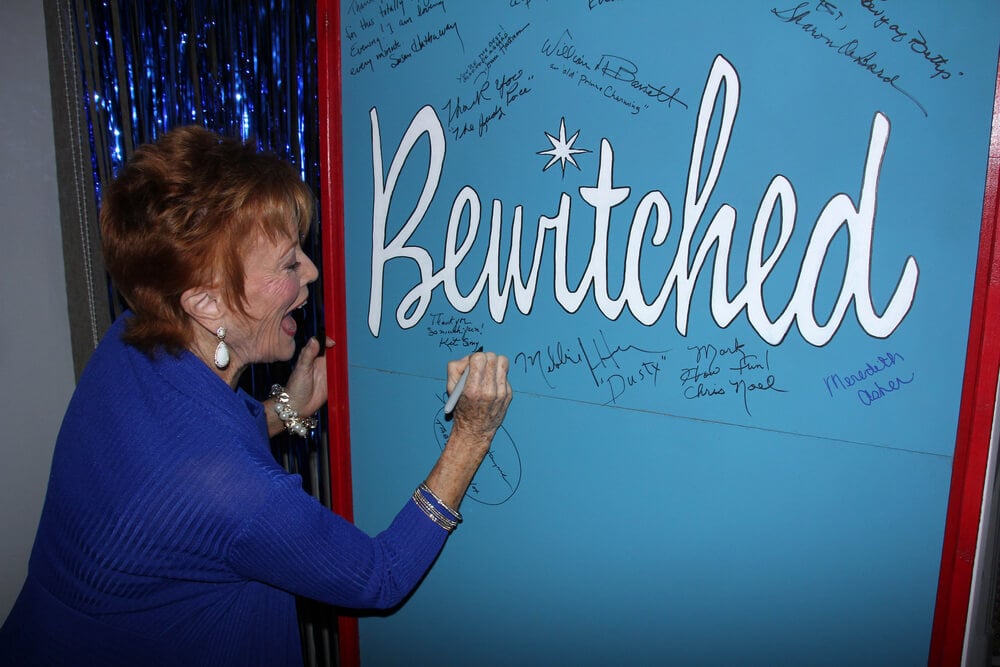
Bewitched aired on ABC from 1964 to 1972, following Samantha, a witch who marries an ordinary advertising executive and tries to live a normal suburban life. Elizabeth Montgomery played Samantha, and her signature nose twitch signaled that magic was about to happen.
Agnes Moorehead played Endora, Samantha’s disapproving mother, who never quite accepted her son-in-law. The show used clever special effects for its era.
Two different actors played the husband during the series, a switch that viewers still discuss. Bewitched remains a staple of classic television.
Gilligan’s Island and the Three-Hour Tour
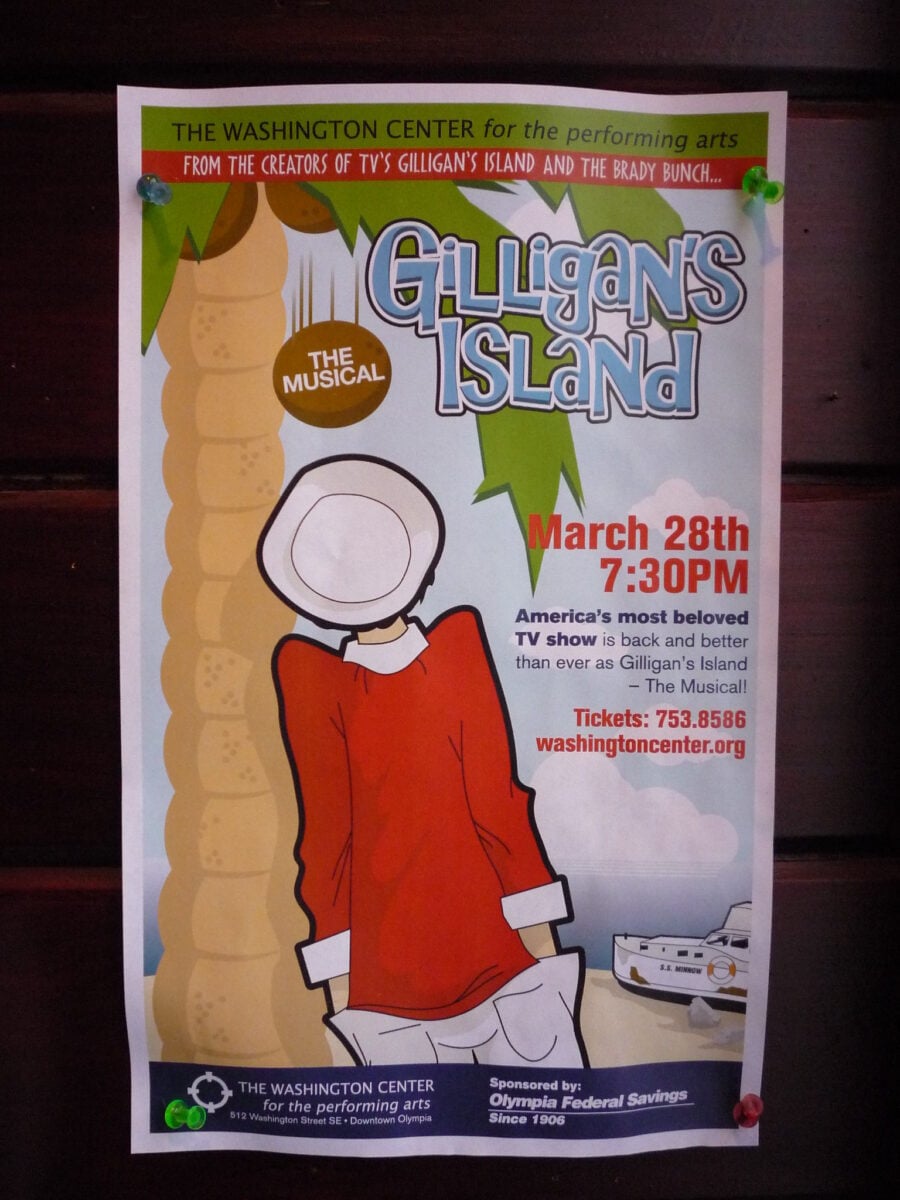
Gilligan’s Island aired on CBS from 1964 to 1967, following seven castaways stranded on an uncharted island after a short boat trip goes wrong. Created by Sherwood Schwartz, the show starred Bob Denver as the bumbling first mate Gilligan, whose mistakes repeatedly ruined rescue plans.
Only 98 episodes were made, but endless reruns made the series far more famous than its original run suggested. Its theme song explained the entire premise in a single verse.
Families debated the same questions for decades, including how the Professor could build a radio but not fix a boat.
Wild Kingdom With Marlin Perkins
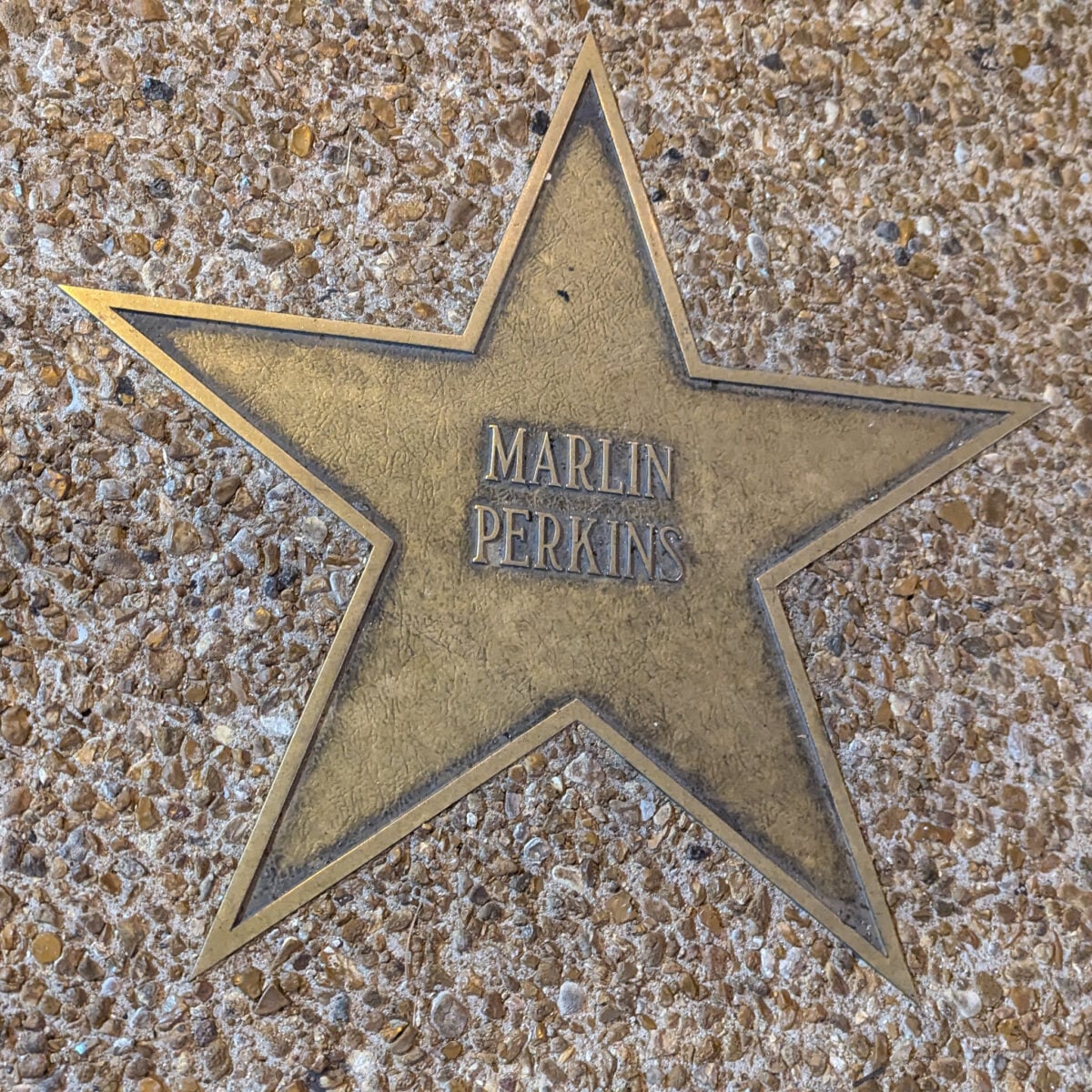
Mutual of Omaha’s Wild Kingdom premiered on NBC in 1963, bringing nature documentaries into living rooms on Sunday evenings. Zoologist Marlin Perkins hosted the show, often narrating from a safe distance while his assistant, Jim Fowler, wrestled anacondas or tracked big cats.
The show combined education with genuine adventure, and many viewers credited it with sparking an interest in wildlife. Its insurance company sponsor worked its commercials smoothly into the program.
Wild Kingdom remained on the air in various forms for decades and helped shape later nature programming.
Lawrence Welk and His Bubble Machine
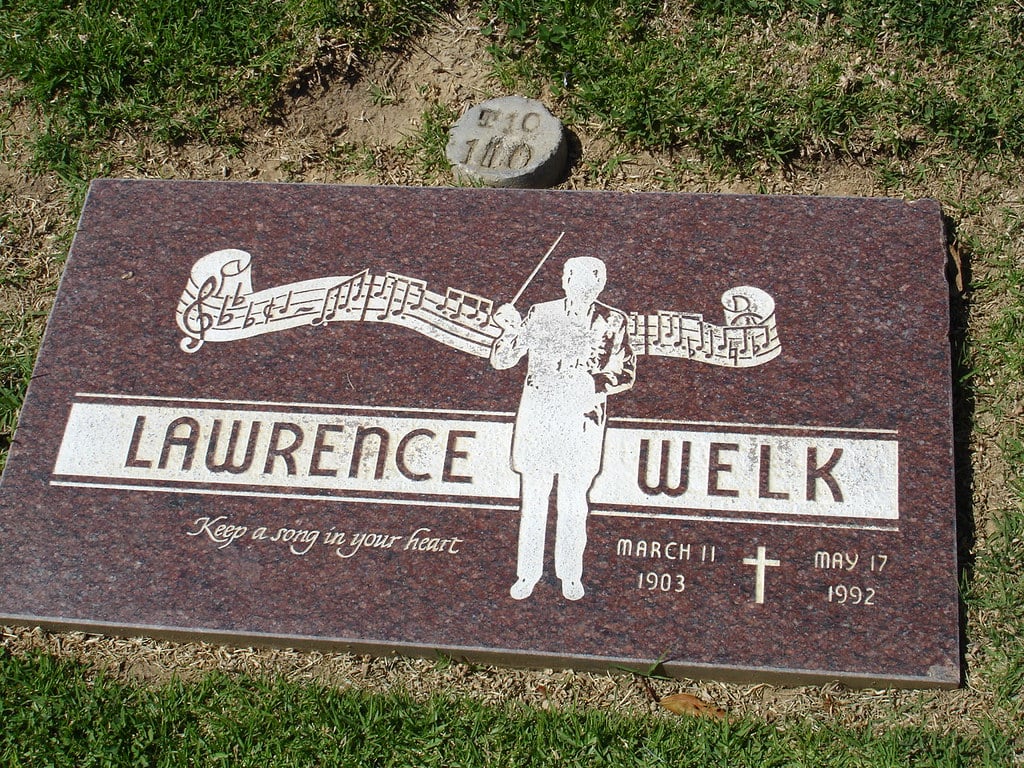
Lawrence Welk’s music variety show aired on ABC from 1955 to 1971 and continued in syndication for years afterward. The bandleader’s gentle style, which he called Champagne Music, featured polkas, waltzes and standards performed by a cast of regular singers and dancers.
A bubble machine floated bubbles across the stage during performances, becoming the show’s signature touch. Grandparents and parents often watched together, sometimes to the mild dismay of teenagers.
Reruns have aired on public television for decades, keeping Welk’s music in living rooms long after the original broadcasts ended.
Carol Burnett’s Weekly Variety Hour
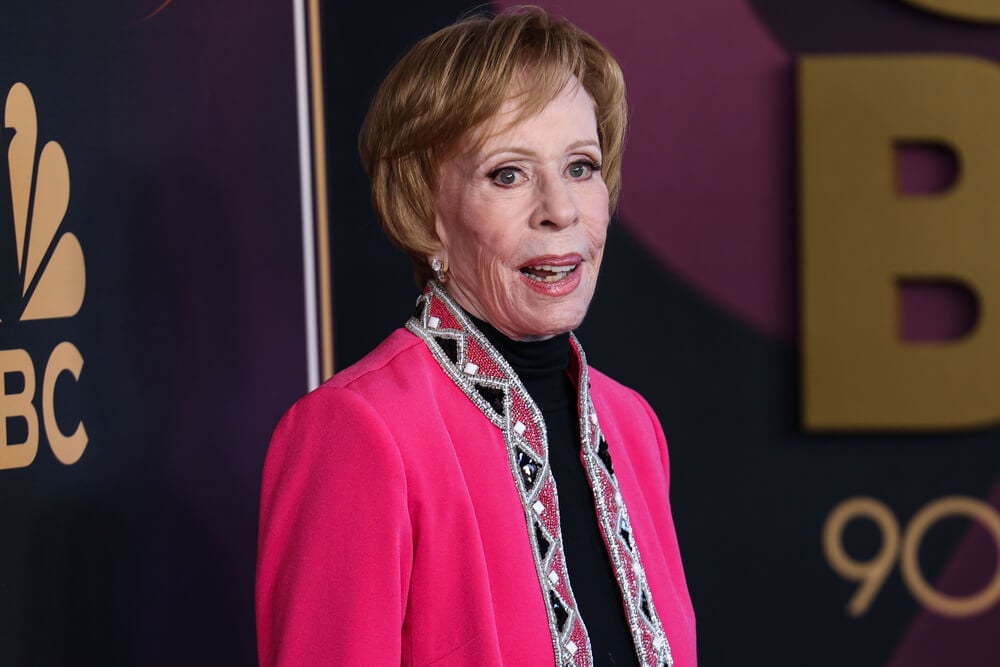
Carol Burnett’s variety series aired on CBS from 1967 to 1978, combining sketch comedy, music and audience questions. Burnett was joined by Harvey Korman, Vicki Lawrence, Lyle Waggoner and later Tim Conway, whose improvised additions often made his castmates break character.
Her parody of Gone With the Wind, featuring a dress made from curtains with the rod still attached, became one of television’s most famous sketches. Burnett ended each show by tugging her ear, a signal to her grandmother.
The show won numerous Emmy Awards and remains beloved.
Brady Bunch and Its Blended Family
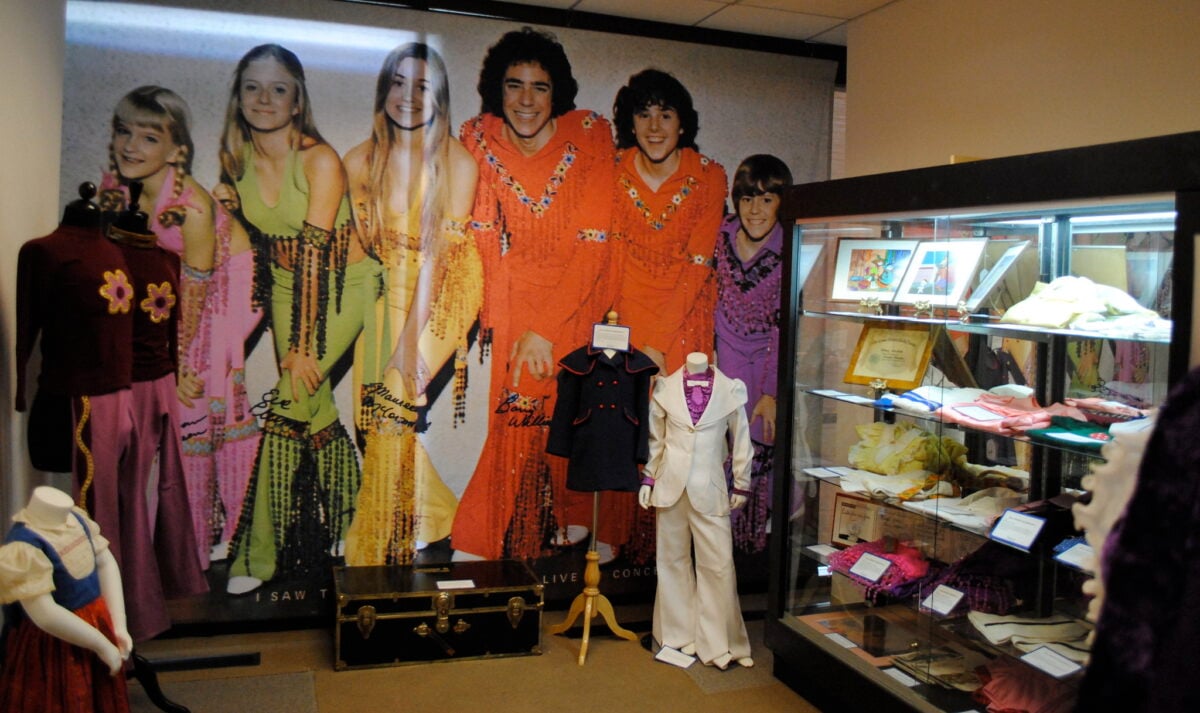
Sherwood Schwartz followed his castaway comedy with The Brady Bunch, which aired on ABC from 1969 to 1974 and centered on a blended family of six children, two parents and a housekeeper named Alice. It starred Florence Henderson and Robert Reed as the parents.
The opening sequence, with family members arranged in a tic-tac-toe grid, became one of the most recognizable in television history. The show was never a ratings giant during its original run, but reruns made it a cultural touchstone.
Episodes about broken vases, braces and school dances still resonate with viewers.
Partridge Family on the Road
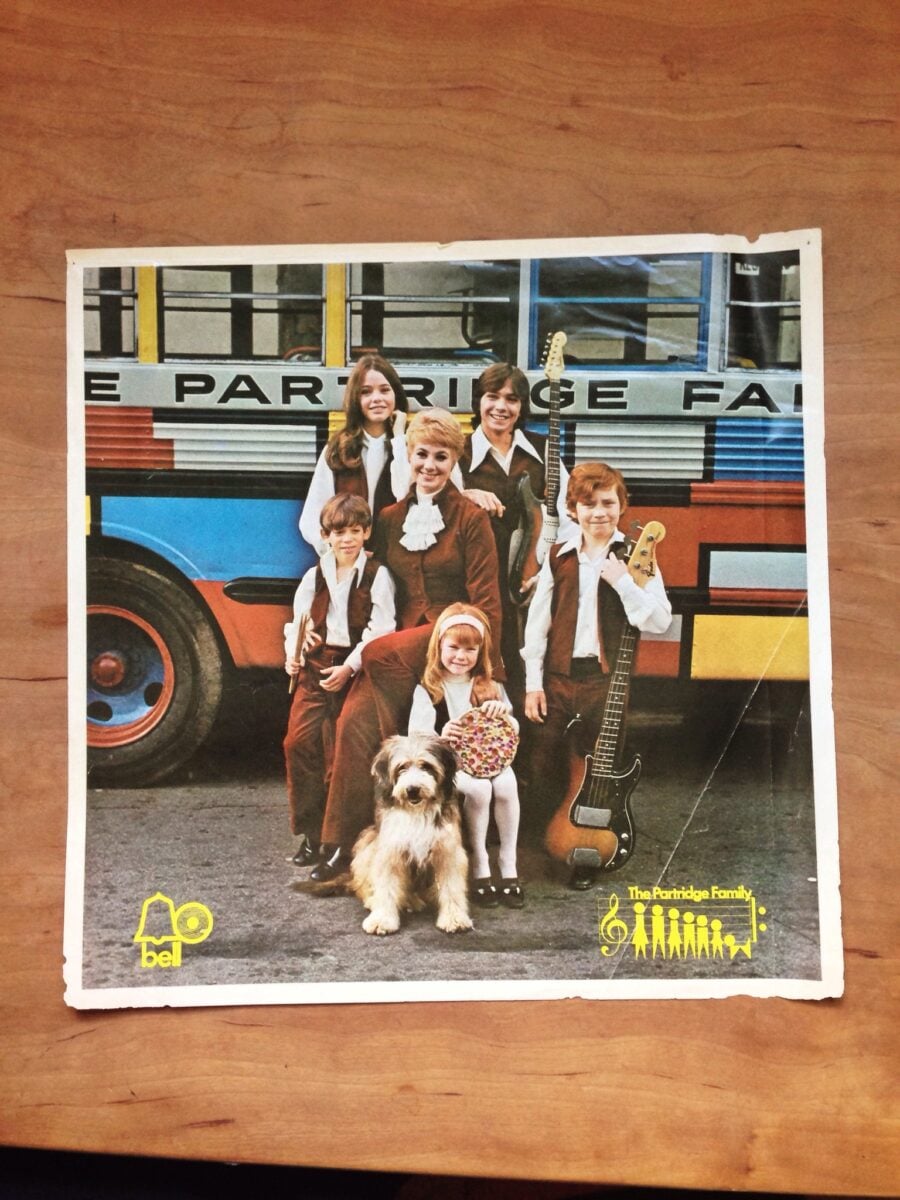
A widowed mother and her five children formed a pop band in The Partridge Family, which aired on ABC from 1970 to 1974. The family toured in a colorfully painted school bus.
Shirley Jones played the mother, and her real-life stepson, David Cassidy, played the eldest son, Keith. The group’s first single reached number one in 1970, and Cassidy became a teen idol.
The show combined family comedy with musical performances, giving it broad appeal. Its bus, painted in bold blocks of color, remains one of the most memorable vehicles in television.
Hee Haw and Kornfield Kounty
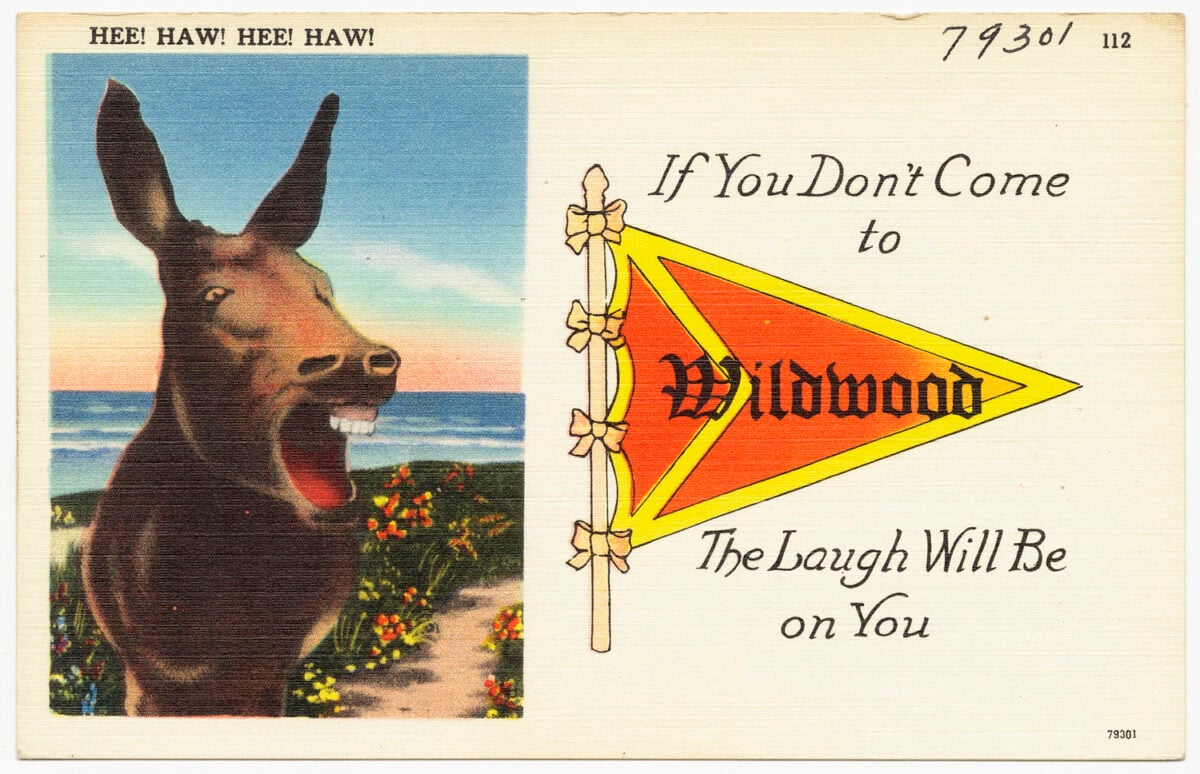
Hee Haw premiered on CBS in 1969, mixing country music performances with rapid-fire rural comedy set in the fictional Kornfield Kounty. Hosts Buck Owens and Roy Clark led a cast of comedians who delivered jokes from behind cornstalks and fence rails.
CBS dropped the show in 1971 as part of a broader purge of rural programming, but it continued in syndication for more than two decades. Country stars of every generation appeared on the program.
Families across the South and Midwest made it a weekly ritual, and its corny jokes became part of the national vocabulary.
Waltons and Their Goodnight Chorus
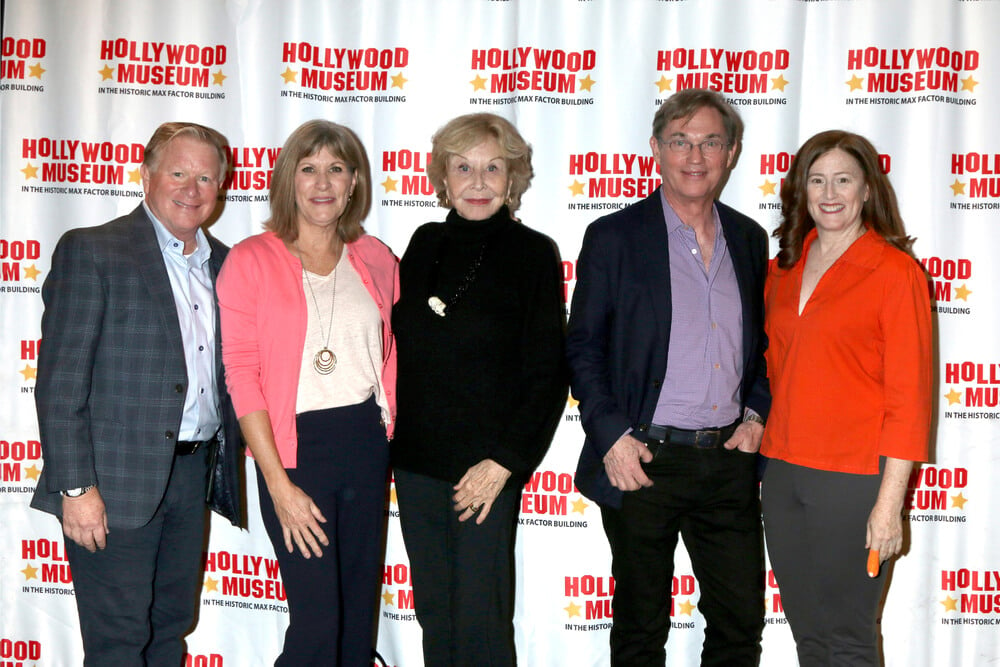
Depression-era Virginia was the setting for The Waltons, which aired on CBS from 1972 to 1981 and followed a large family living on Walton’s Mountain through the hard years of the 1930s and World War II. Created by Earl Hamner Jr. and based on his own childhood, the show starred Richard Thomas as John-Boy, the eldest son and aspiring writer.
Each episode ended with family members calling goodnight to one another from their darkened bedrooms. The show celebrated hard work, faith and family loyalty during difficult times.
Its quiet, sincere tone made it a favorite for multigenerational viewing.
Little House on the Prairie
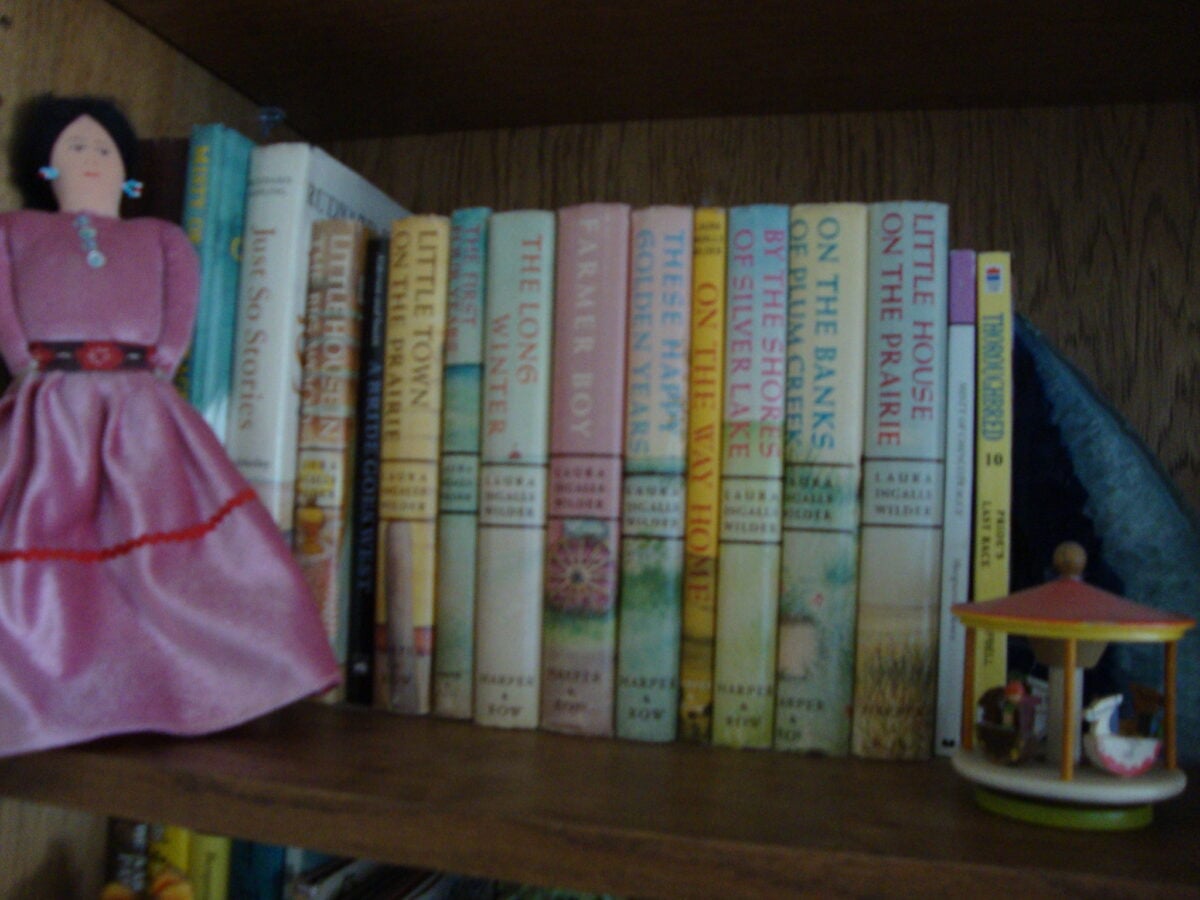
Little House on the Prairie aired on NBC from 1974 to 1983, based on Laura Ingalls Wilder’s books about pioneer life. Michael Landon starred as Charles Ingalls and also served as executive producer and frequent director.
Melissa Gilbert played Laura, and the series followed the family’s struggles and triumphs in Walnut Grove, Minnesota. The show tackled serious subjects such as illness, blindness and prejudice alongside lighter family stories.
The opening sequence of the girls running down a grassy hill remains one of television’s most familiar images.
Happy Days in Milwaukee
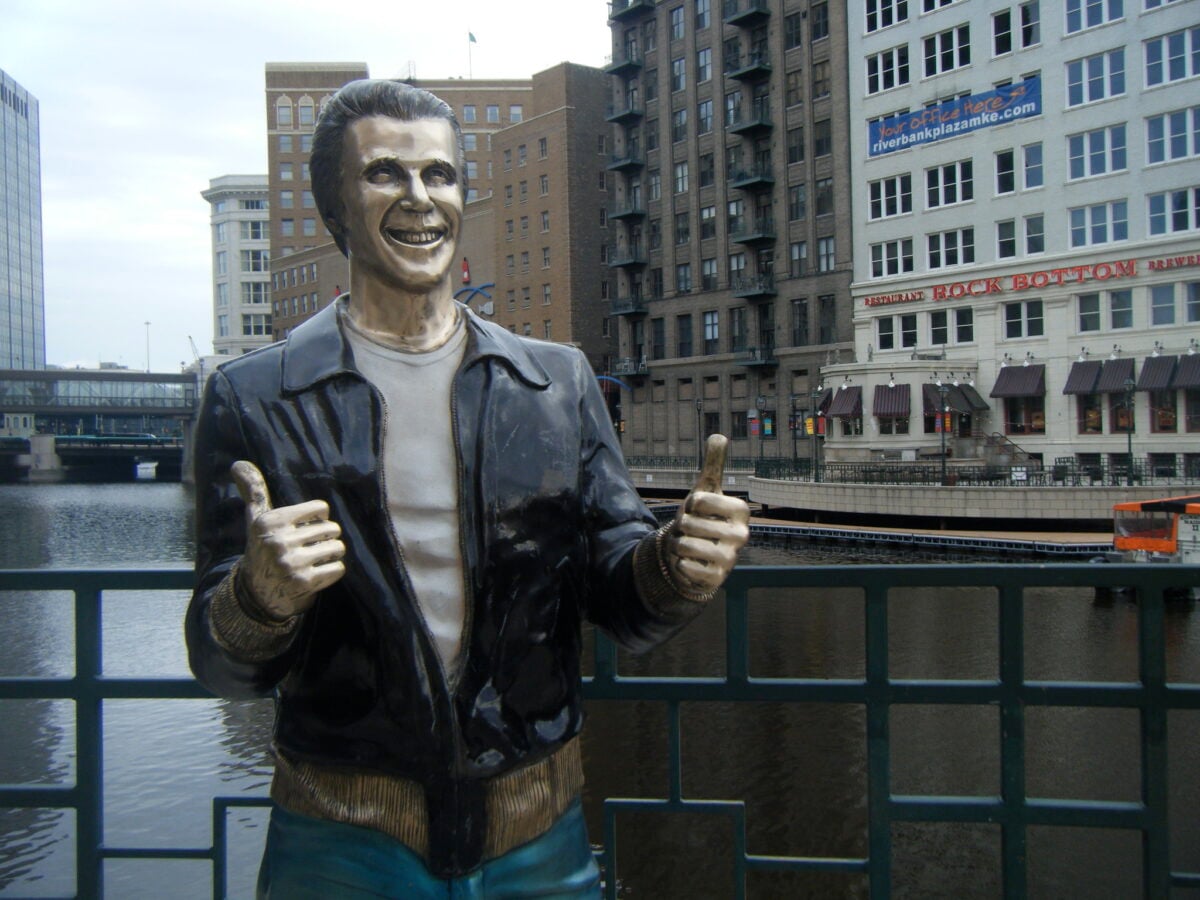
Happy Days aired on ABC from 1974 to 1984, offering a nostalgic look at 1950s life in Milwaukee. Ron Howard played the earnest Richie Cunningham, and Henry Winkler became a breakout star as Arthur Fonzarelli, known as the Fonz.
The Fonz’s leather jacket was later donated to the Smithsonian. A 1977 episode in which the Fonz jumps over a shark on water skis later gave rise to the phrase jumping the shark, used to describe a show past its prime.
Happy Days also launched spinoffs, including Laverne and Shirley and Mork and Mindy.
Muppet Show and Its Backstage Chaos
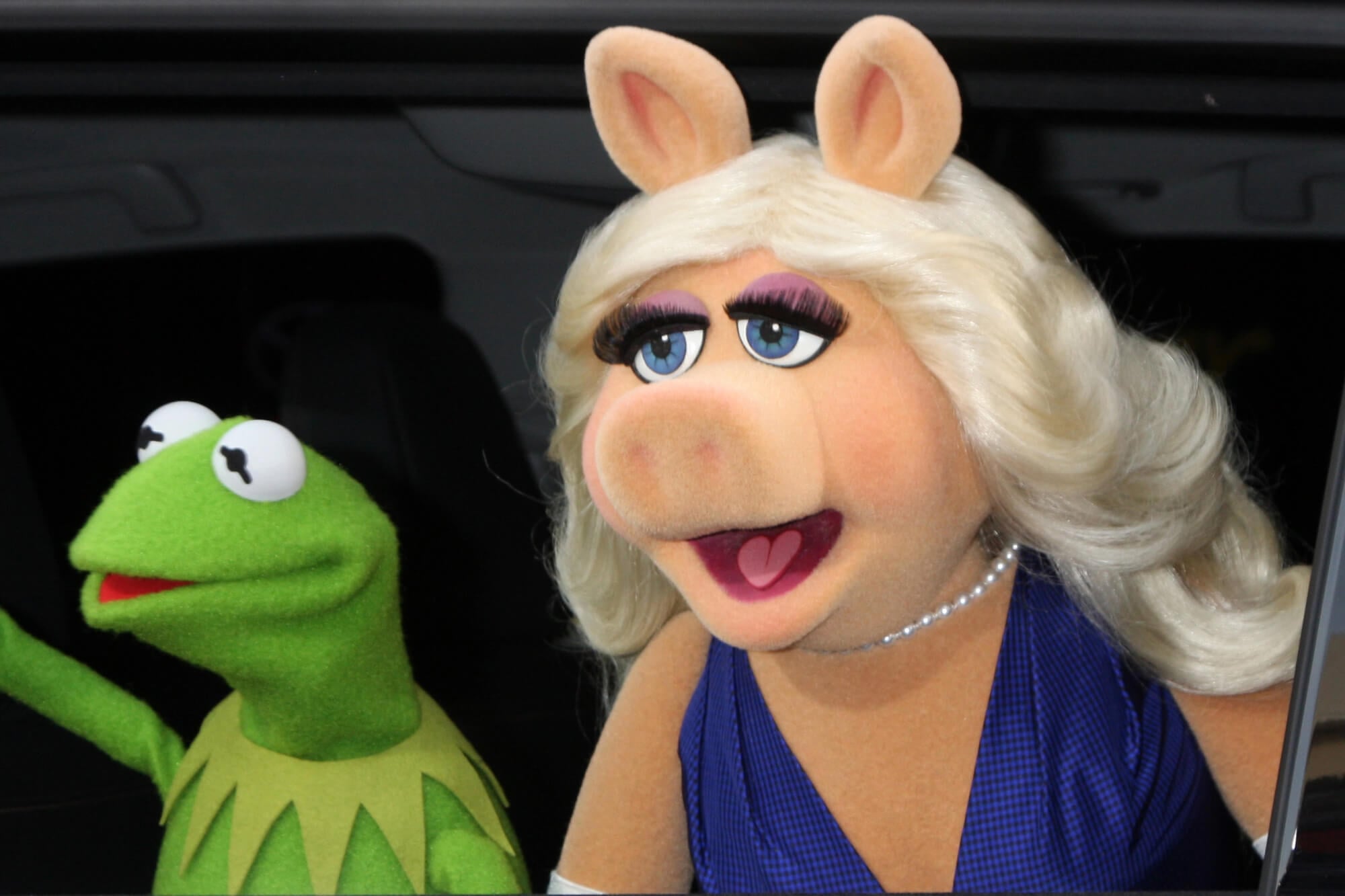
Jim Henson created The Muppet Show, which aired in syndication from 1976 to 1981 and was produced in England. Kermit the Frog served as the harried host of a backstage variety show, surrounded by characters such as Miss Piggy, Fozzie Bear, Gonzo and the Swedish Chef.
Each episode featured a celebrity guest, from comedians to rock stars to opera singers. The show’s humor worked on two levels, entertaining children while slipping in jokes for adults.
Its success led to a series of feature films and a lasting franchise.
Love Boat on Saturday Nights

Romance set sail every week on The Love Boat, which aired on ABC from 1977 to 1986 and followed the crew and passengers of a cruise ship on voyages filled with romance and comedy. Gavin MacLeod played Captain Merrill Stubing, leading a crew that included a cruise director, a doctor, a bartender and a purser.
Each episode featured guest stars, often veterans of classic Hollywood. The show was paired with Fantasy Island on Saturday nights, creating a popular evening block.
Its success helped boost interest in cruise vacations, and Princess Cruises supplied the ships.
Family Ties and the Keaton Clan

Family Ties aired on NBC from 1982 to 1989, following former hippie parents raising children during the Reagan era. Michael J. Fox became a star as Alex P. Keaton, the ambitious, conservative eldest son whose values clashed with his parents’ liberal views.
The show balanced comedy with thoughtful episodes about addiction, death and friendship. Its generational humor gave parents and kids something to laugh about together, often from opposite sides of the same argument.
Fox’s performance won multiple Emmy Awards, and the show became one of NBC’s biggest hits of the decade.
Wonder Years and Its Narrator
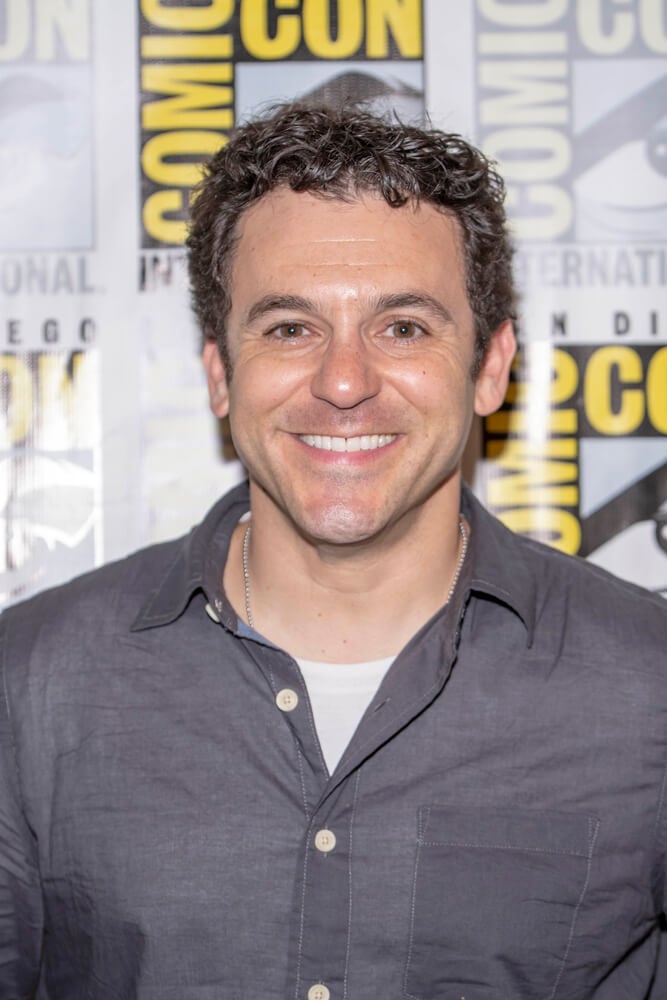
ABC premiered The Wonder Years on March 24, 1988, following promotional efforts that included Super Bowl XXII coverage in January. The series ran until 1993.
Fred Savage played Kevin Arnold, a boy growing up in the suburbs during the late 1960s and early 1970s, while an adult Kevin narrated with the hindsight of experience. The show captured the confusion of adolescence, first love and family tension against the backdrop of historic events.
Its soundtrack of period songs added to its nostalgic appeal. Parents who had lived through that era watched alongside children experiencing similar growing pains.
Full House and the TGIF Lineup
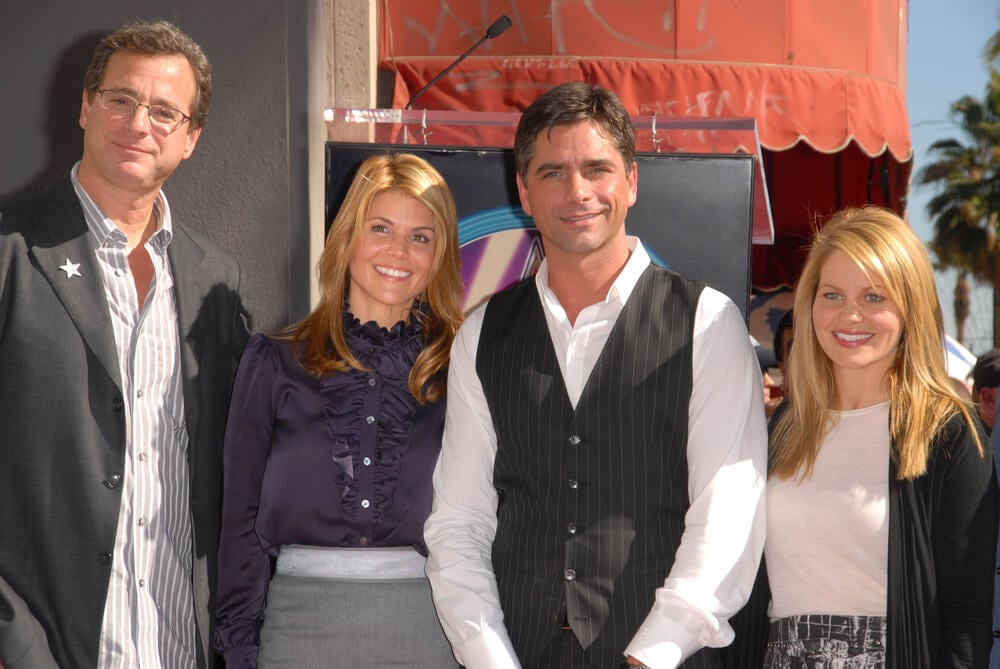
Full House aired on ABC from 1987 to 1995, following a widowed father raising three daughters with help from his brother-in-law and best friend. Bob Saget played Danny Tanner, John Stamos played Uncle Jesse, and Dave Coulier played Joey.
Twins Mary-Kate and Ashley Olsen shared the role of youngest daughter Michelle. The show became a cornerstone of ABC’s Friday night TGIF lineup, which bundled several family sitcoms into one evening.
Its gentle lessons and catchphrases made it a family favorite, and a sequel series, Fuller House, later reunited much of the cast.
Home Improvement and Tool Time

Home Improvement aired on ABC from 1991 to 1999, starring Tim Allen as Tim Taylor, the accident-prone host of a local home repair show called Tool Time. Patricia Richardson played his wife, Jill, and their three sons provided plenty of family comedy.
Their neighbor Wilson offered wise advice from behind a fence, with his face always partially hidden. The show became one of the most popular sitcoms of the 1990s.
Tim’s grunts and power tool mishaps made it a favorite for families who enjoyed slapstick humor.
America’s Funniest Home Videos
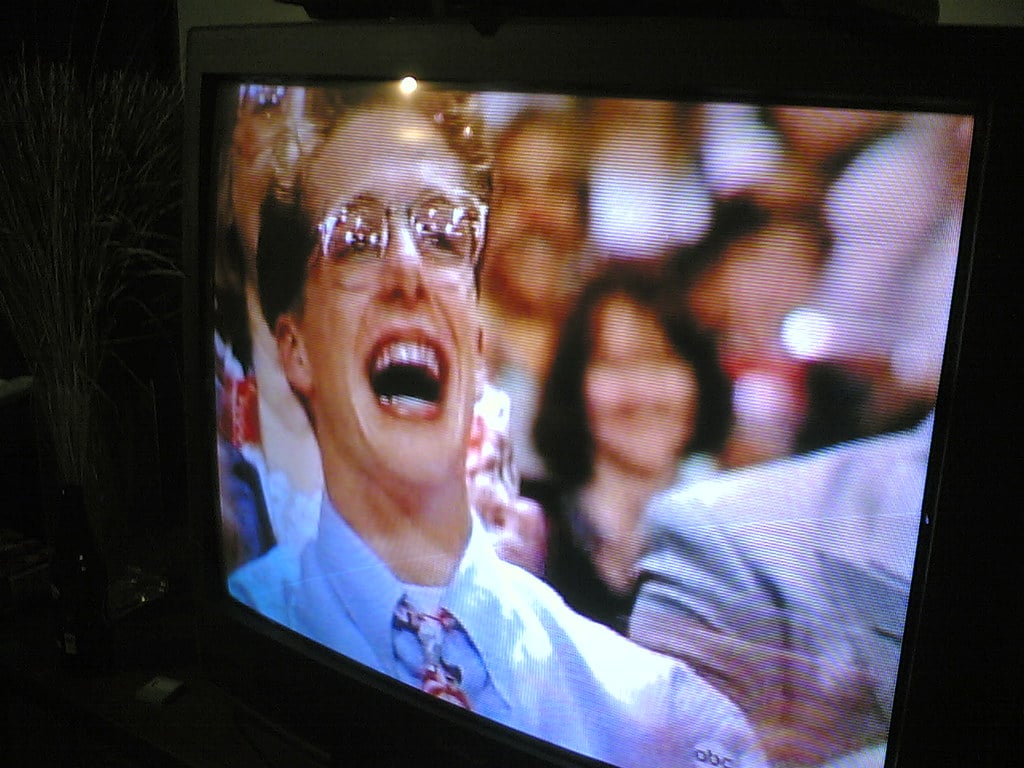
America’s Funniest Home Videos premiered on ABC as a special in 1989 and became a weekly series in 1990. Bob Saget hosted the original version, introducing clips of falls, pet antics and family mishaps sent in by viewers.
The show offered a 10,000 dollar prize to the weekly winner, encouraging families to keep their camcorders rolling. Its simple premise made it one of the longest-running prime-time shows on network television.
Families often watched together, laughing at clips that reminded them of their own chaotic households.
One Screen, One Living Room
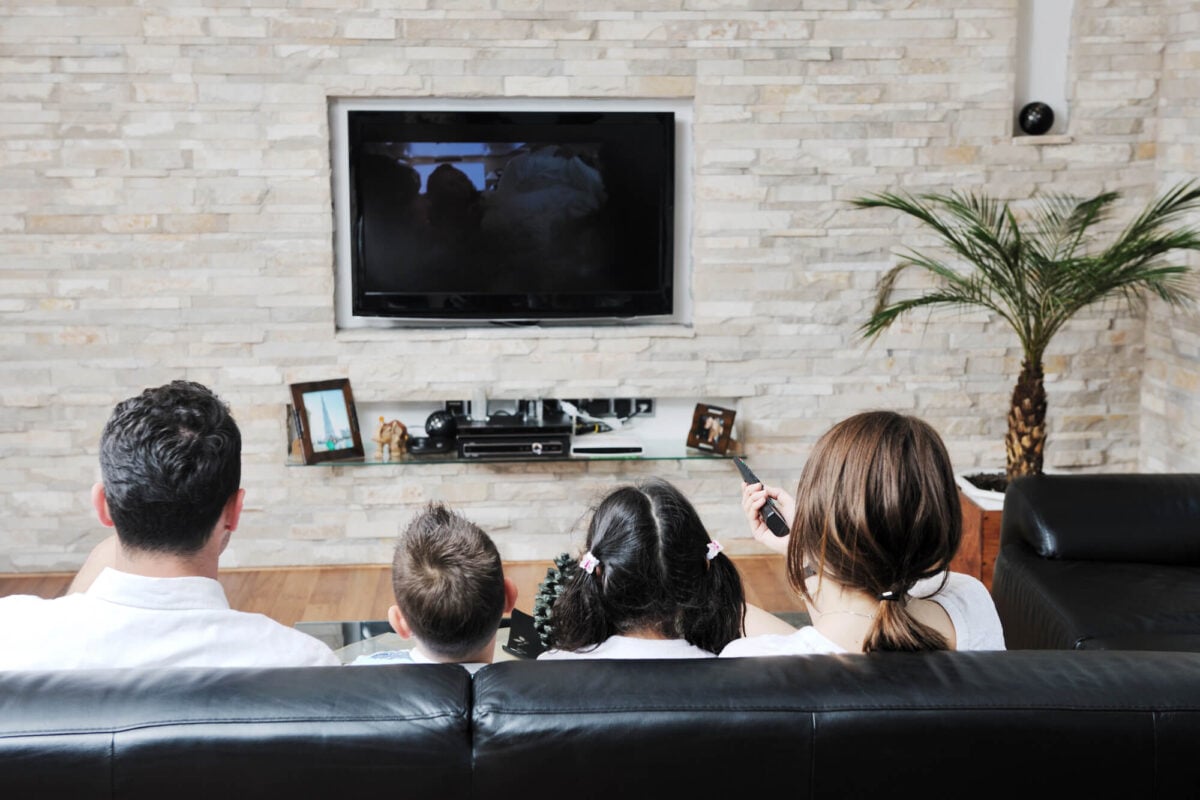
These shows succeeded partly because families had few other choices. With one television and a handful of channels, parents and children watched the same programs at the same time.
That shared experience created common jokes, references and memories that crossed generations. Streaming has given viewers endless options, but it has also scattered audiences across devices and schedules.
The shows on this list remind many people of a time when television brought families into the same room. That simple act of watching together may be what viewers miss most of all.
More from Go2Tutors!

- The Romanov Crown Jewels and Their Tragic Fate
- 13 Historical Mysteries That Science Still Can’t Solve
- Famous Hoaxes That Fooled the World for Years
- 15 Child Stars with Tragic Adult Lives
- 16 Famous Jewelry Pieces in History
Like Go2Tutors’s content? Follow us on MSN.