29 Mail Traditions That Have Quietly Disappeared
Nobody holds a farewell party when a postal habit dies. A delivery gets skipped, a stamp stops being printed, a service is folded into a rate chart, and a few years later almost nobody remembers it existed.
The mail has always been a mirror of how people expected to live. Speed, privacy, patience and trust all show up in its routines, and every one of those routines eventually gave way to something cheaper or faster.
Twice-a-Day Delivery to Homes
City households in the United States could once expect a letter carrier in the morning and again in the afternoon, which made a same-day reply across town perfectly normal. That rhythm ended in April 1950, when Postmaster General Jesse M. Donaldson cut residential service to one trip a day to rein in a postal deficit.
The order drew loud protests, including one Brooklyn rider who carried mail on horseback to make a point, and the Senate pushed back within weeks. The second delivery never really returned, and the idea of mailing a note at breakfast and getting an answer by supper went with it.
Post Offices Open on Sunday
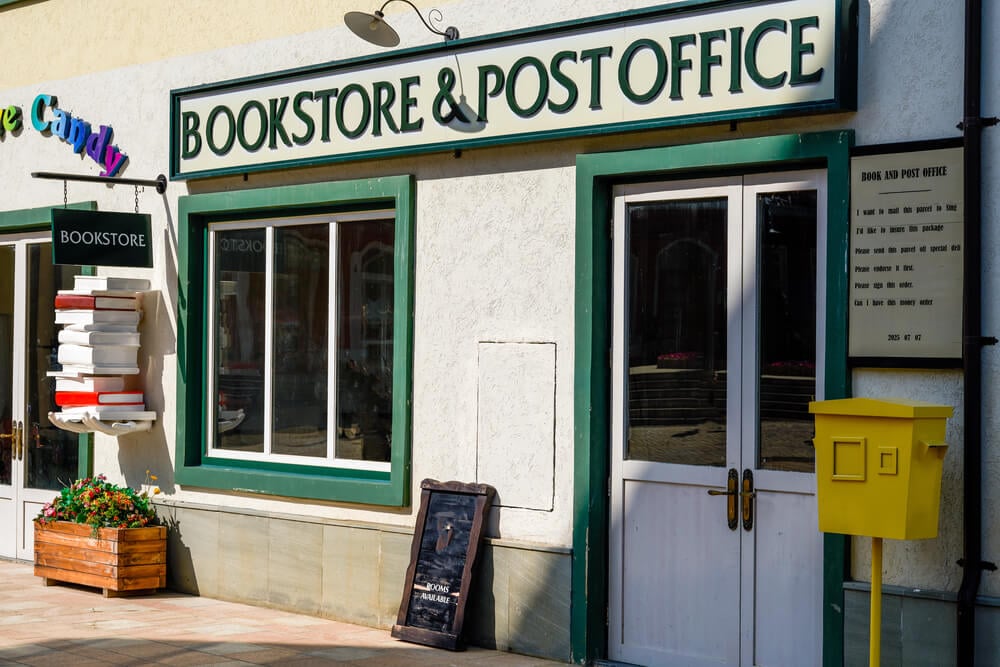
Sunday mail sounds unthinkable now, but nineteenth-century post offices regularly opened their doors on the Sabbath, and the practice drove religious reformers to petition Congress for decades. Churchgoers objected to clerks working and to townspeople gathering at the counter instead of the pew.
Organized postal workers wanted the day off as well, and in 1912 Congress finally ordered most post offices closed on Sundays. Express services and holiday-season package runs have since chipped away at the rule in limited ways.
Ordinary Sunday letter service, once a fixture of small-town social life, never came back.
ChristDmas Morning Letters in Britain

Families in England once found cards and parcels on the doormat on December 25 itself, delivered by postmen who worked the holiday like any other day. The General Post Office ended Christmas Day deliveries in England, Wales and Northern Ireland in 1960.
Scotland, where Christmas was less of a public holiday for much of the century, kept them going until 1965. The change explains why the old British habit of posting early for Christmas became so urgent.
Once the holiday stopped being a delivery day, anything still in the system on Christmas Eve simply waited.
Clerks Sorting Mail on Moving Trains
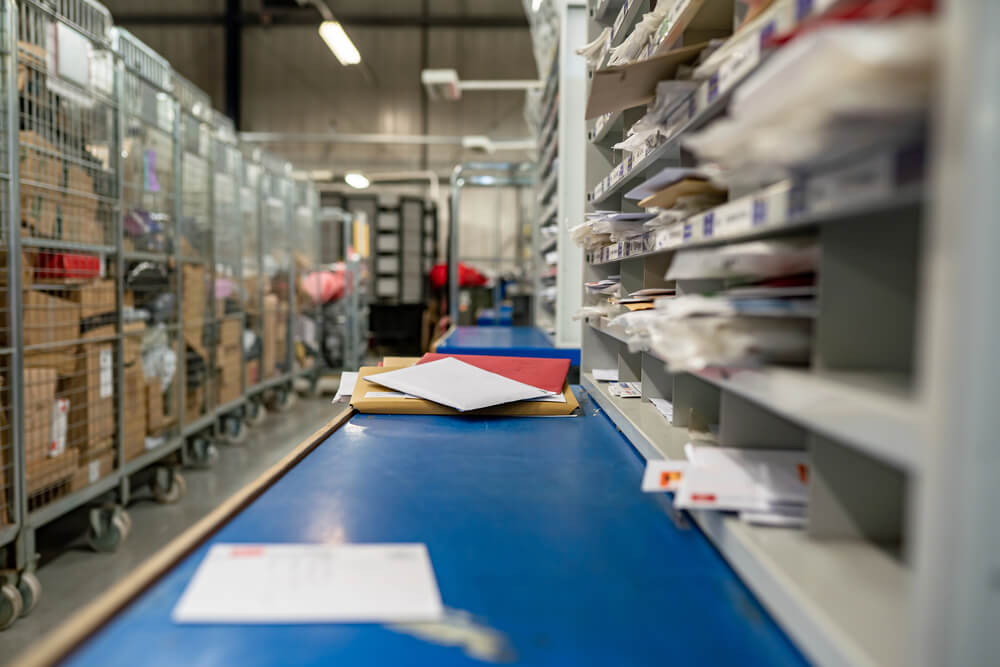
The Railway Post Office turned passenger trains into rolling sorting rooms, with clerks tossing letters into sorting slots while the countryside blurred past. Mail could be snatched from trackside cranes without the train ever stopping, and clerks had to memorize scheme lists covering thousands of towns.
The system ran for more than a century before regional sorting centers and trucks made it unnecessary. The last car on rails ran between New York and Washington on June 30, 1977.
Oddly, the final route carrying the railway post office title was a boat run on Lake Winnipesaukee in New Hampshire, which outran the trains by a year.
Post Office Buses on the Highway
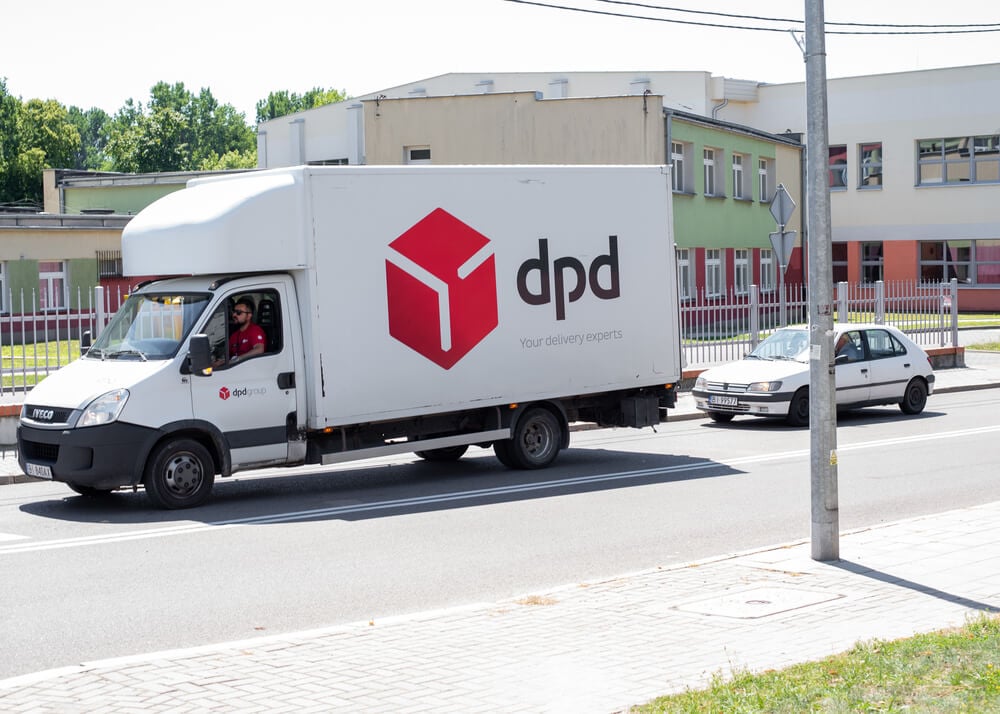
When branch rail lines began disappearing, the Post Office Department put sorting rooms inside custom buses and sent them down the highway. The Highway Post Office made its first trip on February 10, 1941, running from Washington to Harrisonburg, Virginia.
Clerks worked the same wooden sorting cases as their railroad counterparts, only with bumps and traffic in place of rails. For a few decades these buses served rural routes the trains had abandoned.
The very last one, between Cincinnati and Cleveland, ran on June 30, 1974, and today first-trip and last-trip envelopes from the service are prized by postal history collectors.
Britain’s Night Mail Trains
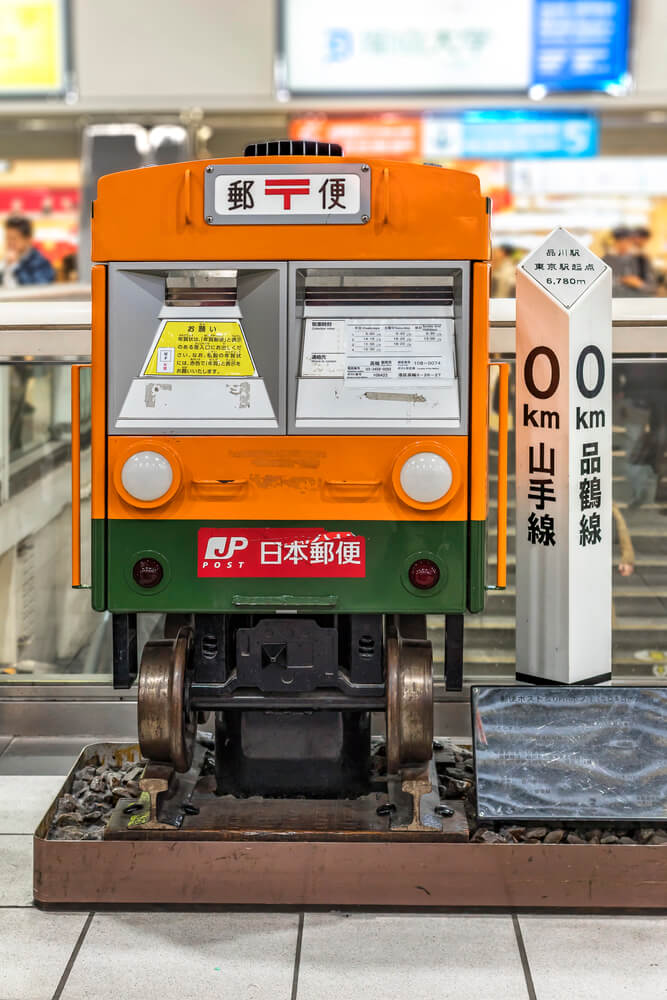
Britain’s Travelling Post Offices sorted letters overnight on dedicated trains, a routine famous enough to inspire the 1936 documentary Night Mail. Like their American cousins, the trains used lineside apparatus to drop and collect pouches at speed, a trick that needed precise timing and strong nerves.
Royal Mail used the system for more than 160 years. Rising costs and a shift to road and air transport ended the service in January 2004.
The final runs passed with little ceremony, which fit the tradition, since most of the country had always been asleep while the work was done.
Letters Shot Through Pneumatic Tubes
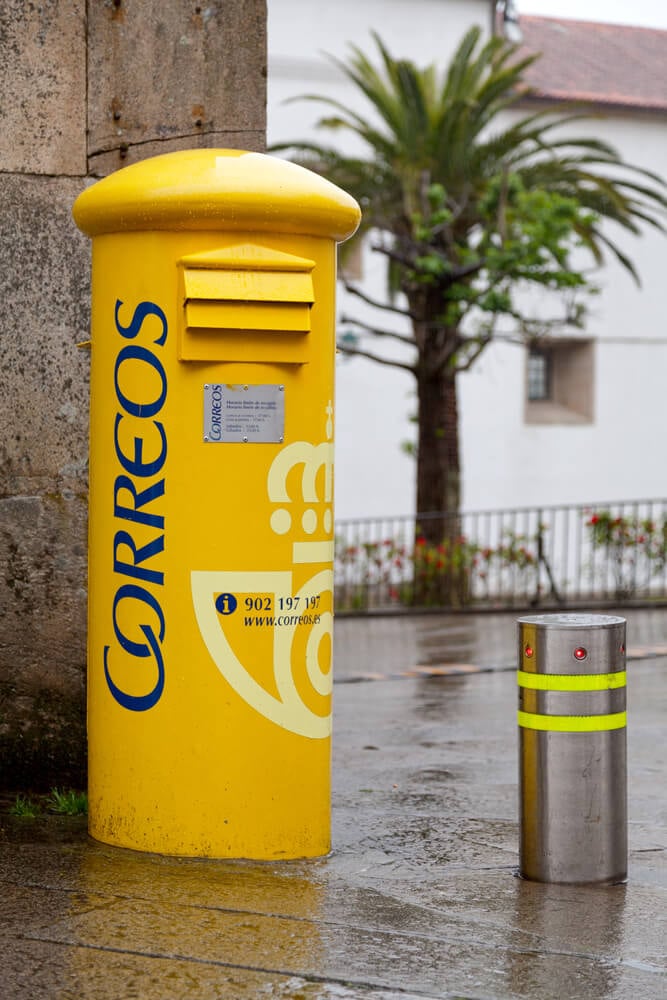
Several big cities once moved urgent mail through underground tubes driven by compressed air. New York’s network linked post offices across Manhattan from the 1890s until it closed in 1953, firing canisters between branches in minutes.
Paris ran a much larger system called the pneumatique, and Parisians sent quick notes by tube until 1984. Prague’s network ran longer than nearly all of them before floodwaters damaged it in 2002.
In each case, telephones, fax machines and email made the tubes look quaint long before the tubes themselves stopped working.
Mail Delivered by Missile

On June 8, 1959, the submarine USS Barbero fired a Regulus cruise missile carrying about 3,000 letters toward Naval Auxiliary Air Station Mayport in Florida. The warhead had been swapped for two mail containers, and the flight took roughly 22 minutes.
Postmaster General Arthur Summerfield predicted that guided missiles would soon carry mail around the world. The experiment worked, but the cost was absurd, and the Post Office never fired another missile.
The souvenir covers carried that day, each signed by Summerfield, are about the only trace left of the idea.
Special Delivery Messengers

Special Delivery sent a letter straight from the receiving post office to the recipient by messenger instead of waiting for the regular route, all for an extra fee. The service began in 1885 and spread to every post office the following year, complete with its own run of stamps.
Messengers on foot, on bicycles and later in cars made it a symbol of urgency for generations. Express Mail and private couriers eventually made it redundant.
The U.S. Postal Service ended Special Delivery in June 1997, leaving collectors with a supply of perfectly good stamps that no longer bought the service printed on them.
Savings Accounts at the Post Office
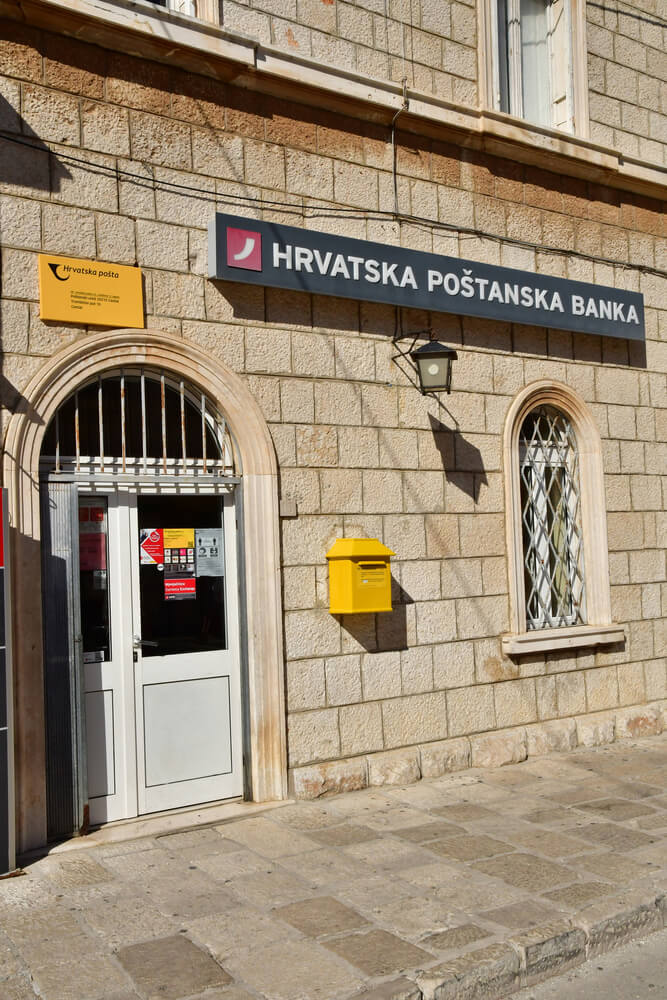
From 1911 to 1967, Americans could open a savings account at the post office, earning a modest 2 percent a year backed by the federal government. The Postal Savings System was popular with immigrants who already trusted post office banks in their home countries and distrusted private ones.
Small savers could buy 10-cent savings stamps and fill a card until it reached a deposit amount. Deposits soared during and after World War II before higher bank rates drew customers away.
When the program closed on July 1, 1967, roughly 50 million dollars in deposits had gone unclaimed.
The Penny Postcard
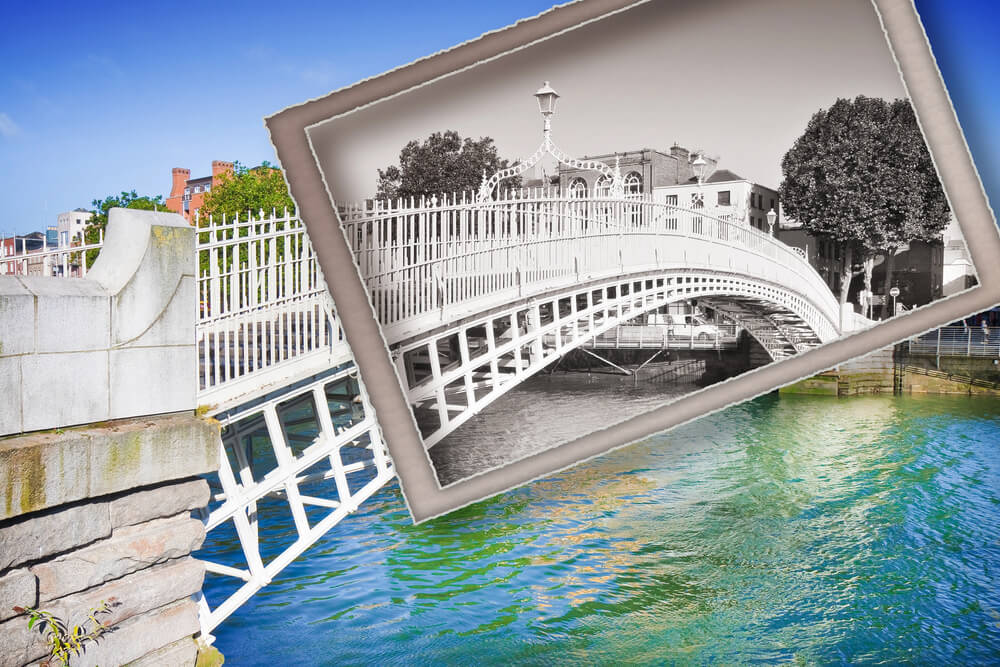
For most of the years between 1873 and 1951, a government postal card in the United States cost a single cent to mail. That price made the postcard the text message of its day, perfect for short notes about train arrivals, weather and who was feeling poorly.
Billions were sent during the early twentieth century, and the phrase penny postcard stuck around long after the price changed. The rate rose to two cents in 1952 and has climbed steadily since.
The format survives, but the idea of casual mail costing almost nothing does not.
Aerogrammes That Folded Into Envelopes
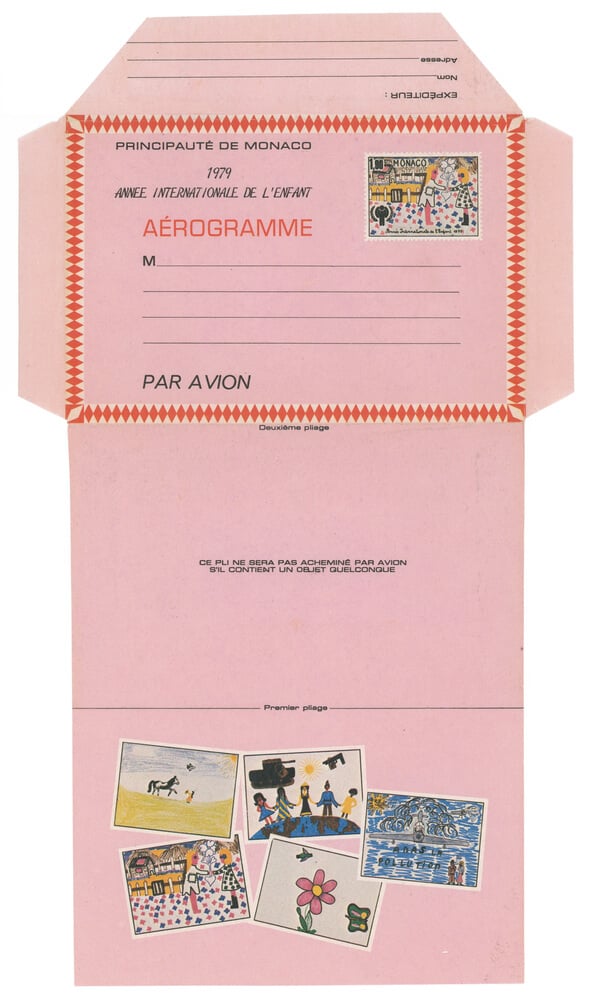
An aerogramme was a single lightweight sheet with postage printed on it that folded and sealed into its own envelope, built for cheap airmail overseas. The design was introduced in Iraq in 1933 by a British postal official, Douglas Gumbley, and spread worldwide after the Universal Postal Union endorsed the name in 1952.
Soldiers, students abroad and immigrant families leaned on them for decades. Demand collapsed as email and phone calls took over.
In late 2006, the U.S. Postal Service let its remaining stock run out without replacement, and a postal official admitted demand had been next to nothing for years.
V-Mail From the Front
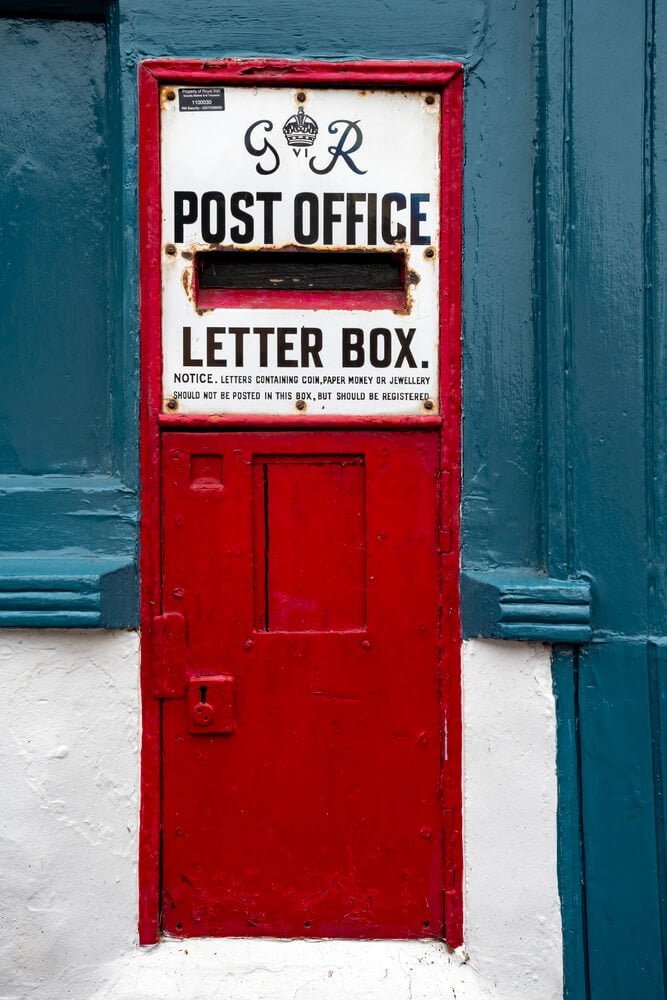
During World War II, letters to and from American service members could be written on special forms, photographed onto microfilm, flown overseas and printed back out near the recipient. The system was called V-Mail, and it saved enormous amounts of cargo space, with a single sack of film standing in for dozens of sacks of paper letters.
The printed copies arrived smaller than the originals, which made handwriting a test of eyesight. V-Mail was a wartime measure and faded quickly after 1945.
Families still keep the small prints, often in the same shoeboxes where they first landed.
Mail Chutes in Office Towers
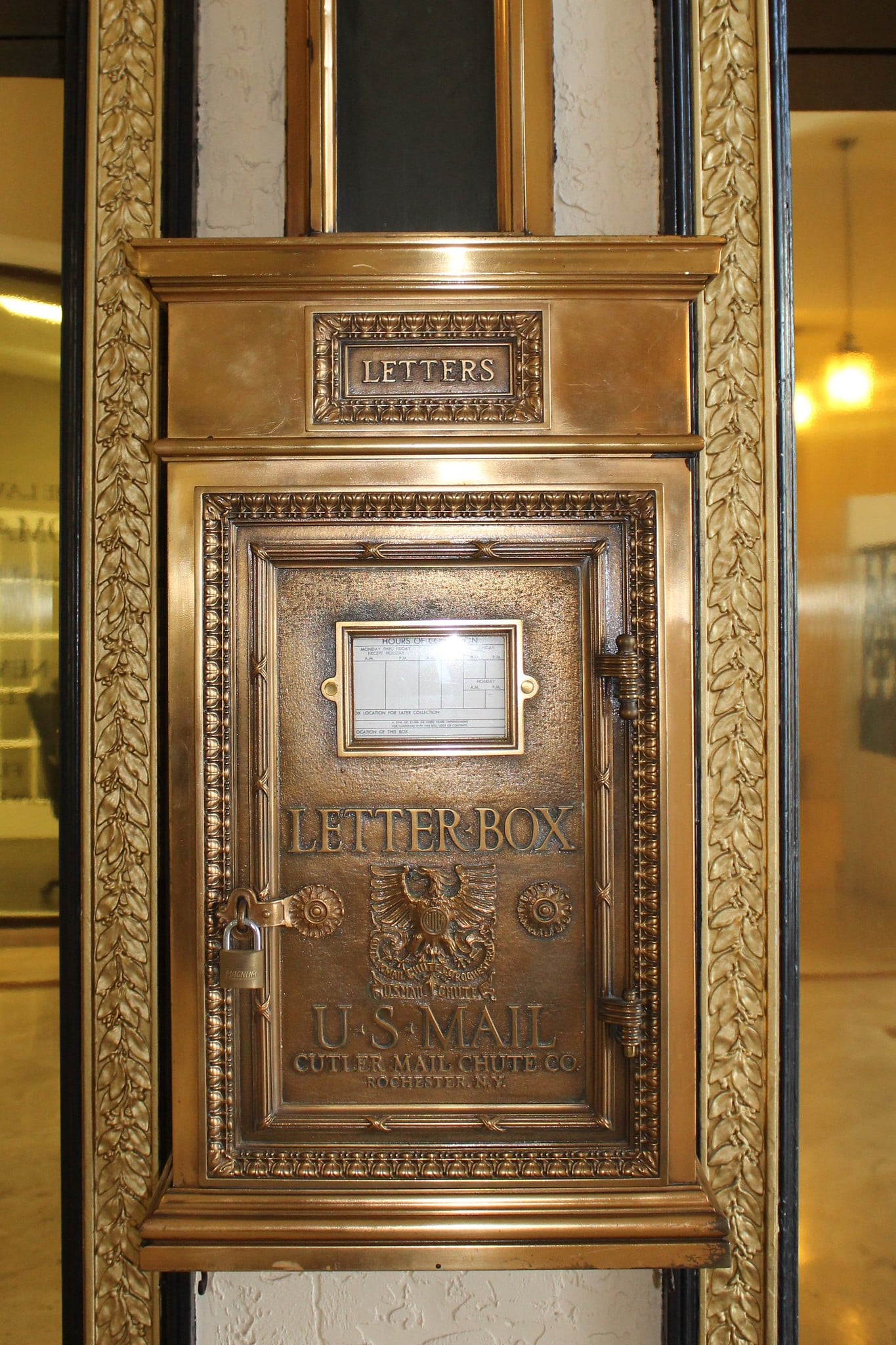
James Goold Cutler, a Rochester architect, patented the mail chute in 1883, and his glass-fronted shafts let tenants drop letters from upper floors straight to a lobby box. The Empire State Building had chutes running from the 86th floor down.
Jams were the eternal weakness, and in 1986 workers pulled more than 40,000 pieces of mail out of a single clogged chute at New York’s McGraw-Hill Building. In 1997 the National Fire Protection Association barred new installations, since vertical shafts can carry smoke between floors.
Old chutes still decorate many lobbies, though fewer and fewer actually accept a letter.
Postal Zone Numbers

Before ZIP codes, large American cities used postal zone numbers, a scheme introduced in 1943 so that inexperienced wartime clerks could sort mail faster. An address might read Chicago 15, Illinois, with the number naming a delivery zone inside the city.
The system worked well enough for big cities but did nothing for mail moving between towns. The five-digit ZIP code replaced it on July 1, 1963, and in many cases the old zone number survived as the last two digits of the new code.
Older envelopes and letterheads still carry the zone, a small clue for dating family papers.
Mr. ZIP on Stamp Sheets

To sell the public on ZIP codes, the Post Office Department adopted a cheerful cartoon carrier known as Mr. ZIP, originally drawn by Harold Wilcox for a bank-by-mail campaign. He first appeared in the margins of stamp sheets in January 1964 and soon showed up on posters, trucks and lobby cutouts across the country.
His job was simply to remind people to use the code, and he did it so well that he worked himself out of a job. Mr. ZIP vanished from stamp margins in January 1986.
The Postal Service brought him back briefly in 2013 for the ZIP code’s 50th anniversary.
Postmasters as Political Rewards
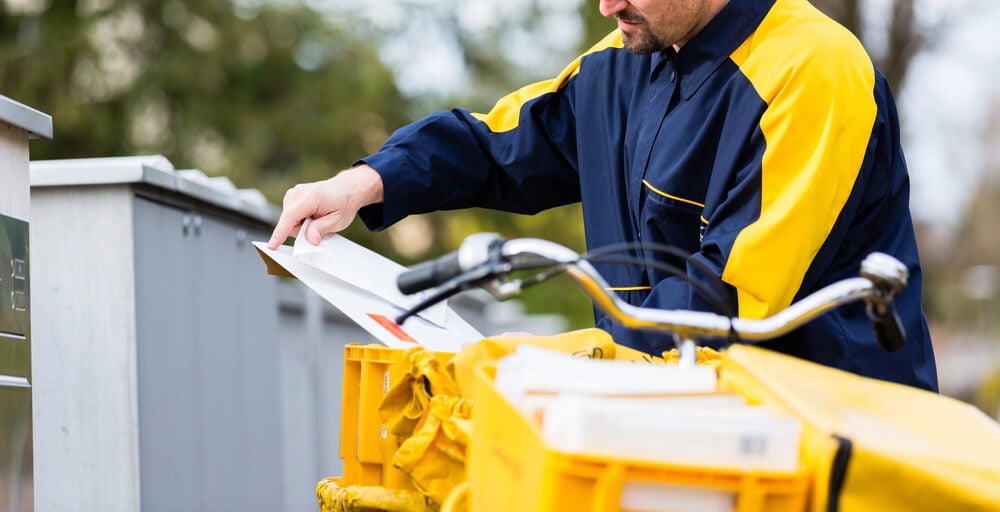
Postmaster jobs were, for most of American history, patronage plums handed out by the party in power, and the Postmaster General sat in the president’s Cabinet. A new administration could mean a new postmaster in thousands of towns, and local postmasters were often expected to deliver votes as well as letters.
The Postal Reorganization Act of 1970 ended that arrangement, turning the old Post Office Department into the independent U.S. Postal Service. The Postmaster General left the Cabinet in 1971.
Hiring by merit replaced the political appointment, and one of the oldest spoils systems in Washington closed with it.
Licking Stamps
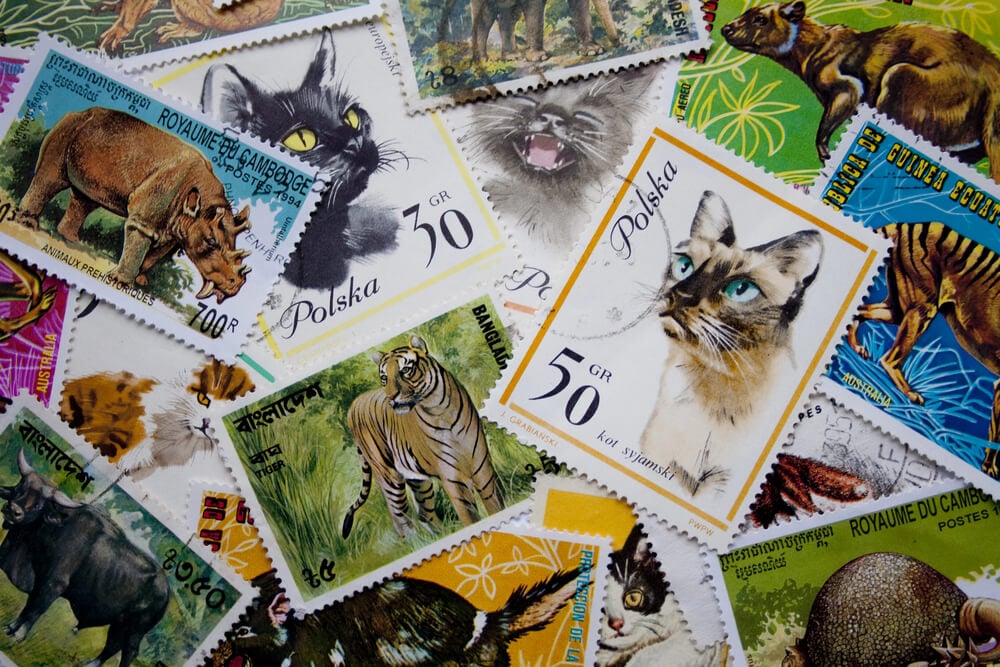
Mailing a letter meant, for well over a century, licking the gummed back of a stamp, a ritual so universal it became a running joke about the taste. The Postal Service tried an experimental self-adhesive Christmas stamp in 1974, but its adhesive aged badly and stained the paper, a headache collectors still talk about.
Better peel-and-stick stamps arrived in the late 1980s and took over through the 1990s. Today nearly every American stamp is self-adhesive, and water-activated gum survives mostly on specialty issues.
A habit that every household once shared has simply evaporated from the kitchen table.
Airmail as Its Own Class of Mail
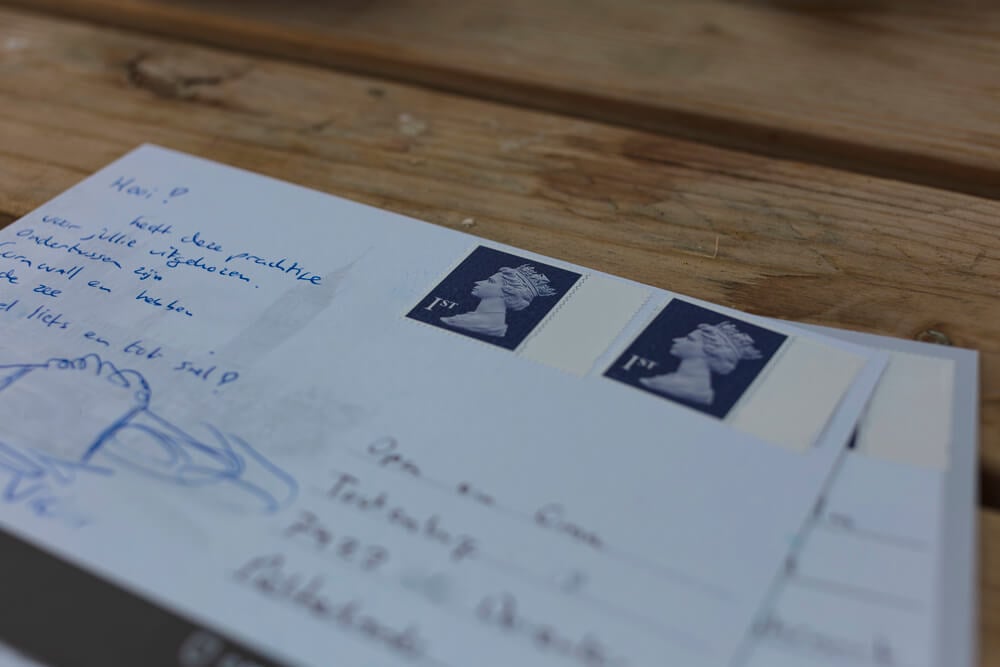
Airmail used to cost extra, and envelopes trimmed with red and blue chevrons announced that a letter deserved to fly. Special airmail stamps were issued for decades, beginning with the 1918 issue that produced the famous Inverted Jenny error.
As jets began carrying ordinary first-class mail anyway, the premium stopped making sense. Domestic airmail was gradually absorbed into regular first-class service by the late 1970s.
The striped envelopes lingered in desk drawers for years, a reminder of when sending a letter by plane still felt like an occasion.
Postage Due Stamps
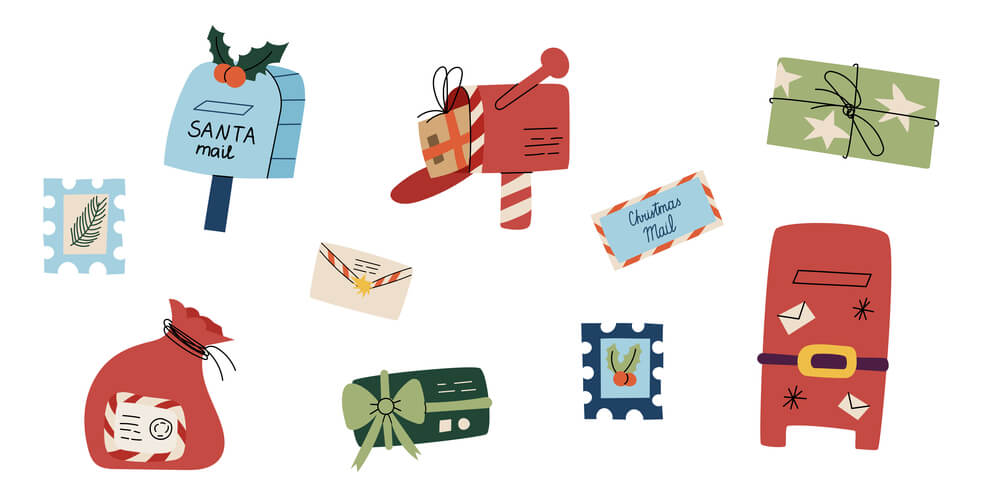
When a letter arrived with too little postage, the carrier once collected the difference from the recipient and affixed special postage due stamps to prove it had been paid. The United States issued its own series of these stamps from 1879 onward, and postal clerks kept them on hand for decades.
The system put the burden on the person receiving the mail, which made short-paid letters a small doorstep annoyance. The Postal Service stopped issuing new postage due stamps in the mid-1980s, shifting to meter labels and return-to-sender handling.
Collectors now treat the plain little numerals as a niche specialty.
The Dead Letter Office
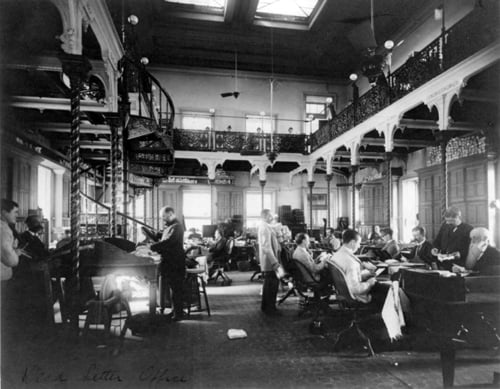
Undeliverable American mail once ended up at the Dead Letter Office in Washington, where clerks opened envelopes searching for clues to the sender or recipient. Before the twentieth century, the office even held public sales of unclaimed parcels and displayed curious finds, from jewelry to live reptiles.
The name carried a gothic chill that writers loved, most famously Herman Melville in Bartleby, the Scrivener. The office was eventually renamed the Mail Recovery Center, and its operations were consolidated in Atlanta.
The work continues, but the evocative old name has been retired.
Telegram Messengers at the Door

A uniformed messenger at the door with a Western Union envelope meant big news for generations, whether a birth, a business deal or a wartime death notice. Messengers on bicycles were a fixture of city streets in the early twentieth century, and many began as teenage boys.
Telephones, fax machines and email steadily took away their work. Western Union quietly ended its telegram service in January 2006, with a brief notice on its website.
The company had long since turned to money transfers, and the end came with far less drama than a single wartime telegram once carried.
Carriers Sorting Their Own Routes by Hand

Letter carriers once began each morning standing at a wooden case, sliding every piece of mail into slots that matched the order of their route. Casing took hours, and experienced carriers knew their streets so well they could spot a misaddressed letter at a glance.
Beginning in the 1990s, Delivery Point Sequencing machines began sorting letters into walk order automatically. Carriers still case some mail, especially flats and oddly sized pieces, but the bulk of the work moved to machines.
The change shortened mornings at the station and quietly erased one of the craft skills of the job.
Saturday Second-Class Post in Britain
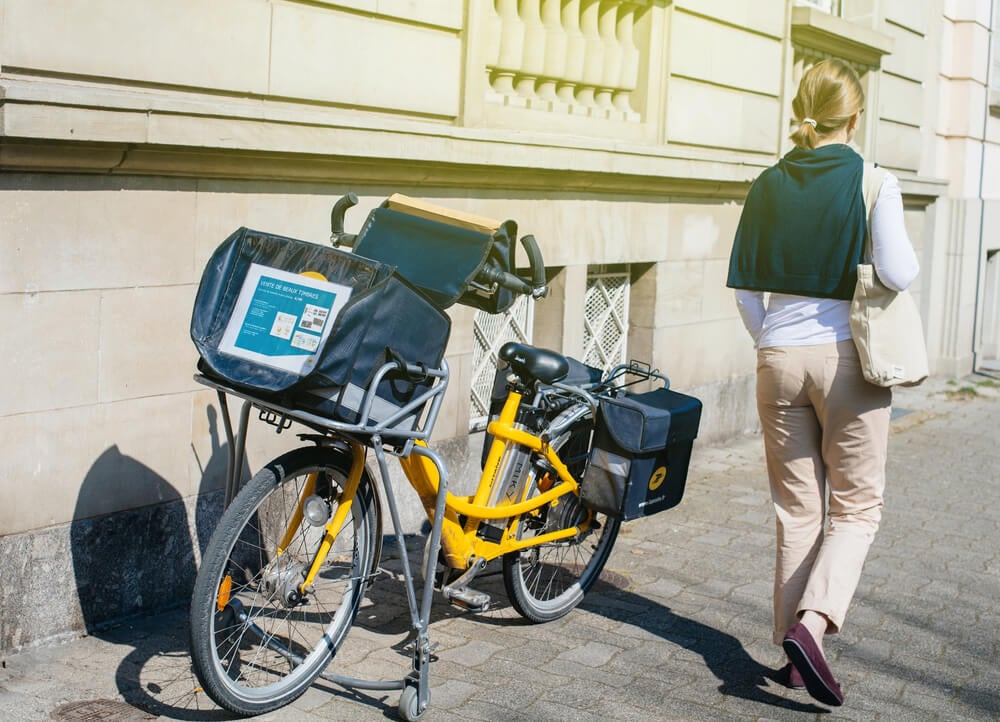
British households long received second-class letters six days a week along with everything else. In July 2025, after approval from the regulator Ofcom, Royal Mail switched second-class letters to alternate weekdays and dropped Saturday delivery for them entirely.
First-class letters kept their six-day schedule, so the change split the British postal week in two. Ofcom pointed to falling volumes, noting that far fewer letters were being sent than two decades earlier.
For many people the difference was subtle, since the post simply arrived on fewer mornings with little explanation on the doorstep.
Letter Delivery Across Denmark

Denmark ended a postal tradition stretching back four centuries when PostNord delivered its last letter there on December 30, 2025. The company cited a decline of more than 90 percent in letter volume since 2000 and moved its Danish operation entirely to parcels.
Over 2025, about 1,500 red mailboxes were pulled from streets, and many were sold for charity as small pieces of national heritage. The final letter went to the ENIGMA communications museum in Copenhagen.
Danes can still send letters through the private carrier DAO, but the familiar red box on the corner is gone.
Door-to-Door Delivery in Canada
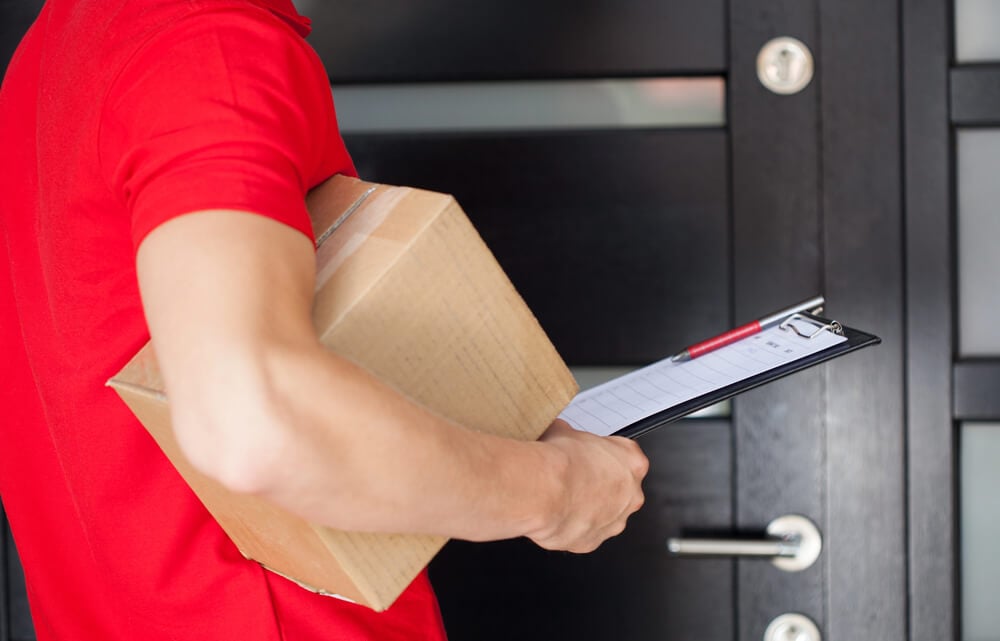
Canada Post has spent years shifting homes from door-to-door delivery to community mailboxes, and the remaining holdouts are now on the list. In 2026 the corporation began talks with 13 communities, including Ottawa and Winnipeg, to convert about 136,000 addresses in late 2026 and early 2027.
That is the first step in a plan to move roughly four million addresses over about five years. Nearly three out of four Canadian addresses already used some form of centralized delivery.
The carrier walking up the front path is turning into a memory there, one neighborhood at a time.
Concrete Arrows for Airmail Pilots

In the 1920s, before reliable radio navigation, the government built a lighted airway to guide airmail pilots across the country at night. Rotating beacons on steel towers were placed along the routes, often beside enormous concrete arrows painted bright yellow and pointing toward the next beacon.
Pilots flying the transcontinental mail could hop from light to light across plains and mountains. Radio beacons made the system obsolete within a couple of decades, and most towers were taken down.
Dozens of the cracked concrete arrows still lie in fields and on hilltops across the West, puzzling hikers who stumble across them.
Movies Arriving in Red Envelopes
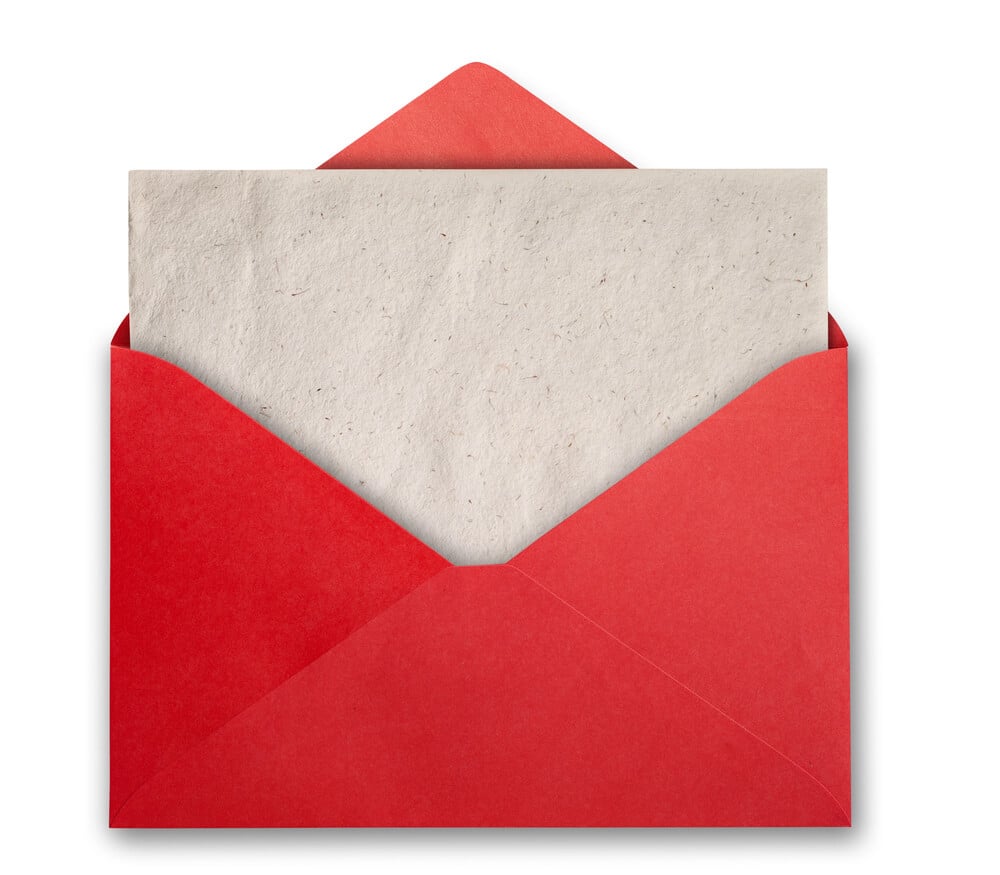
For roughly a quarter century, the most anticipated mail in many American homes came in a red Netflix envelope holding a single DVD. Subscribers kept a queue online, watched the disc and dropped it back in the mail, a rhythm that made the post office a partner in movie night.
Streaming eventually swallowed the business, which Netflix had spun into a service called DVD.com. The company shipped its final discs on September 29, 2023, and told customers to keep whatever they still had.
Mail carriers lost one of the few envelopes people actually ran outside to collect.
The Rural Postbus
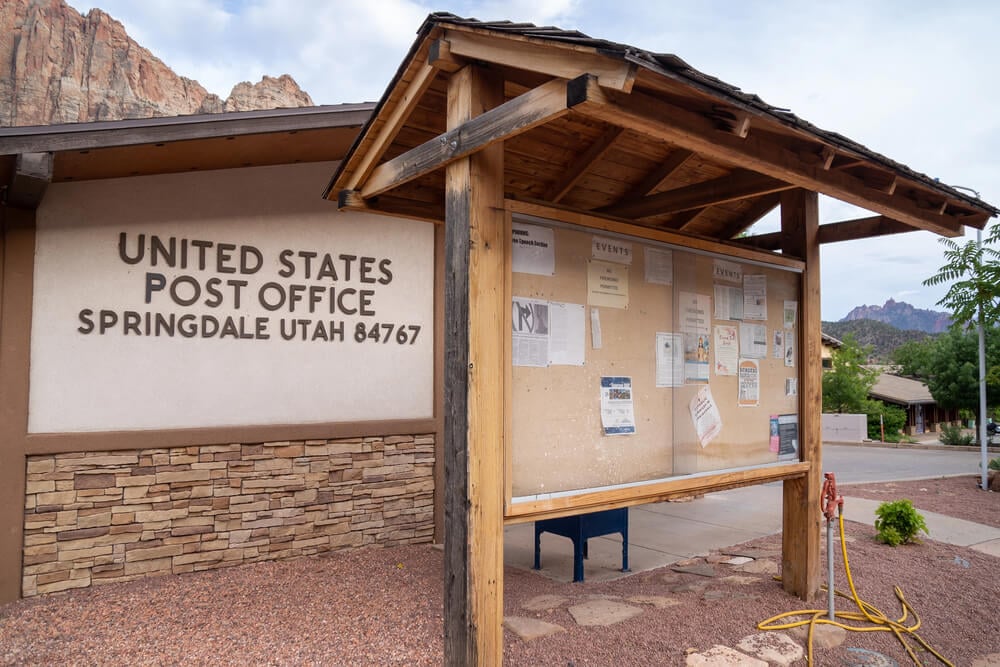
In remote parts of Britain, Royal Mail once ran Postbuses, small vehicles that carried both mail sacks and paying passengers along the delivery route. For isolated villages in the Scottish Highlands and elsewhere, the Postbus was sometimes the only public transport for miles.
Drivers collected letters, dropped off parcels and gave rides to shoppers and schoolchildren on the same loop. Falling ridership and cost pressures led to a steady withdrawal of routes, and the last few disappeared during the 2010s.
Local bus services replaced some of them, while other valleys simply lost a link to town.
Postmarks From a Slower Century
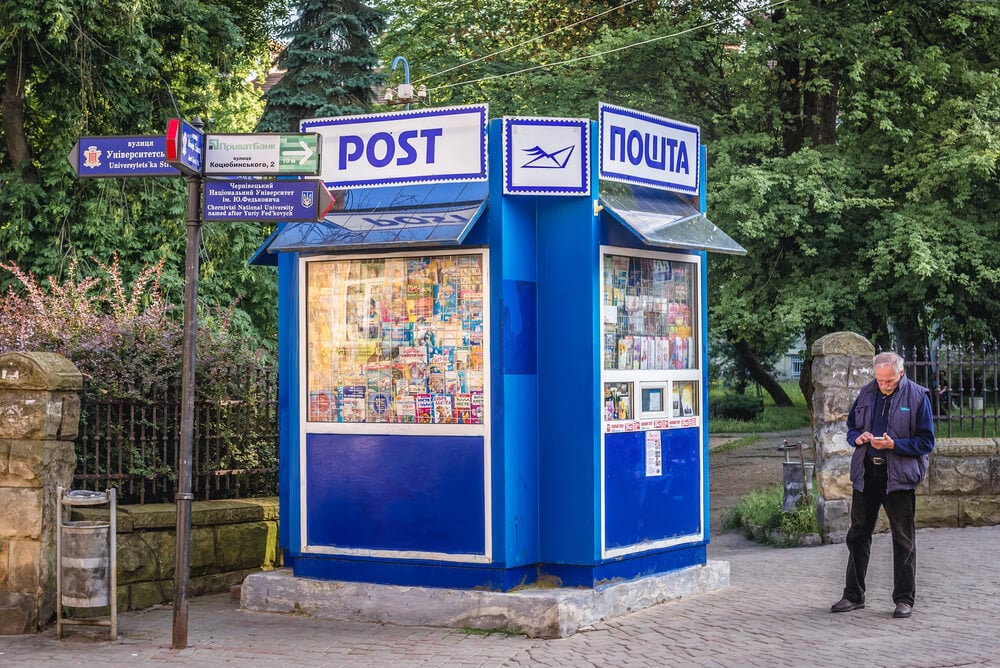
Every one of these traditions solved a real problem, whether speed, cost, distance or trust, and each was retired the moment something did the job better. That is the quiet logic of the mail.
It never preserves anything for sentiment, only for function, so the routines vanish without much notice at all.
What remains are the artifacts, from penny postcards and V-Mail prints to concrete arrows and red Danish mailboxes sold for charity. They hint at a world where waiting was simply part of communication and where the arrival of the carrier shaped the day.
The mail still comes, but it no longer sets the clock.
More from Go2Tutors!

- The Romanov Crown Jewels and Their Tragic Fate
- 13 Historical Mysteries That Science Still Can’t Solve
- Famous Hoaxes That Fooled the World for Years
- 15 Child Stars with Tragic Adult Lives
- 16 Famous Jewelry Pieces in History
Like Go2Tutors’s content? Follow us on MSN.