30 Things Ancient Romans Did Daily
Marble temples and legions get most of the attention, but the Roman world ran on smaller things: a loaf bought before sunrise, a jar filled at a fountain, a coin handed over at the bathhouse door. Poets complained about these routines, lawyers regulated them, and the ash of Vesuvius froze a few of them in place.
The habits below come from the city of Rome and its empire between roughly 100 BC and AD 300. Some would feel familiar on any modern weekday.
Others explain why a Roman carried a lamp, a strigil and a healthy fear of open windows.
Rising Before the Sun Came Up

Daylight was the only free light source, so most of Rome was awake before it arrived. Pliny the Younger wrote that his uncle, Pliny the Elder, called on the emperor Vespasian before daybreak because Vespasian also worked through the dark hours.
Poorer Romans had less choice. Martial complained in his epigrams that sleep in the city was impossible, with bakers making noise at night and schoolmasters shouting before the roosters had crowed.
Shops opened their wooden shutters at first light, and a client who hoped to greet his patron needed to be dressed and walking while the streets were still gray.
Counting Hours That Stretched and Shrank
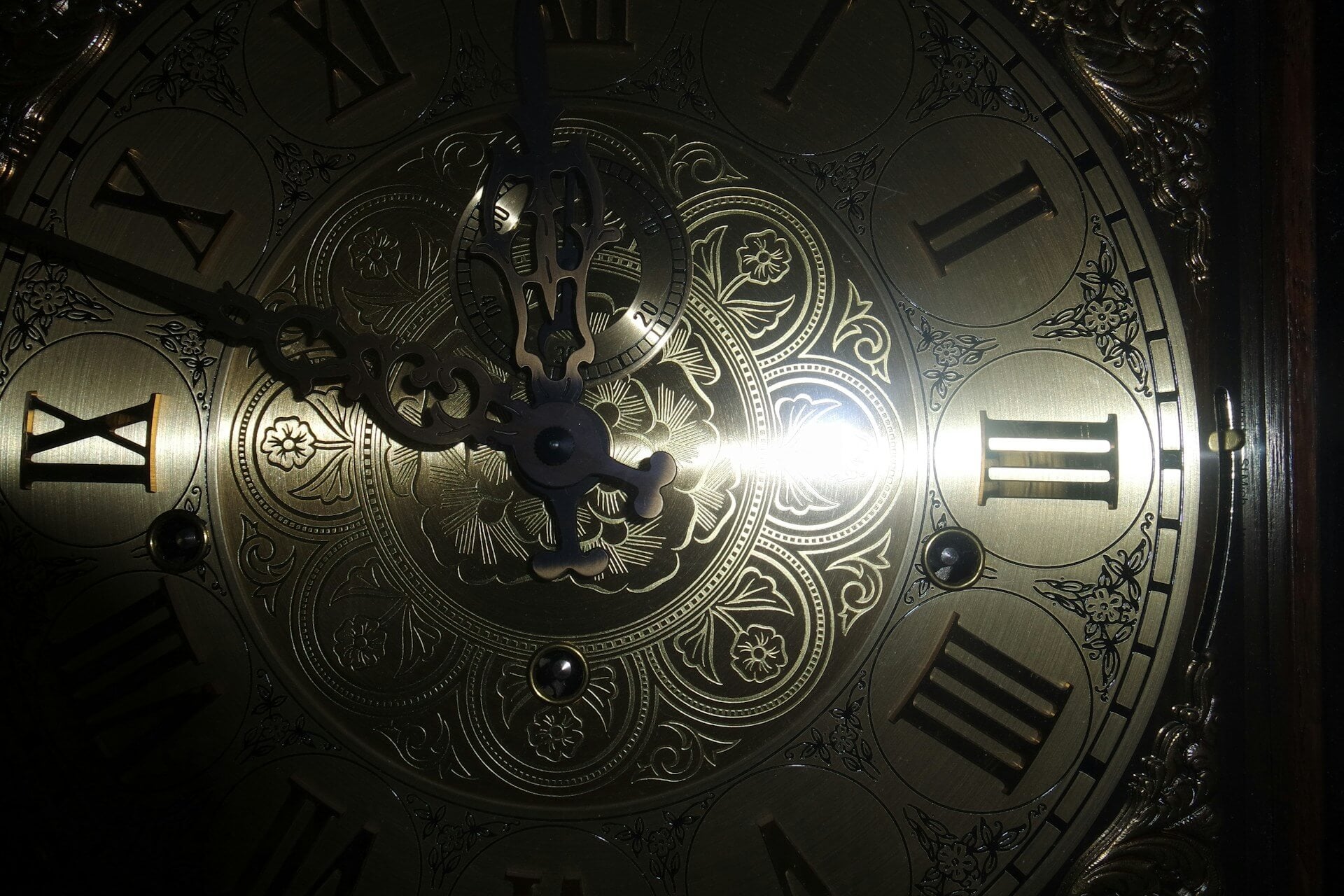
Romans divided daylight into twelve hours at every season, which meant an hour was a moving target. At Rome’s latitude a midwinter hour lasted about 45 modern minutes and a midsummer hour about 75.
Pliny the Elder records that one of the city’s earliest public sundials arrived as war loot from Catania in Sicily in 263 BC, and that it told the wrong time for nearly a century because it had been cut for a different latitude. A public water clock followed in 159 BC. Seneca later joked that philosophers would agree with one another sooner than Rome’s clocks would.
Leaving a Morning Offering at the Household Shrine
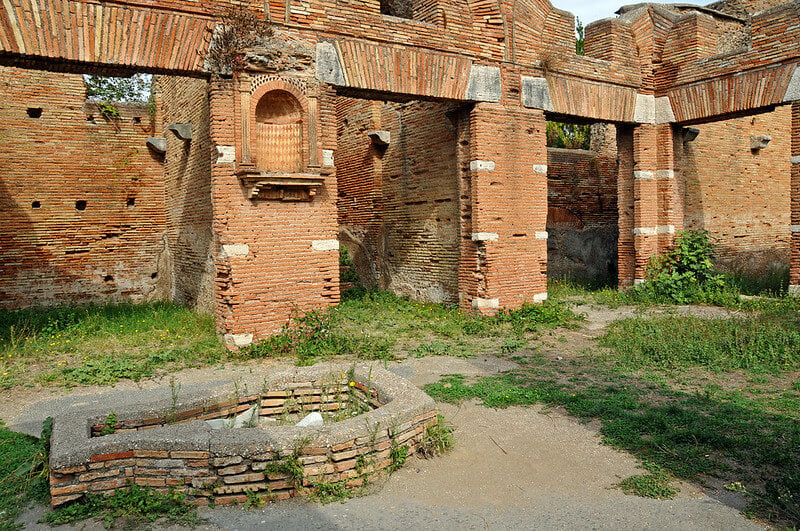
Nearly every Roman home, from mansion to modest apartment, kept a lararium, a small shrine to the Lares who guarded the household. Hundreds survive at Pompeii, some as painted niches in kitchens, and the one in the House of the Vettii still shows two dancing Lares above a coiled serpent.
The daily gesture was modest: a little incense, a splash of wine, a portion of food, or a garland on special days. In the comedy Aulularia, Plautus has a household god praise a daughter who brings him such gifts every day. Roman piety leaned less on private belief than on showing up.
Grabbing Bread on the Way Out the Door
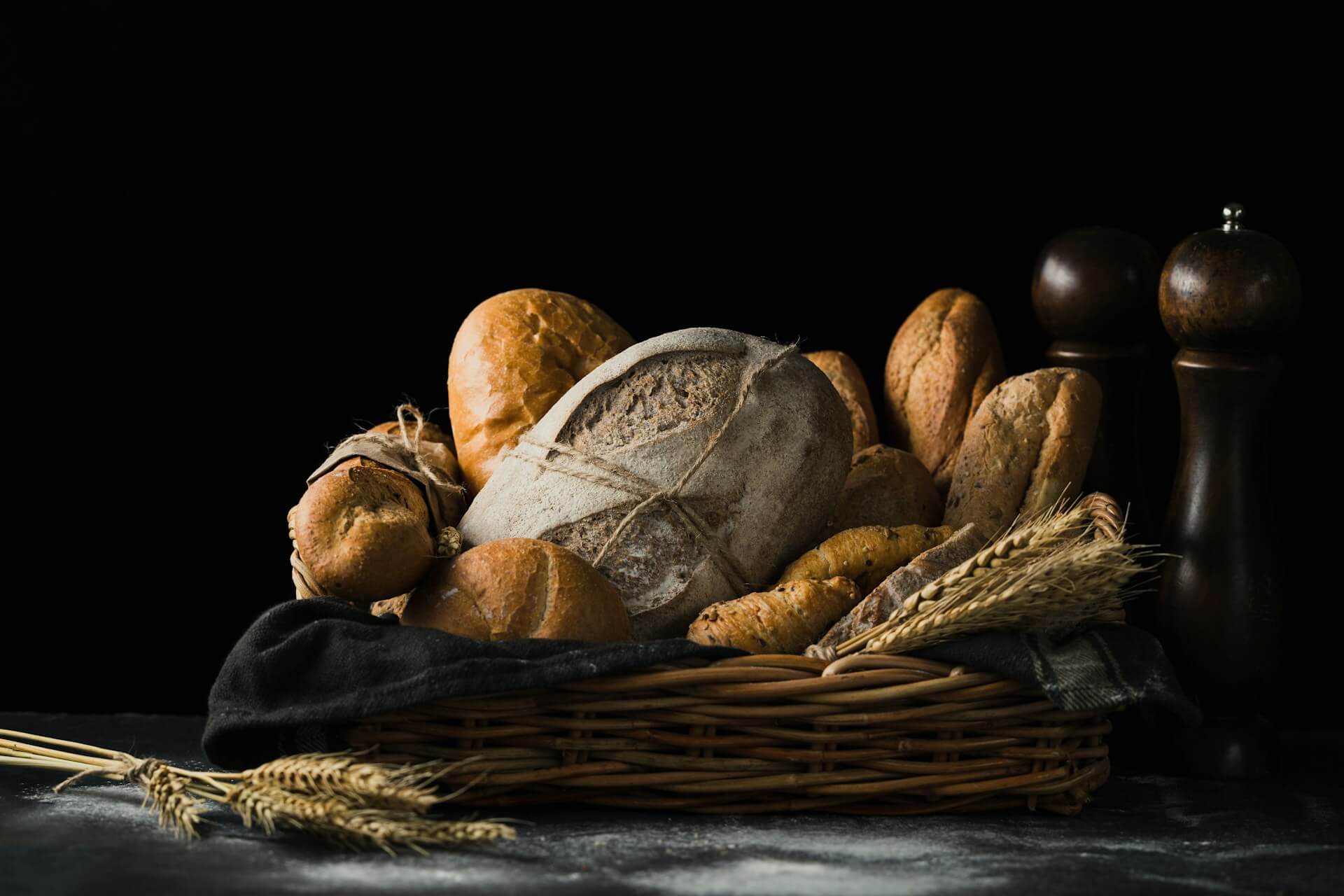
Breakfast, called jentaculum, barely counted as a meal. Most people ate bread, sometimes dipped in wine or paired with cheese, olives or dried fruit, and many ate it on the move.
Martial mentions bakers selling pastries to schoolboys in the dark of early morning, a scene any modern commuter would recognize. Wealthier households might add eggs, honey or leftovers from the previous night’s dinner.
Midday brought a light lunch called prandium, also often cold. Romans saved their appetite and their social energy for the late afternoon meal, so the first food of the day was fuel and little else.
Wrestling With a Toga
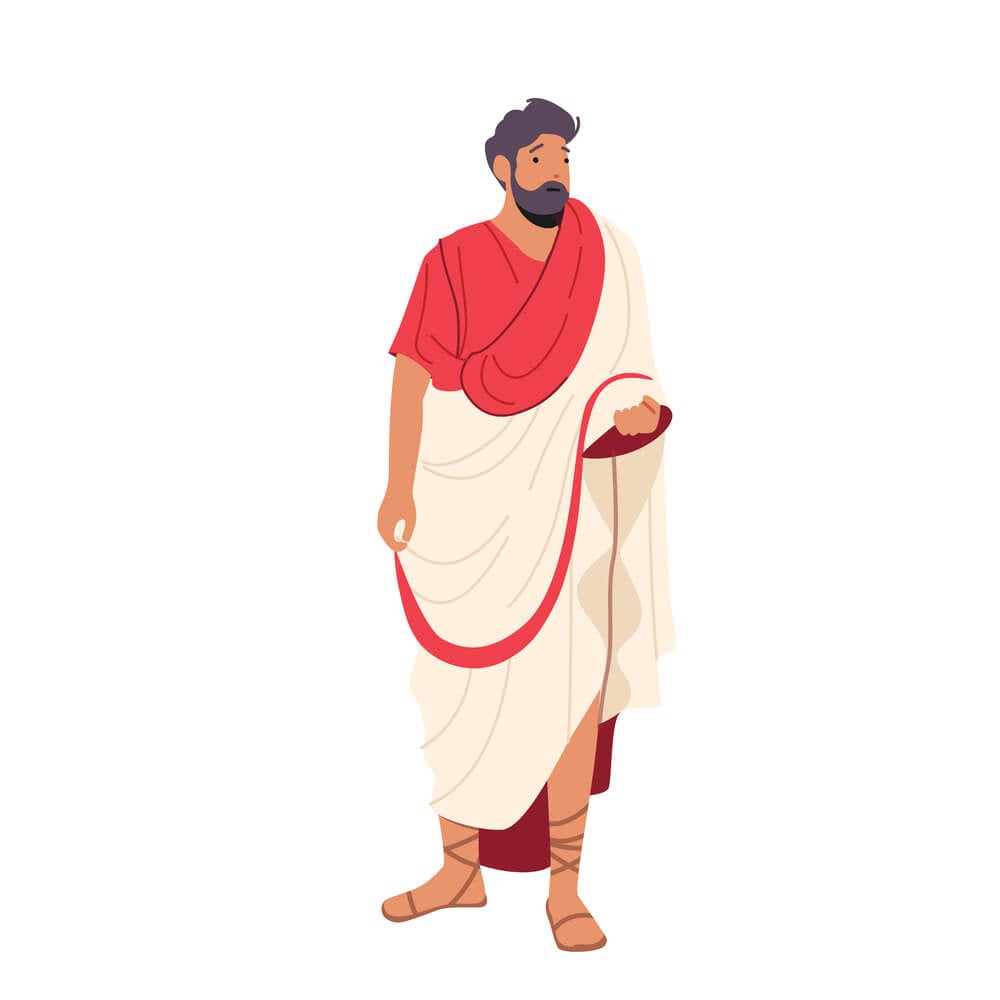
Everyday clothing was a simple belted tunic of wool or linen, and most working Romans wore nothing more formal. The toga was the garment of the male citizen in public life, a heavy curved length of wool that could measure anywhere from 12 to 20 feet in length and usually required help to drape.
Suetonius reports that Augustus, annoyed by crowds in dark cloaks, ordered that citizens in the Forum wear it. Enthusiasm stayed low.
Juvenal claimed that across much of Italy a man put on a toga only for his own funeral, and Martial grumbled about wearing one out on morning calls.
Lining Up to Greet a Patron

During the first two hours of daylight, by Martial’s reckoning, clients crowded the entrance halls of wealthier men for the salutatio, the formal morning greeting. The arrangement was practical.
A patron offered legal help, loans, dinner invitations and influence, and in return his clients swelled his escort in the streets and backed him in public. A great man might rely on a nomenclator, an enslaved attendant whose job was to whisper each visitor’s name.
Seneca described the indignity from the visitor’s side, complaining of patrons who kept callers waiting and then slipped out by another door. Plenty of men were patron and client on the same morning.
Collecting the Sportula
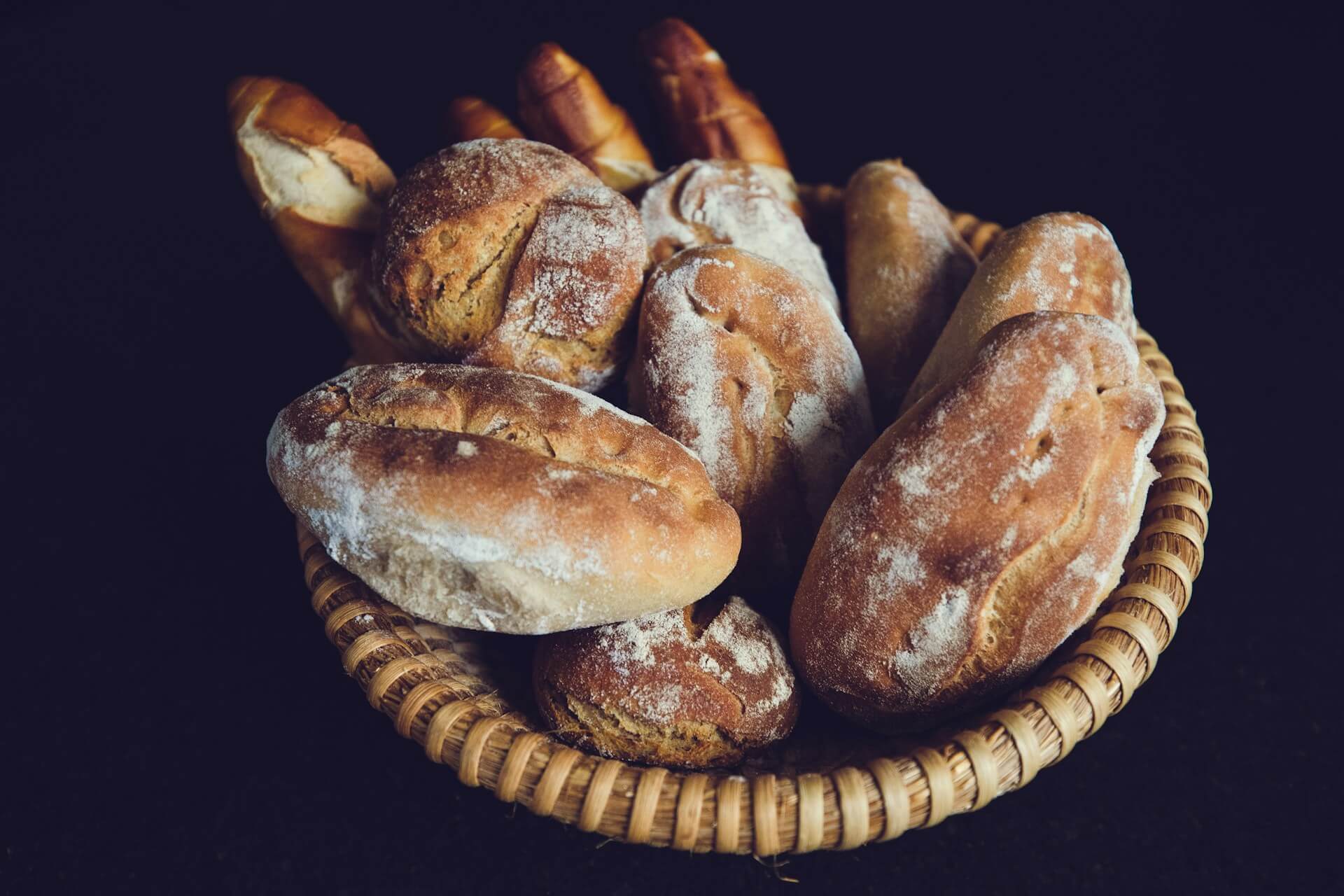
Attendance had a price. The sportula began as a small basket of food handed to clients and, by the late first century AD, had mostly become a cash payment.
Martial and Juvenal both give the going rate as 100 quadrantes, equal to 25 asses, enough for a modest day’s food. Juvenal’s first satire pictures a jostling line at the door, with a steward checking faces to stop impostors.
Under Domitian the cash was for a time replaced by a proper meal, a change Martial greeted with open dismay. For some city dwellers this handout was a regular part of the household budget.
Sitting for a Shave at the Tonsor

Citing Varro, Pliny the Elder says barbers reached Rome from Sicily around 300 BC and that Scipio Aemilianus was the first Roman to shave every day. For the next few centuries a smooth chin was the standard for adult men, until the emperor Hadrian made beards respectable again after AD 117.
Few men shaved themselves. They went to the tonsor, who worked with an iron razor and plain water, often at a stool set out on the pavement.
Martial wrote of one barber so slow that a second beard grew in while he worked, and of another whose customers left with scars.
Sending Children to a Sidewalk School

Elementary schooling was private, cheap and loud. A ludi magister taught reading, writing and arithmetic to boys and some girls from about age seven, often under a shop awning or in a rented corner of a portico, with only a curtain between the class and the street.
Lessons began at dawn, which is why Martial begged a neighboring teacher to send his pupils home and let the district sleep. Discipline relied on the rod, a habit the educator Quintilian argued against in the first century AD.
Diocletian’s price edict of AD 301 capped an elementary teacher’s fee at 50 denarii per pupil each month.
Scratching Notes Into Wax
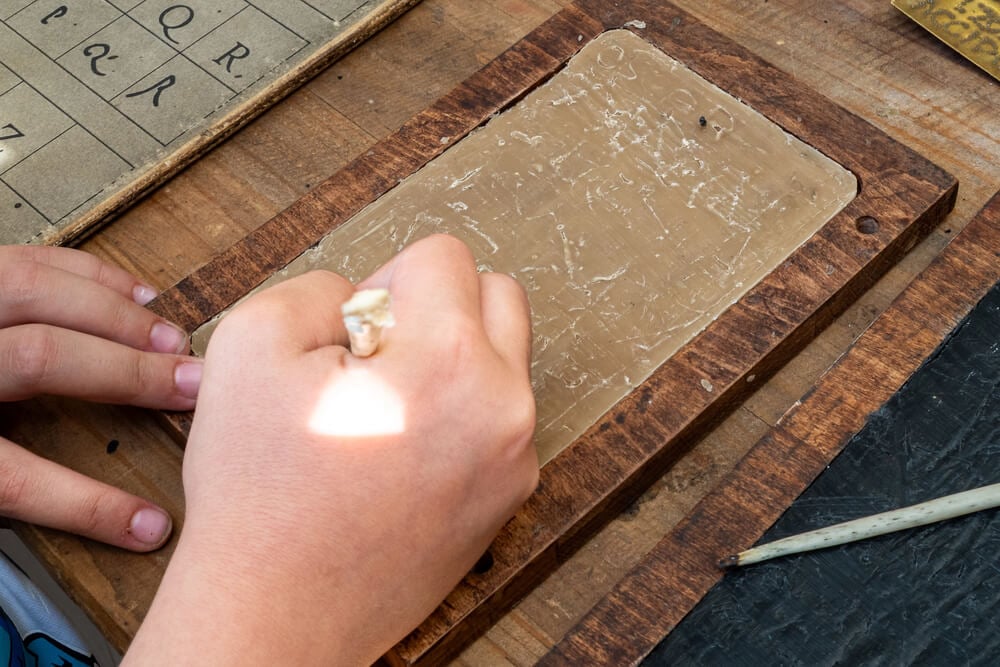
Daily writing happened on wooden tablets coated with wax, inscribed with a pointed stylus whose flat end smoothed out mistakes. A cache of more than 150 such tablets, the business records of the banker Lucius Caecilius Jucundus, was found at Pompeii in 1875.
For letters, Romans also wrote in ink on thin slips of wood. Hundreds turned up from 1973 onward at Vindolanda, a fort in northern Britain, dating to around AD 100.
They include a note about a parcel of socks and underwear, a troop strength report, and a birthday invitation from Claudia Severa to her friend Sulpicia Lepidina, among the earliest known Latin handwriting by a woman.
Doing Business in the Forum
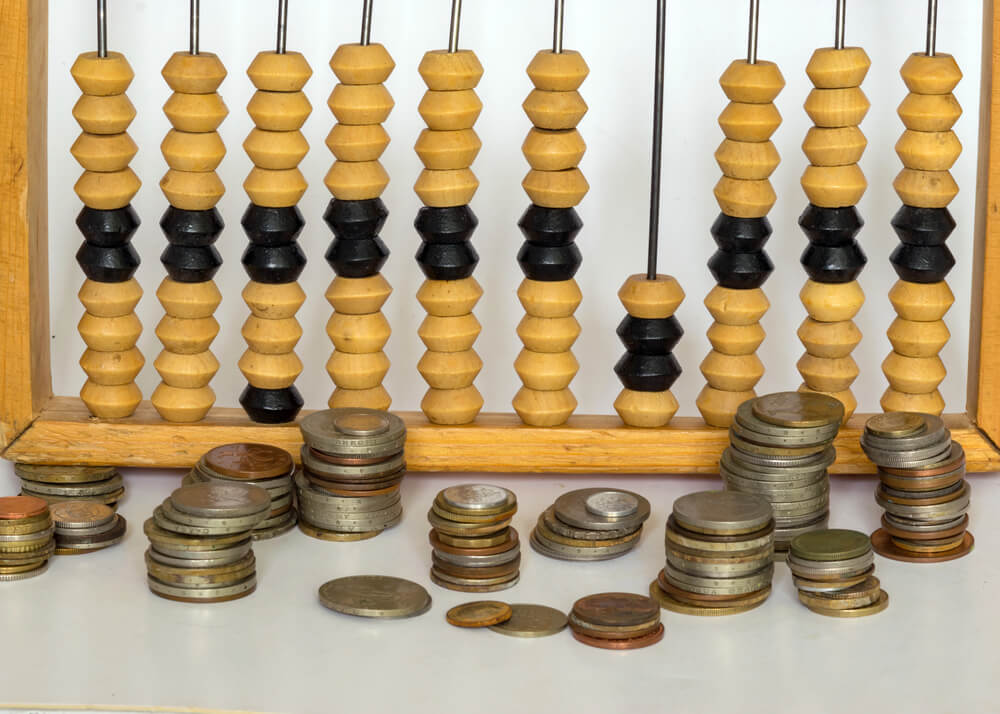
By the third hour, Martial says, the lawyers were hoarse. The Forum was where a Roman went to bank, sue, hear announcements, hire an advocate or simply be seen.
Courts sat in the open or in the great basilicas, and the Basilica Julia could host several hearings at once. Moneychangers kept tables nearby.
As the old Forum filled with monuments, emperors added new ones, and Trajan’s, dedicated in AD 112, was the largest of all. Pliny the Younger, who pleaded cases in the Basilica Julia, wrote of a crowd so thick that he once reached his place only by crossing the judges’ platform.
Hauling Water From the Street Fountain

Aqueduct water reached most Romans at a public basin. Frontinus, appointed water commissioner in AD 97, described nine aqueducts supplying the city and counted 591 public basins, which ran day and night because the system was built for constant flow.
Private pipes existed but required an official grant, so the average tenant carried water home in jars and up the stairs. At Pompeii roughly 40 street fountains survive, spaced so that few residents lived far from one.
The stone rims of several are worn into smooth hollows where generations of hands rested while the jars filled.
Buying the Daily Loaf
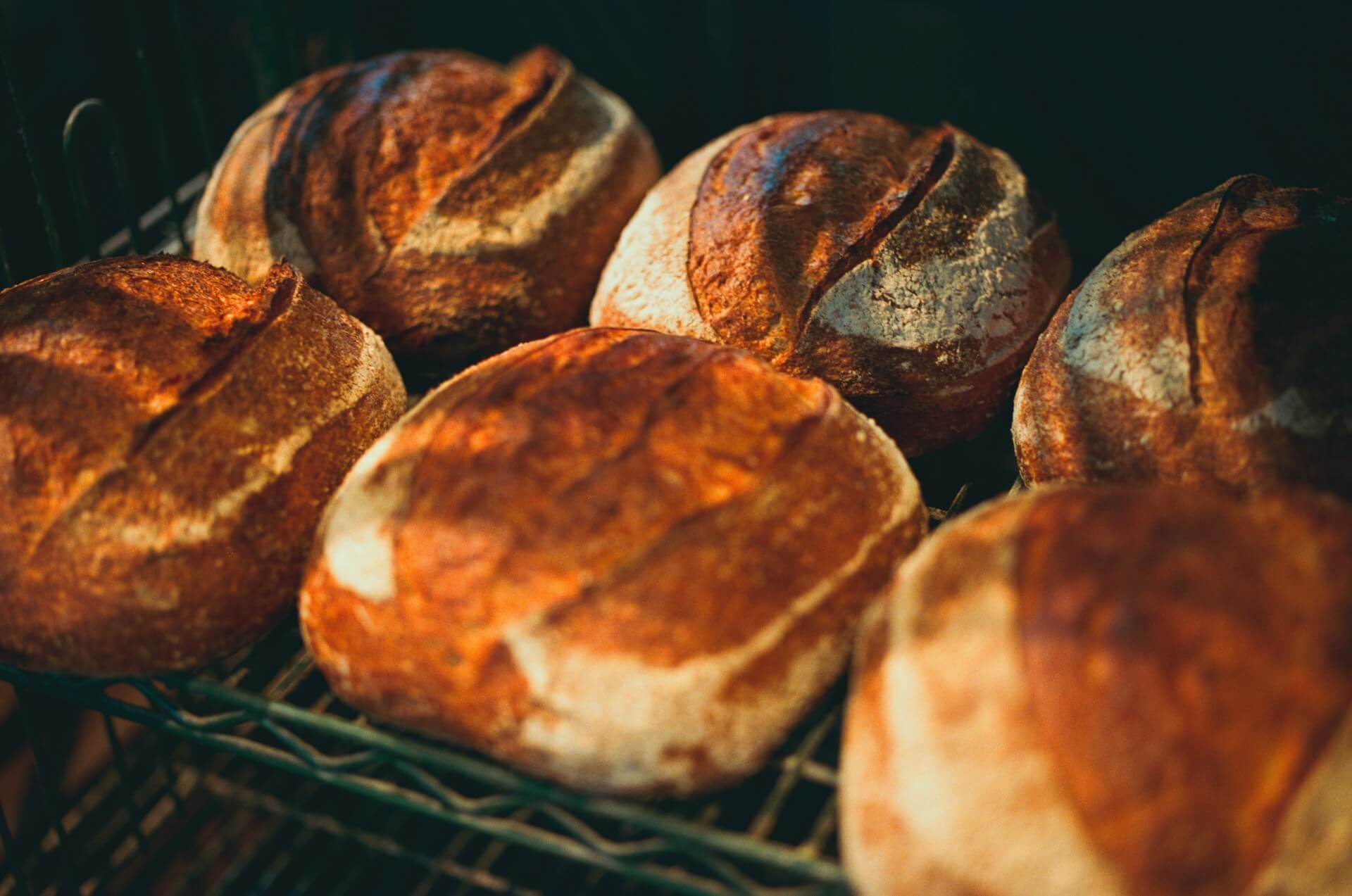
Bread was the base of the Roman diet, and few city dwellers baked it at home. More than 30 bakeries have been identified at Pompeii, many with their own lava-stone mills turned by donkeys or by enslaved workers.
In one, the so-called Bakery of Modestus, excavators found 81 carbonized loaves still in the oven, round and scored into wedges. In the capital the state stepped in.
From the reign of Augustus about 200,000 citizens received a free monthly grain ration of five modii, and in the 270s AD the emperor Aurelian is credited with switching the handout to baked bread.
Eating Lunch at a Street Counter

Many rented rooms had no kitchen, and an open flame in a tenement was a hazard, so ordinary Romans ate out constantly. Counts of the food bars at Pompeii run from about 80 to more than 150, depending on what qualifies, and most are recognizable by masonry counters with large jars sunk into them.
Modern writers call them thermopolia, though Romans more often said popina or caupona. One in the Regio V district, fully excavated and announced in December 2020, still held traces of duck, pig, goat, fish and snails.
Respectable authors sneered at such places as haunts of gamblers and idlers, which suggests how popular they were with everyone else.
Pouring Garum on Nearly Everything
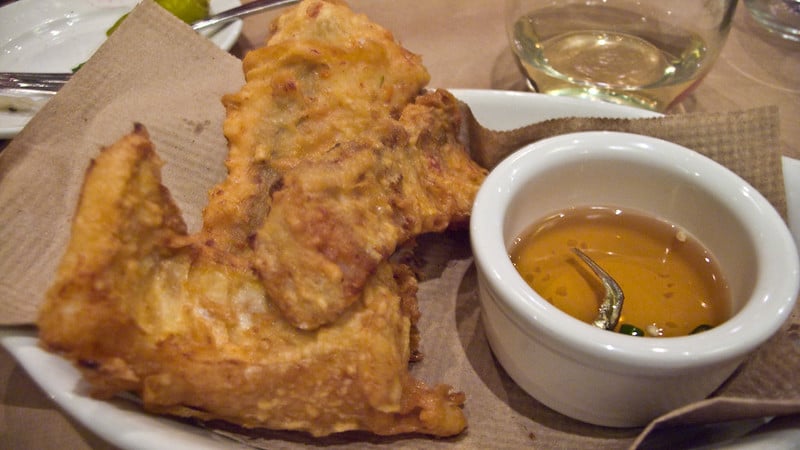
Garum, a sauce made by salting fish and their innards and leaving them to ferment in the sun for weeks, did the work that salt and stock do in a modern kitchen. Pliny the Elder noted that the finest grade, made from mackerel near New Carthage in Spain, sold for about 1,000 sesterces for two congii, a measure of under two gallons.
Cheaper grades reached every table. Production smelled bad enough that the works usually sat at the edge of town.
At Pompeii the producer Aulus Umbricius Scaurus grew rich enough to decorate his atrium floor with mosaics of his own sauce jars, labels included.
Depending on Enslaved Labor at Every Step

Almost every routine described here rested on enslaved people. They opened the door, lit the lamps, cooked, carried water, walked children to school, kept accounts and carried their owners’ bath gear.
Estimates are debated, but historians commonly suggest that enslaved people made up a fifth or more of Italy’s population in the early empire. Tacitus records that the household of the city prefect Pedanius Secundus numbered 400 in AD 61.
Their own days began earlier and ended later than anyone’s, with no legal right to refuse. Seneca urged owners to treat them as fellow humans, a plea that shows how rarely it happened.
Sending the Laundry to the Fullers
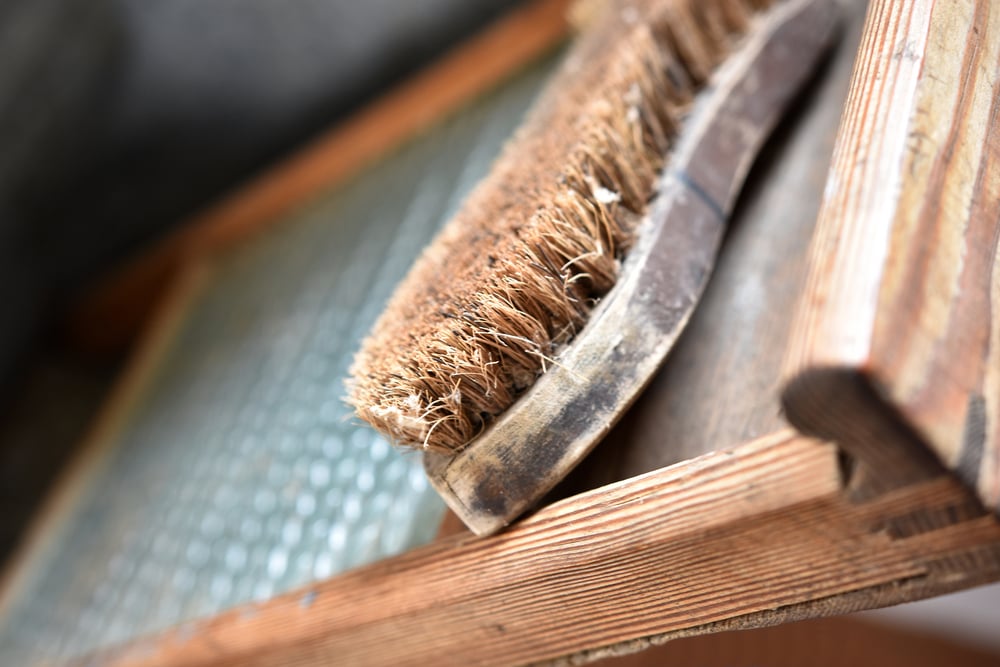
Washing wool togas was a trade, and the fullers who practiced it relied on an ingredient Rome produced in quantity. Stale urine contains ammonia, which cuts grease, so workers trod cloth in tubs of it mixed with water and fuller’s earth, then rinsed, combed and whitened the fabric over burning sulfur.
The Fullonica of Stephanus at Pompeii preserves the treading stalls and rinsing tanks. Collection jars are often said to have stood on street corners, though the evidence for that is thinner than popular accounts suggest.
Suetonius reports that Vespasian taxed the supply and waved away the objections of his son Titus.
Sharing a Bench at the Public Latrine
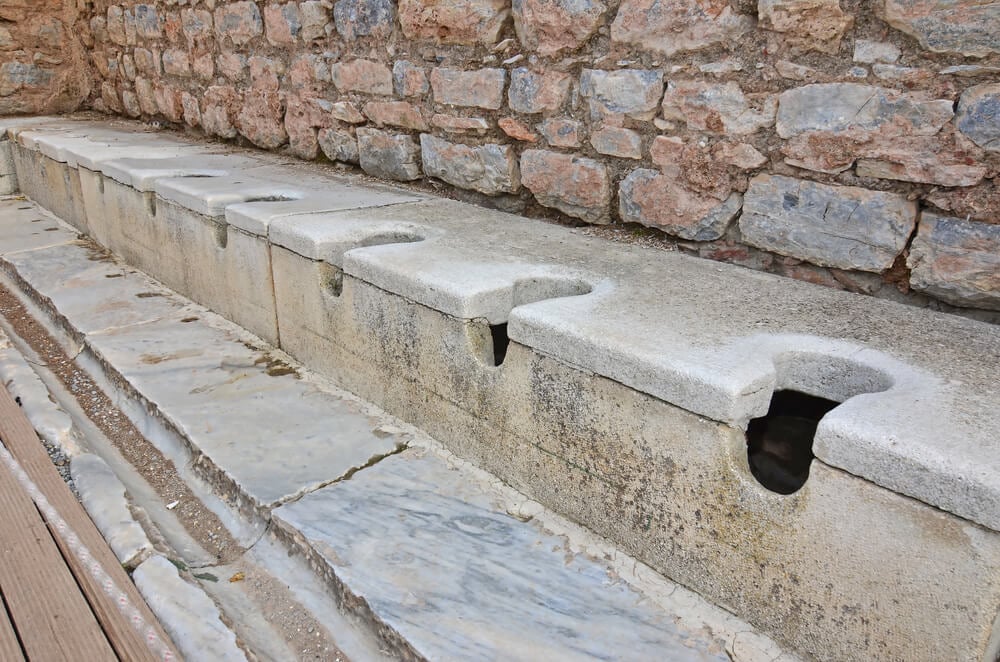
Few apartments had plumbing, so city dwellers used public latrines called foricae, where a row of openings was cut into a long stone or marble bench. A well-preserved example at Ostia seats about 20 people side by side with no partitions, above a channel flushed by running water. Privacy was evidently not expected.
The famous sponge on a stick, called a xylospongium or tersorium, is mentioned by Seneca and Martial and is usually described as a shared wiping tool. Some researchers argue it worked more like a brush for cleaning the latrine itself, and the question remains open.
Stopping for a Midday Rest

Martial’s timetable of the Roman day gives the sixth hour, the one ending at noon, to rest for the weary. The midday pause, the meridiatio, ran through every class that could afford it. Suetonius says Augustus lay down after lunch fully dressed, shoes on, with a hand over his eyes.
Pliny the Elder took a brief sleep after his meal and then worked on as though a new day had begun, according to his nephew. Laborers and enslaved workers presumably got less of it.
In a Mediterranean summer the break was common sense, and business picked up again in the cooler afternoon.
Working Up a Sweat Before Bathing

Exercise came before the bath, in the open yard called the palaestra, and Martial assigns it to the eighth hour. Men lifted lead weights, wrestled, ran, or played trigon, a fast three-cornered catching game with a small leather sphere.
Seneca, who once lodged above a bathhouse, left a weary inventory of the noise: grunting weightlifters, the slap of a masseur’s hands, and the voice of the scorekeeper calling out the count. The physician Galen, writing in the second century AD, devoted a short work to exercise of this kind and praised it as cheap, quick and suited to nearly every age.
Soaking at the Baths for a Small Coin

The afternoon bath was the hinge of the Roman day. Entry to a public bathhouse commonly cost a quadrans, the smallest coin in circulation, and Pliny the Elder says Agrippa provided free admission to 170 baths during his term as aedile in 33 BC.
Bathers rubbed themselves with olive oil, scraped off oil and sweat with a curved metal strigil, then moved through warm, hot and cold rooms. The Baths of Caracalla, opened in AD 216, could hold an estimated 1,600 bathers at once.
Without filtration or disinfectant, and with the sick encouraged to bathe, the pools were likely far dirtier than they looked.
Reclining for the Main Meal

Dinner, the cena, began around the ninth hour, in midafternoon. In a household with means, guests reclined on their left elbows on three couches arranged around a table, the triclinium, with nine diners as the ideal number. Horace’s shorthand for a full dinner ran from eggs to apples.
Pliny the Younger once scolded a friend for skipping a meal of lettuce, three snails and two eggs apiece, with wine chilled by snow. Ordinary families ate sitting up, on far simpler food.
One persistent myth deserves correction: a vomitorium was an exit passage in a theater or arena, and no Roman dining room had a chamber for purging.
Cutting Wine With Water

Wine was the everyday drink of men, women and often children, and it was almost always diluted. Drinking it neat was considered the mark of a drunkard or a barbarian. Water was added cold or, in a popular version called calda, hot.
A price list scratched on a bar wall at Pompeii offers a drink for one as, a better one for two, and Falernian, the prestige vintage, for four. Soldiers and laborers drank posca, a sharp mix of water and sour wine or vinegar.
Given the state of some urban water, a splash of wine may have been the safer half of the cup.
Rolling Dice and Moving Counters
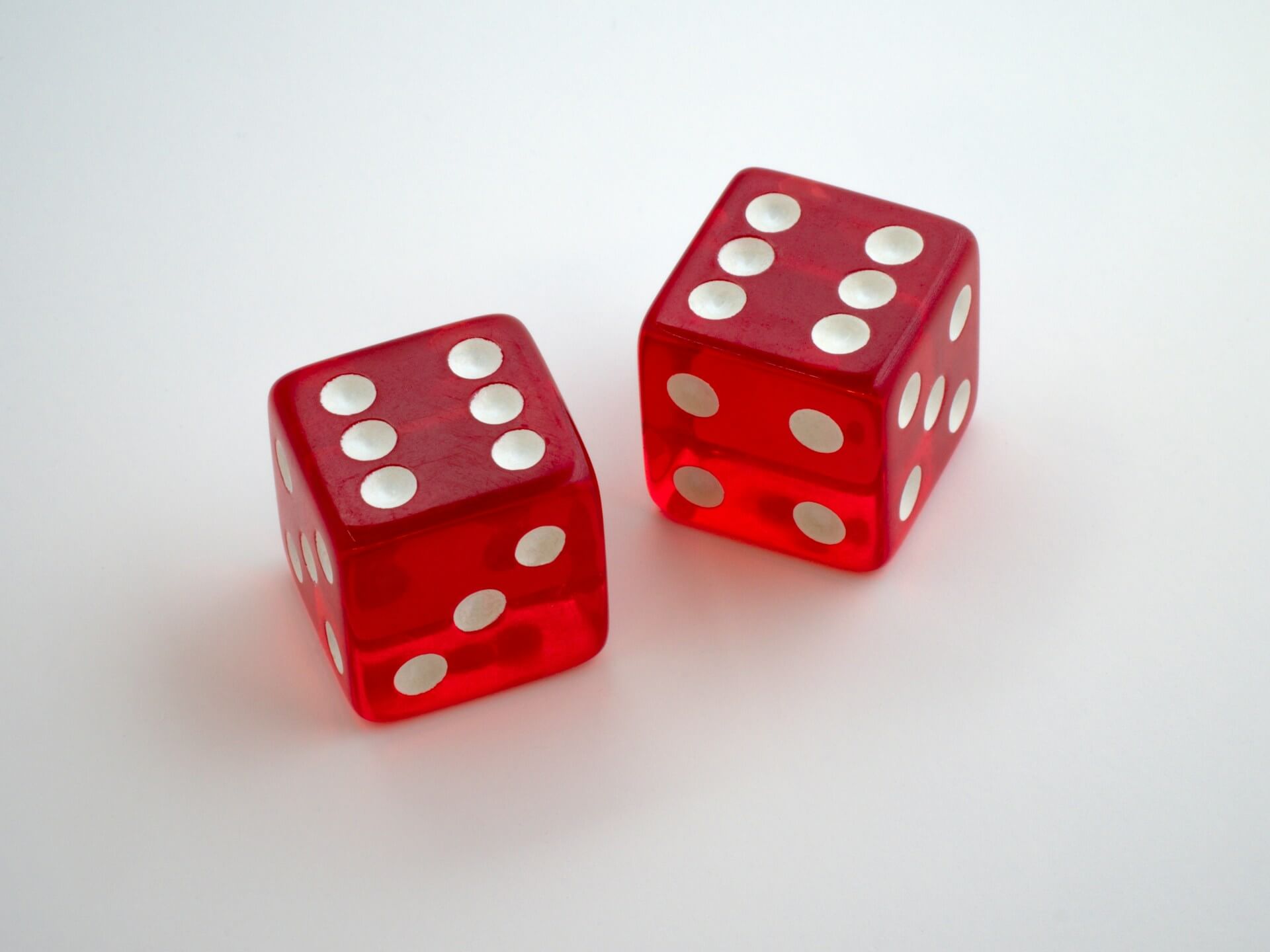
Gambling on dice was technically illegal outside the December festival of Saturnalia, and Romans did it anyway. Suetonius says Augustus played openly and that Claudius wrote a book on the subject.
Board games were just as common. Latrunculi was a capture game of strategy played on a grid, and duodecim scripta, later known as tabula, was a race game related to backgammon.
Boards are still visible scratched into the steps of the Basilica Julia in the Forum. A tavern painting at Pompeii shows two players arguing over a throw while the landlord, in a caption, orders them to take the quarrel outside.
Writing on the Walls
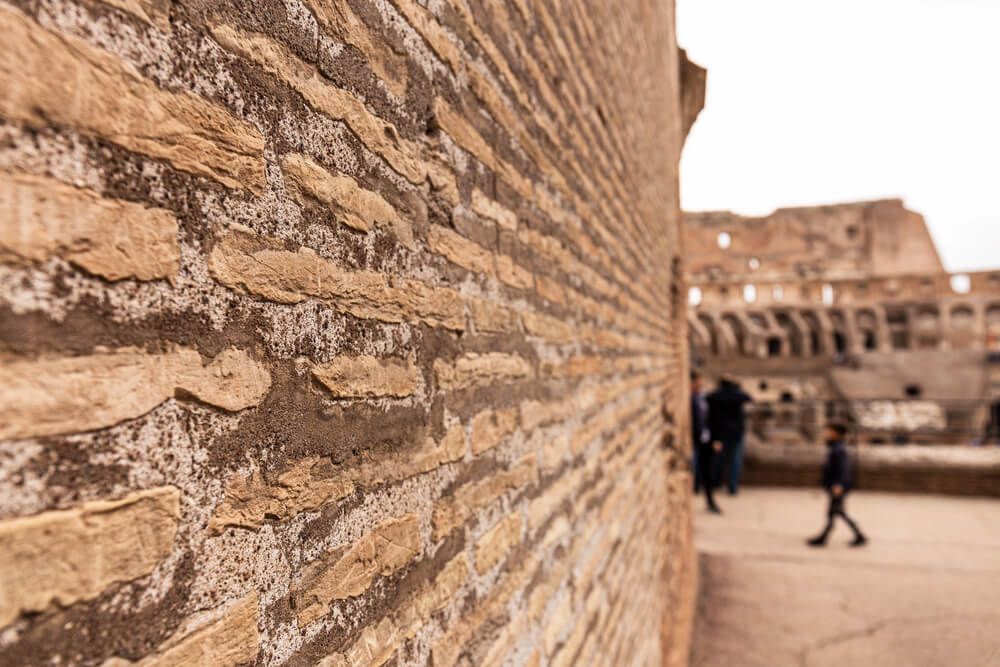
More than 11,000 graffiti and painted notices have been recorded at Pompeii, and they suggest that scribbling on walls was an ordinary pastime that few people treated as a crime. Residents scratched greetings, insults, sums, lines of Virgil, love notes, gladiator results and the simple announcement that someone had been there.
Election notices in red paint urged neighbors to back a candidate for local office. One much-copied message, found in several places in the town, marvels that the wall has not fallen down under the weight of so many writers’ nonsense.
The habit gives historians something rare, the voices of people who never wrote a book.
Climbing the Stairs of an Insula
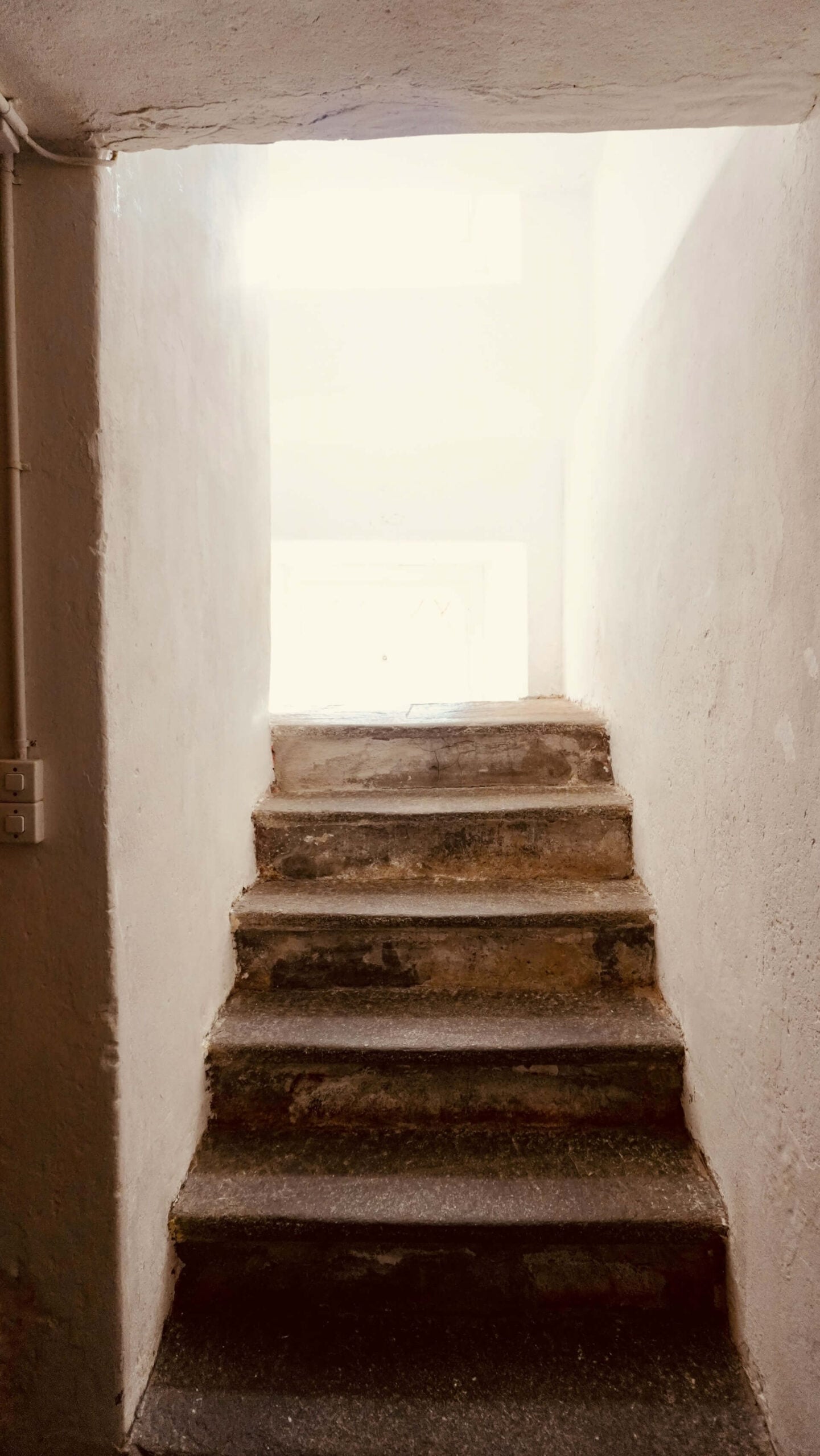
Most people in the capital lived in rented rooms in multistory apartment blocks called insulae. Shops filled the ground floor, the better flats sat just above, and the cheapest rooms were at the top, far from water and from any exit.
Strabo records that Augustus limited building height to 70 Roman feet, and a later source says Trajan cut it to 60, which implies landlords kept pushing upward. Juvenal’s third satire describes buildings propped with timber and a top-floor tenant who is the last to learn the place is on fire.
Part of one such block still stands beside the Capitoline Hill.
Emptying the Chamber Pot
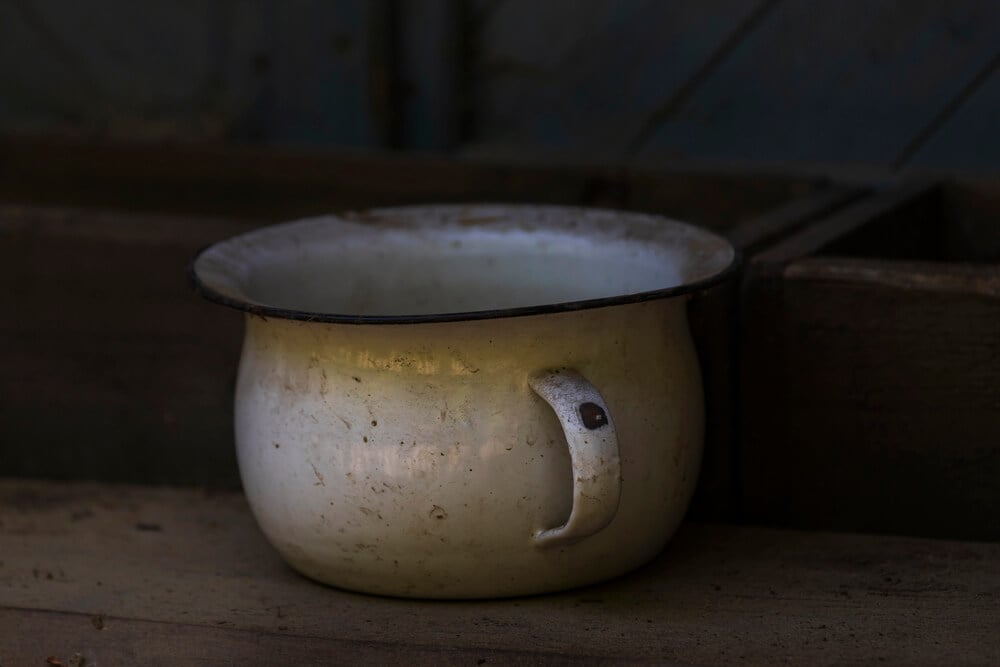
With no drains on the upper floors, waste left the building by hand. Tenants were supposed to carry chamber pots down to a vat under the stairwell or to a street drain, and some took the shorter route through the window.
Juvenal joked that a man walking to dinner at night without first making his will was careless, given what might fall from each sill. Roman law took the matter seriously.
A section of Justinian’s Digest, preserving earlier rulings by jurists such as Ulpian, made the occupier of a dwelling liable for damages when anything poured or thrown from it injured a passerby.
Waiting Until Dusk for the Delivery Carts
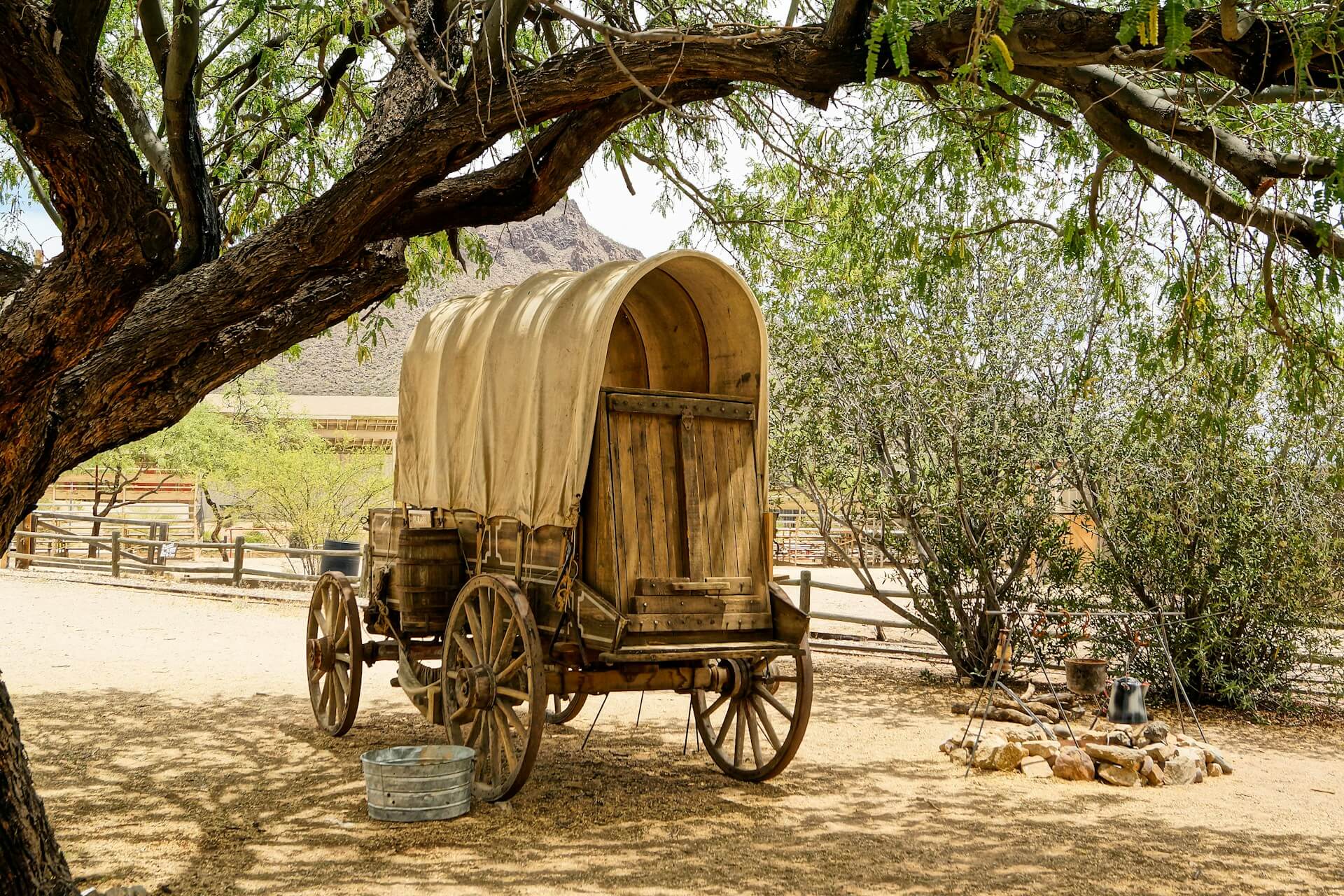
A bronze inscription found near Heraclea in southern Italy in 1732, generally linked to legislation of Julius Caesar around 45 BC, barred wagons from Rome’s streets between sunrise and the tenth hour. Exceptions covered temple construction, public works, debris removal and a few religious processions.
Pedestrians gained daytime streets, and the city gained a second rush after dark as supply carts rolled in on iron-rimmed wheels. Juvenal blamed the racket of wagons in narrow lanes for chronic sleeplessness and said rest in Rome was a luxury of the rich.
The trade-off kept a city of perhaps a million people fed.
Lighting the Evening With Olive Oil

After sunset the usual light was a lucerna, a palm-sized clay lamp with a wick, burning olive oil. Each gave roughly the glow of a single candle, along with smoke and soot, so rooms stayed dim and most people went to bed early.
Lamps were among the first mass-produced consumer goods. Mold-made examples stamped with the maker’s name Fortis, a firm based in northern Italy, turn up across the empire.
Those who could afford the oil worked on. Pliny the Younger wrote that his uncle began studying by lamplight in late August and kept the habit all winter, rising hours before dawn.
Listening for the Night Watch

Fire was the standing fear of a city built of timber, lit by flame and packed tight. In AD 6 Augustus created the vigiles, seven cohorts recruited mainly from freedmen, with each cohort responsible for two of the city’s fourteen districts.
They patrolled after dark with buckets, axes, hooks and hand pumps, and their commander could punish residents who kept fires carelessly. They also chased burglars and runaways.
A guard post of the seventh cohort, found in the Trastevere district in 1866, still carries graffiti scratched by the watchmen. Romans are said to have nicknamed them the little bucket fellows.
Routine Held the Roman World Together
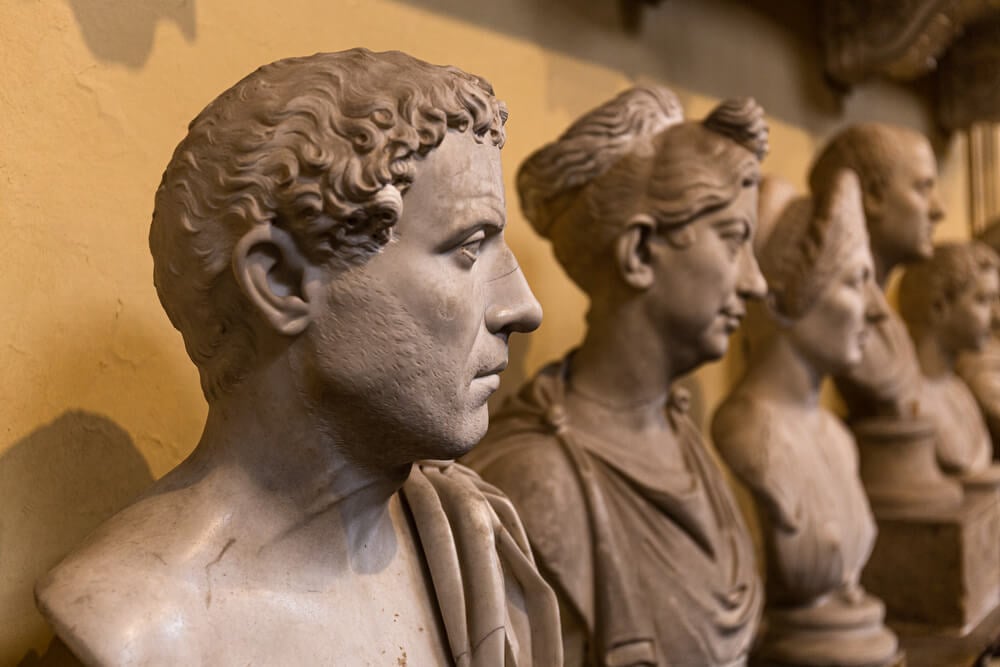
Emperors came and went, sometimes several in a year, and the baker still lit his oven before dawn. The daily schedule was the most stable institution Rome had.
It told a client where to stand at sunrise, a lawyer when to speak, a bather when the doors opened and a carter when the streets were his. Most of it was enforced by habit and daylight, with very little law involved.
Seen up close, that schedule also shows who paid for the comfort of whom. Someone carried the water up the stairs, trod the laundry and trimmed the lamps, and those people rarely left their names.
What survives is the pattern itself, scratched on walls, worn into fountain rims and baked into 81 loaves that never left the oven. The monuments were built for memory, and the routines are what the city lived on.
More from Go2Tutors!

- The Romanov Crown Jewels and Their Tragic Fate
- 13 Historical Mysteries That Science Still Can’t Solve
- Famous Hoaxes That Fooled the World for Years
- 15 Child Stars with Tragic Adult Lives
- 16 Famous Jewelry Pieces in History
Like Go2Tutors’s content? Follow us on MSN.