15 Frivolous Foods French Upper Class Ate While Peasants Starved
The French Revolution didn’t happen in a vacuum. While history books focus on political philosophy and economic theory, the reality was much simpler and more visceral.
People were hungry. Not the kind of hungry where you skip lunch and grab a snack later — the kind where you watch your children grow thin and wonder if there will be bread tomorrow.
Meanwhile, just a few miles away in Versailles, the aristocracy was inventing new ways to make food more elaborate, more expensive, and more ridiculous than anything that had come before.
Ortolan

Ortolan represents everything wrong with aristocratic excess. These tiny songbirds were caught during migration, kept in dark boxes, and force-fed until they doubled in size.
The preparation was equally barbaric — drowned in Armagnac brandy and roasted whole.
The eating ritual was even more grotesque. Diners covered their heads with napkins and consumed the entire bird — bones, organs, and all — in a single bite.
The napkin supposedly preserved the aroma, but it really hid the shame of such gluttony from God’s eyes. Or so they told themselves.
Peacock Pie

Nobles didn’t just eat peacocks (which taste terrible, by the way) — they reconstructed them after cooking to look like living birds again. The kitchen staff would carefully remove the feathers and skin before roasting, then sew everything back together afterward so the peacock appeared to strut across the dinner table in full plumage.
This wasn’t about flavor. Peacock meat is tough and gamey, but that wasn’t the point.
The dish existed purely to demonstrate that you had enough money to waste on something beautiful and impractical, which (when you think about it, when you consider the hours of labor involved in this theatrical presentation, the specialized skills required, the sheer audacity of turning a meal into performance art while people outside the palace walls were grinding acorns into flour because wheat had become too expensive) perfectly captured the aristocratic mindset that would eventually cost them their heads. But logic rarely interrupted a good feast.
Swan Neck Pudding

Picture this: you’re so wealthy that regular poultry bores you, so you decide to stuff a swan’s neck with ground veal, cream, and exotic spices. The neck gets tied off at both ends like a sausage and poached in wine until tender.
Swan was considered royal game — commoners caught eating one faced severe punishment. The irony cuts deep when you realize peasants were being hanged for poaching rabbits to feed their families while nobles turned protected birds into novelty appetizers.
Gilded Foods
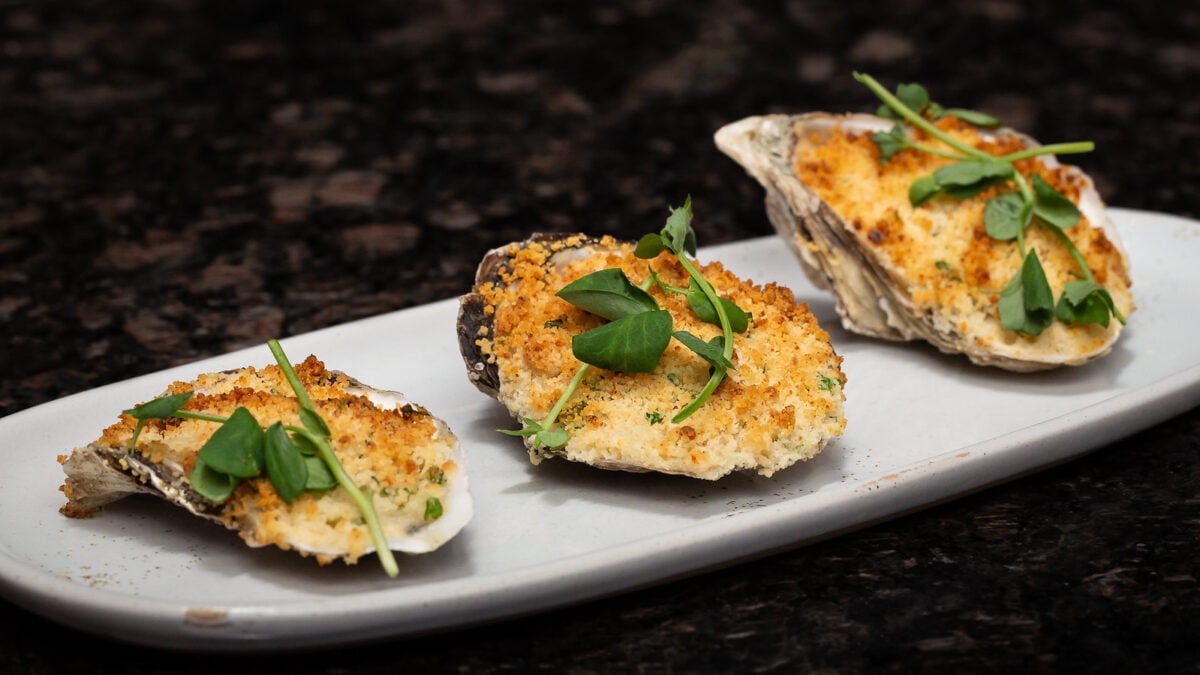
The aristocracy took conspicuous consumption to its logical extreme: eating actual gold. They hired artisans to cover fruits, meats, and pastries with paper-thin sheets of gold leaf, not because it improved the taste (gold is flavorless), but because it proved they could afford to literally consume money.
Gold-dusted cherries at a single banquet could cost more than a peasant family earned in a year. The message was unmistakable — we have so much wealth we can eat it.
Stuffed Peacock with Smaller Birds Inside
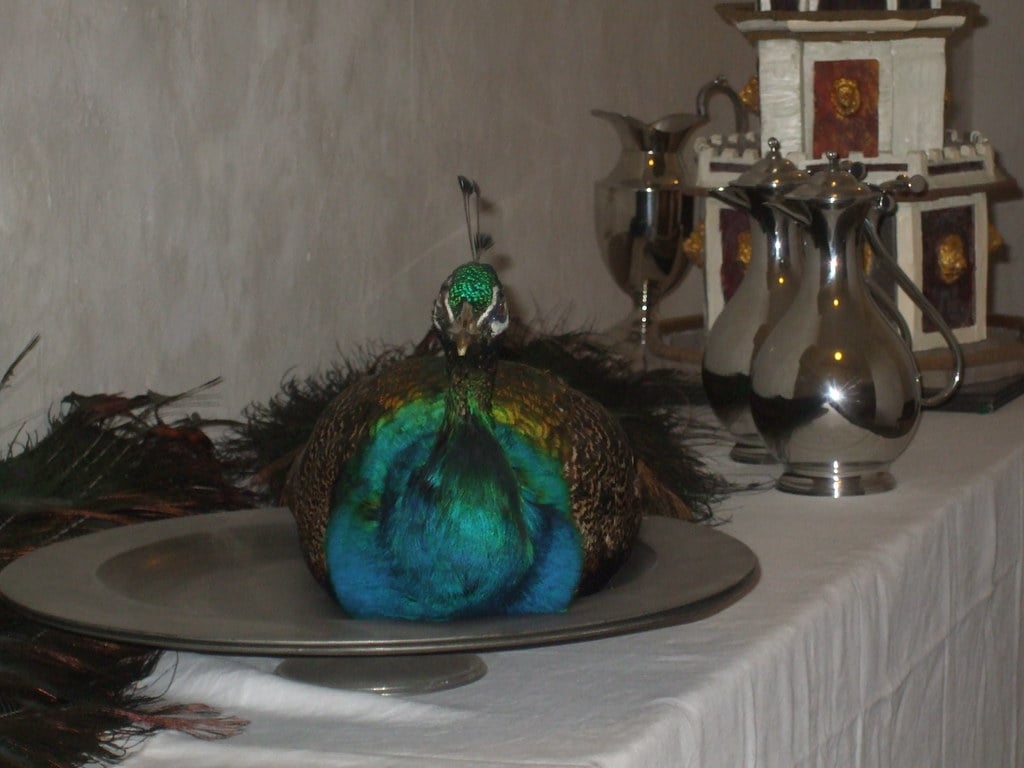
Why stop at one bird when you can nest them like Russian dolls? This dish started with a peacock, stuffed with a goose, which contained a duck, which held a chicken, which contained a quail.
Each layer was seasoned differently and required precise timing to cook properly.
The logistics alone were staggering — imagine the kitchen coordination, the army of servants, the specialized knowledge required. Meanwhile, outside the palace walls, families were making soup from leather shoes because they’d already eaten the rats.
The contrast writes itself.
Chocolate Sculptures
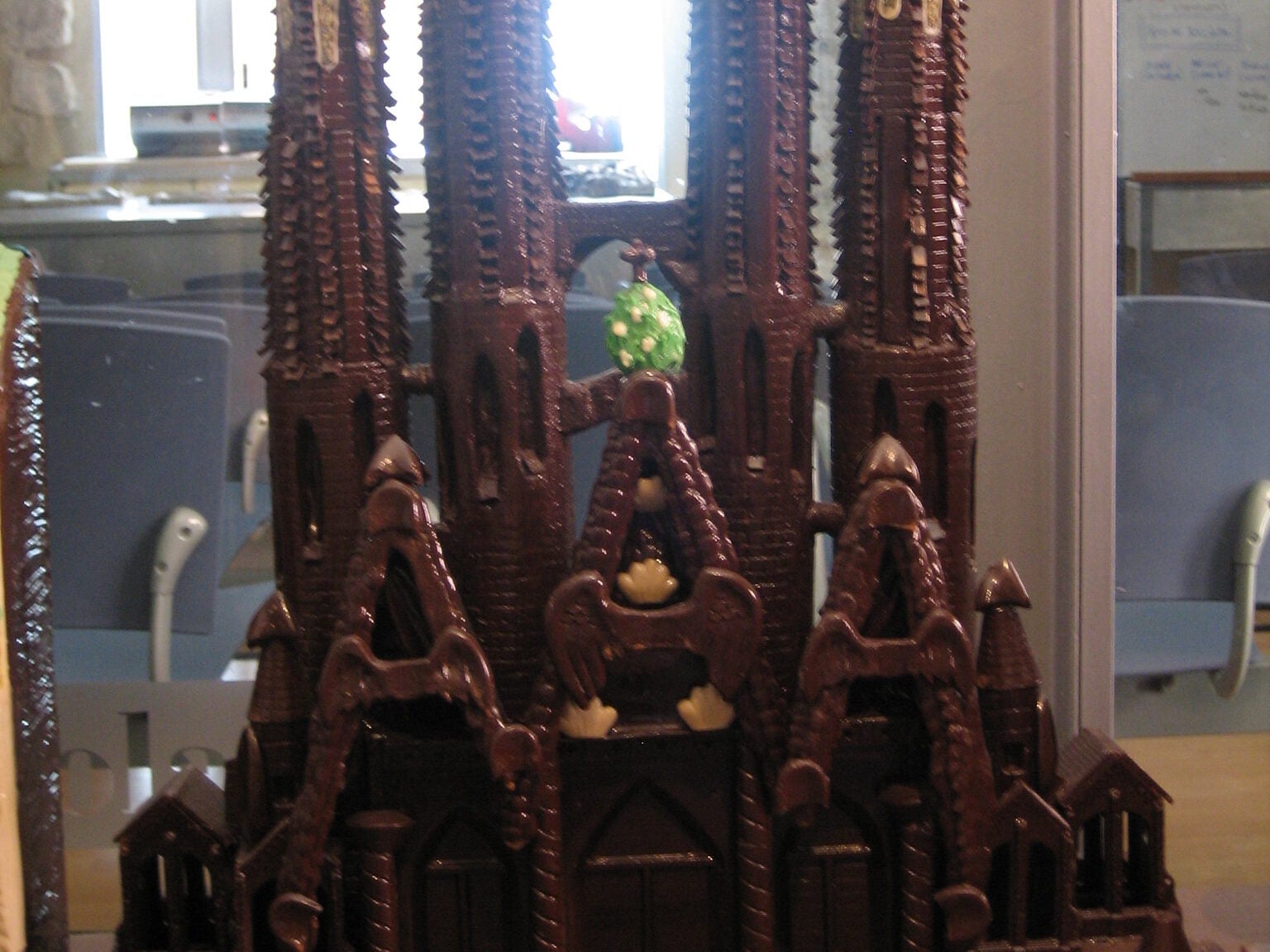
Before chocolate became democratic, it was the private playground of the wealthy (and the aristocracy turned it into edible art that would melt within hours, because permanence was for people who couldn’t afford to waste things). Elaborate sculptures depicting mythological scenes, famous battles, or royal portraits graced banquet tables — intricate works that took master confectioners weeks to complete, only to be devoured in minutes by guests who barely paused to admire the craftsmanship.
So much skill. So much time.
So much expense. Gone.
These weren’t desserts — they were statements. Each chocolate fountain or sugar palace announced that the host possessed resources so abundant they could commission masterpieces designed to disappear.
Live Bird Pies
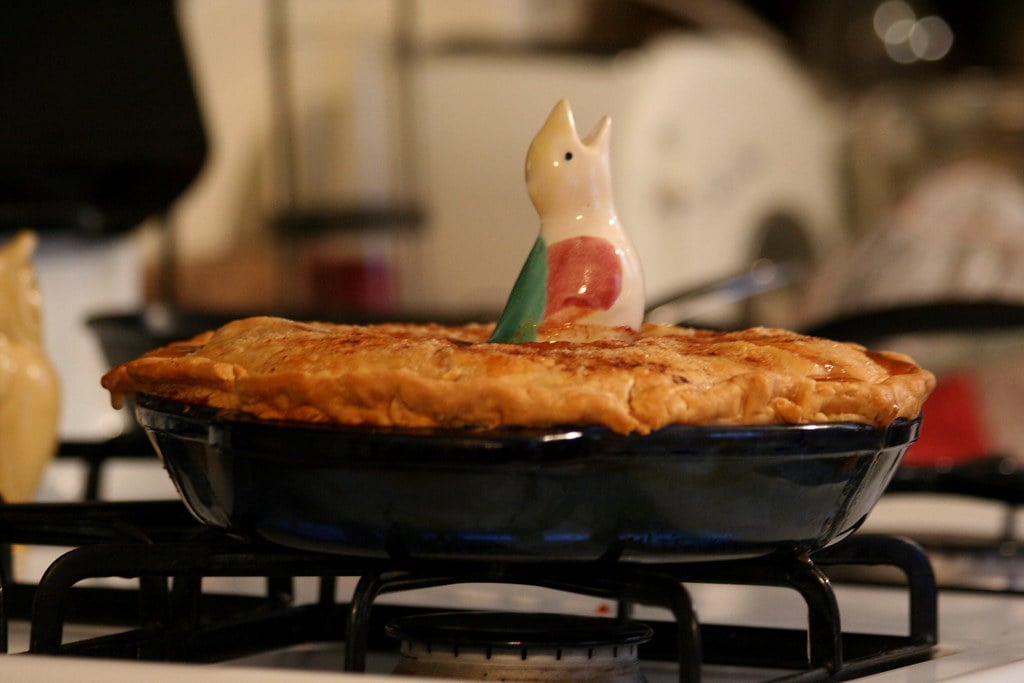
Here’s the ultimate party trick that perfectly captured aristocratic priorities: bake a hollow pie crust, then fill it with live birds just before serving. When guests cut into the pastry, dozens of songbirds would fly out, creating chaos and delight in equal measure.
The phrase “four and twenty blackbirds baked in a pie” comes from this actual practice. Nobles found it hilarious.
The birds, stressed and terrified, usually died anyway.
Unicorn Horn Powder

Unicorn horns don’t exist, but that didn’t stop the French nobility from paying astronomical sums for powdered narwhal tusk (which dealers claimed came from unicorns, because why let facts interfere with profit, why acknowledge that the magical creature you’re literally consuming might just be an Arctic whale with an unusual dental situation). They sprinkled this powder on everything, believing it would neutralize poison and grant immortality — paranoid thinking that makes more sense when you realize how much the common people wanted them dead.
And yet they kept buying it. Keep eating it.
The irony runs deeper than simple gullibility: they feared poison from below while systematically poisoning the relationship with their subjects through exactly this kind of wasteful extravagance.
Sugar Sculptures of Famous Battles
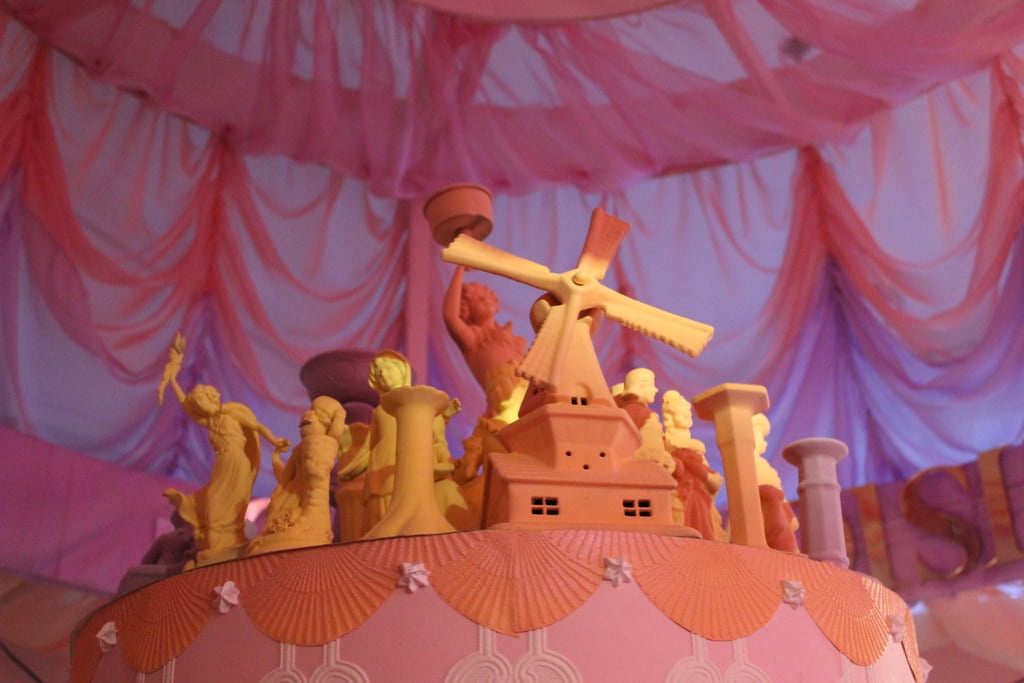
Sugar cost more than silver in pre-revolutionary France, which made it the perfect medium for aristocratic art. Master confectioners created elaborate battle scenes, complete with tiny sugar soldiers, horses, and cannons — all destined to be eaten before the evening ended.
These sculptures often depicted French military victories, celebrating conquest while the nation’s finances crumbled under the weight of constant warfare. Nothing says “fiscal responsibility” like turning your most expensive ingredient into temporary decorations.
Whale Tongue
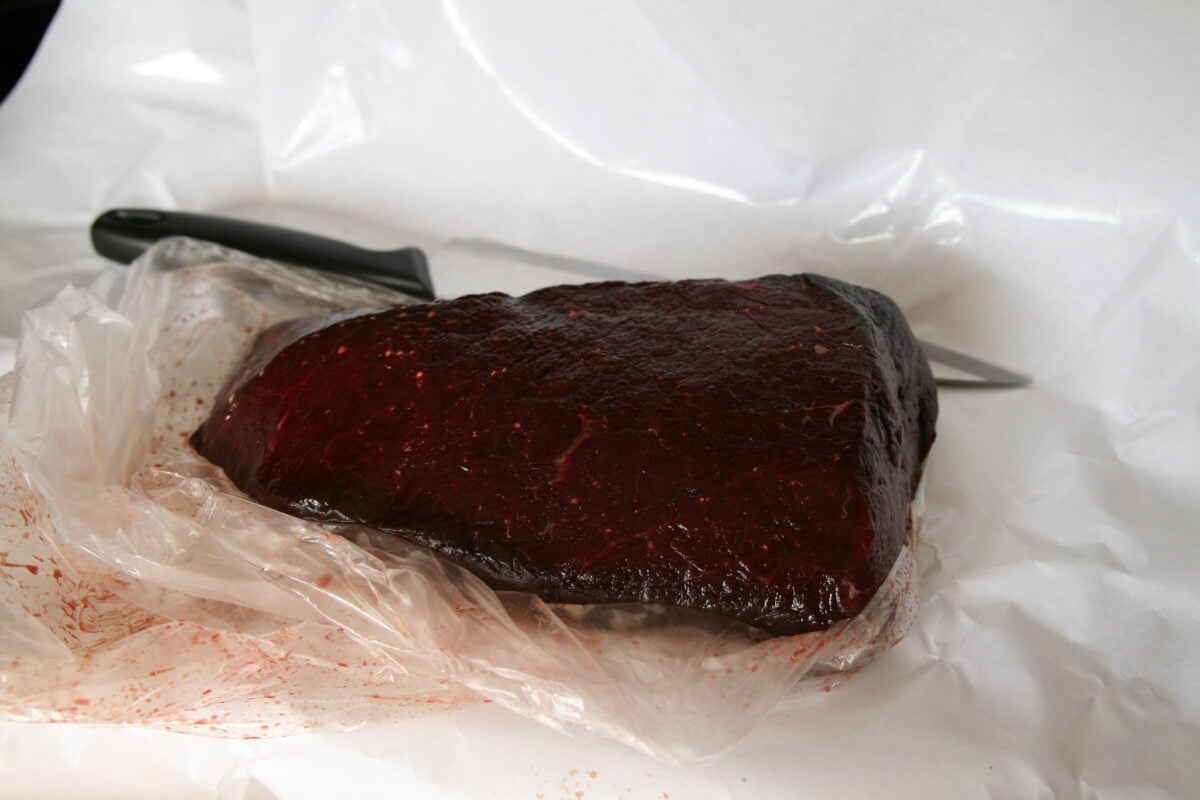
Obtaining whale tongue required funding entire whaling expeditions, which only the wealthiest nobles could afford. The tongue was considered the most tender part of the whale, but getting it to French tables before it spoiled meant racing against time and spending fortunes on preservation.
The dish represented ultimate excess — killing the ocean’s largest creature for a single cut of meat. Most of the whale was discarded, because waste was a luxury only the rich could afford.
Surgeon’s Brain Pâté
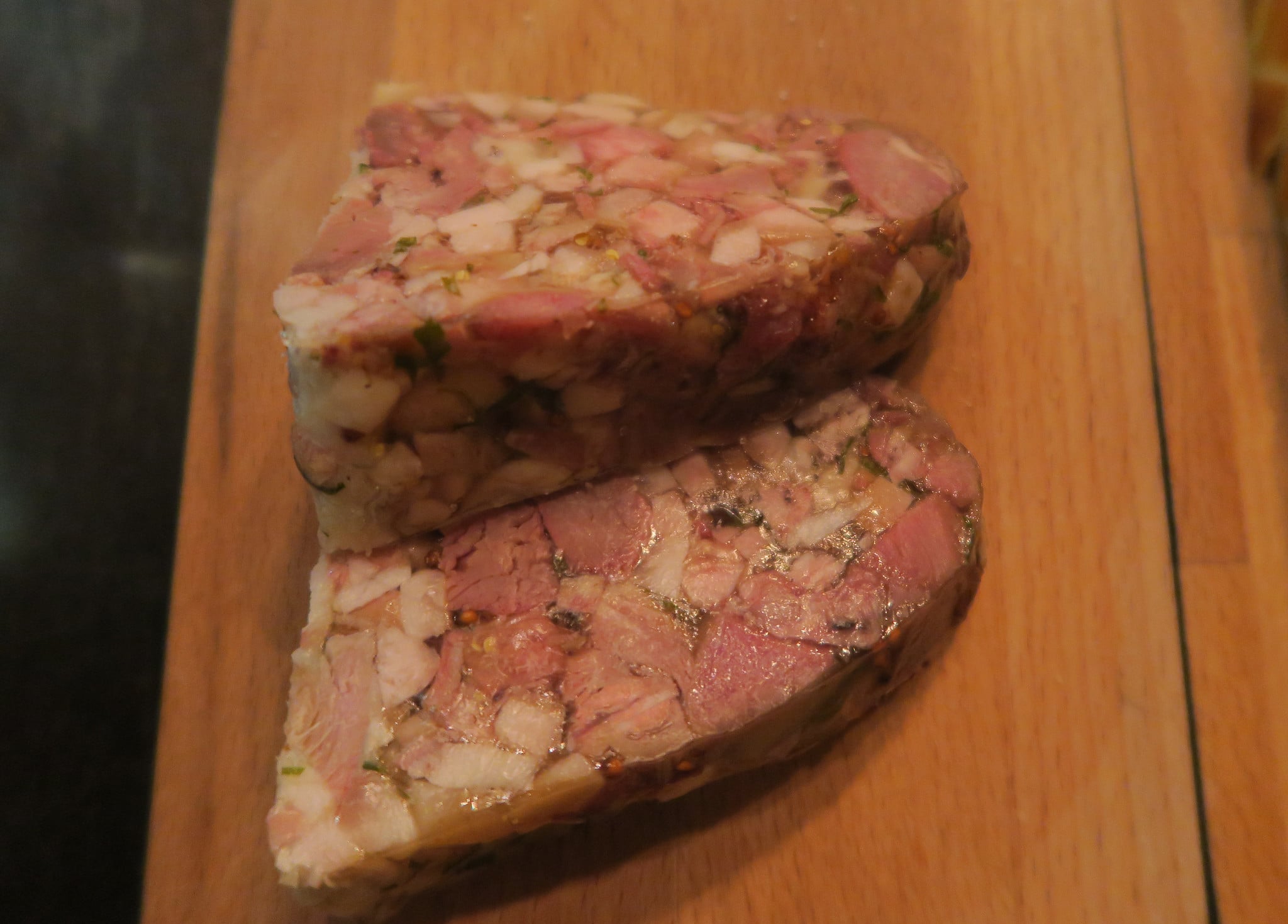
Sturgeon brain was mixed with cream, eggs, and spices, then molded into elaborate shapes and served as a delicacy (because if you’re going to eat fish brains, you might as well make them look like miniature castles or flowers, because the aristocracy couldn’t just eat something expensive — they had to make it look expensive too, had to turn every meal into theater, every bite into a statement about their distance from ordinary human concerns). The preparation required surgical precision to extract the brain without damaging it, adding another layer of difficulty and cost.
But here’s what really stings: while nobles debated the proper wine pairing for fish brain pâté, their subjects were making “bread” from sawdust and hope.
Marzipan Cities
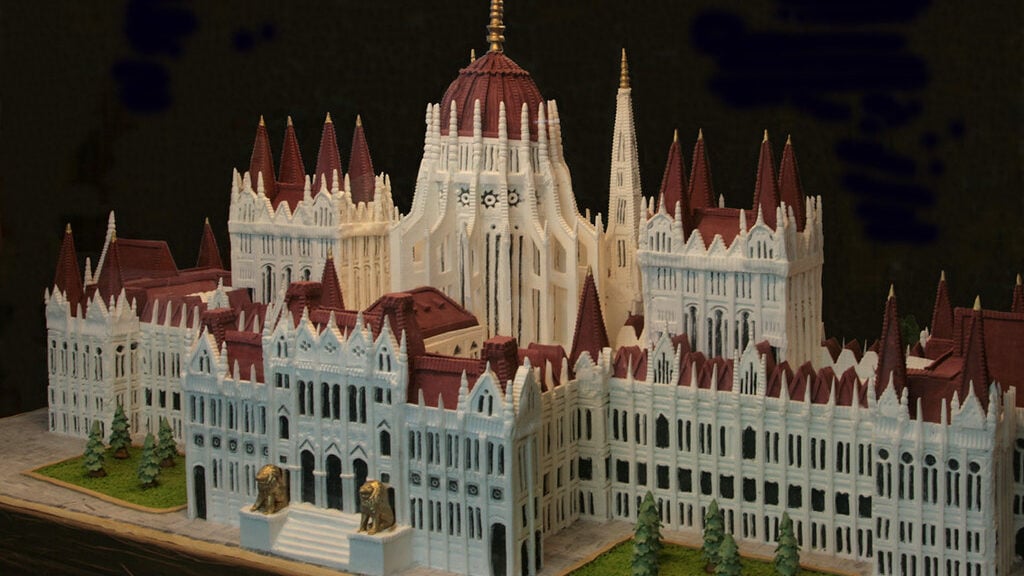
These weren’t simple almond confections — they were architectural marvels recreated in marzipan, complete with tiny buildings, people, and landscapes. Some recreated famous European cities, others depicted mythological realms or biblical scenes.
The detail was obsessive. Miniature marzipan citizens populated tiny marzipan streets.
Churches, palaces, and bridges rose from almond paste foundations. The entire creation would be displayed, admired, photographed if cameras had existed — then systematically destroyed by hungry guests who cared more about the sugar content than the artistry.
Roasted Flamingo

Flamingos were imported from distant colonies at enormous expense, their pink plumage as prized as their meat. The birds were stuffed with exotic fruits and spices, then roasted with their necks curved in elegant poses to preserve their distinctive silhouette.
The taste was reportedly awful — fishy and tough from their shrimp-heavy diet. But flavor was never the point.
Flamingo on your table announced that your wealth could reach across oceans to capture beauty and destroy it for an evening’s entertainment.
Hummingbird Tongues

This might be the most absurd delicacy of all. Hummingbird tongues are microscopic, which meant hundreds of birds died to produce a single serving (and you have to wonder about the kitchen servants tasked with this job, the specialized tweezers required, the mind-numbing tedium of extracting tongues smaller than rice grains while noble guests waited for their avant-garde appetizer).
The tongues were served in honey, creating a dish that was more concept than food.
But that was exactly the appeal. Anyone can eat chicken.
Only the truly wealthy can afford to eat something so impractical it barely qualifies as sustenance.
Diamond-Dusted Desserts
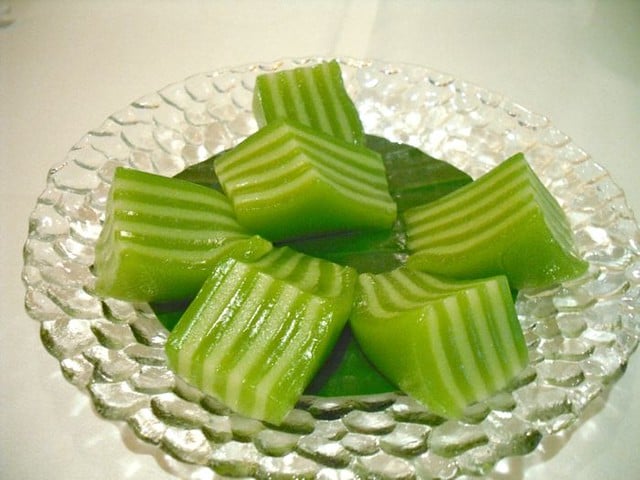
Crushed diamonds sprinkled on cakes and pastries represented the absolute pinnacle of conspicuous consumption. The diamonds added no flavor and provided no nutrition — they were purely decorative, a way to literally eat wealth.
These desserts cost more than entire villages earned in a lifetime. The diamonds were real, the waste was intentional, and the message was unmistakable.
While peasants fought over scraps, the aristocracy was finding new ways to make food more expensive than most people’s homes.
When excess becomes revolution

Food tells the story of revolution better than any political manifesto. Every gold-dusted cherry, every marzipan city, every hummingbird tongue served at Versailles was a small declaration of war against the common people of France.
The aristocracy didn’t just hoard wealth — they performed their hoarding, turned it into entertainment, made sure everyone knew exactly how little they cared about the suffering beyond their palace walls. Eventually, the people outside those walls decided they’d seen enough.
More from Go2Tutors!

- The Romanov Crown Jewels and Their Tragic Fate
- 13 Historical Mysteries That Science Still Can’t Solve
- Famous Hoaxes That Fooled the World for Years
- 15 Child Stars with Tragic Adult Lives
- 16 Famous Jewelry Pieces in History
Like Go2Tutors’s content? Follow us on MSN.



