30 Vintage Christmas Lights Collectors Buy
Long before LED strings took over, Christmas lights were bulky, fragile, and often genuinely dangerous by modern safety standards. That combination is exactly what makes the originals so appealing to collectors now, who prize the imperfections, the hand-painted glass, and the mechanical quirks that mass production eventually engineered away.
Prices vary enormously depending on completeness, working condition, and original packaging, and a single burned-out bulb in an otherwise complete set can significantly change its value. The categories below represent what collectors actively seek out, rather than what simply happens to survive in an attic box.
Bubble Lights
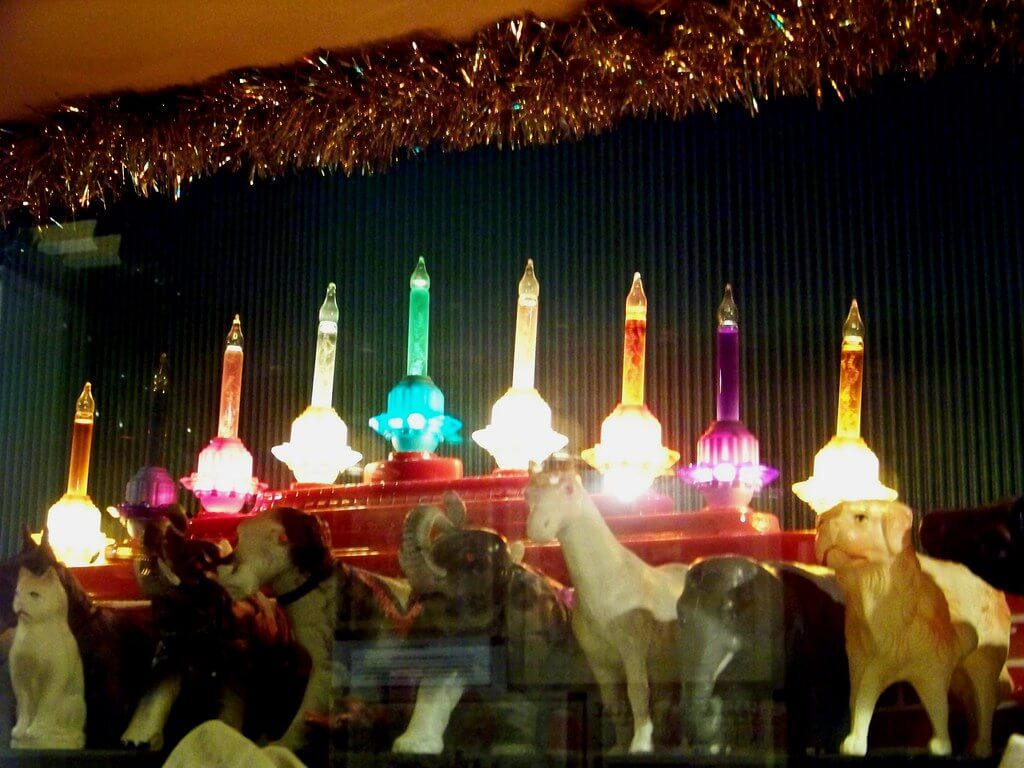
Introduced in the 1940s, bubble lights used a sealed glass tube filled with a low-boiling-point liquid that began bubbling once heated by the bulb beneath it. The bubbling motion made them instantly popular and remains their defining appeal to collectors, who look specifically for strong, fast bubbling action as a sign the light still works correctly.
Complete sets with original boxes are worth considerably more than loose bulbs.
Figural Milk Glass Bulbs
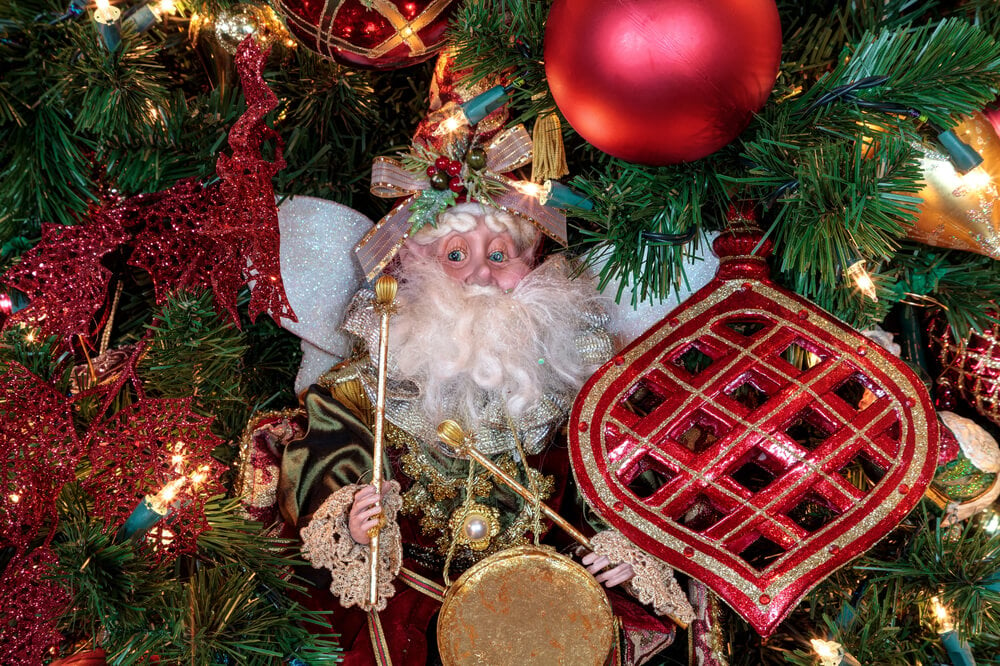
Shaped like Santa faces, snowmen, birds, or fruit and hand-painted over an opaque milk glass base, these bulbs were common in the 1920s through the 1950s before plastic figural lights replaced them. Paint condition matters enormously to collectors, since the painted details wear off with handling and exposure to light over decades.
Unusual shapes, such as specific cartoon characters or less common animals, command significantly higher prices than standard Santa or snowman designs.
C6 Miniature Bulbs
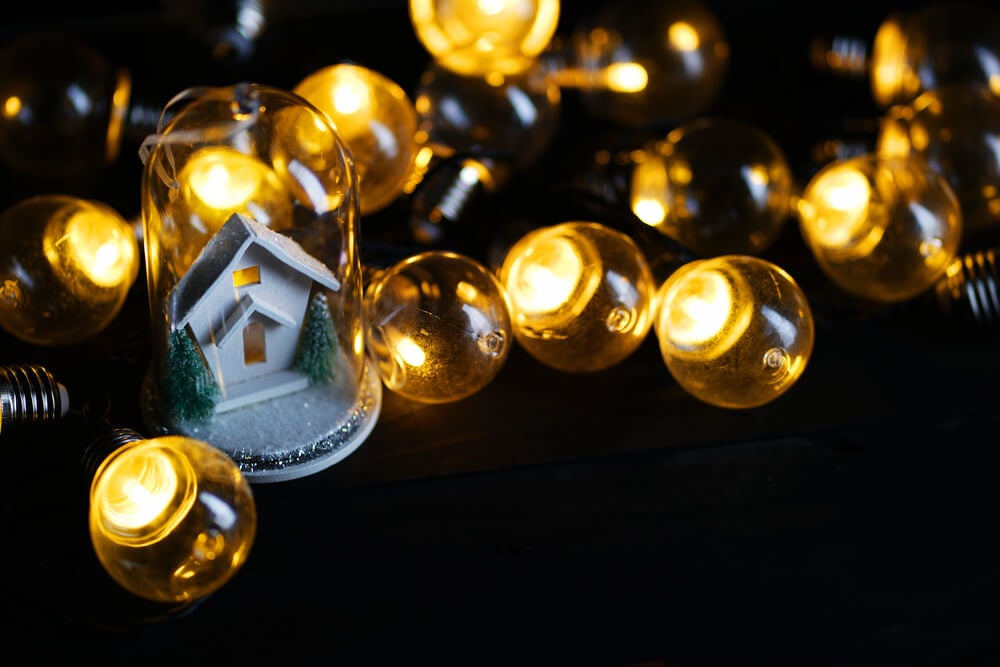
Smaller than the standard C7 and C9 bulbs, C6 lights were a mid-century option prized today for their compact, delicate look on a tree compared to larger, more common bulb sizes. Original boxes specifying the C6 designation help collectors confirm authenticity, since reproduction bulbs are common.
Sets with a full run of matching colors are harder to find than mixed assortments.
Screw-In Base Bulbs
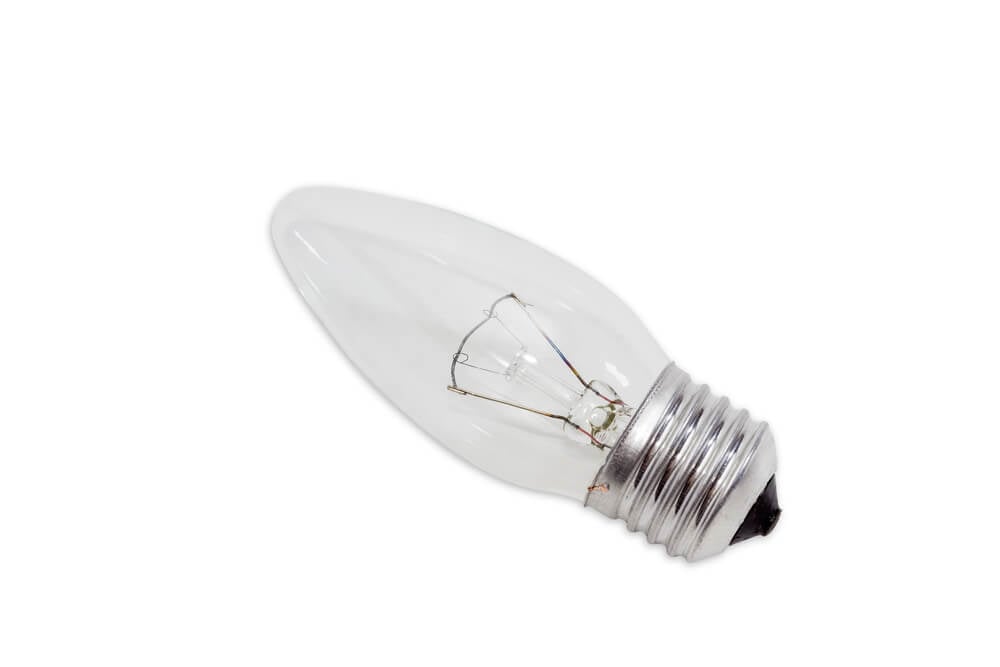
Unlike the push-in bulbs that became standard later, early screw-in Christmas bulbs required more effort to install and replace, a detail collectors use to help date a set. The screw base design mirrored standard household light bulbs of the era, which is part of their appeal to collectors interested in the overlap between household and holiday lighting technology.
Corrosion on the metal base is one of the most common condition issues buyers check for.
Series-Wired Light Sets
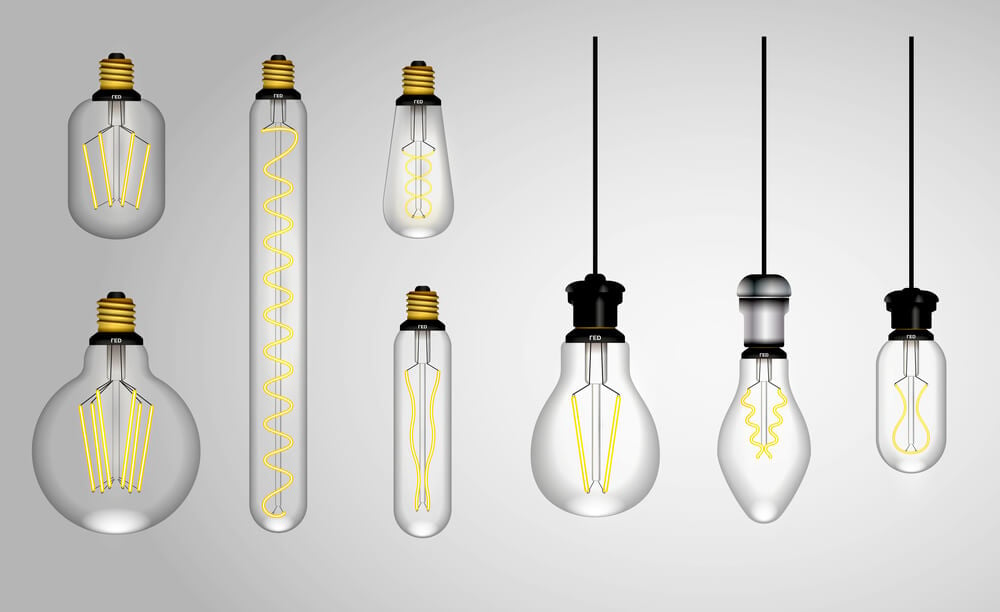
Where one burned-out bulb would darken the entire string, series wiring was the standard through the mid-20th century and is now a key detail collectors use to distinguish genuinely old sets from later parallel-wired reproductions. Working series sets are harder to keep fully lit, which paradoxically makes a complete, functioning set more impressive to serious collectors.
Replacement bulbs matching the correct wattage are necessary to keep the string balanced.
Twinkle Bulbs
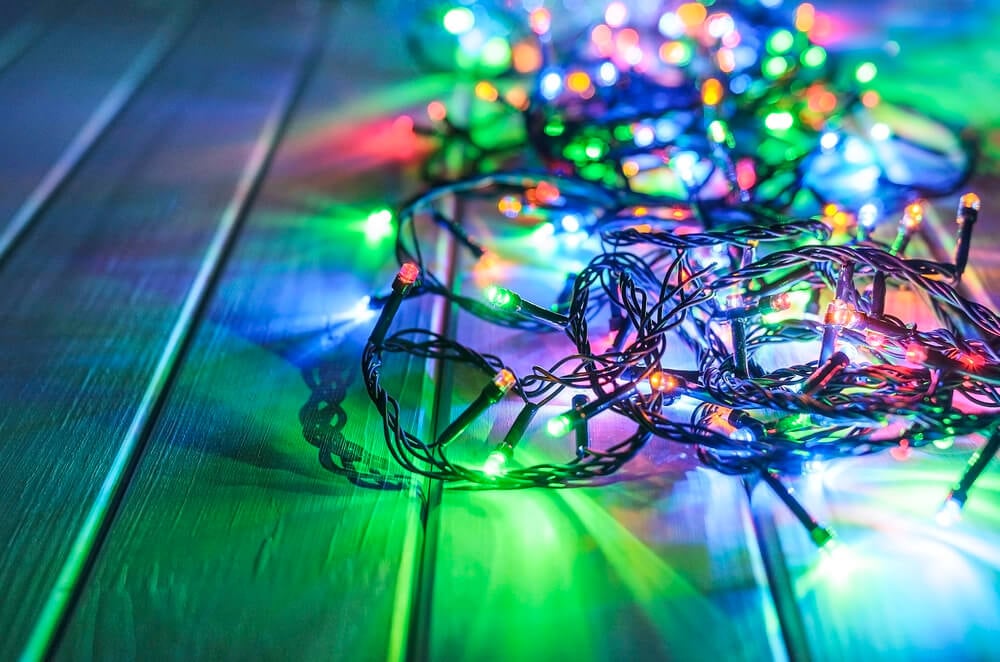
Featuring a small amount of gas inside the bulb that caused a flickering, star-like effect, twinkle bulbs added movement to a tree without any external mechanism. Because the flickering effect degraded over decades of use, working twinkle bulbs are harder to find than their steady-burning counterparts.
Collectors test each bulb individually before purchasing a full set to confirm the twinkle effect still functions.
Snow-Capped Bulbs

Coated partially in a textured white finish to resemble snow accumulating on a colored bulb, these were a specific mid-century novelty aimed at adding visual variety to an otherwise uniform string of lights. The snow coating chips and flakes off easily, and bulbs with fully intact coating are considerably rarer than those with worn or partial coverage.
They are often collected individually rather than as full sets.
Italian String Lights
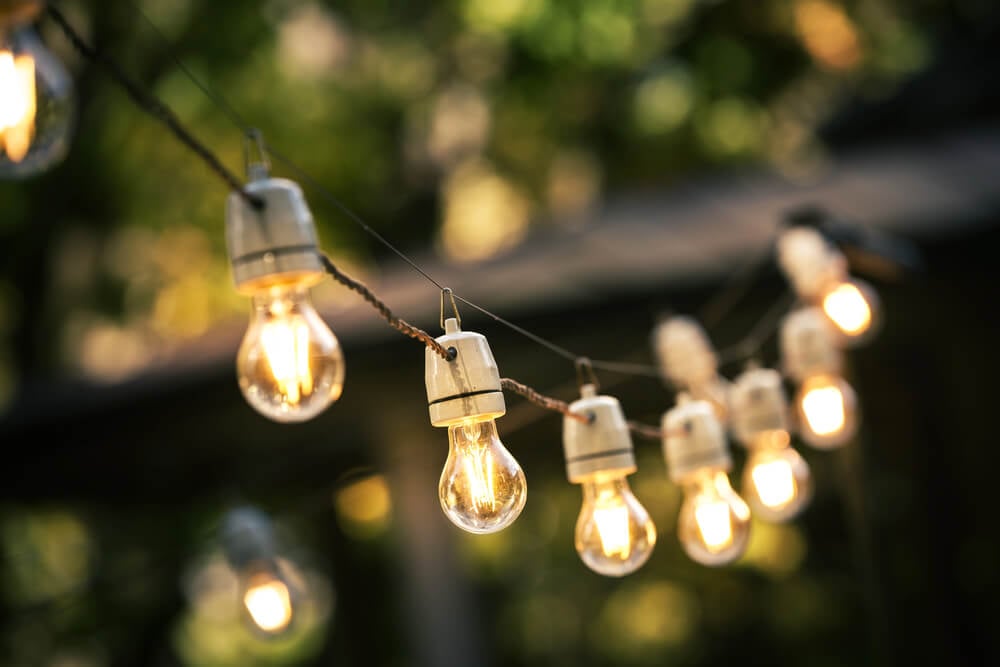
Made with smaller, more tightly spaced bulbs than typical American sets, Italian-style string lights were imported and became associated with a denser, twinkling look on the tree rather than the widely spaced American standard. Original Italian packaging, often printed in multiple languages, is a detail collectors look for to confirm an authentic import rather than a domestic imitation.
Working transformers, where used, are a significant factor in overall value.
Pixie Lights
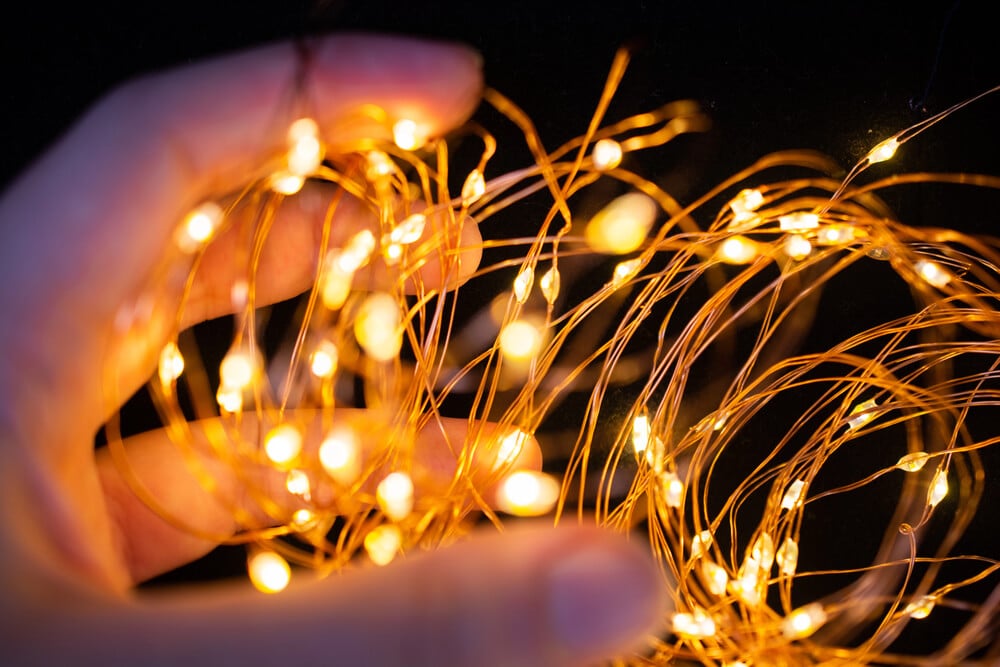
Extremely small, low-voltage bulbs designed to sit closer to the branches than standard-sized lights, pixie lights were marketed as a way to create a subtler glow rather than the bold color of larger bulbs. Their small size makes individual bulbs easy to lose, so complete original sets are considerably rarer than partial ones.
Original packaging specifically identifying them as pixie or fairy lights adds meaningfully to their value.
Moon and Star Bulbs

Molded into crescent moon and star shapes rather than the standard round bulb, these figural lights were less common than Santa or snowman designs and are correspondingly more sought after today. Painted detail on the star’s points wears unevenly, and collectors specifically look for bulbs where the point tips have not chipped.
They are frequently sold individually as display pieces rather than reassembled into full working strings.
Santa Face Bulbs

Among the most recognizable figural bulbs, Santa face designs varied significantly between manufacturers in terms of paint style and expression, and collectors often specialize in a specific maker’s version rather than collecting Santa bulbs generically. Hand-painted details, particularly a rosy cheek tint, are a mark of an earlier, more labor-intensive production run.
Condition of the painted beard is one of the most scrutinized details in evaluating a single bulb.
Birdcage Lights
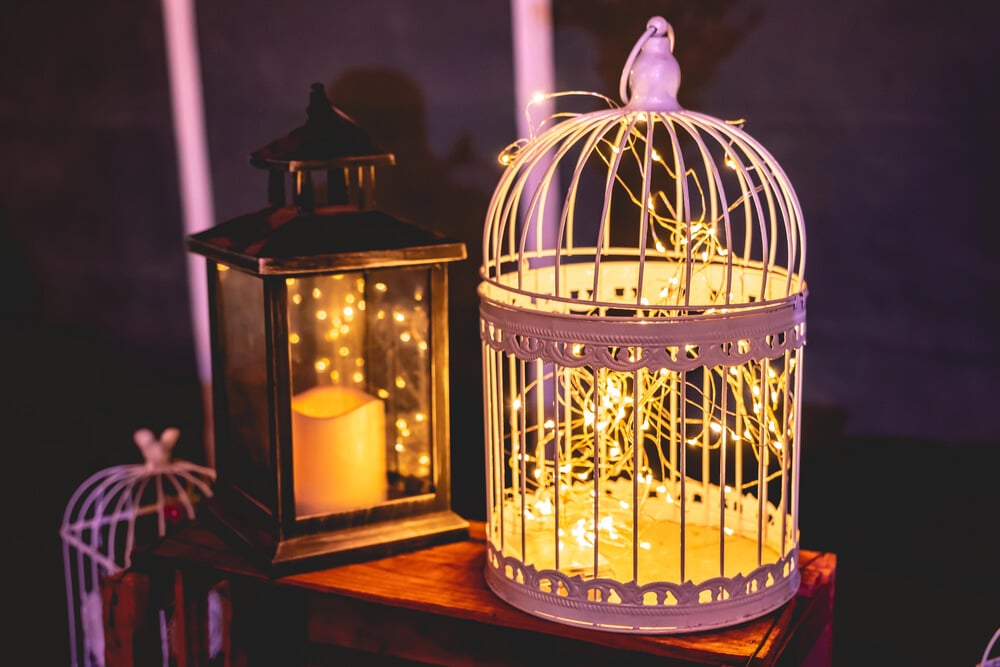
Shaped like small ornamental cages rather than a simple bulb form, birdcage lights were a less common novelty design that has become a niche but dedicated collecting category. Their delicate molded detail makes them prone to chipping, and fully intact examples are notably harder to find than more robust round bulb shapes.
They are rarely found in complete working strings and are more often collected as individual display pieces.
Lantern-Shaped Bulbs
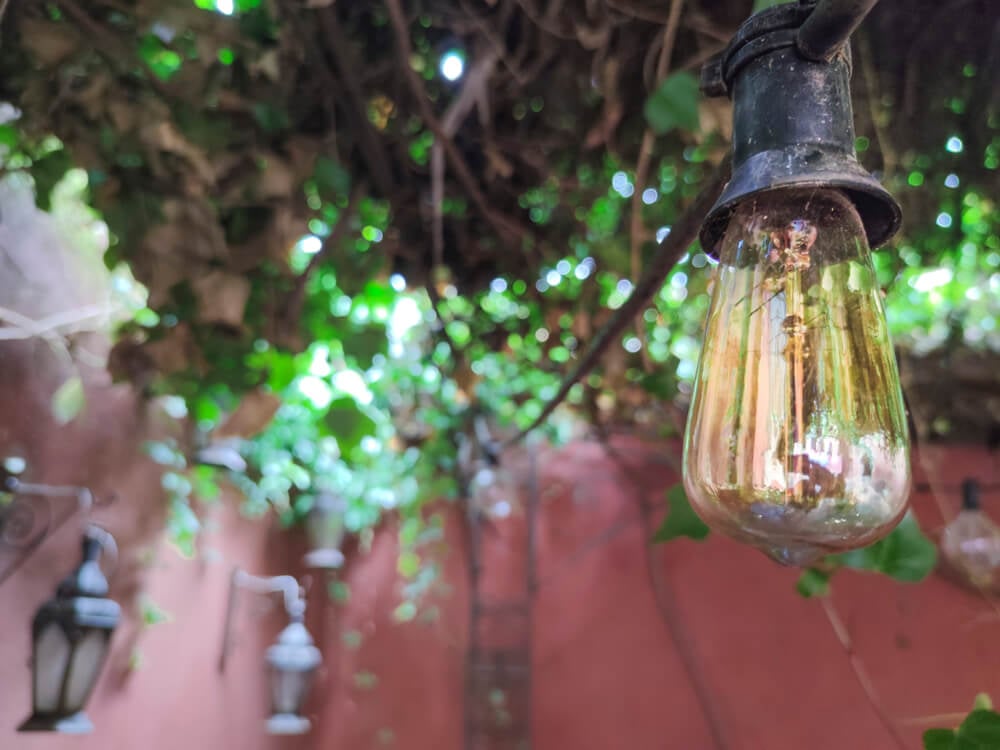
Modeled after small hanging lanterns rather than a round bulb, these figural lights added a different silhouette to a tree strung mostly with standard shapes. Multiple colors of glass were used for the lantern body, and collectors often seek a matched set across colors rather than a single example.
Their slightly larger size than standard figural bulbs makes them a distinctive centerpiece when displayed.
Mushroom-Shaped Bulbs

A rounded cap over a narrower stem gave mushroom bulbs a distinctive silhouette that stood apart from the more common Santa and snowman figures. Paint wear on the cap is the primary condition issue collectors check, since it is the most visually prominent and handled part of the bulb.
They are considered a mid-tier figural design, less rare than birdcage or lantern shapes but more sought after than plain round bulbs.
Reflector Bulbs
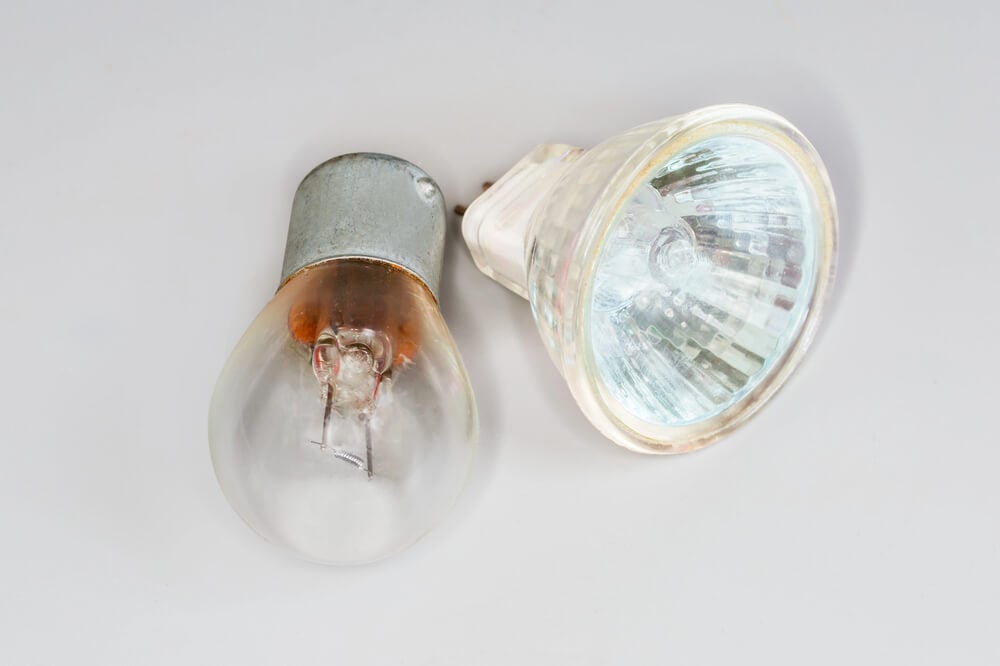
Coated on the interior with a reflective silver or gold finish that intensified the light’s glow, reflector bulbs were a functional innovation rather than a decorative figural design. Collectors value examples where the interior reflective coating has not flaked or dulled with age.
They are typically collected as part of complete working sets rather than as individual display pieces, since their appeal is largely functional.
Flame-Shaped Bulbs
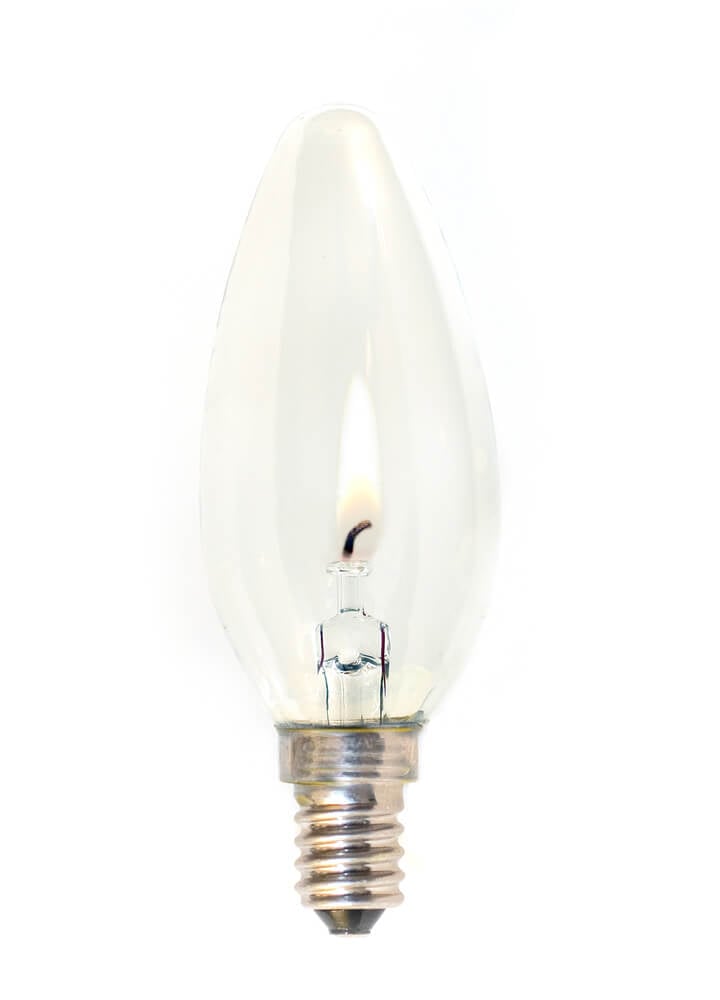
Tapered to a point to mimic a candle’s flame, flame bulbs were designed to evoke the look of earlier candle-lit trees using electric bulbs instead. Clear or lightly tinted glass was more common than the deep saturated colors used for round bulbs.
Collectors interested in the transition from candles to electric lighting specifically seek these out as a historical bridge piece.
Cluster Light Sets
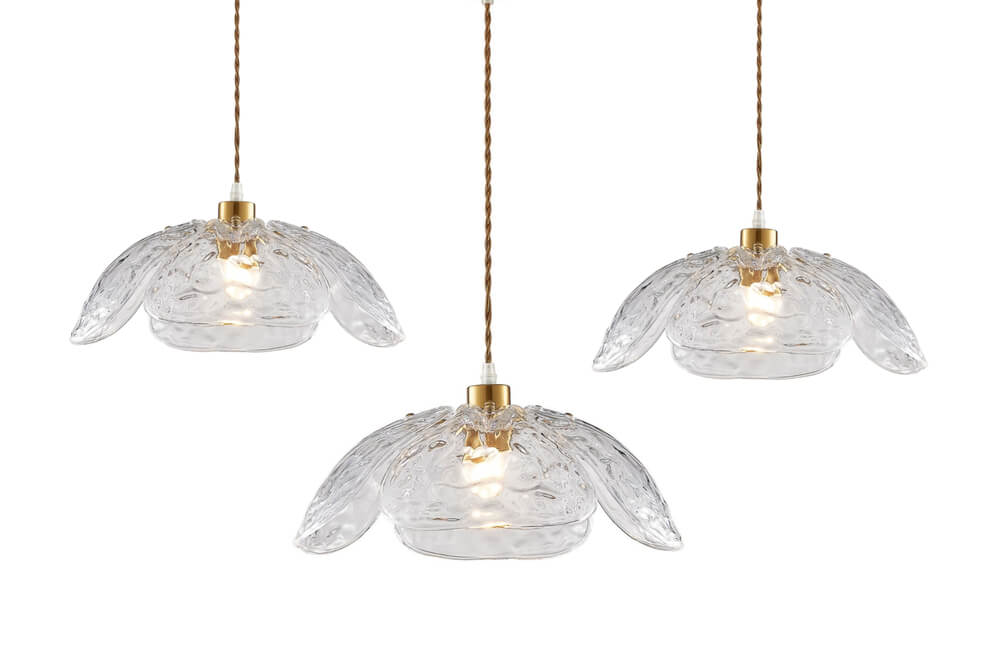
Rather than a single strand of evenly spaced bulbs, cluster sets grouped several bulbs closely together at intervals along the wire, creating pools of concentrated light rather than an even glow. Original cluster sets are less common than standard strands, since the design required more wiring and was correspondingly more expensive when new.
Complete, undamaged clusters with all bulbs intact are considered a strong find.
Bubble Light Candelabra Bases
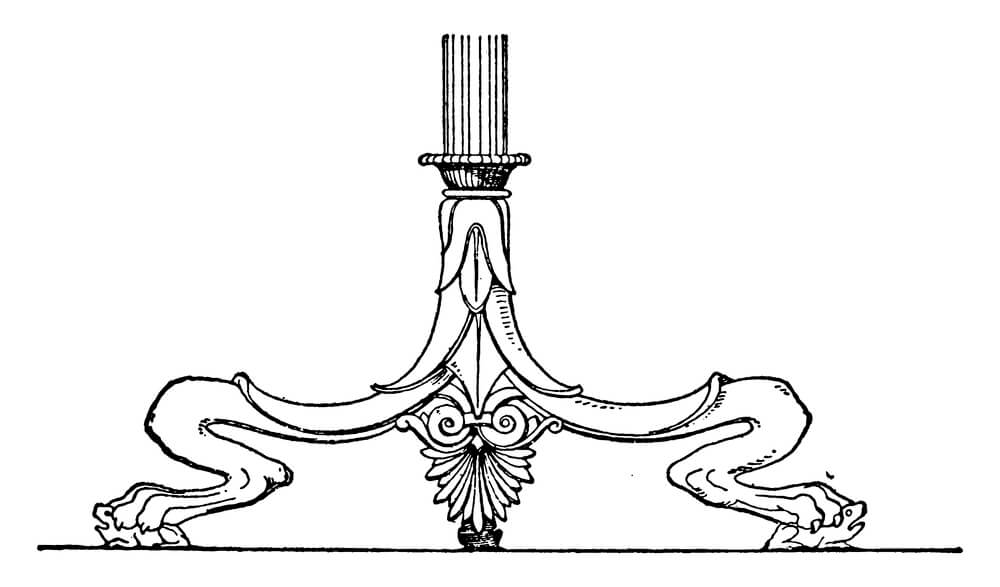
A specific base style used on certain bubble light sets, the candelabra base is smaller than the standard base and is a detail collectors use to identify particular manufacturers and production eras. Mismatched bases within a single string are a common sign of a set that has been repaired or reassembled from multiple sources over the years.
Purists specifically seek sets with fully matching, original bases.
Plastic Snowman String Lights
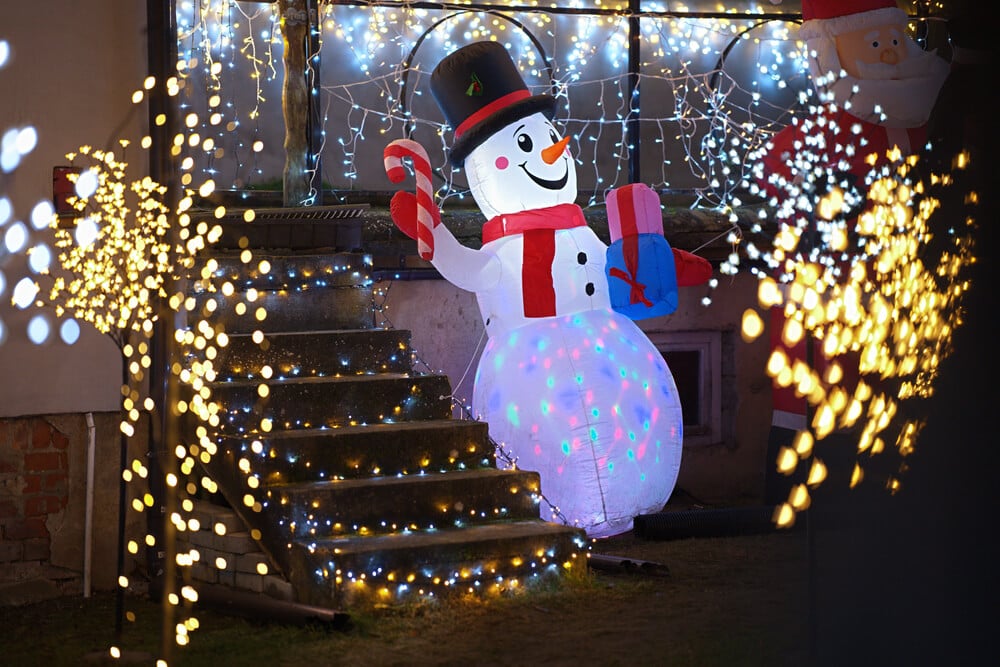
A later mid-century shift from glass to molded plastic figural covers, plastic snowman lights slid over a standard bulb rather than being blown and painted as a single glass piece. Because the plastic yellowed and cracked with age and heat exposure from the bulb inside, well-preserved examples in bright white plastic are notably scarcer than yellowed ones.
Collectors specifically distinguish these from the earlier glass figural bulbs as a separate collecting category.
Angel Bulbs
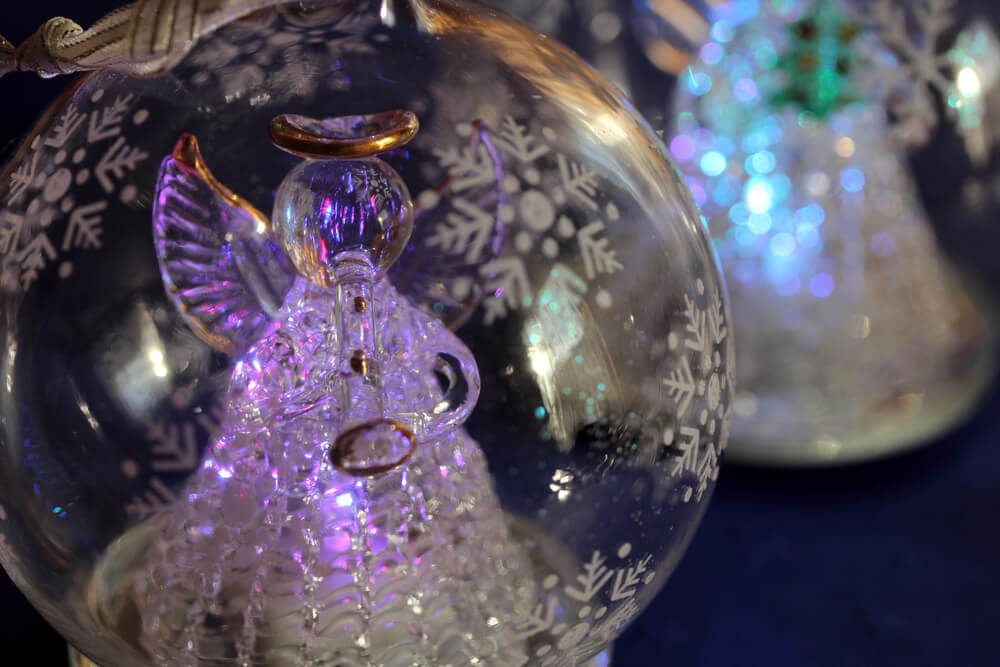
Molded or painted to depict an angel figure, these bulbs were less common than Santa or snowman designs and are correspondingly harder to find in good condition today. Wing detail is the most fragile part of the design and the first place damage typically shows.
They are frequently sought after specifically for religious-themed tree displays distinct from the more secular Santa and snowman figures.
Holly-Shaped Bulbs

Molded with pointed leaf edges and small red berry accents, holly-shaped bulbs added a botanical design element distinct from the animal and character figures more commonly produced. Green glass with contrasting red berry paint is the standard combination collectors look for, and examples with faded or missing berry detail are valued lower.
They are considered a mid-rarity figural design.
Mercury Glass Light Reflectors
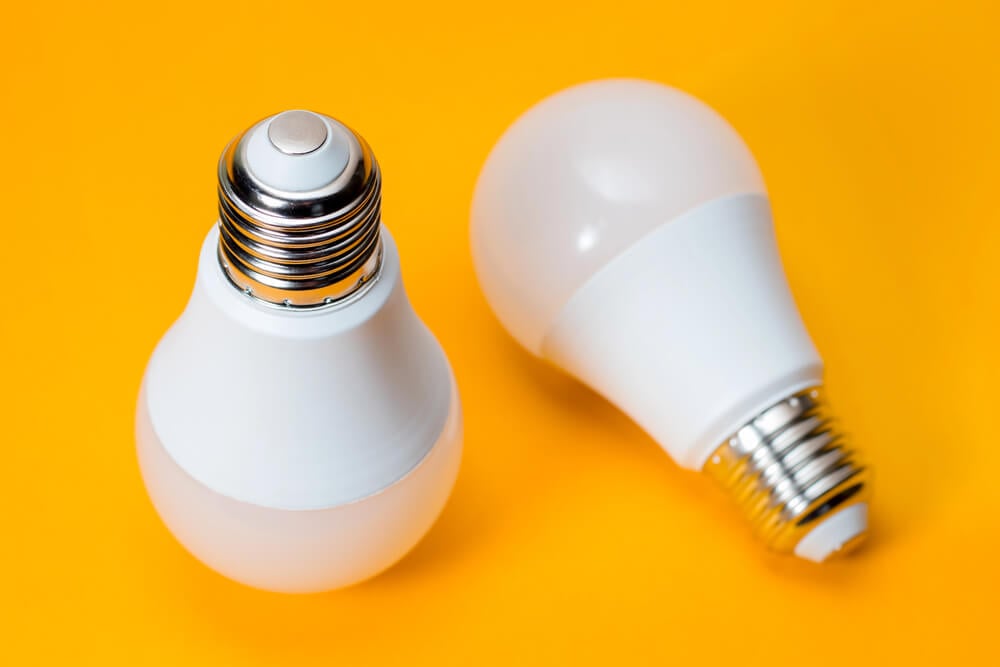
Small silvered glass caps designed to sit behind a bulb and intensify its glow toward the front of the tree, mercury glass reflectors are collected separately from the bulbs themselves. Their thin glass construction makes surviving, uncracked examples notably scarce.
Collectors specializing in mercury glass more broadly, including ornaments, often extend their focus specifically to these lighting reflectors.
Bell-Shaped Bulbs
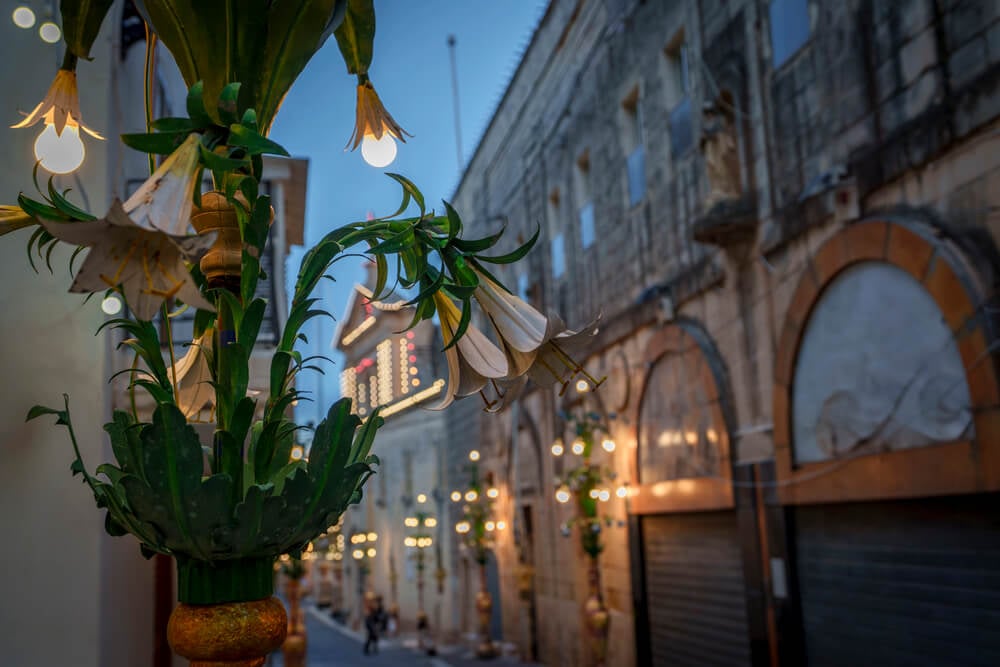
Styled after a ringing bell rather than the standard round bulb, bell-shaped lights were produced in various colors and sizes across different manufacturers. Some versions included a small molded clapper detail inside the bell shape, a feature collectors specifically look for as a mark of a more detailed production run.
They pair well visually with holly-shaped bulbs in a themed display.
Multi-Colored Large C9 Bulbs
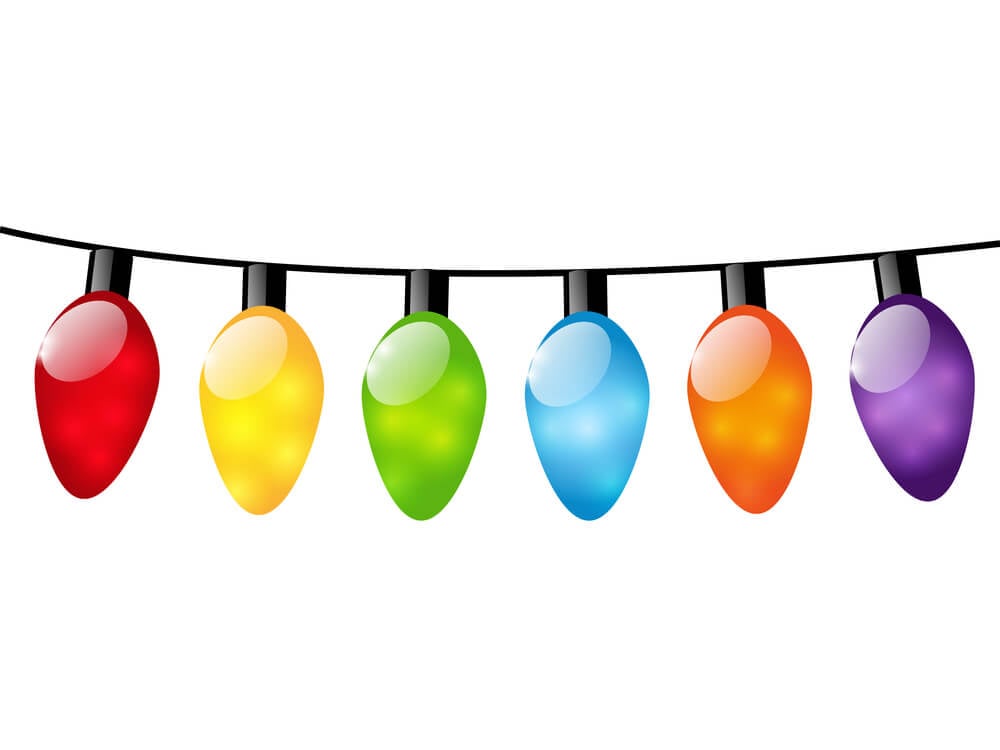
The largest standard bulb size commonly used, C9 bulbs were typically used on outdoor displays or larger indoor trees where a bold, visible glow mattered more than subtlety. Original box sets in unopened condition are particularly valued, since C9 bulbs were used more heavily outdoors and subject to greater weather damage over the decades.
Collectors specifically seek sets with the original cardboard box intact, since these were frequently discarded.
GE String Light Sets
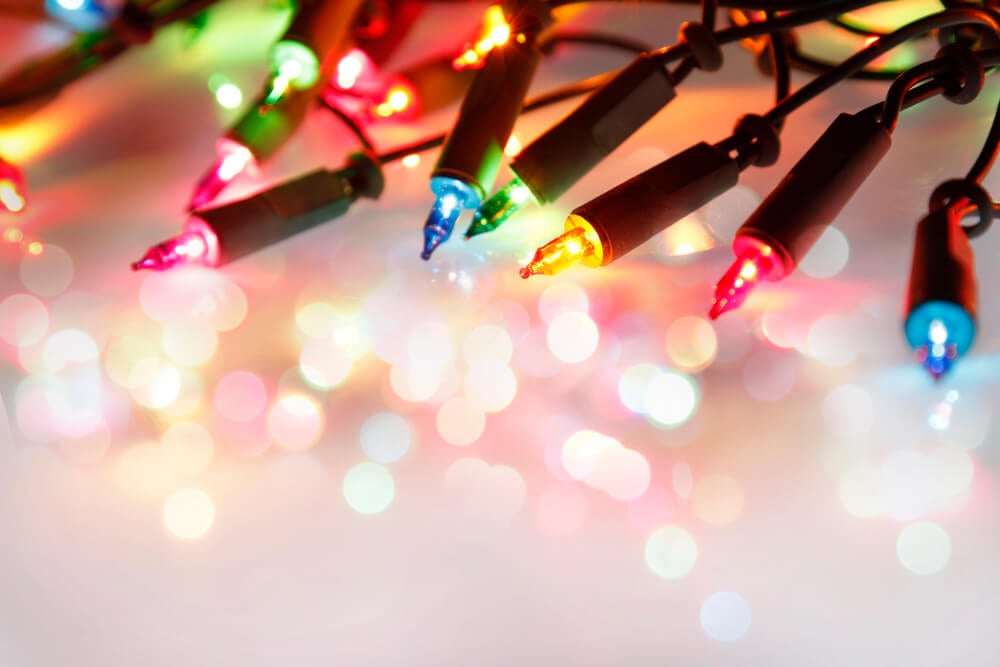
A major manufacturer throughout the mid-20th century, General Electric produced some of the most widely distributed light sets of the era, and original GE packaging with matching bulbs is a specific benchmark collectors use to judge authenticity and completeness. Because GE sets were so widely produced, individual bulbs are relatively easy to find, but fully matched, boxed original sets are considerably harder to assemble.
Collectors specializing in a single manufacturer often focus specifically on GE due to the depth of documented product history available.
Noma String Light Sets

Another major mid-century manufacturer, Noma produced a wide range of figural and standard bulb sets, and the company’s branding on original boxes is a key detail collectors use for dating and authentication. Noma’s figural designs in particular are actively sought after, with certain character bulbs from the company considered among the more desirable finds in the broader figural bulb category.
Condition of the original Noma packaging significantly affects resale value.
Matchless Star Light Sets

Known specifically for a distinctive star-shaped bulb design, Matchless sets are a narrower but dedicated collecting category compared to broader manufacturers like GE or Noma. The star points are particularly prone to chipping, making fully intact examples scarcer than round bulb equivalents from the same era.
Collectors specializing in star and celestial-themed figural lights often prioritize Matchless examples specifically.
Outdoor C7 Weatherproof Sets
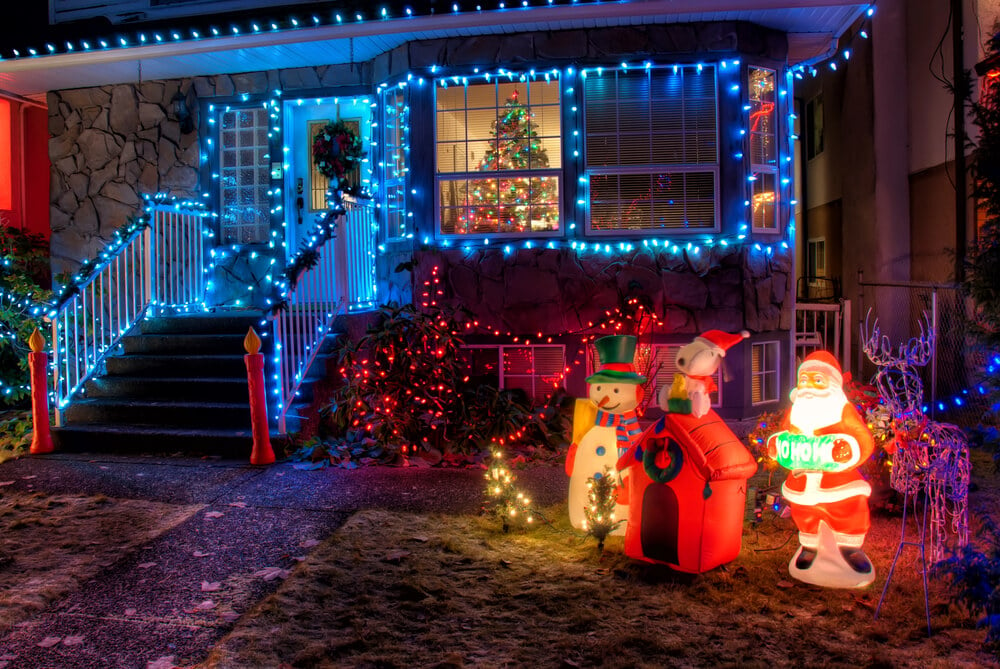
Designed with heavier rubber or bakelite housings to withstand outdoor exposure, C7 weatherproof sets are collected specifically for their more robust, industrial construction compared to delicate indoor glass bulbs. Original clip-style hangers used to attach the string to a roofline or gutter are a detail collectors look for as part of a complete, original set.
Weather damage to the housing is common and significantly affects value.
Candelabra-Base Figural Sets
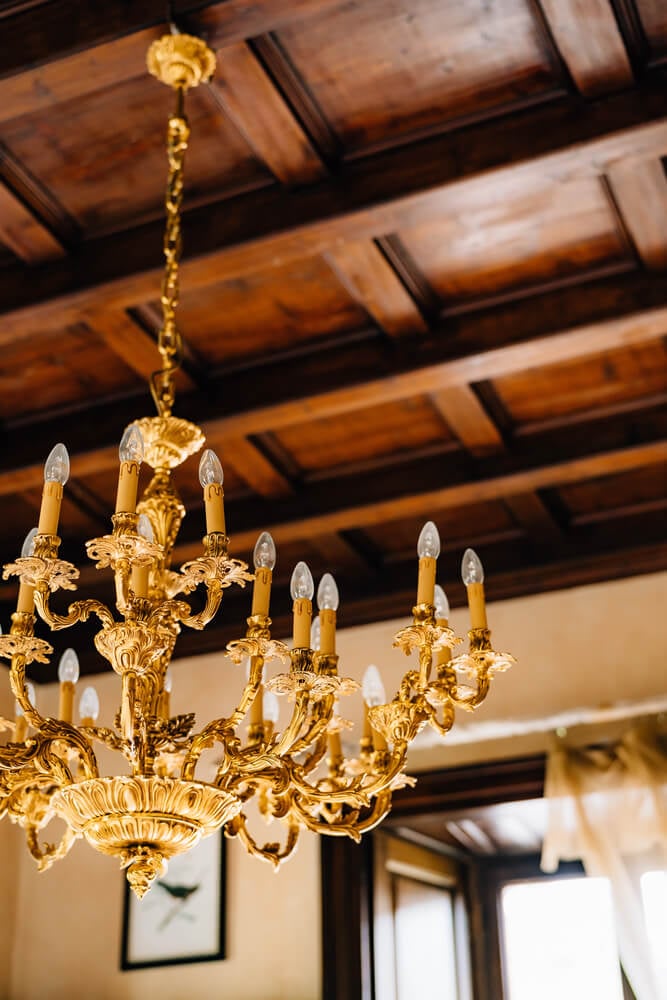
Combining the smaller candelabra base with figural glass covers, these sets represent a specific mid-century production style distinct from the more common standard-base figural bulbs. Their smaller scale made them popular for tabletop trees rather than full-sized ones.
Complete sets in this smaller format are considered rarer than standard-sized equivalents due to lower original production volumes.
Add-On Extension Bulbs
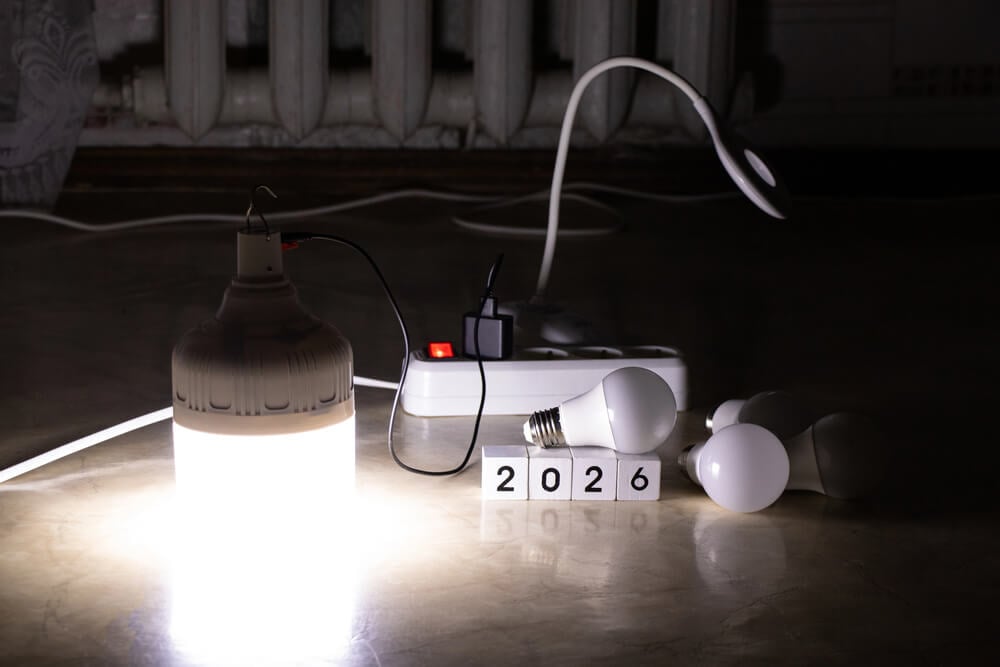
Individual replacement bulbs sold separately to extend or repair an existing set, add-on bulbs in original blister packaging are a niche but active category for collectors specifically trying to complete a set missing one or two bulbs. Matching the exact era, color, and manufacturer of an incomplete set is often more difficult than finding a fully assembled string outright.
Serious collectors maintain inventories of loose bulbs specifically for this kind of restoration work.
The Appeal of the Imperfect Glow
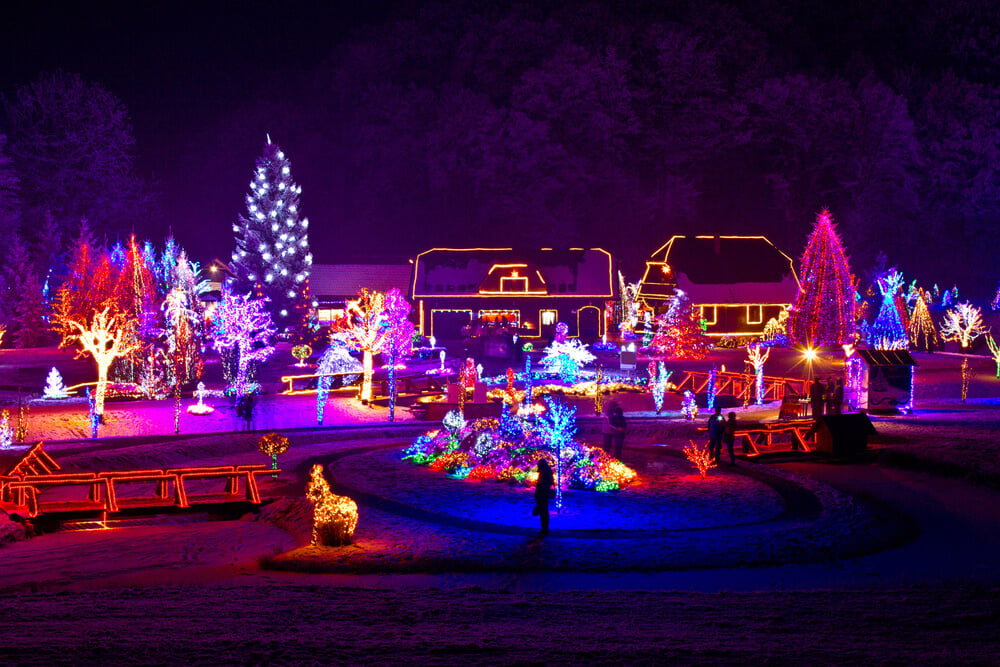
What draws collectors to these lights is rarely nostalgia alone. It is the specific, physical evidence of an earlier manufacturing era, the hand-applied paint, the fragile glass, the wiring that required real effort to keep functioning.
A modern LED string does its job flawlessly and forgettably, while a working set of bubble lights from the 1950s demands attention precisely because it might not work at all. That fragility is the entire point.
A collector paying a premium for a boxed set of figural Santa bulbs is not buying decoration. They are buying a small, working piece of a manufacturing process that no longer exists, one bulb at a time, one careful test at a time, until the string lights up the way it did the first Christmas it was sold.
More from Go2Tutors!

- The Romanov Crown Jewels and Their Tragic Fate
- 13 Historical Mysteries That Science Still Can’t Solve
- Famous Hoaxes That Fooled the World for Years
- 15 Child Stars with Tragic Adult Lives
- 16 Famous Jewelry Pieces in History
Like Go2Tutors’s content? Follow us on MSN.



