31 Ancient Technologies Rebuilt Only Recently
Most ancient technologies didn’t disappear because they stopped working. They disappeared because the people who understood them died without writing the process down, or because a supply chain collapsed, or because a simpler substitute eventually won out for reasons that had nothing to do with performance.
Modern researchers keep rediscovering that the old method was often better than assumed, sometimes stronger, sometimes more efficient, and occasionally still unmatched by anything built since. What follows isn’t a list of myths or fringe theories.
Every entry below has been physically reconstructed, chemically analyzed, or put back into working use within the past few decades, often by engineers and archaeologists who assumed going in that the ancient version would be inferior.
Roman Self-Healing Concrete

For decades, the small white mineral chunks found throughout Roman concrete were dismissed as evidence of sloppy mixing. A 2023 study led by MIT and Harvard researchers found instead that these lime clasts give the material a genuine self-healing capability: when a crack reaches one of these deposits and water gets in, the lime recrystallizes and seals the fracture before it can spread.
The researchers have since produced modern concrete using the same hot-mixing method and confirmed it heals cracks that ordinary Portland cement cannot.
Wootz and Damascus Steel
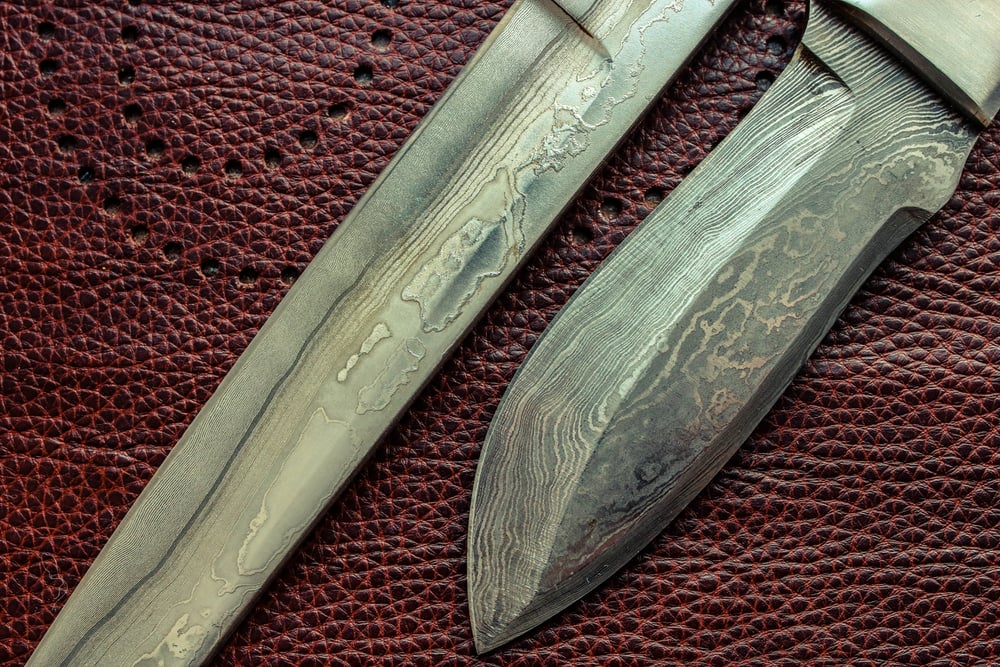
The distinctive rippled pattern on old Damascus blades came from a crucible steel process, likely originating in India and Sri Lanka, that European metallurgy couldn’t reliably reproduce for centuries. In 2006, researchers at the University of Dresden dissolved a 17th-century Damascus saber in acid and discovered carbon nanotubes embedded in its structure, an accidental nanotechnology that gave the blade its unusual combination of hardness and flexibility.
Modern smiths using historically documented crucible methods have since managed to recreate blades with comparable microstructure.
The Antikythera Mechanism
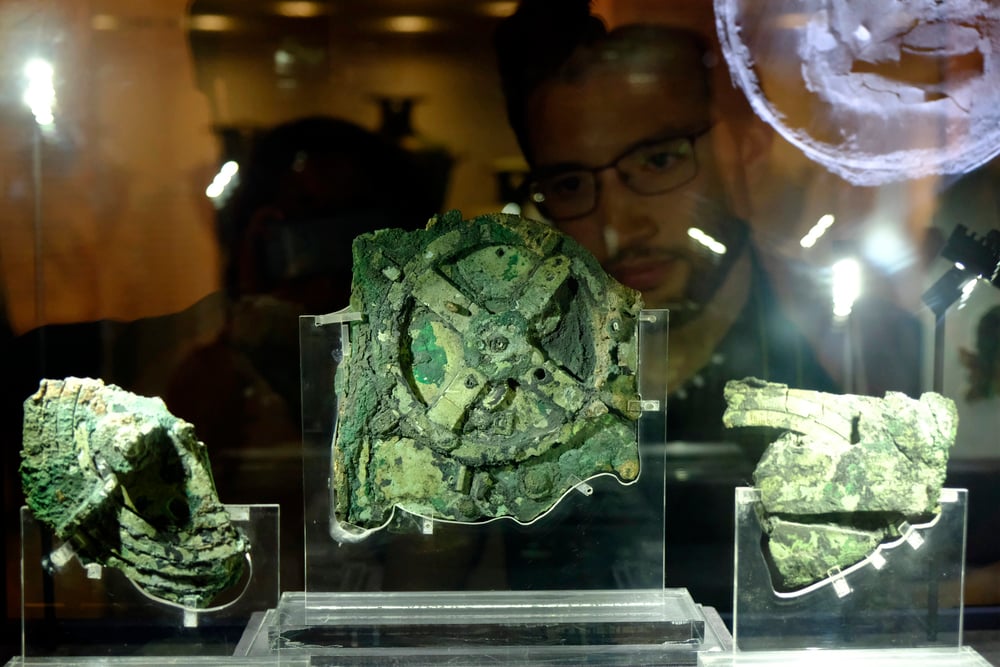
Recovered from a Roman-era shipwreck in 1901, this bronze device baffled researchers for over a century before X-ray scanning revealed a complex system of more than 30 gears used to predict eclipses and track planetary positions. In 2021, a University College London team published the first complete computational model matching all the surviving physical evidence and inscriptions, and researchers have since built a working physical reconstruction using only tools and methods available in the ancient Mediterranean.
The device is now understood as a genuine mechanical computer built roughly two thousand years before anything comparable appeared again.
Viking Sunstone Navigation
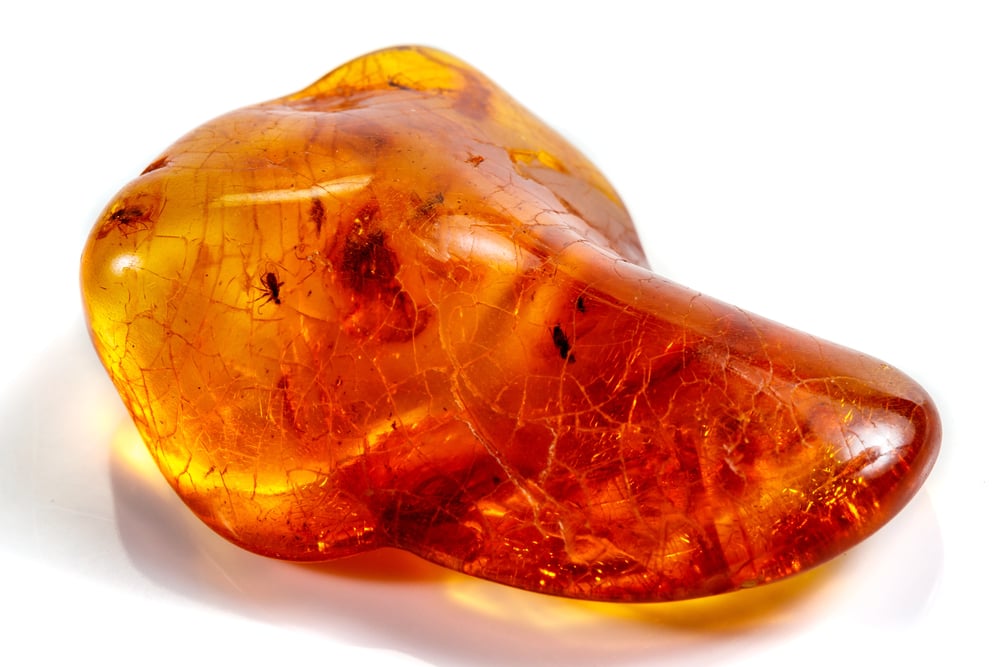
Norse sagas mention a mysterious “sunstone” used for navigation on overcast days, a detail long dismissed as legend until researchers tested calcite crystals, which occur naturally in Iceland, and found they can locate the sun’s position through cloud cover by polarizing scattered light.
Experiments published over the past decade have shown sailors can determine direction with reasonable accuracy using this method even in overcast Arctic conditions. Museums and maritime archaeology groups have since built working replicas to test the technique under real sailing conditions.
Archimedes’ Screw
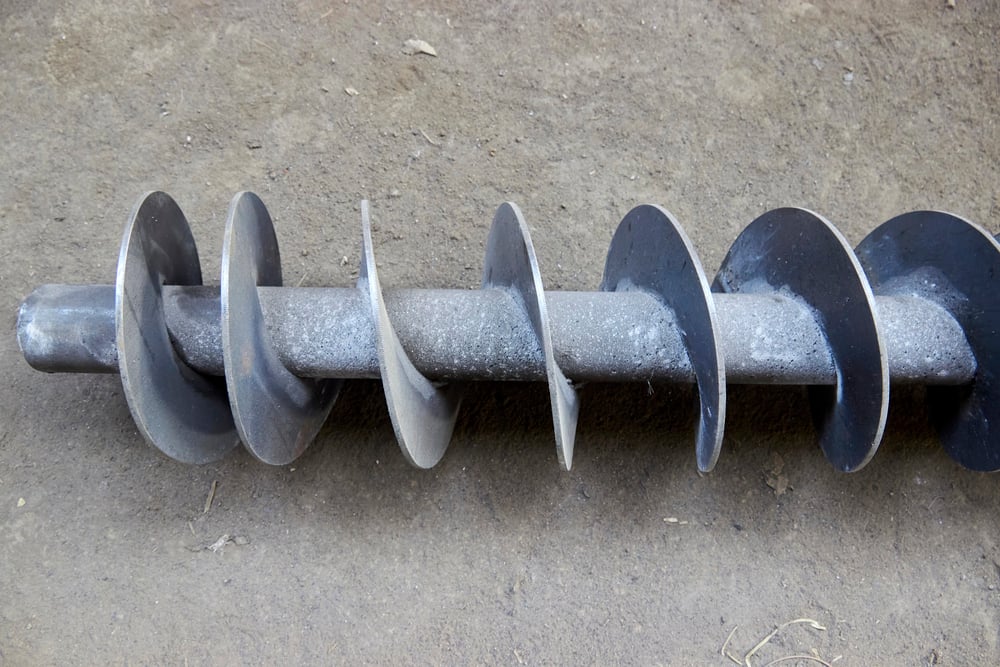
This spiral pump, credited to the Greek mathematician in the third century BC, moves water upward through a rotating helical tube without any moving valves or seals to fail. Modern engineers have returned to the design specifically for wastewater treatment plants and hydroelectric micro-generation, since the mechanism handles debris-laden water more reliably than conventional pumps.
Several European water treatment facilities built working Archimedes’ screw installations within the past two decades after testing showed the ancient design outperformed newer pump types for certain applications.
Roman Hypocaust Heating
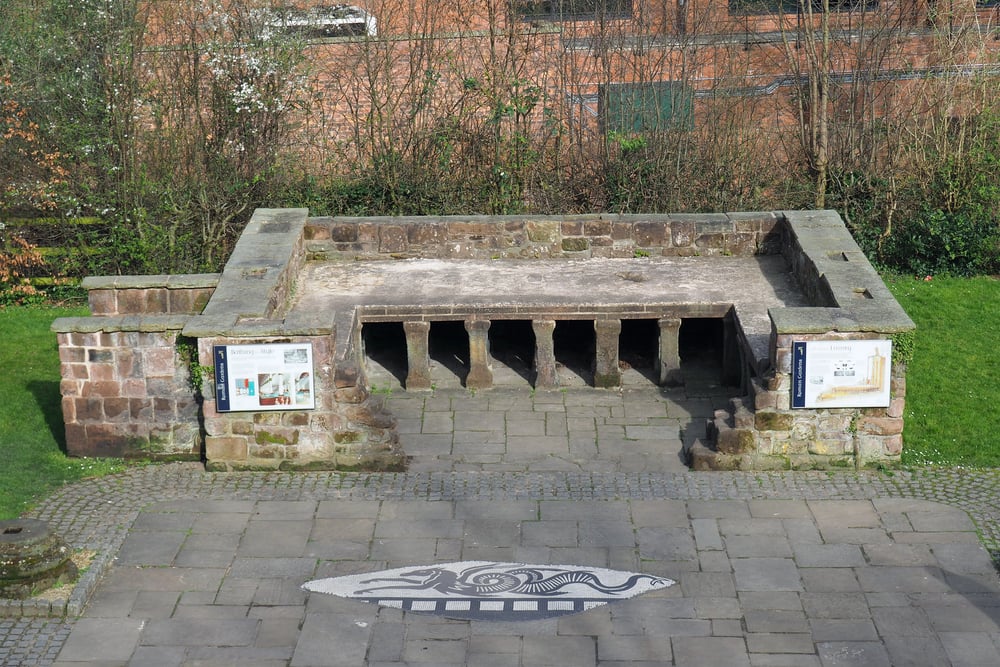
Roman engineers heated buildings by circulating hot air beneath raised floors and through hollow wall cavities, a system called a hypocaust that predates modern radiant floor heating by nearly two thousand years. Archaeological reconstruction sites across Europe, including several in Germany and Britain, have rebuilt functioning hypocaust systems to test their efficiency, finding they distribute heat surprisingly evenly across a room.
The underlying principle has since resurfaced almost unchanged in contemporary underfloor heating systems marketed as a modern innovation.
The Q’eswachaka Rope Bridge
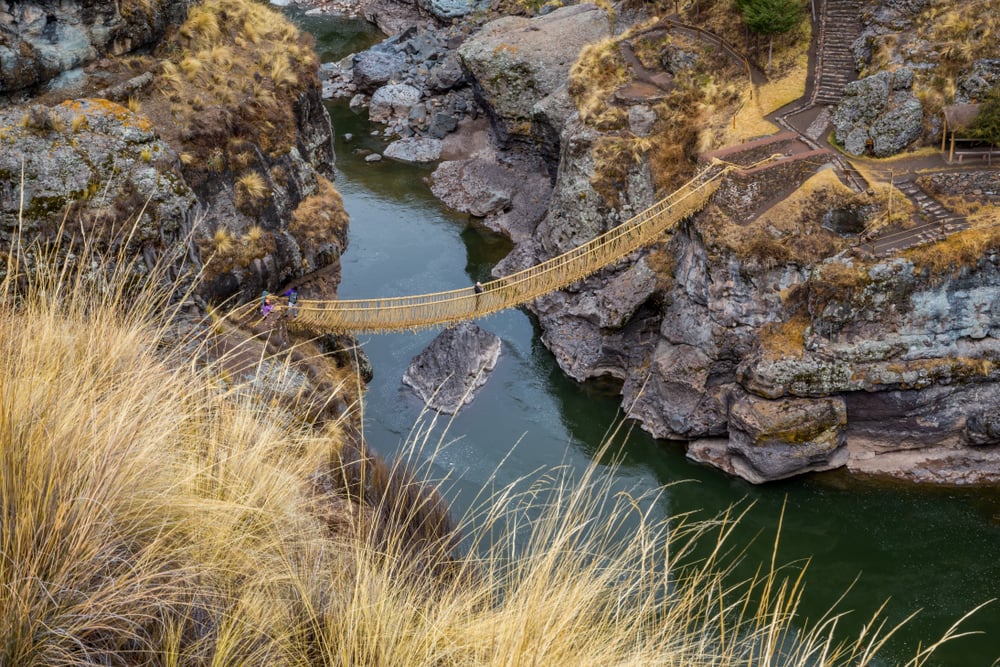
Inca engineers once spanned Andean gorges with suspension bridges woven entirely from grass rope, a network that once included hundreds of crossings across the empire. Only one still exists today, the Q’eswachaka bridge over Peru’s Apurimac River, which four local Quechua-speaking communities physically rebuild from scratch every year using the same techniques and materials their ancestors used.
The three-day rebuilding process was inscribed on UNESCO’s list of intangible cultural heritage in 2013, preserving what is now the last living example of Inca bridge engineering.
Egyptian Blue Pigment
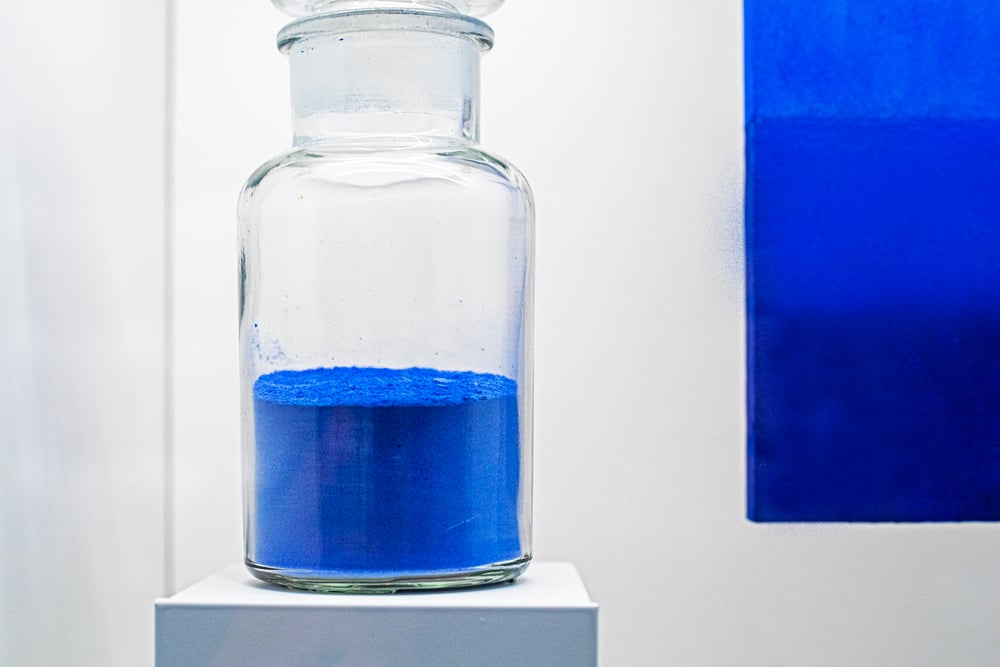
The world’s first known synthetic pigment, a vivid blue compound used throughout ancient Egyptian art, disappeared from use after the Roman period and its exact formula was lost for centuries. Researchers eventually determined it was produced by heating a precise combination of sand, copper, and calcium carbonate at specific temperatures, and modern chemists have since synthesized the pigment successfully in laboratory settings.
Beyond art restoration, the material’s unusual infrared properties have drawn interest from security researchers and forensic scientists looking for new anti-counterfeiting applications.
Viking Longship Reconstruction
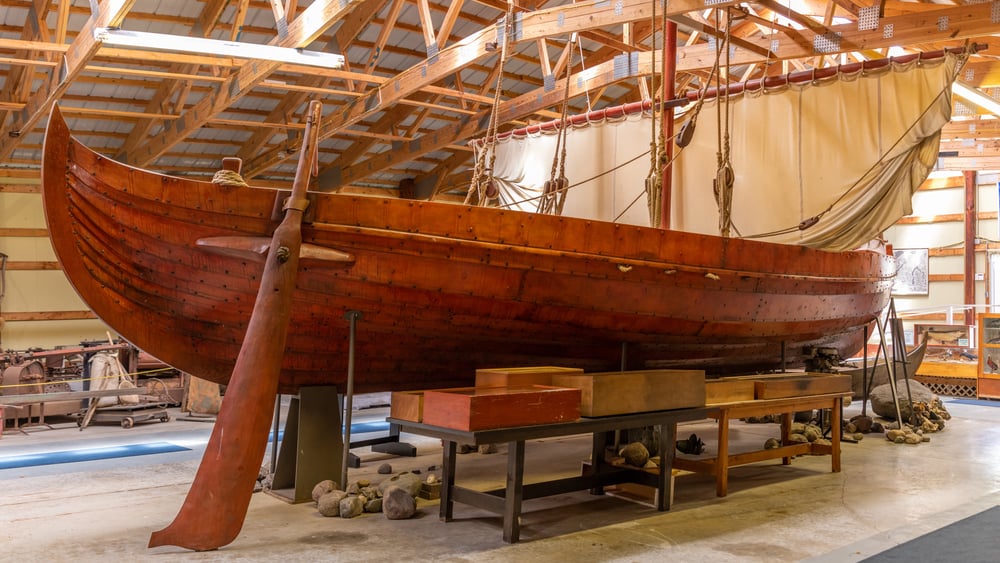
The Sea Stallion from Glendalough, a full-scale reconstruction of an 11th-century Viking longship discovered in Denmark, was built using only tools and materials available to the original shipwrights and launched in 2004. Researchers sailed the completed vessel from Roskilde to Dublin and back specifically to test performance claims about Viking shipbuilding that had previously existed only in theory.
The voyage confirmed the ship’s remarkable speed and seaworthiness, validating construction techniques that had been reconstructed entirely from archaeological remains rather than any surviving written manual.
Polynesian Wayfinding Navigation
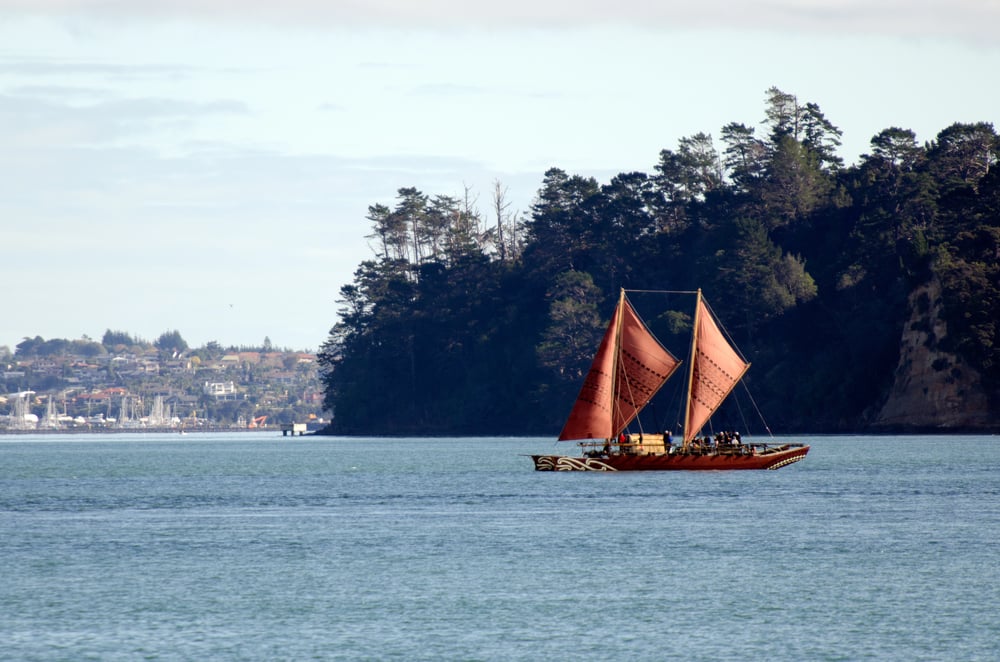
Long before compasses or written charts, Polynesian navigators crossed thousands of miles of open Pacific Ocean using only observed patterns in stars, swells, and wildlife behavior, a skill nearly lost by the mid-20th century as Western navigation tools took over. The Polynesian Voyaging Society built the Hōkūleʻa, a traditional double-hulled canoe, and successfully sailed it from Hawaii to Tahiti in 1976 using only wayfinding techniques taught by a Micronesian navigator who still held the knowledge.
That voyage sparked a broader cultural revival, and Hōkūleʻa has since completed a full circumnavigation of the globe using the same non-instrument methods.
Roman Aqueduct Inverted Siphons
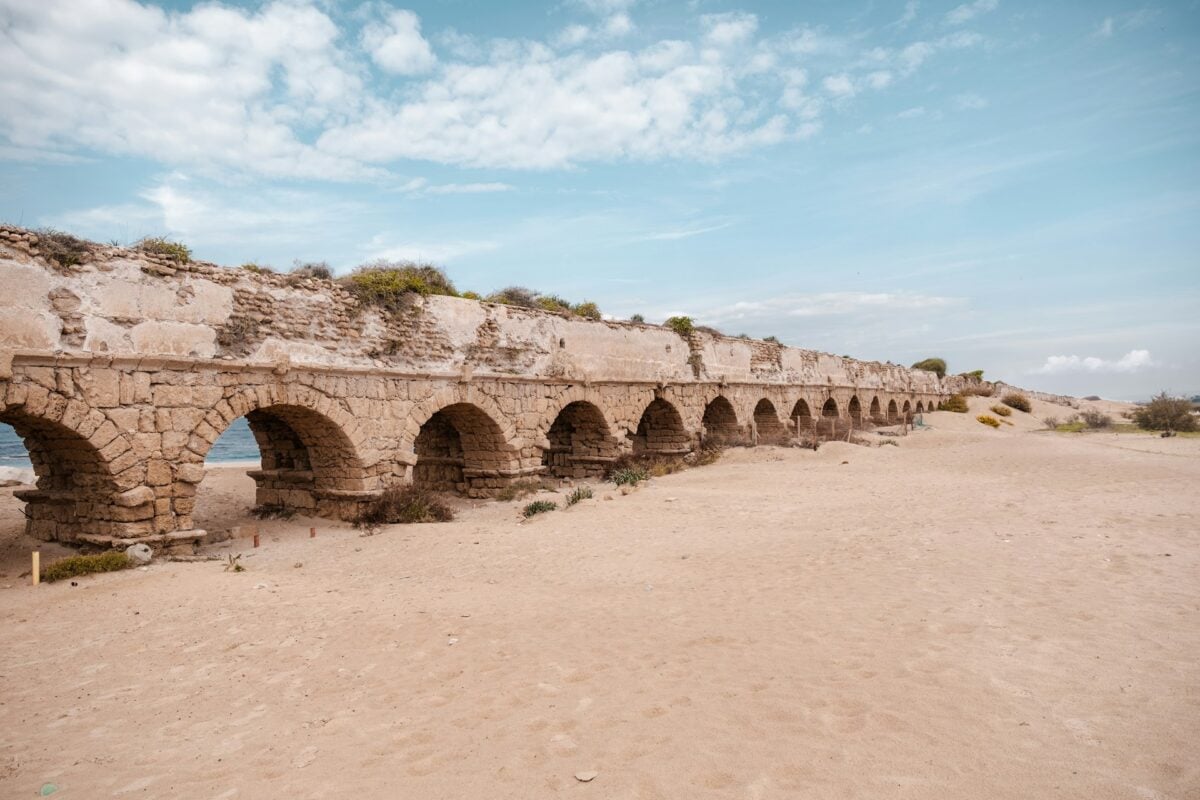
Rather than always building elevated arches across valleys, Roman engineers sometimes ran pressurized lead or ceramic pipes down one slope and back up the other, using inverted siphon pressure to move water across terrain that would have required impossibly tall bridges. Archaeologists have mapped and partially rebuilt several of these siphon systems, including examples in France and Turkey, confirming the Romans understood hydraulic pressure principles well enough to move water uphill without any mechanical pump.
Modern engineers studying the surviving pipe sections have found manufacturing tolerances precise enough to hold pressure across drops of several hundred feet.
The Chinese South-Pointing Chariot
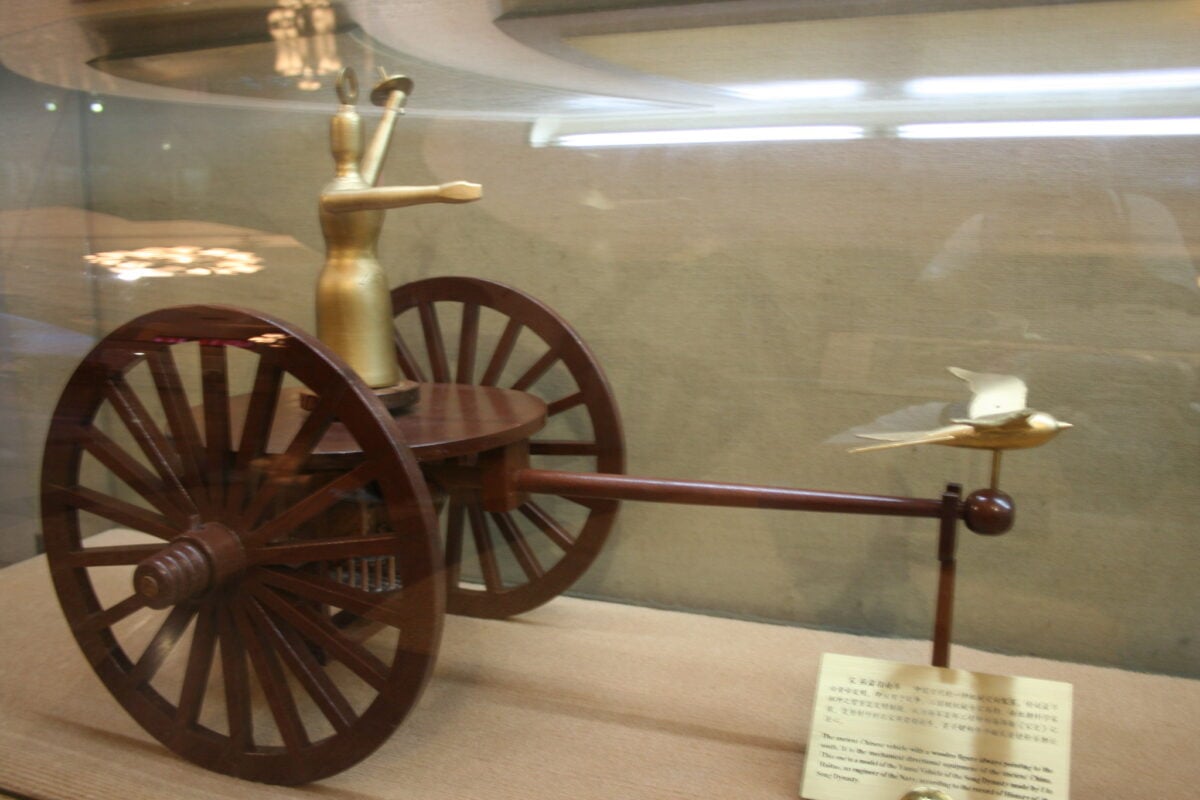
Photo by Gary Todd, via Flickr. Licensed under Public Domain Dedication (CC0)
This mechanical device, described in Chinese texts dating back roughly two thousand years, used a differential gear system to keep a pointing figure oriented toward a fixed direction regardless of how the chariot’s wheels turned, functioning as a mechanical compass long before magnetic compasses existed.
Modern mechanical engineers have built several working reconstructions based on differing textual descriptions, confirming that a purely mechanical differential gear system, similar in principle to the one used in modern automobile axles, can achieve the described effect. The device remains one of the earliest known applications of a differential gear mechanism anywhere in the world.
Heron’s Aeolipile
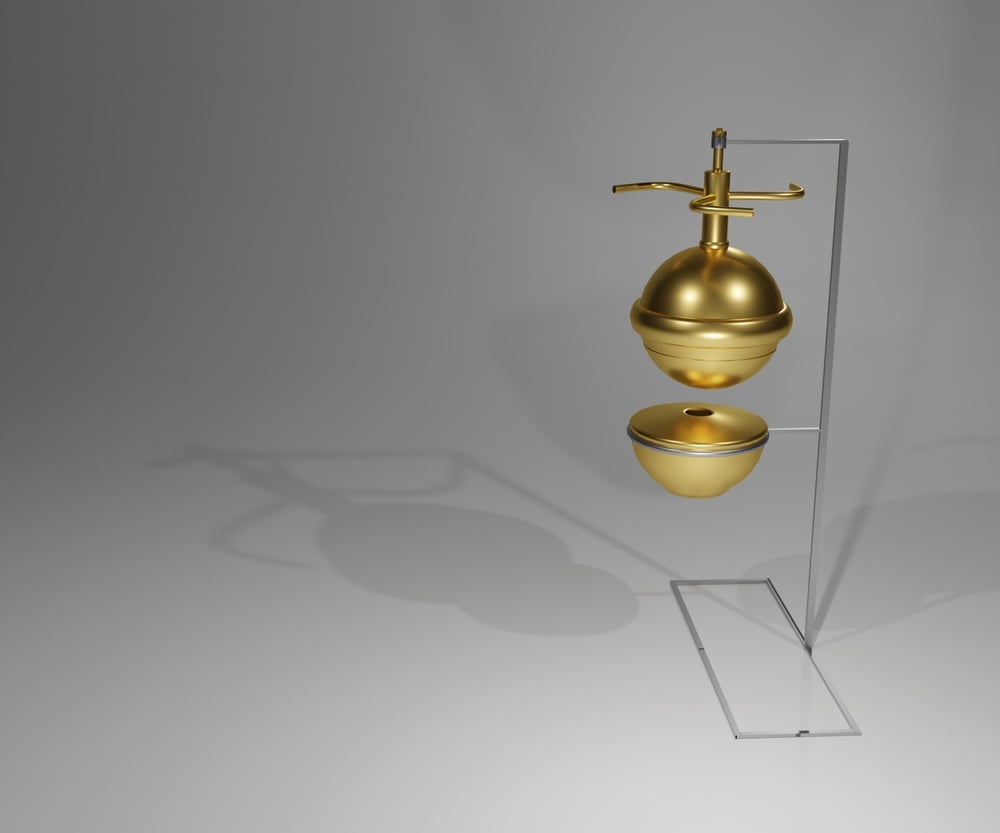
Described by the Greek engineer Heron of Alexandria in the first century AD, this simple device used steam escaping from angled nozzles to spin a sphere, technically making it the earliest documented steam-powered engine. It was treated as a novelty in its own time rather than developed into practical machinery, but modern museum reconstructions have confirmed the device works exactly as Heron described, generating genuine rotational force from boiling water.
Historians of technology still debate why nearly two thousand years passed before anyone connected this same principle to industrial machinery.
Stonehenge Sarsen Transport

How Neolithic builders moved multi-ton sarsen stones dozens of miles to the Stonehenge site without wheels or draft animals remained genuinely unresolved until experimental archaeologists tested wooden sledge-and-rail systems in the 2010s. Teams found that a relatively small number of people could move a stone of comparable weight across a wooden track using rhythmic pulling and a sledge design supported by archaeological finds from the period.
These experiments didn’t just satisfy curiosity; they gave researchers a physically tested timeline for how long the monument’s construction likely took.
Egyptian Obelisk-Raising

Ancient Egyptian workers erected multi-hundred-ton granite obelisks without cranes, a feat that puzzled engineers until experimental archaeology teams tested sand-pit and counterweight-based raising methods starting in the late 20th century. One well-documented experiment used a pivoting method involving a pit filled with sand that was slowly removed to lower a wooden cradle, allowing the obelisk to rotate upright under controlled tension.
The successful tests demonstrated that the technique required organized labor and careful engineering rather than any lost or exotic technology.
Bronze Age Lost-Wax Casting
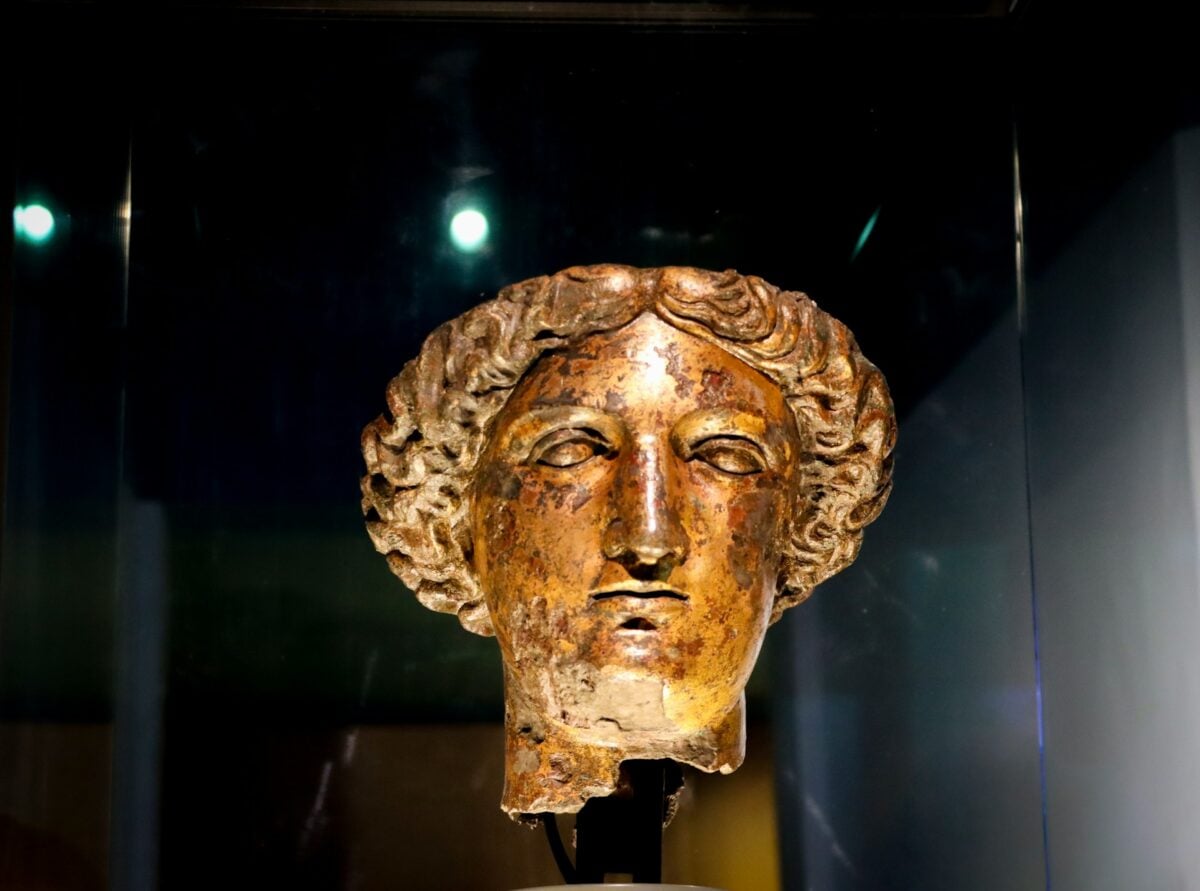
This casting method, used to produce detailed bronze sculptures and tools as far back as the third millennium BC, involves building a wax model, coating it in clay, then melting out the wax to leave a mold for molten metal. The technique fell into limited use for centuries in various regions before contemporary sculptors and metallurgists revived it almost unchanged for fine art casting starting in the 20th century.
Modern foundries using lost-wax casting today follow essentially the same sequence of steps that Bronze Age metalworkers used, adjusted only for modern alloys and kiln technology.
Medieval Trebuchets
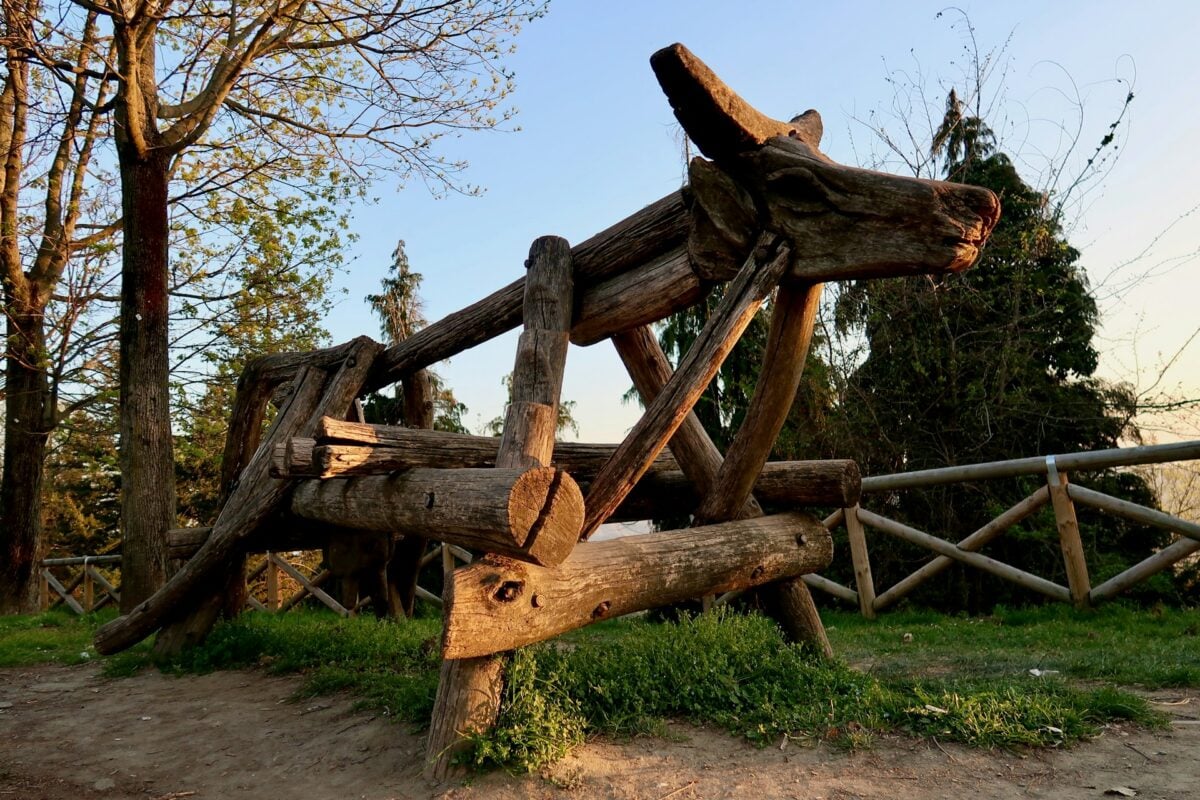
The counterweight trebuchet, a siege engine capable of hurling projectiles weighing hundreds of pounds using a massive pivoting arm and counterweight, fell out of military use once gunpowder artillery made it obsolete by the 16th century. Engineers and historical reenactment groups have since built several full-scale working trebuchets, including a well-documented example at Warwick Castle in England, to test the physics described in medieval military texts.
These reconstructions confirmed the counterweight design could achieve ranges and payloads that had previously been dismissed as exaggeration in historical accounts.
Zhang Heng’s Seismoscope
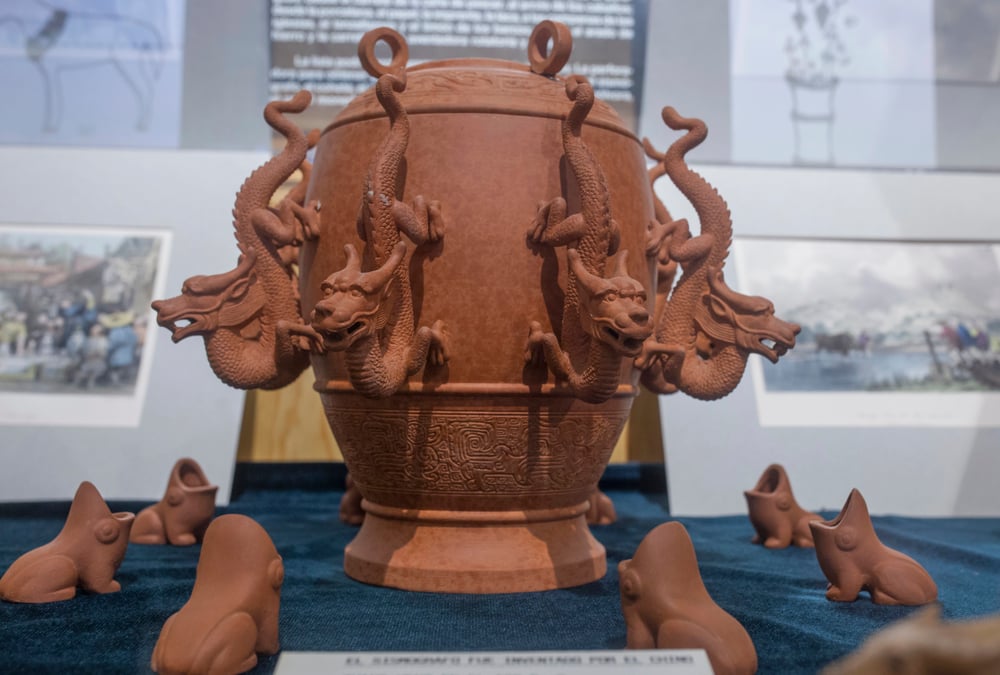
Chinese scholar Zhang Heng built a bronze device in the second century AD that could detect the direction of a distant earthquake using a pendulum mechanism that dropped a small bronze sphere from the mouth of a carved dragon pointing toward the tremor’s origin. The original device was lost, and its exact internal mechanism remained a subject of debate until modern engineers built working reconstructions in the 2000s using pendulum principles consistent with the historical description.
Tests confirmed the device could reliably indicate earthquake direction, making it a functioning seismograph roughly 1,700 years before Western science developed comparable instruments.
The Ulfberht Sword
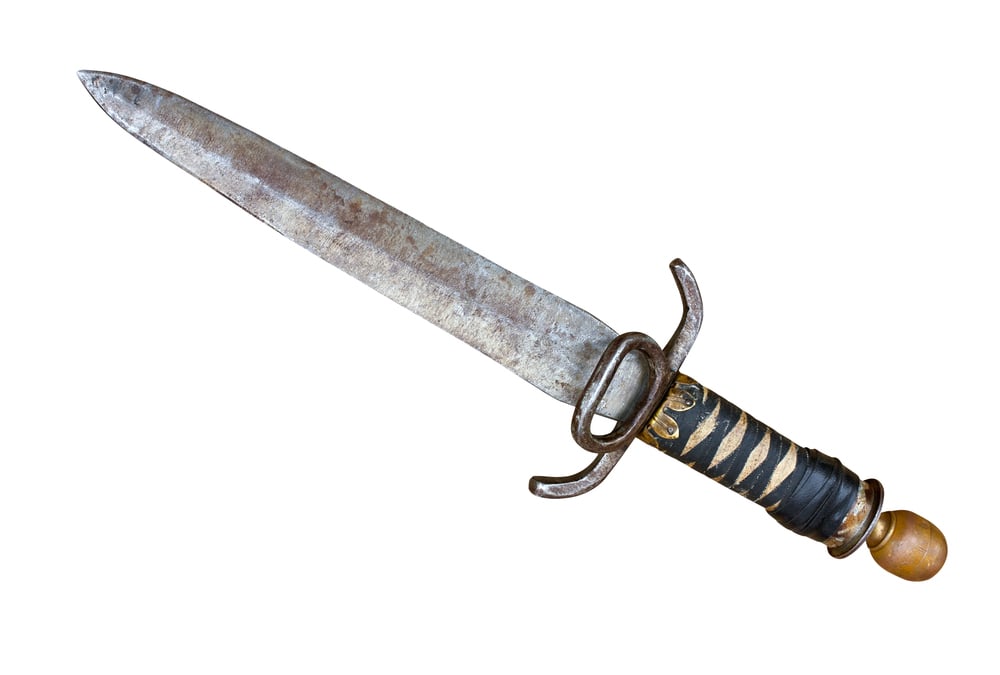
A small number of Viking-age swords bear the inscribed name Ulfberht and were forged from a high-carbon crucible steel far purer than anything else produced in Europe at the time, a quality metallurgists say wasn’t matched again until the Industrial Revolution. Modern blacksmiths working with metallurgists have attempted to recreate the Ulfberht forging process using imported crucible steel consistent with historical trade routes from Central Asia, successfully producing blades with comparable carbon content and structure.
The project confirmed the swords required imported raw material the Vikings themselves couldn’t produce, explaining why the technique disappeared once that trade route closed.
Nabataean Water Channels at Petra
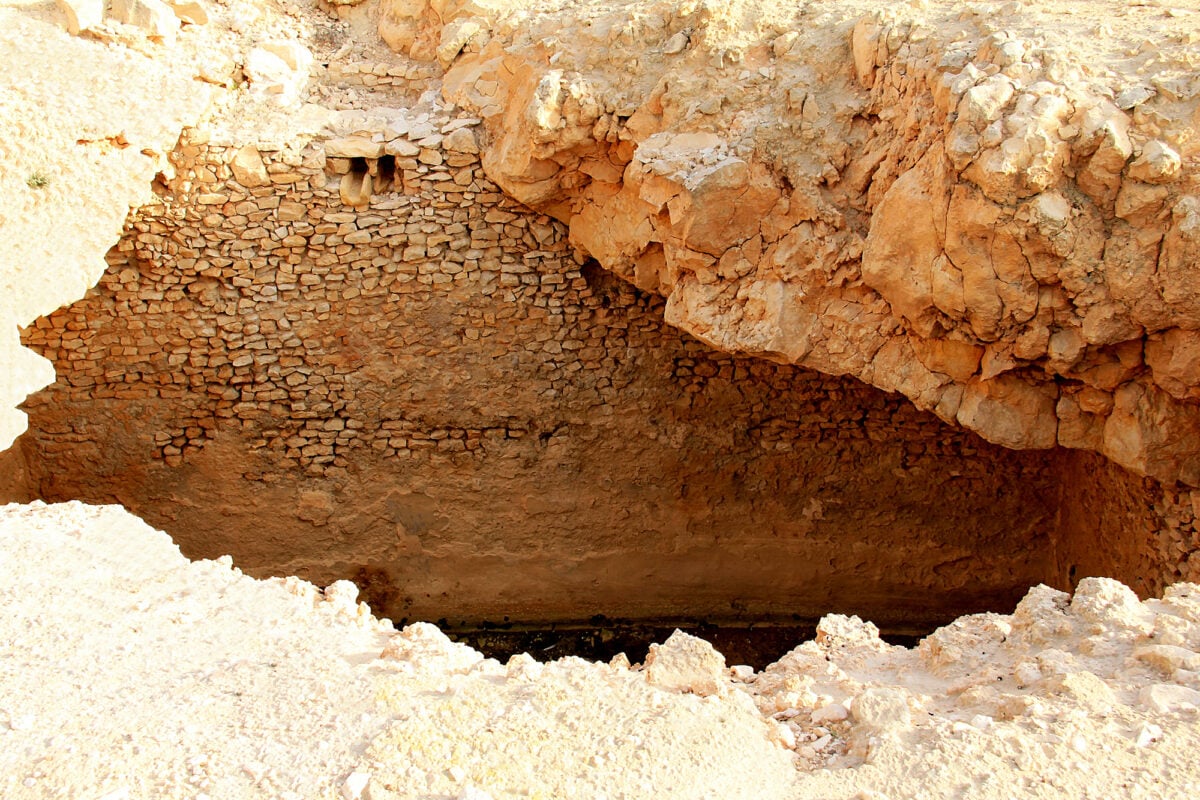
The Nabataean civilization that built the ancient city of Petra developed an extensive network of carved channels, cisterns, and dams to capture and distribute scarce desert rainfall across the site over two thousand years ago. Archaeologists and conservation teams have restored and reactivated sections of these channels in recent decades, confirming the original system could reliably support a city of tens of thousands of people in an environment that receives only a few inches of rain annually.
Some restored channels now function again as part of the site’s modern water management, supporting both remaining local communities and visitor infrastructure.
Persian Qanats
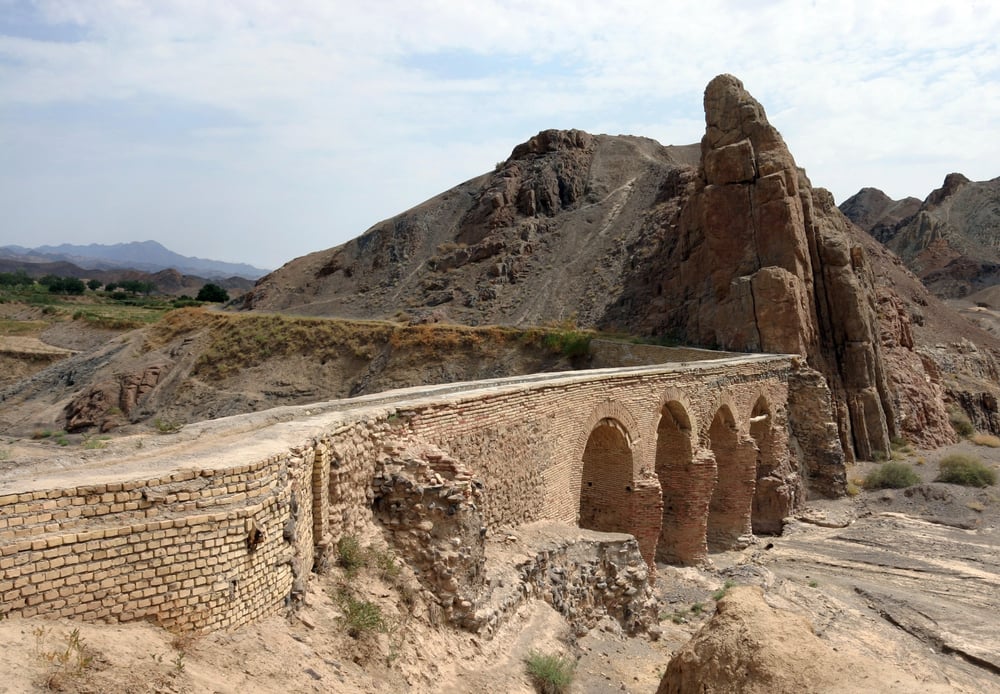
Ancient Persian engineers dug gently sloping underground tunnels, called qanats, to carry groundwater from mountain aquifers to arid lowland settlements without any pumping, using gravity alone across distances that sometimes stretched for miles. Many of these systems, some over two thousand years old, fell into disrepair through the 20th century as diesel and electric pumps offered a faster alternative, but several countries including Iran and Oman have restored qanats in recent decades after diesel pumping depleted local aquifers faster than the ancient gravity-fed systems ever did.
UNESCO recognized a group of Iranian qanats as a World Heritage Site in 2016, citing their continued function after millennia of use.
Waru Waru Raised-Field Agriculture

Pre-Incan farmers around Lake Titicaca built raised planting beds separated by water-filled canals, a system that buffers crops against both frost and drought by using the water’s thermal mass to moderate temperature swings overnight. The technique fell out of widespread use for centuries until archaeologists and development organizations helped rehabilitate the raised fields starting in the 1980s, working directly with Aymara and Quechua farming communities in Peru and Bolivia.
Farmers using restored waru waru fields reported measurably better crop survival during a severe 2023 drought than neighboring fields using conventional methods.
Three Sisters Companion Planting

Many Indigenous farming communities in North America historically planted corn, beans, and squash together in the same mound, a technique in which the corn stalk supports climbing beans, the beans fix nitrogen into the soil, and the broad squash leaves suppress weeds and retain soil moisture. Industrial monoculture farming largely displaced the practice for much of the 20th century, but agricultural researchers and Indigenous-led farming initiatives have reintroduced the method in recent decades after studies confirmed measurable soil health and yield benefits compared to single-crop planting.
Several tribal agricultural programs in the United States now actively teach and practice the technique as both a food-security measure and a cultural revival.
Great Zimbabwe Dry Stone Walls
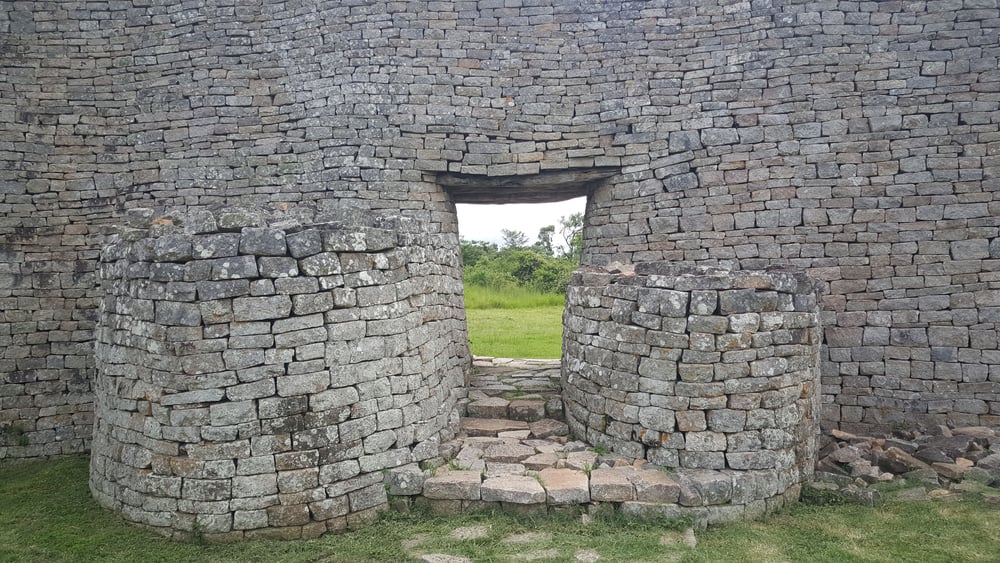
The stone enclosures of Great Zimbabwe, built without any mortar between the eleventh and fifteenth centuries, rely entirely on carefully shaped and fitted granite blocks to remain structurally stable for centuries, some walls still standing over 30 feet tall. Conservation architects have studied and replicated the dry-stone fitting techniques during restoration work at the site in recent decades, finding that the original builders selected and shaped stones with a precision that modern dry-stone masons still find difficult to match without mechanical cutting tools.
The technique remains a point of national pride in Zimbabwe, whose modern name directly references the site.
Aztec Chinampas
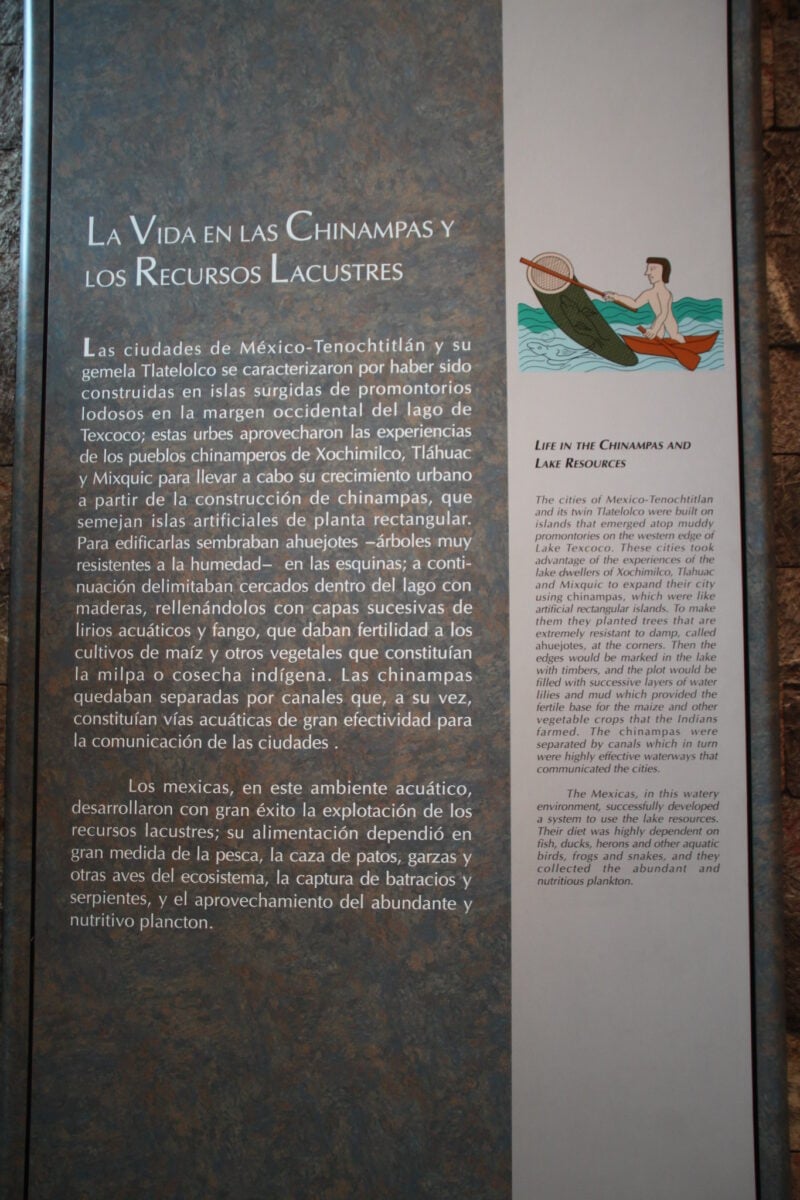
Photo by Gary Todd, via Flickr. Licensed under Public Domain Dedication (CC0)
The Aztecs grew crops on chinampas, artificial islands built up from layered mud, vegetation, and stakes driven into shallow lakebeds around what is now Mexico City, creating some of the most productive agricultural land in the pre-Columbian Americas. Urban expansion drained most of the original lake system, but the Xochimilco district still maintains a working network of chinampas today, and agricultural researchers and Mexican conservation groups have worked to restore additional sections in recent years as a model for sustainable urban farming.
Studies of restored chinampas have found yields per acre comparable to modern intensive farming methods, achieved without synthetic fertilizer.
Roman Glassblowing
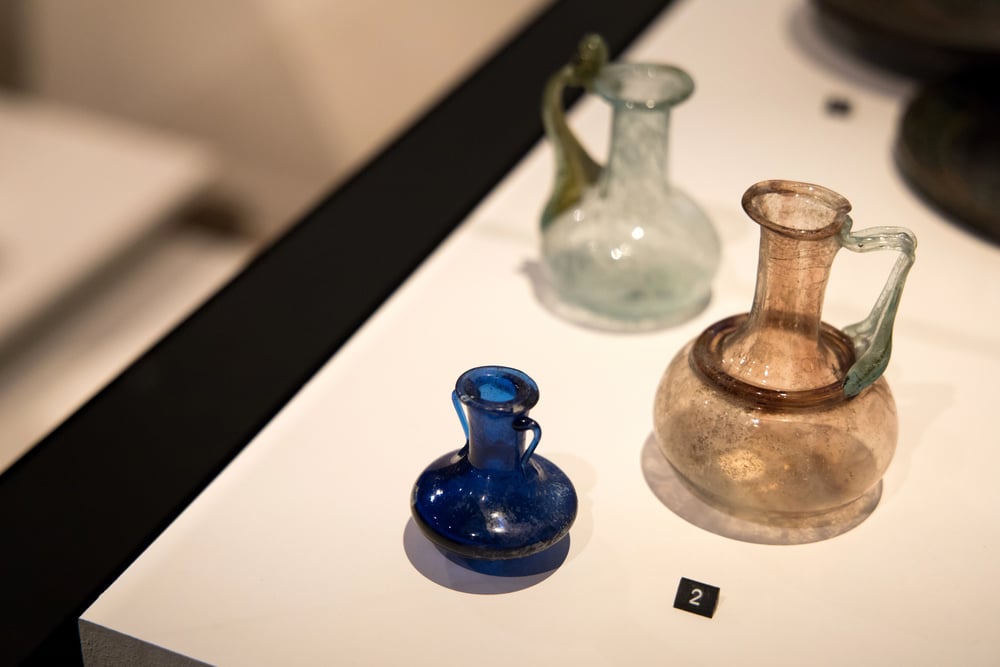
Glassblowing emerged in the Roman world around the first century BC and quickly spread across the empire, using a hollow pipe to shape molten glass into vessels far faster than earlier casting methods allowed. The specific furnace temperatures and raw material recipes used by Roman glassmakers were largely reconstructed through archaeological experimentation over the past several decades, since no complete technical manual survived from antiquity.
Contemporary experimental archaeologists have successfully built working replica Roman furnaces and produced glass matching the chemical composition of surviving Roman artifacts.
The Uluburun Shipwreck Replica
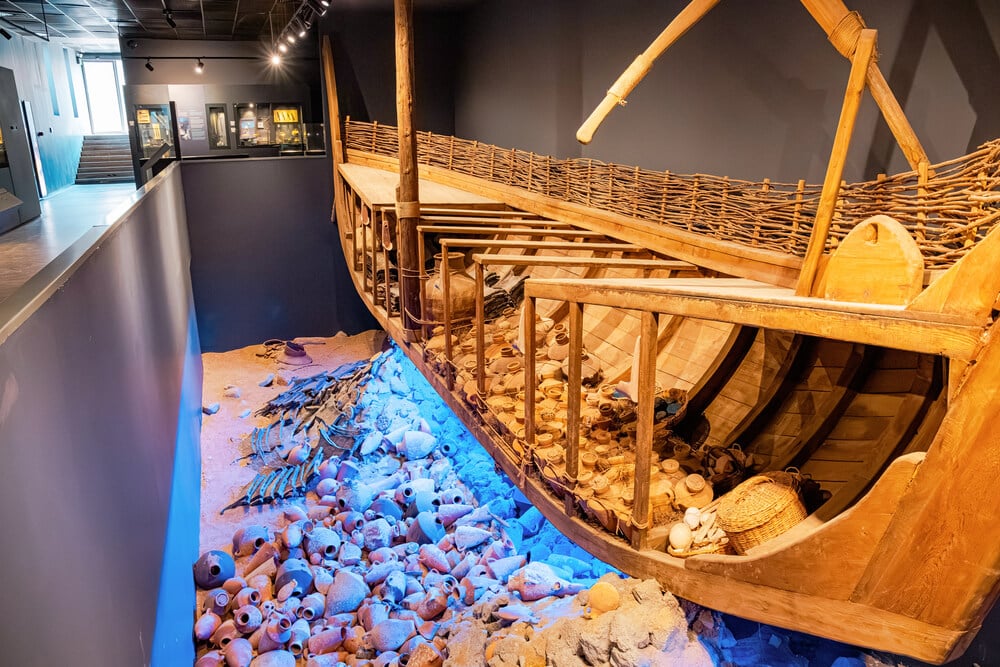
A Bronze Age trading vessel that sank off the coast of modern Turkey around 1300 BC was discovered in 1982 loaded with cargo from across the eastern Mediterranean, offering an unusually complete snapshot of Bronze Age maritime trade and shipbuilding. Researchers built a full-scale sailing replica of the ship in the early 2000s, using construction techniques inferred from the wreck’s surviving hull structure, and successfully sailed it to test performance and cargo capacity claims.
The completed voyage confirmed the ship could realistically carry the roughly ten tons of cargo found at the wreck site while remaining seaworthy across open water.
The Egyptian Shaduf
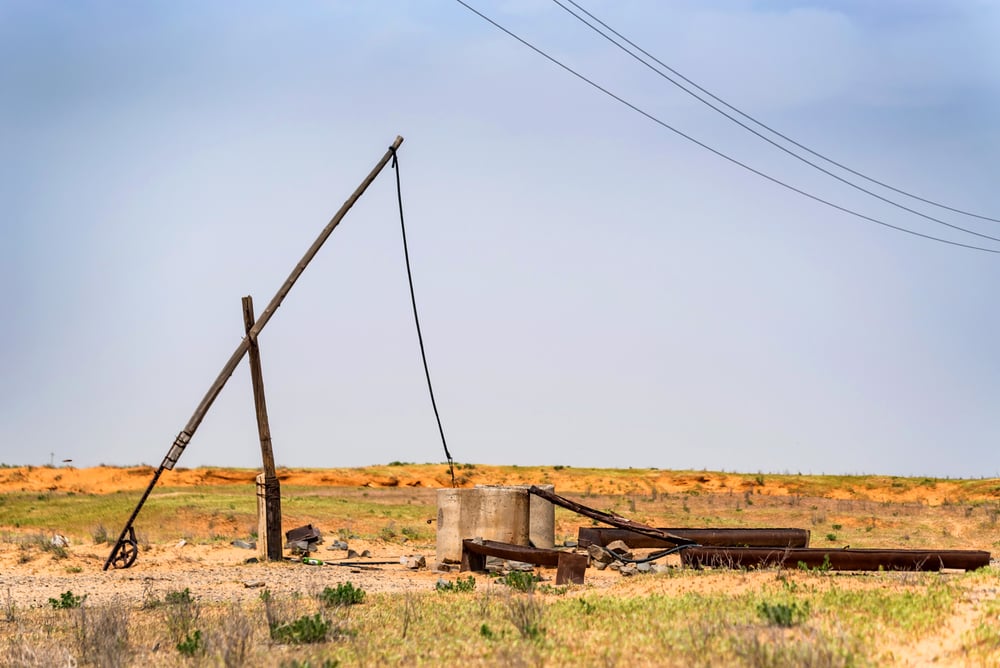
This simple irrigation tool, a long pole balanced on a fulcrum with a bucket on one end and a counterweight on the other, allowed a single person to lift water from a river or canal to irrigate fields with far less effort than hauling water by hand. The device appears in Egyptian tomb paintings dating back over three thousand years and remained in continuous use across parts of the Nile Valley and South Asia well into the modern era, never fully disappearing the way many other ancient technologies did.
Agricultural historians studying small-scale irrigation in developing regions have specifically reintroduced shaduf-style lift systems in areas where electric pumps remain unreliable or unaffordable.
Roman Opus Sectile

— Photo by vaivirga
Distinct from mosaic work using small uniform tiles, opus sectile involved cutting larger pieces of colored marble and stone into precise geometric or figurative shapes that fit together like a puzzle, creating detailed decorative floors and wall panels favored in wealthy Roman buildings. The technique required a level of stone-cutting precision that fell out of common practice for centuries as mosaic tile work proved faster and cheaper.
Conservation specialists restoring Roman-era sites, along with a small number of contemporary decorative stonemasons, have revived the technique in recent decades, both for historically accurate restoration work and for high-end architectural commissions seeking the same effect.
Viking Riveted Chainmail
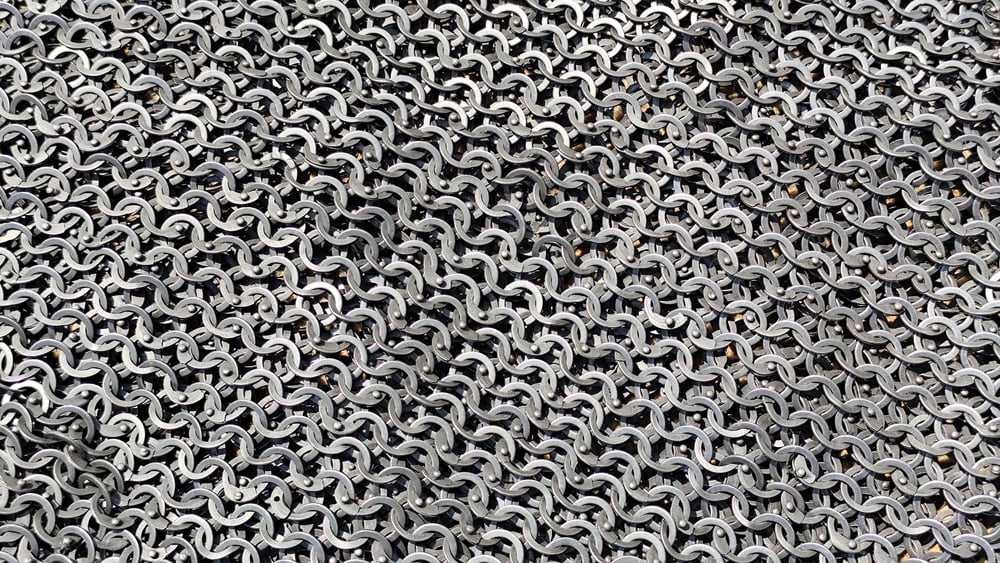
Viking-age chainmail was constructed using alternating rows of riveted and solid rings, a labor-intensive method that produced armor significantly stronger than the simpler butted-ring chainmail that became more common in later reenactment and costume contexts. Historical metalworking researchers and specialist armorers have spent recent decades relearning the specific riveting techniques through direct study of surviving fragments, since the original method had been substantially lost outside of Viking-age archaeological finds.
Modern riveted reproductions built using these rediscovered techniques have been tested for puncture resistance and found to significantly outperform butted-ring alternatives, confirming why Viking smiths favored the more difficult method.
The Baghdad Battery
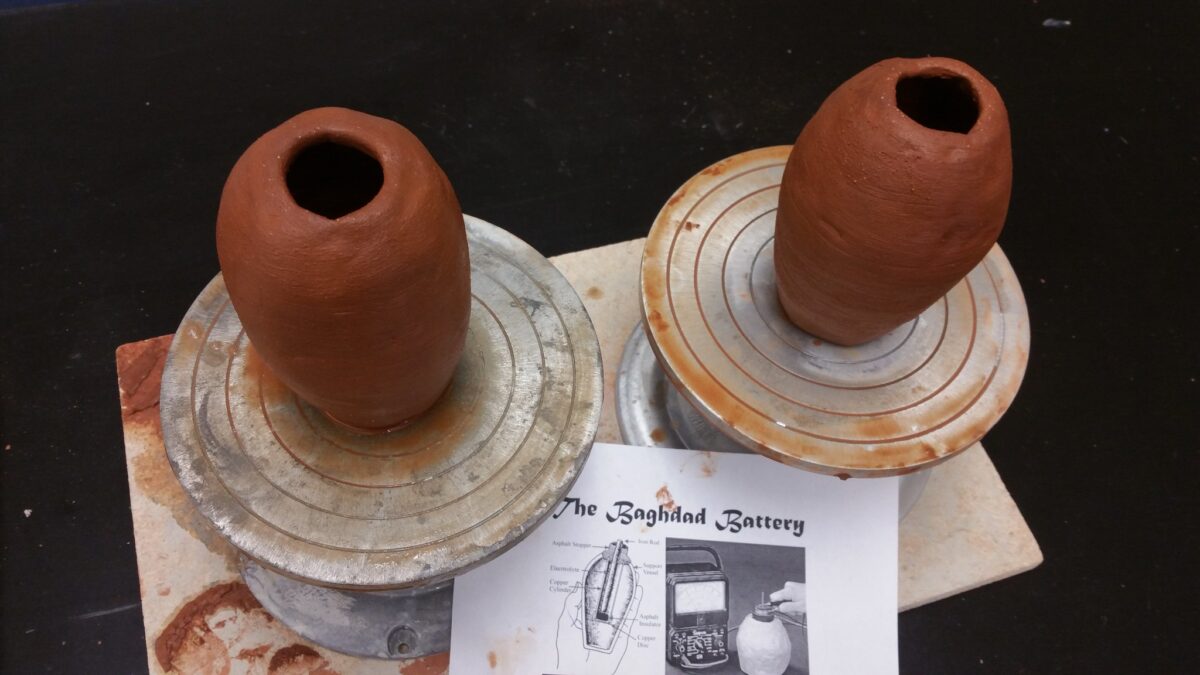
A set of clay jars found near Baghdad, each containing a copper cylinder and an iron rod, has generated debate since their discovery in the 1930s over whether they functioned as a simple galvanic battery, potentially predating Alessandro Volta’s officially credited invention by well over a thousand years. Multiple researchers have built working replicas filled with acidic liquids like vinegar or grape juice and confirmed the setup does generate a small measurable electric current, though the object’s original purpose remains genuinely disputed among archaeologists.
Whether ancient users understood or intentionally harnessed that current is a separate question from whether the device is physically capable of producing one, and the replicas have settled only the latter.
What Rebuilding the Past Actually Proves

None of these reconstructions were built purely out of nostalgia. Each one answered a specific, testable question that no written record could settle on its own: whether a claimed technique actually worked, how efficiently, and what it demanded from the people using it. Modern materials science and engineering gave researchers new tools to verify old claims, and in case after case, the ancient version held up better than assumed.
That pattern is worth sitting with. Technological progress isn’t always a straight line from worse to better, and plenty of genuinely sophisticated engineering got quietly lost along the way, not because it failed, but because the circumstances that supported it did.
Rebuilding it doesn’t just satisfy curiosity. It corrects the record.
More from Go2Tutors!

- The Romanov Crown Jewels and Their Tragic Fate
- 13 Historical Mysteries That Science Still Can’t Solve
- Famous Hoaxes That Fooled the World for Years
- 15 Child Stars with Tragic Adult Lives
- 16 Famous Jewelry Pieces in History
Like Go2Tutors’s content? Follow us on MSN.