31 Empires That Collapsed Faster Than Anyone Expected
Empires don’t usually announce their end. There’s no formal notice, no orderly handover, no moment where a leader stands up and says, “Alright, that’s enough of that.”
What actually happens is stranger and faster — a string of bad decisions, a few catastrophic miscalculations, and then a silence where a civilization used to be. The speed is what shocks people most.
These weren’t fringe powers clinging to borrowed time. Many were the dominant forces of their era, commanding armies, trade networks, and populations that dwarfed anything around them.
And then they weren’t. History has a way of being brutal about this — size and momentum mean almost nothing when the foundations are rotten.
What follows are 31 empires that found that out the hard way, usually faster than anyone watching thought possible.
Western Roman Empire
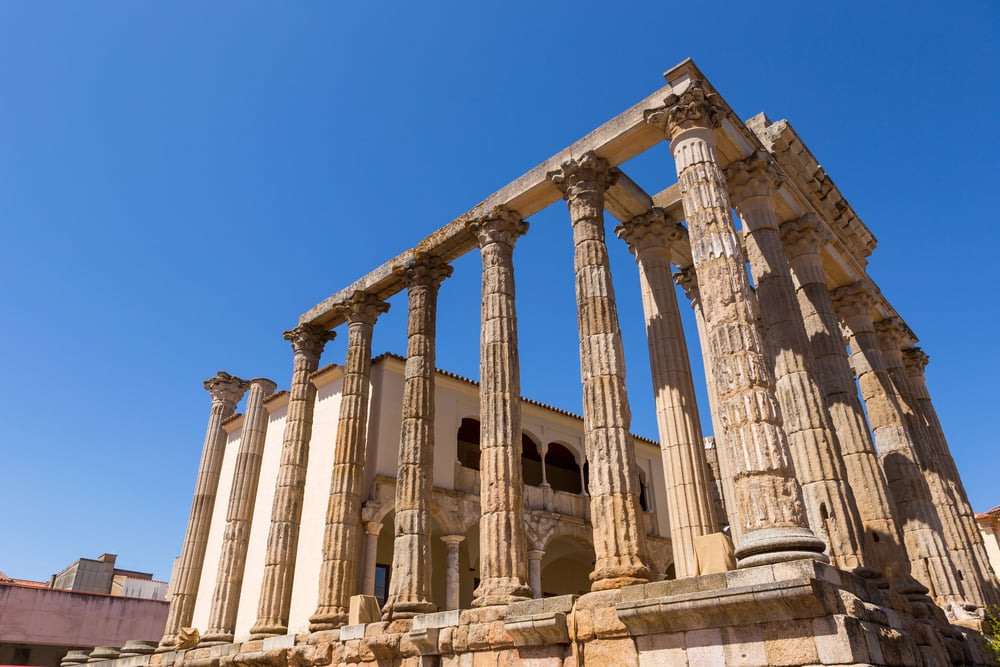
Rome spent centuries being eternal and then collapsed in a single generation’s lifetime. The traditional date is 476 CE, when the Germanic chieftain Odoacer deposed the last emperor, Romulus Augustulus — a teenager, which tells you everything about how far things had fallen.
Military overextension, economic strain, and political rot did the actual work; Odoacer just walked through a door that had already been left open.
Achaemenid Persian Empire
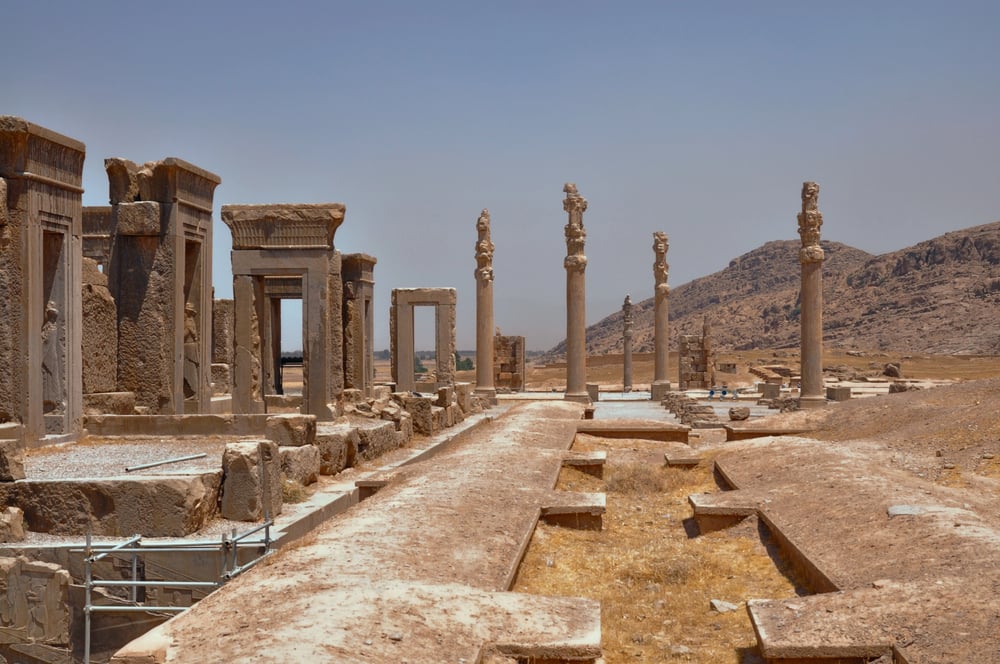
The Achaemenid Empire stretched from Egypt to modern-day Pakistan and had stood for more than two centuries before Alexander the Great dismantled it in roughly a decade. What’s striking is that the empire didn’t crumble so much as it evaporated — Darius III fled battle twice and was eventually murdered by his own men in 330 BCE.
Alexander didn’t conquer a strong opponent; he inherited a power structure that had already stopped believing in itself.
Mongol Empire
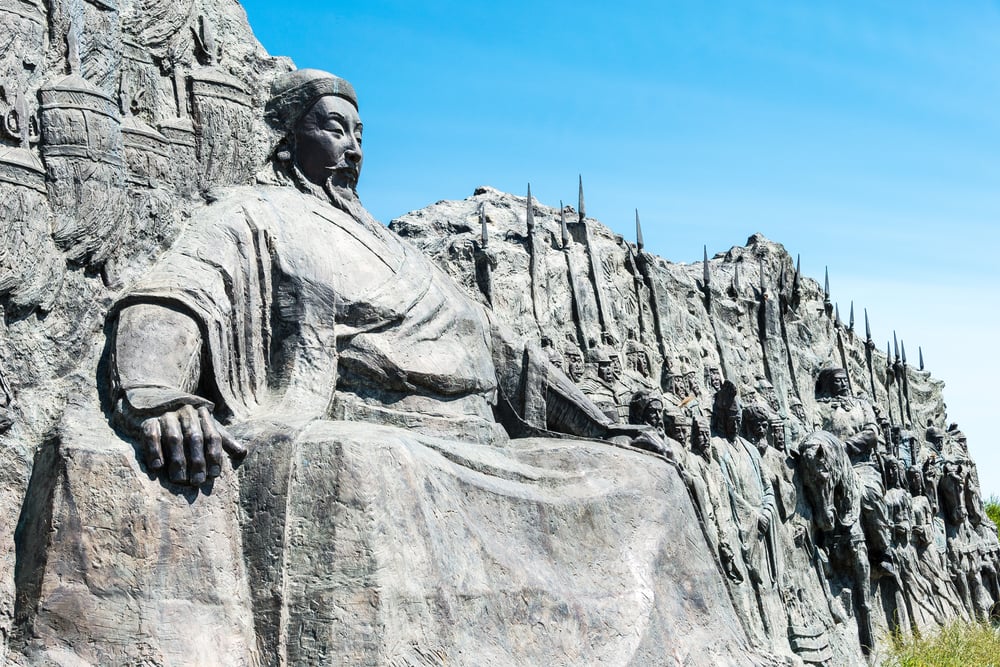
The Mongol Empire was the largest contiguous land empire in human history, and it fractured within a century of its peak. After Kublai Khan, the successor khanates — the Golden Horde, the Ilkhanate, the Chagatai Khanate — spent more energy fighting each other than anyone else, and the plague tore through the trade routes that had held the whole thing together.
Go figure: the roads that made the empire great also carried the disease that ended it.
Third Reich

The Third Reich declared itself a thousand-year empire in 1933 and was rubble by 1945. Twelve years — which is saying something, even for regimes built on deception, since most of them at least last long enough to bankrupt their successors.
Hitler’s catastrophic decision to invade the Soviet Union while still at war in the west wasn’t a miscalculation; it was the kind of strategic overreach that only makes sense if you’ve started believing your own propaganda entirely.
Umayyad Caliphate
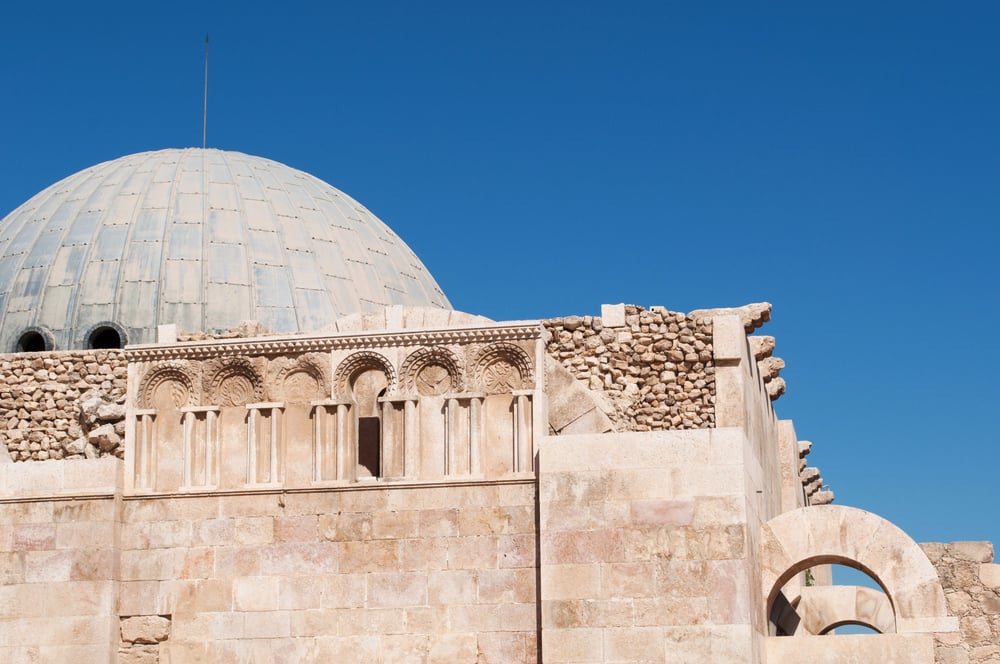
The Umayyad Caliphate at its height controlled territory from Spain to the Indus Valley, making it one of the largest empires ever assembled — and it collapsed in a single revolution. The Abbasid revolt of 750 CE didn’t take years; it took one decisive battle at the Zab River in modern Iraq, after which the last Umayyad caliph, Marwan II, fled and was killed in Egypt.
What looked like permanence was actually a dynasty held together by ethnic favoritism and taxation resentment that had been building for decades.
Han Dynasty
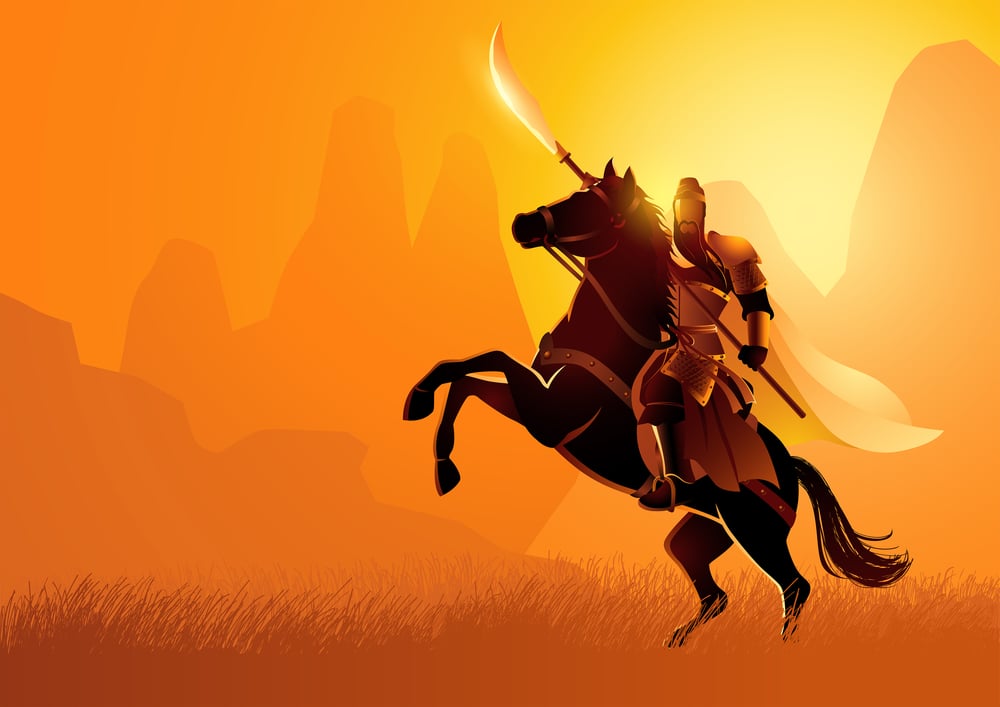
The Han Dynasty — which gave China its very identity, to the point where the Chinese still call themselves “Han people” — dissolved in a chaos of court eunuchs, warlords, and peasant revolts over roughly forty years. The Yellow Turban Rebellion of 184 CE didn’t bring the empire down directly, but it cracked the structure badly enough that regional military commanders simply stopped sending tribute or soldiers back to the capital.
By 220 CE, the last Han emperor abdicated to a man who had been running the show for years anyway.
Soviet Union
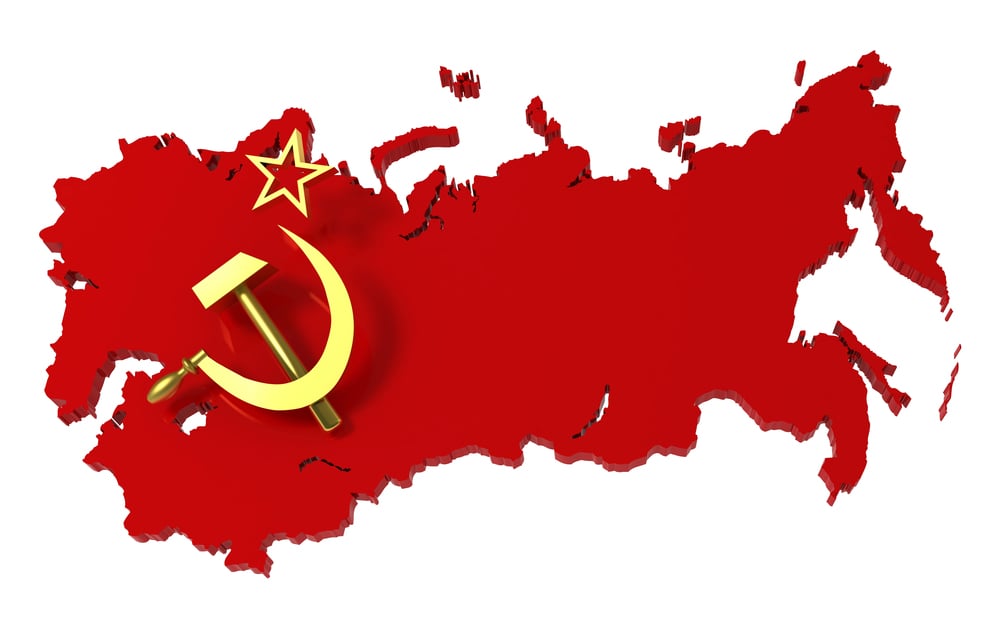
The Soviet Union lasted 69 years, which sounds long until you consider that it spent most of that time telling everyone it was inevitable. By December 1991, fifteen republics had declared independence or were in the process of doing so, and Mikhail Gorbachev resigned on Christmas Day to a country that had legally ceased to exist.
The speed wasn’t just surprising — it was disorienting, like watching a building’s skeleton stay standing for a moment after the walls have already fallen.
Aztec Empire
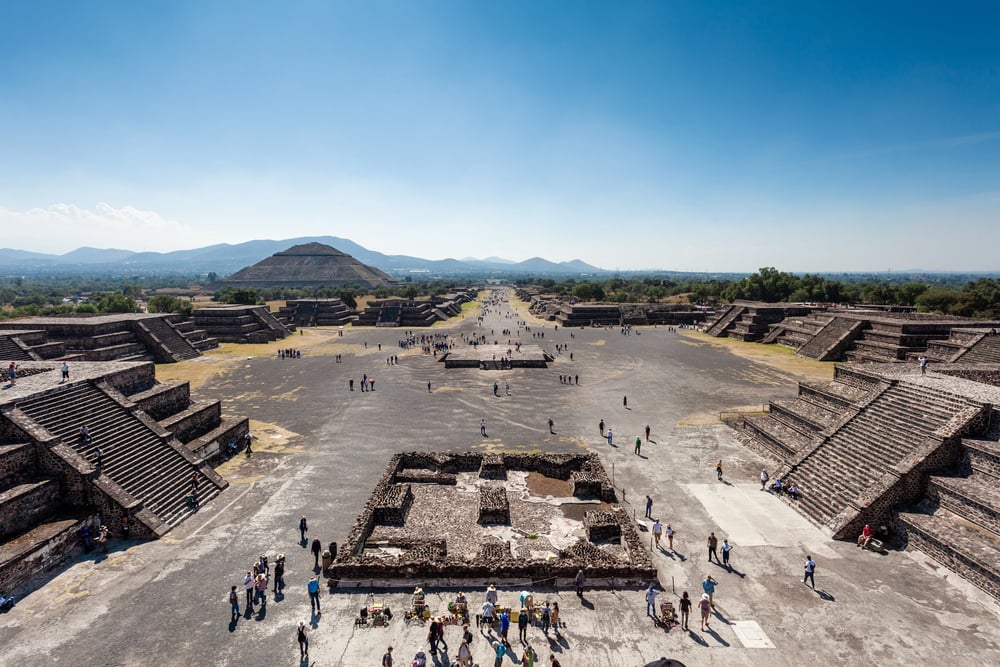
The Aztec Empire — vast, sophisticated, and militarily formidable — fell to Hernán Cortés and a few hundred Spanish soldiers in roughly two years. That number sounds impossible until you factor in the smallpox that preceded the Spanish army through Mesoamerica and the dozens of indigenous nations who allied with Cortés specifically to overthrow Aztec rule, nations that had been on the receiving end of ritual tribute extraction for generations.
Montezuma II was dead by 1520, Tenochtitlan was rubble by 1521.
Inca Empire
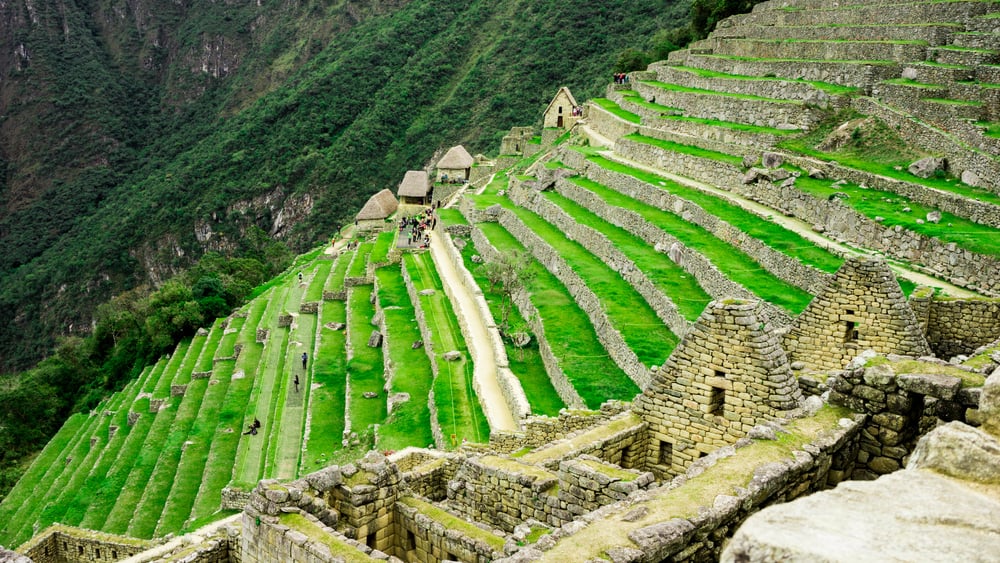
The Inca Empire controlled the longest stretch of mountain civilization ever built — nearly 2,500 miles of Andean territory — and Francisco Pizarro brought it down with 168 men. A civil war between two half-brothers fighting over the throne had already split the empire in two before the Spanish arrived; Pizarro captured the ruling Inca, Atahualpa, at Cajamarca in 1532 and had him executed the following year.
The largest empire in pre-Columbian America lasted exactly as long as it took for the wrong people to arrive at the worst possible moment.
Byzantine Empire
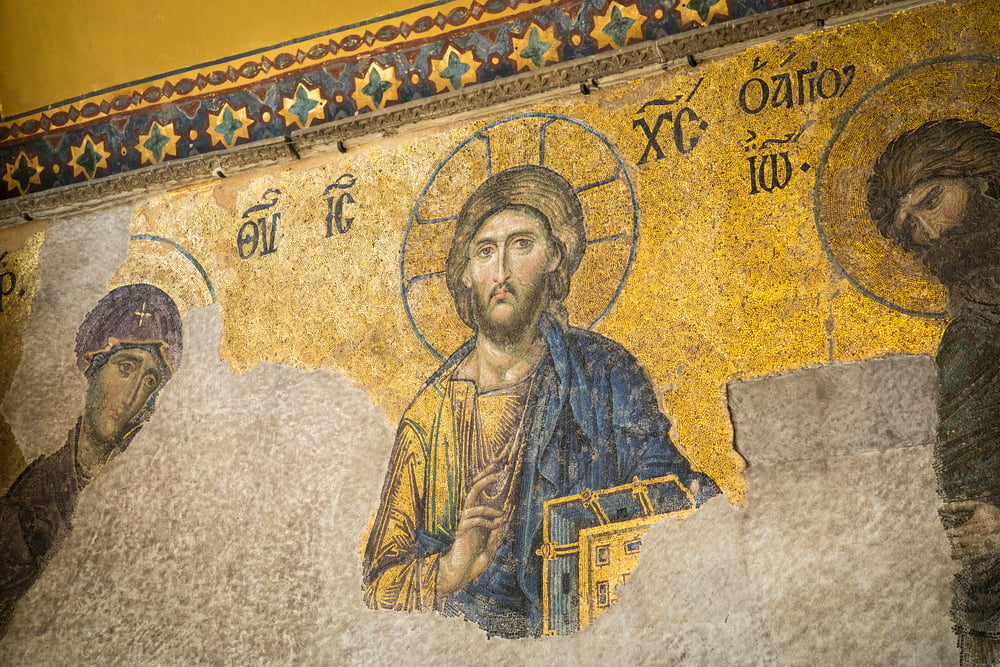
The Byzantine Empire was Rome’s eastern continuation and managed to survive for a thousand years after the west collapsed — which makes its final fall in 1453 CE feel almost like a late penalty rather than an inevitable end. Constantinople, the city that had repelled sieges for centuries, fell to Ottoman artillery in 53 days.
Emperor Constantine XI died in the final battle, which was either heroic or simply the only dignified option left.
Khmer Empire
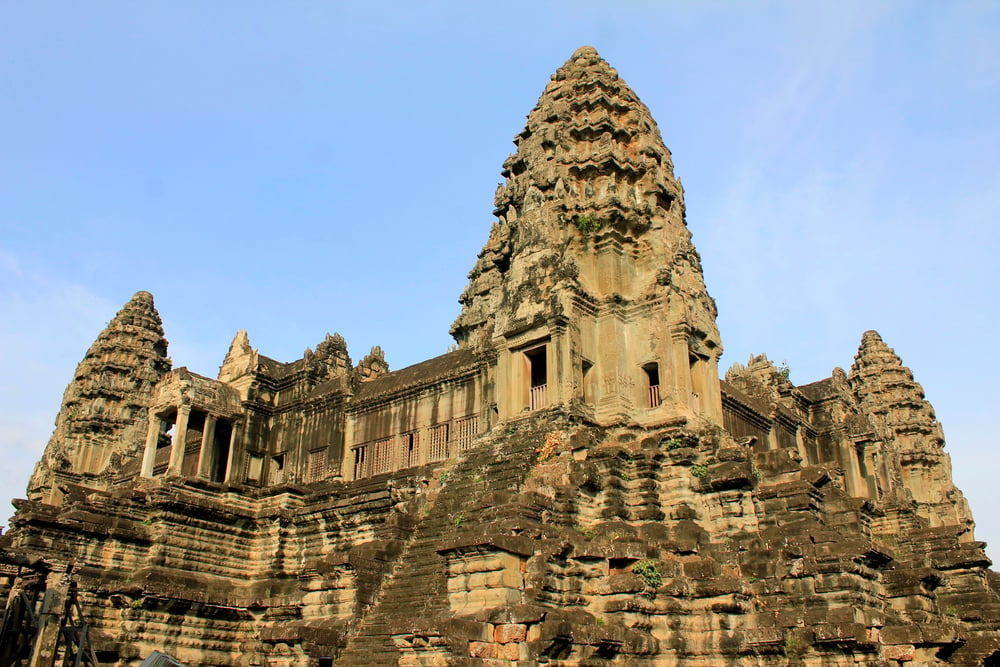
The Khmer Empire built Angkor Wat and Angkor Thom — cities so large and intricate that they still draw millions of visitors today — and then effectively disappeared by the mid-15th century. Drought cycles, soil degradation from intensive rice cultivation, and repeated Thai invasions destabilized a state that had seemed immovable.
The capital was abandoned not in a single dramatic moment but in a slow leaking away of population and purpose, like a fire that goes out because no one adds wood rather than because someone puts it out.
Qing Dynasty
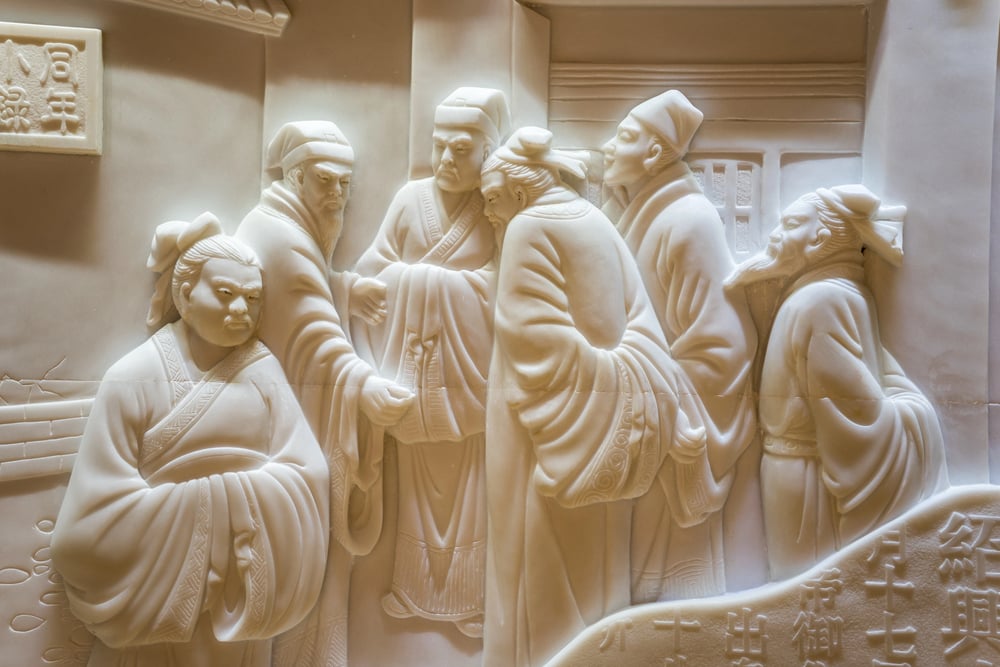
The Qing Dynasty ruled China for over 260 years and then unraveled in a matter of weeks in 1912. The Xinhai Revolution began in October 1911 with a military uprising in Wuchang — not even a planned revolt so much as an accidental detonation of stored munitions — and within four months, province after province had declared independence, and the six-year-old emperor Puyi had abdicated.
An empire of 400 million people was ended by a boy who was too young to understand what he was signing.
Ottoman Empire
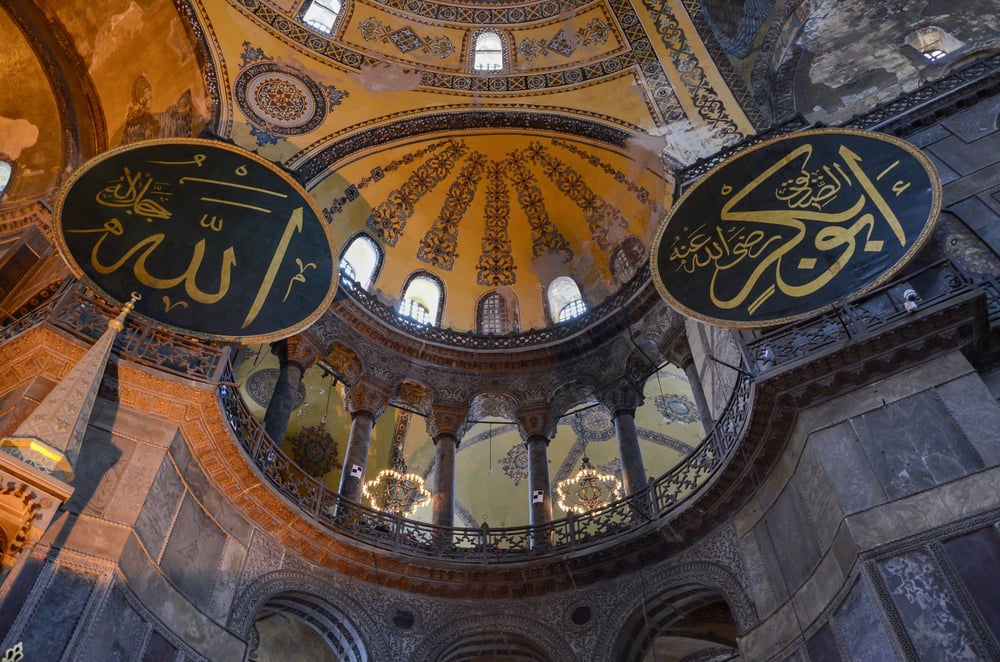
The Ottoman Empire spent the 19th century being called “the sick man of Europe,” which turns out to have been accurate. What’s underestimated is how fast the actual dying went — a state that had controlled Anatolia, the Balkans, the Middle East, and North Africa for six centuries was partitioned and replaced within five years of World War I’s end.
The Treaty of Sèvres in 1920 and then Lausanne in 1923 drew lines through what had been Ottoman territory with the kind of breezy confidence that tends to cause problems for a century afterward.
Napoleonic Empire

Napoleon’s empire covered most of continental Europe at its peak in 1812, and by 1814 he was in exile on Elba — roughly two years from zenith to removal. The Russian campaign that winter killed somewhere between 300,000 and 400,000 French soldiers through combat and cold, and the Coalition armies that followed the retreating army westward never stopped.
Napoleon tried once more in 1815 and lost at Waterloo in a battle that lasted a single afternoon.
Mughal Empire
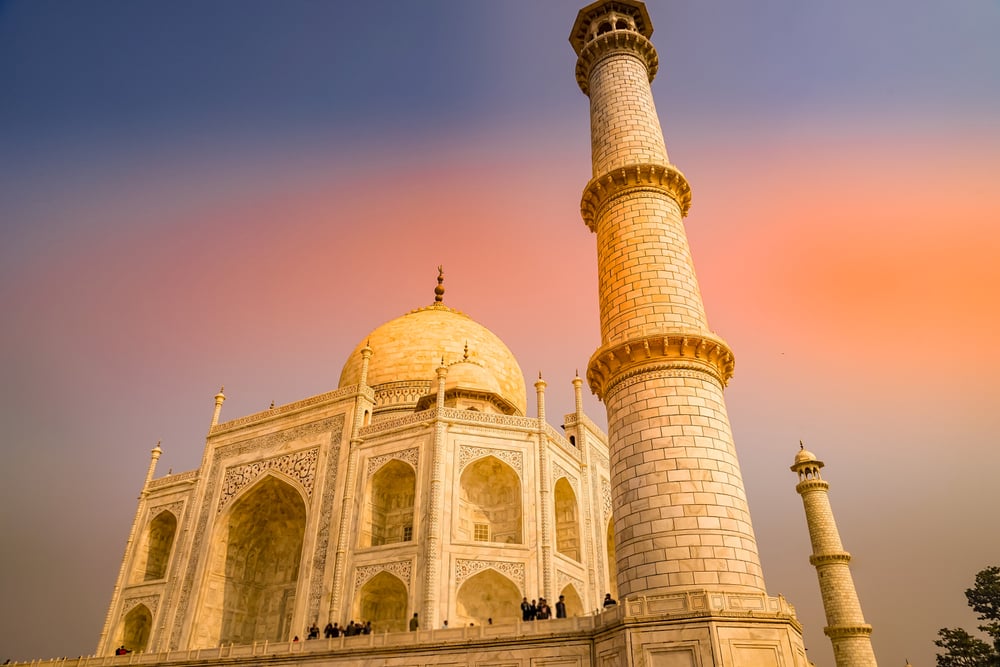
The Mughal Empire at its height under Aurangzeb was one of the wealthiest states on earth, producing perhaps a quarter of global GDP — and it entered terminal collapse within decades of his death in 1707. Aurangzeb’s religious policies had alienated the Marathas, the Sikhs, and the Rajputs simultaneously, and when he died after nearly 50 years of reign, there was no institutional structure left to hold things together, just a long list of grievances with nowhere to direct them.
By 1857, the last Mughal emperor, Bahadur Shah Zafar, was exiled to Rangoon by the British, ending a dynasty in a rented room.
Mali Empire

The Mali Empire was, in the 14th century, the wealthiest state in the world — Mansa Musa’s 1324 pilgrimage to Mecca was so laden with gold that it crashed commodity markets across North Africa and the Middle East for over a decade. That kind of wealth creates a target, and the empire spent the 15th century losing territory to the rising Songhai Empire from within and Tuareg raiders from without.
What had been the dominant power of West Africa for over a century was reduced to a regional footnote within three generations.
Songhai Empire
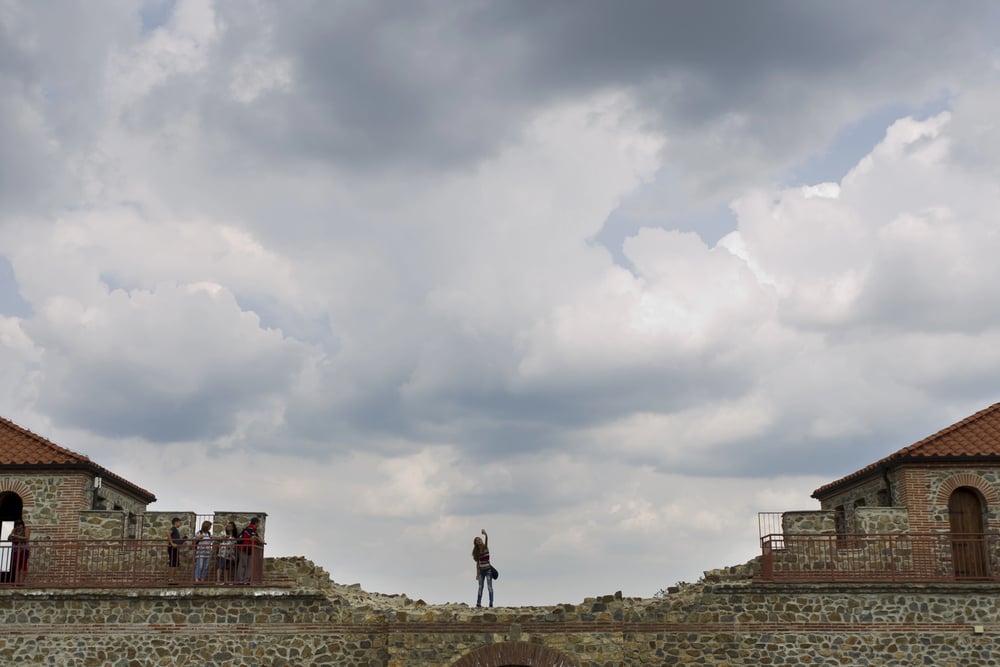
Having displaced the Mali Empire, the Songhai Empire became the largest state in African history — and was then destroyed in a single battle. The Battle of Tondibi in 1591 brought a Moroccan expeditionary force armed with firearms against a Songhai army ten times its size, and the firearms won decisively.
The Moroccan force wasn’t even large enough to hold the empire afterward; what they created wasn’t a new empire but a void.
Roman Republic
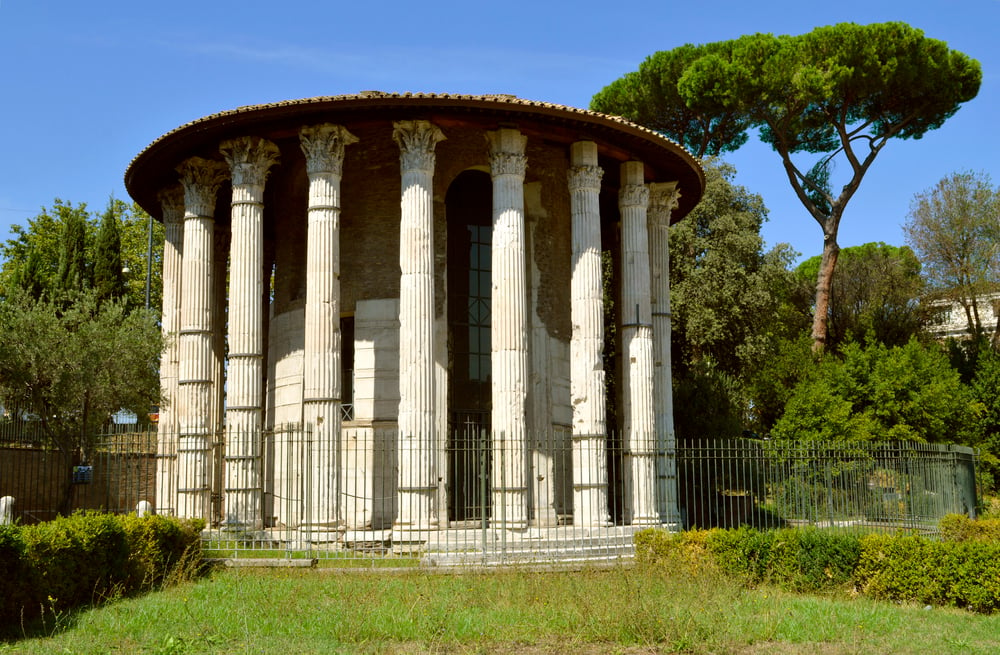
The Roman Republic lasted roughly 500 years — a remarkable run — and then was dismantled in about 20 years of civil war between powerful men who had run out of institutional constraints. Julius Caesar crossed the Rubicon in 49 BCE, was assassinated in 44 BCE, and the final war between Octavian and Antony ended in 31 BCE at the Battle of Actium, after which one man ruled Rome and the republic was a formality.
The machinery of representative government survived; the actual decision-making had moved entirely elsewhere.
Carthaginian Empire
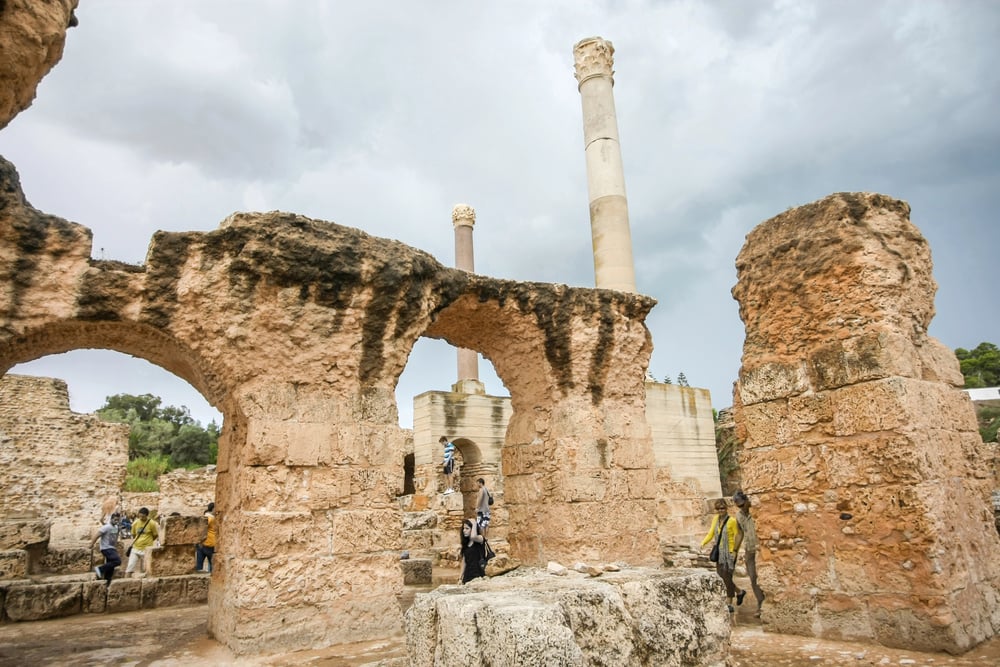
Carthage had competed with Rome for dominance of the Mediterranean for over a century, losing two brutal wars and still surviving as a major commercial power — and then Rome simply decided to finish it. The Third Punic War of 149 to 146 BCE was less a war than a siege, ending with the complete destruction of the city, its population enslaved, and its territory salted.
The speed of Carthage’s end wasn’t military failure so much as Rome losing patience.
Maurya Empire
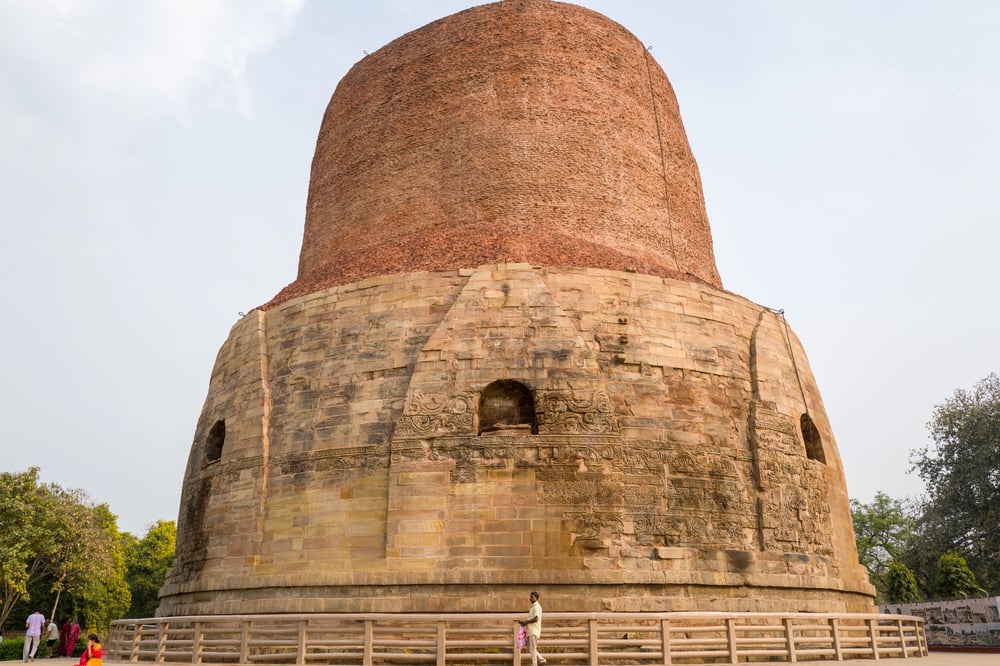
The Maurya Empire united virtually the entire Indian subcontinent for the first time in recorded history and lasted only about 140 years total. After Ashoka’s death in 232 BCE, the empire fragmented through weak successors and provincial governors who saw no reason to keep sending revenue to a center that could no longer enforce compliance.
The last Mauryan emperor, Brihadratha, was assassinated by his own commander in chief in 185 BCE, which is the kind of ending that says more about institutional decay than it does about any single man.
Safavid Empire
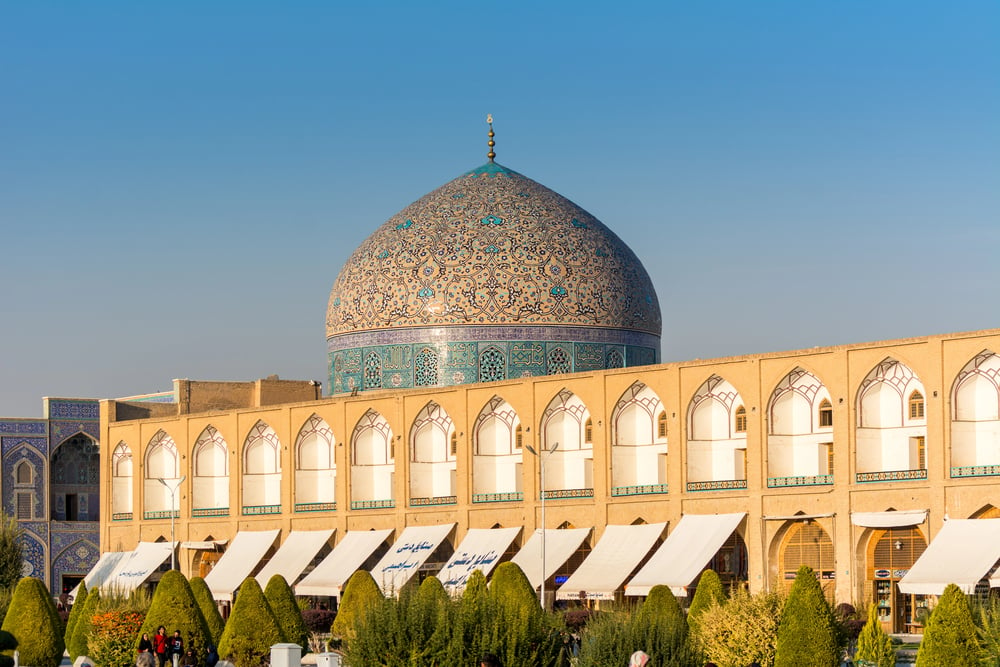
The Safavid Empire transformed Persia and established Twelver Shia Islam as the state religion — a decision that still shapes the Middle East — but its collapse was strikingly abrupt. Afghan tribes under Mahmud Hotaki sacked Isfahan in 1722, and a dynasty that had ruled for over two centuries essentially ceased to function within a year.
Shah Sultan Husayn surrendered in person, reportedly handing the crown directly to the Afghan leader in an act of capitulation so complete it’s difficult to contextualize even now.
Assyrian Empire
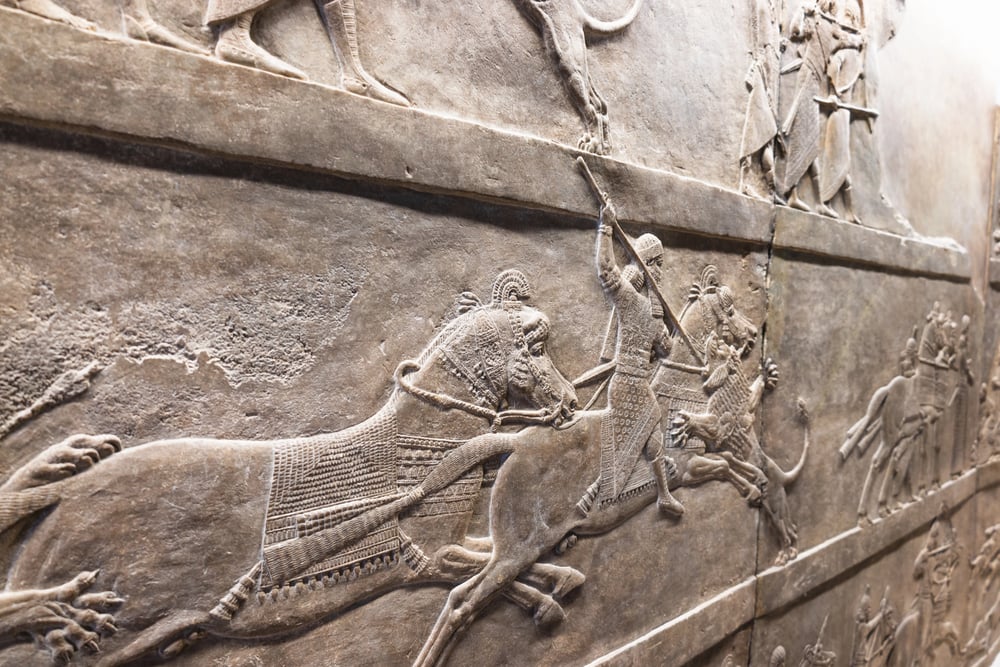
The Assyrian Empire was, by ancient standards, an absolute military machine — systematic, brutal, technologically advanced — and it was erased in roughly a decade. A coalition of Babylonians and Medes sacked Nineveh in 612 BCE, and the last Assyrian resistance collapsed at Harran in 609 BCE.
A civilization that had been the dominant force in the Near East for centuries left so few survivors that the Assyrian language effectively went extinct, which is not the usual outcome of a political defeat.
Austro-Hungarian Empire

The Austro-Hungarian Empire had managed the impressive trick of being a multi-ethnic state across 50 million people for decades and collapsed so completely at the end of World War I that it left not one successor state but several. By November 1918, the empire had been replaced by Austria, Hungary, Czechoslovakia, and Yugoslavia, with additional territory absorbed by Romania, Poland, and Italy.
The speed wasn’t unusual for wartime — what was unusual was how little anyone mourned it.
Ming Dynasty
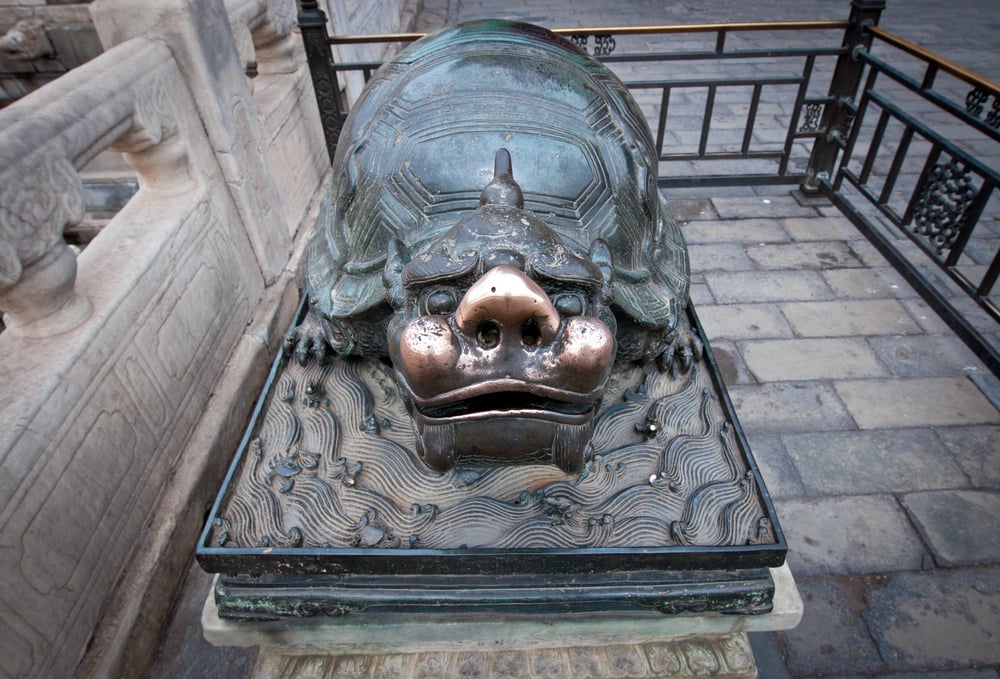
The Ming Dynasty built the Great Wall as it exists today, launched the largest naval expeditions in human history under Zheng He, and then spent its final decades unable to pay its own soldiers. Li Zicheng’s rebel forces entered Beijing in April 1644, the last Ming emperor hanged himself on a hill behind the Forbidden City, and the Manchu Qing dynasty arrived shortly after to find a vacuum.
Three hundred years of rule ended in an afternoon.
Abbasid Caliphate
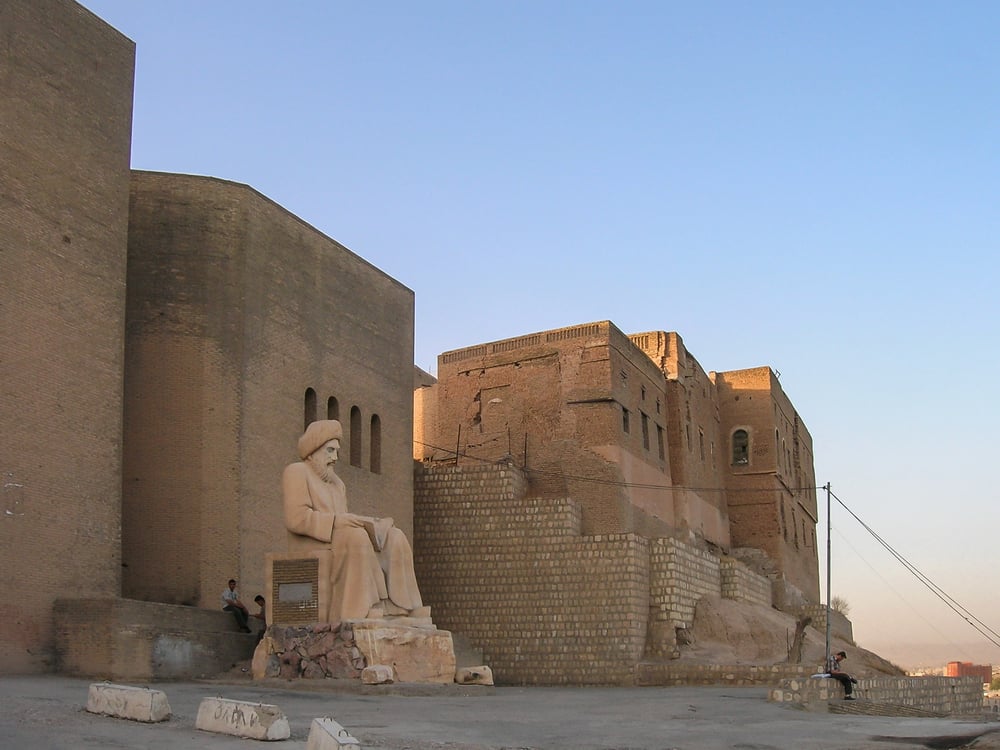
The Abbasid Caliphate at its height represented the Islamic Golden Age — a period of mathematics, astronomy, medicine, and philosophy that preserved knowledge the rest of the world had forgotten. The Mongol sack of Baghdad in 1258 CE destroyed the House of Wisdom, killed the caliph by rolling him in carpets so that no royal blood touched the ground, and reportedly turned the Tigris River black with ink from the books thrown into it.
Whether that last detail is literally true, the symbolic weight of it is accurate enough: it was a civilization’s library, and it burned.
Carolingian Empire
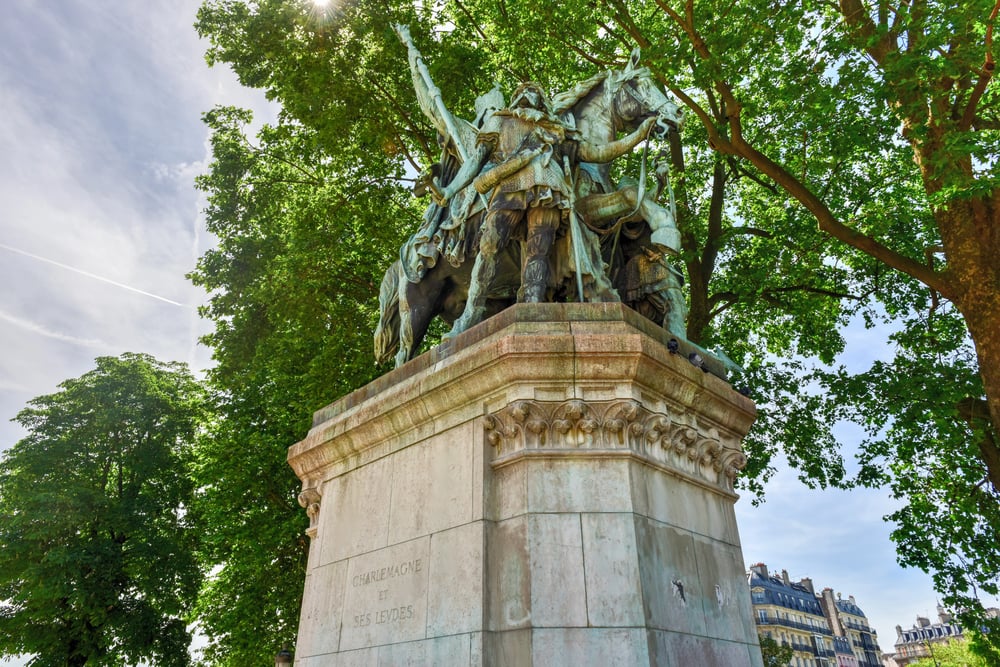
Charlemagne built an empire that unified much of Western Europe for the first time since Rome, and it was formally divided among his three grandsons in 843 CE — just 29 years after his death. The Treaty of Verdun didn’t so much dissolve the empire as admit that it had already dissolved through inheritance disputes and civil war.
What Charlemagne spent a lifetime assembling, his descendants spent a generation dismantling.
Tokugawa Shogunate
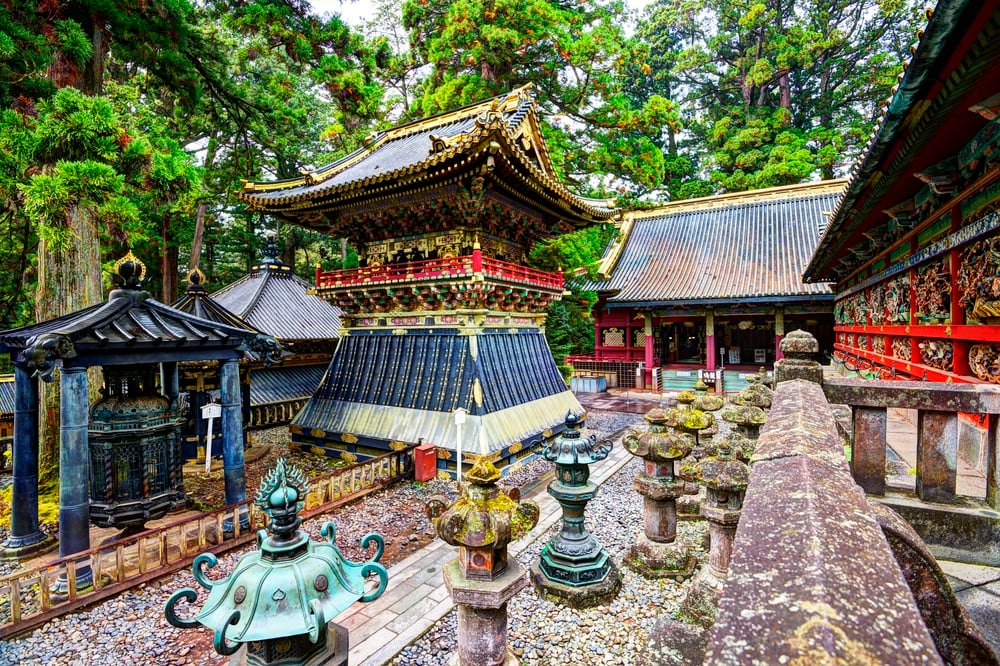
The Tokugawa Shogunate had kept Japan under tight control for over 250 years — closed borders, rigid social hierarchy, deliberate isolation from foreign influence — and fell within 15 years of Commodore Perry’s Black Ships arriving in 1853. The restoration of imperial authority in 1868 was less a revolution than a controlled replacement: the same aristocratic families, the same Confucian social structures, but a new story about who was in charge.
Still, 250 years of institutional architecture dismantled in under two decades is remarkable by any standard.
Macedonian Empire
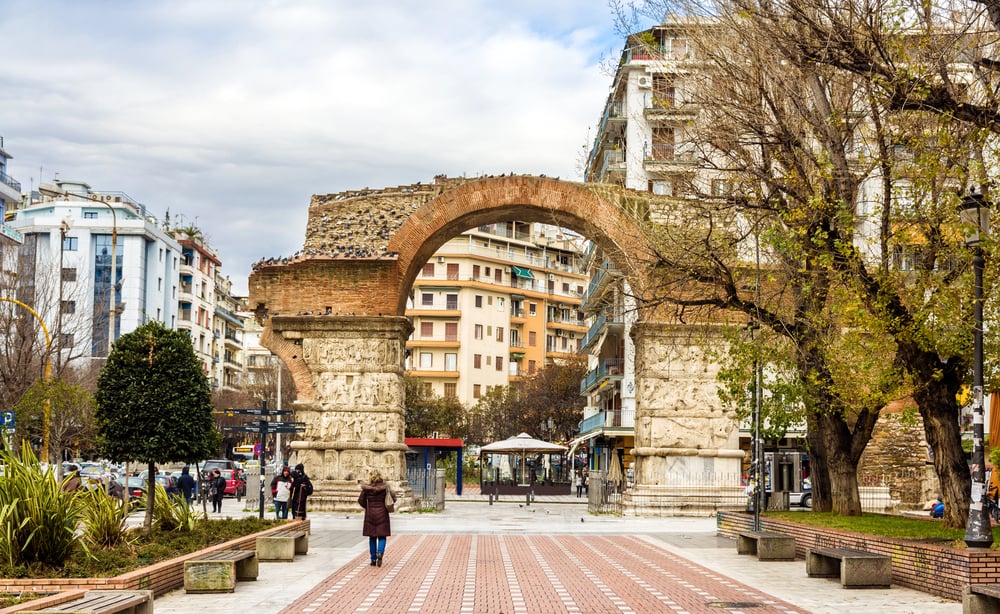
Alexander the Great’s empire was, from a certain angle, the most spectacular short-lived project in military history. He spent thirteen years building it and died in 323 BCE at 32, leaving no clear successor — and within 50 years his generals had carved the whole thing into separate kingdoms that spent most of their energy warring against each other.
The empire was never actually held together by institutions or systems; it was held together by one man’s personality, and when that man died, the whole thing revealed itself as improvisation.
Fatimid Caliphate
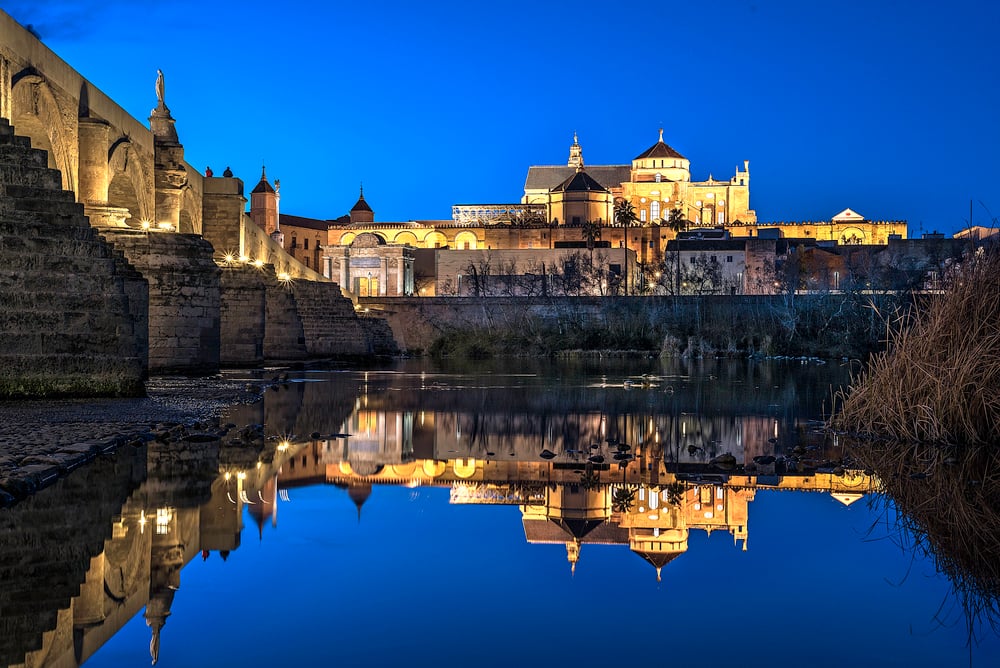
The Fatimid Caliphate ruled from Cairo and at its peak controlled Egypt, North Africa, Sicily, and the Levant — a naval and commercial empire of real sophistication. What ended it was a combination of famine, plague, sectarian conflict, and the rise of Saladin, who dismantled the Fatimid state so efficiently that he was simultaneously managing the Crusader presence in the region.
Saladin abolished the caliphate in 1171 CE, and the transition was so smooth that most of Egypt barely noticed a change in government had occurred.
Second French Empire

Napoleon III declared the Second French Empire in 1852 with considerable fanfare and lost it at the Battle of Sedan in 1870 in a single afternoon. He was captured by Prussian forces along with roughly 100,000 French soldiers — the largest French military surrender since at least the Revolution — and while he sat in Prussian captivity, France abolished the empire and declared a republic without waiting to ask him.
The empire was eighteen years old when it ended, which is barely enough time to establish a national myth, let alone recover from losing one.
What the Ruins Actually Teach

The discomfort in reading through this list isn’t that these empires fell — it’s how convinced each of them was that they wouldn’t. Rome thought it was eternal.
The Mongols thought sheer size made them permanent. The Soviet Union had an entire ideology explaining why it was the inevitable end point of history.
And yet the pattern repeats with a stubbornness that borders on instructive
More from Go2Tutors!

- The Romanov Crown Jewels and Their Tragic Fate
- 13 Historical Mysteries That Science Still Can’t Solve
- Famous Hoaxes That Fooled the World for Years
- 15 Child Stars with Tragic Adult Lives
- 16 Famous Jewelry Pieces in History
Like Go2Tutors’s content? Follow us on MSN.



