31 Rationed Goods Families Learned to Substitute
Wartime rationing didn’t just limit what families could buy. It forced them to reinvent entire categories of food, clothing, and household supply with whatever remained on the shelves. Some of these substitutes were quietly abandoned the moment restrictions were lifted. Others, oddly, outlasted the shortages that created them.
Margarine in Place of Butter
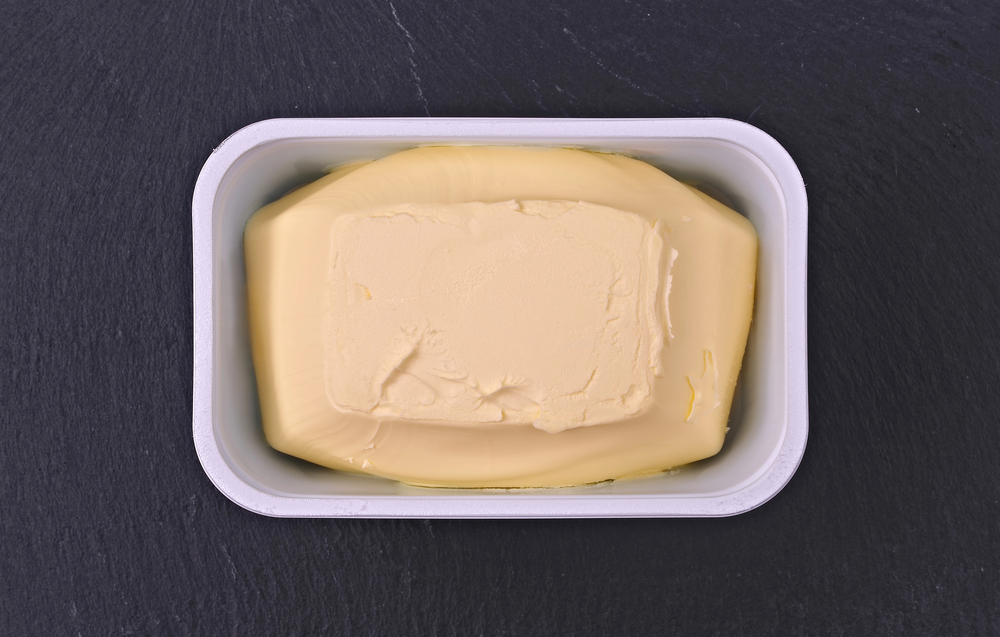
Butter rationing in Britain and the United States pushed margarine from a cheap novelty into a kitchen staple almost overnight, though early wartime margarine came pale and unappetizing until manufacturers began including a dye packet the home cook could knead in to turn it a convincing yellow. Some households kept using margarine for everyday cooking long after butter rationing ended, having simply gotten used to the taste and the lower price.
Saccharin in Place of Sugar

With sugar among the most tightly rationed goods of both world wars, saccharin tablets became a common substitute for sweetening tea, coffee, and baked goods, despite a faintly bitter aftertaste that never fully disappeared no matter how home cooks adjusted their recipes. Ration books allocated sugar in small weekly amounts, and saccharin let families stretch what little they had toward baking rather than daily tea.
Chicory in Place of Coffee

Coffee shortages in continental Europe, and later in Britain, led households to roast and grind chicory root as a substitute, producing a dark, bitter drink that mimicked coffee’s color if not quite its flavor. France in particular had already used chicory blends before the wars, and the practice became so entrenched that some brands of chicory-blended coffee remained popular decades after real coffee returned to shelves.
Corn Syrup in Place of Sugar for Preserving

Home canners facing sugar rationing turned to corn syrup and low-sugar pectin recipes to put up fruit for the winter, since traditional preserving methods called for pound-for-pound sugar that ration books simply did not allow. Government pamphlets of the era circulated corn-syrup canning recipes specifically to help families keep gardens’ worth of produce from going to waste.
Woolton Pie in Place of Meat Pies
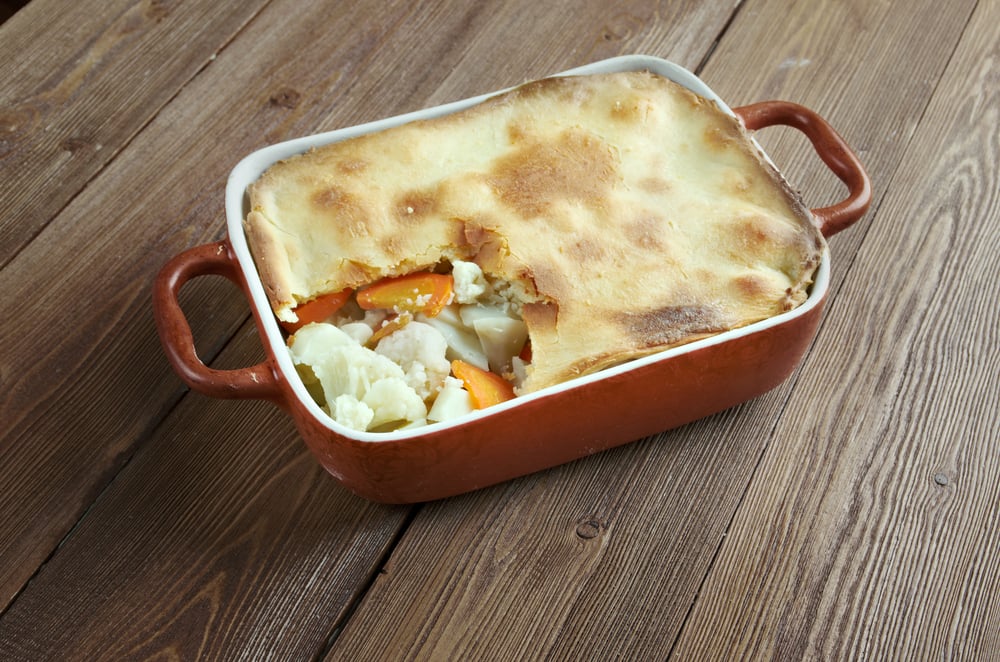
Britain’s Ministry of Food promoted the Woolton Pie, a vegetable pie of potatoes, carrots, and swede under a pastry or mashed-potato crust, named for the Minister of Food Lord Woolton, as a filling substitute when meat rations ran short. It was served in British restaurants and printed in newspaper columns throughout the war, and while few mourned its passing once meat returned, it remains one of the most recognizable wartime recipes today.
Powdered Eggs in Place of Fresh Eggs
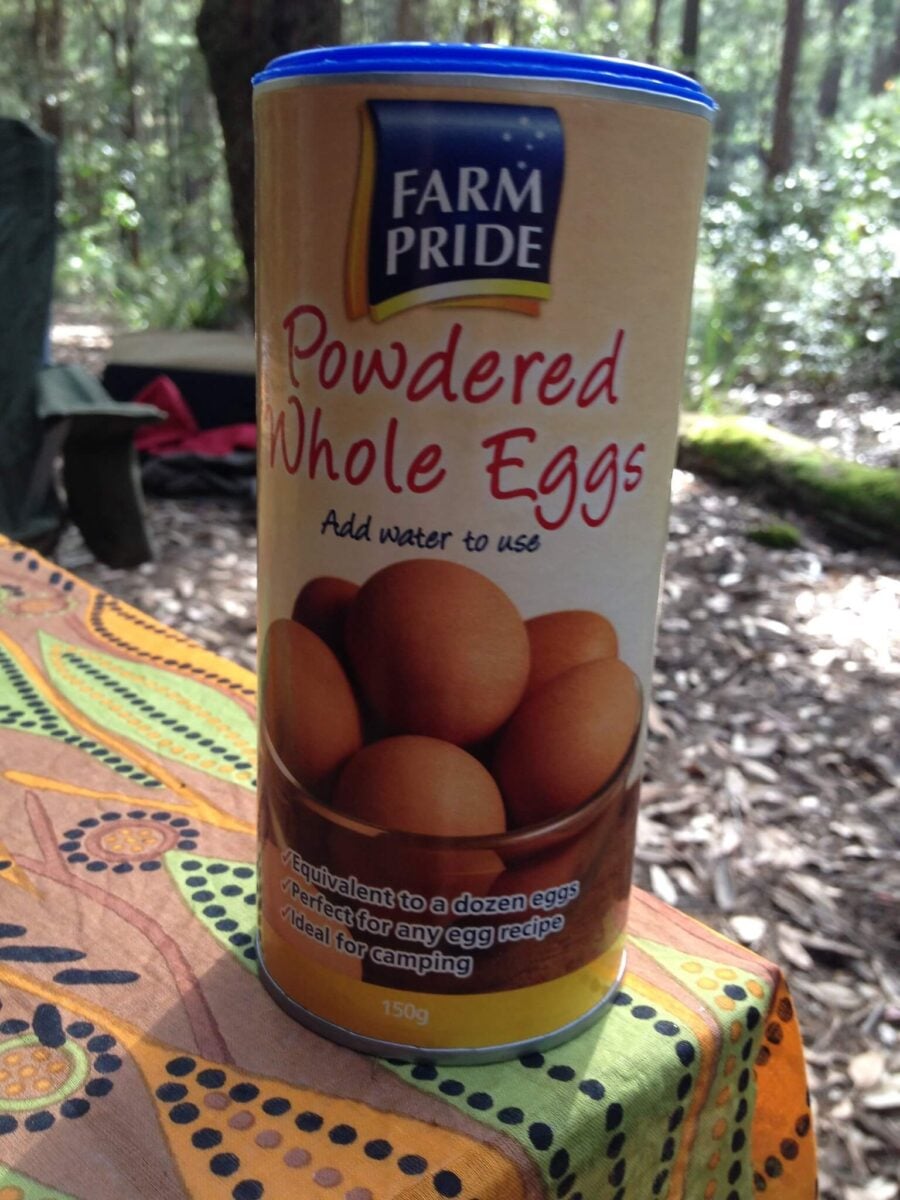
Dried egg powder, shipped to Britain in large quantities from the United States, replaced fresh eggs in households where hens were scarce or egg rations were thin, and cooks learned to reconstitute it with water for everything from scrambled eggs to cake batter. The texture never quite matched the real thing, and the powder’s slightly sulfurous smell became a running joke in wartime kitchens.
Powdered Milk in Place of Fresh Milk
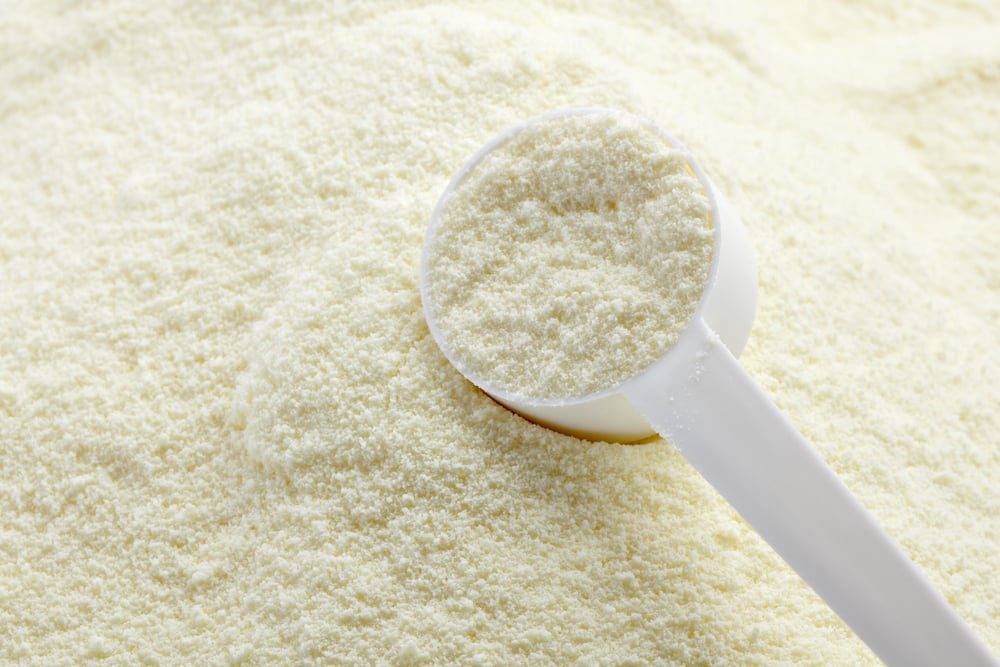
Households far from dairy farms, or simply squeezed by rationing, kept powdered milk on hand as a substitute for fresh, mixing it with water for drinking or using it straight in baking where its concentrated flavor mattered less. Government-issued cookbooks of the period routinely offered a powdered-milk alternative alongside every recipe calling for fresh.
Rayon in Place of Silk Stockings

Once silk was diverted almost entirely to parachutes and other military uses, women turned to rayon stockings as the closest available substitute, even though rayon ran and snagged far more easily than silk had. The shortage also gave rise to leg makeup and drawn-on seams for women who had no stockings at all, a workaround covered separately on this list.
Cardboard and Reclaimed Rubber in Place of Leather Soles
Leather shortages during both world wars pushed shoemakers toward soles made of compressed cardboard, wood, or reclaimed rubber, materials that wore through far faster than leather but kept shoes affordable and available. Some rural households returned to older wooden-soled clog designs specifically because they used almost no rationed material at all.
Whale Meat in Place of Beef
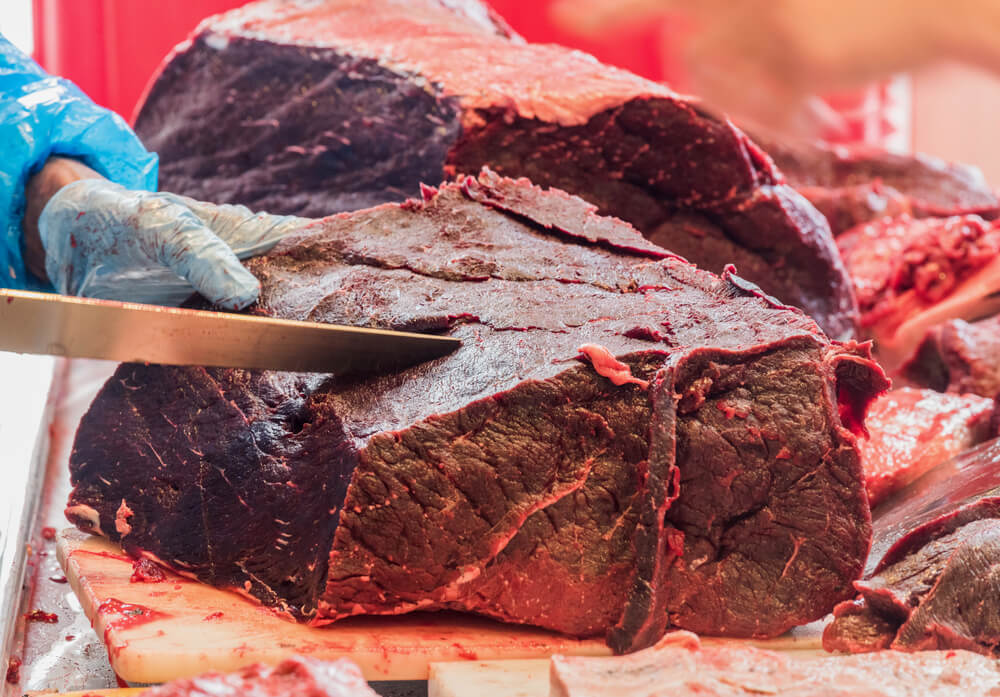
Britain’s Ministry of Food promoted whale meat as an unrationed alternative to scarce beef during the Second World War, marketing it under names meant to soften its origin, though most accounts agree it never won over British palates the way vegetable substitutes did. It largely disappeared from shops once conventional meat rationing ended in the mid-1950s.
Snoek in Place of Other Fish and Meat
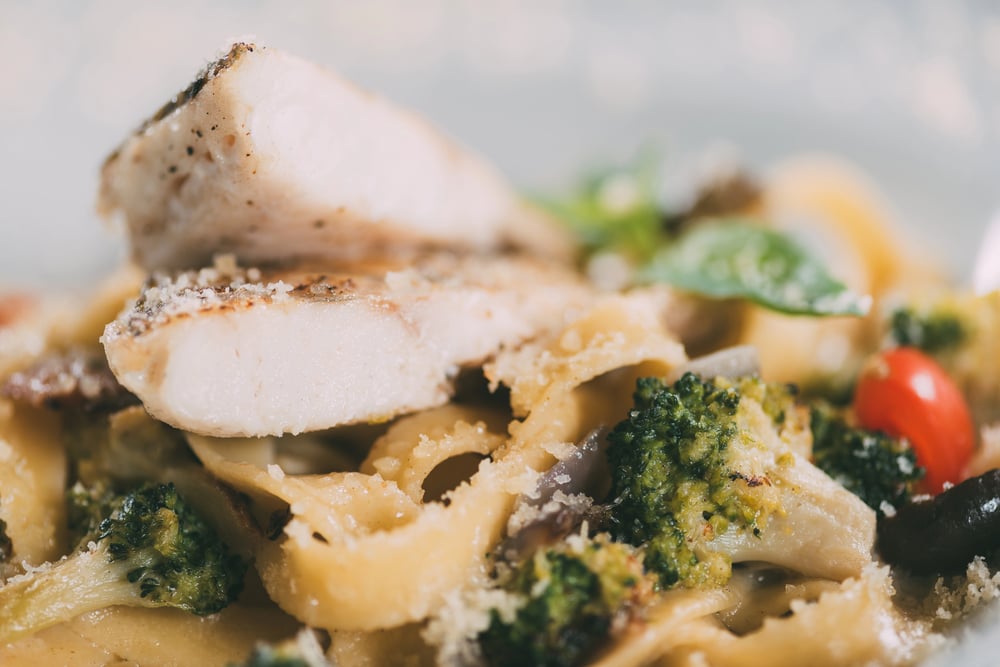
In the lean years immediately after the war, Britain’s government imported large quantities of canned snoek, a South African fish, as a cheap unrationed protein source, backed by an official publicity campaign urging families to try it. The fish was widely disliked for its strong flavor, and its brief postwar popularity became something of a national punchline once meat rationing finally eased.
Saved Fat and Drippings in Place of Store-Bought Soap Ingredients
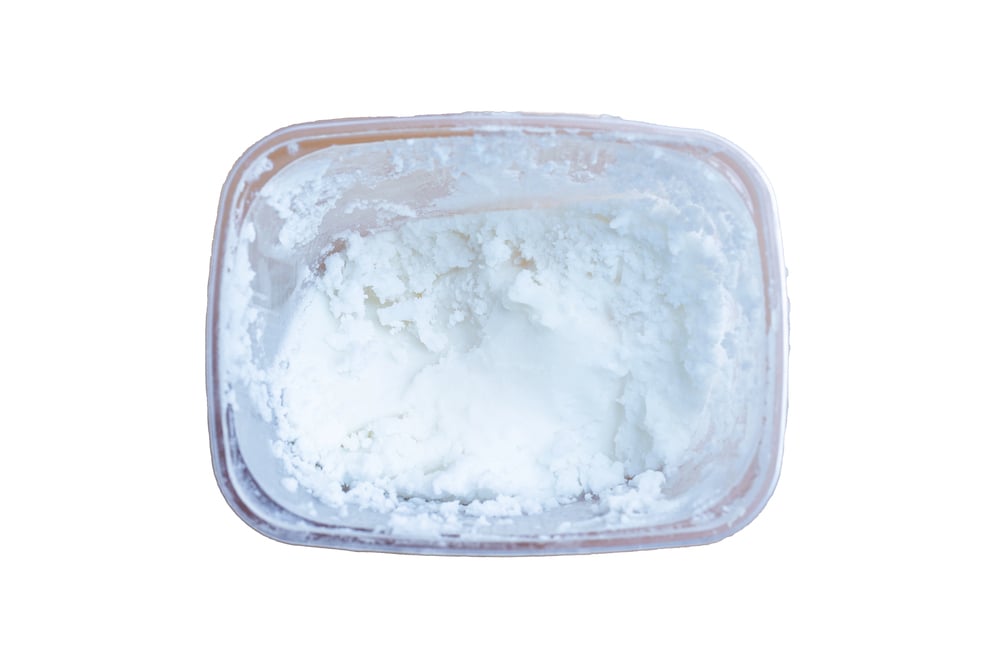
Households were encouraged to save cooking fat and meat drippings rather than pour them away, since rendered fat could be turned in to local collection points and used in soap and other wartime manufacturing that competed for the same raw materials as rationed goods. Posters reminding cooks to “save your fat” were a common sight in British and American kitchens throughout the war.
Leg Makeup and Drawn-On Seams in Place of Stockings

When silk and rayon stockings both grew scarce, many women applied tinted leg makeup to approximate a stocking’s color and drew a line up the back of each calf with an eyebrow pencil to mimic the seam. Department stores in both Britain and the United States sold dedicated leg makeup products for exactly this purpose, and the look became a recognizable style of the era rather than an embarrassment.
Carpooling and Home Gardens in Place of Regular Shopping Trips

Gasoline rationing curtailed the frequent car trips many American and British families had grown used to, so neighbors organized carpools for work and errands while home vegetable gardens, promoted under campaigns like Britain’s Dig for Victory, reduced how often families needed to travel to buy rationed produce at all. Millions of these small plots, planted in yards and public parks alike, supplied a meaningful share of household vegetables by the war’s end.
Reclaimed Rubber in Place of New Tires

With raw rubber supplies cut off by wartime shipping disruptions, tire manufacturers relied heavily on reclaimed rubber recovered from worn tires and other scrap, a lower-quality material that wore out faster but kept vehicles running under strict rationing of new tires. Scrap rubber drives became a regular community event, with children collecting old garden hoses and boots alongside worn tires.
Surplus Parachute Silk in Place of Clothing Fabric

Once the war ended, surplus silk and nylon parachutes, no longer needed by the military, were repurposed by resourceful families into wedding dresses, blouses, and children’s clothing at a time when fabric rationing was still in effect in much of Europe. Brides on tight budgets specifically sought out ex-military parachute silk as one of the only ways to get enough fine fabric for a dress.
Breadcrumbs and Oats in Place of Solid Cuts of Meat
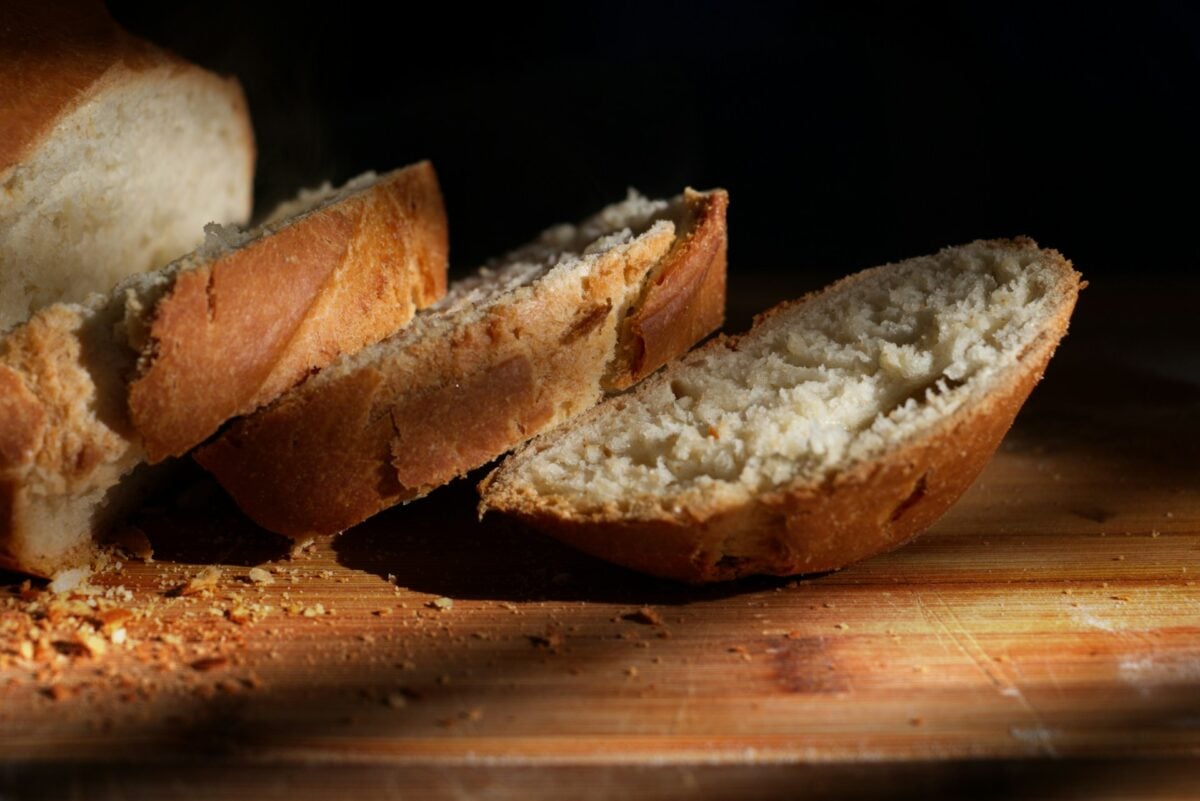
Meatloaf, sausages, and other extended dishes leaned heavily on breadcrumbs, oats, and grated vegetables to stretch a small meat ration across a full family meal, a practice promoted directly by government recipe pamphlets in both Britain and the United States. Some of these stretched recipes, particularly meatloaf, stuck around in postwar home cooking simply because families had grown to like the texture.
Postum in Place of Coffee

In the United States, the roasted-grain beverage Postum, originally marketed decades earlier as a health drink, saw a resurgence during coffee rationing as families looked for something to fill the morning cup. It never fully replaced coffee’s popularity once rationing ended, but it remained on grocery shelves for decades afterward as a caffeine-free alternative.
Rosehip Syrup in Place of Citrus
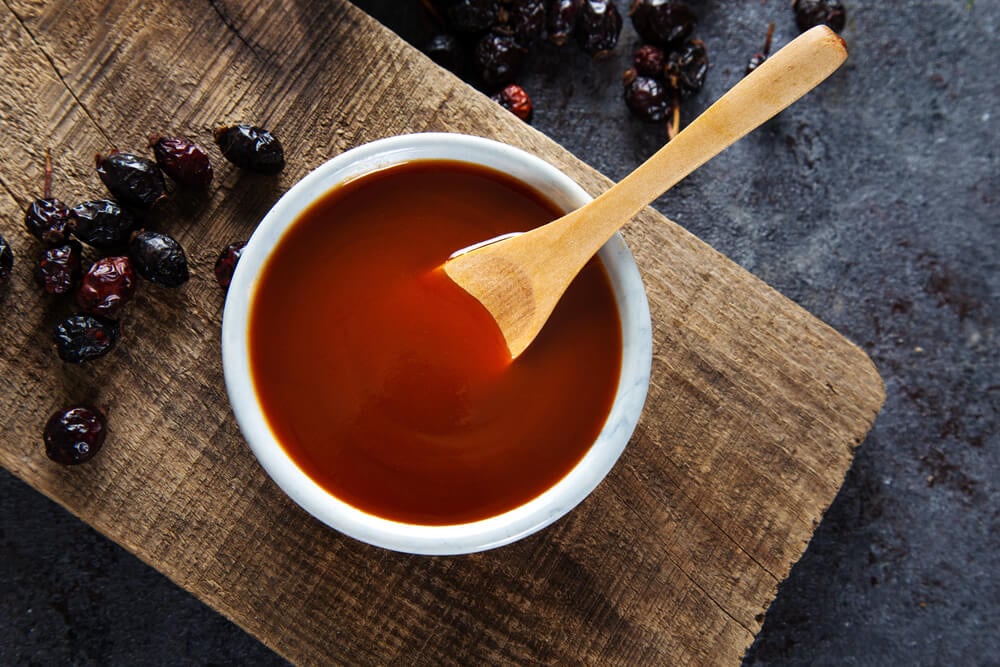
With oranges and lemons nearly impossible to import during the war, Britain’s Ministry of Health organized volunteers, largely children, to gather wild rosehips for processing into a vitamin C-rich syrup distributed to mothers and young children in place of citrus fruit. The rosehip-picking campaigns became a genuine community effort, with local pharmacies and clinics distributing the syrup free of charge.
Mock Banana Sandwiches in Place of Real Bananas

With bananas entirely unavailable in wartime Britain, cooks mashed cooked parsnip and mixed it with a few drops of banana flavoring essence to spread on bread, a substitute remembered fondly, and mocked, in equal measure by those who grew up eating it. Real bananas returned to British shops in 1945, and the mock version disappeared from kitchens almost immediately.
Mock Cream in Place of Fresh Cream

British wartime cooks whipped margarine with a little sugar and milk to create a stand-in for fresh cream, thick enough to top a pudding or fill a cake even though it lacked the real thing’s richness. Recipe cards distributed by the Ministry of Food during the war included several variations on the formula, adjusting sweetness depending on how much sugar ration remained that week.
Mock Goose in Place of Roast Goose
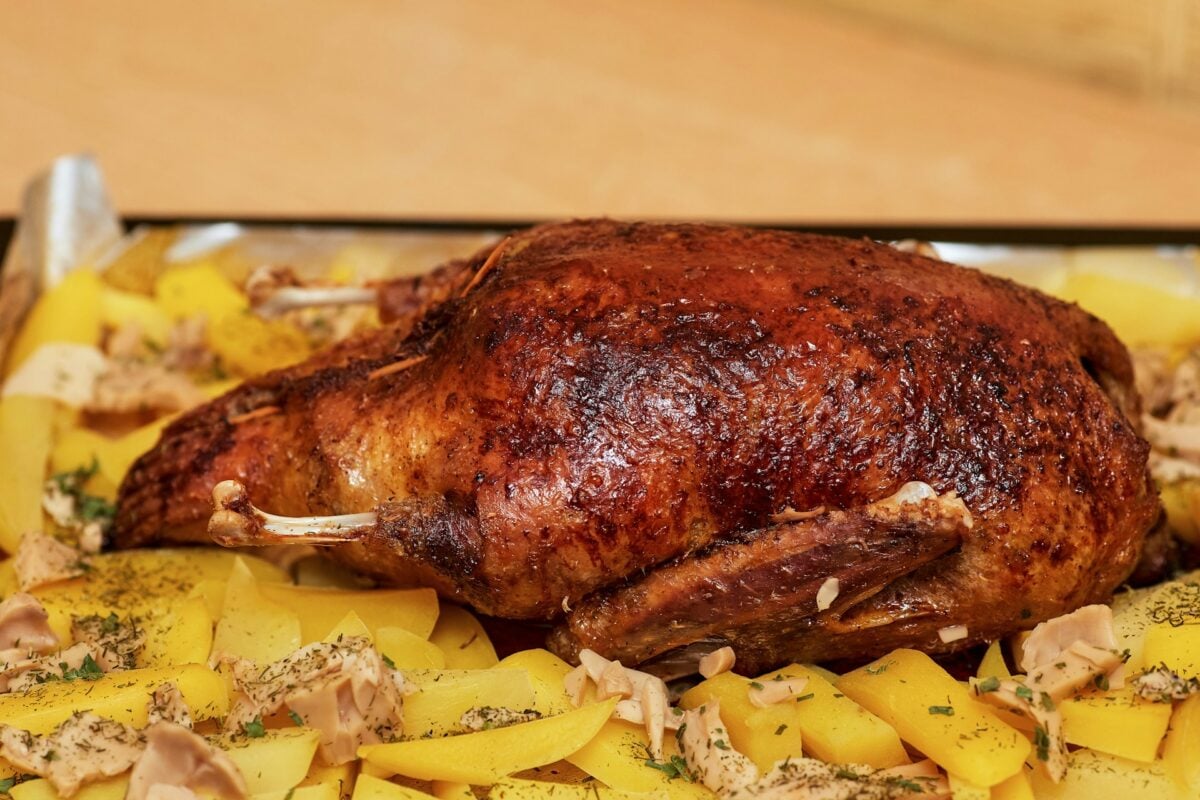
A wartime British dish built from layered potatoes, apple, cheese, and sage, baked to mimic the flavor of roast goose, gave families a festive main course when poultry was far too scarce and expensive to buy. It appeared regularly in Ministry of Food recipe columns around the Christmas season, when the absence of a traditional roast bird was felt most keenly.
Mock Crab in Place of Real Crab

Grated cheese mixed with a little vinegar and mustard, sometimes stretched with a small amount of fish paste, stood in for crab meat in wartime Britain, spread on toast or used to fill sandwiches for a seaside-style meal without the seafood. The recipe traveled through community cookbooks and newspaper columns as one of many cheese-based substitutes for scarce proteins.
Carrot-Based Sweets in Place of Sugar and Scarce Fruit
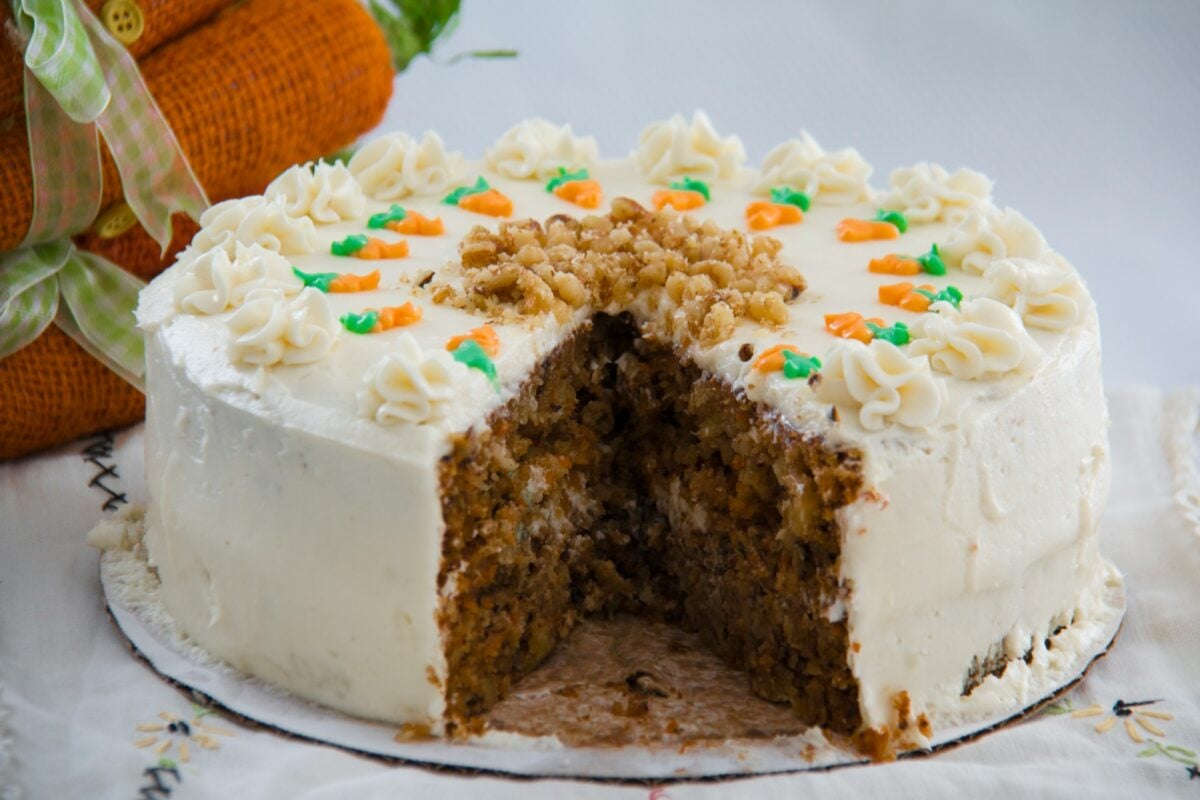
Britain’s Ministry of Food ran an entire campaign around a cartoon mascot, Dr. Carrot, promoting carrots as a substitute sweetener in desserts and drinks like Carrolade, a juice blended from carrots and swede, at a time when sugar and imported fruit juice were both tightly rationed. Carrots were unrationed and abundantly grown at home, which made the campaign one of the more successful substitute efforts of the war.
Reprocessed Wool in Place of New Wool Fabric
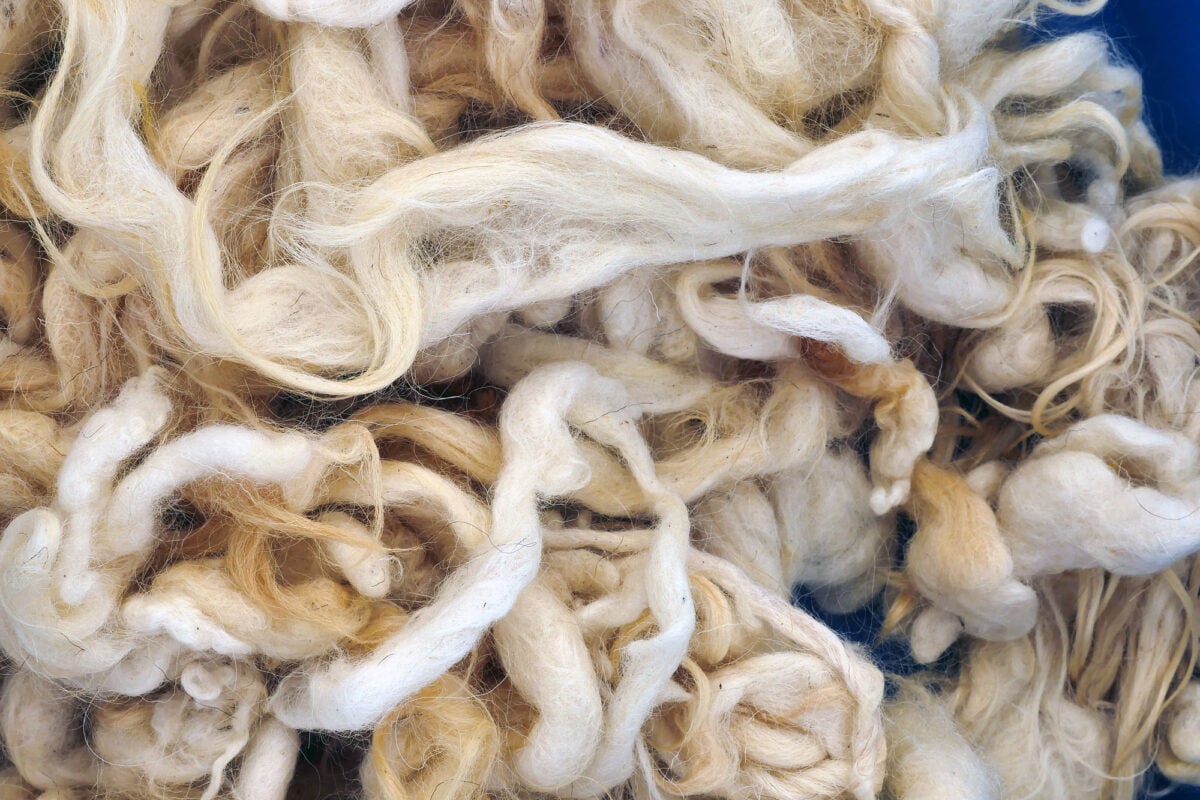
Wartime clothing production leaned on reprocessed wool, sometimes called shoddy, made by shredding old garments and rags and respinning the fibers into new fabric, since raw wool was needed for military uniforms and blankets. The resulting cloth was coarser and less durable than new wool, but it kept clothing rationing coupons stretching further for civilian families.
Mock Apple Pie in Place of Real Apples

In the United States, a Depression-era recipe using crushed crackers, sugar, and spices to mimic the taste and texture of apple pie filling found renewed use during wartime sugar and produce shortages, when apples themselves were sometimes harder to find than the recipe’s other ingredients. The trick relied on a pinch of acid powder and lemon flavoring to fool the palate, and versions of the recipe still circulate in old community cookbooks today.
Plant Dyes in Place of Commercial Fabric Dye
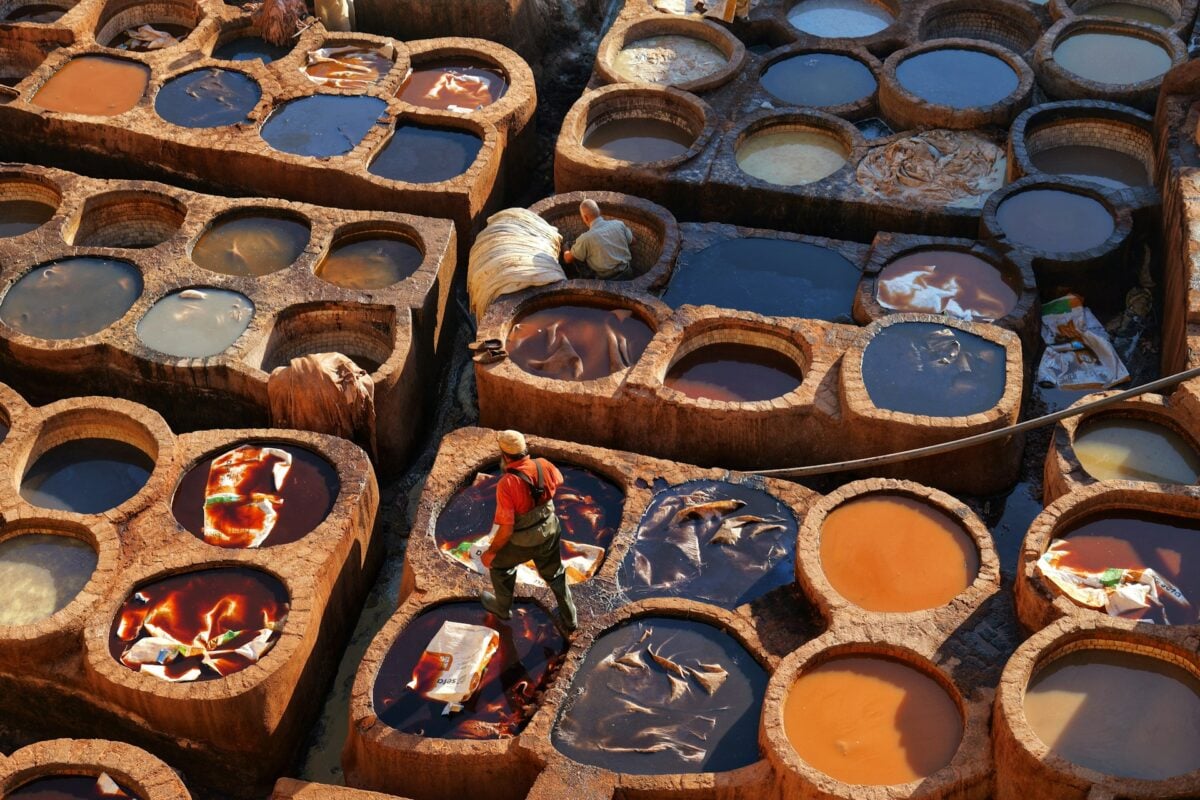
With commercial dyes diverted to military production, home sewers and small tailoring shops turned to onion skins, walnut husks, and other plant materials to color rationed fabric, a practice that had largely disappeared from everyday households before the war revived it out of necessity. The resulting colors were muted and inconsistent compared with manufactured dye, but they let families refresh worn clothing without using precious ration coupons.
Soy Flour in Place of Wheat Flour
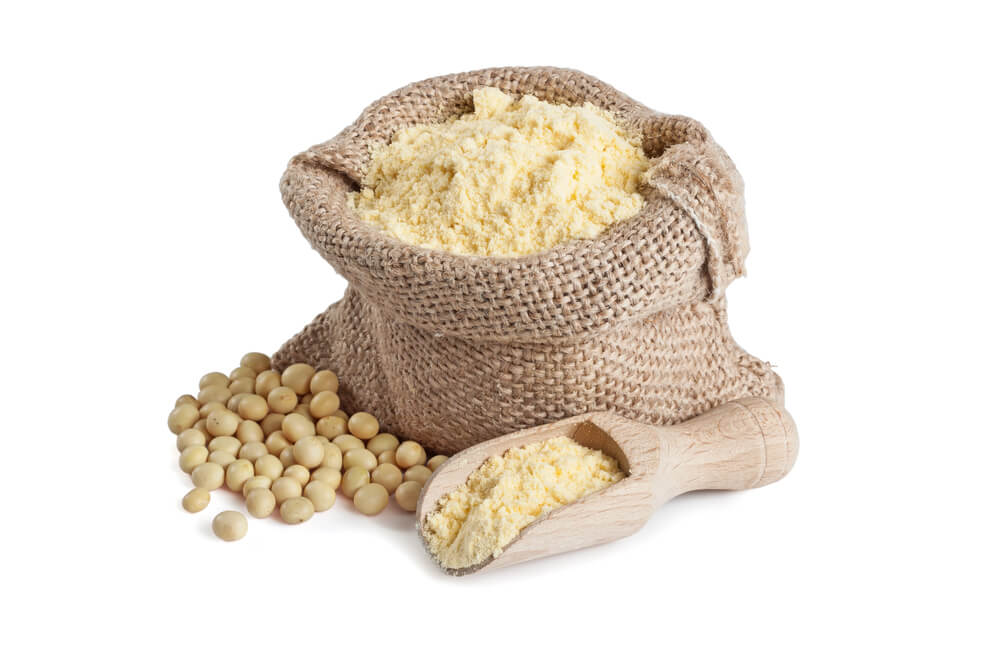
Bakers blended soy flour into wheat flour to stretch rationed grain supplies, a substitution promoted by government nutrition pamphlets in both Britain and the United States for its added protein as much as for the flour it saved. The blend changed the texture of bread noticeably, producing a denser, slightly gummier loaf that home bakers of the era learned to accept.
Horse Meat in Place of Beef
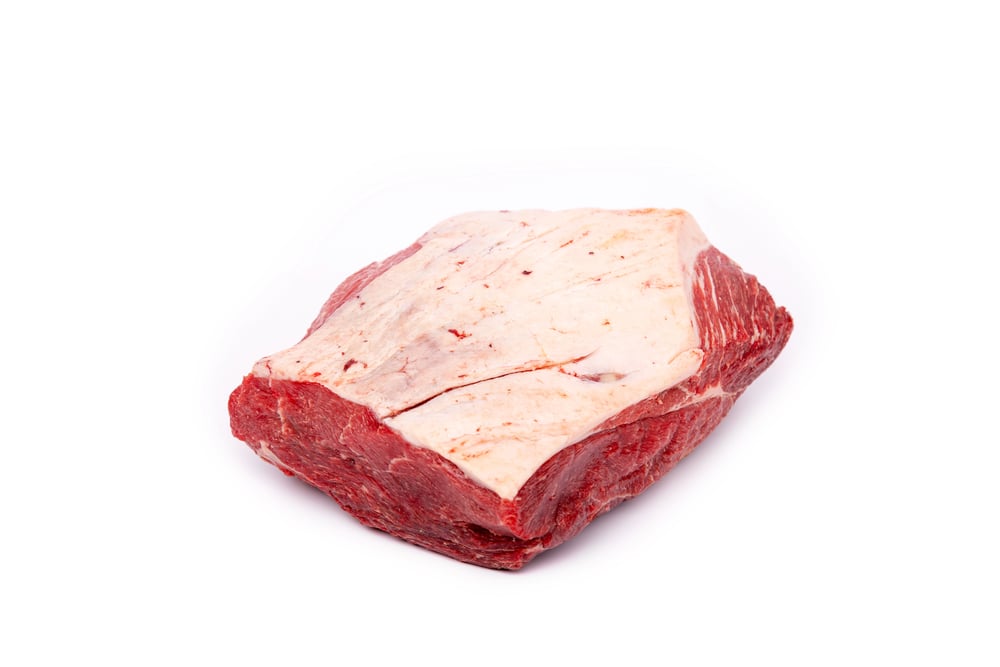
In parts of occupied and wartime Europe, particularly France and Belgium, horse meat became a common and largely accepted substitute for beef as conventional meat supplies collapsed under both rationing and requisition by occupying forces. Horse meat had already held a modest place in continental European butcher shops before the war, which made the wartime shift less of a culinary shock there than it would have been elsewhere.
Whipped Evaporated Milk in Place of Fresh Cream
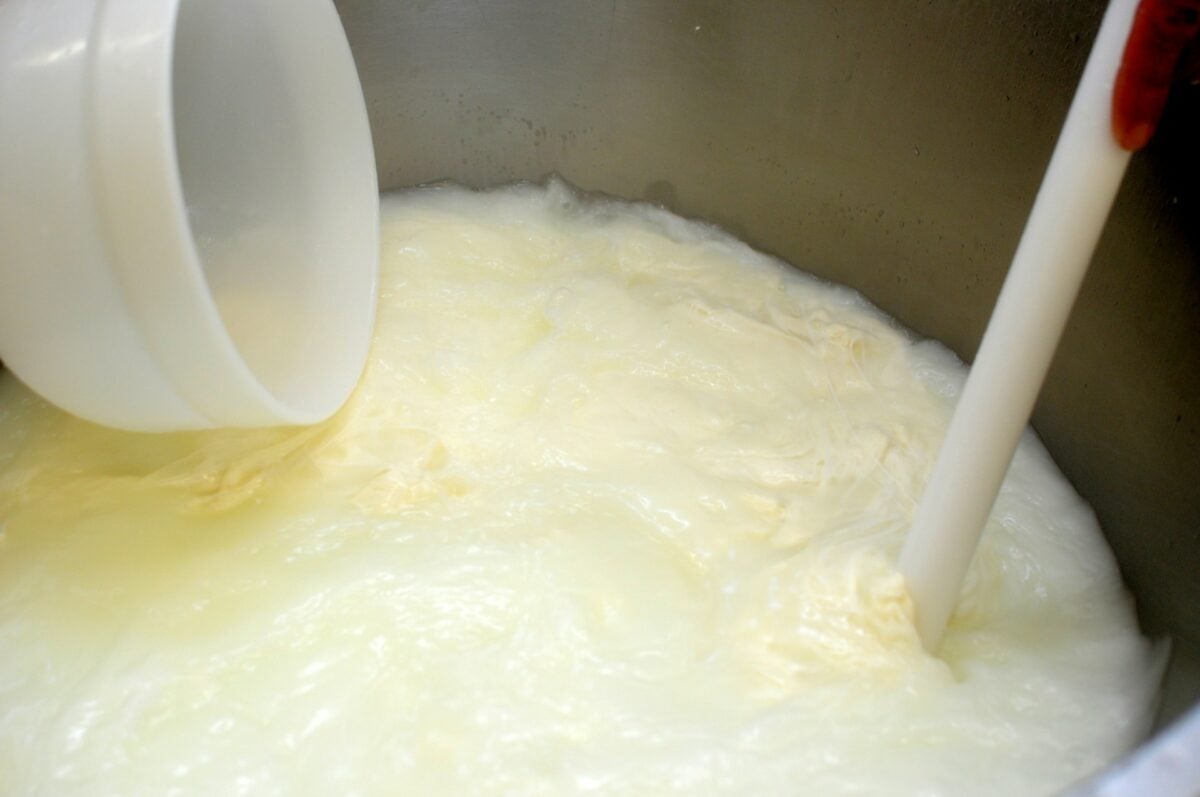
American cooks facing dairy shortages chilled and whipped canned evaporated milk into a passable substitute for whipped cream, a trick that required careful chilling of both the can and the mixing bowl to get the texture to hold. The technique proved durable enough that some home cooks kept using it for decades after fresh cream became widely available again.
Newspaper and Rag Insulation in Place of Rationed Building Materials

With construction materials diverted to the war effort, households facing shortages of proper insulation packed newspaper, rags, and other scrap material into wall cavities and around windows to conserve heat through rationed fuel supplies. The practice was crude and largely temporary, abandoned by most families as soon as proper materials became available again after the war.
What Scarcity Actually Teaches

None of these substitutes were invented because anyone thought margarine tasted better than butter or that a parsnip could truly pass for a banana. They existed because rationing boards, home economists, and exhausted parents needed something, anything, to fill a gap that official supply chains could no longer fill on their own. The ingenuity involved was real even when the results were not particularly good.
What is striking, looking back, is how many of these workarounds outlived the emergency that created them. Families kept eating meatloaf stretched with oats, kept whipping evaporated milk, kept drinking chicory blends, long after the ration books themselves were retired, proof that necessity sometimes leaves a permanent mark on taste even after it stops being necessary.
More from Go2Tutors!

- The Romanov Crown Jewels and Their Tragic Fate
- 13 Historical Mysteries That Science Still Can’t Solve
- Famous Hoaxes That Fooled the World for Years
- 15 Child Stars with Tragic Adult Lives
- 16 Famous Jewelry Pieces in History
Like Go2Tutors’s content? Follow us on MSN.