31 Subway Construction Photos From Before Modern Machinery
Early subway construction looked less like engineering and more like a siege. Crews dug trenches with picks and shovels, shored the walls with timber, and hauled spoil away in horse-drawn carts while the streets above stayed open for traffic.
Photographs of these projects survive in transit archives and city collections, and they show a world of brick, cast iron, rope, and muscle. The tunnels below are the stories behind those images, and each one marks a point where a city decided to build downward.
The Metropolitan Railway, London
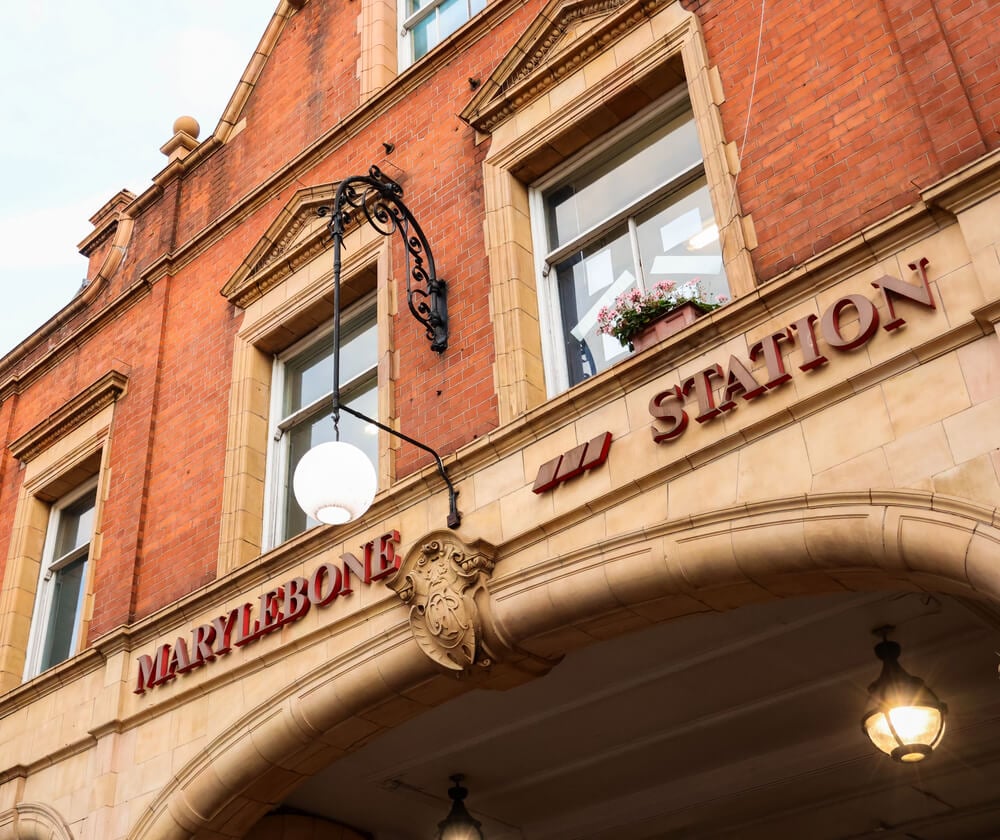
The world’s first underground passenger railway opened on January 10, 1863, between Paddington and Farringdon Street. Builders used the cut-and-cover method, digging a trench beneath existing roads and then roofing it with a brick arch. Views of the works show the trench open along the street, which gives a sense of how disruptive the project was to everyone living nearby.
The Thames Tunnel
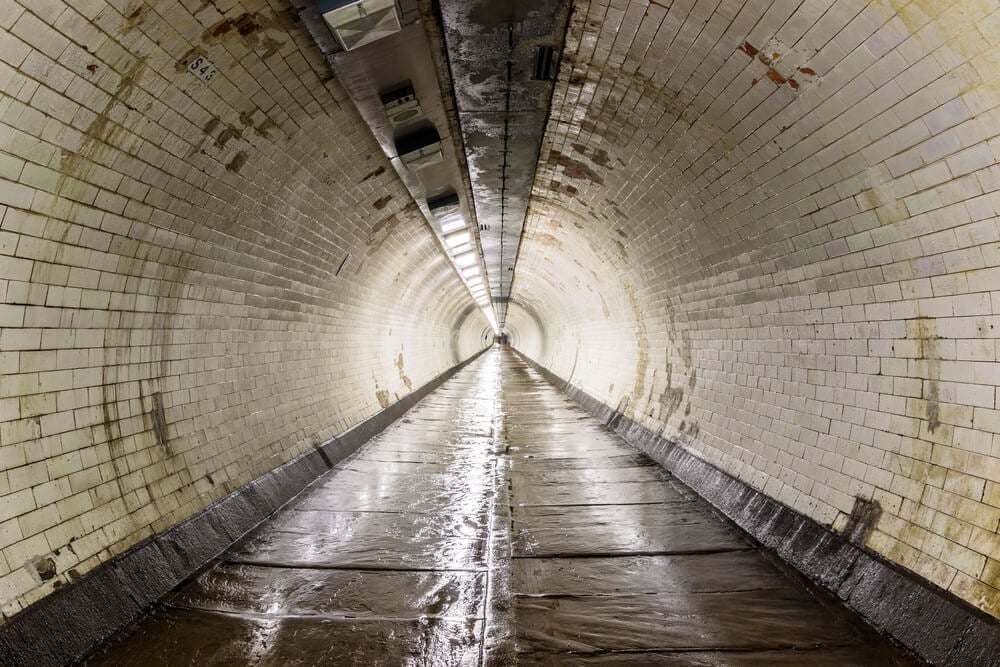
Marc Brunel and his son Isambard built the Thames Tunnel under the river between Rotherhithe and Wapping, and it opened to the public in 1843. A tunneling shield held back the soft ground while workers excavated by hand, and flooding interrupted the work more than once. It carried pedestrians before it was converted to a railway, and trains still run through it.
The Tower Subway
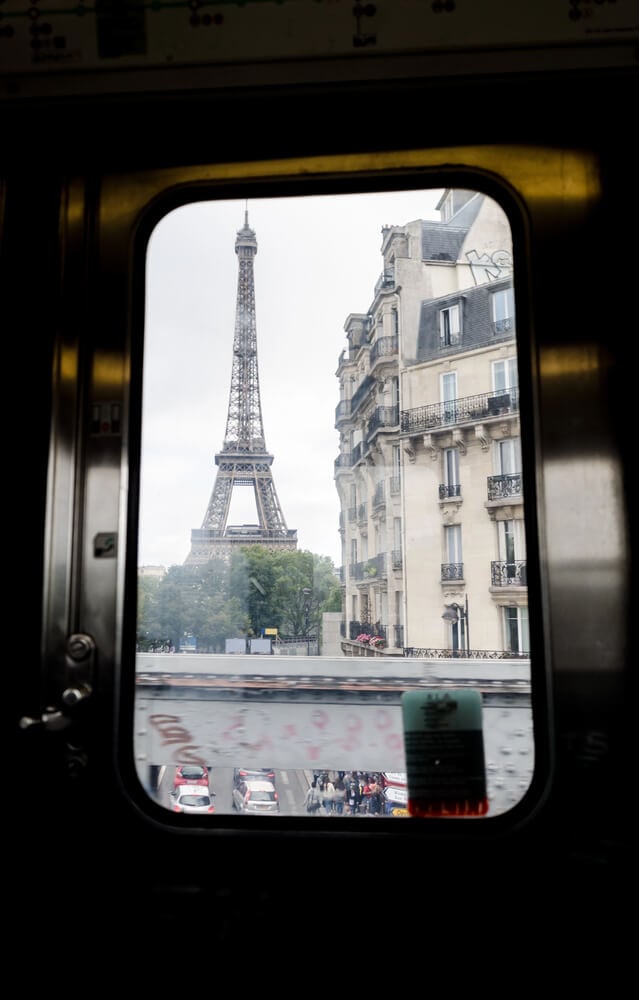
Opened in 1870, the Tower Subway ran under the Thames near the Tower of London in a narrow cast-iron tube. Peter Barlow designed it and James Greathead drove the tunnel with a circular shield. A small cable-hauled car carried passengers for a short time before the tunnel became a footpath, and it later carried water mains.
The City and South London Railway
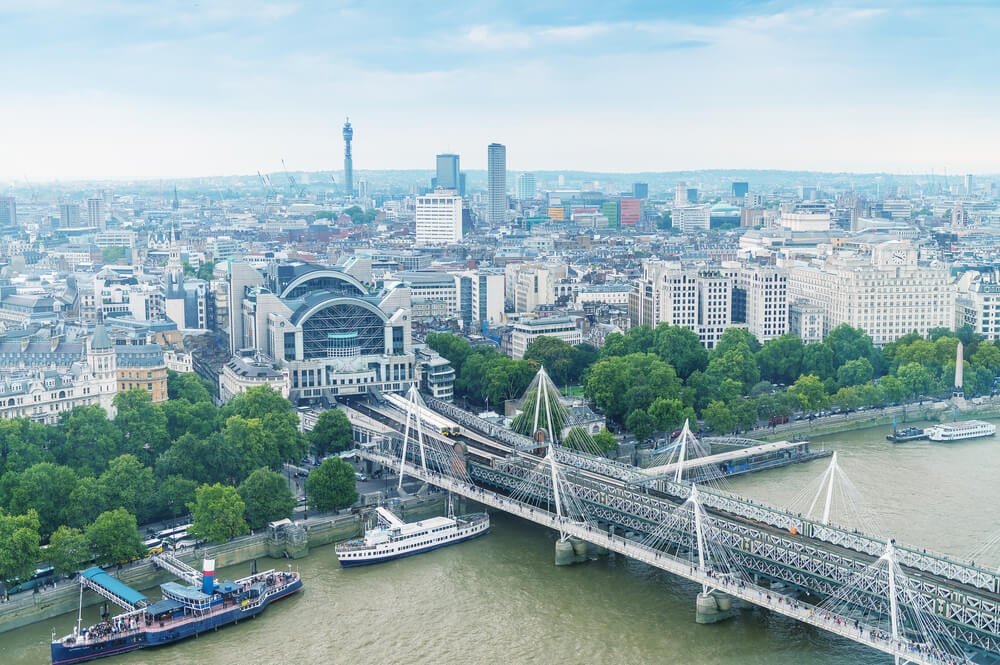
The City and South London Railway opened in December 1890 as the first deep-level electric tube railway. Greathead’s shield, working in London clay, let crews dig through the ground far below the street without disturbing buildings above. Its tunnels were lined with cast-iron rings that were bolted together as the shield moved forward.
The Central London Railway
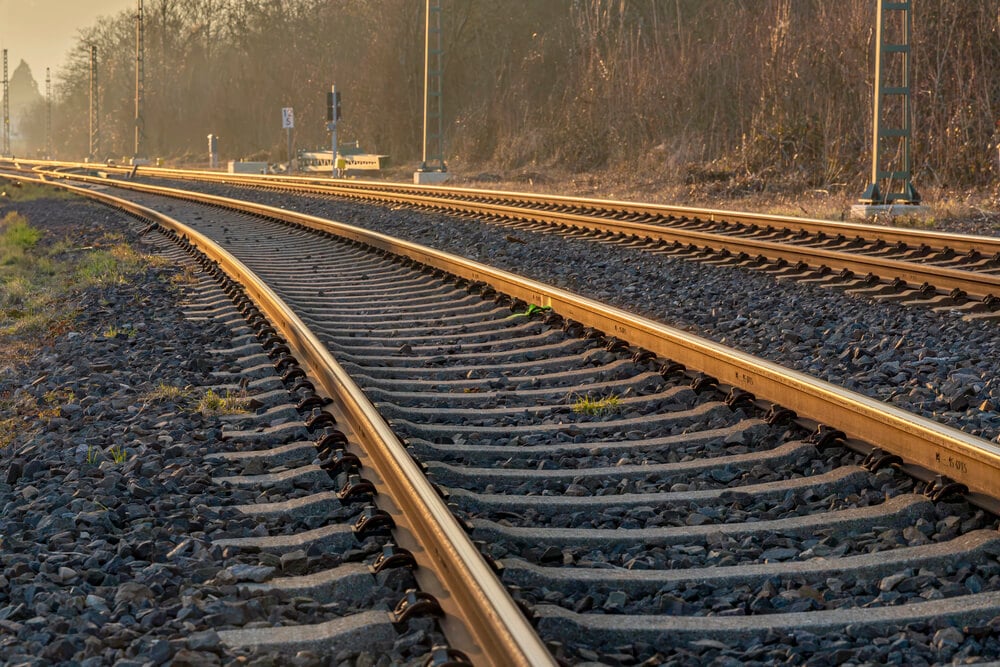
Opened in 1900 between Bank and Shepherd’s Bush, the Central London Railway ran beneath some of the busiest streets in the capital. The flat fare of two pennies earned it the nickname Twopenny Tube. Its stations were built with hand-dug shafts and passenger lifts rather than the staircases of surface lines.
The Waterloo and City Line
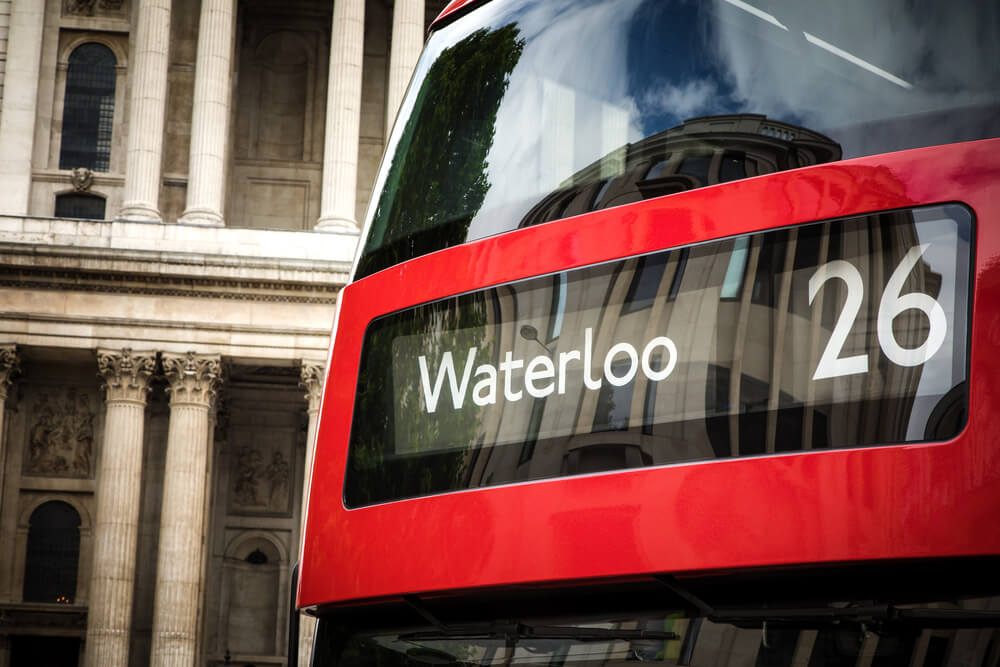
The Waterloo and City Railway opened in 1898 and connected Waterloo station with the City of London under the Thames. Its short, direct route gave it a reputation as a commuter shuttle, and its nickname was the Drain. The tunnels were driven with a Greathead shield through clay beneath the river.
The Mersey Railway
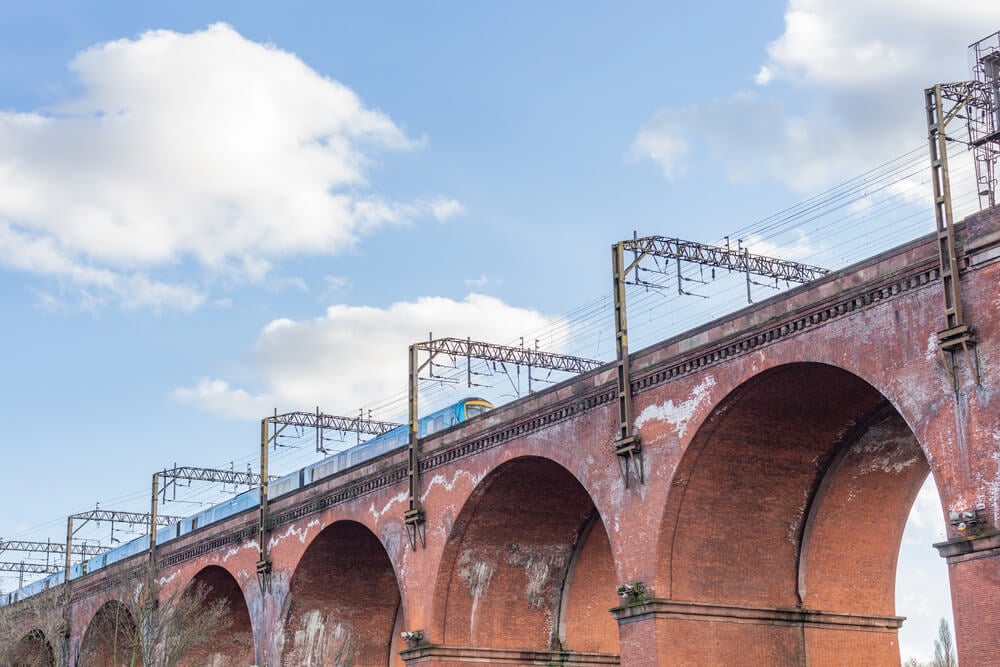
The Mersey Railway opened in 1886 and connected Liverpool and Birkenhead beneath the River Mersey. It was among the first large undersea railway tunnels in the world, and its builders worked through rock and water-bearing ground. Steam locomotives originally hauled the trains, and the atmosphere in the tunnel was a notorious problem until electrification.
The Glasgow Subway
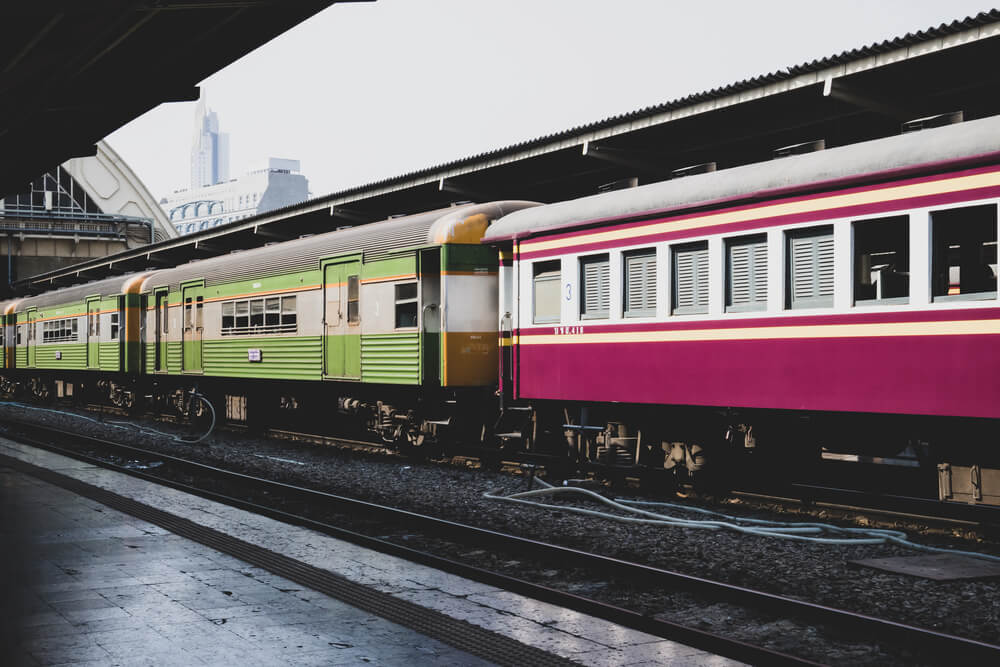
The Glasgow Subway opened on December 14, 1896, as a circular route of about six and a half miles beneath the city. Trains were pulled by a continuously moving cable rather than by locomotives. The tunnels were dug by hand through clay, rock, and old workings, and the small-bore system has kept its distinctive scale ever since.
The Millennium Underground, Budapest
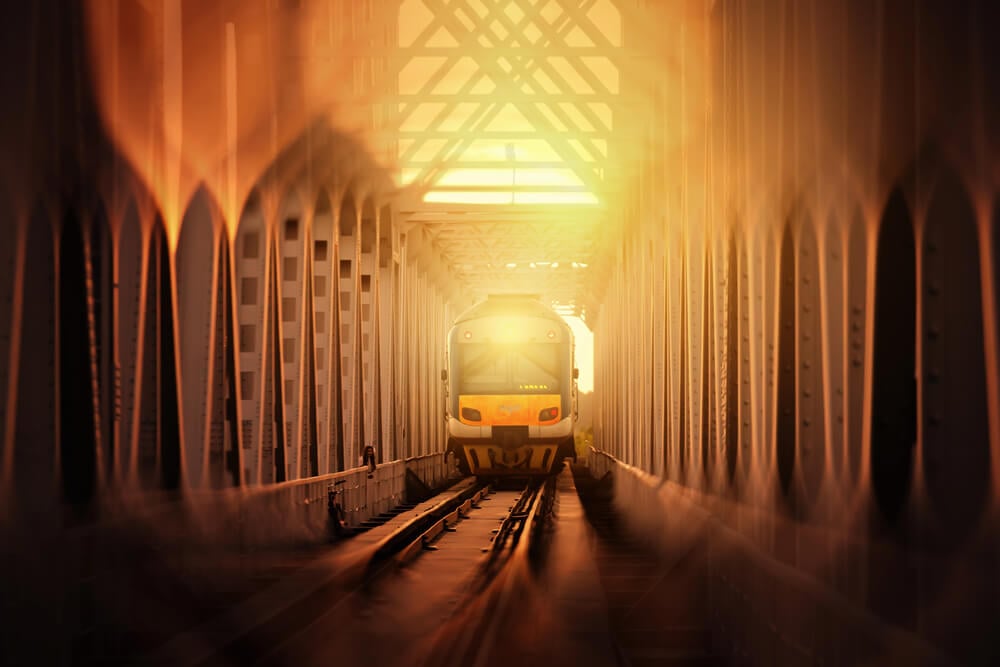
Budapest opened the first underground electric railway on the European continent on May 2, 1896, as part of its Hungarian millennium celebrations. It ran along Andrássy Avenue, close beneath the pavement, and builders used cut-and-cover construction. Stations were small and tiled, and the line still operates as the city’s M1.
The Tremont Street Subway, Boston
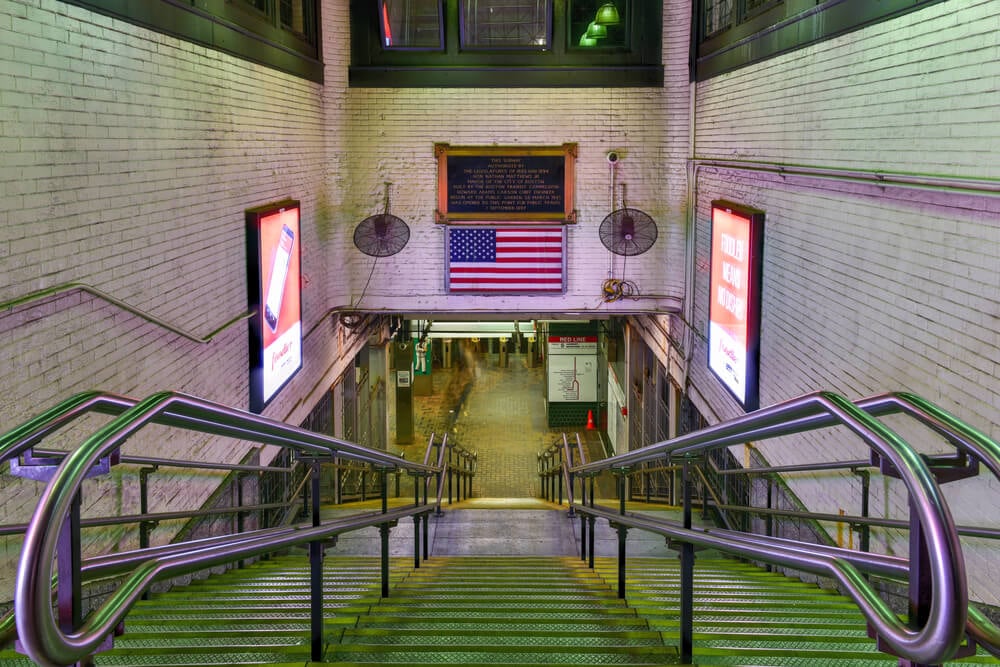
Boston opened the first subway in the United States on September 1, 1897, so streetcars could escape the crowded surface of Tremont Street. Crews dug the trench in sections and passed through the old Central Burying Ground, where remains had to be moved. The line ran between Park Street and Boylston and carried trolleys rather than trains.
The Paris Métro
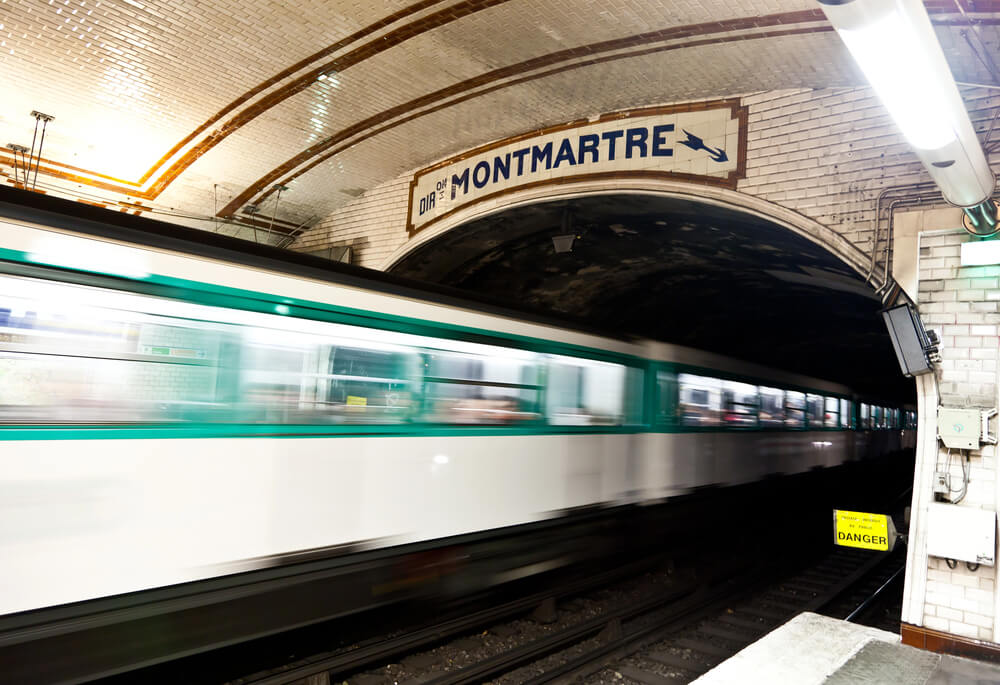
Line 1 of the Paris Métro opened on July 19, 1900, from Porte de Vincennes to Porte Maillot. Engineer Fulgence Bienvenüe oversaw construction, and most of the line was dug by the cut-and-cover method under the existing avenues. Construction left a ribbon of timber and spoil along the surface for months at a time.
The Berlin U-Bahn
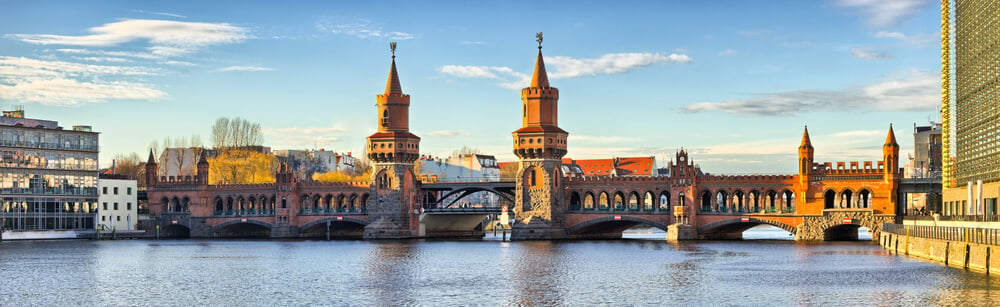
Berlin opened its first underground and elevated railway on February 15, 1902, from Stralauer Tor to Potsdamer Platz. Siemens and Halske built it, and the line mixed viaducts with short subway sections. It followed the cut-and-cover approach where it ran beneath the streets.
The New York Subway
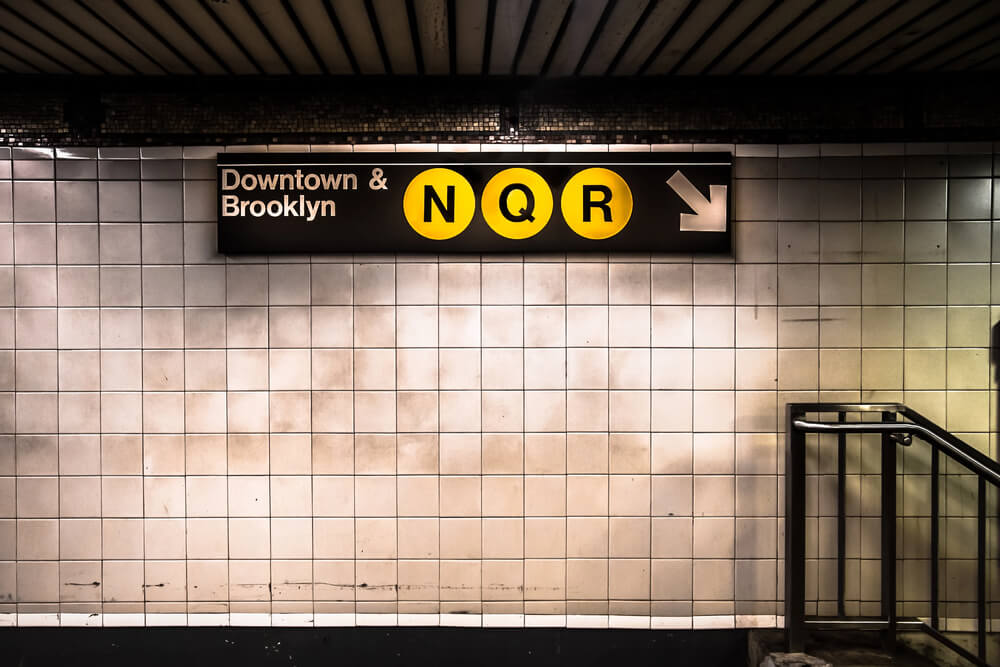
The Interborough Rapid Transit subway opened on October 27, 1904, from City Hall to 145th Street. Workers dug the route in open cuts beneath city streets, using dynamite to break rock in Manhattan’s bedrock. Gas mains, sewers, and water pipes all had to be moved or supported while the trench stayed open.
The Market Street Subway, Philadelphia
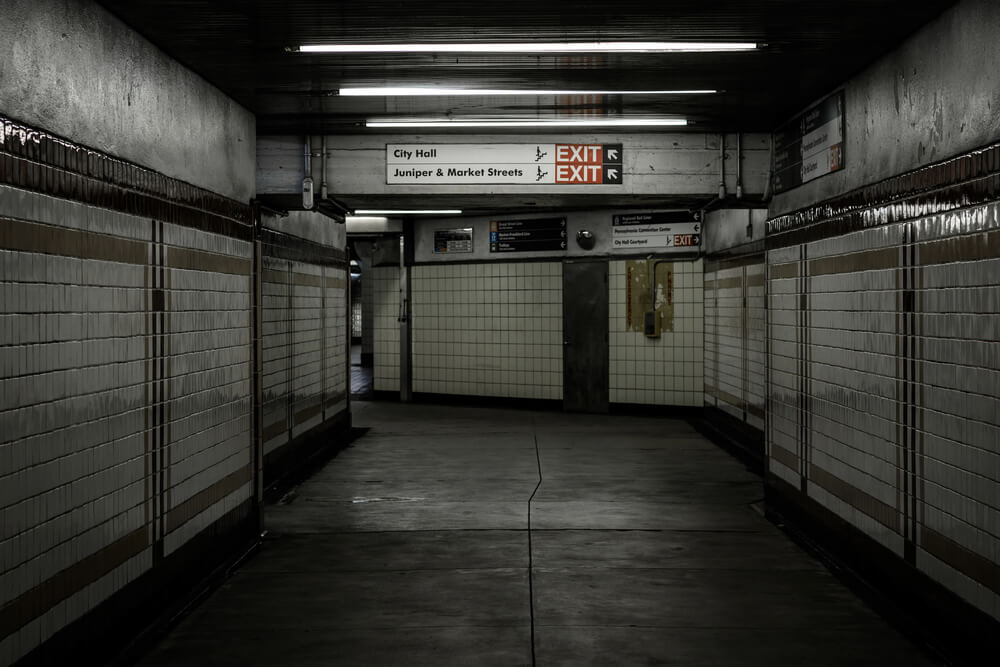
Philadelphia’s Market Street subway-elevated line opened on March 4, 1907. Its downtown section ran in a tunnel beneath Market Street, and its western stretch ran on an elevated structure. Builders had to work around the foundations of City Hall and busy commercial blocks.
The Hamburg Underground
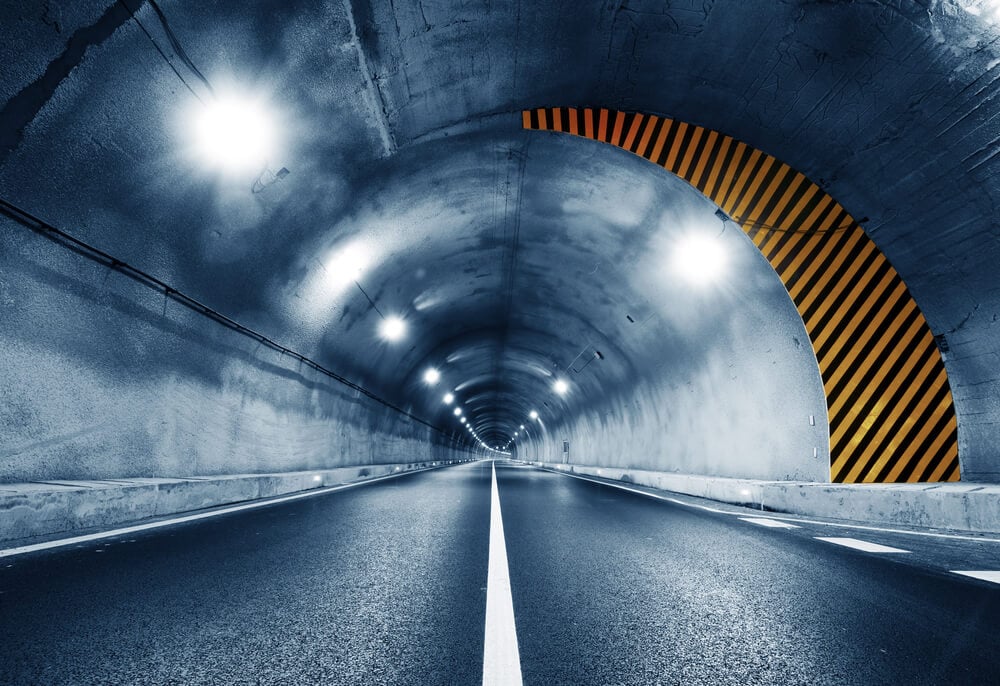
The Hamburg Hochbahn began operating in 1912 as a mixture of elevated tracks, cuttings, and tunnels. The company built its viaducts of steel and brick, and its stations were designed with careful attention to appearance. A circular route linked the central district with the harbor and residential areas.
Línea A, Buenos Aires
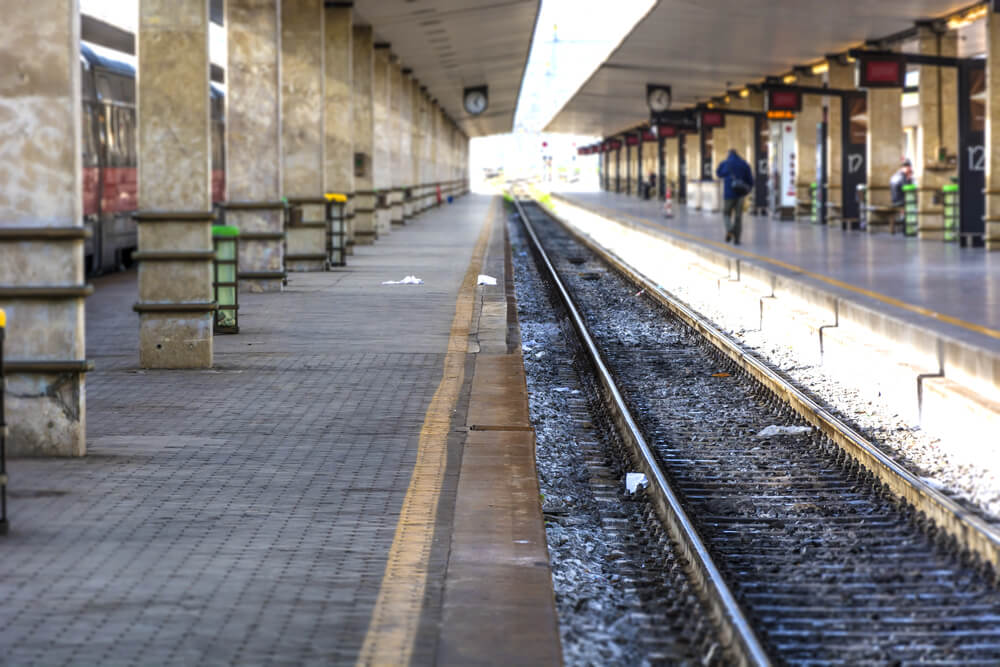
Buenos Aires opened Línea A on December 1, 1913, making it the first subway in Latin America and the Southern Hemisphere. Belgian-built wooden cars ran along the line, and a number of them stayed in service for a century. Workers excavated the trench beneath Avenida de Mayo using the cut-and-cover method.
The Madrid Metro
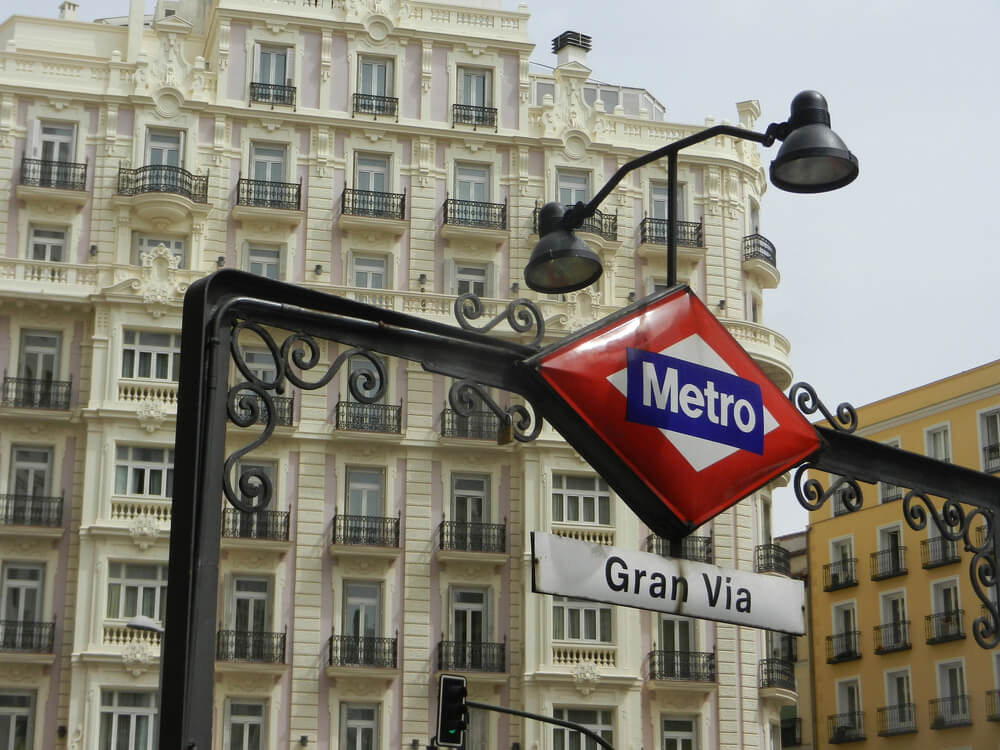
Madrid opened its first metro line on October 17, 1919, with King Alfonso XIII in attendance. The route ran between Puerta del Sol and Cuatro Caminos. Its stations were decorated with tile and designed with an eye toward public pride as much as practicality.
The Barcelona Metro
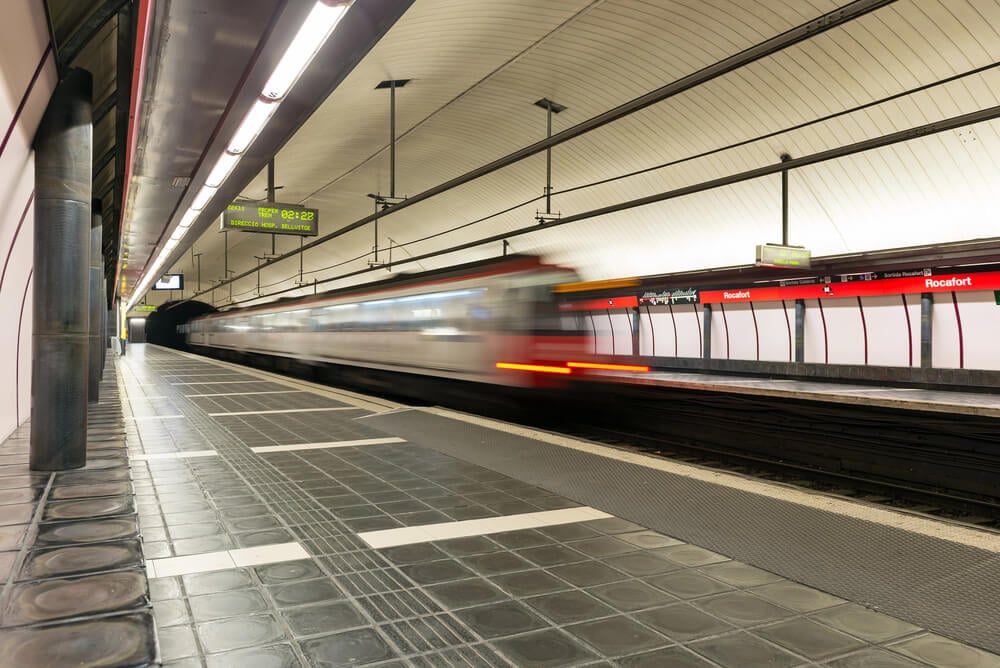
The first Barcelona metro line, the Gran Metropolità, opened on October 30, 1924, between Lesseps and Plaça de Catalunya. Construction used cut-and-cover tunneling beneath the city’s wide streets. The system grew in stages through the following decades.
The Tokyo Ginza Line
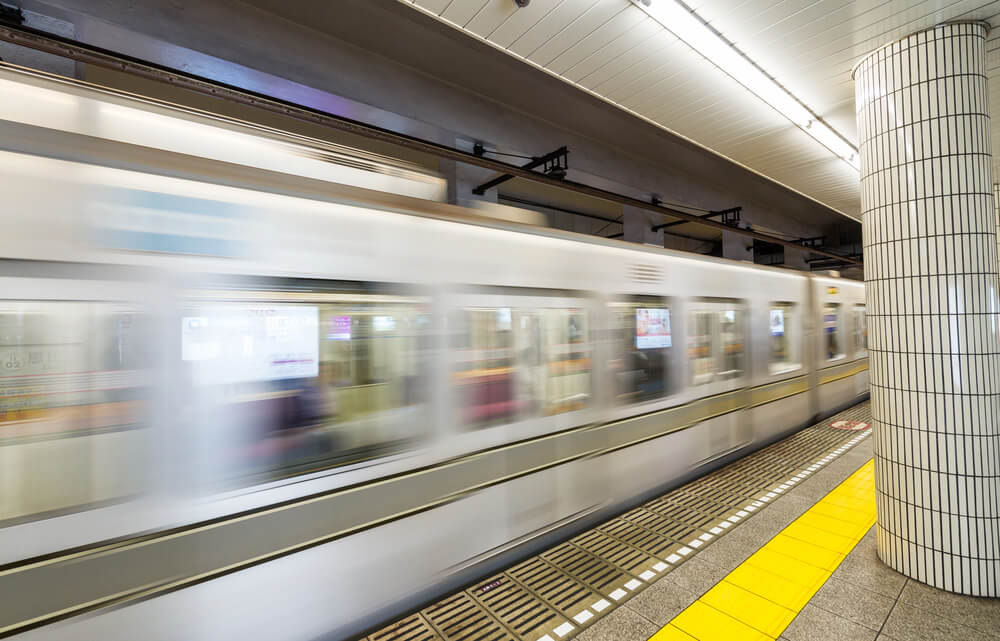
Tokyo opened Asia’s first subway on December 30, 1927, running about 2.2 kilometers between Ueno and Asakusa. Its builders had to account for the threat of earthquakes, and the line was built close to the surface. Pictures from the period show a modest tunnel with white tile and brightly lit stations.
The Moscow Metro
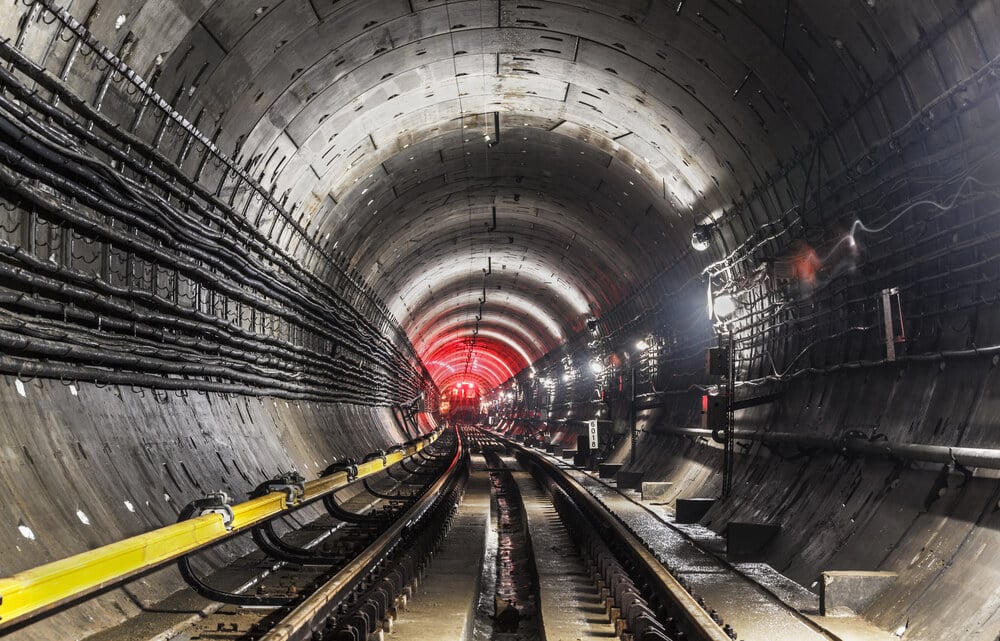
The Moscow Metro opened on May 15, 1935, between Sokolniki and Park Kultury. Thousands of workers, many of them young volunteers, dug the early tunnels with shovels, picks, and wheelbarrows. The stations were designed as palaces for the public, with marble, chandeliers, and mosaics.
The Hudson Tubes
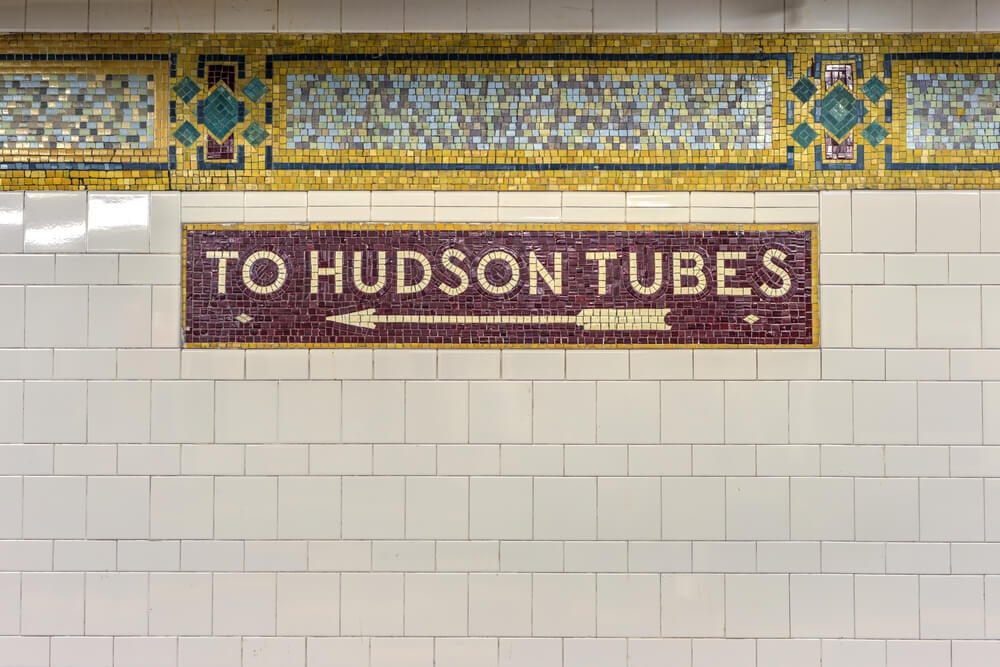
An attempt to dig a railroad tunnel under the Hudson River in 1880 ended in disaster when an accident killed 20 workers. The project was abandoned for years, and the tubes were finally completed in the early twentieth century as part of the Hudson and Manhattan Railroad. Crews worked in compressed air, which exposed them to the illness known as the bends.
The Cincinnati Subway
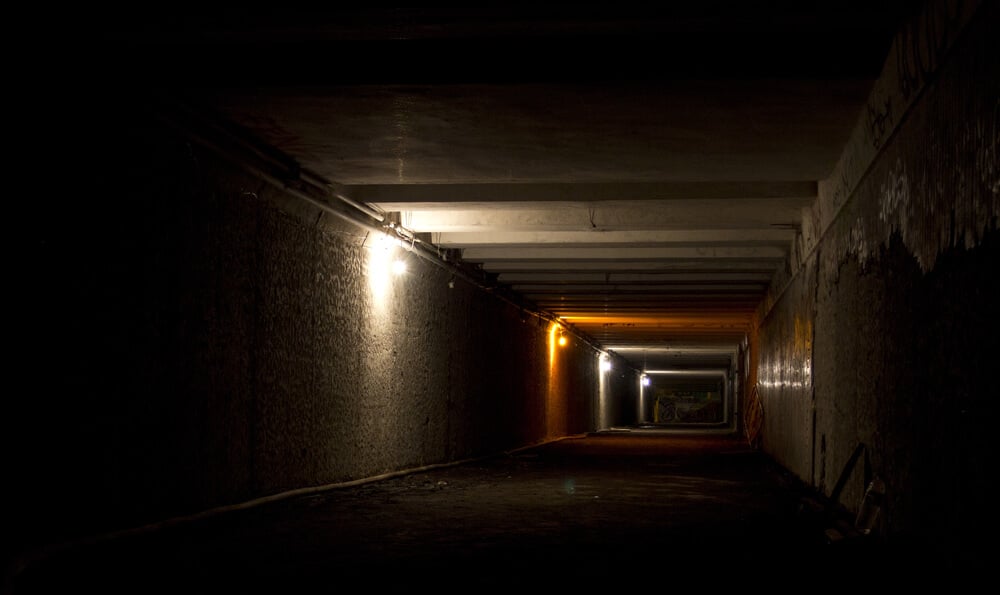
Cincinnati began building a subway in 1920 using the bed of the old Miami and Erie Canal as a route. Funding ran out before the work could be completed, and the tunnels were never put into service. The unfinished tunnels and stations have remained under the city ever since.
The Belmont Tunnel, Los Angeles
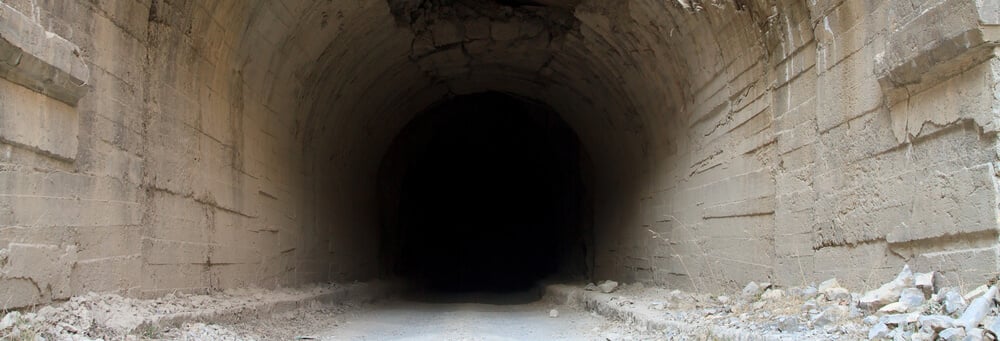
The Belmont Tunnel opened on December 1, 1925, as the Pacific Electric Subway Terminal in Los Angeles. It carried red cars into a terminal under Hill Street, allowing them to avoid the congested surface. The tunnel was built by cut-and-cover and tunneling, and it was closed to passenger service in 1955.
The Rochester Subway
Rochester opened its subway in 1927 by using the dry bed of the old Erie Canal after the canal was rerouted. The route required little excavation compared with other cities. The line closed to passengers in 1956, and parts of it were later reused.
The East Boston Tunnel
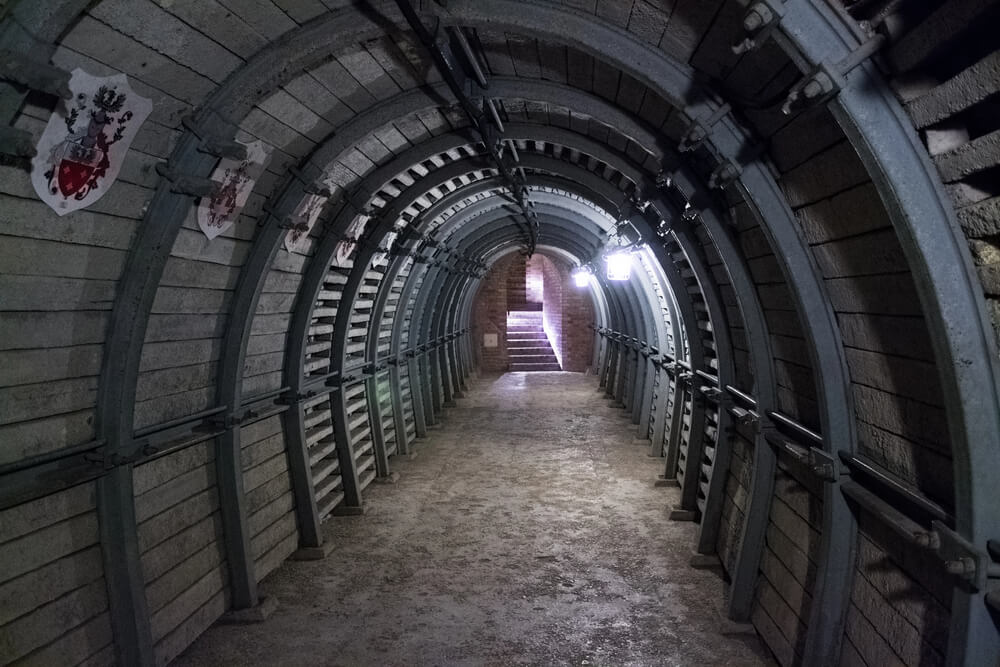
The East Boston Tunnel opened on December 30, 1904, and was the first transit tunnel to pass under a harbor in the United States. It carried streetcars between East Boston and downtown Boston under the water. The tunnel was dug with a combination of tunneling methods and was later converted to rapid transit.
The Chicago Tunnel Company
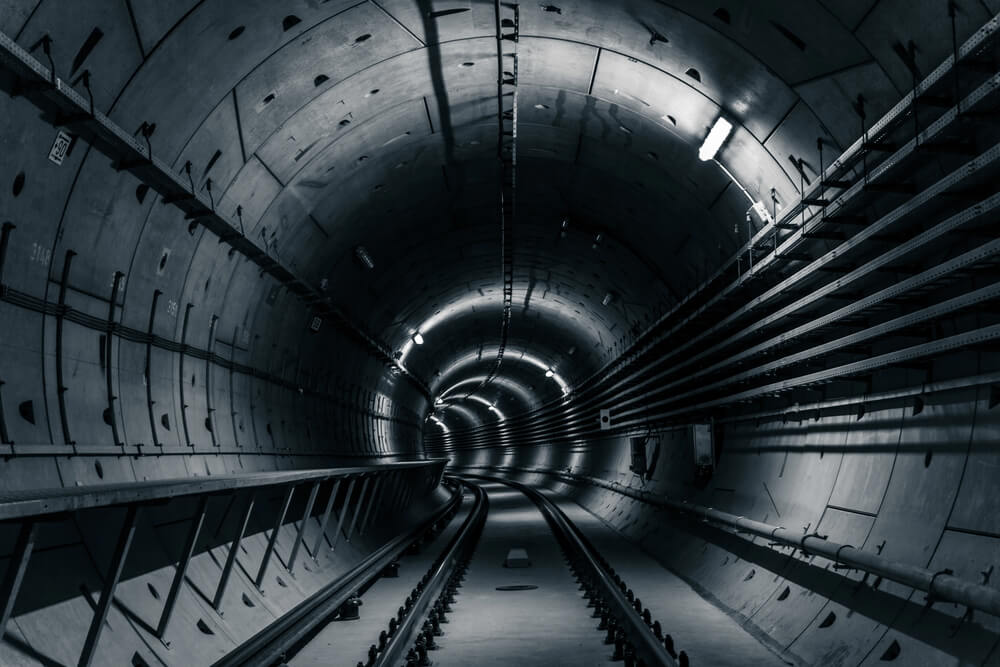
Between 1899 and 1906 the Chicago Tunnel Company dug about 60 miles of narrow tunnels beneath the Loop. Small electric locomotives hauled freight cars through them to deliver coal and goods and to remove ash from downtown buildings. In 1992 a breach in the Chicago River flooded parts of the network.
The North River Tunnels
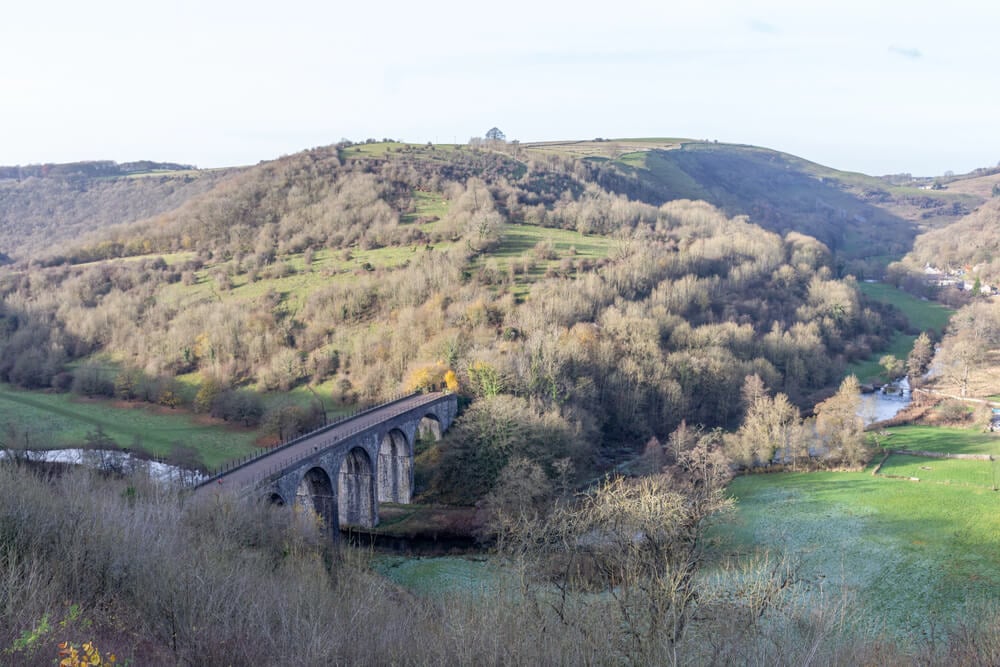
The Pennsylvania Railroad built its tunnels under the Hudson River to bring trains into Manhattan, and Pennsylvania Station opened on November 27, 1910. The two tubes were driven under the river using shields and compressed air. They remain in service more than a century later.
The Montague Street Tunnel
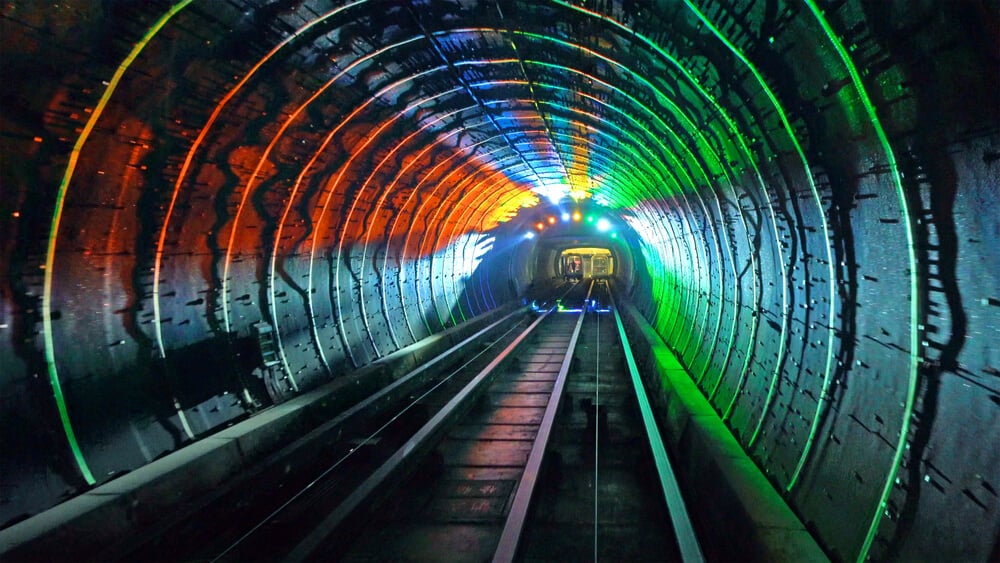
The Montague Street Tunnel connected Brooklyn with Lower Manhattan beneath the East River and opened in 1920. Workers dug through rock and mud in compressed-air conditions, and the work was dangerous. The tunnel suffered heavy damage in 2012 when Hurricane Sandy flooded it.
The Vienna Stadtbahn
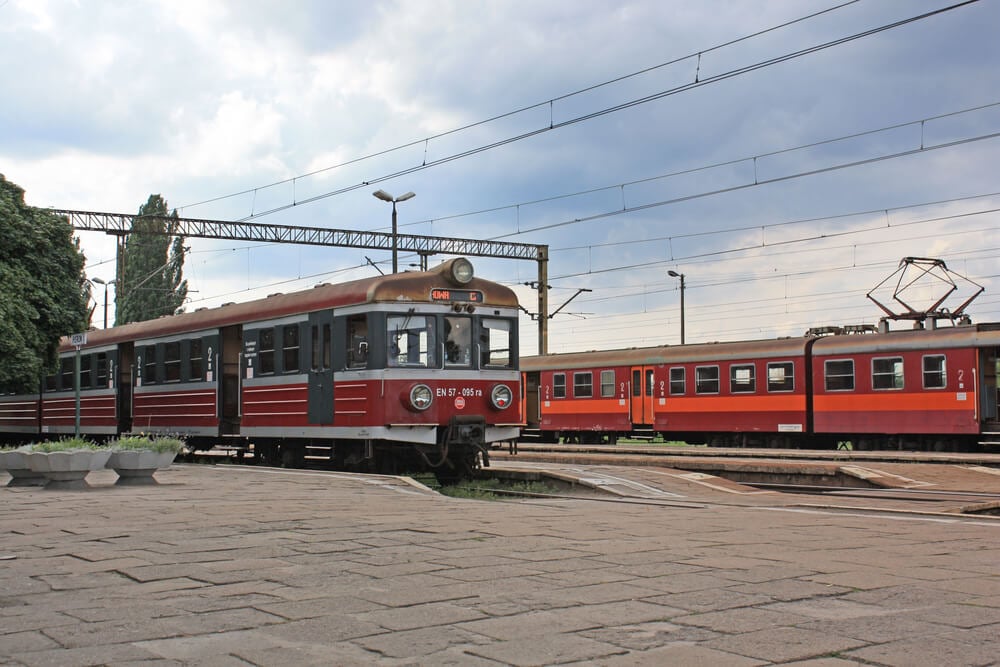
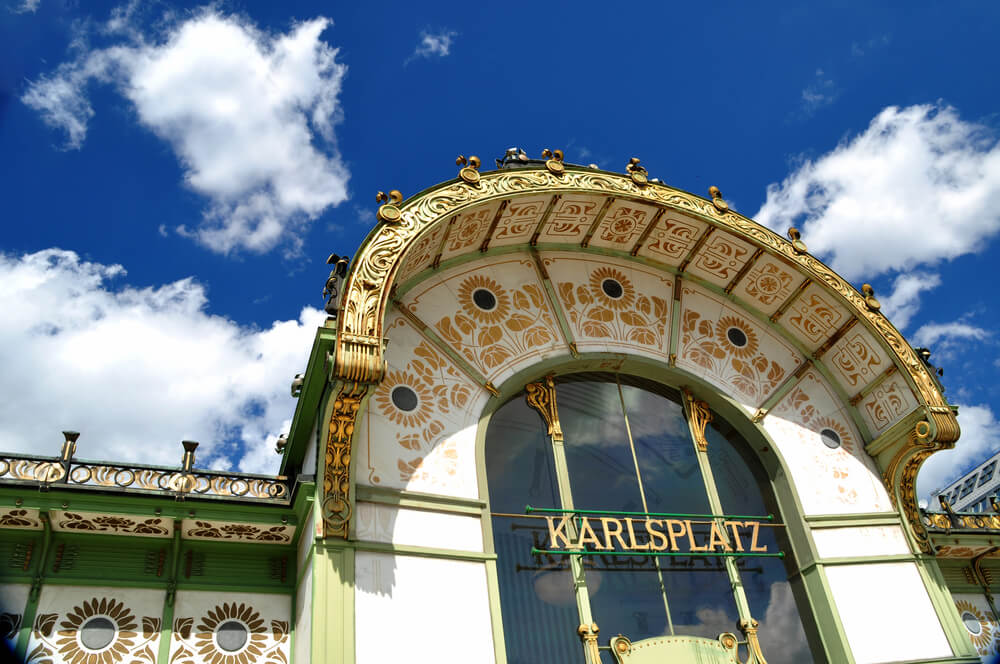
Vienna’s Stadtbahn opened in 1898 as a steam-powered urban railway, with sections in tunnel and cut. Architect Otto Wagner designed many of its stations and bridges, and several of his pavilions survive. The system was later absorbed into the city’s modern U-Bahn.
Beach’s Pneumatic Subway
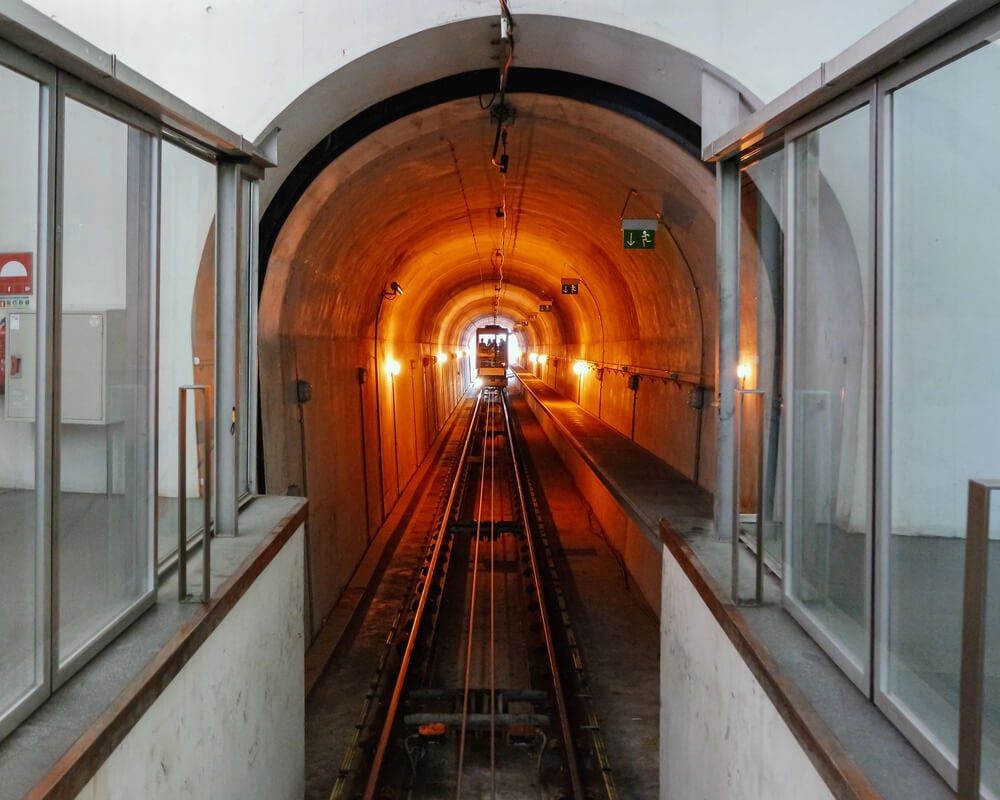
In 1870 inventor Alfred Ely Beach opened a demonstration subway beneath Broadway in New York. A single car was blown through a short tube by a large fan, and visitors rode it for a ticket. The secret construction avoided opposition from city political leaders, and the tunnel was later forgotten and rediscovered.
The Istanbul Tünel
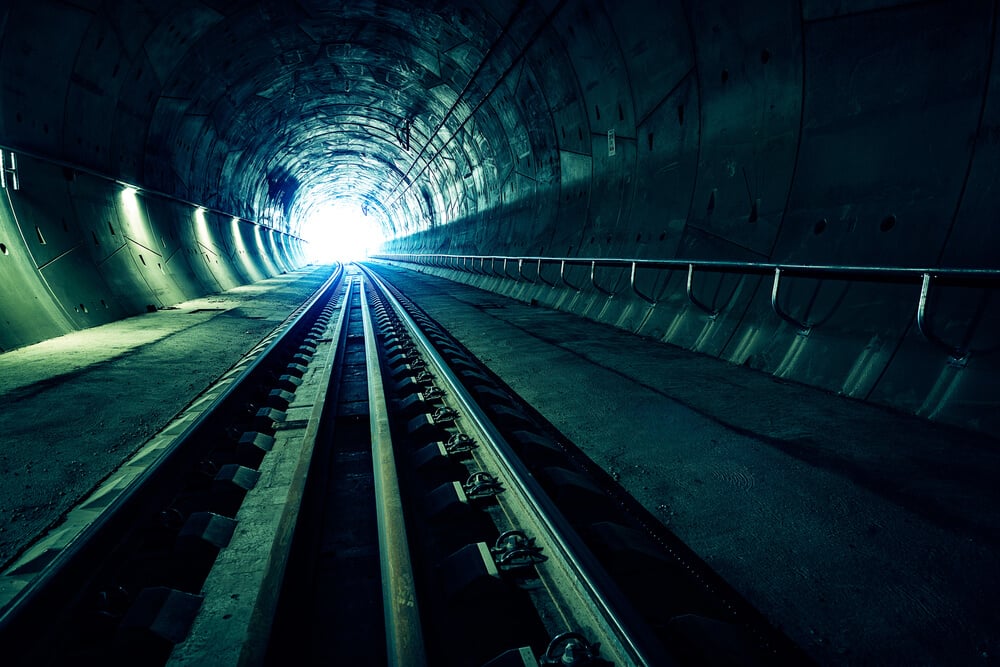
The Tünel in Istanbul opened on January 17, 1875, and carried passengers between Karaköy and Beyoğlu on a steep funicular line. It is among the oldest underground urban railways in the world. The short route replaced a climb up a hill that people had made on foot for centuries.
Muscle Before Machinery

Looking at these projects together, the difference between them and modern tunneling is plain. Workers hauled spoil in carts and buckets, laid brick by hand, and bolted iron rings into place in the dark. Engineers relied on shields, timber shoring, and compressed air, and their margins for error were thin.
The photographs and records that remain capture a period when cities decided that they could not keep growing on the surface alone. Every station platform and tunnel wall owes something to the crews who dug without the help of modern excavators. Their work is still visible every time a train disappears into the ground.
More from Go2Tutors!

- 27 Silver Dollars and Half Dollars Worth Keeping
- 28 Restaurant Menu Items Nobody Orders Anymore
- 17 Places Built in Seemingly Impossible Spots
- 27 Vintage Rings Worth More Than They Look
- 25 Restricted Sites Tourists Can’t Enter
Like Go2Tutors’s content? Follow us on MSN.