12 Natural Places Humans Can’t Visit
Our planet is home to countless breathtaking locations, from soaring mountain peaks to pristine coral reefs. Most of these places welcome visitors who are willing to make the journey, but some natural wonders remain completely off-limits to human exploration. These forbidden zones exist for various reasons—deadly conditions that would kill visitors instantly, extreme isolation that makes access impossible, or strict protection measures designed to preserve fragile ecosystems.
Here are 12 natural places where humans simply cannot set foot, no matter how adventurous or determined they might be.
North Sentinel Island
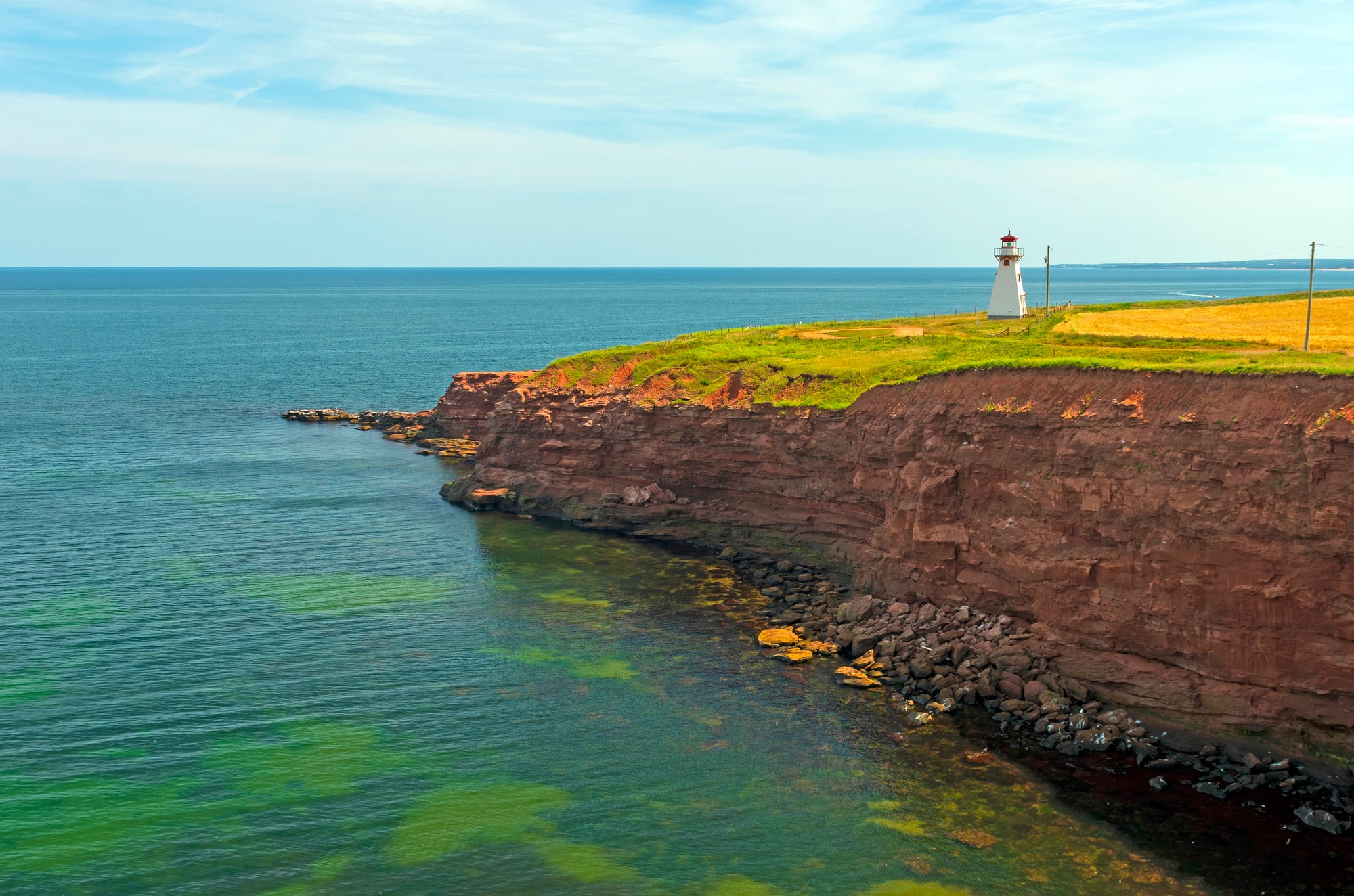
This small island in the Indian Ocean is home to the Sentinelese people, one of the last uncontacted tribes on Earth. The Indian government has declared the entire island off-limits to protect both the indigenous population and potential visitors.
The Sentinelese have made it crystal clear they want no contact with the outside world, attacking anyone who tries to approach their shores with bows and arrows. Their isolation has protected them from diseases that could wipe out their entire population, making this 23-square-mile island one of the most forbidden places on the planet.
Heard Island and McDonald Islands

These remote volcanic islands sit in the middle of the Southern Ocean, about 2,500 miles southwest of Australia. The journey there is so treacherous and expensive that only a handful of scientific expeditions have ever reached them.
The islands are constantly battered by hurricane-force winds, and the surrounding seas are some of the roughest on Earth. Even if you could somehow get there, the landscape is dominated by an active volcano and glaciers, making survival nearly impossible for anyone without serious polar expedition experience.ed to set foot on this desolate chunk of ice and rock, and even they could only stay for brief periods.
Like Go2Tutors’s content? Follow us on MSN.
Surtsey Island

This volcanic island off the coast of Iceland literally rose from the ocean floor during a series of eruptions between 1963 and 1967. Scientists have turned Surtsey into a natural laboratory to study how life colonizes brand-new land, which means human access is strictly forbidden except for a small number of researchers.
The island is still geologically active and potentially dangerous, but more importantly, any human contamination could ruin the unique scientific opportunity to watch an ecosystem develop from scratch. Even the scientists who do visit must follow strict decontamination procedures.
Snake Island (Ilha da Queimada Grande)
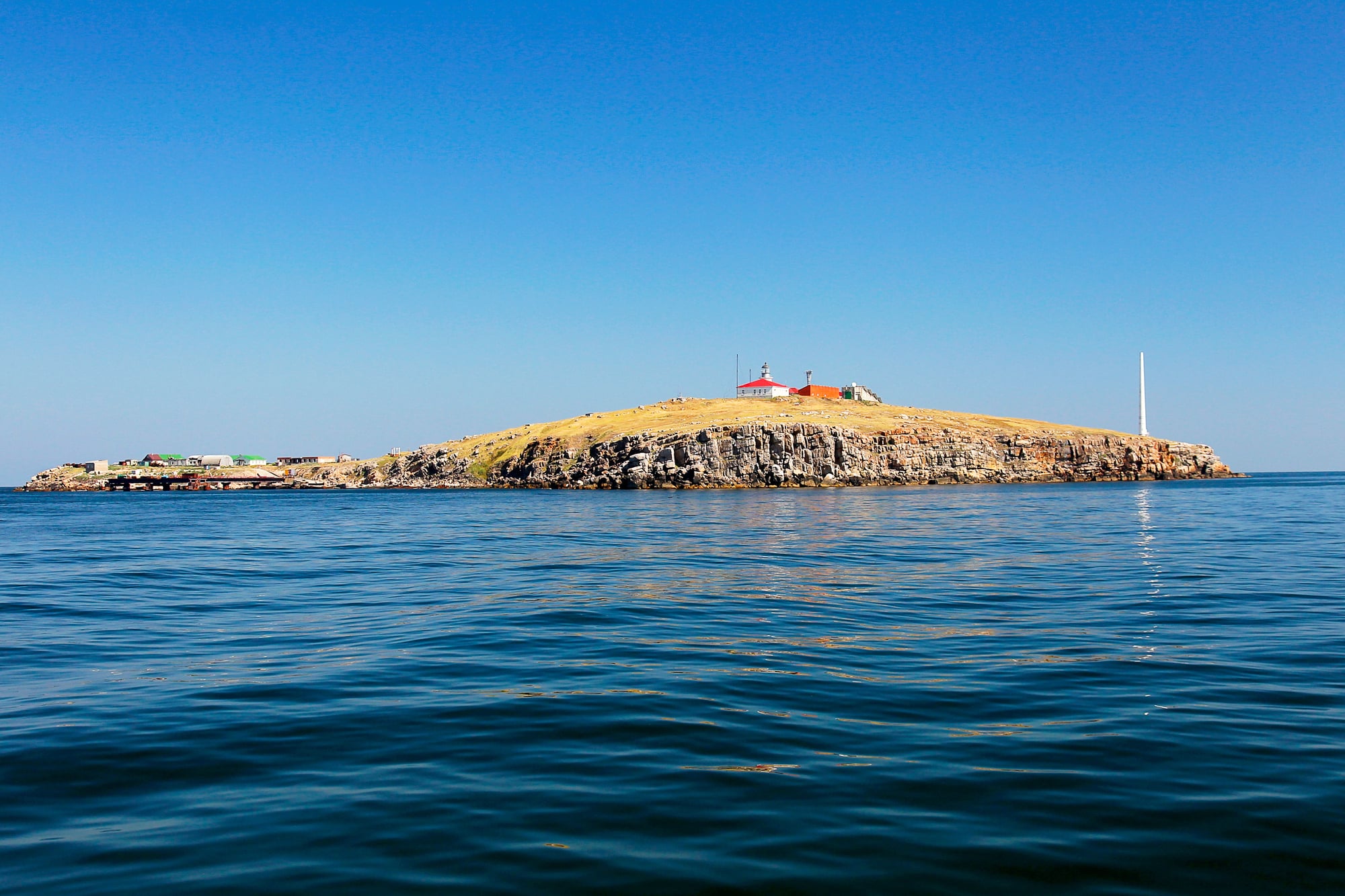
This Brazilian island earned its terrifying nickname because it’s home to thousands of golden lancehead vipers, one of the world’s most venomous snakes. The Brazilian government has banned all civilian access to protect both people and the endangered snake species.
Legend says there’s one snake for every square meter of the island, though the real number is probably closer to one snake per five square meters—still way too many for comfort. The venom from these snakes can kill a human in under an hour, and there’s no antivenom available anywhere nearby.
Devon Island
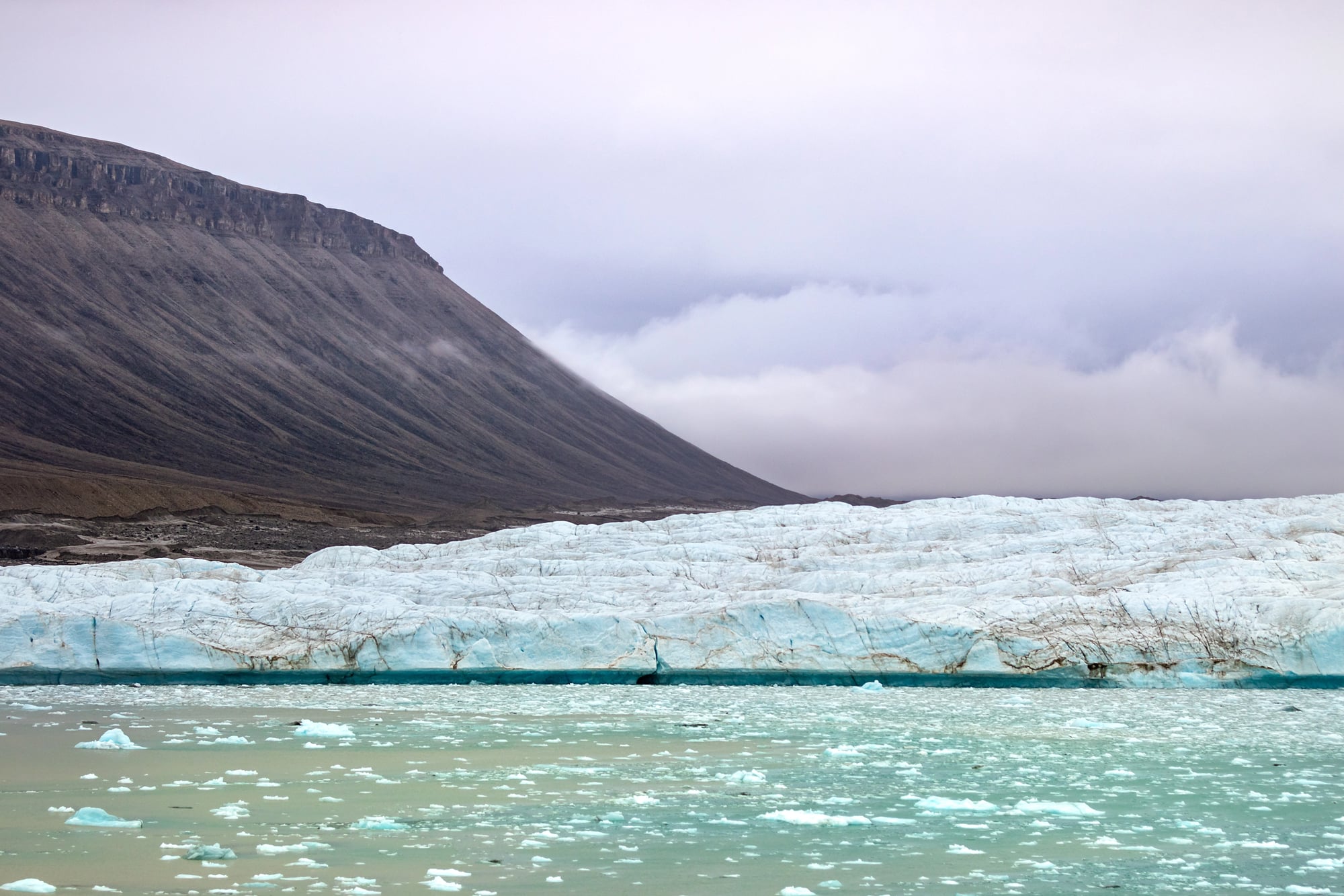
This massive island in the Canadian Arctic is the largest uninhabited island on Earth, and there’s a good reason nobody lives there. The landscape is so barren and Mars-like that NASA actually uses it to train astronauts for potential missions to the Red Planet.
Temperatures can drop below -50°F, and the growing season is so short that virtually nothing edible can survive there. While technically not banned, the extreme isolation and harsh conditions make it practically impossible for ordinary people to visit, and survival would be nearly impossible without extensive support.
Like Go2Tutors’s content? Follow us on MSN.
Poveglia Island
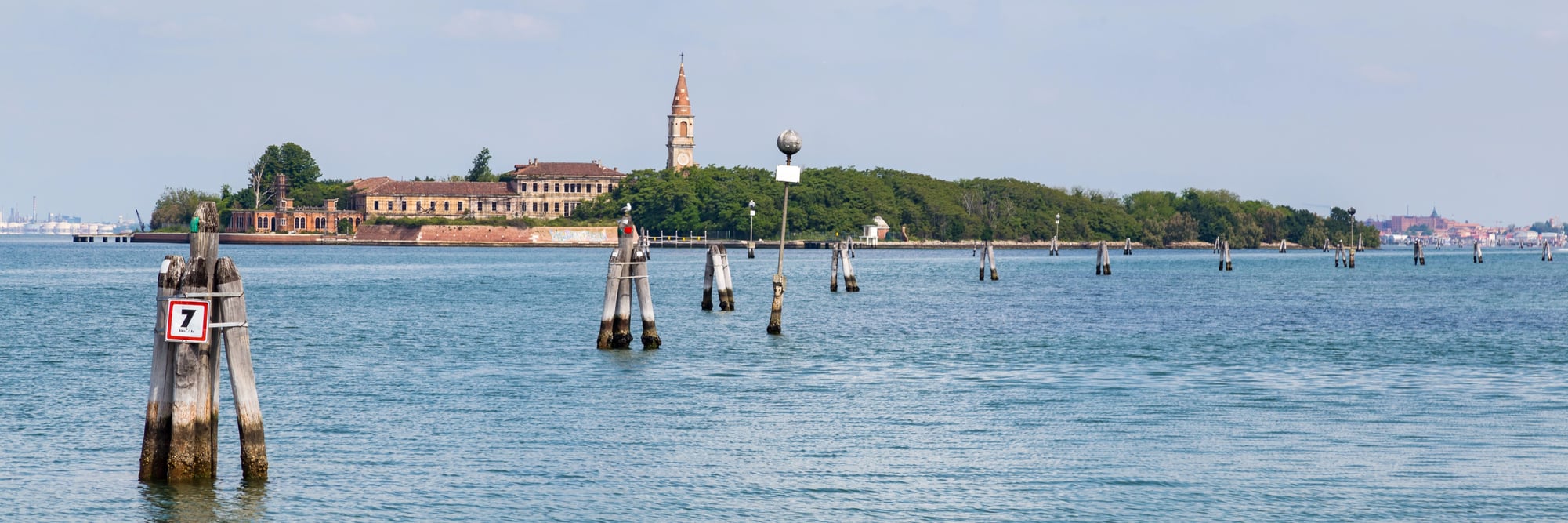
This small island between Venice and Lido in Italy has one of the darkest histories of any place on Earth. For centuries, it served as a quarantine station and later a mental hospital, with an estimated 160,000 people dying there from plague and other diseases.
The soil is literally 50% human ash from all the bodies that were burned there. While the Italian government doesn’t officially ban visitors, they don’t allow anyone to land there either, and local boat operators refuse to take people to what they consider a cursed place.
Palmyra Atoll

This remote coral atoll in the Pacific Ocean is technically a U.S. territory, but it’s completely off-limits to civilians. The Nature Conservancy owns most of the atoll and maintains it as a pristine research station for studying untouched coral reef ecosystems.
The isolation is extreme—it’s over 1,000 miles from the nearest populated land—and there are no facilities for tourists. Scientists who work there must bring everything they need and coordinate carefully with supply ships that visit only occasionally.
Farallon Islands
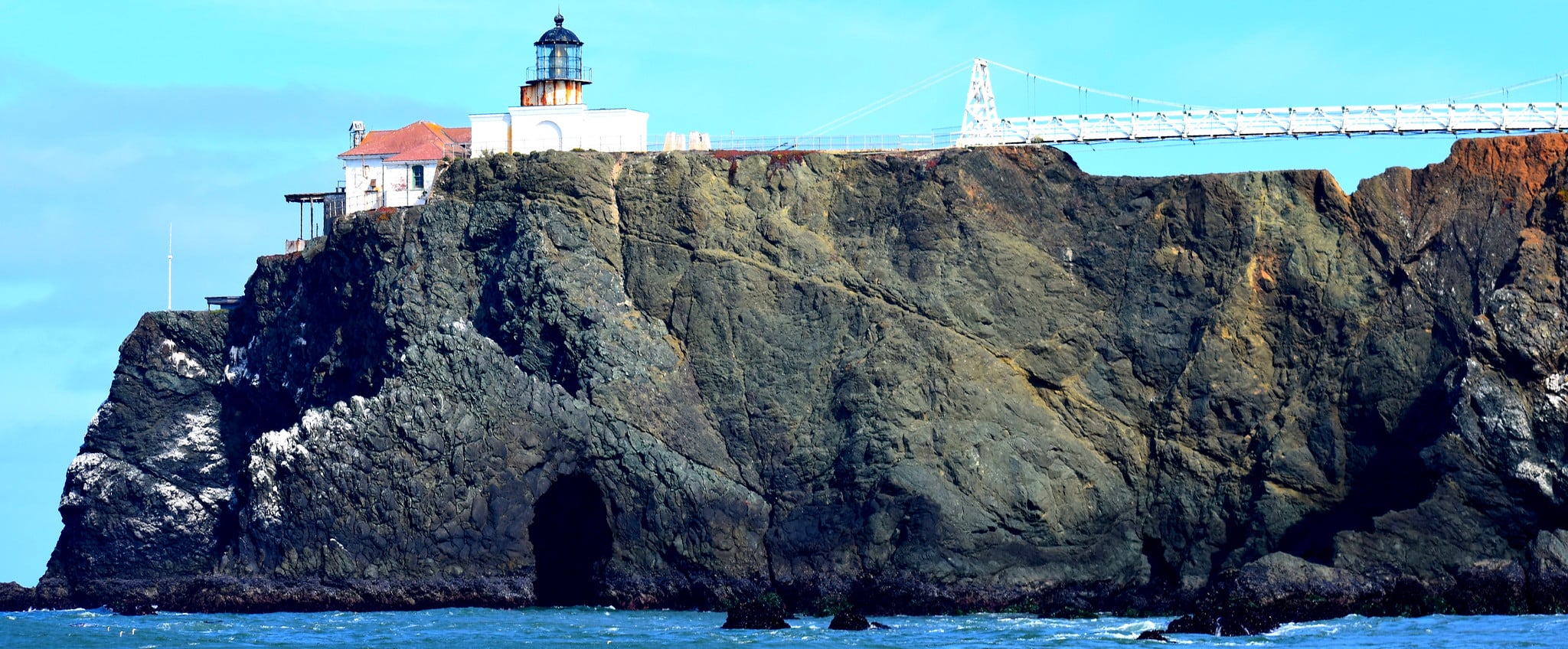
These rocky islands sit about 30 miles west of San Francisco and are absolutely forbidden to the public. The islands serve as a crucial wildlife refuge for seabirds, marine mammals, and great white sharks.
During the Cold War, the U.S. military dumped radioactive waste in the waters around the islands, adding another layer of danger. The waters are also known for having the highest concentration of great white sharks anywhere in the world, earning the nickname ‘Shark Island’ among local researchers.
Like Go2Tutors’s content? Follow us on MSN.
Socotra Island Dragon’s Blood Trees Area
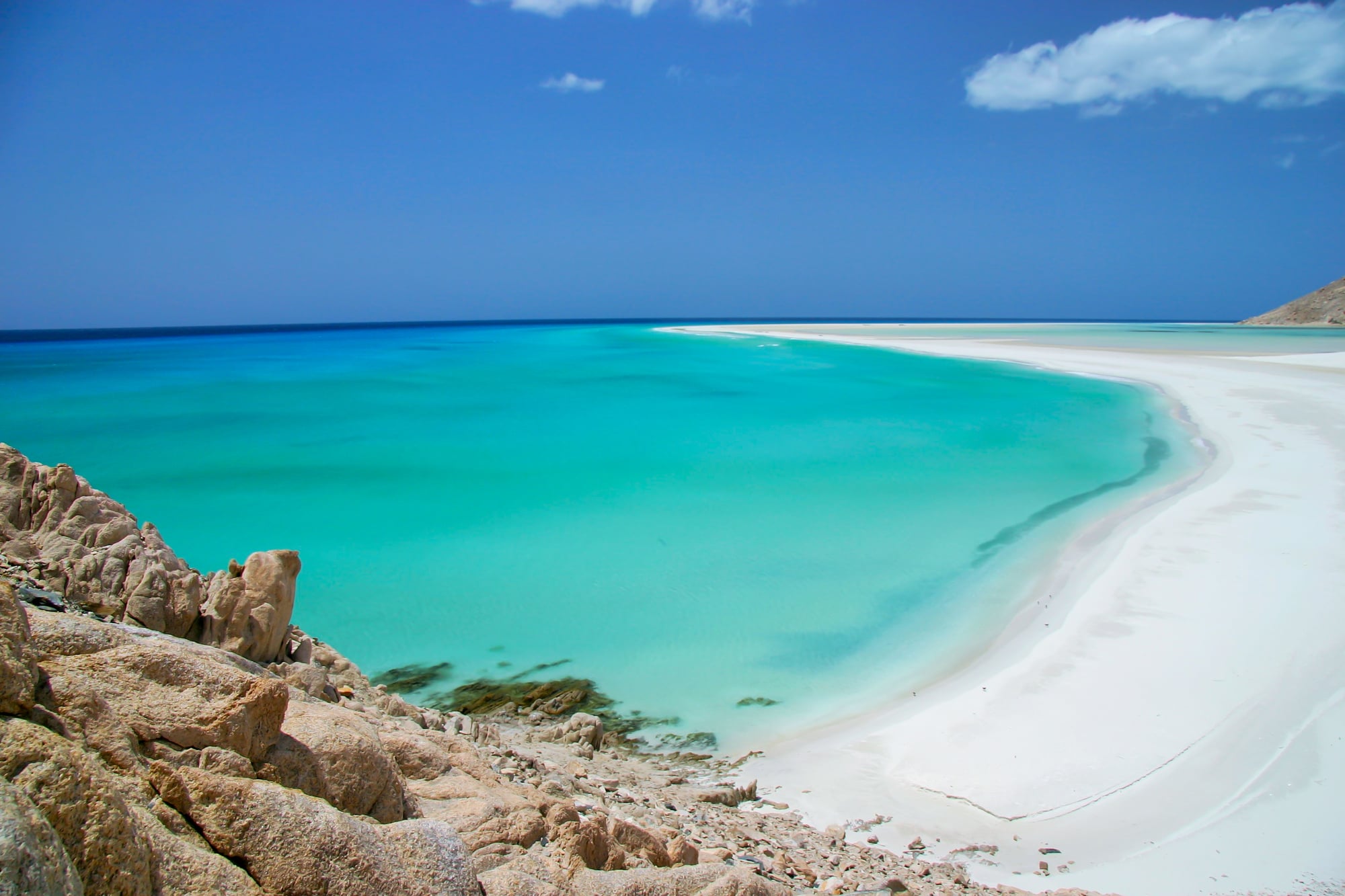
While tourists can visit parts of Socotra Island off the coast of Yemen, the most sensitive areas containing the famous dragon’s blood trees are completely off-limits. These ancient trees, which look like giant umbrellas and shed red resin when cut, evolved in isolation for millions of years.
The Yemeni government has designated certain areas as strict nature reserves where even scientists need special permits to enter. The ongoing conflict in Yemen has made the entire island extremely dangerous for foreigners anyway.
Macquarie Island
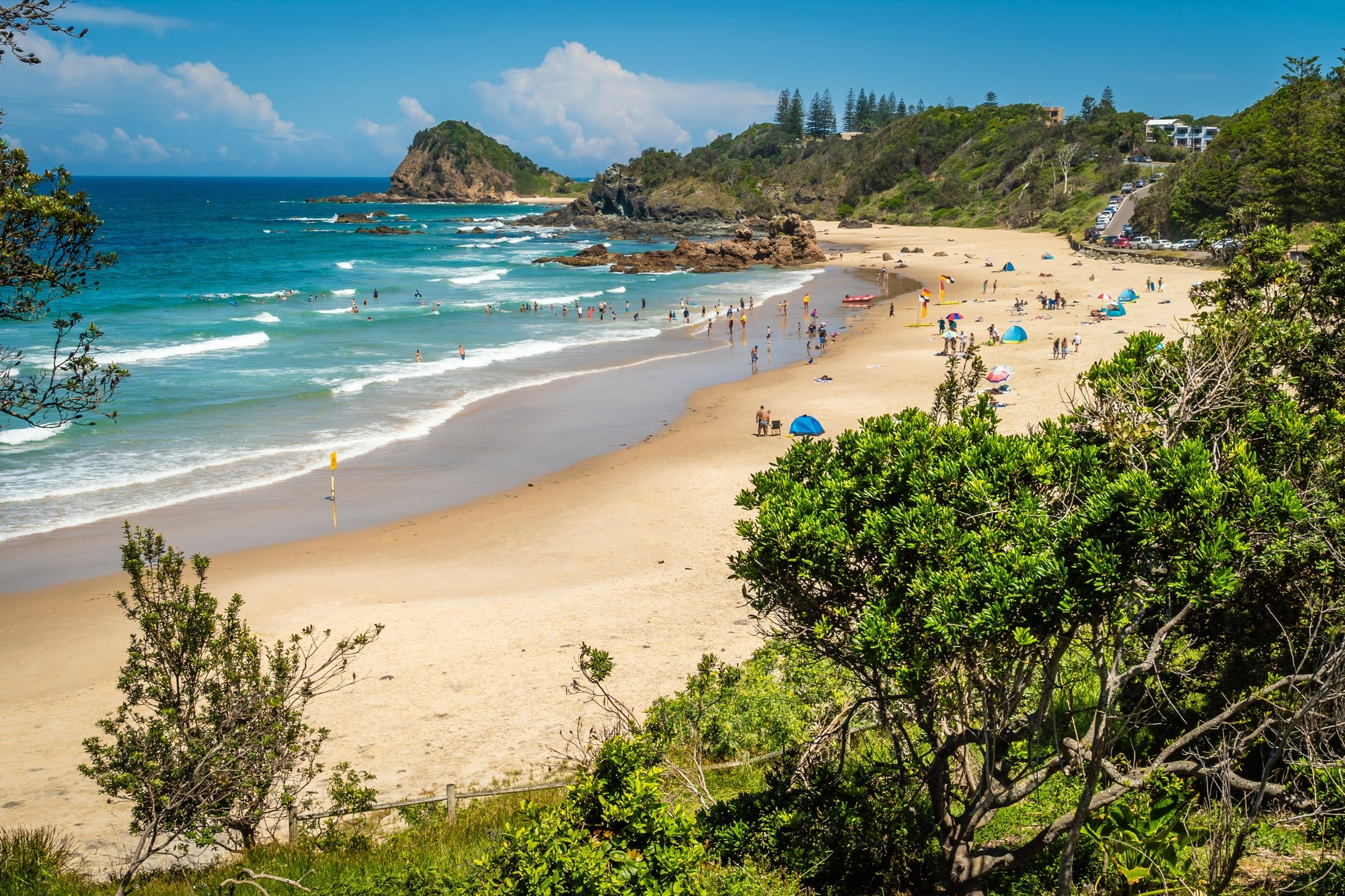
This subantarctic island halfway between Australia and Antarctica is home to millions of seabirds and marine mammals, but humans are strictly prohibited except for a small research station. The island is a UNESCO World Heritage site due to its unique ecosystem and the fact that it’s the only place on Earth where rocks from the ocean floor have been pushed up above sea level.
The weather is notoriously harsh, with constant wind and rain, and the nearest rescue is hundreds of miles away across some of the roughest seas on the planet.
Kerguelen Islands
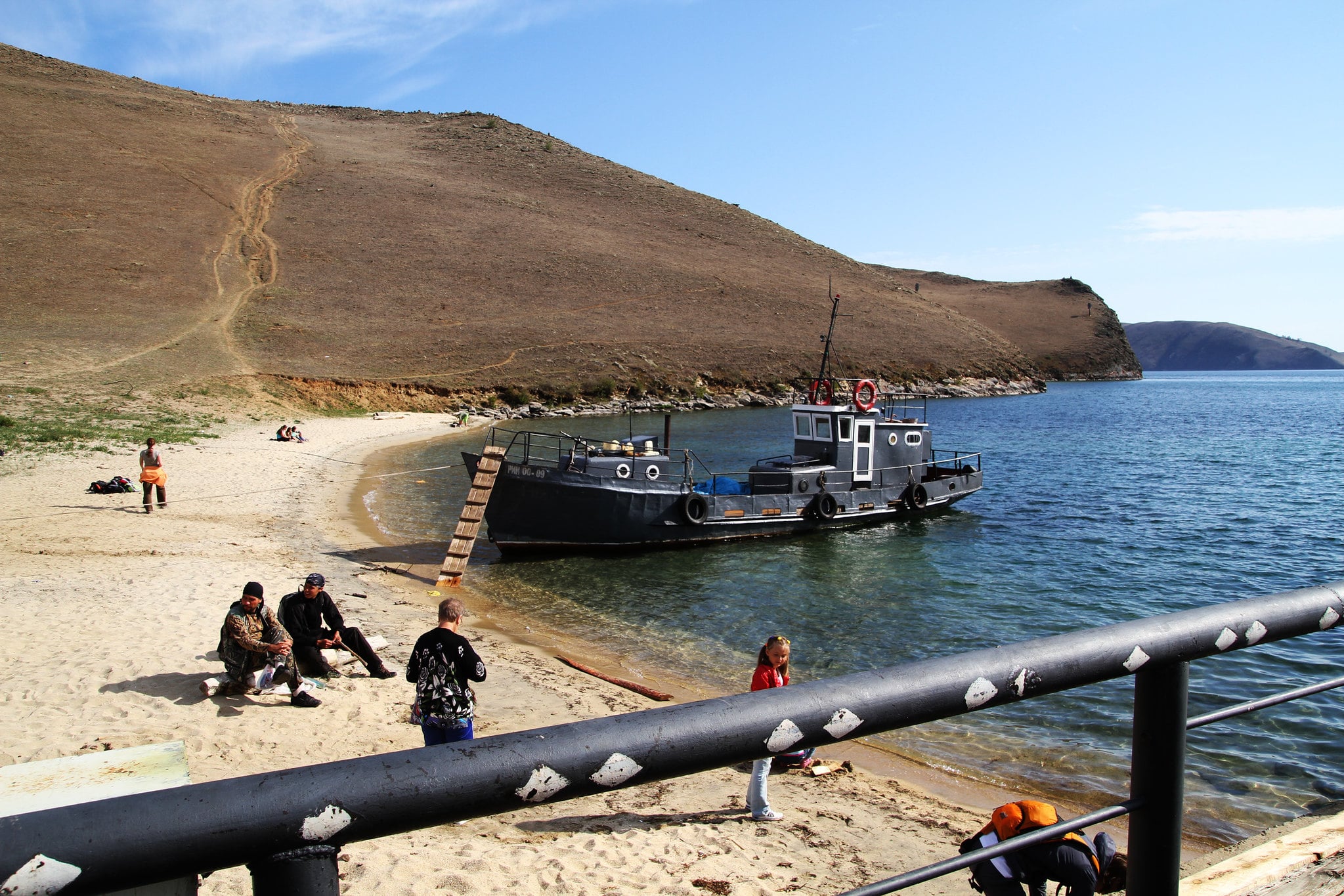
Known as the ‘Desolation Islands,’ this French territory in the southern Indian Ocean is one of the most isolated places on Earth. The main island is larger than Puerto Rico but has no permanent human population except for a small research station.
The climate is brutal, with near-constant wind, frequent storms, and temperatures that rarely get above freezing even in summer. Access is restricted to scientists and requires approval from the French government, plus a very expensive and dangerous sea voyage that can take weeks.
Like Go2Tutors’s content? Follow us on MSN.
Rockall
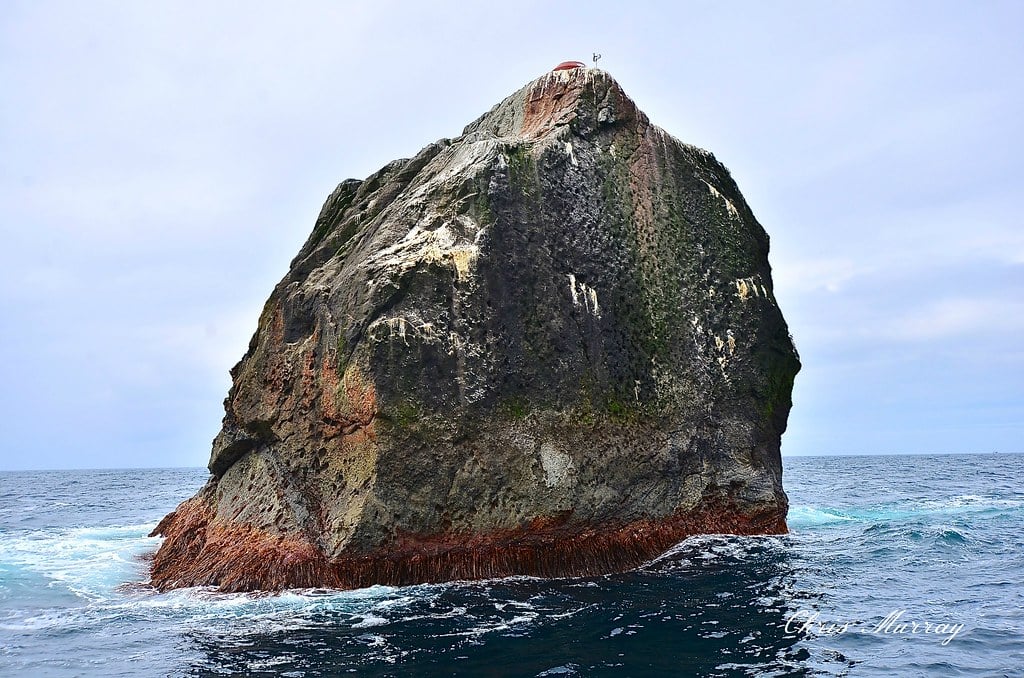
This tiny granite islet in the North Atlantic is so small and remote that it’s essentially just a large rock sticking out of the ocean. Officially claimed by the United Kingdom, Rockall sits 230 miles west of Scotland in some of the roughest seas in the world.
The waves around the rock are so violent that landing is nearly impossible, and several people have died trying to reach it. While a few adventurers have managed brief visits over the years, staying there for any length of time would be a death sentence due to exposure and the constant threat of being swept away by massive waves.
Where Nature Draws the Line

These forbidden places remind us that despite all our technology and determination, there are still corners of Earth that remain beyond human reach. Some are protected by governments and conservation groups, others by indigenous peoples defending their way of life, and many simply by the raw power of nature itself.
While it might be frustrating that we can’t explore every inch of our planet, these off-limits locations serve crucial roles—preserving unique ecosystems, protecting endangered species, and maintaining scientific research opportunities that benefit all of humanity. Sometimes the most important thing we can do for a place is simply leave it alone.
More from Go2Tutors!

- 16 Historical Figures Who Were Nothing Like You Think
- 12 Things Sold in the 80s That Are Now Illegal
- 15 VHS Tapes That Could Be Worth Thousands
- 17 Historical “What Ifs” That Would Have Changed Everything
- 18 TV Shows That Vanished Without a Finale
Like Go2Tutors’s content? Follow us on MSN.



