15 Medical Conditions That Give Superpowers
The human body’s adaptability can be pretty remarkable. Sometimes medical conditions create abilities that seem almost superhuman, though these conditions often come with significant challenges alongside the extraordinary capabilities most people can only dream of possessing.
Medical science has documented numerous cases where genetic variations, neurological differences, or physiological adaptations have resulted in enhanced human performance. Here is a list of 15 medical conditions that can give people what appear to be superpowers.
Synesthesia

People with synesthesia experience a blending of their senses that creates extraordinary perceptual abilities. Someone might see sounds as colors, taste words, or feel shapes when hearing music — it’s like having your brain’s wiring crossed in the most fascinating way.
This neurological condition affects roughly 4% of the population, yet it can enhance memory, creativity, and pattern recognition in remarkable ways. Famous synesthetes include musicians like Pharrell Williams and artists like David Hockney, who credit their condition with giving them unique creative advantages.
Hyperthymesia
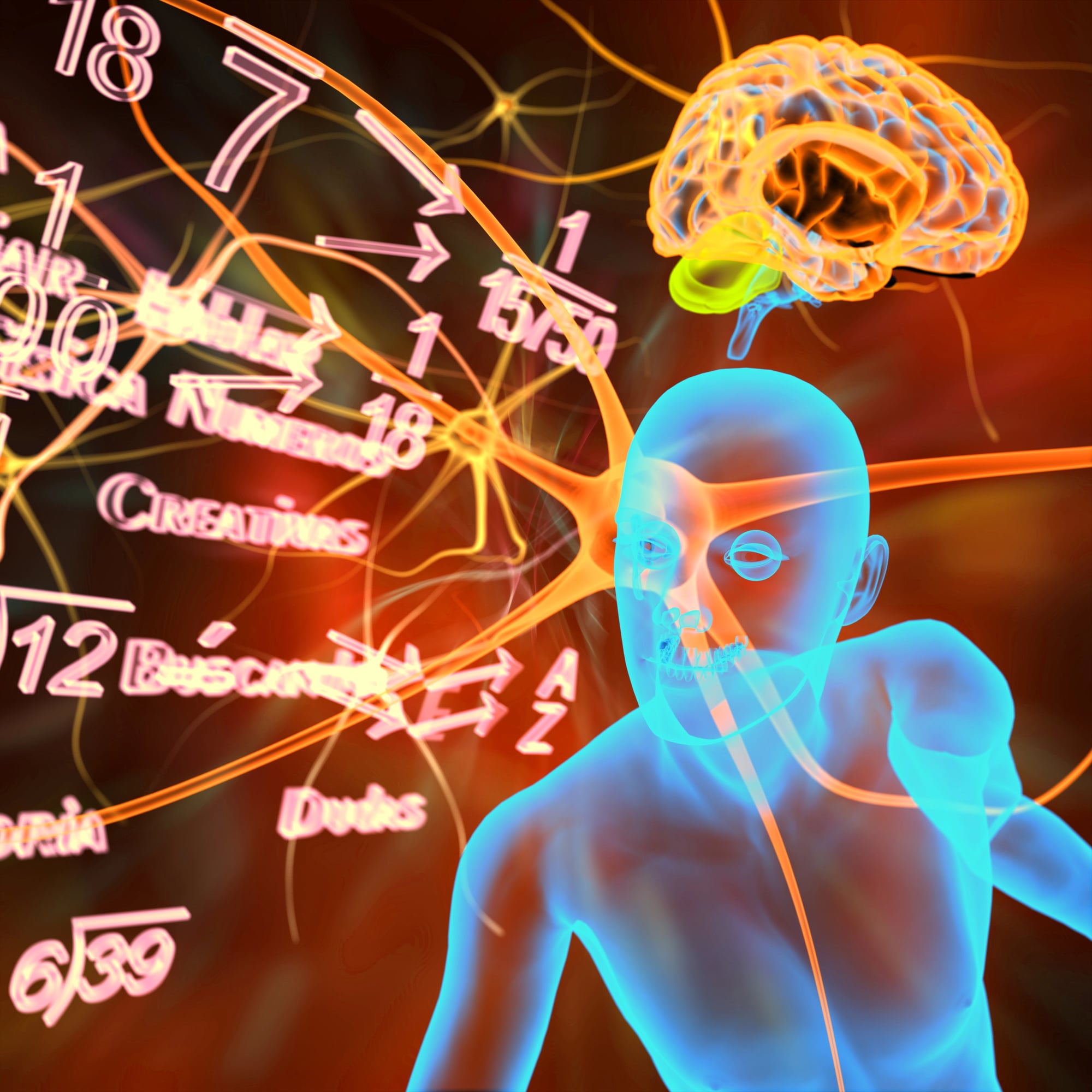
Individuals with hyperthymesia possess near-perfect autobiographical memory — they can recall virtually every day of their lives in vivid detail. Only about 100 people worldwide have been confirmed to have this condition.
While this can be overwhelming at times, it grants them an almost superhuman ability to access their personal history with incredible precision, remembering specific dates, conversations, and events from decades past.
Tetrachromacy
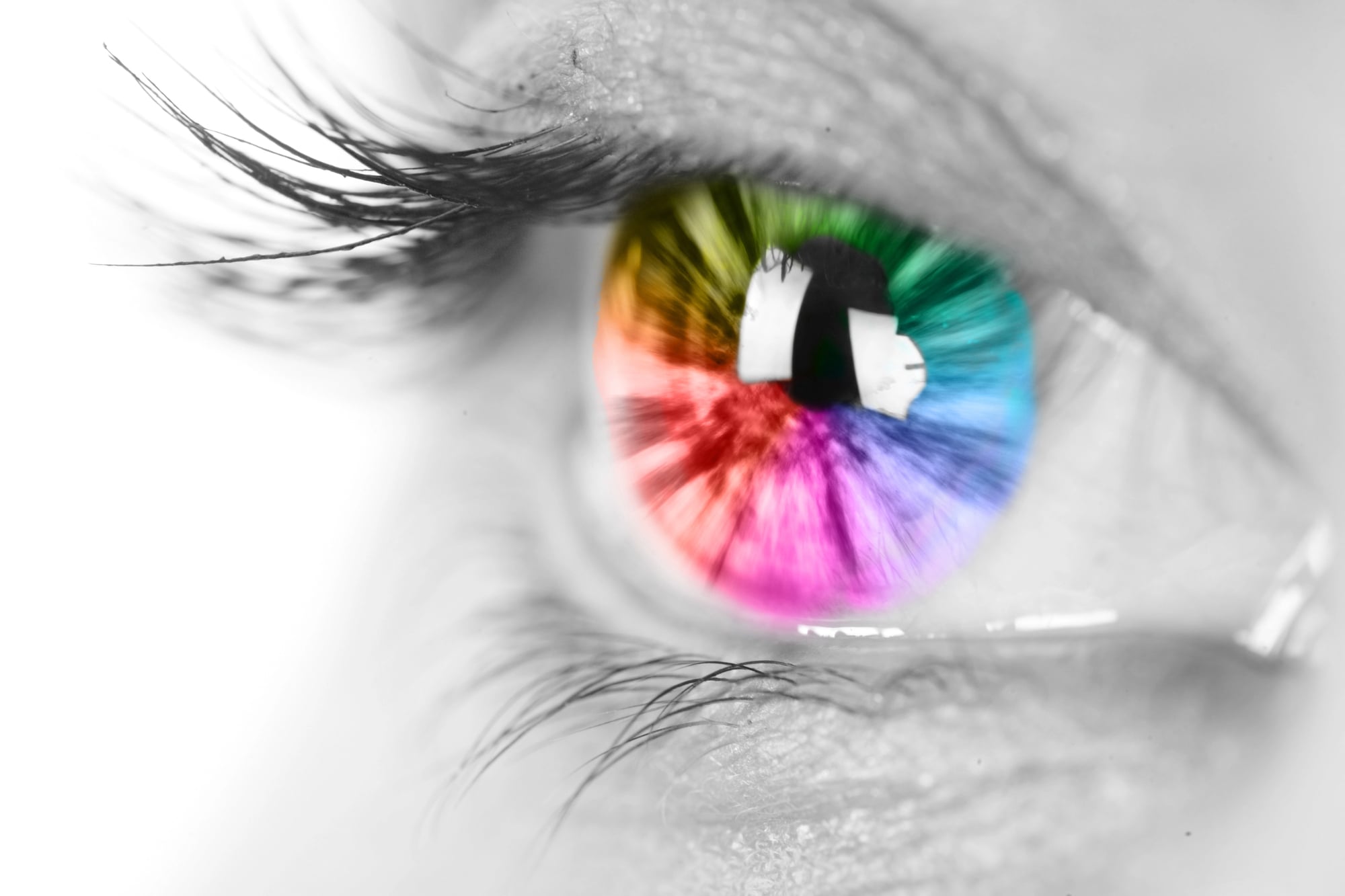
Most humans have three types of color receptors in their eyes, though people with tetrachromacy have four. This allows them to see millions more colors than the average person can perceive.
The condition occurs almost exclusively in women — it’s estimated to affect about 12% of females to some degree. Tetrachromats can distinguish between colors that appear identical to everyone else, making them exceptionally skilled at tasks requiring color discrimination.
Echolocation

Some blind individuals develop the ability to navigate using echolocation, similar to how bats and dolphins operate. They’ll create clicking sounds with their tongues or use canes to produce echoes, then interpret the returning sound waves to ‘see’ their environment.
This ability allows them to ride bicycles, play sports, and navigate complex spaces with remarkable precision — essentially giving them a form of superhuman spatial awareness.
Savant Syndrome
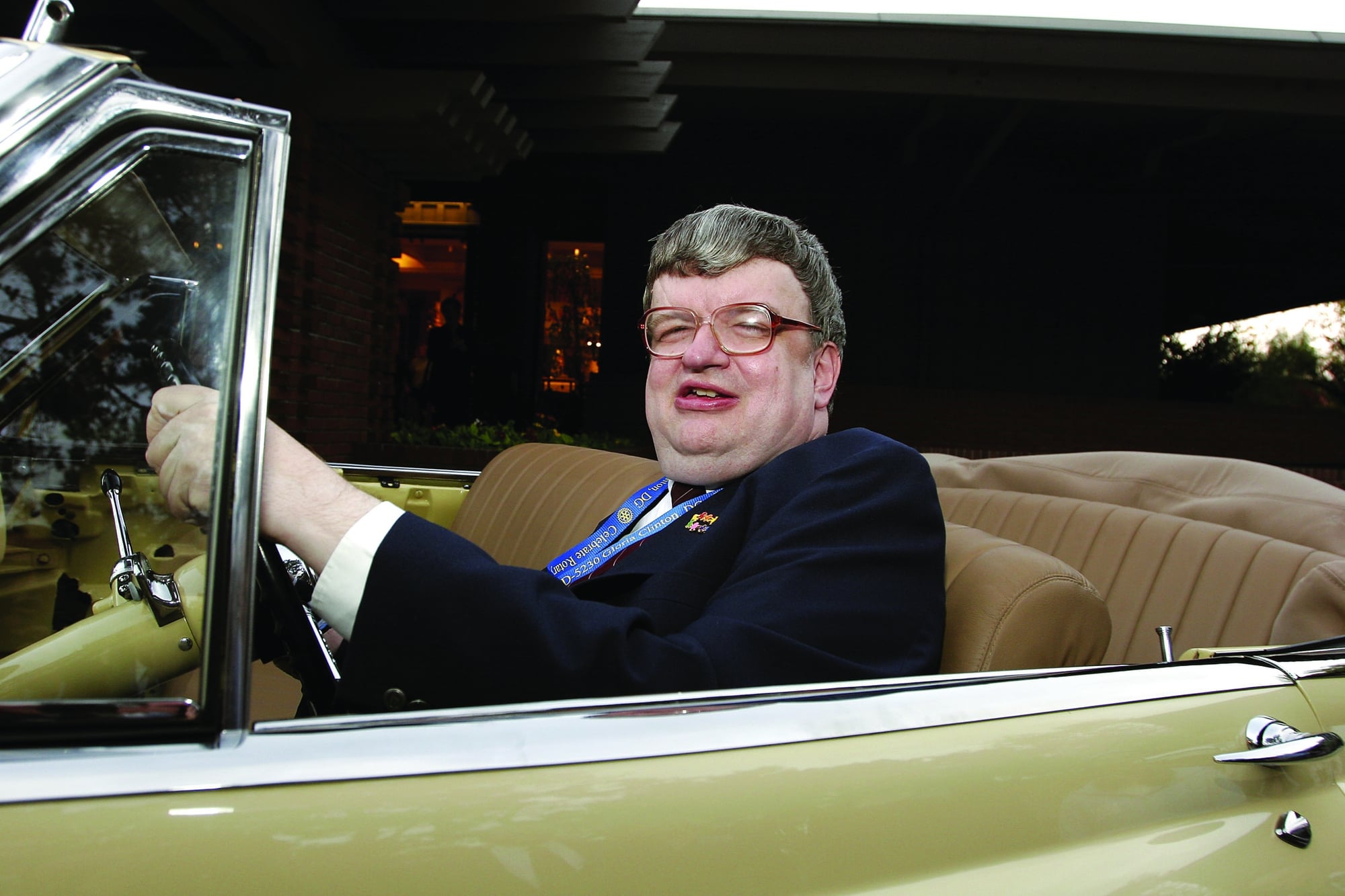
Savant syndrome grants individuals extraordinary abilities in specific areas while often involving developmental disabilities in others. These abilities can include lightning-fast mathematical calculations, perfect pitch, photographic drawing skills — or the ability to instantly determine what day of the week any date falls on.
Famous savants like Kim Peek could read two pages simultaneously and remember virtually everything, whereas others can create detailed architectural drawings from memory.
Congenital Insensitivity to Pain

People with this rare genetic condition can’t feel physical pain, which might seem like a superpower until you consider that pain serves as the body’s warning system. However, this condition does grant them the ability to endure physical stress that would incapacitate others.
They can continue functioning with injuries that would leave most people unable to move — though they must be extremely careful to avoid serious harm.
Hypermobility Syndrome

Individuals with hypermobility syndrome have joints that extend far beyond the normal range of motion. This condition allows them to contort their bodies in ways that seem impossible to most people.
Many circus performers, dancers, and gymnasts have this condition — it gives them extraordinary flexibility and the ability to achieve positions that appear superhuman to observers.
Perfect Pitch
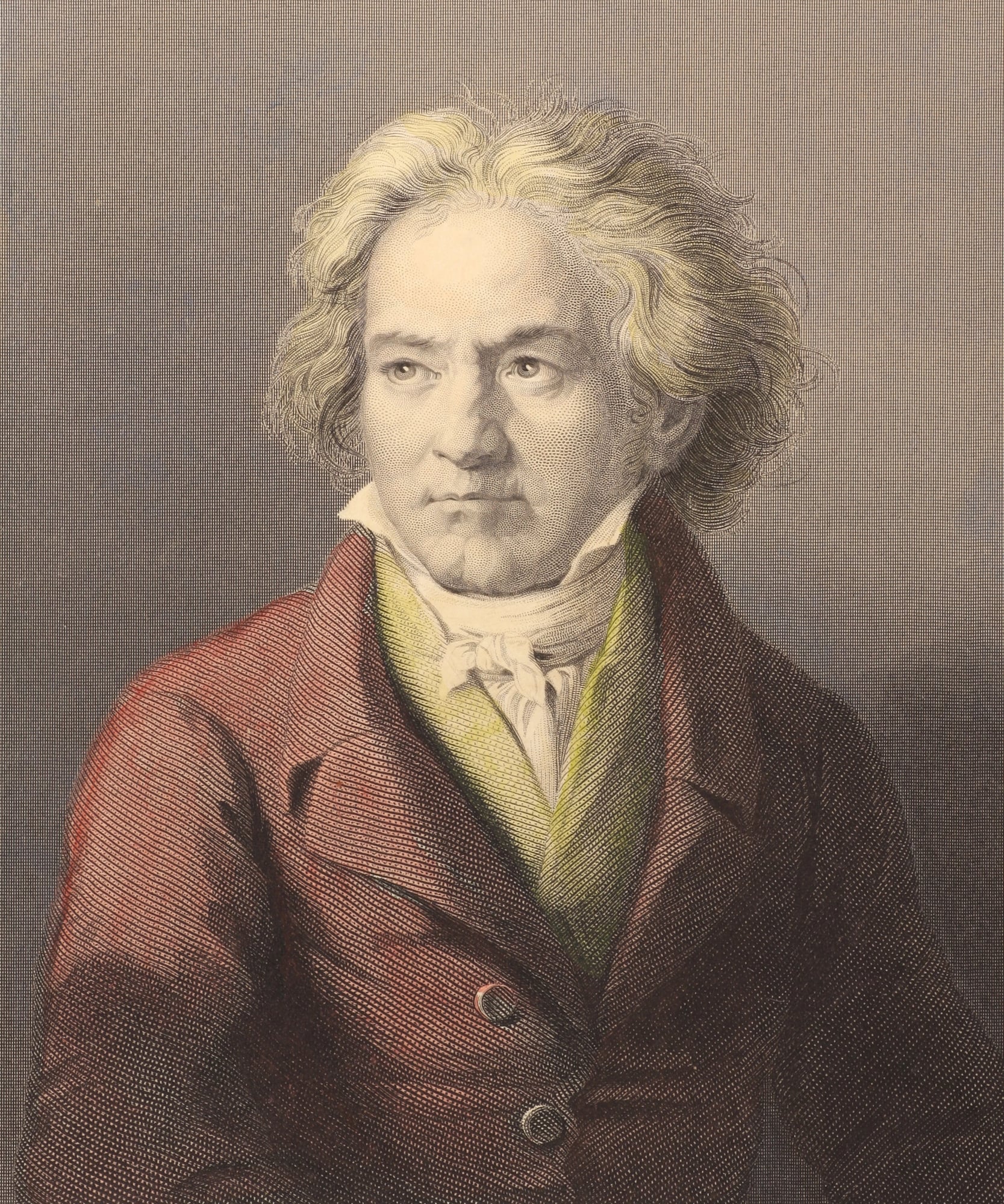
People with perfect pitch can identify or produce any musical note without a reference point. This ability is found in less than 1% of the population, yet it allows musicians to tune instruments by ear, transcribe complex musical pieces instantly, and detect when music is played in a different key.
Many famous composers and musicians — including Mozart and Beethoven — possessed this ability.
Photographic Memory

True photographic memory, or eidetic memory, allows individuals to recall images, sounds, or objects in vivid detail after only brief exposure. Children are more likely to have this ability than adults — though some people retain it throughout their lives.
Those with photographic memory can recall entire pages of text, complex diagrams, or detailed scenes with startling accuracy.
Supertaster Syndrome

Supertasters have an unusually high number of taste buds on their tongues — this allows them to experience flavors with extraordinary intensity. They can detect subtle differences in taste that others miss entirely, though they’re often overwhelmed by flavors that seem normal to most people.
This enhanced taste sensitivity makes them natural food critics and chefs, yet it can also make them extremely picky eaters.
Chronesthesia
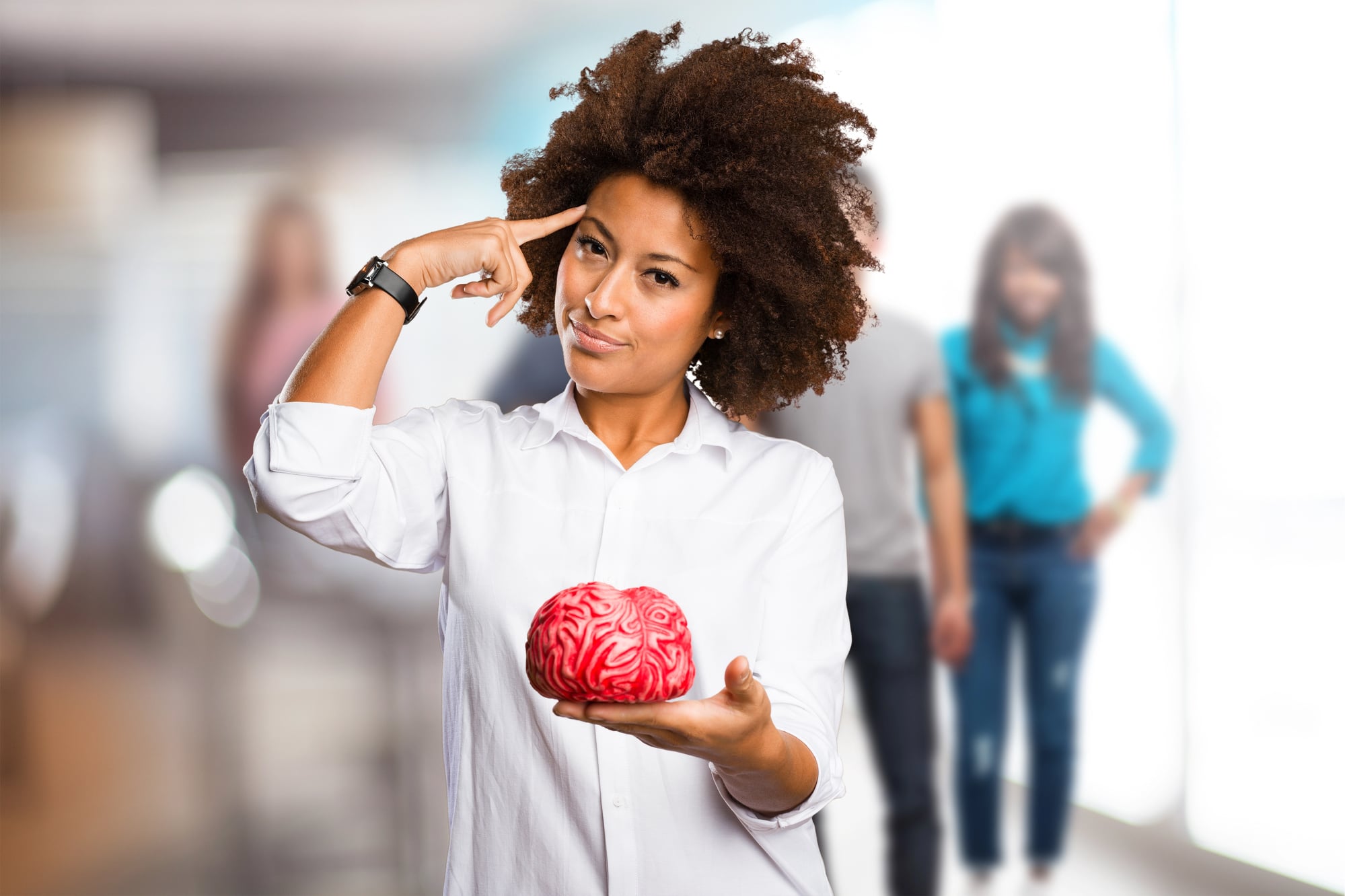
People with chronesthesia possess an enhanced ability to mentally travel through time, experiencing past and future events with unusual clarity. This condition goes beyond normal memory and imagination.
It allows individuals to re-experience past events or visualize future scenarios with remarkable detail, which can enhance planning skills and emotional processing, though it can also lead to intense nostalgia or anxiety about the future.
Superhuman Reflexes

Some individuals possess reflexes that are significantly faster than average. They can react to stimuli in what appears to be superhuman time.
This can result from genetic variations or intensive training, and it’s particularly advantageous in sports, driving, and situations requiring split-second decisions. Professional athletes often have these enhanced reflexes, as do fighter pilots who must make instantaneous life-or-death choices.
Absolute Time Sense
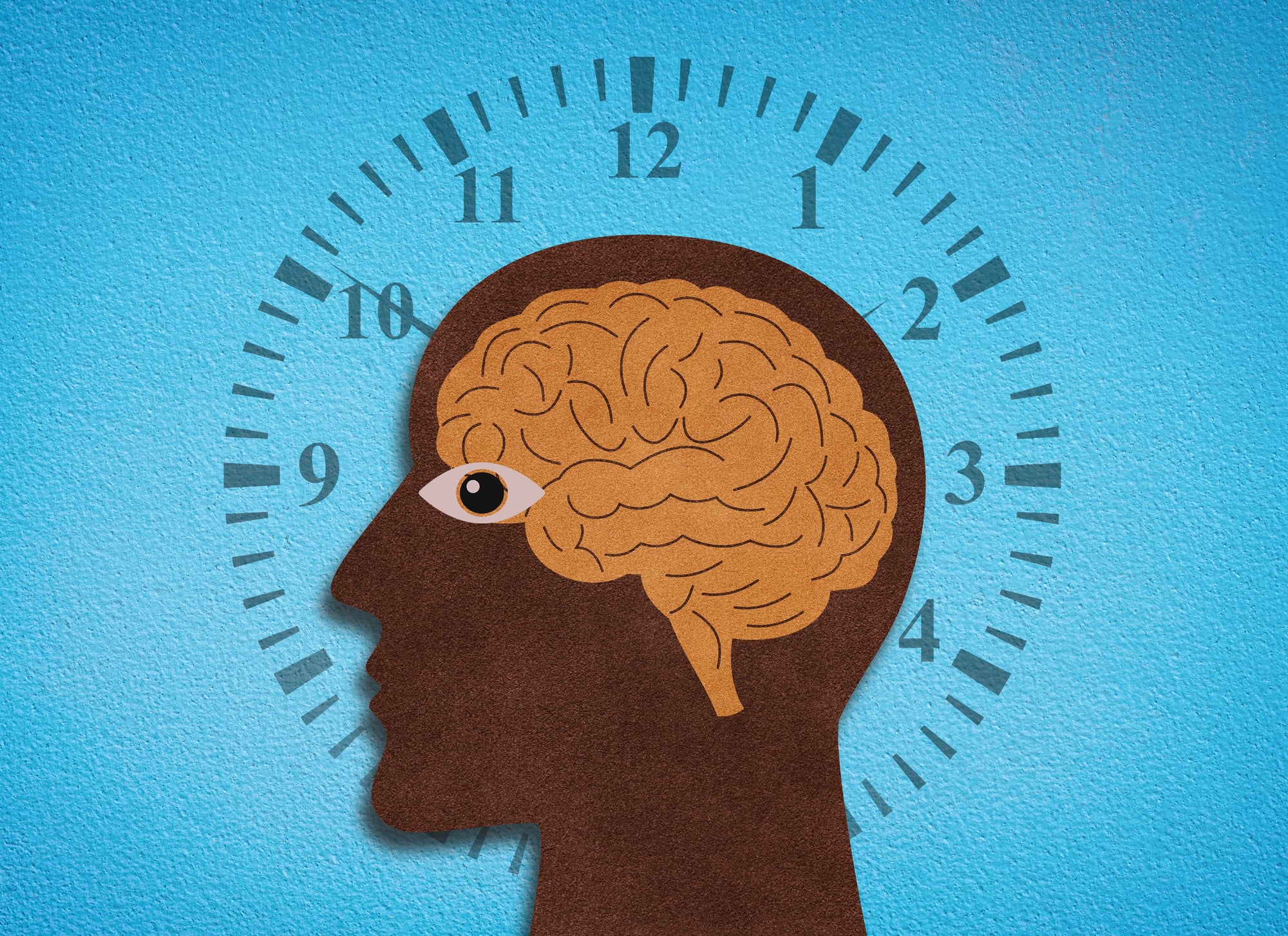
Certain people can accurately estimate the passage of time without external cues. They maintain an internal clock that rivals mechanical timepieces in precision.
They can wake up at specific times without alarms, estimate durations precisely, and maintain schedules with uncanny accuracy. This ability seems to stem from differences in how their brains process temporal information, creating what amounts to a biological stopwatch.
Magnetic Sensitivity
A small number of people claim to sense magnetic fields. This allows them to detect electromagnetic radiation from electronic devices or even navigate using Earth’s magnetic field.
While this ability remains controversial in scientific circles, some individuals demonstrate consistent responses to magnetic stimuli. This condition might explain why certain people always seem to know which direction is north or feel uncomfortable around electronic equipment without any apparent reason.
Superhuman Endurance

Some individuals possess genetic variations that allow them to endure extreme physical stress with minimal fatigue. The Sherpa people of Nepal, for example, have genetic adaptations that allow them to function at high altitudes where others would suffer from altitude sickness.
Similarly, some long-distance runners have genetic variations that enhance their oxygen processing and muscle efficiency, letting them perform feats that would exhaust most people within minutes.
The Marvel of Human Adaptation

These conditions remind us that the line between normal and extraordinary is often thinner than we imagine. While many of these abilities come with trade-offs or challenges, they demonstrate the incredible plasticity and potential of the human body and brain.
As medical science advances, we continue to discover new ways that human biology can surprise us with capabilities that seem to belong in comic books rather than medical journals. The people who live with these conditions often serve as living proof that reality can be more remarkable than fiction.
More from Go2Tutors!

- The Romanov Crown Jewels and Their Tragic Fate
- 13 Historical Mysteries That Science Still Can’t Solve
- Famous Hoaxes That Fooled the World for Years
- 15 Child Stars with Tragic Adult Lives
- 16 Famous Jewelry Pieces in History
Like Go2Tutors’s content? Follow us on MSN.



