32 Household Brands That Used to Be in Every American Home
There’s a particular kind of grief that comes from wandering a drugstore aisle and realizing something you’ve used your entire life is simply gone. Not recalled, not renamed — just gone.
The shelf space where it lived for decades now holds a store brand with a sans-serif font and no soul. It happens slowly at first, then all at once: a brand that felt permanent, that felt like furniture in the American home, quietly disappears.
Some of these names are recent casualties. Others have been fading for years, and you only notice when someone younger than thirty gives you a blank look at the mention of them.
Breck
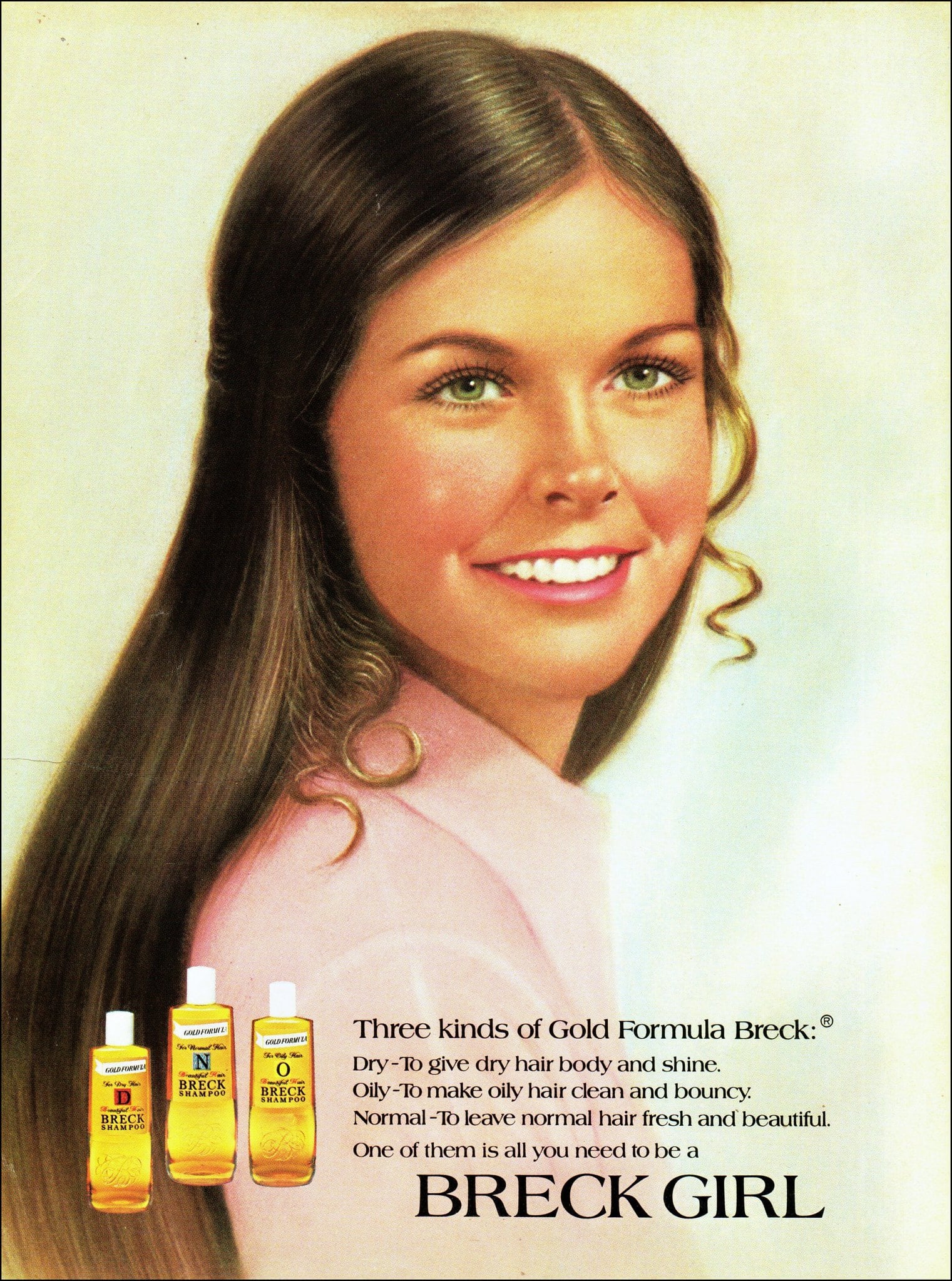
Breck shampoo didn’t just clean hair — it defined what American femininity looked like for most of the twentieth century. The “Breck Girl” portraits, painted by artists like Ralph William Williams, hung in salons and appeared in magazines for decades.
The brand faded badly after Dial Corporation acquired it, and the luster it once carried never really came back.
Lava Soap
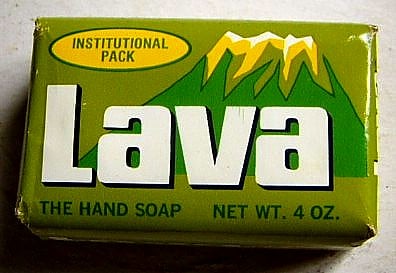
Lava is one of those brands that lived specifically in garages, workshops, and the hands of people who worked with them. The pumice-grit bar was designed for grease and grime that regular soap laughed at, and for a long time it was the only credible answer.
It still technically exists, but it’s a shadow — rare enough now that finding it feels like a minor archaeological discovery.
Brylcreem
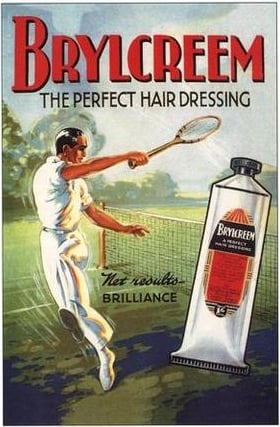
There’s something almost architectural about the way Brylcreem held hair in place — a hard, glossy structure that announced its presence from across a room. The British brand crossed the Atlantic and became a staple of American men’s grooming cabinets from the 1940s onward, riding the wave of slicked-back styles that defined postwar masculinity.
And then casual happened, and gels happened, and Brylcreem became something your grandfather kept on the edge of the bathroom sink long after everyone else had moved on.
Boraxo
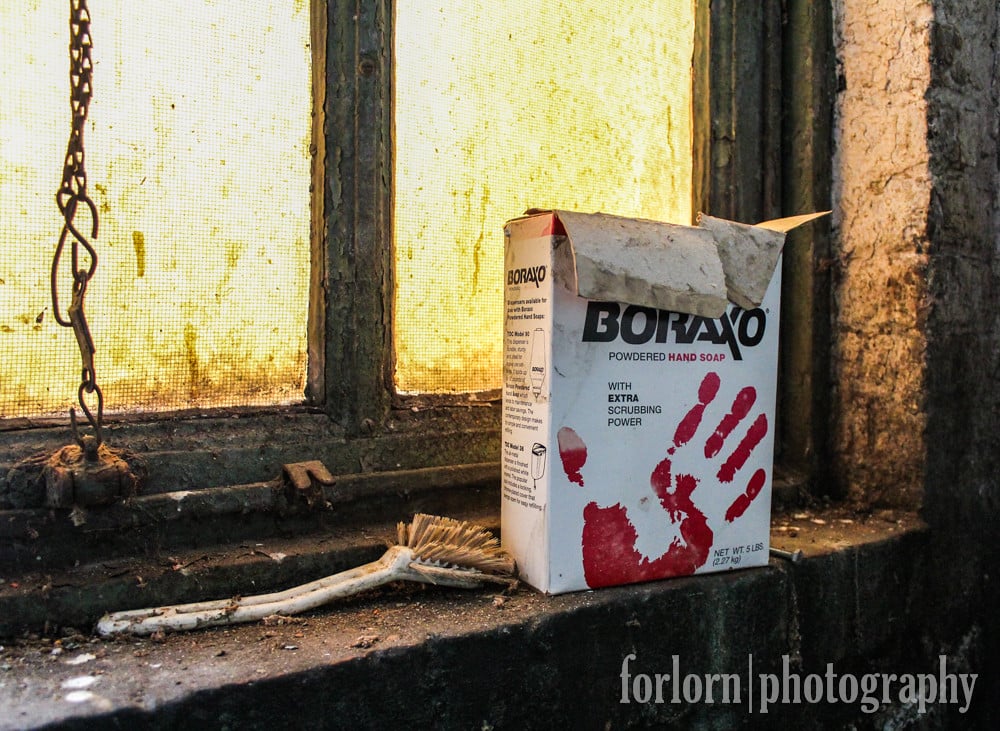
Boraxo powered laundry in American homes for generations, and its distinctive canister was as recognizable as a box of baking soda. The powdered hand soap version had a loyal following among mechanics and painters who didn’t want something that smelled like lavender and disappointment.
It’s the kind of brand that didn’t disappear dramatically — it just quietly stopped showing up.
Ban Roll-On
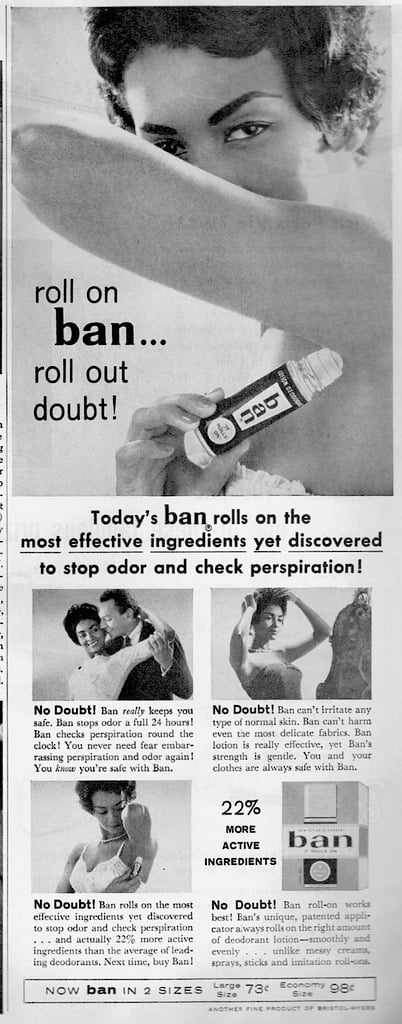
Ban was the first roll-on deodorant sold in the United States, which is not a small thing. It hit shelves in 1952 and spent decades as a genuine household staple before the category exploded with competitors and Ban got buried.
The brand still exists in some markets, but its American presence is a fraction of what it once commanded.
Hai Karate
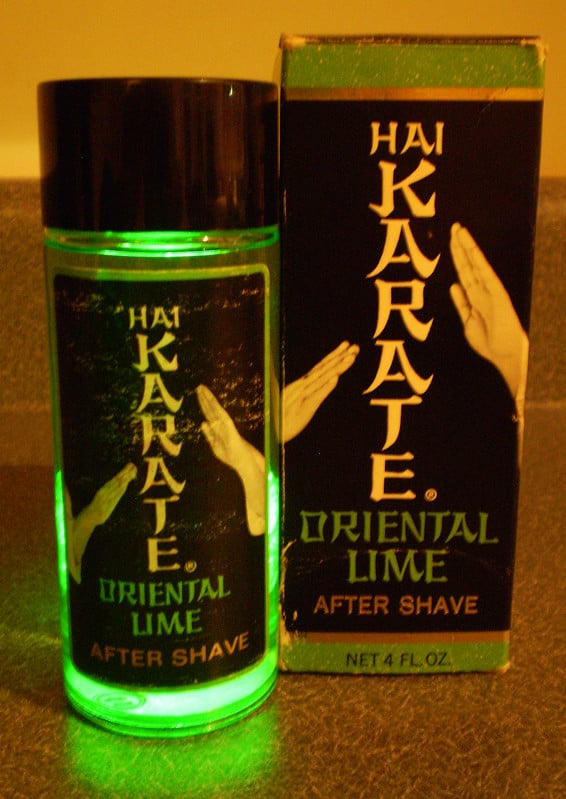
Hai Karate aftershave launched in 1967 with one of the most memorable ad campaigns in American marketing history — the joke being that the cologne was so attractive, men needed to defend themselves from women. Which was deeply absurd, even then.
But the absurdity was the point, and it worked: Hai Karate became a legitimate bestseller before fading quietly into gift-set obscurity by the mid-1980s.
Ovaltine
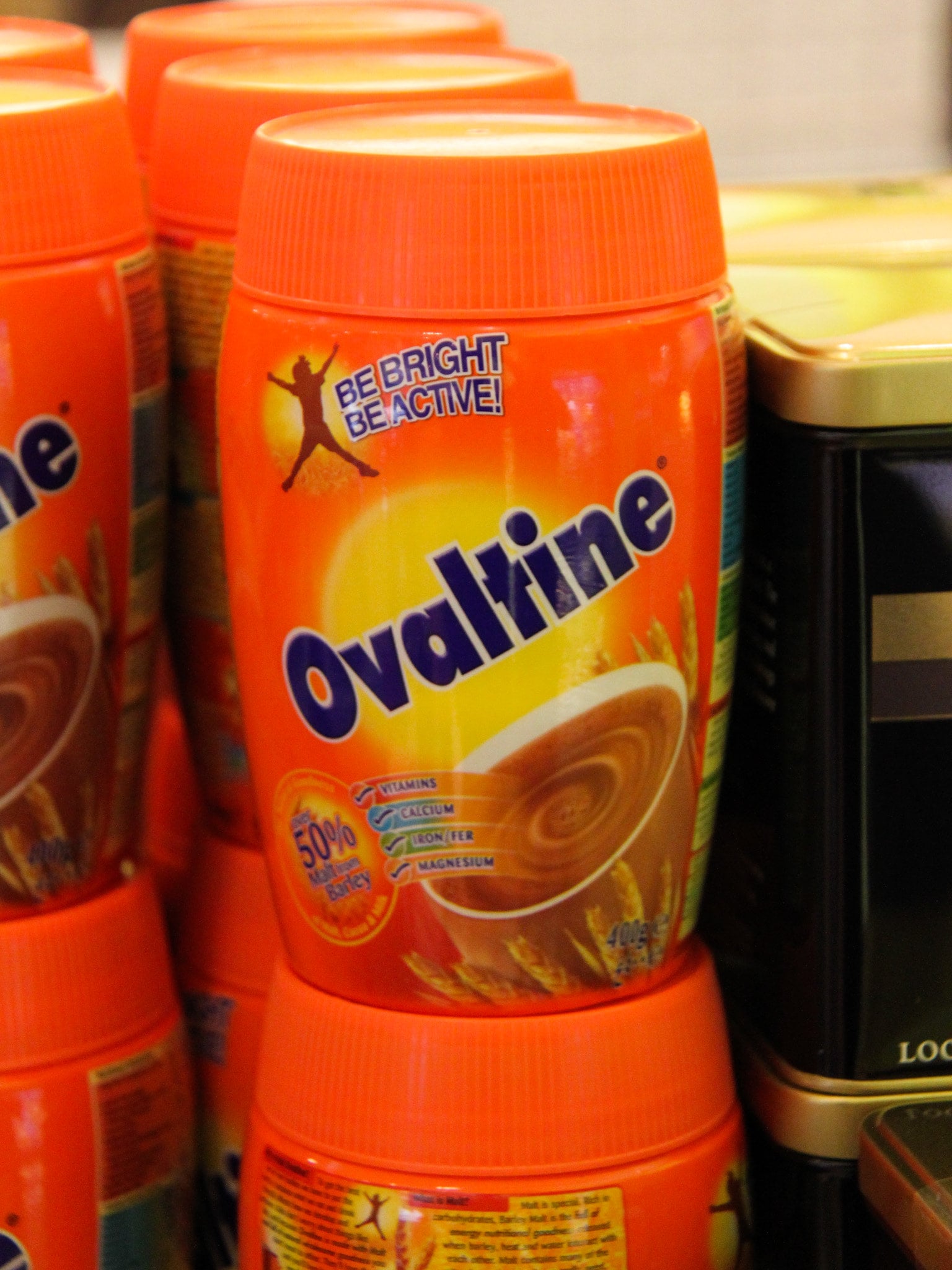
Ovaltine sits at the exact crossroads of nostalgia and nutritional ambiguity — a malt-based powder that tasted better than it had any right to, considering it was being sold as a health product. Kids drank it, parents approved of it, and for a stretch of the mid-twentieth century it was practically synonymous with after-school afternoons.
The brand still technically exists, but the golden age of Ovaltine mugs and Little Orphan Annie decoder rings is long behind it.
Aqua Velva
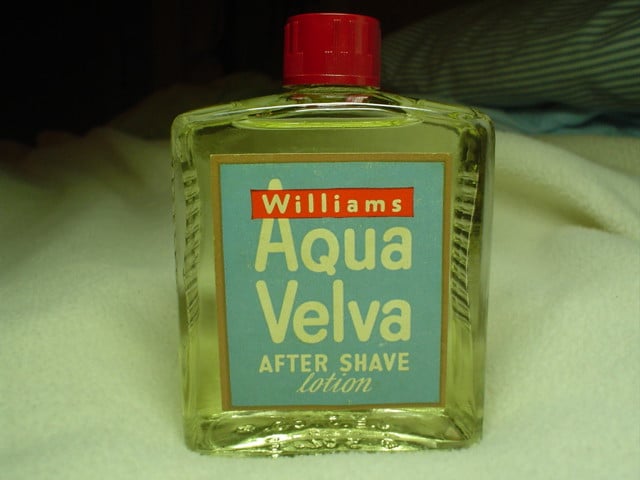
Aqua Velva aftershave had a specific cold, blue clarity to it — the kind of scent that became inseparable from certain men’s bathrooms, certain Sunday mornings, certain grandfathers. It was everywhere from the 1960s through the 1980s, riding the cultural assumption that aftershave was simply what men used.
The category collapsed as skincare replaced it, and Aqua Velva went from mandatory to vintage in about one generation.
Prell
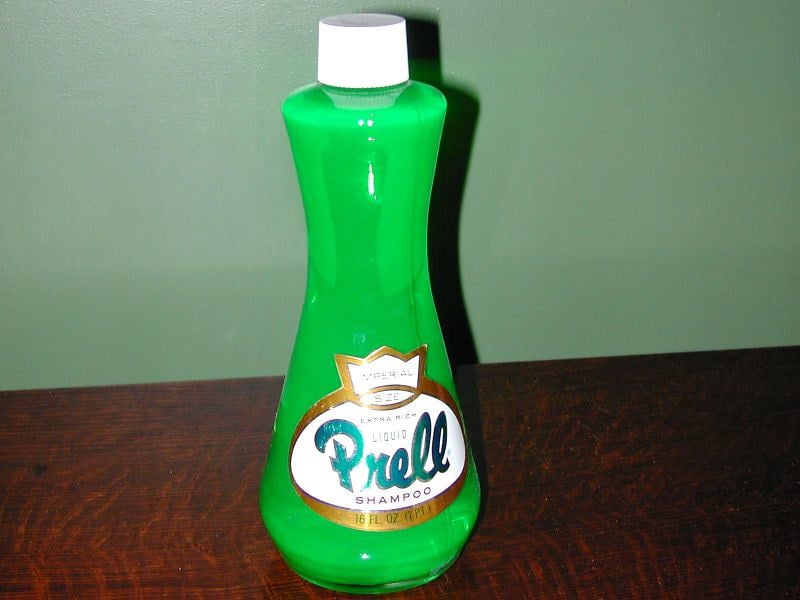
Prell shampoo is genuinely iconic — the emerald-green concentrate that came in a tube before tubes were common. The old television commercials dropped a pearl into a bottle to demonstrate its thickness, which was either brilliant marketing or a beautiful non-sequitur, depending on how seriously you take shampoo physics.
It faded as the shampoo market splintered into a thousand specialized formulas, and Prell’s single-minded simplicity became its liability.
Lestoil
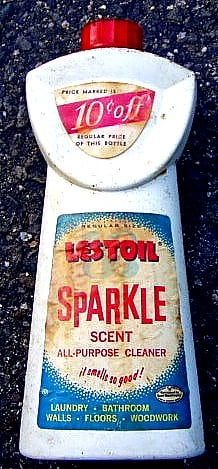
Lestoil was a heavy-duty cleaning concentrate from the 1950s that smelled like a pine forest and removed stains that had given up hope of ever leaving. It had a devoted following among people who cleaned seriously — not hobbyists, but the kind of people who kept a separate mop for the kitchen.
Procter & Gamble eventually acquired it, and Lestoil disappeared from most stores without any particular announcement.
Ipana
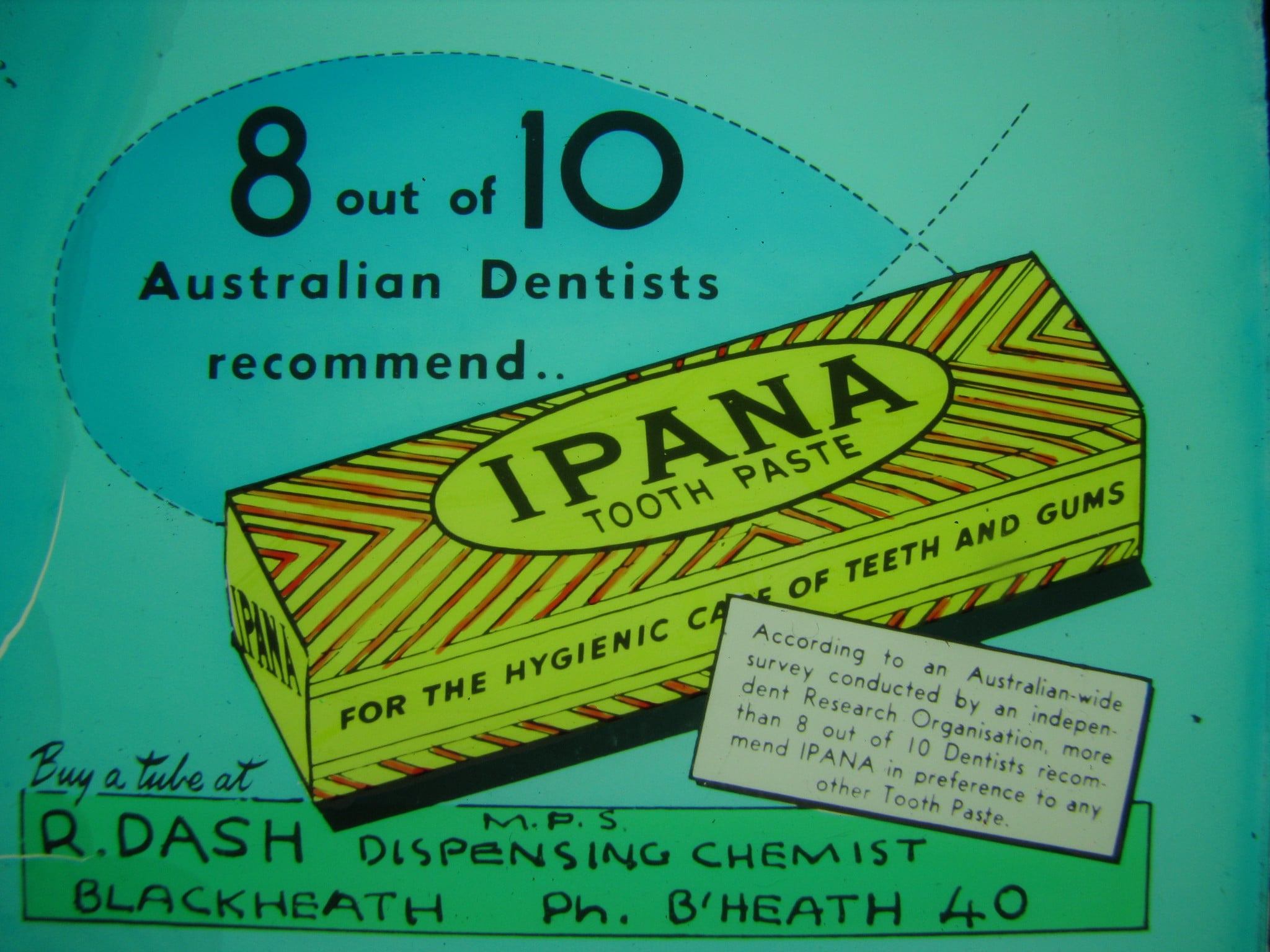
Ipana toothpaste has a claim to fame that few brands can match: it was one of the most popular toothpastes in the United States for decades, then pulled from American shelves in 1979 — only to become a massive hit in Turkey, of all places. The brand lives on internationally, but to most Americans it’s a trivia answer or a memory attached to Bucky Beaver, the animated mascot that made dental hygiene feel vaguely wholesome and faintly ridiculous at the same time.
Vitalis
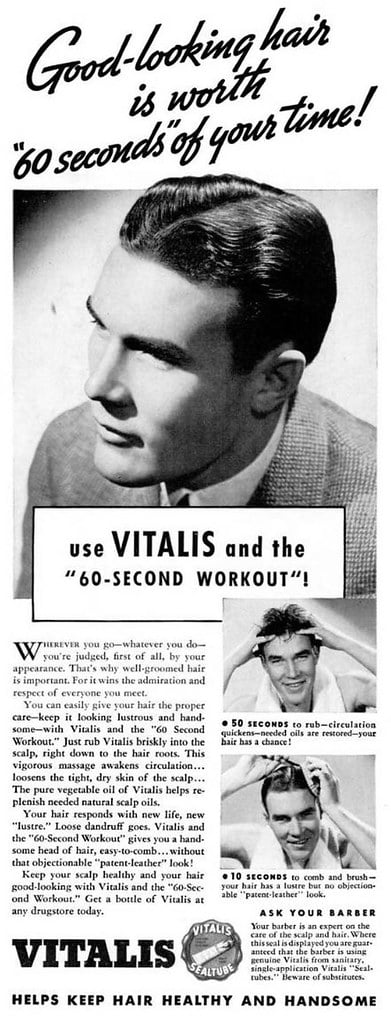
Vitalis hair tonic was a mid-century mainstay — not quite as heavy as Brylcreem, positioned as the lighter, more sophisticated option for the man who wanted control without commitment. It had a long run with Brylcreem as its direct rival, and for a while the choice between the two was a genuine personality statement.
The whole category of men’s hair tonic faded out, and Vitalis went with it.
Borax (20 Mule Team)

20 Mule Team Borax is one of those brands where the marketing outlasted the product’s cultural relevance by several decades. The Death Valley mule team imagery, the radio sponsorships, the Ronald Reagan television appearances — it built a mythology around laundry booster that most brands would kill for.
It still exists on some shelves, but the days when it lived in virtually every American laundry room are firmly in the past.
Noxzema
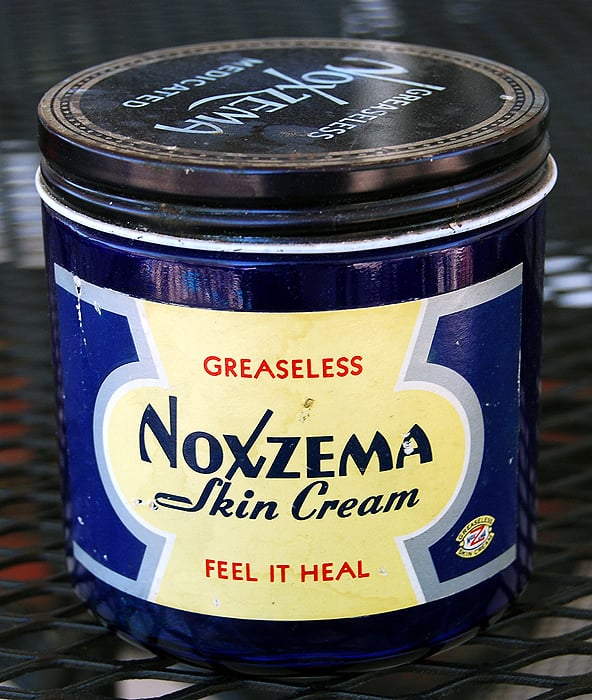
Noxzema’s defining quality was always that smell — eucalyptus and menthol and something faintly medicinal that made your skin tingle and feel simultaneously cleaned and corrected. Generations of American teenagers used it as a face wash, a sunburn remedy, and a general-purpose skin fix.
The brand still exists, but it lost the cultural omnipresence it had when the blue jar was a bathroom fixture rather than a nostalgic curiosity.
Geritol
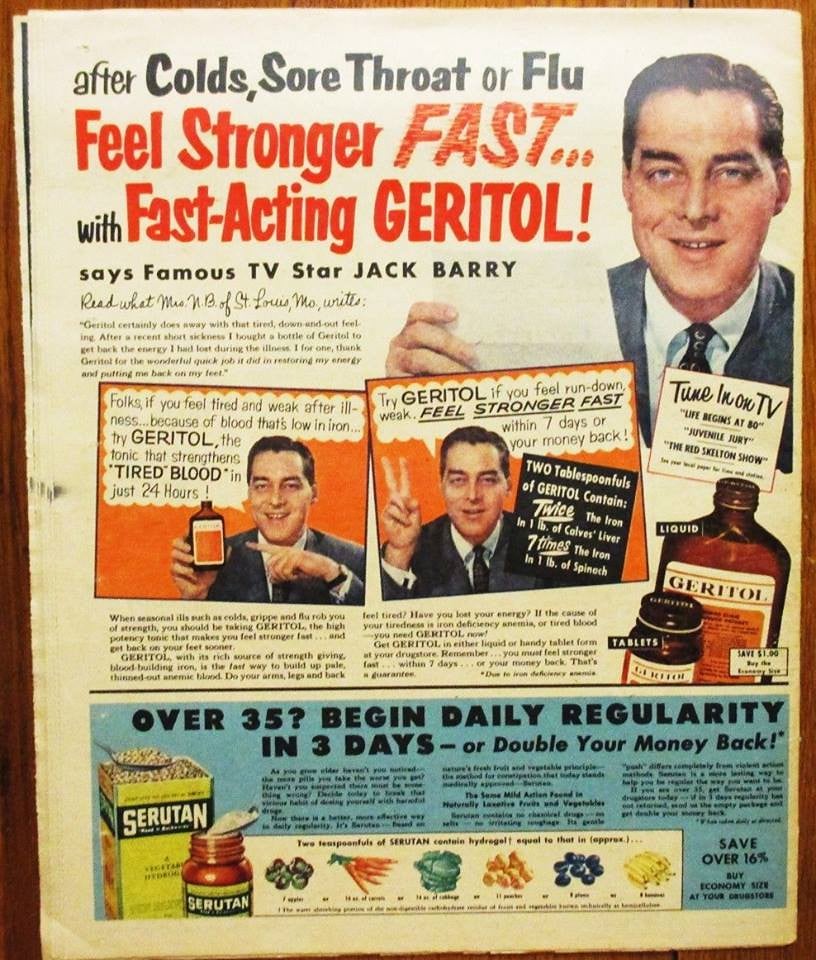
Geritol was an iron-and-B-vitamin tonic that spent decades advertising itself directly at tired Americans, particularly women, on the premise that fatigue was a medical condition that liquid vitamins could fix. The tagline “My wife — I think I’ll keep her” is one of the more unsettling artifacts of 1970s television advertising.
The brand still technically exists but is a ghost of the household name it was during its television heyday.
Listerine (As a Dominant Alone)
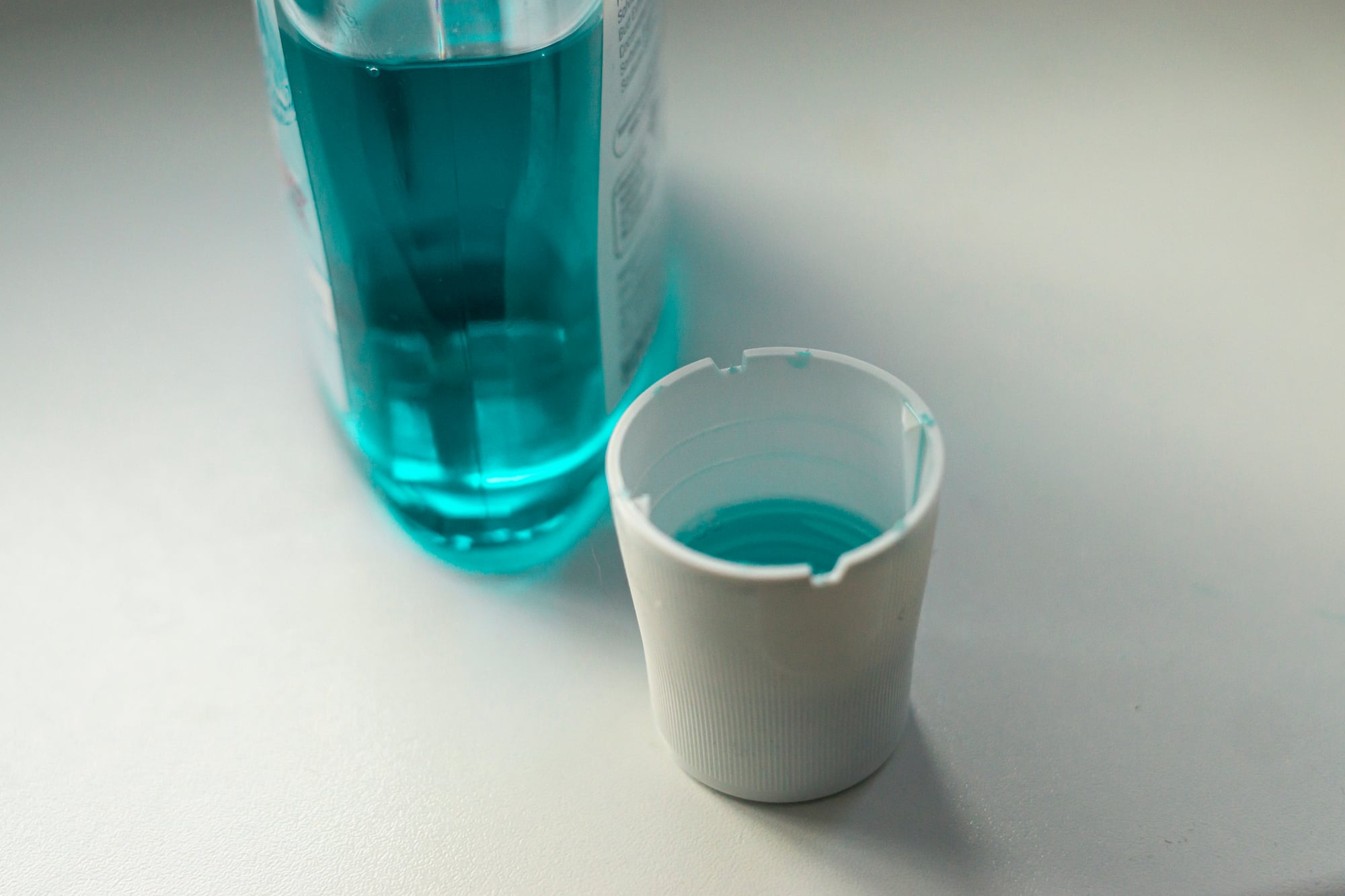
Listerine deserves its own category — not because it’s gone, but because for most of the twentieth century it was the only mouthwash most American homes contained, full stop. There was no choice to make, no comparing mint percentages or whitening claims.
Listerine was mouthwash the same way Kleenex was tissue, and the erosion of that dominance by a hundred competing products represents a particular kind of cultural fragmentation that happened quietly across every bathroom shelf in America.
Sta-Puf (Sta-Puf Fabric Softener)
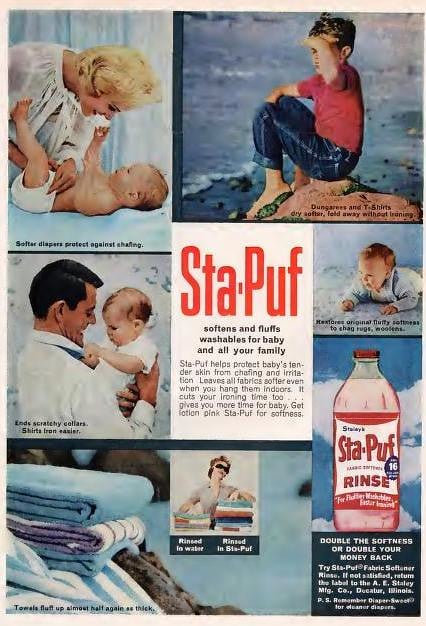
Sta-Puf fabric softener — best known for the Pillsbury Doughboy-adjacent mascot the Sta-Puf Marshmallow Man — was a legitimate laundry room staple before Downy turned the category into its own private fiefdom. The brand competed hard for decades before losing the shelf war definitively.
It’s mostly a memory now, one occasionally revived by people who remember the sheets it left behind.
Bab-O
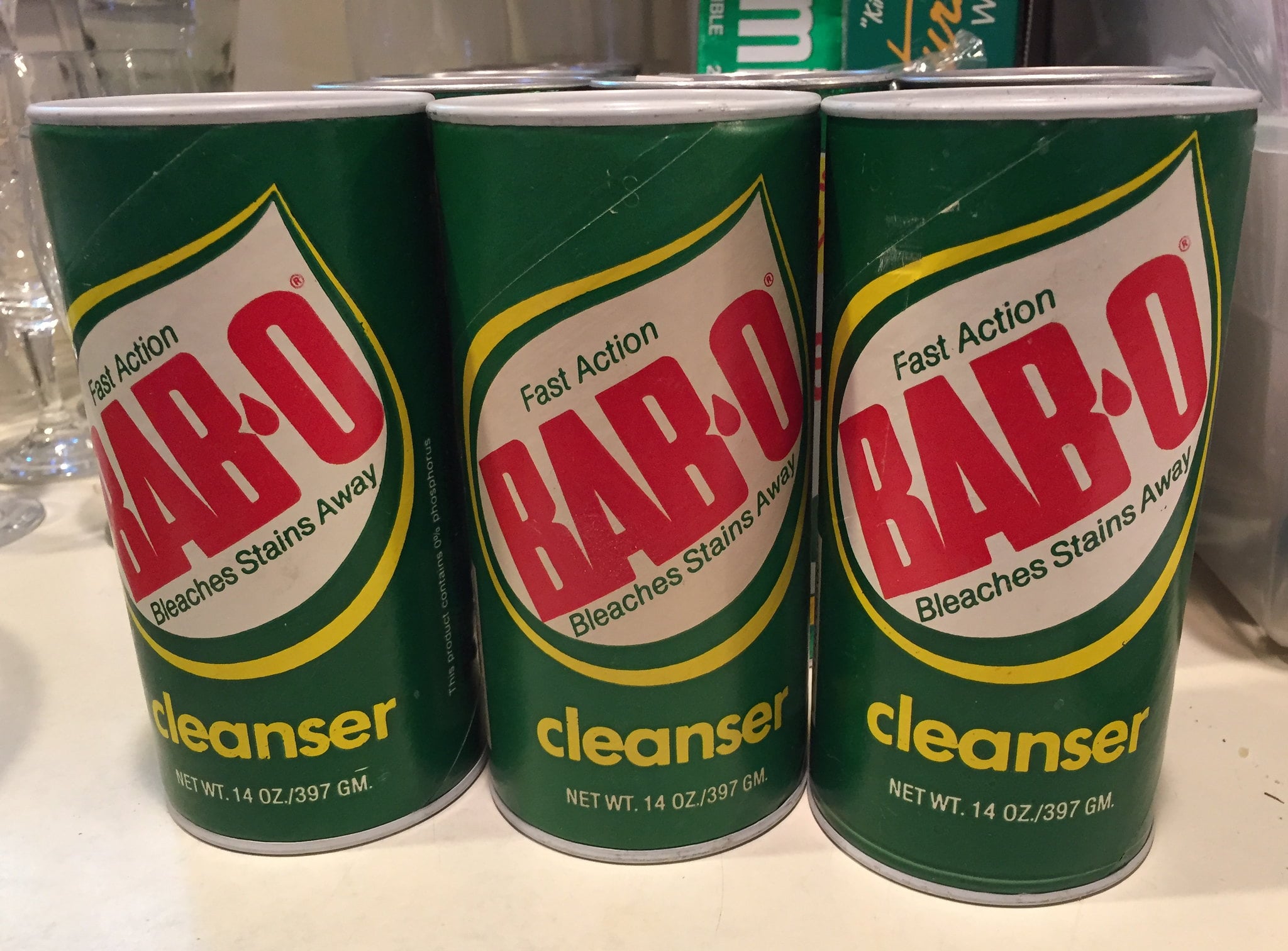
Bab-O was a chlorine-based cleanser that competed directly with Comet and Ajax for decades — and for a while, it held its own. It came in a canister with a distinctive formula that had genuine fans who swore by it over the competition.
The brand faded out through the 1980s and 1990s as the cleanser market consolidated around the two giants that survived.
Sweetheart Soap
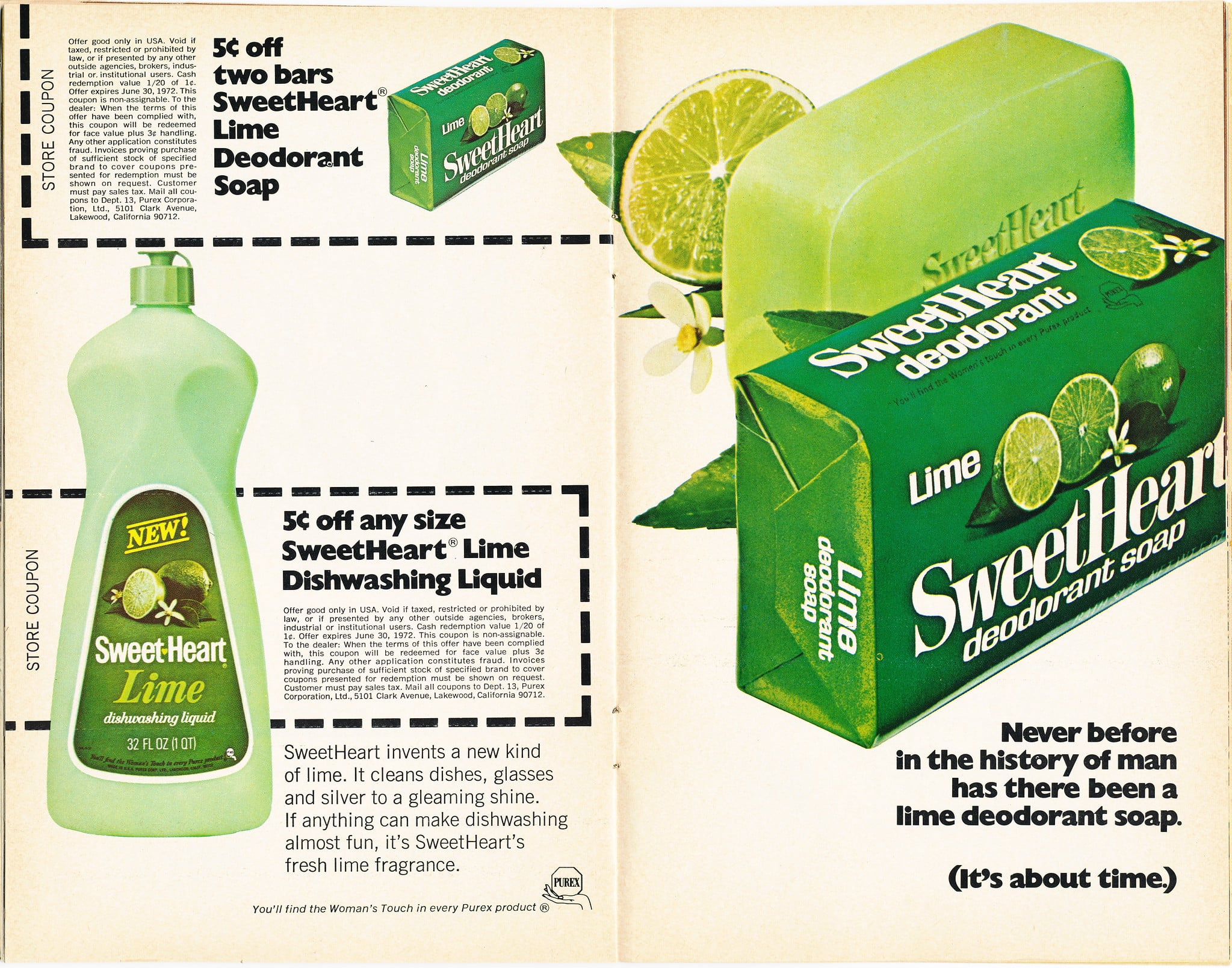
Sweetheart Soap had a long run as a budget-friendly bar soap brand found in American homes from coast to coast, particularly in working-class households where value mattered more than branding. It didn’t have the elegance of Ivory or the marketing muscle of Dial — it just cleaned you, reliably, at a fair price.
That plainness, which was once its strength, became invisible once the bar soap market fragmented into body washes and specialty bars.
Fels-Naptha
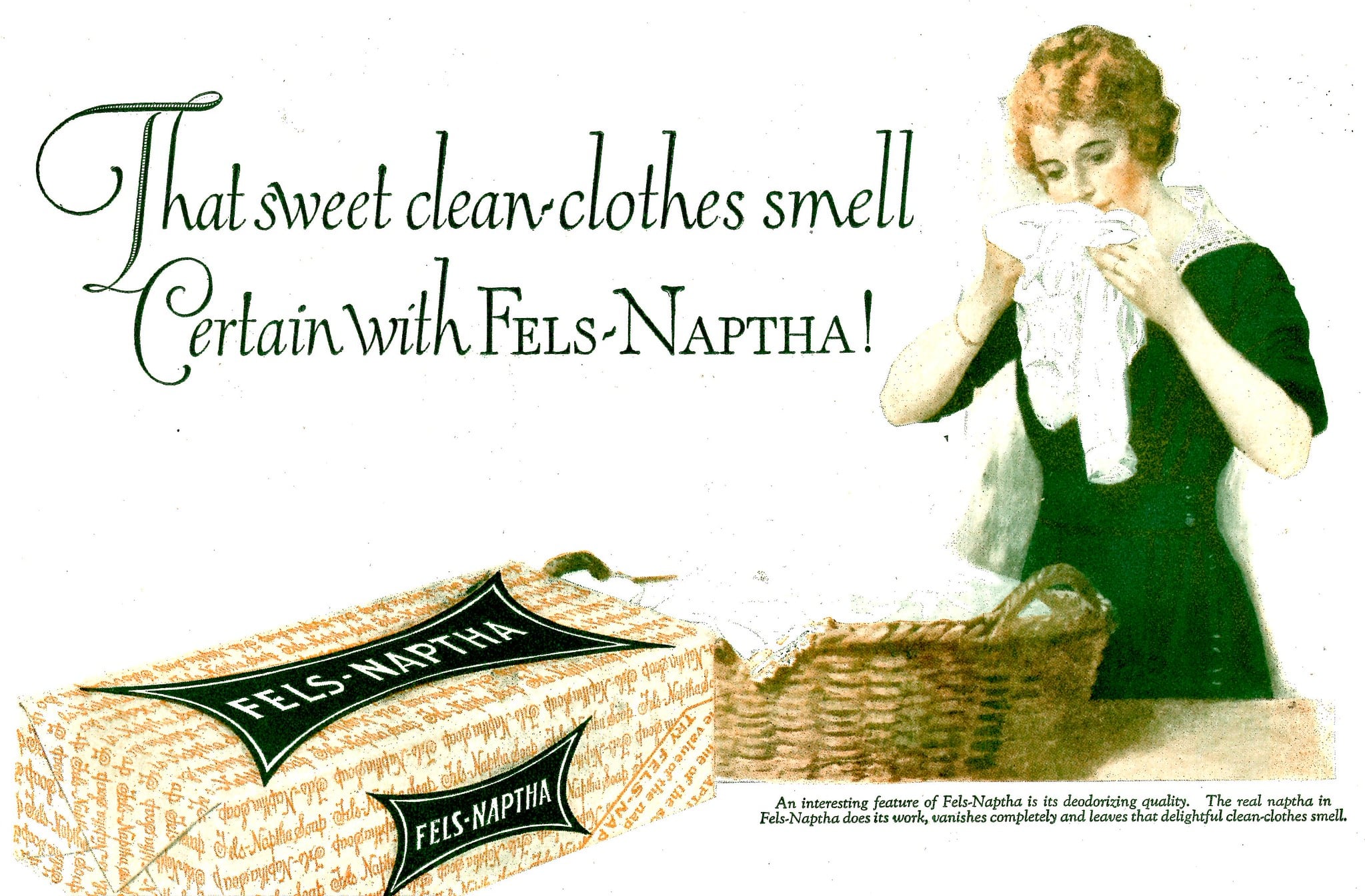
Fels-Naptha is a laundry bar soap that dates back to 1893, which means it outlasted dozens of trends and survived both World Wars. Grandmothers used it for pre-treating stains, and whole generations of American women kept a bar near the washing machine as the first line of defense against grass stains and set-in grime.
It still exists — Dial Corporation produces it — but it lives now in a niche corner of the laundry aisle rather than the center of it.
Brillo
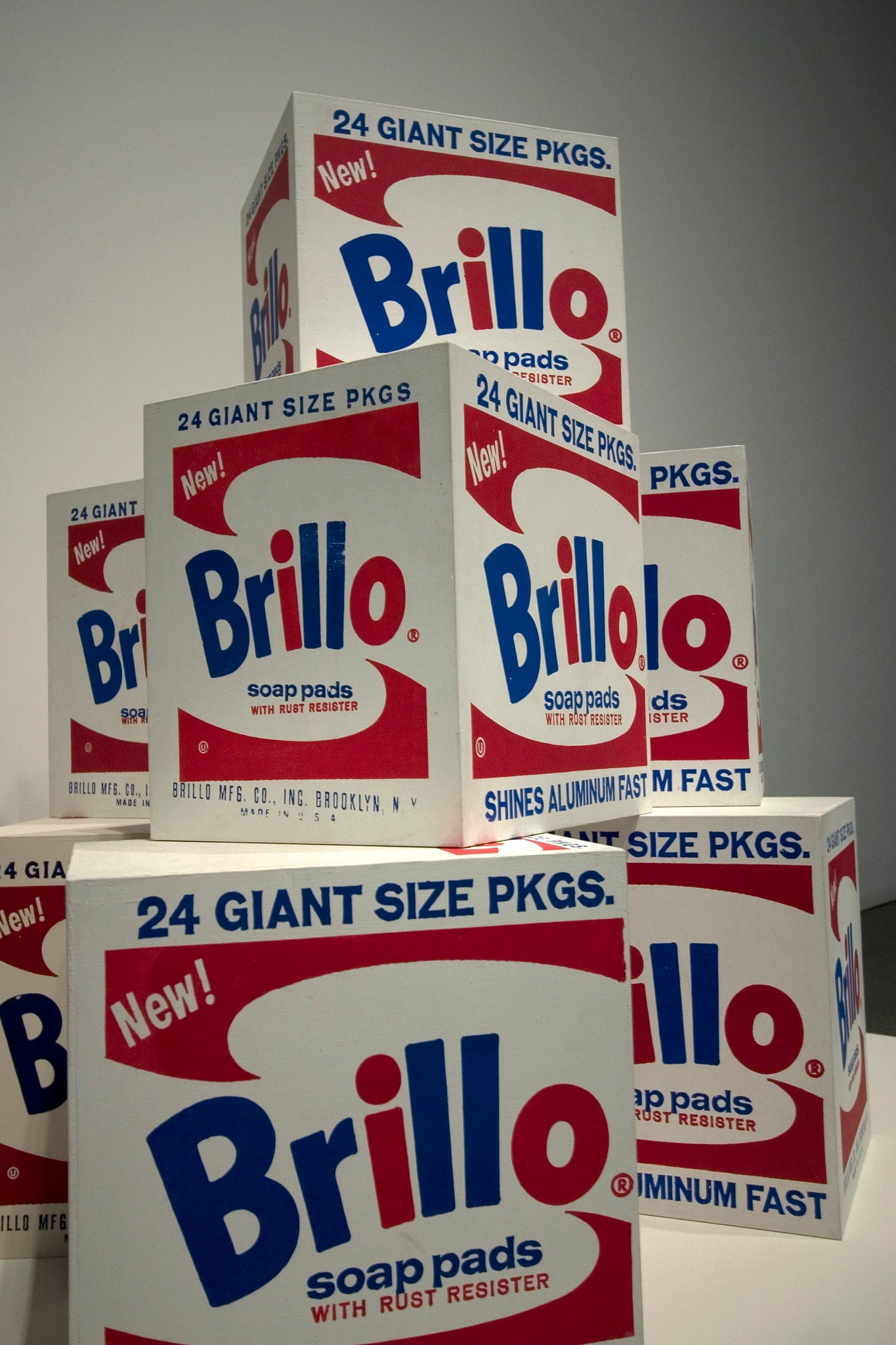
Brillo pads technically still exist, but the Brillo that dominated mid-century American kitchens was something different: it was the default, the assumption, the thing under the sink that nobody questioned. It even crossed over into art — Andy Warhol made it famous in a different way entirely.
The brand has had ownership struggles and distribution gaps, and whatever Brillo is today doesn’t carry quite the same weight as the red box that sat next to every American kitchen sink for forty years.
Pepsodent
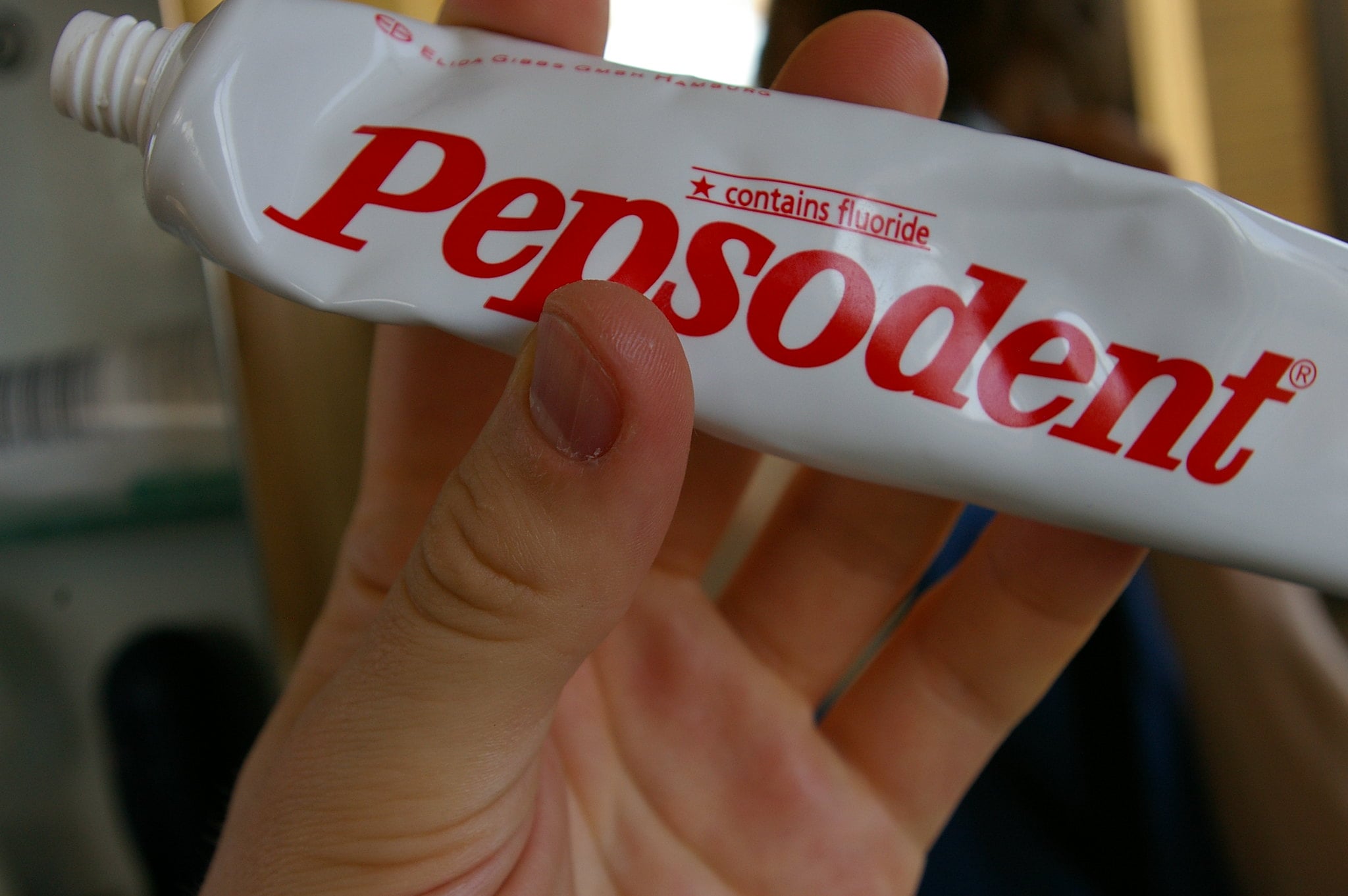
Pepsodent was the toothpaste that taught Americans to brush their teeth — not metaphorically, but almost literally. Charles Duhigg’s research into habit formation credits Pepsodent’s marketing with creating the modern teeth-brushing habit in the early twentieth century.
The brand’s American market share collapsed after Crest introduced fluoride toothpaste in the 1950s, and Pepsodent never recovered the ground it lost.
Barbasol
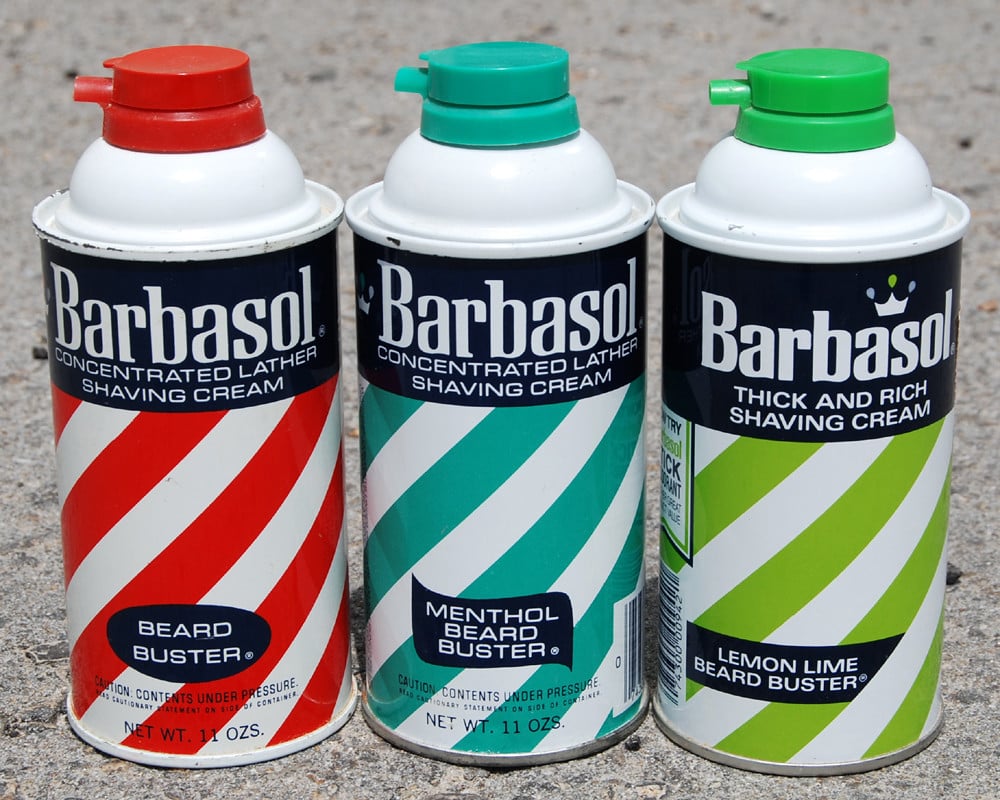
Barbasol is still around, and it’s still cheap, and it still comes in the same red-and-white can it’s used since 1919 — but its presence in American bathrooms is a fraction of what it was when it competed with Gillette as the default shaving cream. It found a second life as the iconic can from Jurassic Park, which is genuinely more cultural exposure than most 105-year-old brands get.
To be fair, that’s something.
Clairol Nice ‘n Easy
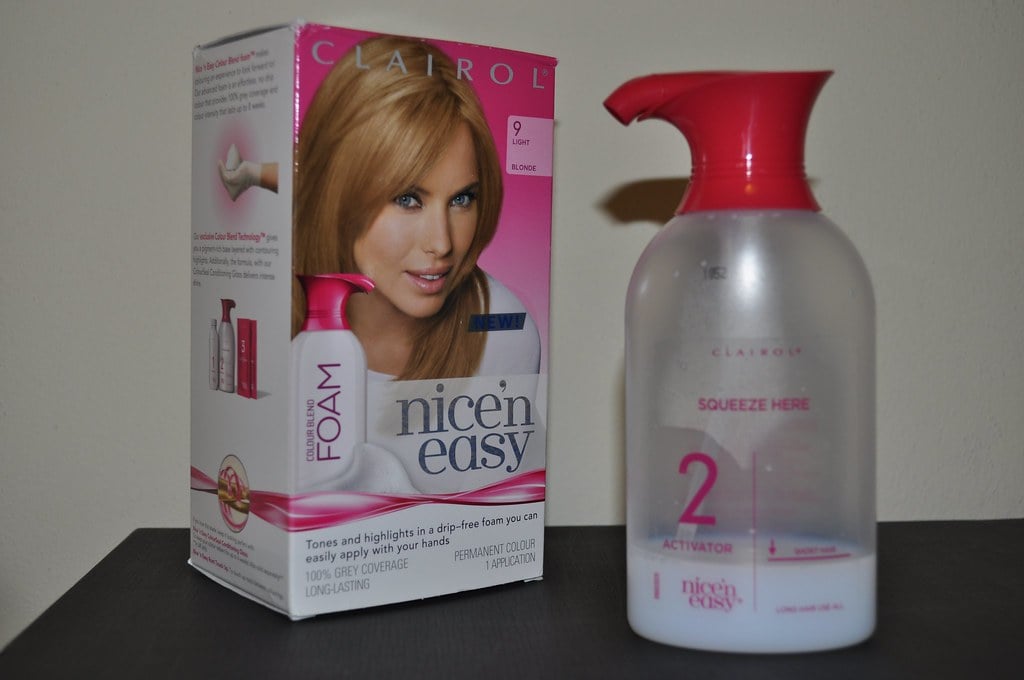
Clairol Nice ‘n Easy was the at-home hair color, the one that made coloring your hair in a suburban bathroom bathroom feel achievable and almost glamorous. The tagline “Does she or doesn’t she?” ran for decades and became one of the most recognized in American advertising history.
The brand still exists but the category it once owned has been divided among dozens of competitors, and that particular dominance is gone.
Wildroot Cream Oil
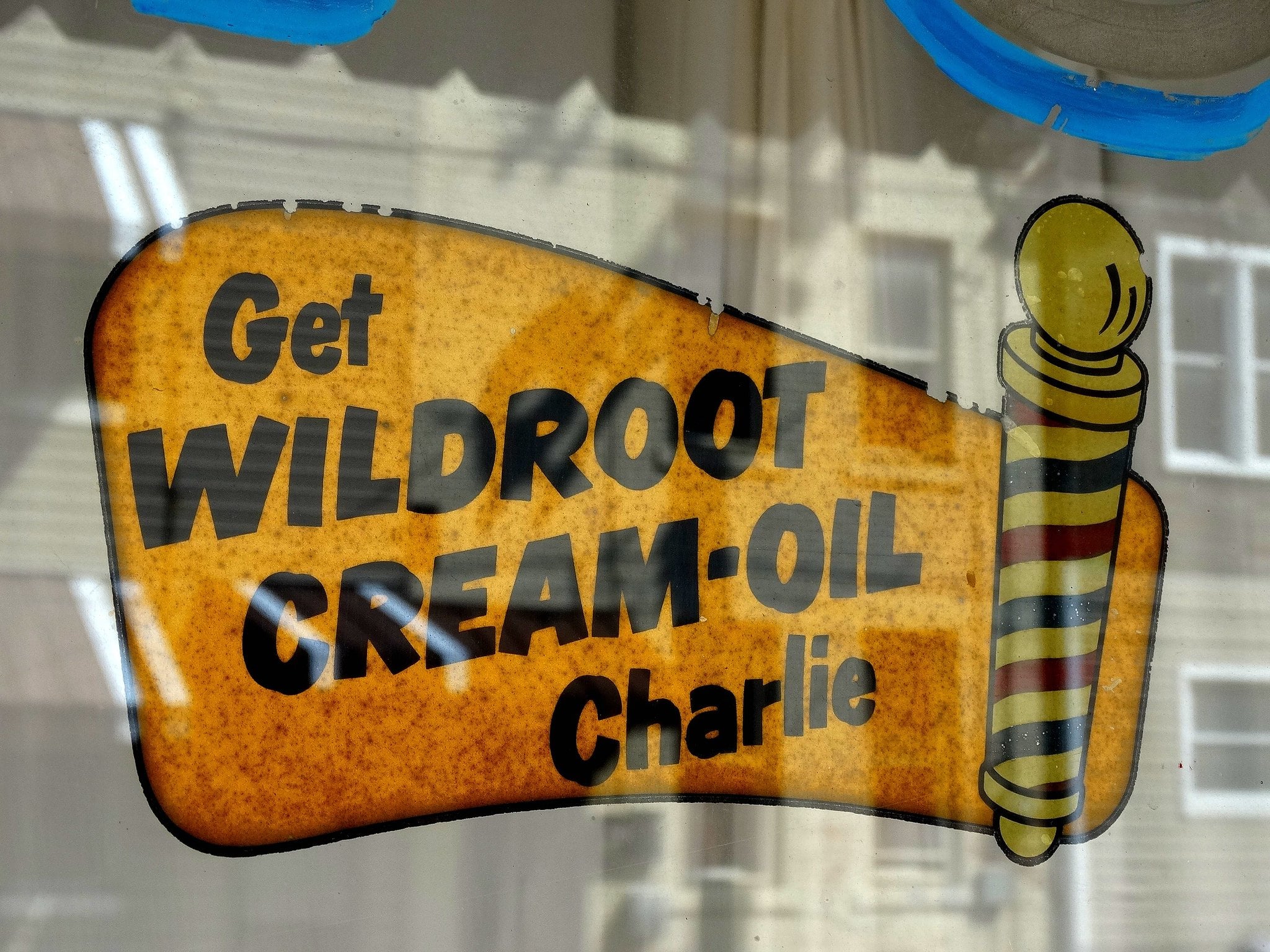
Wildroot Cream Oil was a hair grooming product that positioned itself as the gentler, less greasy alternative during the same era when Brylcreem and Vitalis were fighting for bathroom shelf space. It sponsored radio programs and had a minor cultural presence that felt significant at the time.
The brand faded completely by the 1980s, surviving now mostly as a name that older barbers occasionally remember.
Cashmere Bouquet
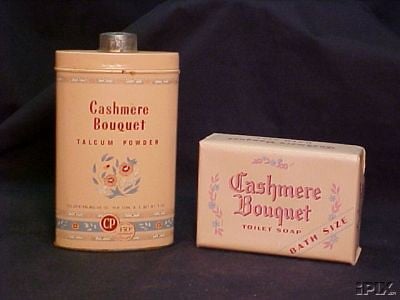
Cashmere Bouquet was a talcum powder and soap line by Colgate that had a long run as a feminine toiletry staple in American homes. The name itself was a kind of aspiration — something soft and faintly luxurious that cost very little.
It faded from mainstream American shelves as Colgate shifted its attention to products with larger market returns.
Rinso
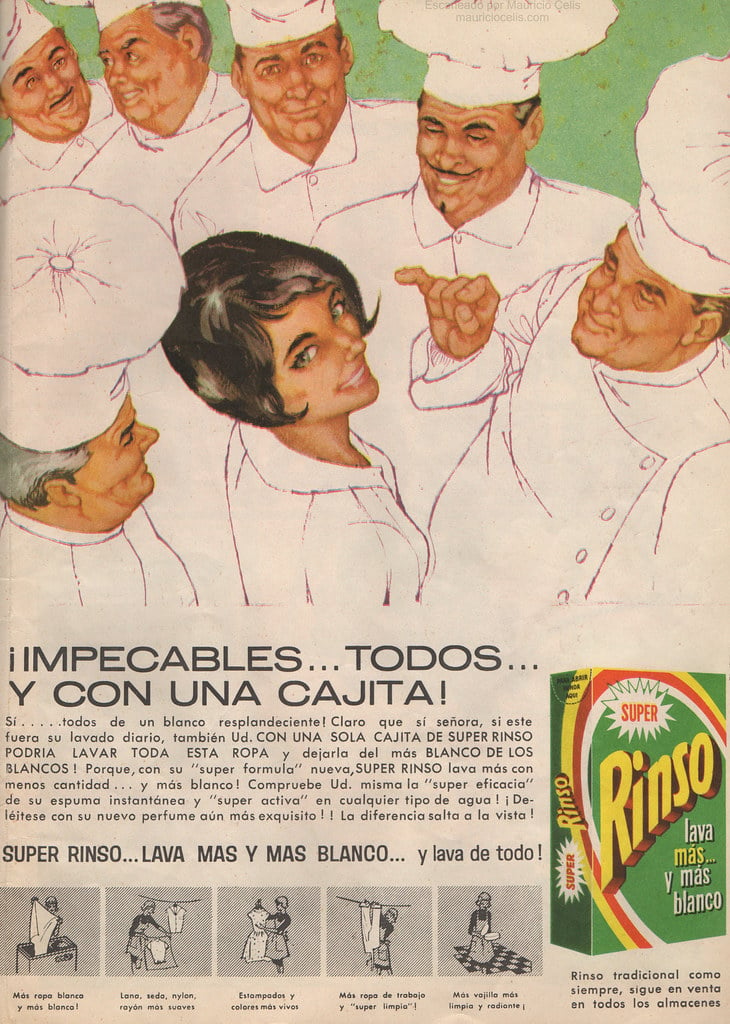
Rinso was a powdered laundry detergent that preceded Tide and, for a while, competed aggressively with it. It sponsored radio soap operas — literally, the origin of the term — and was a genuine household name before Tide’s marketing machine buried it.
Lever Brothers eventually discontinued it in the American market, and Rinso became the kind of brand that lives in old radio transcripts more than in anyone’s laundry room.
Cheer (As Dominant)
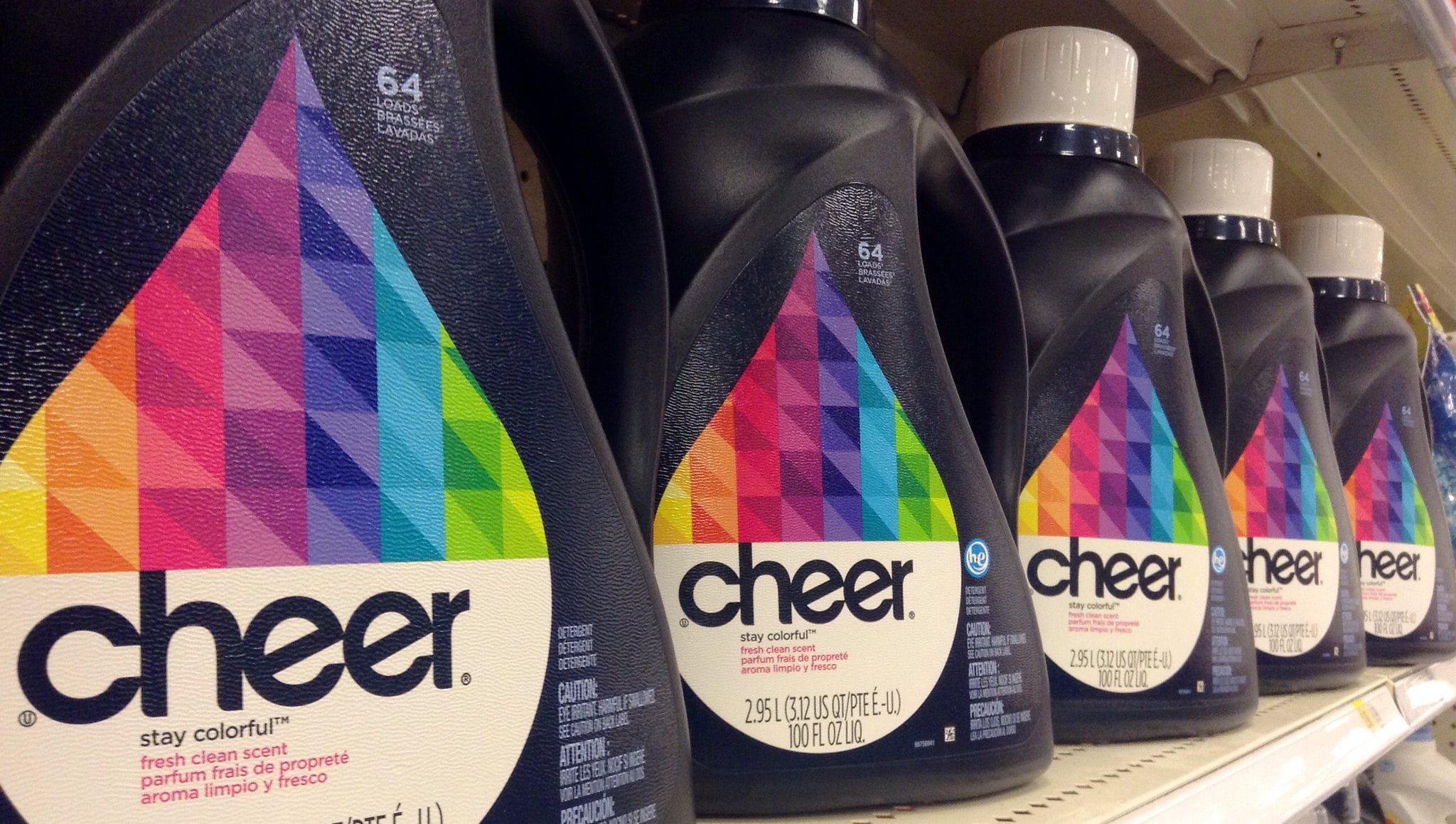
Cheer still exists, but its mid-century status as one of the top two or three laundry detergents in the country has given way to something much more marginal. It was the original all-temperature detergent, which was a genuine technological claim when it launched in 1950.
The brand never found a second act compelling enough to hold its ground once the laundry aisle filled up with competitors.
Old Spice (Original Formula Era)
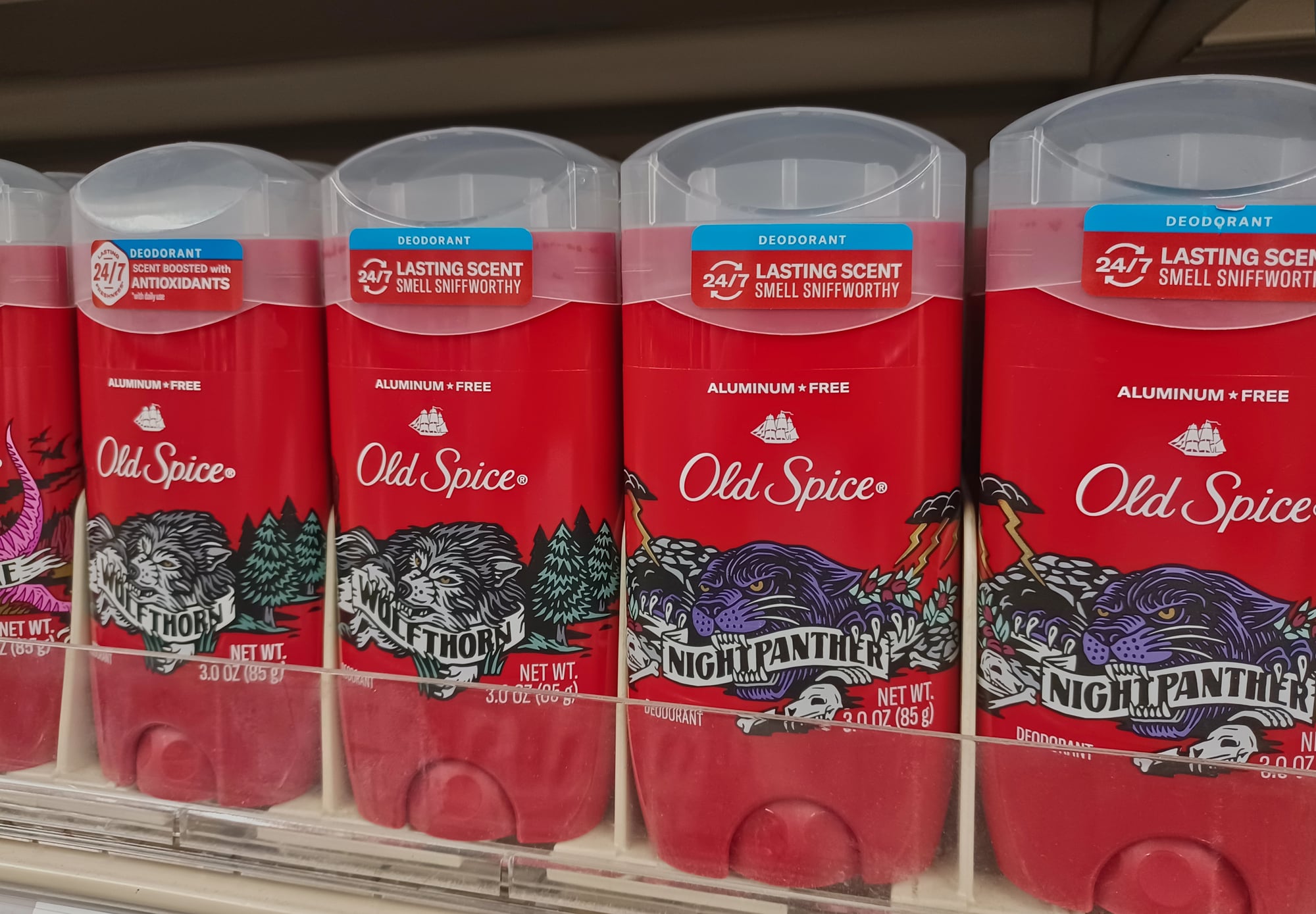
Old Spice is not gone — it’s actively everywhere — but the Old Spice that lived in American bathrooms for most of the twentieth century was a different creature entirely. The original Shulton formula, the sailboat on the bottle, the specific cedar-and-clove-and-something-else scent that defined what “men’s cologne” smelled like for three generations: that Old Spice is gone.
Procter & Gamble bought it, repositioned it toward teenagers, and changed the formula, and what came out the other end shares a name but not a soul.
Absorb Jr.
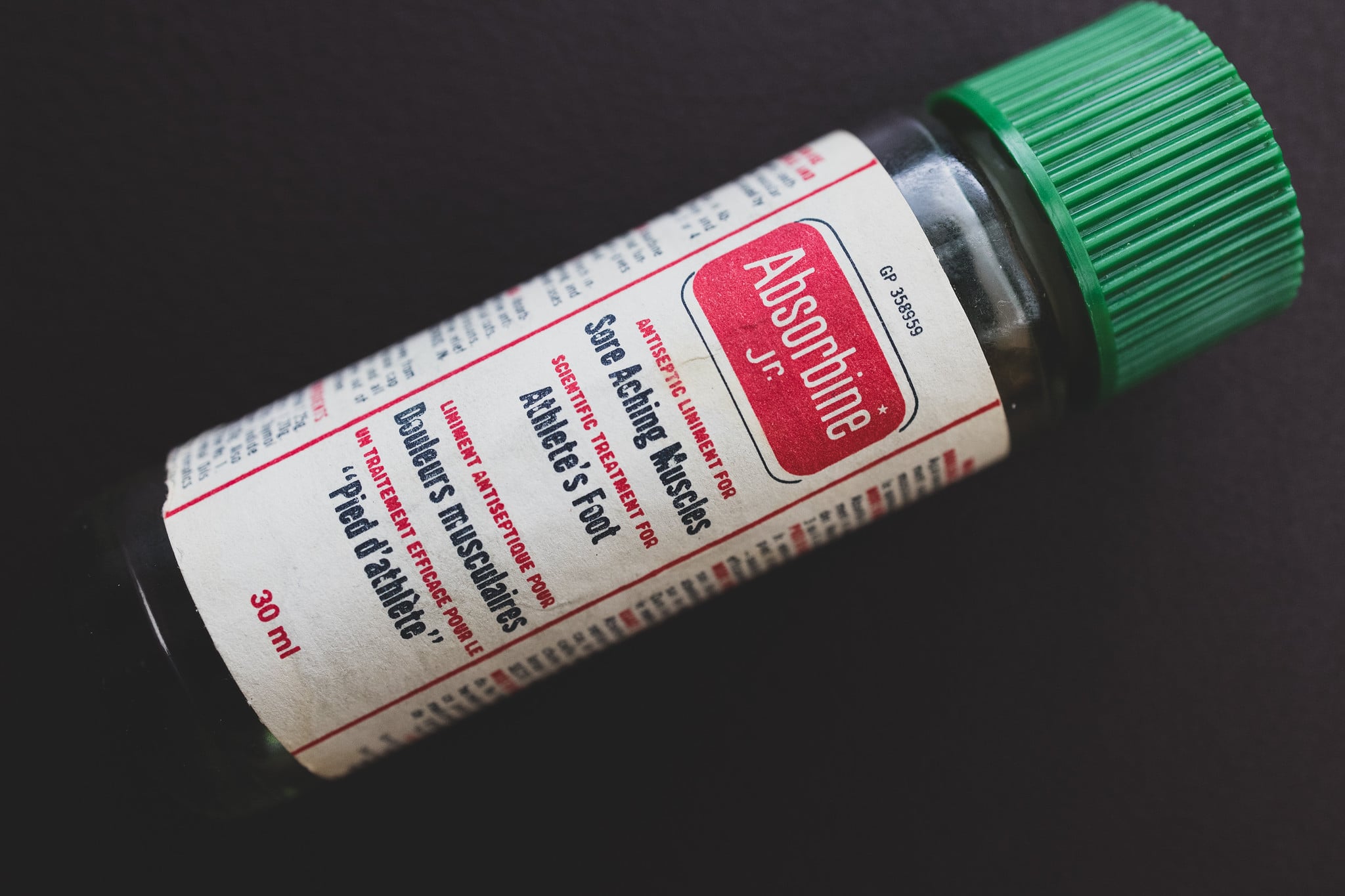
Absorb Jr. was a floor-cleaning absorbent powder that janitors and homeowners both used to clean up spills and condition hard floors. It had a period of genuine popularity in American schools and homes during the mid-twentieth century before being replaced by faster, less labor-intensive cleaning solutions.
The brand essentially vanished without ceremony, which is the quietest kind of ending.
Tussy
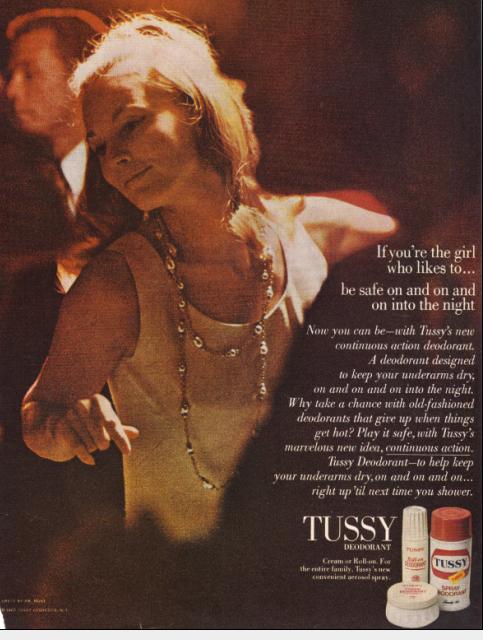
Tussy deodorant was once a legitimate competitor in the American personal care market, with a decades-long run that included both cream and stick formulas. It had a particular following among women and held its own in drugstore aisles before the deodorant category became dominated by a handful of major brands.
Tussy still technically exists in limited distribution, but calling it a household name at this point would be generous.
Zonite
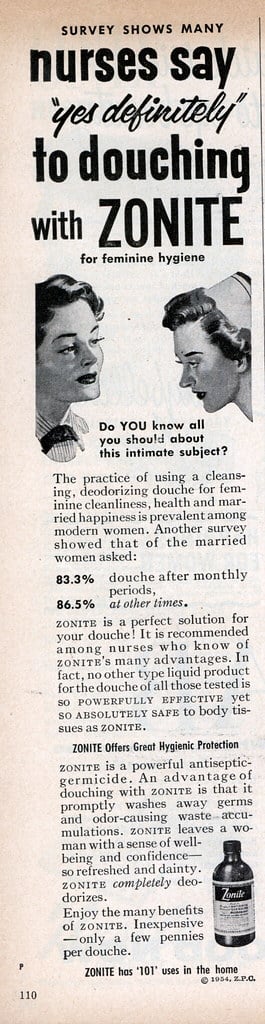
Zonite was a feminine hygiene product — specifically, a douche — that was advertised aggressively in American women’s magazines from the 1920s through the 1960s, often using fear-based messaging that now reads as staggeringly manipulative. It was a household name in a category that has since been widely reconsidered from a medical standpoint.
The brand faded as medical guidance shifted and the advertising tactics that sustained it fell out of fashion.
When the Shelves Changed
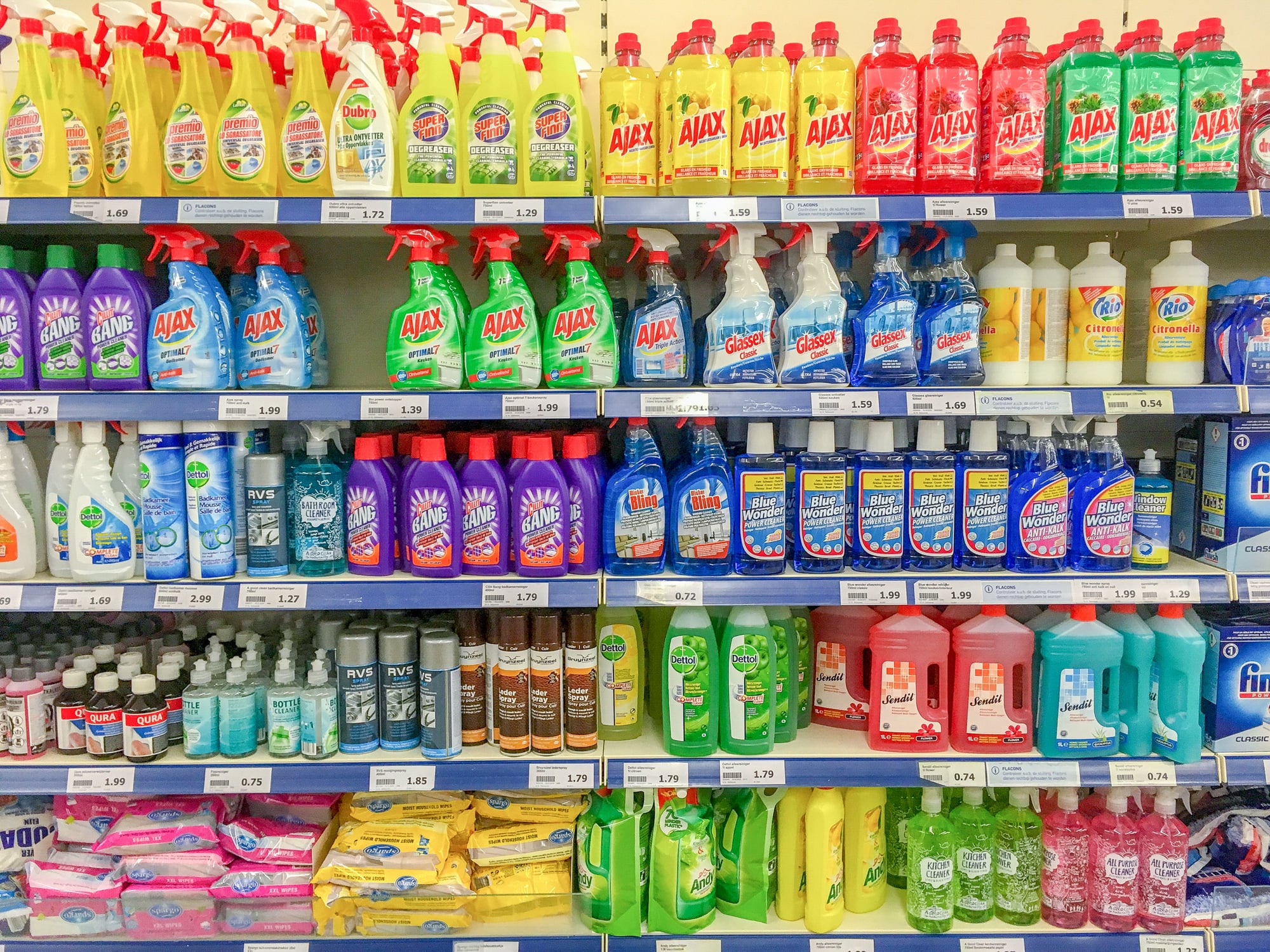
There’s a version of the American home that no longer exists — not the house itself, but the inventory inside it. The specific smell of Noxzema in the medicine cabinet, the canister of Boraxo by the garage sink, the blue jar of Breck on the bathroom shelf.
These weren’t just products. They were the texture of daily life, the unremarkable background noise of existence that you only notice once it’s gone.
Some of these brands failed because better products replaced them. Some were acquired and quietly smothered.
Some just aged out of a market that decided it wanted something newer, even if newer wasn’t necessarily better. What they leave behind isn’t quite grief — it’s closer to that feeling of walking through a house after someone has moved out, when the rooms are empty but the walls still hold the shape of everything that used to fill them.
More from Go2Tutors!

- The Romanov Crown Jewels and Their Tragic Fate
- 13 Historical Mysteries That Science Still Can’t Solve
- Famous Hoaxes That Fooled the World for Years
- 15 Child Stars with Tragic Adult Lives
- 16 Famous Jewelry Pieces in History
Like Go2Tutors’s content? Follow us on MSN.



