Roads That Are Only Open in Winter
Most people think of winter as the season when roads close. Snow piles up, ice forms, and mountain passes become impassable until spring arrives.
But in some remote corners of the world, winter works the opposite way. When temperatures drop and water freezes solid, entire transportation networks come to life.
These roads exist for just a few months each year, connecting communities that would otherwise remain isolated.
When Ice Becomes Infrastructure
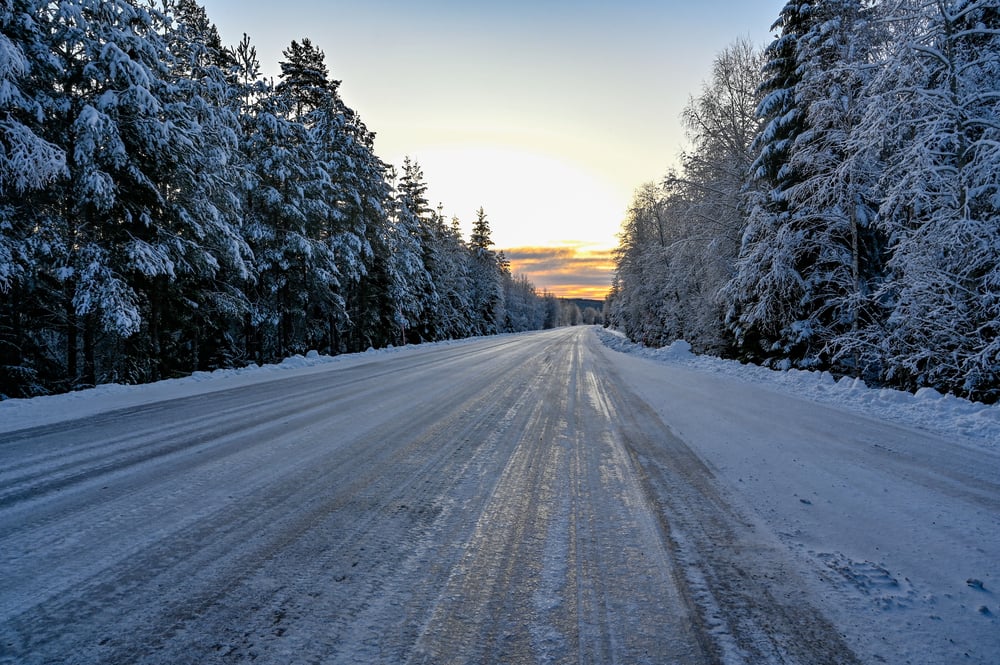
The concept sounds backward at first. How does freezing weather make travel easier? The answer lies in geography.
Some regions have so many lakes, rivers, and wetlands that building permanent roads becomes nearly impossible. The cost would be astronomical, and the environmental impact devastating.
But winter provides a natural solution. When water freezes to sufficient depth, it creates a solid surface strong enough to support heavy vehicles.
These frozen highways require specific conditions to form. Temperatures need to stay consistently cold for weeks, allowing ice to thicken gradually.
Engineers and local authorities monitor ice depth constantly, measuring it at multiple points along the route. Once it reaches the required thickness—usually around 42 inches for heavy trucks—the road opens for business.
Canada’s Lifeline to the North
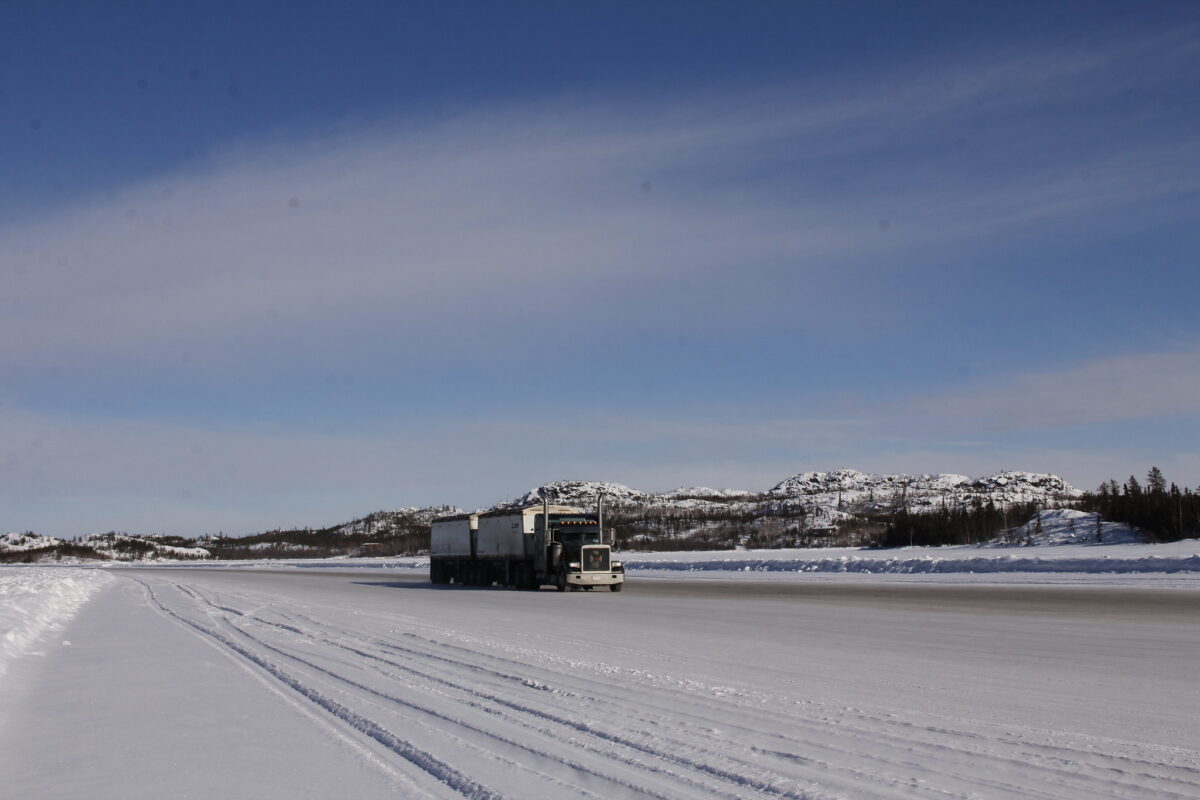
The Tibbitt to Contwoyto Winter Road stretches 568 kilometers across the Canadian Arctic, making it one of the longest seasonal ice roads in the world. It connects diamond mines in the Northwest Territories to supply points in the south.
Without this route, these mines would struggle to receive the heavy equipment and fuel they need to operate. The road crosses 64 different lakes. Teams spend weeks each year preparing the route, clearing snow, flooding sections to build up ice thickness, and marking the path with stakes.
The window of operation is narrow—typically from late January through late March. During those weeks, hundreds of trucks make the journey, carrying supplies worth hundreds of millions of dollars.
The Famous Ice Road to Tuktoyaktuk
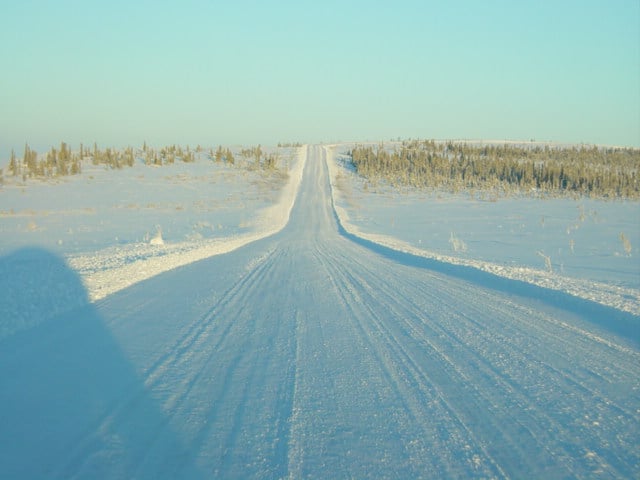
Before 2017, the only way to reach Tuktoyaktuk by road was across frozen ocean and land. This winter route connected the coastal hamlet to Inuvik, providing access to fuel, food, and supplies that residents needed to survive the year.
The road operated for about eight weeks annually when conditions allowed. Drivers faced unique challenges.
The route included sections over the frozen Mackenzie River and the Arctic Ocean itself. Wind could blow snow across the road, obscuring the marked path.
Overflow—where water seeps through cracks in the ice—created dangerous soft spots that vehicles needed to avoid. The construction of a permanent all-season highway in 2017 changed everything for Tuktoyaktuk.
But the old ice road remains part of local history, a reminder of how northern communities adapted to their environment for generations.
Crossing Lake Baikal
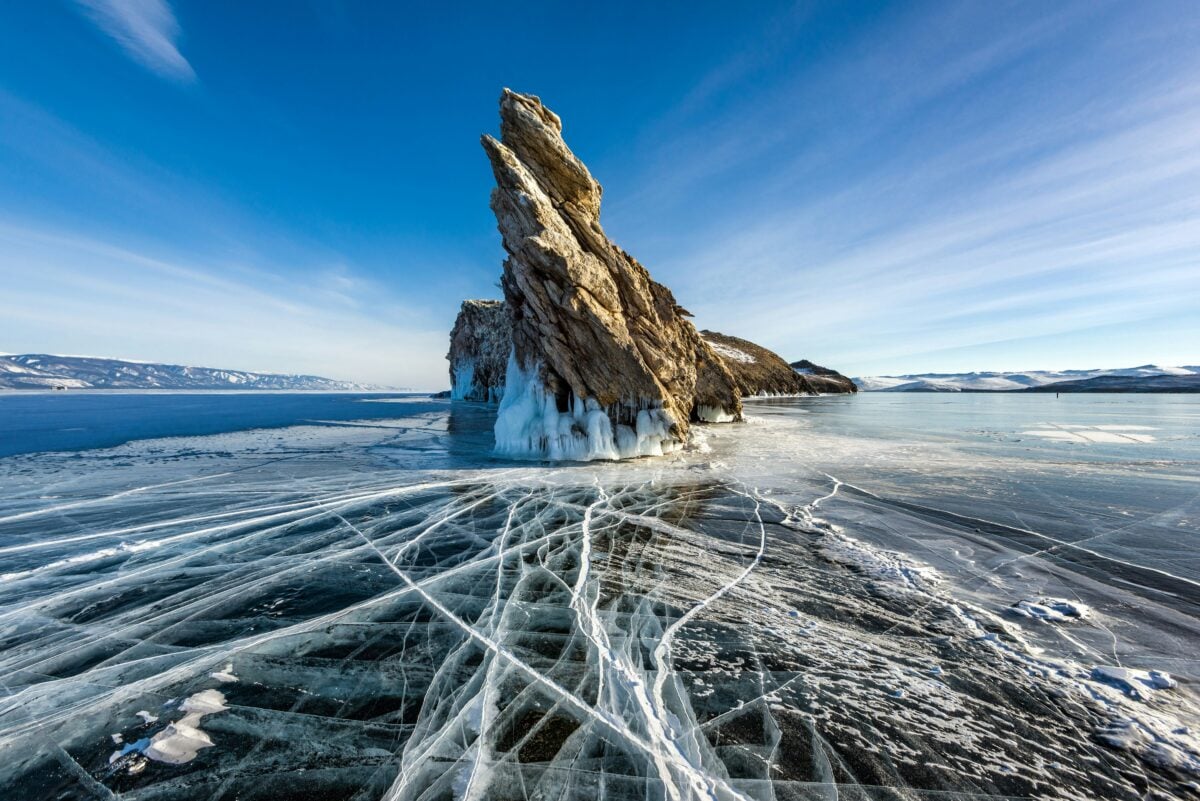
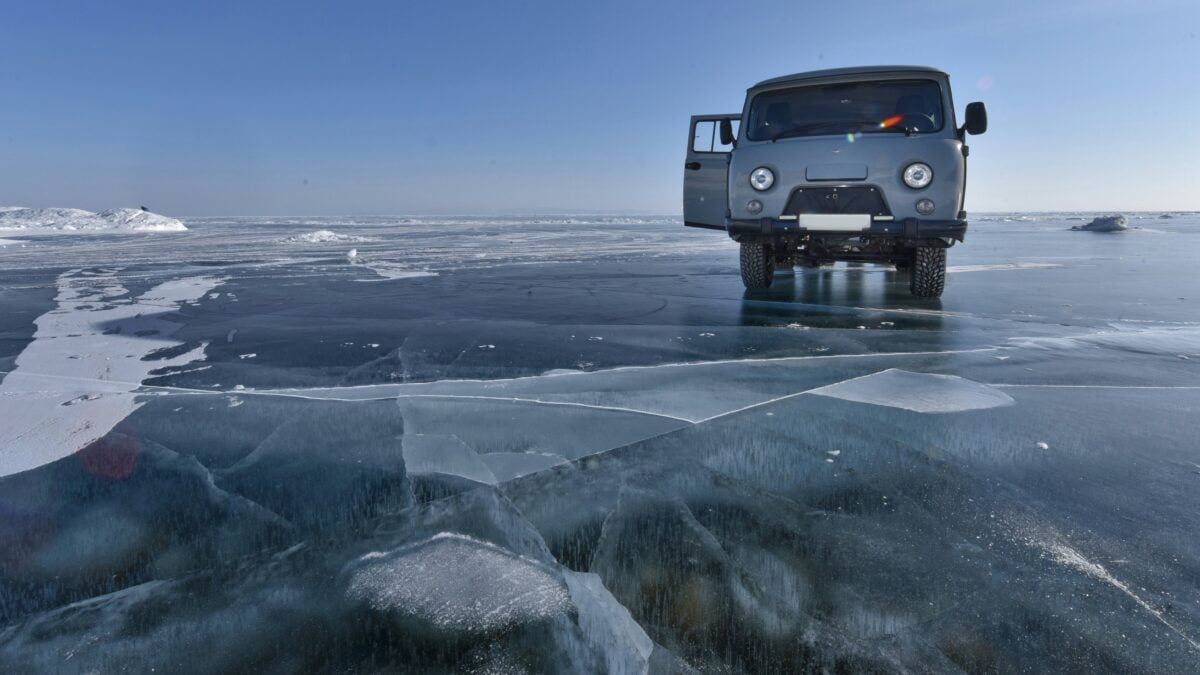
Lake Baikal in Siberia holds one-fifth of the world’s fresh water. During winter, its surface freezes solid enough to support vehicles, creating the shortest route between the lake’s western and eastern shores.
The ice road saves travelers hours compared to driving around the lake’s southern tip. This route has existed for centuries.
Before modern vehicles, people crossed on horseback and with sleds. Today, cars and trucks make the journey regularly during winter months.
The ice reaches thicknesses of up to 60 inches in the coldest parts of winter, providing a remarkably stable surface. But crossing isn’t without risks. The lake’s unique characteristics create challenges.
Natural gas seeping from the lake bed can form pockets under the ice, weakening it in unpredictable locations. Cracks appear and shift as temperatures fluctuate.
Experienced drivers know to watch for telltale signs of weak ice and adjust their routes accordingly.
Alaska’s Network of Frozen Paths
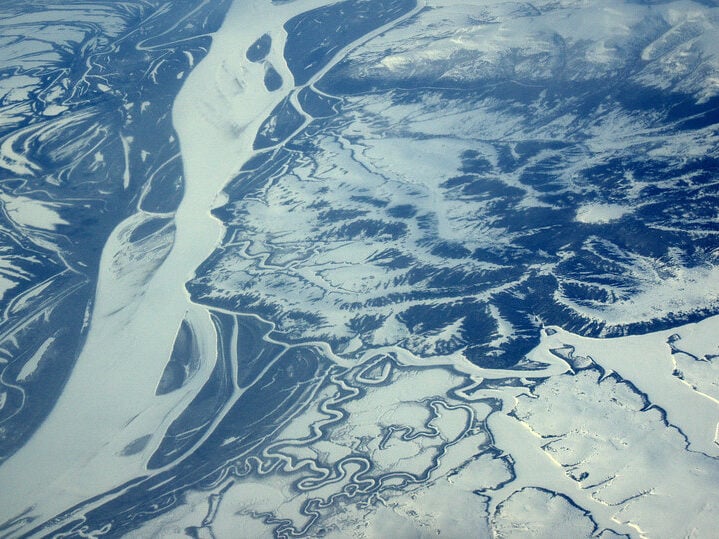
Alaska maintains numerous winter roads that connect remote villages to larger communities. These routes often follow rivers, as frozen waterways provide natural corridors through otherwise impenetrable wilderness.
The roads become lifelines for villages that lack year-round access. One such route connects Bethel to several Yukon-Kuskokwim Delta villages.
When the road opens, villagers can drive to Bethel for medical appointments, shopping, and family visits. Trucks deliver bulk supplies that would cost far more to fly in.
The road transforms isolated communities into connected ones, at least temporarily. The state monitors these routes closely. Officials post daily updates on ice conditions and weight restrictions.
Some years, warm spells arrive too early, forcing the roads to close ahead of schedule. Those brief windows of connectivity make winter roads both precious and unpredictable.
Sweden’s Arctic Connections
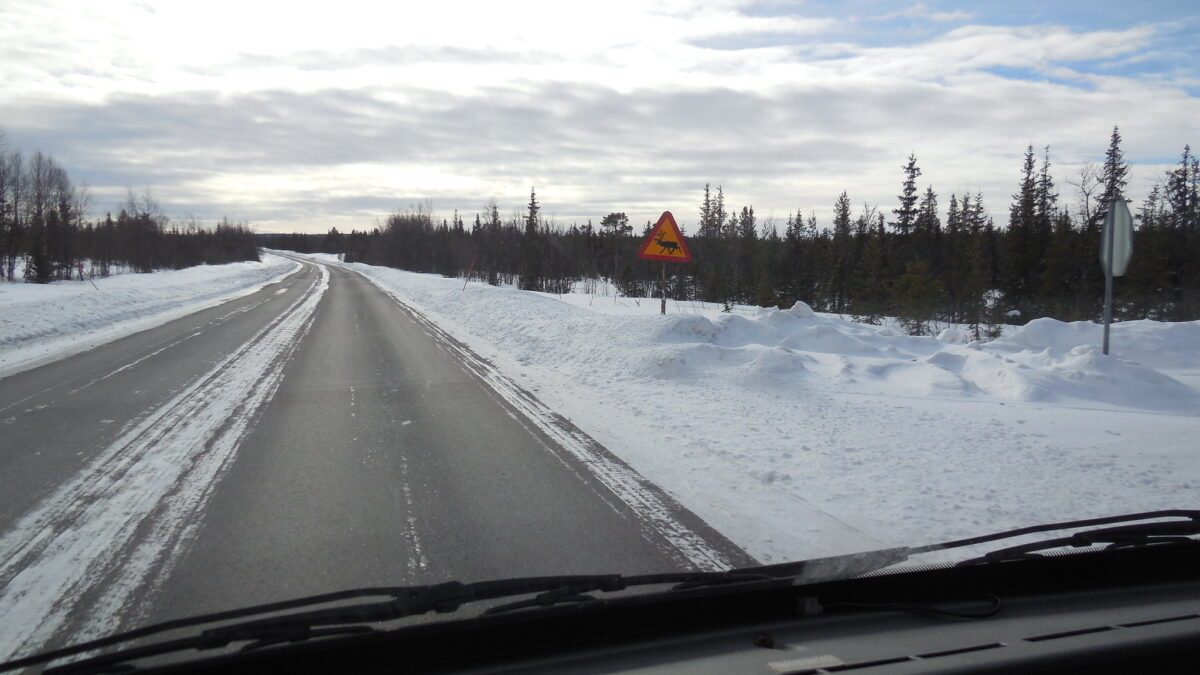
Northern Sweden relies on winter roads to access remote areas used for logging and mining. The roads cross frozen lakes and rivers, providing routes to places that become swamps during warmer months.
These temporary highways save companies significant money on transportation costs. The Swedish Transport Administration maintains about 400 kilometers of official winter roads.
Local municipalities add countless more kilometers of unofficial routes. Some connect to neighboring Finland and Norway, creating an international network that exists only in winter.
Swedish engineers have refined the science of winter road construction. They use techniques like controlled flooding to build up ice thickness faster.
Snow gets cleared regularly to prevent insulation that would slow ice formation. The attention to detail reflects how important these roads are to the region’s economy.
Finland’s Frozen Archipelago Routes
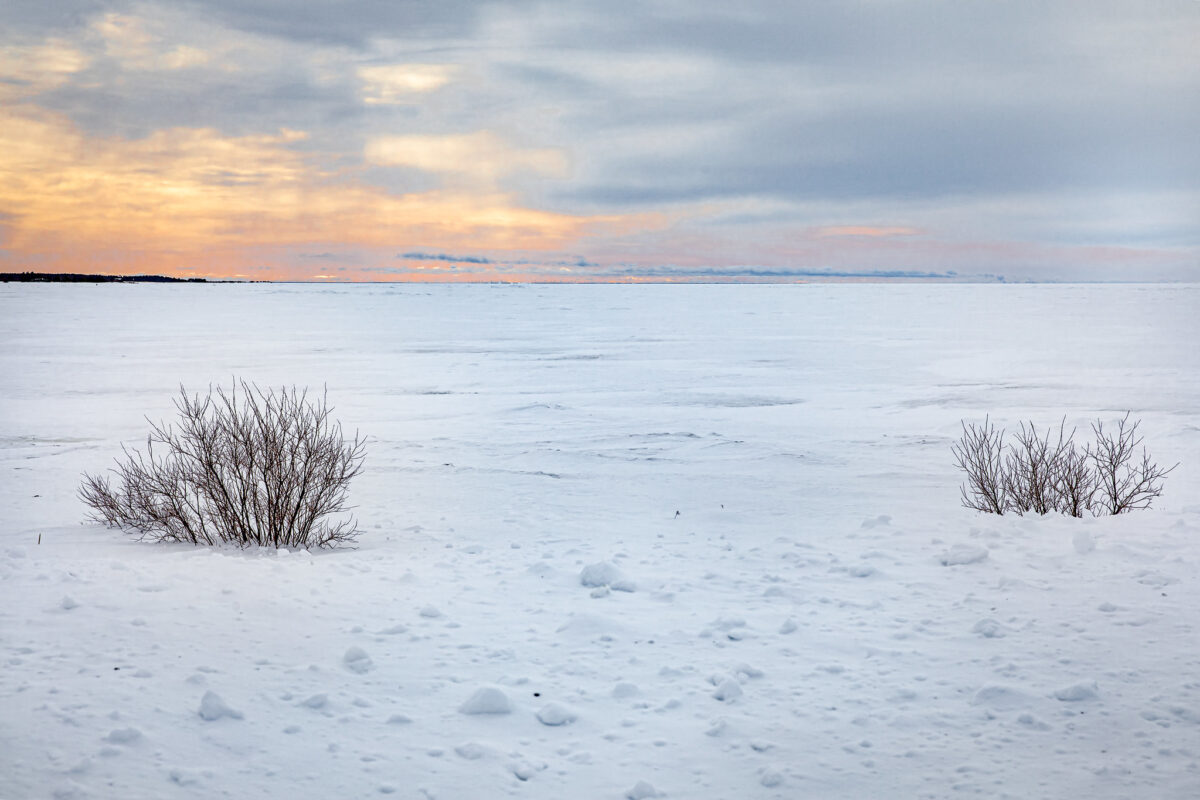
Finland takes winter roads to another level. The country maintains official ice roads connecting island communities to the mainland.
These roads have proper signage, speed limits, and regular maintenance. When you drive across one, it feels almost like a normal highway—except you’re traveling over the Baltic Sea.
The road to Hailuoto Island operates each winter when ice conditions permit. It saves ferry passengers a wait and provides faster access to the island.
Similar routes connect other islands in the Finnish archipelago. Some of these ice roads have existed for so long that locals barely think of them as unusual.
Finns have developed strict protocols for ice road safety. Speed limits remain low to prevent waves forming under the ice—yes, fast-moving vehicles can create waves in the water beneath, potentially cracking the surface. Seatbelts must stay unbuckled, and windows need to remain open, allowing quick escape if a vehicle breaks through.
The Economics of Frozen Transportation
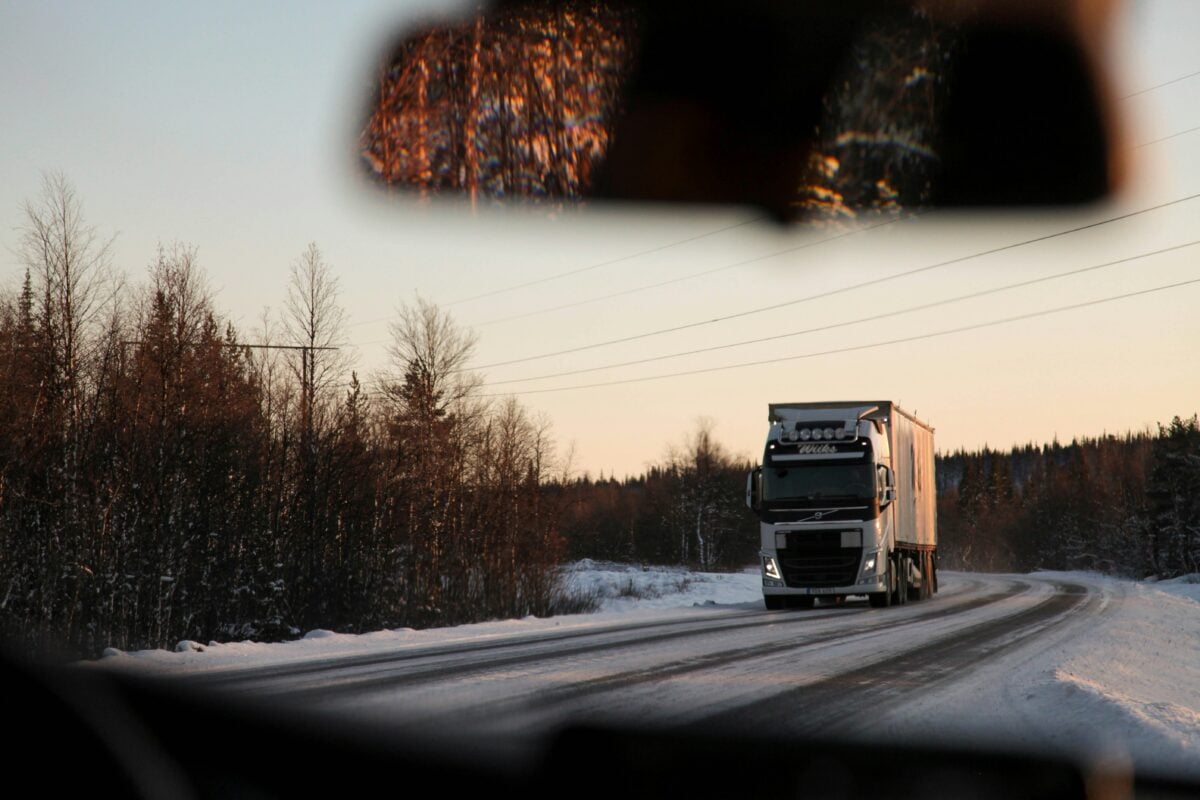
Building and maintaining permanent roads in remote northern regions costs millions per kilometer. Bridges over waterways add even more expense.
For communities with small populations or seasonal industries, those costs don’t make economic sense. Winter roads provide a practical alternative.
Mining operations particularly depend on these routes. Diamond mines in Canada’s Northwest Territories, for example, consume enormous amounts of fuel.
They also need regular deliveries of heavy equipment and supplies. Flying everything in would be prohibitively expensive.
The winter road season allows them to stockpile a year’s worth of necessities in just a few weeks. For indigenous communities, winter roads maintain connections to traditional territories.
Hunters and trappers use them to access remote areas. Families visit relatives in distant villages. The roads preserve cultural practices that might otherwise fade away.
Building Roads from Water
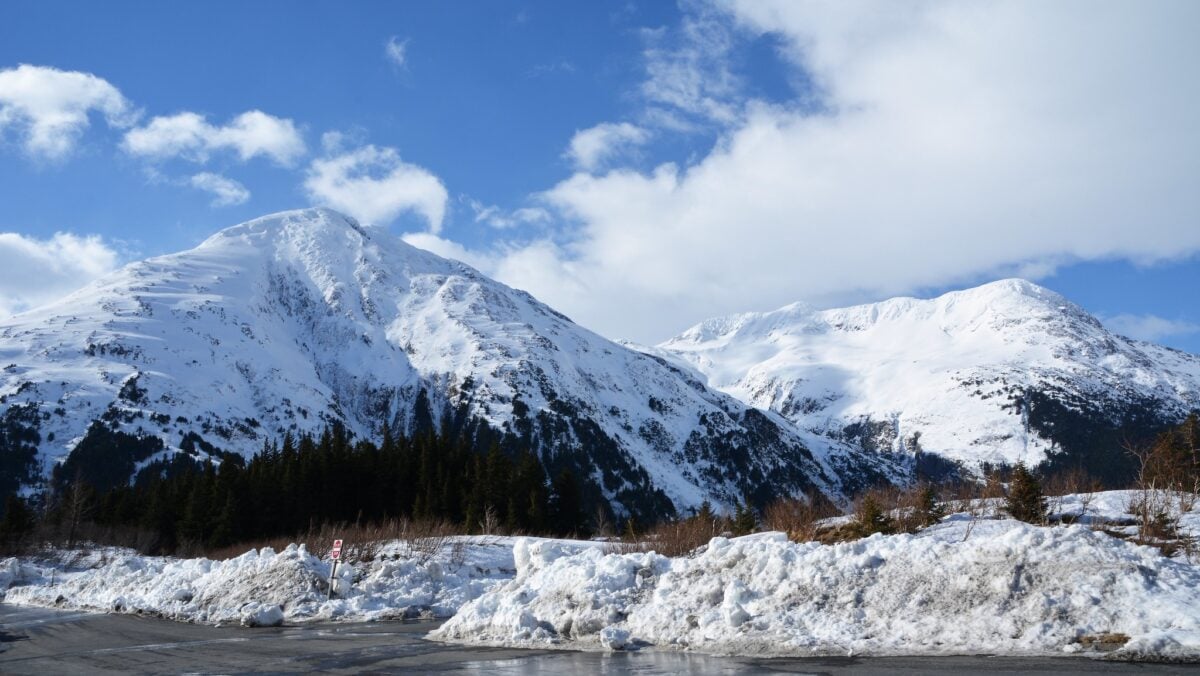
Creating a winter road takes skill and patience. Teams start by surveying the route and clearing paths through snow.
They drill test openings to measure ice thickness, checking multiple spots to ensure consistency. If the ice isn’t thick enough naturally, they flood the surface with water pumped from below, building up layers gradually.
Portages—sections that cross land between bodies of water—require different approaches. Workers pack down snow to create a firm base, sometimes adding water to create an ice layer on top.
These land sections often prove more challenging than the frozen lakes, as snow depth varies and vegetation complicates the surface. Markers line the routes, usually wooden stakes or reflective poles spaced at regular intervals.
These guides become essential when blowing snow reduces visibility. Without them, drivers could veer off course into areas where ice is thinner or nonexistent.
The Risks You Face
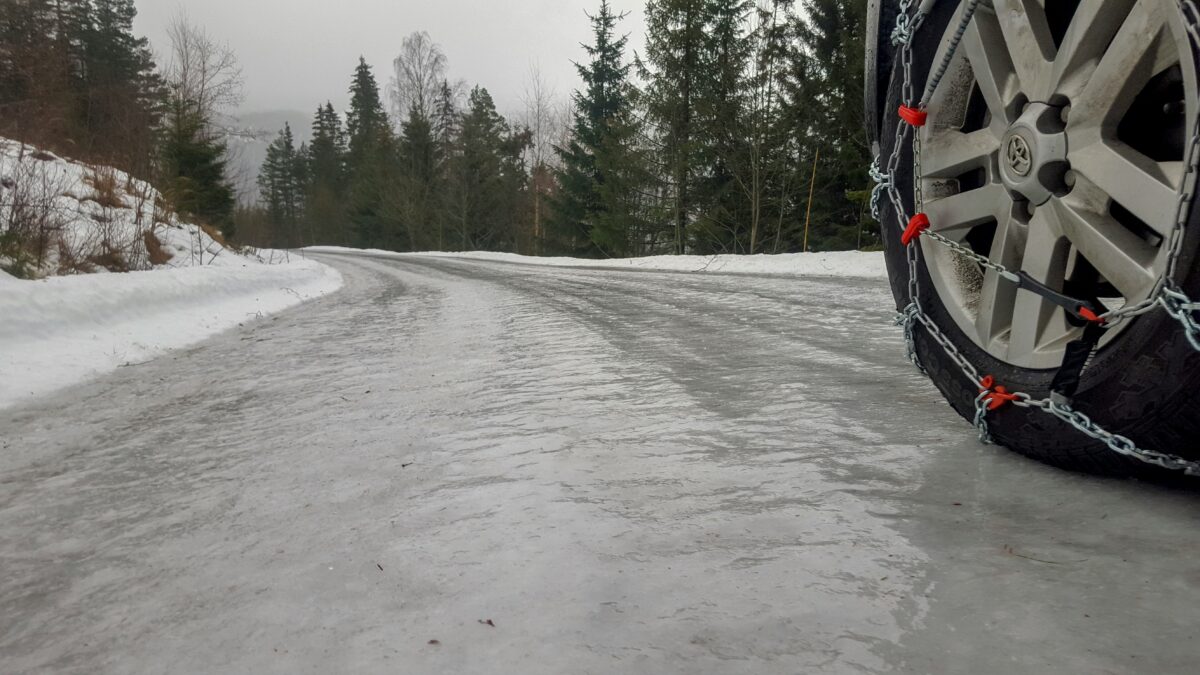
Ice road accidents happen. Vehicles break through weak spots, sometimes sinking completely.
Rescue in remote locations takes time, and cold water can kill quickly. Most winter roads require drivers to crack their windows and keep seatbelts unbuckled—safety measures that feel counterintuitive but allow faster escape if the ice gives way.
Weather changes pose constant threats. Warm spells weaken ice.
Wind creates drifts that obscure the road. Whiteout conditions make it impossible to see the marker poles.
Drivers who misjudge conditions or ignore warnings sometimes pay with their lives. Overflow presents another hazard.
This occurs when pressure cracks form in the ice, allowing water to seep up and flood the surface. The slush that results can bog down vehicles or refreeze into rough, uneven ice.
Experienced drivers learn to spot the telltale signs—slightly darker ice, wet spots, or changes in texture.
What It Feels Like Behind the Wheel
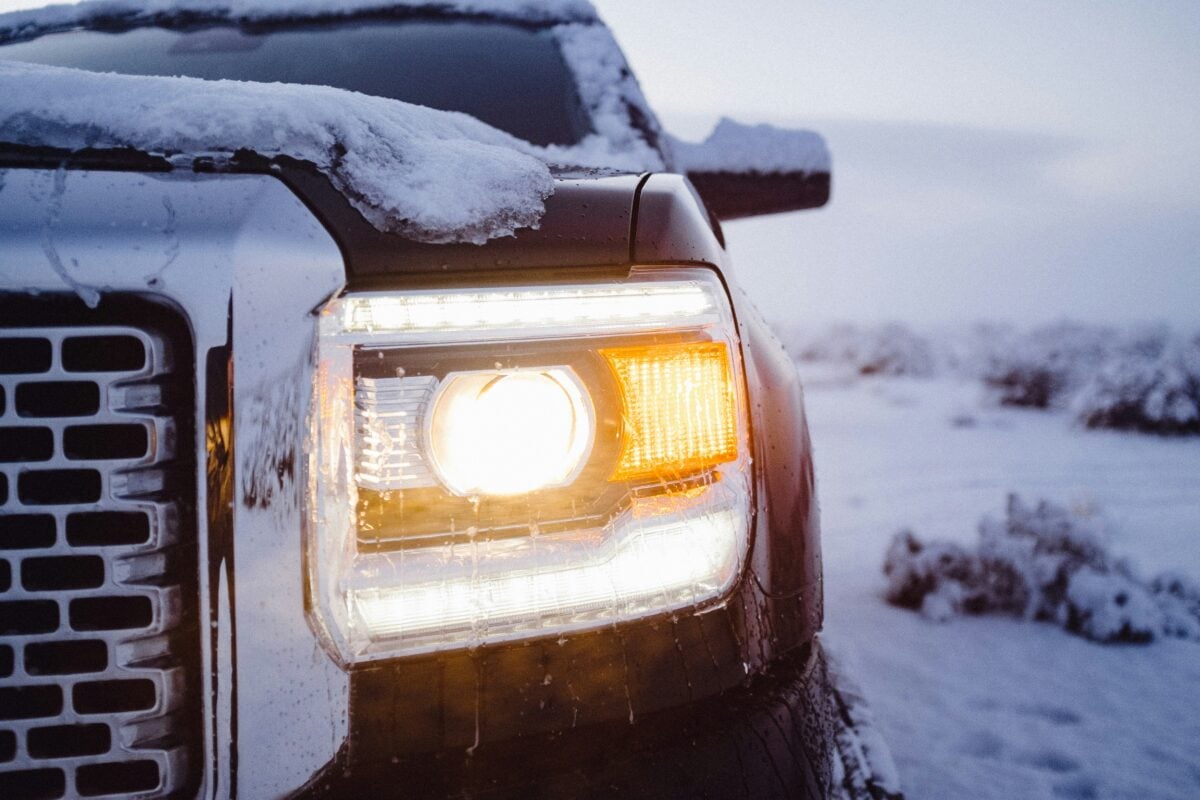
Driving on ice roads triggers primal unease. Your brain knows you’re traveling over water.
Every crack you hear, every slight shift in the surface beneath your tires, heightens awareness. The first few times, your knuckles stay white on the steering wheel.
But the experience also inspires awe. You’re traveling across landscapes that few people see.
The vastness of frozen lakes, the silence broken only by your engine, the knowledge that this road will disappear in a few weeks—it all creates a sense of privilege and adventure. Truckers who run these routes regularly develop respect for the ice.
They learn its rhythms and moods. They know when to push forward and when to wait. Many describe the work as some of the most challenging of their careers, but also the most satisfying.
The Environmental Trade-offs
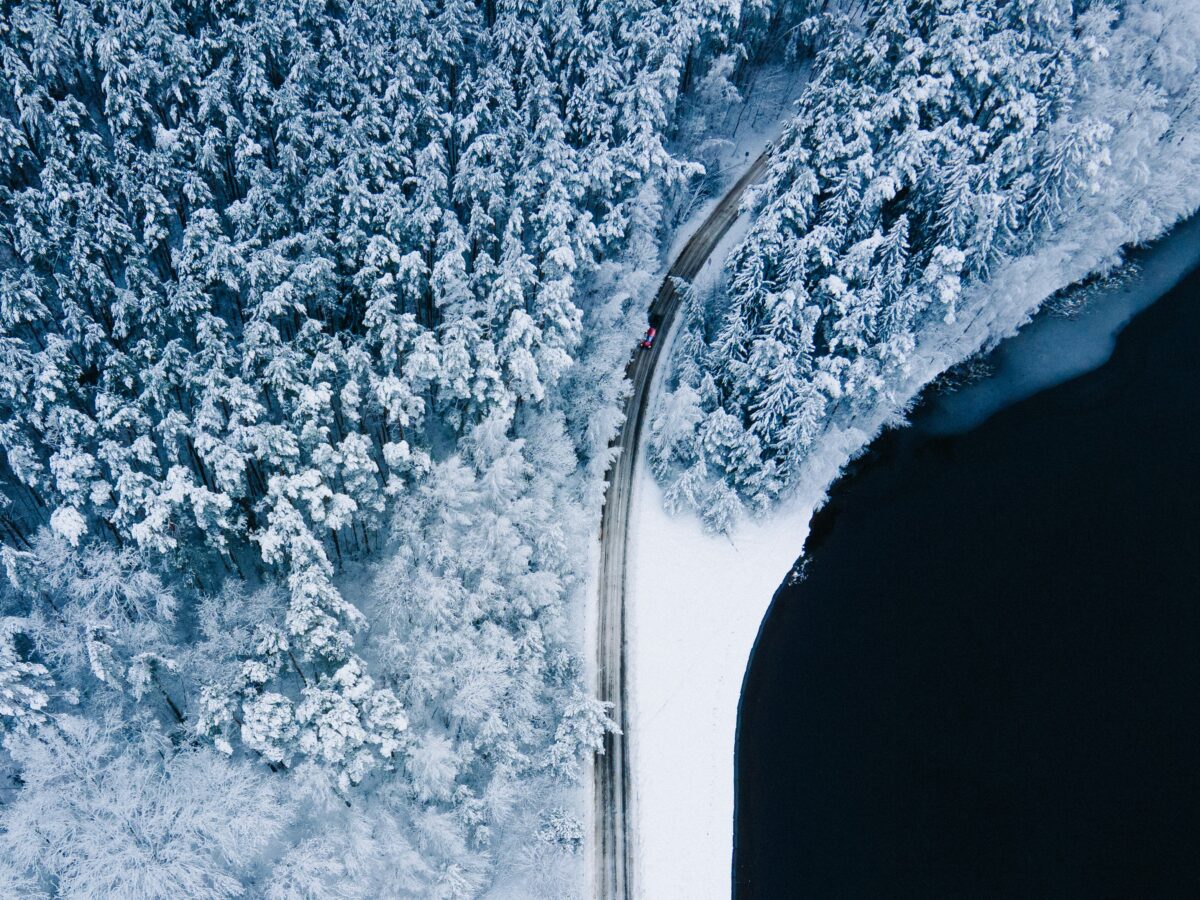
Winter roads leave smaller environmental footprints than permanent highways. No trees get cleared permanently, no habitats destroyed year-round, no river crossings requiring massive bridge construction.
Once the ice melts, nature reclaims the route completely. But concerns exist. Heavy truck traffic can damage lake ecosystems.
Exhaust and fuel spills affect water quality. Some scientists worry about the impact on fish populations, particularly in smaller lakes that see repeated use.
Climate change complicates the picture. Warmer winters mean shorter seasons for ice roads, forcing more expensive air transport or risky travel on thinner ice.
Some routes that operated reliably for decades now open late and close early. Others become unusable entirely.
When the Thaw Comes
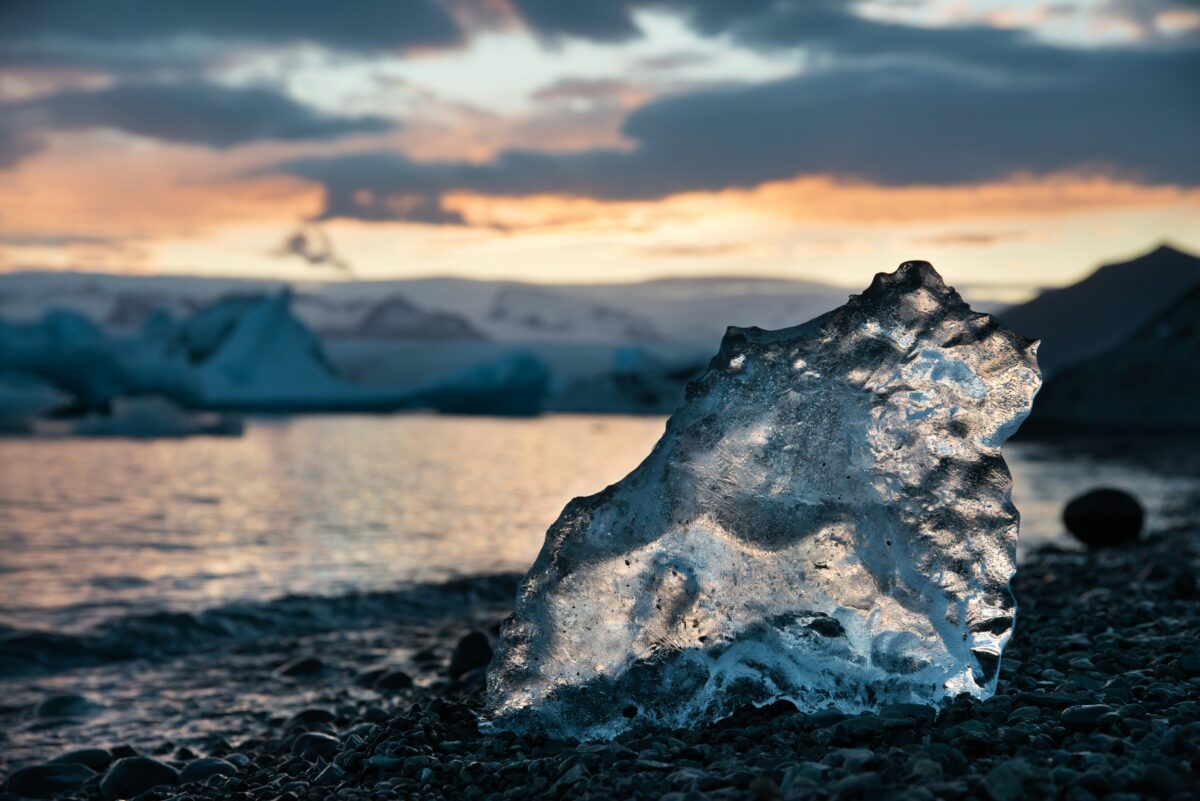
The end of the season arrives suddenly sometimes. A week of warm weather, and suddenly ice that seemed solid becomes slushy and dangerous.
Workers remove markers and close access points. Within days, the road ceases to exist.
For communities that depend on these routes, the closing means a return to isolation. Supplies must last until the next winter.
Anyone who needed to travel must wait or pay premium prices for flights. The brief window of connectivity closes, and life returns to its remote rhythm.
But there’s beauty in the ephemeral nature of these roads. They remind us that infrastructure doesn’t always need to be permanent.
Sometimes the best solution is one that exists in harmony with natural cycles, appearing when needed and disappearing when its time has passed.
Where Necessity Meets Ingenuity
When winter freezes everything, people turn ice into paths. Not blocked by endless cold, they build routes where none should exist.
Cut off towns now connect beyond their borders. Work once stopped by snow keeps moving through the season.
Tough conditions become a chance instead of a barrier. Frozen routes have a limited lifespan.
Rising temperatures might reduce their yearly window or wipe them out completely. Economics nudges some toward year-round alternatives these days.
Still, they show up without fail every cold season. Like reliable old friends, they link places otherwise cut off.
Their temporary nature reminds us that solutions can arrive exactly when needed.
More from Go2Tutors!

- The Romanov Crown Jewels and Their Tragic Fate
- 13 Historical Mysteries That Science Still Can’t Solve
- Famous Hoaxes That Fooled the World for Years
- 15 Child Stars with Tragic Adult Lives
- 16 Famous Jewelry Pieces in History
Like Go2Tutors’s content? Follow us on MSN.